What Do You Call the Bed in the Hospital? Understanding Hospital Beds & Their Importance
What Do You Call the Bed in the Hospital? Understanding Hospital Beds and Their Importance
When you walk into a hospital room, one of the first things you notice is the bed. But have you ever paused to wonder, what do you call the bed in the hospital? It’s more than just a “bed”; it’s a specialized piece of equipment designed to support patients in critical and routine care. Understanding its design, function, and impact isn’t merely an academic exercise. Hospital beds are central to patient safety, comfort, and the efficiency of care delivery — crucial factors in hospitals worldwide.
Globally, healthcare systems depend heavily on these beds, with the World Health Organization noting that the availability and suitability of hospital beds are key indicators of healthcare capacity. Knowing what these beds are called, how they’re designed, and their societal impact helps healthcare providers, manufacturers, and even patients become more informed participants in care environments. So let's unravel this simple question and see why it matters so much.
Introduction: The Global Context of Hospital Beds
Hospitals across the world use beds specifically created for medical environments — often called “hospital beds” or “medical beds” — designed to accommodate patient needs, caregivers’ ergonomics, and clinical equipment. According to the World Bank, there are approximately 2.7 hospital beds per 1,000 people globally, but this figure varies drastically by region — from fewer than 1 in developing countries to more than 8 in advanced healthcare systems.
This disparity raises significant issues. Overcrowding, patient discomfort, risks of pressure ulcers, and staff injuries can result when hospital beds are outdated, scarce, or poorly chosen. Frankly, the right hospital bed can make the difference between efficient recovery and prolonged hospital stays. Thus, understanding what do you call the bed in the hospital is also about grasping a key healthcare challenge globally.
Definition & Meaning: What Exactly is a Hospital Bed?
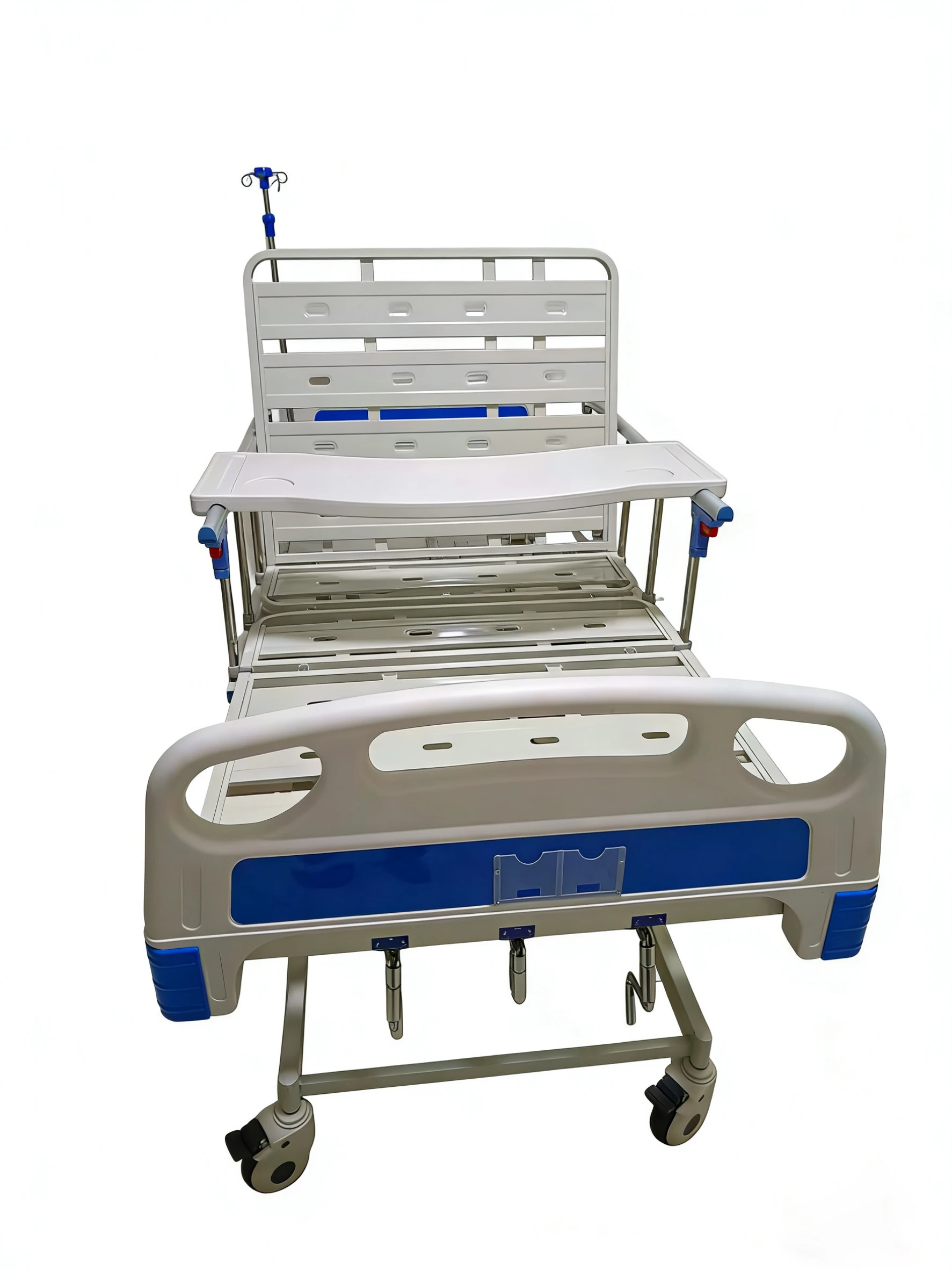
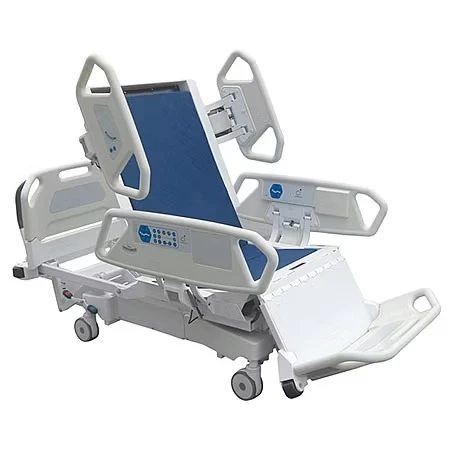
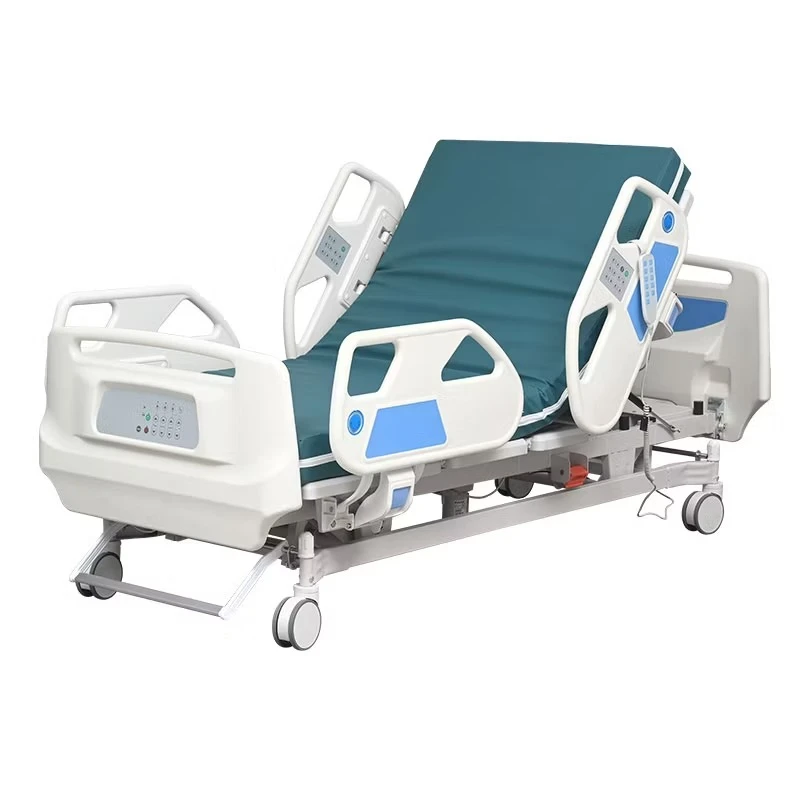
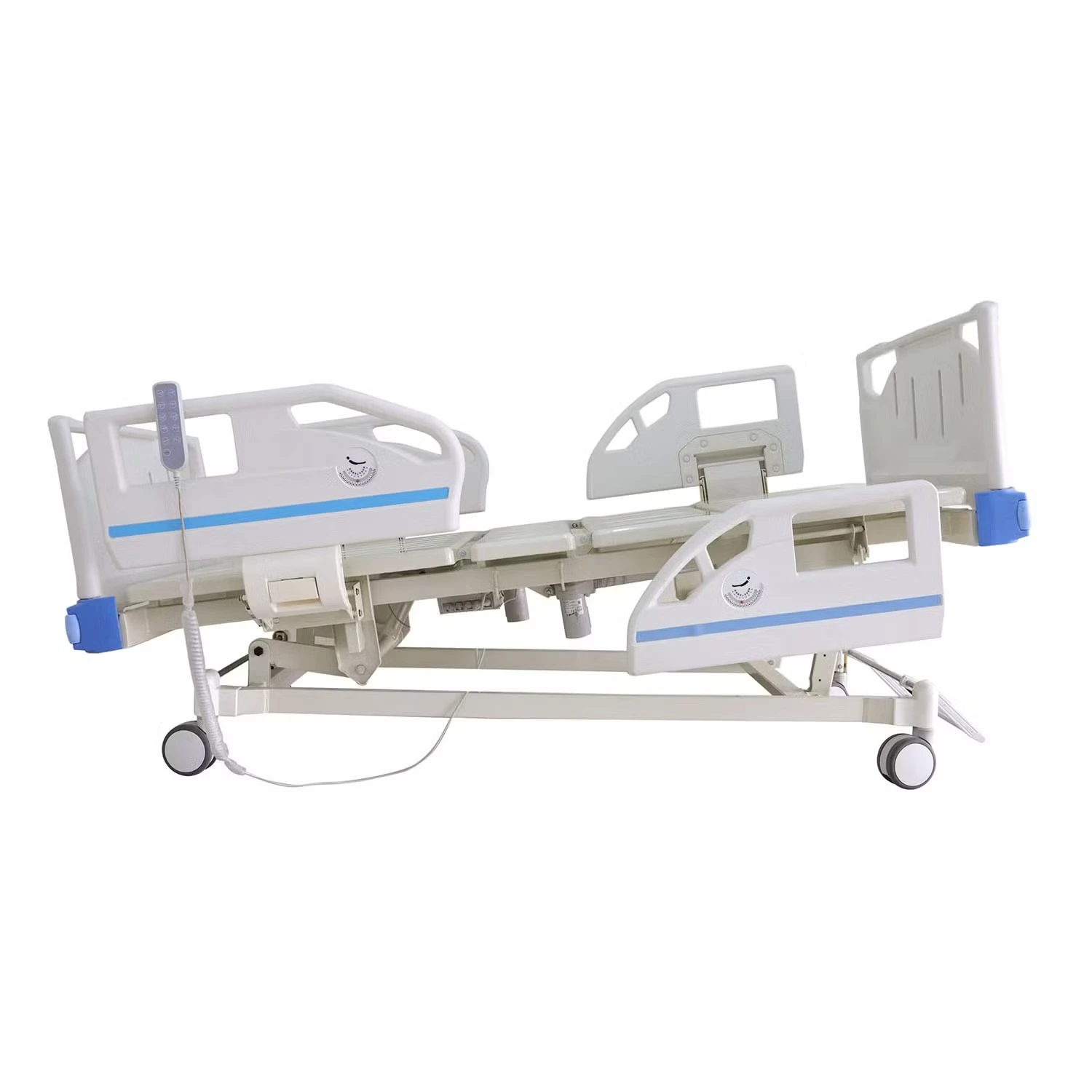
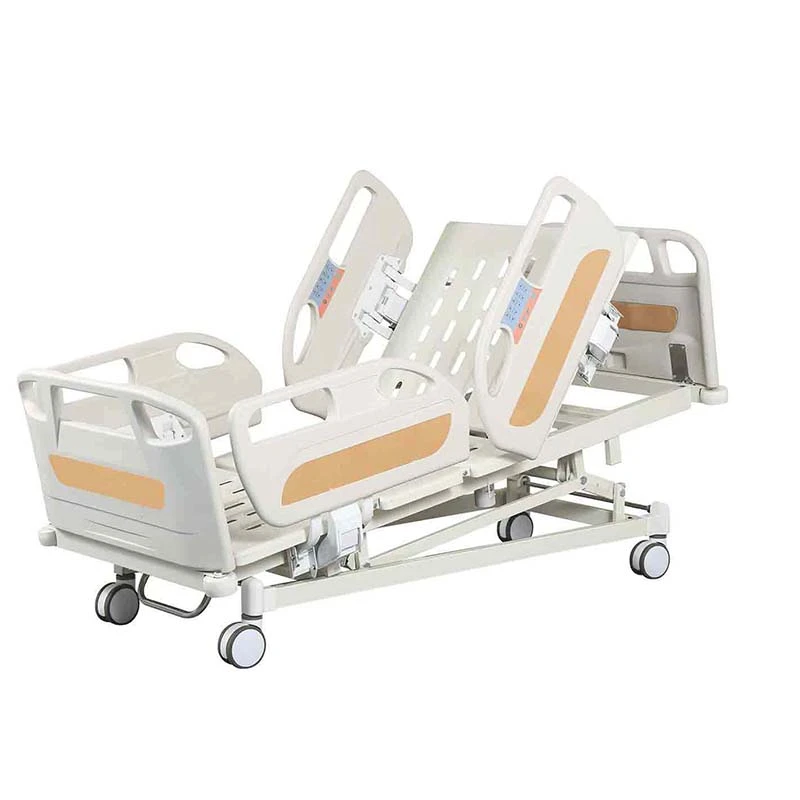
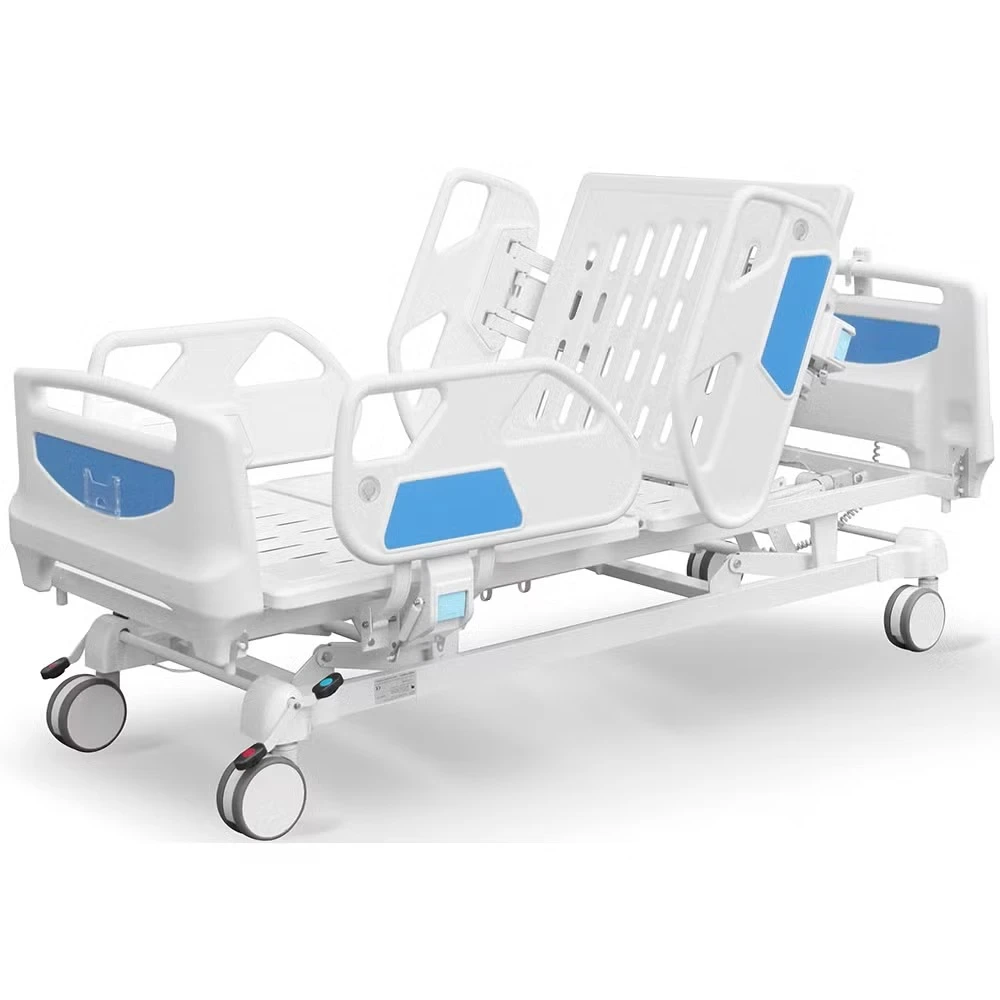
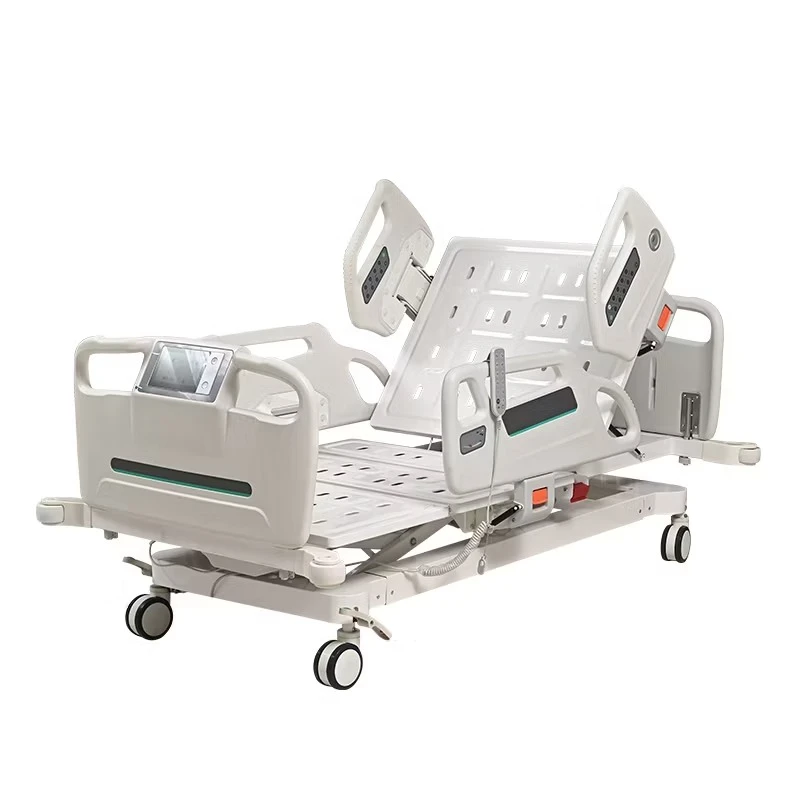
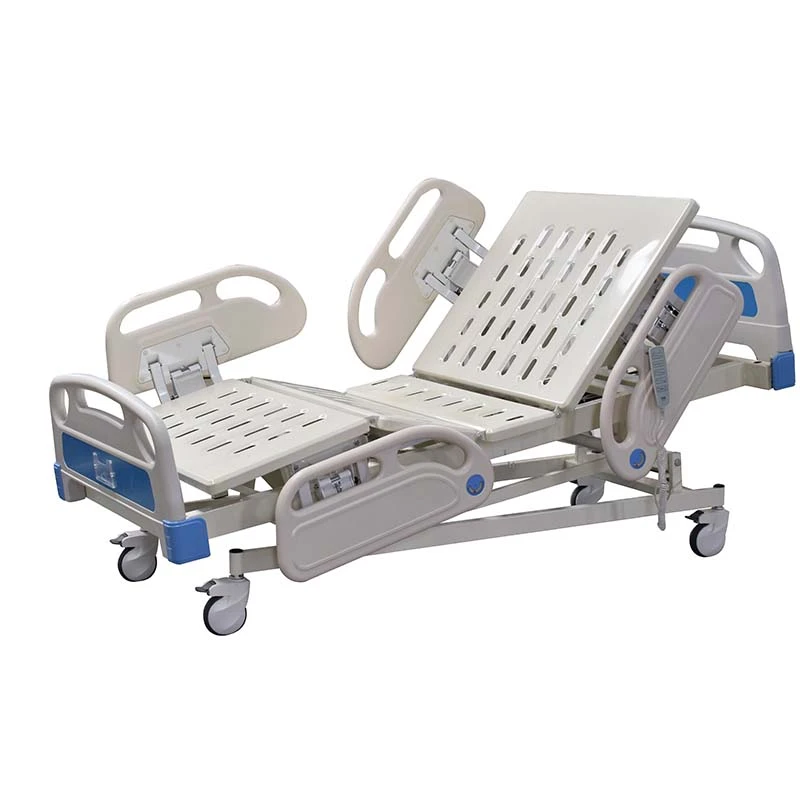
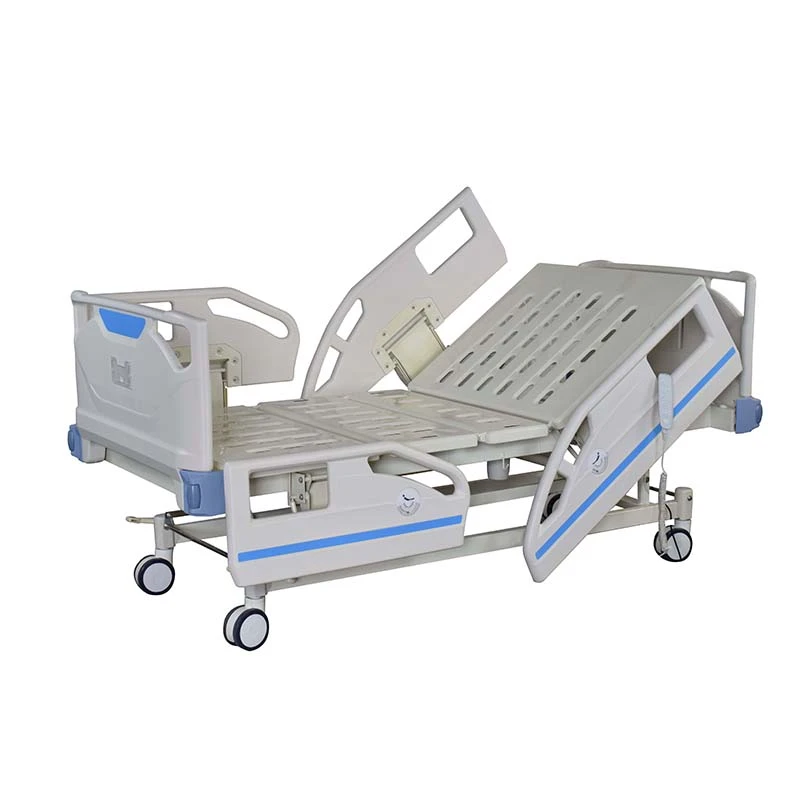
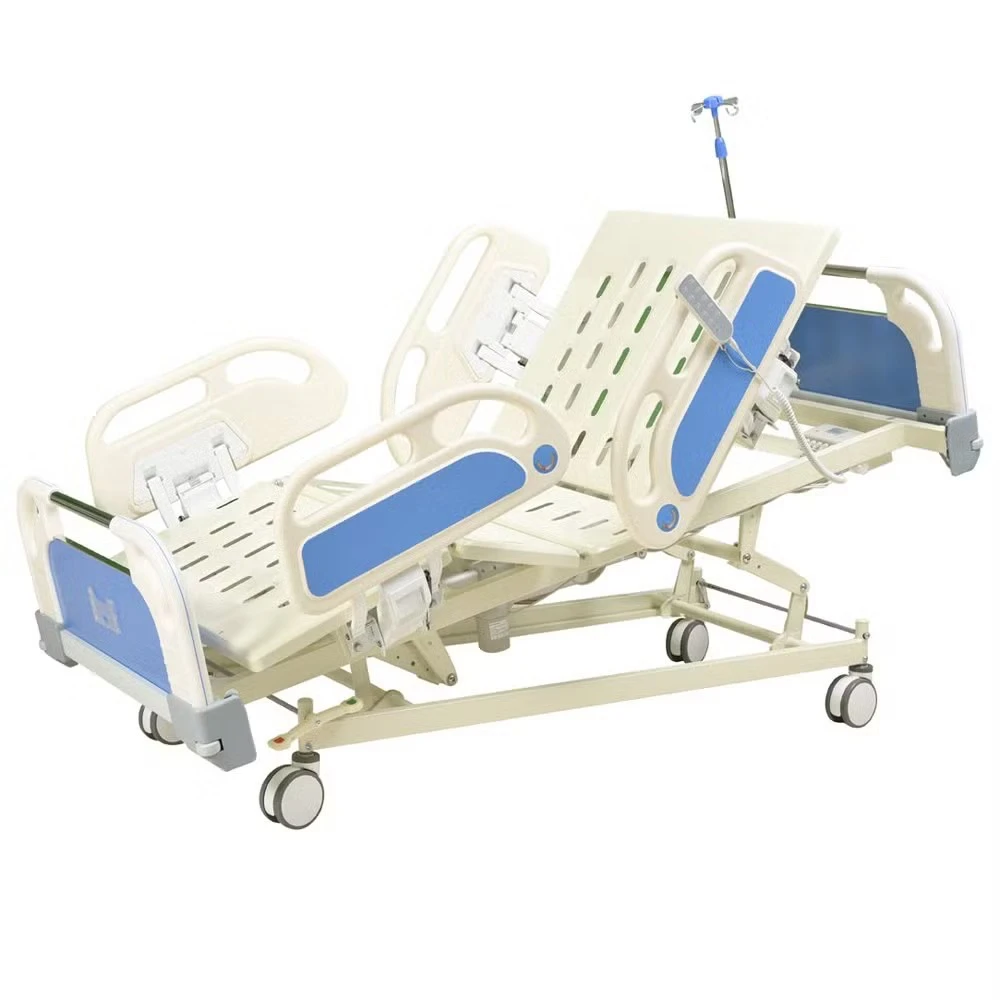
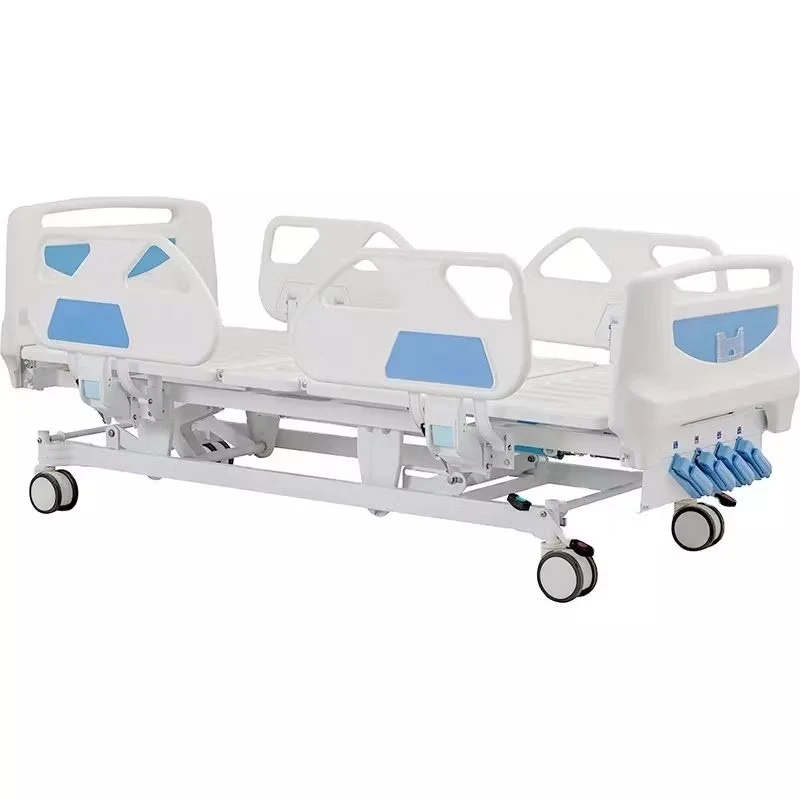
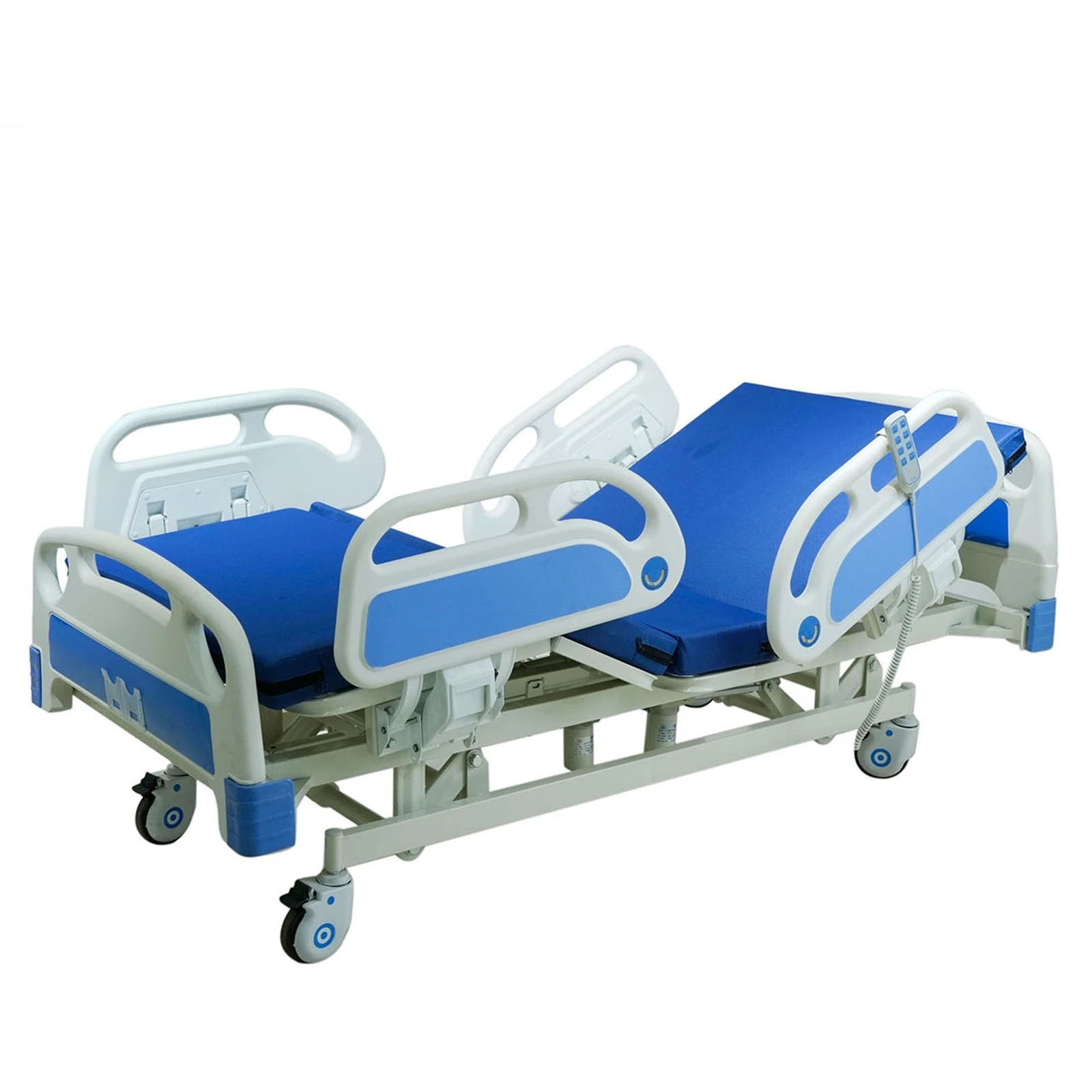
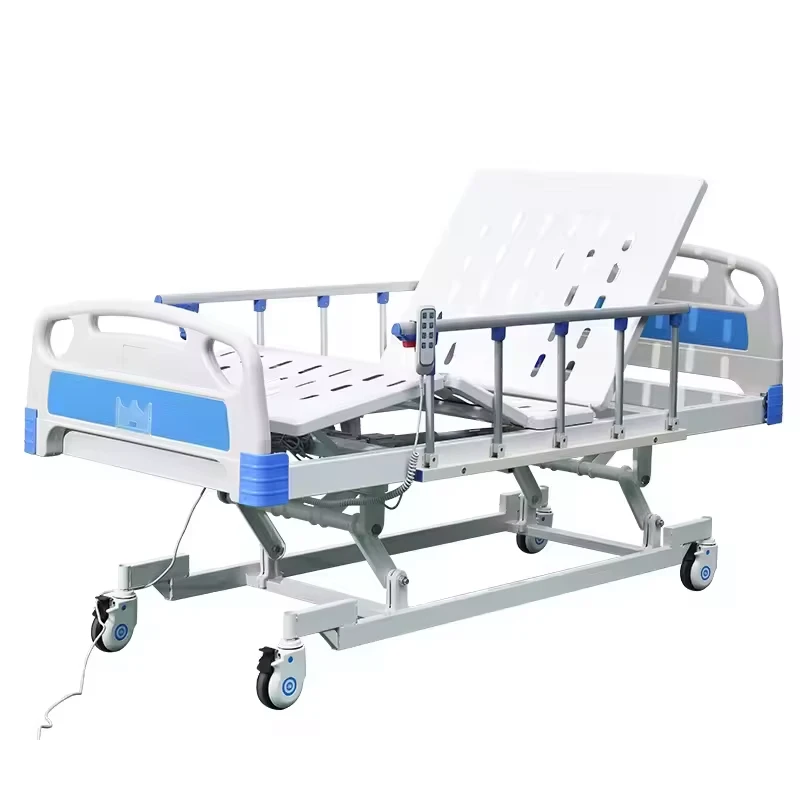
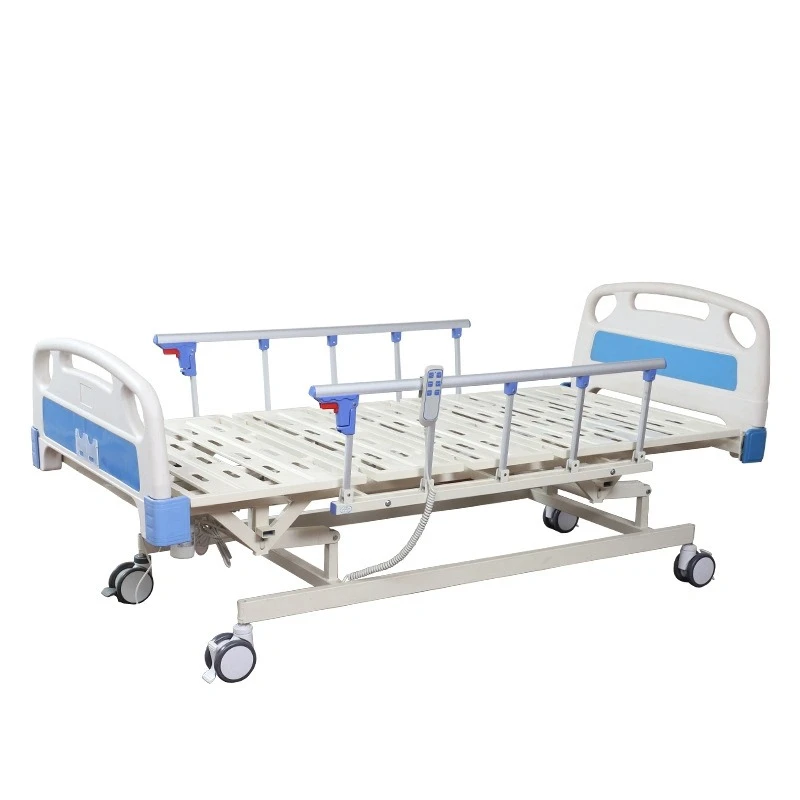
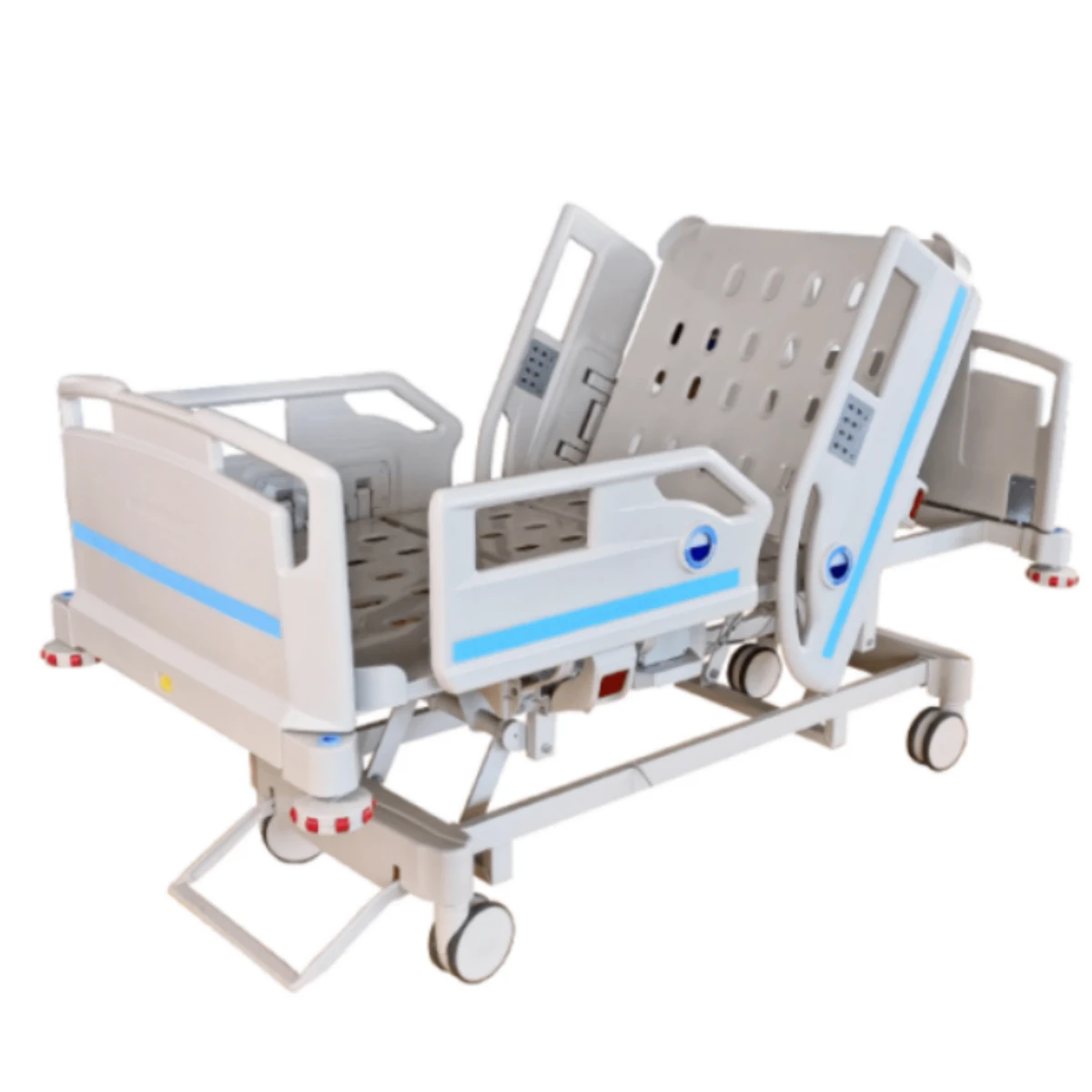
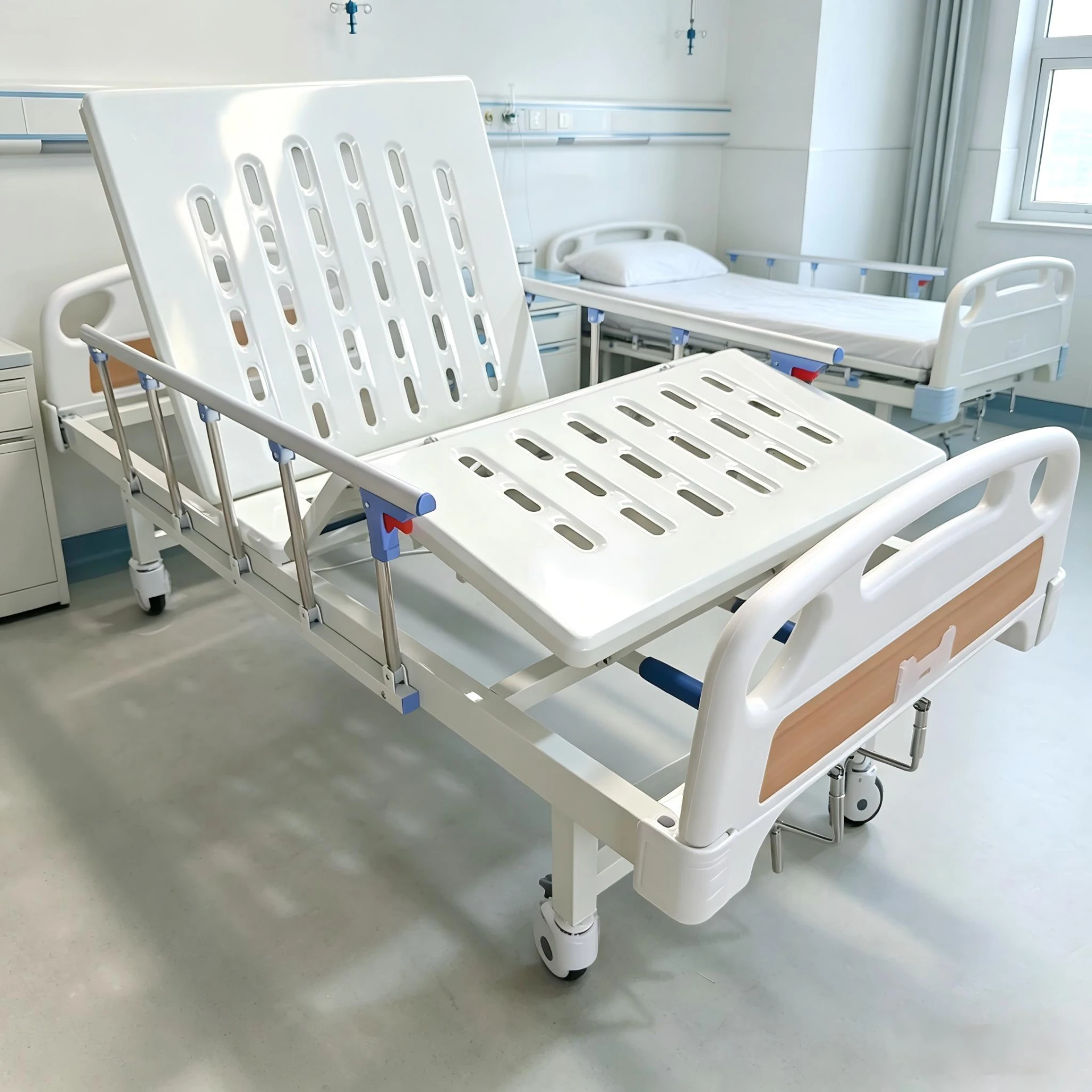
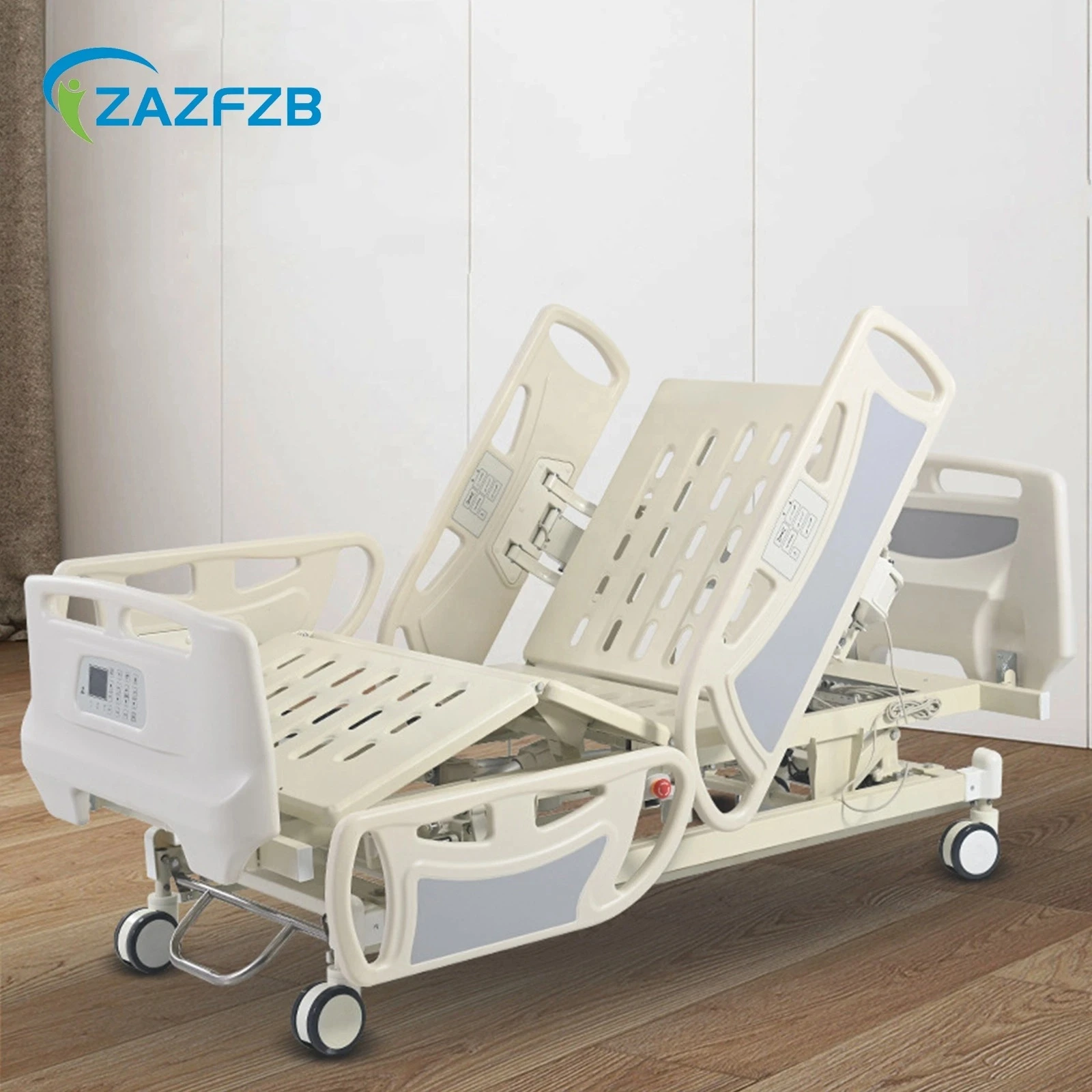
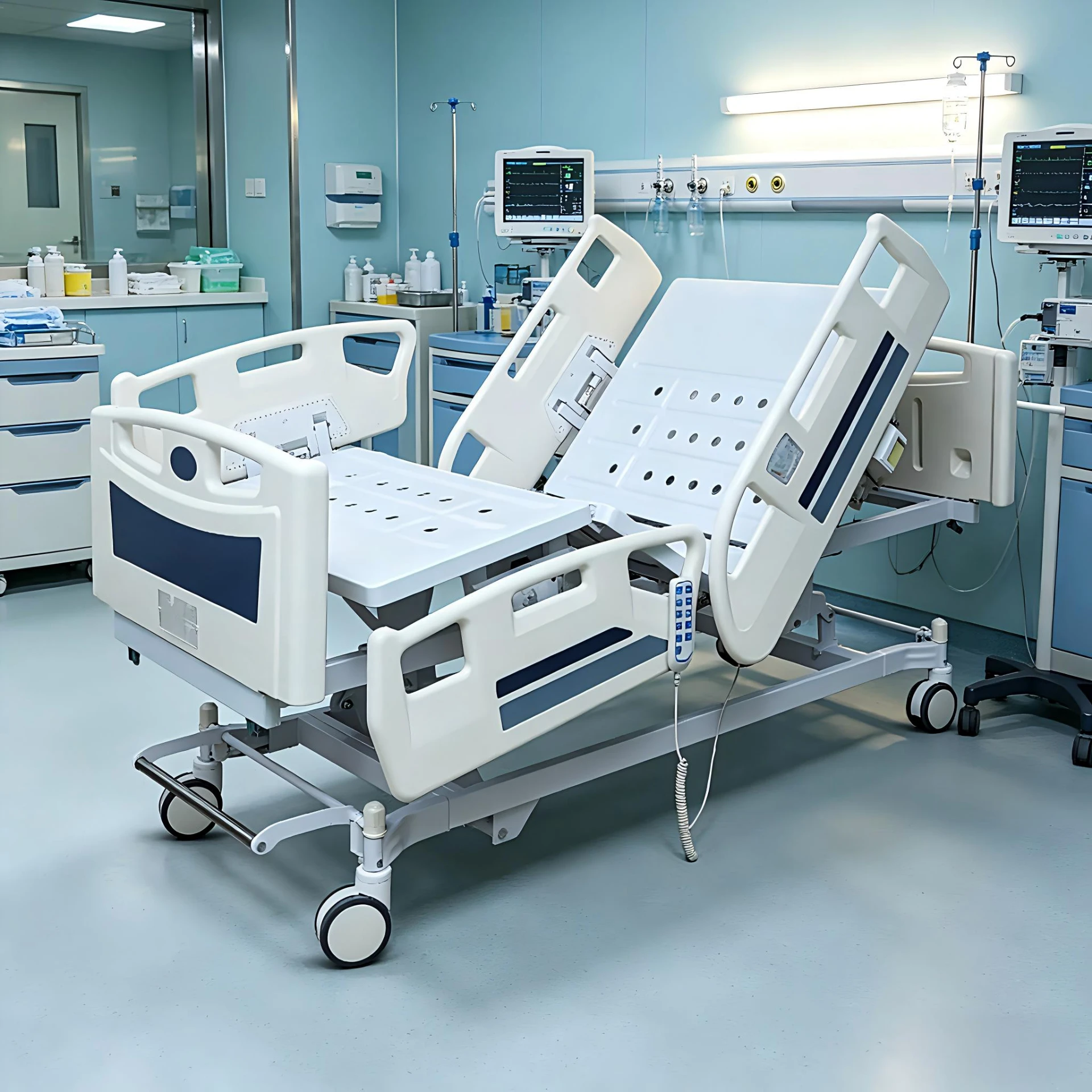
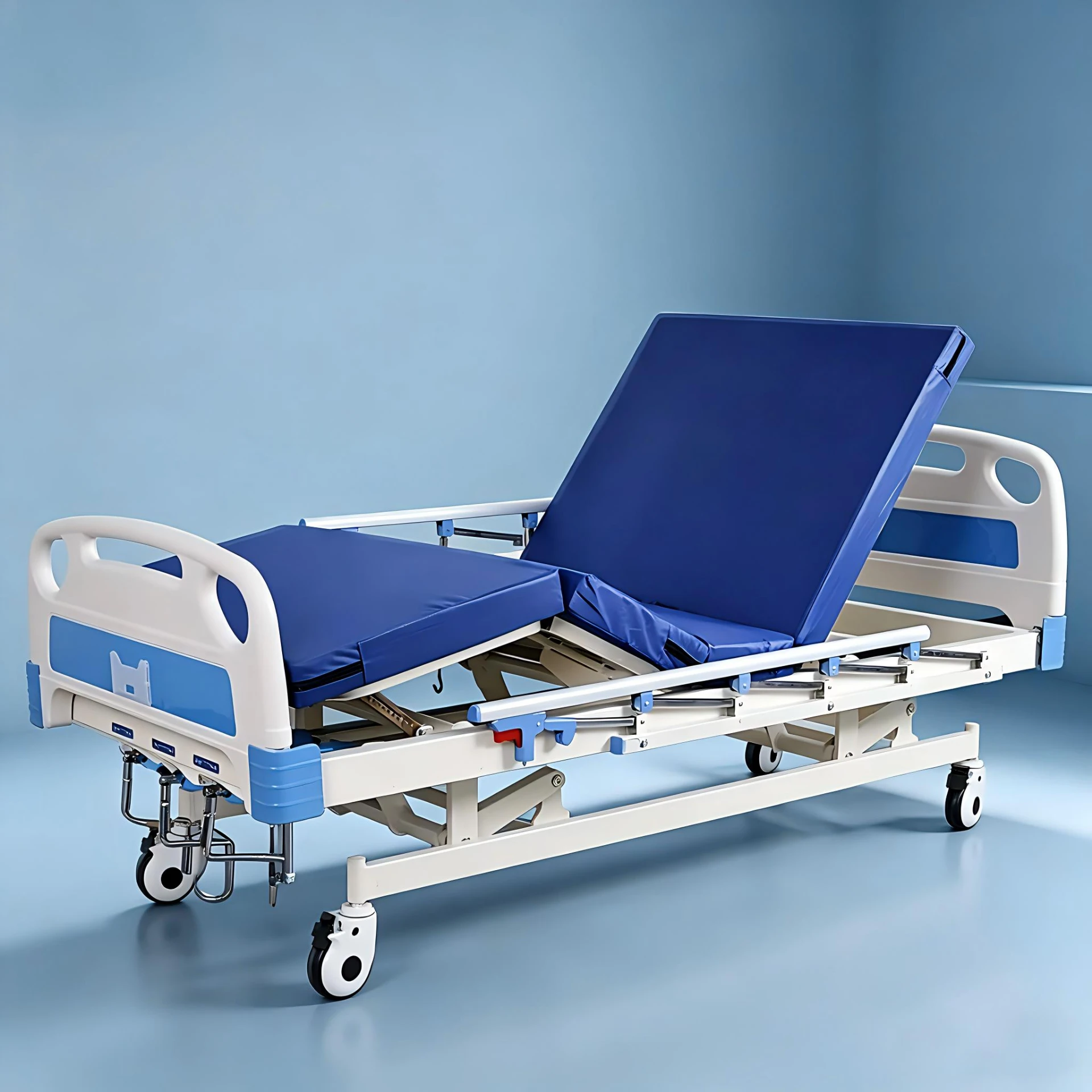
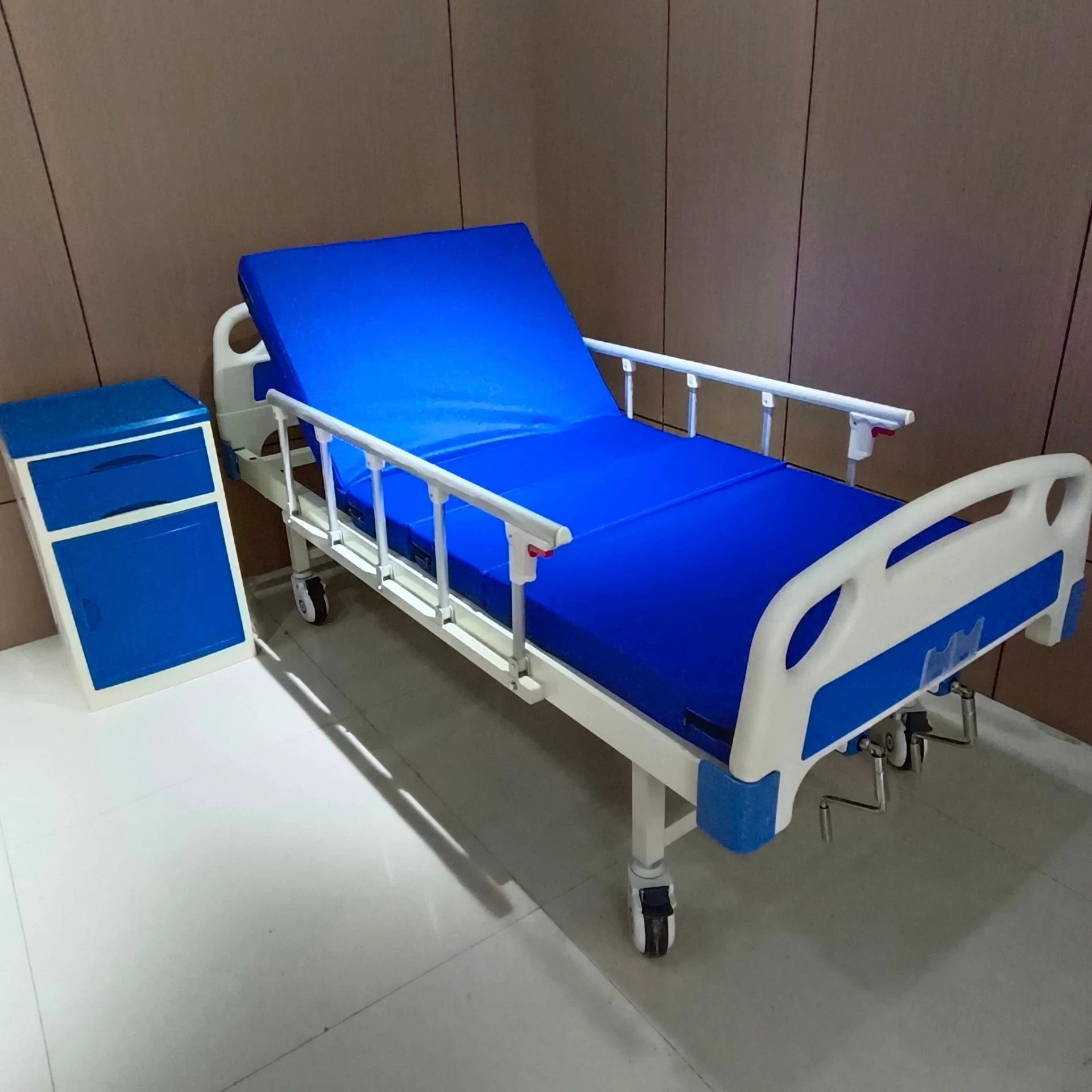
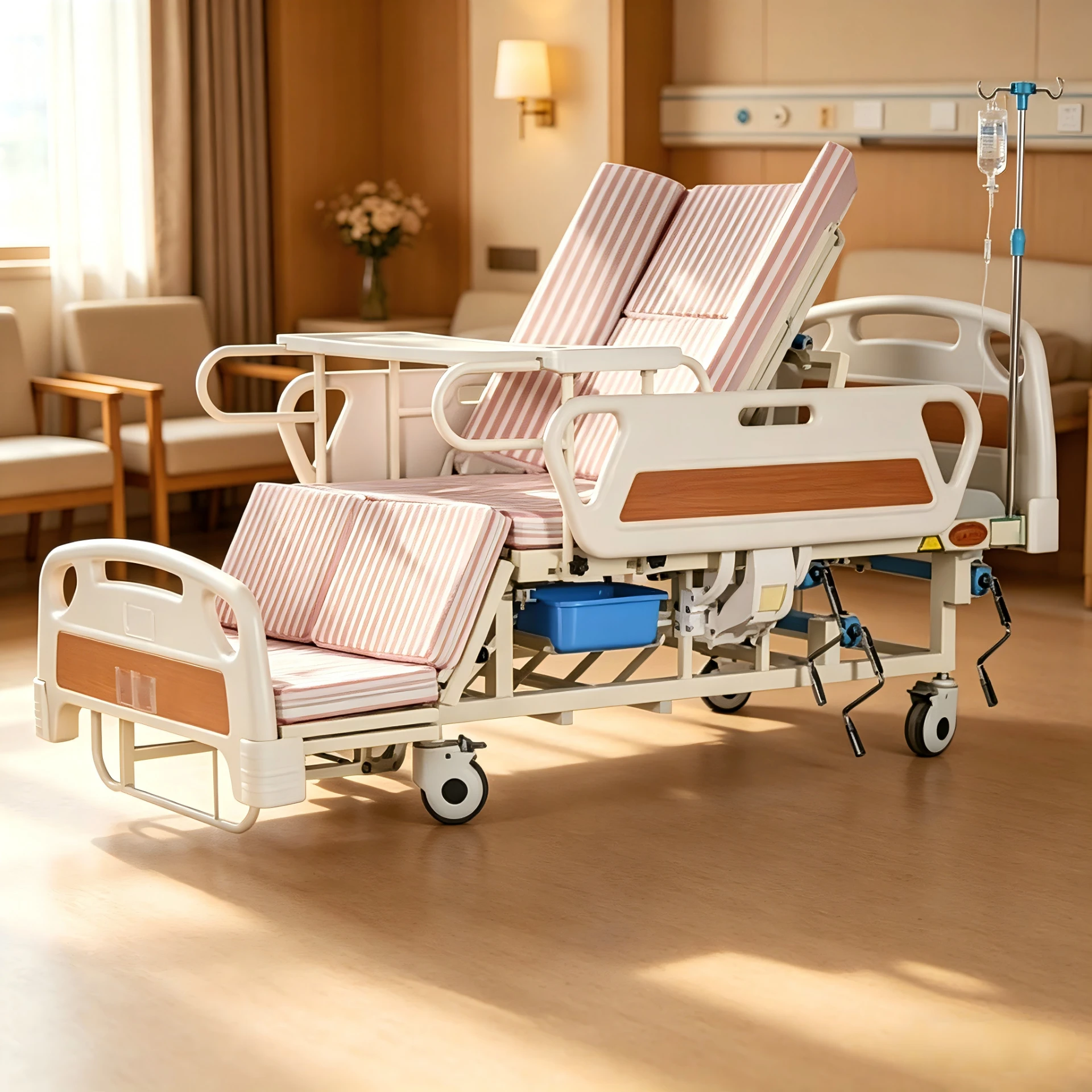
In simple terms, a hospital bed is a bed designed specifically for hospitalized patients or others in need of medical care. Unlike regular beds, these beds often feature adjustable height, head and foot sections, and specialized surfaces to enhance comfort and facilitate medical procedures. They’re engineered to improve patient safety, help prevent bedsores, and enable nurses and doctors to perform their duties more effectively.
These beds connect strongly to broader healthcare and humanitarian needs. For instance, in emergency shelters or war zones, rapidly deployable medical beds conforming to the specifications of hospital beds become critical. The right terminology here often includes “adjustable hospital bed,” “electric hospital bed,” or sometimes “medical-care bed,” all pointing back to that fundamental function.
Key Factors of Hospital Beds
1. Adjustability
Hospital beds typically allow for adjusting the height as well as the angle of the head and foot panels. This feature improves patient comfort, aids treatment, and helps avoid complications such as deep vein thrombosis or respiratory issues.
2. Durability & Safety
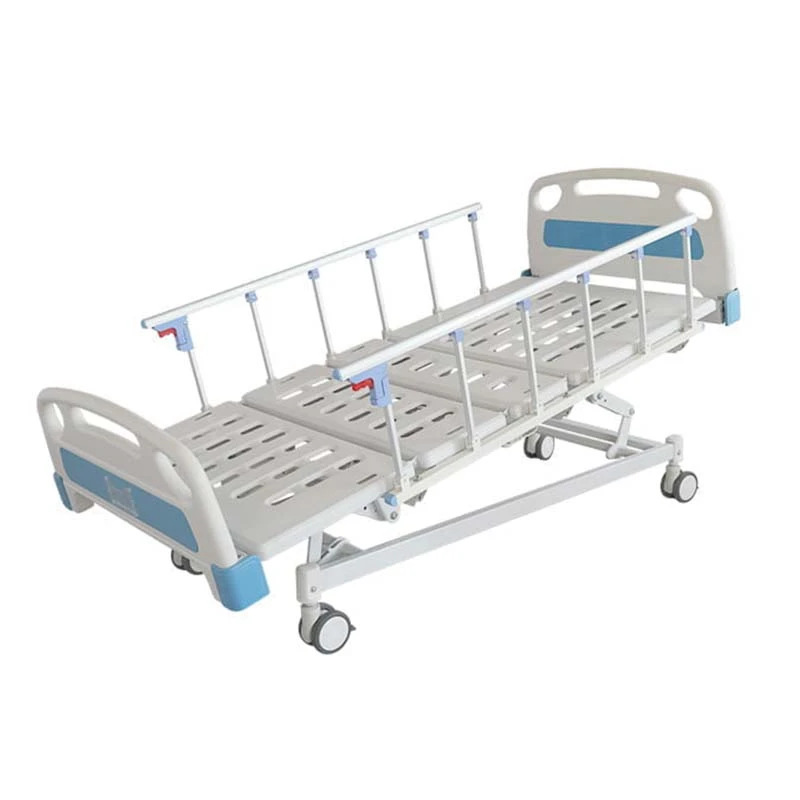
Since these beds must withstand constant use and weight shifts, manufacturers use tough materials like reinforced steel frames and medical-grade plastic to ensure durability. Safety rails and locking wheels are usually included to prevent falls.
3. Mobility
Many hospital beds have casters with brakes, allowing health workers to move patients safely between rooms or procedures, which is critical in dynamic hospital environments.
4. Integration of Medical Equipment
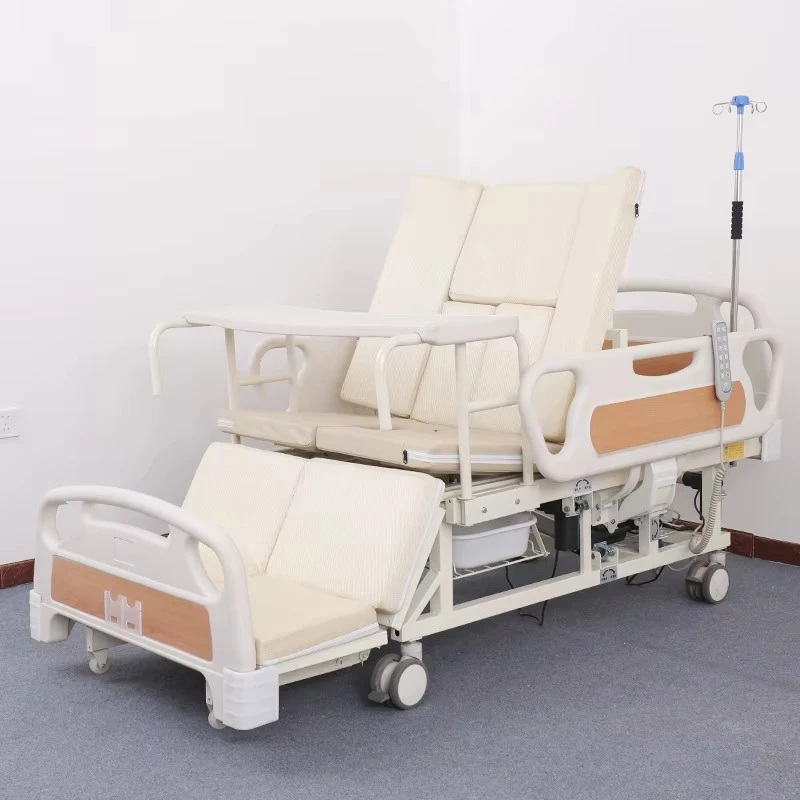
Some hospital beds are designed to accommodate monitoring devices or IV poles, which integrates medical technology right at the bedside — improving efficiency and patient care.
Hospital Bed Specification Table
| Feature | Typical Specification |
|---|---|
| Adjustable Sections | Head, foot, height adjustment (manual or electric) |
| Frame Material | Reinforced steel with medical-grade coatings |
| Weight Capacity | Up to 450 kg (varies by model) |
| Safety Features | Side rails, locking casters |
| Power Source | Electric (AC/DC) or Manual |
| Dimensions | Length: ~210 cm, Width: ~90 cm |
Global Applications & Use Cases
Hospital beds aren't just confined to standard hospitals in wealthy countries. They’ve found use across various sectors worldwide:
- Emergency Response: After natural disasters, fast-deploy medical beds help field hospitals set up quickly.
- Remote Clinics: Regions lacking infrastructure benefit from adjustable beds that improve treatment capacity.
- Long-Term Care Facilities: Nursing homes use hospital-style beds to increase patient mobility and safety.
- Humanitarian Aid: NGOs supplying health services in war zones or refugee camps depend on reliable hospital beds.
For example, in sub-Saharan Africa, NGOs report that introducing adjustable hospital beds has reduced hospital-acquired complications like pressure ulcers by nearly 30% in some clinics.
Vendor Comparison Table
| Brand | Electric/Manual | Price Range | Warranty |
|---|---|---|---|
| Hill-Rom | Electric | $1,200 - $3,500 | 5 years |
| Stryker | Electric | $1,800 - $4,000 | 5 years |
| Invacare | Manual/Electric | $900 - $2,500 | 3 years |
Advantages & Long-Term Value
Hospital beds improve safety by reducing falls and improving patient handling. They encourage healing through improved positioning and comfort, which sometimes helps reduce the length of hospital stays. In terms of cost-efficiency, investing in high-quality beds limits need for replacements and lowers treatment expenses related to complications like bedsores.
There's also a social and emotional aspect: patients feel more dignified and comfortable, and staff experience less physical strain. Innovation builds trust. Essentially, good hospital beds act as silent partners in the healing process.
Future Trends & Innovations
Hospital beds are evolving rapidly. Smart hospital beds equipped with sensors can now monitor vital signs, detect patient movements to prevent bedsores, and even alert staff during emergencies. Sustainable materials and energy-efficient motors reduce environmental impact—a growing priority aligned with ISO 21930 standards for sustainable construction materials.
Moreover, modular beds that adapt to different care environments and robotic assistance for patient repositioning are on the horizon, which could transform how hospitals think about patient care logistics.
Challenges & Solutions
A big challenge remains affordability and accessibility — especially in low-resource settings where hospital beds may be old, broken, or insufficient. Ensuring training on proper use and maintenance is often overlooked. Yet NGOs and manufacturers increasingly collaborate to design low-cost, easy-to-assemble beds deployed in crisis zones.
Innovative solutions include solar-powered electric beds for off-grid hospitals and durable multi-purpose frames that support both clinical and home care needs.
FAQ: Frequently Asked Questions About What Do You Call the Bed in the Hospital
Q1: What makes a hospital bed different from a regular bed?
Hospital beds are designed with adjustable height, head, and foot sections to improve patient comfort and safety. They have features like side rails, locking wheels, and robust frames to withstand medical use — unlike ordinary home beds.
Q2: Can hospital beds be electric or manual?
Yes, both types exist. Electric hospital beds offer powered adjustments for convenience, while manual versions use cranks or levers. The choice depends on budget, power availability, and care setting.
Q3: How long does a typical hospital bed last?
With proper maintenance, hospital beds last around 7–10 years. Durability depends on the quality of materials and frequency of use — a factor to consider for long-term hospital budgeting.
Q4: Are hospital beds available for home use?
Certainly. Many patients recovering from surgery or chronic illness use adjustable hospital beds at home to improve comfort and caregiving ease. These are often rented or purchased from medical supply companies.
Q5: How can I learn more about hospital bed specifications?
You can visit specialized medical equipment websites or consult health standards such as ISO 13485, which outlines requirements for medical device quality and safety.
Conclusion and Call to Action
So, next time you wonder what do you call the bed in the hospital, remember that the answer is far more than a name. These specialized beds are indispensable, improving patient outcomes worldwide across many settings. They epitomize the fusion of engineering, healthcare, and compassion.
To explore a wide range of high-quality hospital beds and learn more about their unique features, visit us at https://www.zhaofamed.com. Invest in comfort, safety, and innovation: because every patient deserves the best.
Mini takeaway: Understanding what hospital beds are and their key features helps improve healthcare delivery and patient experience globally.
References:
1. World Health Organization: Hospital Beds Fact Sheet
2. ISO 13485 Medical Device Quality Management
3. World Bank Data: Hospital Beds per 1,000 People