What Do You Call Hospital Beds? Types, Benefits, and Global Applications Explained
What Do You Call Hospital Beds? Understanding Their Role and Relevance
Hospital beds - a seemingly simple piece of equipment that plays a pivotal role in healthcare systems worldwide. You might wonder, “what do you call hospital beds exactly?” and why this matters beyond just naming conventions. The answer goes beyond labels and enters the sphere of design, functionality, healthcare accessibility, and patient dignity. In a world where the global population is aging and healthcare infrastructure is increasingly strained, knowing the types and features of hospital beds—and what to call them—is a surprisingly significant detail. These beds don't just support patients physically; they embody innovations that impact recovery rates, cost efficiency, and the overall healthcare experience.
Global Context: Why “What Do You Call Hospital Beds” Matters
According to the World Bank, over 55% of the world's population now lives in urban areas, leading to greater demand for healthcare infrastructure. The provision and specification of hospital beds are a critical part of meeting that demand. The World Health Organization notes that as populations grow older, hospital bed requirements change—not just in quantity but in kind. This raises challenges: What do you call hospital beds that can adapt to complex patient needs? How do manufacturers design for durability yet affordability? Oddly enough, the terminology around hospital beds often reflects their functionality and the level of care they enable, which is crucial when planning healthcare response or allocating funds.
Defining Hospital Beds: Plain and Simple
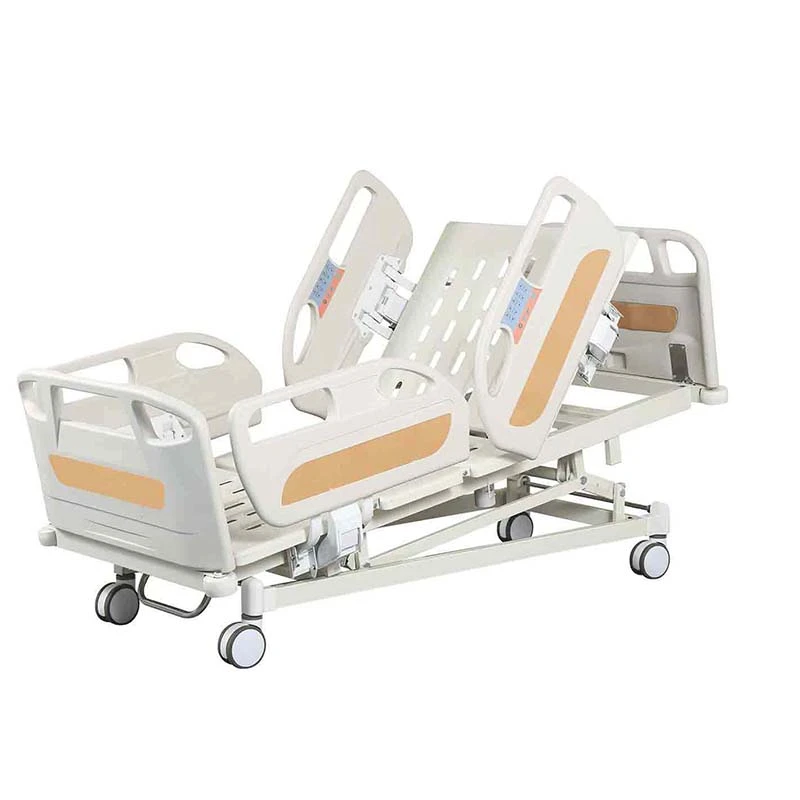
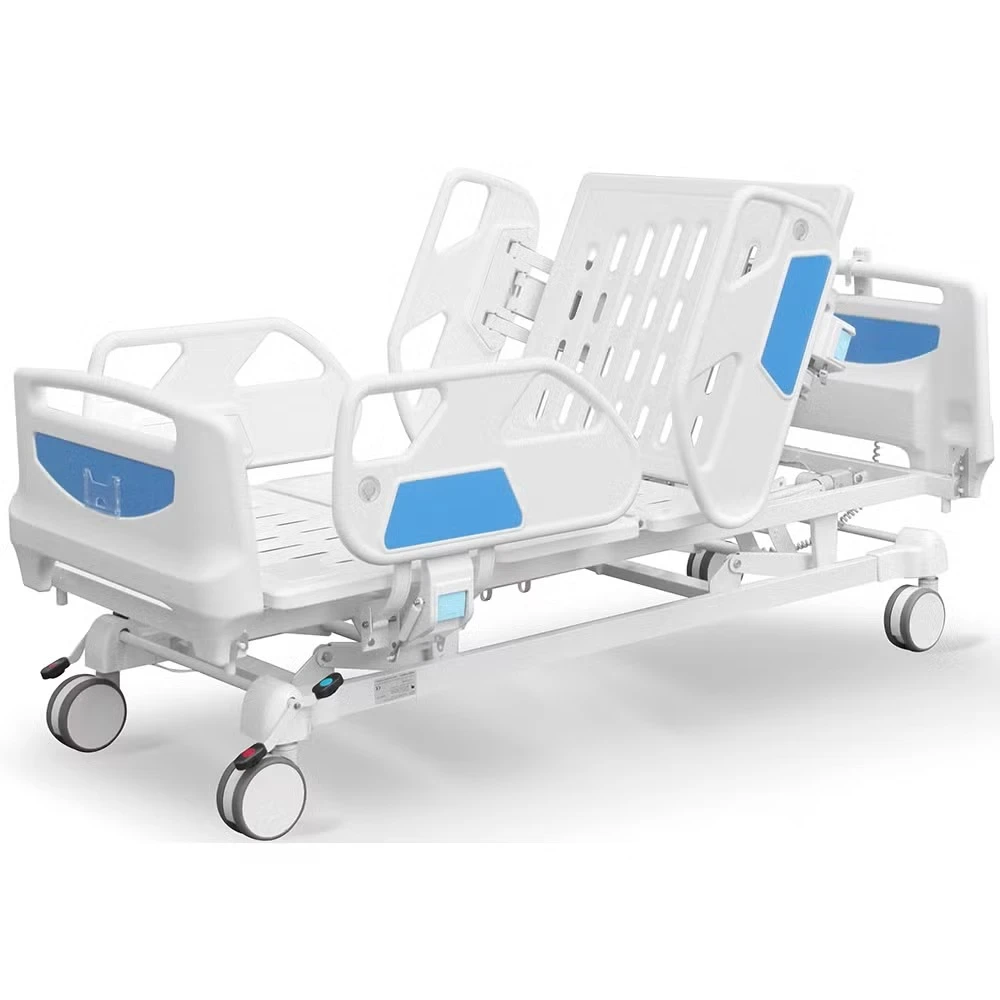
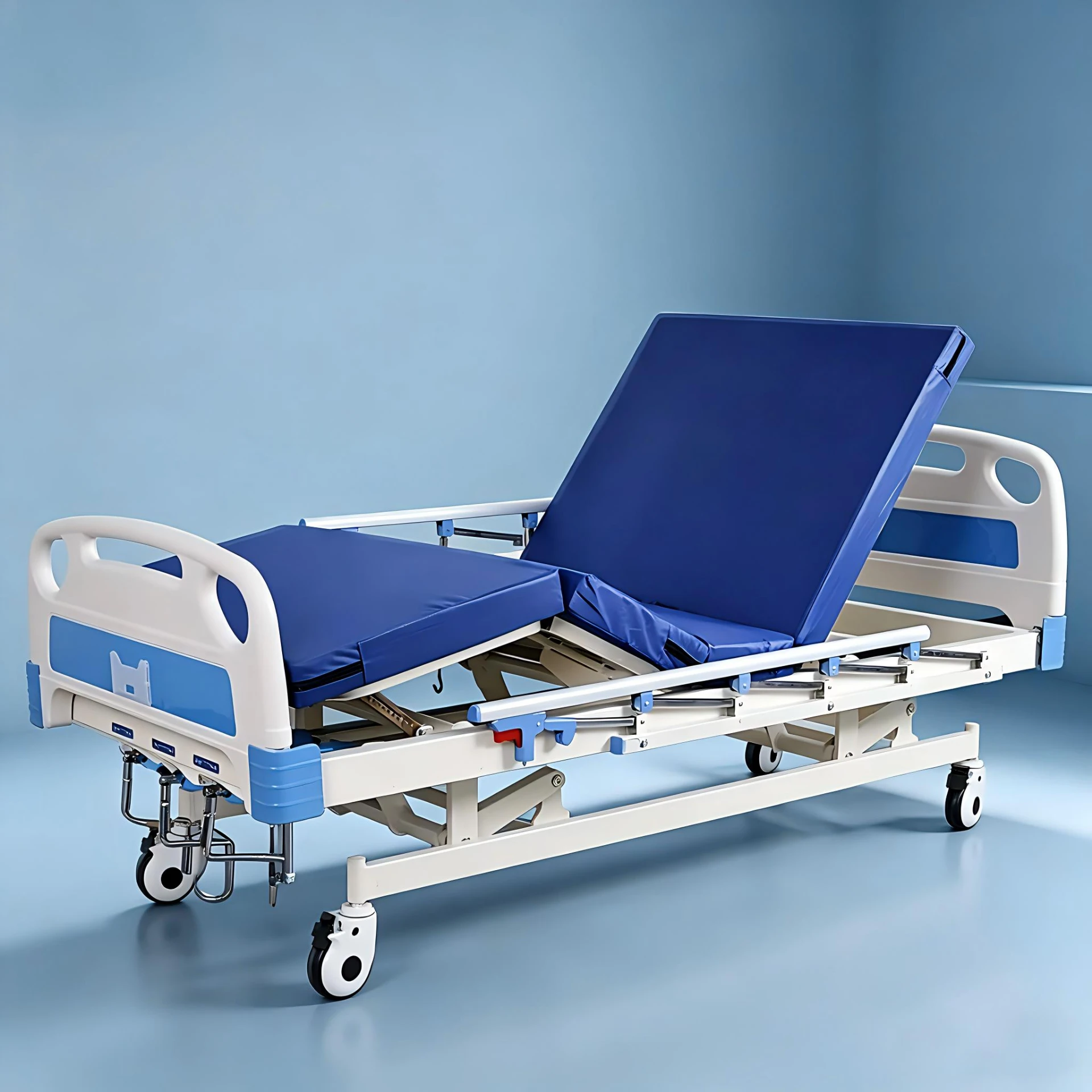
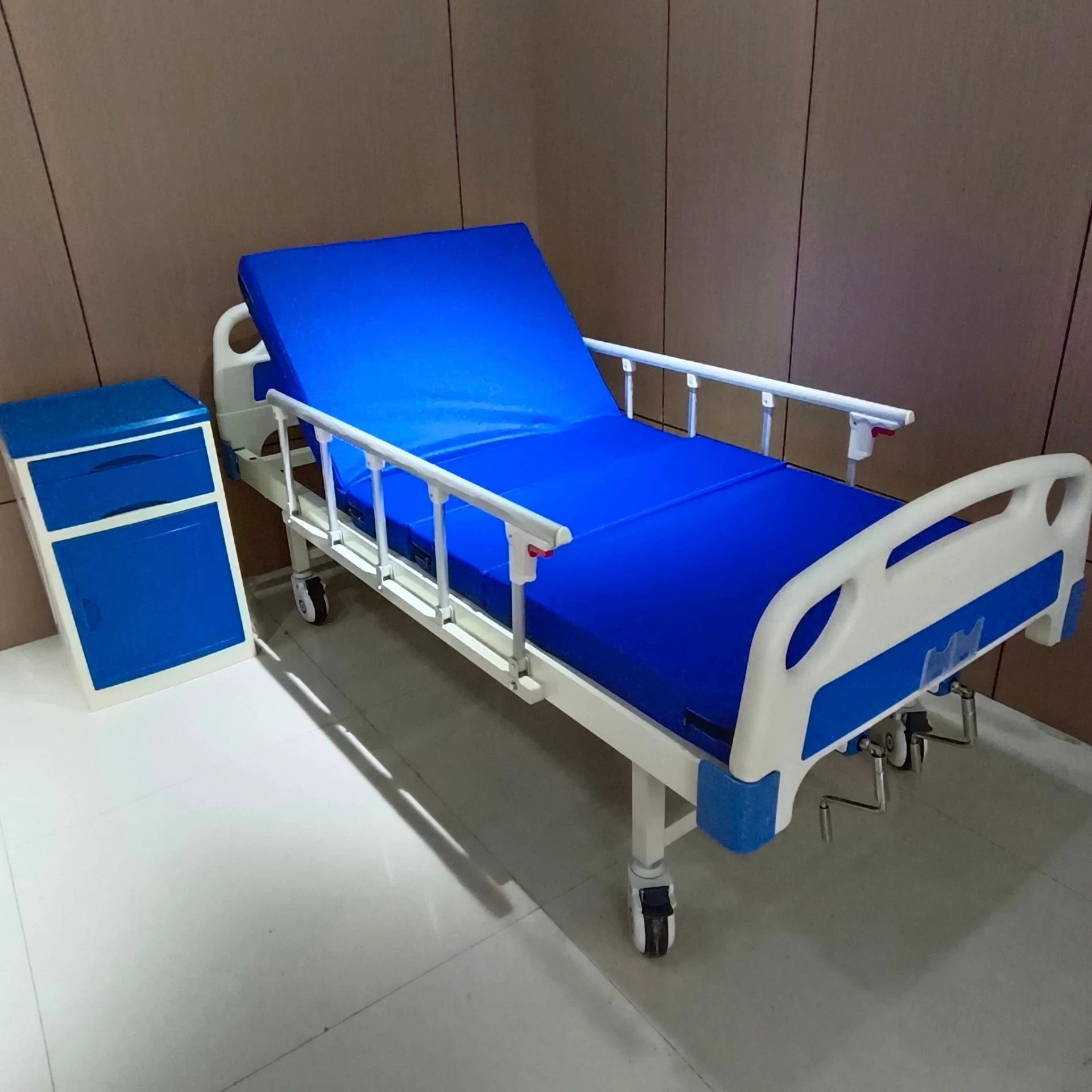
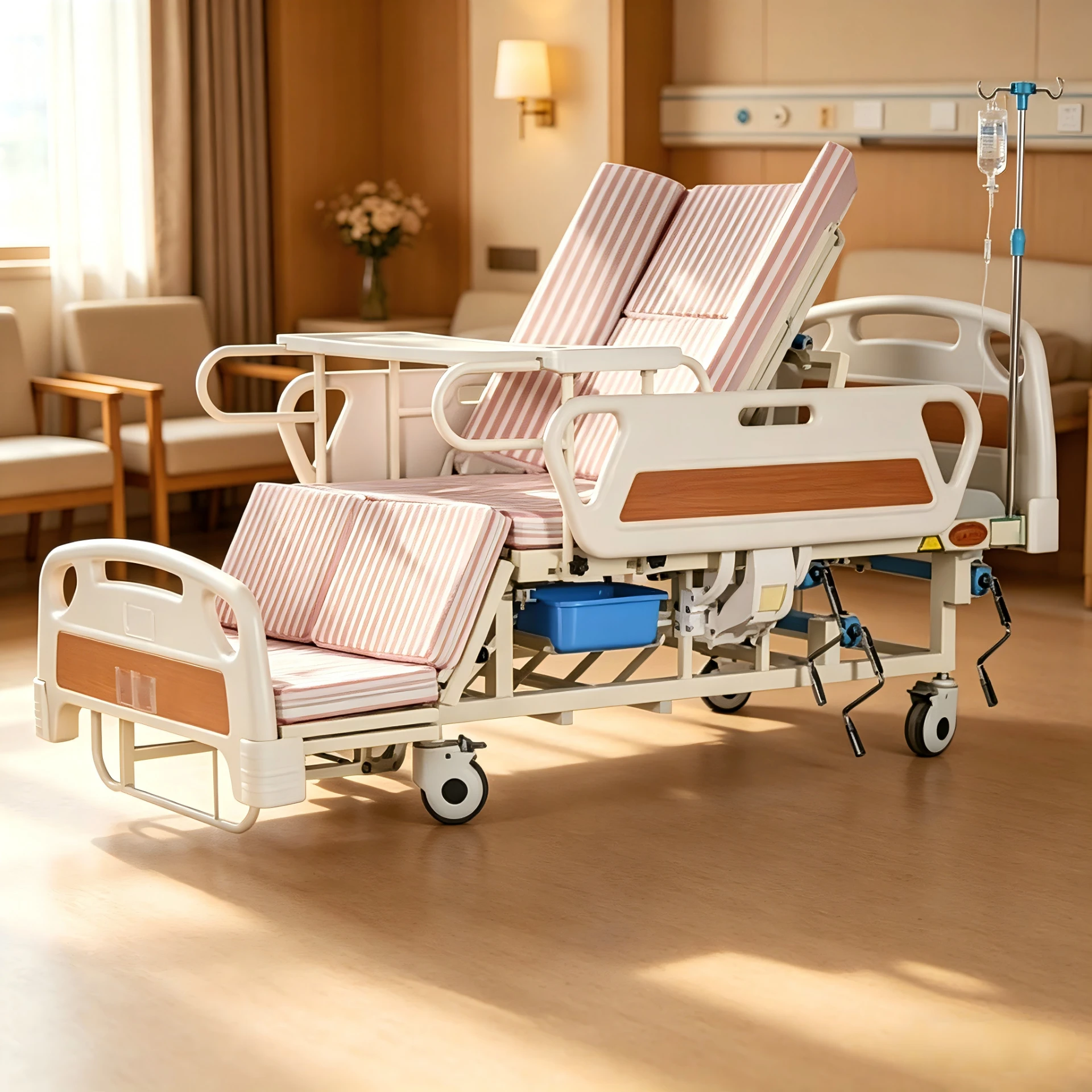
So, what do you call hospital beds? In the most basic sense, hospital beds are specialized beds designed for patients needing medical attention and support. But more than that, they are classified based on their adjustability, mobility, features, and the settings they serve.
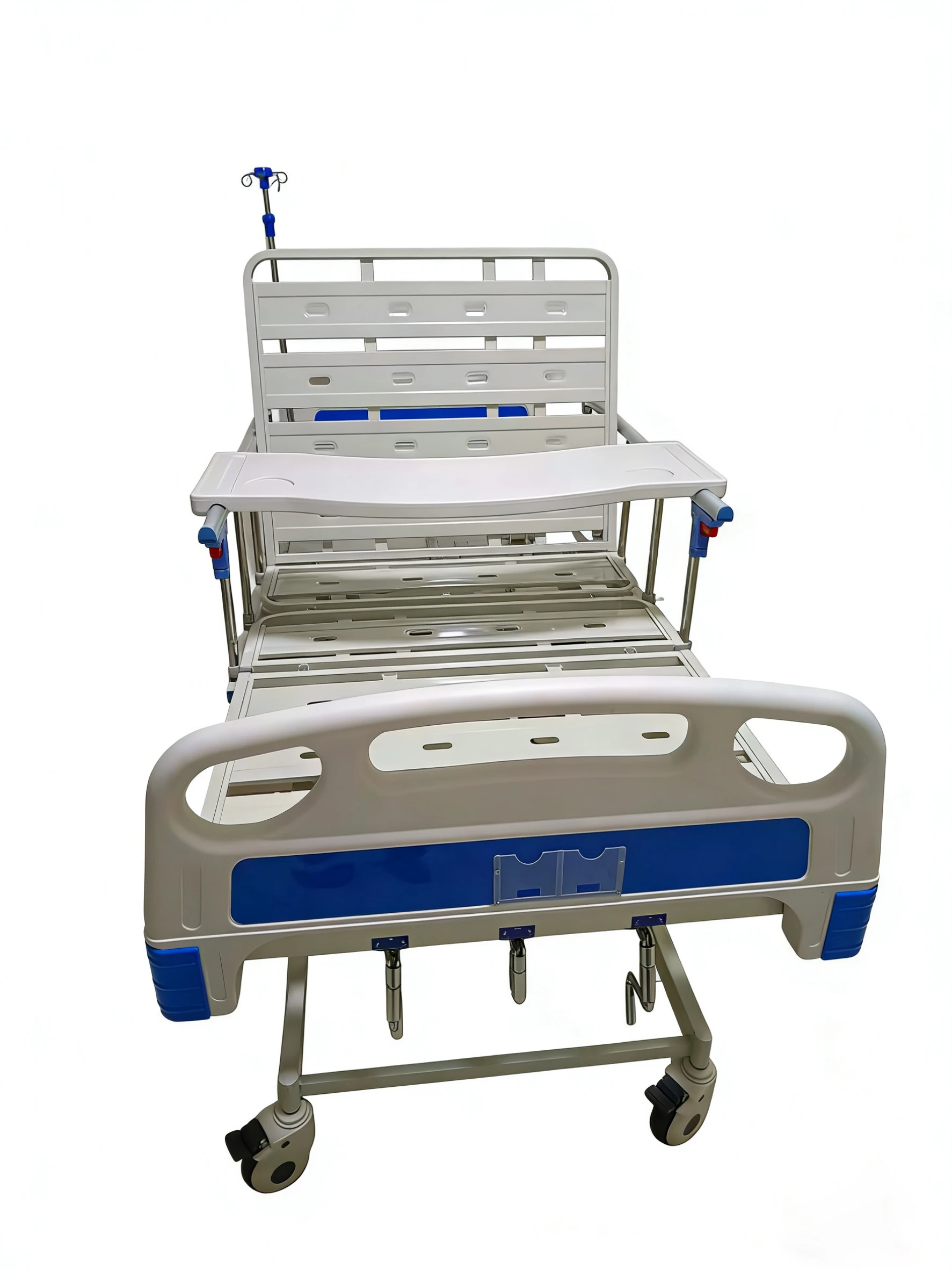
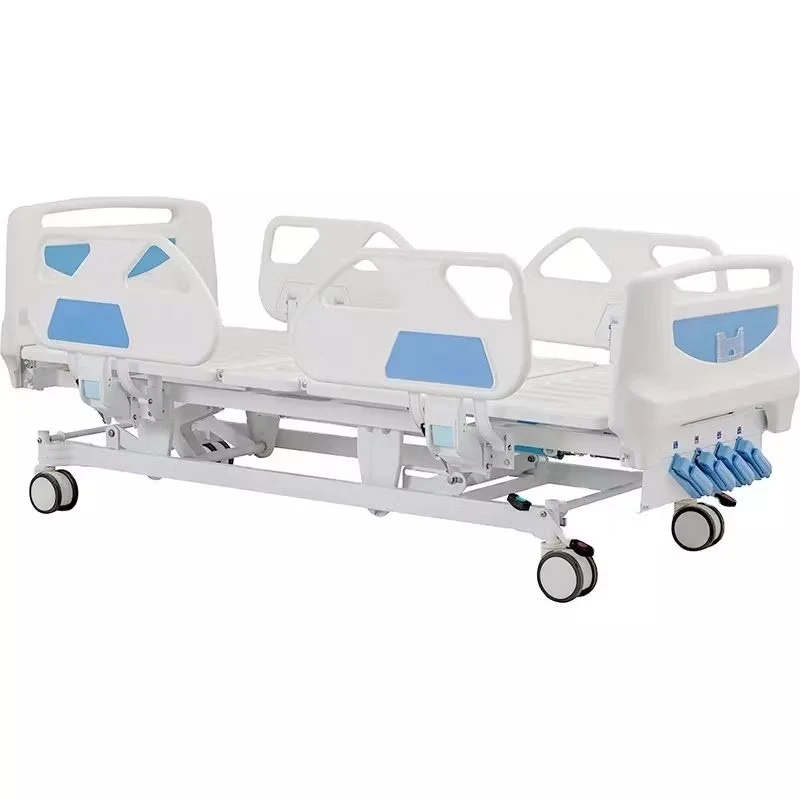
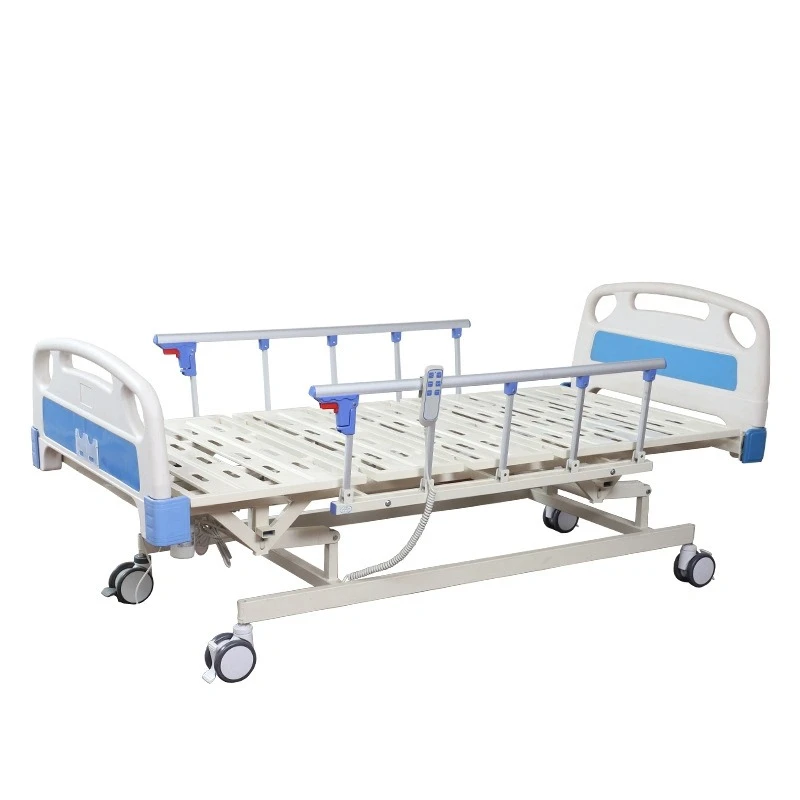
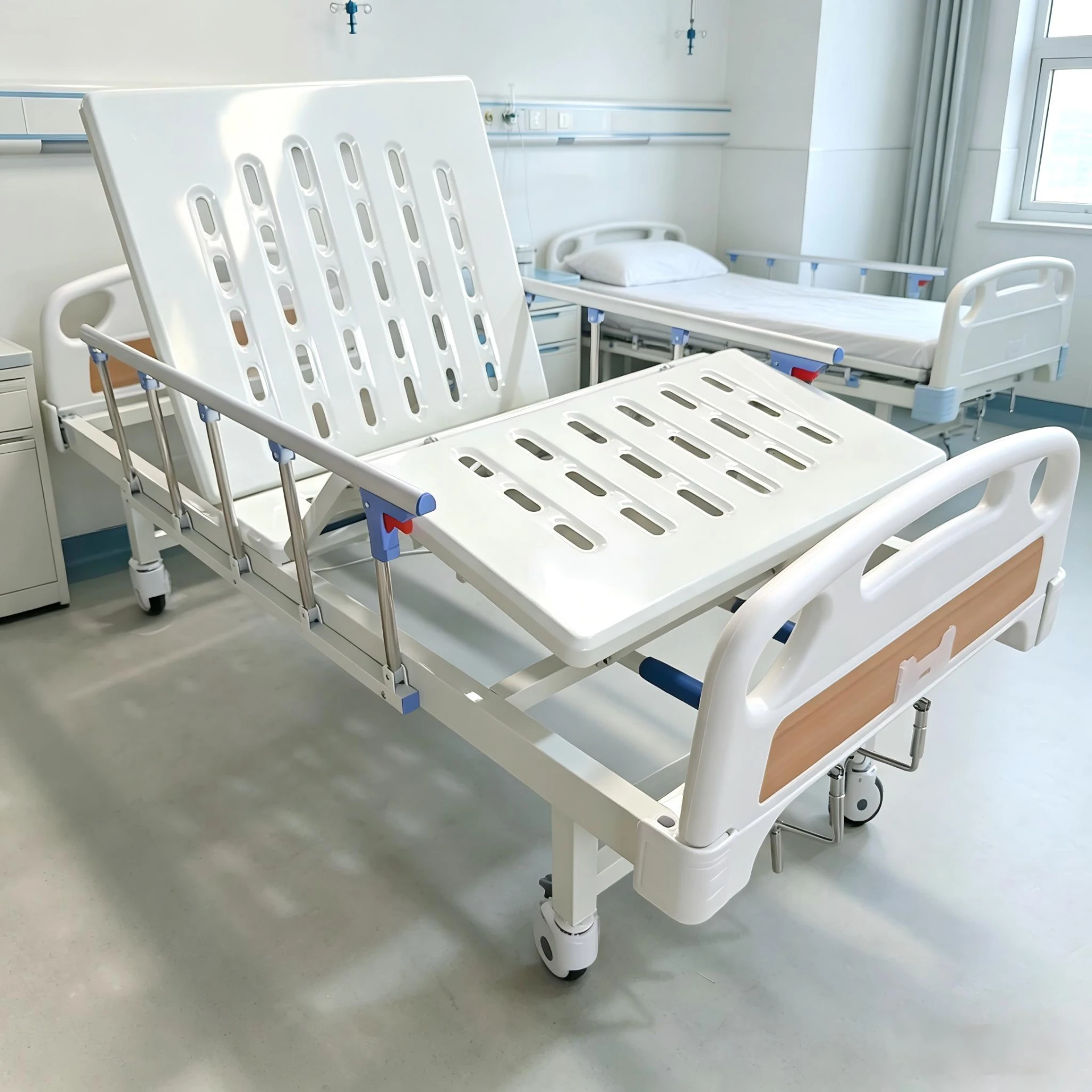
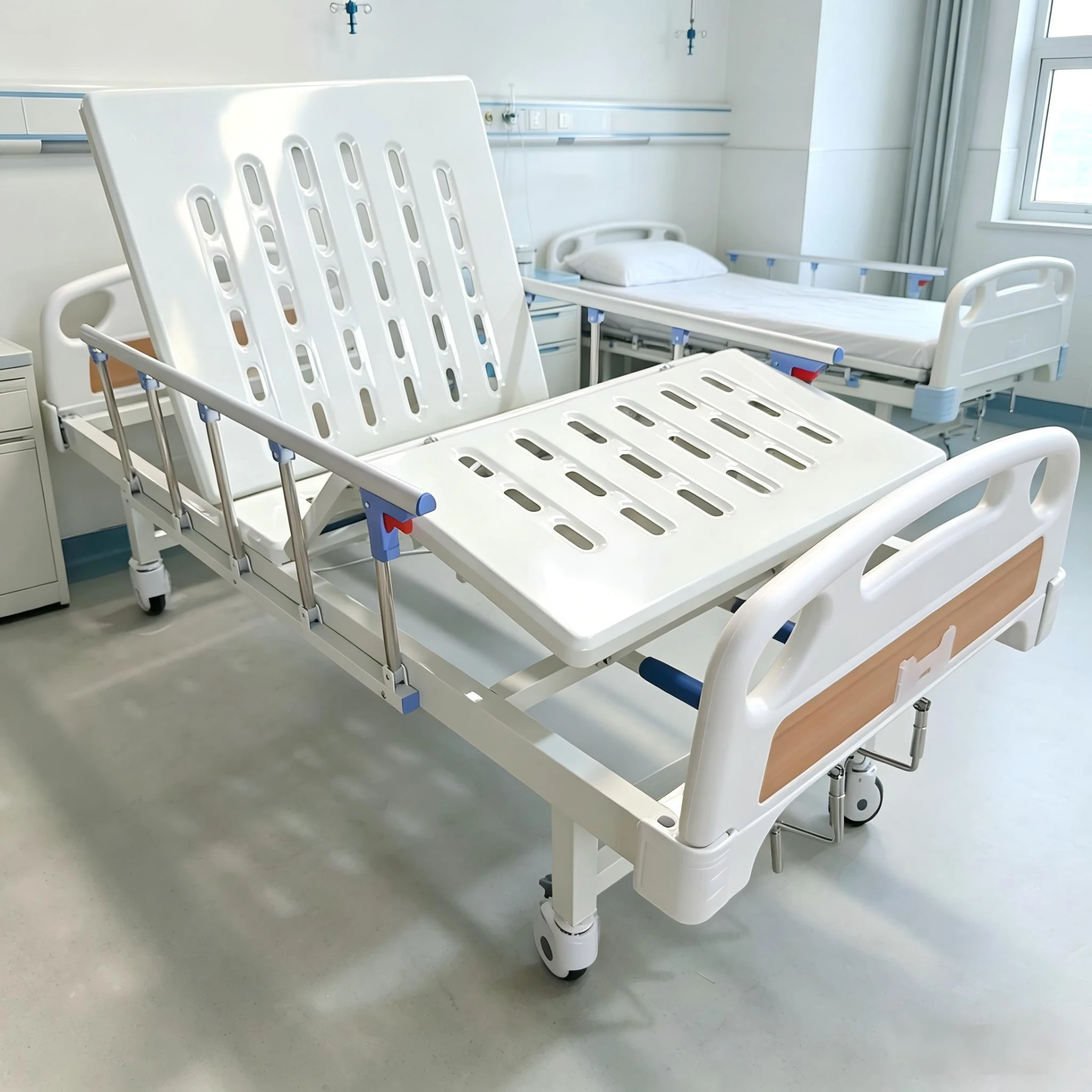
- Manual Beds: Operated by hand cranks for positioning.
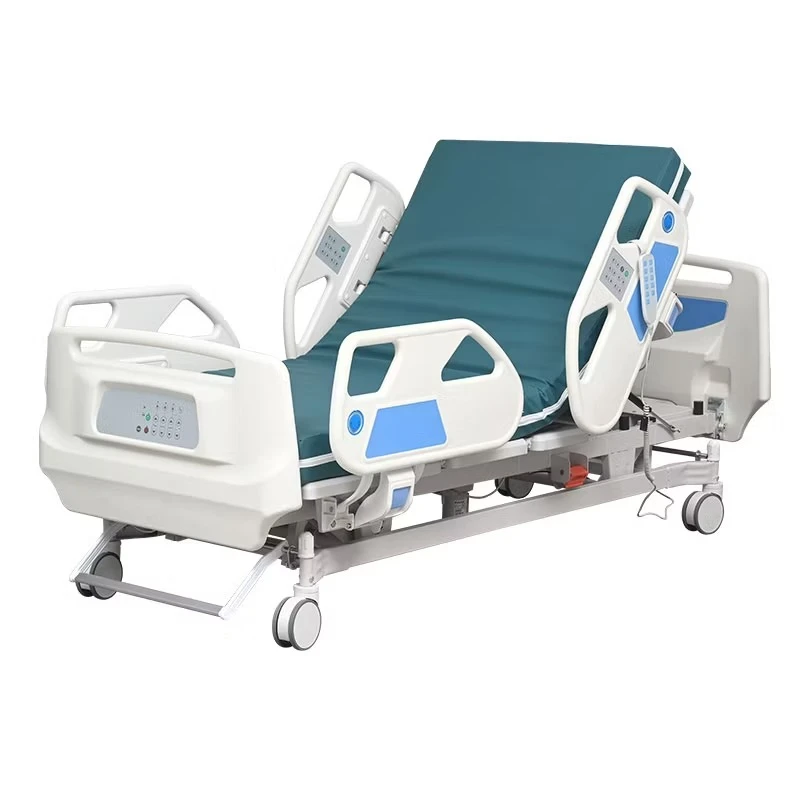
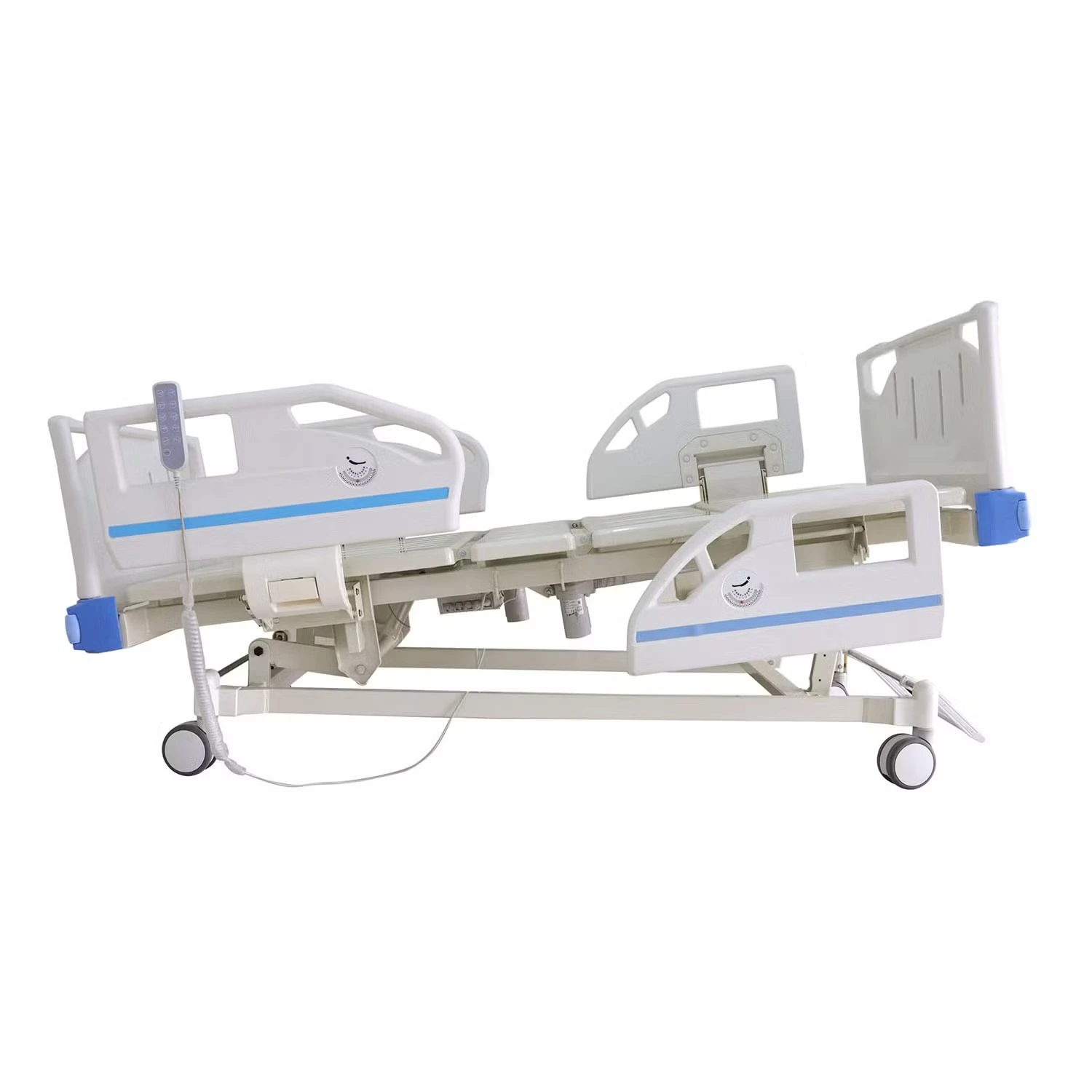
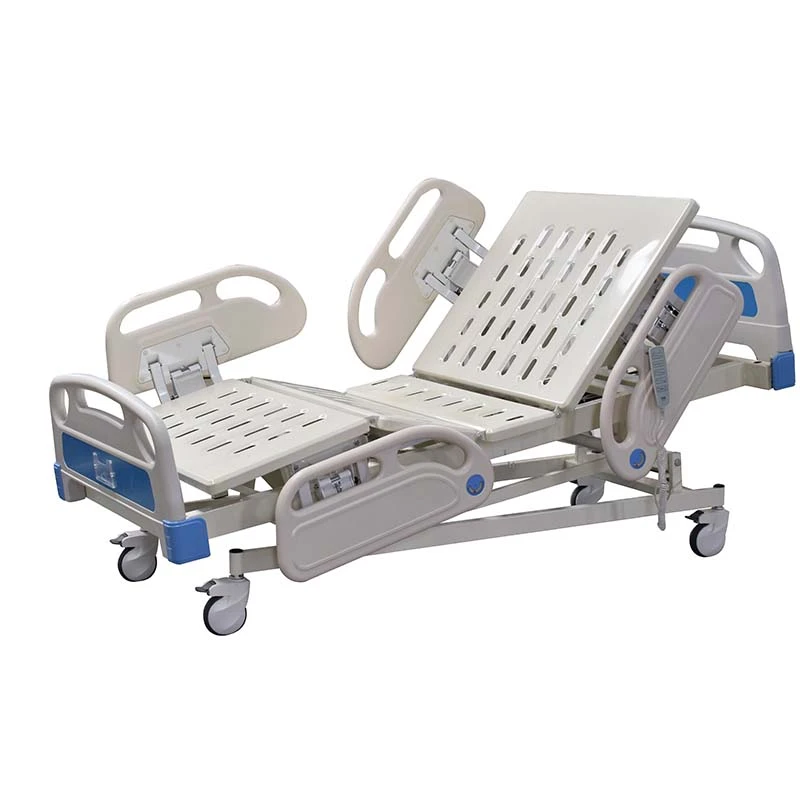
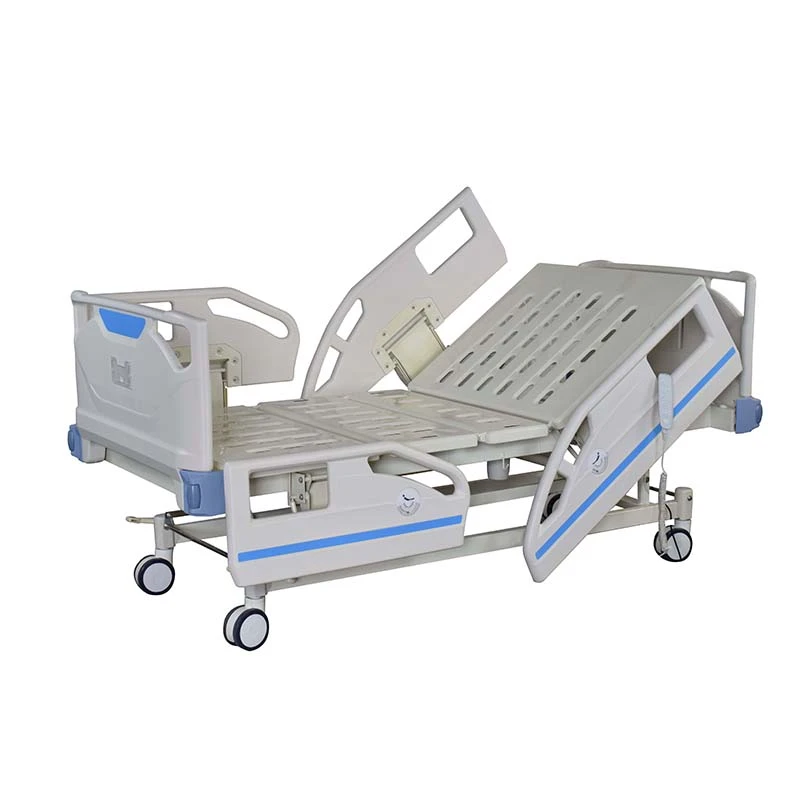
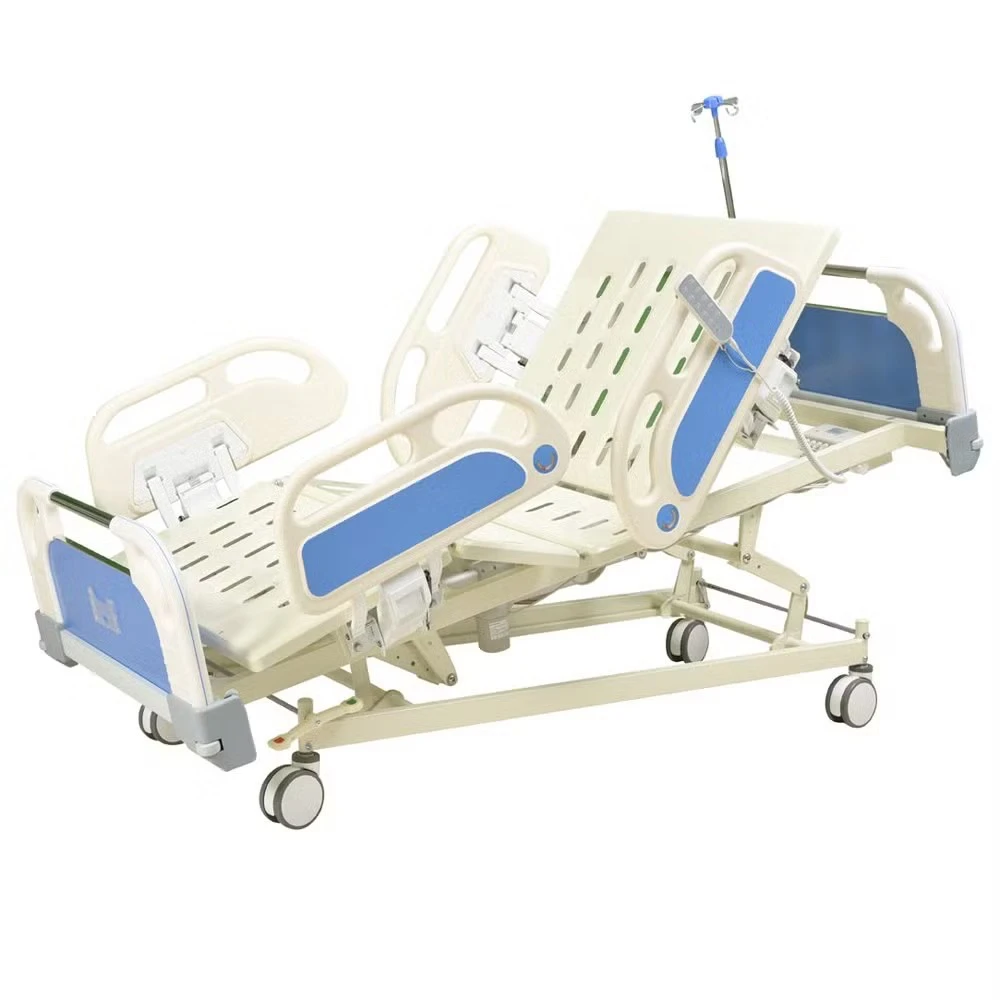
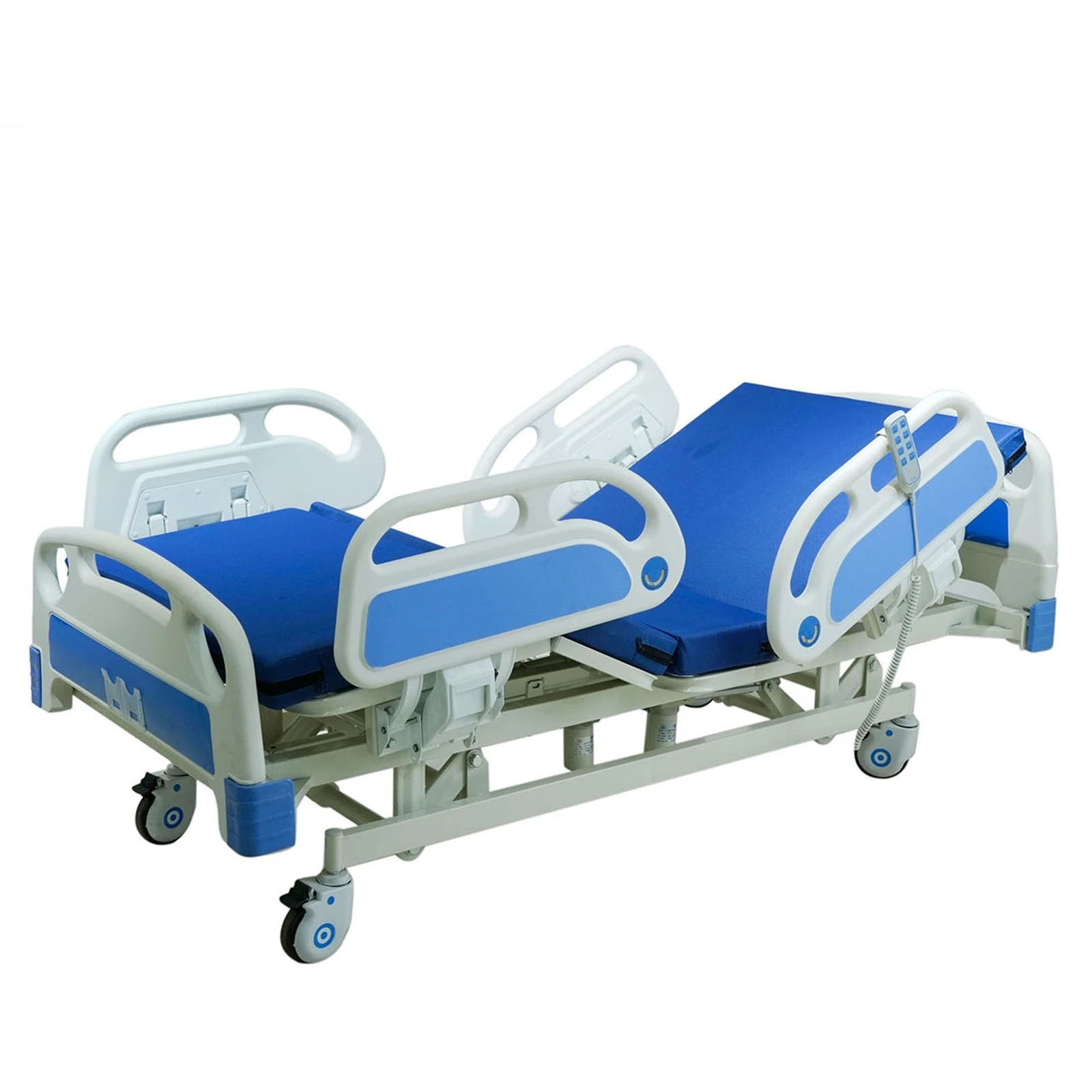
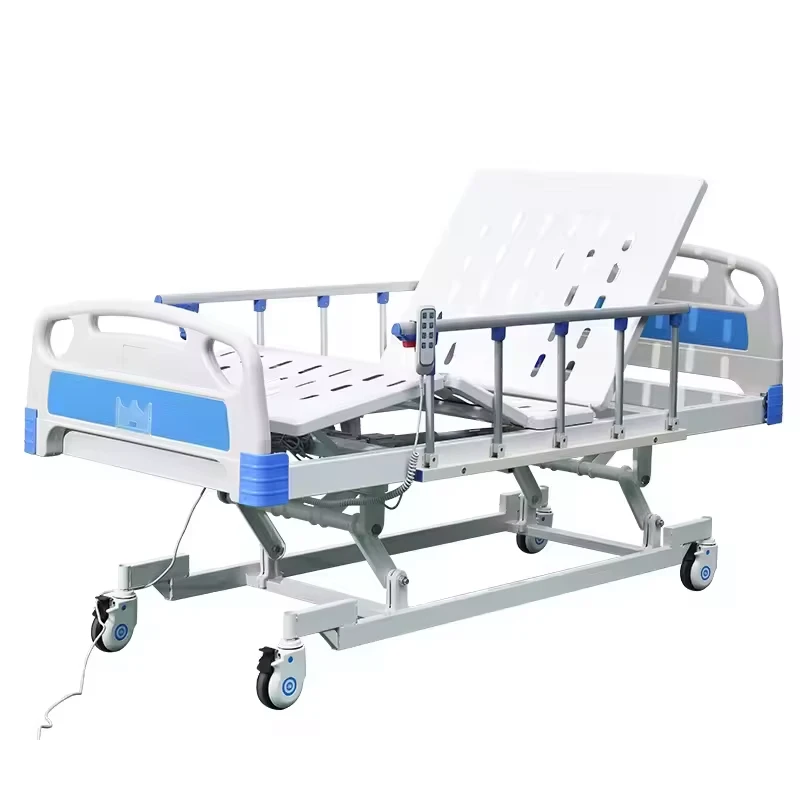
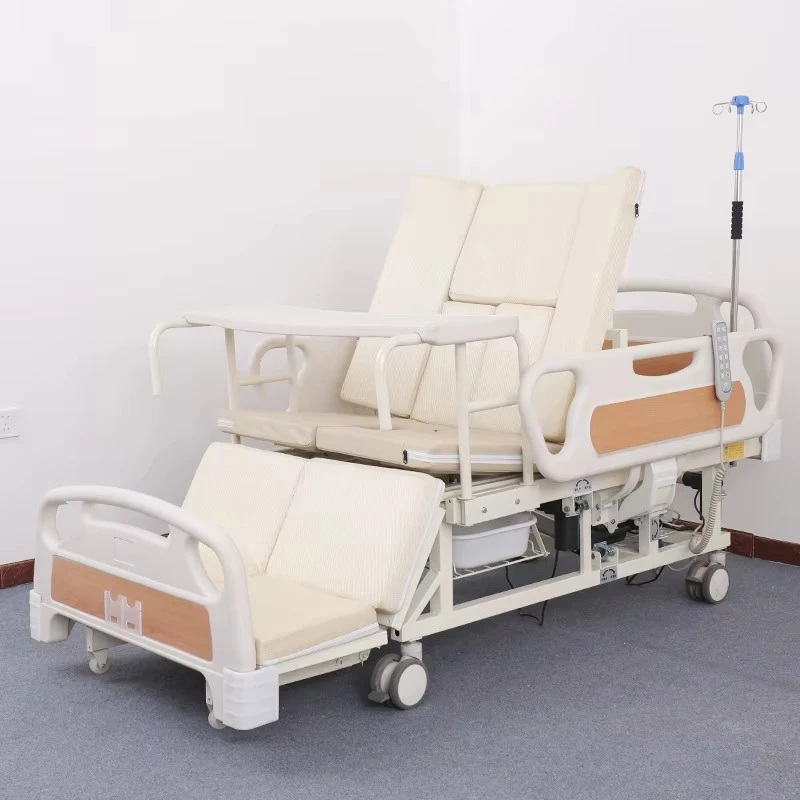
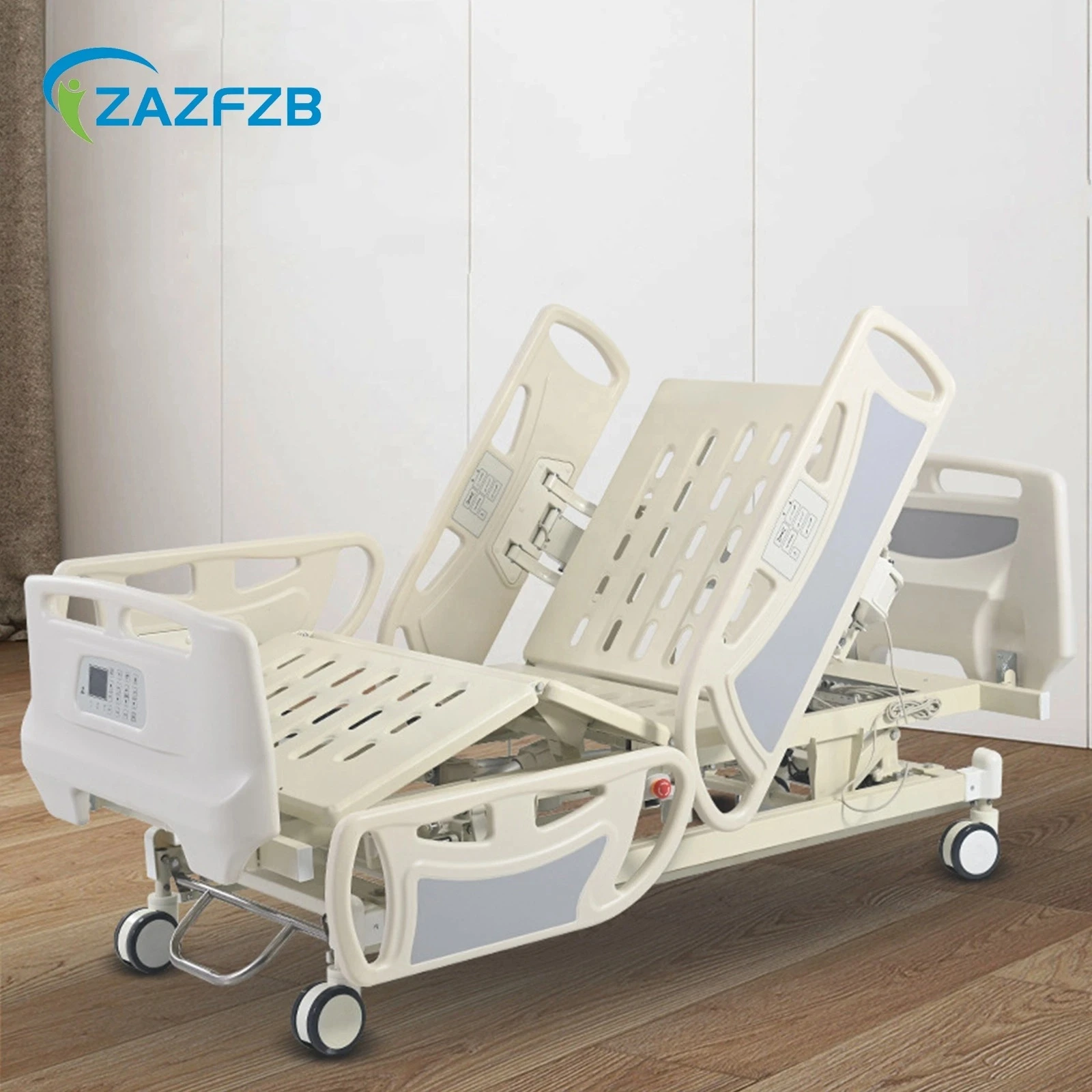
- Electric Beds: Powered by motors to allow caregivers and patients to adjust height, the head, and foot sections.
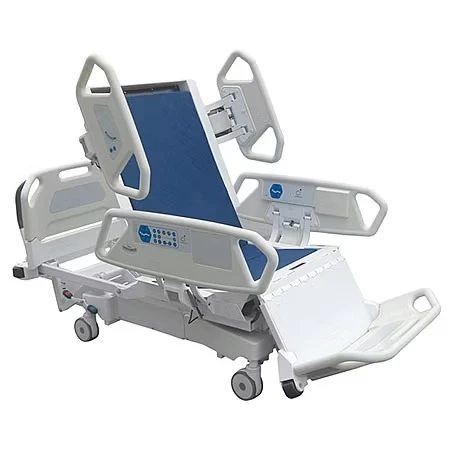
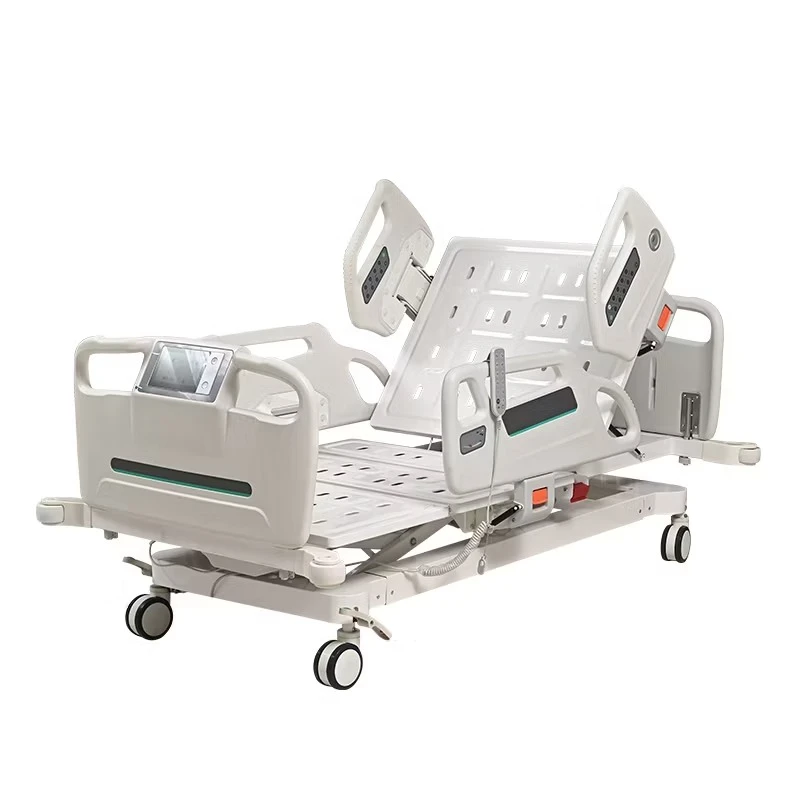
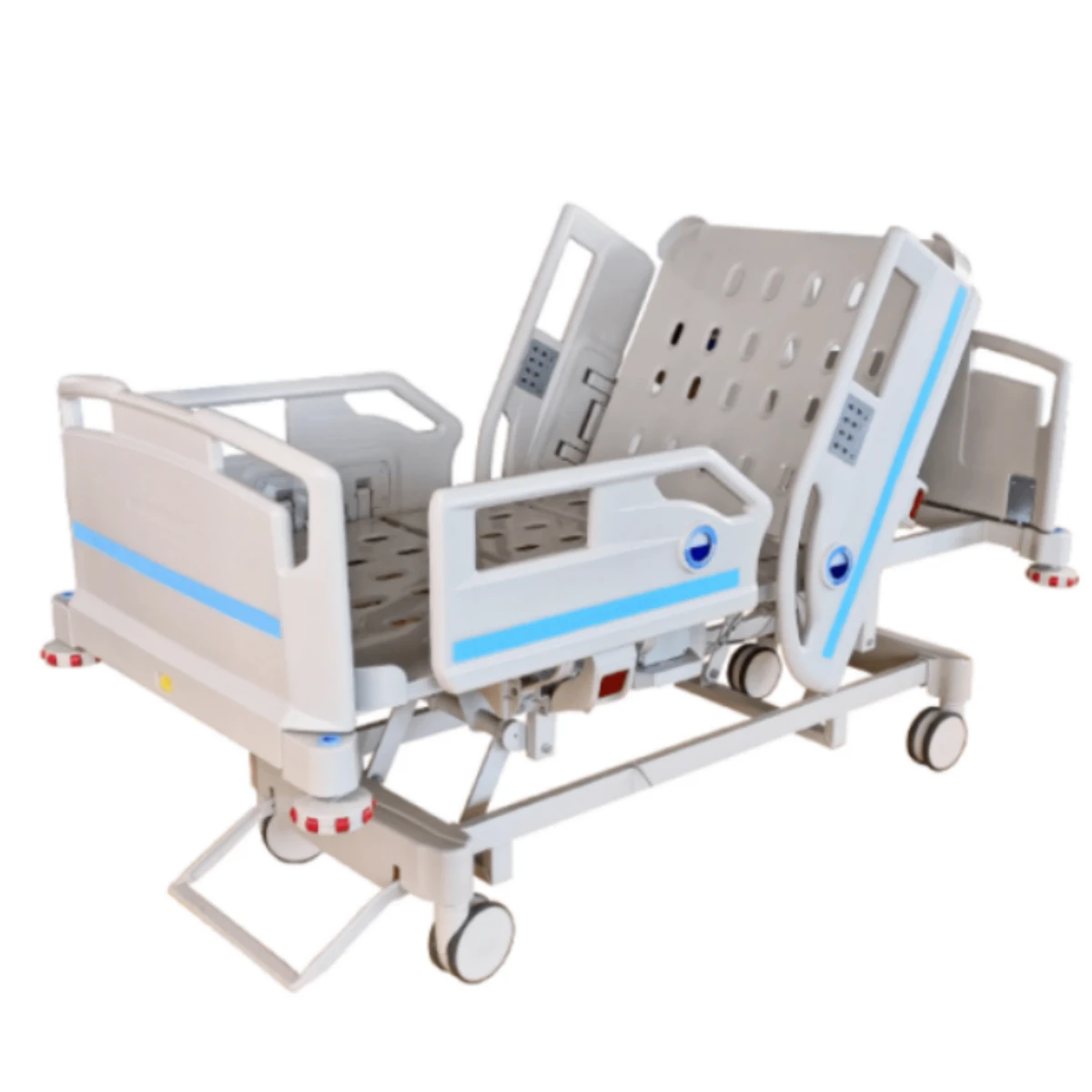
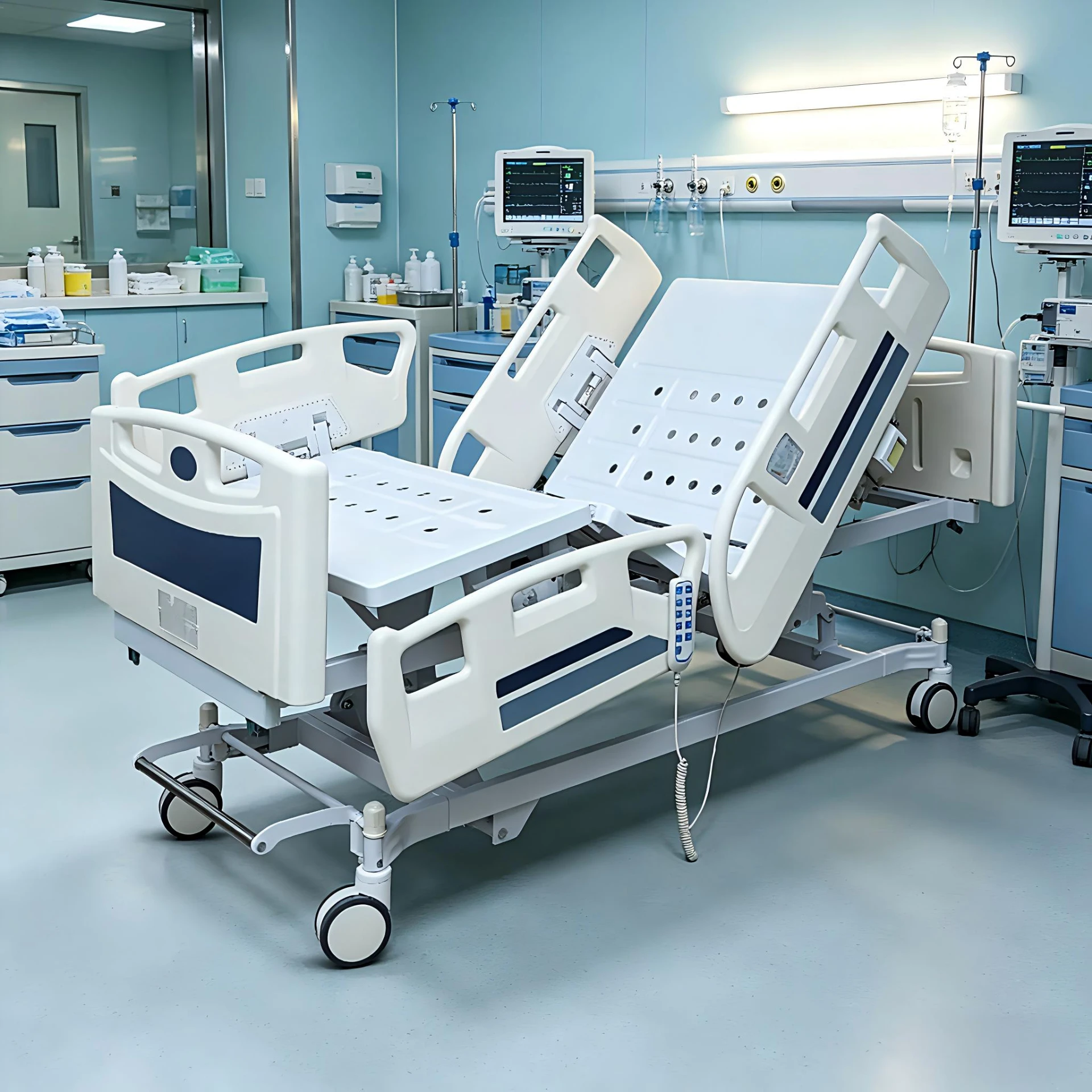
- ICU Beds: Advanced hospital beds with integrated monitoring and attachment points for life-support equipment.
- Pediatric or Maternity Beds: Special designs tailored for children or mothers.
These beds are at the intersection of healthcare, engineering, and comfort—each term you hear often signals a particular capability.
Key Components and Considerations for Hospital Beds
1. Durability and Hygiene
A hospital bed's frame often uses robust materials like powder-coated steel to withstand constant use and disinfecting procedures. You know, it should last years without becoming a liability.
2. Scalability and Adjustability
Adjustability is everything. Electric hospital beds let you change height or angle with ease, which enhances patient care and reduces caregiver strain. It’s not just convenience; it influences recovery times too.
3. Cost Efficiency
Hospitals may decide between manual and electric depending on budget constraints. While investment in electric beds may be higher, the long-term benefits in patient outcomes often justify the upfront costs.
4. Patient Comfort and Safety
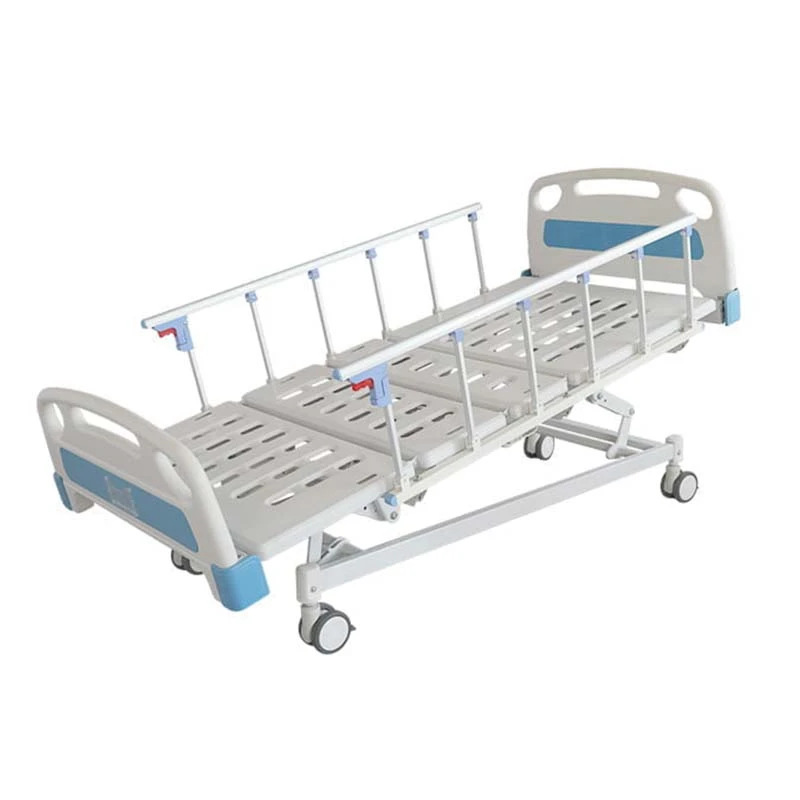
Padded surfaces, side rails, and anti-slip features are a must. A bed that looks clinical doesn’t mean it can't also protect one’s dignity and comfort—you’d be surprised how often patients mention this.
5. Mobility and Storage
Some beds have wheels with locking options for easy relocation—very useful in emergency rooms or during cleaning routines.
Hospital Beds Product Specification Table
| Feature | Manual Bed | Electric Bed | ICU Bed |
|---|---|---|---|
| Adjustability | Manual cranks | Motorized | Highly motorized, with sensors |
| Weight Capacity | Up to 250 lbs | Up to 400 lbs | Up to 600 lbs |
| Mobility | Fixed or wheels optional | Wheels standard | Wheels with advanced locking |
| Cost | Low | Medium | High |
Global Applications and Real-World Use Cases
Hospital beds, or what do you call hospital beds in different contexts, have diverse roles worldwide. In high-resource urban hospitals, electric and ICU beds dominate since they accommodate complex cases. Meanwhile, in rural clinics in Africa or Asia, manual beds remain essential due to cost and power limitations.
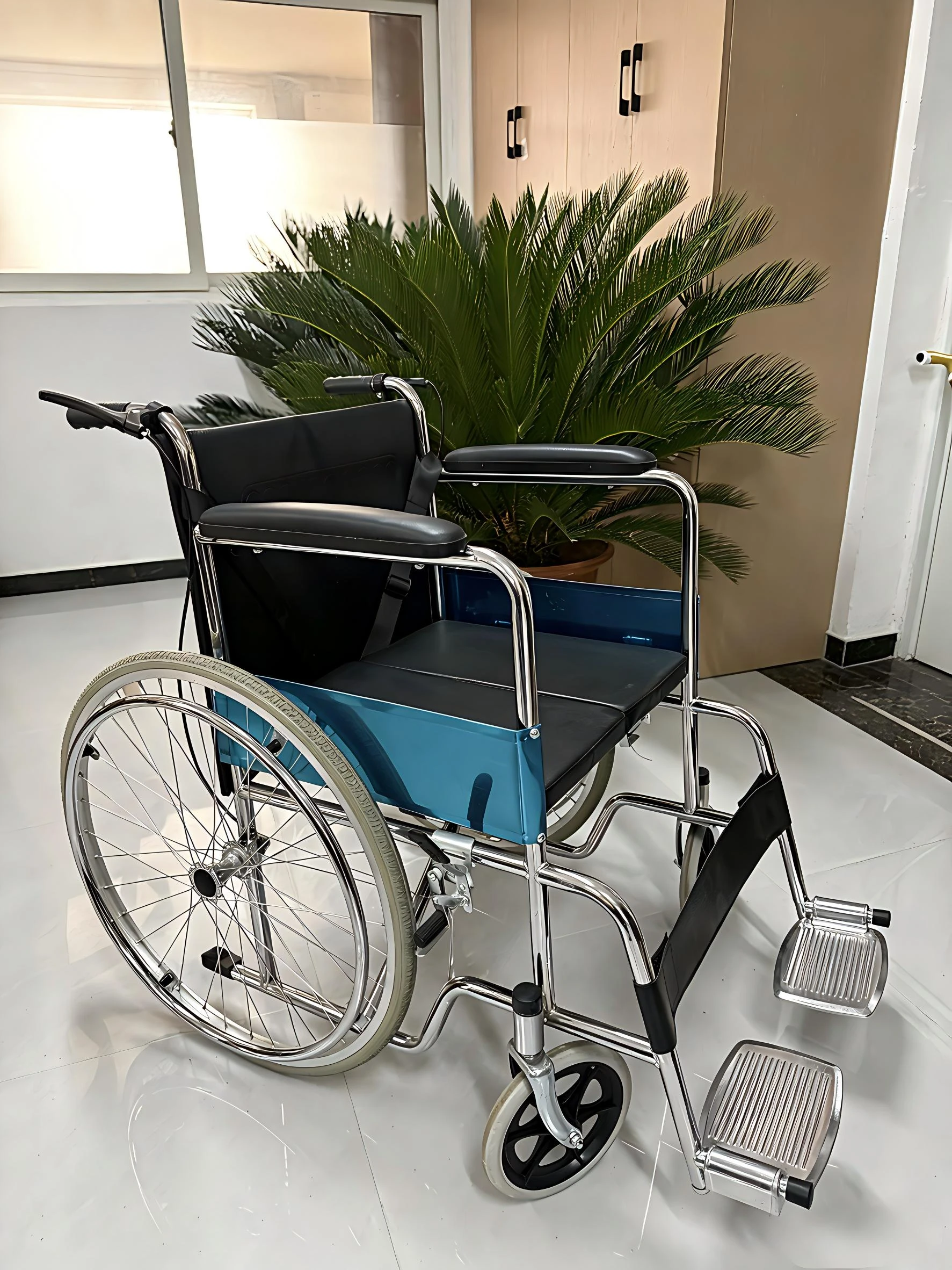
Take post-disaster relief areas, for example. After the 2010 Haiti earthquake, NGO teams prioritized deploying portable, foldable hospital beds—known in the field as “field hospital beds” or “emergency hospital beds”—to quickly create functional care spaces. Similarly, in remote industrial regions, hospitals invest in modular beds designed for easy maintenance and rugged conditions.
Apart from hospitals, long-term care facilities, rehabilitation centers, and even home healthcare increasingly rely on specialized beds tailored to patient needs.
Advantages and Long-Term Value of Hospital Beds
- Enhanced Patient Safety: Adjustable beds reduce risks of bedsores and falls.
- Improved Caregiver Ergonomics: Less physical strain helps healthcare staff perform better.
- Cost Savings: Durable designs mean fewer replacements and less downtime.
- Emotional Wellbeing: Patients feel cared for when their comfort is prioritized.
- Innovation Trust: Technological features (like patient monitoring) foster confidence.
In real terms, the benefits roll into each other. A patient comfortably positioned is less likely to develop complications, which in turn reduces hospital stays and resource strain.
Future Trends and Innovations
Looking ahead, the phrase “what do you call hospital beds” might evolve alongside innovations. We're seeing a surge in smart beds integrated with IoT devices to monitor vitals or detect movements automatically—part of a broader “digital hospital” transformation.
Eco-friendly materials and sustainable designs are also on the rise, as healthcare systems strive to reduce environmental footprints. Imagine hospital beds made from recycled composites or powered by solar energy in off-grid locations. Automation in positioning combined with voice control could soon become standard, which would be a real game changer for accessibility.
Challenges and Solutions
However, not all is smooth sailing. Procurement costs, maintenance complexities, and variability in international standards often trip up healthcare providers. There’s also the issue of training staff to use advanced beds effectively. Many experts advocate for modular designs and international ISO standards (see ISO 15812 on hospital beds) to streamline quality and interoperability.
Technological barriers can often be overcome by stepwise adoption. For instance, some hospitals start with manual beds in low-acuity units and gradually upgrade to electric or smart beds as budgets permit.
FAQ: Frequently Asked Questions About What Do You Call Hospital Beds
- Q1: What distinguishes an ICU hospital bed from a regular electric hospital bed?
- A: ICU beds come with enhanced adjustability, integrated monitoring, and built-in attachment points for life-support equipment, making them suited for critical care scenarios compared to standard electric beds.
- Q2: Are manual hospital beds still relevant in modern healthcare?
- A: Absolutely. Manual beds offer a cost-effective option, especially in regions lacking reliable electricity or for facilities with budget constraints. They remain widely used globally.
- Q3: How do hospital beds contribute to patient recovery?
- A: Proper bed positioning reduces pressure ulcers, improves circulation, and enhances breathing comfort, all of which play vital roles in speeding recovery.
- Q4: Can hospital beds be customized for specific patient needs?
- A: Yes. Many vendors offer customization options such as additional rails, electronic control panels, or mattress types tailored to patient conditions.
- Q5: How important is mobility in hospital beds?
- A: Mobility lets staff transport patients quickly and safely, particularly in emergency or cleaning situations, improving overall hospital efficiency.
Vendor Comparison: Popular Hospital Bed Providers
| Vendor | Product Range | Price Range | Global Reach | Unique Selling Point |
|---|---|---|---|---|
| Hillrom | Manual, Electric, ICU | $$$ | Worldwide | Integrated digital health technologies |
| Stryker | Electric, ICU, Specialty | $$$ | North America, Europe | Ergonomic designs & patient safety focus |
| Invacare | Manual & Electric | $-$$ | Global | Affordable, user-friendly equipment |
Wrapping Up: Why Knowing What To Call Hospital Beds Matters
So we’ve covered a lot—“what do you call hospital beds” is more than just a phrase. It reflects a whole ecosystem of healthcare design, technology, and delivery. Recognizing the types, features, and applications of hospital beds can dramatically influence patient outcomes and operational effectiveness in any healthcare setting. Whether you’re involved in healthcare management, procurement, or just curious, understanding this terminology and its practical implications makes a difference.
Curious to explore more or source quality hospital beds? Visit our website: https://www.zhaofamed.com. Because knowing the right bed to use isn’t just about the name—it’s about quality care, every time.
Mini takeaway: The name you give hospital beds signals their critical role in healing, safety, and innovation. Don't underestimate it.