What Is a Medical Bed Called? Complete Guide to Features, Uses & Innovations
What Is a Medical Bed Called? Understanding Its Role and Importance
When you think about healthcare, a medical bed might not be the first thing that springs to mind, but it’s undeniably central to patient care worldwide. So, what is a medical bed called, really? In simple terms, it’s a specialized hospital or clinical bed designed to support patients’ medical needs, comfort, and safety, often equipped with adjustable functions. These beds aren’t just furniture; they’re critical tools that improve recovery, ease caregivers’ work, and enhance healthcare delivery globally.
With aging populations rising and healthcare systems stretched thin, understanding what is a medical bed called means appreciating how medical devices adapt to changing demands, from emergency relief to routine hospital stays.
Introduction: The Global Context of Medical Beds
Worldwide, hospitals and care facilities rely heavily on medical beds. According to the World Health Organization, roughly 8 million hospital beds are used daily across high and low-income countries — and medical beds form a large part of that count. Yet, many healthcare systems struggle with shortages or outdated equipment. This gap was starkly highlighted during the COVID-19 pandemic, when the need for adjustable, reliable beds surged dramatically.
Oddly enough, while beds might seem basic, the right bed can make the difference between patient comfort and complications like pressure ulcers or caregiver strain. This challenge drives continuous innovation – making what is a medical bed called more than just a name, but a concept tied to improved healthcare outcomes and even humanitarian aid in disaster zones.
Definition & Meaning: What Exactly Is a Medical Bed?
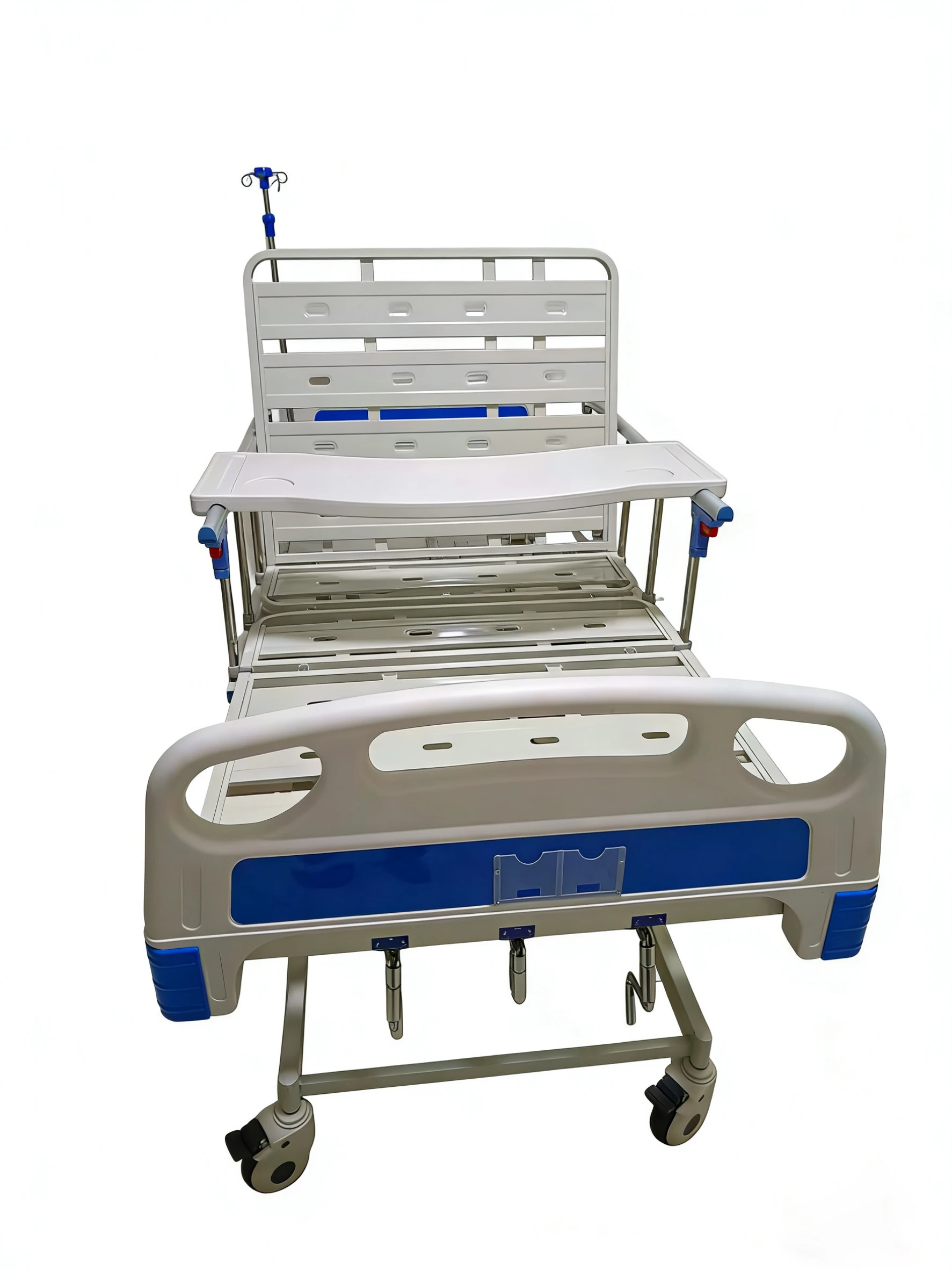
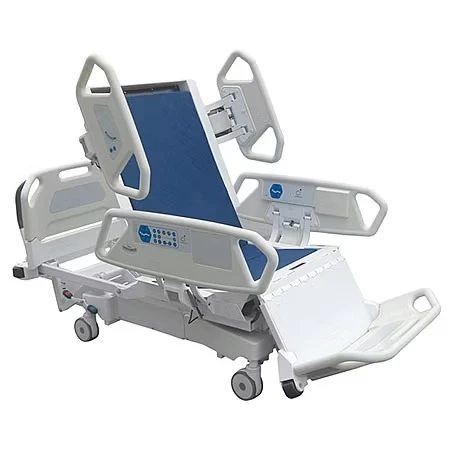
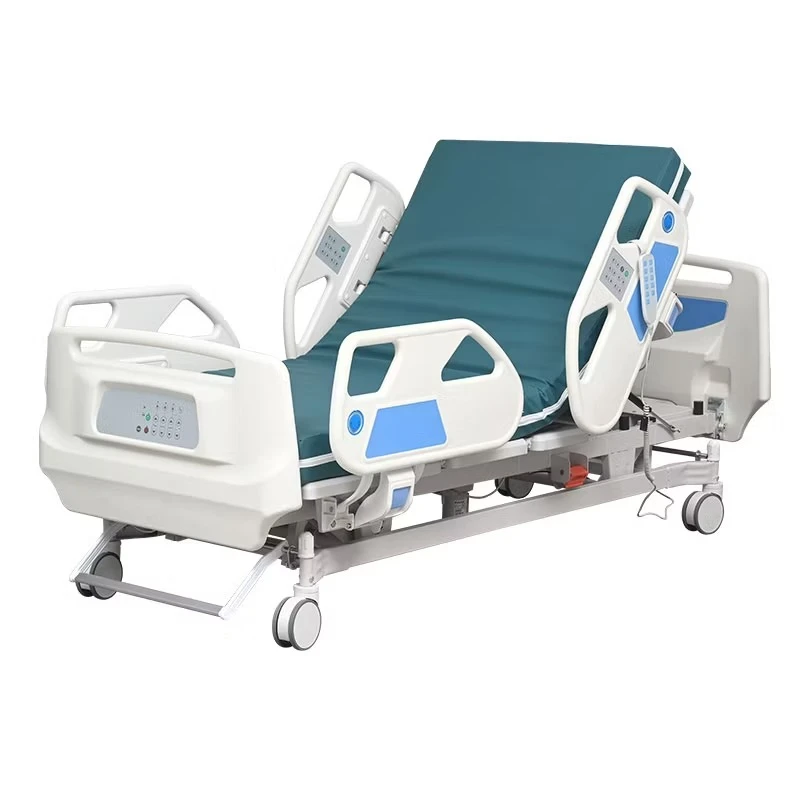
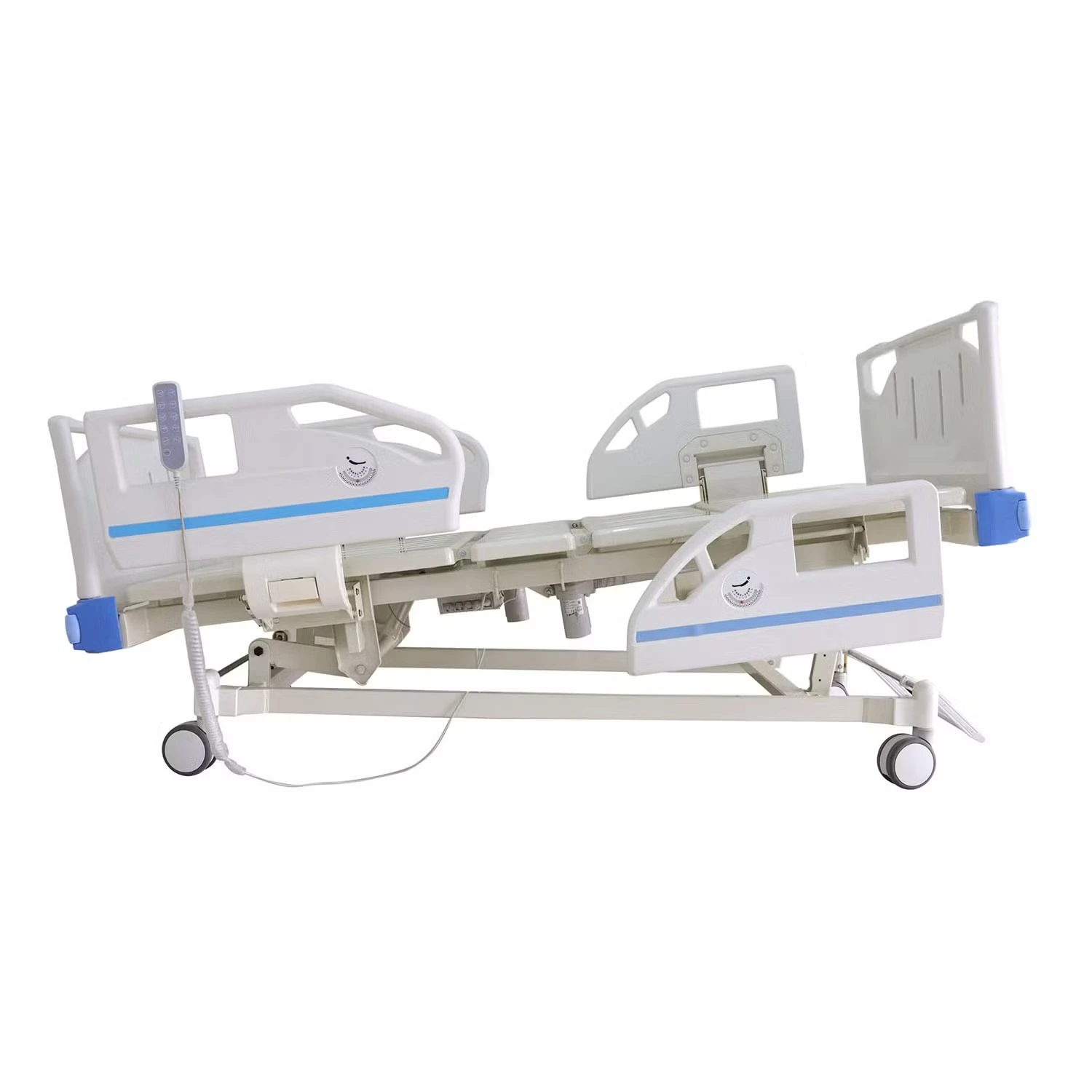
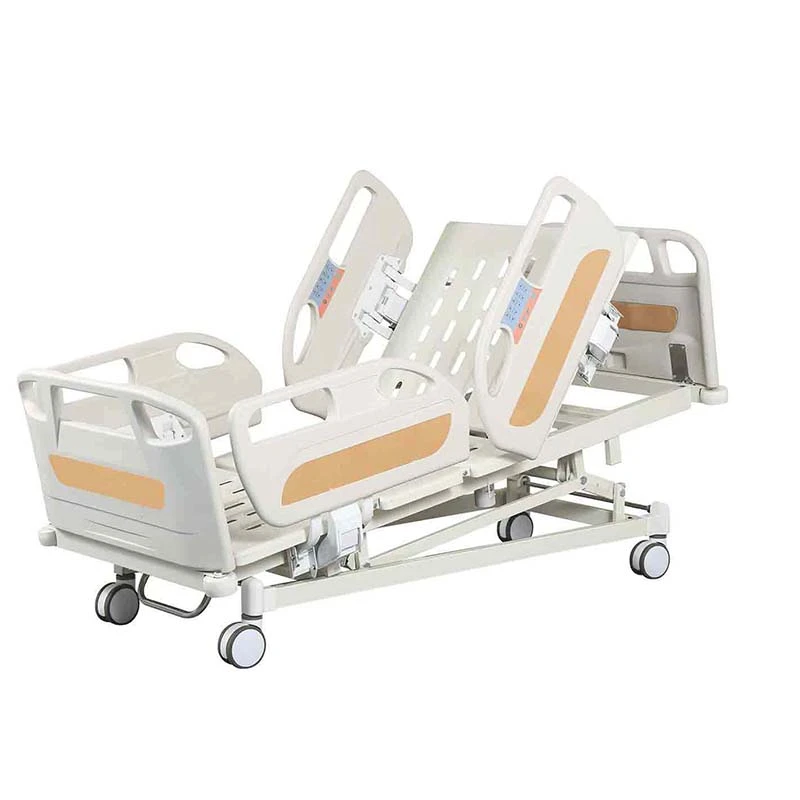
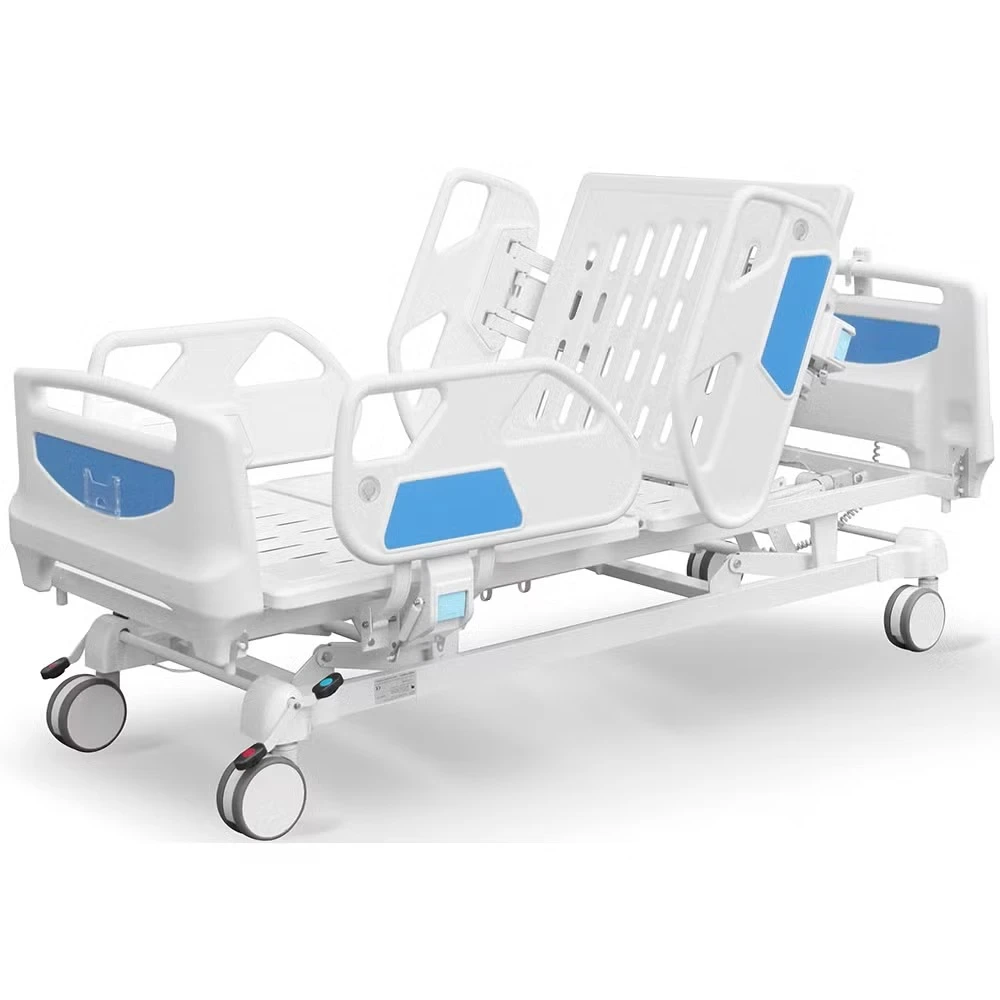
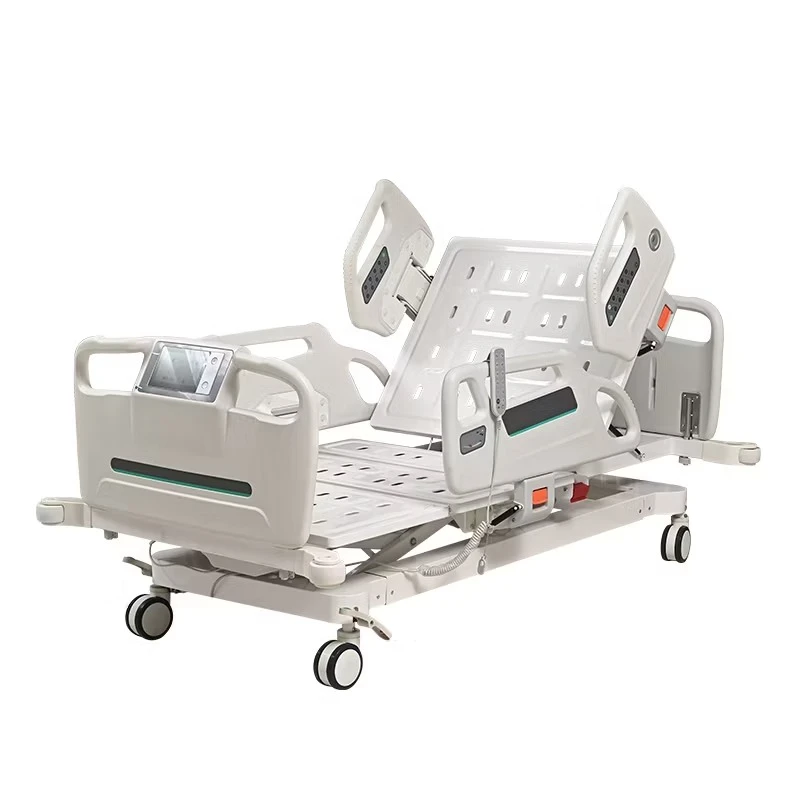
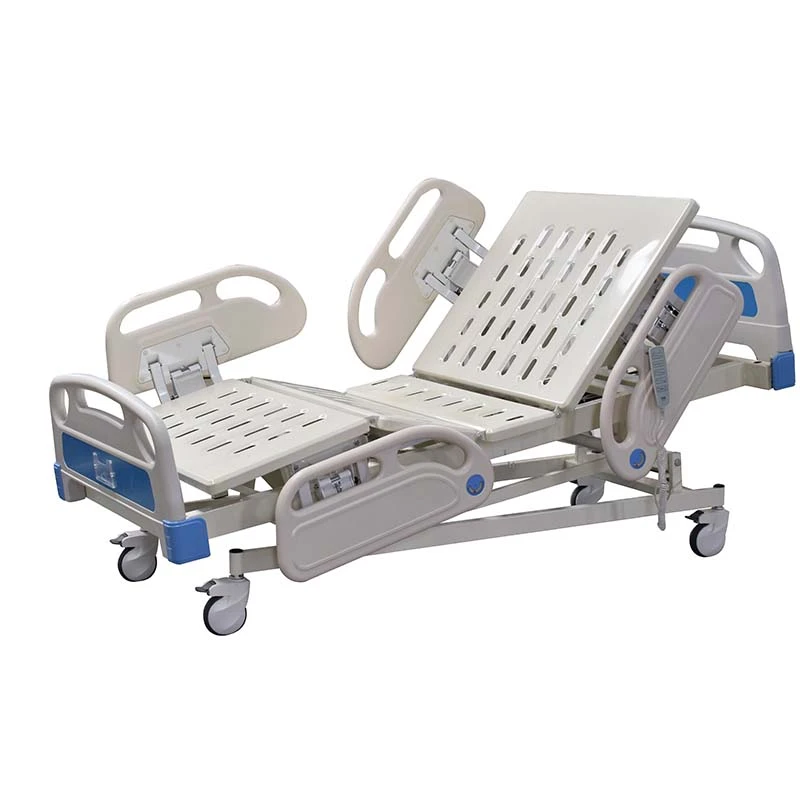
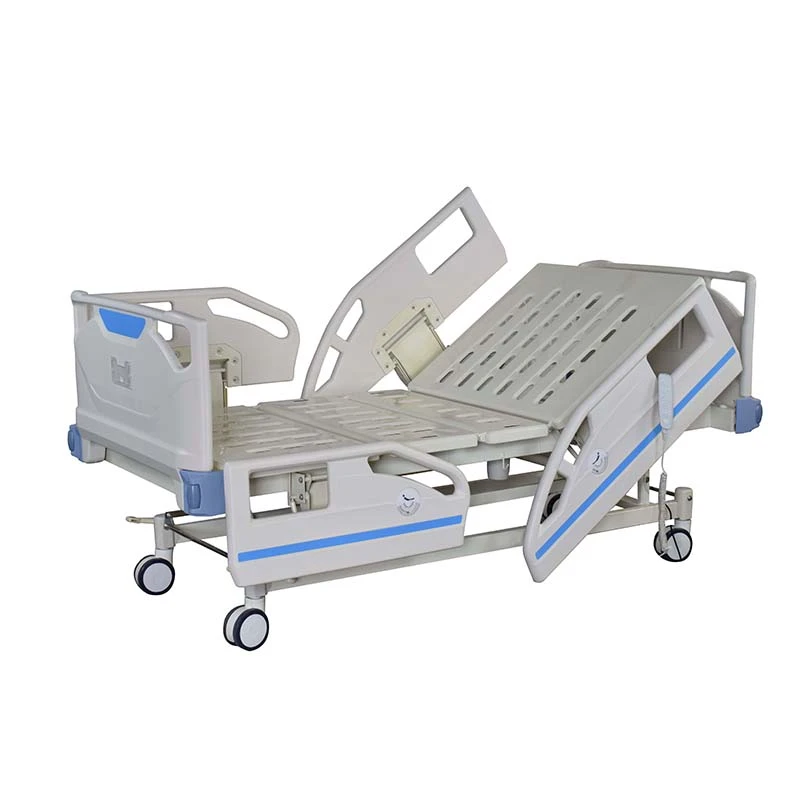
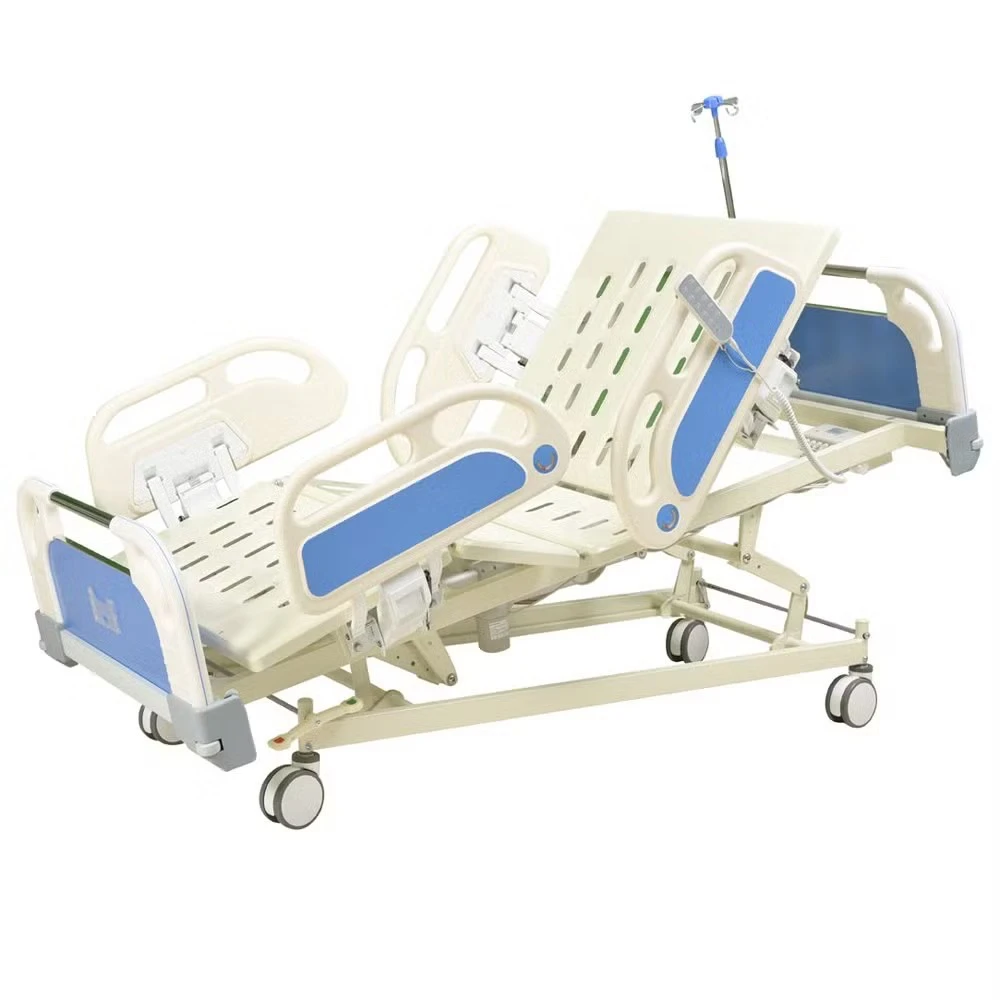
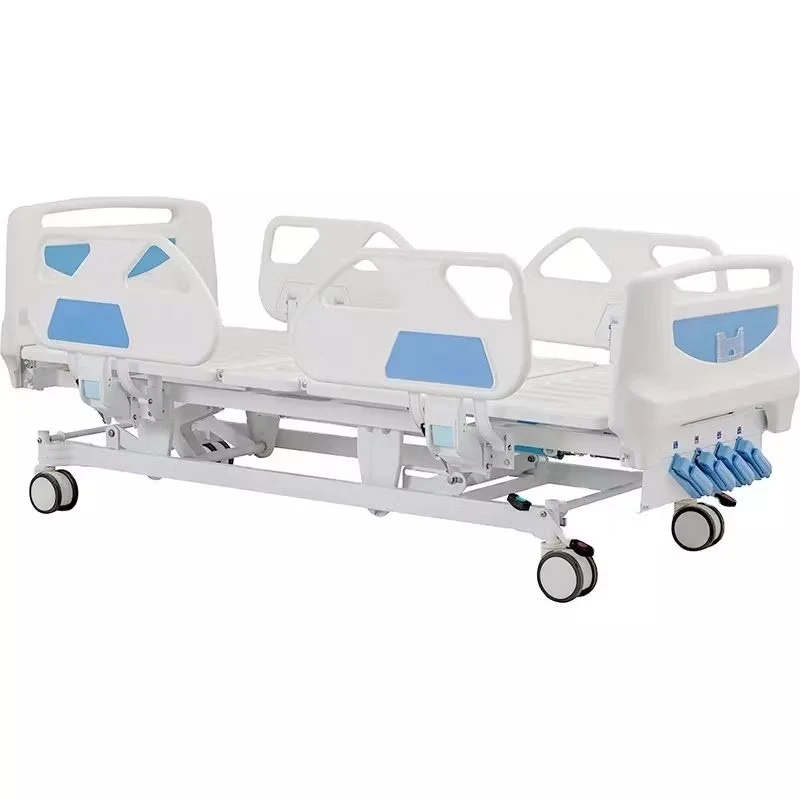
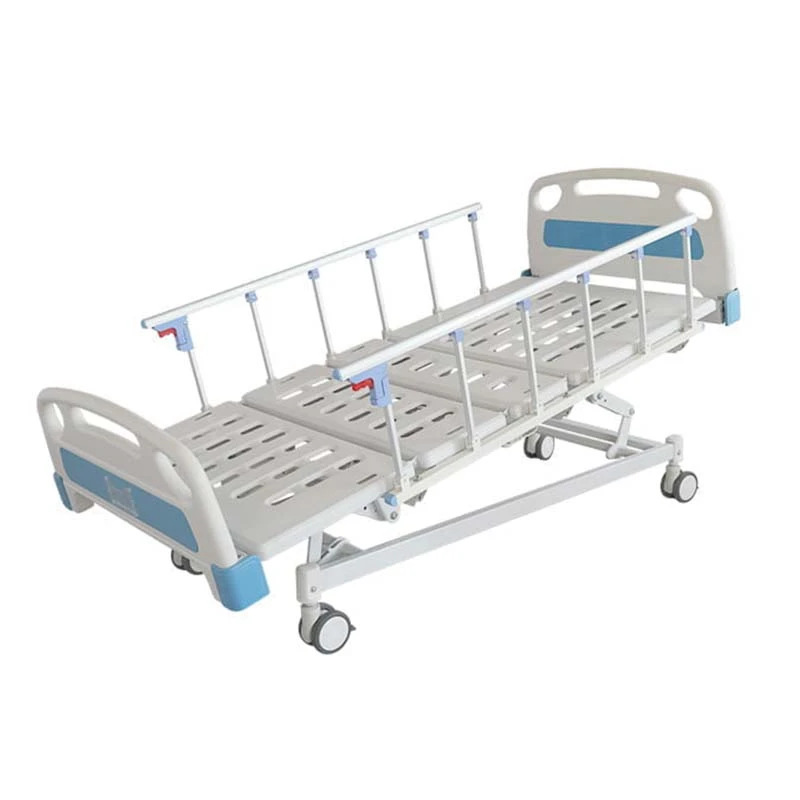
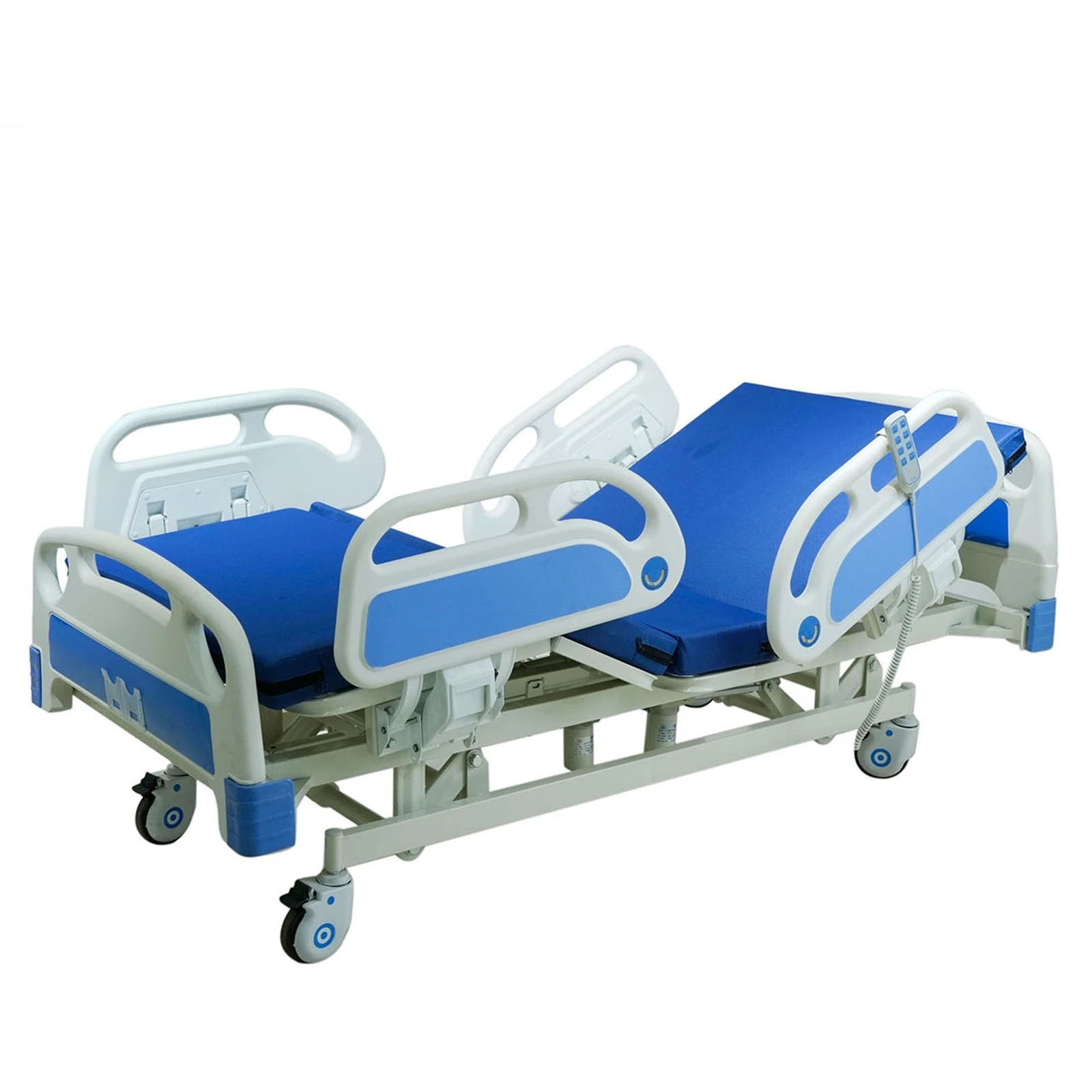
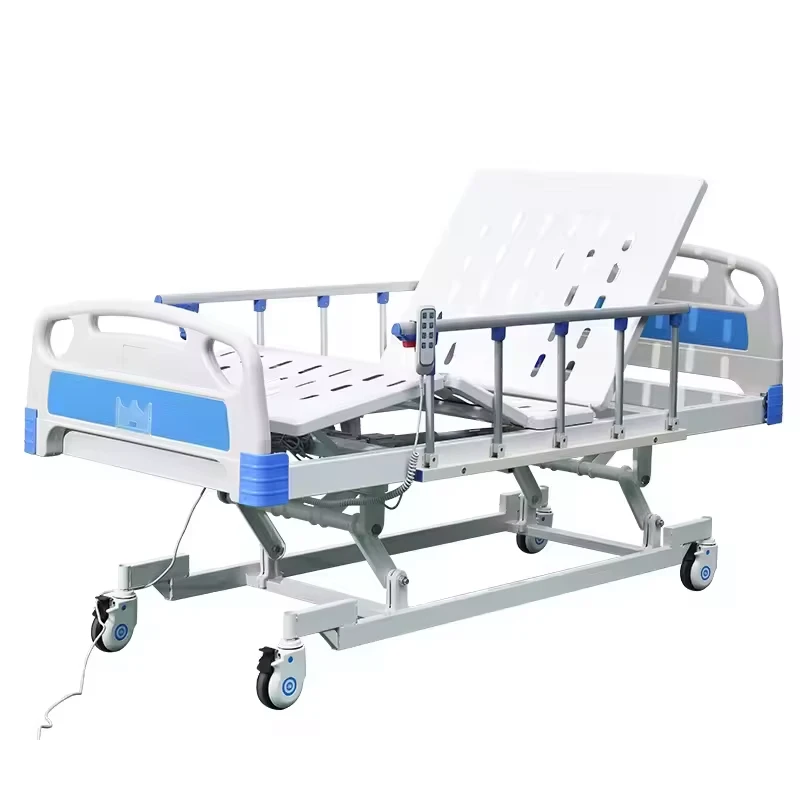
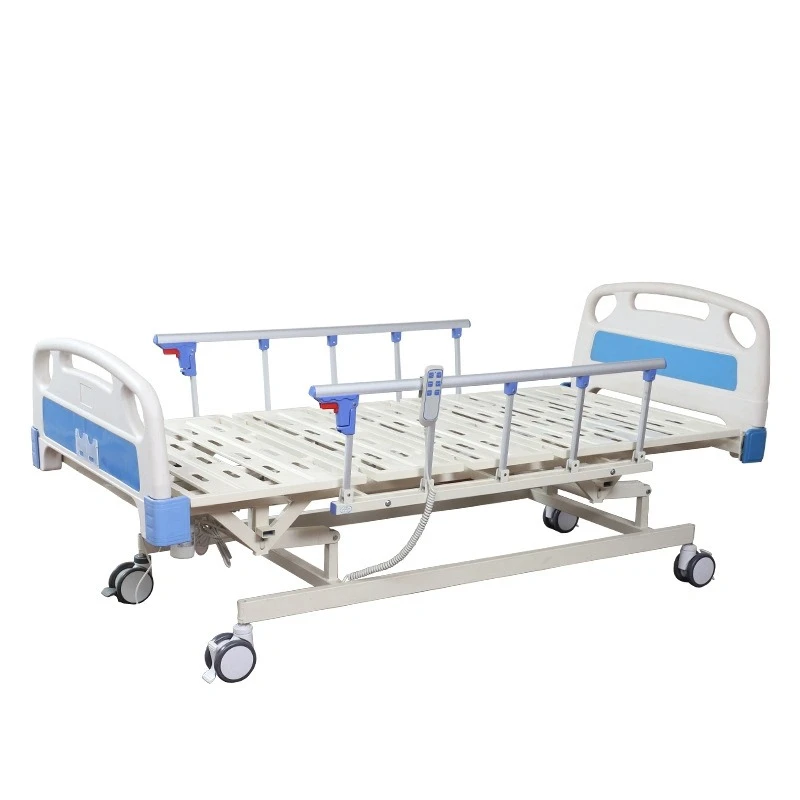
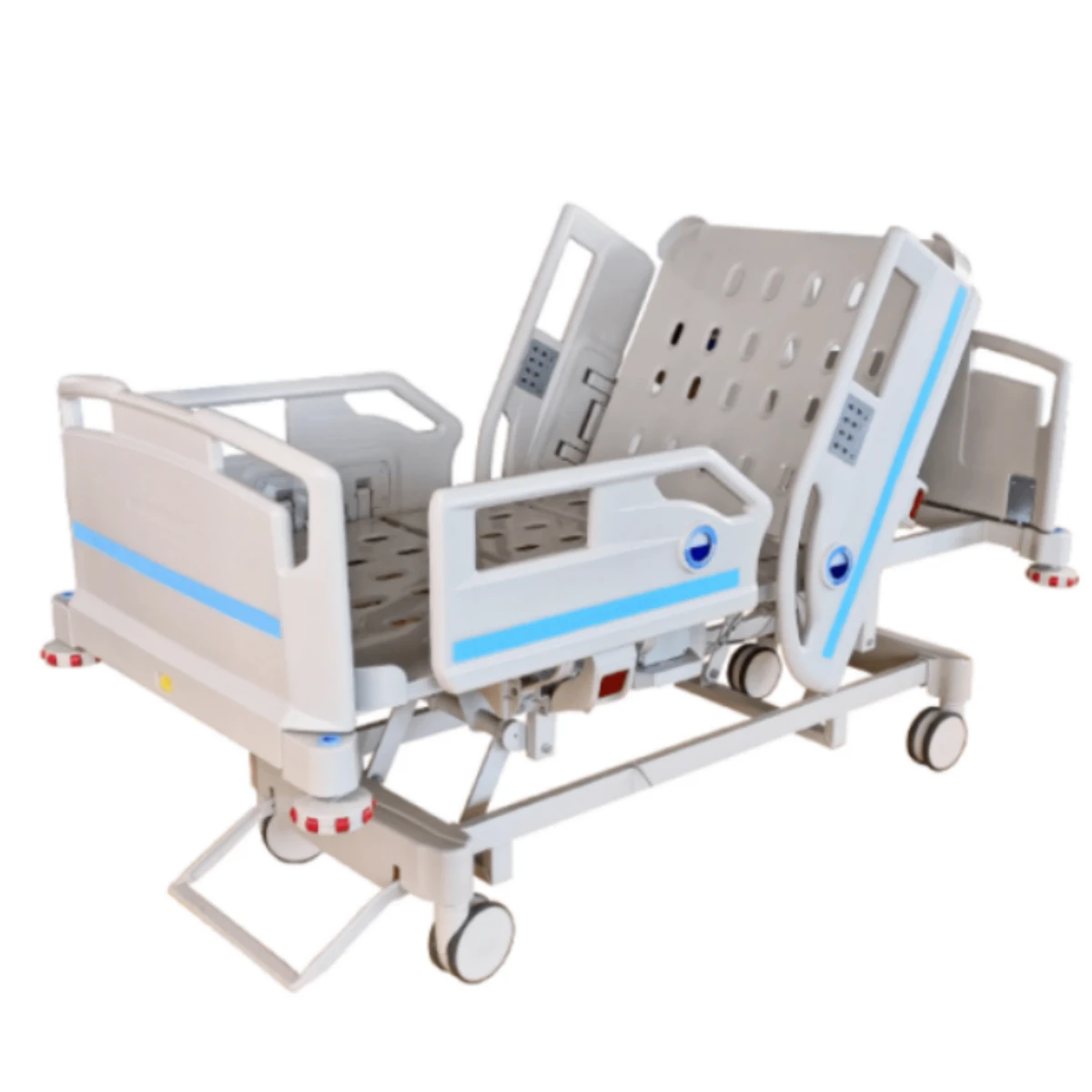
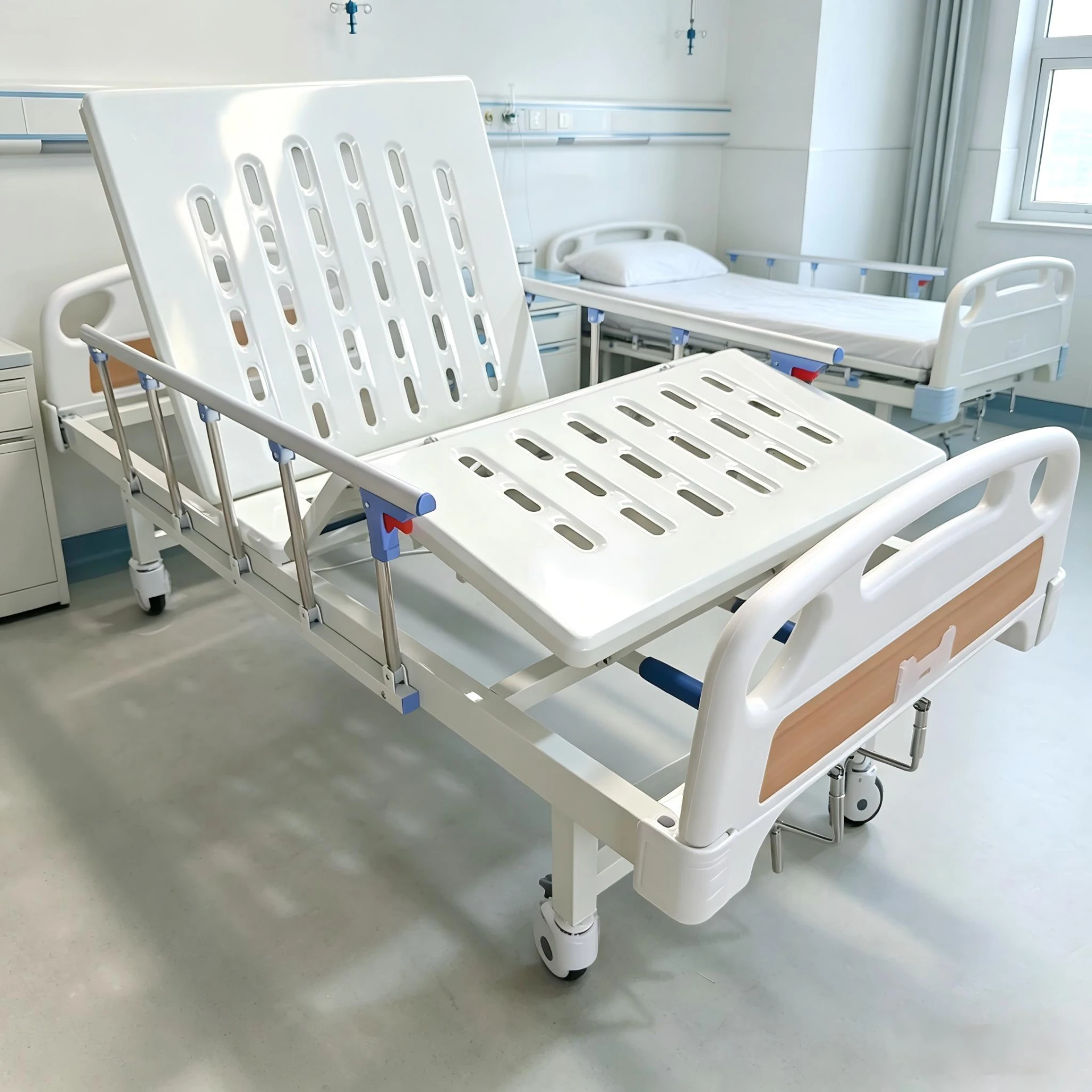
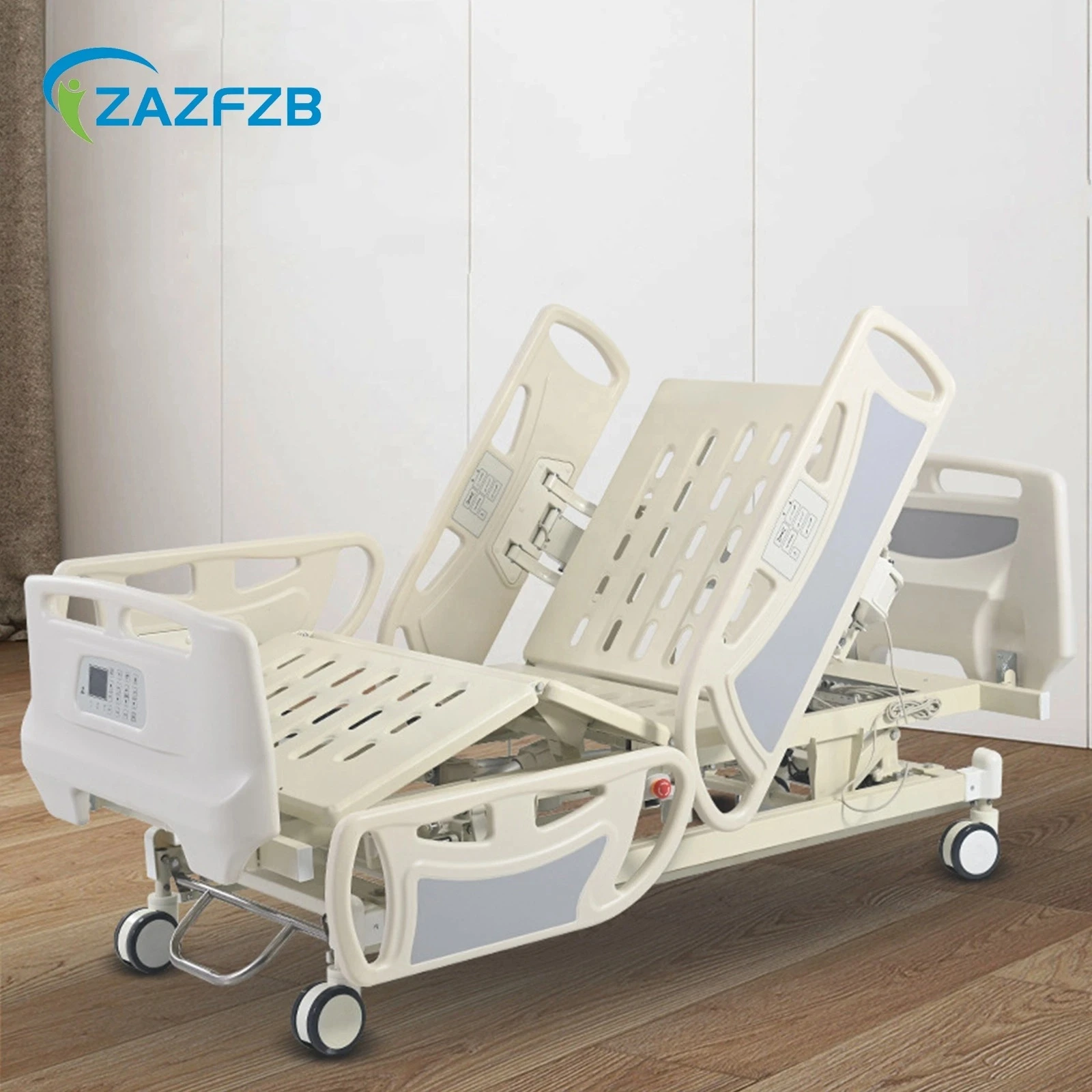
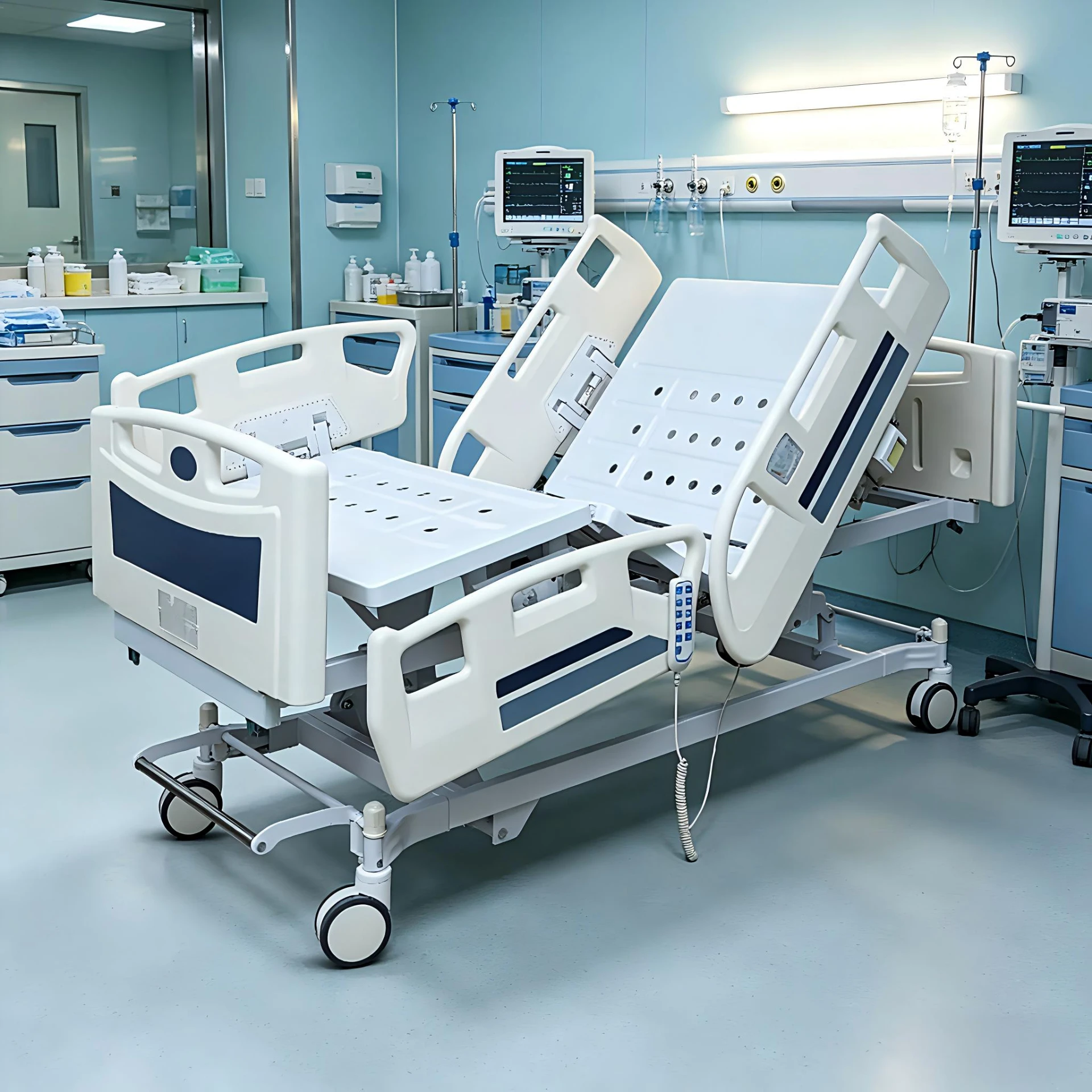
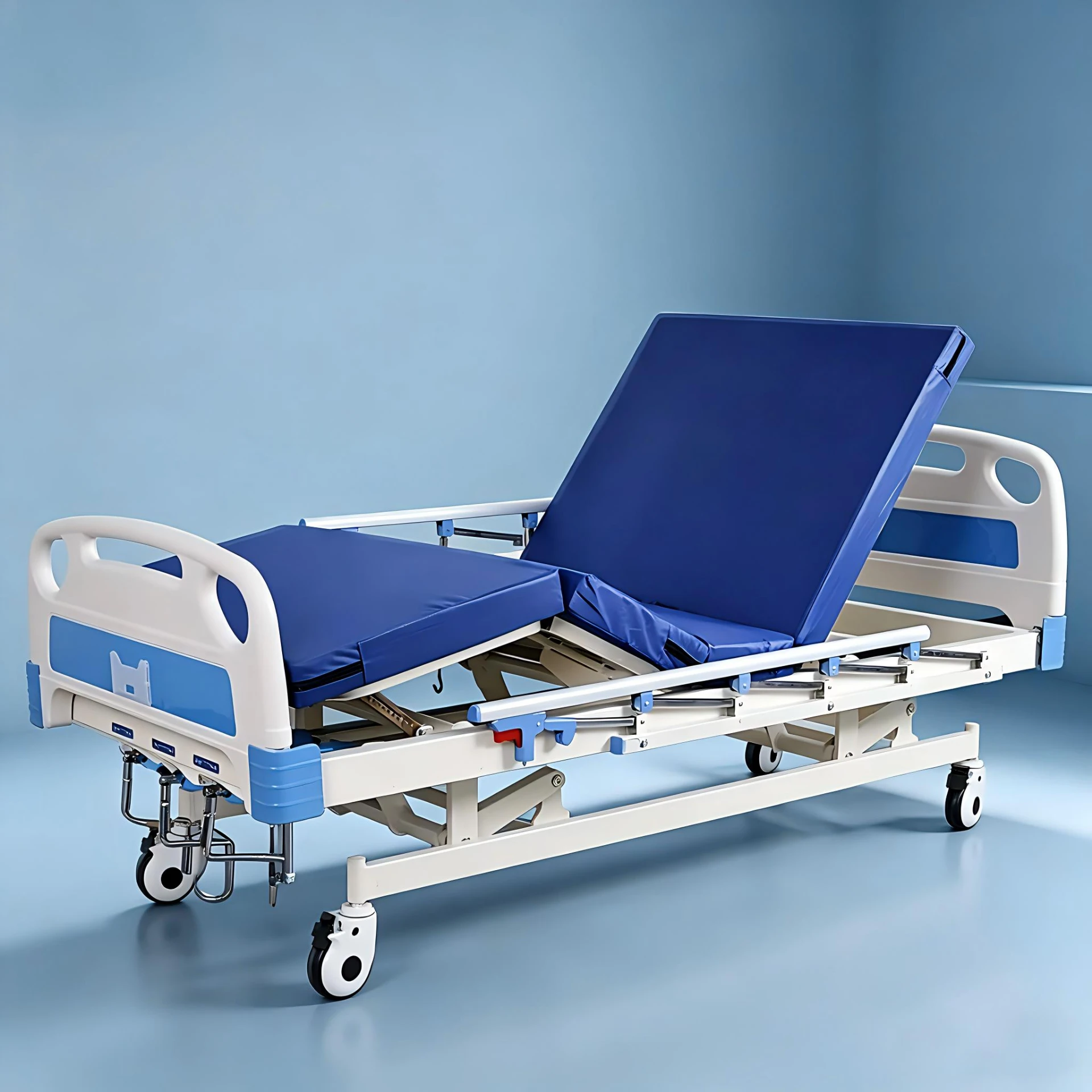
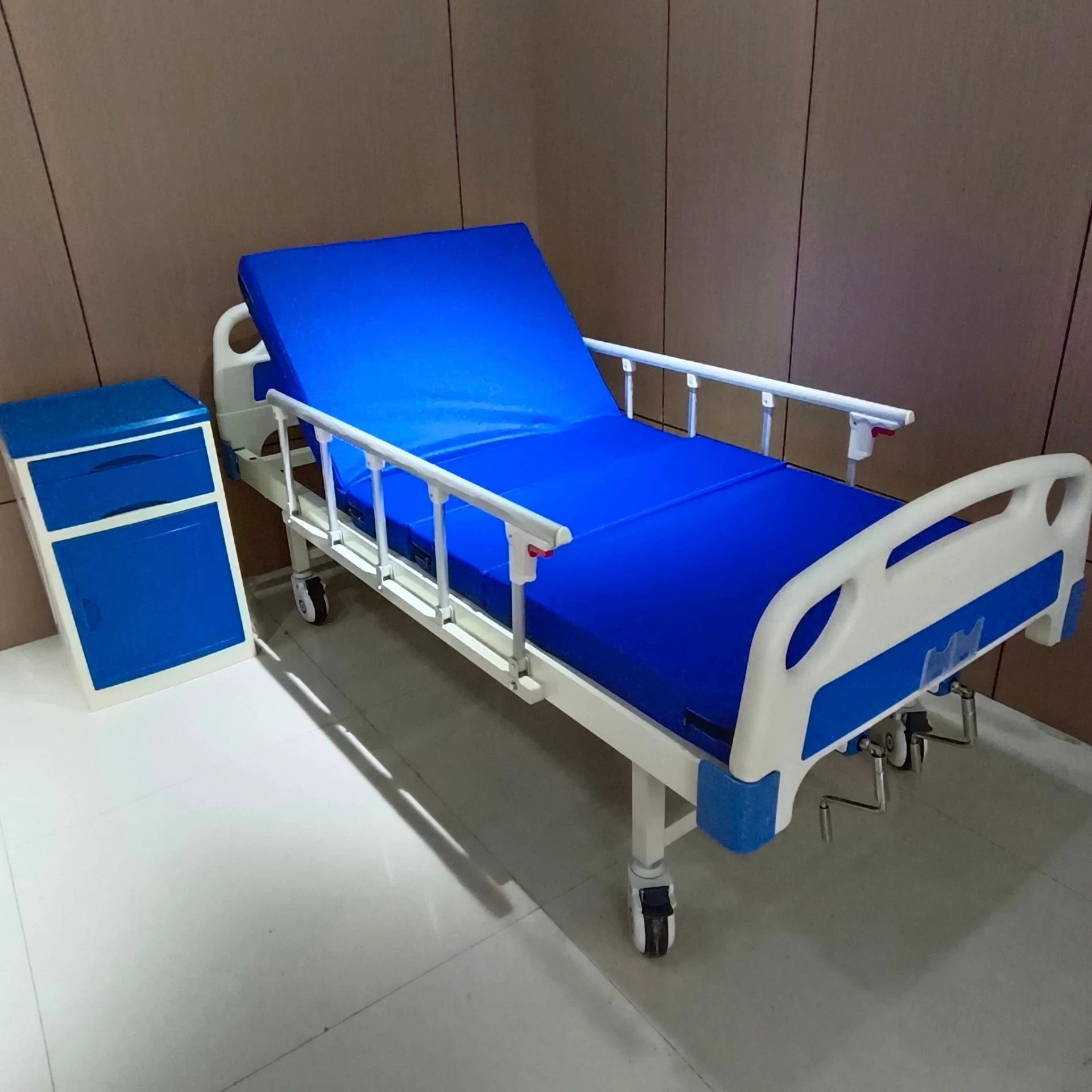
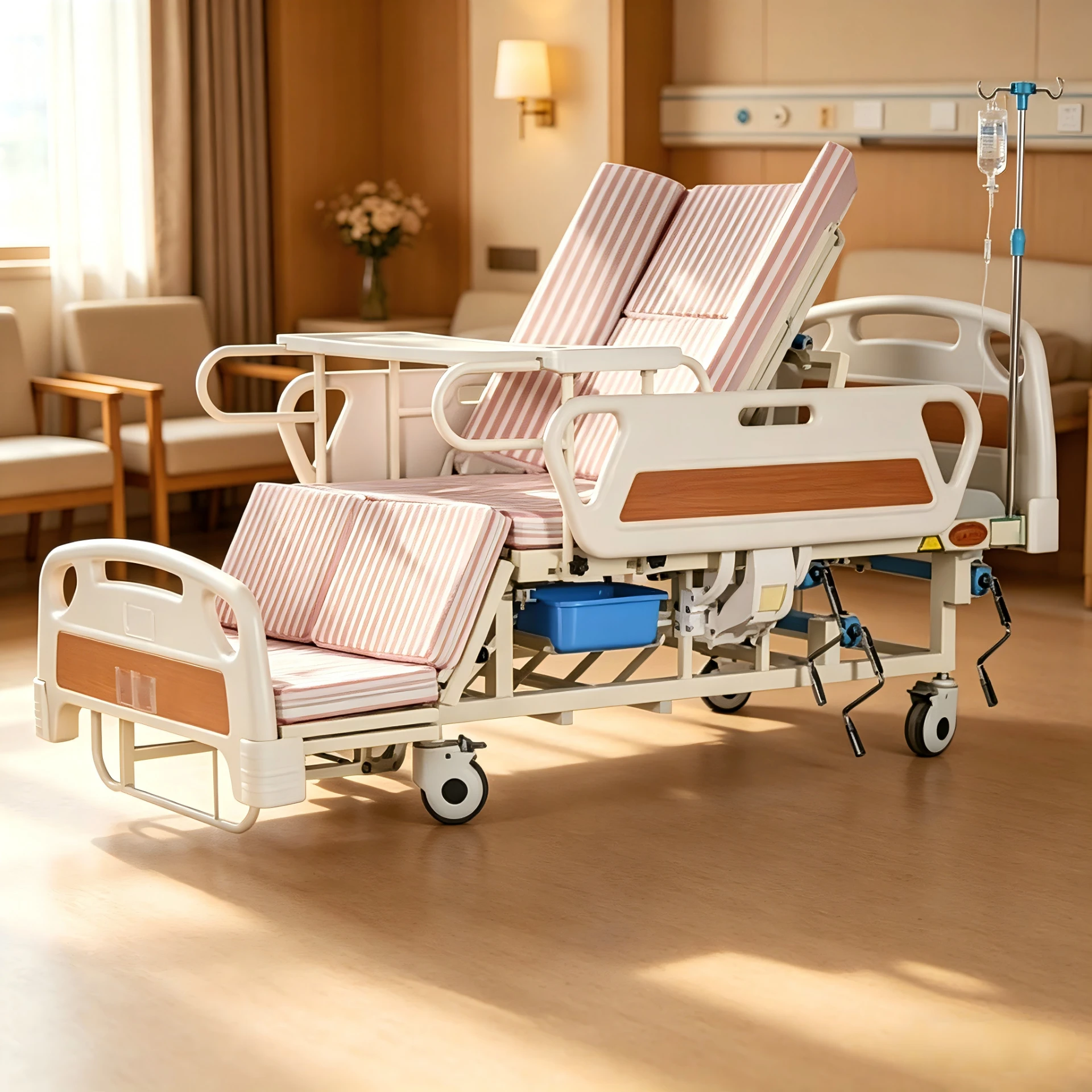
Simply put, a medical bed (sometimes called a hospital bed or healthcare bed) is a piece of furniture with special features designed for patients’ care. These features include adjustable height, backrest angles, and often side rails. They differ from regular beds by focusing on safety, hygiene, and adaptability, supporting everything from surgery recovery to long-term care.
In industry, these beds are connected to broader healthcare infrastructure and logistics. Humanitarians rely on portable medical beds during crises to maintain patient dignity and medical standards—ideas people often overlook until the bed arrives at the bedside.
Key Factors of Medical Beds
1. Adjustable Functionality
One of the most critical elements is adjustability — allowing the head, feet, and height to be positioned for patient comfort and clinical needs. This flexibility helps prevent bedsores and assists caregivers in delivering care efficiently.
2. Durability and Hygiene
Medical beds must withstand continuous use (and often harsh cleaning protocols). Materials are chosen for durability and ease of sterilization, compliant with standards like ISO 60601-2-52 regarding bed safety.
3. User Safety Features
Side rails or fall-prevention measures are standard to protect vulnerable patients from injury — a crucial aspect in pediatrics, geriatrics, and rehabilitation.
4. Mobility and Scalability
Wheels with locks enable beds to be repositioned or moved between facilities. Modular designs allow customization depending on acute or chronic care demands.
5. Cost Efficiency
With healthcare budgets in mind, beds must strike a balance between advanced features and affordability, especially in developing countries or field hospitals.
| Specification | Typical Feature | Benefit |
|---|---|---|
| Adjustable Height | 20–80 cm | Facilitates patient transfer & caregiver ergonomics |
| Electric Controls | Handheld or panel operated | Precision & ease of positioning |
| Weight Capacity | Up to 200 kg | Supports a wide patient range |
| Side Rails | Foldable or fixed | Prevents falls and improves patient safety |
Mini takeaway: The best medical beds blend innovation with practicality, addressing safety, comfort, and efficiency all at once.
Global Applications & Use Cases
From urban hospitals in Japan and the US to refugee camps in Africa, medical beds serve a critical purpose. In post-disaster relief operations, portable medical beds are lifesavers, providing immediate patient support where infrastructure is damaged. In remote industrial zones, they support occupational health programs, enabling onsite care for workers suffering accidents or sudden illness.
Several NGOs and international health organizations prioritize shipping adjustable beds to fill gaps in underserved regions. Oddly enough, the portability and durability of some models have redefined field hospitals, even influencing military medical logistics. This global reach stresses that what is a medical bed called isn’t just a technical label – it’s part of a truly global health solution.
Vendor Comparison: Leading Medical Bed Providers
| Feature | Vendor A | Vendor B | Vendor C |
|---|---|---|---|
| Price Range | $850–$1,200 | $1,000–$1,500 | $700–$1,000 |
| Adjustability | Manual/Electric | Fully Electric | Semi Electric |
| Weight Capacity | 180 kg | 200 kg | 170 kg |
| Portability | Wheels with locks | Lightweight frame | Foldable frame |
| Warranty | 3 years | 5 years | 2 years |
Advantages & Long-Term Value
From an emotional standpoint, a good medical bed can restore dignity to patients who often face vulnerability. It also reduces caregiver fatigue and injury risk — the human part that sometimes gets ignored in budget talks. Logically, the right bed cuts down treatment complications, speeds recovery, and improves facility efficiency.
Sustainability is becoming more crucial too, pushing vendors toward recyclable materials and energy-efficient motors. Plus, the bed’s long service life means fewer replacements and less waste. Simply put, investing in well-designed medical beds pays off in quality care and operational savings.
Future Trends & Innovations
The future is promising and frankly, a bit exciting. We’re seeing beds with IoT integration that can monitor patient vitals, alert staff, and even adjust positions automatically based on algorithms. Sustainable materials like bamboo composites and biodegradable plastics show promise for greener healthcare.
Automation is making it easier to move beds with minimal staff, and digital transformation means customizations can be requested faster via online platforms, speeding up procurement. These innovations tie back to increasingly complex healthcare demands worldwide — hospitals want smarter, safer, more patient-centric furniture.
Challenges & Solutions
Medical beds aren’t without faults. High costs can be prohibitive, especially in low-income settings. Repairing sophisticated electric models requires trained technicians, which isn’t always available. In emergencies, assembling or transporting beds can be tough.
Experts suggest modular designs, simplified electric models, and better training partnerships as practical solutions. Nonprofits are innovating portable, lightweight beds that require minimal tools to deploy. It’s an ongoing dance between high tech and practical needs.
FAQ: Frequently Asked Questions About What Is a Medical Bed Called
- Q: What makes medical beds different from regular beds?
A: Medical beds include adjustable features (head, foot, height), safety rails, and materials designed for hygiene and durability, making them fit for clinical care compared to standard home beds. - Q: Are all medical beds electric?
A: No, some beds use manual cranks, especially in resource-limited settings, but electric beds are preferred for ease of adjustment and precision. - Q: How portable are medical beds for emergency use?
A: Portable medical beds are designed with foldable frames and lightweight materials to facilitate quick deployment in disaster zones or mobile clinics. - Q: Can medical beds be customized?
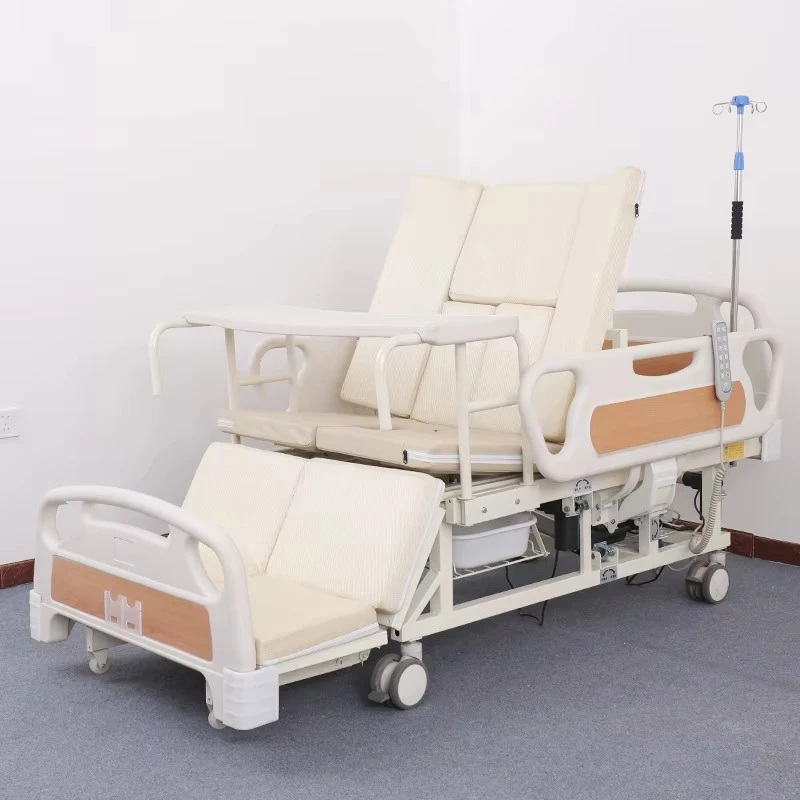
A: Yes, many manufacturers offer modular components or accessories like specialized mattresses, IV holders, and electronic controls tailored to patient needs.
Conclusion + Call to Action
Understanding what is a medical bed called opens a window into how health systems worldwide tackle care delivery challenges. From patient safety to sustainability and innovation, these specialized beds are a crucial but often overlooked part of healthcare infrastructure.
If you’re interested in exploring how advanced medical beds can transform care environments, visit our website: https://www.zhaofamed.com for the latest solutions and expert advice.
In the end, the right bed does more than hold a patient—it supports healing, care quality, and human dignity.