Understanding the Average Size of a Hospital Bed – Global Standards & Trends
The Average Size of a Hospital Bed: Why It Matters Globally
When we talk about the average size of a hospital bed, we're really discussing something much bigger than just dimensions. It’s about the delicate balance between patient comfort, medical efficiency, and facility design worldwide. This seemingly simple metric has ripple effects across healthcare delivery, hospital logistics, and even humanitarian aid — making it a surprisingly vital piece of the global healthcare puzzle. Knowing these averages helps planners optimize space, improve safety, and maintain dignity in patient care, especially as hospitals grow more sophisticated or work in emergency conditions.
Setting the Scene: The Global Importance of Hospital Bed Sizes
Across the world, hospitals differ drastically in size, resources, and architectural design. According to the World Health Organization and ISO standards, the average size of a hospital bed typically ranges roughly between 200 to 220 cm in length and 90 to 110 cm in width, but here’s the catch — those number vary widely depending on regional standards, patient demographics, and use cases. With rising global health needs and the surge in aging populations, understanding and standardizing hospital bed size is critical in reducing overcrowding and ensuring universal accessibility.
For instance, the UN’s latest health facility reports point out that overcrowding and undersized beds can lead to risks like bedsores or mobility loss. Hospitals in Asia and parts of Africa sometimes face challenges fitting Western-sized beds within older infrastructure, while western hospitals grapple with accommodating larger patients comfortably.
Mini takeaway: Knowing the average hospital bed size is less trivial than it sounds — it’s a cornerstone of designing safe, humane healthcare spaces worldwide.
Defining the Average Size of a Hospital Bed
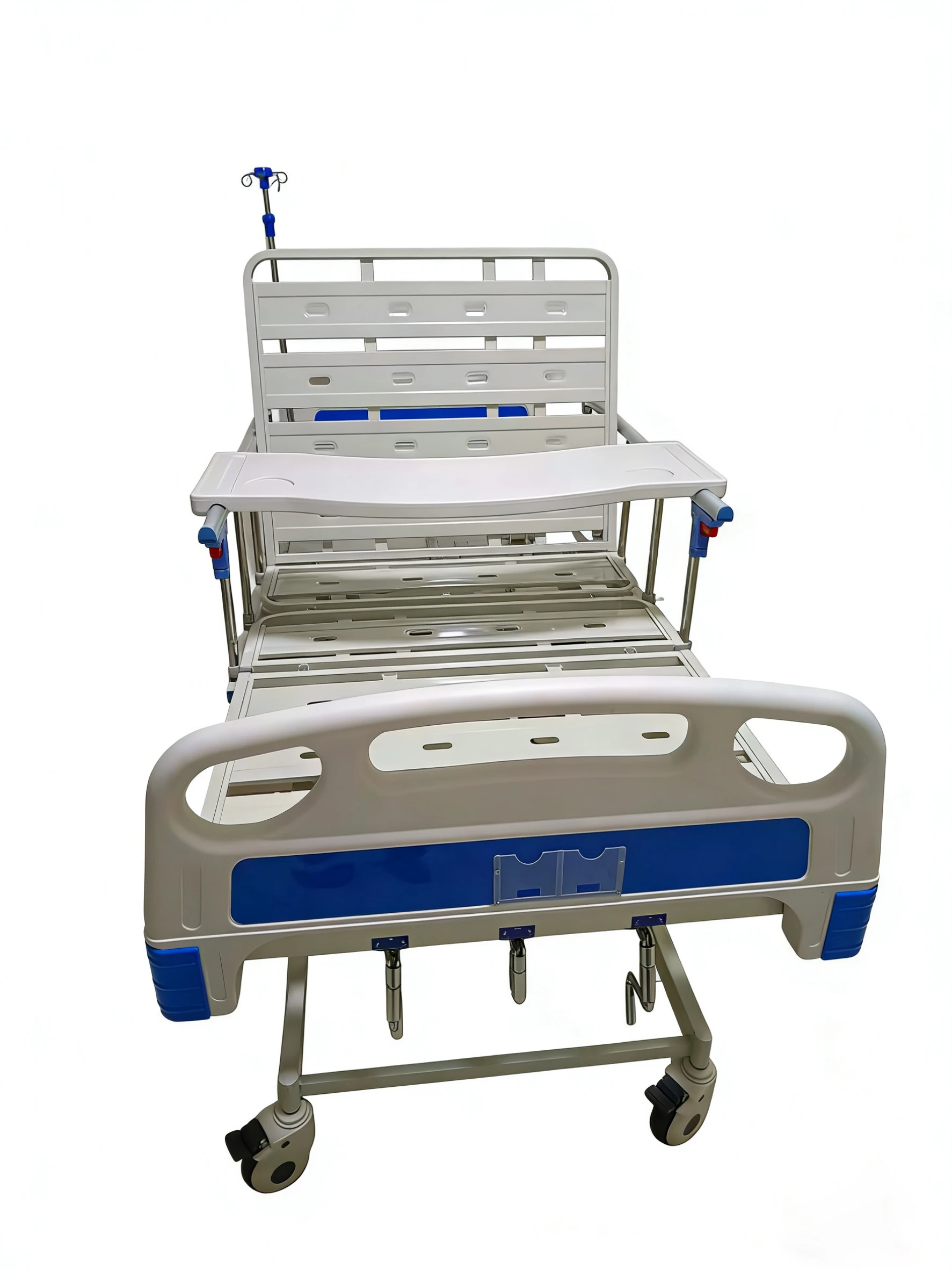
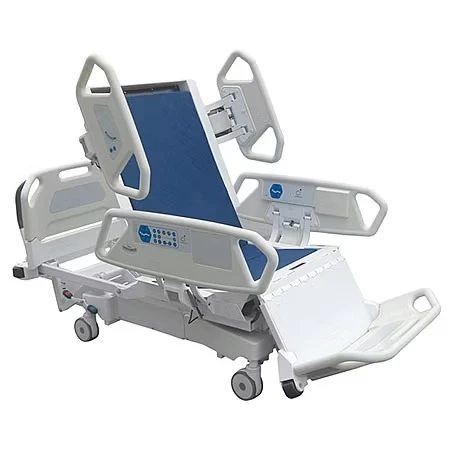
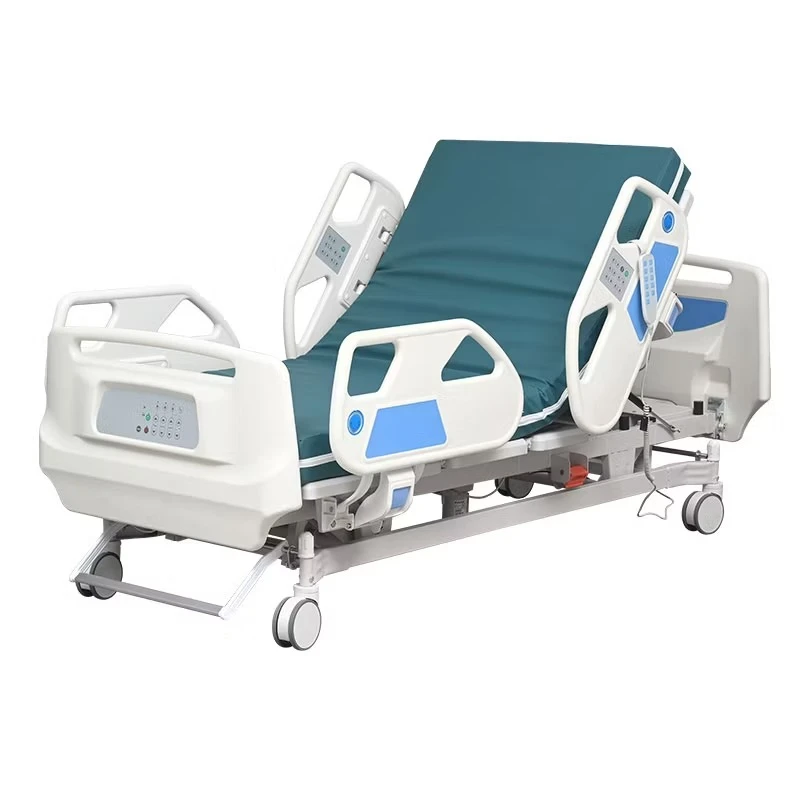
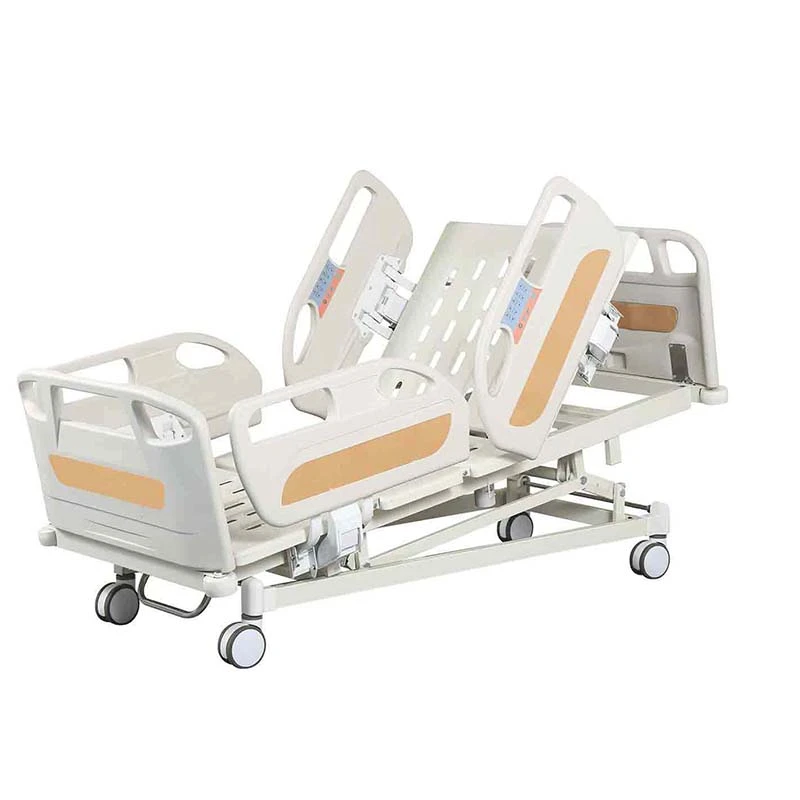
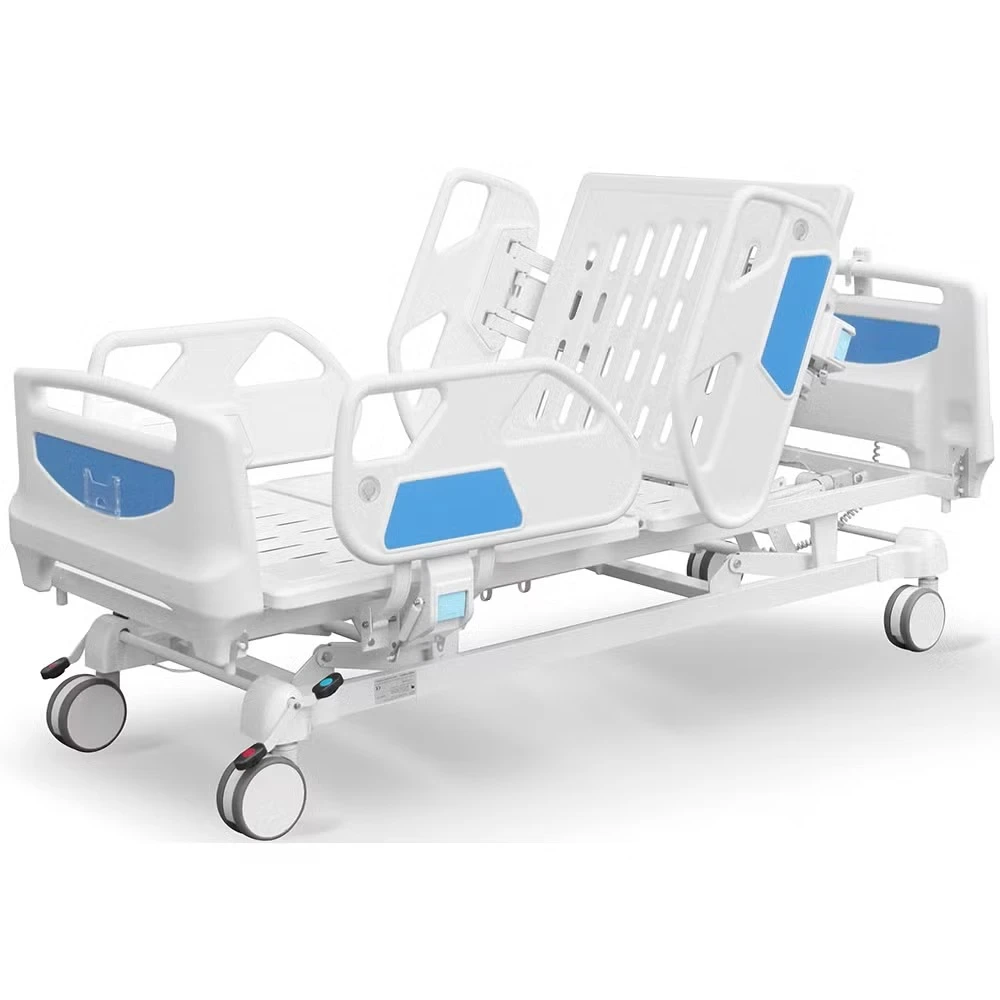
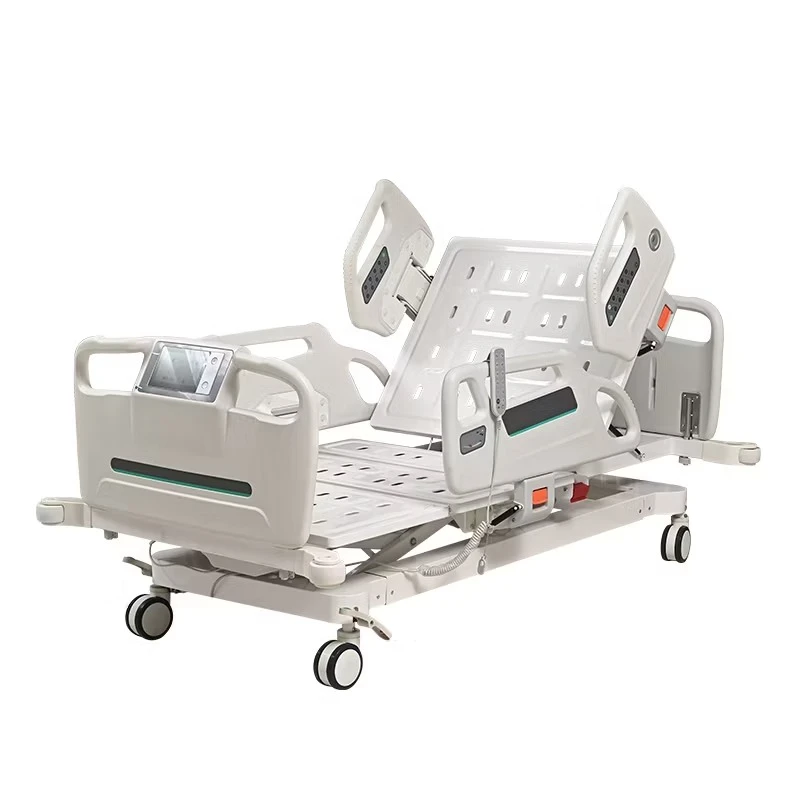
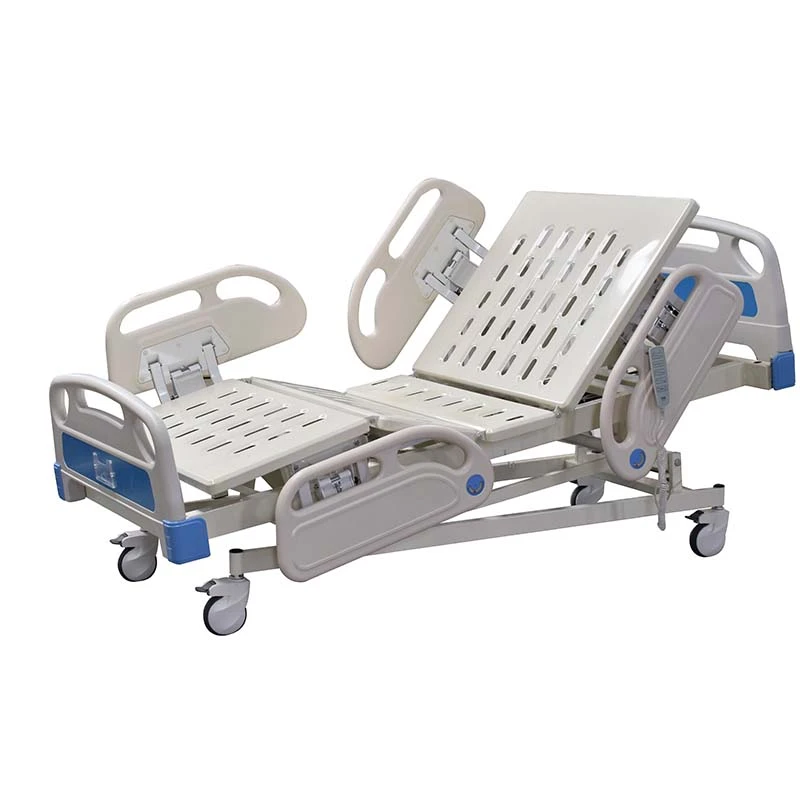
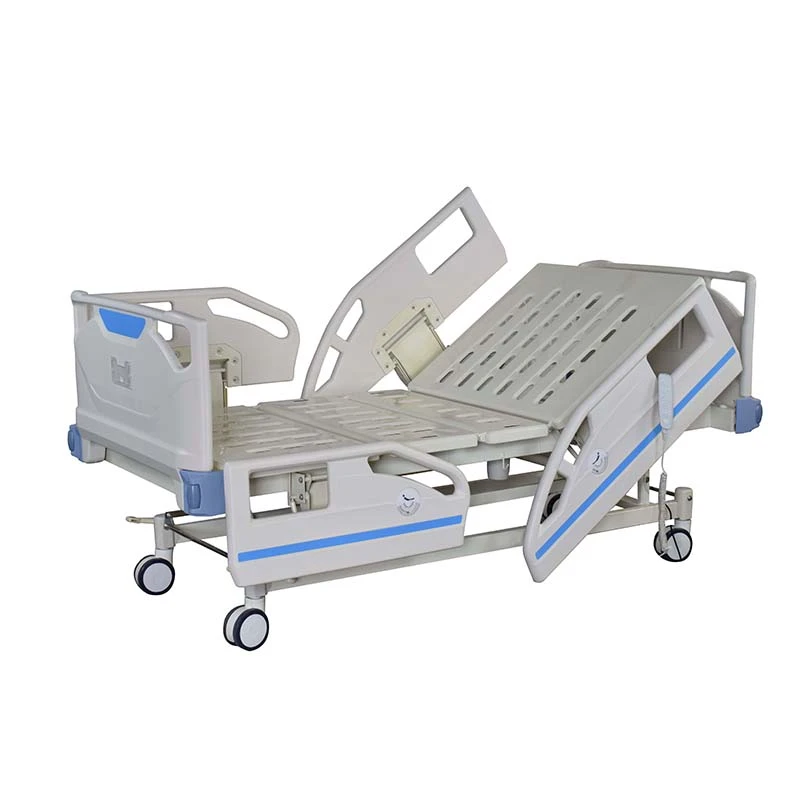
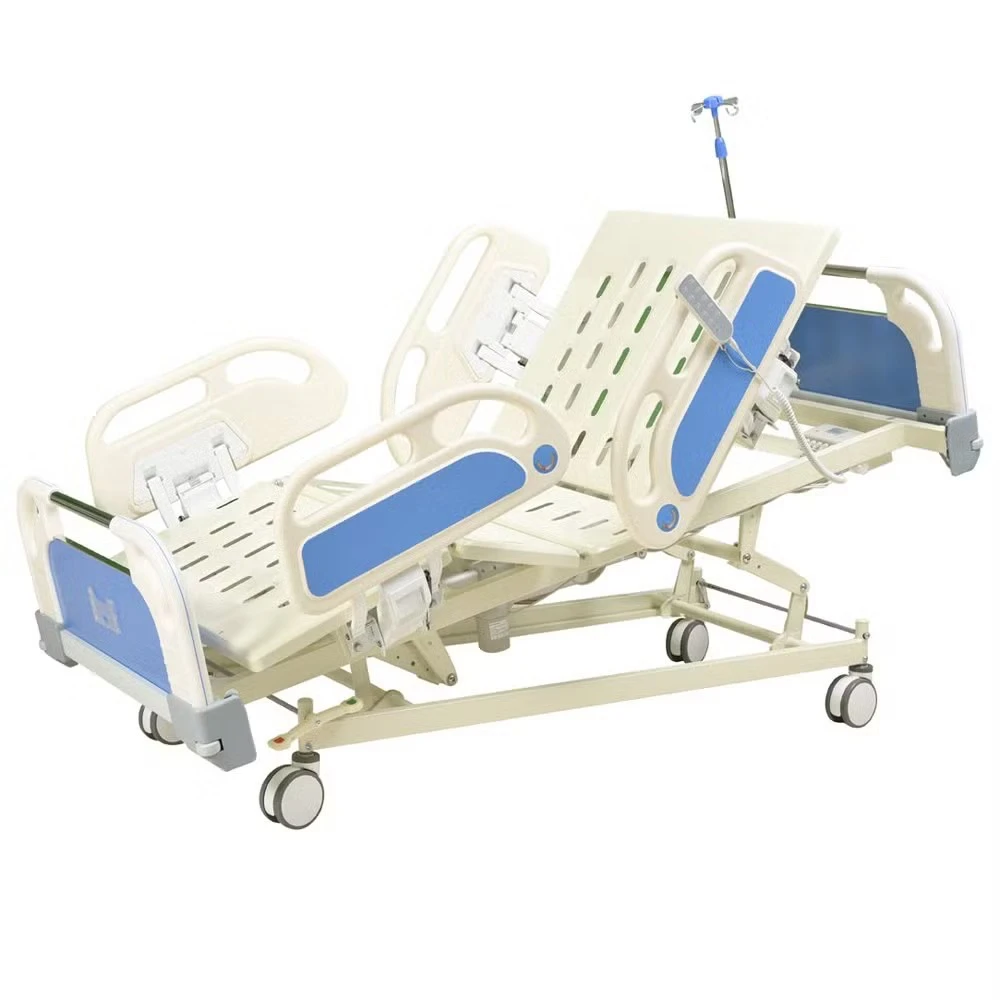
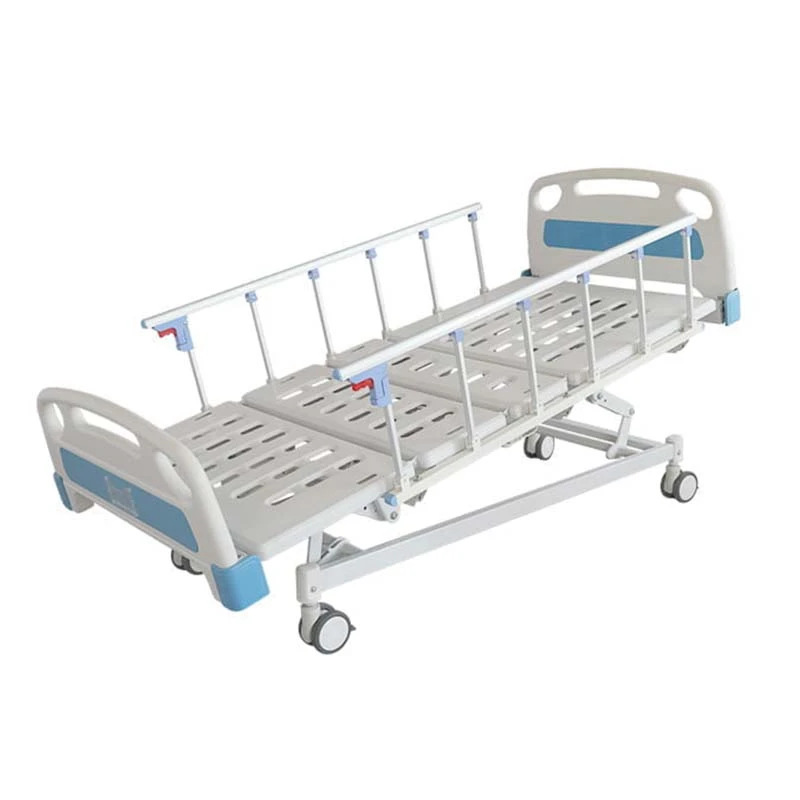
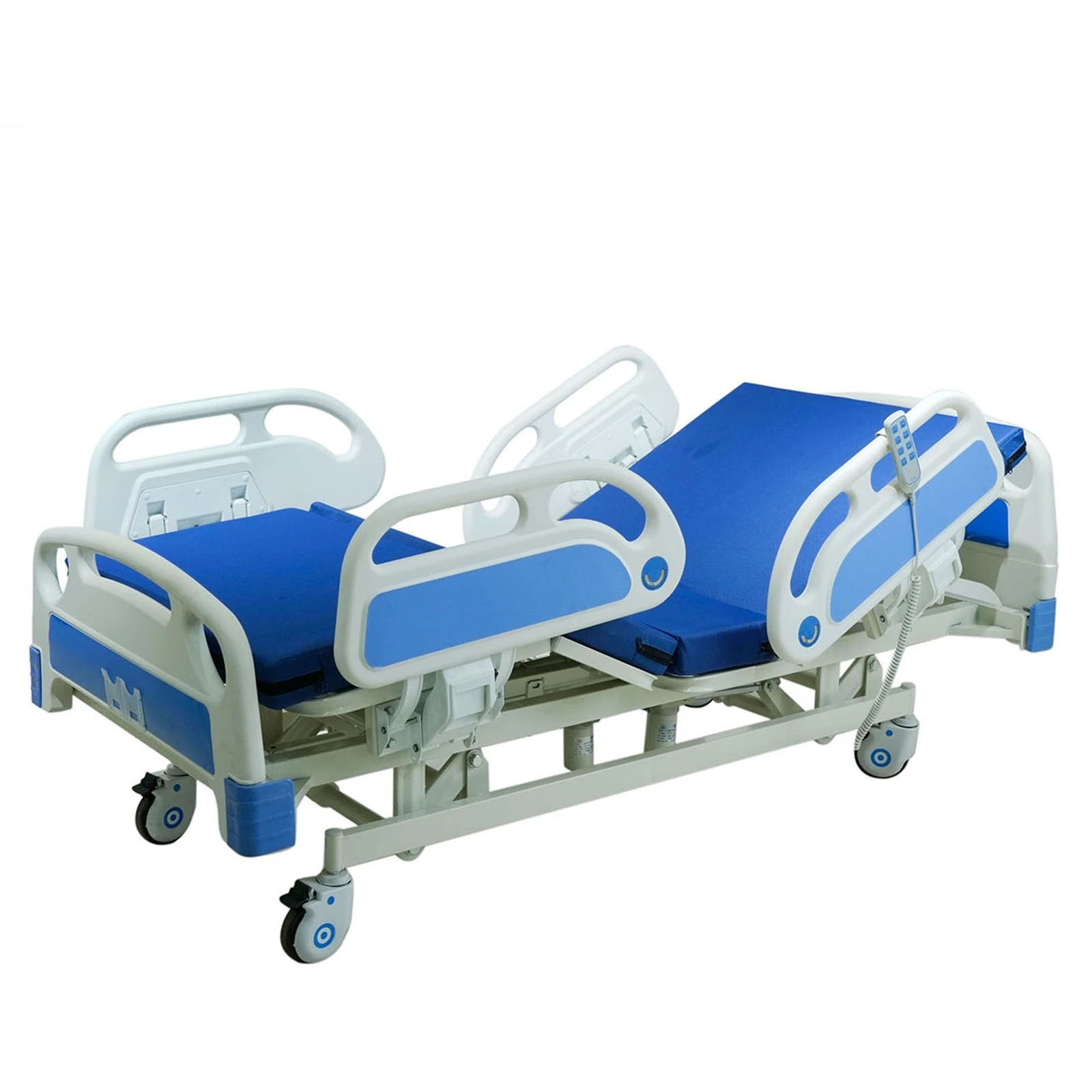
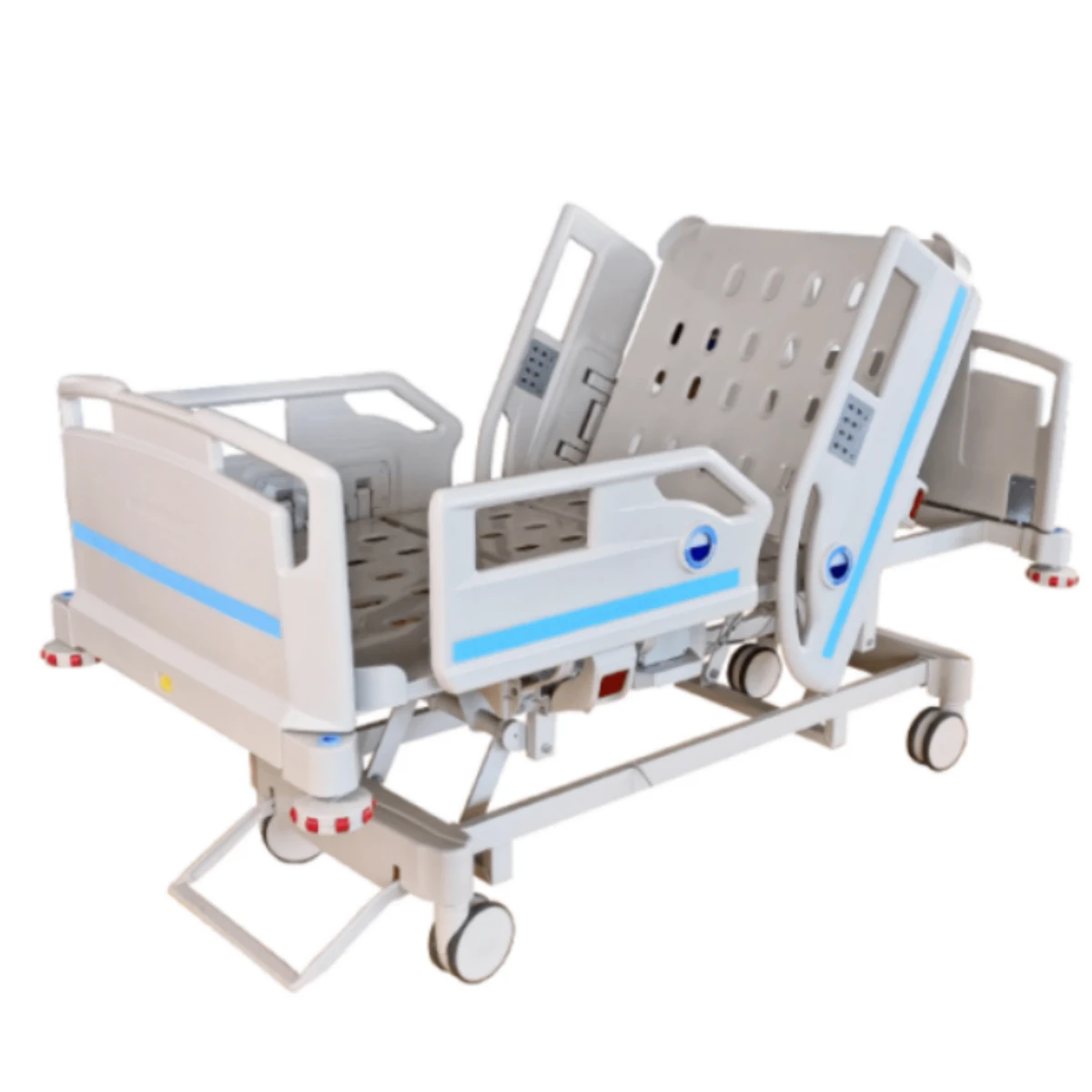
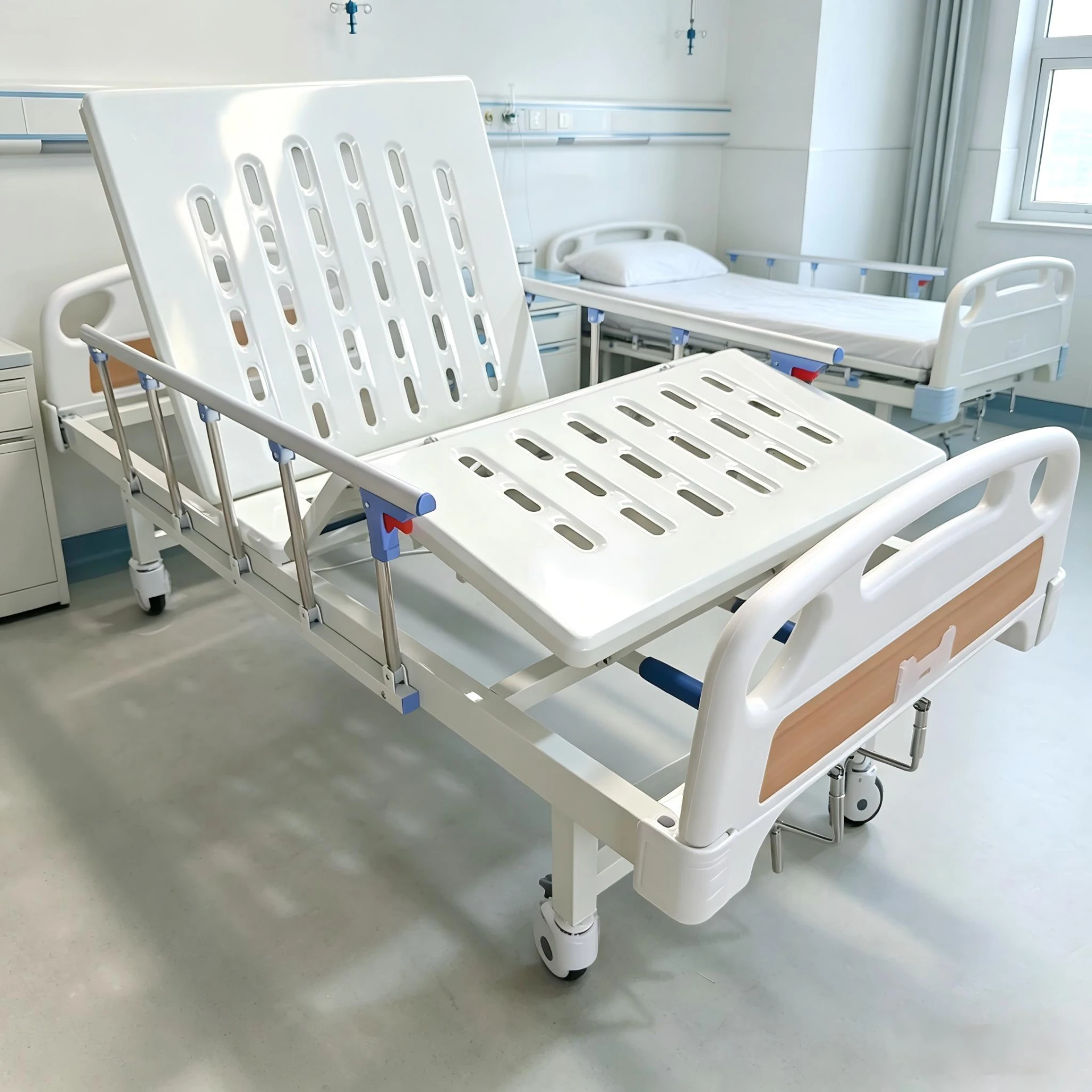
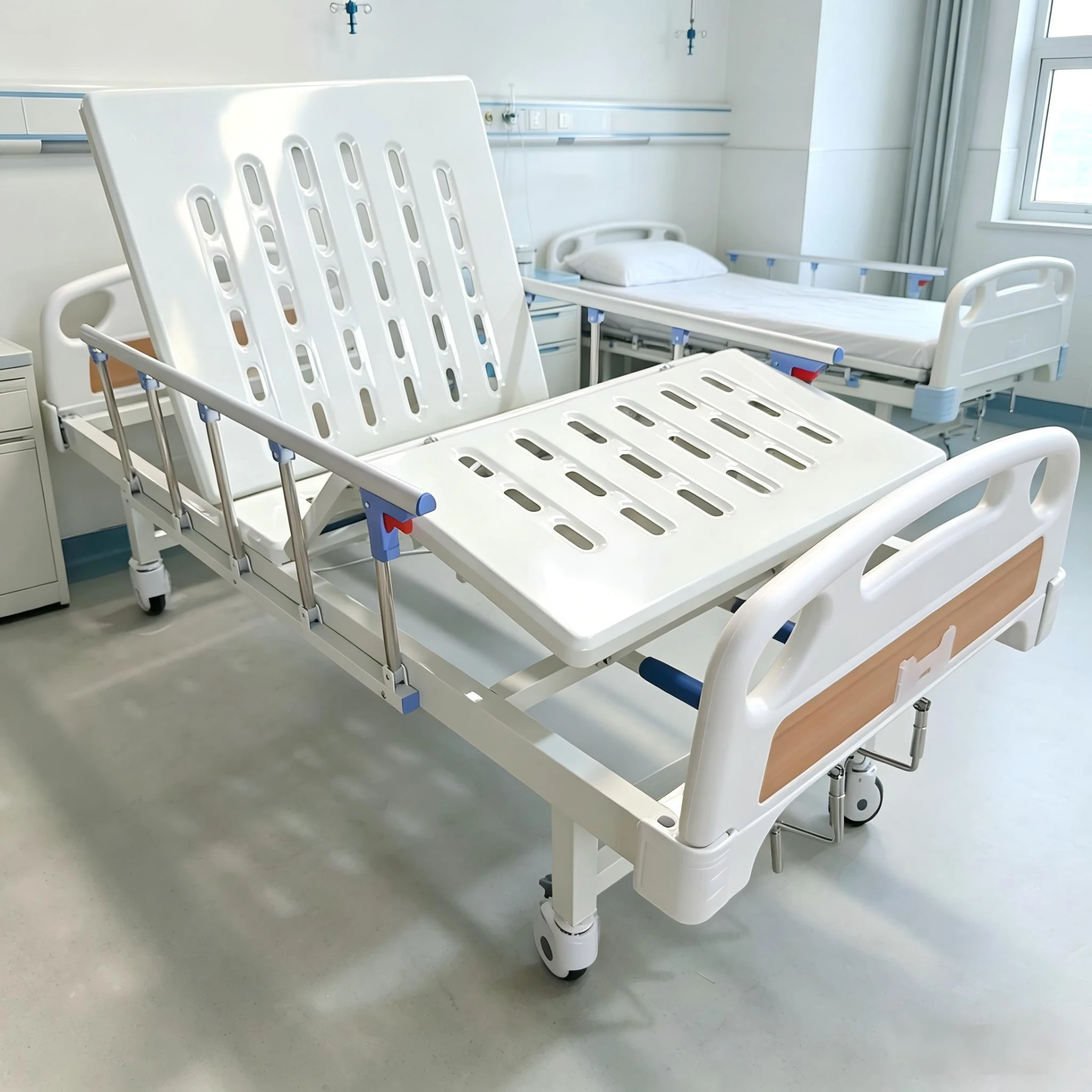
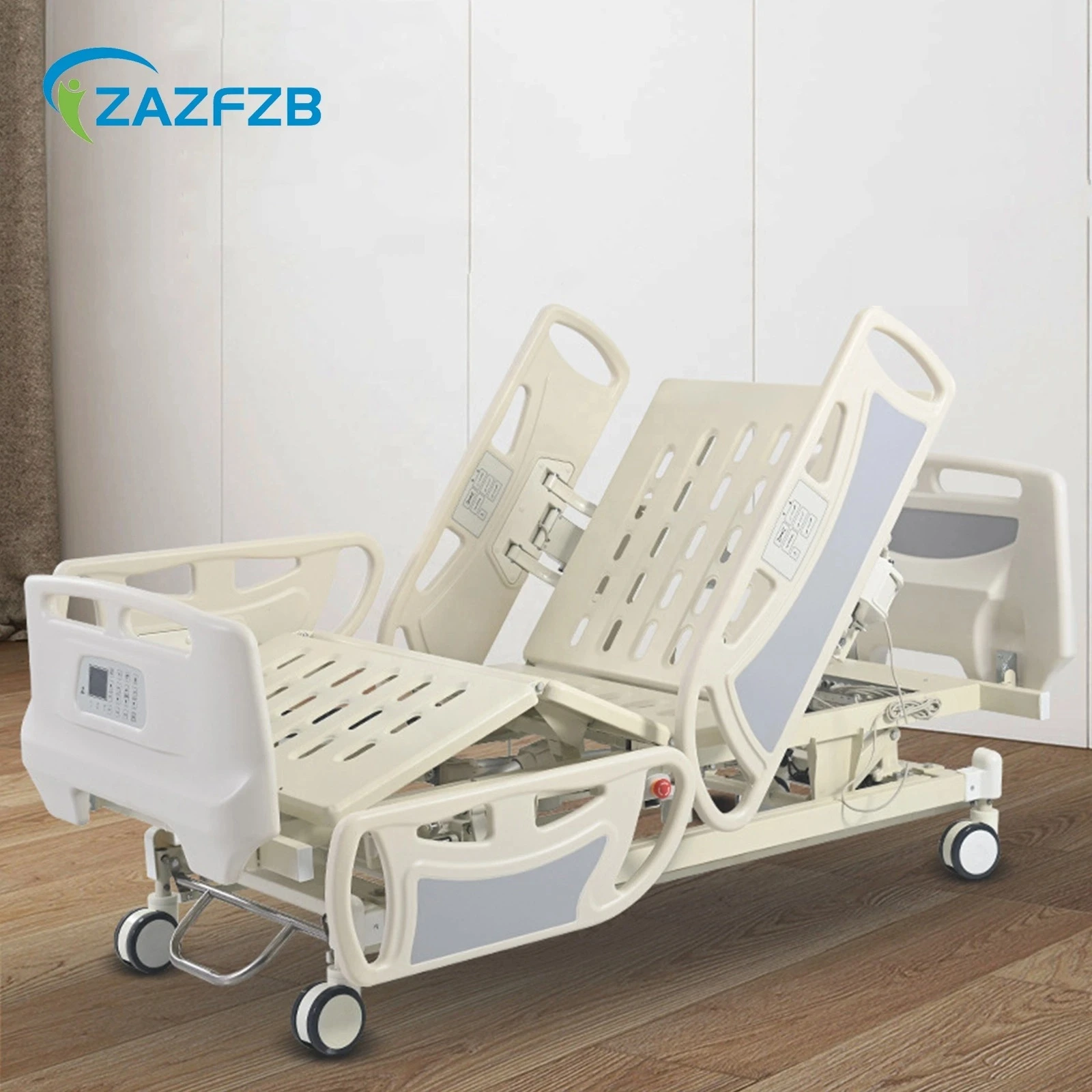
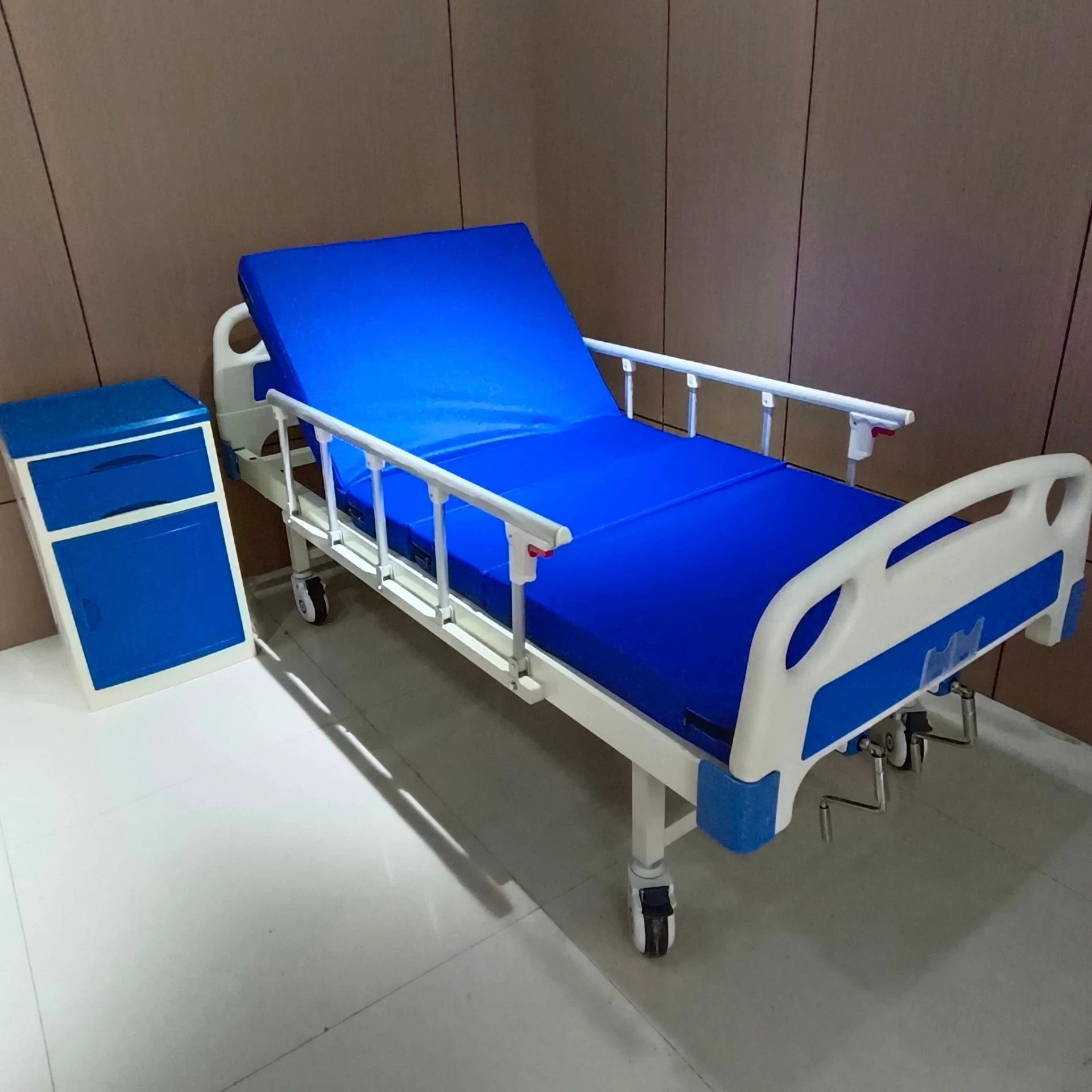
In simple terms, the average size of a hospital bed refers to the typical dimensions — length, width, and sometimes height — of beds used for patient care in healthcare settings. Standard hospital beds are designed to support various clinical functions, such as patient positioning, mobility, and the attachment of medical devices.
This “average” is shaped by clinical needs, ergonomic considerations, and safety requirements. For instance, the bed length must accommodate taller patients without compromising comfort, while the width impacts the ability of staff to tend patients easily and also affects the overall room design. Fundamentally, this measurement reflects a marriage of industry standards and humanitarian needs — balancing function, safety, and accessibility.
Mini takeaway: It’s not just about size — hospital beds are a product of healthcare needs and comfort, tailored through years of design evolution.
Key Factors Influencing Hospital Bed Size
1. Patient Demographics and Comfort
Hospital beds must accommodate a wide range of patients—children, adults, and the elderly. This diversity pushes manufacturers to standardize beds that are long and wide enough for larger adults but compact enough for space-limited facilities. Adjustability plays a big part here, but the base size is crucial.
2. Medical Equipment Compatibility
Beds need to fit with infusion pumps, respiratory support, and monitoring devices. The bed frame size affects the placement and mobility of these machines, which impacts patient care quality.
3. Facility Space and Layout Constraints
Hospital architects plan rooms around bed sizes. In dense urban hospitals, smaller beds might be favored to maximize the number of rooms, while rural or private hospitals might have larger beds to enhance comfort.
4. Durability and Material Choices
The size directly relates to the materials used — steel frames, composites, or aluminum alloys — to ensure the bed holds up under heavy loads and frequent use without sacrificing maneuverability. Regulations often specify load-bearing minimums that affect design.
5. Regulatory and Safety Standards
International standards (ISO 60601-2-52, for example) govern hospital bed dimensions and functionality, ensuring interoperability and patient safety.
Mini takeaway: Each factor, from patient comfort to legal compliance, shapes the average hospital bed size, making it a complex balancing act.
Typical Dimensions and Specifications of a Hospital Bed
| Specification | Average Dimension / Feature |
|---|---|
| Length | 200 - 220 cm (78.7 - 86.6 inches) |
| Width | 90 - 110 cm (35.4 - 43.3 inches) |
| Height (Adjustable) | 40 - 80 cm (15.7 - 31.5 inches) |
| Weight Capacity | 200 – 250 kg (440 – 550 lbs) |
| Adjustability | Tilt & height adjustable, head/rest articulation |
Global Use Cases: Where the Average Hospital Bed Size Really Matters
From sprawling urban hospitals in Europe to mobile clinics in disaster zones, the average hospital bed size shapes operations worldwide. In Japan, for example, hospitals often use compact beds optimized for smaller living spaces, while North American hospitals trend larger to accommodate diverse patient builds.
During disasters, quickly deployable hospital units rely heavily on standardized, stackable beds that conform to average sizes, allowing them to be stored and transported efficiently. NGOs operating in remote industrial zones, like mining camps or oil platforms, use beds sized for rugged use, combining durability with portability.
Even in maternity wards, pediatric clinics, and elderly care facilities, slight variations in bed size prioritize specialized patient needs, but the “average” remains a critical starting point for planning.
Mini takeaway: The average bed size is less about a single fixed number and more a flexible standard adapting globally to meet diverse needs.
Comparing Leading Hospital Bed Vendors
| Vendor | Typical Bed Dimensions (LxW cm) | Features | Price Range (USD) |
|---|---|---|---|
| Alpha Medical | 210 x 100 | Electric adjustability, heavy load capacity | $2,500 - $3,200 |
| BrightCare | 200 x 90 | Manual adjust, fold-flat for storage | $1,200 - $1,700 |
| Global Health Beds | 220 x 110 | Smart sensors, integrated patient monitoring | $4,000 - $5,500 |
Why Understanding Hospital Bed Size Matters for Healthcare Efficiency
Beyond just measurements, getting the average size of hospital beds right has long-term advantages. Cost-wise, right-sized beds aid hospitals in space optimization, reducing the need for costly renovations or expansions. On sustainability, smaller or modular beds lower shipping and material waste. The emotional benefit? Patients feel safe and dignified when beds fit their bodies well and meet care needs intuitively.
I’ve spoken with nurses who say that adjustable beds that suit patient sizes reduce strain injuries for caregivers, too — it’s a win-win on all fronts.
Emerging Trends and Innovation in Hospital Bed Design
Looking forward, beds are becoming smarter — equipped with sensors to monitor patient vitals, movements, or even fall risks. Materials are shifting toward eco-friendlier composites with antimicrobial properties. Digital transformation means hospital beds might soon be interfacing seamlessly with hospital IT systems for better asset tracking and predictive maintenance.
Manufacturers are even experimenting with modular beds adjustable for different patient groups — a singe bed might flex from pediatric to bariatric use, an efficiency leap that could transform hospital inventory.
Challenges and How the Industry Tackles Them
One recurring issue is the tension between universal sizing and patient diversity. Oversized beds can be cumbersome in small rooms; undersized ones risk discomfort or injury. Plus, balancing cost constraints and innovation ambitions isn’t easy — hospitals want both affordability and advanced features.
Innovative collapsible frame designs, coupled with adjustable features, show promise. Also, enhanced international standards are pushing for clearer guidelines balancing these needs.
FAQ: Your Hospital Bed Size Questions Answered
- What is the standard size for most hospital beds worldwide?
- The typical hospital bed length ranges from 200 to 220 cm, while width varies between 90 and 110 cm. These measurements cater to most adult patients while optimizing space. However, regional differences exist based on healthcare infrastructure and demographics.
- How does bed size affect patient safety and comfort?
- Correct bed size ensures proper support, reducing risks of bedsores and falls. It also makes it easier for caregivers to reposition patients safely and provision adequate medical equipment.
- Are hospital beds adjustable in size for different patients?
- Most modern hospital beds have adjustable headrests, footrests, and height, but the overall frame size usually remains fixed based on the average size range. Some advanced beds offer modular features to accommodate varying patient needs.
- Can hospital bed size influence emergency response setup?
- Absolutely. Standardized sizes enable quick deployment of modular or temporary hospitals during disasters since beds can be stacked, transported, and installed efficiently.
- Where can I learn more about standard hospital bed dimensions?
- You can refer to ISO standards such as ISO 60601-2-52 or resources from the World Health Organization and average size of a hospital bed product guides for more detailed specs.
Wrapping Up: The Long-Term Value of Knowing Hospital Bed Size
Ultimately, understanding the average size of a hospital bed helps everyone—from architects to clinicians—to build better, safer environments that truly meet patient needs. This isn’t just a technical detail but a vital part of delivering quality healthcare across all corners of the globe.
Curious to explore hospital bed options or latest innovations? Visit our website to discover solutions tailored for today’s health challenges.