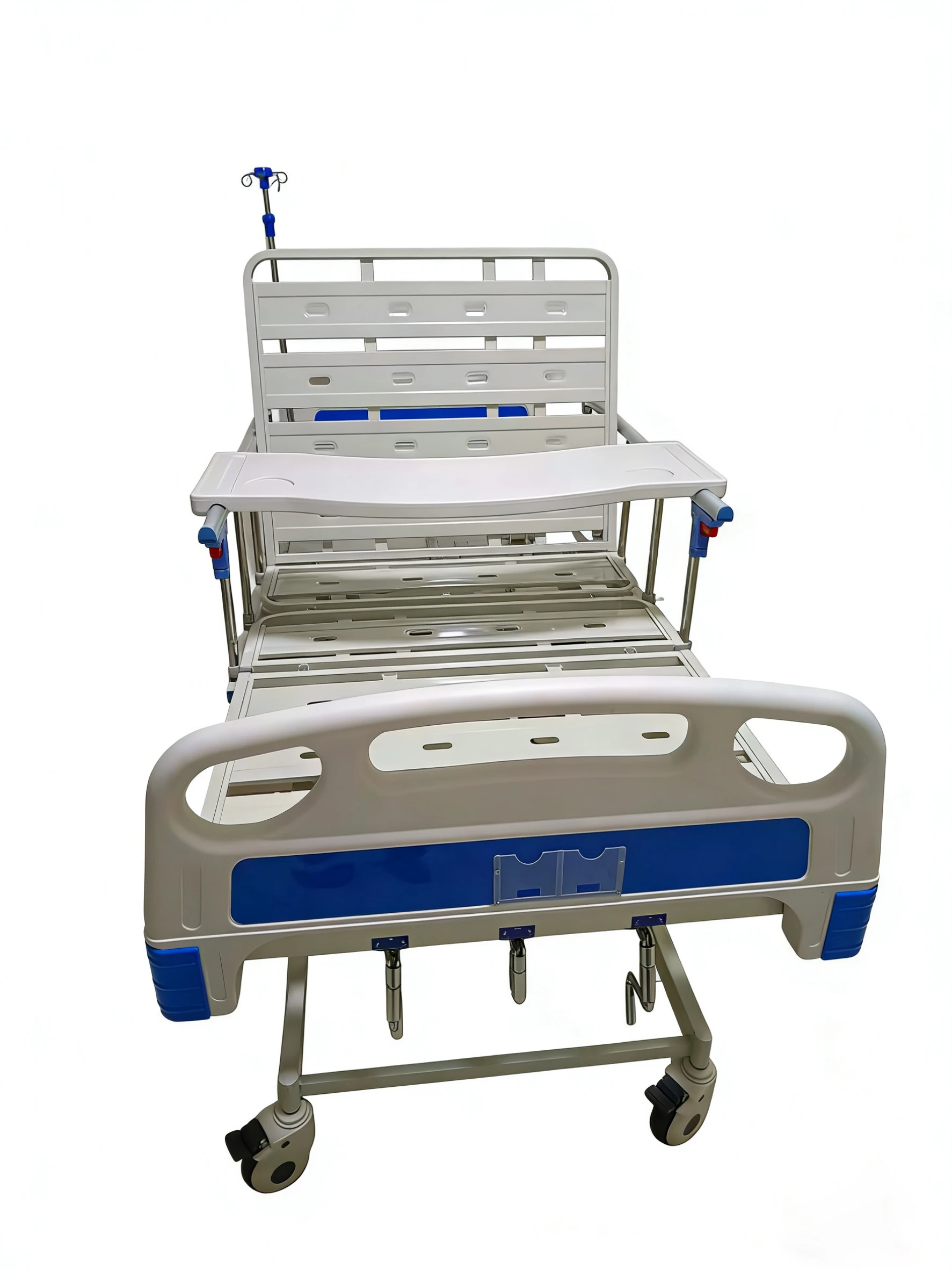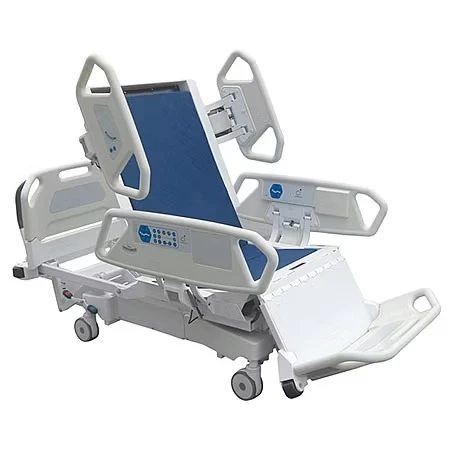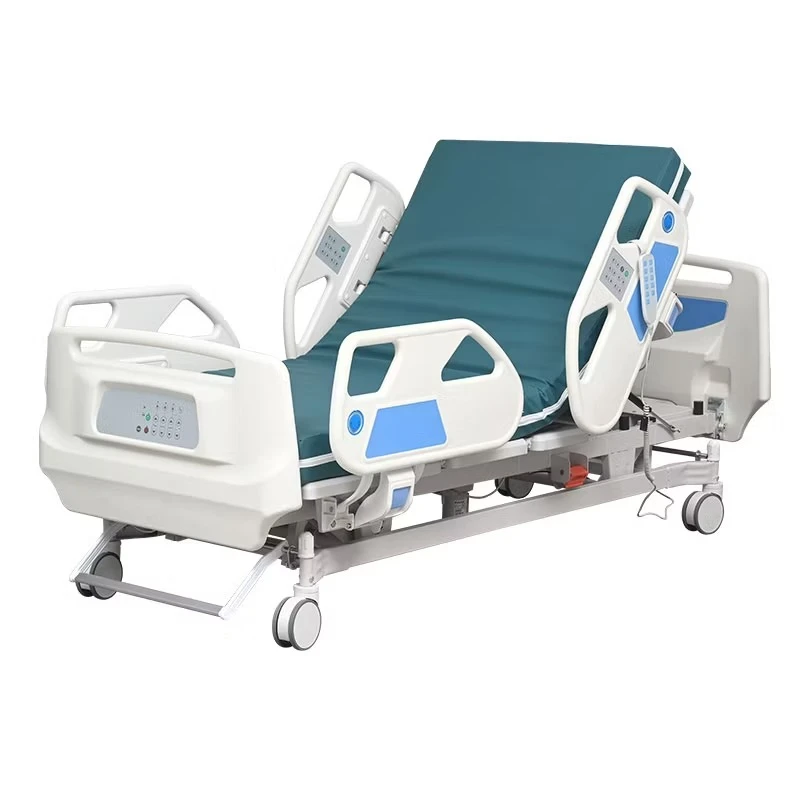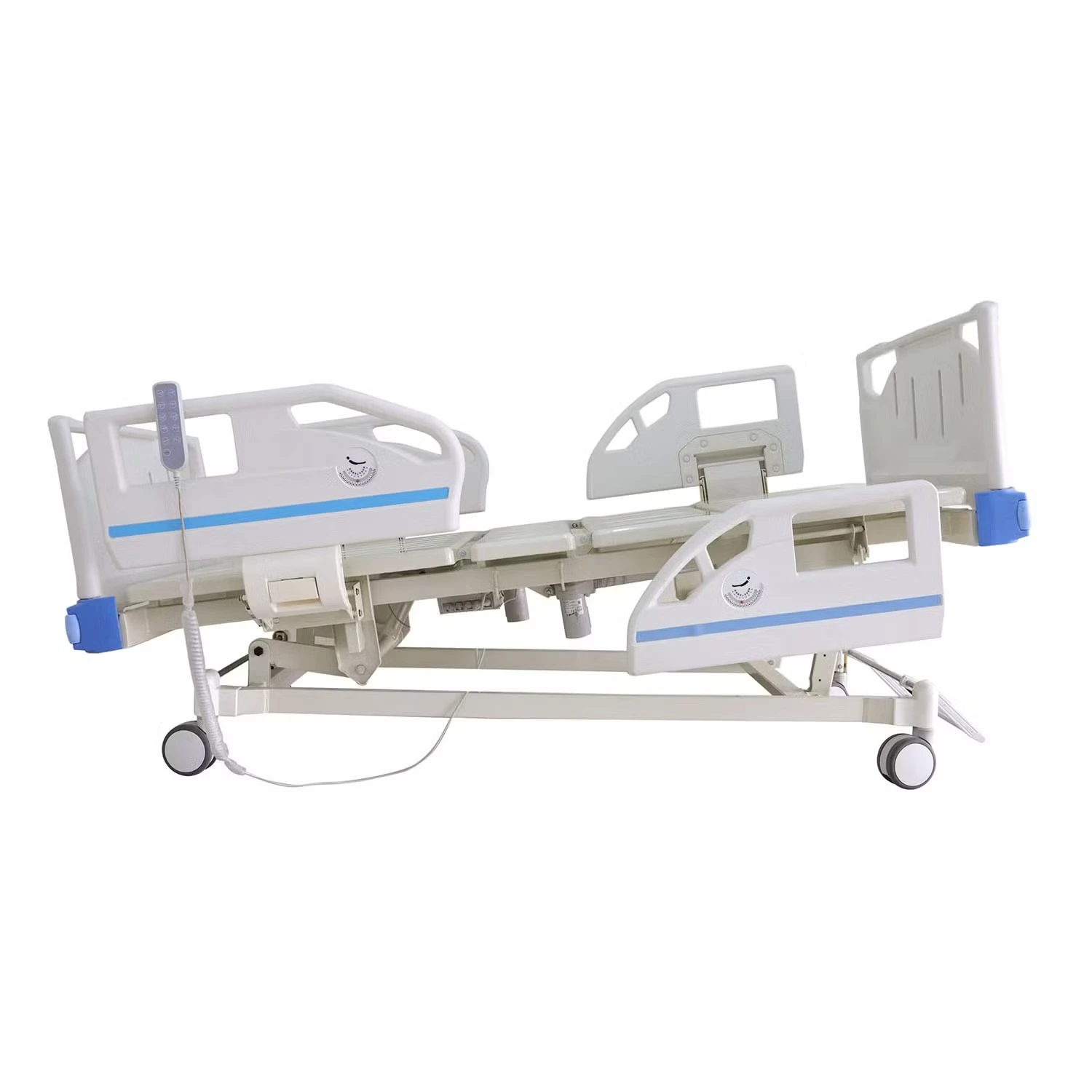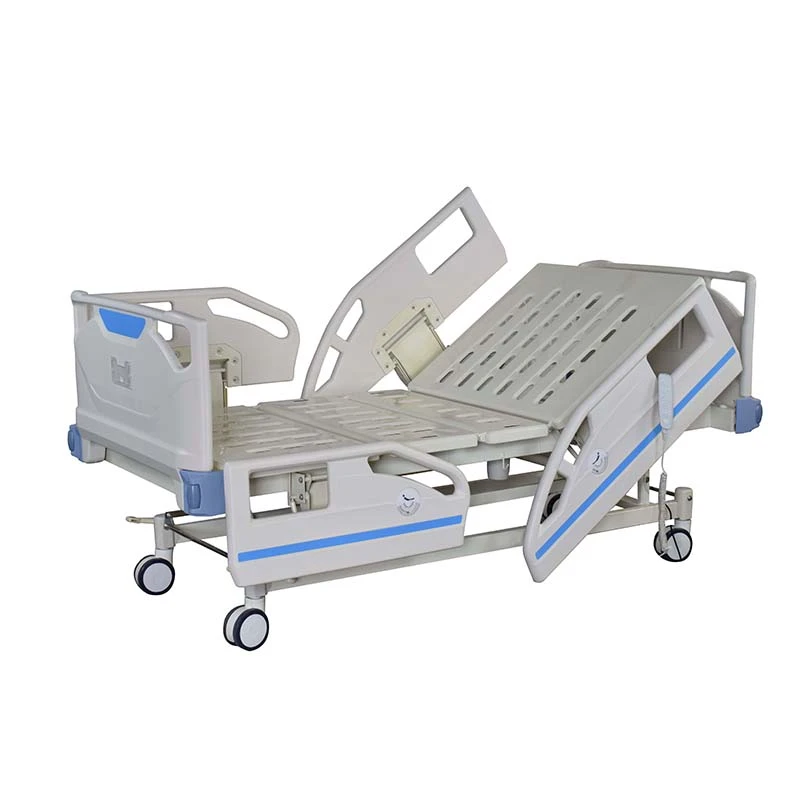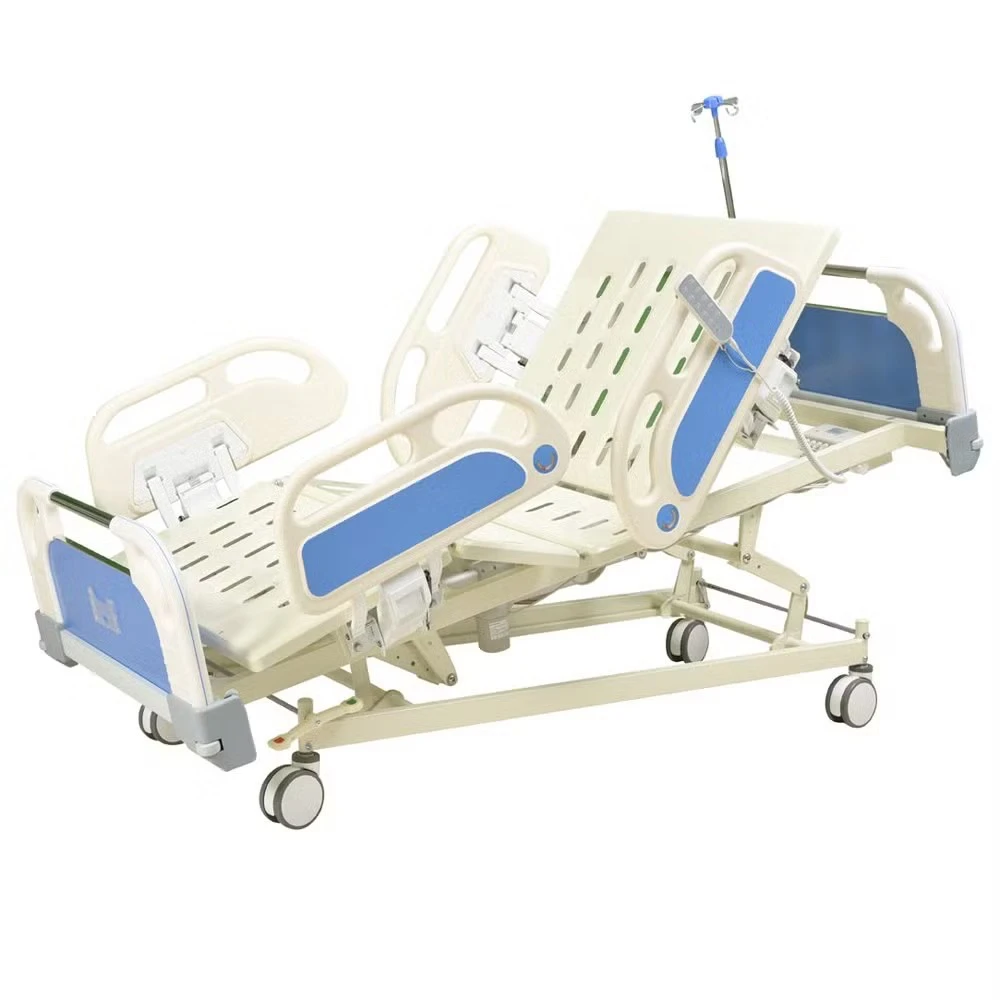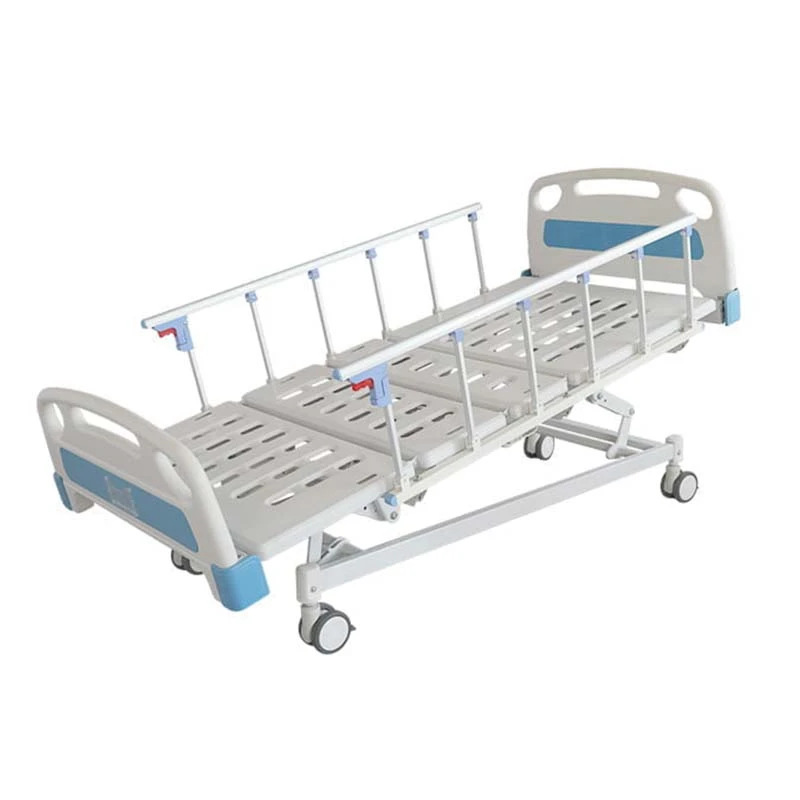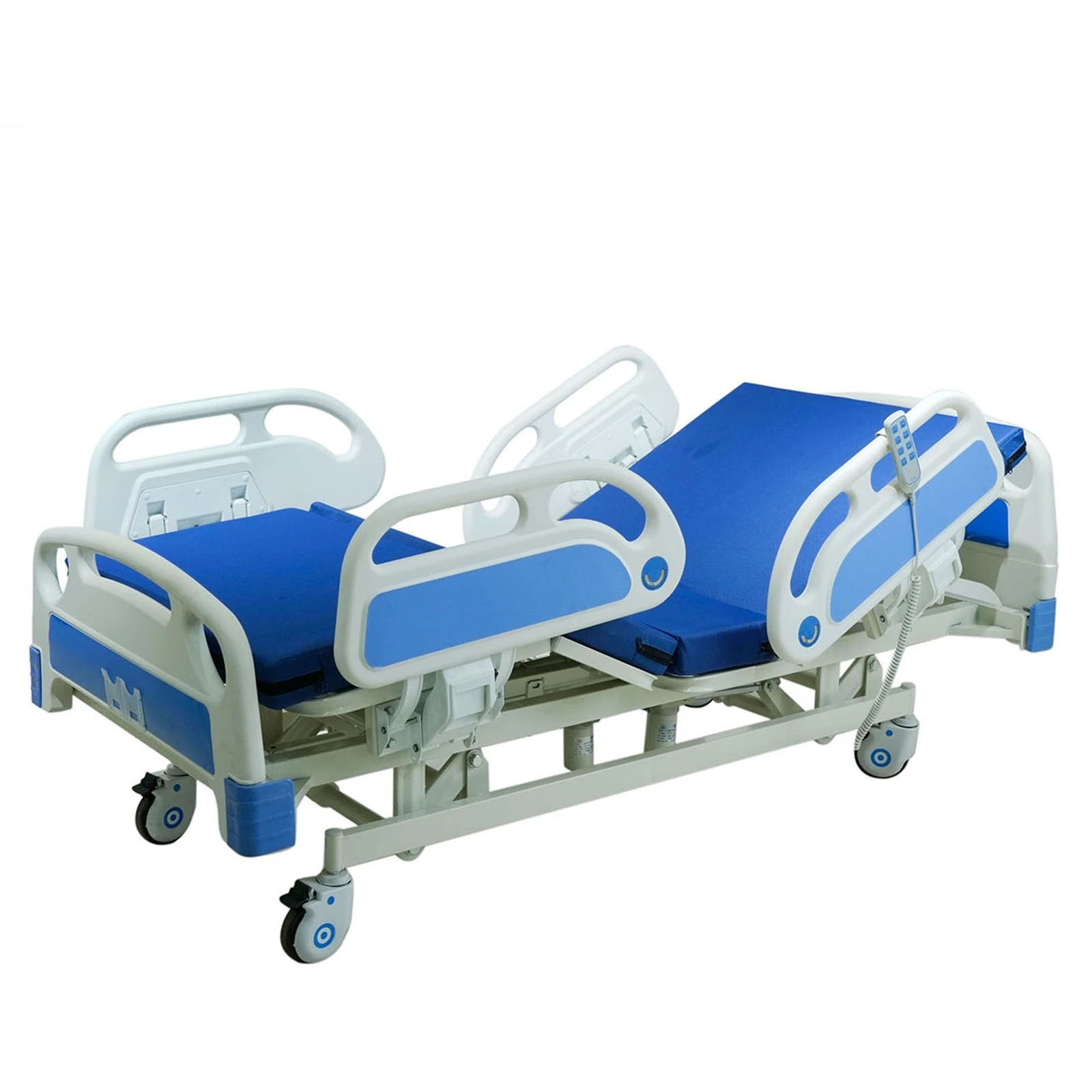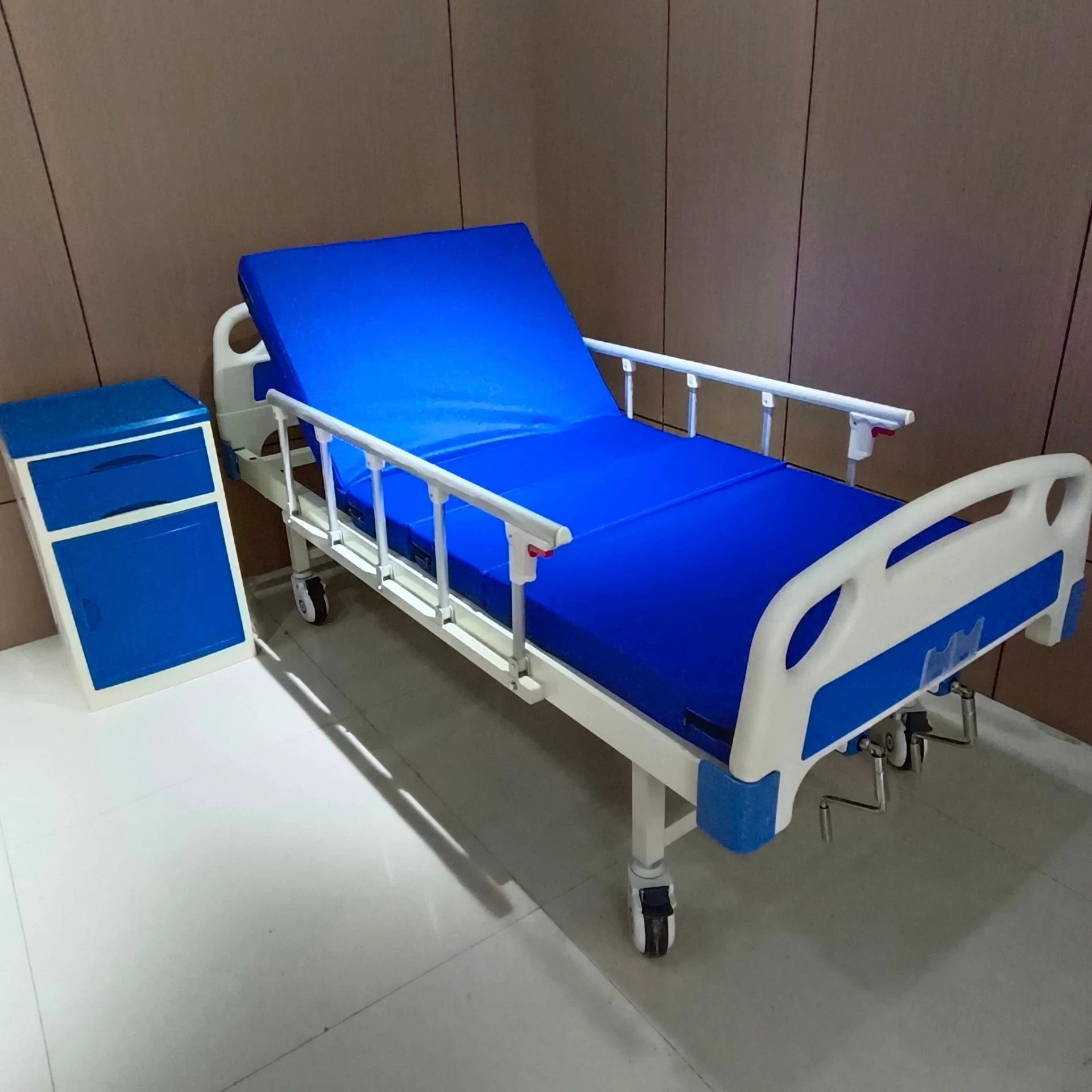
Understanding the Average Hospital Bed Size: Global Standards & Practical Insights
The Average Hospital Bed Size: Why It Matters More Than You Think
If you’ve ever visited a hospital—or even seen one on TV—you might not have given much thought to how big a hospital bed actually is. Yet, the average hospital bed size carries considerable importance worldwide. Whether it's in sprawling urban medical centers or makeshift clinics in crisis zones, knowing the right dimensions can mean the difference between efficient care and cumbersome challenges.
Understanding average hospital bed size isn't just about measurements; it's a gateway into optimizing patient comfort, ensuring staff safety, and meeting international standards that shape healthcare everywhere.
Setting the Stage: Why Average Hospital Bed Size Matters Globally
Globally, healthcare infrastructures vary drastically. According to the World Health Organization, the number of hospital beds per 1,000 people differs significantly between countries, affecting how comfortably patients are accommodated. But beyond quantity, the average hospital bed size is a critical factor in hospital design, resource planning, and even supply chain management.
Think about tight urban hospitals in Europe versus sprawling facilities in the US or resource-limited setups in Sub-Saharan Africa. The type and size of hospital beds must reflect local space constraints, accessibility requirements, patient demographics, and healthcare standards.
Oddly enough, global urbanization trends and rising healthcare demands continue to push the conversation about optimizing bed sizes—and it turns out to be more complex than just “small” or “large.”
What is Average Hospital Bed Size, Exactly?
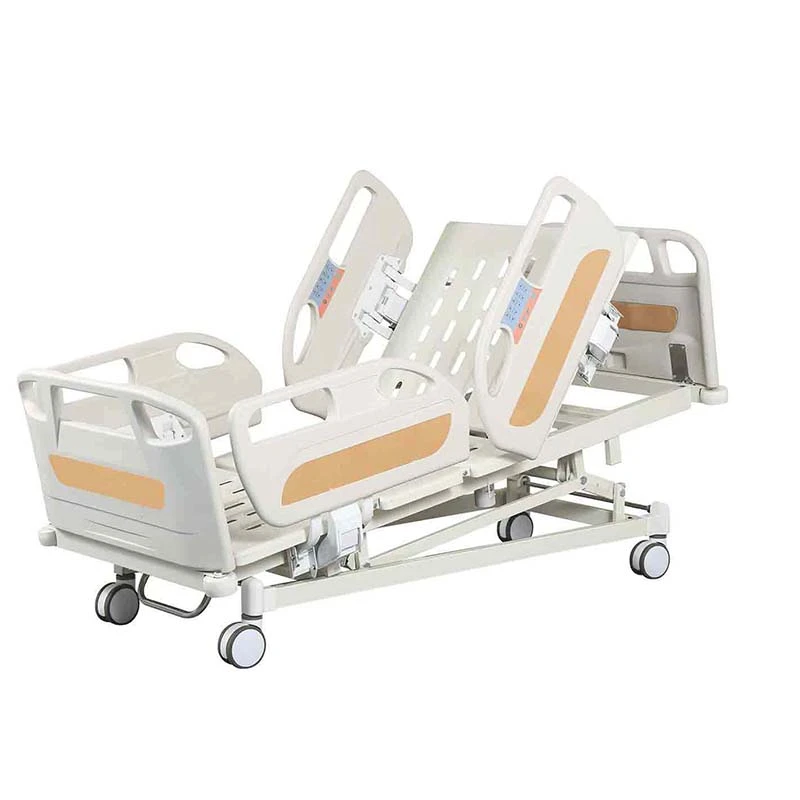
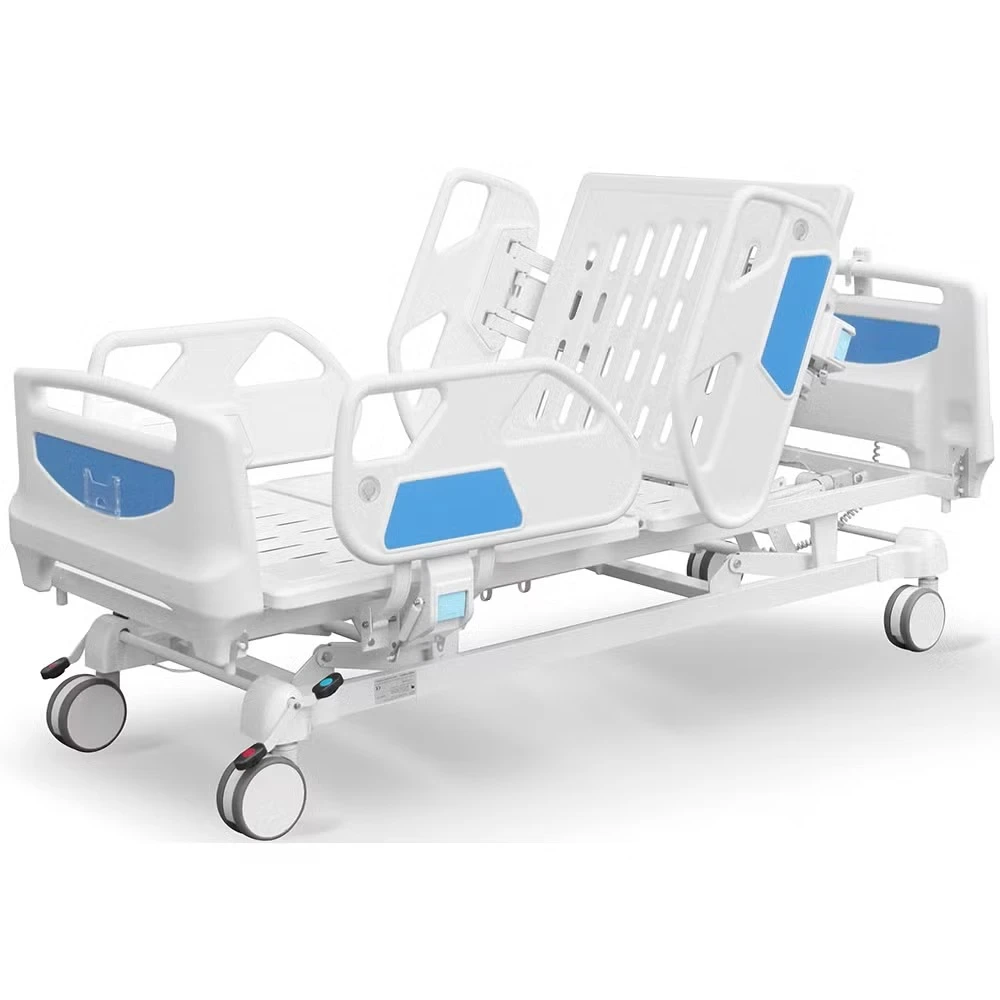
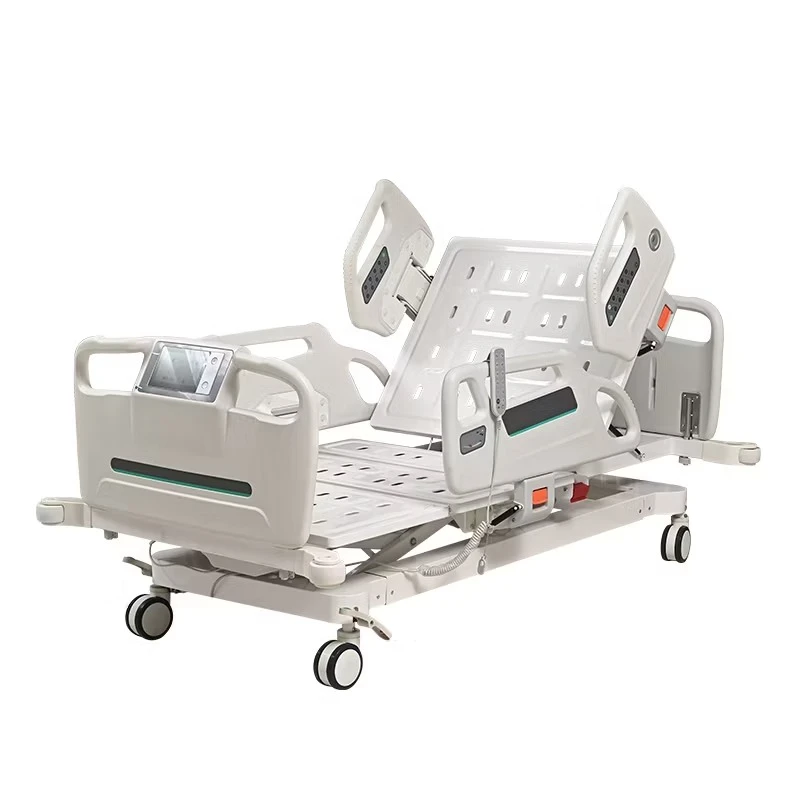
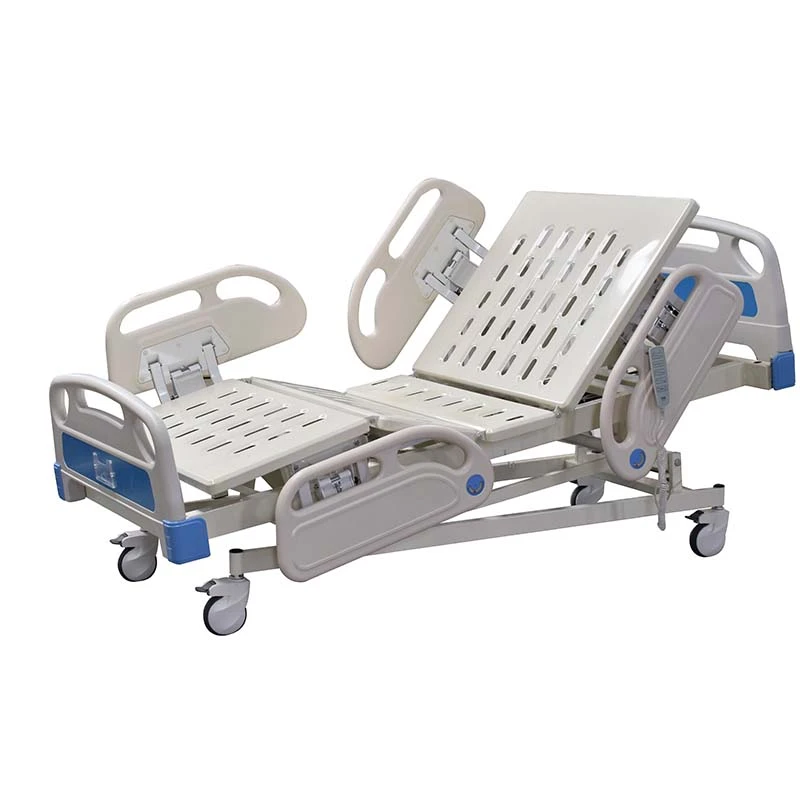
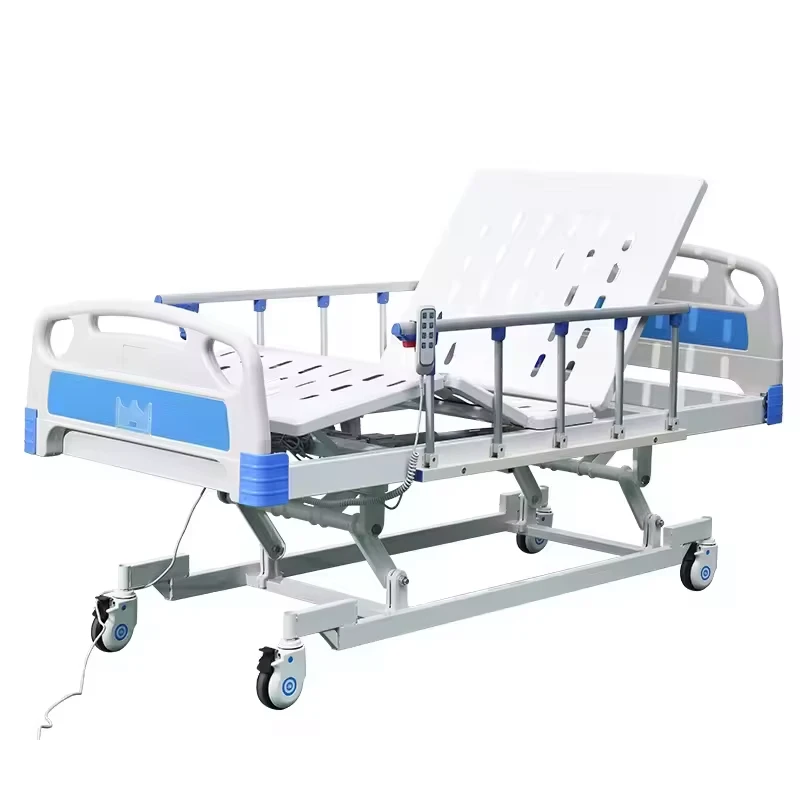
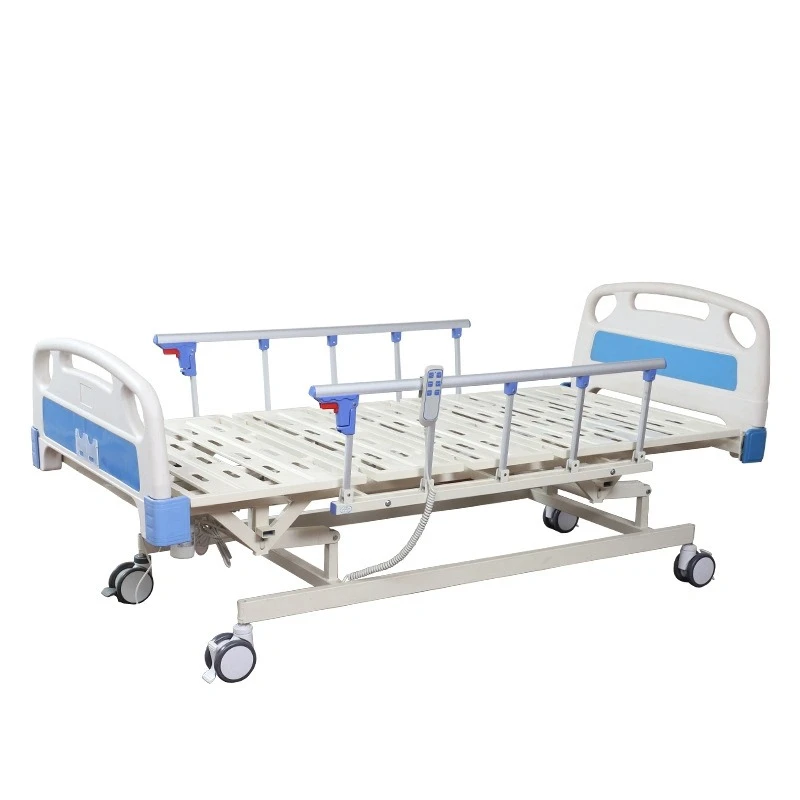
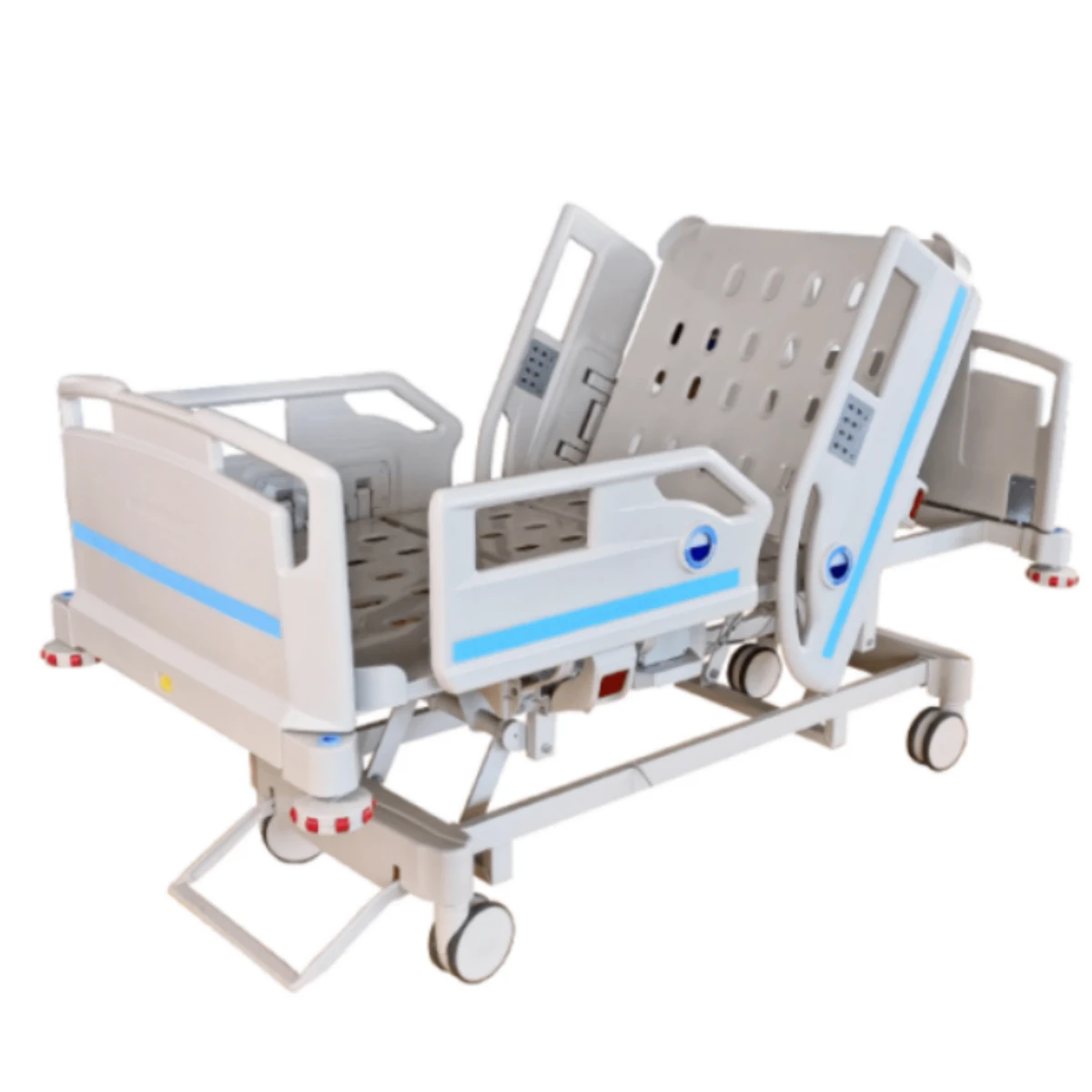
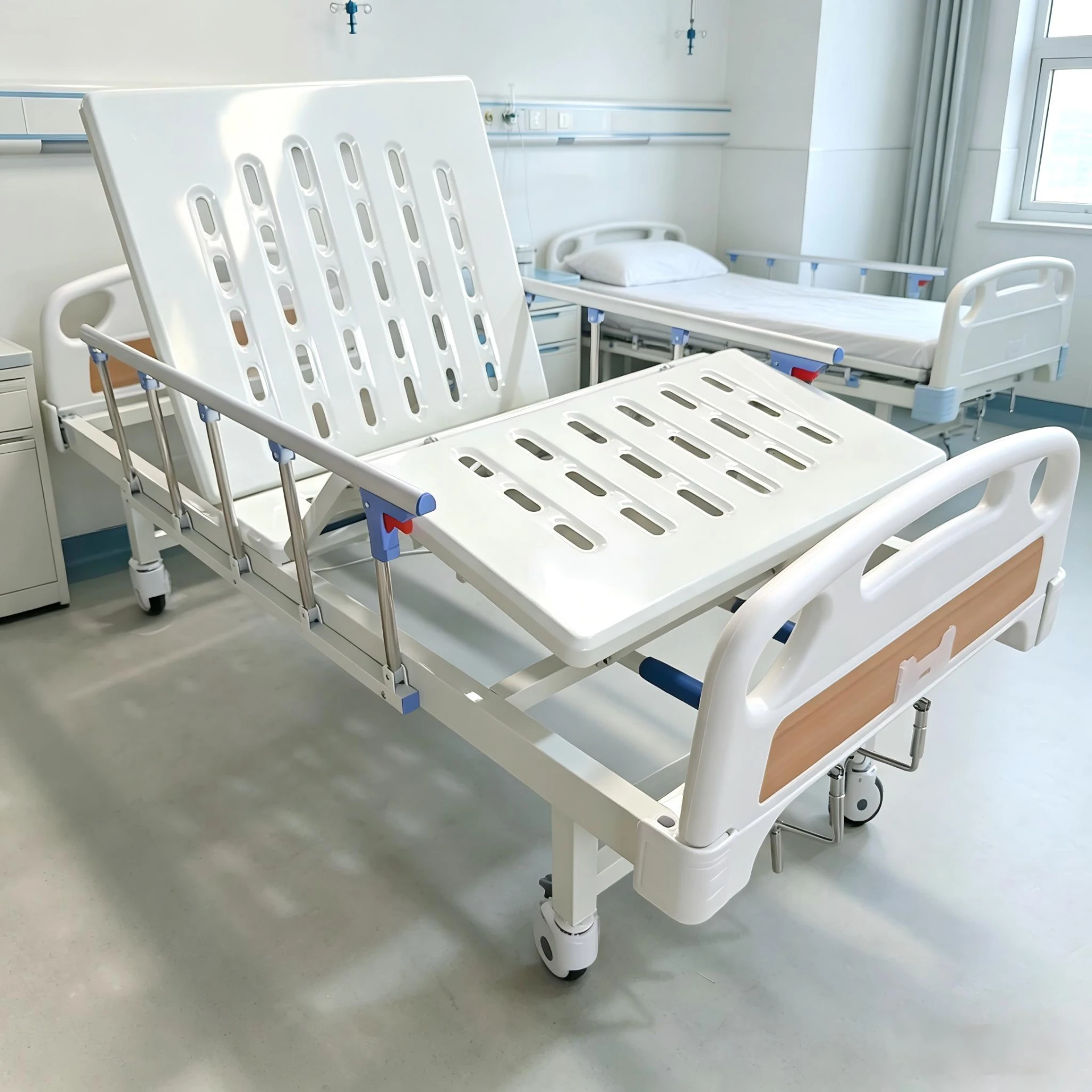
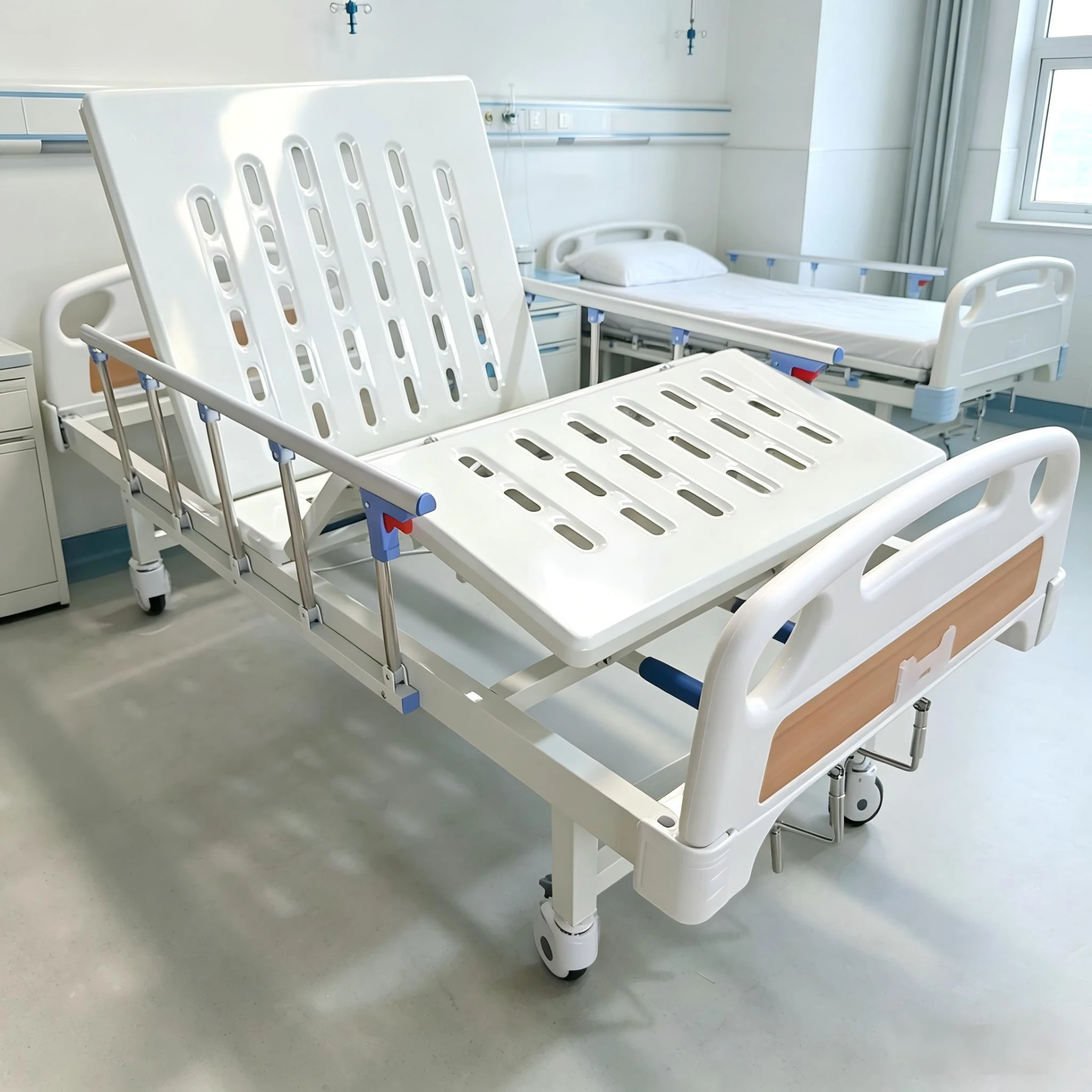
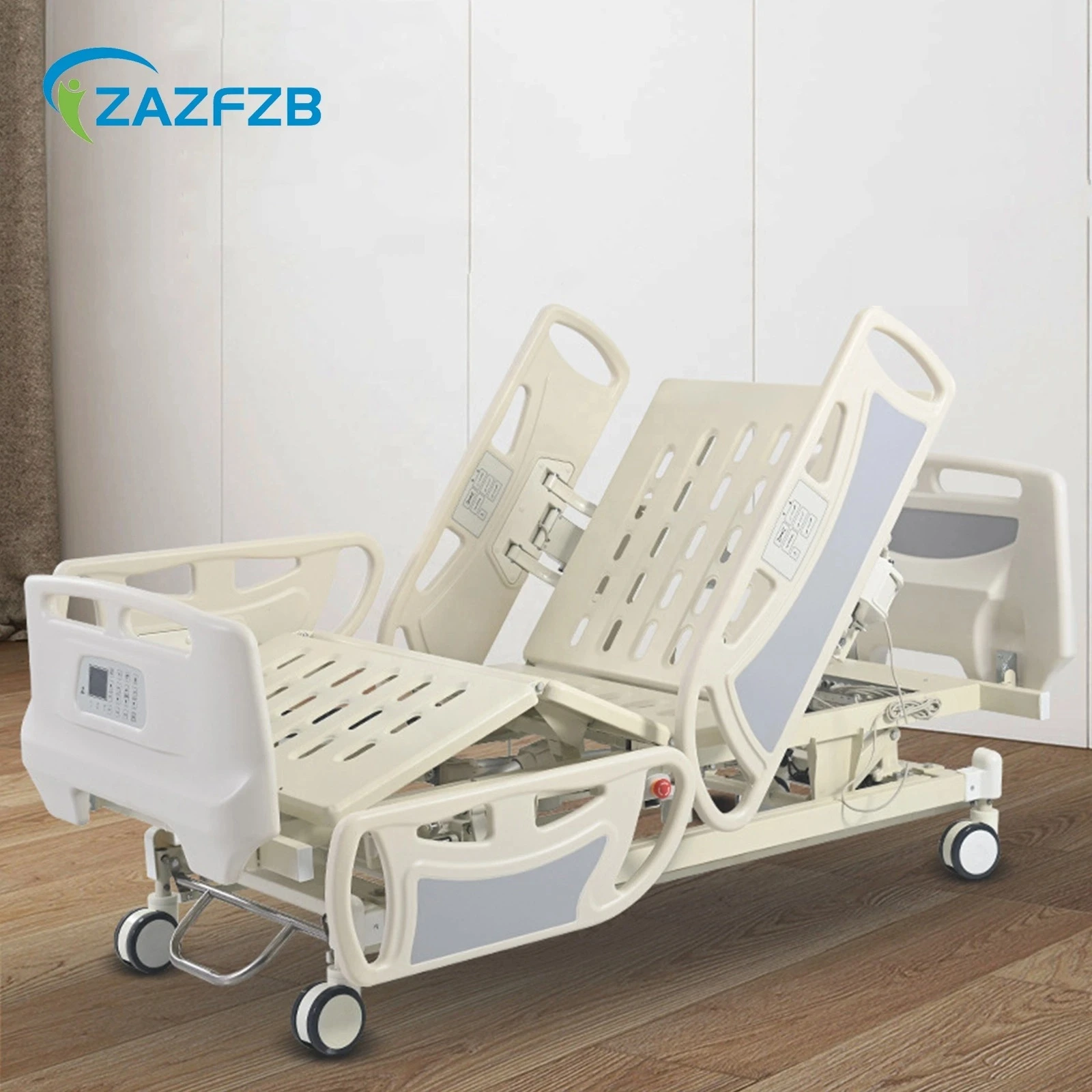
Simply put, average hospital bed size refers to the typical physical dimensions—length, width, and height—of beds used in hospital settings. These sizes usually take into account patient comfort, medical equipment compatibility, safety protocols, and mobility needs.
While it sounds straightforward, this “average” is shaped by factors like patient body sizes worldwide, ergonomic standards, and the need to accommodate monitoring devices, IV stands, and mobility aids.
In humanitarian terms, beds must be adaptable, transportable, and robust enough for various emergency contexts, highlighting a connection between average size and practical global applications.
Breaking Down Core Factors of Hospital Bed Size
1. Patient Comfort & Ergonomics
It’s no secret patients spend a lot of time in beds. A bed that is too small or awkwardly sized can aggravate recovery or even cause pressure ulcers. Most engineers aim for length around 80 inches (203 cm) and width about 36 inches (91 cm) for adult beds, balancing comfort with space efficiency.
2. Durability & Material Strength
Beds have to withstand frequent cleaning, weight variations, and moving parts like adjustable backrests. Materials chosen must strike a balance between toughness and hygiene—a tough task when hospitals operate under intense use.
3. Scalability & Space Optimization
Hospital rooms aren’t unlimited. Beds often need to fit alongside medical devices, chairs, and healthcare workers, so having "average" dimensions guides architects and planners. Clever design can maximize the number of beds in a ward without feeling cramped.
4. Cost Efficiency
A smaller or standard-sized bed might look like an easy win for patient rooms, but cost considerations also involve manufacturing, transport, and maintenance. Bigger beds can be more expensive, but they sometimes reduce secondary costs related to patient handling hazards.
5. Compliance with Standards
Many hospitals worldwide adhere to regulations such as ISO 80601-2-52, which outlines necessary dimensions and safety features. This enforcement ensures a baseline average hospital bed size and helps manufacturers meet cross-border market needs.
Mini takeaway: Average hospital bed size intertwines many factors—from patient comfort to industrial design. It’s more than just numbers; it’s about balancing human needs with operational realities.
Where Does The Average Hospital Bed Size Come Into Play Globally?
From the bustling urban hospitals in Tokyo to emergency field clinics in post-disaster Haiti, bed size remains key. For example:
- Post-disaster relief: Organizations like Doctors Without Borders often prefer beds that can fit into compact trailers but still accommodate adult patients safely.
- Remote industrial zones: Mining and oil camps sometimes establish on-site clinics where a bed’s footprint affects room layouts drastically.
- Developed urban hospitals: In Europe and North America, average hospital bed size impacts how many beds fit per ward and influences cost and patient flow management.
Each scenario demands careful calibration of the “average” to match specific operational needs.
Advantages & The Long-Term Value of Understanding Hospital Bed Sizes
Getting this right offers several practical—and emotional—benefits:
- Safety: Proper sizing reduces patient falls and improves caregiver handling.
- Efficiency: Optimum sizes help hospitals accommodate more patients while maintaining comfort.
- Cost Savings: Over time, standardized sizes allow bulk manufacturing, reducing unit prices.
- Dignity & Innovation: Patients feel respected and cared for when beds accommodate their stature and needs.
Frankly, it all boils down to trust and reliability—a hospital bed isn’t just furniture; it’s part of healing.
Product Specification Table: Typical Average Hospital Bed Dimensions
| Specification | Dimension (inches) | Dimension (cm) |
|---|---|---|
| Length (standard adult bed) | 80 | 203 |
| Width | 36 | 91 |
| Height (from floor to bed deck) | 24 | 61 |
| Adjustable backrest angle | 0° to 70° | - |
Vendor Comparison on Average Hospital Bed Size Offerings
| Vendor | Average Bed Size (inch) | Customizable Options | Compliance | Price Range (USD) |
|---|---|---|---|---|
| MedTech Beds | 80 x 36 | Yes - width, height | ISO 80601-2-52 | $1,200 - $2,000 |
| CarePlus Systems | 78 x 34 | Limited - fixed size | FDA Registered | $1,000 - $1,500 |
| Global Health Beds | 82 x 38 | Yes - full spectrum | ISO & CE Marked | $1,500 - $2,500 |
Looking Ahead: The Future of Hospital Bed Sizes
Innovation isn’t just about fancy tech gadgets—hospital beds are evolving to be smarter, lighter, and kinder to the planet. Green energy-powered adjustment motors, antimicrobial surfaces, and modular designs that change size based on patient needs are already in development.
Plus, digital integration enables beds to interact with patient monitoring systems, adjusting for comfort automatically. Sustainability matters, too, with recycled metals and eco-coated finishes becoming standard rather than fancy options.
It’s fair to say that the “average” size might shift slightly as personalization in healthcare becomes common, but the core principles of safety and comfort will remain priorities.
Challenges and Practical Solutions
Recognizing the diversity of healthcare settings worldwide, one size doesn’t always fit all. Logistics in remote areas, cost pressures, and differing patient body types sometimes force compromises.
Experts suggest modular, adjustable bed frames that can be tailored onsite as a solution, while collaborative global standards ensure interoperability without hampering innovation. That’s probably why manufacturers are investing more in customizable designs than ever before.
FAQ: Your Burning Questions on Average Hospital Bed Size
- What is the standard length of a hospital bed for adult patients?
- The typical standard length is about 80 inches (203 cm), designed to comfortably accommodate most adult patients while allowing space for medical equipment around the bed.
- Are hospital beds adjustable in size to fit different patient needs?
- Many modern hospital beds include adjustable components, especially height and backrest, but overall length and width tend to follow standard sizes for safety and equipment compatibility.
- How do hospitals manage space constraints when planning bed sizes?
- Hospitals rely on average bed sizes to optimize room layout. Some use modular beds to modify footprint, while others prioritize multi-functional furniture to maximize efficiency.
- Do hospital bed sizes differ internationally?
- Yes, sizes can vary based on regional standards, but international guidelines like ISO 80601 help harmonize basic dimensions to ensure safety and interoperability.
- Can hospital beds be customized for special populations, like bariatric patients?
- Absolutely. Specialized beds for bariatric or pediatric patients generally have different dimensions, designed specifically to meet those groups’ needs safely and comfortably.
Wrapping It Up: Why Average Hospital Bed Size Still Matters
So, after all this, why does average hospital bed size still hold such weight? Because it embodies an intersection of compassion, science, and practicality. It’s about giving patients dignity without sacrificing efficiency, offering caregivers relief from strain, and helping hospitals deliver better care overall.
If you're in the healthcare supply chain, planning, or design world, it’s a detail worth getting right. For more insights and to explore the latest standards and product offerings, please visit: https://www.zhaofamed.com. You might be surprised how much good design matters in the smallest details.
References: