Understanding Hospital Bed Specs: Key Features, Trends & Benefits for Global Healthcare
The Essential Guide to Hospital Bed Specs: Why They Matter Worldwide
Hospital bed specs might sound straightforward—a set of measurements and features to choose one bed over another—but it’s actually a lot deeper. These specs play a vital role in patient care, health worker safety, and even in crisis response scenarios globally. Understanding the intricacies of hospital bed specifications means more than just picking furniture; it’s about optimizing comfort, functionality, and resilience in healthcare environments that often juggle tight budgets and extreme conditions.
Across the world, the demand for reliable and adaptable hospital beds continuously grows—whether in bustling urban centers, remote clinics, or temporary field hospitals during emergencies. A keen grasp on hospital bed specs is key not just to improving patient outcomes but also reducing operational burdens for health facilities.
Global Context: Why Hospital Bed Specs Are More Relevant Than Ever
Fast facts reveal the dramatic rise in healthcare infrastructure projects globally. According to WHO and the United Nations, roughly one billion people lack access to essential health services, partly due to infrastructure deficits—including suitable hospital furnishings.1 Meanwhile, aging populations and chronic illnesses push demand in developed markets, while developing countries face supply shortages further complicated by rising costs and logistical hurdles.
Hospital bed specs address these challenges head-on. Proper specifications help standardize quality, assure safety, and make beds versatile enough to serve both acute and long-term care needs. Despite progress, many hospitals still depend on outdated or subpar equipment, risking patient discomfort or injury. Hospital bed specs help close that gap.
Breaking Down Hospital Bed Specs: What Does This Really Mean?
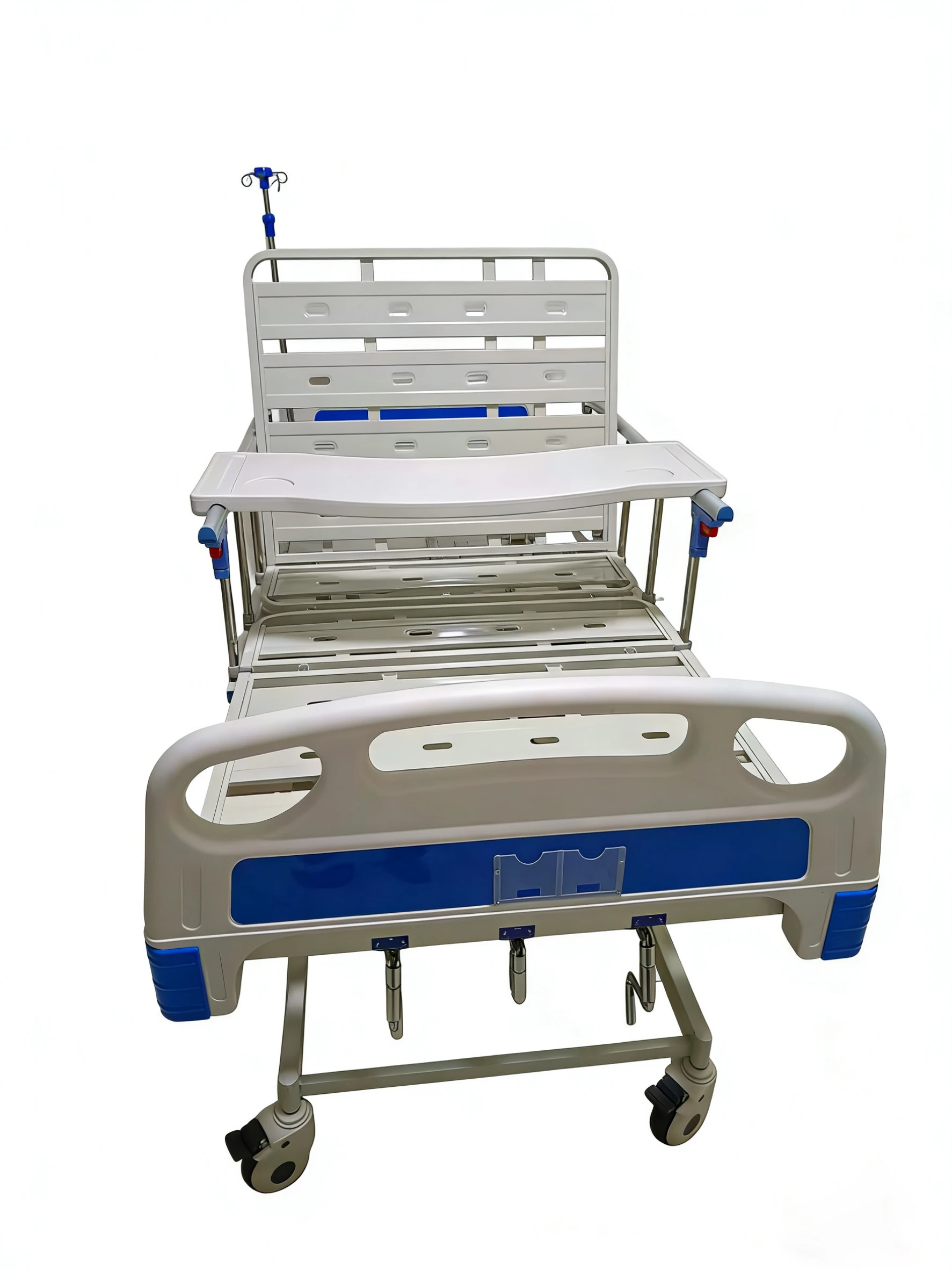
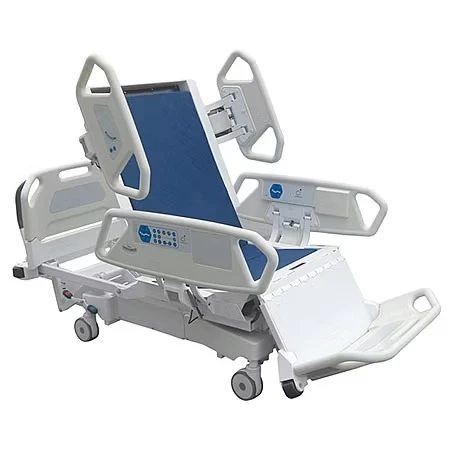
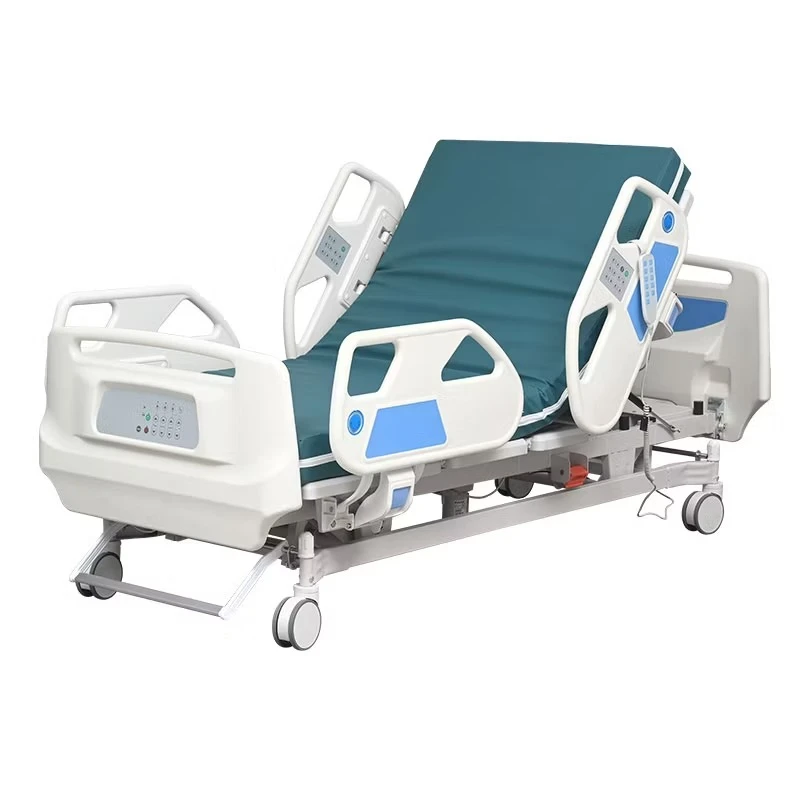
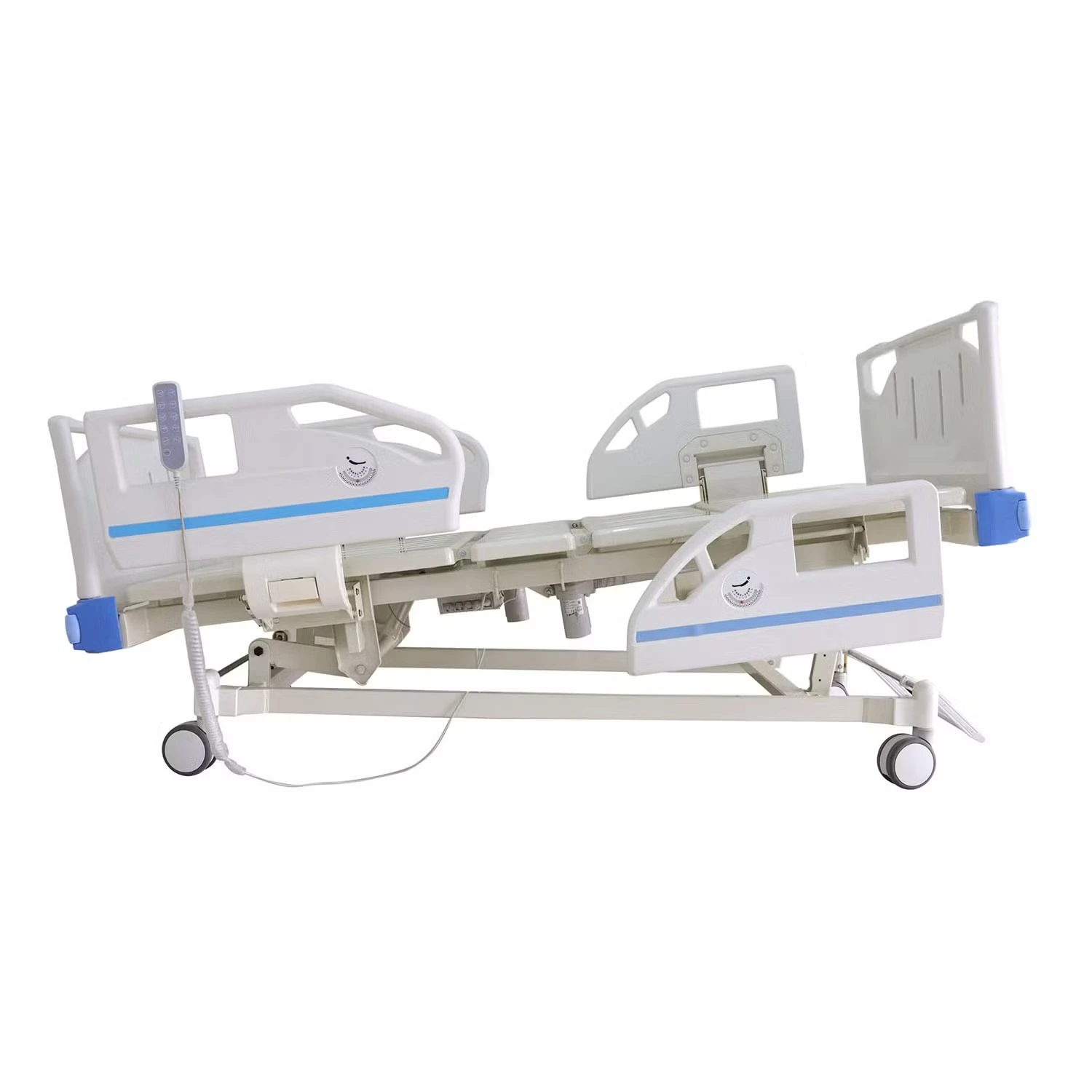
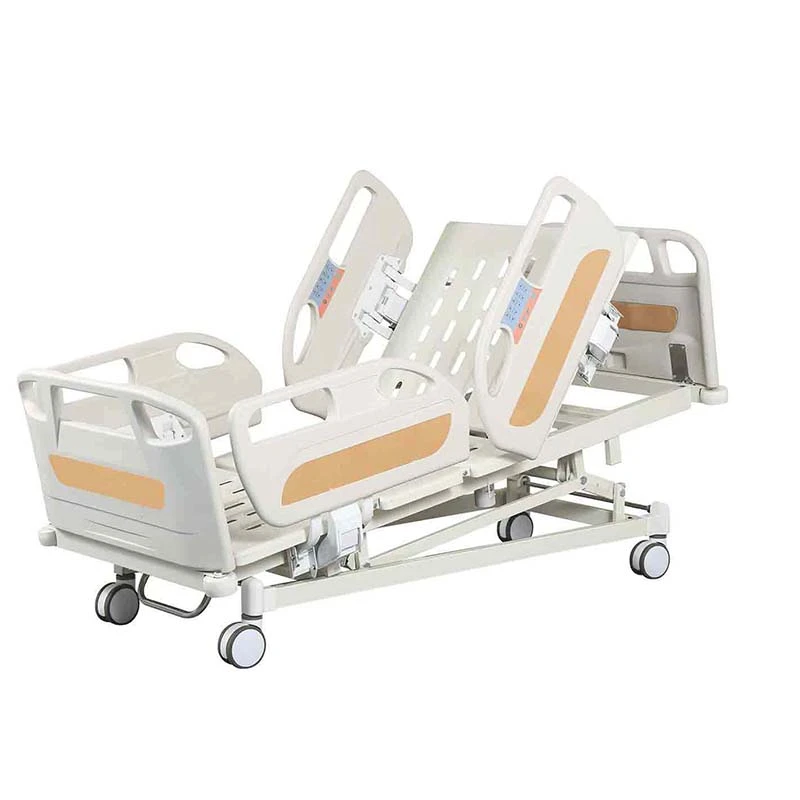
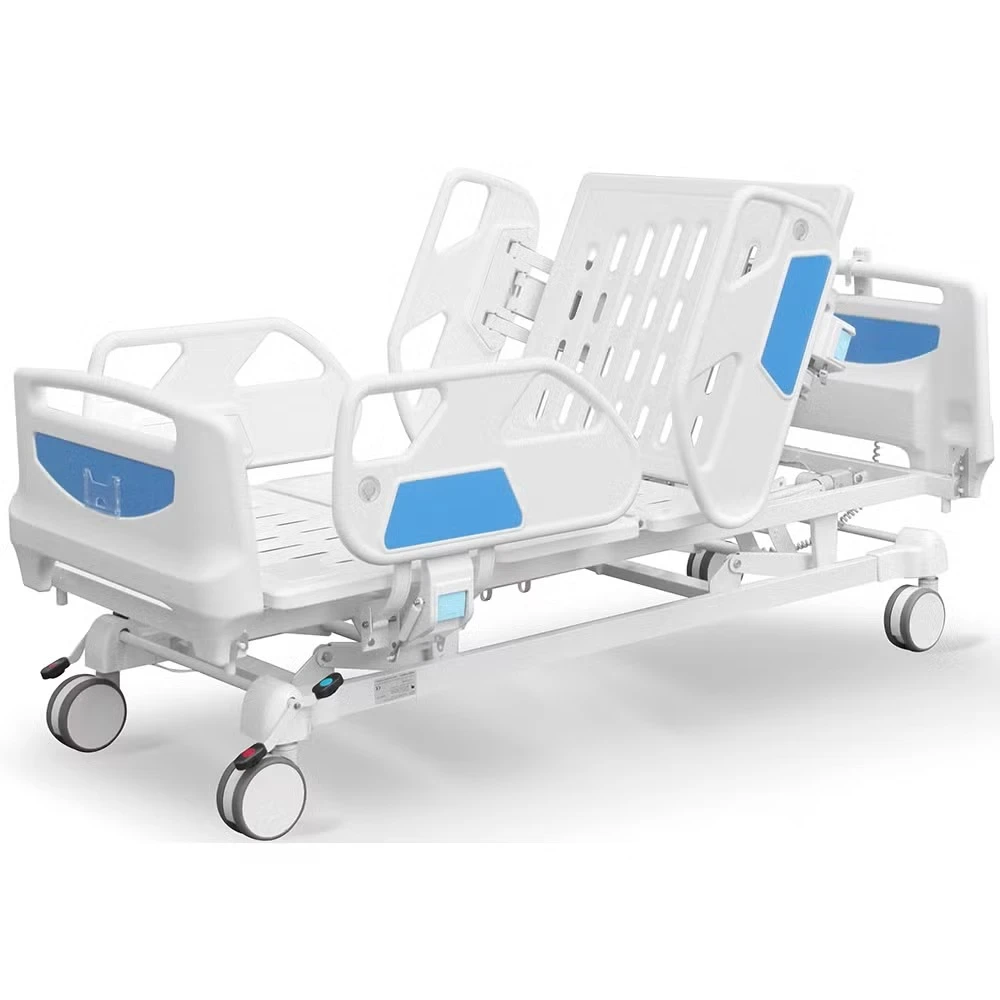
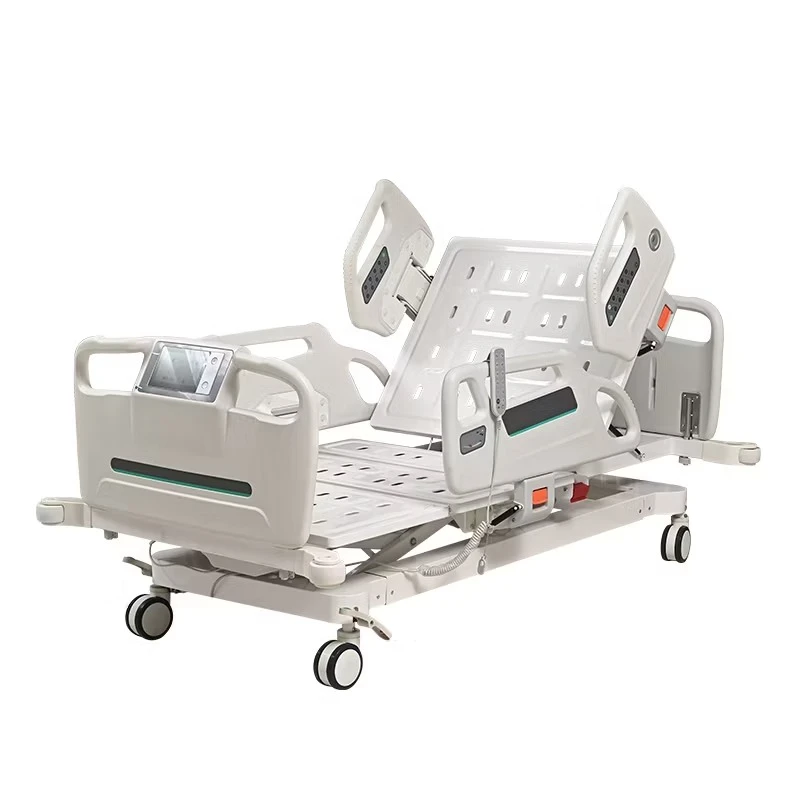
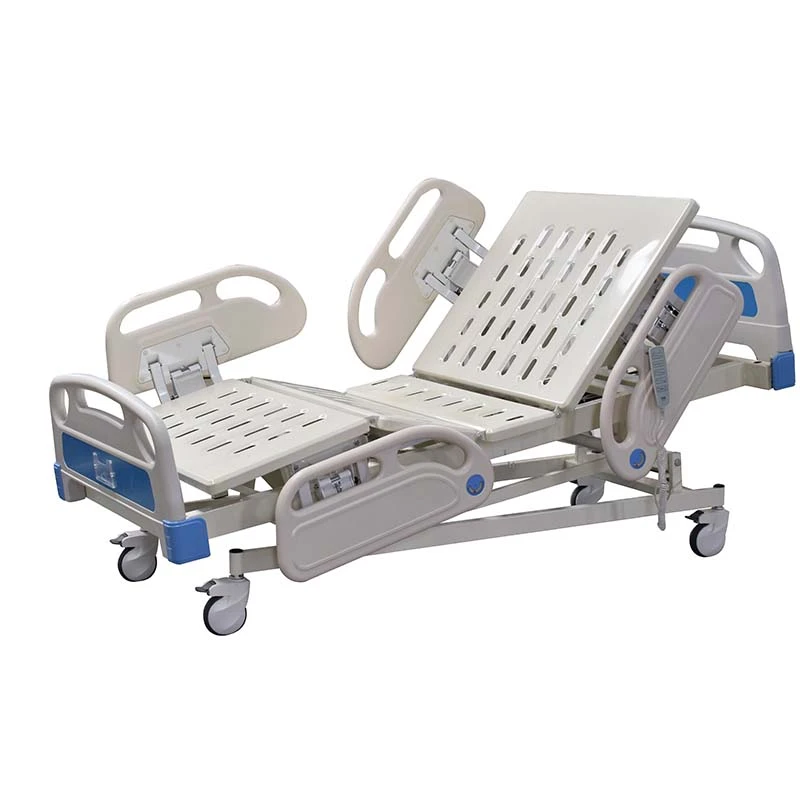
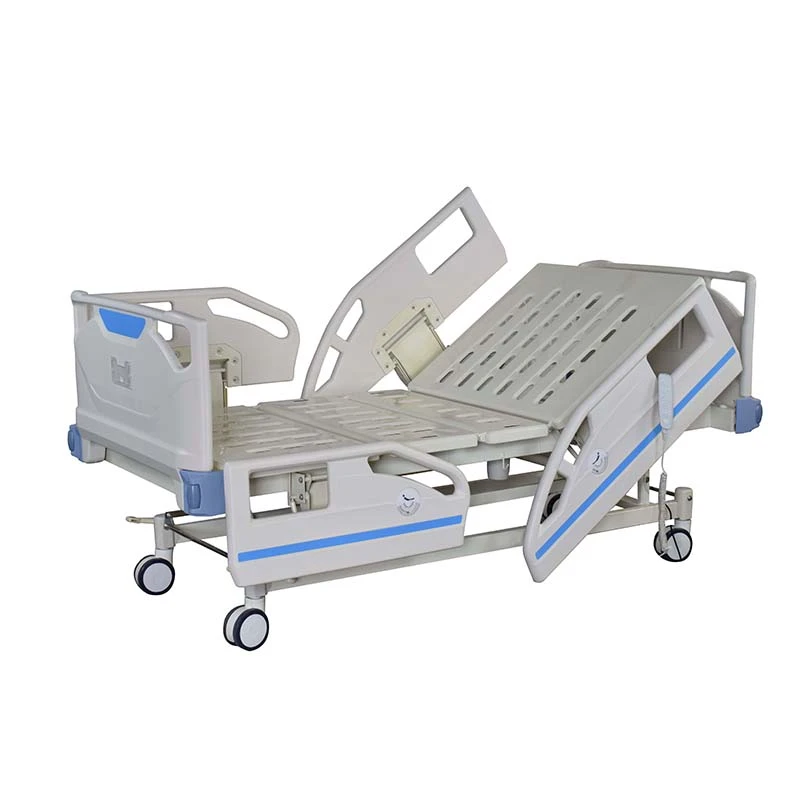
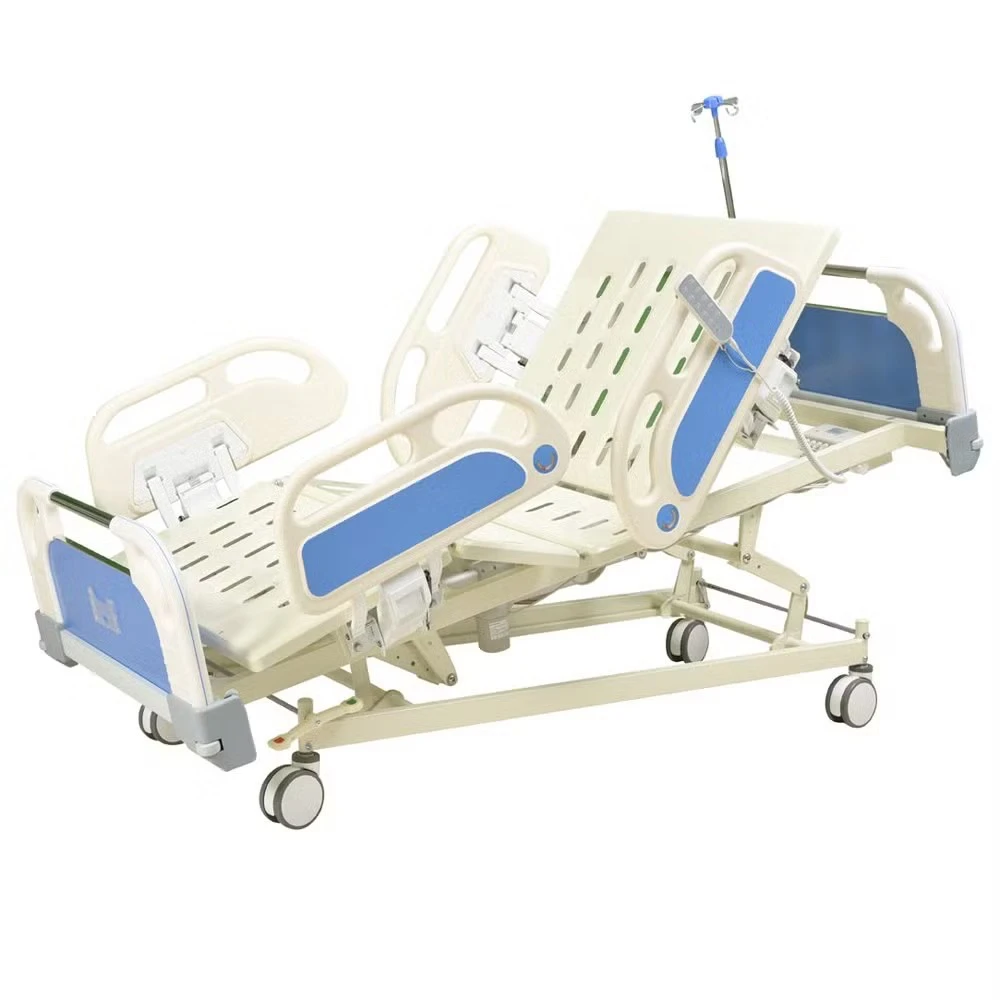
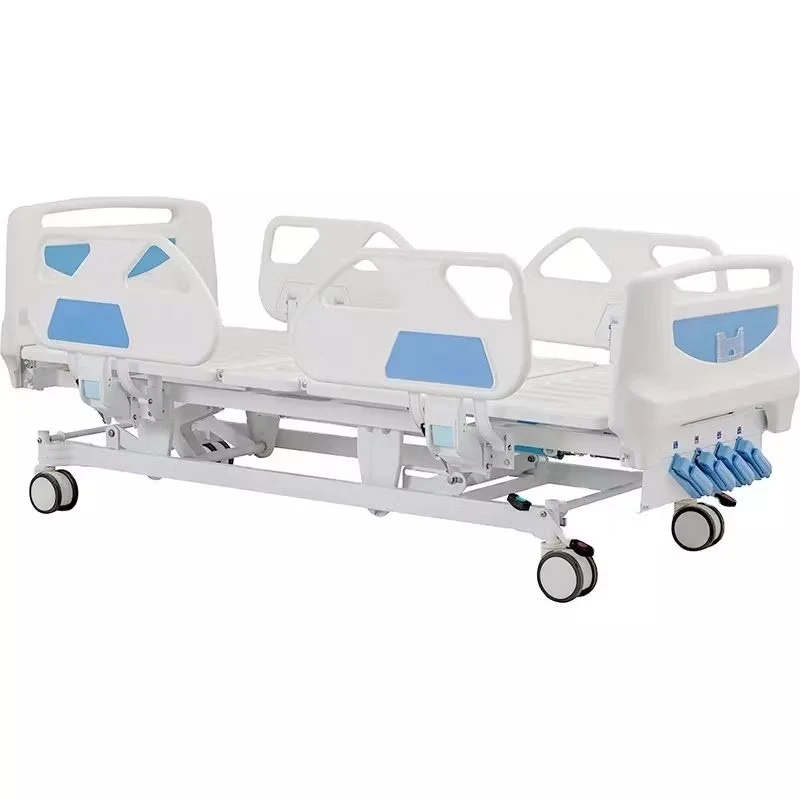
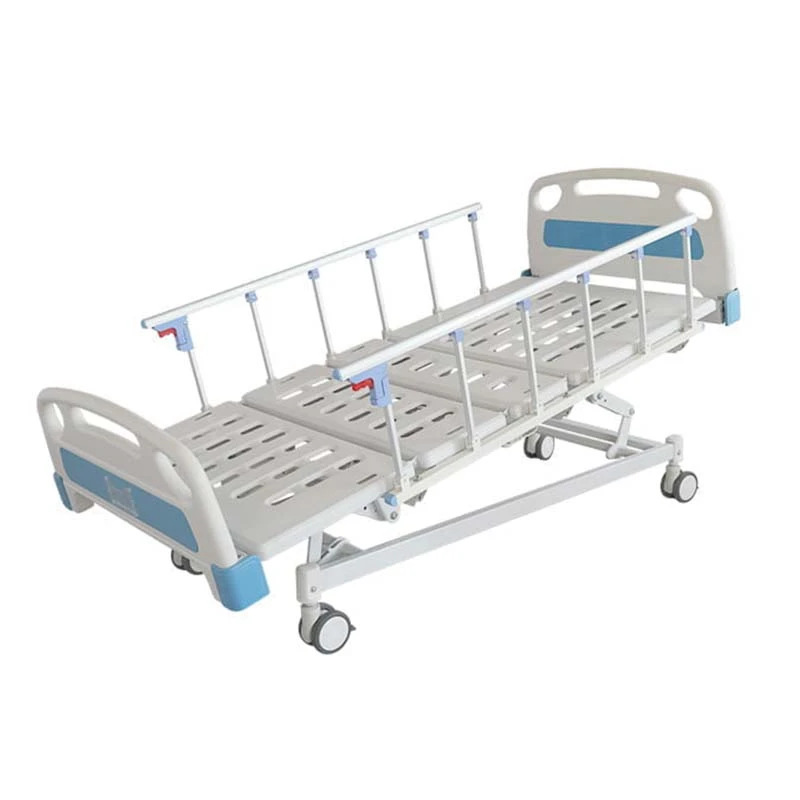
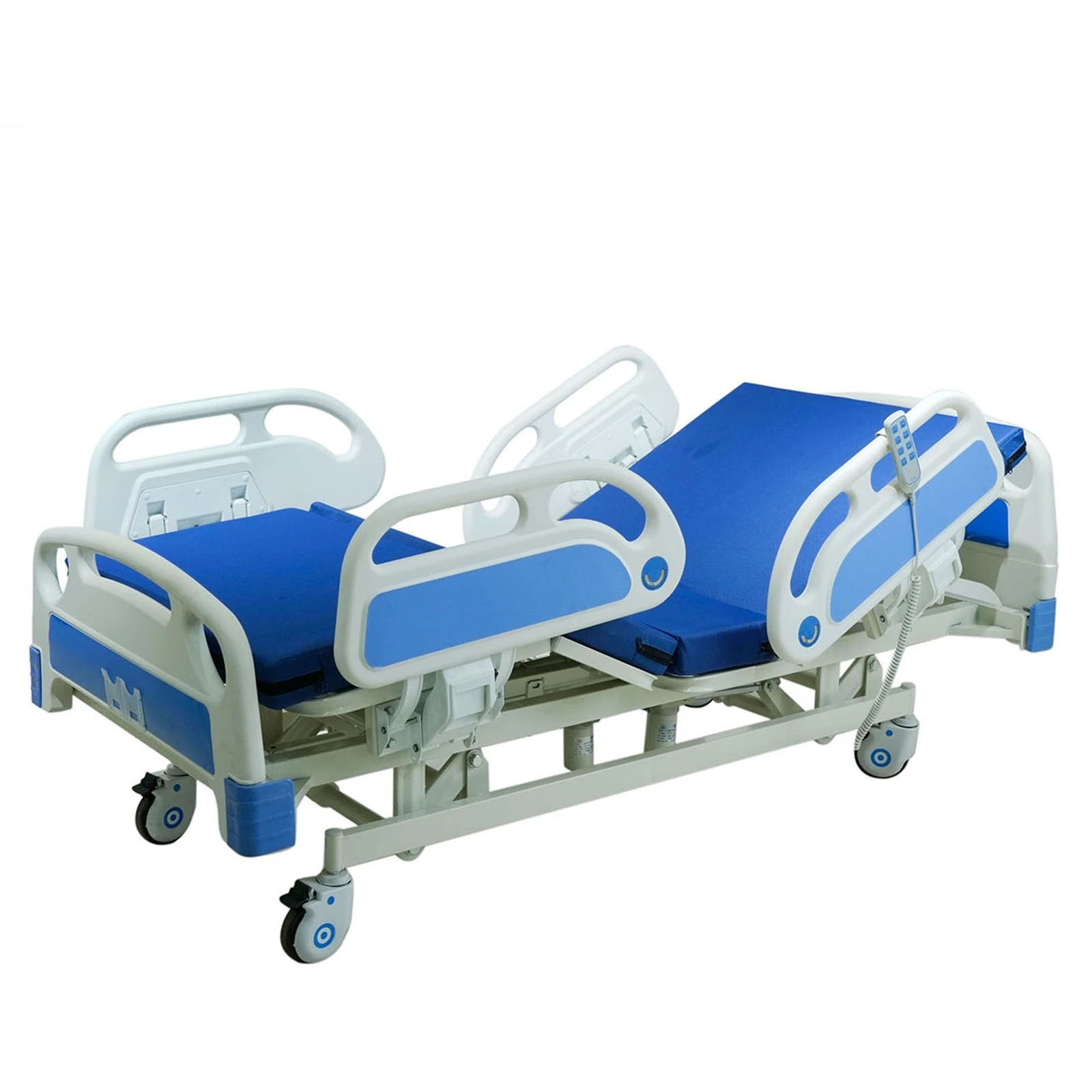
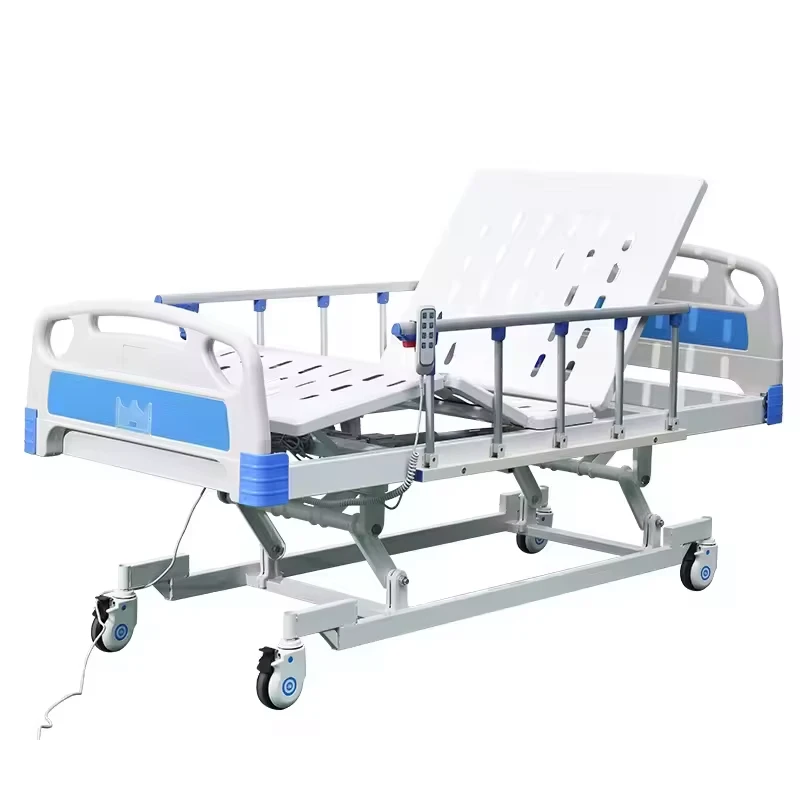
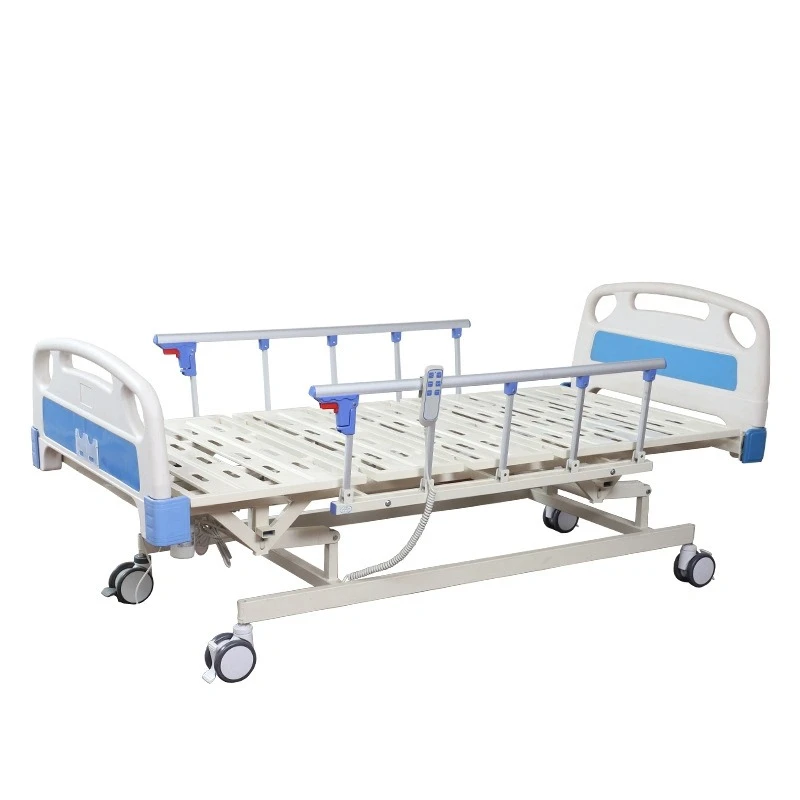
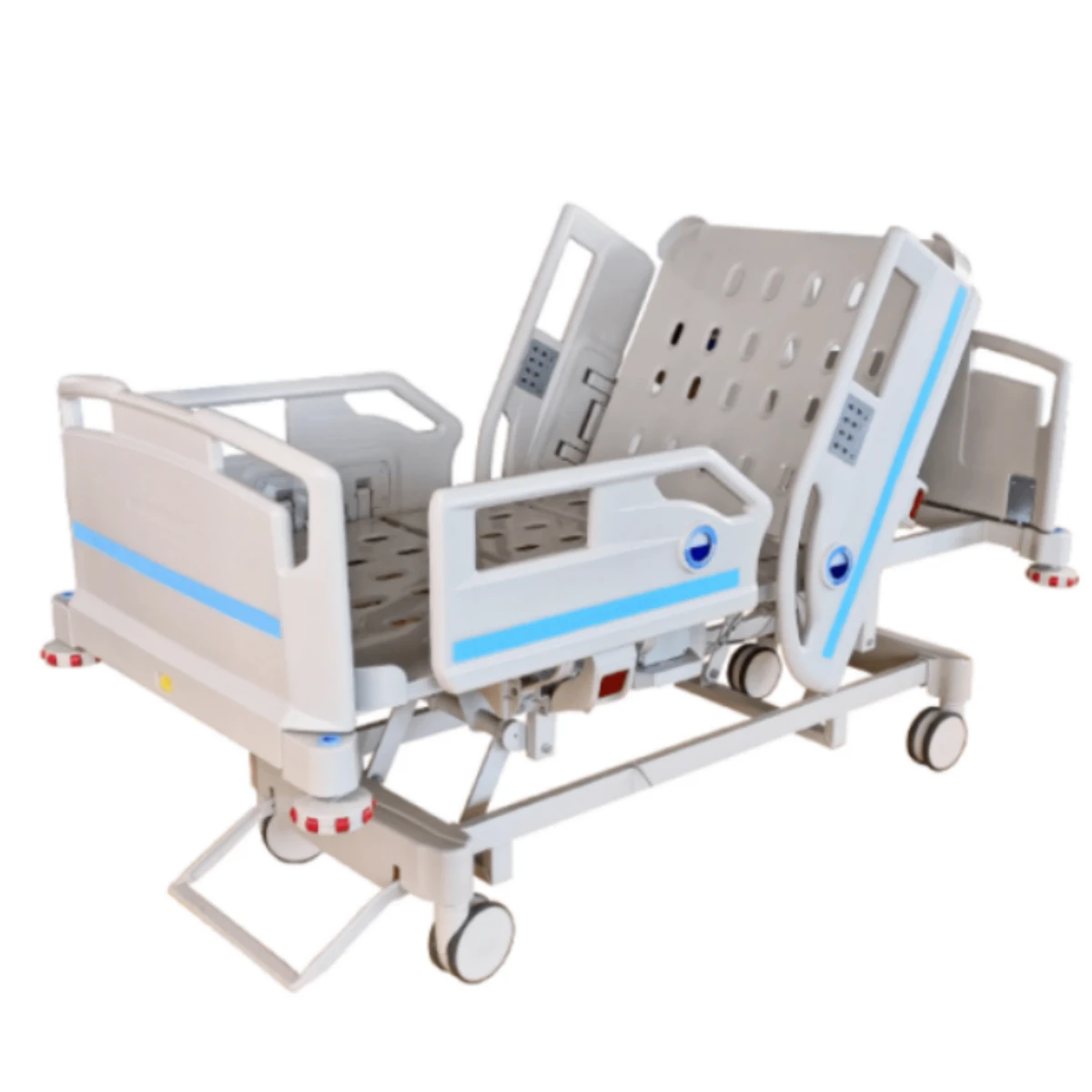
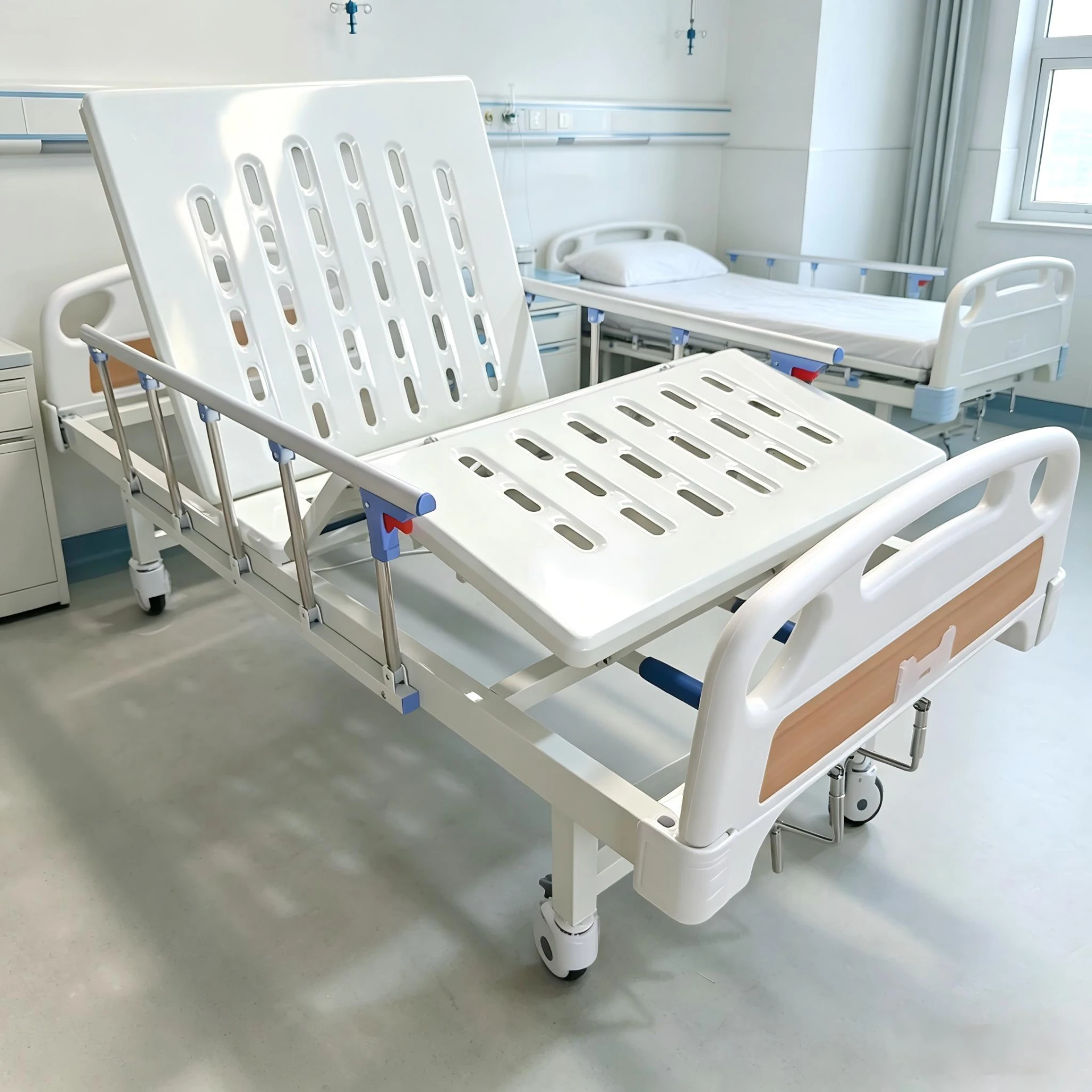
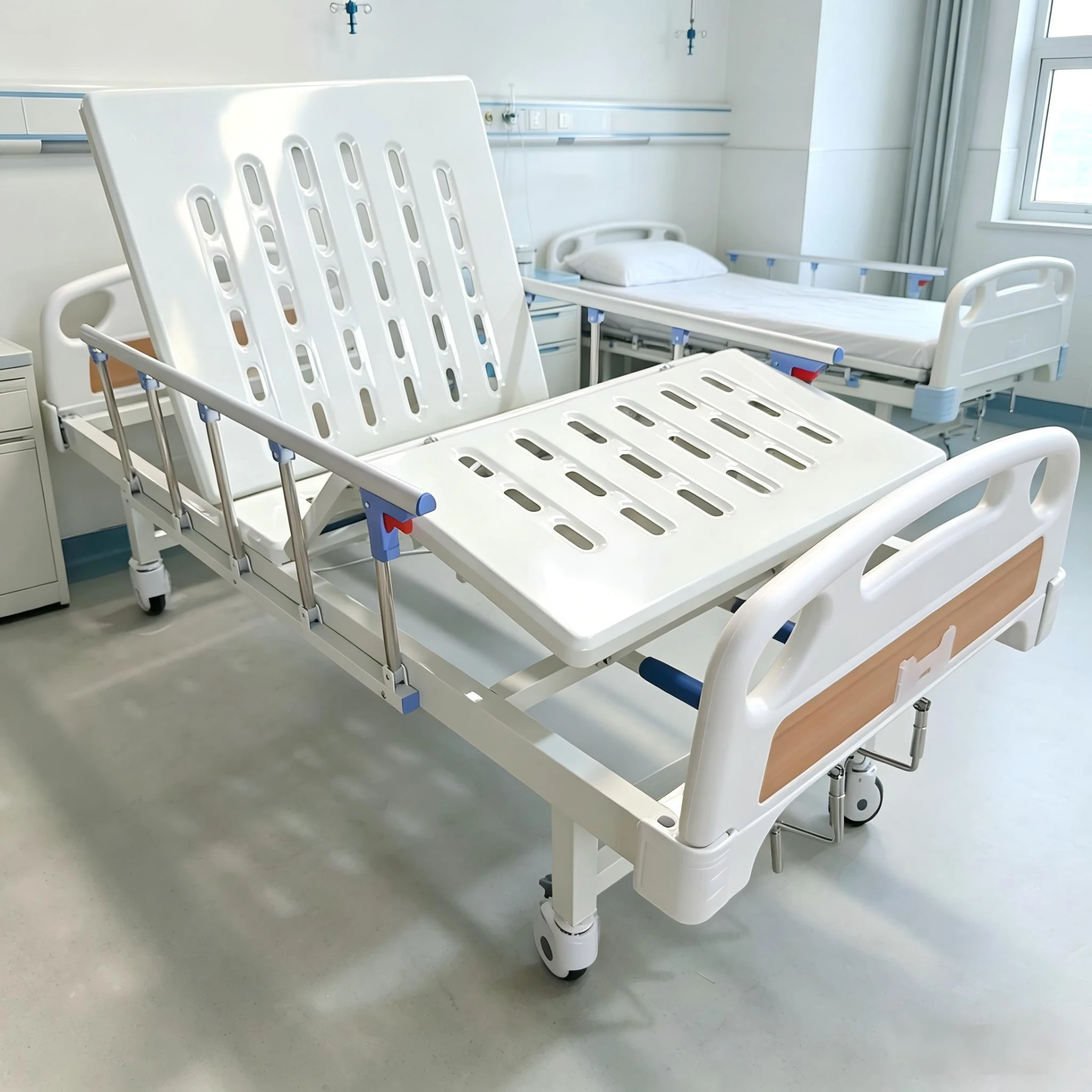
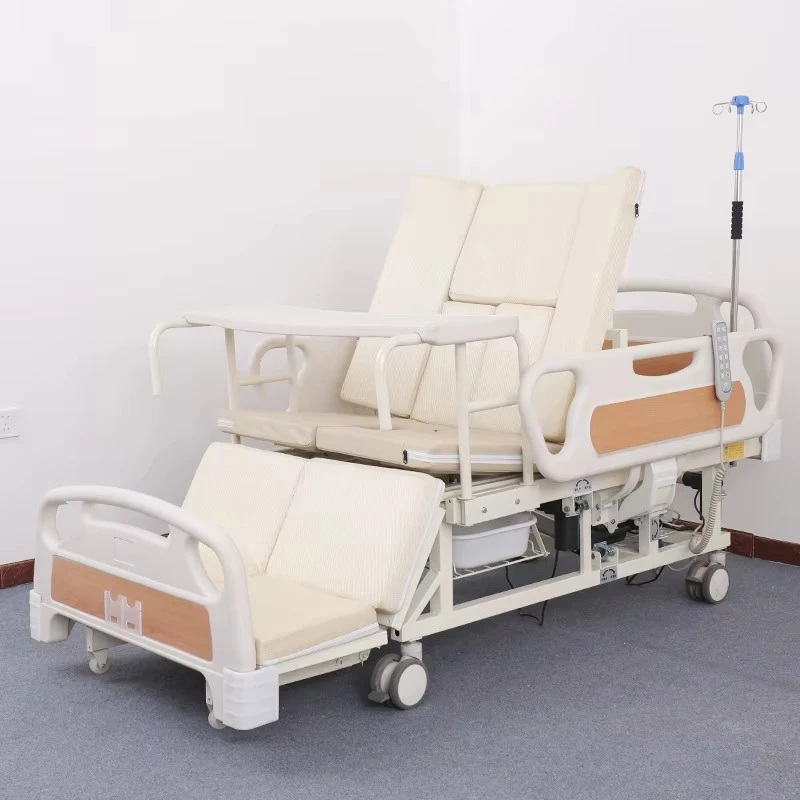
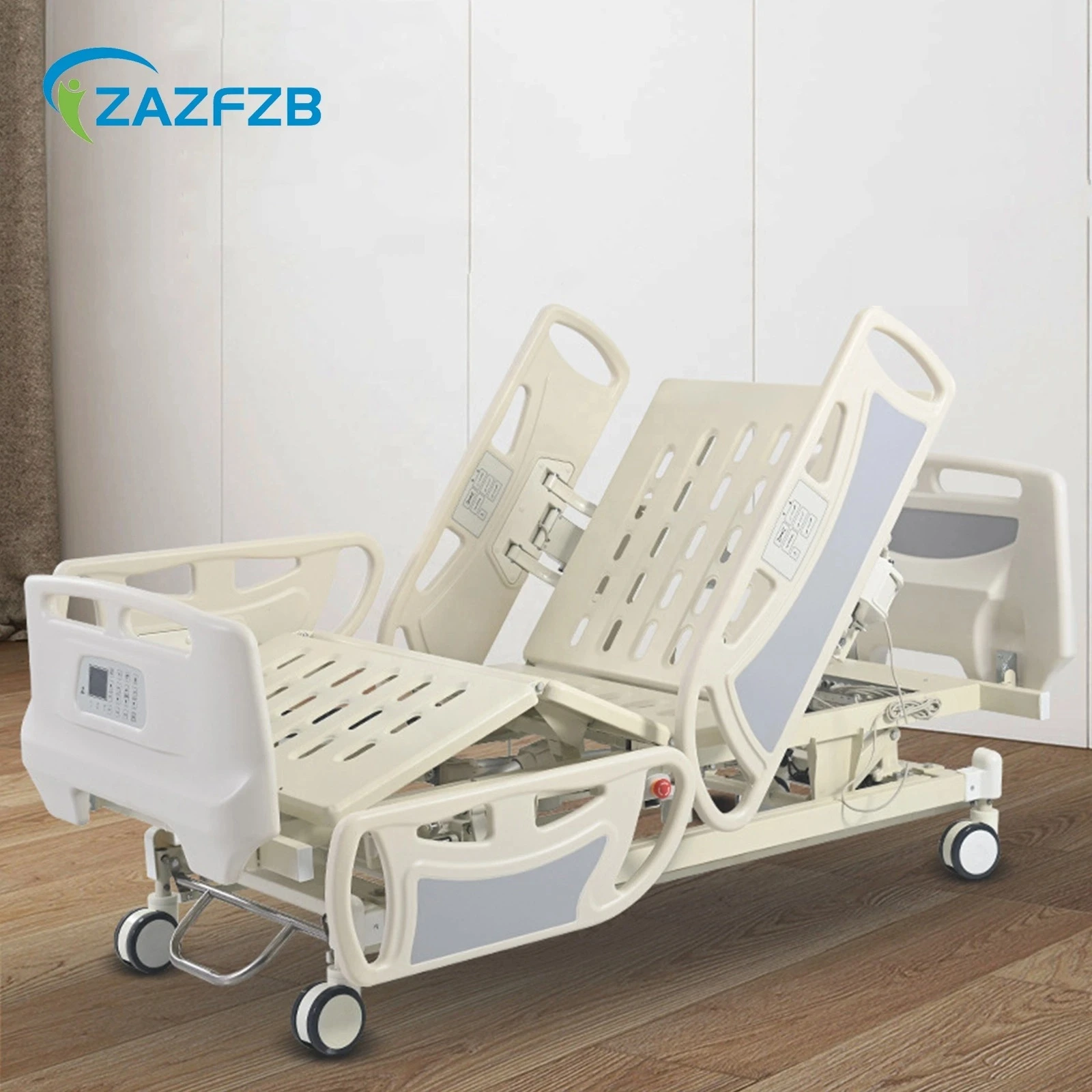
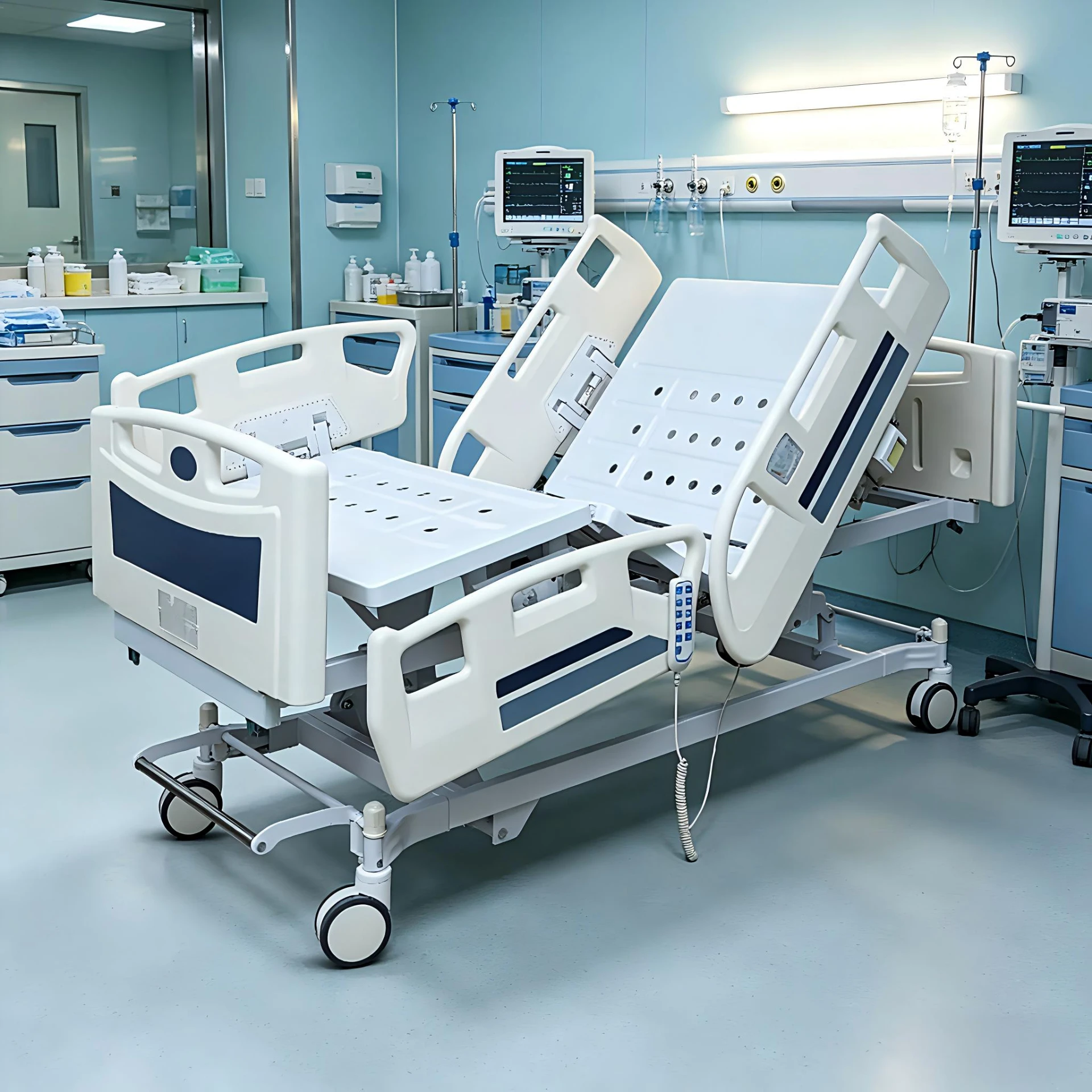
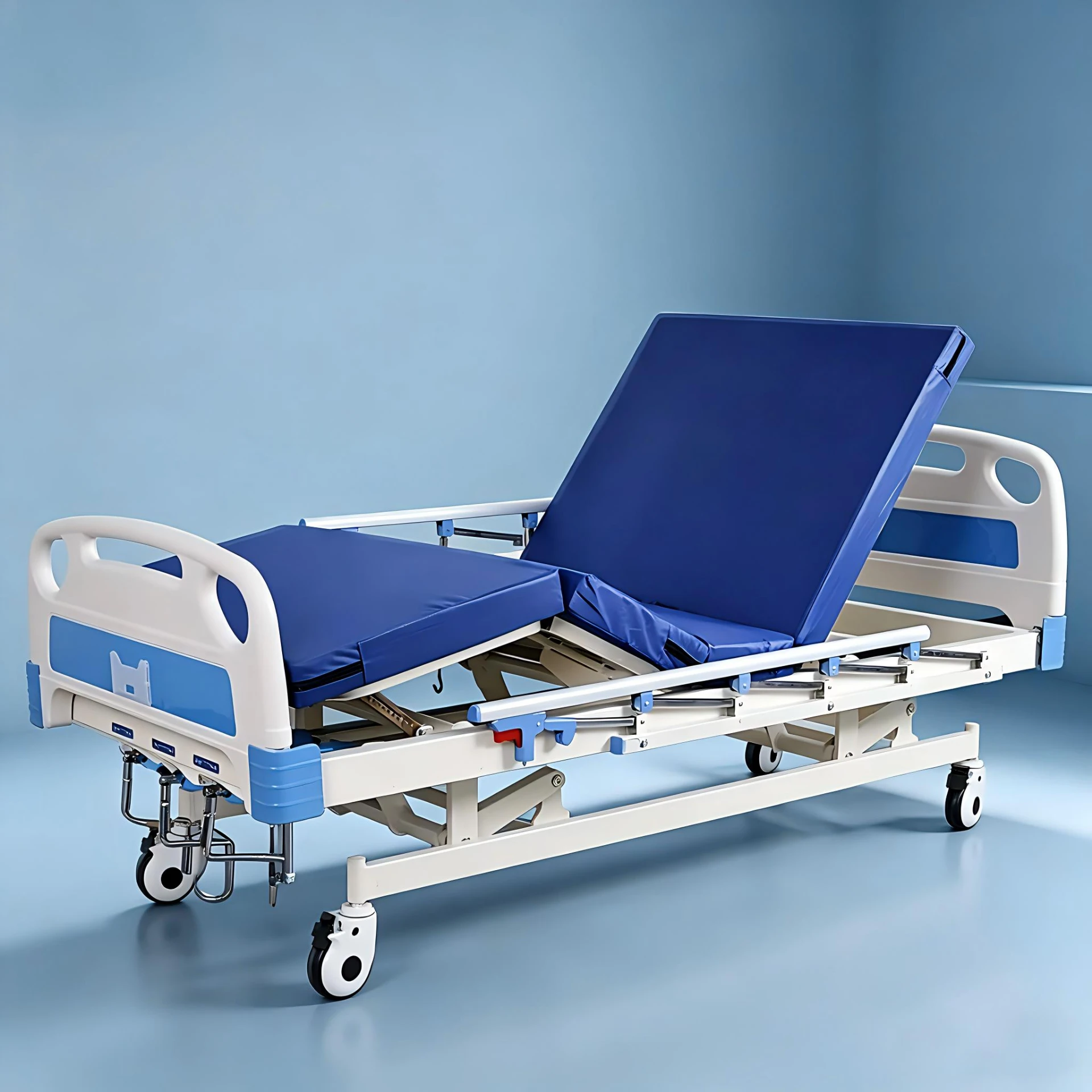
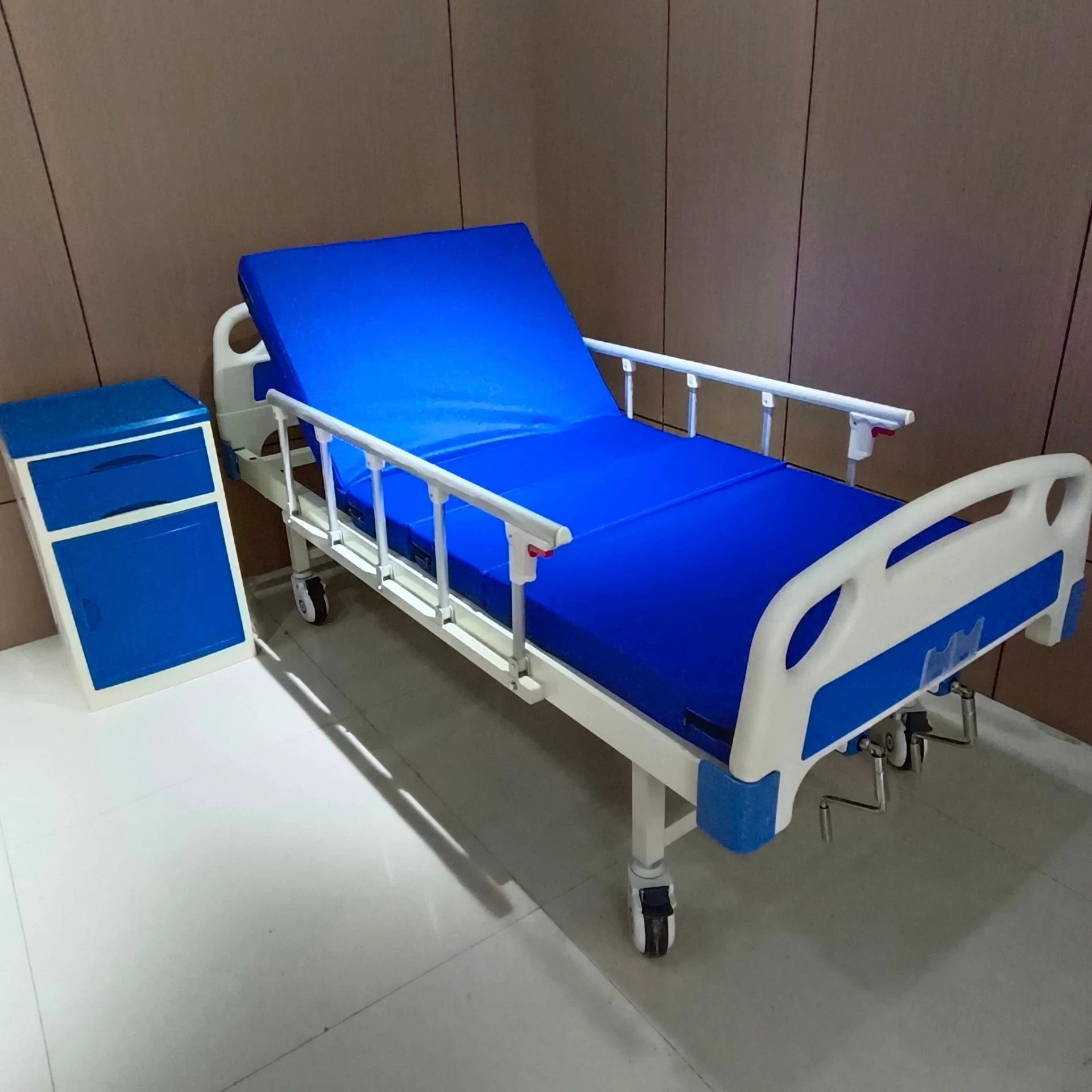
At its core, hospital bed specs refer to the technical details and standards that define a hospital bed’s size, design, materials, functionalities, and safety features. Think dimensions, weight capacity, adjustability (height, backrest angles), mobility (casters and brakes), and integrated tech like electric motors or monitoring sensors.
These specs are tailored around real-world needs: caregivers require ergonomic tools; patients need support and comfort; health systems crave durable, cost-effective equipment. In disaster relief or mobile hospitals, beds must be lightweight but sturdy, easy to sanitize, and fast to deploy. All that shows how hospital bed specs are a crossroads where engineering, medicine, and logistics intersect.
Key Factors in Hospital Bed Specs
1. Durability and Material Quality
Quality materials like stainless steel frames and antimicrobial coatings can make or break a hospital bed’s lifespan. With daily heavy use and constant sanitation, beds need to endure corrosion, impacts, and chemical cleaners while staying safe for patients.
2. Adjustability and Patient Comfort
Specs dictating how beds adjust—whether manually or electrically—are crucial. Height adjustment facilitates caregiver ergonomics and patient transfer, while back and leg positions improve blood flow and prevent bedsores.
3. Mobility and Safety Features
Swivel casters with locking brakes let caregivers reposition beds easily, but locking mechanisms ensure safety and stability once stationary. Features like side rails provide fall prevention without compromising accessibility.
4. Weight Capacity and Size
Beds must support a broad patient range safely—from pediatric units to bariatric needs. Standard widths (nominally 36 inches) and adjustable length variants correspond to patient demographics.
5. Hygiene and Maintenance
Non-porous surfaces, seamless designs, and easily removable parts fall under this spec domain, enabling faster cleaning and infection control.
Real-World Uses of Hospital Bed Specs Across the Globe
From massive urban medical systems in the U.S. and Europe to ad hoc field hospitals in post-disaster zones in Asia or Africa, hospital bed specifications ensure suitable fits for varied environments. For instance:
- Post-disaster relief: Lightweight, foldable, and quick-to-assemble beds serve mobile clinics established after earthquakes or floods.
- Remote industrial sites: Beds with modular components withstand rougher handling and frequent disinfection, ideal for onsite clinics in mining or oil extraction.
- Long-term elder care centers: Beds with advanced pressure relief adjustability reduce bedsores, enhancing older patient comfort.
Companies and humanitarian organizations increasingly rely on versatile hospital bed specs to standardize production yet maintain adaptability.
Hospital Bed Specs: Advantages & Long-Term Value
Why fuss over specs? Because the benefits cascade through safety, operational efficiency, and cost savings:
- Cost efficiency: High-quality beds last longer and require fewer repairs, lowering lifecycle costs.
- Patient safety and dignity: Adjustable and ergonomic designs prevent injuries and promote respectful care.
- Sustainability: Durable materials and modular parts reduce waste from frequent replacements.
- Reliability: Standardized specs enable swift part replacements and easier training for staff.
Spotlight: Hospital Bed Specification Table
| Specification | Typical Range / Options | Application Notes |
|---|---|---|
| Bed length | 1900mm – 2200mm | Accommodates different patient heights |
| Bed width | 850mm – 1000mm | Allows room for mobility aids |
| Weight capacity | 150kg – 300kg | Standard to bariatric options |
| Height adjustability | 350mm – 700mm | Ergonomic caregiver positioning |
| Backrest angle | 0° – 70° | Patient comfort and clinical needs |
| Mobility (casters) | 4 swivel wheels, locking brakes | Ease of repositioning and safety |
How Vendors Compare: Hospital Bed Spec Features at a Glance
| Vendor | Standard Size Range | Adjustability Features | Material Quality | Price Range |
|---|---|---|---|---|
| Zhaofa Medical | 1900-2150mm length | Electric height & backrest | 316L stainless steel frame | $$ |
| MediBeds Inc. | 1800-2100mm length | Manual crank adjust | Powder-coated steel | $ |
| HealthEquip Global | 2000-2200mm length | Electric with remote control | Aluminum alloy frame | $$$ |
Hospital Bed Specs: Trends Shaping the Future
We’re witnessing a gradual but definite shift towards smarter and greener hospital bed designs. Companies increasingly embed IoT sensors to monitor patient vitals or prevent falls in real-time. Batteries for motorized adjustments are becoming more energy efficient, enhancing portability in mobile clinics.
Material innovation is another front. Sustainable composites and recyclable metals reduce environmental footprints. Policies worldwide encouraging healthcare sustainability push manufacturers to rethink design for circularity and longevity. Frankly, it feels like hospital bed specs will soon encompass digital connectivity and eco-friendliness side by side.
Challenges & Forward-Looking Solutions
One ongoing hurdle is balancing cost and quality. Low-income regions often resort to cheaper, less durable beds undermining patient care. Procurement timelines can be painfully slow due to rigorous standards compliance and funding cycles.
Innovative approaches like modular designs—where parts can be swapped locally—and scale-appropriate specs aim to fix this. Training programs also ensure staff use beds optimally, preserving their longevity and safety. In essence, smart specs are evolving in tandem with supportive ecosystems.
FAQ: Common Questions About Hospital Bed Specs
- What are the most critical specs when choosing a hospital bed?
- The biggest factors are adjustability (especially height and backrest), weight capacity, and durability. These ensure patient comfort, caregiver safety, and longevity of use.
- Can hospital beds be standardized internationally?
- Standards like ISO 60601-2-52 provide guidelines, but local needs and regulations may vary. Modular designs help bridge regional differences.
- How do hospital bed specs affect infection control?
- Specs prioritizing non-porous surfaces, removable mattress platforms, and smooth edges make cleaning easier, reducing risk of healthcare-acquired infections.
- Are electric hospital beds more cost-effective in the long run?
- They often are, as they reduce staff injury risk, improve patient care, and can last longer if well-maintained—though initial costs are higher than manual beds.
Wrapping It Up: Why Getting Hospital Bed Specs Right Matters
Hospital bed specs aren’t a mere checklist; they’re the cornerstone of safe, dignified, and efficient healthcare delivery. From advanced urban hospitals to makeshift emergency wards, the specs you choose reverberate through every aspect of care. Staying informed and prioritizing these details today can lead to healthier hospitals — and healthier people — tomorrow.
If you want to explore cutting-edge hospital bed models backed by rich specs and solid customer stories, do visit Zhaofa Medical. It’s a no-brainer in today’s market.
References:
1. World Health Organization, Essential Health Services Coverage, 2023.
2. ISO 60601-2-52:2010 Medical electrical equipment — Part 2-52: Particular requirements for the basic safety and essential performance of medical beds.
3. United Nations, Sustainable Development Goals – Good Health & Wellbeing.