Nursing Bed Price Guide: Global Insights, Key Factors & Future Trends
Understanding Nursing Bed Price: Why It Matters Globally
When you think about healthcare equipment, nursing beds might not be the star of the show, yet they play a crucial role in patient care worldwide. The nursing bed price isn’t just about numbers; it's a reflection of affordability, accessibility, and the ability to provide dignity and comfort in healthcare settings.
Globally, with an aging population and rising chronic illnesses, the demand for reliable nursing beds has surged. According to the World Health Organization, the number of people over 60 years old is expected to double by 2050, greatly impacting healthcare infrastructure needs. Therefore, understanding the dynamics behind nursing bed pricing opens paths to better planning, budgeting, and ultimately, improved patient care.
In this article, we’ll unpack why nursing bed prices matter, what influences them, and how various sectors utilize these beds across different scenarios.
The Global Context of Nursing Bed Price
Nursing beds are fundamental in hospitals, eldercare homes, and domestic care worldwide. From low-income communities to advanced medical centers, nursing beds need to be safe, adjustable, and durable. However, affordability continues to be a challenge — especially when you consider that roughly 15% of the world’s population requires specialized health services, says the United Nations.
Cost disparities can be stark depending on the region, material availability, and design sophistication. For example, while a basic manual nursing bed may cost a few hundred dollars in Southeast Asia, a mechanized model with advanced features can be several thousand dollars in Europe or North America. Such fluctuations can limit access in developing regions, hampering overall healthcare quality.
This variance points to a critical problem: procuring quality nursing beds at reasonable prices to balance financial constraints with healthcare necessities.
What Exactly Is Nursing Bed Price?
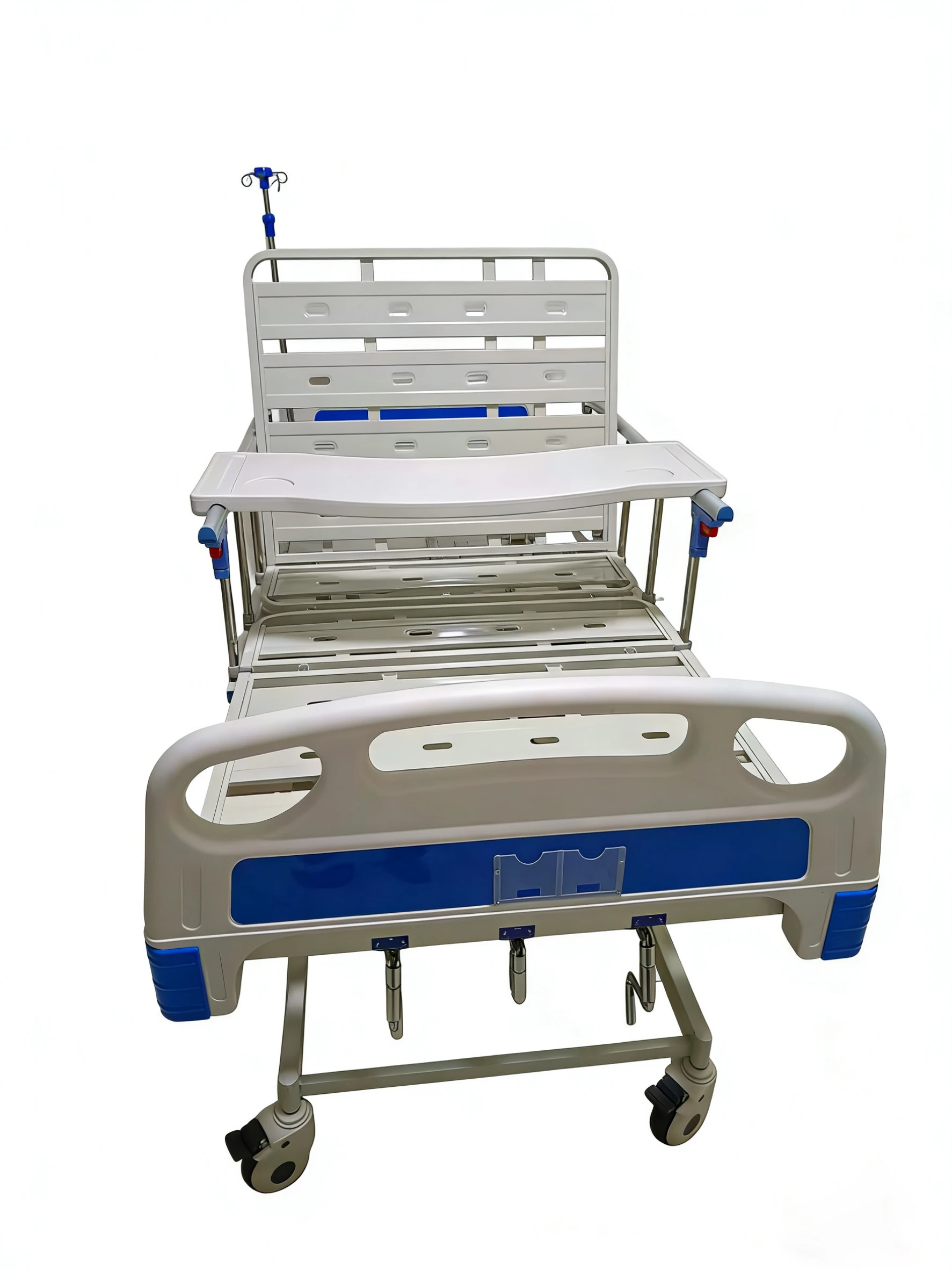
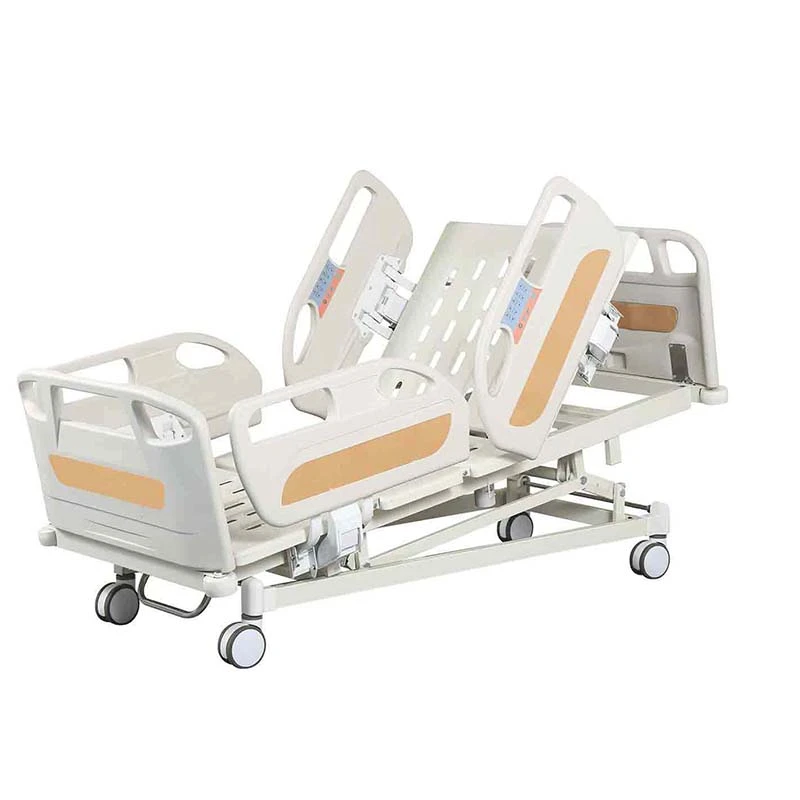
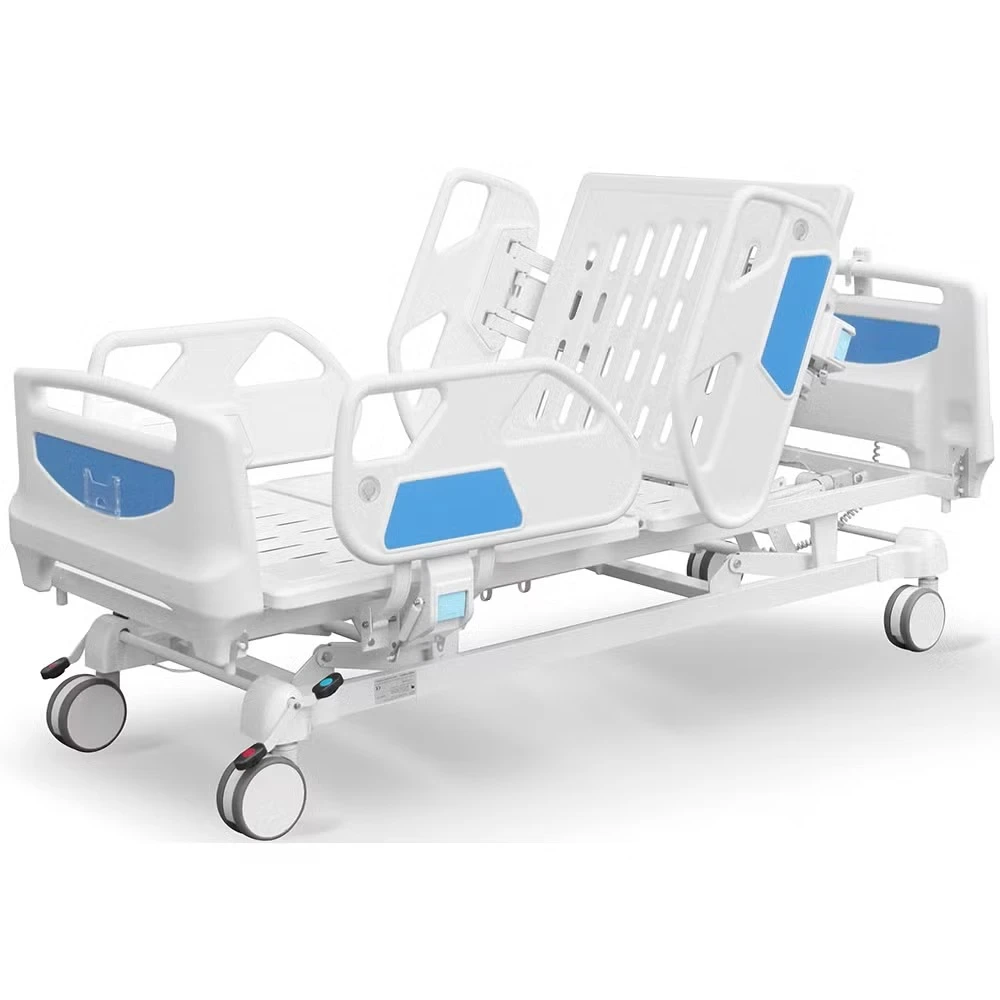
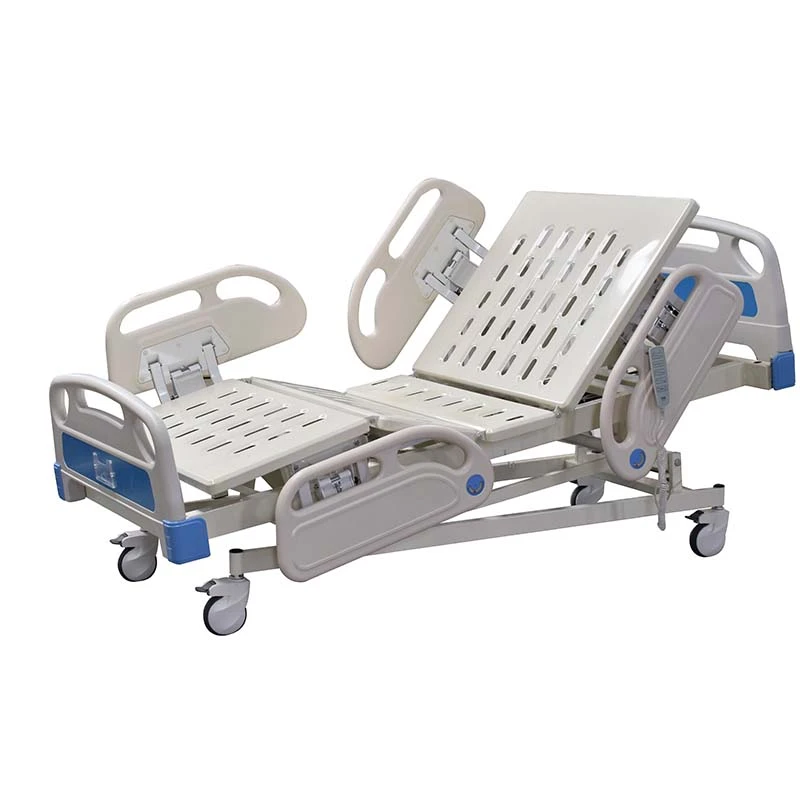
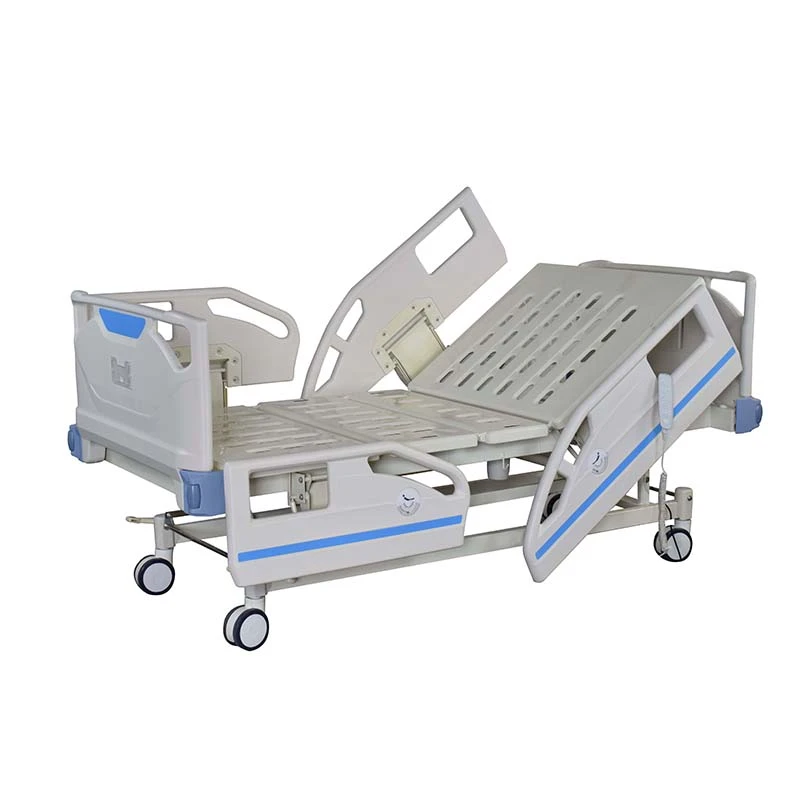
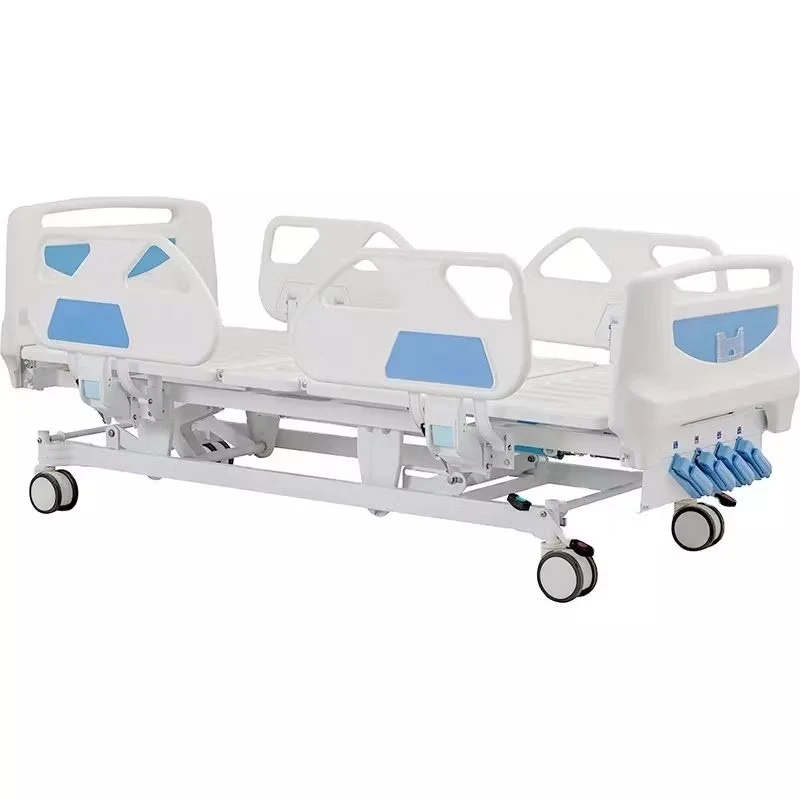
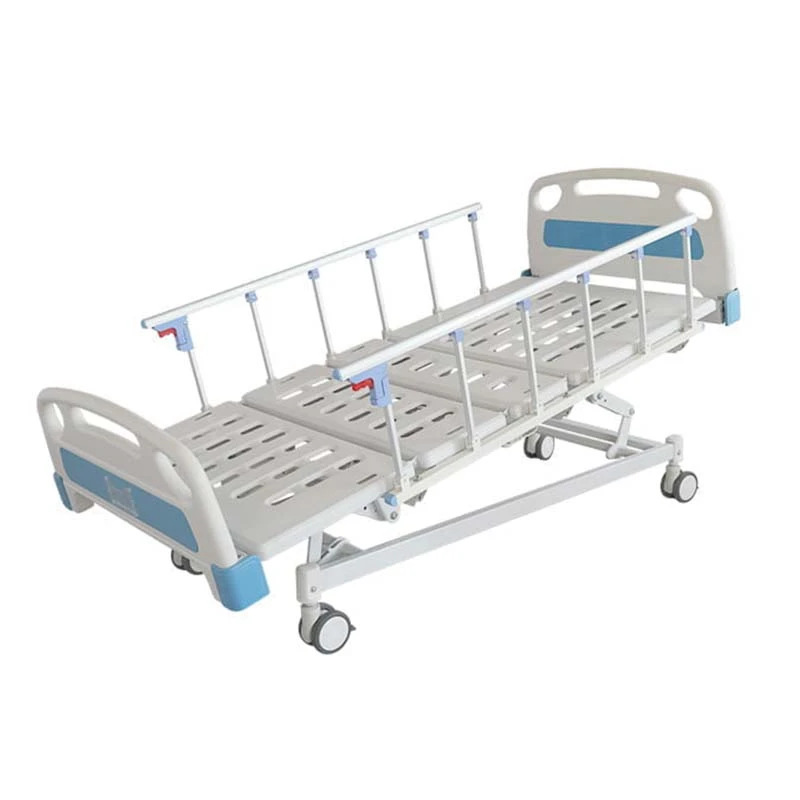
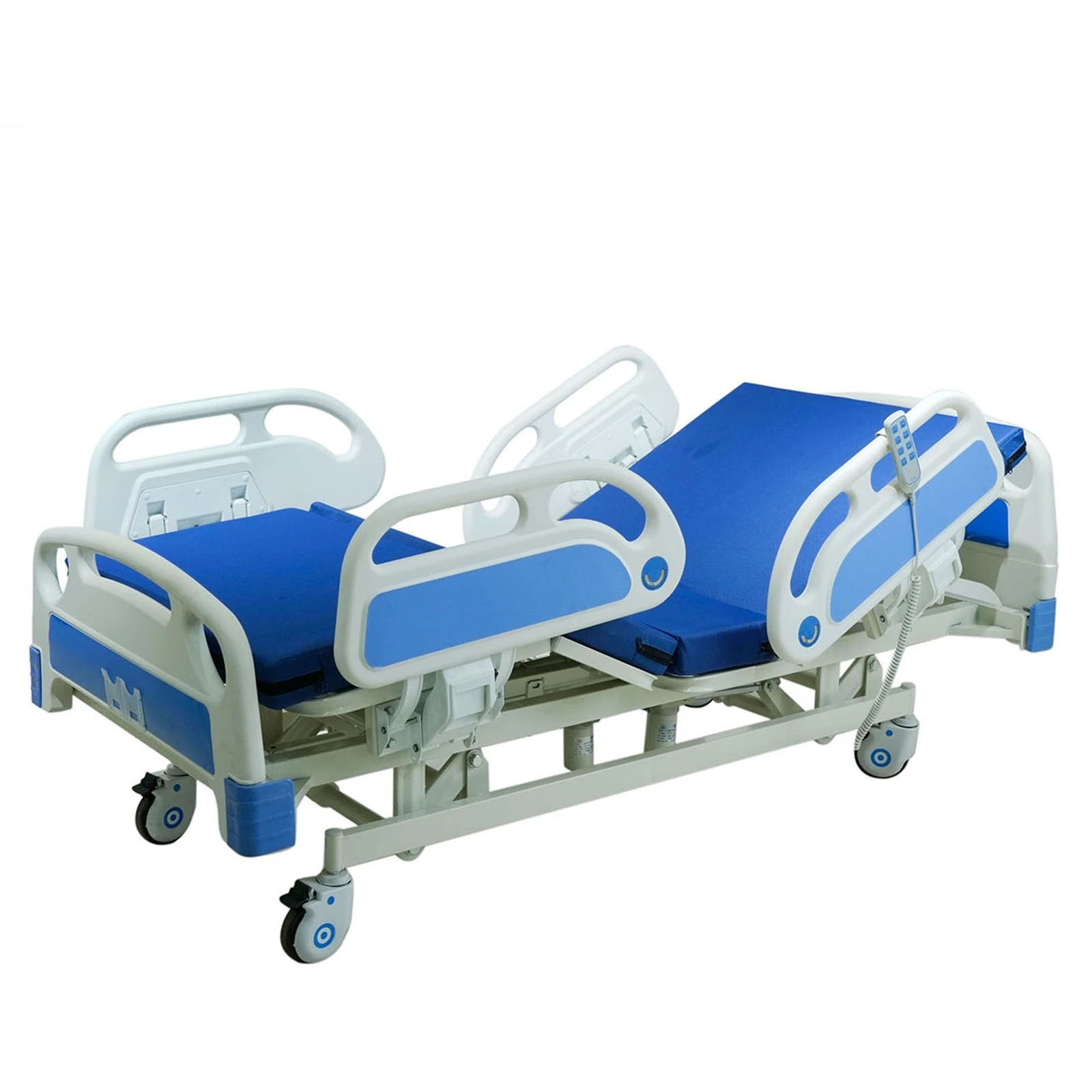
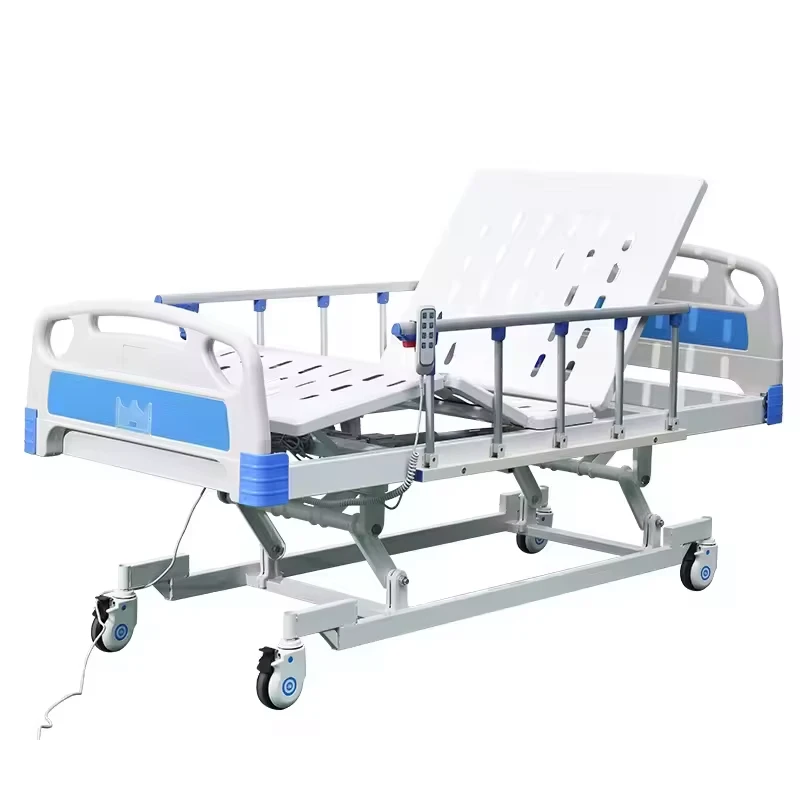
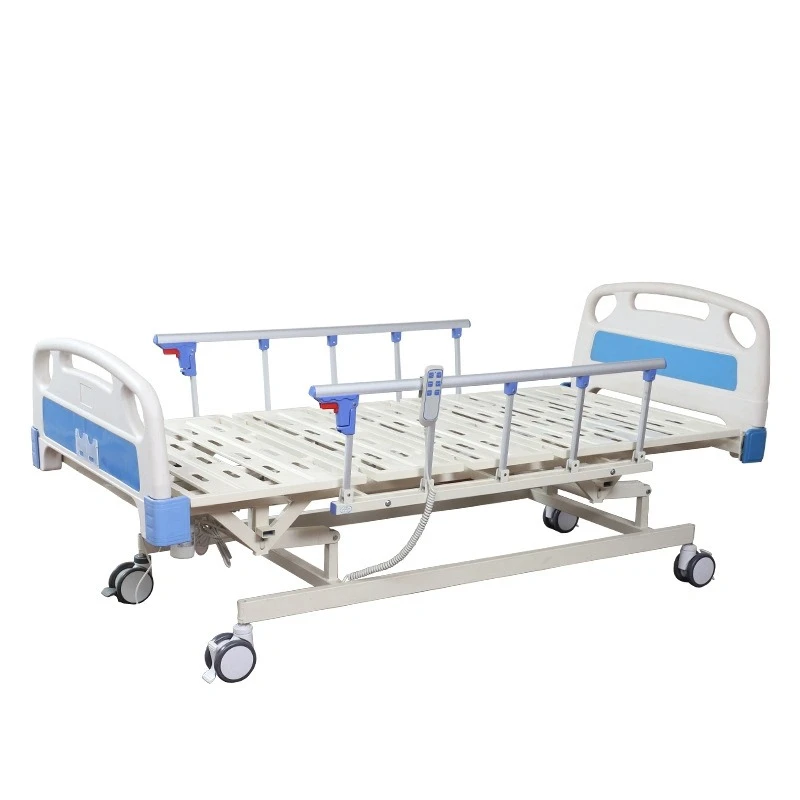
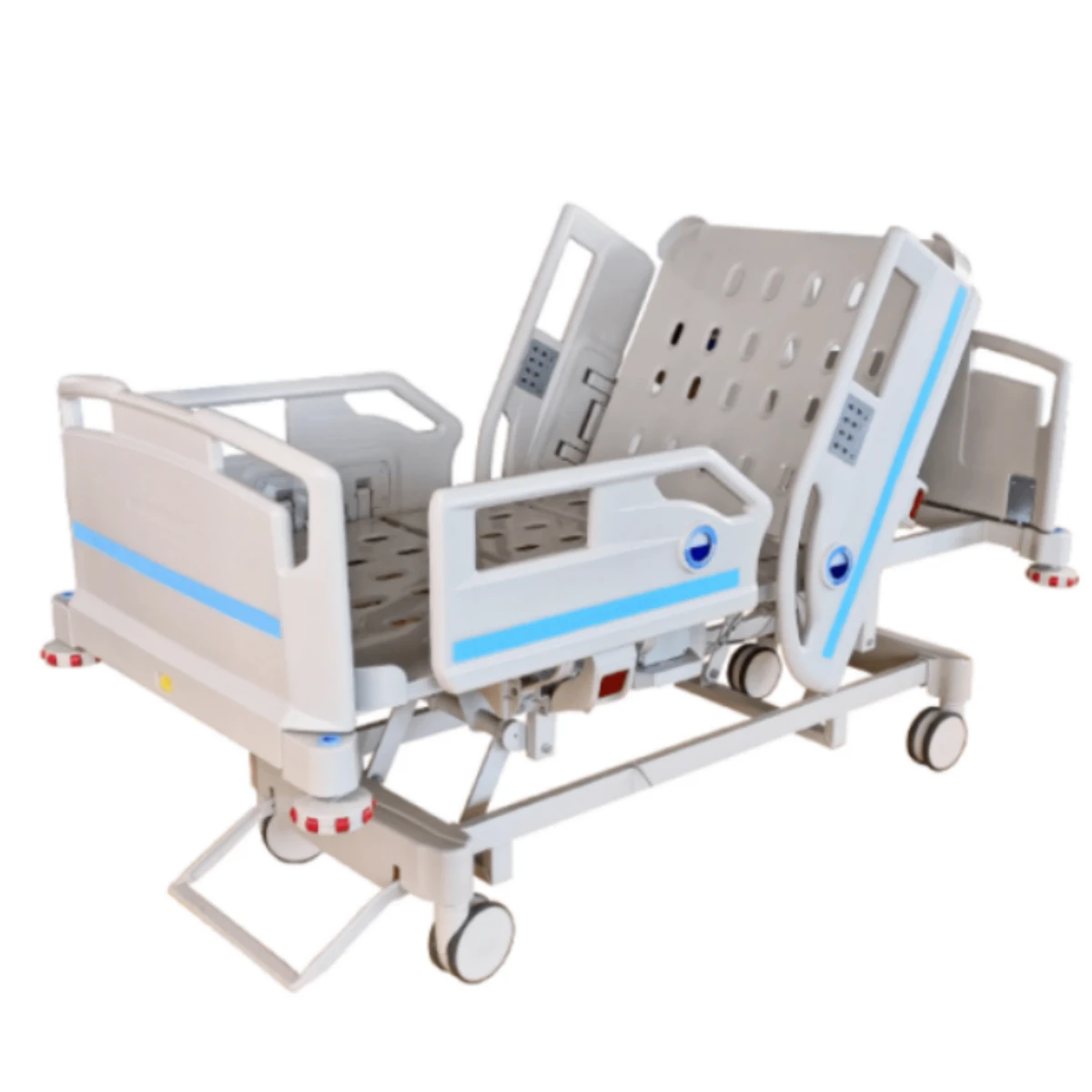
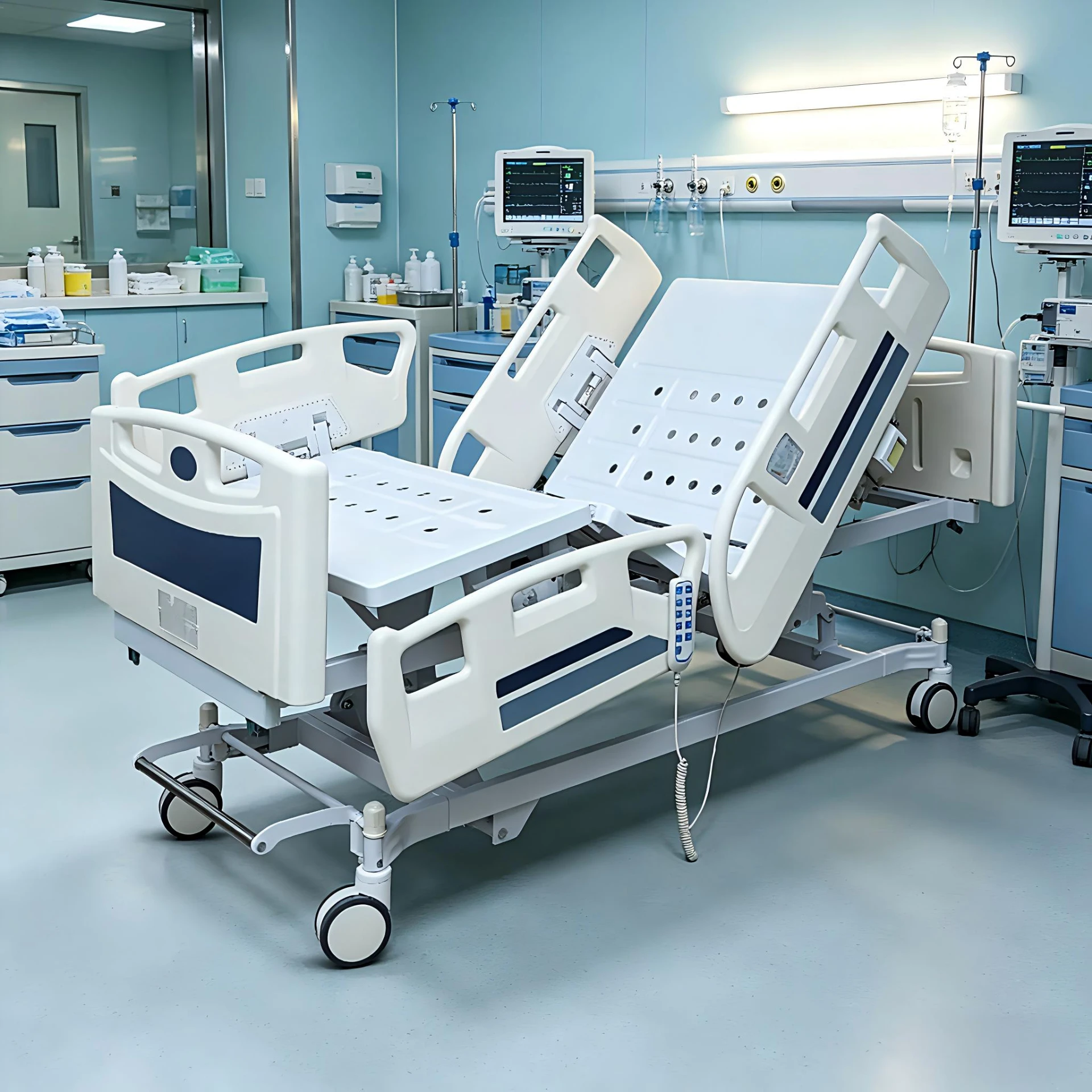
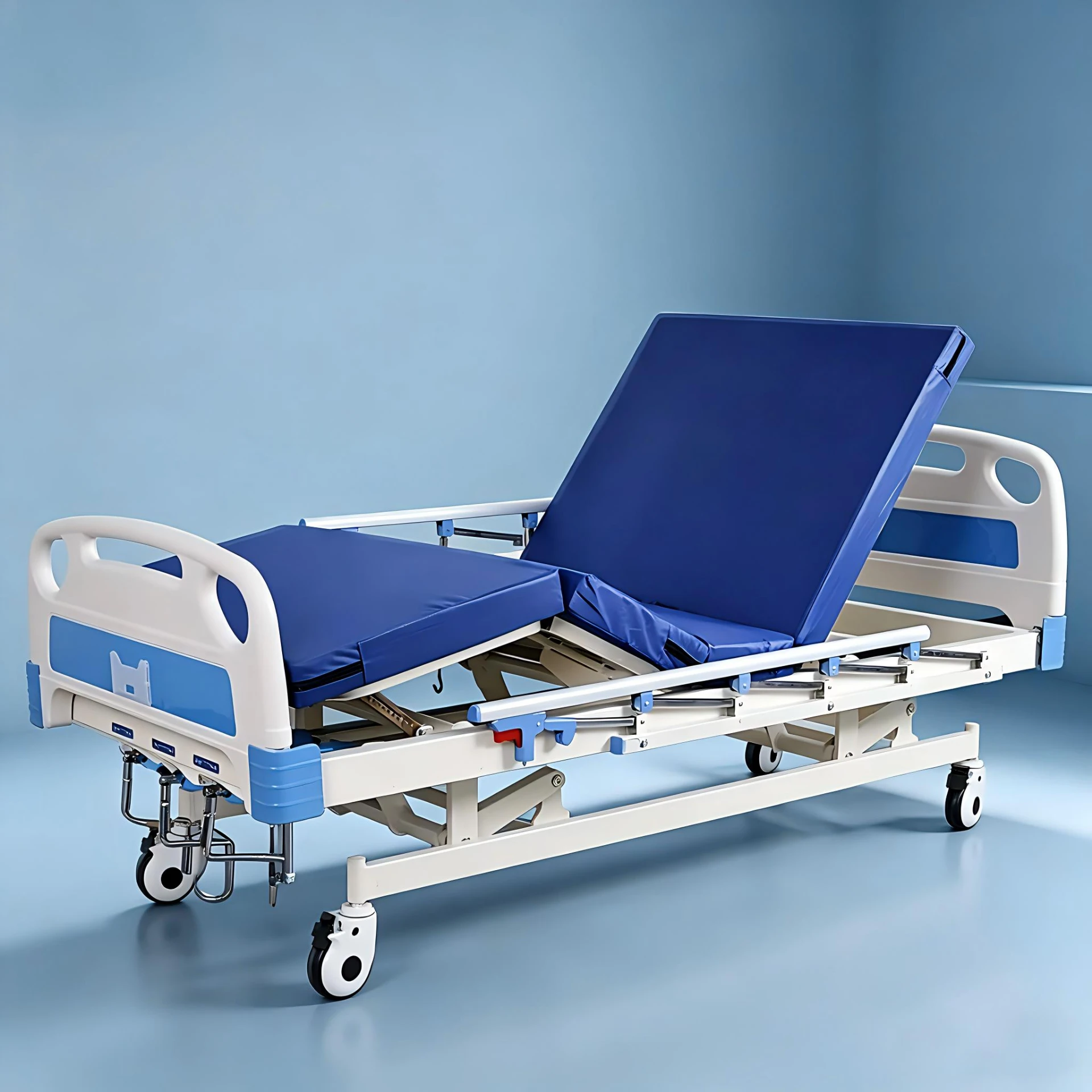
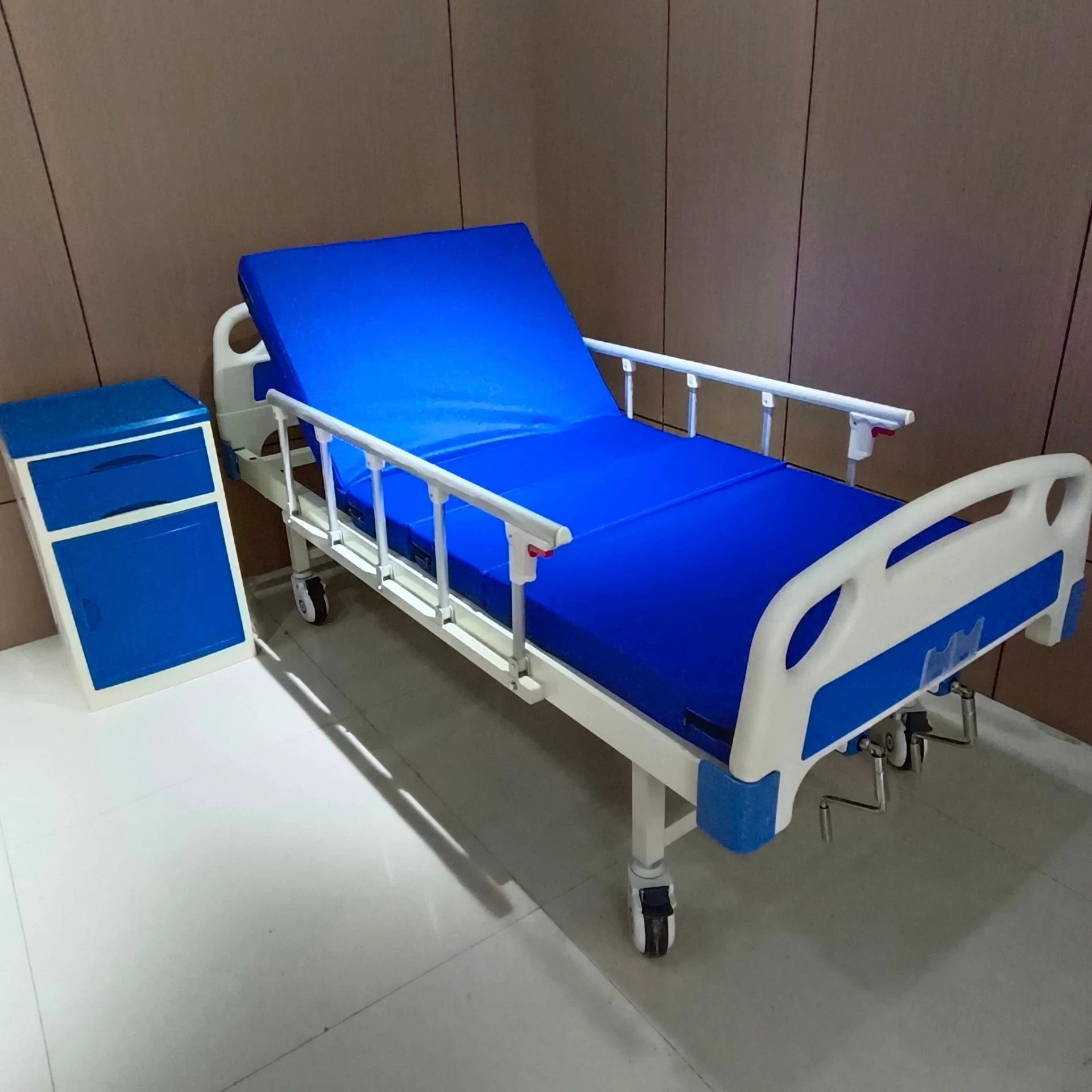
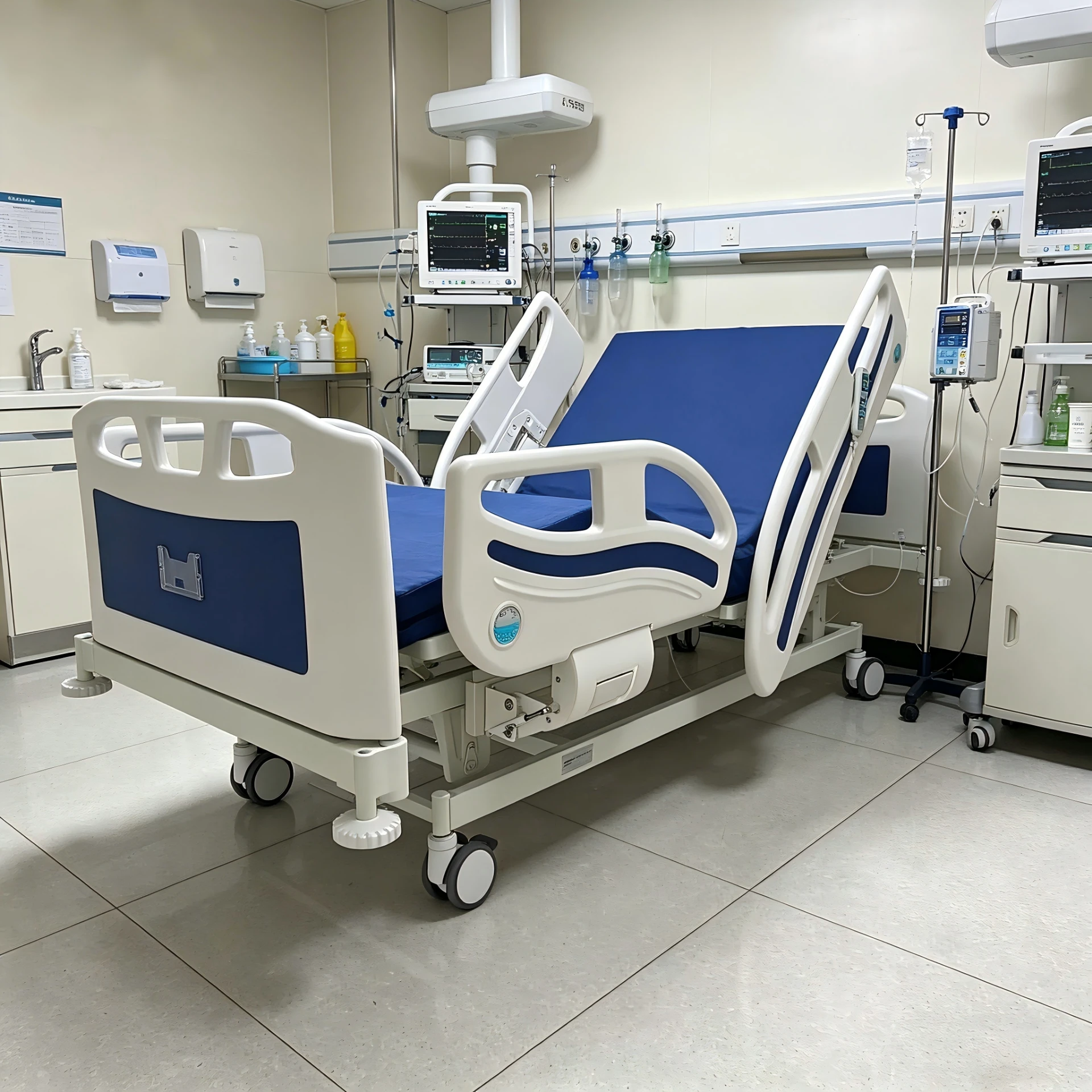
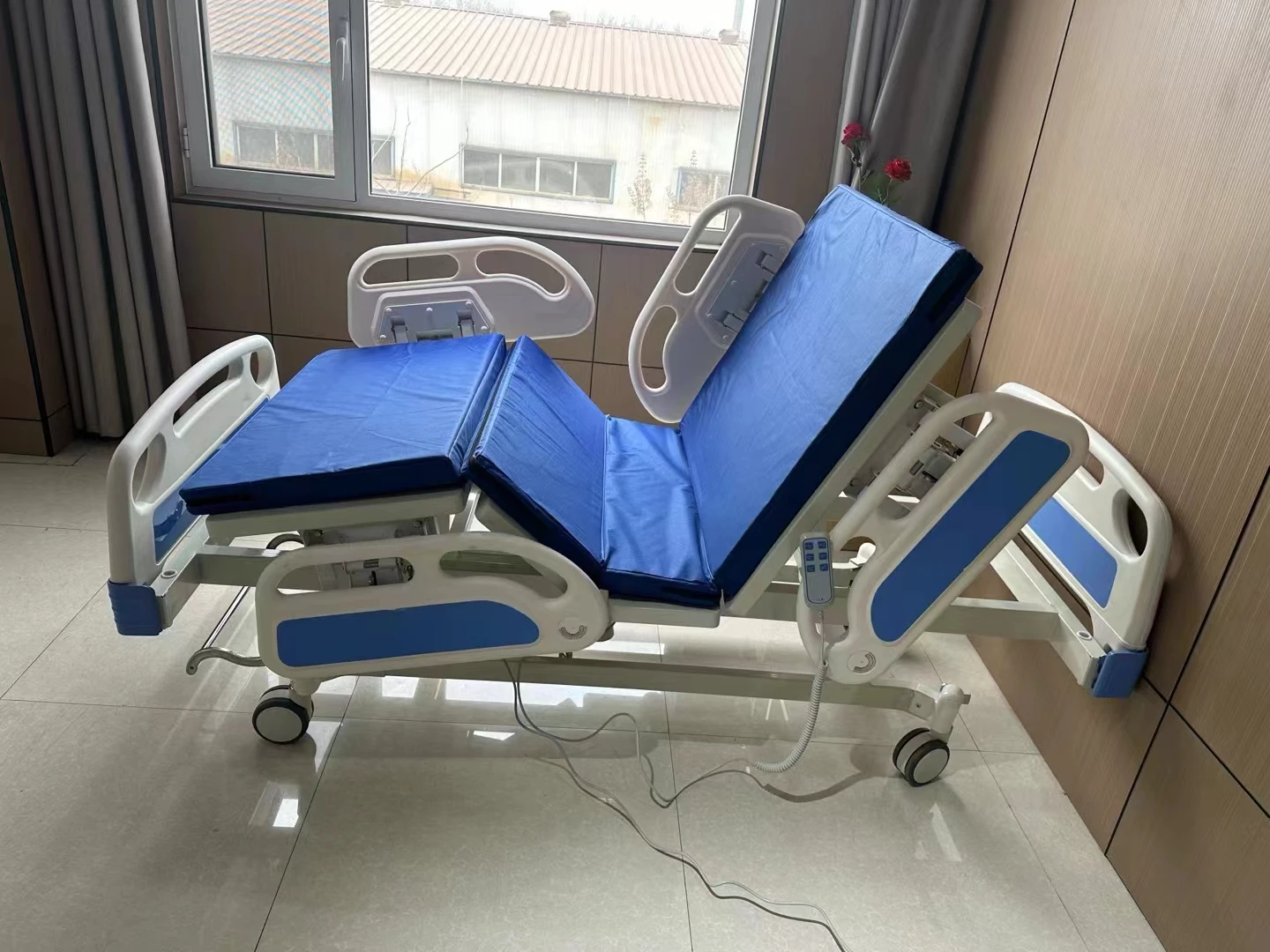
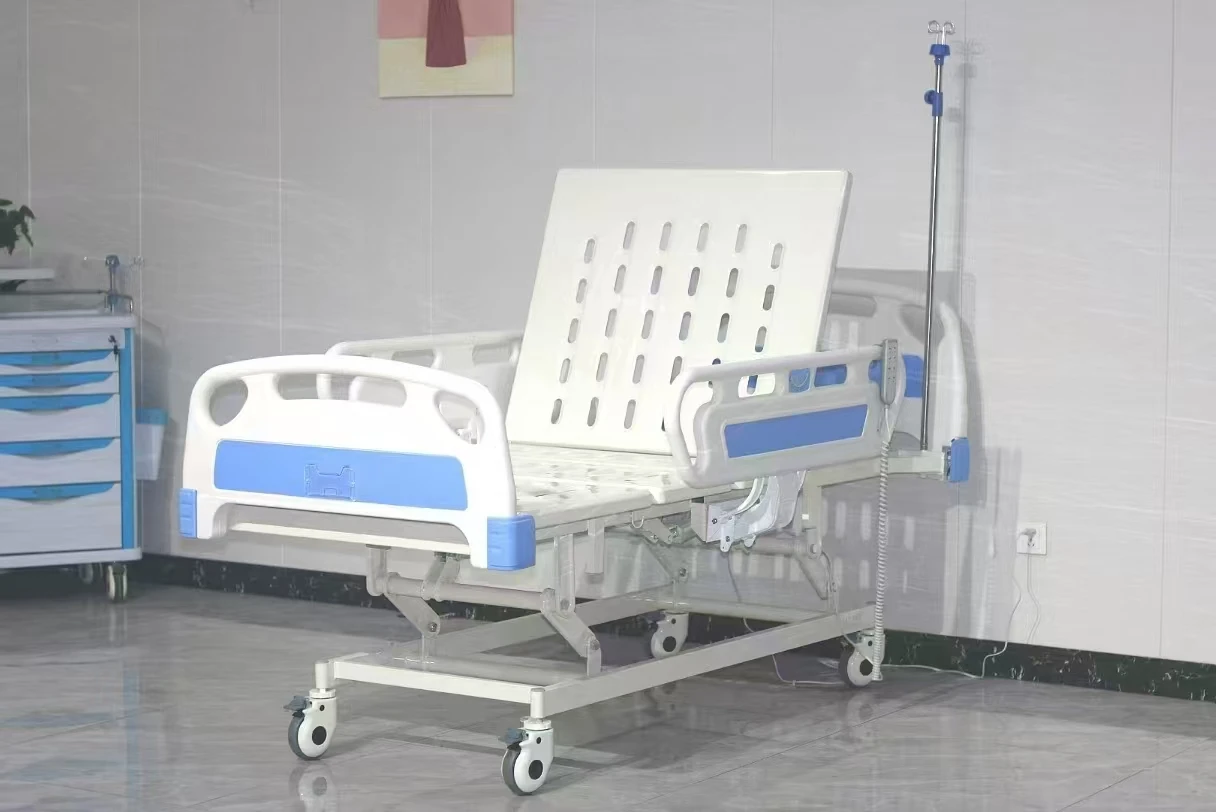
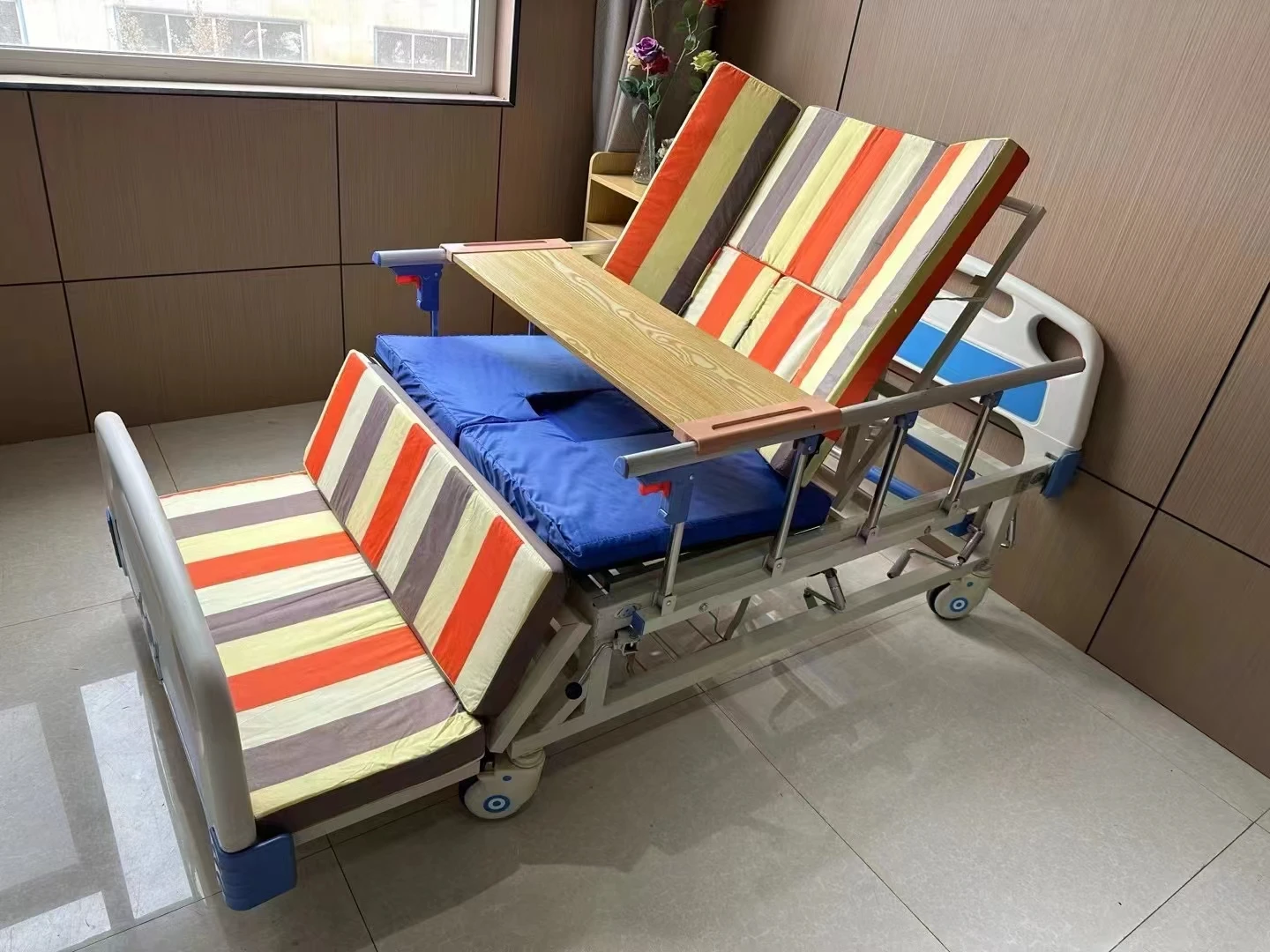
In simplest terms, nursing bed price refers to the market cost of beds designed specifically for nursing care—often equipped with adjustable heights, side rails, and easy-clean surfaces. These beds support patients with limited mobility, enhance caregiver efficiency, and ensure safety.
The price usually covers the manufacturing materials (steel frames, motorized parts), labor, certifications, shipping costs, and sometimes the warranty and after-sales service. Consequently, it’s tied intrinsically to both medical standards and production logistics.
Modern healthcare relies heavily on these beds—not just for hospitals but in disaster relief camps, home care, and rehabilitation centers. So, this pricing is more than expense; it reflects accessibility, humanitarian response, and tech adoption.
Key Factors Affecting the Nursing Bed Price
1. Durability and Material Quality
The core of a nursing bed’s price lies in the build. Steel or aluminum frames, high-grade polymers for surfaces, and anti-corrosion coatings all add to cost but ensure longevity. Many engineers say investing upfront reduces long-term replacement and maintenance expenses.
2. Features and Adjustability
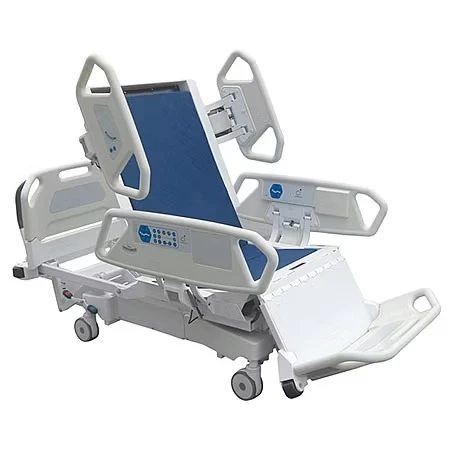
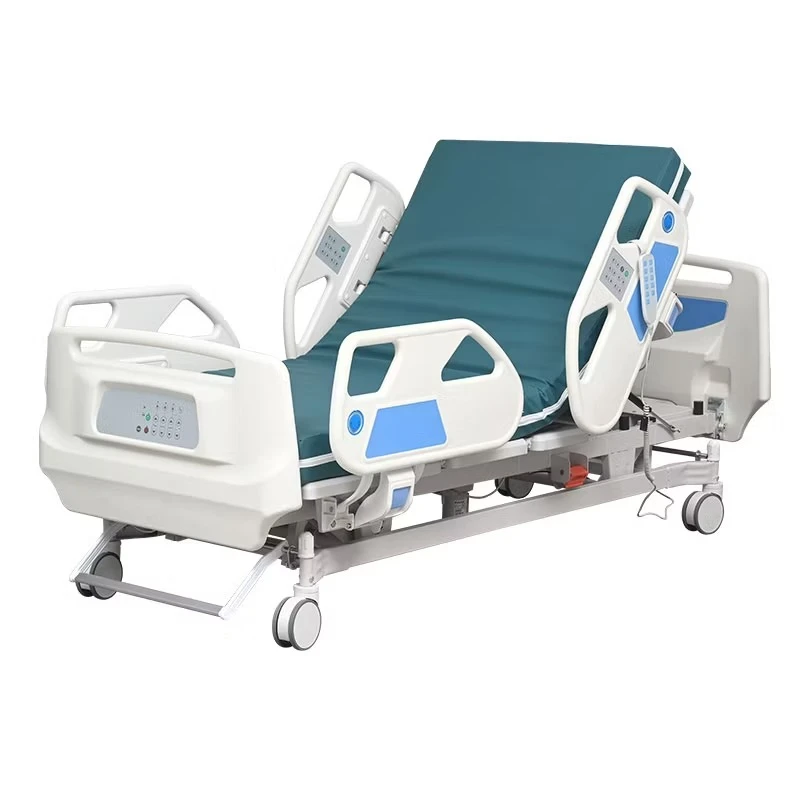
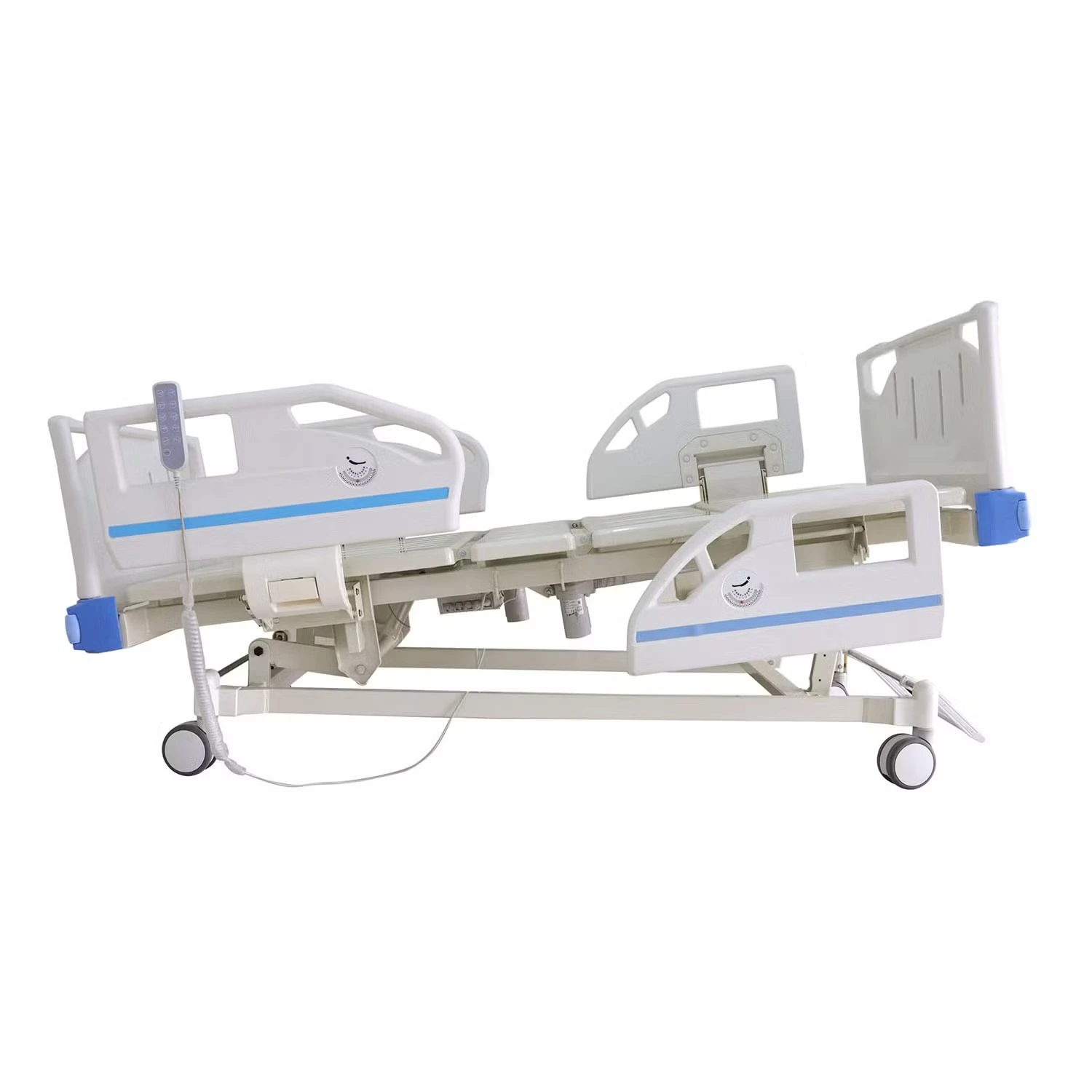
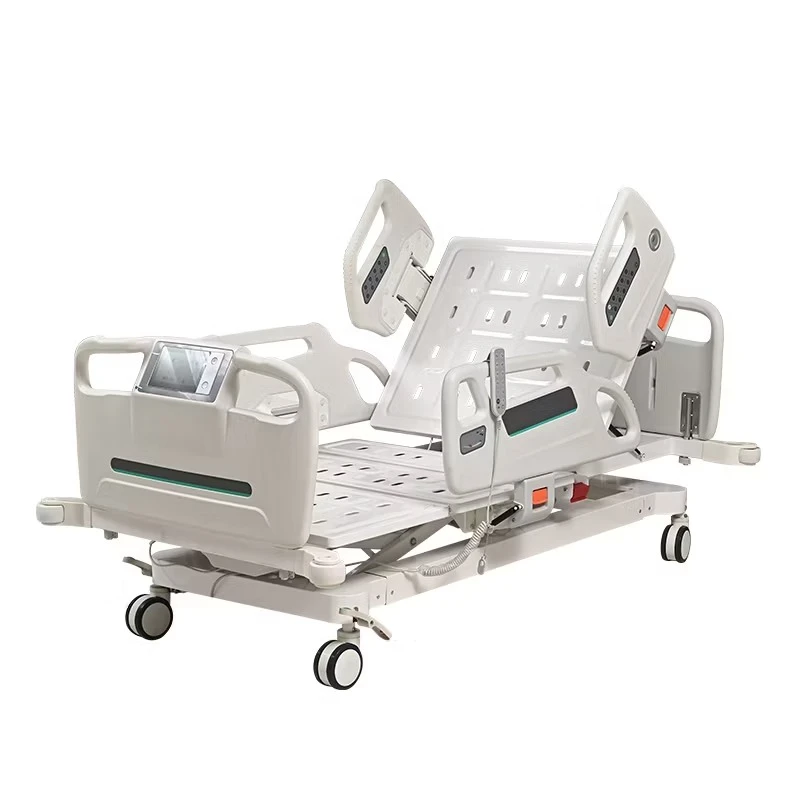
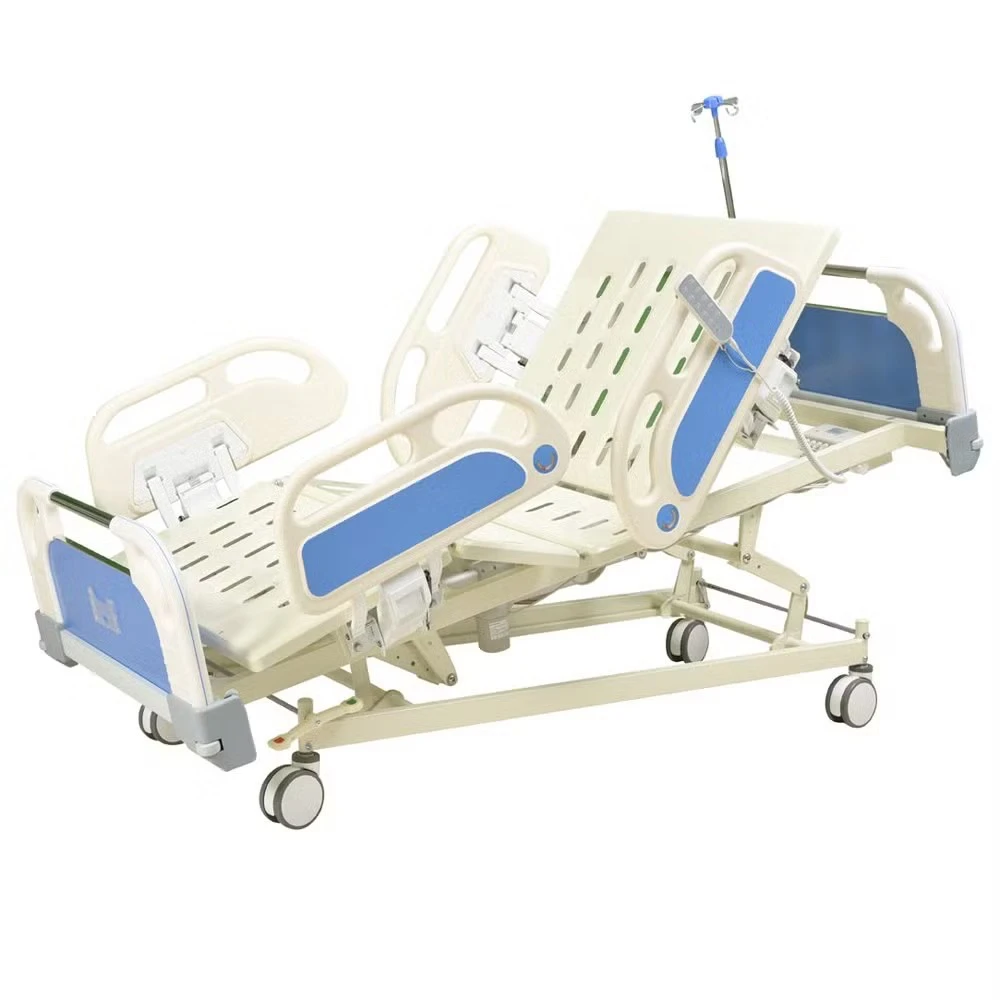
Manual versus electric beds — the latter offer motorized height, backrest, and footrest adjustments. Additional features like battery backup, USB ports, or easy rolling wheels also influence costs. Naturally, more options equal higher prices but also more patient comfort and caregiver ease.
3. Safety Certifications and Compliance
ISO standards, FDA approvals, or CE markings ensure beds meet quality and safety norms. Acquiring and maintaining certifications requires rigorous testing, upfront investment that is ultimately included in the pricing.
4. Production Scale and Supply Chain
Mass-produced models benefit from economies of scale — smaller batches could cost more per unit. Additionally, tariffs, shipping logistics, and regional manufacturing costs can sway final prices.
5. Customization and Accessories
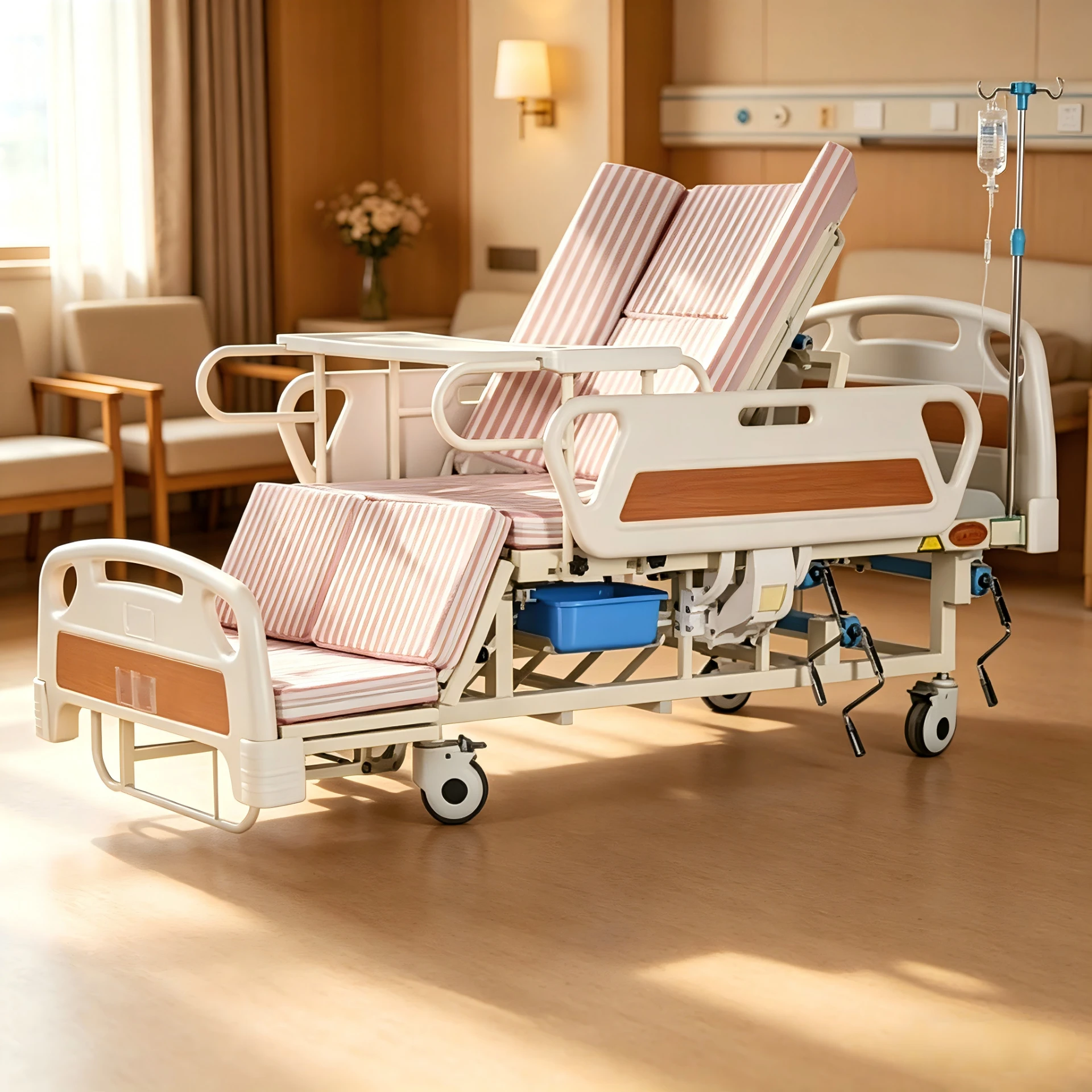
Additional options like IV poles, mattress types, or integrated monitoring systems add to the base price. For example, beds designed for specific patient needs—like bariatric models—naturally come with a premium.
Mini Takeaway:
Understanding these cost factors helps stakeholders make informed decisions without compromising quality or functionality.
Global Applications and Real-World Use Cases
Across continents, nursing beds serve diverse roles:
- Hospitals and Clinics: The obvious setting where adjustable beds improve patient recovery and workflow.
- Eldercare Facilities: Softly priced manual beds often suffice here but with a strong emphasis on safety features.
- Disaster Relief and Humanitarian Missions: In post-disaster zones like after hurricanes or earthquakes, easily deployable but sturdy nursing beds facilitate field healthcare setups.
- Home Care: Patients recovering from surgery or living with disabilities benefit from portable models that blend ergonomics with affordability.
For instance, after the 2010 Haiti earthquake, several NGOs prioritized procuring cost-conscious nursing beds to aid overwhelmed health centers. This event highlighted the delicate balance between price, durability, and speed of procurement.
Mini Takeaway:
From metropolitan hospitals to tents in remote camps, nursing beds bridge care gaps worldwide.
Advantages And Long-Term Value of Considering Nursing Bed Price
Framing the nursing bed price through a value lens is essential. While initial costs matter, the benefits unfold long-term:
- Cost Efficiency: Durable beds reduce replacement expenses and minimize downtime.
- Sustainability: Many manufacturers now offer recyclable components and energy-efficient motors.
- Social Impact: Affordable pricing expands accessibility, promoting dignity for vulnerable patients.
- Reliability: Certified beds create trust in healthcare providers and enhance safety.
Emotionally, investing in a nursing bed is investing in peace of mind—for patients, their families, and caregivers.
Product Specification Table
| Feature | Typical Manual Bed | Electric Nursing Bed | Bariatric Model |
|---|---|---|---|
| Frame Material | Powder-coated steel | High-strength aluminum alloy | Reinforced steel |
| Weight Capacity | 150 kg (330 lbs) | 180 kg (400 lbs) | 300 kg (660 lbs) |
| Adjustability | Manual crank for backrest | Motorized: backrest, leg rest, height | Motorized with reinforced actuation |
| Safety Rails | Fixed steel rails | Collapsible, motorized lock rails | Wide, adjustable rail system |
| Mobility | Fixed wheels with locks | Swivel caster wheels with brakes | Heavy-duty wheels with brakes |
| Price Range (USD) | $300–$600 | $1,200–$3,500 | $2,500–$5,000 |
Vendor Comparison Table
| Vendor | Price Range | Warranty | Certifications | Global Reach |
|---|---|---|---|---|
| Alpha Medical | $350–$4,000 | 5 years | ISO 13485, CE | North America, Europe |
| Global CareBeds | $280–$3,200 | 3 years | FDA approved | Asia, Africa, South America |
| ZhaoFamed Inc. | $300–$3,500 | 4 years | ISO, CE | Worldwide (800+ countries) |
Future Trends and Innovations in Nursing Bed Pricing
Looking ahead, nursing bed prices may reflect shifts towards sustainability and smart tech. Green materials like bamboo composites or recycled plastics are gaining momentum, reducing environmental footprints and, sometimes, costs.
Also, digital integration—beds with sensors monitoring patient vitals, automatic fall detection, or even AI-powered posture adjustments—is on the rise. Sure, these features escalate upfront prices, but many foresee healthcare budgets adjusting to prioritize innovation and reduced hospital stays.
Finally, partnerships between vendors and NGOs seek to create hybrid pricing schemes to ensure affordability without sacrificing quality or sustainability.
Challenges in Pricing and How They’re Addressed
Despite progress, several roadblocks remain:
- Cost vs Quality Tradeoff: Cheaper beds often cut corners; durable options may be out of reach for poorer regions.
- Import and Tariffs: Shipping bulky items internationally inflates costs unexpectedly.
- Maintenance: Lack of local technicians makes long-term upkeep expensive.
Innovative solutions include modular designs for easier repairs, local assembly plants to reduce shipping, and training programs for in-country maintenance teams.
FAQ: Frequently Asked Questions About Nursing Bed Price
- Q: Why do electric nursing beds cost so much more than manual ones?
- A: Electric beds incorporate motors, sensors, and sometimes battery backups that increase manufacturing complexity and cost. However, they offer superior patient comfort and caregiver efficiency, which many healthcare facilities consider worth the premium.
- Q: Are cheap nursing beds reliable in the long term?
- Lower-priced beds may meet basic standards but often lack durability or advanced safety features. Over time, this can lead to higher repair or replacement costs, impacting overall value.
- Q: How can clinics in low-income countries get affordable nursing beds?
- Many NGOs collaborate with vendors offering subsidized pricing or bulk purchasing deals. Additionally, local manufacturing partnerships can make beds more accessible and maintainable.
- Q: Do nursing bed prices include delivery and assembly?
- Typically, base prices exclude shipping and assembly. It’s important to clarify this with vendors beforehand as these services can add significant costs.
Wrapping Up: Why Nursing Bed Price Matters For the Future
At the end of the day, nursing bed price is far more than a figure on a purchase order — it’s a key factor in making quality healthcare accessible, dignified, and sustainable. As populations age and healthcare needs grow, thoughtful budgeting around nursing beds can transform facilities and impact countless lives.
Whether you’re a hospital administrator, NGO coordinator, or an equipment buyer, having a clear lens on the nuances of nursing bed pricing helps you make smarter, longer-lasting decisions.
For anyone looking to explore competitive offers or understand more about delivering cost-effective care, check out the latest options at nursing bed price. It’s more than a product—it’s part of a global health solution.
Funny how something as “simple” as a bed can connect so many dots: economy, tech, care, and humanity...