Bed Size in Hospital: Essential Dimensions for Patient Care & Facility Efficiency
Understanding Bed Size in Hospital: Why It Matters Globally
Hospital bed size might sound like one of those dry, technical details you only care about if you're in healthcare management or a medical equipment supplier. But here’s the thing — bed size in hospital really shapes patient care, facility efficiency, and even global health outcomes. From making sure patients are safe and comfortable to optimizing limited space in crisis zones, the dimensions of hospital beds carry more weight than you might think. Knowing the ins and outs helps hospitals worldwide better serve patients and manage resources.
In many ways, understanding bed size isn’t just a detail; it’s a foundation for better healthcare delivery, whether you're running a rural clinic, building urban hospitals, or supporting disaster relief.
Global Context: Why Hospital Bed Size Is a Universal Concern
Worldwide, healthcare systems face mounting pressure to deliver quality care with limited budgets and space. According to the World Health Organization, global hospital bed densities vary widely — from 3 beds per 1,000 people in developing regions, up to 13 per 1,000 in wealthier countries. What often gets overlooked is how physical hospital infrastructure, particularly bed size, impacts the ability to serve those patients effectively.
Oddly enough, a mismatch in bed sizes can reduce patient safety, complicate staff workflows, and strain budgets due to frequent equipment replacement or retrofitting. For instance, emergency wards in regions hit by natural disasters often scramble to find beds that fit both the needs of patients and the constraints of temporary facilities.
This makes bed size in hospital an essential piece of the global healthcare puzzle.
Mini takeaway: Global health statistics reveal not just how many beds countries have, but how those beds fit the growing and shifting demand in hospitals.
What Exactly Is Bed Size in Hospital?
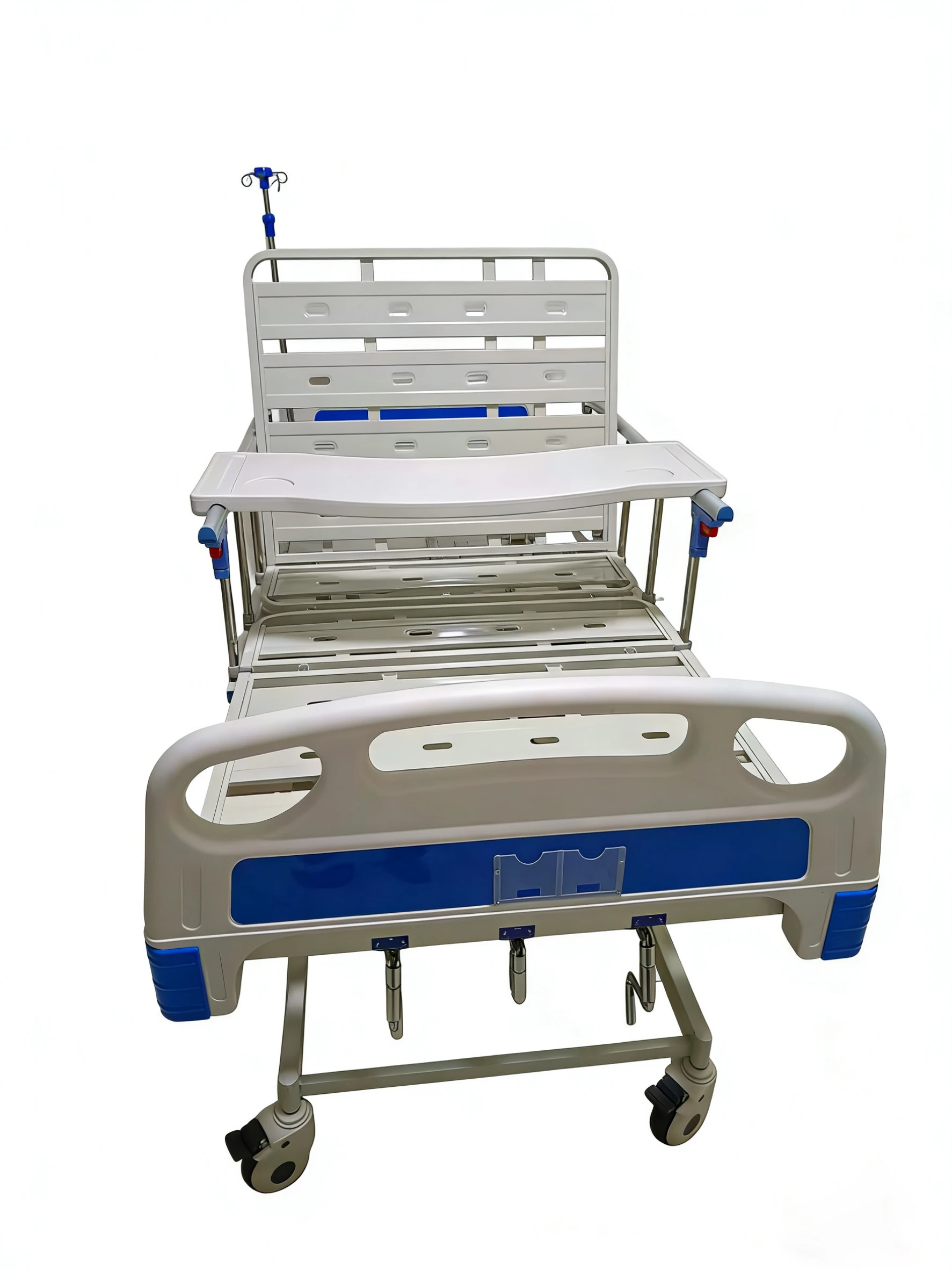
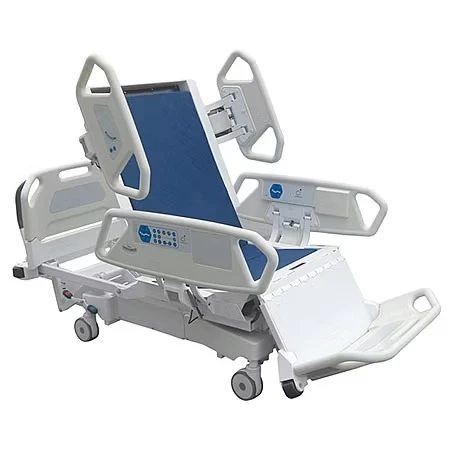
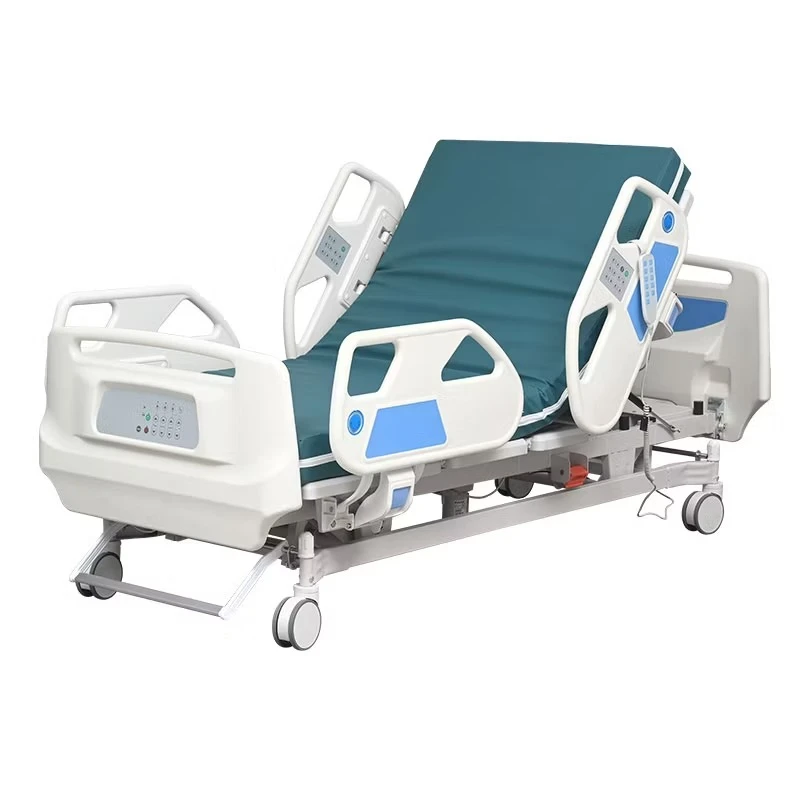
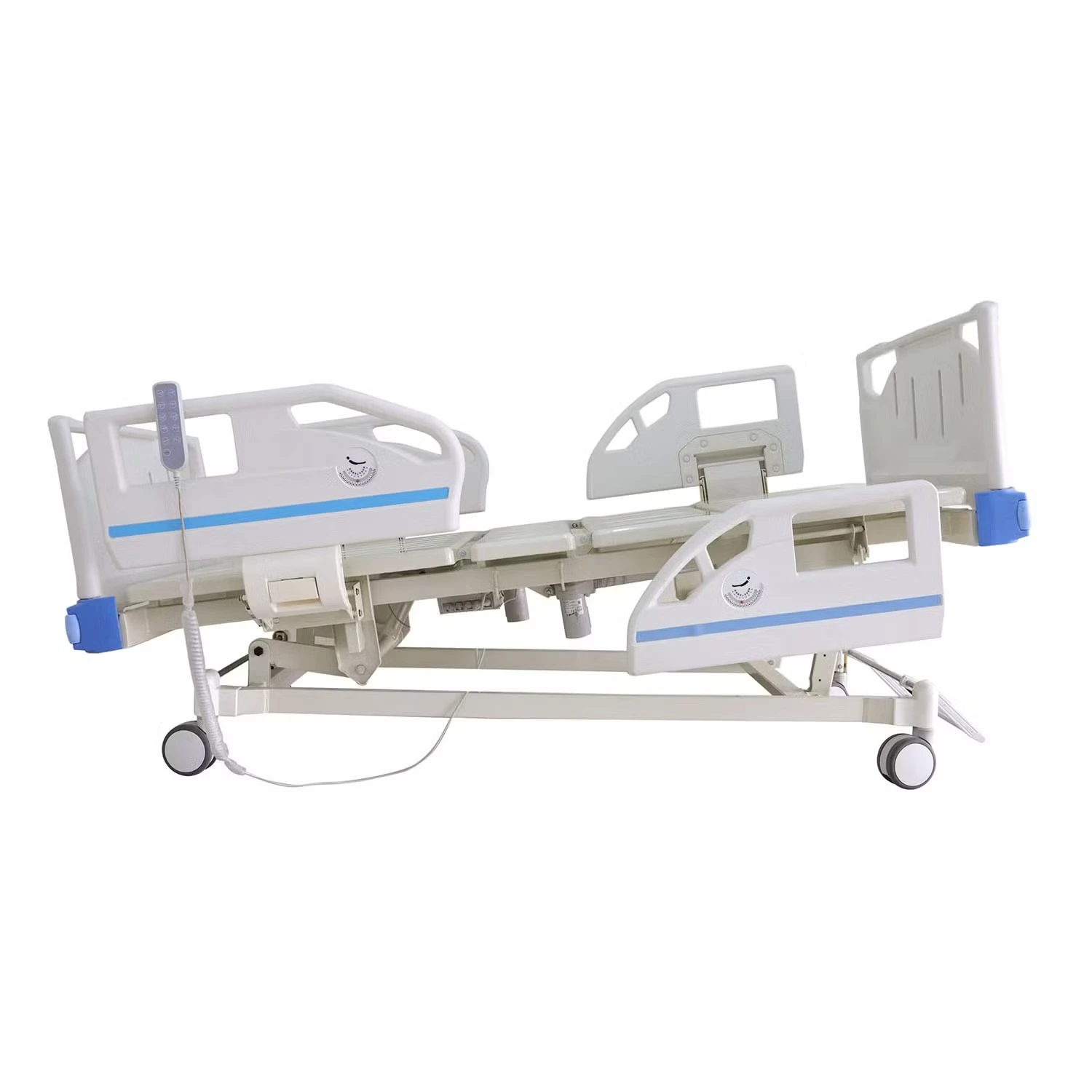
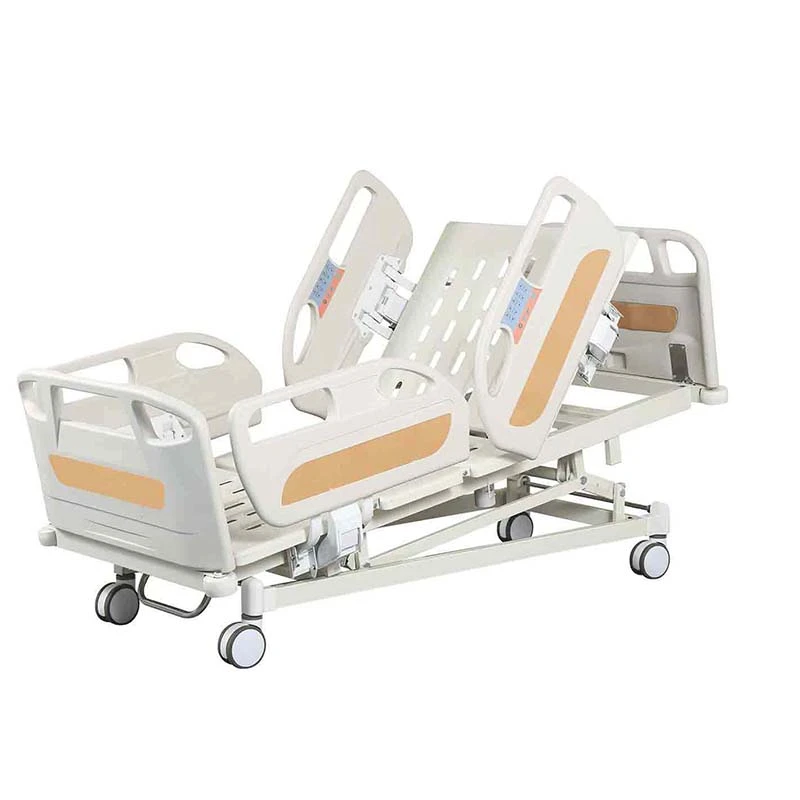
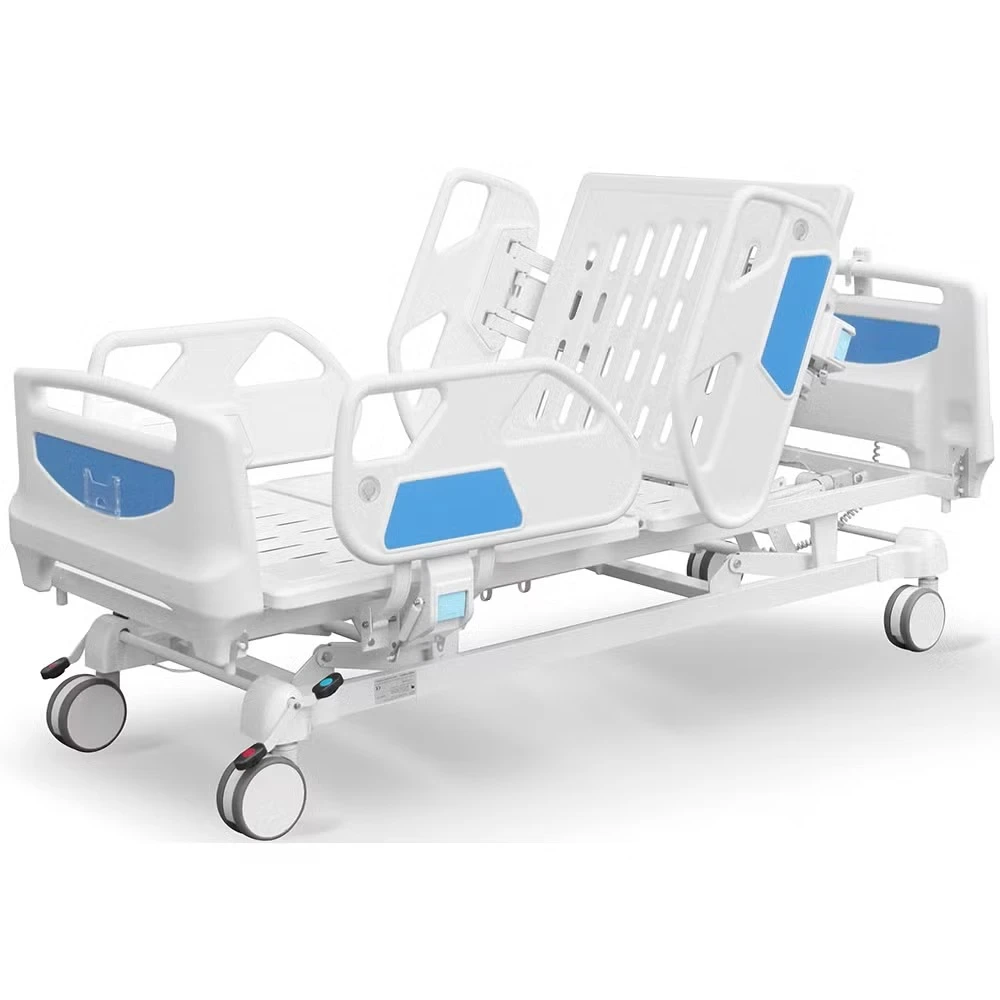
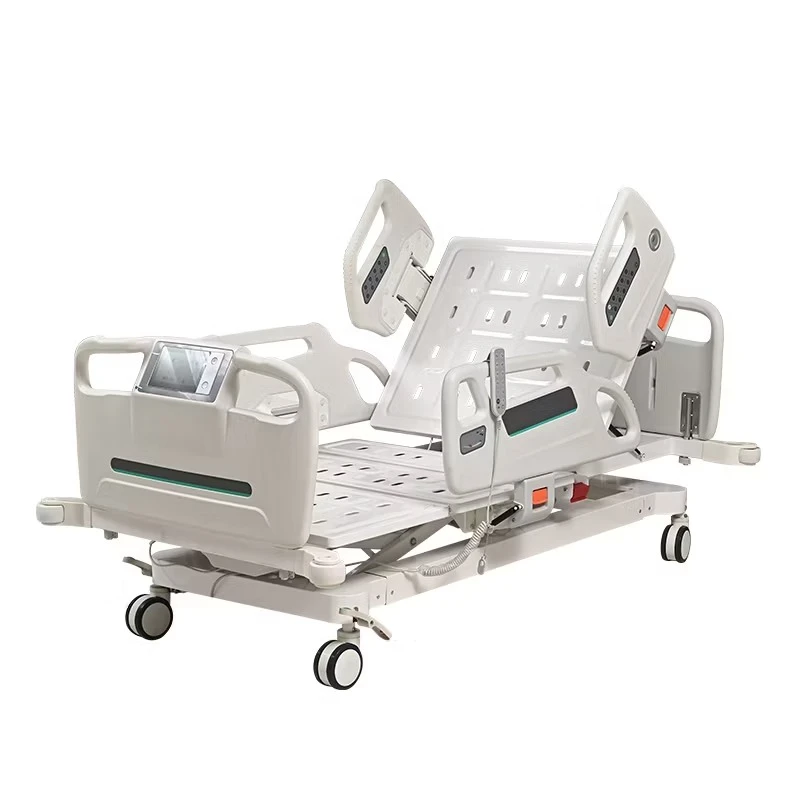
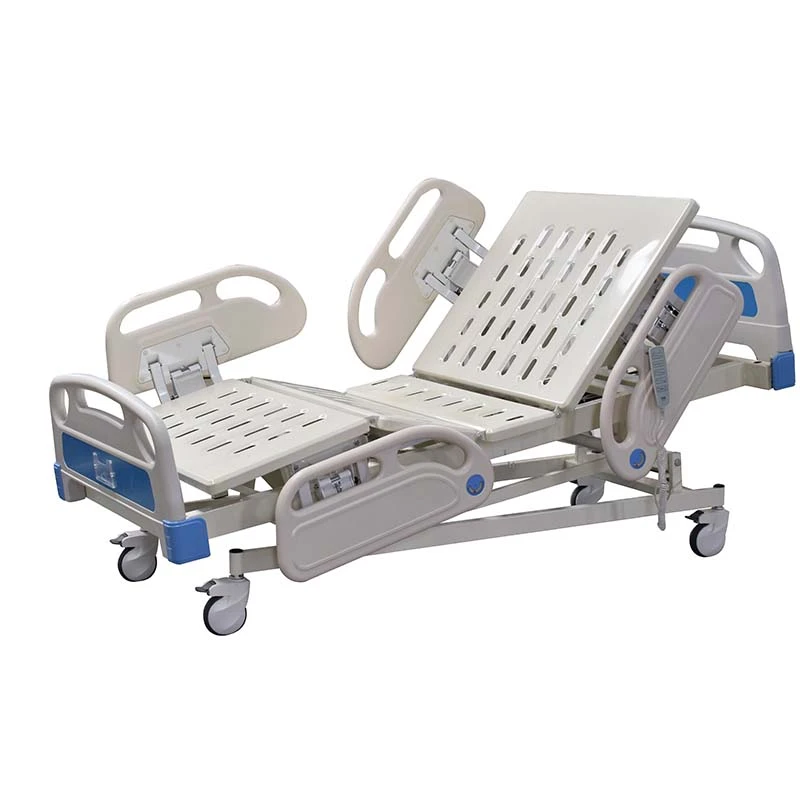
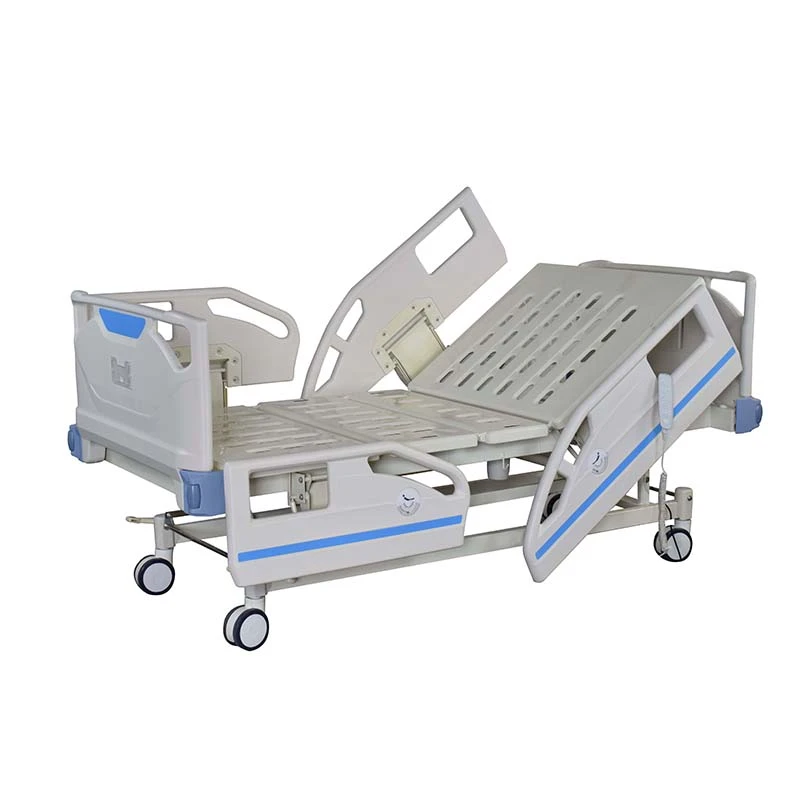
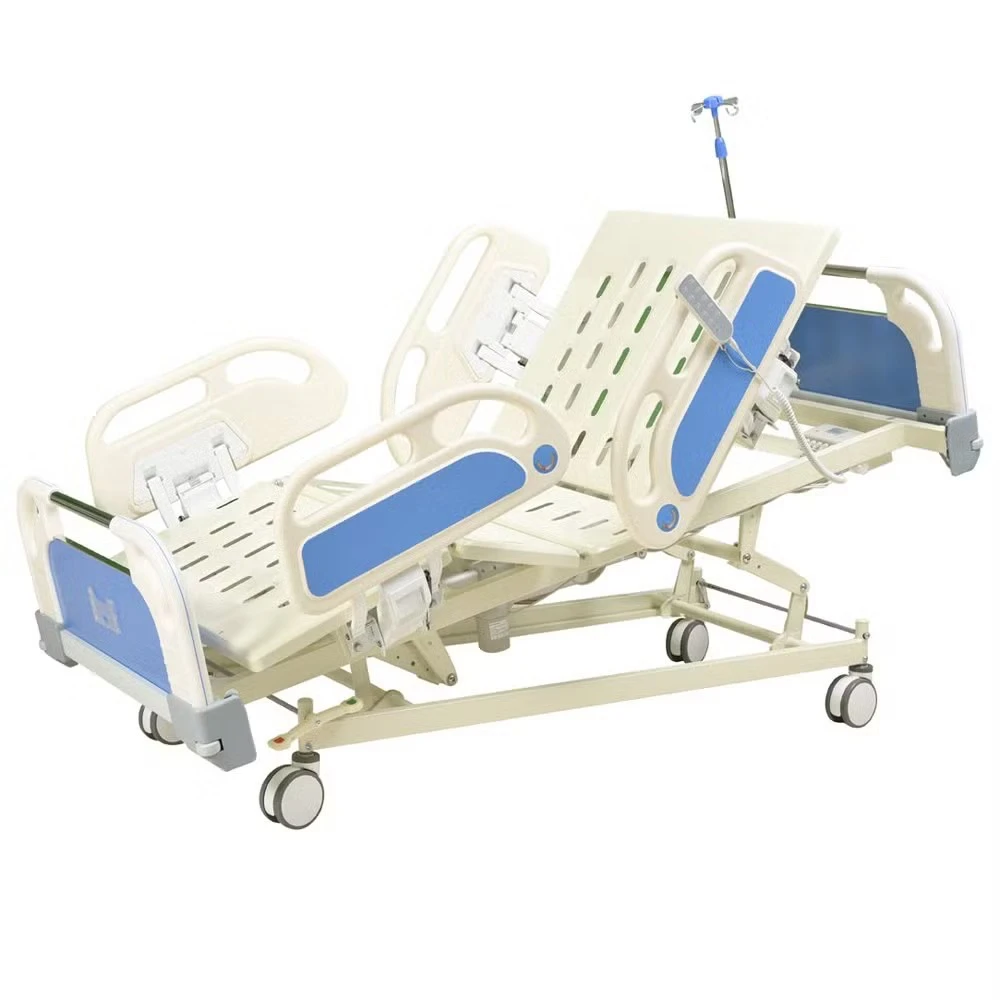
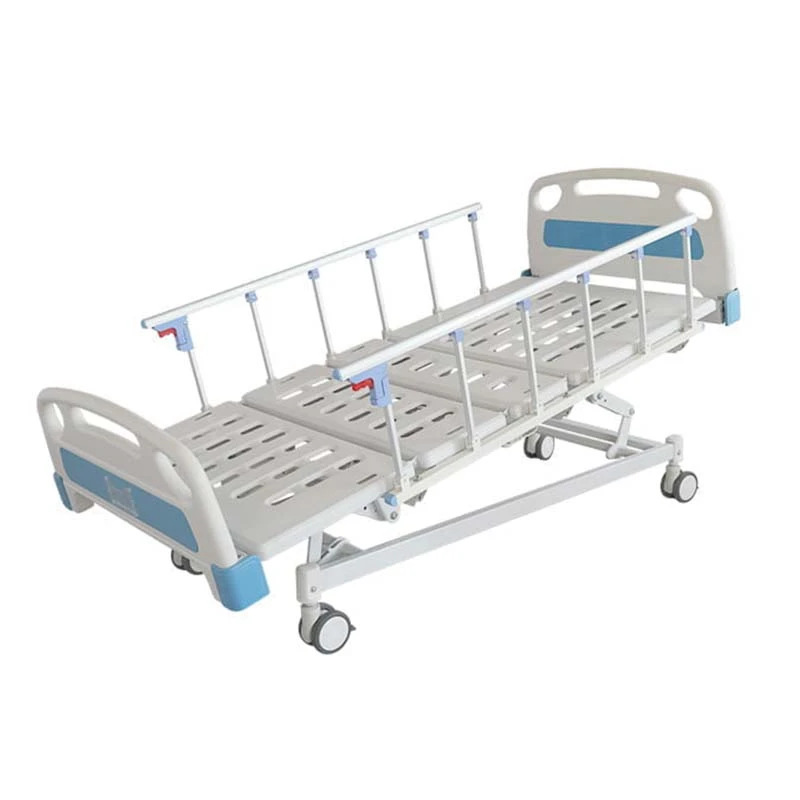
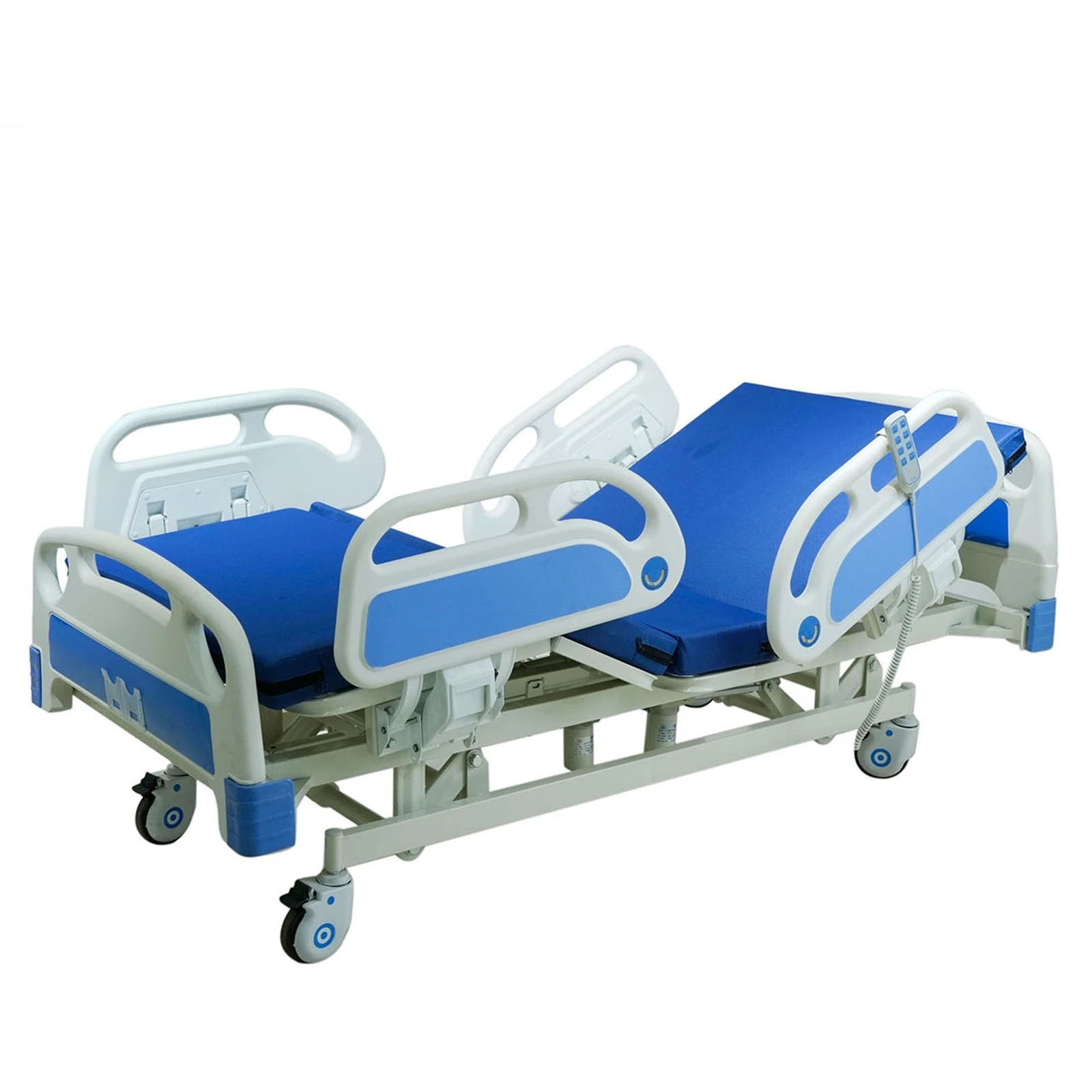
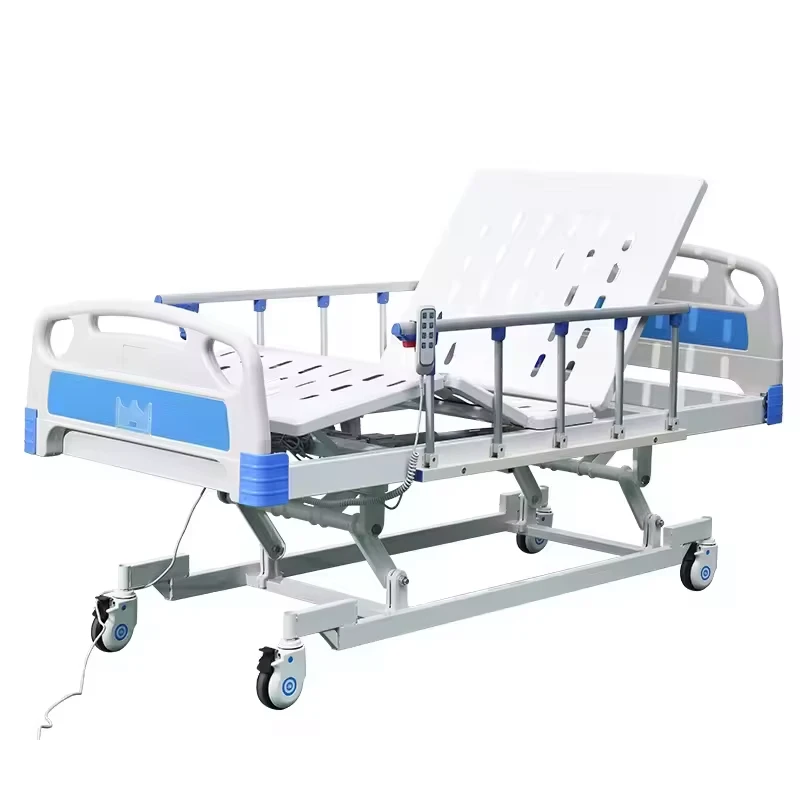
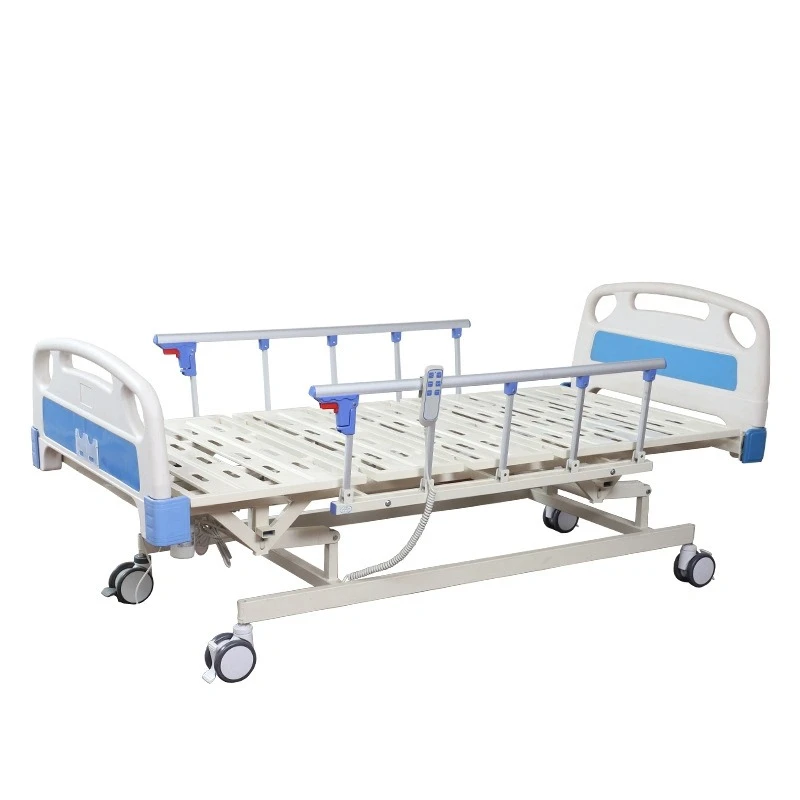
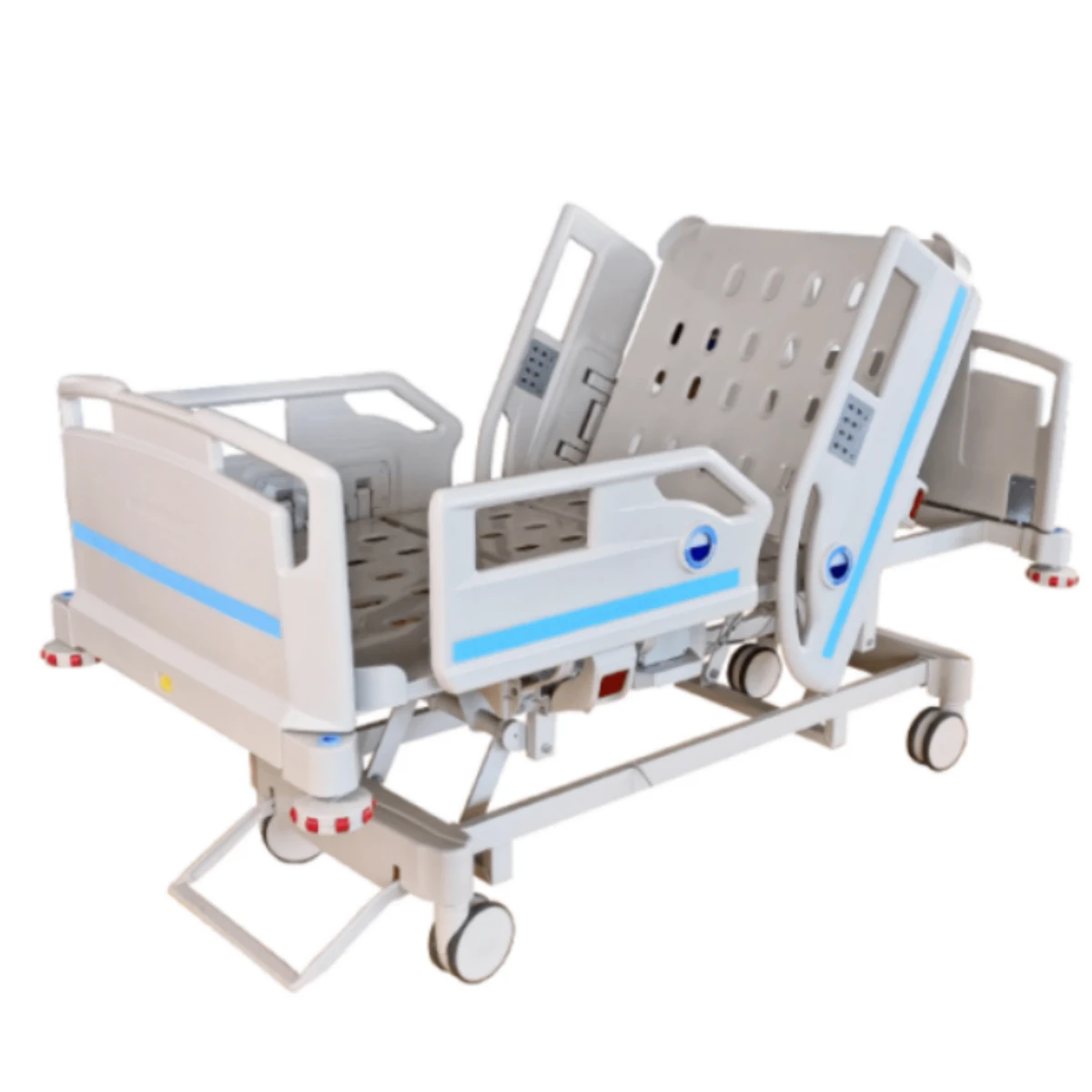
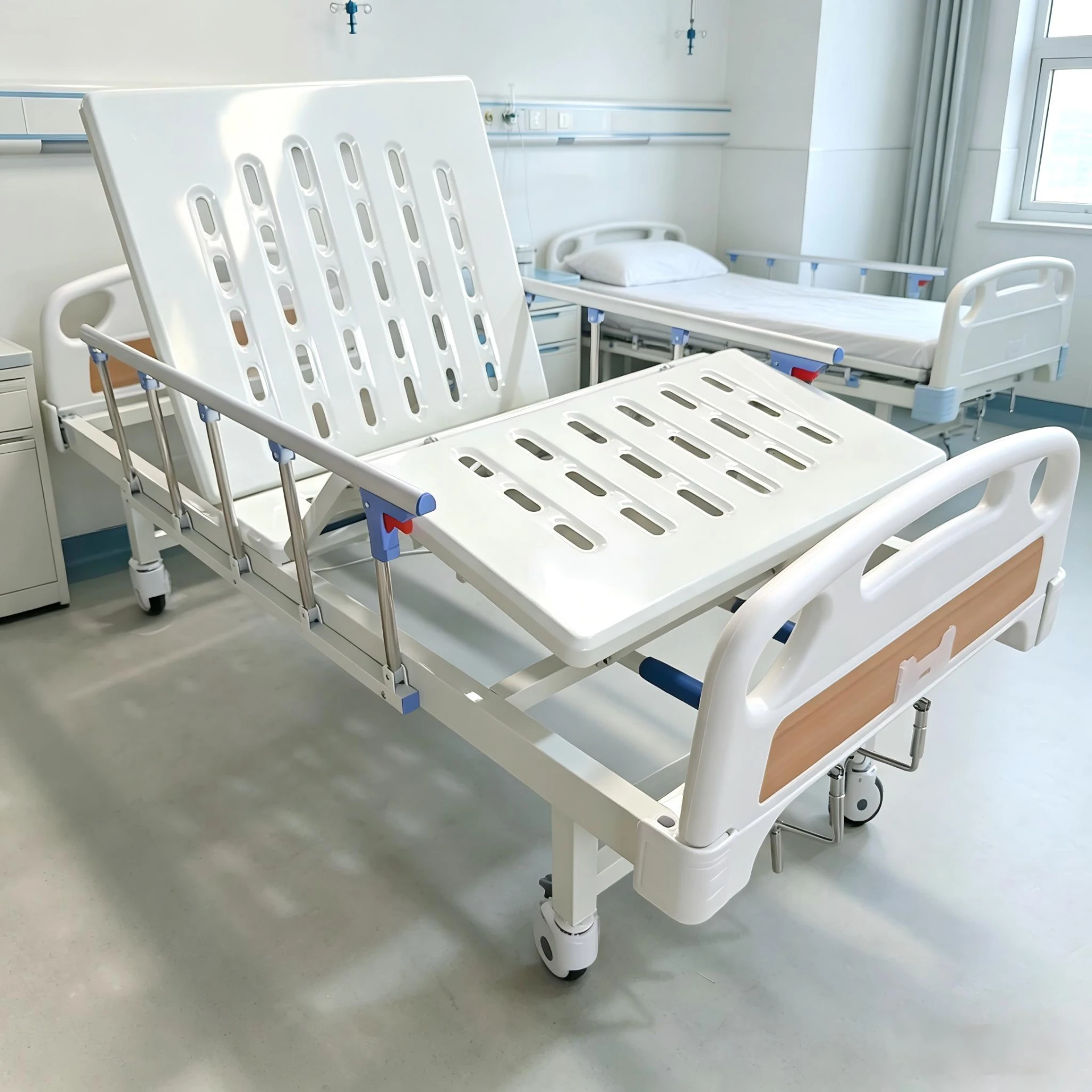
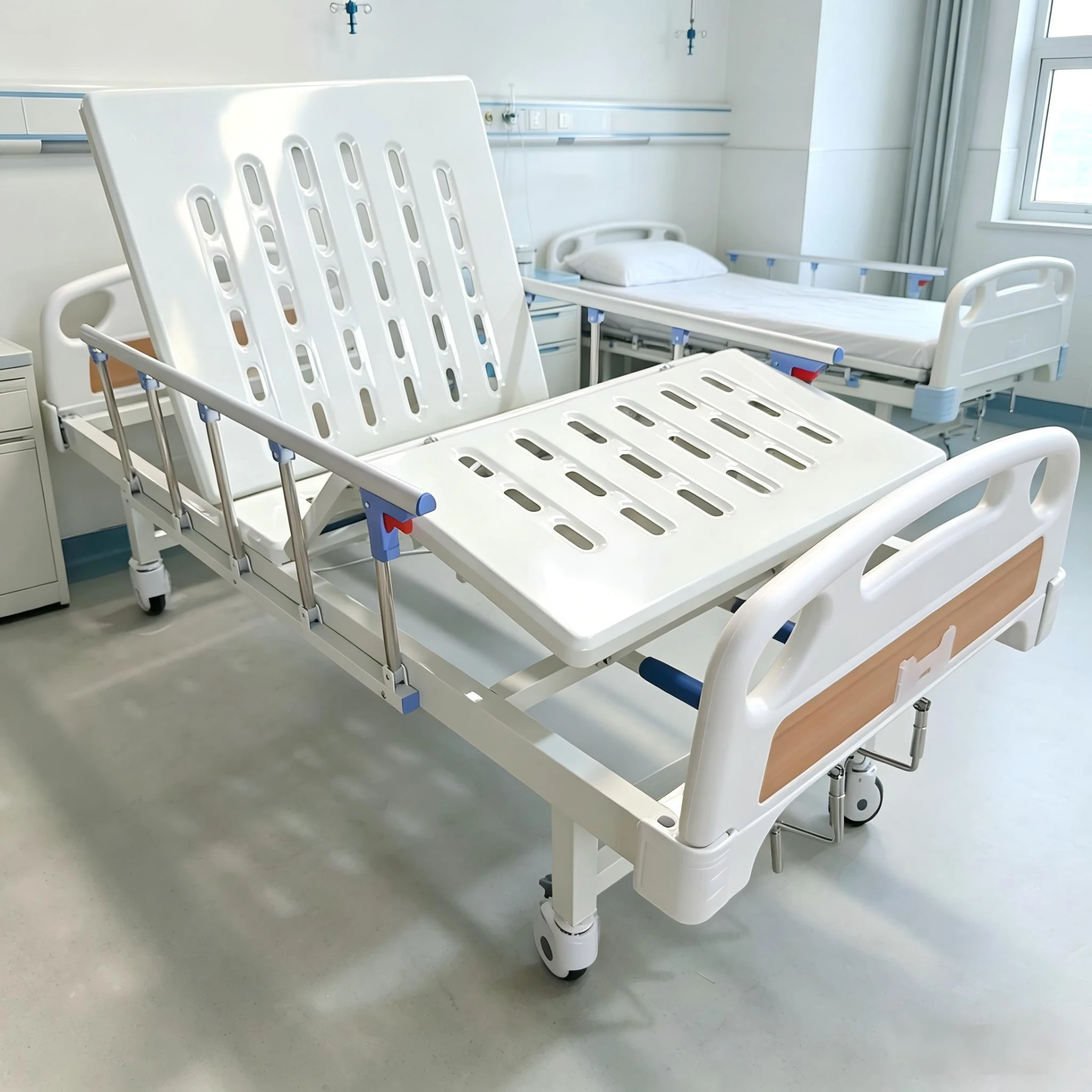
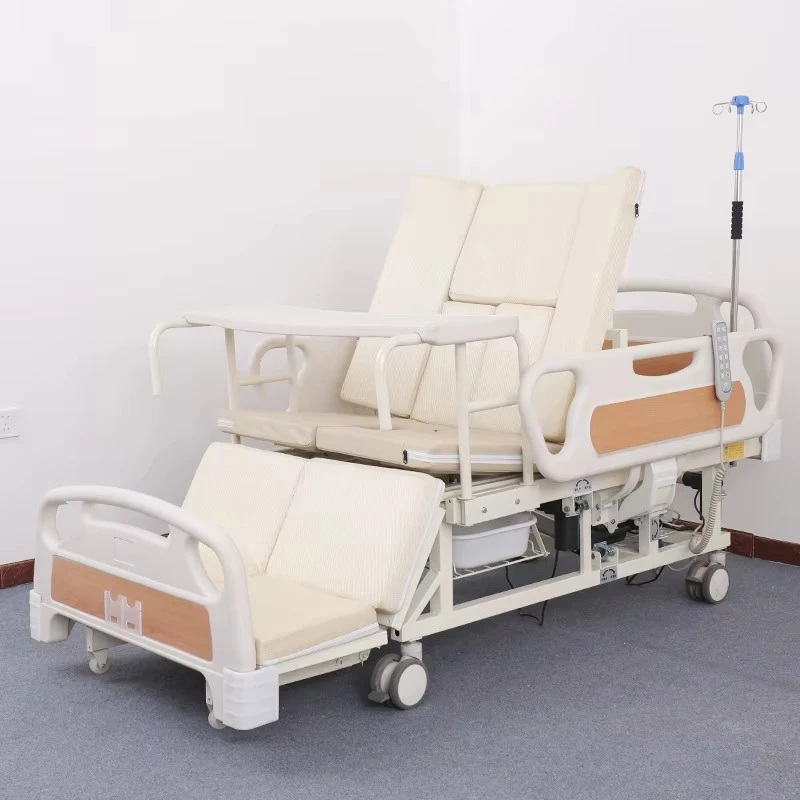
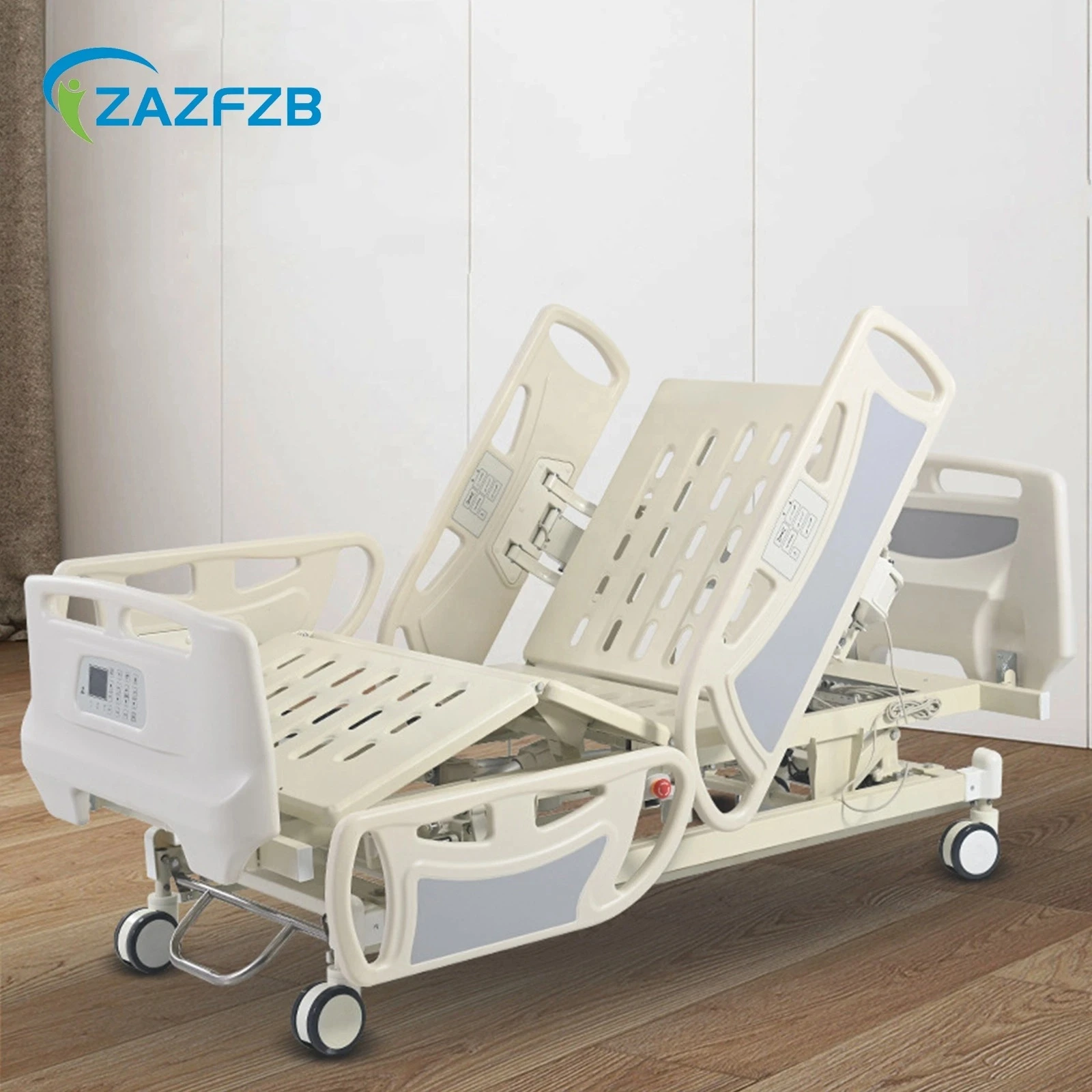
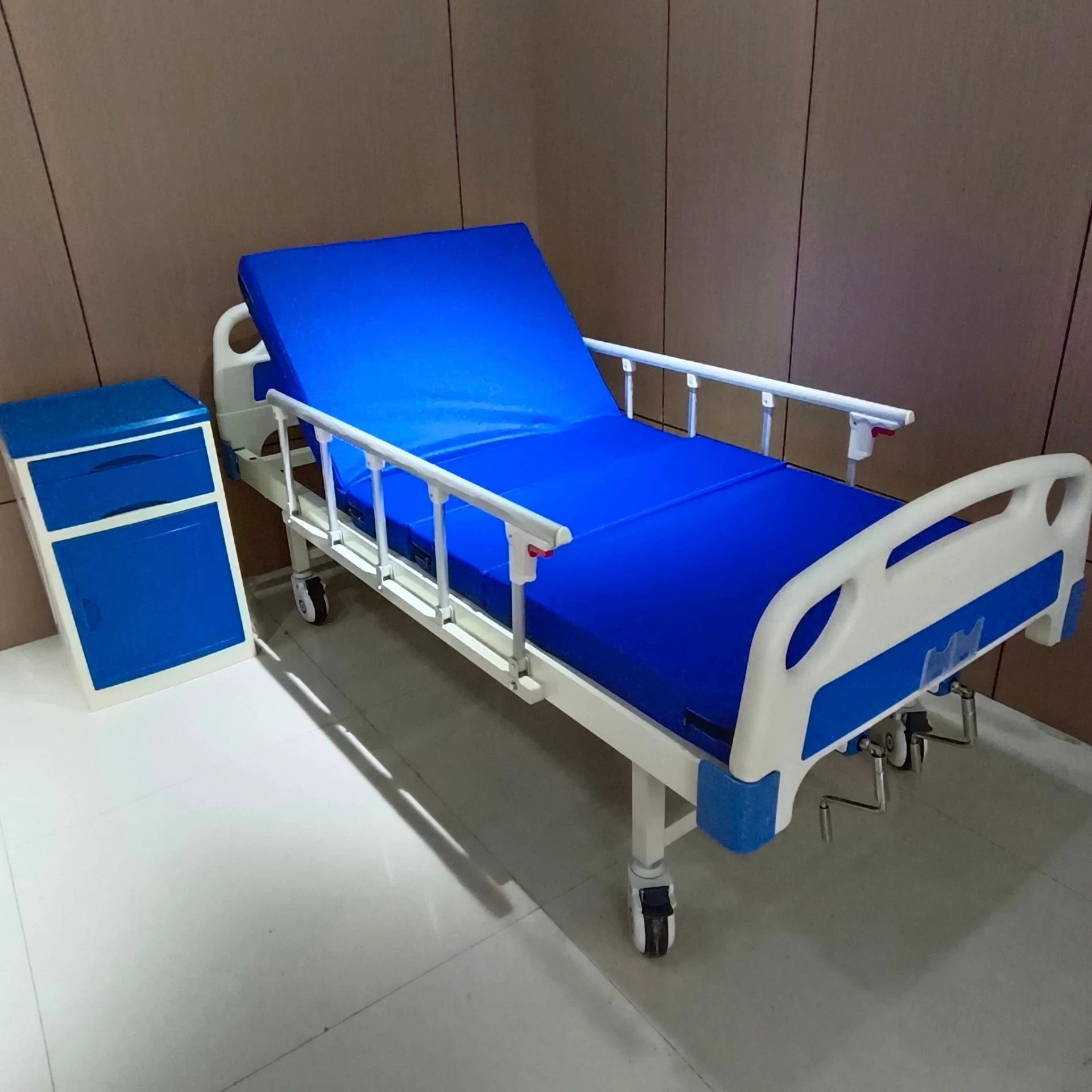
Simply put, bed size in hospital refers to the standardized dimensions of beds designed specifically for medical use. Unlike domestic beds, hospital beds must balance comfort, safety, and functionality — often accommodating medical equipment or enabling patient mobility.
Common hospital bed sizes usually range around 36 to 42 inches in width and 75 to 80 inches in length, though variations exist. These sizes accommodate typical adult patients while leaving enough room for attendants and medical devices.
Modern hospital bed sizing intertwines with industry standards set by organizations like ISO and the FDA, ensuring global consistency and compatibility across equipment and furniture.
It’s also tied deeply with humanitarian needs — for example, modular hospital beds designed for field hospitals in refugee camps tend to differ in size for rapid transport and assembly.
Mini takeaway: Bed size in hospital isn’t one fixed number, but a carefully chosen range tailored to clinical and practical needs worldwide.
Key Factors Affecting Hospital Bed Size
1. Patient Safety and Comfort
The ideal bed size needs to ensure patients aren’t at risk of falls or discomfort due to cramped space. Wider beds help larger patients, while length adjustments prevent feet from hanging off.
2. Equipment Compatibility
Hospital beds often integrate with IV poles, monitors, and adjustable features — the size must support all accessories without causing clutter or risks.
3. Space Optimization
Hospitals juggle limited floor space, especially in intensive care units or emergency wards. Beds that are too large reduce patient capacity, while too small compromises comfort.
4. Durability and Maintenance
Materials and construction influence how beds hold up under constant use. Sizing here ties into design: sturdier frames may necessitate wider dimensions and vice versa.
5. Cost Efficiency
Beds that hit the right size balance upfront cost and longevity. Odd-sized beds may be cheaper initially but lead to higher replacement costs due to non-standard parts.
6. Regulatory Compliance
Many countries mandate minimal bed sizes for safety and accessibility, often linked to disability accommodation laws.
Mini takeaway: Selecting the right bed size is a balancing act involving safety, space, cost, and compliance.
Product Specifications: Typical Hospital Bed Sizes
| Specification | Standard Adult Bed | Bariatric Bed | Pediatric Bed |
|---|---|---|---|
| Length | 80 inches (approx. 203 cm) | 84 inches (approx. 213 cm) | 58 inches (approx. 147 cm) |
| Width | 36-42 inches (91-107 cm) | 48 inches (approx. 122 cm) | 28 inches (approx. 71 cm) |
| Weight Capacity | ~450 lbs (204 kg) | ~1000 lbs (454 kg) | ~150 lbs (68 kg) |
| Adjustability | Full (Height, Backrest, Leg) | Full, heavy-duty | Basic, limited range |
Hospital Bed Vendors: Comparing Features and Service
| Vendor | Standard Bed Width | Adjustable Options | Warranty | Price Range |
|---|---|---|---|---|
| AlphaMed | 36-40 inches | Full motorized | 5 years | $1,200-$2,500 |
| MediCore | 38 inches | Semi-adjustable | 3 years | $900-$1,800 |
| CarePlus | 42 inches | Motorized & manual | 7 years | $1,500-$3,000 |
Real-World Uses: How Bed Size in Hospital Helps Across the Globe
Take disaster relief, for example — when earthquakes or floods overwhelm local hospitals, international teams set up field hospitals. There, modular hospital beds often come in narrower, shorter versions for quick assembly and transport.
In developed countries, larger adjustable beds accommodate an aging population with diverse mobility challenges. Specialized bariatric beds ensure dignity and safety for heavier patients.
Even in space-limited urban hospitals, careful bed size selection allows more beds to fit without sacrificing patient comfort or safety. Of course, that often requires some savvy planning and flexible furniture choices.
Mini takeaway: Bed size in hospital isn’t just a design detail; it’s a strategic choice adapting to everyone’s needs, from refugees to geriatric wards.
Advantages and Long-Term Value
- Cost Savings: Standardized bed sizes reduce inventory complexity and maintenance cost.
- Improved Patient Outcomes: Proper sizing minimizes patient falls and pressure ulcers.
- Enhanced Staff Efficiency: Staff can maneuver beds and equipment more easily when sizes are predictable.
- Sustainability: Durable, well-sized beds last longer and reduce waste.
On a personal note, I’ve seen nurses stress less when beds fit patients well — it really translates into care quality and less burnout.
Future Trends: What's Next in Hospital Bed Design?
Looking forward, beds are getting smarter. Integration with digital monitoring means sensors embedded into mattresses can detect pressure points or patient movement to alert nurses instantly. Materials are evolving too — with antimicrobial and eco-friendly composites replacing traditional metals and foams. And we’re seeing modular bed systems designed for quick customization on the fly, particularly in emergency or remote settings.
Green certifications and energy-efficient motors reflect broader hospital sustainability plans. It's all about blending comfort, tech, and planet-friendly design.
Challenges and Solutions in Bed Size Management
One ongoing problem is the lack of universal sizing standards across regions, which complicates international aid or equipment resale. Also, patient diversity means no single bed size really fits all, demanding flexibility in supply chains and budgets.
Experts suggest manufacturers innovate modular components — adjustable widths or lengths — while hospitals invest in multi-functional beds that can shift dimensions as needed. Digital inventory and patient data systems help match bed specs to individual needs better than ever.
Frequently Asked Questions About Bed Size in Hospital
- Q: What is the most common hospital bed size used globally?
- A: The typical hospital bed measures around 36 to 42 inches wide and 80 inches long, which suits most adult patients and fits standard room layouts. However, variations exist depending on region and patient requirements.
- Q: Why are bariatric hospital beds wider than standard beds?
- A: Bariatric beds accommodate heavier patients, requiring wider frames (often 48 inches or more) and reinforced structures to safely support increased weight, improving comfort and reducing injury risks.
- Q: How does bed size impact hospital workflow?
- A: Correct bed size facilitates easier patient movement, equipment integration, and room cleaning, saving staff time and reducing the risk of accidents.
- Q: Can hospitals adapt bed sizes for different patients?
- A: Yes, some modern beds feature adjustable widths or modular design, allowing customization to patient needs, though most hospitals rely on a mix of standard and specialized beds.
- Q: Is there a global standard for hospital bed dimensions?
- A: While organizations like ISO offer guidelines, bed sizing varies internationally because of differing health regulations and patient demographics.
Conclusion: Why Paying Attention to Bed Size in Hospital Benefits Everyone
In the long run, focusing on optimal bed size in hospital supports patient dignity, safety, and healthcare efficiency. It’s a straightforward detail that echoes through budgets, care outcomes, and staff wellbeing. If you manage healthcare facilities or supply medical equipment, getting these dimensions right can make all the difference.
To explore quality hospital beds with suitable sizing for your facility, do visit our website and discover options customized to your needs.
Mini takeaway: Hospital bed size — small detail, huge impact.