Nov 25,2025
Understanding Hospital Bed Cost: Global Insights, Key Factors & Trends
Why Hospital Bed Cost Matters Globally
When you think about a hospital bed, it’s easy to underestimate just how pivotal its cost is—not just for hospitals but for public health worldwide. Hospital bed cost isn't merely a line item on a procurement sheet; it reflects deeper issues around healthcare access, budgeting, and even the dignity of patients. Globally, healthcare systems are strained, resources limited, and the need for effective spending critical. Understanding hospital bed cost helps hospital administrators, government bodies, and NGOs make smarter purchases that balance quality and affordability. For international aid organizations, particularly in post-disaster or pandemic scenarios, knowing hospital bed cost guides budgeting that literally saves lives. I'd say this topic hasn’t gotten the spotlight it deserves. After all, as the World Health Organization points out, adequate hospital capacity including proper beds is a cornerstone of resilient health infrastructure. So yes, hospital bed cost is a deceptively important aspect of health systems globally—and diving into its nuances reveals fascinating insights. ---Hospital Bed Cost: A Global Perspective
Hospitals worldwide invest billions of dollars annually into medical equipment, and hospital beds represent a surprisingly large fraction of that spend. According to recent reports by the UN and WHO, the demand for medical infrastructure, including beds, is rising sharply—especially in lower-income countries where bed shortages remain acute. For example, the World Bank reports that low-income regions often have fewer than one hospital bed per 1,000 people, compared to around 3–8 beds per 1,000 in wealthier nations. The question then becomes not just how many beds you need, but how much they cost, how durable they are, and how fast they can be deployed in emergencies. Health economics experts continuously struggle to optimize hospital bed cost because it involves balancing factors such as material quality, maintenance, transportation, and patient comfort. Sometimes “cheap” beds turn out expensive downstream if they break down quickly or require constant servicing. Oddly enough, many hospital budget overruns trace back to underestimating these factors combined with hidden costs. That’s why the industry is paying more attention to value-based procurement instead of just sticker price. ---Defining Hospital Bed Cost in Simple Terms
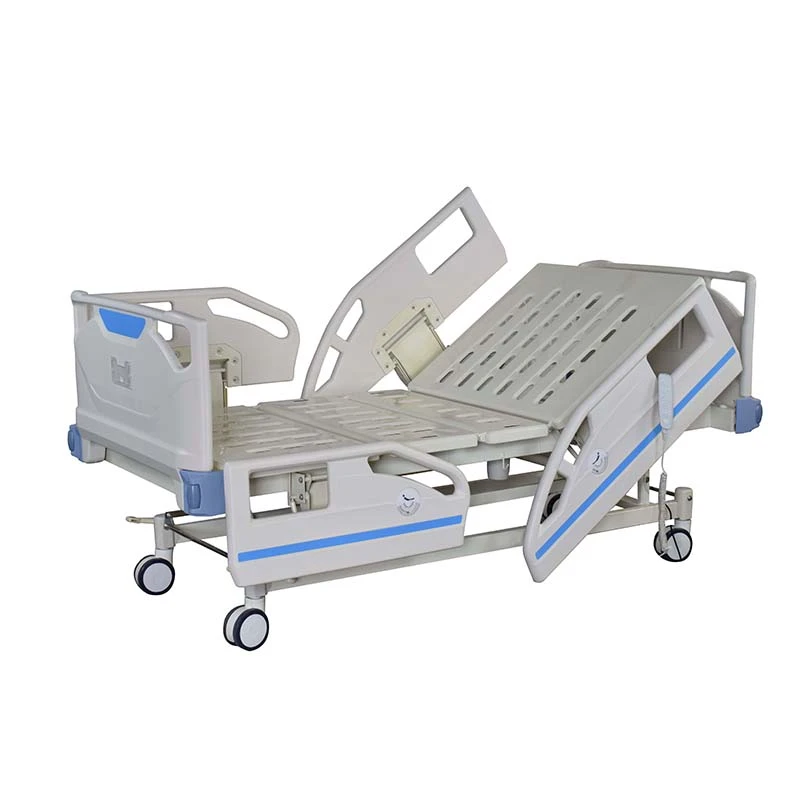
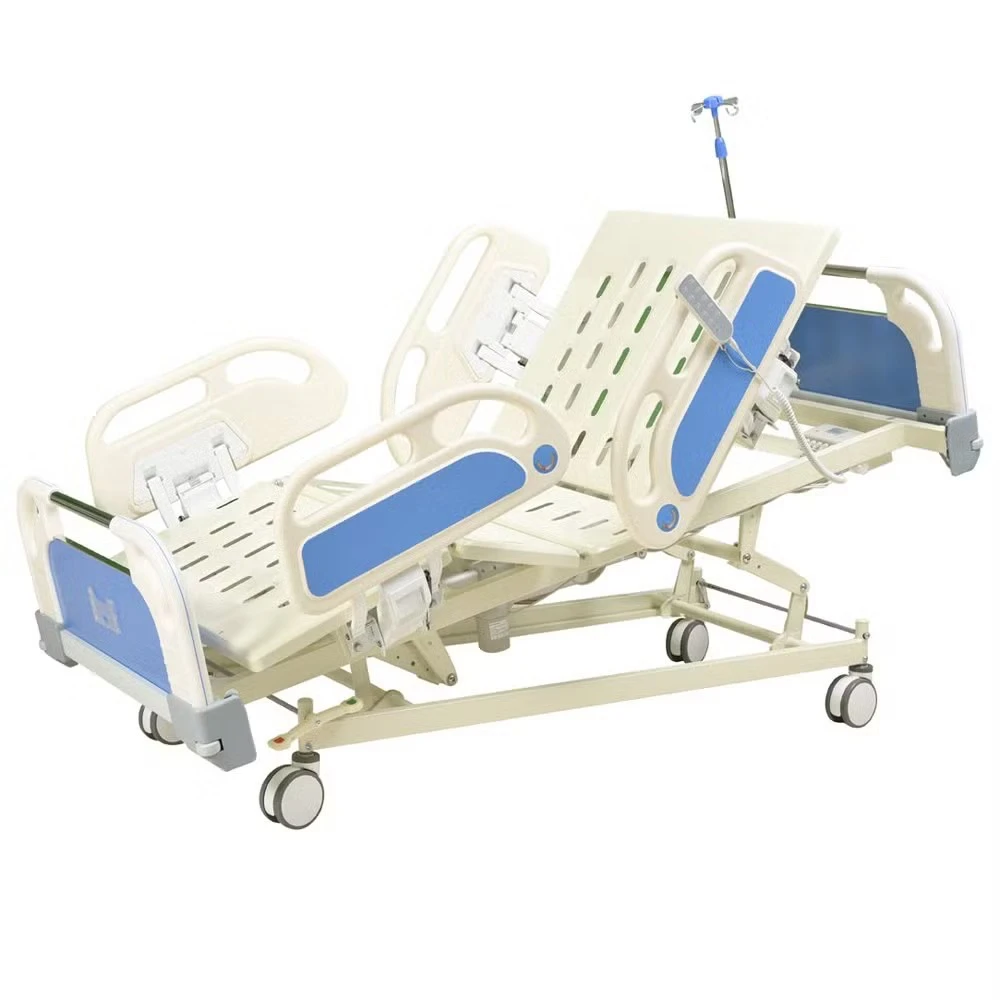
To keep it straightforward: hospital bed cost is the total expenditure incurred to purchase and maintain a hospital bed. This includes the initial purchase price, shipping and installation, maintenance throughout the bed’s usable life, and sometimes training staff in its operation—especially for electric or advanced models. It’s closely tied to modern healthcare’s pivot towards quality, safety, and patient dignity. This isn’t just a metal frame and a mattress. From adjustable features to infection-control materials, the bed itself impacts clinical outcomes. More broadly, hospital beds are a small but vital cog in humanitarian responses, disaster relief, and general care delivery worldwide. The relevance of hospital bed cost has grown amidst rising patient volumes and innovations in healthcare infrastructure. ---Key Factors Impacting Hospital Bed Cost
1. Durability and Materials
Some hospital beds use steel or aluminum alloys to improve lifespan. Others incorporate composite plastics for lightweight but robust frames. Many engineers I’ve spoken to say durability often correlates directly to cost, but a strong frame saves money long-term by reducing replacements.2. Scalability and Modular Design
Increasingly hospitals want beds that can be configured or upgraded easily to meet shifting demands. Modular bed systems lower costs by enabling replacement parts instead of whole units. This flexibility is a growing priority, especially in regions with unpredictable funding.3. Patient Comfort and Safety Features
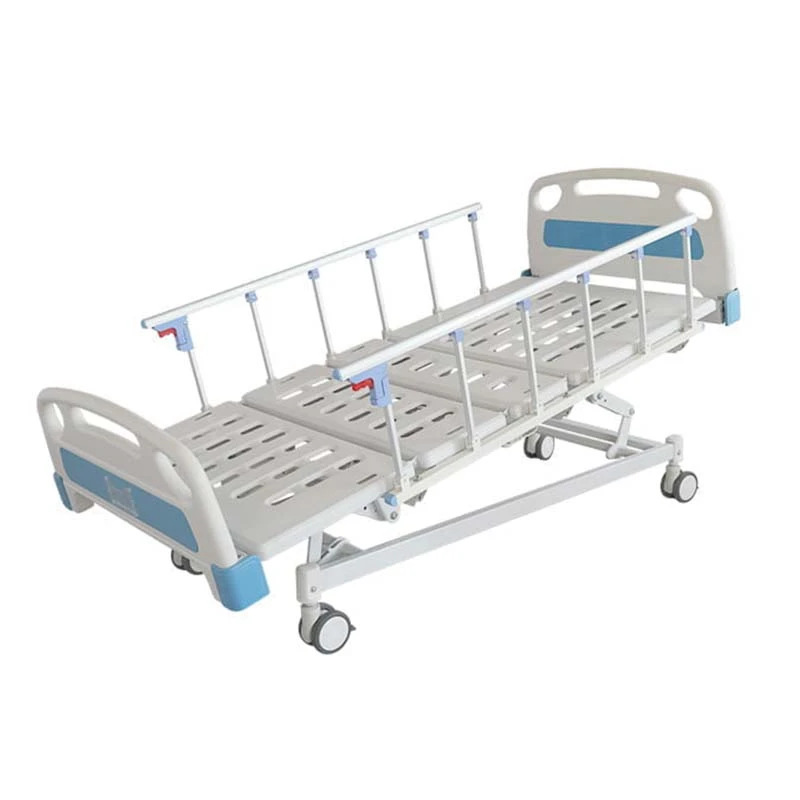
Adjustable height, side rails, pressure redistribution mattresses—all add to the upfront hospital bed cost but lead to better patient outcomes and fewer complications like bedsores.4. Technology Integration
Some beds come with monitors, electric controls, or integration with hospital IT networks. While these smart beds boost cost, they streamline workflows and improve data accuracy.5. Shipping and Installation Expenses
Something often overlooked: shipping bulky hospital beds is costly and complex, especially for remote or disaster-affected areas. Installation labor also adds to the final cost. Local assembly options sometimes help mitigate these expenses. ---Mini Takeaway: Why know these factors? Because hospital bed cost is more than price tags—it’s about value. Choosing the right bed combines durability, comfort, technology, and logistical considerations for smarter health investments.
---Global Applications & Real-World Use Cases
Consider this: In post-disaster relief operations like after the 2010 Haiti earthquake, rapid deployment of hospital beds saved countless lives. NGOs selecting beds faced extreme pressure to balance cost versus transportability and durability. In remote industrial zones in places like Northern Canada or the Australian Outback, hospital beds must withstand harsh environments and reduced maintenance access. Thus, cost considerations often emphasize ruggedness over tech features. European healthcare systems are shifting toward smart beds connected to monitoring systems, increasing costs but enhancing patient care quality. Meanwhile, in low-income countries across Africa or South Asia, the main challenge is procuring affordable beds that last beyond a few years, ensuring continuity of care despite budget limitations.| Specification | Typical Cost Range | Feature Highlights | Use Case |
|---|---|---|---|
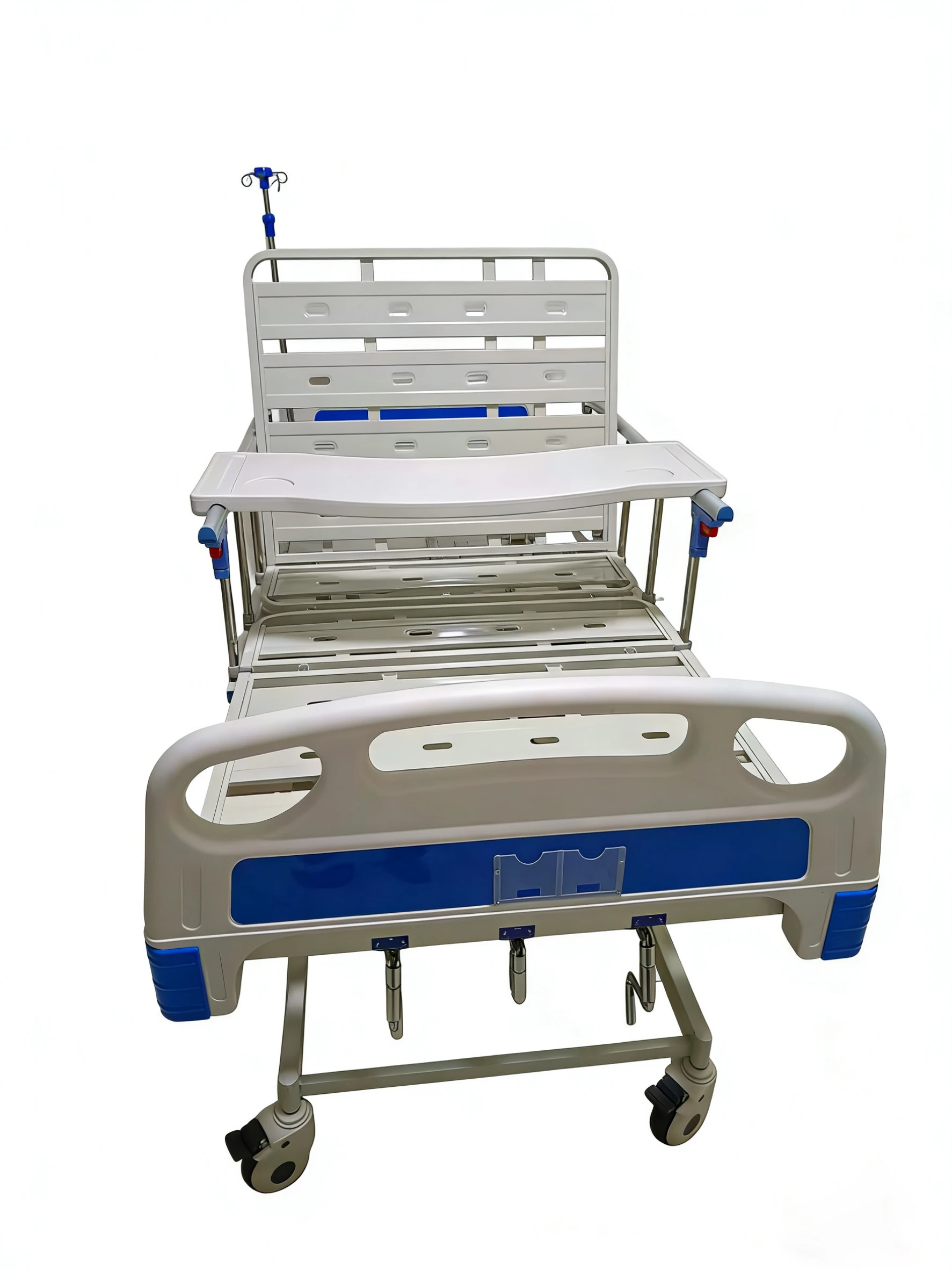
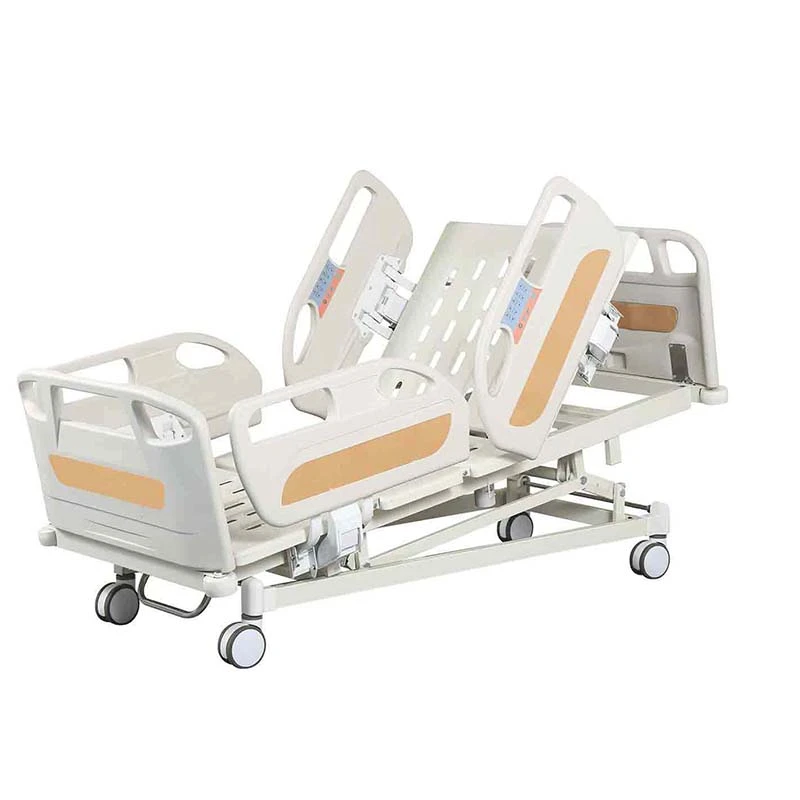
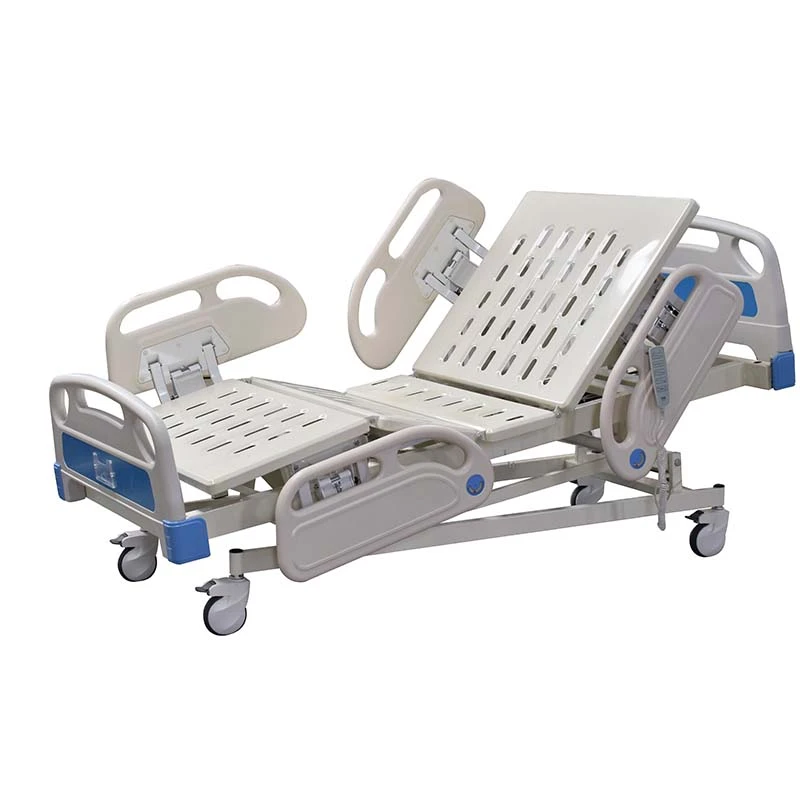
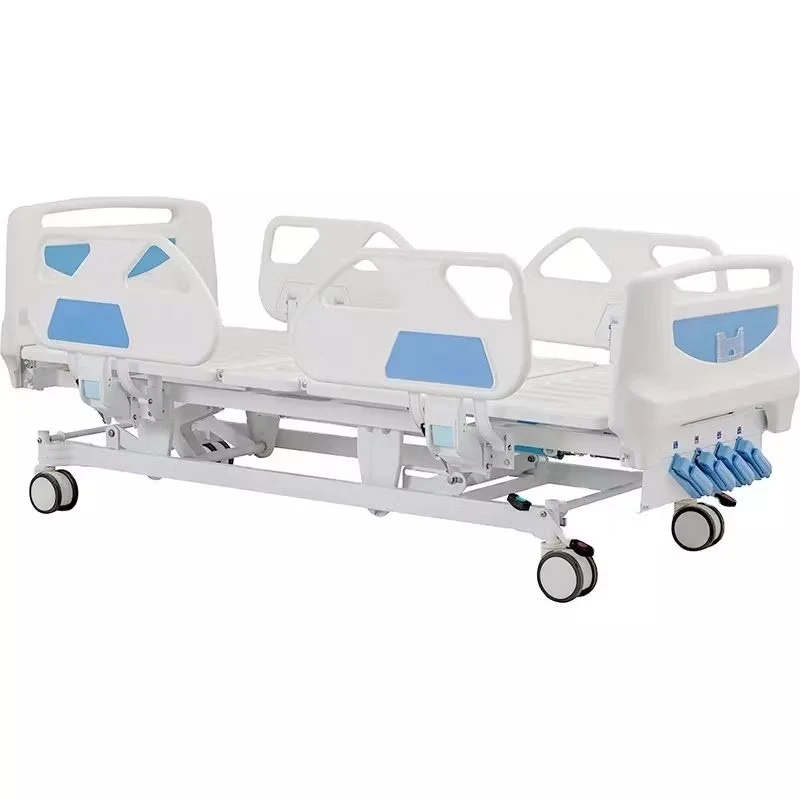
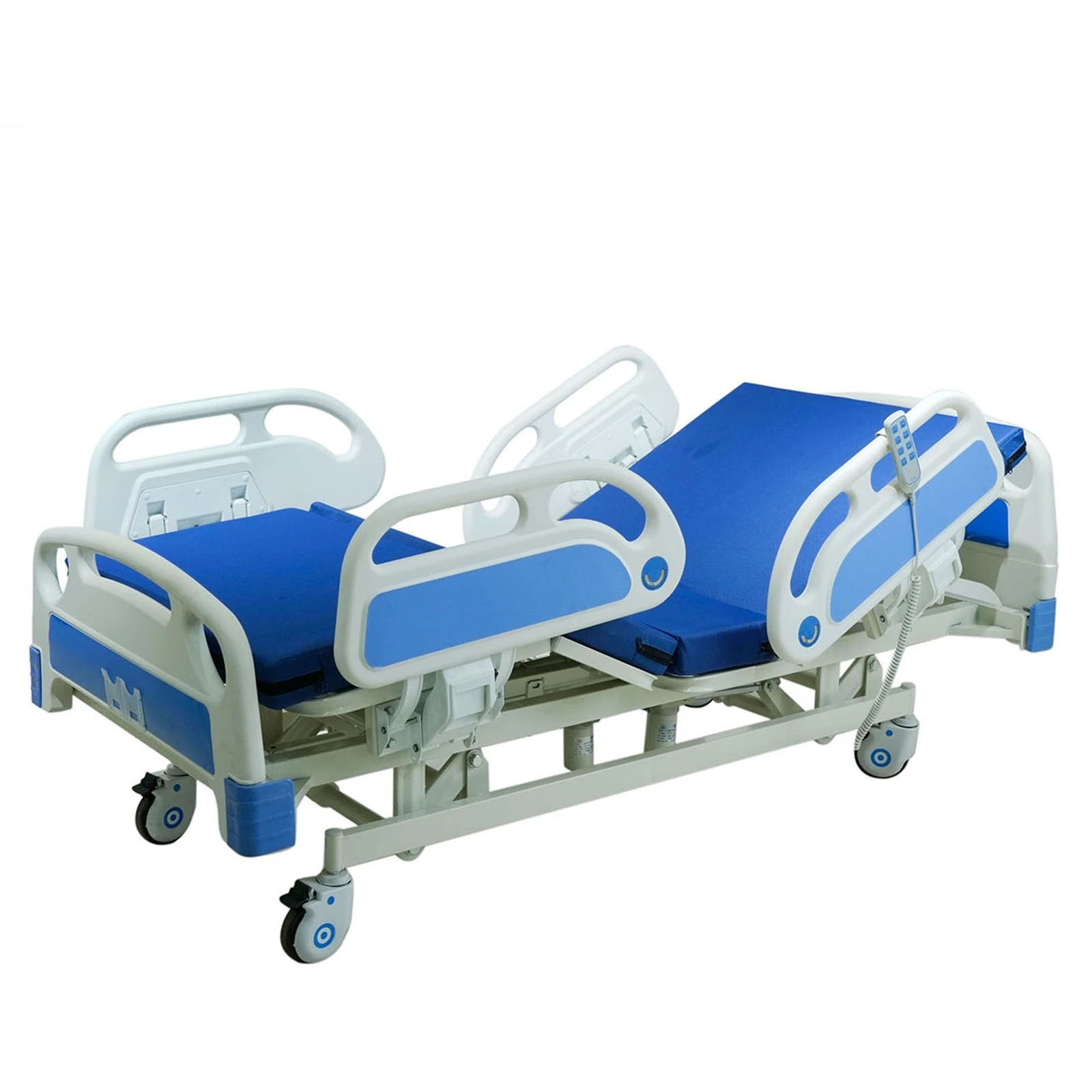
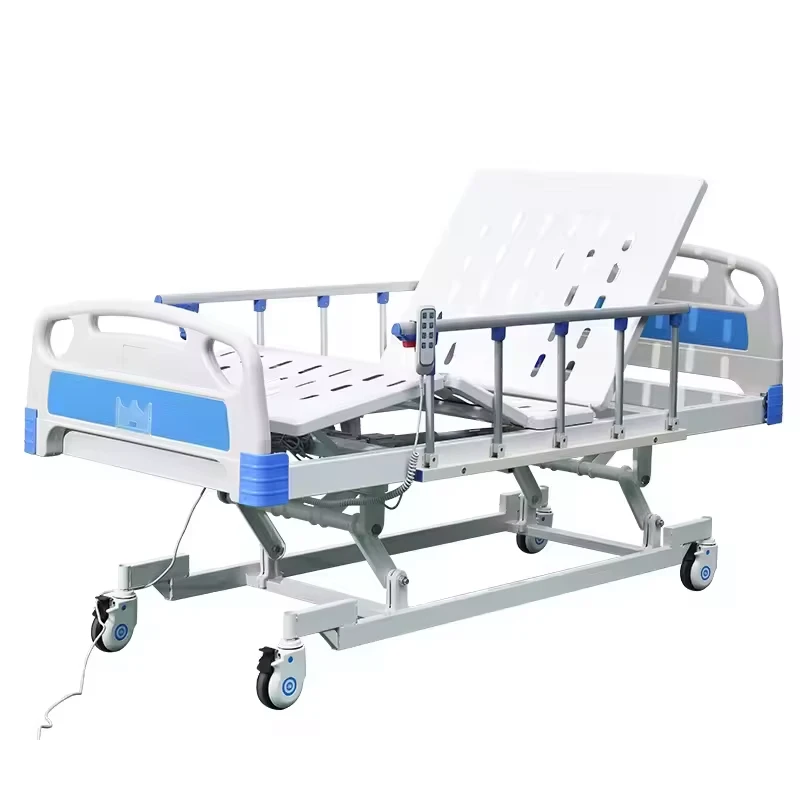
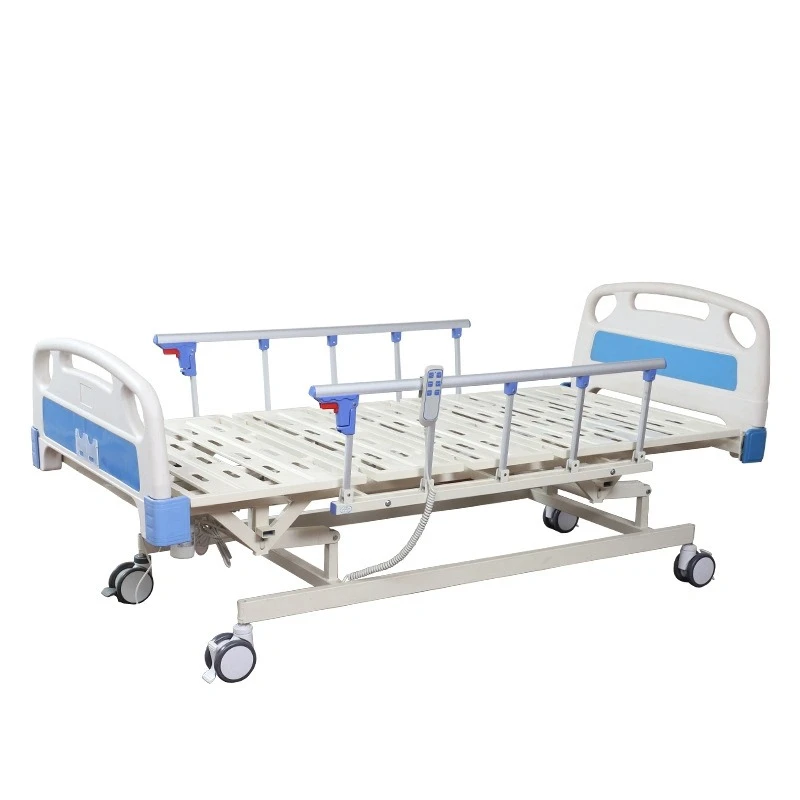
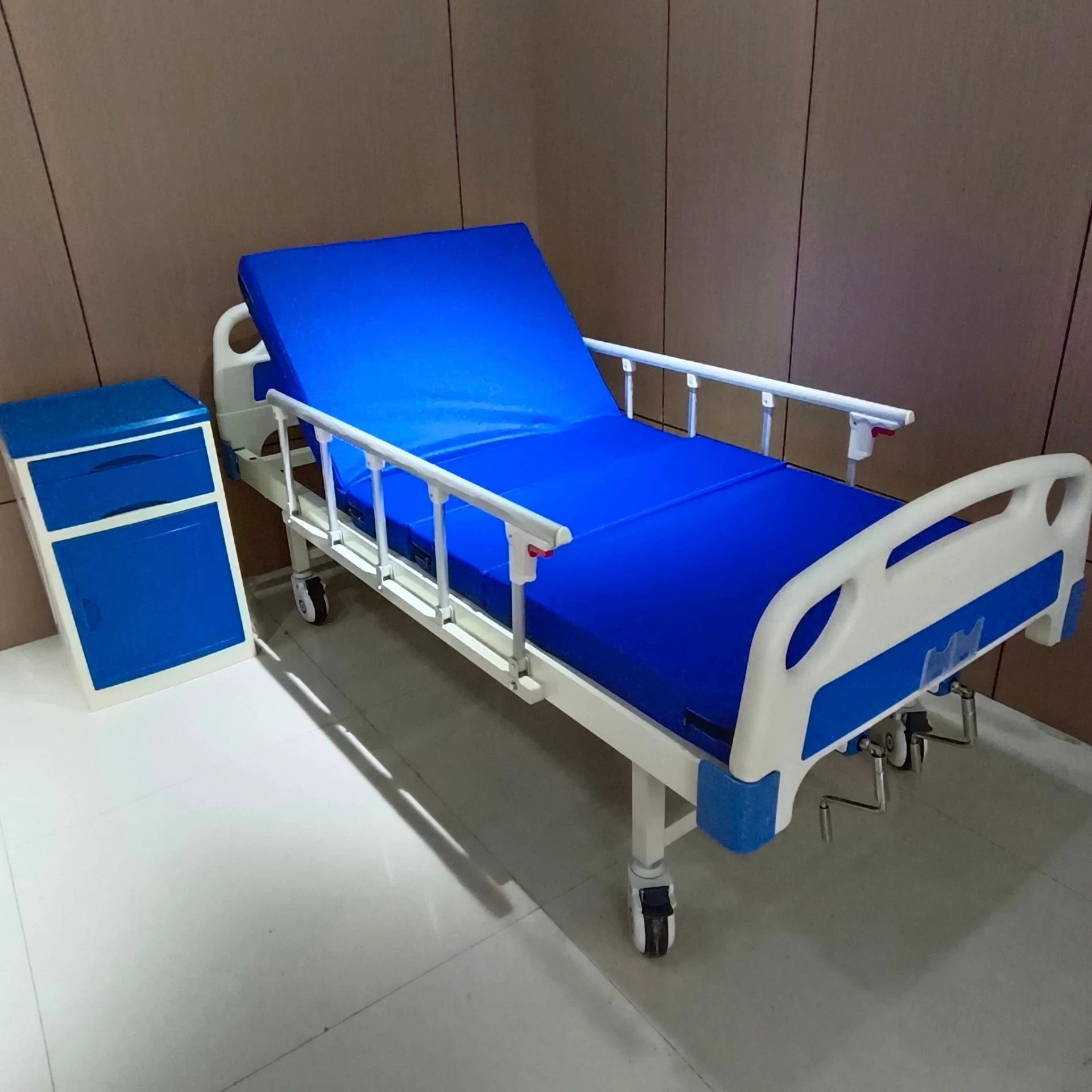
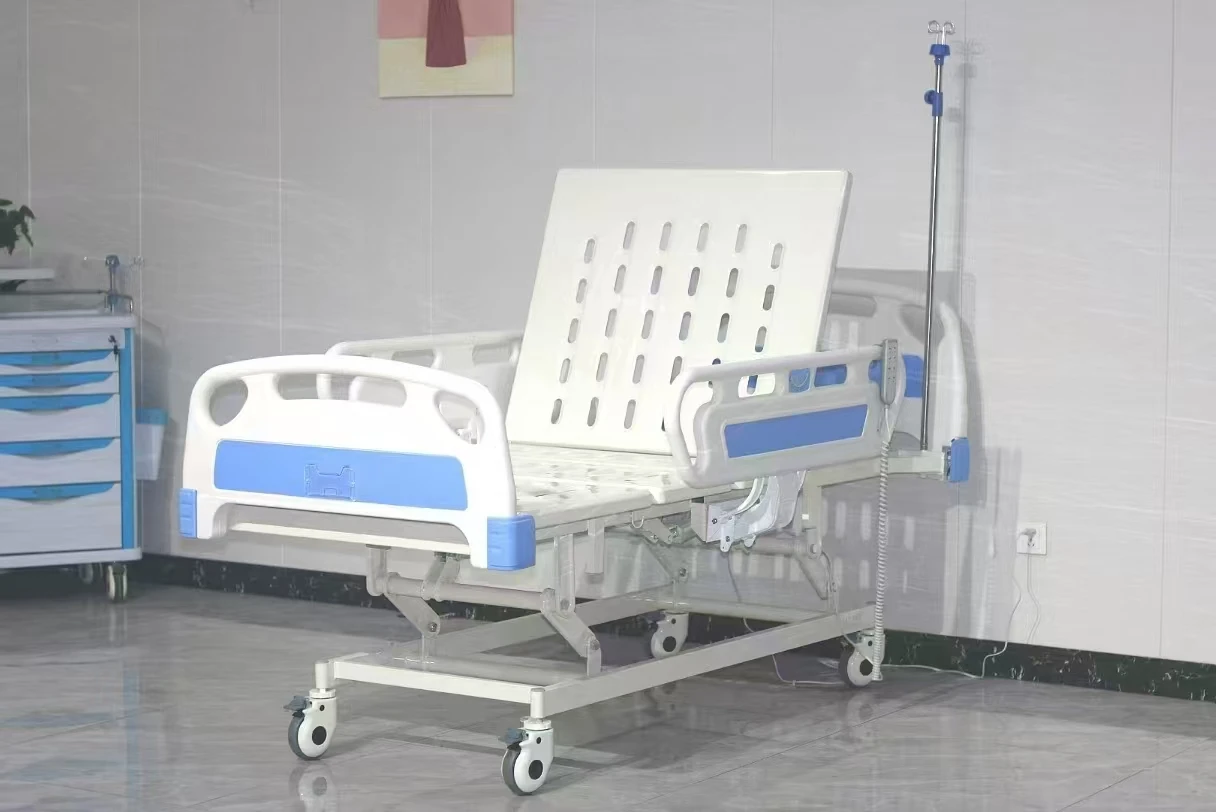
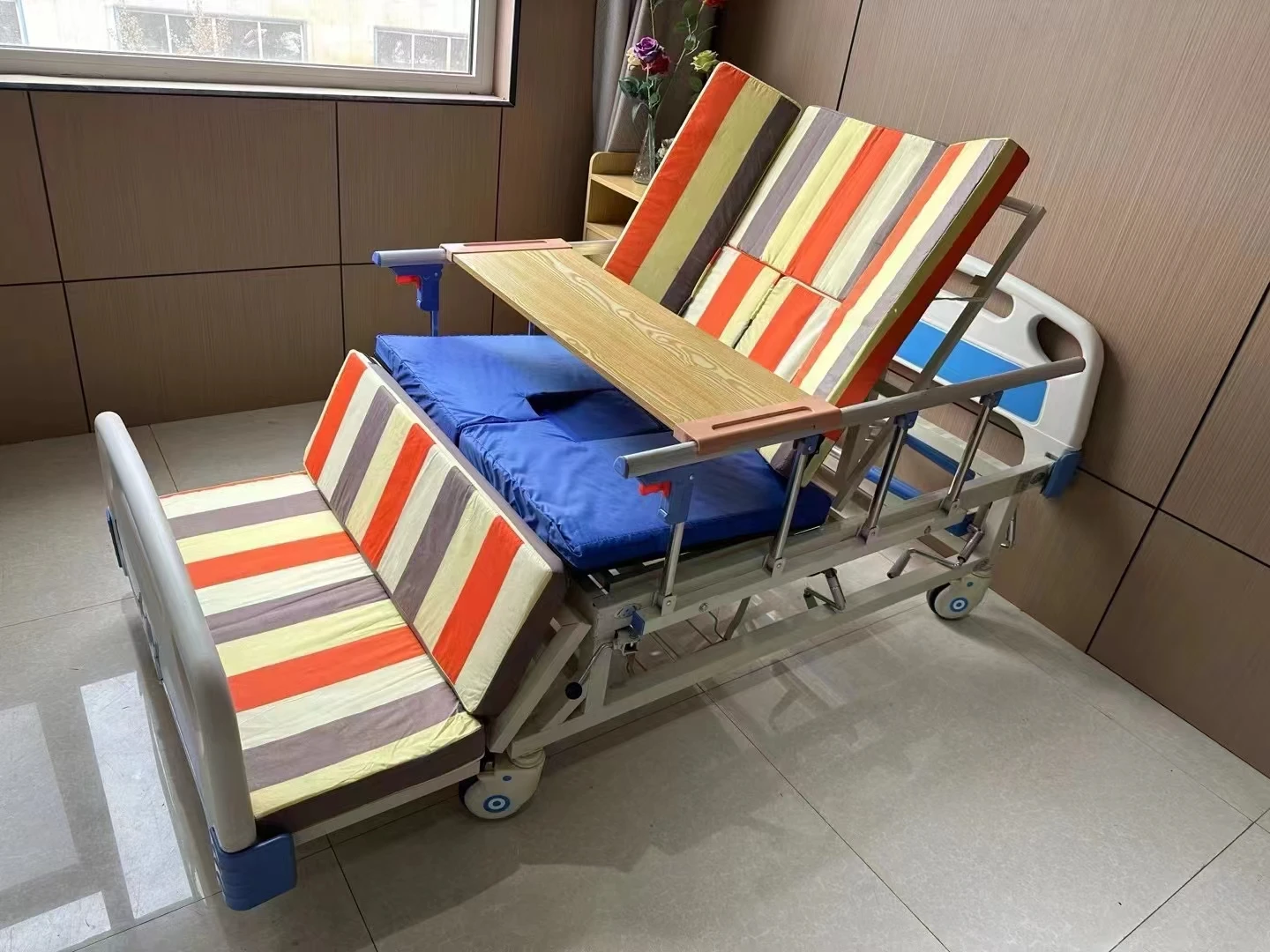
| Basic Manual Bed | $400 - $800 | Manual adjustment, steel frame, simple design | Emergency wards, field hospitals |
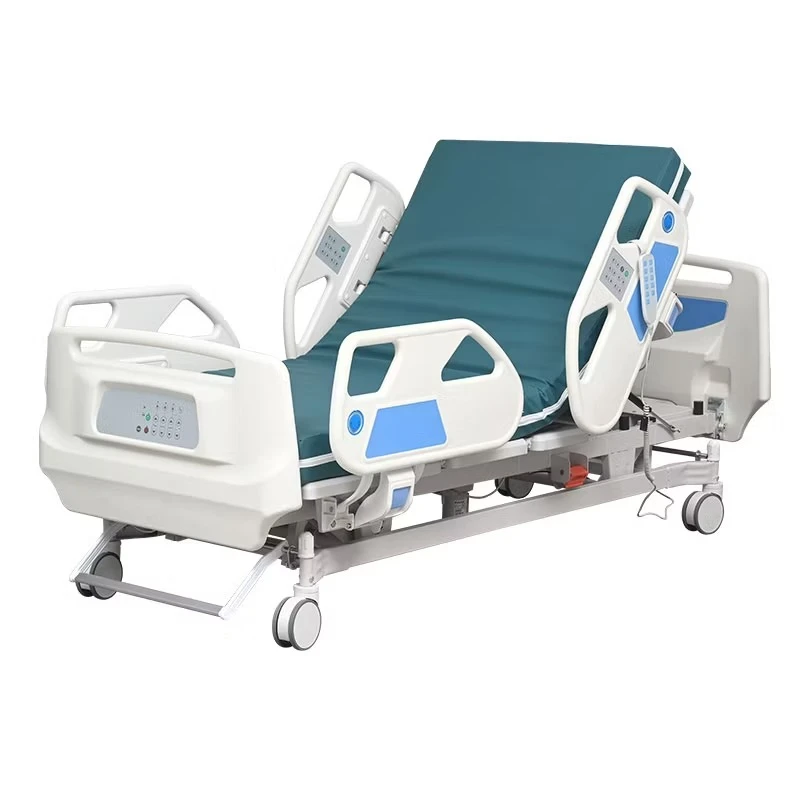
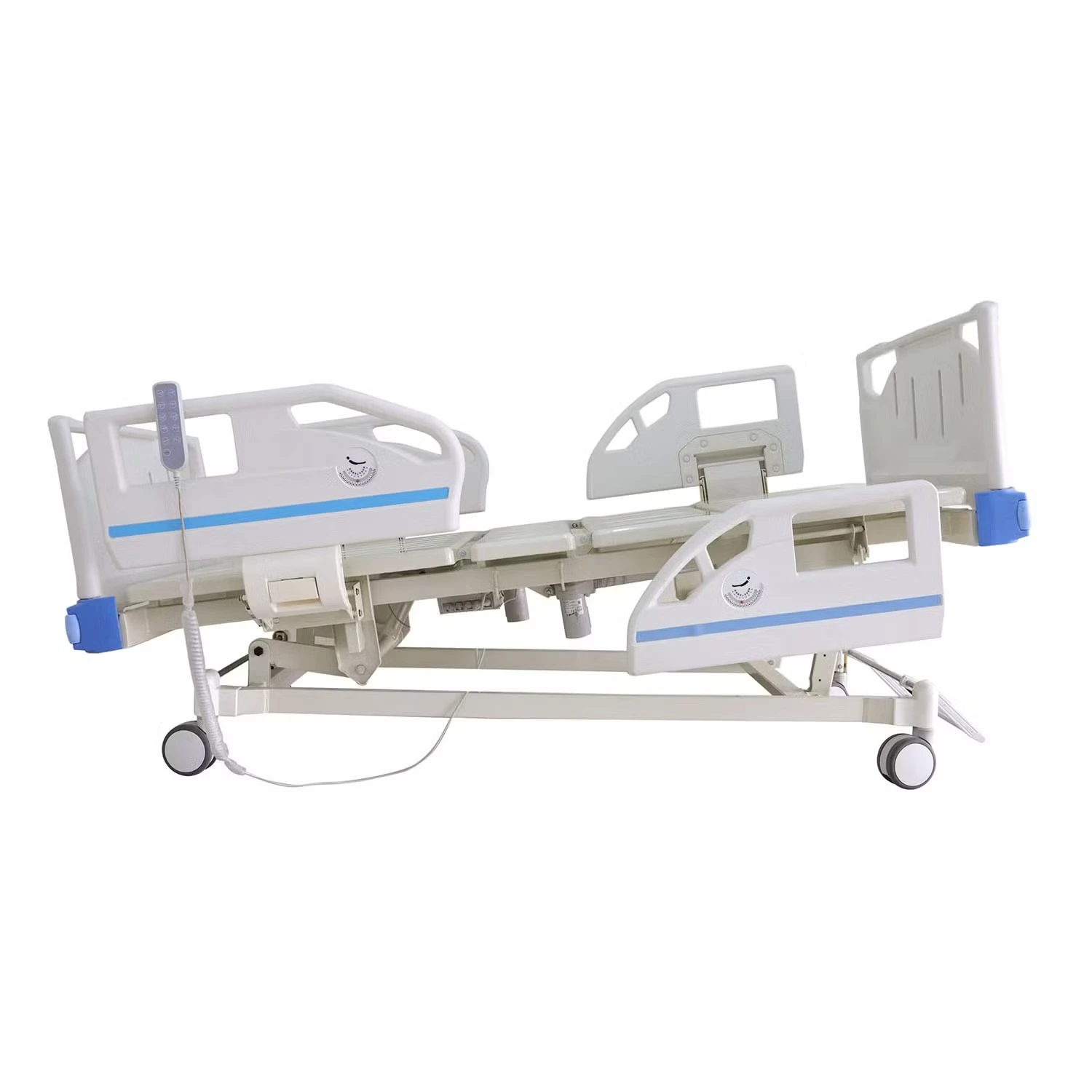
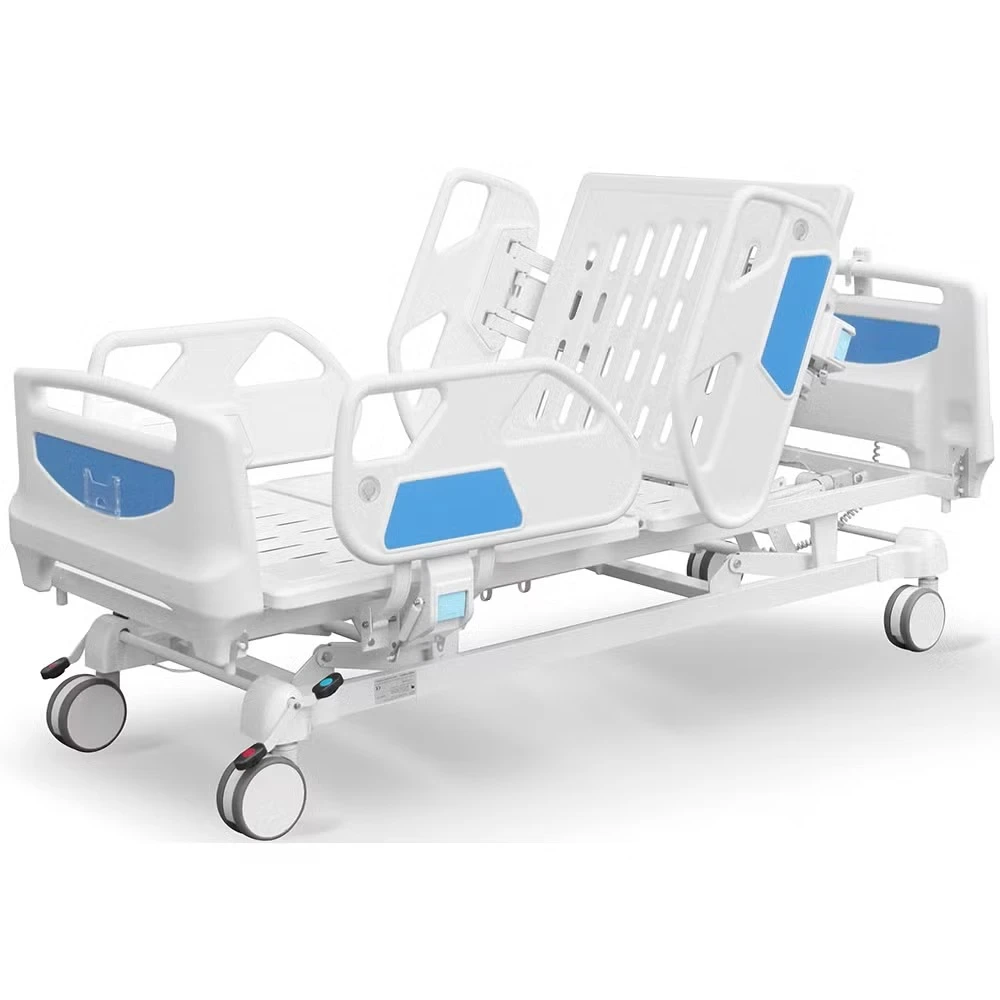
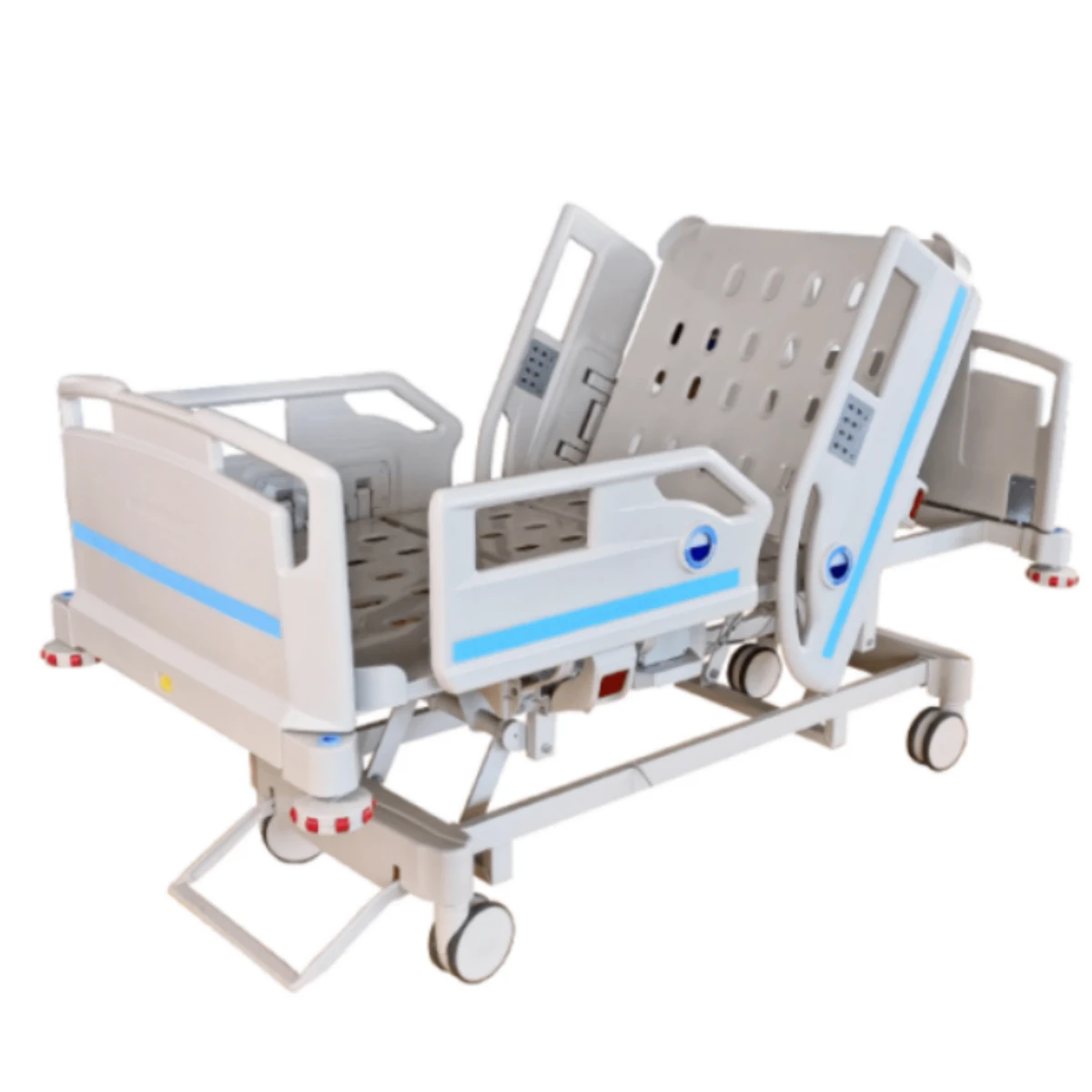
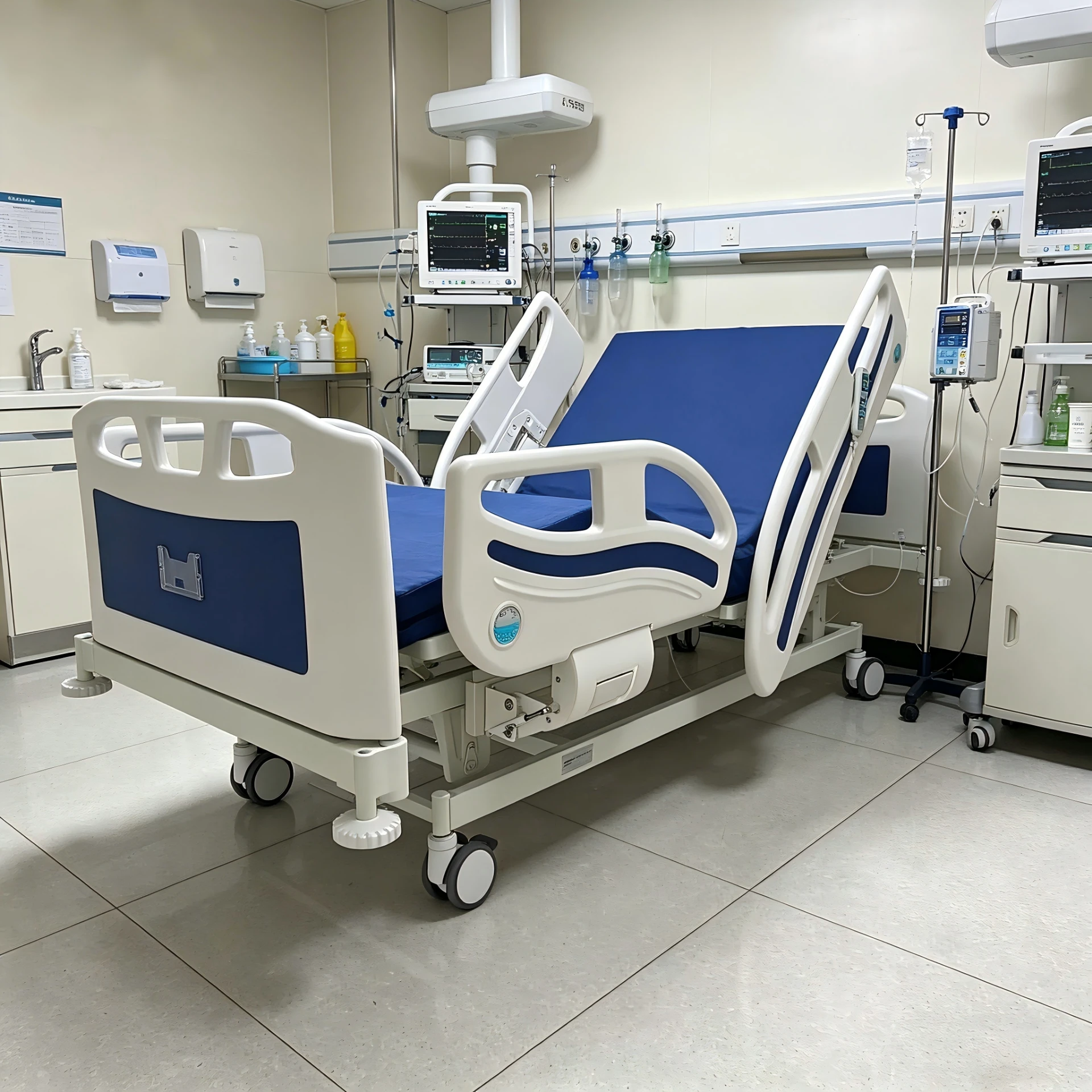
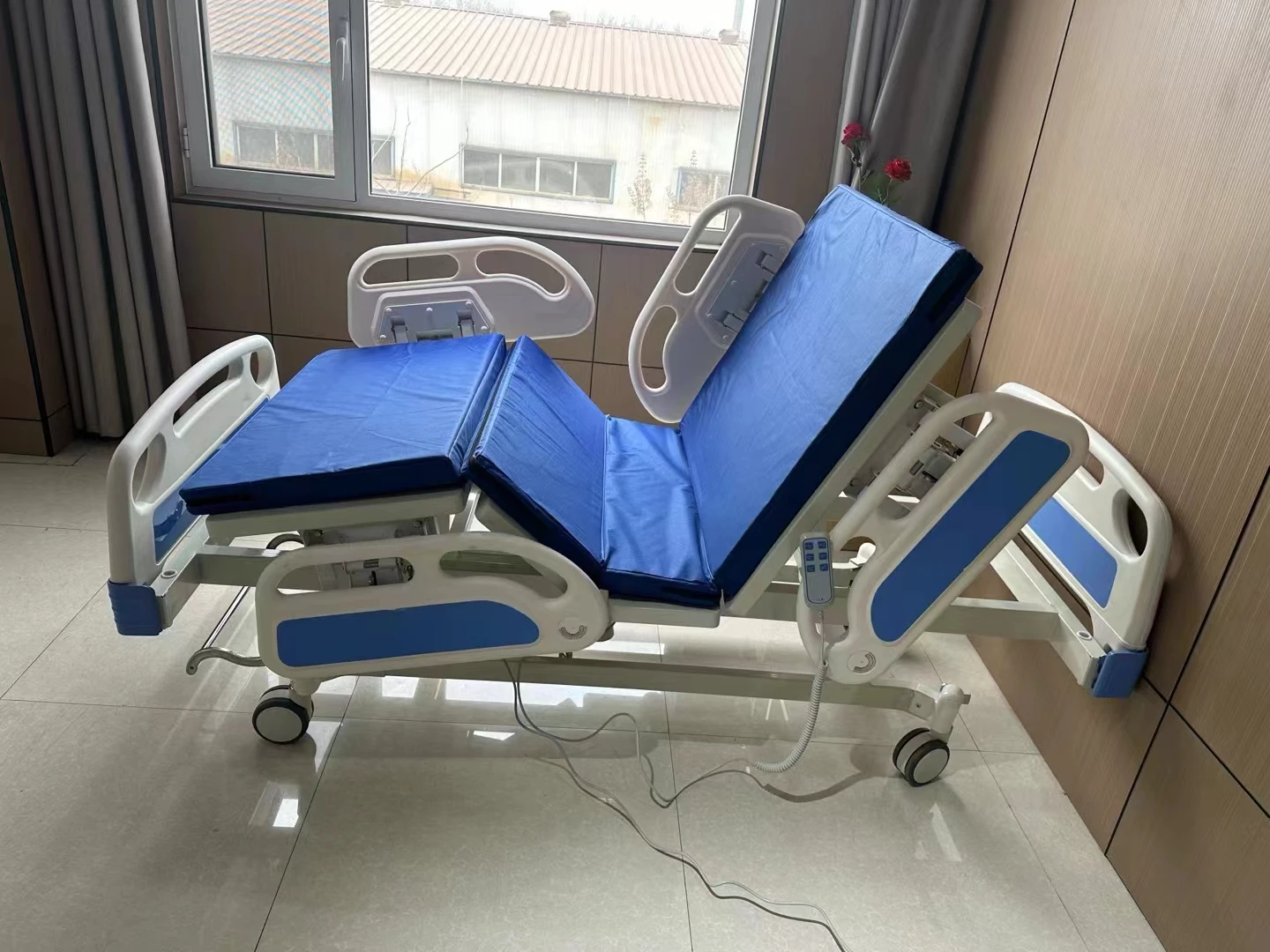
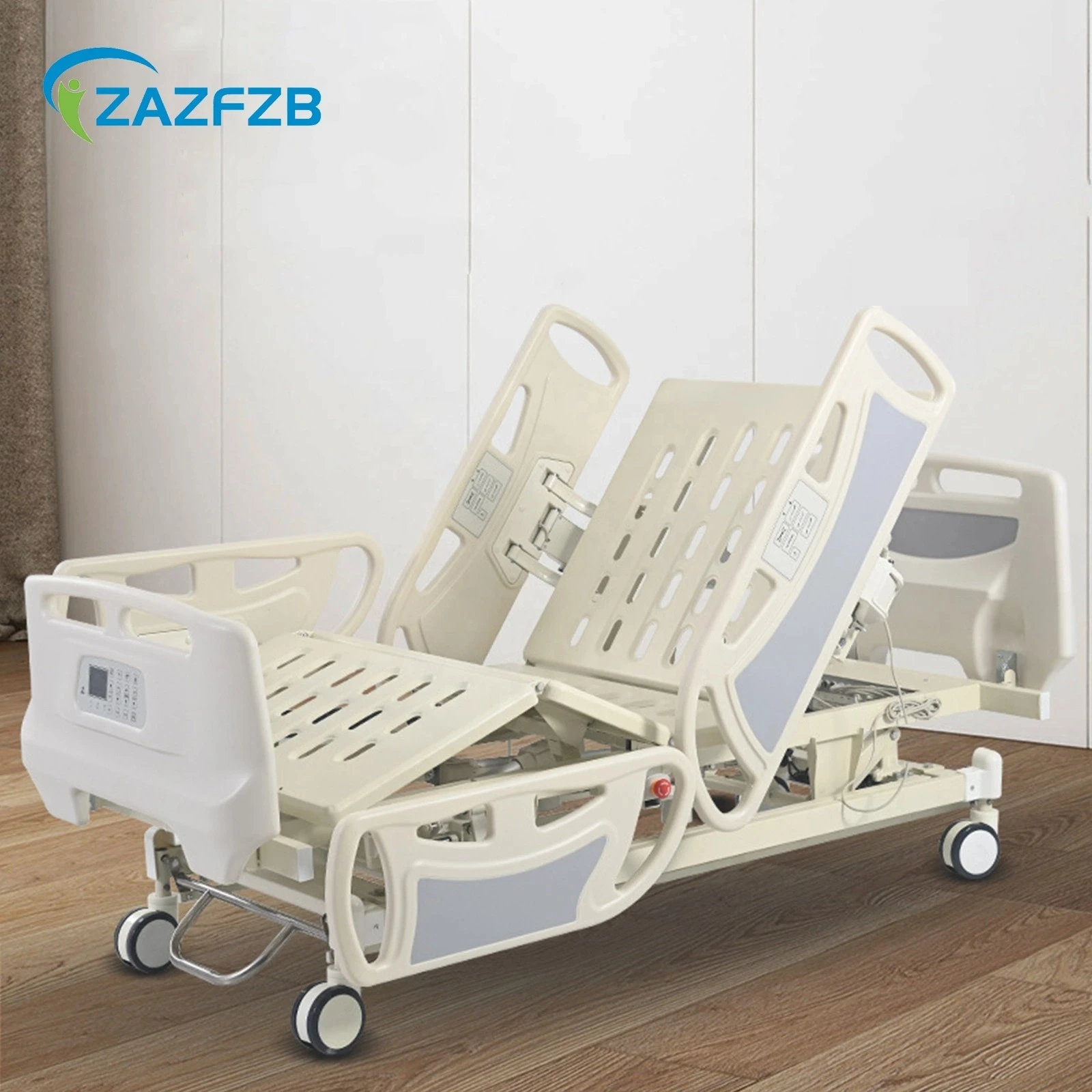
| Electric Adjustable Bed | $1,200 - $3,500 | Electric height and tilt, side rails, digital controls | Long-term care, ICU |
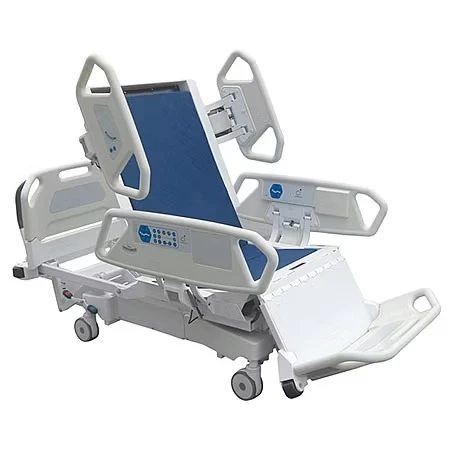
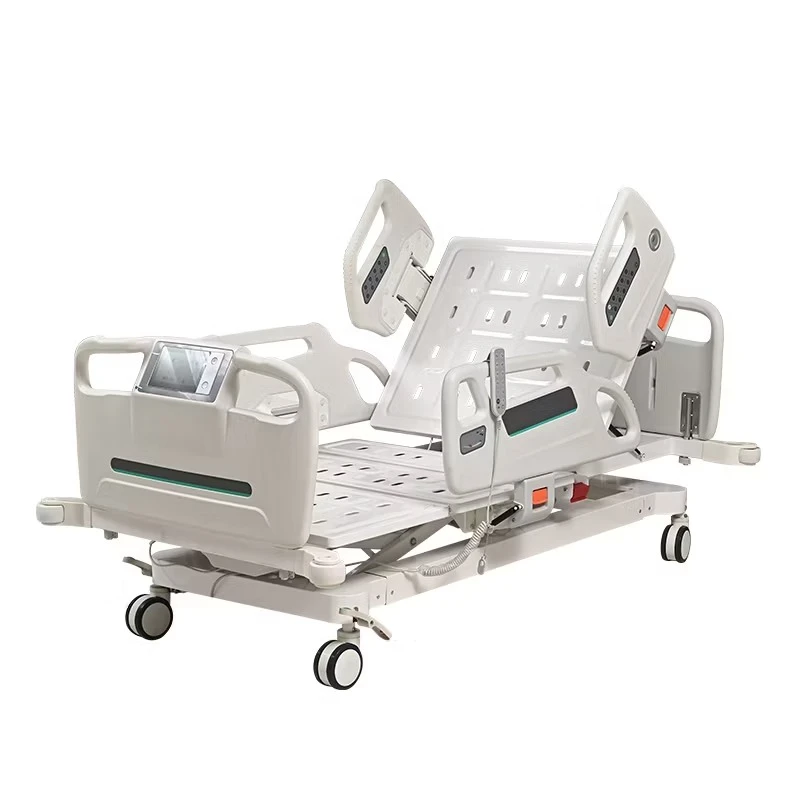
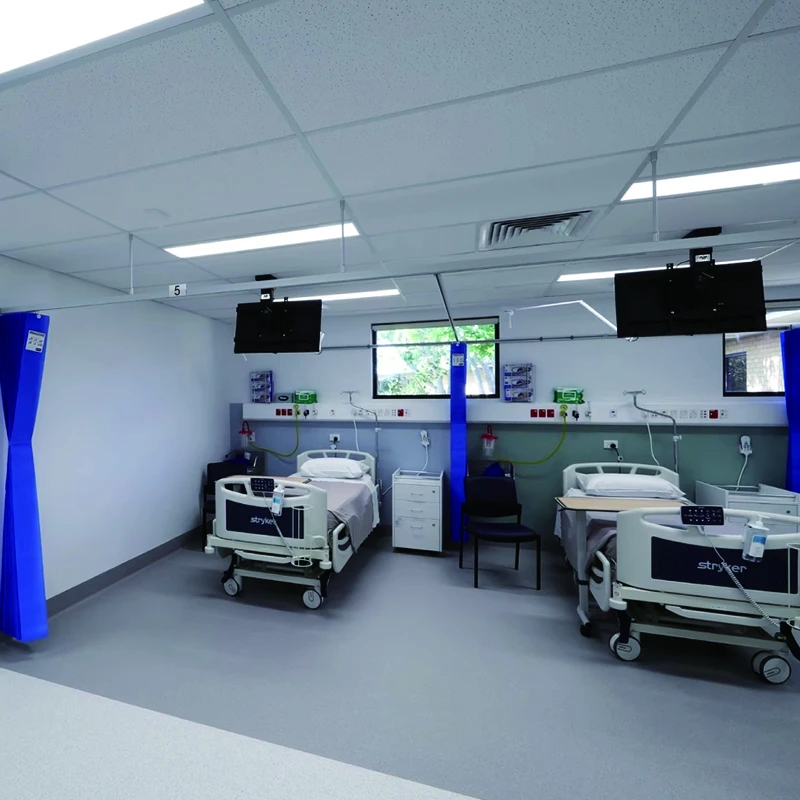
| Smart Bed with Monitoring | $4,000 - $8,000+ | Integrated sensors, IT connectivity, advanced safety | High dependency units, tech-driven hospitals |
The Long-Term Value of Thoughtful Hospital Bed Cost Management
This is where it gets interesting. When healthcare facilities make smart decisions about hospital bed cost, they reap benefits on multiple levels:- Cost Savings Over Time: Investing in durable beds means fewer replacements.
- Sustainability: Eco-friendly materials and modular parts reduce waste.
- Improved Patient Experience: Comfort and safety reduce complications.
- Operational Efficiency: Advanced beds save staff time and improve workflows.
- Social Impact: Providing dignified care builds trust in healthcare systems.
Emerging Trends & Innovations in Hospital Bed Cost
The market isn’t standing still. Innovations in materials science bring lighter but stronger frames, while IoT-enabled beds transform patient monitoring. Sustainability is a growing theme; some companies are experimenting with biodegradable mattress covers or solar-powered bed features. Digital transformation means hospital bed costs now increasingly factor in software licenses and tech support, not just hardware. Meanwhile, modular manufacturing allows quicker customization and lowers costs for smaller hospitals. On the policy front, global standards (ISO 60601-2-52 for medical beds, for example) push manufacturers toward safer, more cost-effective designs. ---Common Challenges & How to Address Them
Hospital beds face tough trade-offs: Balancing upfront cost with lifespan and functionality can be tricky. Shipping delays or poor after-sales service also add hidden costs, especially in low-resource settings. I often see facilities caught in a cycle of buying cheap beds that fail quickly, only to spend more repairing or replacing them later—a frustrating conundrum. Solutions experts recommend include:- Collaborating with vendors offering comprehensive warranties
- Choosing modular systems for easier repairs
- Investing in staff training to reduce misuse
- Leveraging partnerships for better purchasing terms
FAQs: What You Really Want to Know about Hospital Bed Cost
Q1: How much should a standard hospital bed cost?A: Typically between $400 and $3,500, depending on features and build quality. Basic beds are cheaper but may lack durability or comfort features. Q2: Are electric hospital beds worth the extra cost?
A: Usually yes. Electric beds improve patient comfort and reduce caregiver injuries, which can save money long-term despite higher upfront costs. Q3: Can hospital beds be reused in disaster zones?
A: Yes, many beds are designed for portability and reuse, but sanitation and durability must be carefully considered. Q4: How does hospital bed cost affect healthcare quality?
A: Indirectly but significantly—better beds reduce complications such as bedsores and promote faster recovery. Q5: Where can I find reliable hospital bed vendors?
A: Look for vendors with global certifications like ISO and strong after-sales support. Our vendor comparison table below might help.
| Vendor | Cost Range | Delivery Speed | Warranty & Support | Global Reach |
|---|---|---|---|---|
| MedEquip Global | $500 - $7,000 | 2–6 weeks | 3 years comprehensive | 100+ countries |
| HealTech Supplies | $450 - $3,200 | 1–4 weeks | 2 years limited | 50 countries |
| CareBeds International | $600 - $8,500 | 3–5 weeks | 5 years full warranty | 70 countries |