Comprehensive Guide to Patient Bed Price: Global Insights & Trends
Understanding Patient Bed Price: Why It Matters Worldwide
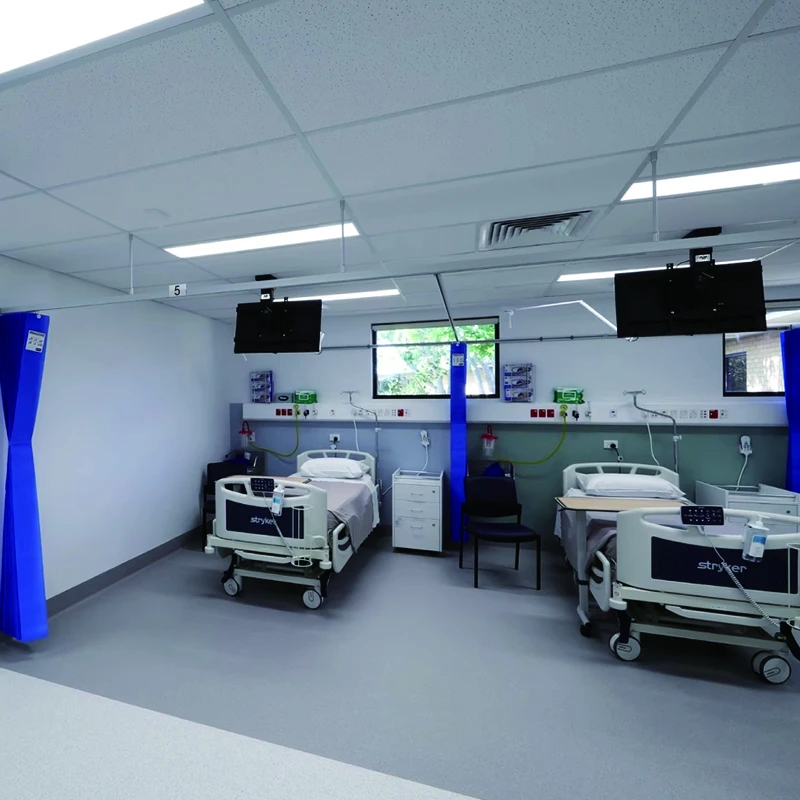
Healthcare infrastructure is one of those things we tend to take for granted — until we realize how essential it really is. The patient bed price is more than just a number on a purchase order; it’s a vital element influencing hospital budgets, patient outcomes, and ultimately, the quality of care delivered globally. Whether you’re managing a hospital in New York, a remote clinic in Sub-Saharan Africa, or a disaster relief camp in Southeast Asia, understanding the nuances around patient bed pricing is critical.
On a global scale, hospital beds are a tangible reflection of healthcare readiness. According to the World Health Organization (WHO), many low- and middle-income countries face shortages in suitable patient beds, constraining care delivery during pandemics or natural disasters. The patient bed price affects procurement decisions, accessibility, and the sustainability of healthcare facilities — making it a focal point for medical suppliers and policymakers alike.
Patient Bed Price: More Than Just Cost
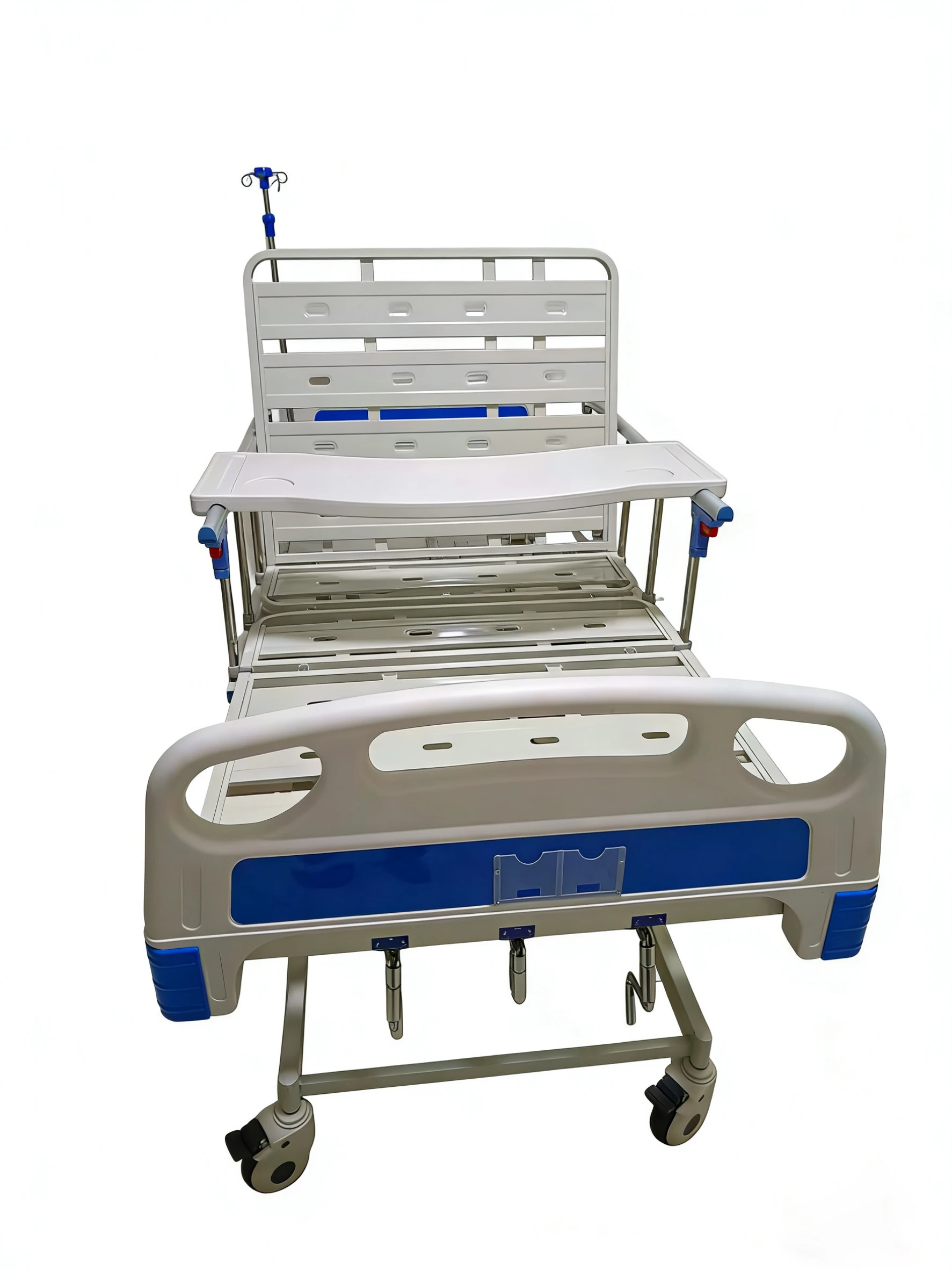
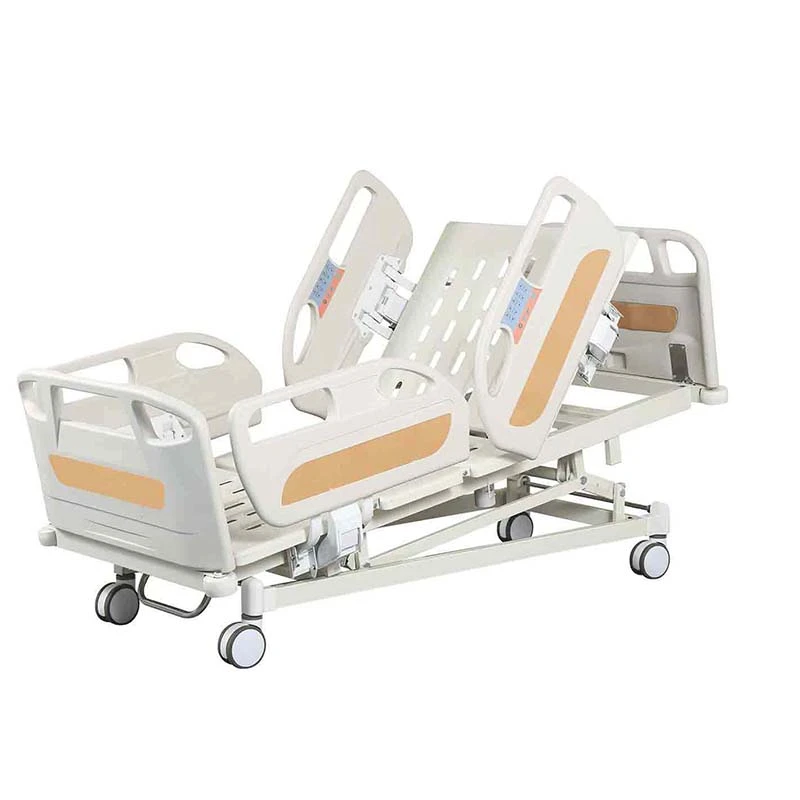
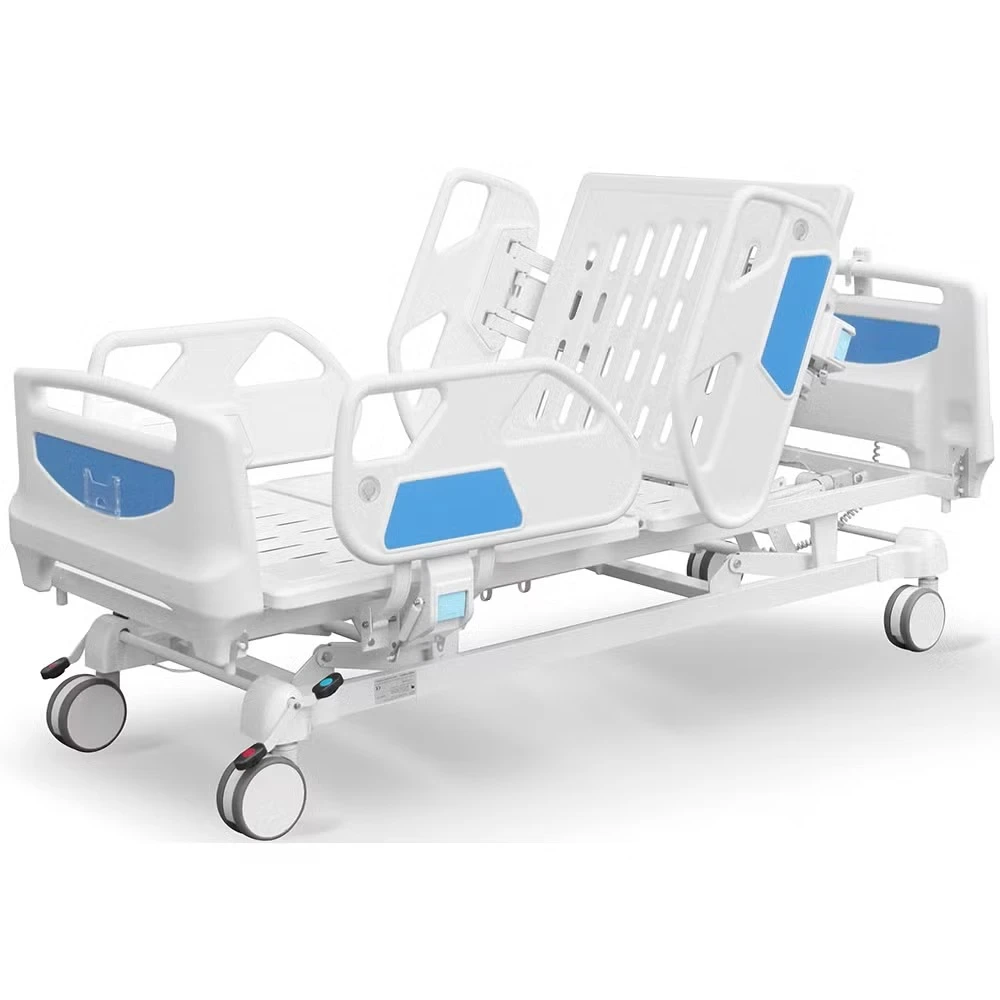
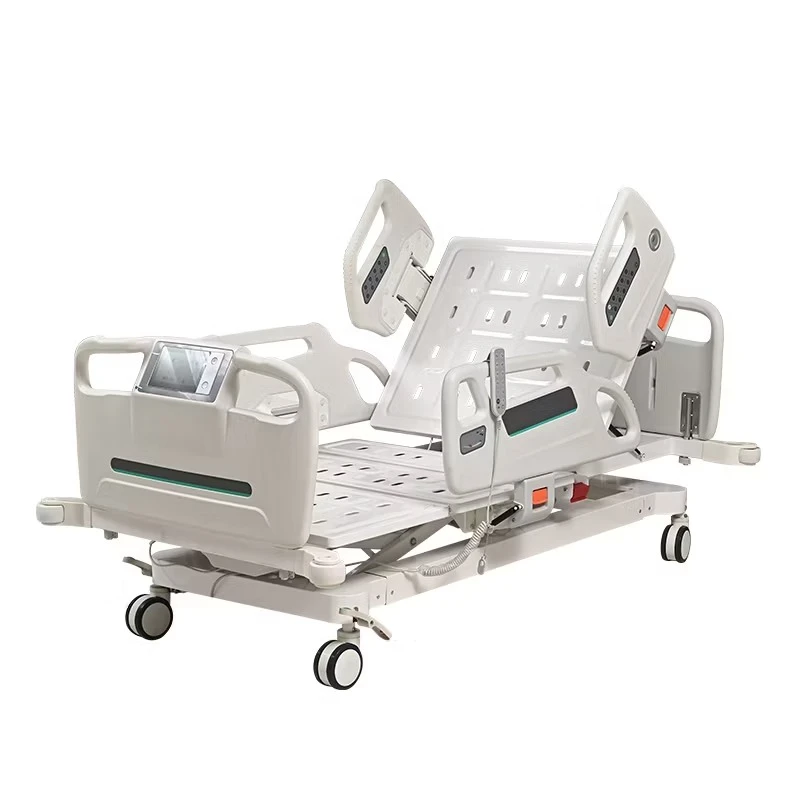
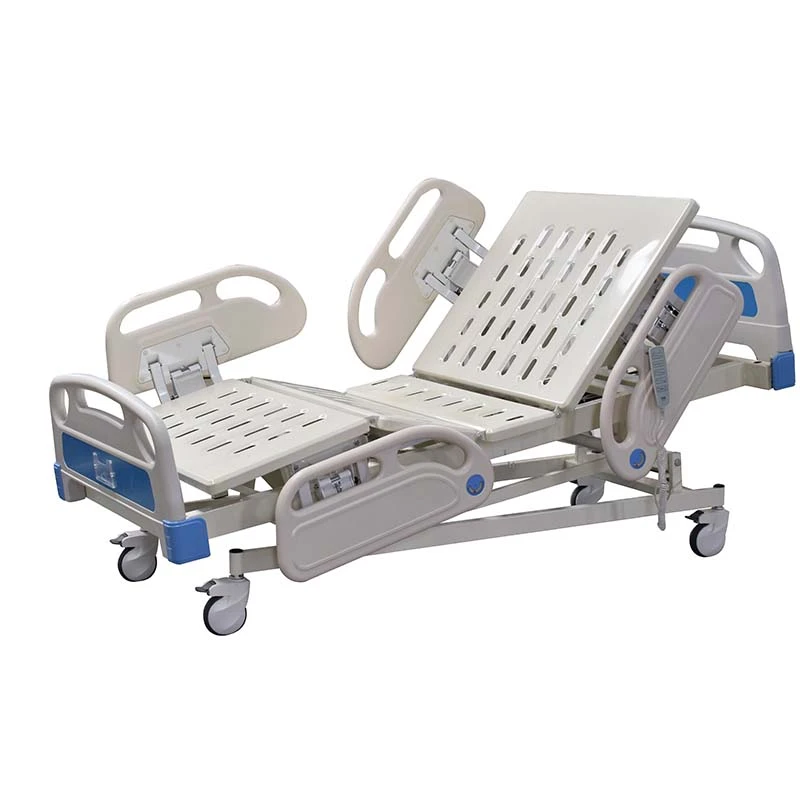
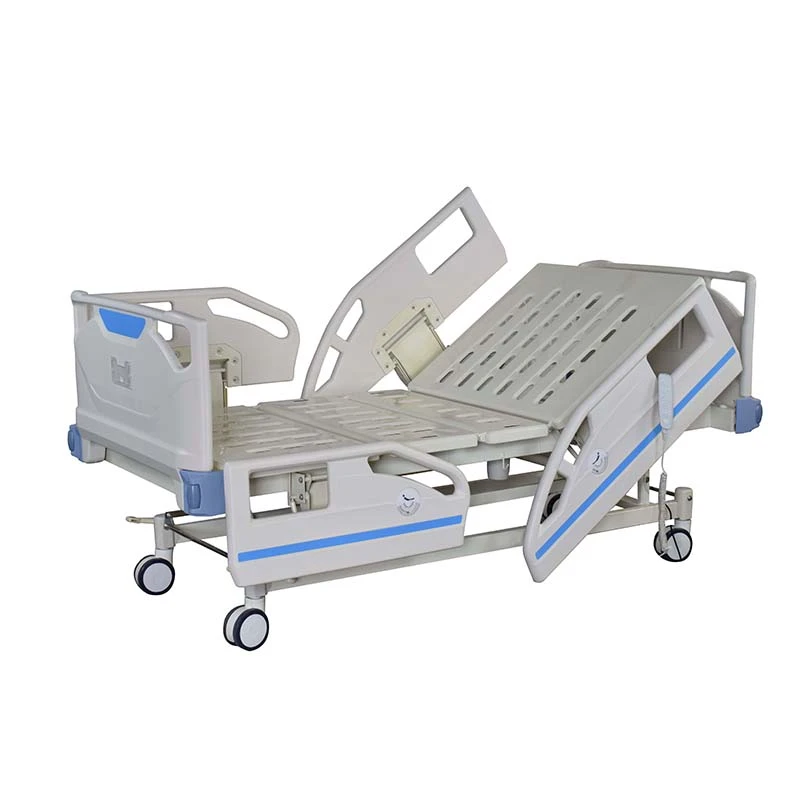
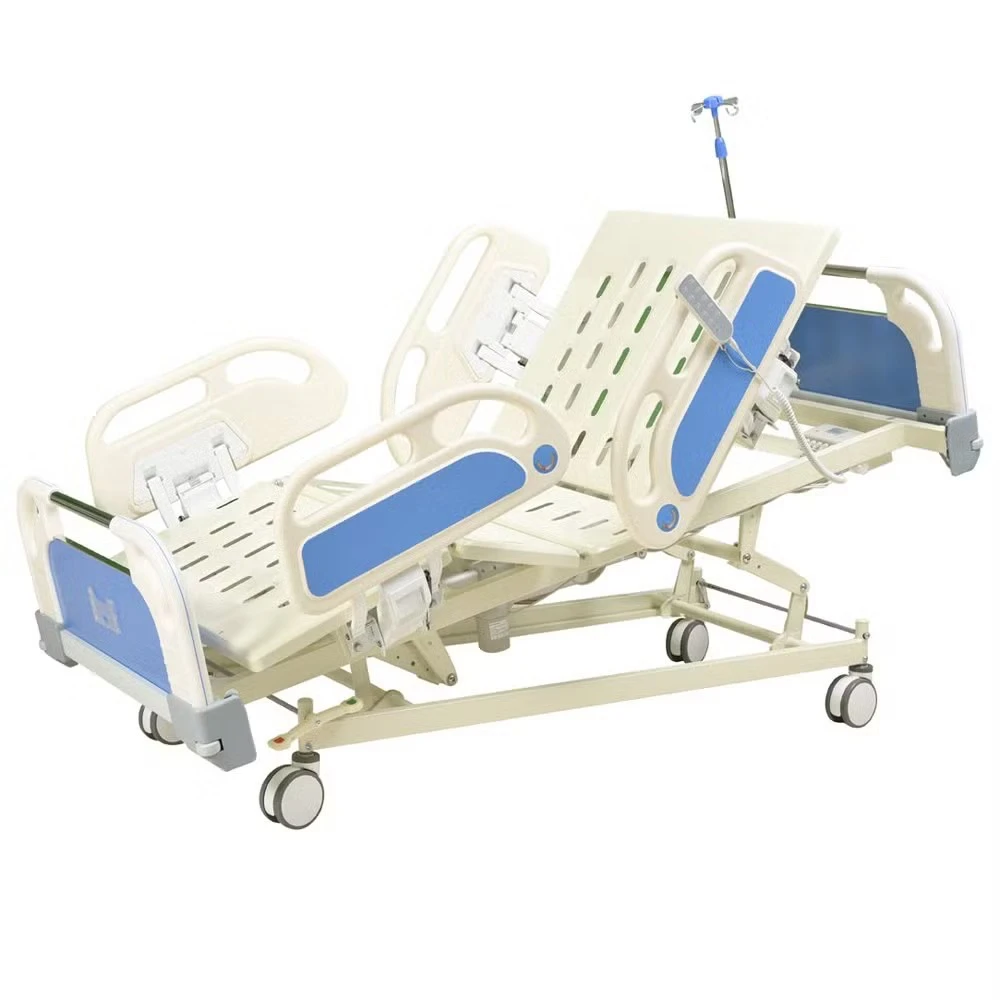
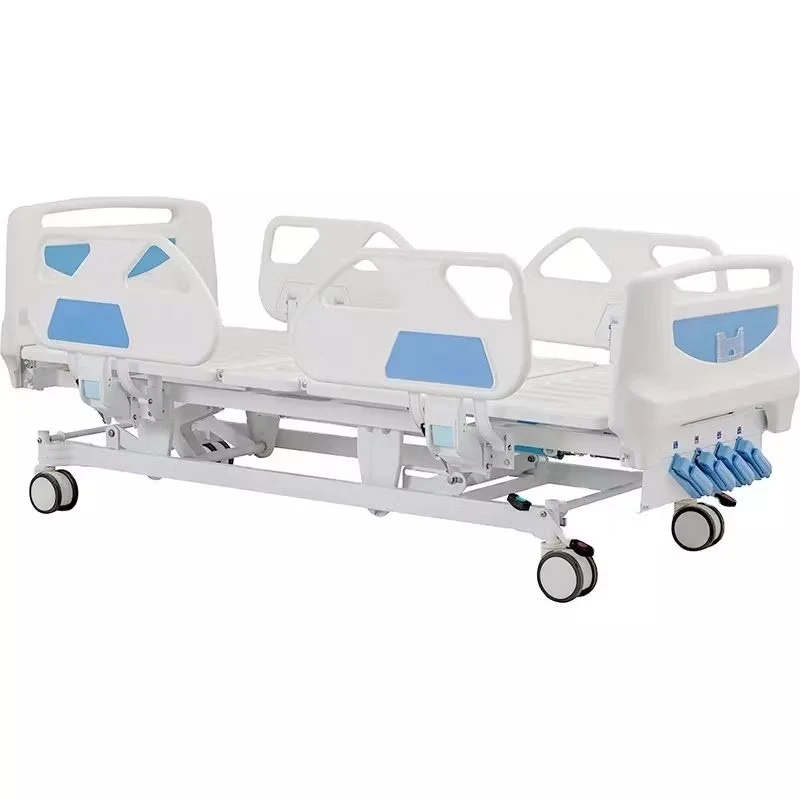
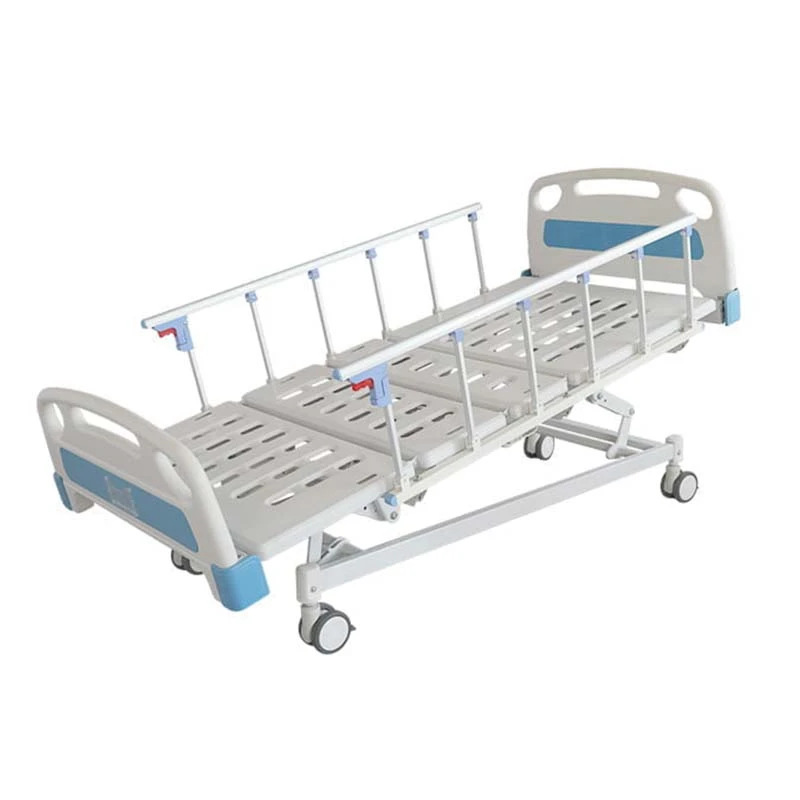
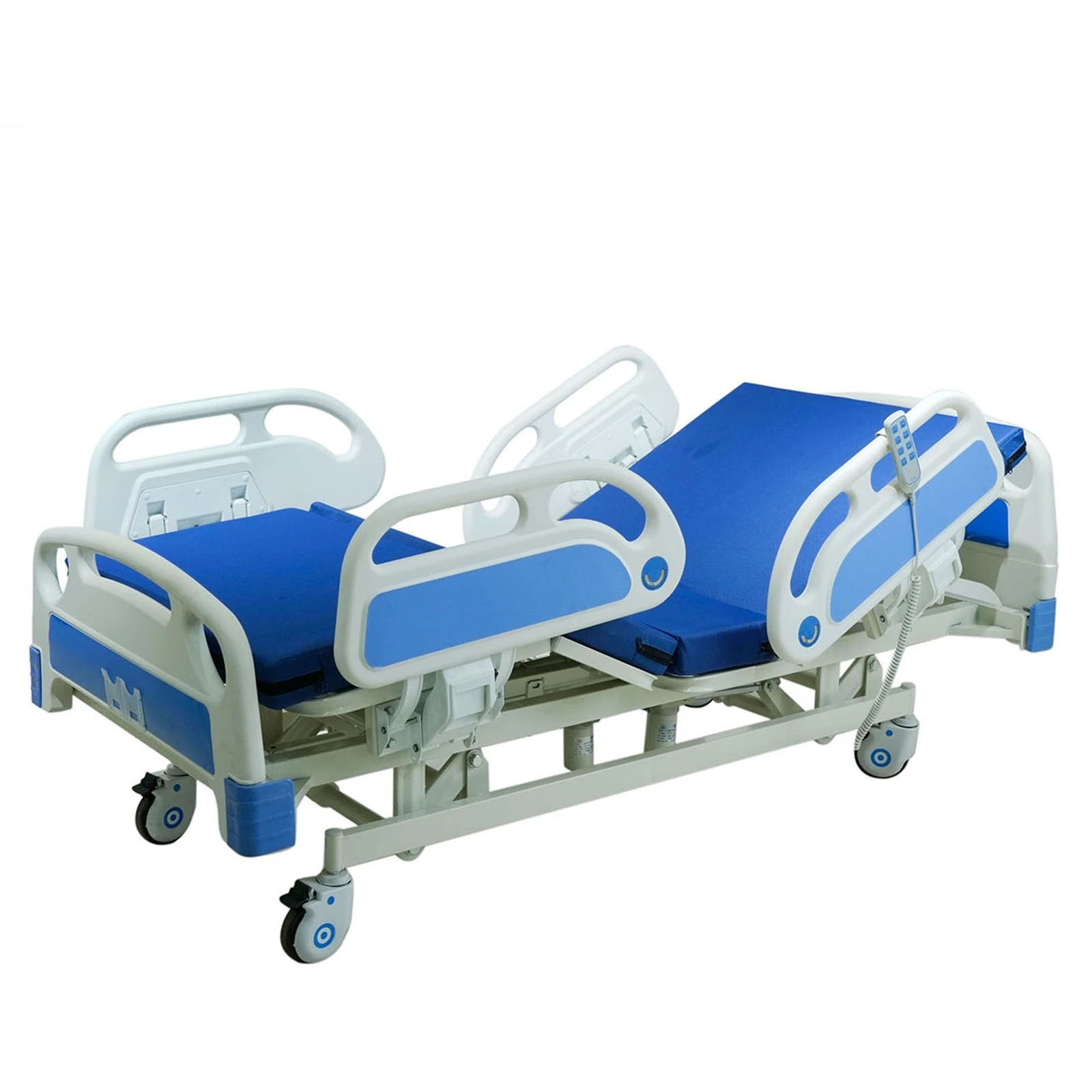
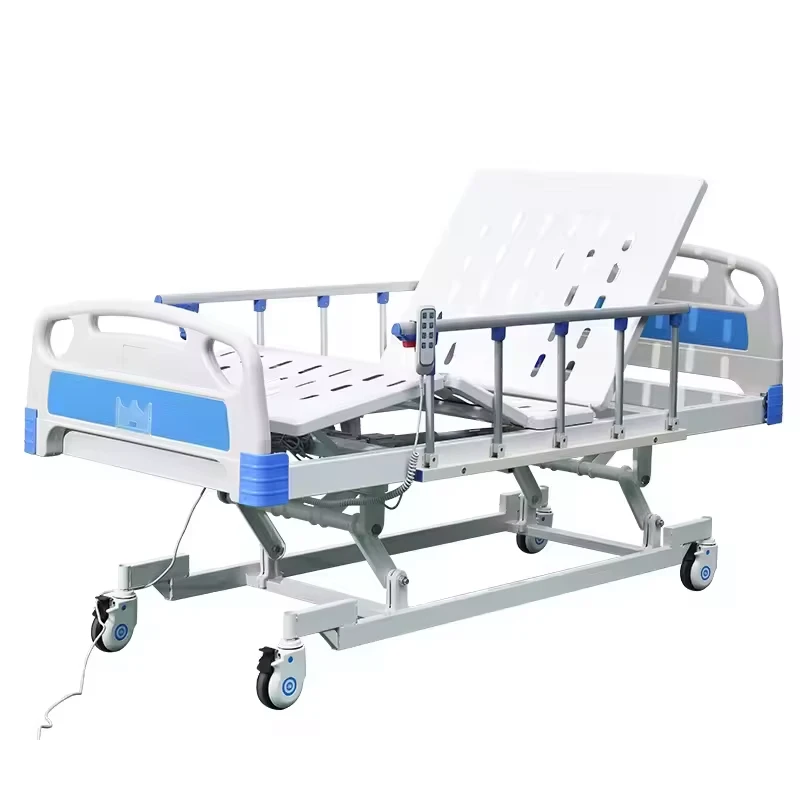
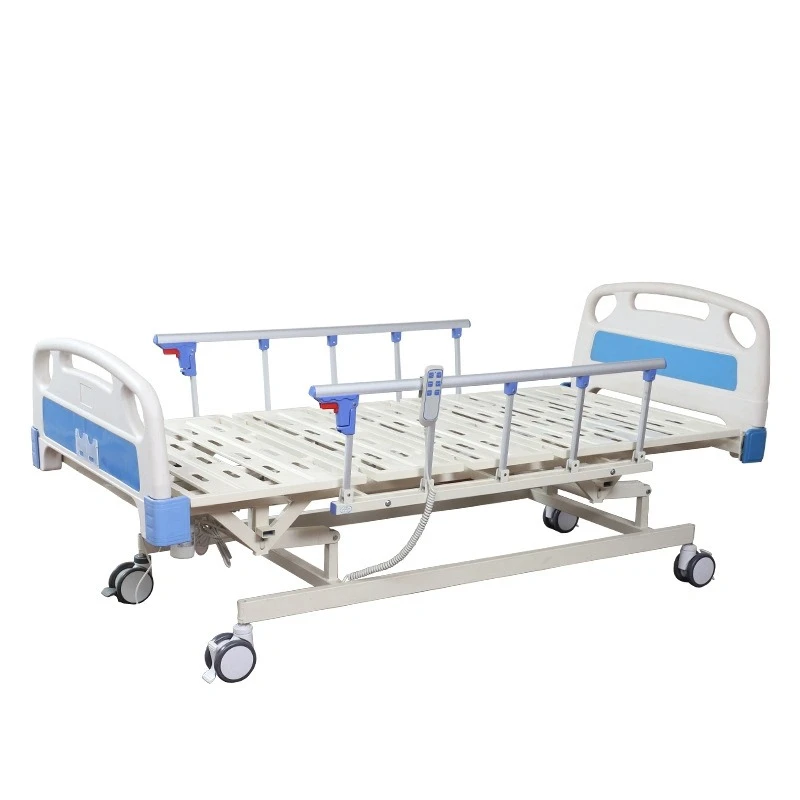
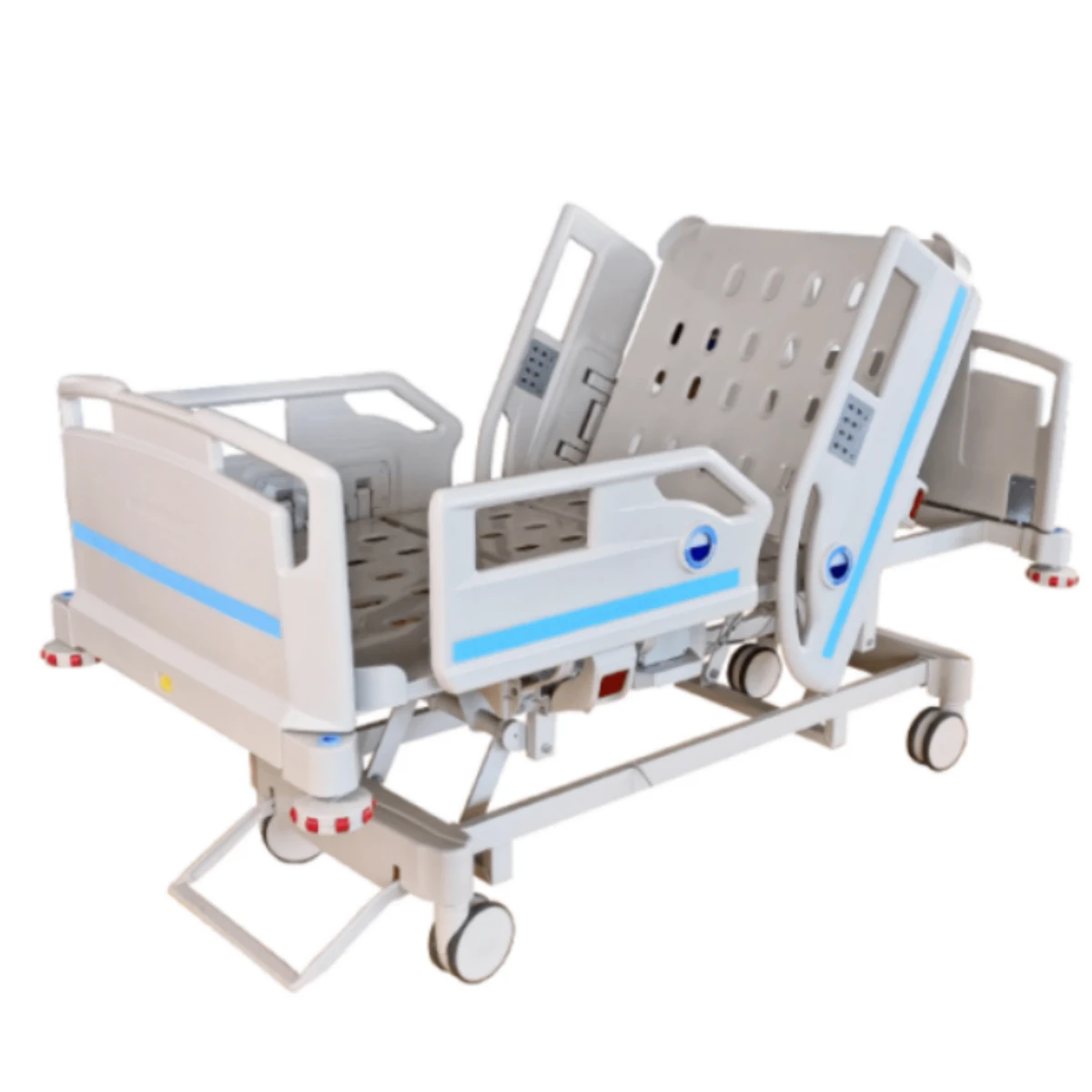
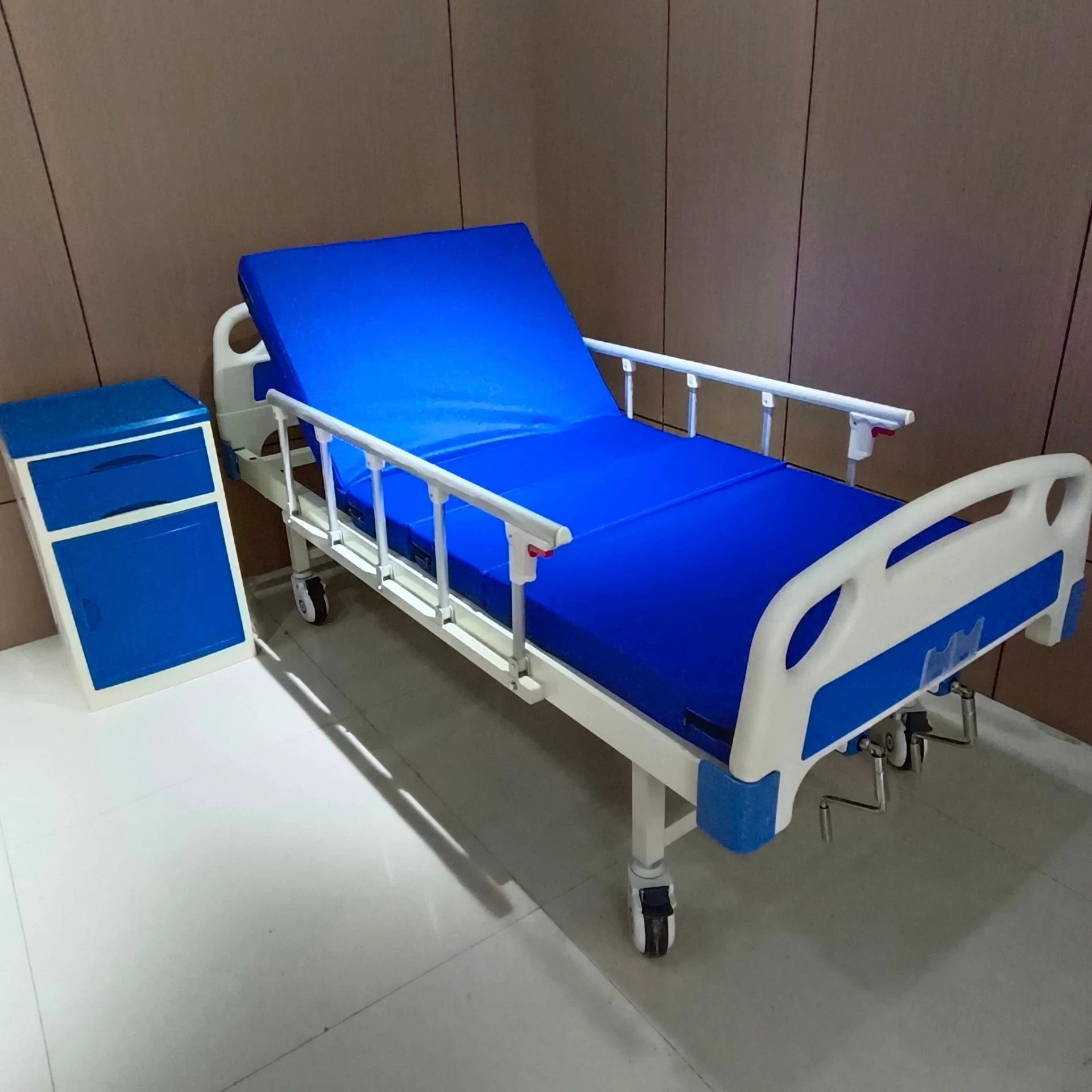
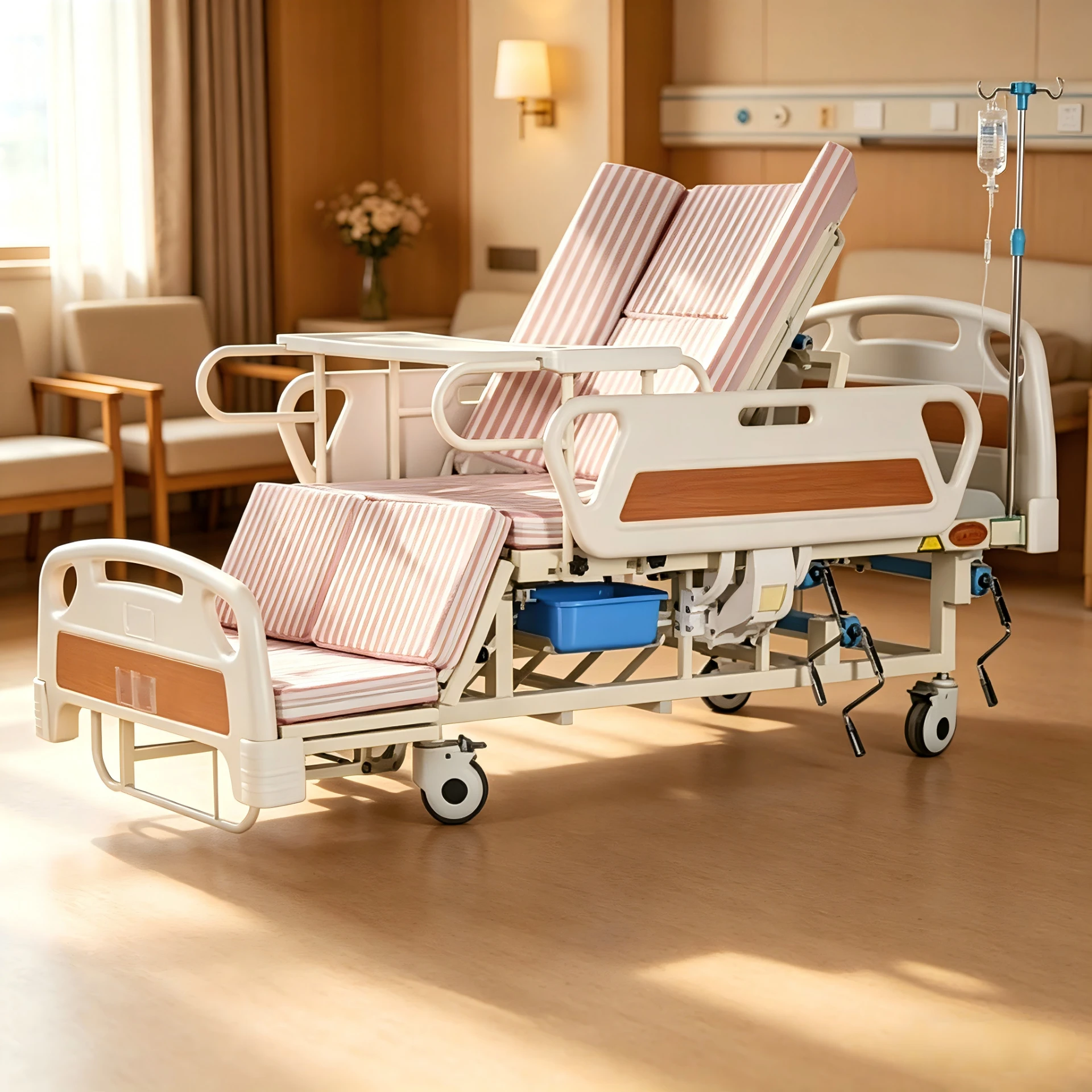
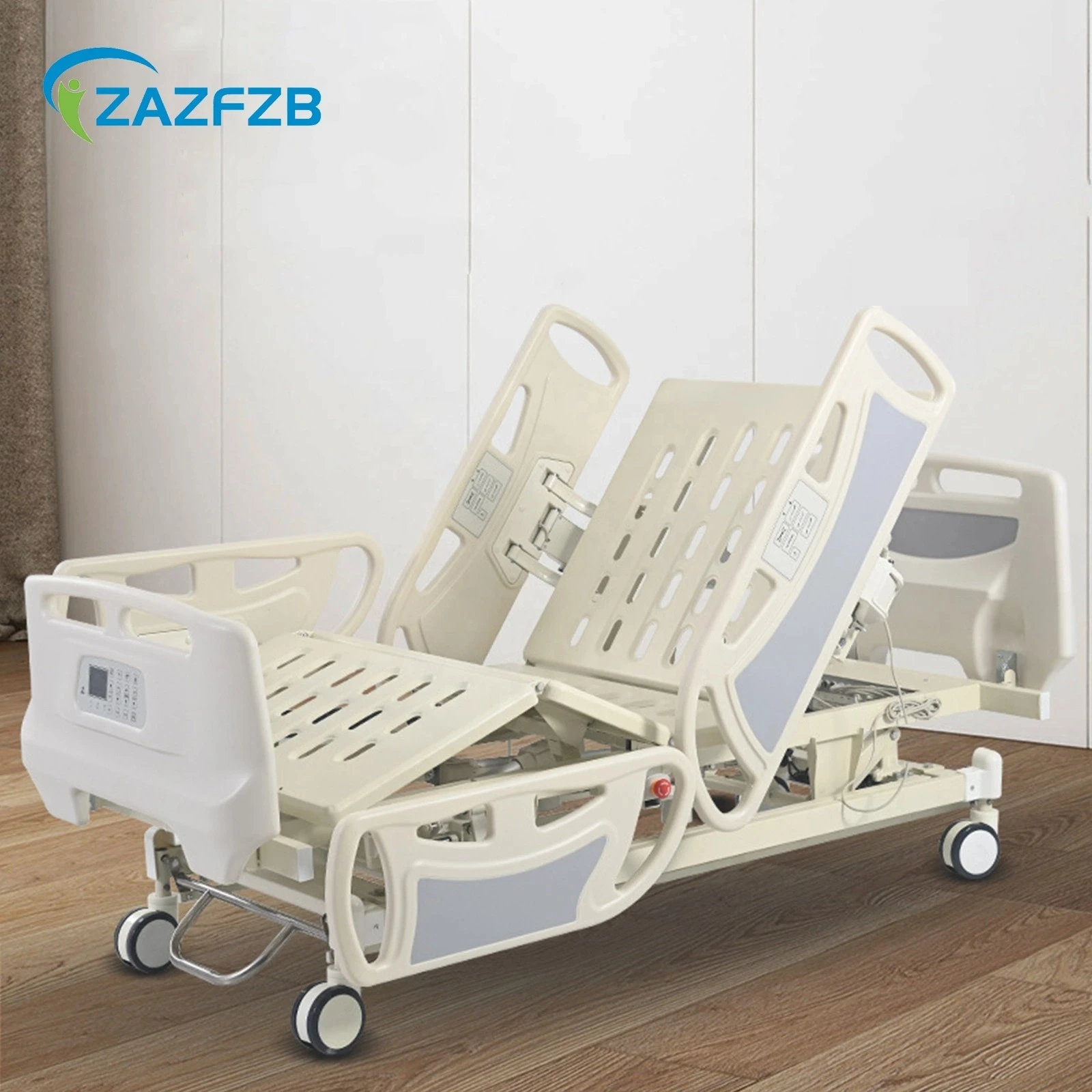
Put simply, patient bed price refers to the total cost of acquiring a hospital or medical bed designed for patient care. But it’s not just a sticker price — components like bed type (manual, semi-electric, or electric), materials, safety features, and compliance with industry standards impact this figure significantly.
In humanitarian terms, the price often incorporates factors related to rapid deployment, durability under harsh conditions, and modular flexibility, especially when beds are needed for emergency settings. It’s a bridge between clinical needs and financial realities, balancing patient comfort, caregiver convenience, and institutional budgets.
What Drives the Patient Bed Price?
Here are some of the main aspects that play into calculating and assessing the cost of a patient bed:
1. Durability and Material Quality
The construction materials — think steel frames, medical-grade plastics, or alloy wheels — directly affect lifespan and maintenance costs. Beds with sturdier frames might command a higher initial price but save money in the long run.
2. Adjustability and Features
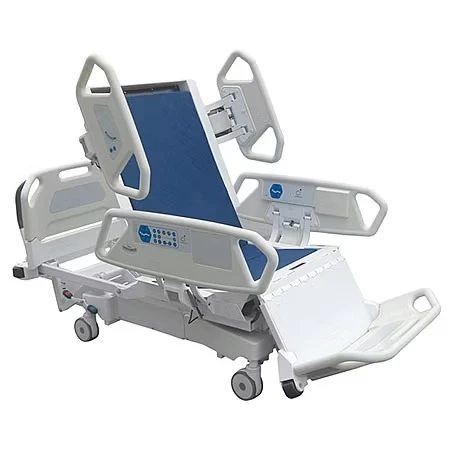
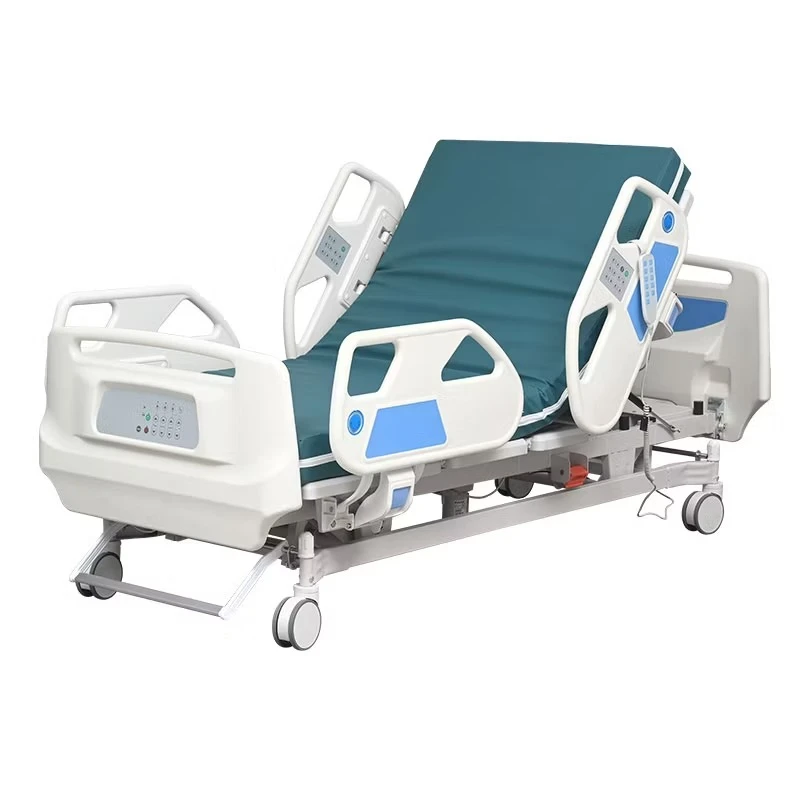
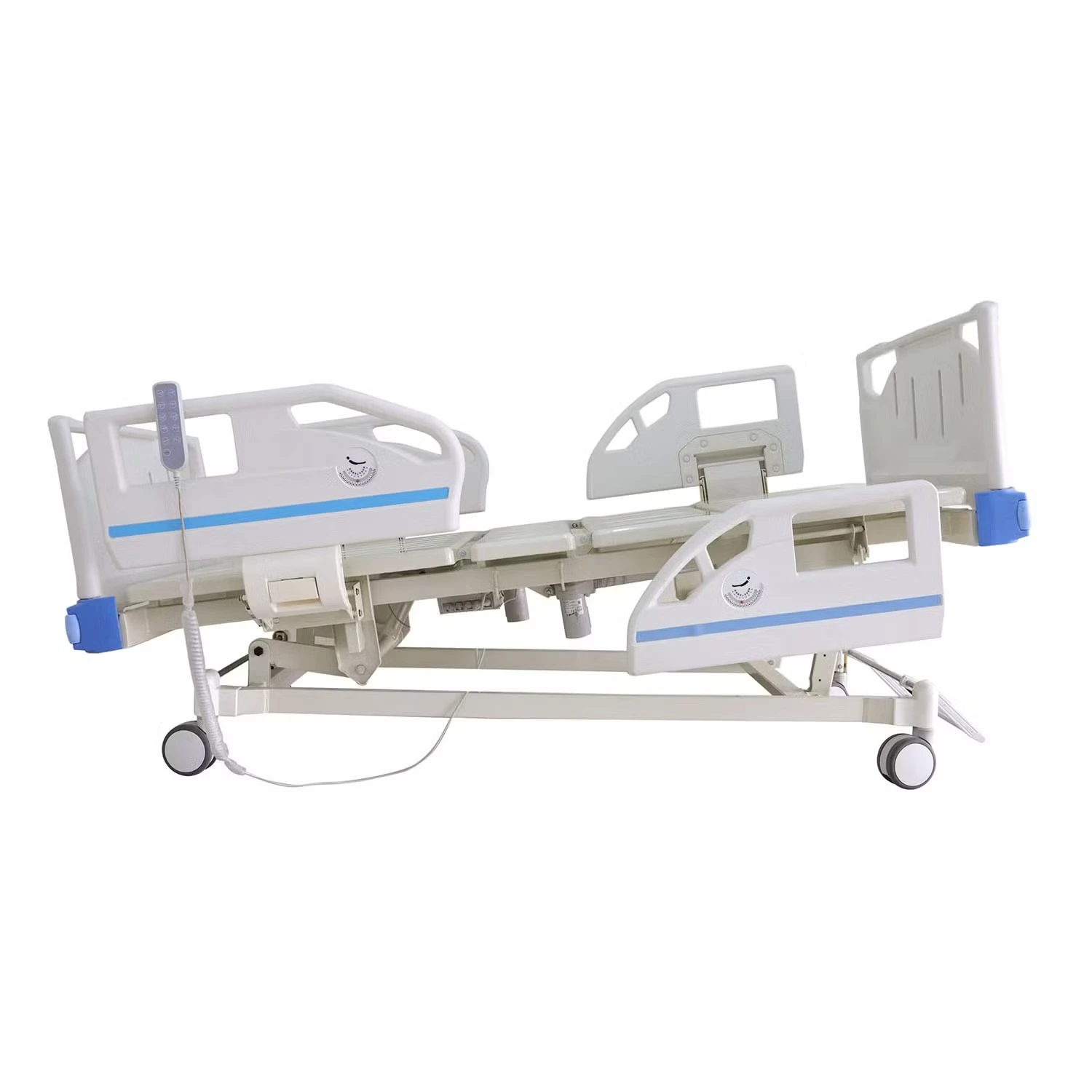
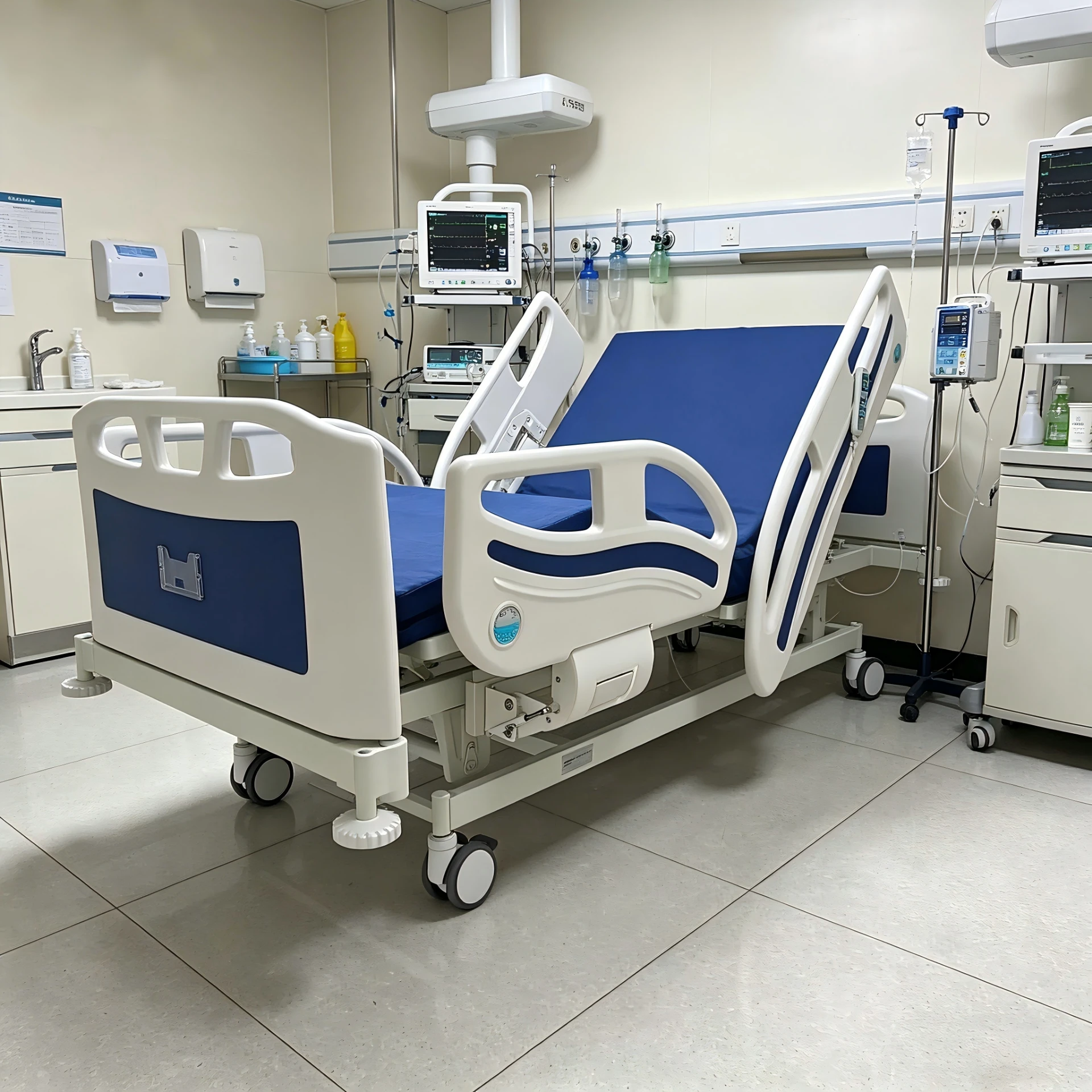
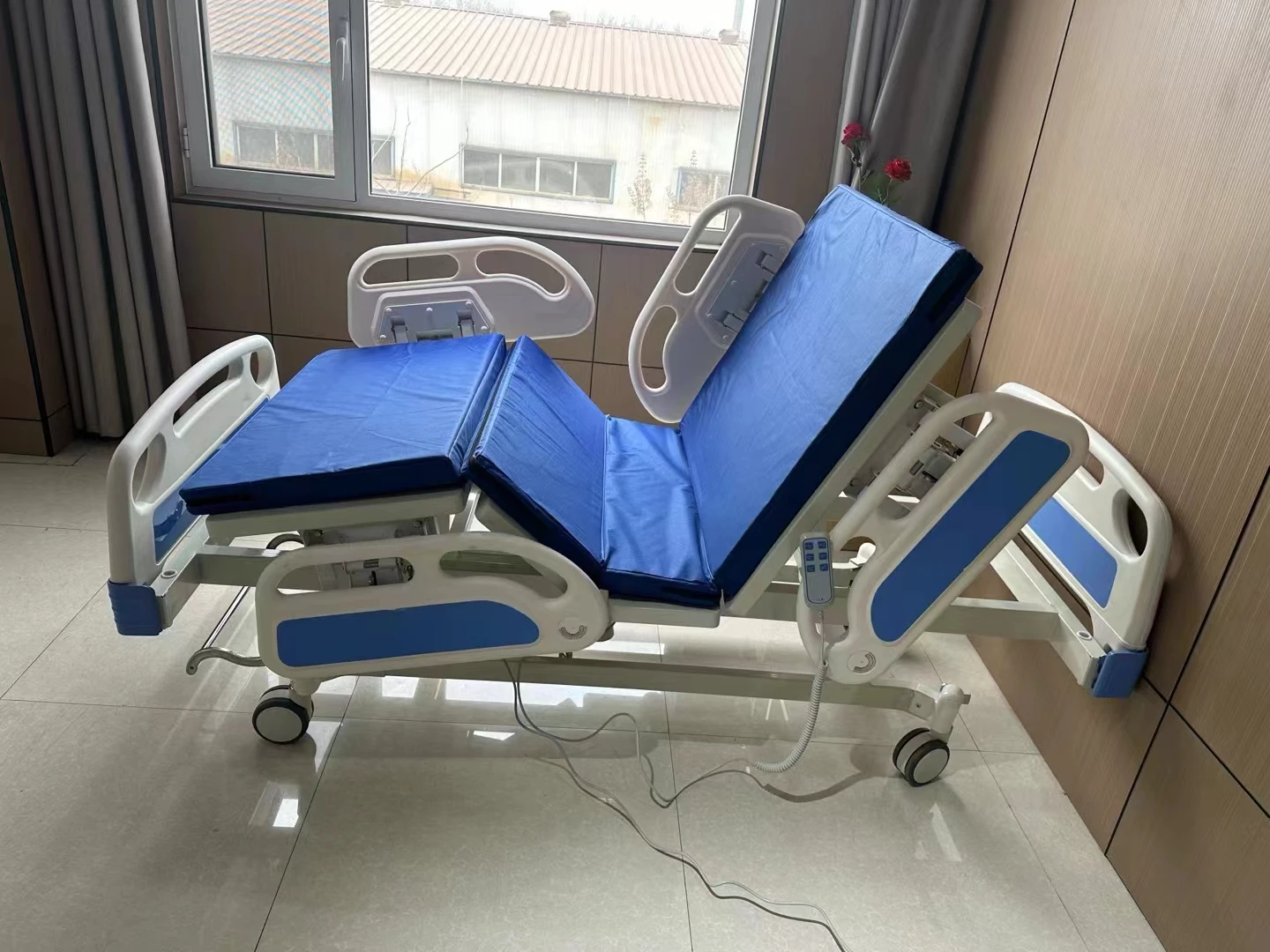
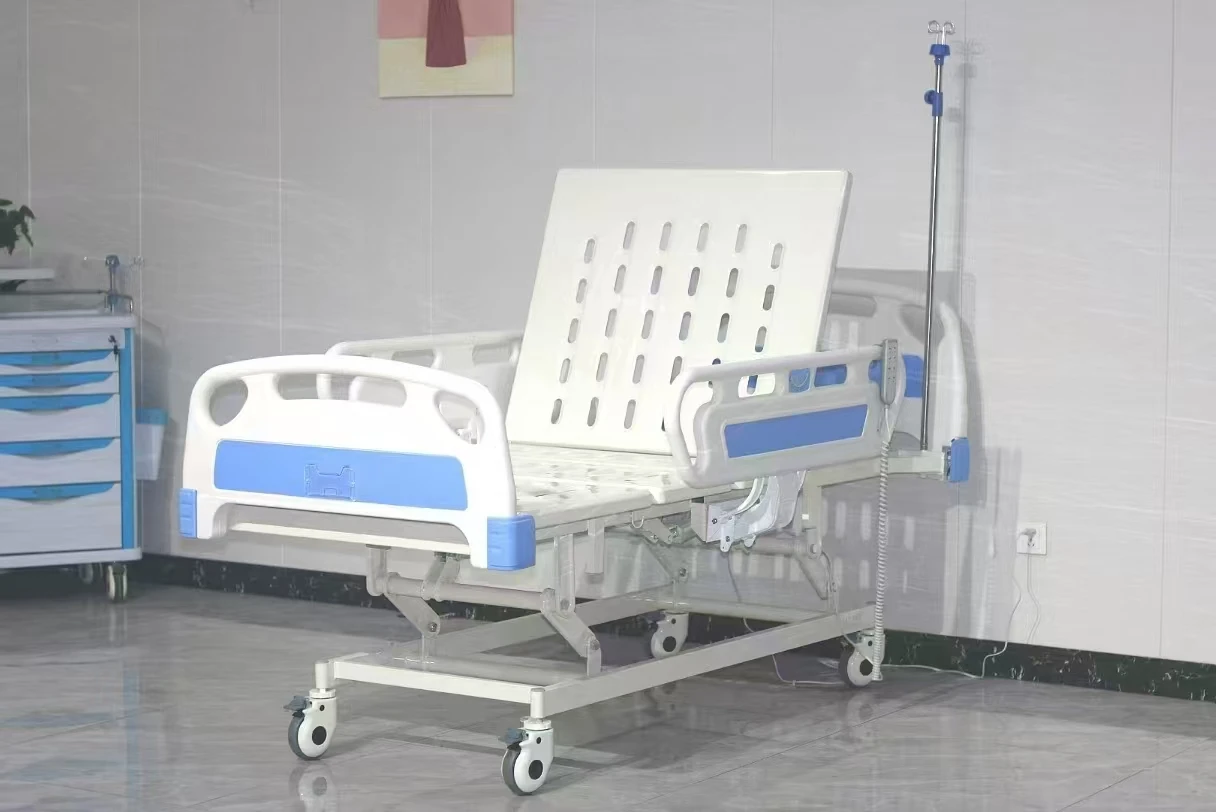
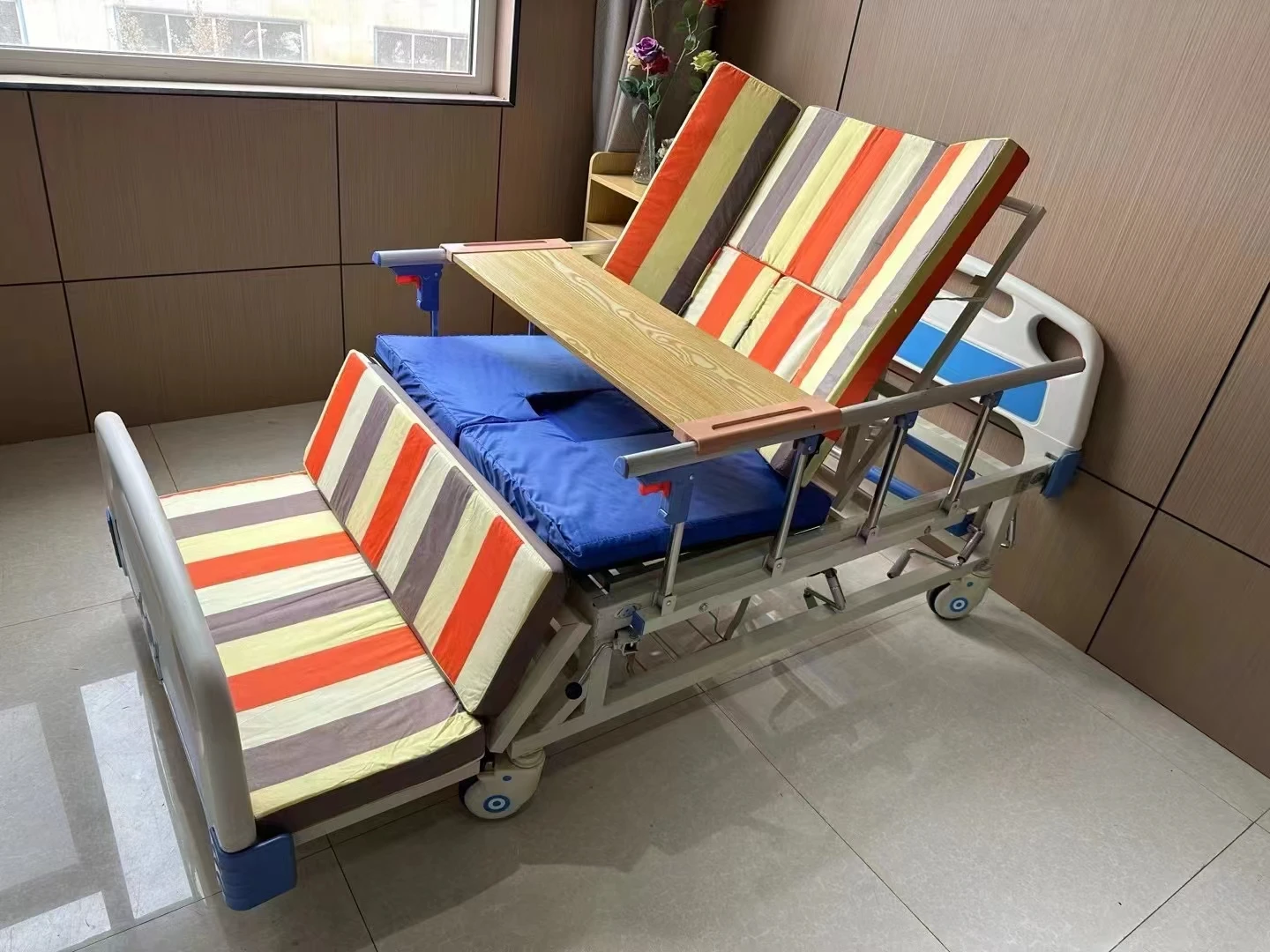
From trendelenburg positions to side rails and easy-to-clean surfaces, the more advanced the features, the pricier the bed will be. Electric or semi-electric models cost notably more than manual types, but their ergonomic value pays off.
3. Compliance and Safety Certifications
Beds must meet ISO safety standards and local healthcare regulations. Certified beds typically involve higher production costs, reflecting stricter quality control.
4. Scalability and Volume Discounts
Hospitals or NGOs ordering in bulk often negotiate better pricing, but these deals depend heavily on vendor relationships and supply chain reliability.
5. Geographic and Logistic Factors
Shipping patient beds to remote areas or post-disaster zones is costlier and influences the effective price, especially when rapid deployment is required.
How Patient Bed Price Plays Out Around the Globe
Interestingly, the impact of patient bed pricing is felt across many regions and industries:
- High-income countries: Hospitals prioritize advanced electric beds with integrated monitoring systems. While pricey, these investments improve patient comfort and reduce caregiver strain.
- Developing nations: Basic but durable manual beds dominate, as affordability and maintenance remain paramount. Here, low patient bed price often means wider access.
- Disaster relief operations: Portable, foldable beds with moderate costs allow rapid setup of temporary healthcare camps, often within days of a crisis.
- Remote industrial zones: Mines or oil fields with onsite clinics require rugged beds that withstand tough conditions at reasonable costs.
One example is after the 2015 Nepal earthquake, where NGOs had to balance quick procurement of sufficient hospital beds without overspending, highlighting why understanding patient bed price helps optimize aid delivery.
Mini Takeaway:
The price you pay for patient beds directly influences how healthcare facilities operate, scale, and respond to emergencies worldwide.
The Long-Term Value of Choosing the Right Patient Bed
Sure, cost matters — but there’s a bigger picture. Selecting the right patient bed, guided by price and quality balance, has profound, lasting benefits:
- Cost efficiency: Durable beds reduce replacement and repair expenses.
- Sustainability: Eco-friendly materials and modular designs cut waste and enable recycling.
- Safety and dignity: Proper beds enhance patient comfort and reduce risks like bedsores or falls.
- Trust and innovation: Investing in certified, tech-forward beds builds institutional credibility.
Frankly, spending a bit more up front can save countless headaches later — and in healthcare, reliability often translates to life-saving outcomes.
Innovations Shaping Patient Bed Price Today and Tomorrow
We’re seeing fascinating shifts influencing how patient bed prices evolve:
- Smart beds: Equipped with sensors for vitals monitoring, they might push prices up now but promise fewer hospital complications.
- Green manufacturing: Using recycled metals and biodegradable plastics could reduce environmental impact and production costs.
- Modular designs: Beds that transform for different patient needs, promoting sustainability and cost reuse.
- Automation: Features like automatic raising or tilting can streamline caregiving, though initial costs rise.
Healthcare providers today must weigh these innovations against limited budgets — a tricky but important juggling act.
Challenges in Managing Patient Bed Price and How to Solve Them
Despite advances, several hurdles persist:
- Pricing transparency: Buyers often face complex quotes; global purchasing standards could help.
- Supply chain disruptions: Seen dramatically during the COVID-19 crisis, these inflate prices unexpectedly.
- Variable quality: Cheaper beds sometimes cut corners, compromising safety.
Experts suggest:
- Develop standardized cost-benefit evaluation tools.
- Build international procurement partnerships to secure stable pricing.
- Encourage vendor certification to guarantee minimum quality.
Mini Takeaway:
Breaking these challenges down via cooperation and innovation can stabilize patient bed pricing for better healthcare outcomes worldwide.
Patient Bed Price: Side-By-Side Vendor Comparison
| Vendor | Base Price (USD) | Bed Types Offered | Warranty | Notable Features |
|---|---|---|---|---|
| MediCare Ltd. | $850 | Manual, Semi-Electric | 5 Years | ISO Certified, Adjustable Side Rails |
| HealthPro Beds | $1,250 | Electric, Smart Beds | 7 Years | Remote Monitoring, Anti-Bedsore Mattress |
| Global MedTech | $950 | Manual, Electric | 3 Years | Quick Assembly, Durable Frame |
Product Specification Table: Example Patient Bed Model
| Specification | Details |
|---|---|
| Model | MediCare Comfort 3000 |
| Type | Semi-Electric |
| Weight Capacity | 450 lbs (204 kg) |
| Height Adjustment | 15–25 inches (38–64 cm) |
| Frame Material | Powder-Coated Steel |
| Side Rails | Adjustable, Lockable |
| Warranty | 5 Years |
Frequently Asked Questions About Patient Bed Price
Q1: What factors most influence the patient bed price in different regions?
A1: Several variables come into play, including material costs, labor, safety certifications, and logistics expenses. For instance, in remote areas, shipping costs often inflate prices. Additionally, bed features like electric motors or smart sensors also drive costs higher. In contrast, manual beds without electronics tend to be more affordable but with fewer conveniences.
Q2: How can hospitals balance patient comfort with budget constraints when selecting beds?
A2: Hospitals often adopt a tiered approach — investing in advanced beds for intensive care units while using standard, durable models for general wards. This strategic mix optimizes costs without compromising essential patient comfort. Bulk purchasing and long-term vendor contracts may further lower the patient bed price.
Q3: Are sustainable materials increasing patient bed prices significantly?
A3: While environmentally friendly materials can raise upfront costs modestly, many manufacturers are finding ways to balance sustainability and affordability. Over time, cost savings from durability and regulatory incentives often offset the initial investment.
Q4: In emergency settings, how do providers find affordable yet functional beds?
A4: Relief organizations typically select foldable or modular beds designed for quick assembly. These beds may prioritize portability and adequate comfort over high-end features. Procurement agencies rely on suppliers who specialize in rapid deployment kits, usually negotiated at discounted prices.
Wrapping Up: The Big Picture on Patient Bed Price
To sum it all up, the patient bed price is a pivotal consideration blending clinical needs, financial planning, and global healthcare challenges. Navigating this landscape requires understanding key factors like durability, features, and logistics, alongside emerging trends in smart technology and sustainability.
For healthcare providers, NGOs, and procurement officers, keeping tabs on patient bed pricing is not just about saving money — it’s about ensuring dignity, safety, and care quality for every patient. If you’re exploring options or need reliable, cost-effective beds for your facility, make sure to check out our product range tailored for diverse needs and budgets.
And honestly, in health care as in life, sometimes those “little” choices make the biggest difference.