Hospital Bed Cost to Buy – Comprehensive Guide & Vendor Comparison
Understanding Hospital Bed Cost to Buy: Why It Matters More Than Ever
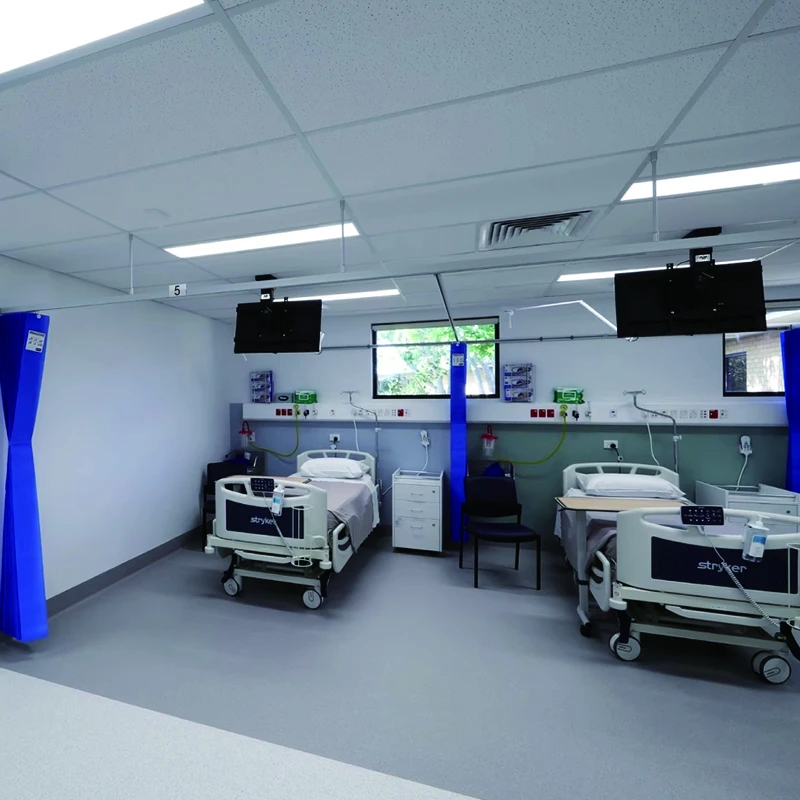
If you’ve ever wondered about the price tag on hospital beds, you’re not alone. The hospital bed cost to buy is a crucial topic—especially now, as healthcare systems worldwide juggle limited budgets, increased patient loads, and rapidly evolving technology. These beds aren’t just about a mattress and rails; they’re about patient safety, comfort, and efficient caregiving. By diving into what affects their cost, who decides prices, and how these beds are used globally, we can better understand a surprisingly complex market with far-reaching impact.
The Global Context of Hospital Bed Cost to Buy
Healthcare expenditure is one of the world's fastest-growing costs, accounting for over 10% of GDP in many developed countries, according to the World Bank. However, purchasing essential equipment—like hospital beds—remains a challenge for developing nations and emergency responders. The hospital bed cost to buy reflects multiple factors: production materials, design, regulations, and the need for durability under heavy use.
Globally, the demand for hospital beds surged, particularly during COVID-19. The United Nations reported acute shortages in many regions, not least because supply chains slowed and budgets tightened. That scarcity brought to light the importance of affordable yet reliable beds—especially in areas prone to humanitarian crises, natural disasters, or chronic healthcare understaffing.
In essence, understanding this cost enables better planning for hospitals, governments, and NGOs alike. It’s not just about spending less but striking a balance between affordability and quality that upholds patient dignity and safety.
Mini takeaway:
The cost of hospital beds is more than a number; it’s a global health issue touching financing, accessibility, and care quality.
So, What Exactly Does “Hospital Bed Cost to Buy” Mean?
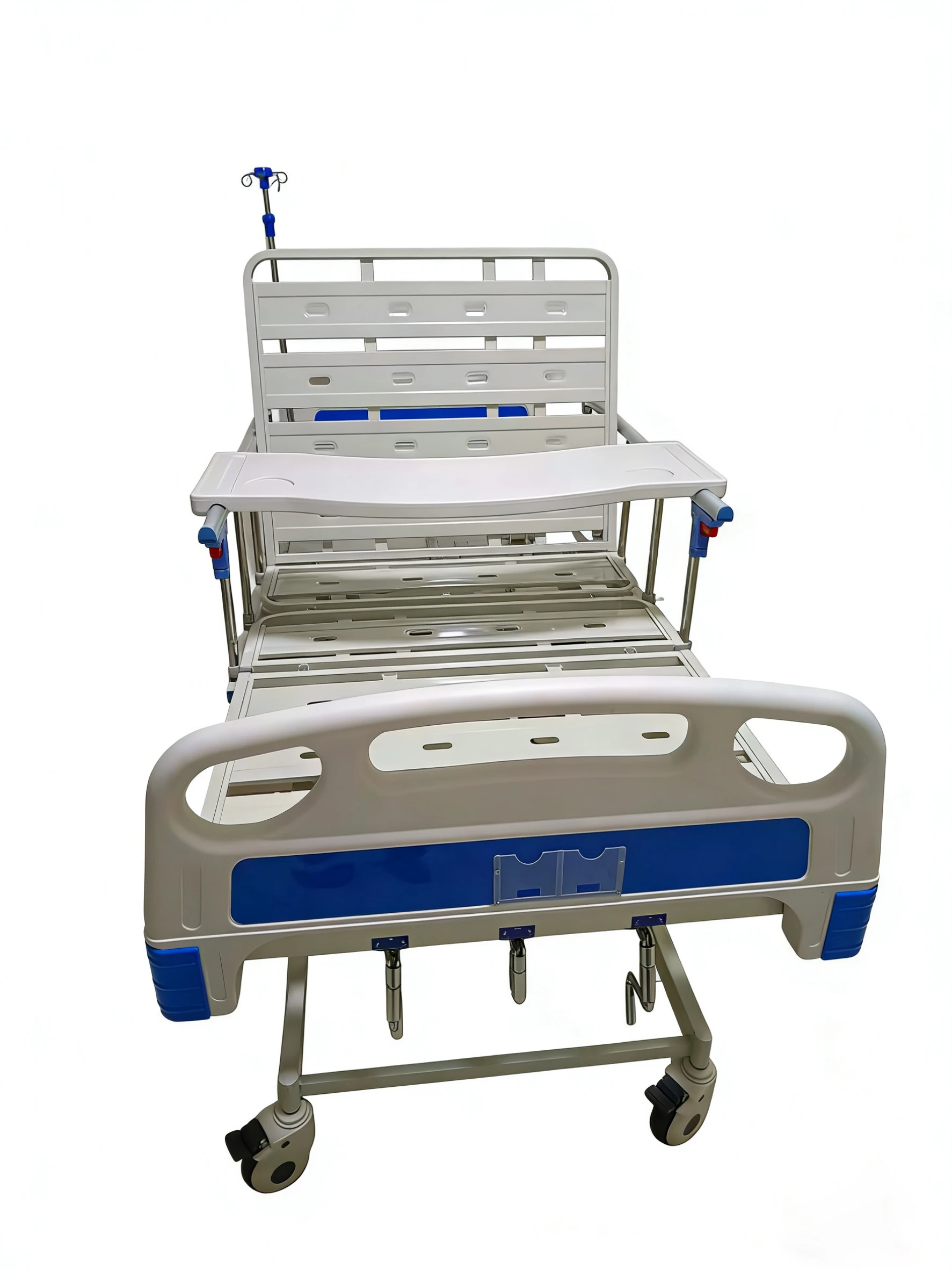
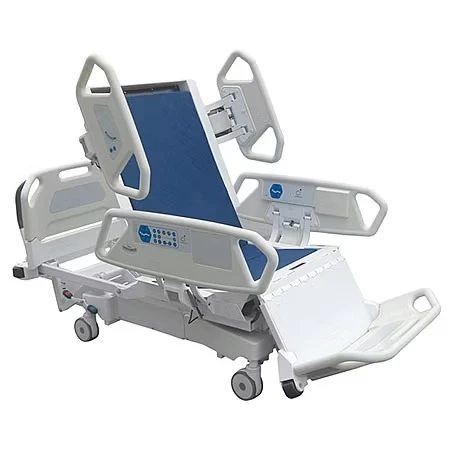
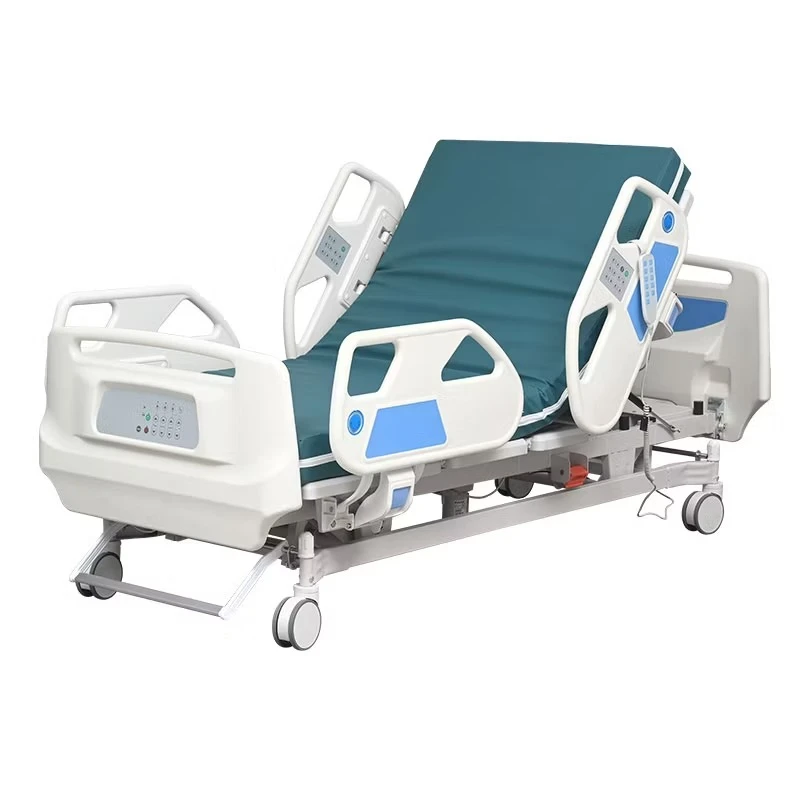
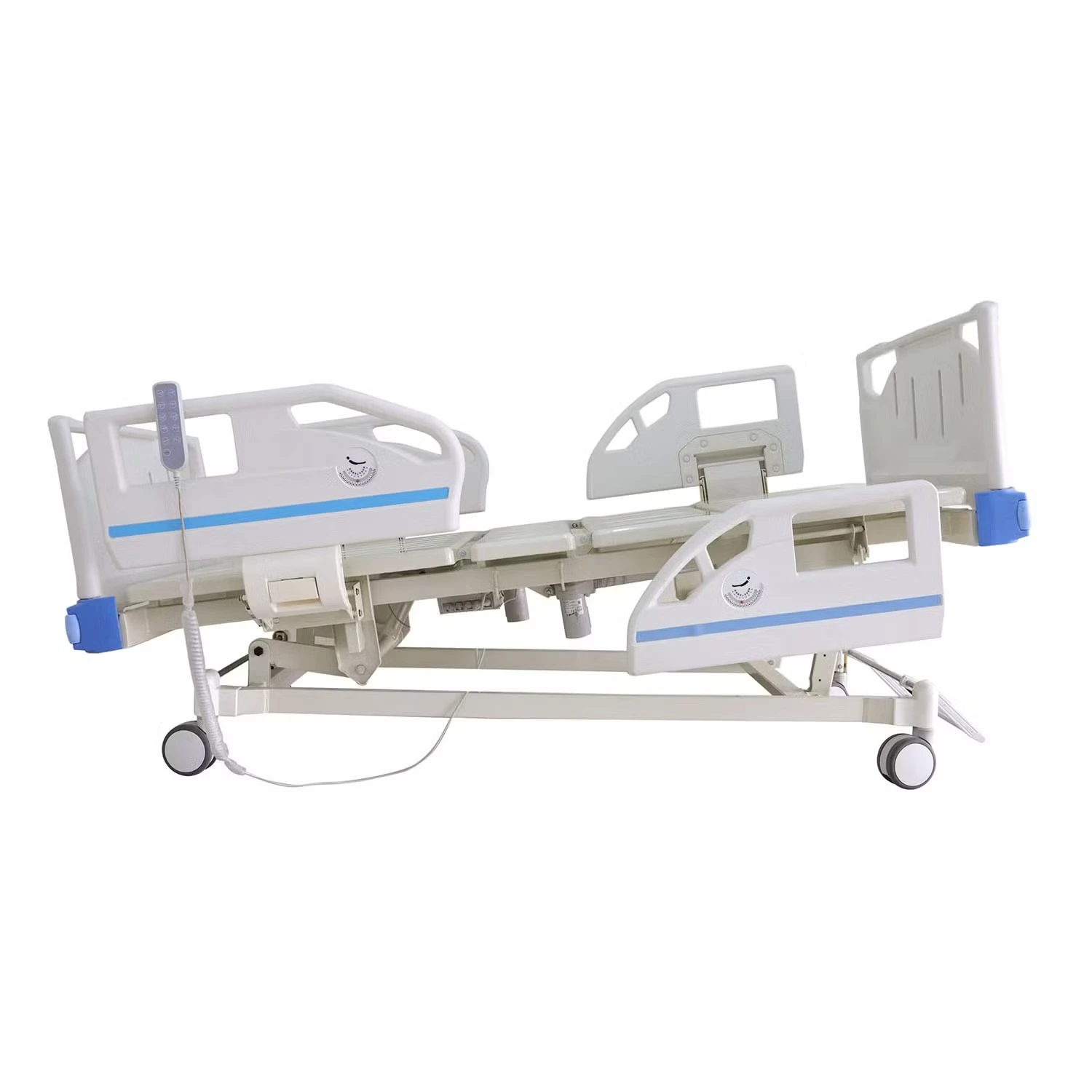
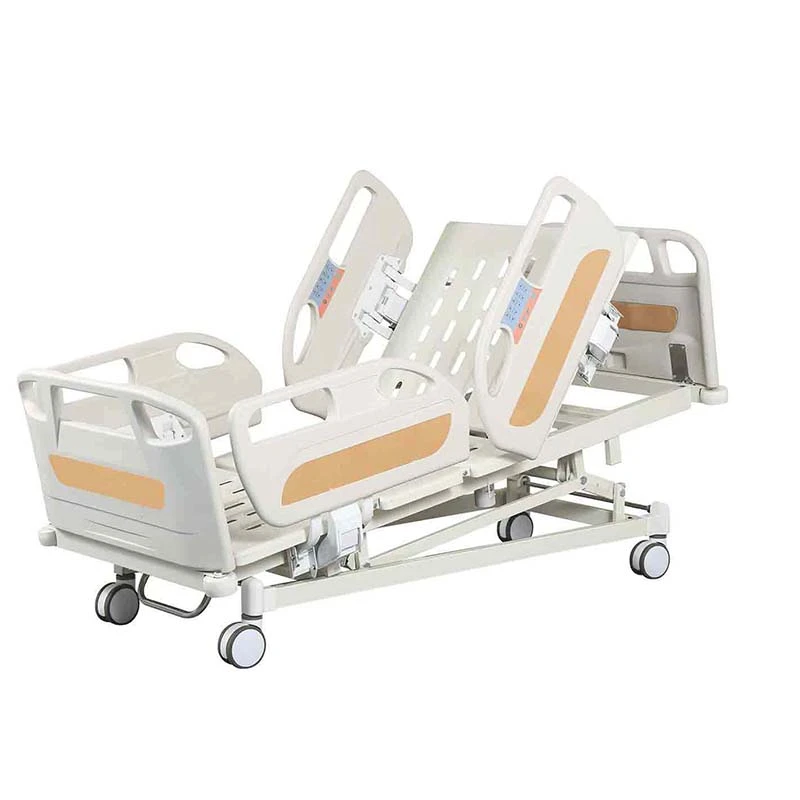
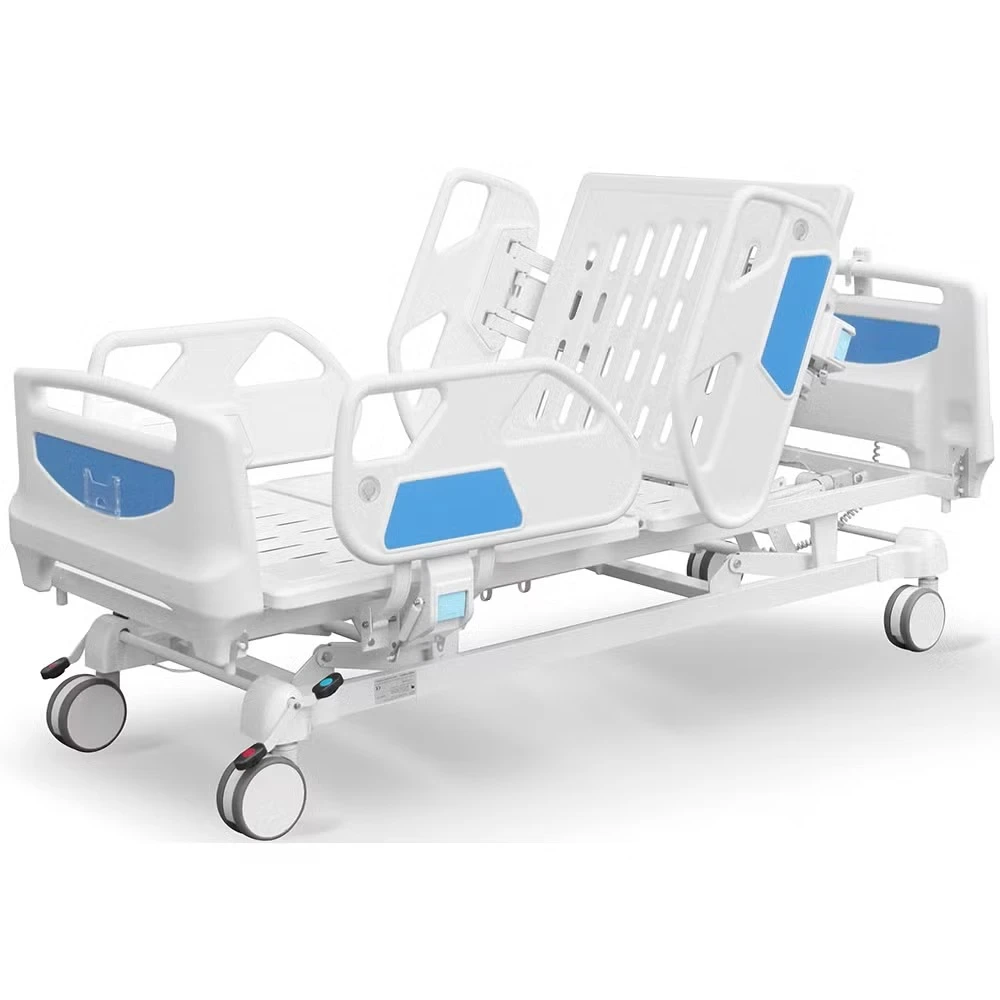
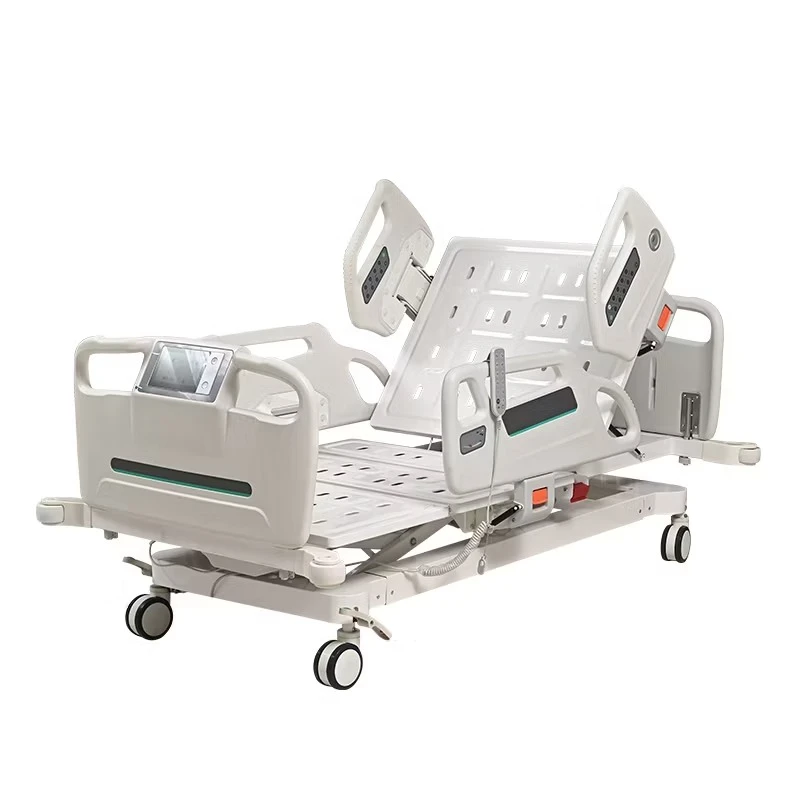
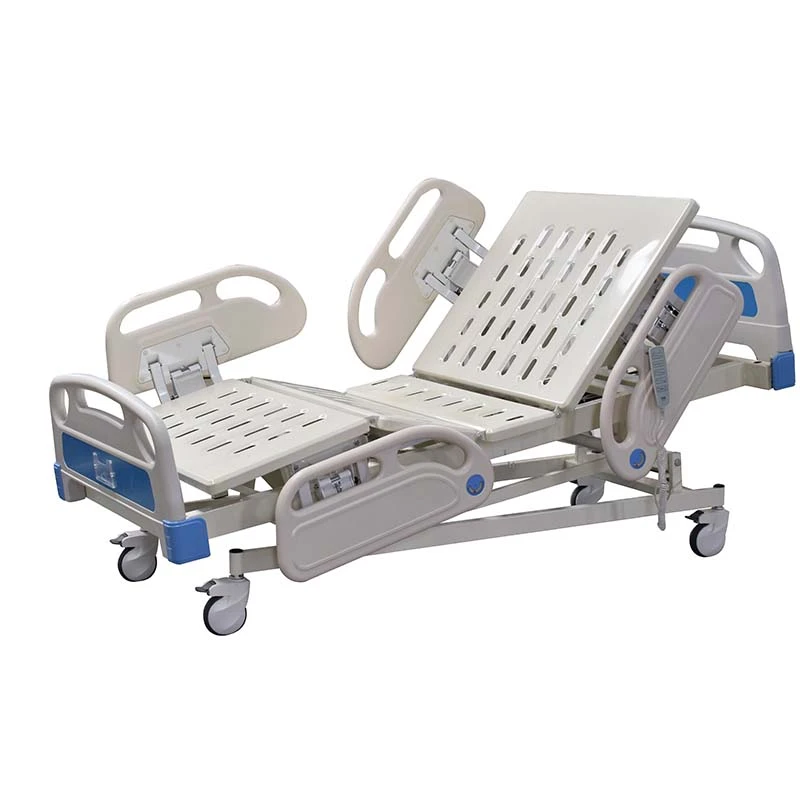
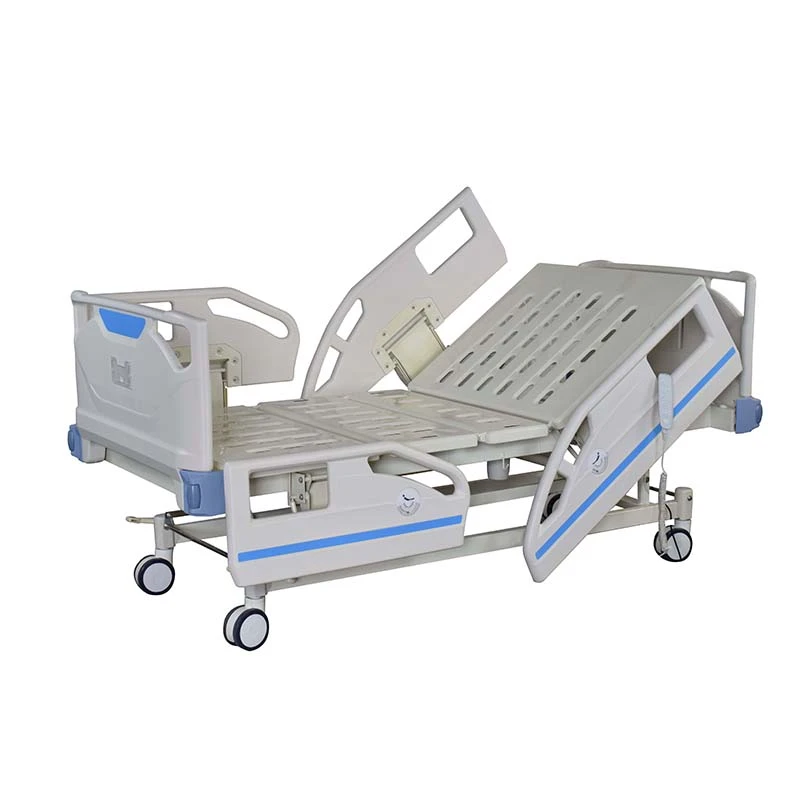
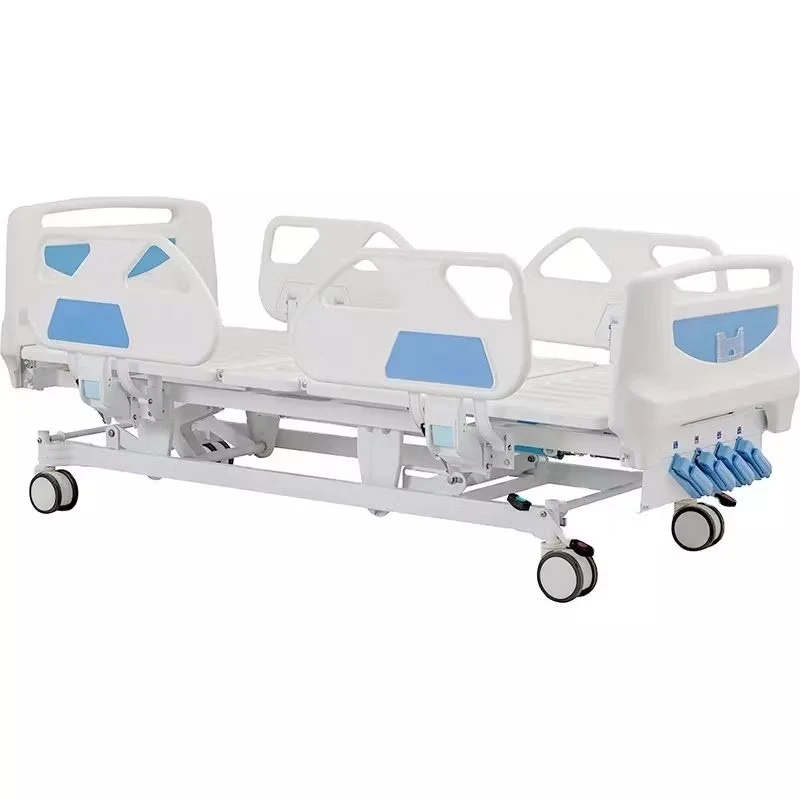
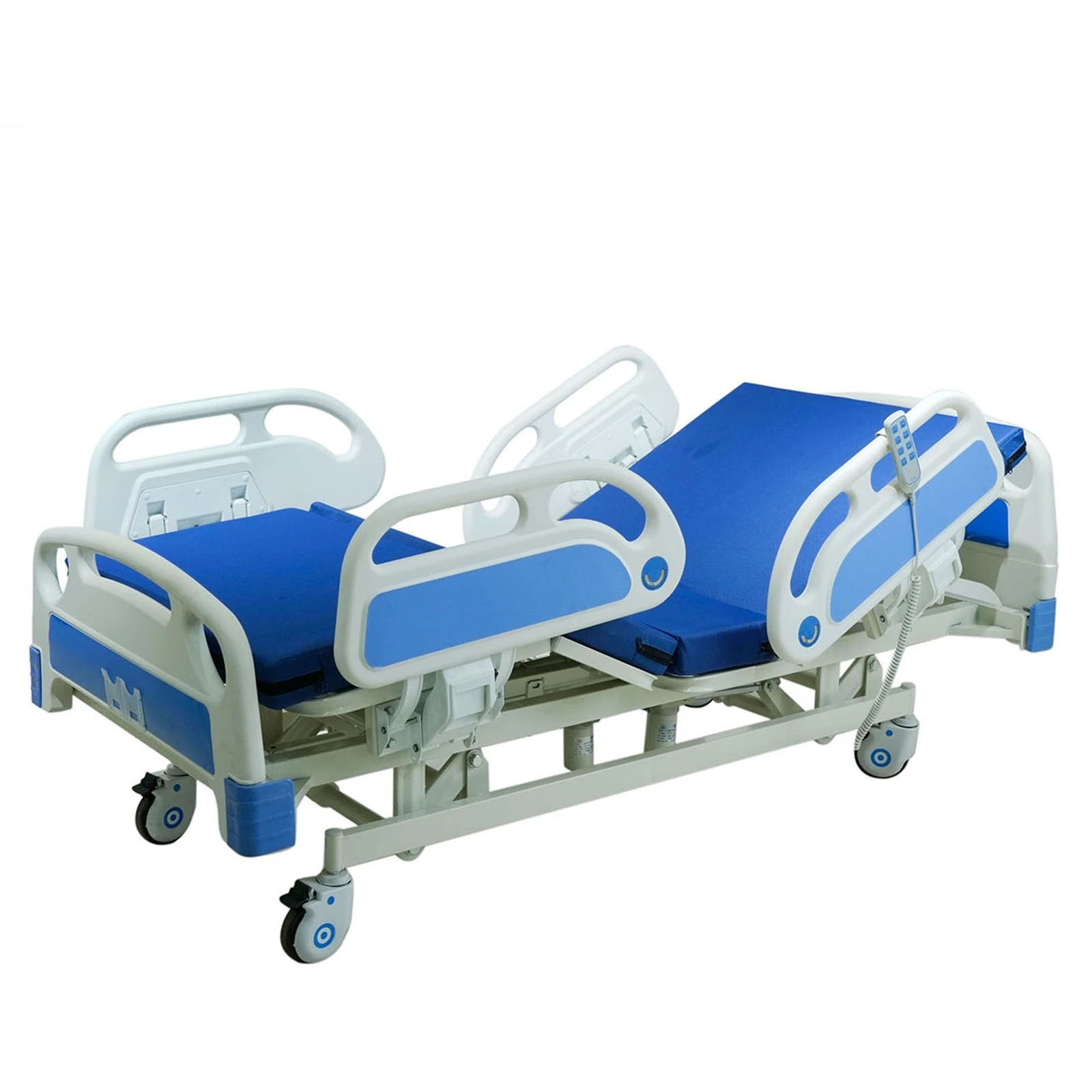
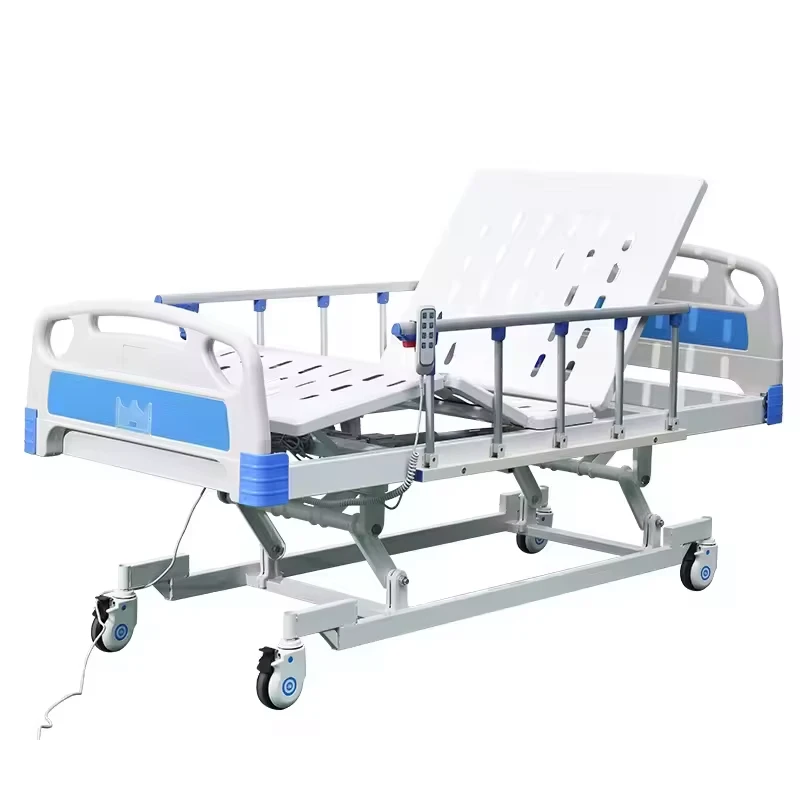
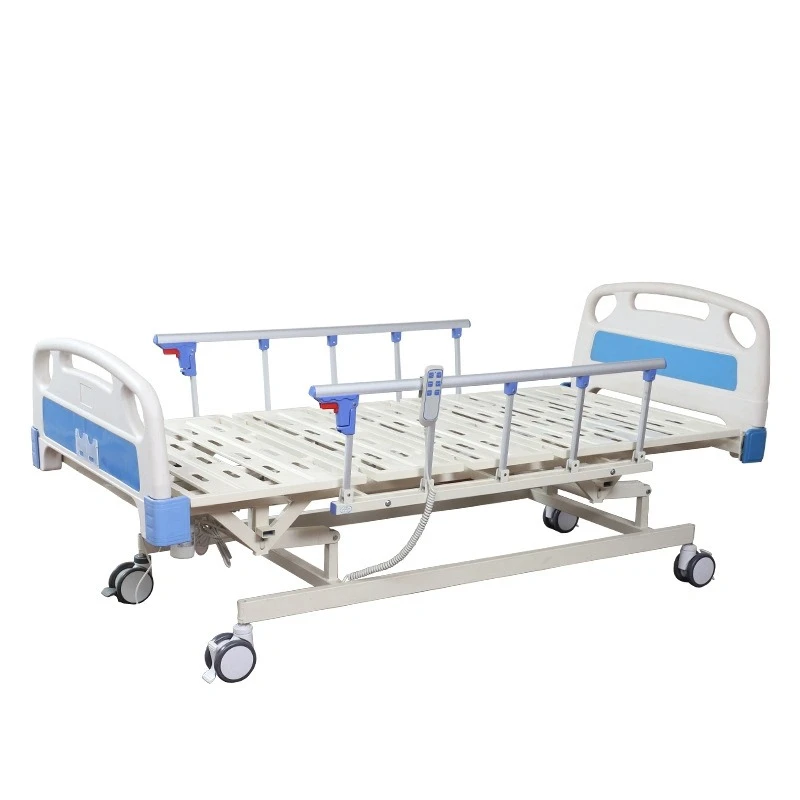
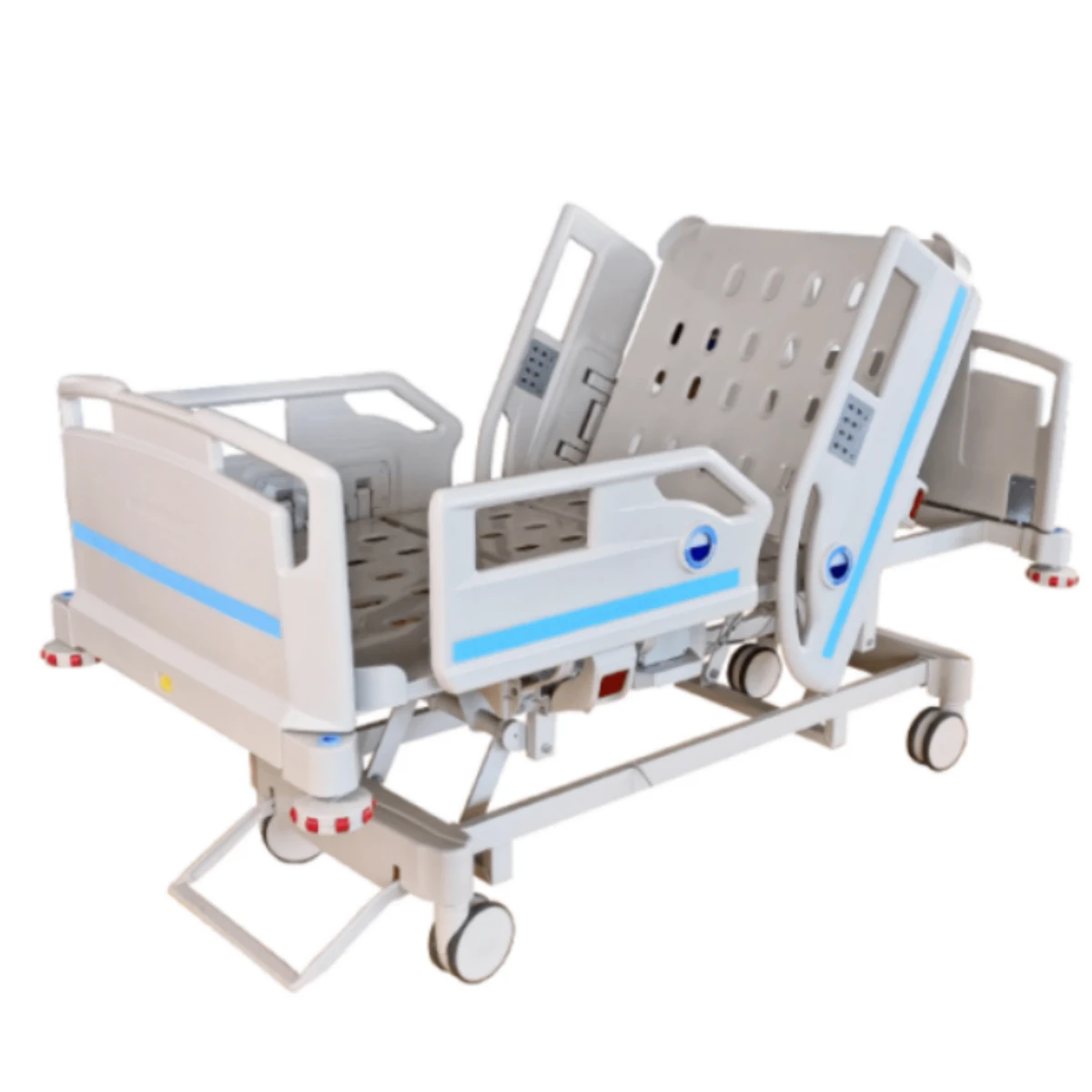
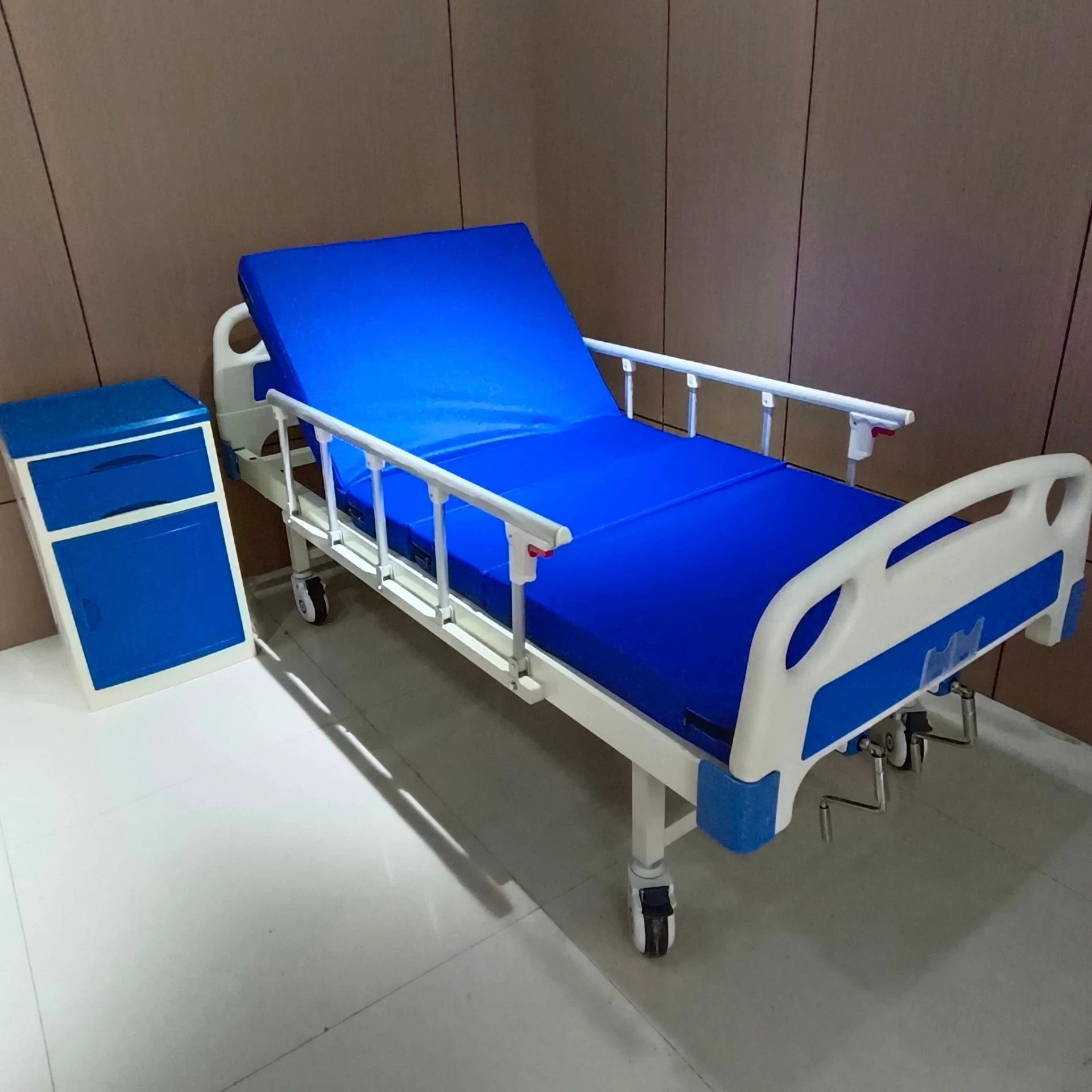
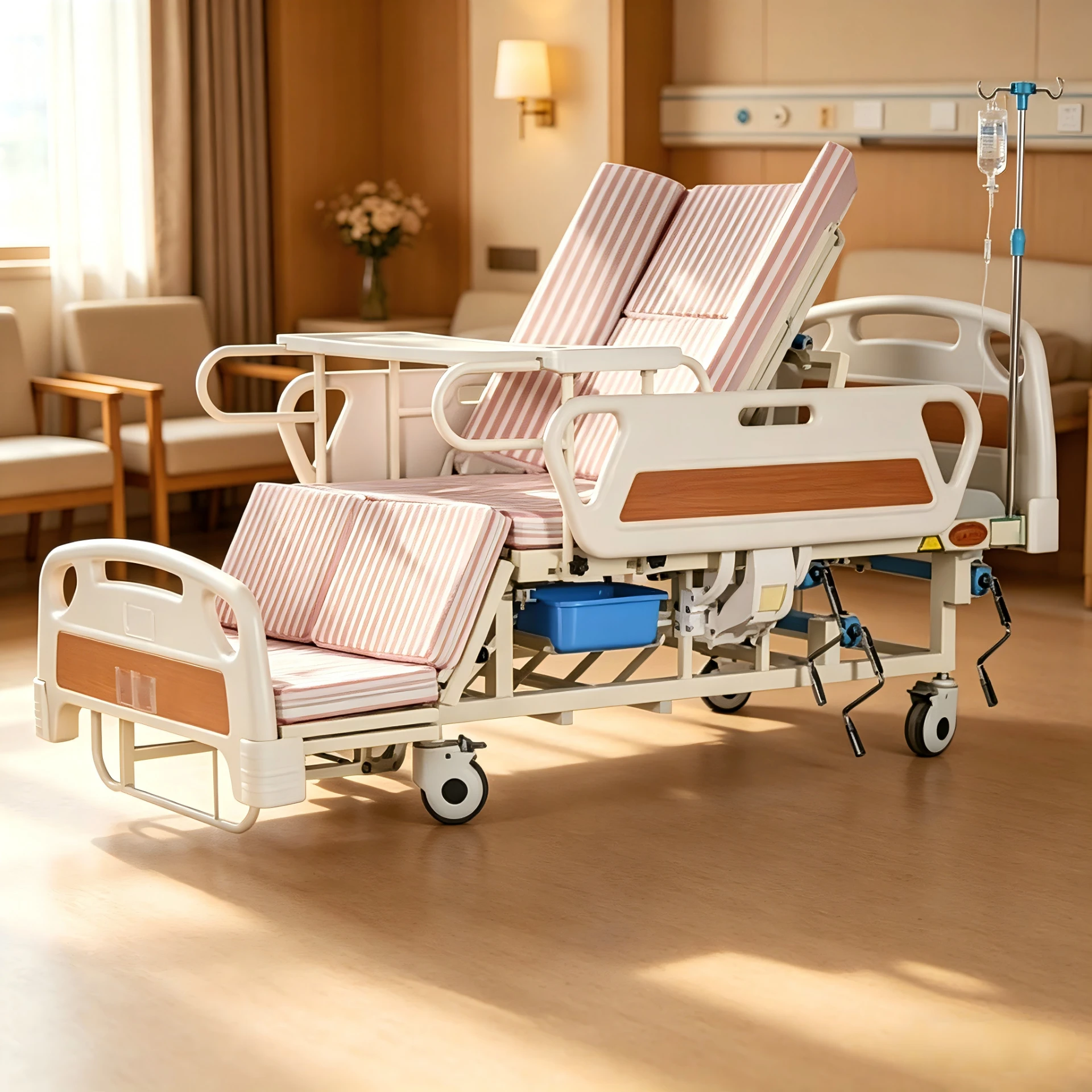
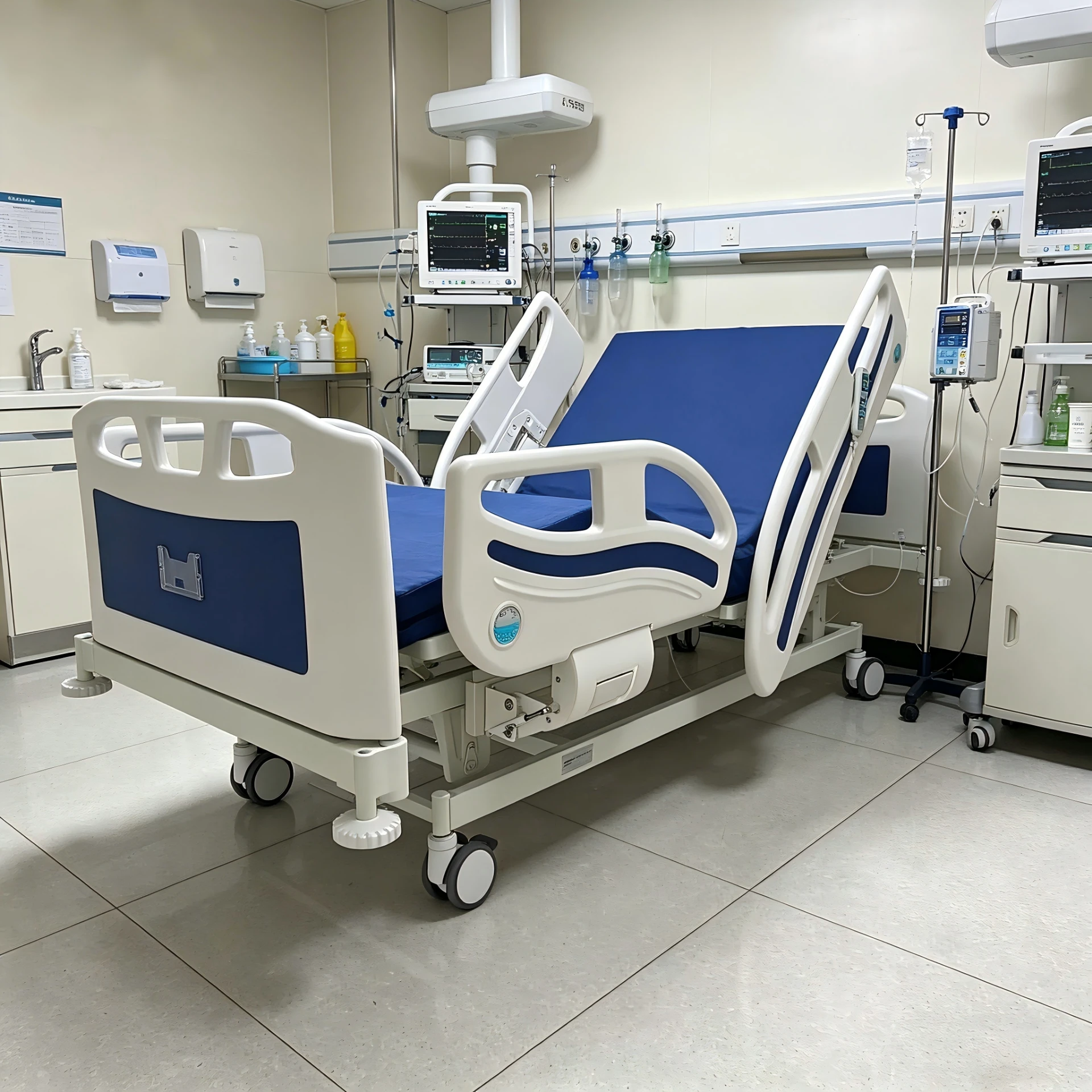
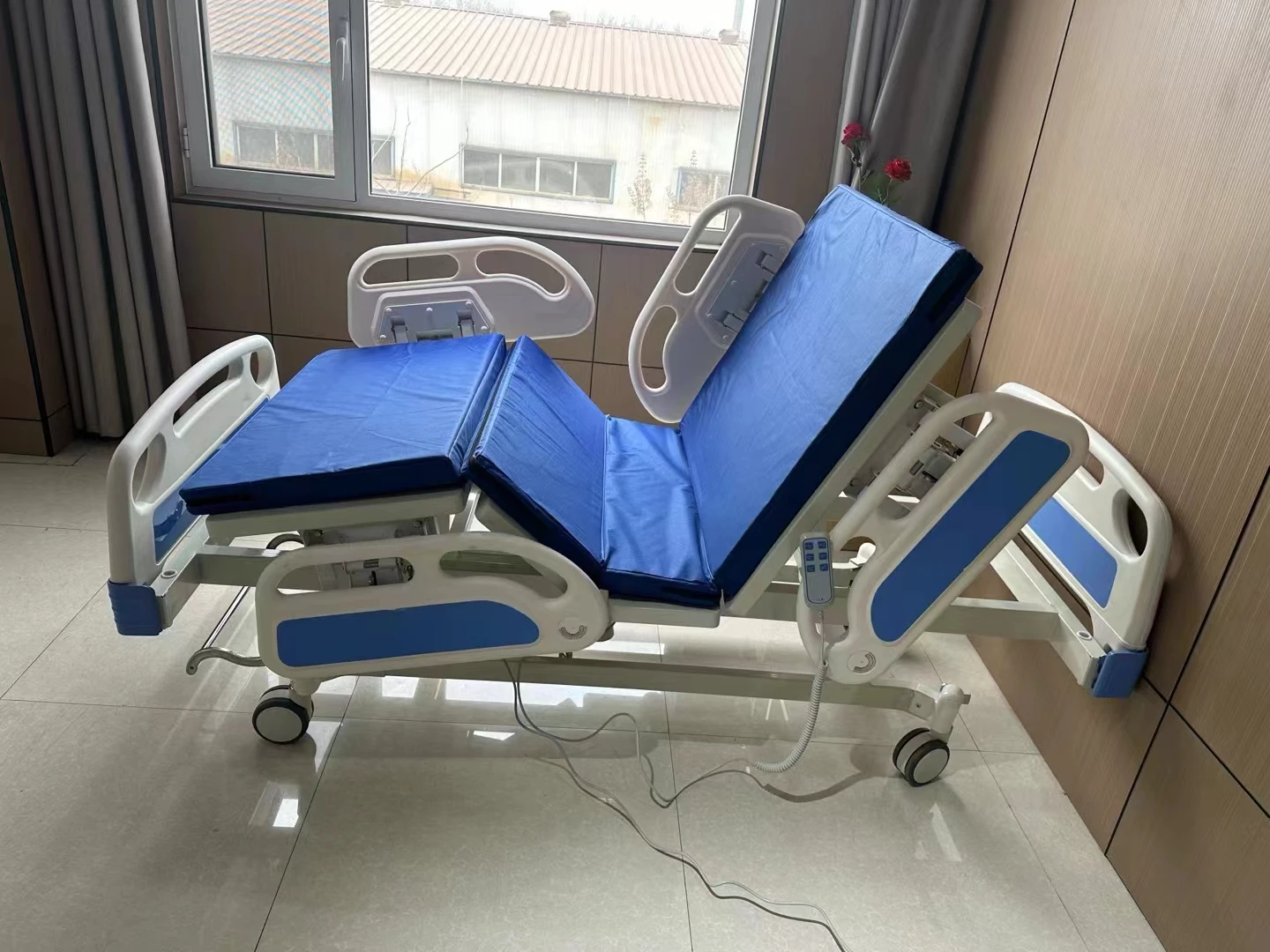
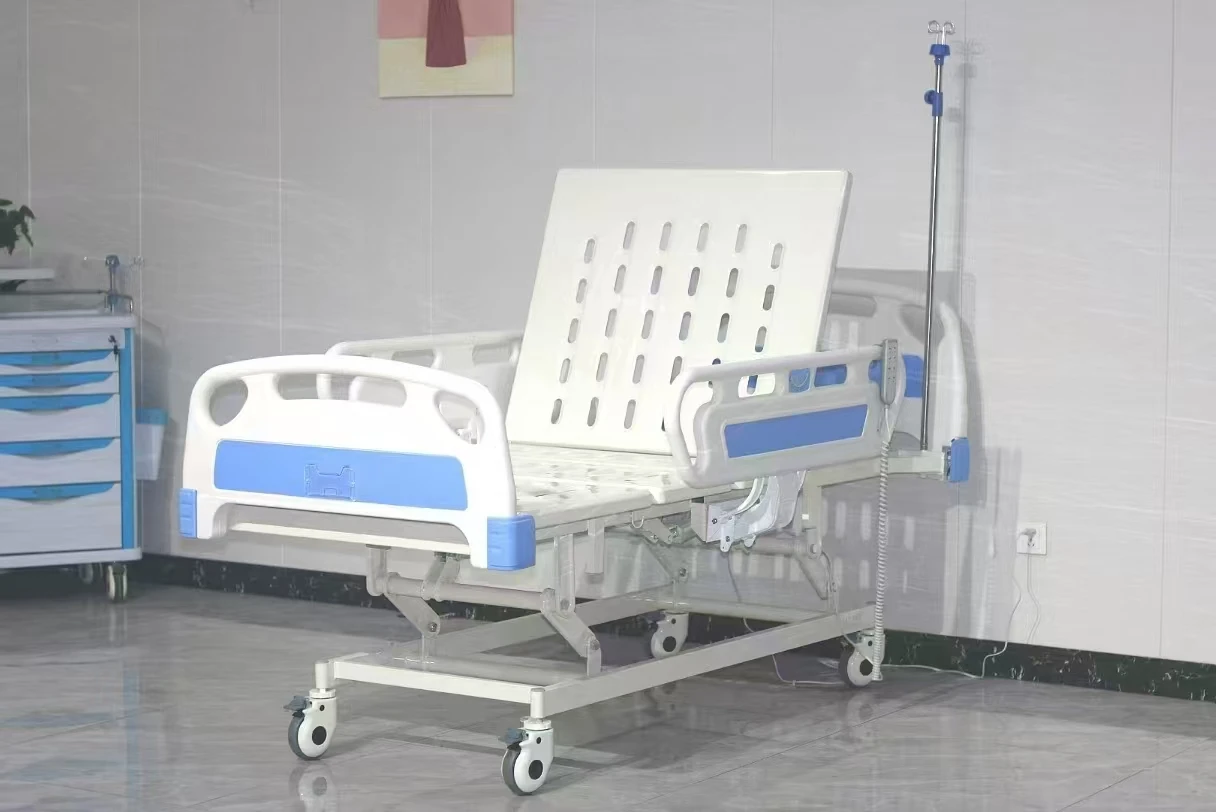
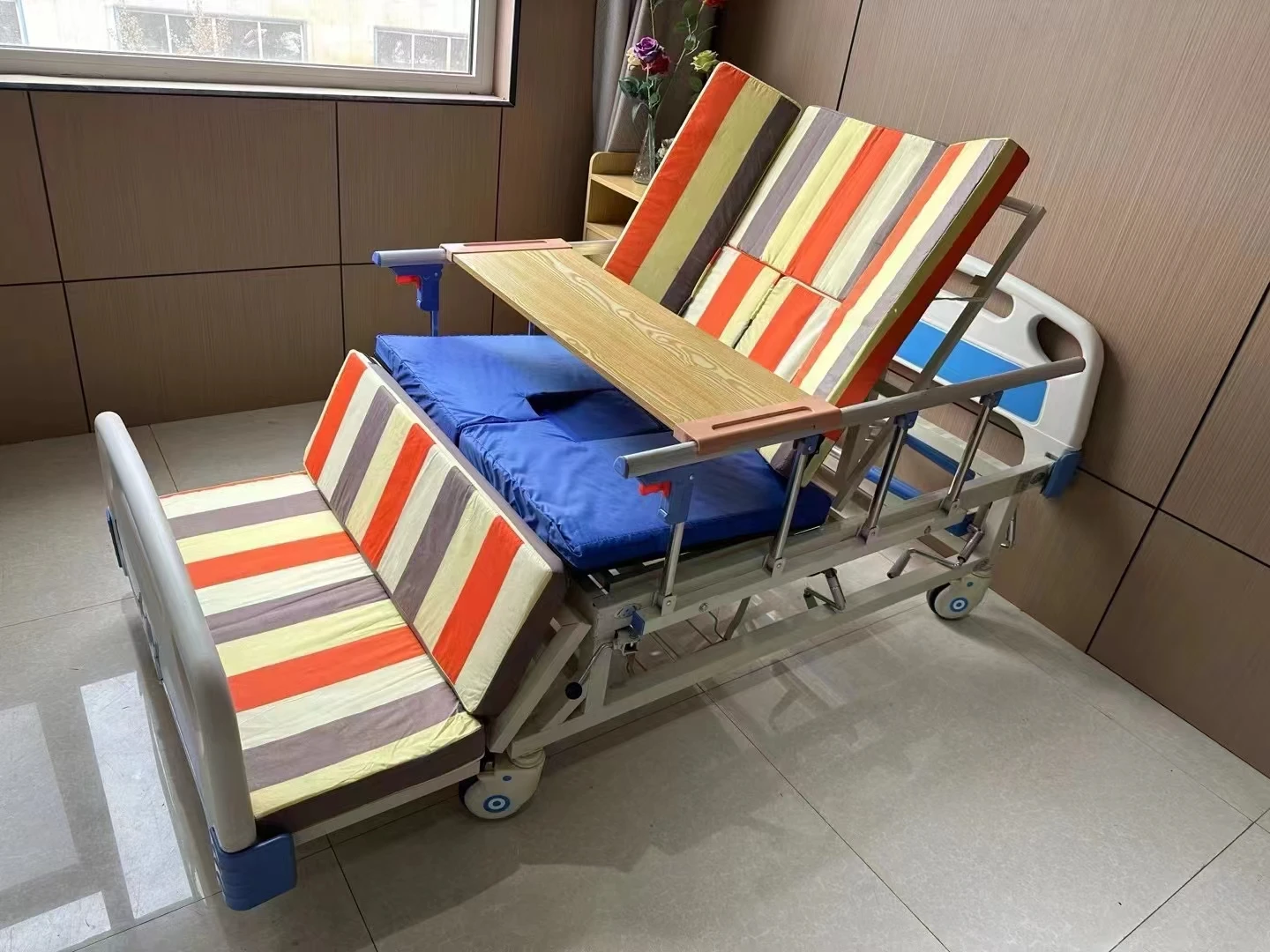
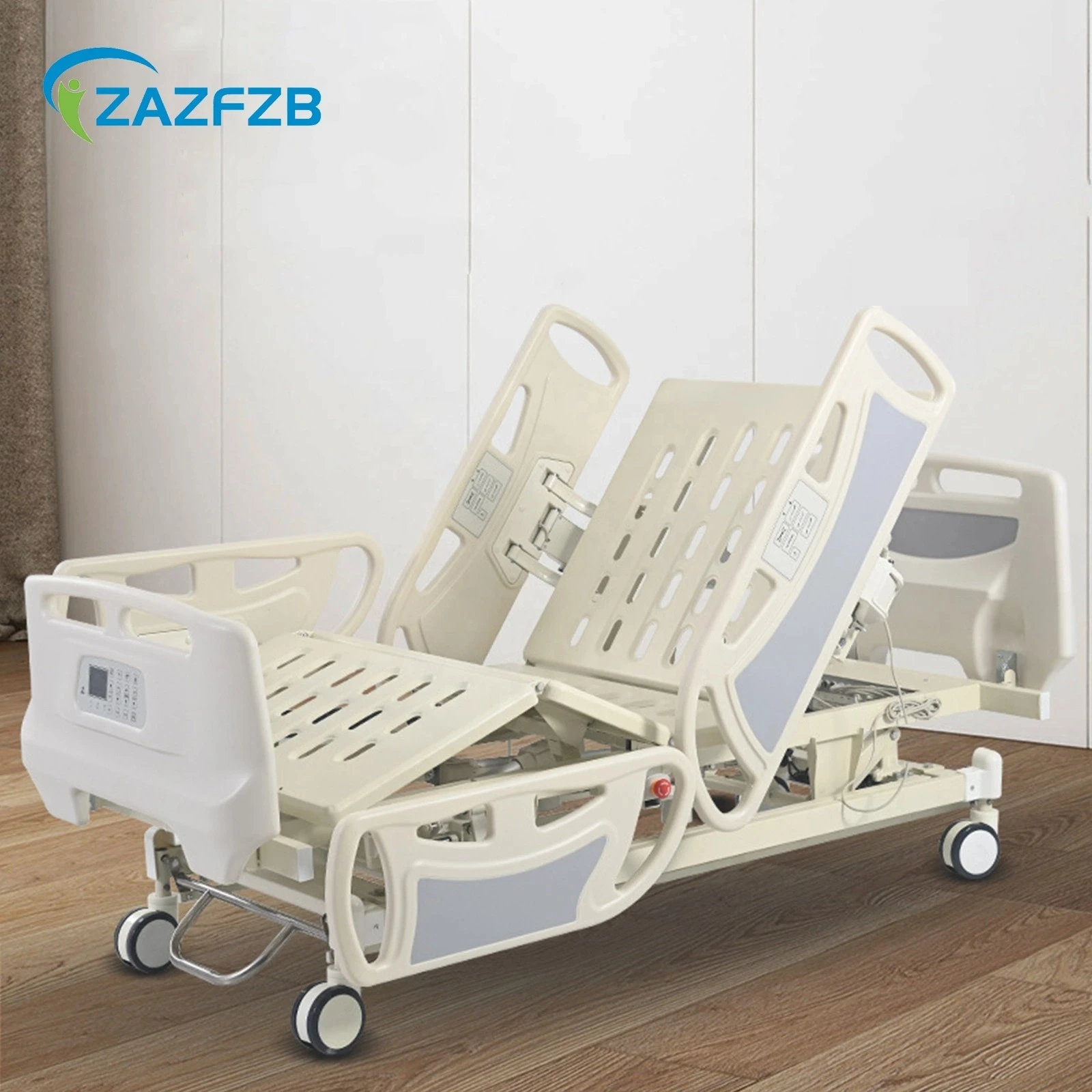
Simply put, hospital bed cost to buy refers to the upfront expense incurred when purchasing new hospital beds. These beds vary widely—from basic manual models to highly sophisticated electrically adjustable platforms with integrated monitoring systems.
This cost isn’t just about the visible parts; it covers research and development, compliance with international standards (like ISO 13485 for medical devices), shipment fees, and after-sale support. And since healthcare is a humanitarian priority, this cost links directly to how hospital environments can meet the modern needs of patients with diverse medical conditions in a dignified and safe manner.
Mini takeaway:
Hospital bed cost to buy is a multi-faceted figure reflecting product complexity, patient needs, and global supply challenges.
Key Components Driving the Cost of Hospital Beds
1. Durability and Materials
Steel frames, high-density foam mattresses, antimicrobial surfaces—all these contribute directly to the price. Engineers often emphasize durability because beds undergo constant use in demanding settings. It feels like no one considers how much daily wear and tear affects value until a hospital replaces a worn-out model.
2. Technological Features
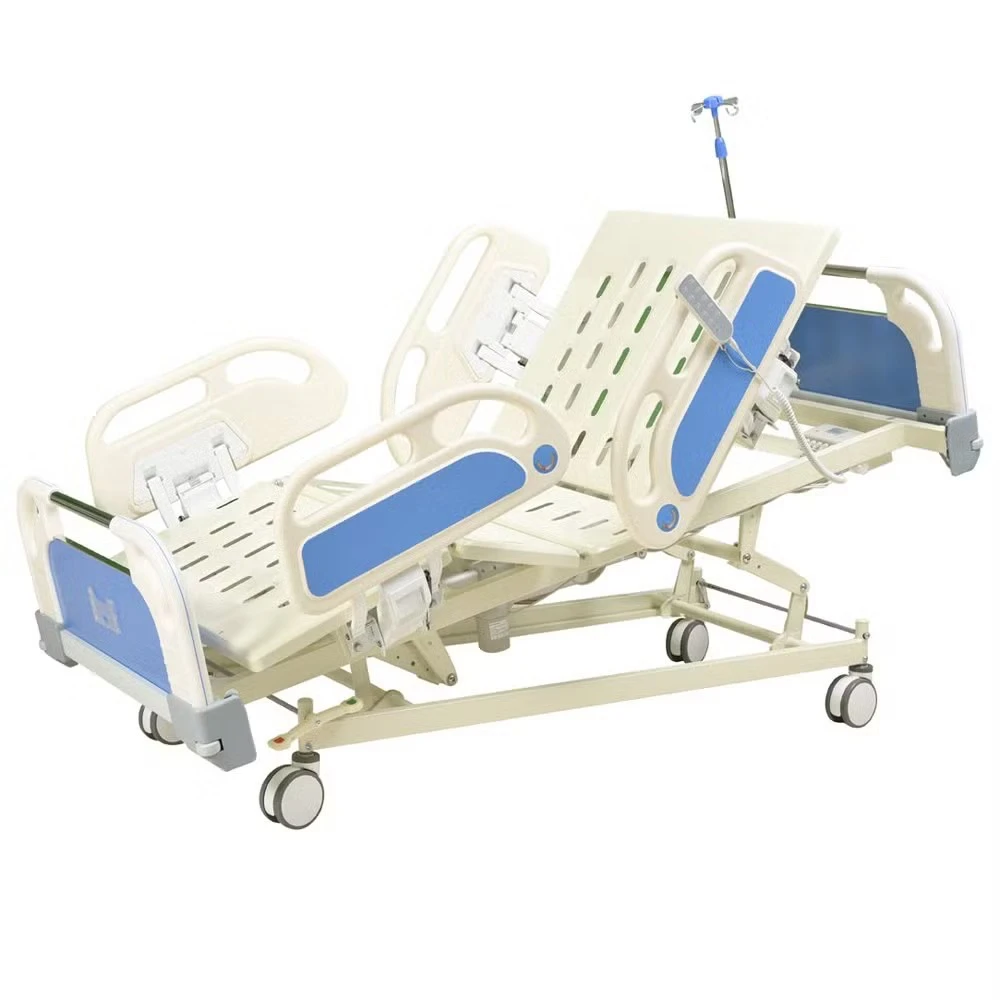
Electric adjustment, weighing scales, and electronic monitoring systems can add several hundred to thousands of dollars to the purchasing price. Interestingly, many hospitals now debate whether these “smart beds” justify their cost compared to manual models.
3. Certification and Compliance
Meeting safety and health certifications drives manufacturing costs up. In many regions, non-certified beds are outright banned. This ensures patient safety but makes cheap knock-offs less tempting.
4. Scalability and Bulk Purchasing
Hospitals purchasing beds in bulk might negotiate lower individual prices. However, smaller clinics often pay a premium. The cost efficiency of buying many units vs. one-off purchases directly impacts budgets.
5. Shipping and Logistics
Surprisingly, global supply chain issues frequently inflate costs. Especially for remote or under-resourced areas, shipping fees can double the price of a bed before it even arrives.
6. Customization and Additional Accessories
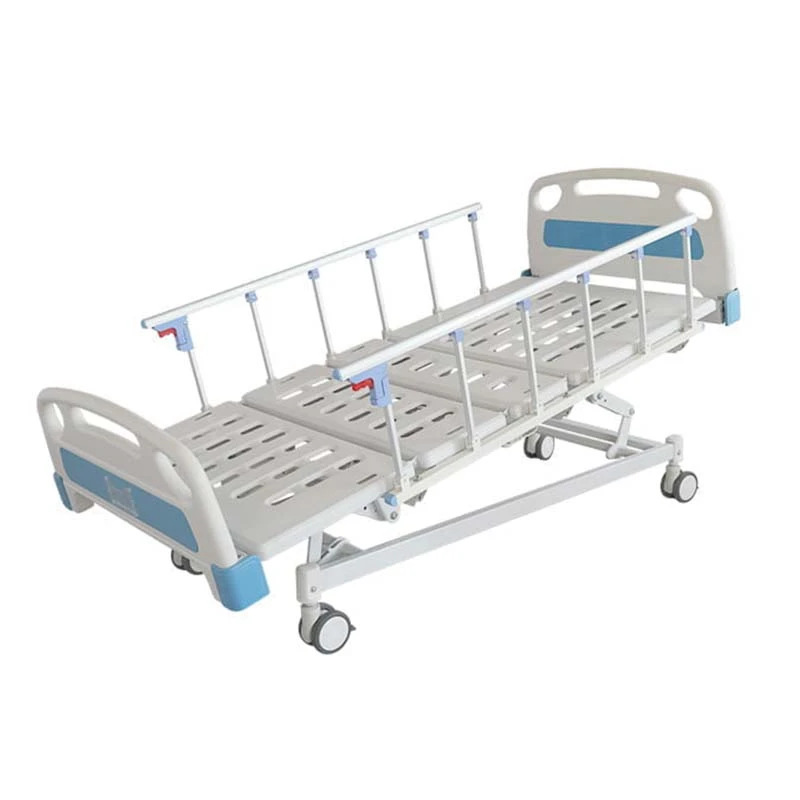
Optional add-ons like IV stands, side rails, or modular mattress covers contribute to price variation. Some customers prefer “the basics,” while others demand full customization.
Mini takeaway:
Price differences in hospital beds reflect more than just the material cost—they hinge on thoughtful design choices and usage context.
Hospital Bed Cost to Buy: Real-world Applications Across the Globe
Various regions and industries apply hospital beds in unique ways:
- Post-disaster relief: Quickly deployable beds ensure immediate care in emergencies like earthquakes.
- Rural healthcare clinics: Durable, easy-to-maintain beds support ongoing treatment in low-resource settings.
- Urban hospitals: Often integrate high-tech beds with electronic controls for intensive care units.
- Long-term care facilities: Comfort and adjustability promote patients’ quality of life.
For instance, in Southeast Asia, many NGOs have adopted affordable yet robust hospital beds to support flood relief efforts, prioritizing rapid deployment and cost-effectiveness over bells and whistles.
Mini takeaway:
The cost to buy hospital beds varies sharply by application, geographic realities, and service goals.
Advantages & Long-Term Value of Investing Wisely in Hospital Beds
Spending more upfront on quality beds often yields:
- Lower maintenance and replacement costs.
- Higher patient safety and comfort.
- Improved caregiver efficiency—for example, reducing injuries during patient repositioning.
- Positive social impact by fostering dignity and respect.
It’s tempting to look for the cheapest option, but many administrators note the hidden costs of shifting or replacing flimsier beds. In real terms, an investment in quality aligns with both economic and human goals.
Spotlight on Technical
Specifications
| Specification | Typical Range | Notes |
|---|---|---|
| Bed Frame Material | Powder-coated steel / Aluminum | Corrosion-resistant |
| Electrical Adjustment | 0 to 3 motors | Height, backrest, leg rest |
| Weight Capacity | 150kg - 250kg | Varies by model |
| Mattress Type | Foam / Gel / Air mattress | Pressure ulcer prevention options |
| Price Range (USD) | $300 to $4,500 | Depends on features |
Comparing Leading Hospital Bed Vendors
| Vendor | Price Range | Key Features | Warranty |
|---|---|---|---|
| Zhaofa Med | $400 - $2,000 | Electric & Manual Options; Durable Frame; Easy Maintenance | 2 years |
| Invacare | $800 - $3,800 | Innovative Ergonomics; Advanced Controls; Extensive Warranty | 5 years |
| Hill-Rom | $1,200 - $4,500 | Smart Beds with Integrated Monitoring; Premium Materials | 3 years |
Emerging Trends and Innovations in Hospital Bed Costs
Looking ahead, a few paths might reshape how we think about hospital bed cost to buy:
- Green and sustainable materials: With environmental concerns rising, manufacturers are experimenting with recyclable components and energy-efficient production.
- Automation and IoT integration: Sensors to detect patient movement and bed status not only improve care but help with utilization efficiency.
- Modular designs: Beds that quickly adapt to different medical needs can cut replacement costs.
- Global supply chain resilience: Manufacturers are exploring local sourcing to reduce shipping costs that balloon total purchase price.
Challenges and Solutions in Managing Hospital Bed Costs
Despite technological leaps, challenges remain:
- Balancing costs with quality: Cheap beds may save money initially but falter under real-world stress.
- Logistical delays: Shipping disruptions cause unpredictable price spikes.
- Regulatory compliance: Navigating different countries’ certification can delay acquisition.
Experts advise that hospitals work closely with vendors who offer transparent pricing, flexible payment terms, and reliable after-sales service. Often, a total cost-of-ownership mindset helps: looking beyond just the purchase price to maintenance and lifespan.
Frequently Asked Questions About Hospital Bed Cost to Buy
- What factors most influence the cost of hospital beds?
- Durability, added features like electric adjustment, compliance with safety standards, and logistics play the biggest role. Customization and mattress types also affect price.
- Is it better to buy cheaper beds in bulk or high-end beds individually?
- It depends on application. Bulk purchases save money upfront but sometimes lack advanced features. High-end beds justify their cost with durability and patient comfort in critical care.
- How long can a hospital bed typically last?
- With regular maintenance, high-quality hospital beds often last 7–10 years. Cheaper models may need replacing sooner due to wear or technical faults.
- Are hospital beds standardized internationally?
- Most beds comply with international standards such as ISO 13485, but local regulations can vary, affecting availability and cost.
Conclusion: Investing Smartly in Hospital Beds Pays Dividends
The true cost of buying hospital beds is more nuanced than a sticker price—it’s a blend of materials, technology, logistics, and aftercare. Getting this right benefits patients, caregivers, and budgets long-term. If you’re in the market, consider not just the purchase price but durability, safety certifications, and vendor support. For more details and tailored quotes, visit hospital bed cost to buy.
After all, at the heart of every bed is the patient’s well-being—we owe it to them to invest wisely.