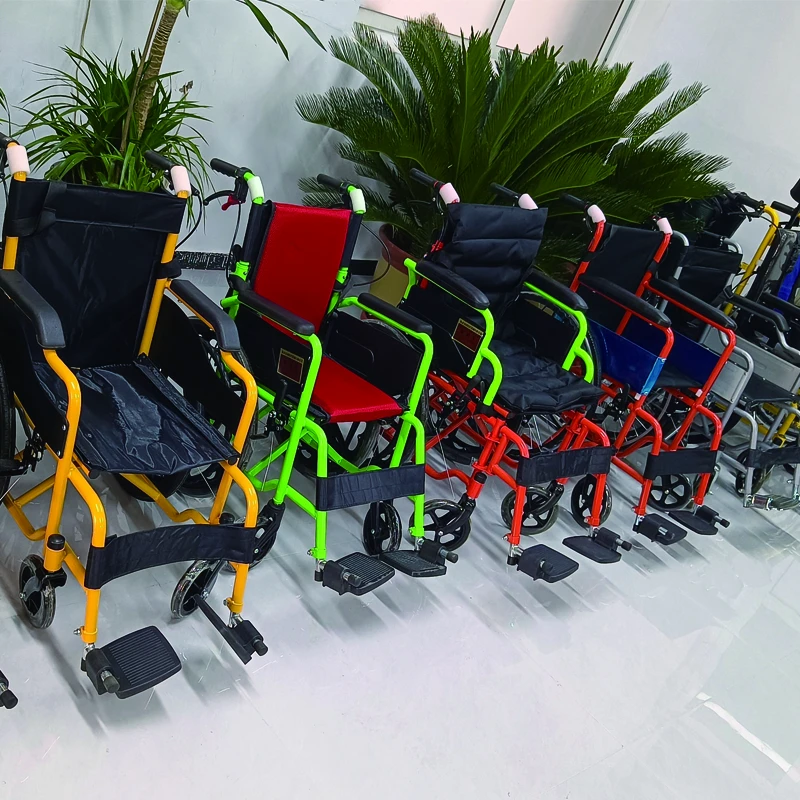
Explore Hospital Cot Price Trends & Insights | Durable, Affordable Medical Beds
The Real Story Behind Hospital Cot Price: Why It Matters More Than You Think
Hospital cots — they might not be the flashiest piece of medical equipment, but they’re absolutely crucial. Think of them as the backbone of patient care environments worldwide. Whether in North American hospitals or remote clinics in sub-Saharan Africa, the cost of hospital cots has a direct impact on healthcare delivery. Understanding the nuances of hospital cot price isn’t just about budgeting; it’s about ensuring safety, durability, and access. So, let’s unpack why this seemingly simple metric matters globally and why healthcare administrators, NGOs, and medical suppliers keep a keen eye on it.
Understanding the Global Context of Hospital Cot Price
Globally, healthcare infrastructure spending is under tight pressure—whether due to economic constraints, rising patient volumes, or shifting priorities toward pandemic preparedness. According to the World Health Organization (WHO), low- and middle-income countries spend on average less than 5% of their GDP on healthcare facilities, pushing cost-effective solutions to the forefront. Hospital cots, as basic as they seem, form a significant chunk of these capital expenses, especially during rapid facility expansions or emergency responses.
Take disaster relief zones, for example: after earthquakes or floods, the need for rapid deployment of reliable hospital cots spikes. Here, the price per cot can dictate how many can be procured and dispatched. Even in developed countries, rising raw material costs have nudged medical facilities to rethink procurement strategies, often balancing cost versus quality like tightrope walkers.
Mini takeaway: Hospital cot price is not just a line item on a hospital budget — it’s a reflection of resource allocation, healthcare accessibility, and readiness to face health crises.
What Exactly Do We Mean by Hospital Cot Price?
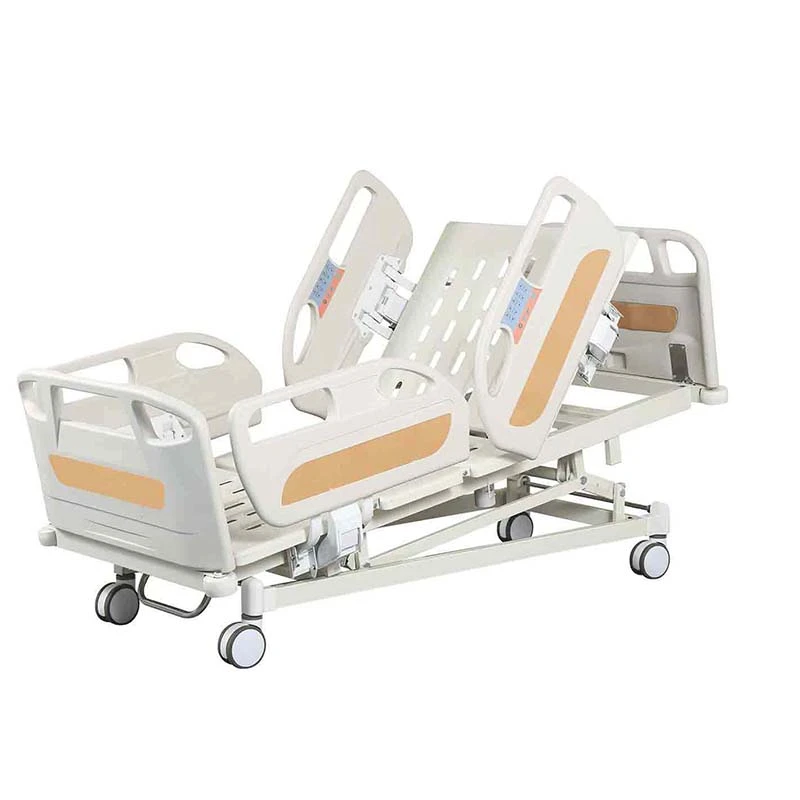
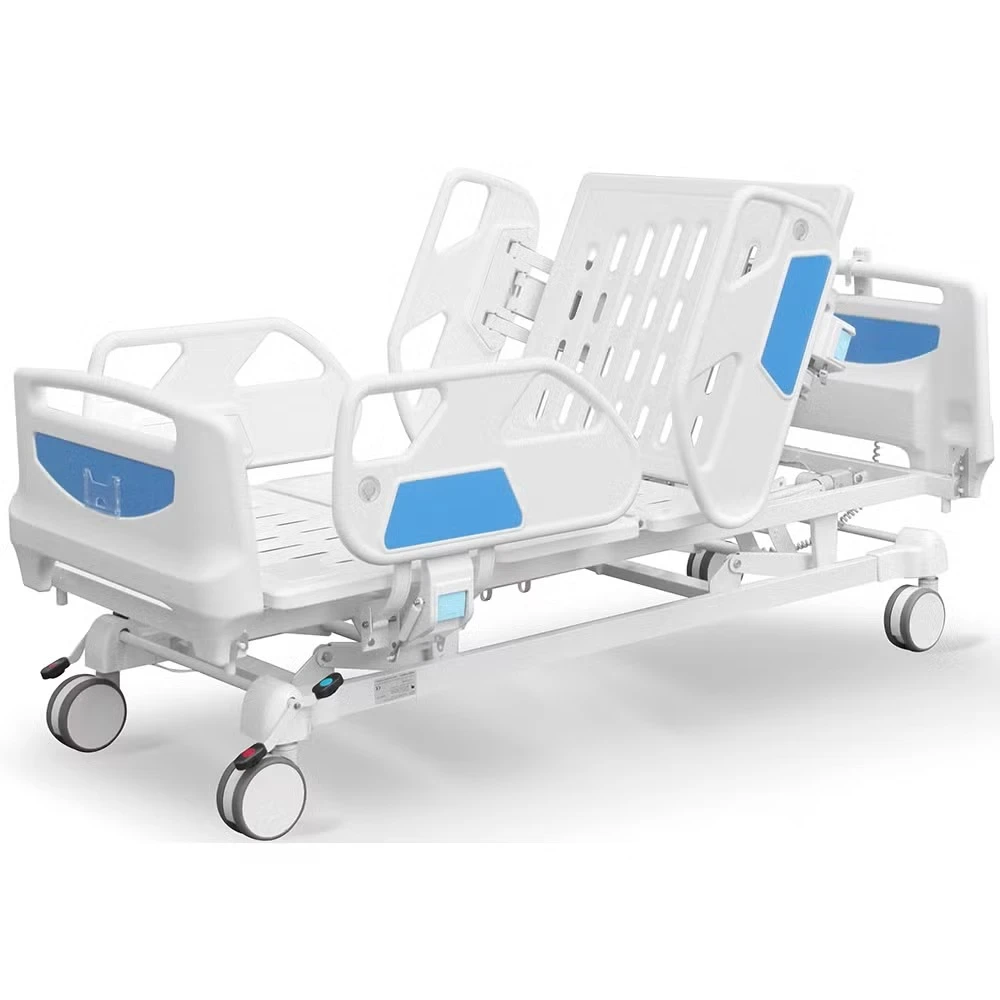
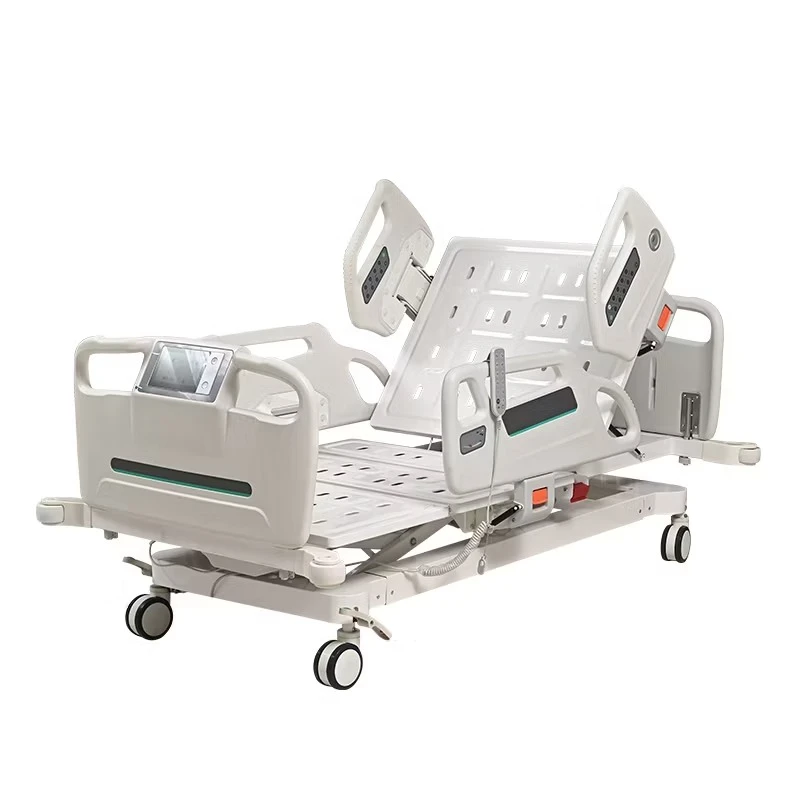
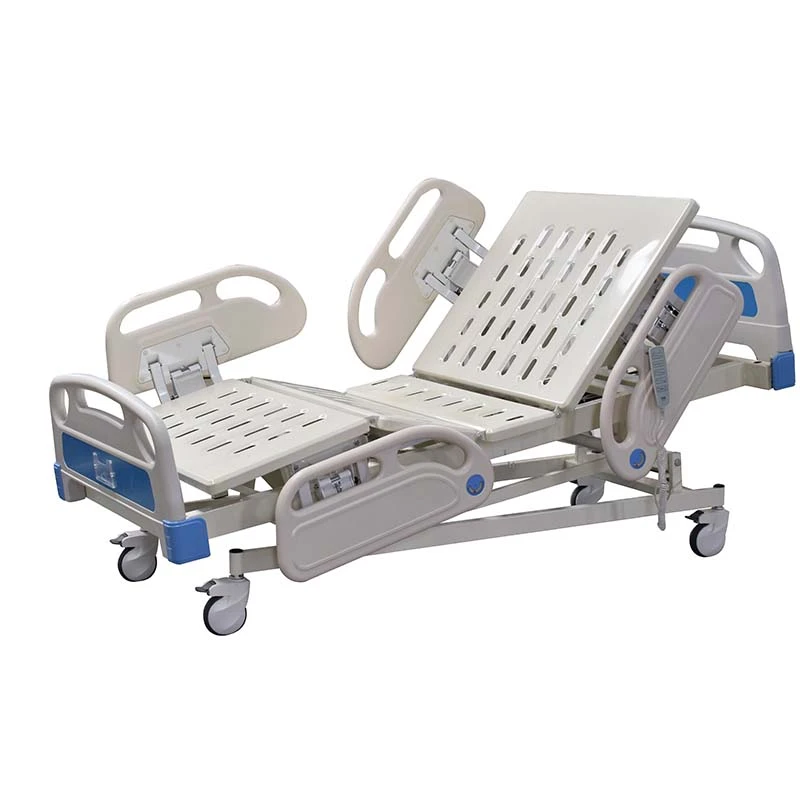
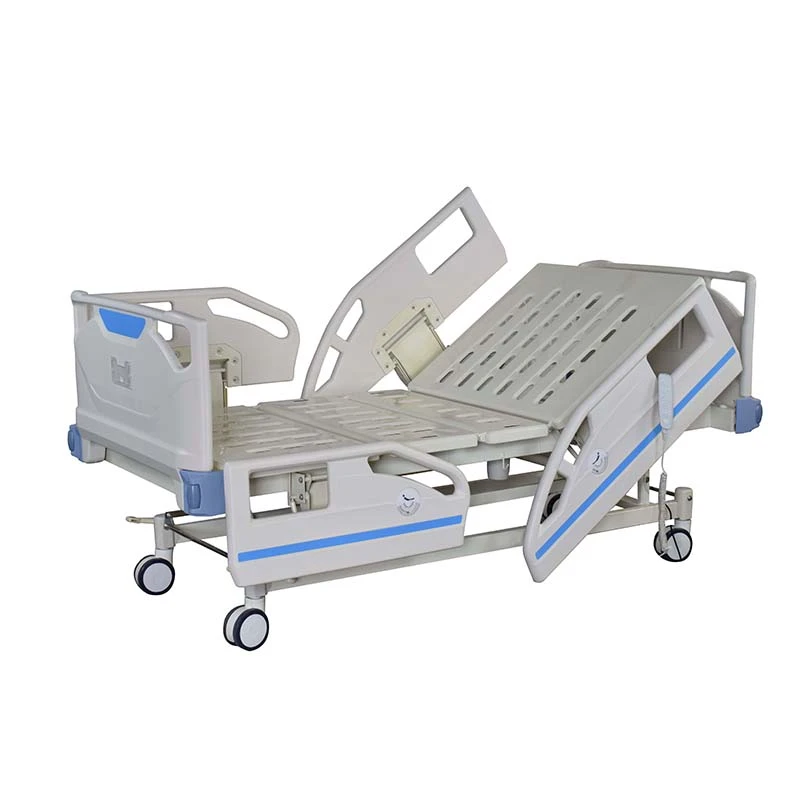
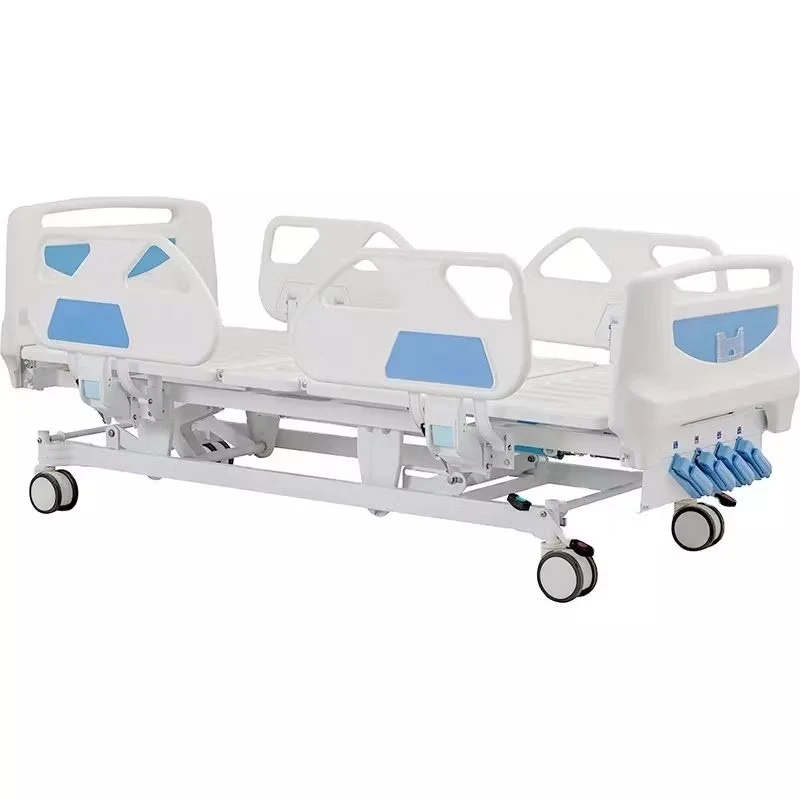
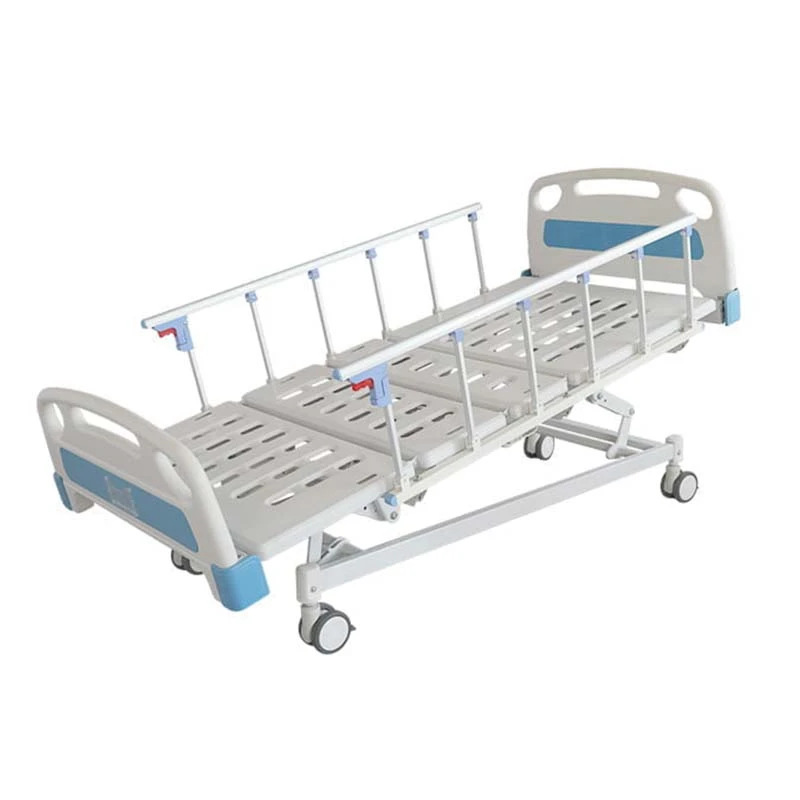
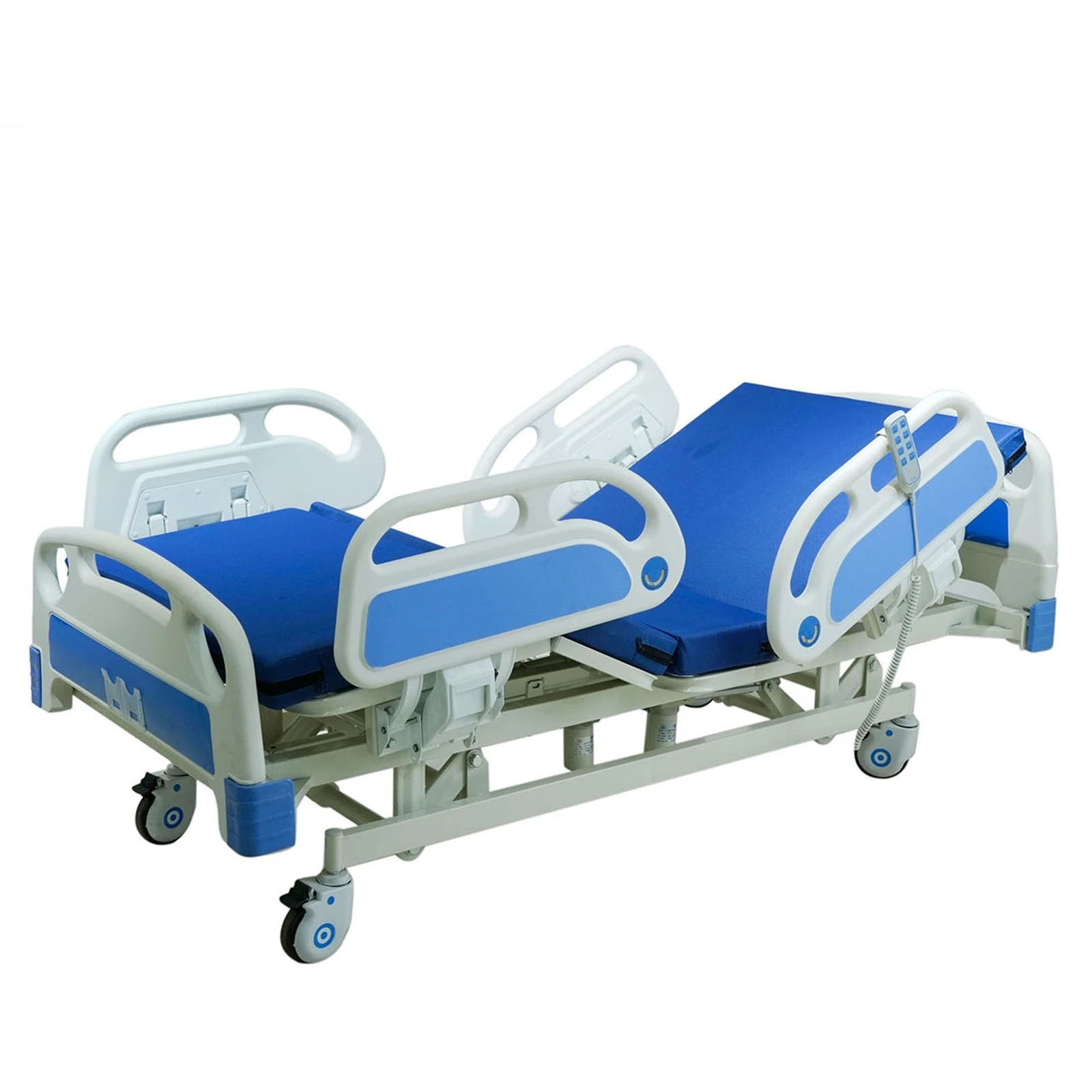
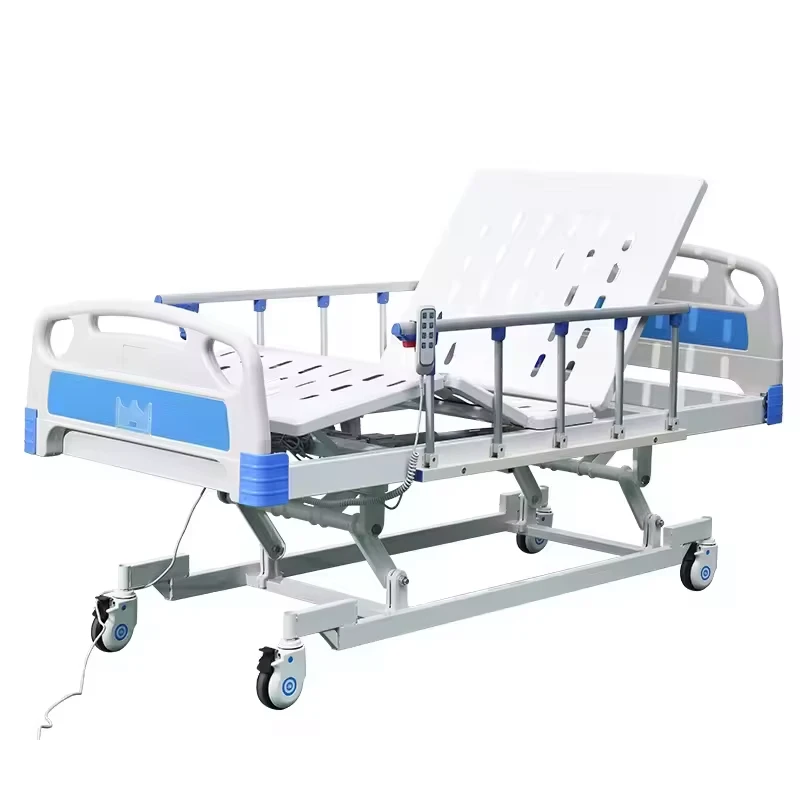
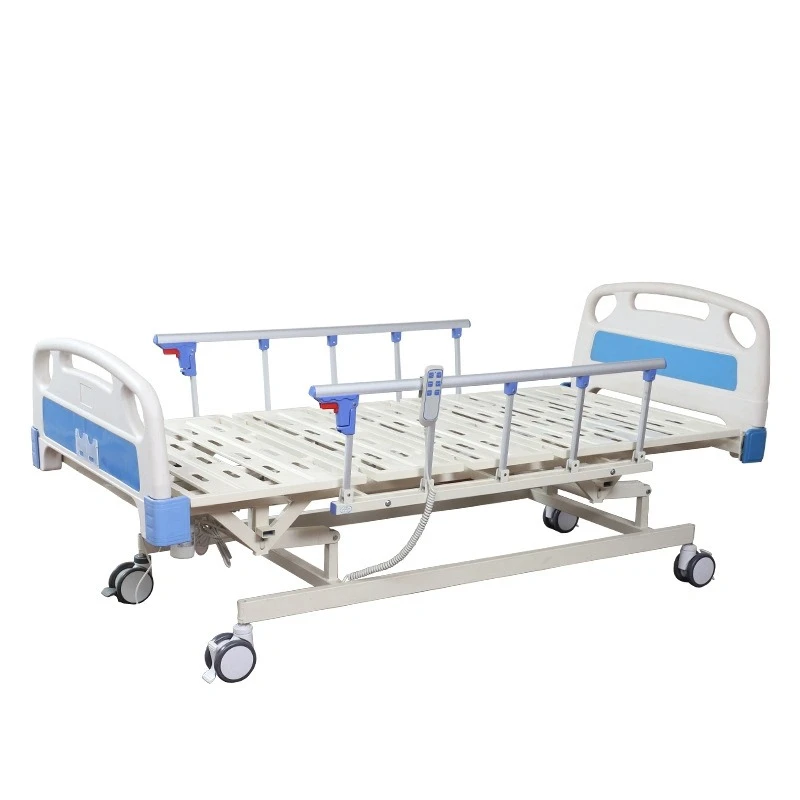
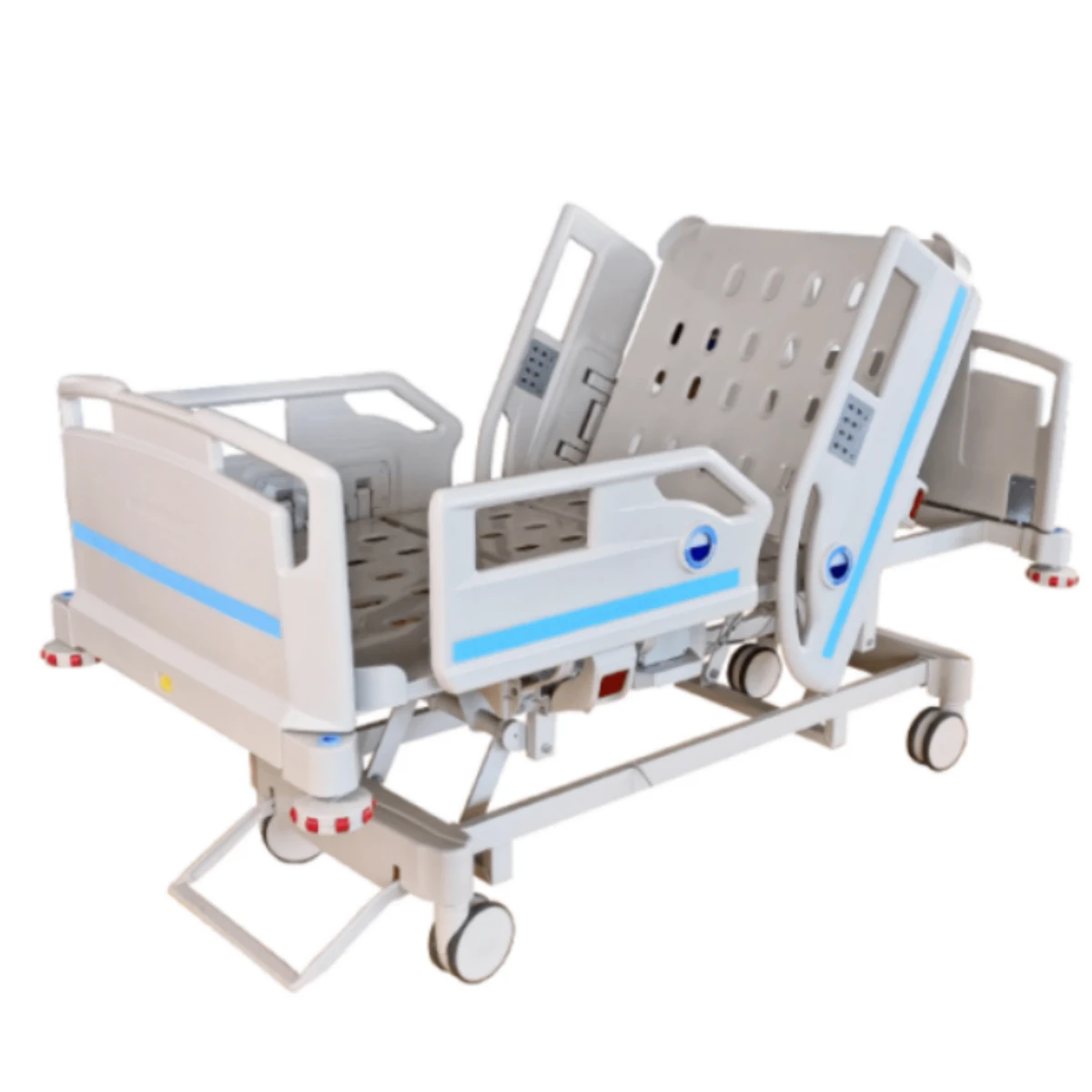
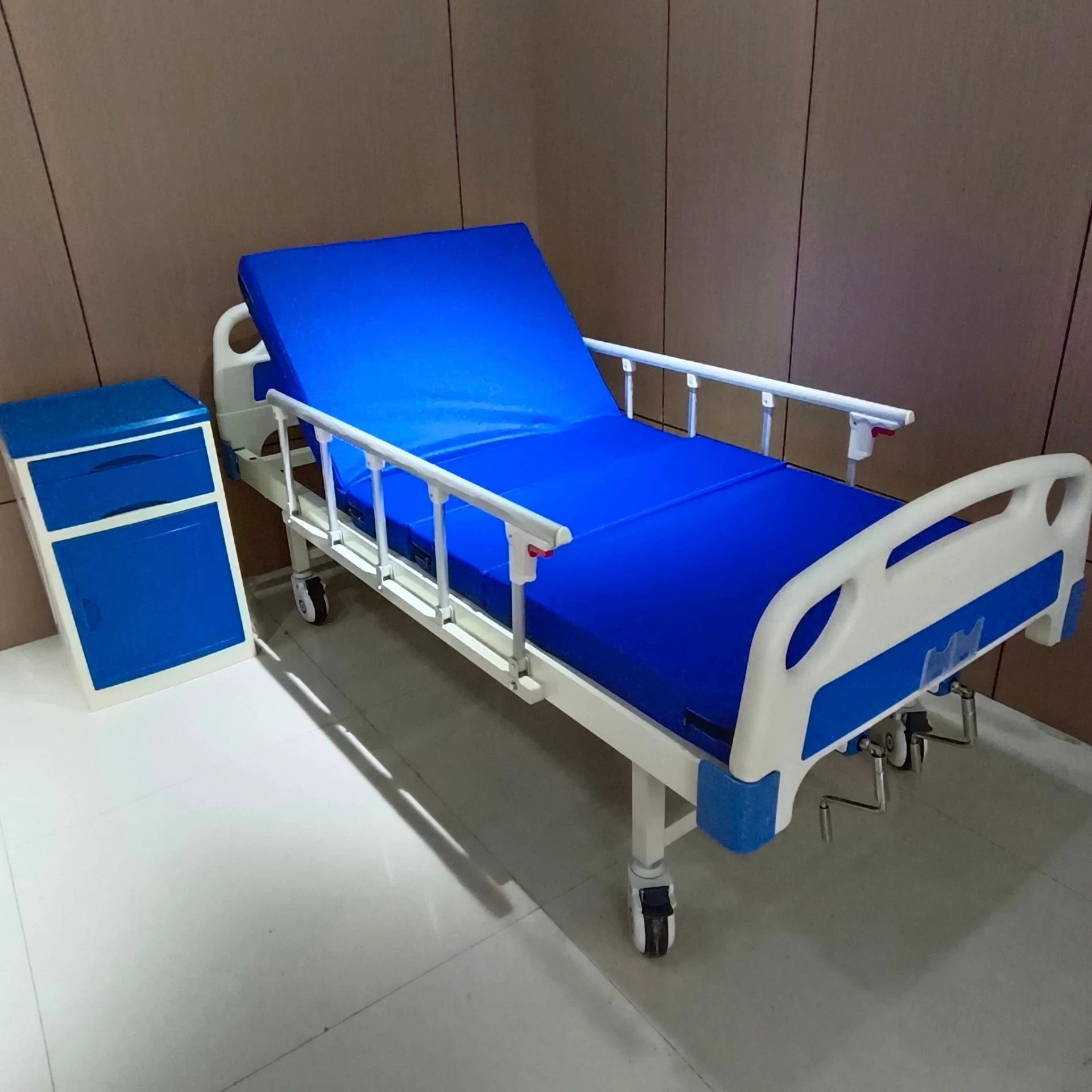
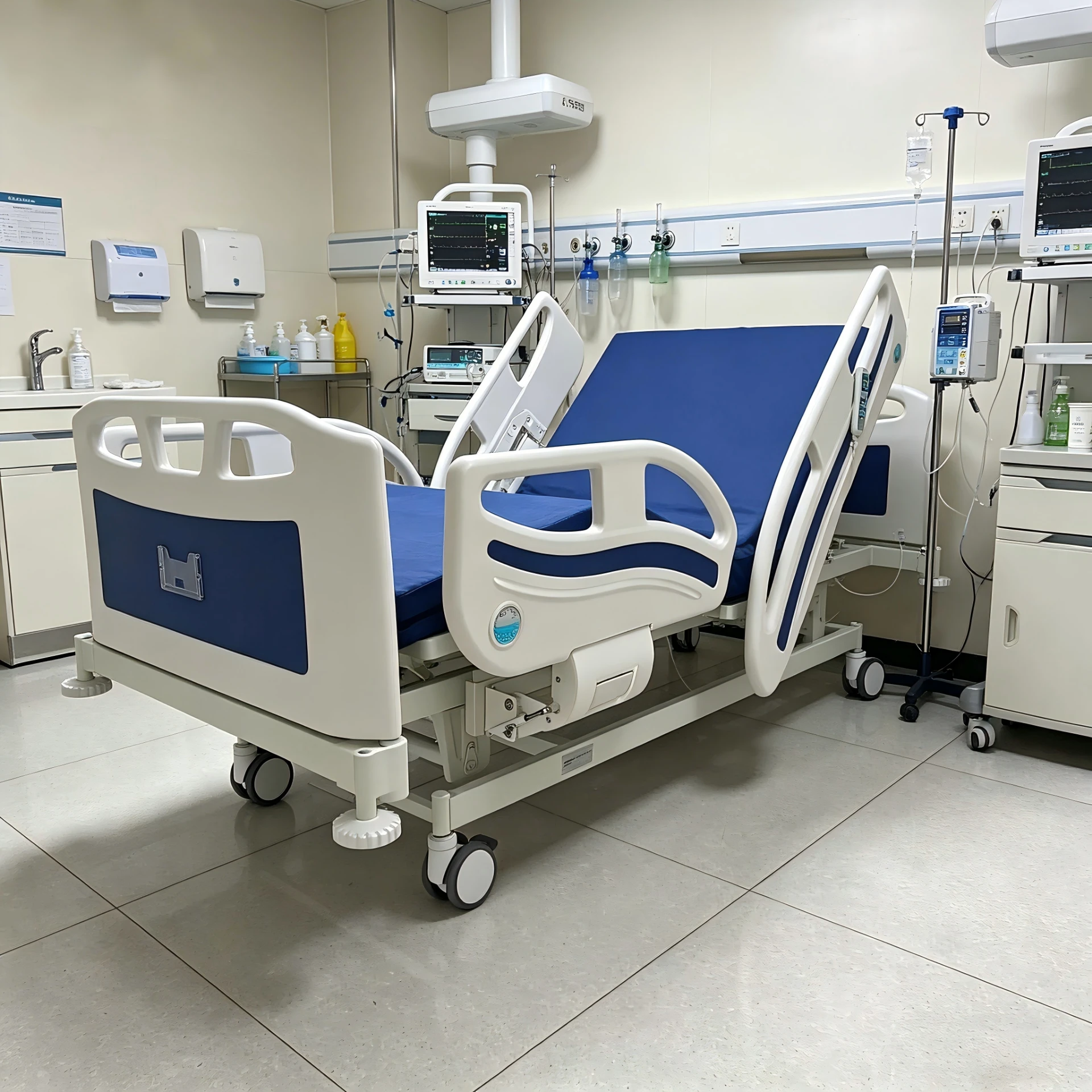
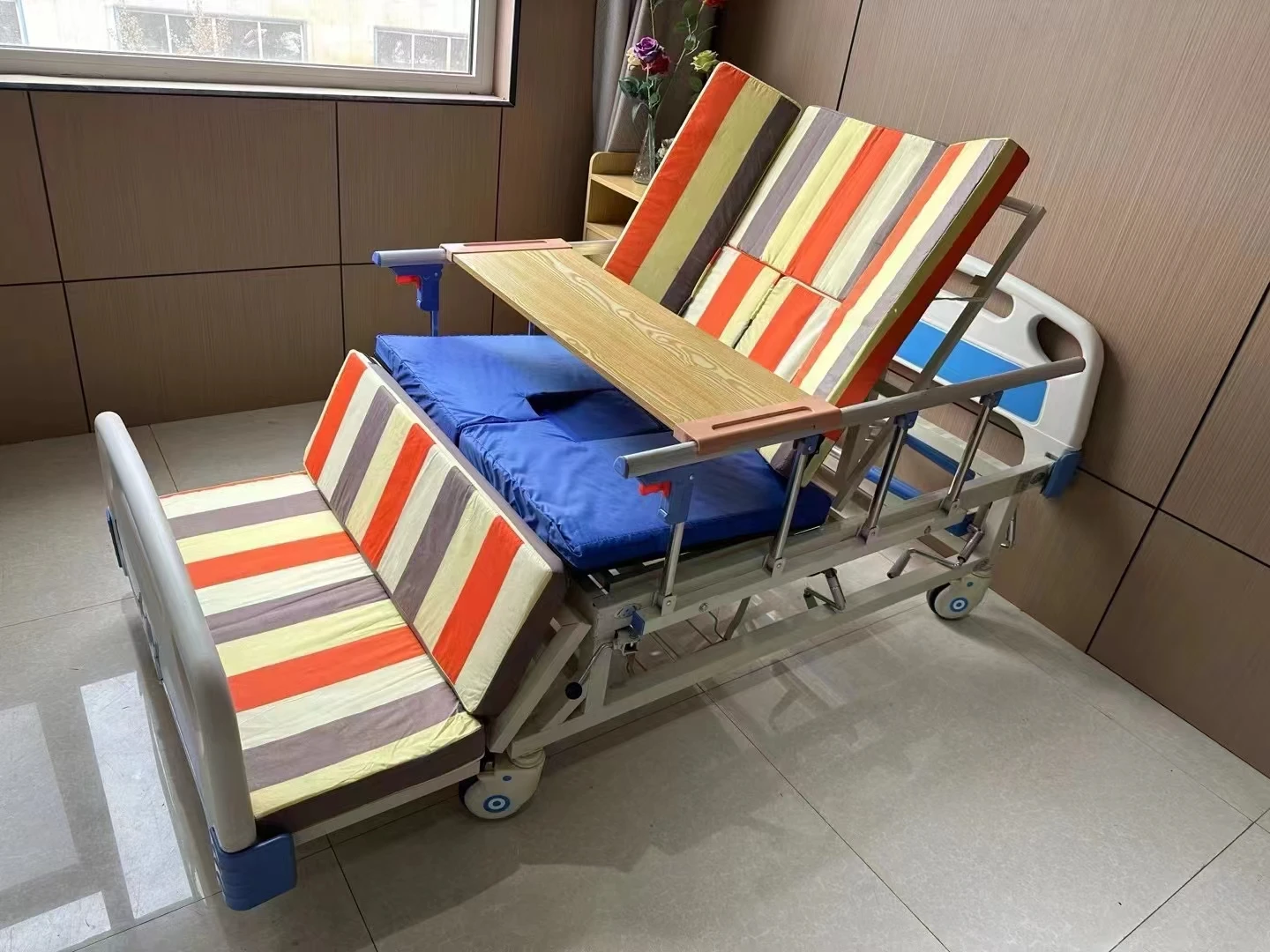
Simply put, hospital cot price is the amount paid to purchase or lease a single hospital bed or cot, often inclusive of features like adjustable backrests, wheels, or antimicrobial surfaces. This price can vary widely depending on design, materials, manufacturer reputation, and additional functionalities.
Hospital cots aren’t just beds — they’re engineered devices designed for patient comfort, nurse convenience, and infection control. Their prices tie directly into advancements in medical logistics, hospital standards, and even humanitarian aide practices that rely on durable, affordable, and transport-friendly solutions.
Key Factors Influencing Hospital Cot Price
1. Durability and Material Quality
One of the biggest pricing levers is the cot’s build material. Steel frames generally cost more upfront but last longer than cheaper aluminum or plastic components. Meanwhile, mattresses and surface coatings affect budget lines, especially if they incorporate antimicrobial or waterproof features.
2. Functionality and Adjustability
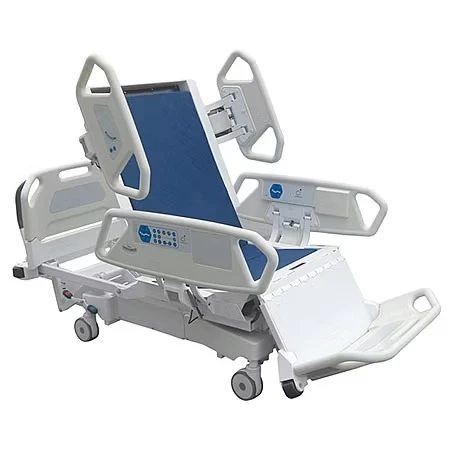
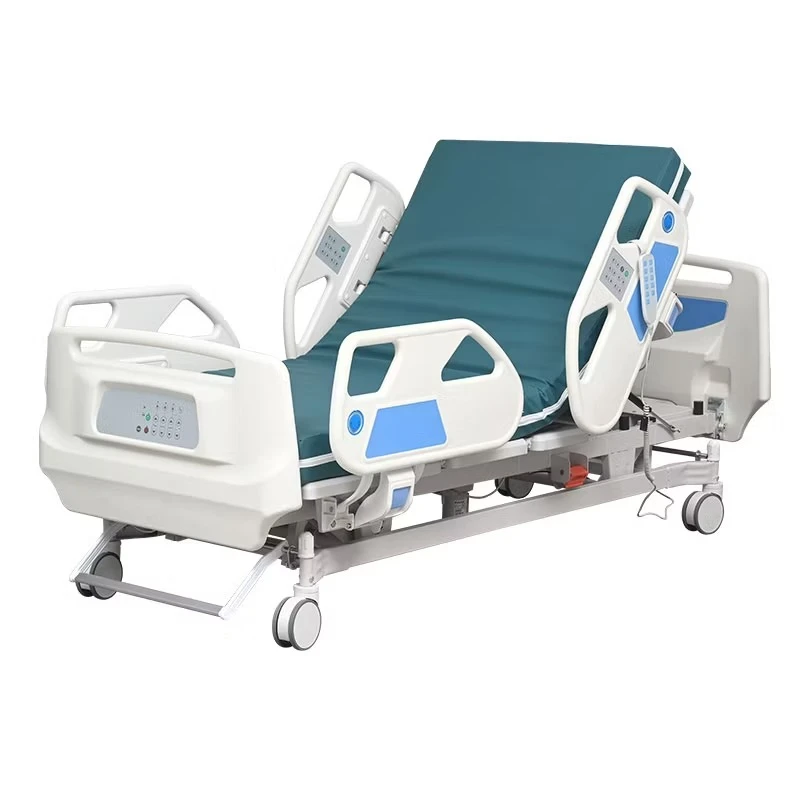
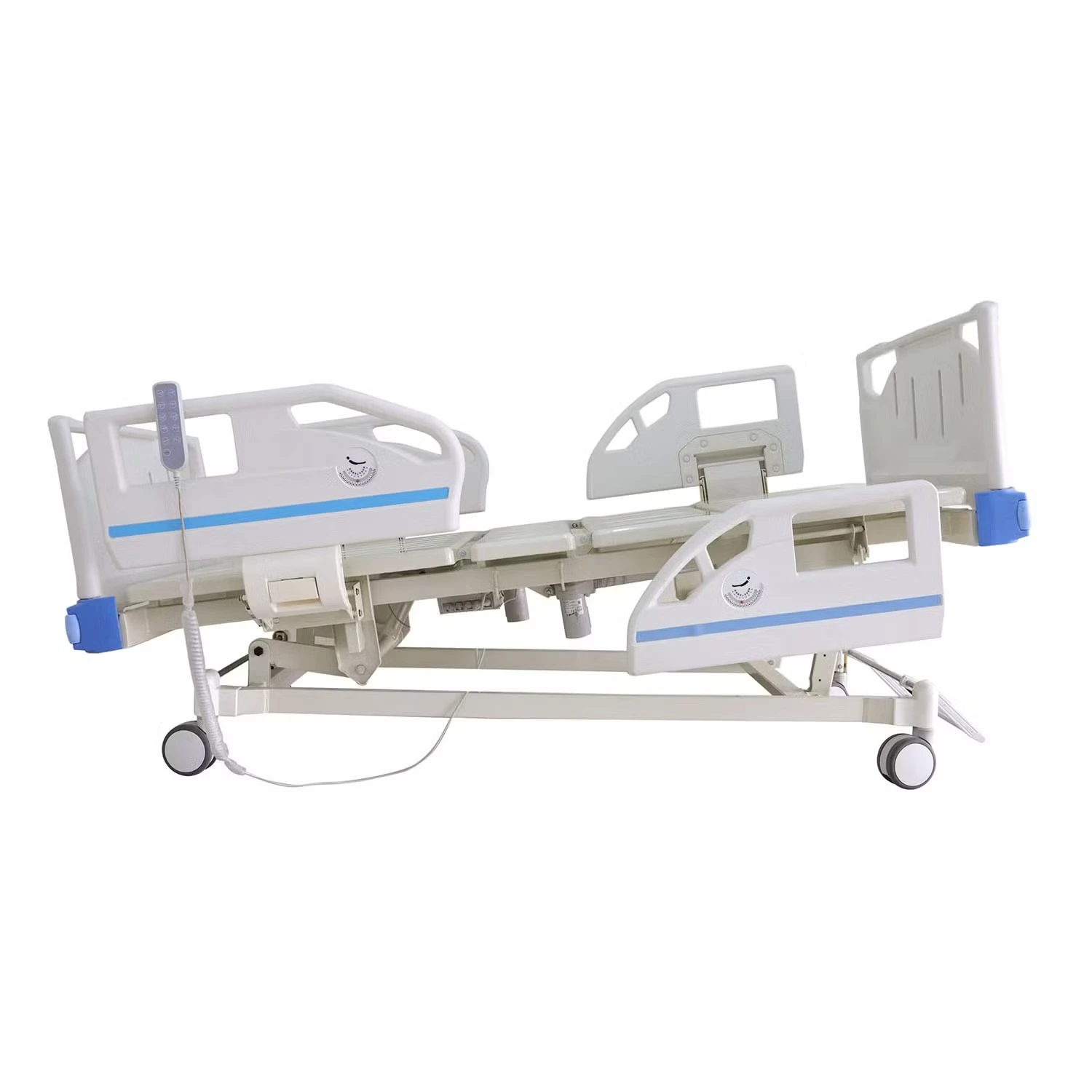
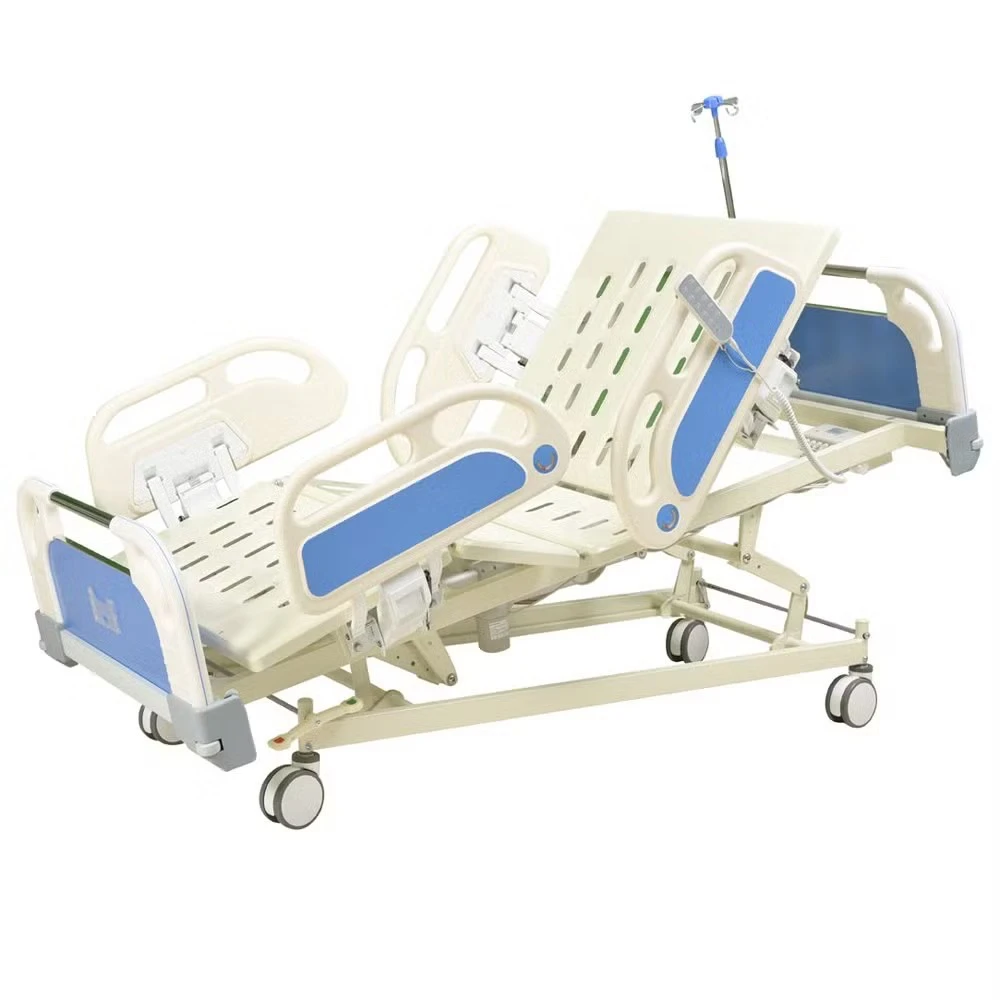
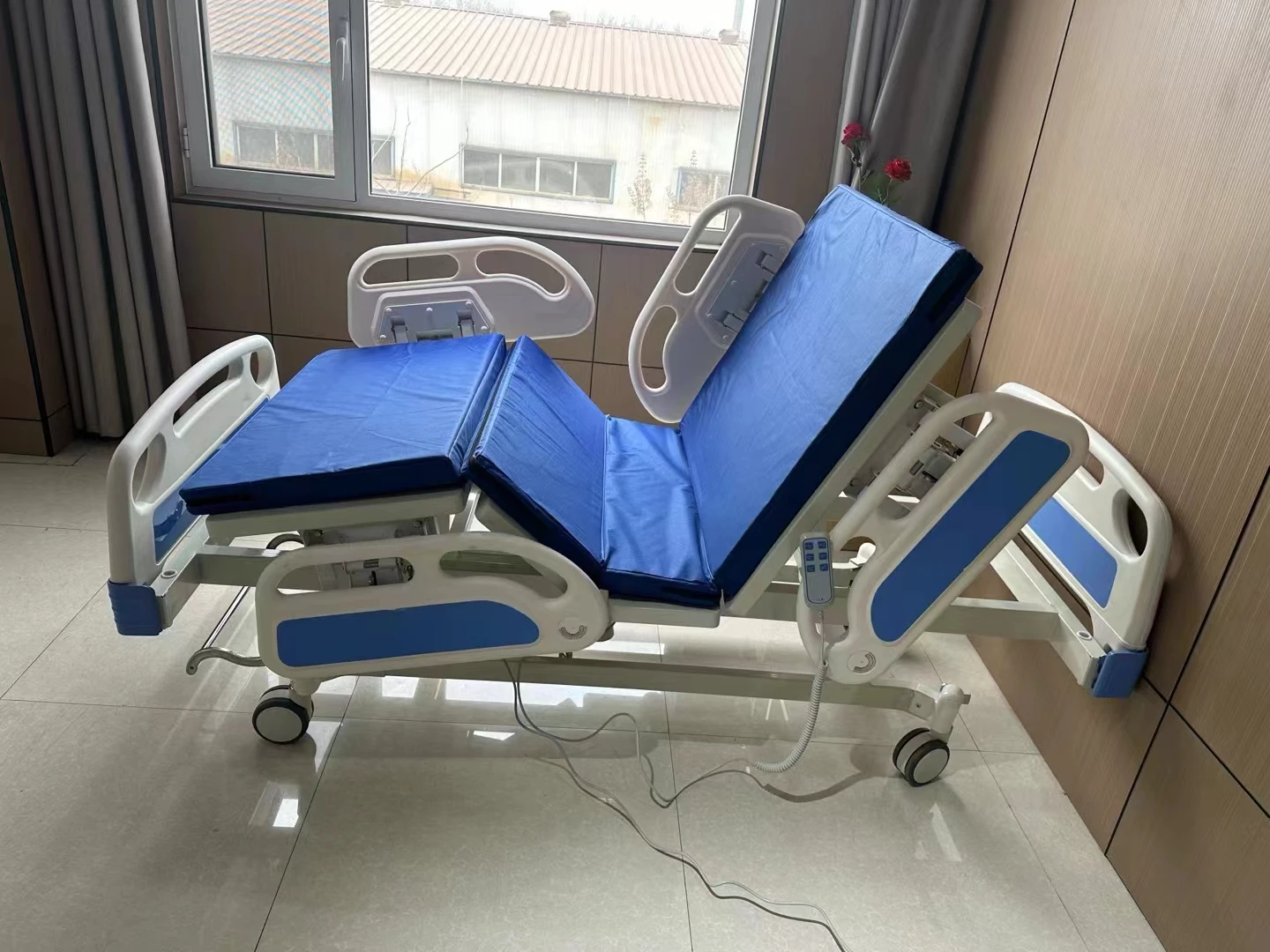
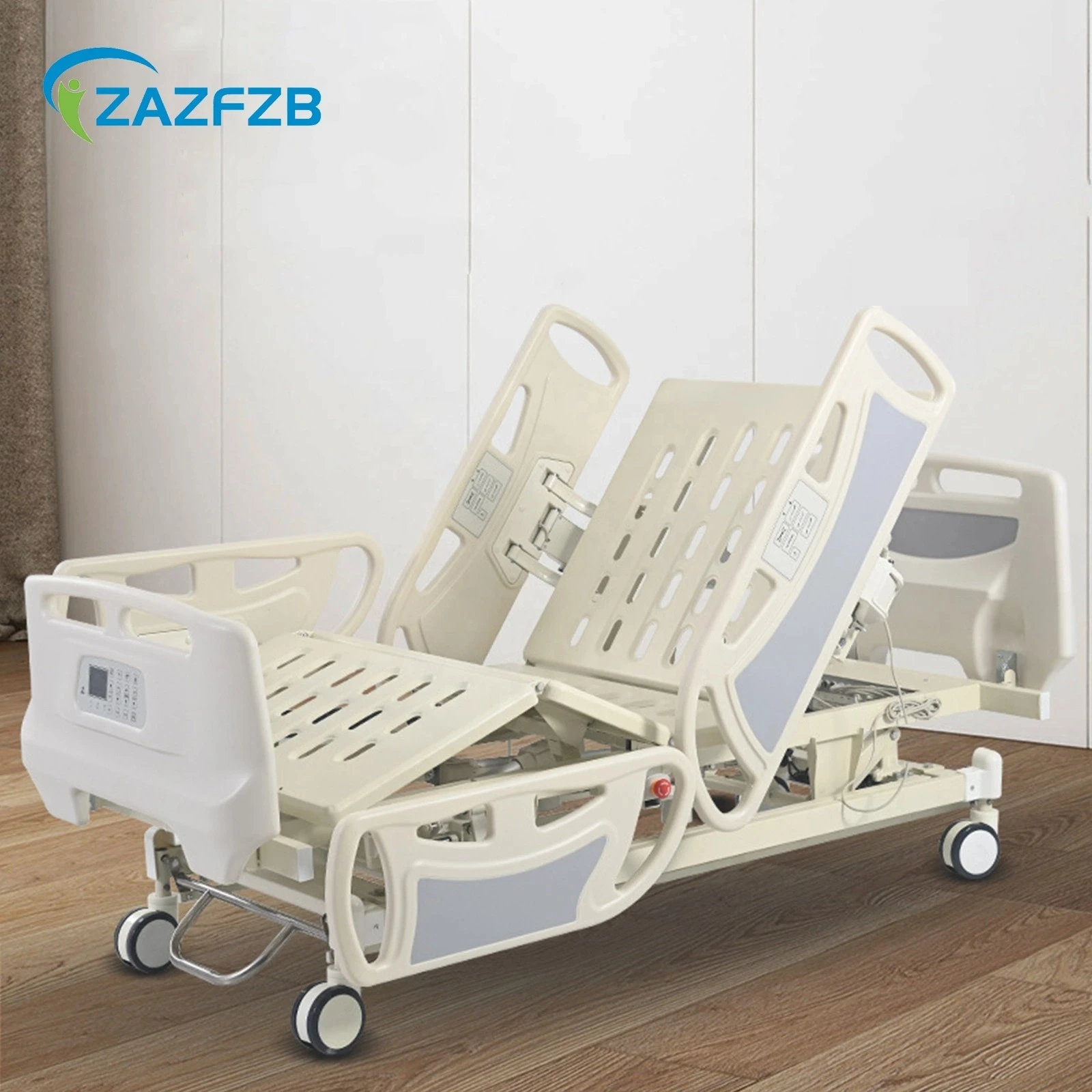
Hospital cots can range from fixed-frame versions to advanced electric models offering height and angle adjustment. More complex features push up the price but can improve patient outcomes and reduce staff strain.
3. Compliance and Certifications
Meeting ISO standards or country-specific medical device certifications typically increases costs but assures safety and reliability over the product’s life cycle.
4. Volume and Supplier Negotiation
Bulk orders from hospitals or NGOs often secure discounts; occasional buyers might pay a premium. Vendors’ distribution networks and after-sales service also factor into costs.
5. Transportation and Logistics
Considering that many cots ship internationally, costs related to freight, import duties, and packaging impact the final price.
Mini takeaway: Multiple intertwined components—from materials to shipping—shape hospital cot price, reminding us that a low figure today might cost more tomorrow through maintenance or replacements.
Hospital Cot Price in Action: Global Use Cases
In practice, hospital cot price heavily influences healthcare delivery across regions:
- Disaster Response: After the 2015 Nepal earthquake, compact and affordable cots were critical for field hospital setups, where limited budgets demanded value for money without compromising on durability.
- Developing Nations: African and Southeast Asian clinics often operate on shoe-string budgets; knowing hospital cot price trends helps program managers prioritize procurement and maximize impact.
- Private vs. Public Healthcare: Upscale private hospitals in Europe may invest heavily in adjustable, luxury cots, whereas public hospitals balance functionality and cost, highlighting a stark pricing divide.
Comparing Popular Hospital Cot Specifications
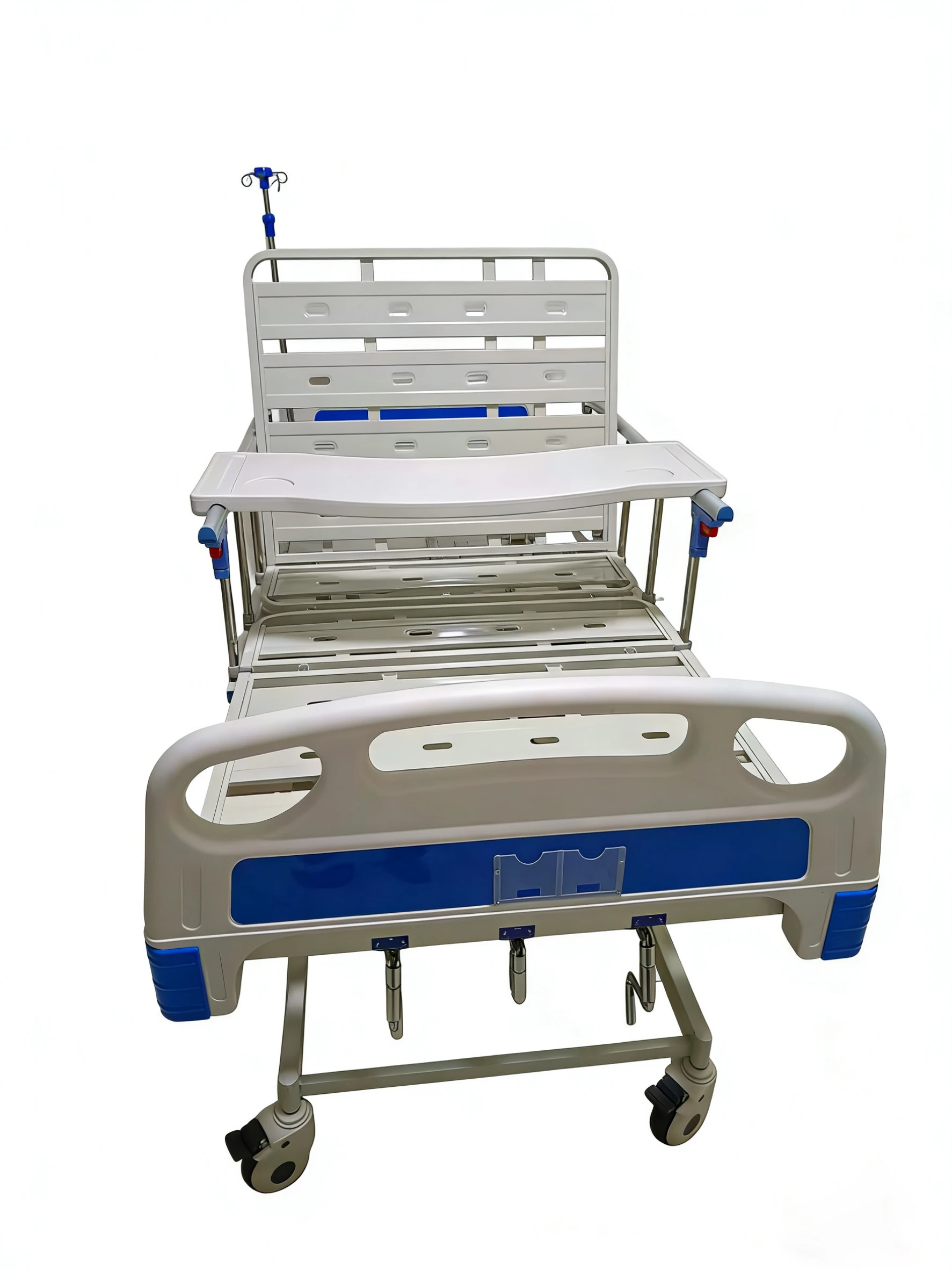
| Specification | Basic Model | Advanced Model | Electric Adjustable |
|---|---|---|---|
| Frame Material | Powder-coated steel | Aluminum alloy | Stainless steel |
| Adjustability | Manual backrest | Manual up/down & backrest | Electric full adjustment |
| Antimicrobial Surface | No | Yes | Yes |
| Weight Capacity | 120 kg | 150 kg | 180 kg |
| Approximate Price (USD) | $250 - $400 | $450 - $700 | $900 - $1300 |
Different Vendors: Who Sells What?
| Vendor | Base Price Range | Key Strength | Geographic Focus | Warranty & Support |
|---|---|---|---|---|
| Zhaofa Med | $300 - $1000 | Robust build, fast shipping | Global | 3 years warranty, 24/7 support |
| MediPlus | $250 - $950 | Affordable, large volume discounts | Europe & Asia | 2 years warranty |
| HealthEquip Co. | $400 - $1200 | Premium products, custom designs | North America | 5 years warranty, onsite support |
Benefits of Investing Smartly in Hospital Cots
The obvious advantage is financial: savvy purchasing can free up funds for other critical medical equipment. But beyond dollars and cents, the right hospital cot boosts patient comfort, infection control, and staff efficiency. It’s about more than just a bed; it’s a trust symbol for patients and families, signaling care quality and safety. When you consider long-term durability, ease of cleaning, and adaptability, investing a bit more upfront often translates to huge downstream savings. Plus, selecting ergonomic designs helps reduce caregiver fatigue—often overlooked but essential in high-pressure medical settings.
Emerging Trends Shaping Hospital Cot Pricing
We’re starting to see some neat innovations that will affect hospital cot price. Smart cots integrated with IoT sensors can monitor patient vitals or alert nurses about bed exits—though these features currently come with a premium. Sustainable materials like bamboo composites and recycled polymers also gain traction, aligning price with growing environmental mandates. And don’t forget automation: adjustable cots with electric motors are becoming more energy-efficient and reliable, gradually pushing down cost over time as new manufacturing methods optimize production.
Common Challenges and How Innovation Is Addressing Them
Of course, no discussion about hospital cot price is complete without acknowledging challenges. Fluctuating raw material costs can make budgeting a headache, while import tariffs cause price unpredictability. Moreover, ensuring quality compliance across multiple jurisdictions complicates vendor selection. To tackle this, many organizations opt for modular cots customizable according to regional needs, easing repair and lowering costs. Some vendors are also offering flexible leasing or rental agreements, which soften financial shocks—especially handy for NGOs or temporary setups.
Frequently Asked Questions About Hospital Cot Price
- Q: Why do electric adjustable hospital cots cost more than manual ones?
A: Electric cots include motors, electronic controls, and often require higher-grade materials to support the mechanisms, which all add to manufacturing and maintenance costs. However, they improve patient positioning and staff comfort, providing a return on investment through improved care and efficiency. - Q: How can hospitals negotiate better hospital cot prices?
A: Hospitals can secure better prices by ordering in bulk, committing to long-term contracts, or working with vendors offering bundled services (e.g., maintenance and training). Engaging local or regional suppliers may reduce shipping costs and tariffs as well. - Q: Are there eco-friendly hospital cot options that do not significantly raise costs?
A: Yes, some manufacturers produce cots with recyclable or sustainably sourced materials without drastically hiking prices. These products often balance durability with environmental impact, but availability depends on your local market. - Q: How do hospital cot prices differ between developed and developing countries?
A: Price variations mainly come from differences in local regulations, labor costs, and product features demanded. Developing regions may prioritize basic, rugged models, while developed countries often opt for advanced, feature-rich cots, raising the average purchase price. - Q: Can NGOs import hospital cots easily for emergency response projects?
A: Importing is feasible but requires navigating customs, certifications, and sometimes local approvals. Many NGOs partner with experienced vendors to streamline logistics and secure affordable hospital cot prices to maximize aid effectiveness.
Wrapping Up: A Thought on Hospital Cot Price
In the end, hospital cot price is not just a dollar figure—it’s an intersection of engineering, healthcare priorities, and global logistics. Picking the right cot at the right price benefits patients, caregivers, and entire health systems alike. Interested in exploring options tailored for your needs? Visit our website: hospital cot price for detailed catalogs, custom quotes, and expert advice.
And remember — a smart investment in hospital equipment often feels like adding invisible layers of care and trust.