Buy Hospital Bed - Durable, Affordable & Certified Medical Beds | ZhaofaMed
Why It Matters to Buy Hospital Bed: A Global Perspective
Buying hospital beds might seem straightforward at first glance — after all, it’s just a piece of furniture, right? But in reality, acquiring the right hospital beds is a global concern, touching on healthcare quality, patient dignity, and even disaster response. According to the World Health Organization, the number of hospital beds per 1,000 people is a key metric for assessing a country's healthcare infrastructure. When demand surges—as we've seen during pandemics or humanitarian crises—the availability and quality of hospital beds become critical.
Understanding how and why to buy hospital bed isn’t just about ticking a checklist. It’s about ensuring healthcare facilities worldwide function optimally, patients recover safely, and medical providers can work efficiently. So let’s unpack what it really takes to buy hospital beds in a way that makes sense globally and practically.
The Global Urgency Behind Buying Hospital Beds
Currently, the global average is about 2.7 hospital beds per 1,000 people — but that number masks deep disparities. Countries in Europe and Asia often have more than 5 beds per 1,000, while some parts of Africa and South America struggle with less than 1. With rising populations, aging demographics, and unpredictable health emergencies, the need for better hospital bed access continues to grow.
Challenges abound: supply chain disruptions, cost pressures, and the difficulty of choosing beds that meet varied clinical needs. For example, the UN's Sustainable Development Goal 3 aims to ensure healthy lives and promote well-being for all at all ages—which goes far beyond just beds but obviously includes them.
What Exactly Does It Mean to Buy Hospital Bed?
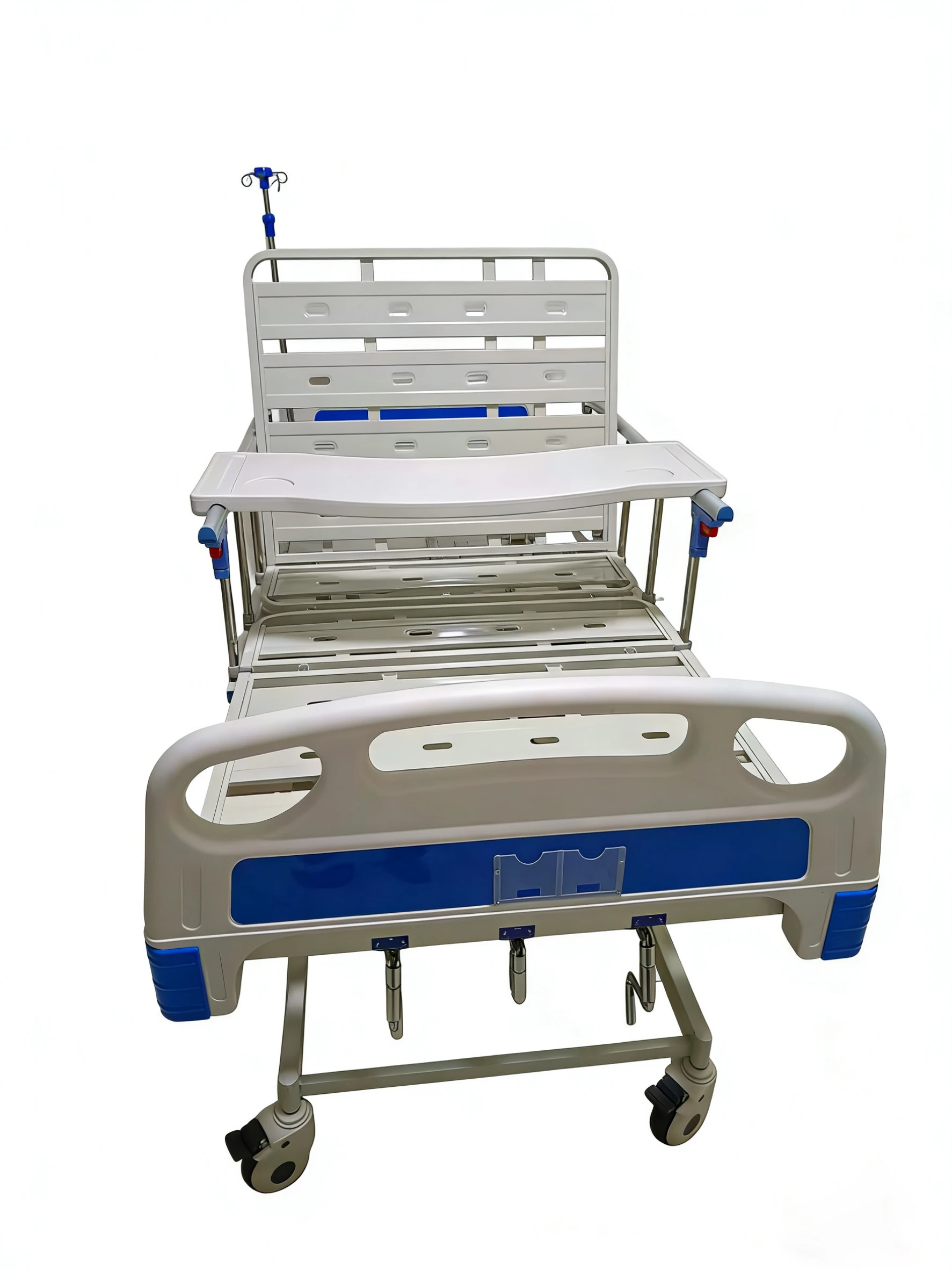
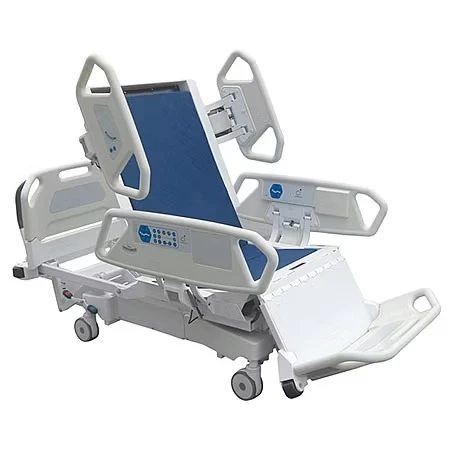
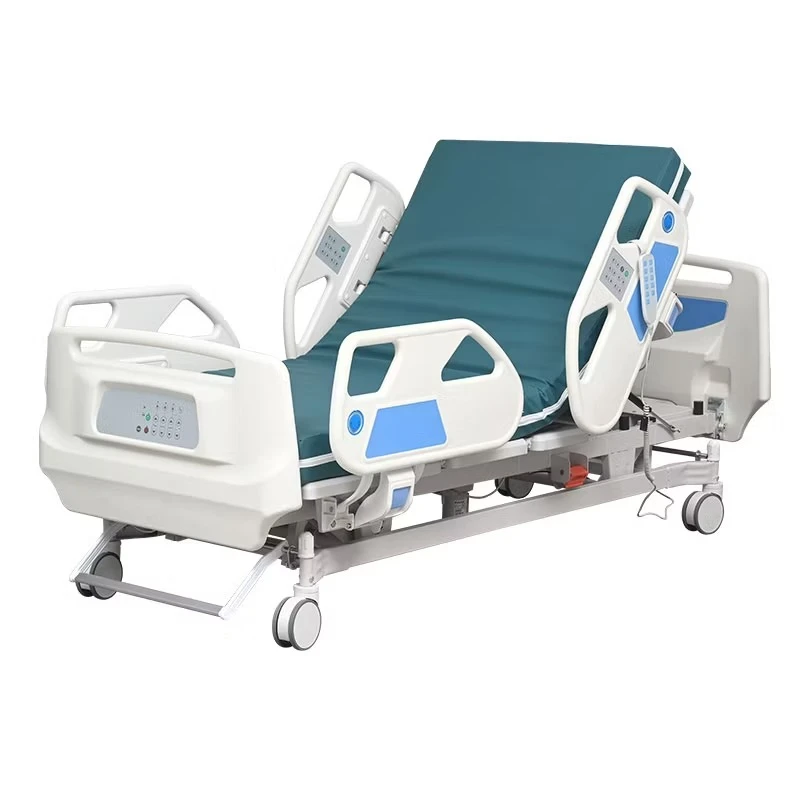
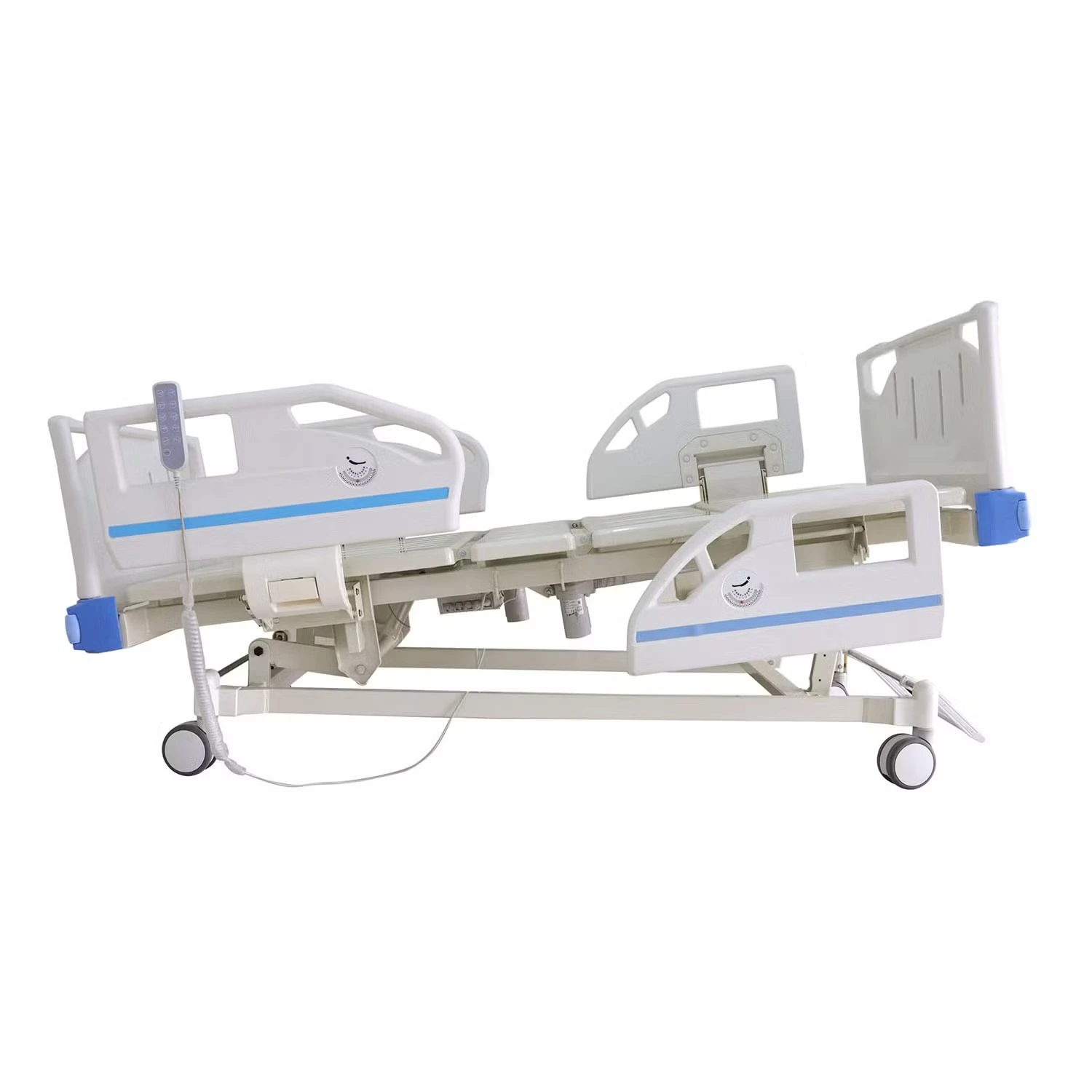
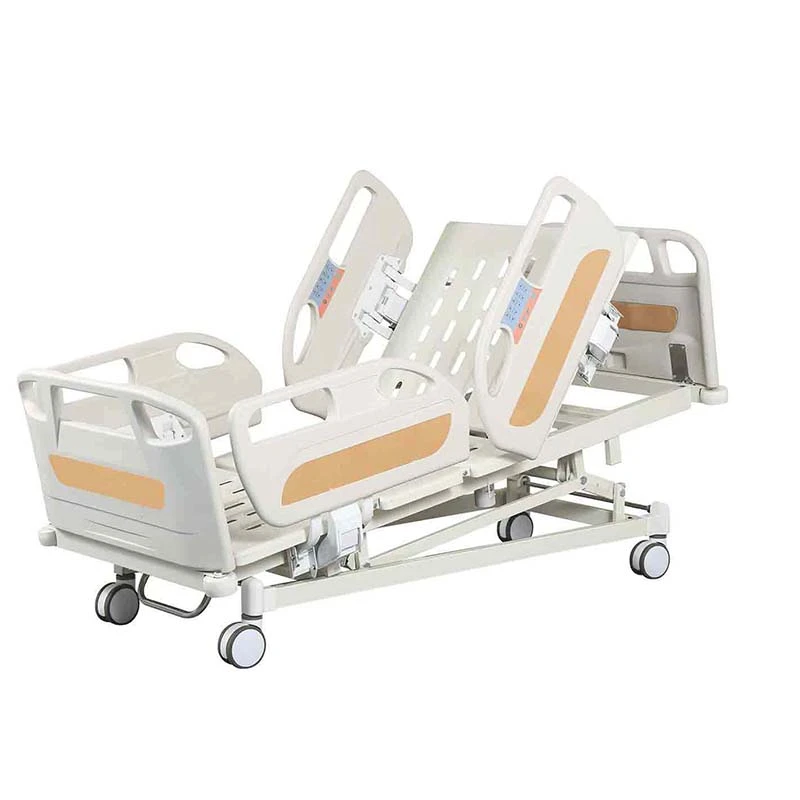
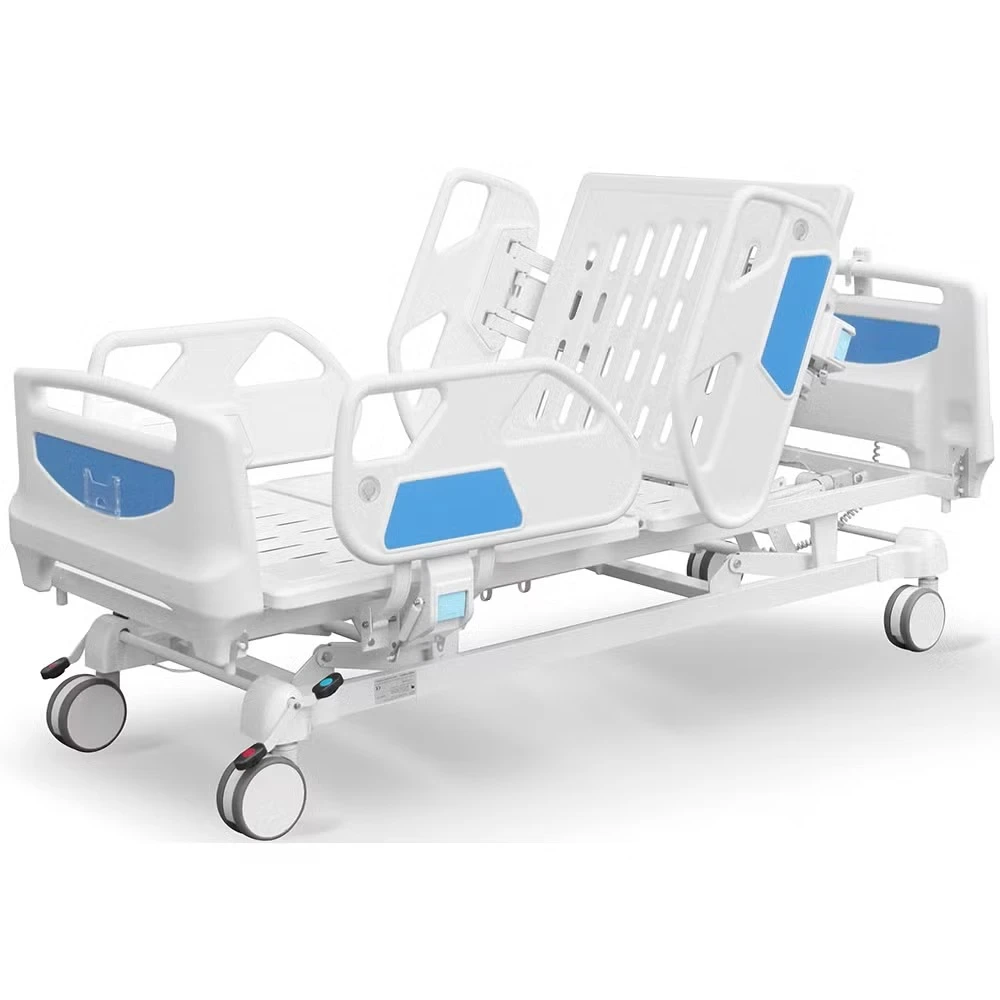
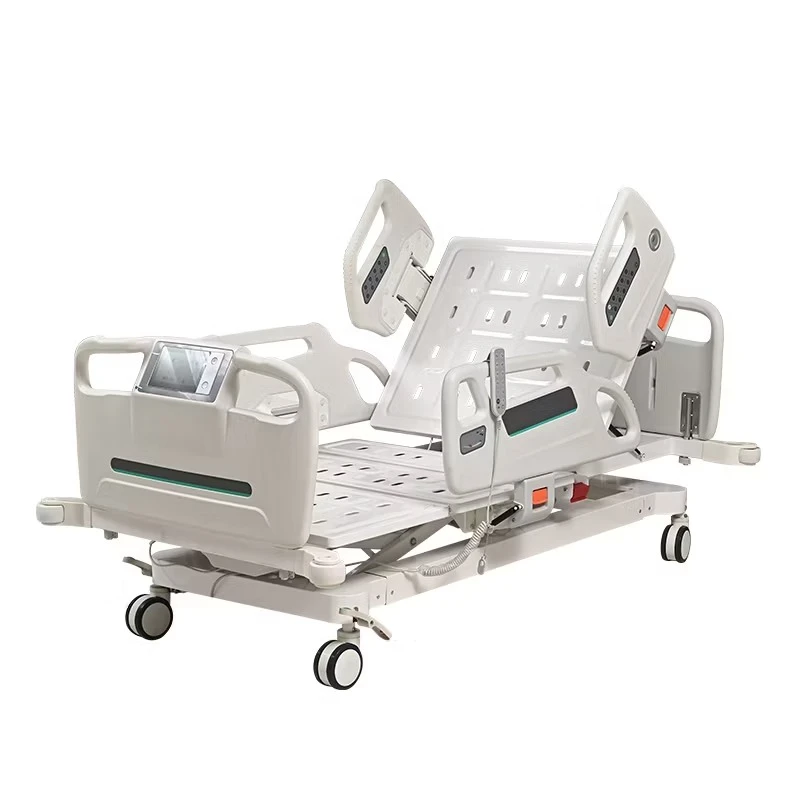
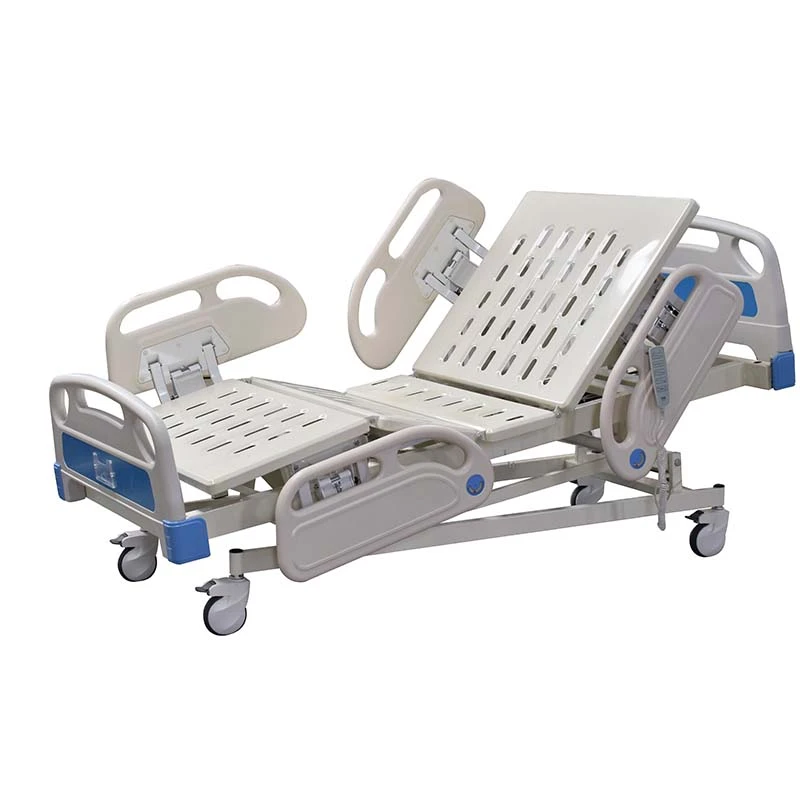
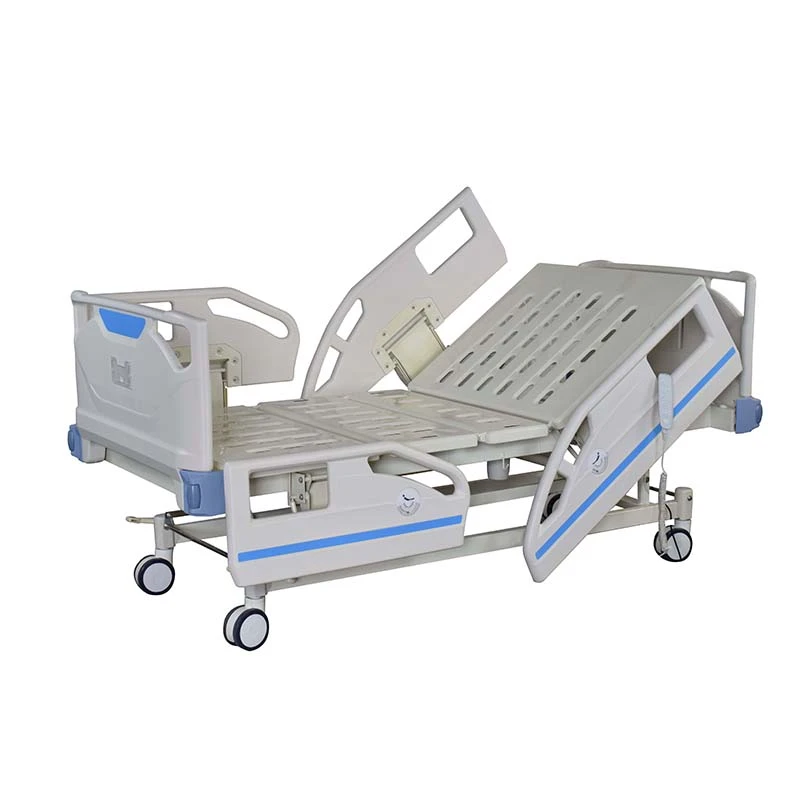
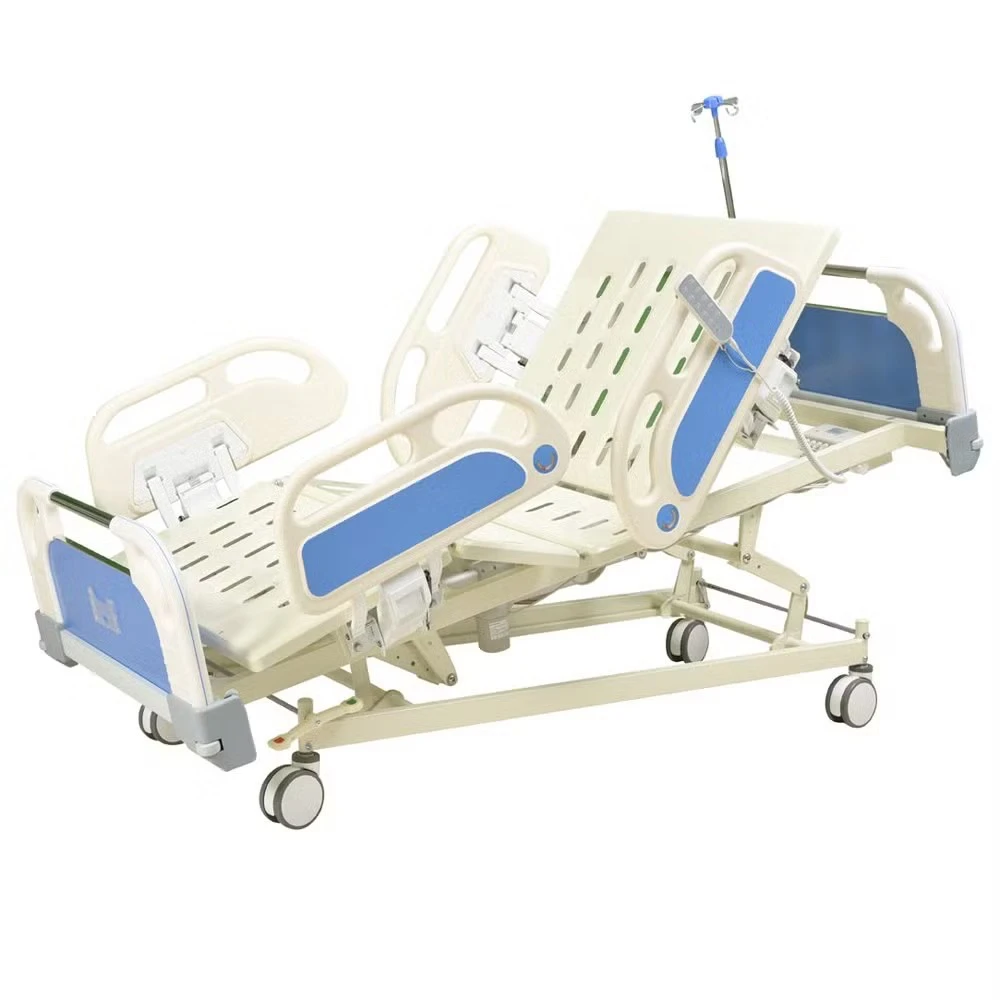
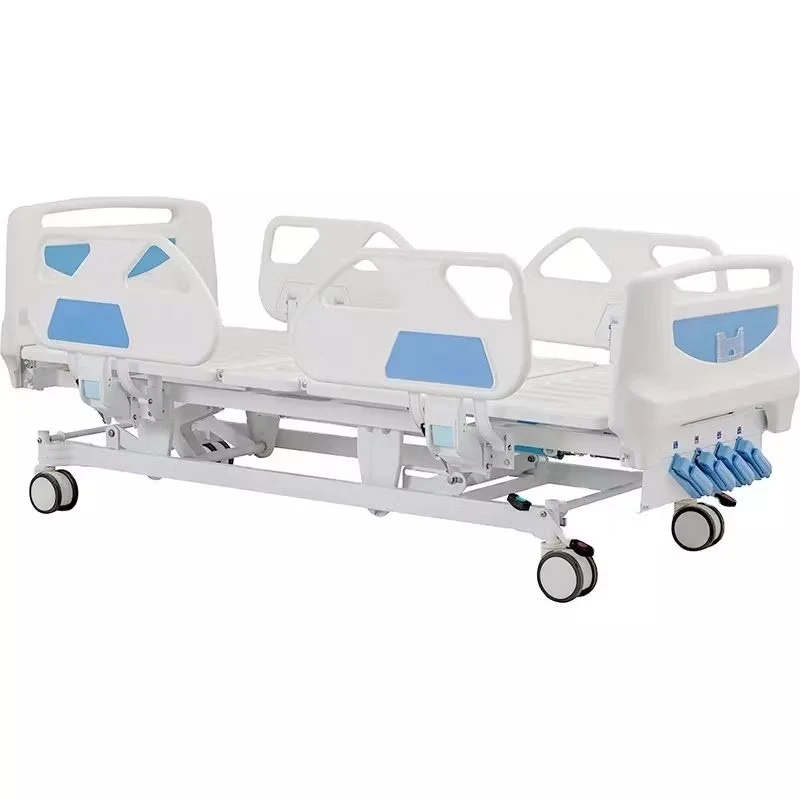
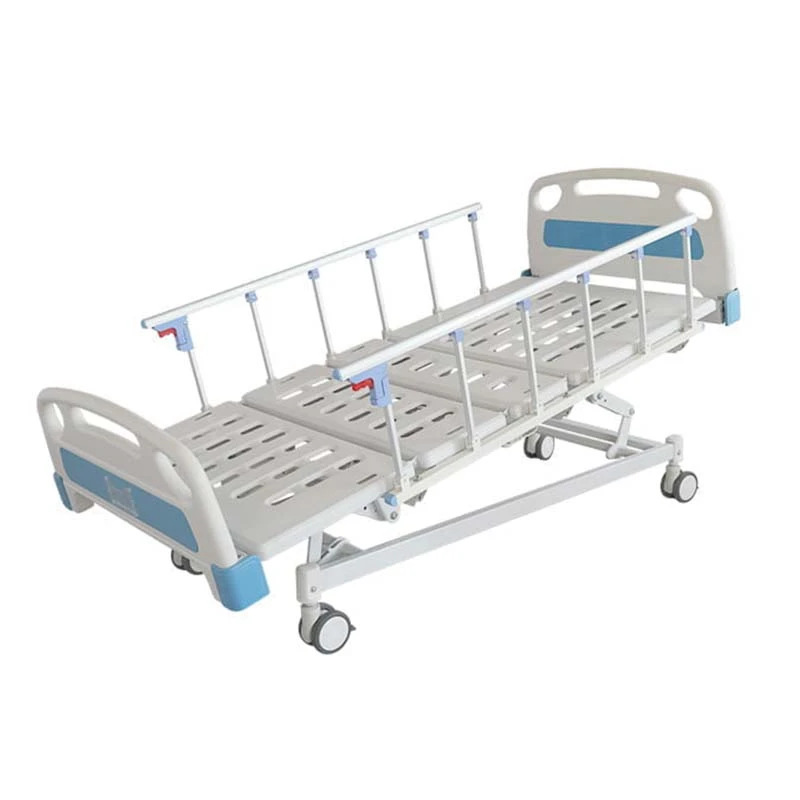
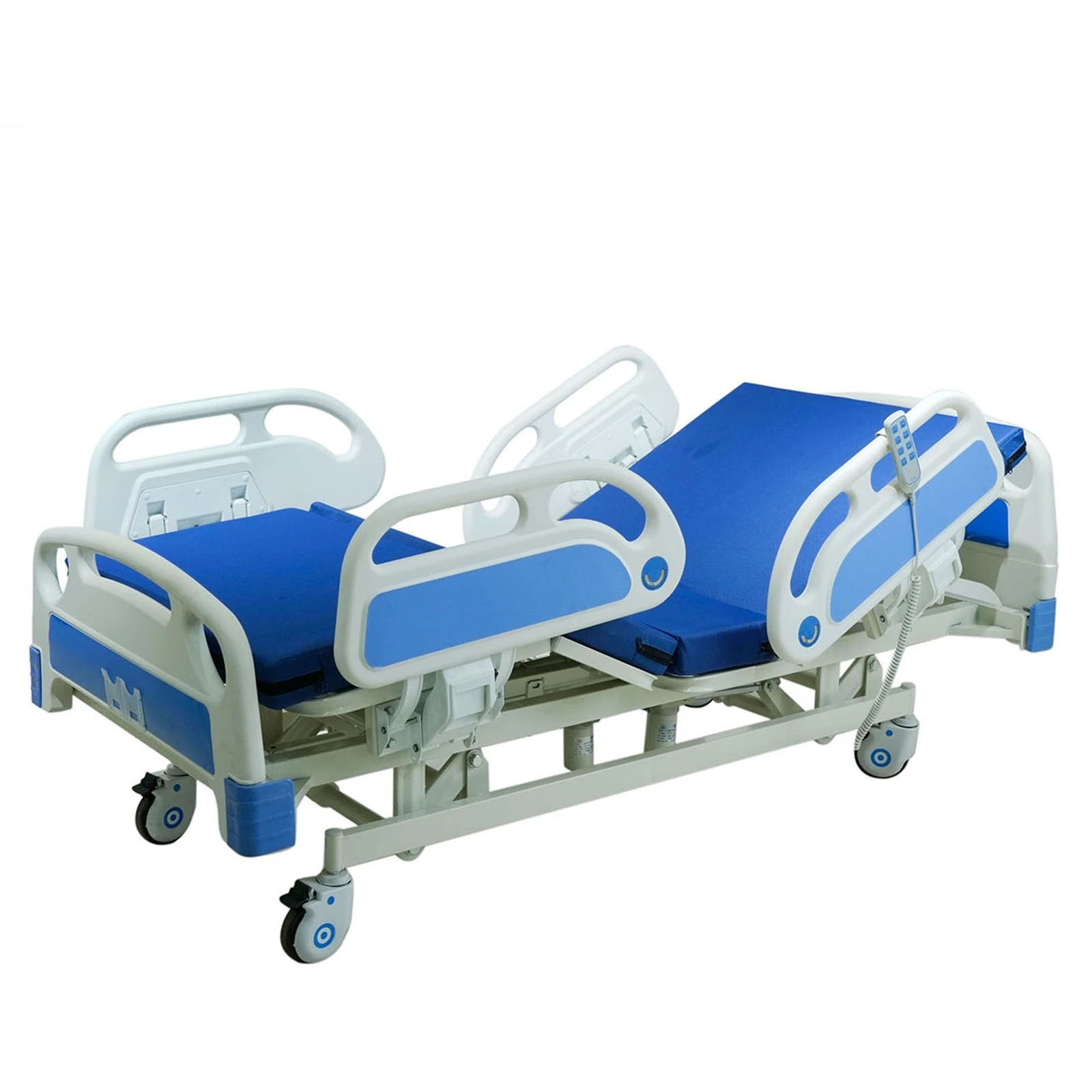
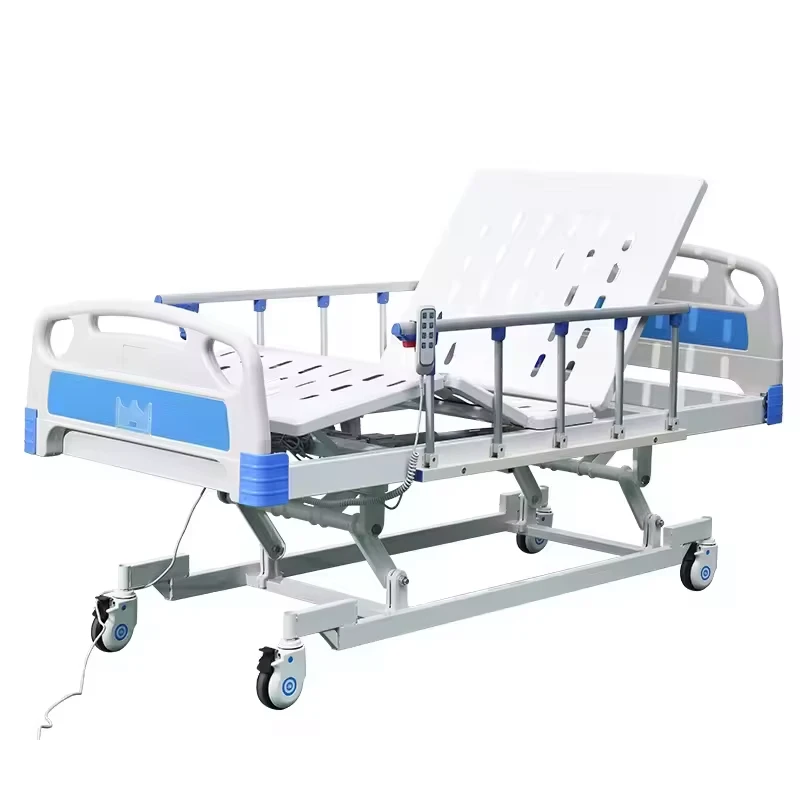
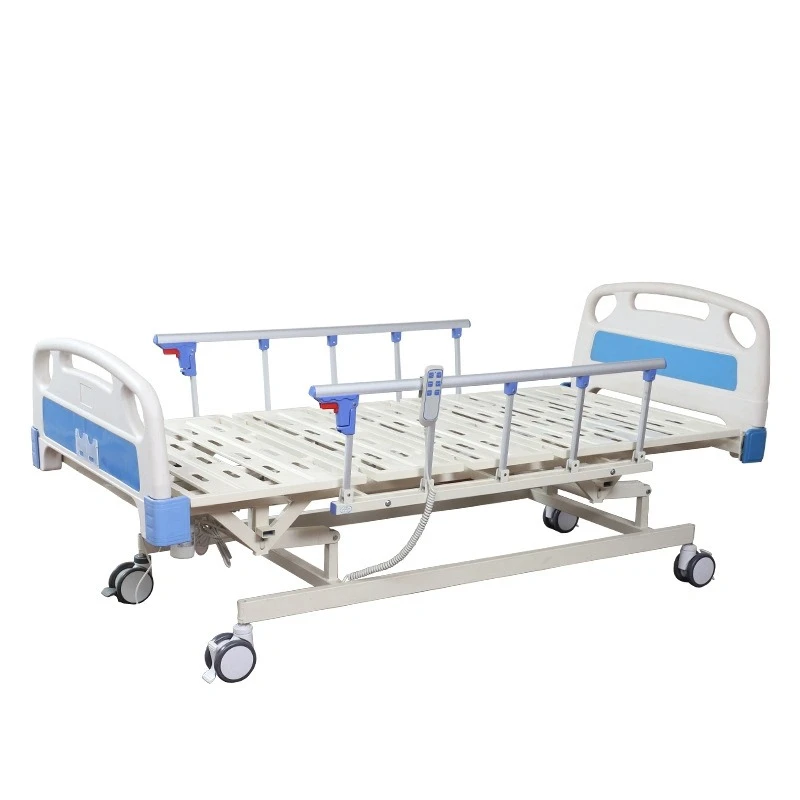
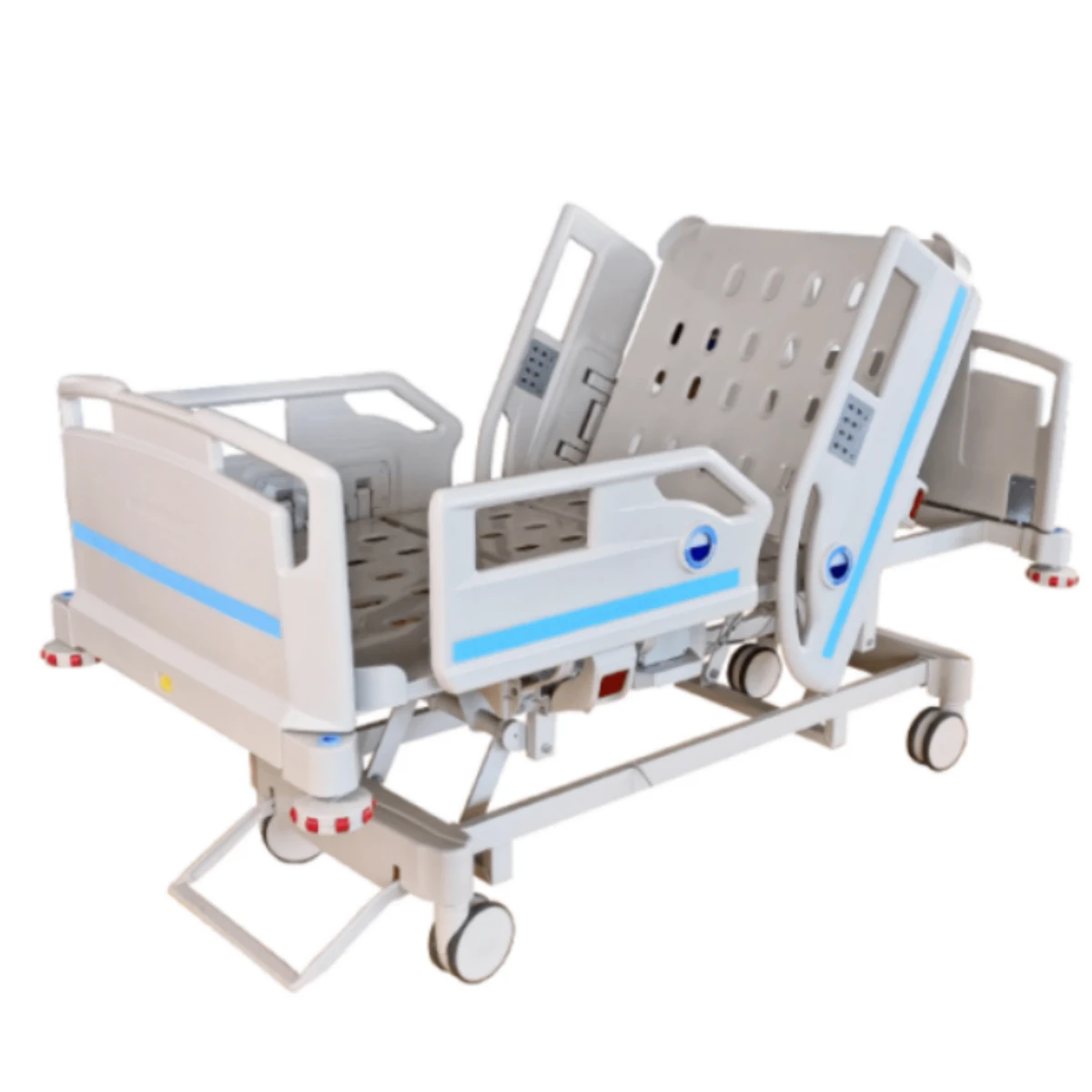
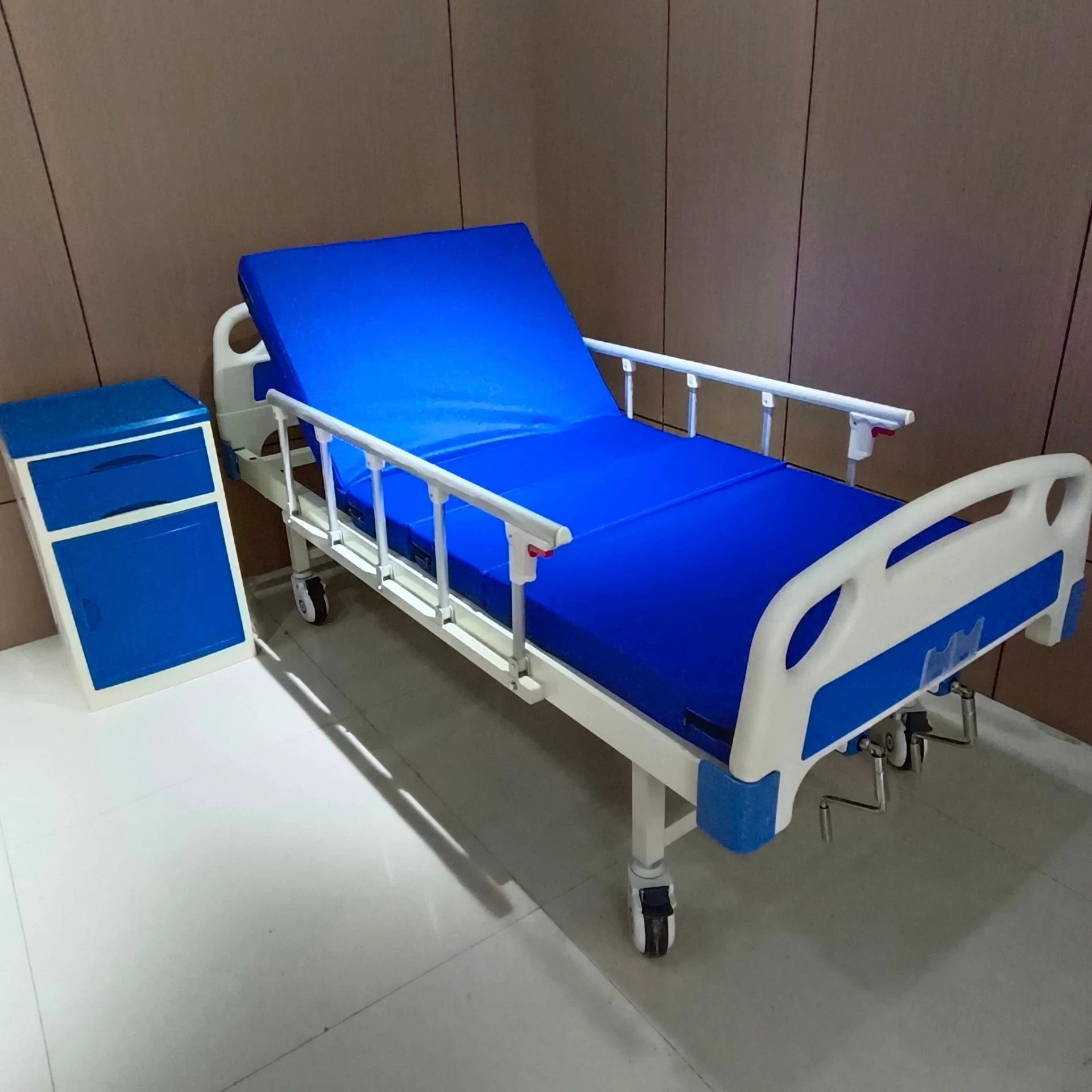
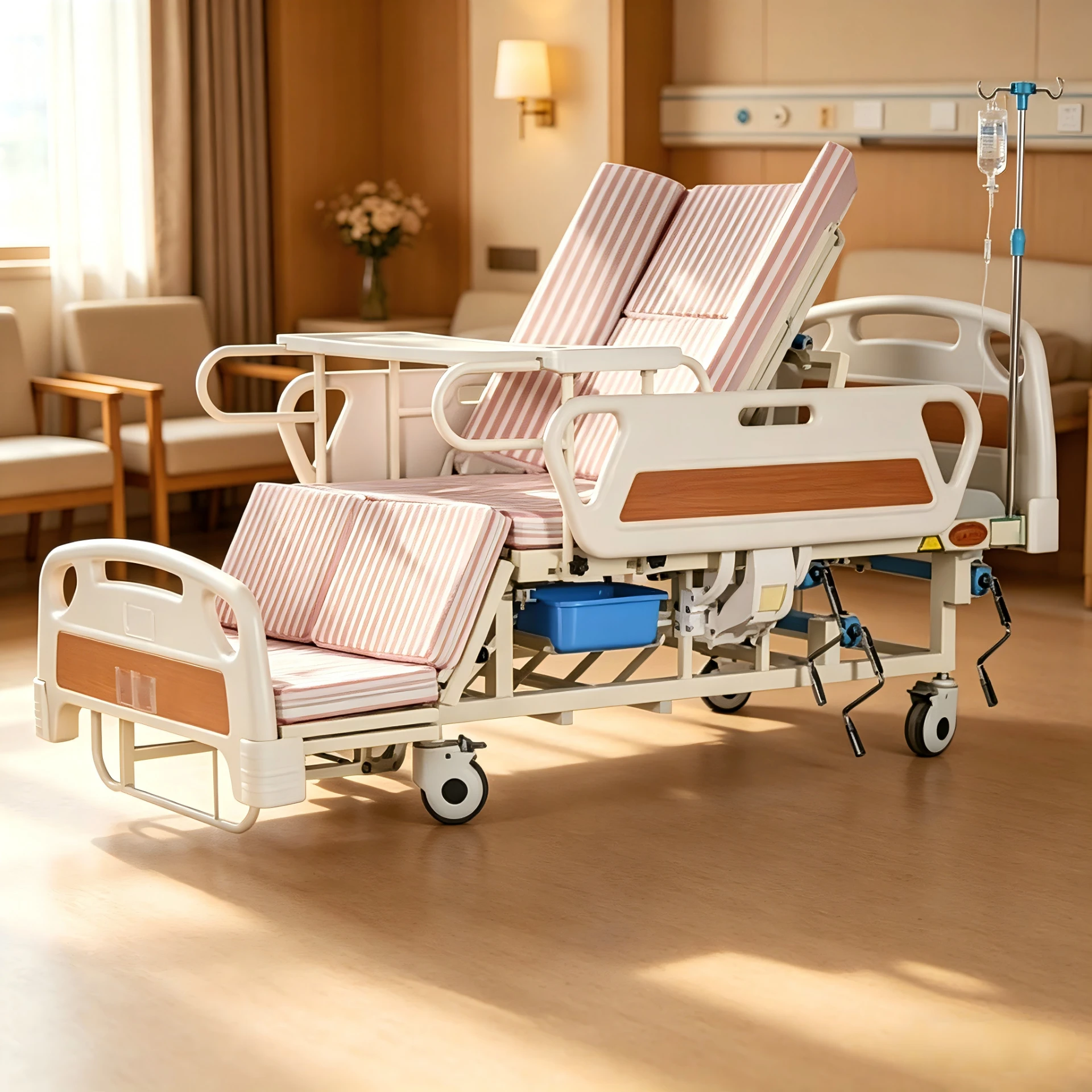
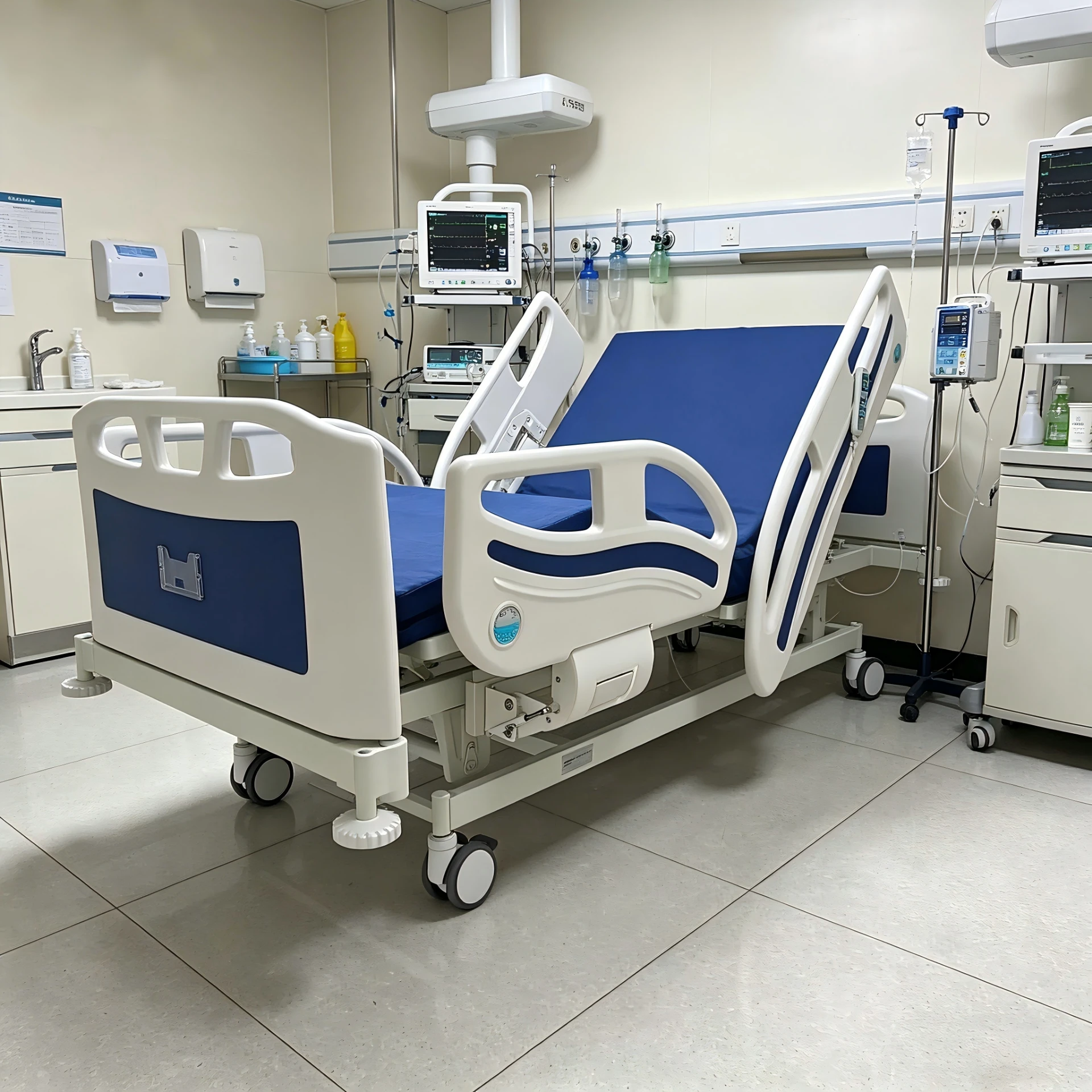
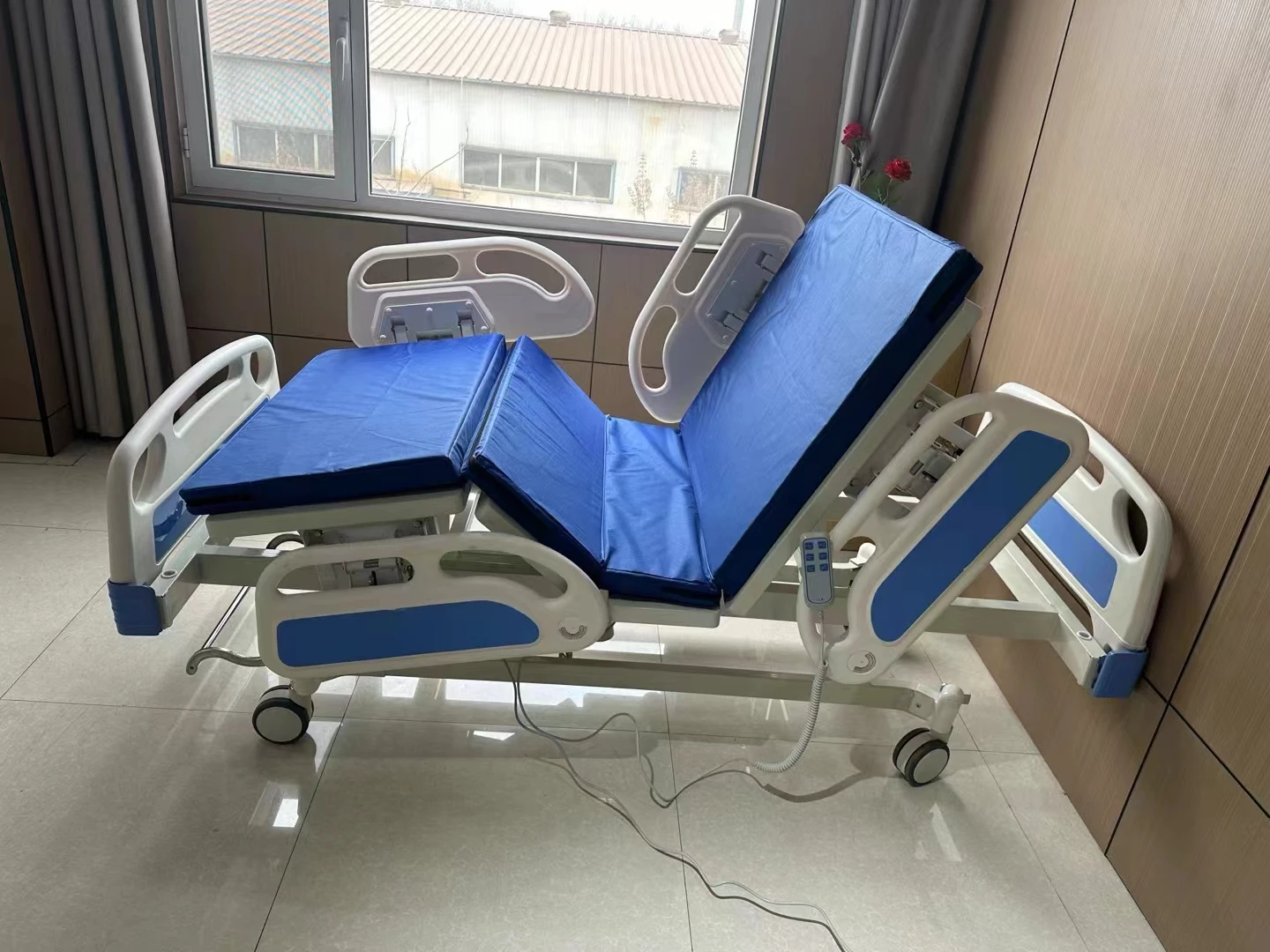
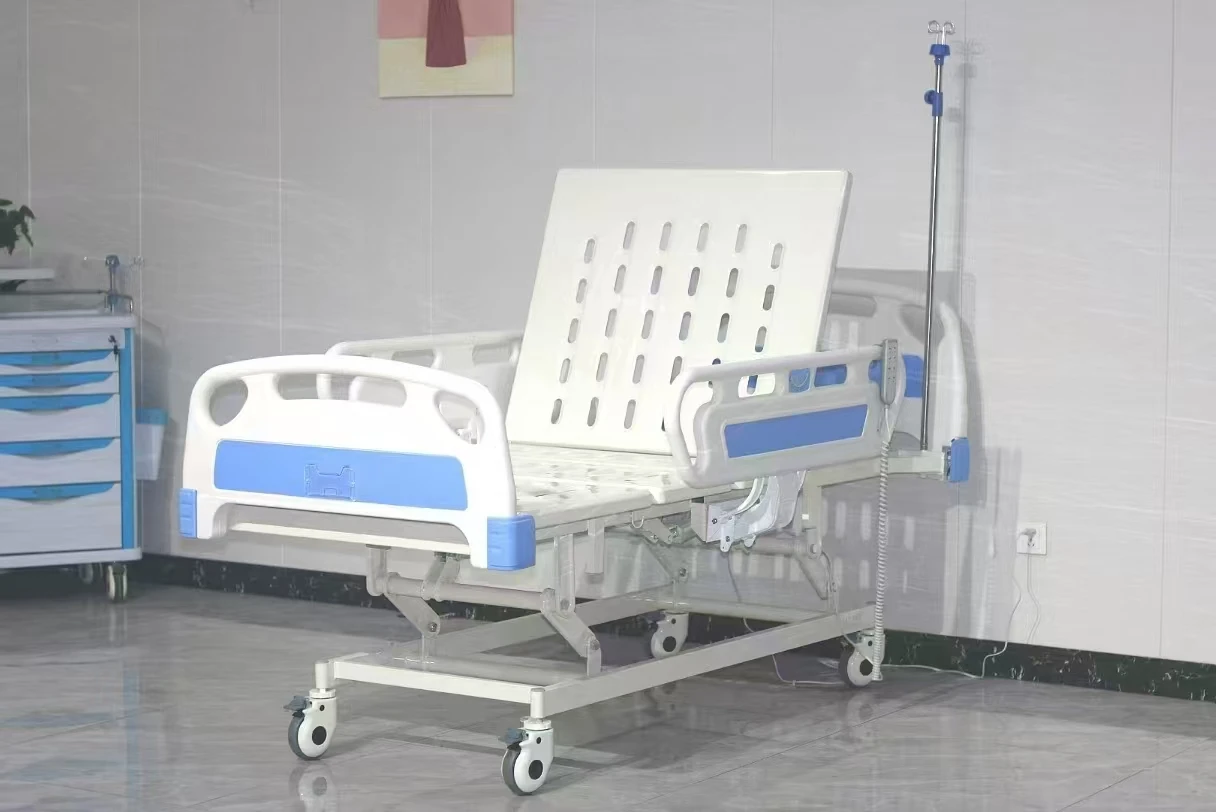
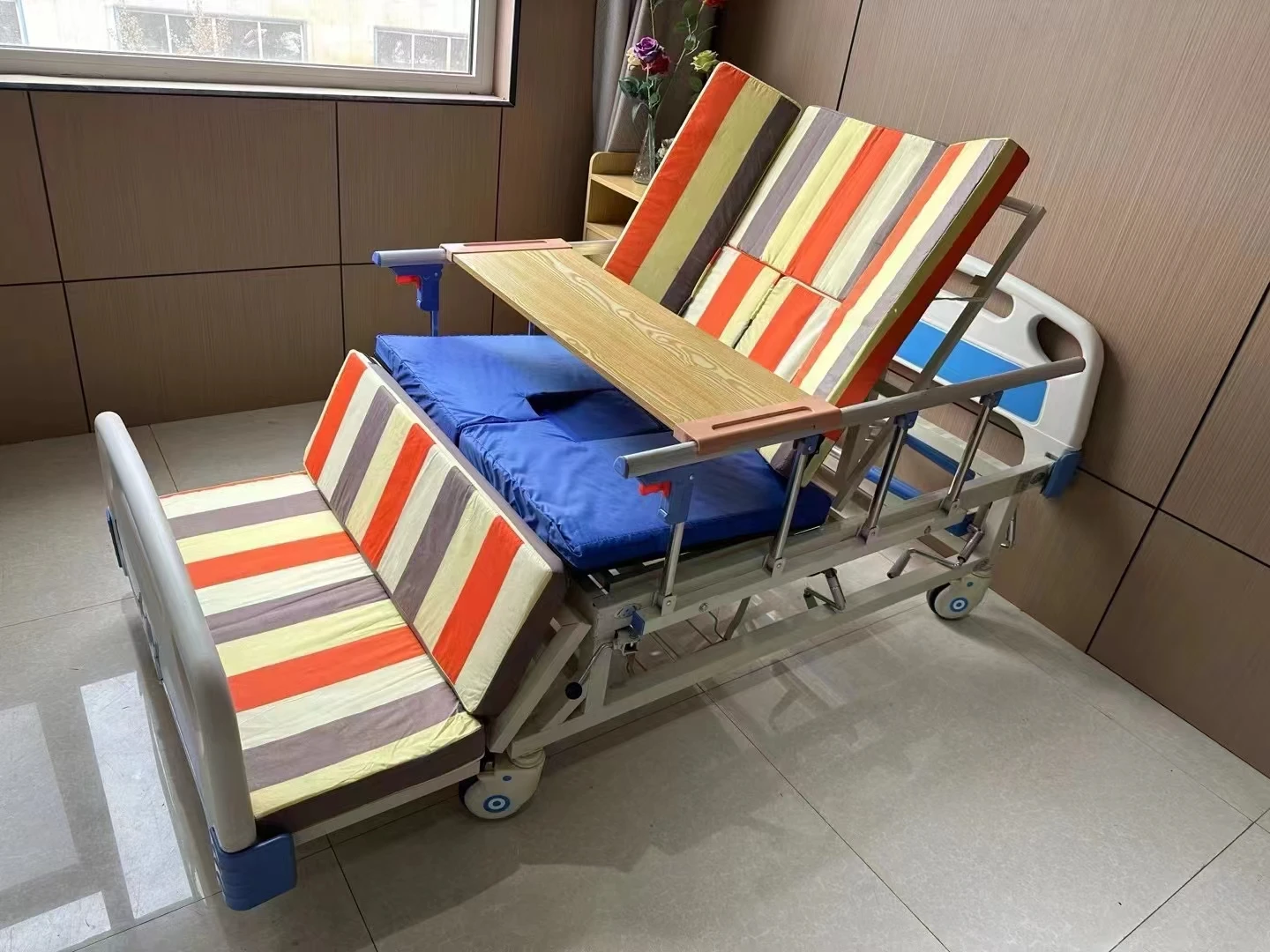
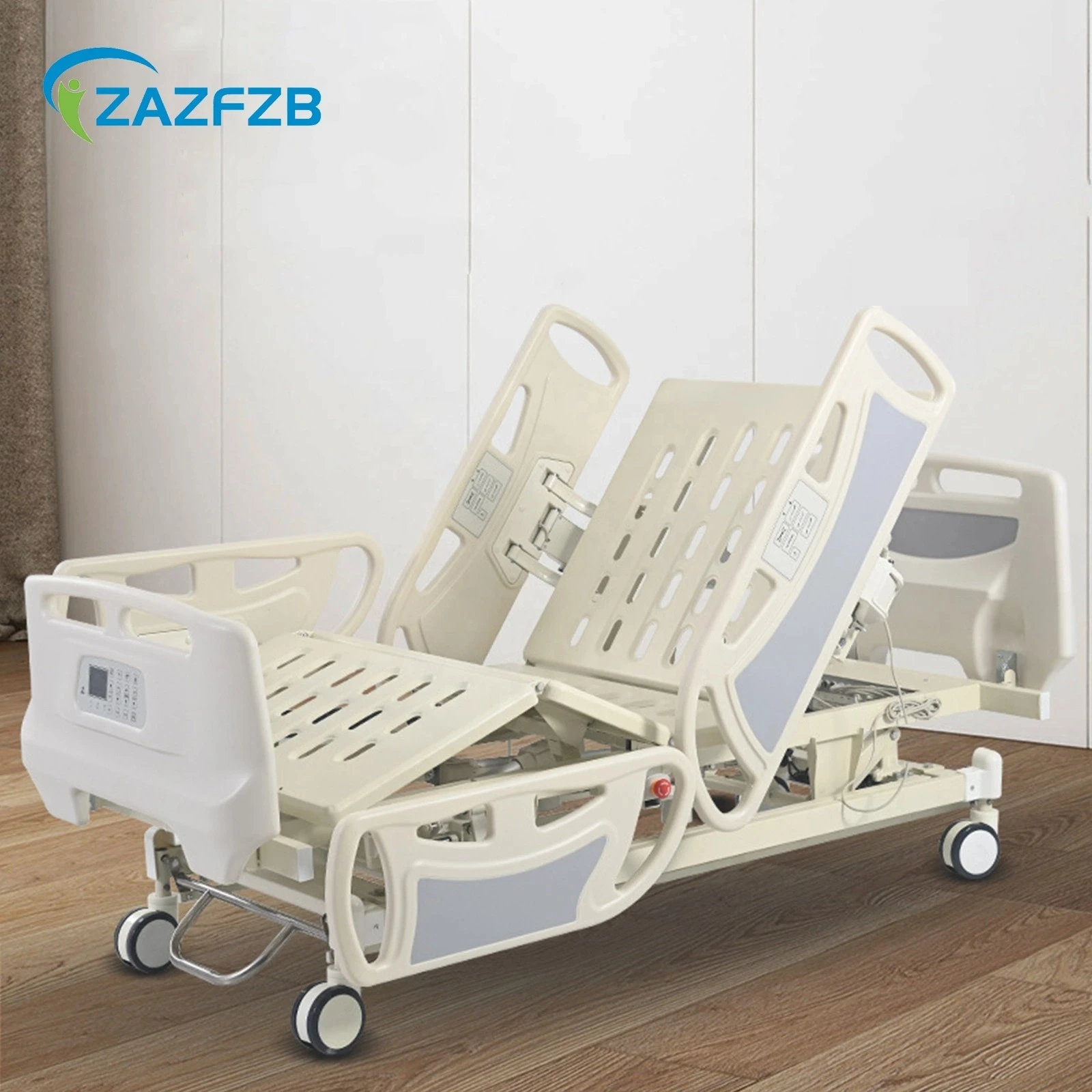
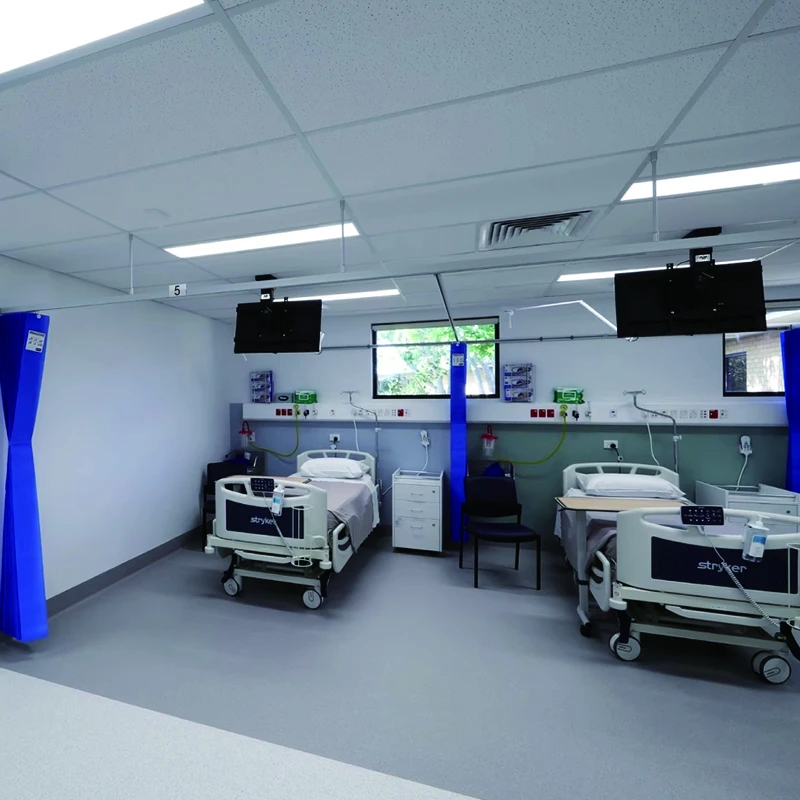
A hospital bed is not your average mattress and frame combo. These specialized beds offer adjustable positions to help patients with mobility, pressure relief, and caregiver access. When hospitals or clinics decide to buy hospital bed units, they look for durability, ease of cleaning, safety features like side rails, and sometimes high-tech add-ons like electronic controls.
Hospital beds are vital for both routine care and emergency scenarios. Often modular and customizable, they represent a blend of comfort and clinical utility designed to meet the complex needs of patients and medical staff alike.
Key Factors to Consider When Buying Hospital Beds
1. Durability and Build Quality
Hospital beds must cope with heavy use daily. Steel frames, high-quality plastics, and medical-grade coatings help extend lifespan. It’s not unusual for a bed to last 7+ years if chosen wisely.
2. Adjustability and Patient Comfort
From simple manual crank beds to advanced electric models with multiple lift points, adjustability is key. Good beds relieve pressure ulcers and help patients reposition independently or with minimal help.
3. Infection Control
Easy-to-clean surfaces, antimicrobial materials, and designs that prevent dirt traps contribute significantly to infection prevention.
4. Cost Efficiency and Warranty
Budget constraints influence choices, but a cheaper bed with frequent repairs can backfire. Balance upfront costs with long-term value and vendor support.
5. Compliance with Standards
International certifications, such as ISO 13485 for medical devices, ensure safety and reliability. This is especially important for global supply and hospital accreditation.
6. Mobility and Portability
For emergency setups or transport within hospitals, beds with lockable wheels and lightweight frames improve patient movement.
Hospital Beds Around the World: Use Cases and Applications
Hospital beds are everywhere, but purpose and design vary widely depending on context.
- High-income urban hospitals: Use high-tech, electrically adjustable beds with integrated monitoring options.
- Rural clinics: May focus on robustness and manual operation to cut costs and ease maintenance.
- Disaster relief zones: Need rapidly deployable beds that can be disassembled or stacked for storage.
- Long-term care facilities: Invest in beds that maximize comfort and reduce caregiver strain over long periods.
For example, during the COVID-19 crisis, hospitals worldwide scrambled to buy hospital beds that could swiftly convert to ICU setups or adapt to varying patient needs. In sub-Saharan Africa, NGOs often order modular beds that can be locally assembled to navigate import complexities.
Product Specification Table for a Typical Hospital Bed Model
| Specification | Details |
|---|---|
| Frame Material | Powder-coated steel |
| Adjustability | Electric with 4 motors |
| Weight Capacity | 250 kg (550 lbs) |
| Side Rails | Height adjustable, steel |
| Wheels | 4 lockable, 360° swivel |
| Certification | ISO 13485, CE Mark |
Vendor Comparison: Choosing Where to Buy Hospital Bed Products
| Vendor | Price Range | Warranty | Customization | Shipping Options |
|---|---|---|---|---|
| ZhaofaMed | $900 - $1500 | 3 years | High (custom colors, features) | Worldwide Express |
| MediBeds Co. | $1100 - $1400 | 2 years | Medium | Standard (within region) |
| Global Care Supplies | $800 - $1300 | 1 year | Low (basic models only) | Limited International |
Long-Term Value & Advantages of Purchasing Quality Hospital Beds
Good hospital beds do more than just hold patients. They contribute directly to recovery rates and the working conditions of medical teams. When equipped with ergonomic controls, these beds reduce nursing fatigue and minimize risks of patient falls. Emotionally, a comfortable bed also offers patients dignity and peace of mind during vulnerable times.
Logically, investing in higher quality reduces lifetime expenses—less maintenance, fewer replacements—and often aligns with sustainable procurement goals that prioritize responsible, durable goods.
The Future of Hospital Beds: A Glimpse Ahead
Looking forward, technology is reshaping hospital beds in fascinating ways. For instance, IoT-enabled beds can monitor patient vitals remotely, alert staff about immobility, or automatically adjust to maintain pressure relief. Innovations in sustainable materials also promise eco-friendly designs, reducing environmental impact.
Automation, smart sensors, and modular accessories will likely become standard. Energy-efficient motors and solar-powered options might address challenges in off-grid hospitals. Of course, affordability and training will remain key for widespread adoption globally.
Common Challenges in Buying Hospital Beds—and How to Solve Them
One obstacle that frequently pops up is balancing cost with quality. Lower-priced beds may lack essential safety features or durability, leading to higher total cost of ownership. Another tricky part is navigating import regulations or certifications when sourcing internationally.
Solutions? Partnering with reputable vendors who offer warranties, customer support, and transparent certifications can make all the difference. Training staff on bed use and maintenance maximizes lifespan and keeps patients safe. Lastly, opting for modular designs improves scalability and repairability — a lifesaver in low-resource settings.
FAQ: What You Want to Know When You Buy Hospital Bed
- What is the difference between manual and electric hospital beds?
- Manual beds are adjusted by hand-cranks and typically cost less, making them ideal for low-budget or rural clinics. Electric beds offer motorized adjustments, improving patient comfort and nursing efficiency, but come at a higher price and require reliable power.
- How important are side rails on hospital beds?
- Side rails prevent accidental falls and assist patients in repositioning. They’re crucial for patient safety but must be designed to avoid risks like entrapment. Adjustable steel rails are commonly preferred for hospitals.
- Can hospital beds be customized for different medical needs?
- Absolutely. Many vendors offer customizable options such as adjustable heights, specialized mattresses, or integrated monitoring. Choosing the right package depends on the patient population and care environment.
- How do I ensure the hospital beds meet international safety standards?
- Look for certifications like ISO 13485 and CE marking. These signal compliance with recognized medical device regulations and help with hospital accreditation processes.
- Is it possible to get hospital beds shipped to remote areas quickly?
- Some suppliers, like ZhaofaMed, provide worldwide express shipping and modular designs for faster assembly onsite, making rapid deployment easier even in remote or disaster-hit regions.
Wrapping It Up: The Smart Way to Buy Hospital Bed
Choosing to buy hospital bed products is more than just a purchase — it’s a strategic decision impacting patient well-being, hospital efficiency, and broader public health outcomes. By focusing on quality, compliance, cost-effectiveness, and future-readiness, healthcare providers ensure they’re prepared for both routine care and emergencies.
If you’re looking to invest in reliable, customizable hospital beds with excellent service, it’s worth checking out buy hospital bed options on trusted platforms that understand global healthcare challenges.