Nov 25,2025
Adjustable Hospital Bed Price Guide: Global Insights & Future Trends
Why Understanding Adjustable Hospital Bed Price Matters Globally
Let’s be honest — when hospitals or care centers invest in beds, they’re not just furnishing rooms. Adjustable hospital beds are vital medical assets that directly affect patient comfort, recovery speed, and caregiver efficiency. Globally, the price of these beds impacts accessibility, healthcare budgets, and ultimately, the quality of patient care. From bustling urban hospitals in New York to remote clinics in sub-Saharan Africa, knowing the adjustable hospital bed price helps planners allocate resources smartly—balancing cost with durability, safety, and tech features. And with the world’s population aging rapidly (the UN projects the number of people aged 60+ will double by 2050), the demand for adjustable beds — which cater especially to elderly and disabled patients — is skyrocketing. That’s why diving into the price factors, innovations, and usage trends is more than just industry chatter; it’s about improving health outcomes on a large scale.
Mini Takeaway: The cost of adjustable hospital beds plays a critical role worldwide in healthcare accessibility and patient welfare, highlighting the need to understand its components and impact.
The Global Context: Why Adjustable Hospital Bed Price Is Under the Spotlight
Nearly every healthcare system faces a balancing act: how to increase quality while managing costs. According to the World Health Organization, hospital bed availability is a key metric influencing care standards, but it’s not just about the number of beds — it’s the quality and adaptability that matter. Adjustable beds enhance mobility, reduce pressure ulcers, and improve nursing workflows. Yet, their prices vary widely worldwide, influenced by manufacturing costs, technology, and market competition. In developing regions, the challenge isn’t just price but value — often, cheaper beds lack safety features or durability. Conversely, in wealthier markets, innovations like integrated monitoring can spike costs. Pricing transparency becomes crucial for hospitals, NGOs, and governments aiming to procure beds that offer the best bang for their buck without compromising patient dignity or safety.Framing the Challenge
How to gauge what’s fair and practical? What underlying features or certifications should push prices higher — and which markups are inflated? Understanding adjustable hospital bed price helps healthcare providers forecast budgets realistically and aids manufacturers in targeting innovations without pricing themselves out of the market.What Does 'Adjustable Hospital Bed Price' Really Mean?
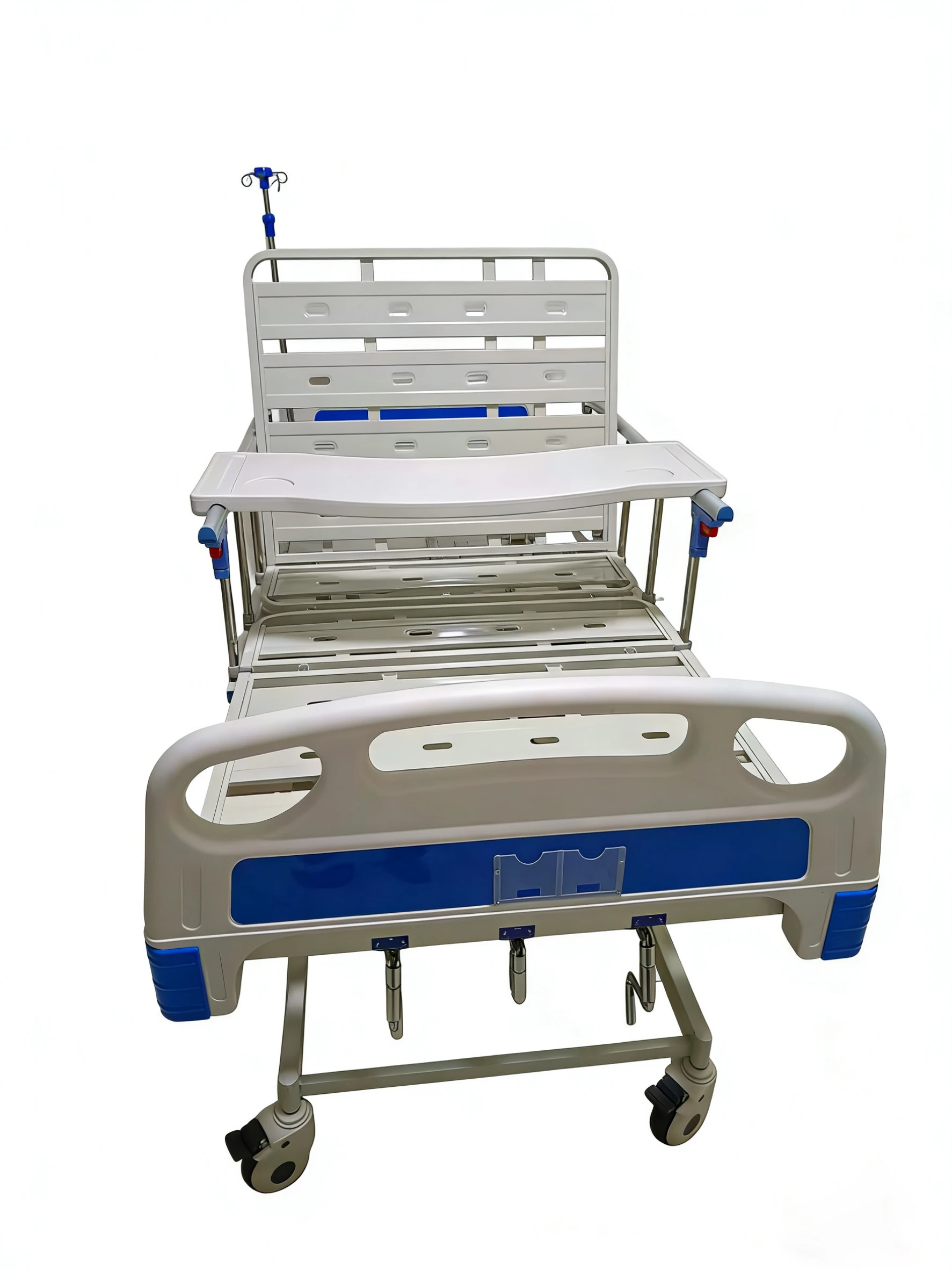
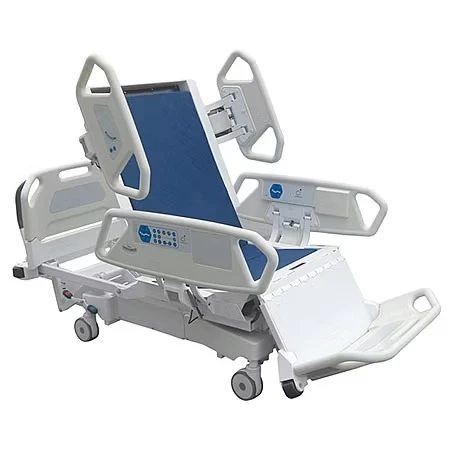
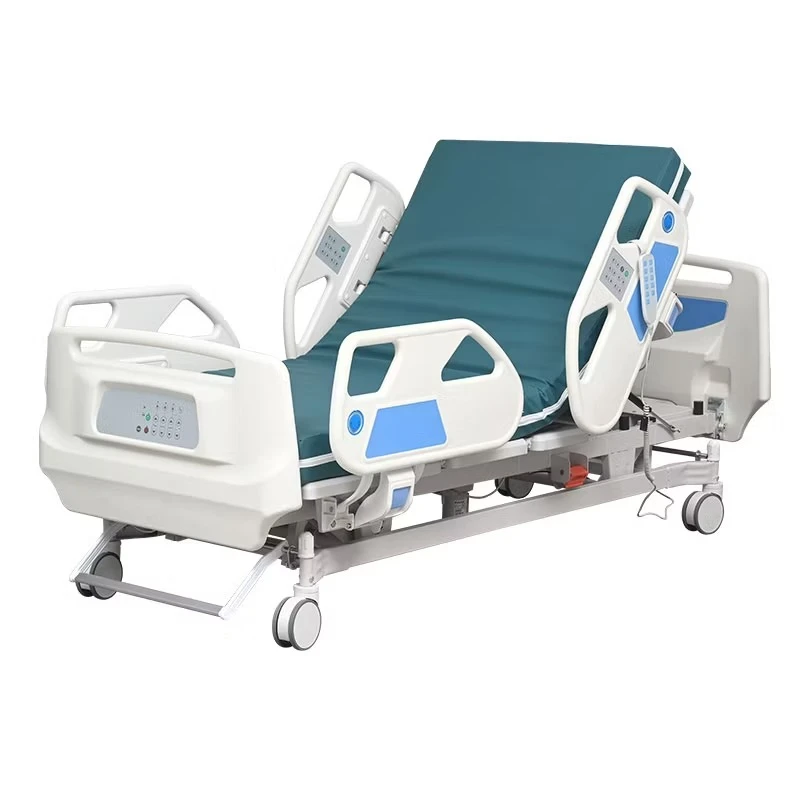
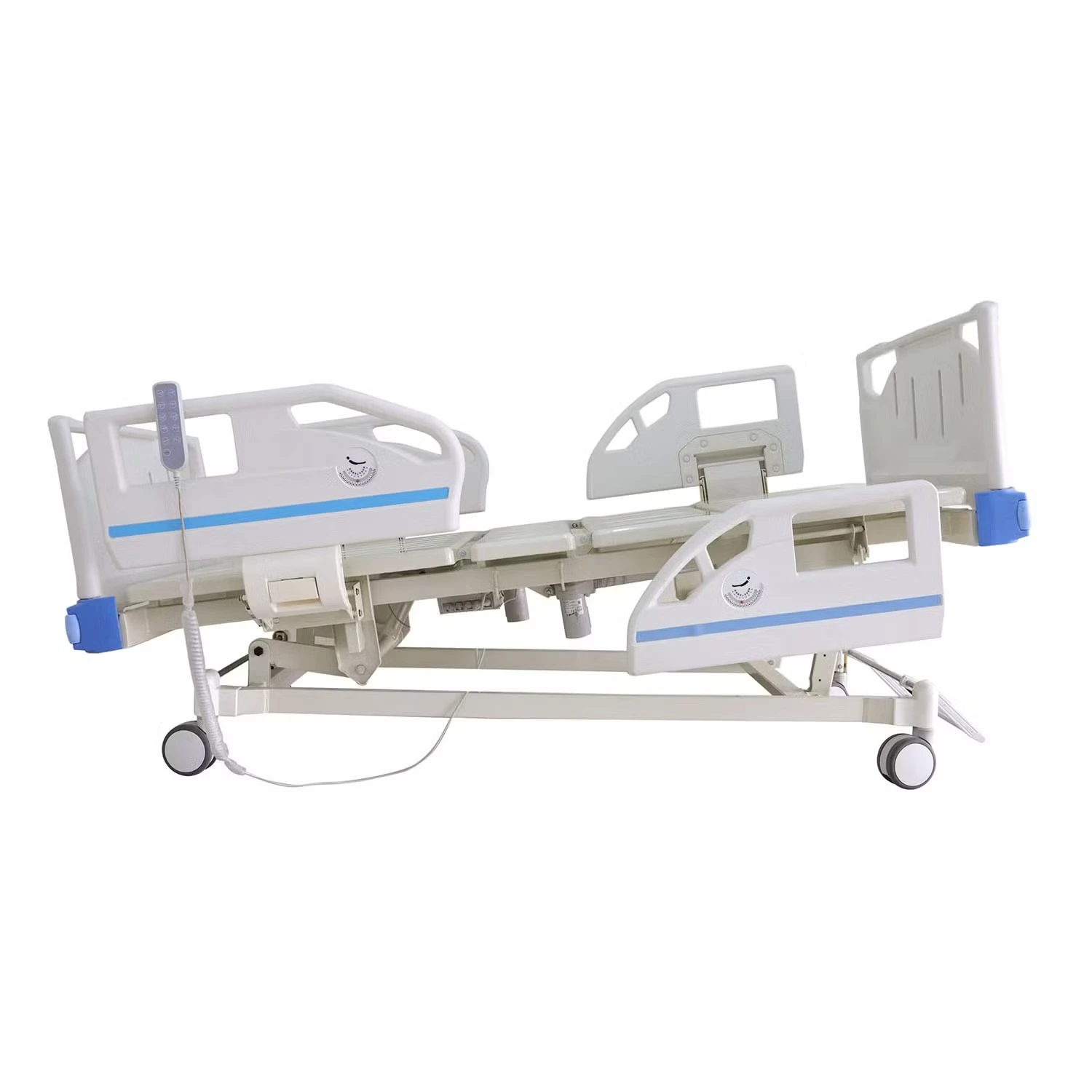
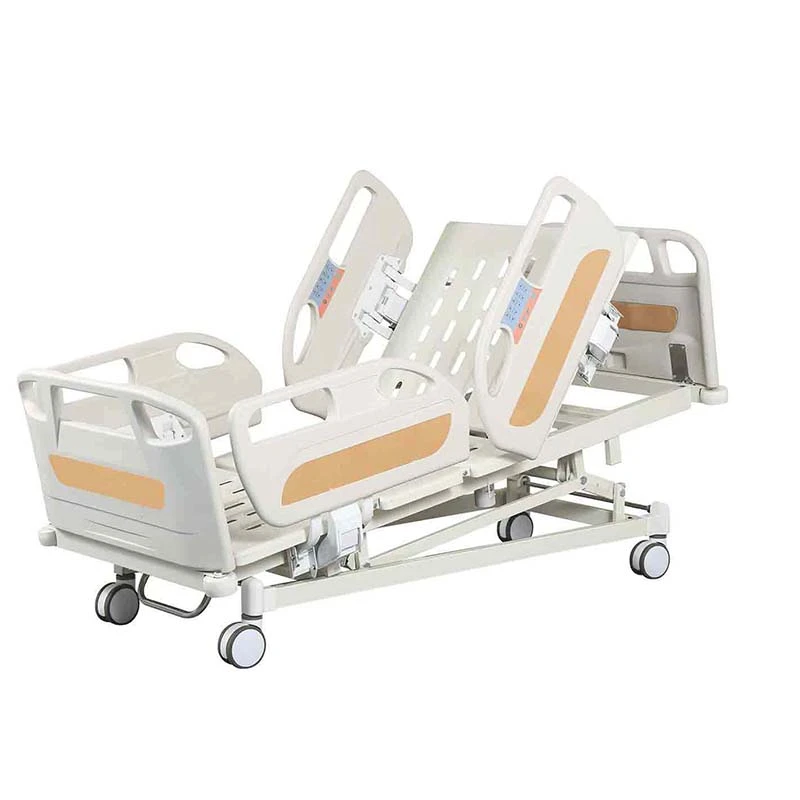
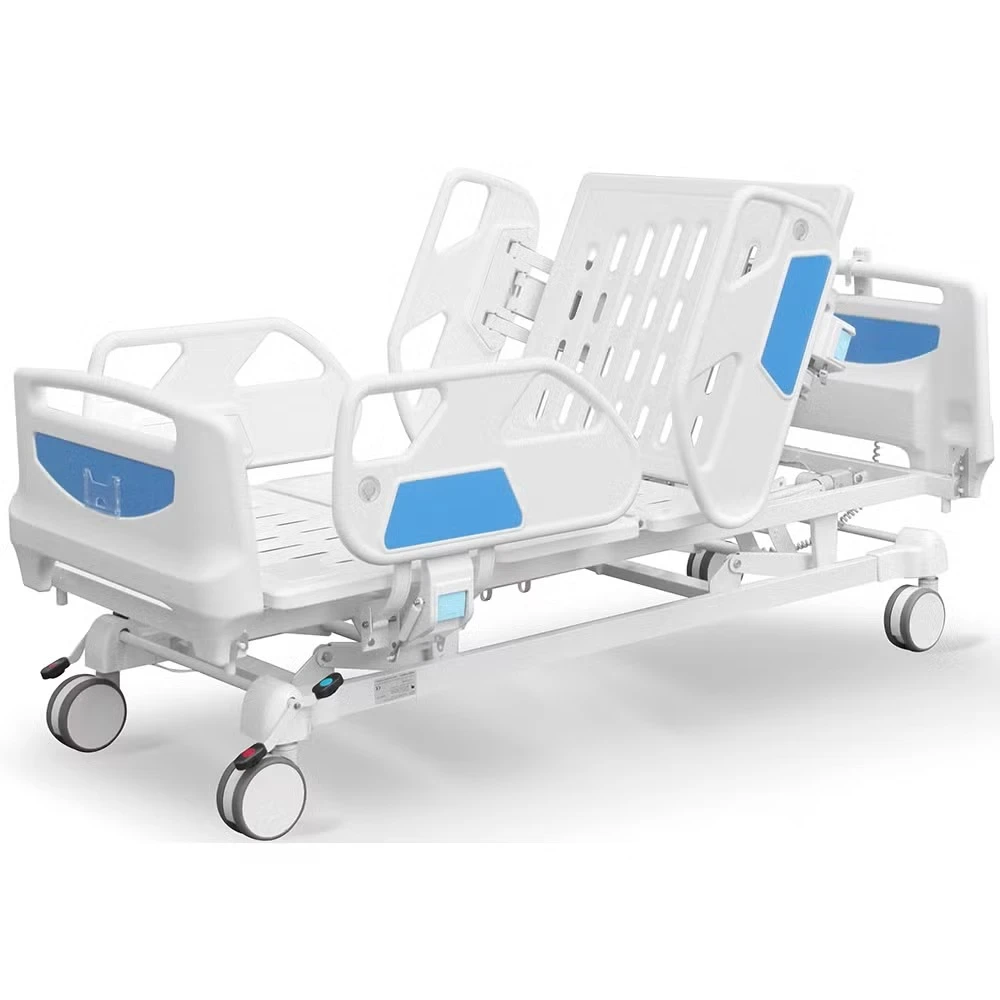
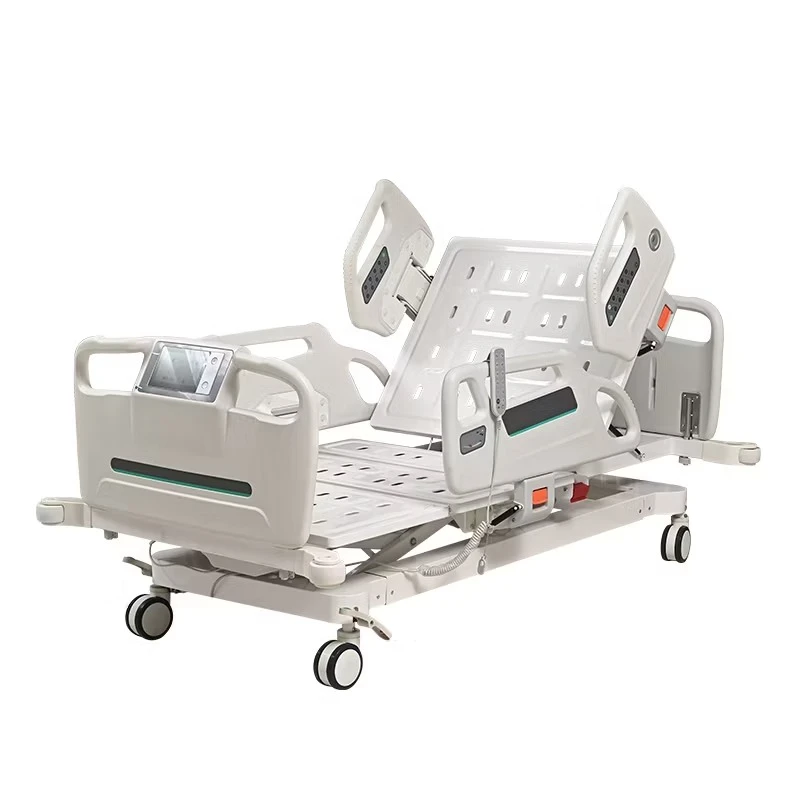
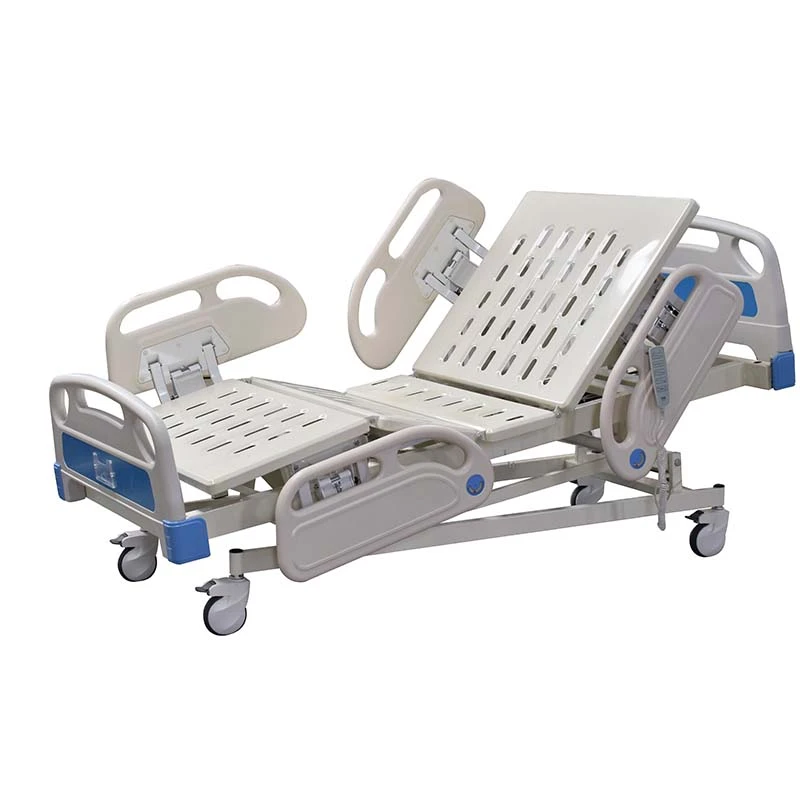
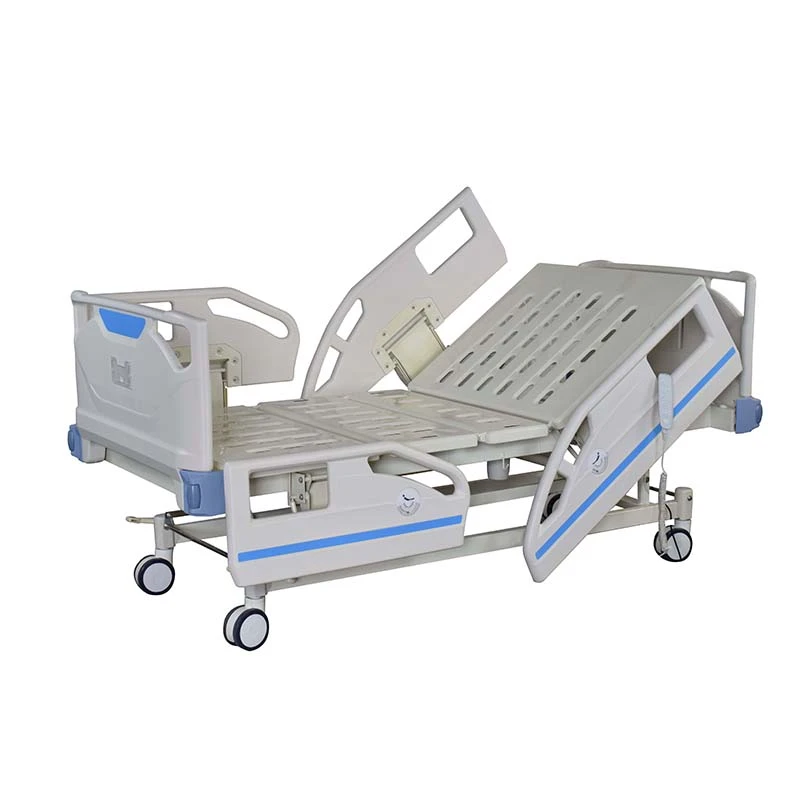
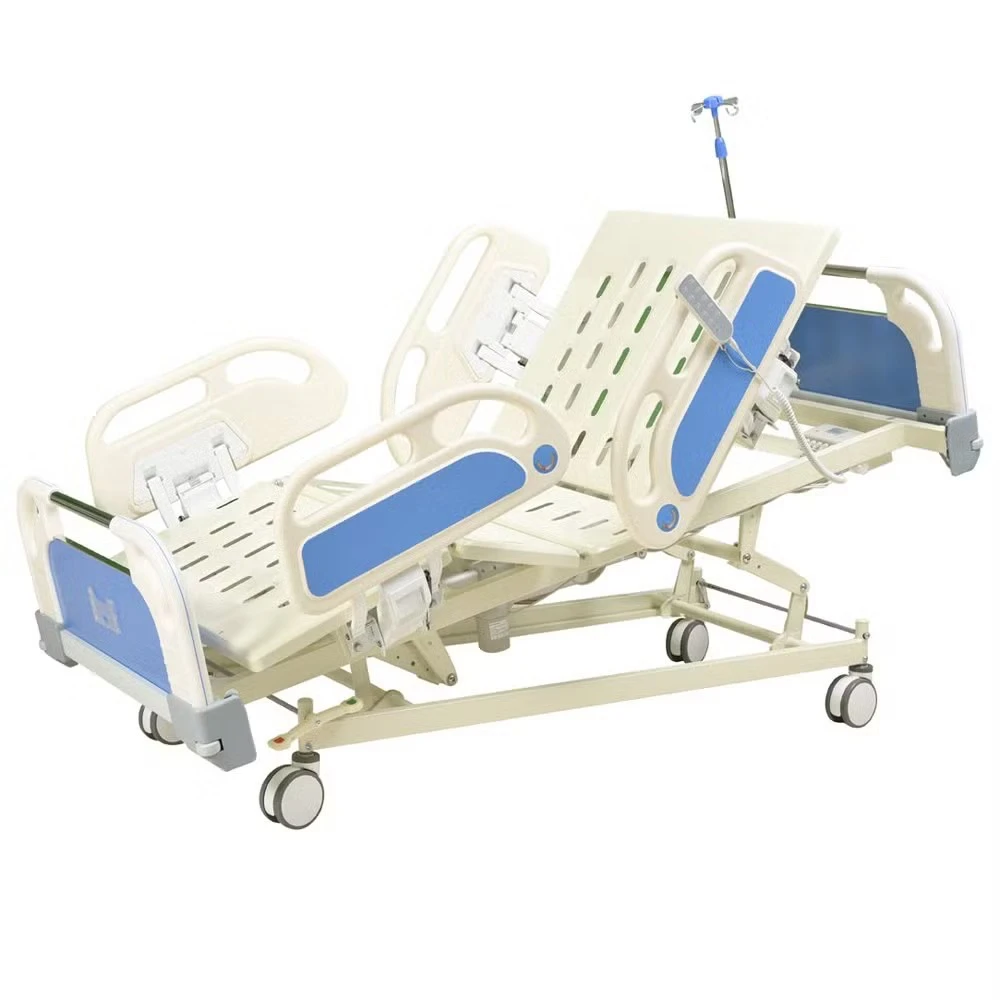
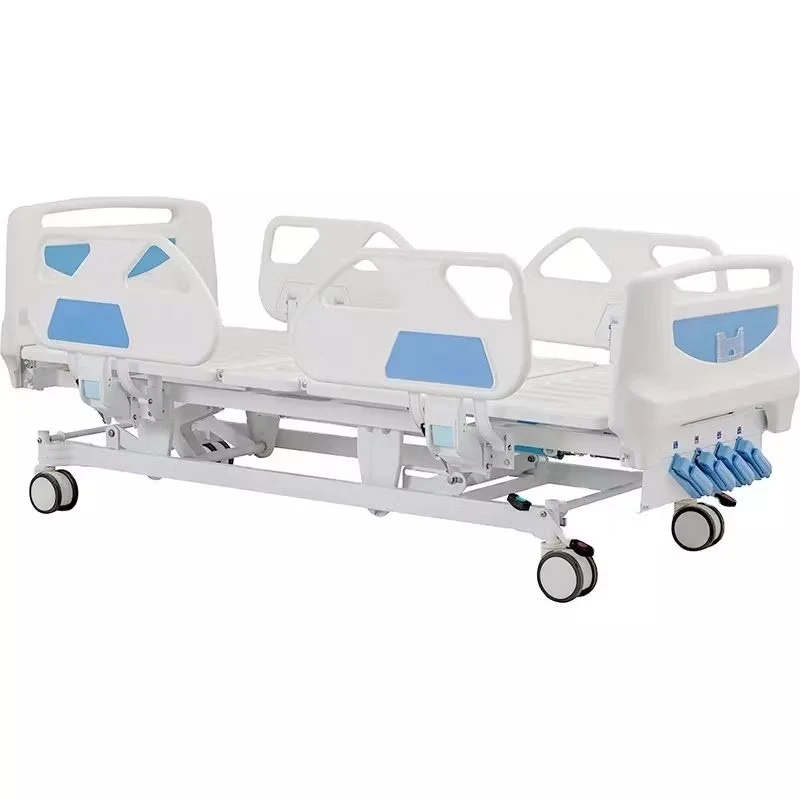
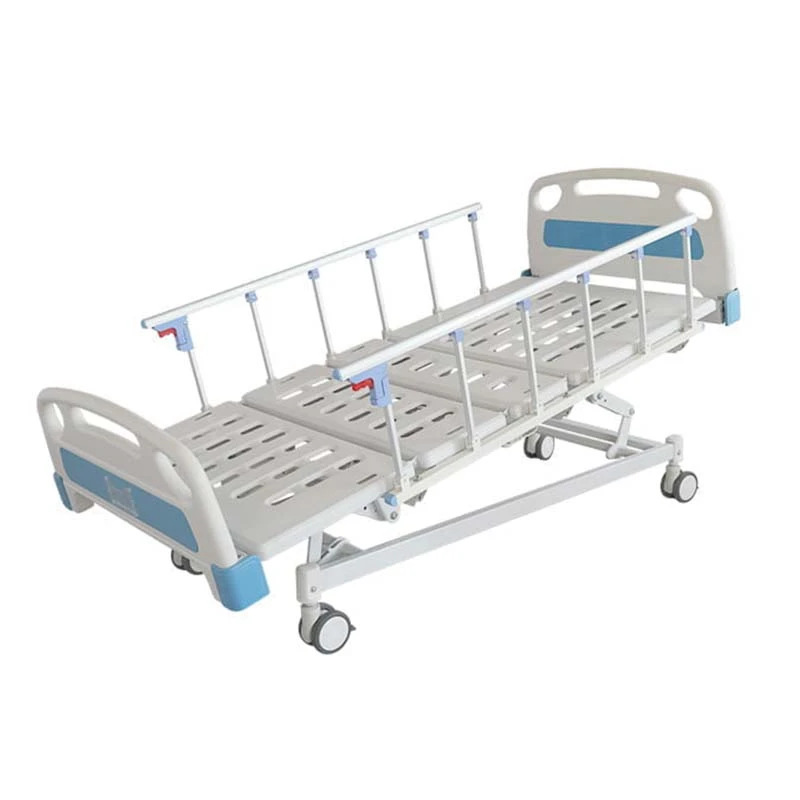
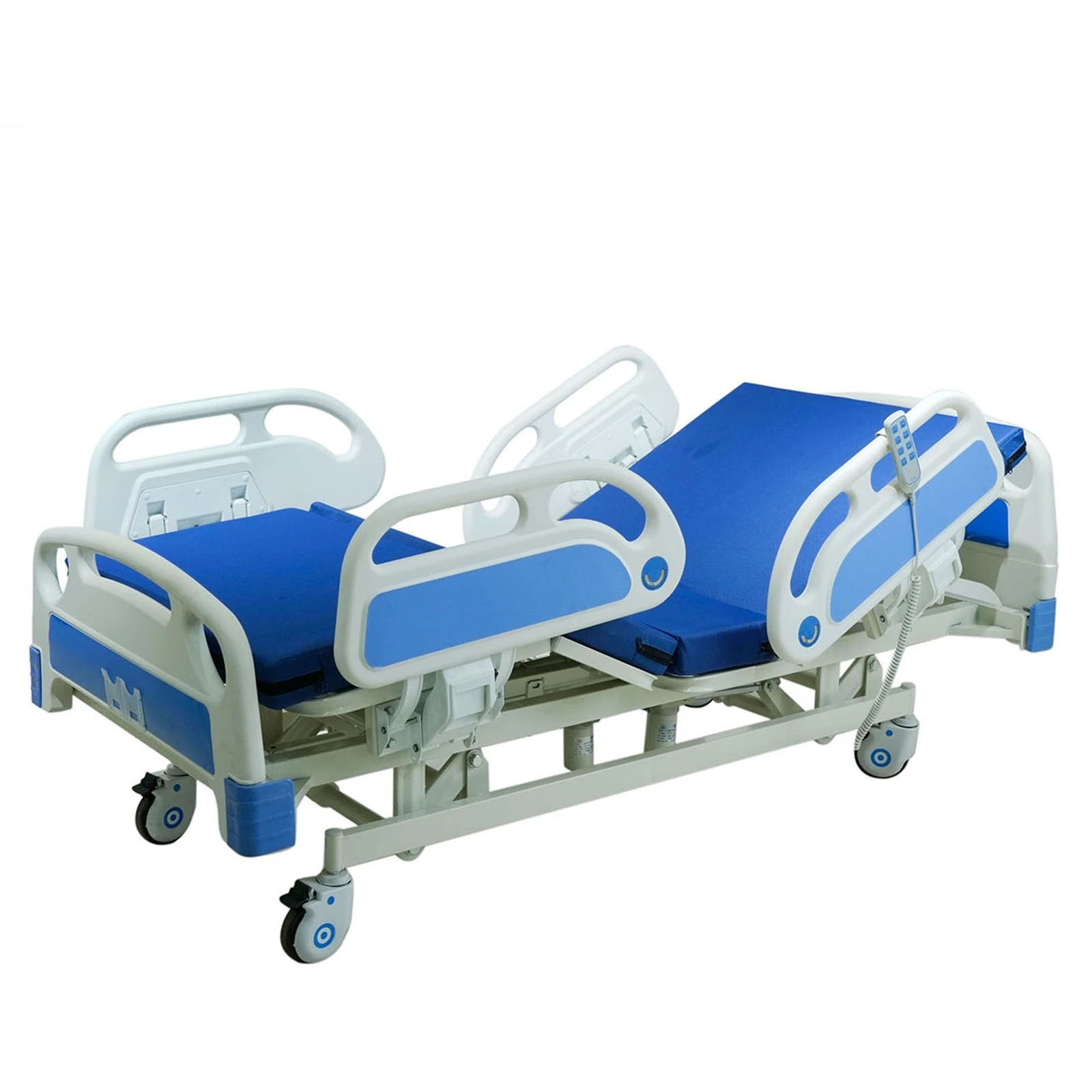
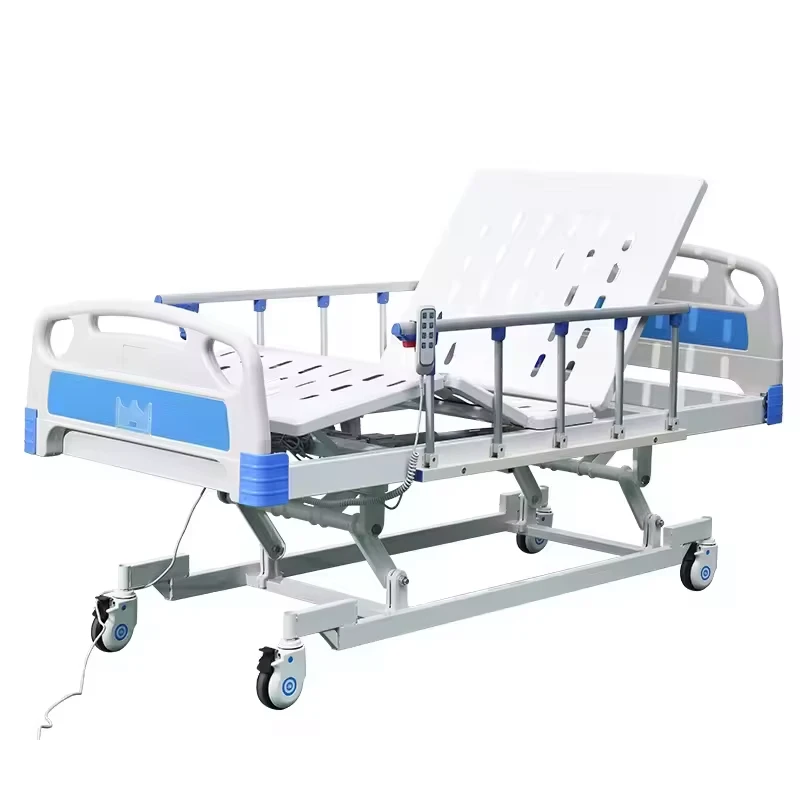
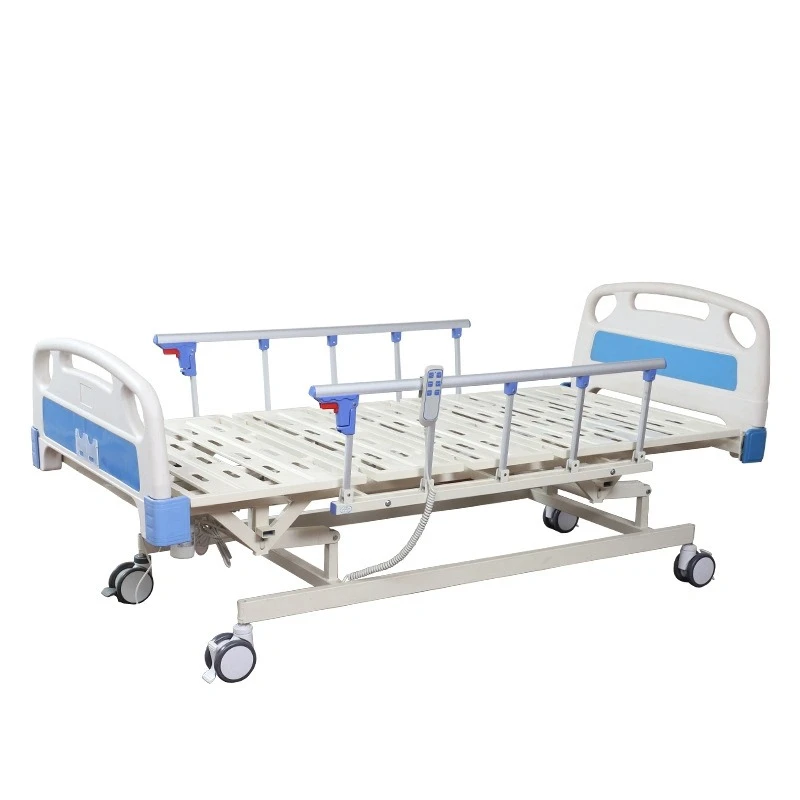
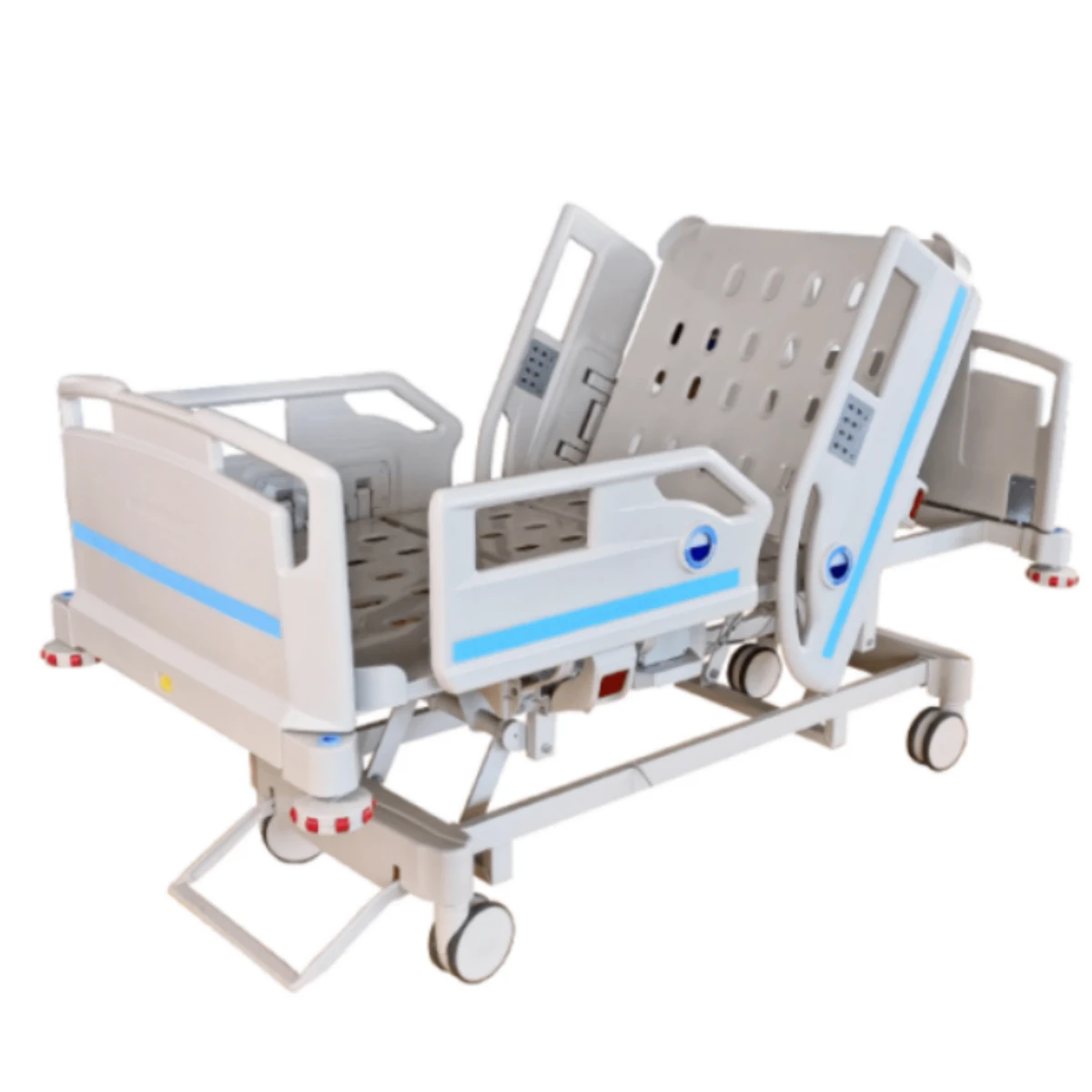
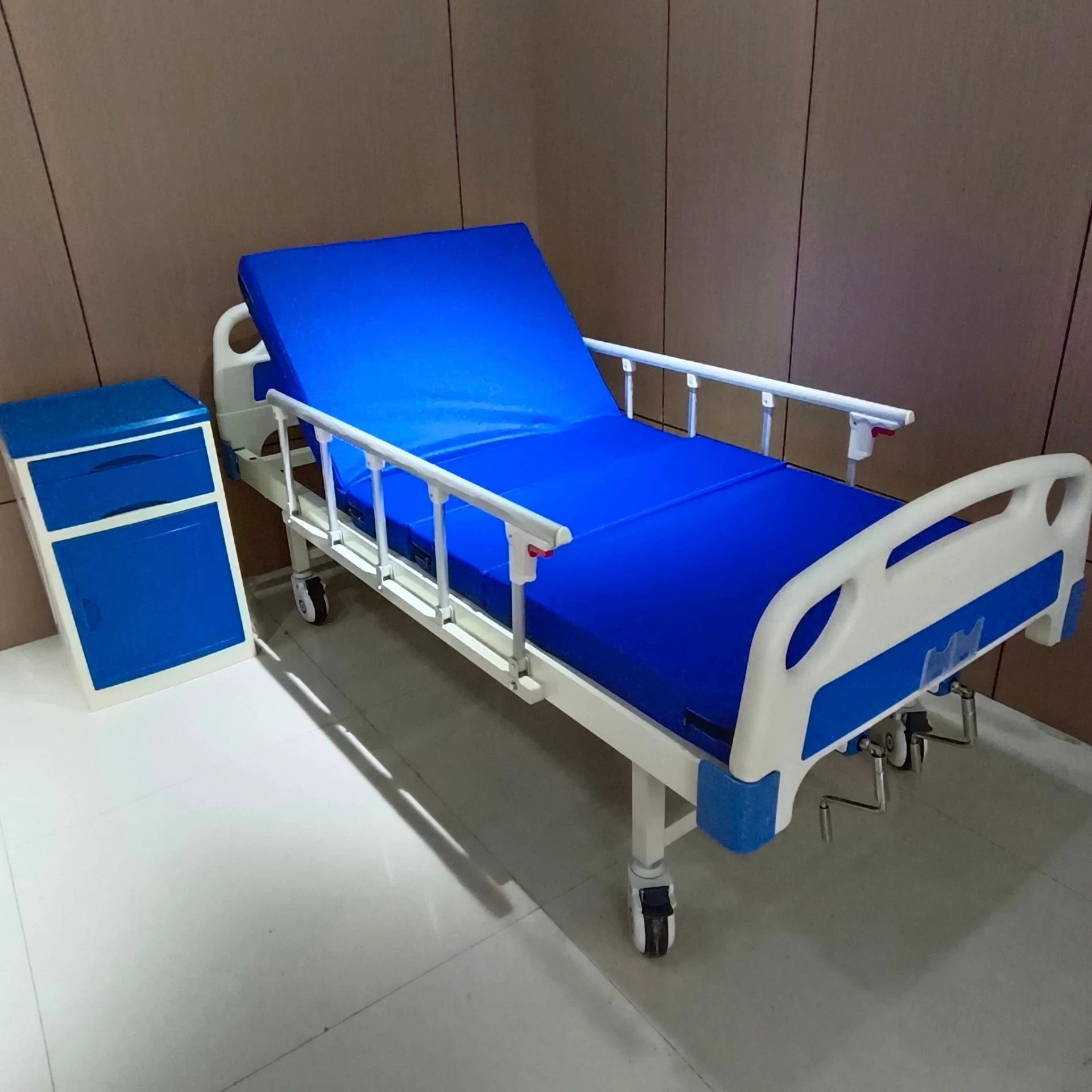
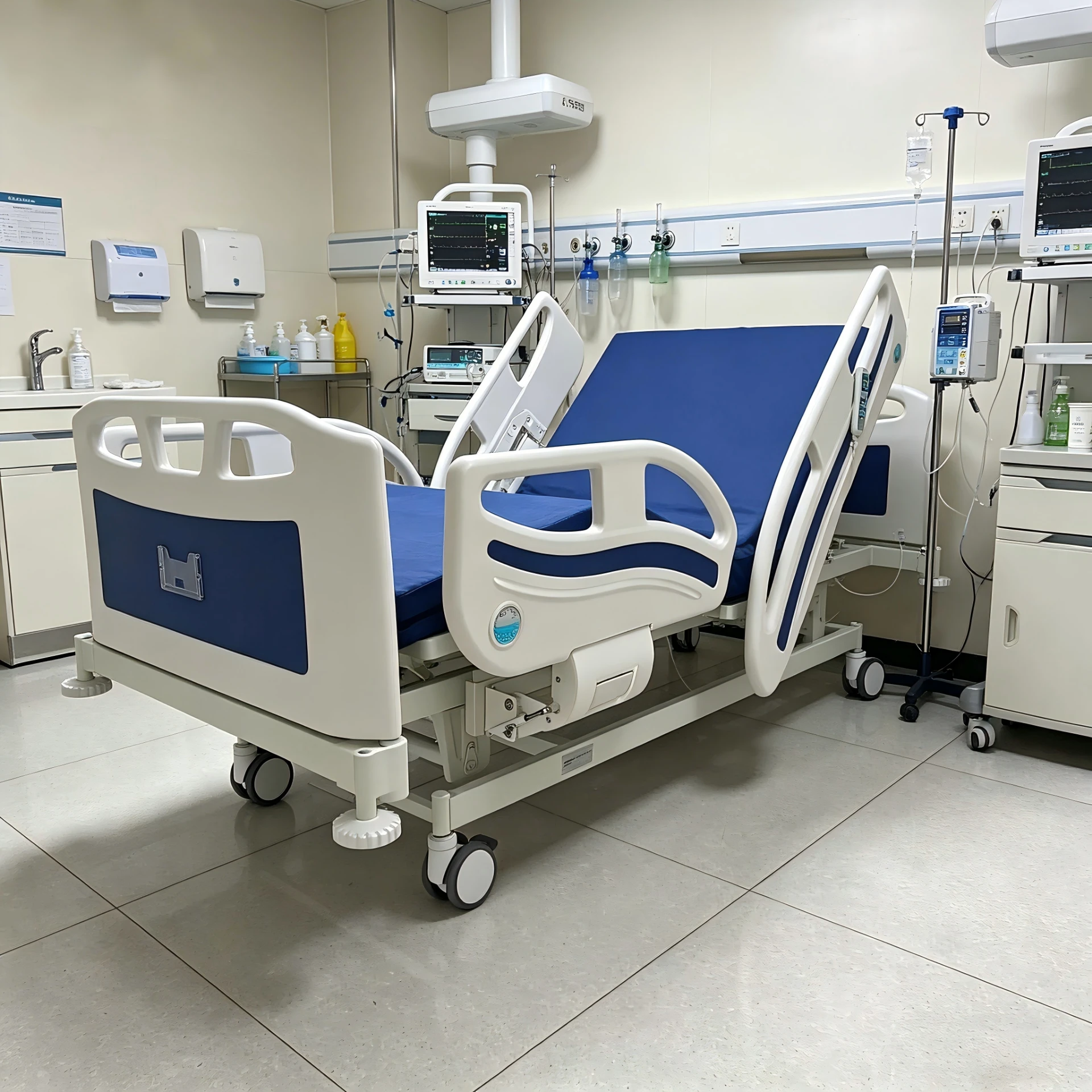
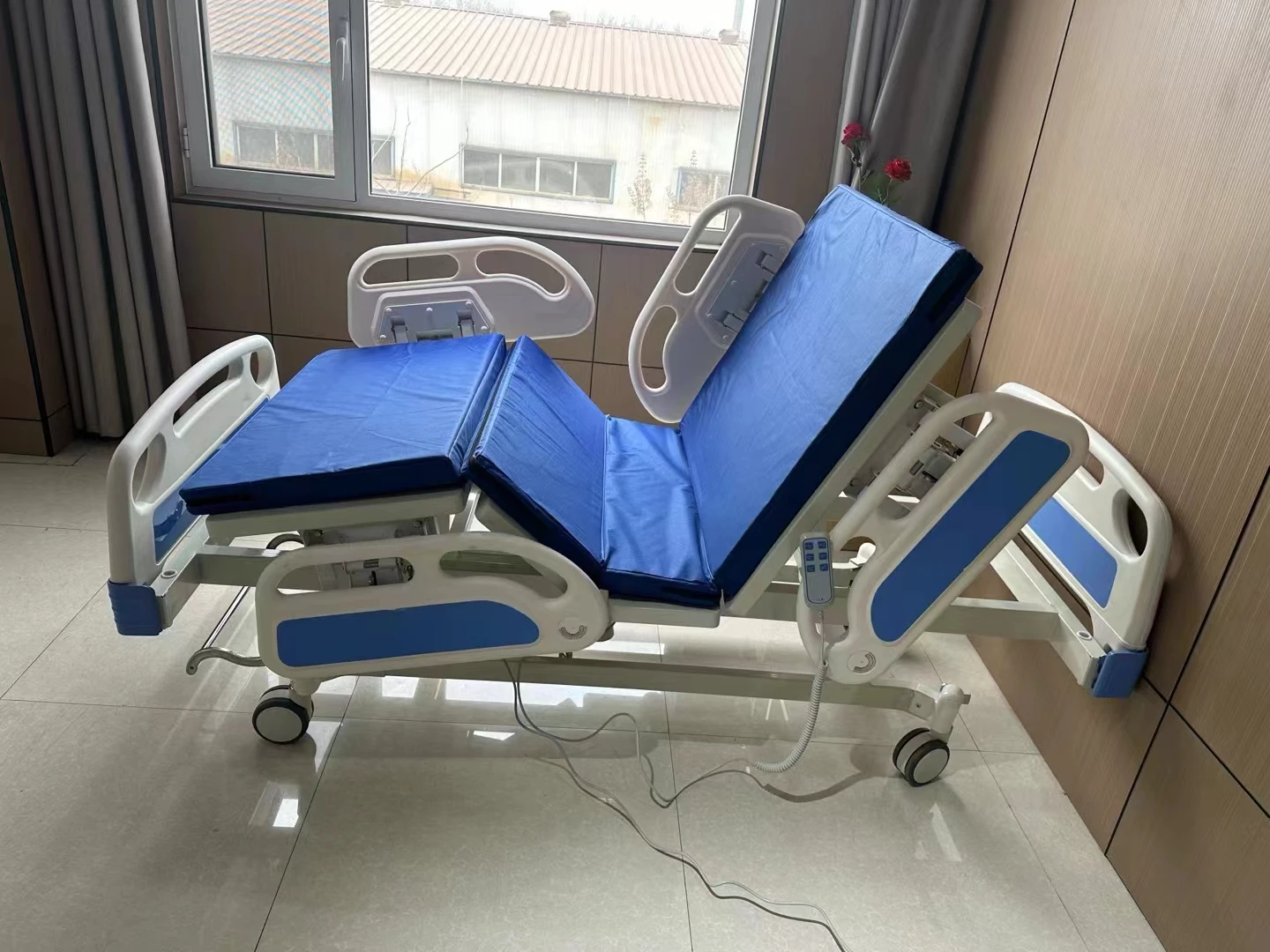
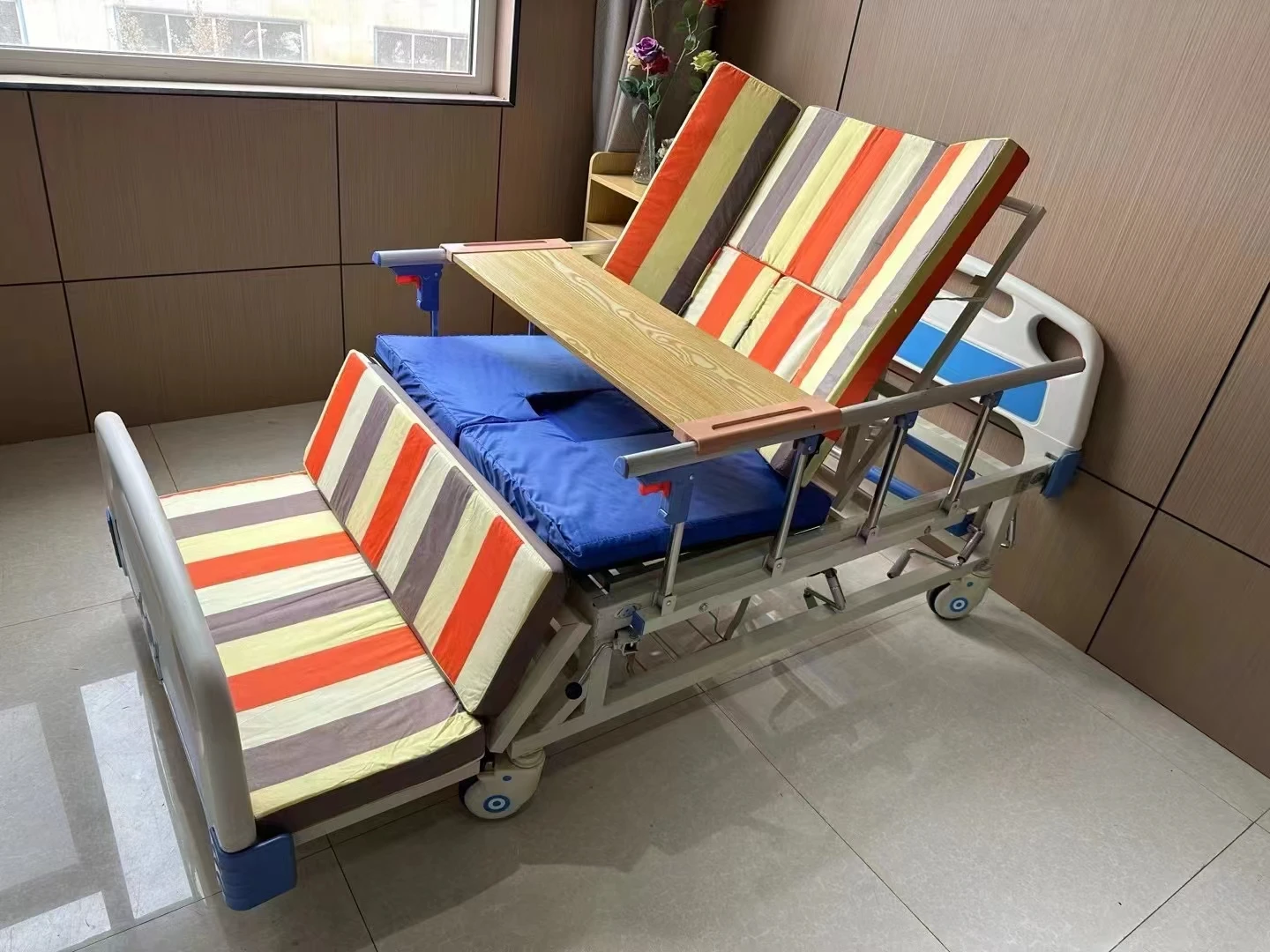
In simple terms, it’s the market cost for hospital beds capable of adjusting position — usually electric or manual mechanisms that allow changes in backrest, leg position, or height. The “price” includes base model cost, optional features (like rails, wheels, remote controls), shipping, warranties, and sometimes installation. But it’s more than sticker price. It reflects a whole ecosystem: design complexity, material quality, user safety standards (think FDA or ISO certifications), and even after-sales service. Adjustable beds aren’t just furniture; they’re medical devices designed with ergonomics and patient health in mind. Oddly enough, as hospitals worldwide grow increasingly patient-centric, the adjustable hospital bed price also signifies how healthcare systems prioritize patient comfort and mobility — values often overlooked when focusing solely on cost per bed.Key Factors Influencing Adjustable Hospital Bed Price
1. Durability & Materials
Beds built with lightweight aluminum or stainless steel frames usually cost more but last longer and resist corrosion — vital in humid or high-use environments. Plastic components add weight-saving benefits but may sacrifice strength. Many engineers say the longevity of a bed justifies higher initial spend, considering replacement costs and patient safety.2. Adjustment Mechanism
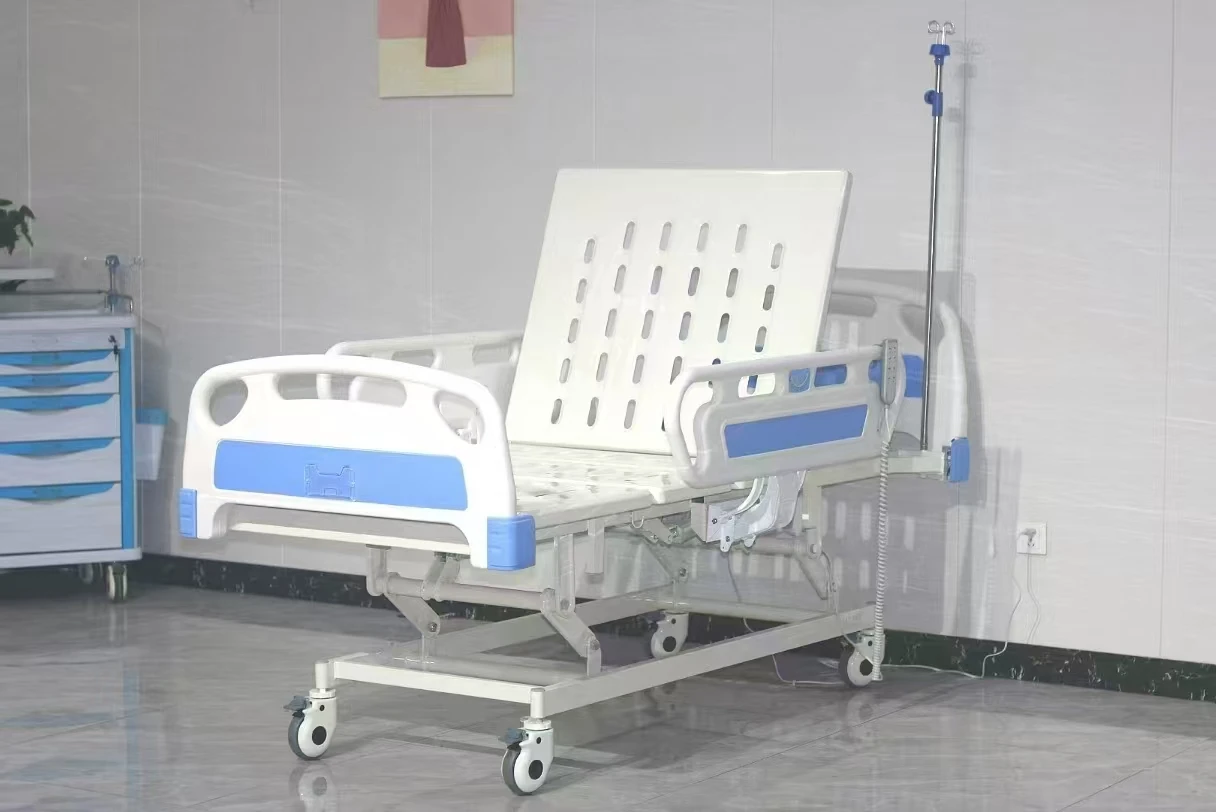
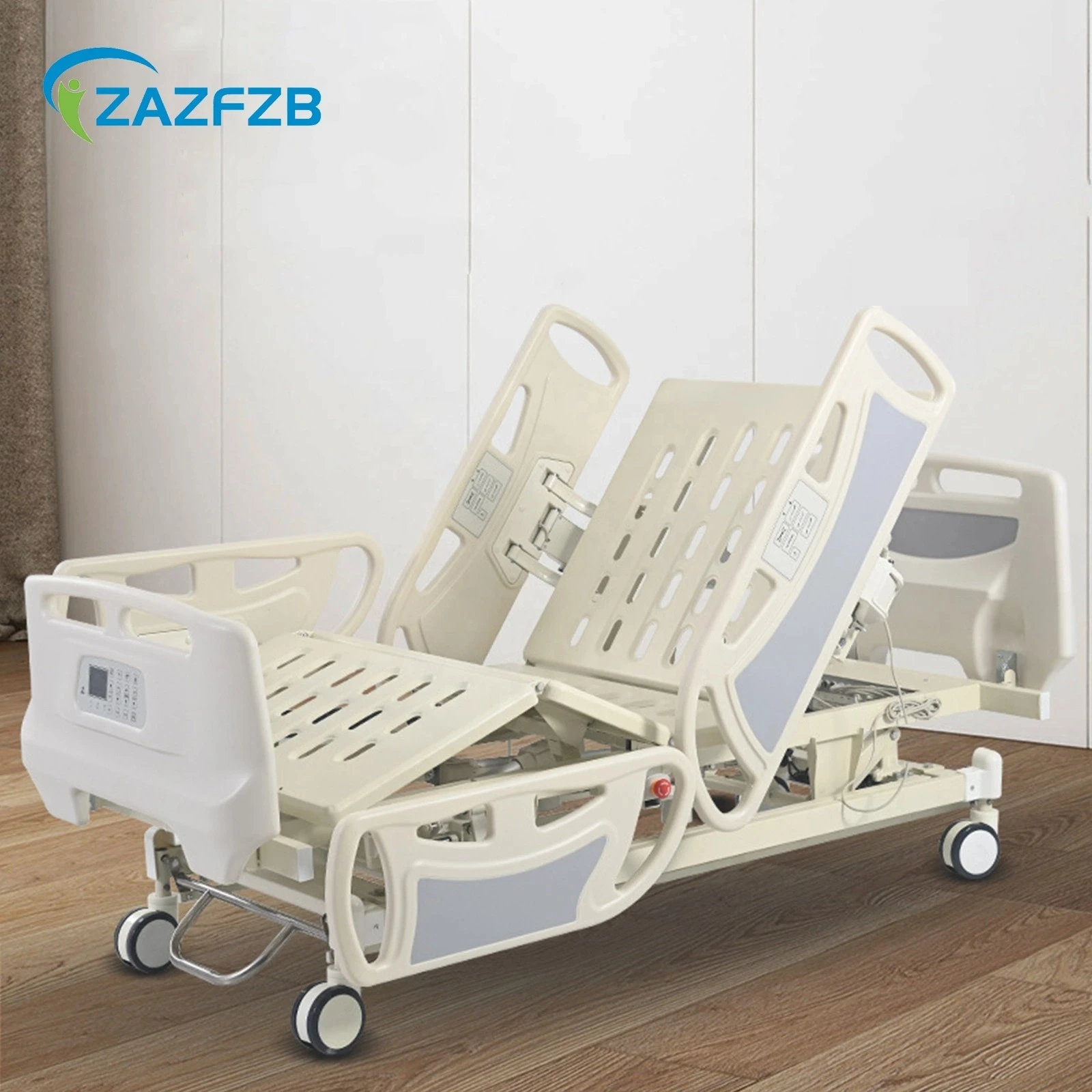
Manual crank beds tend to be the most affordable. Electric-powered beds with multiple motors are pricier but offer better precision and ease of use — critically reducing caregiver strain. Some models now integrate smart controls or battery backup, which can push prices upward but appeal to tech-savvy medical centers.3. Safety Features
Side rails, emergency CPR release, locking wheels, and bumpers are standard elements. But advanced models incorporate sensors to detect patient movement or prevent bed exit — features usually reflected in a higher price. Those concerned about patient falls often consider these upgrades worth the cost.4. Compliance & Certifications
Meeting international safety and quality standards like ISO 13485 for medical devices or FDA clearance often influences price. Hospitals that must comply with strict regulations prefer certified beds, which manufacturers justify via rigorous testing and documentation efforts.5. Supplier & Shipping Costs
Where the bed is made and how it is shipped impacts price greatly. Local vendors sometimes charge more but offer faster delivery and on-site support. Global shipping can reduce manufacturing expense but create complexities related to customs, tariffs, or logistics.6. Customization Options
From bariatric versions to pediatric sizes or specialized mattress support systems, customized beds will always cost more due to production complexity and fewer economies of scale. However, many institutions feel these are essentials rather than luxuries.
Mini Takeaway: Understanding core cost components—from materials to compliance—helps stakeholders make informed decisions beyond just “cheapest price.”
Adjustable Hospital Bed Product Specifications
| Feature | Standard Model | Premium Model | Bariatric Model |
|---|---|---|---|
| Weight Capacity | 250 kg (550 lbs) | 300 kg (660 lbs) | 450 kg (990 lbs) |
| Adjustment Type | Electric (2-motor) | Electric (4-motor) | Electric (3-motor, reinforced) |
| Side Rails | Foldable metal | Integrated sensor rails | Heavy-duty foldable |
| Safety Certifications | ISO 13485, CE | ISO 13485, FDA, CE | ISO 13485, CE |
| Price Range (USD) | $1,000 - $1,500 | $2,200 - $3,000 | $1,800 - $2,500 |
Top Adjustable Hospital Bed Vendors Compared
| Vendor | Price Range (USD) | Warranty | Global Reach | Key Strength |
|---|---|---|---|---|
| ZhaoFamed Medical | $1,200 - $2,800 | 3 years | Asia, Africa, Europe | Affordable tech & customization |
| MedEquip Solutions | $1,500 - $3,500 | 5 years | North America, Europe | High-end smart beds |
| Global Care Beds | $900 - $2,200 | 2 years | Africa, Asia | Rapid deployment & affordability |
Real-World Uses and Global Benefits
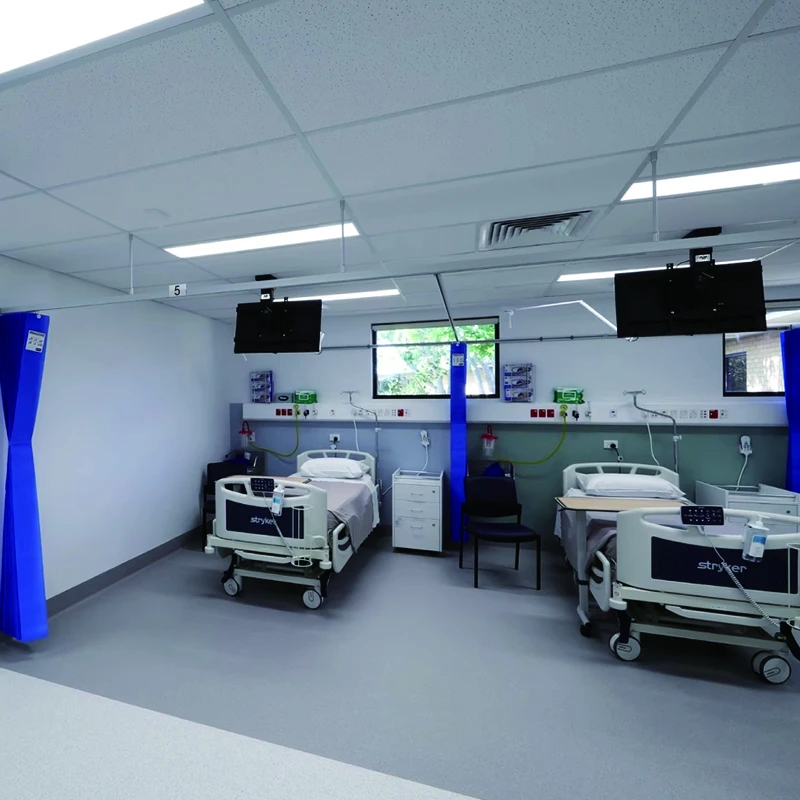
Consider disaster relief operations after earthquakes or floods — portable but adjustable beds with good price points help NGOs quickly set up field hospitals, transforming rough spaces into safe care zones. Or think of long-term care facilities in Europe, where beds with advanced positioning controls improve elderly mobility and reduce caregiver back injuries. In remote industrial zones, especially in resource-limited countries, the adjustable hospital bed price often determines whether basic healthcare infrastructure is possible. Affordable yet reliable models from vendors like ZhaoFamed Medical ensure critical patients can be managed without excessive capital outlays.Long-Term Value: Beyond the Initial Cost
The logic feels straightforward but deserves emphasis: spending a bit more upfront for adjustable beds with durable materials, well-tested mechanisms, and user-friendly designs means fewer breakdowns, less maintenance, and higher patient satisfaction. Plus, beds that prevent pressure ulcers or falls indirectly save lives and reduce expensive complications. This social value is often underestimated in initial pricing debates. Emotionally, patients gain dignity from their ability to adjust positions independently. For nurses, less physical strain translates to lower burnout and better care quality. From a sustainability perspective, quality beds reduce waste and resource consumption over time — which, oddly enough, also aligns with many hospitals’ eco-goals these days.Future Trends Shaping Adjustable Hospital Bed Price
Automation is creeping into this sector. Integrated digital controls monitoring patient vitals or bed positions connected to hospital IT systems promise to increase safety but will add to prices. On the material front, manufacturers are experimenting with eco-friendly composites and antimicrobial coatings to reduce infections and environmental impact. Meanwhile, pressure to reduce carbon footprints is leading to modular designs that are easier to ship and assemble on-site, potentially lowering logistics costs. The digital transformation, paired with increasing regulatory demands, hints that the adjustable hospital bed price could climb — but hopefully, with commensurate value gains.Challenges & Smart Solutions
One glaring challenge is the gap between upfront price and total cost of ownership. Many hospitals buy cheapest beds that break or wear down, leading to costly repairs. Also, price transparency can be murky, with hidden costs for accessories, shipping, or service contracts. Innovators suggest bundled offerings — beds plus maintenance and training — to smooth cost worries. Leasing models might gain traction too, spreading expense over time with guaranteed upgrades.FAQ: Practical Questions About Adjustable Hospital Bed Price
- Q1: How do adjustable hospital bed prices vary by feature?
- A: Prices typically increase with number of motors, safety sensors, and materials used. Basic manual beds might cost under $1,000, while electric beds with advanced tech may exceed $3,000.
- Q2: Is it cheaper to buy adjustable hospital beds locally or import?
- A: Local purchases reduce shipping and import taxes but may lack customization or certifications. Importing can bring advanced features but requires planning for logistics and compliance.
- Q3: How important is warranty when considering adjustable hospital bed price?
- A: Very. A longer warranty reduces long-term risk and maintenance costs, often justifying a higher upfront price. Look for 2+ years warranty for medical-grade beds.
- Q4: Can adjustable hospital beds aid in reducing hospital-acquired infections?
- A: Yes. Beds with antimicrobial coatings or easy-to-clean surfaces can reduce infection spread, improving patient safety and potentially lowering overall treatment costs.
Conclusion: Why Adjustable Hospital Bed Price Is a Smart Investment in Healthcare
Simply put, the adjustable hospital bed price is not just about numbers on a quote sheet. It reflects complex trade-offs between patient safety, caregiver efficiency, innovation, and affordability. As healthcare systems worldwide strive to modernize while managing budgets, understanding these price factors becomes essential. If you’re looking to optimize your healthcare facility’s equipment selection, taking time to research and compare adjustable hospital bed price specifics will pay dividends in patient outcomes and operational savings. Visit our website for the latest options, expert advice, and custom solutions that match your unique needs. —
References:
1. UN Department of Economic and Social Affairs (Population Ageing Report, 2022)
2. World Health Organization - Hospital Bed Density Statistics
3. ISO 13485 Medical Devices Standards Documentation
1. UN Department of Economic and Social Affairs (Population Ageing Report, 2022)
2. World Health Organization - Hospital Bed Density Statistics
3. ISO 13485 Medical Devices Standards Documentation