Understanding Electric Bed Cost: Key Factors & Global Impact | Zhaofamed
Understanding Electric Bed Cost: Why It Matters Worldwide
Electric beds might not be an everyday conversation starter, but globally, their cost — or electric bed cost, to be exact — has far-reaching implications. From hospitals in bustling cities to remote hospice centers, knowing what goes into the price tag shapes care quality, accessibility, and even humanitarian aid efficiency. It turns out, peeling back the layers of electric bed cost reveals more than just numbers — it dives into technology, materials, logistics, and well-being. And frankly, with aging populations and increasing demands for patient comfort across the globe, this topic is only getting more complex and essential.
To get you started, here’s a quick look at why it’s so relevant: that initial cost can dictate who gets access to adjustable beds that improve recovery or ease long-term care. For health providers or NGOs, understanding this means better budgeting, smarter procurement, and sometimes, saving lives.
Electric Bed Cost in the Global Context
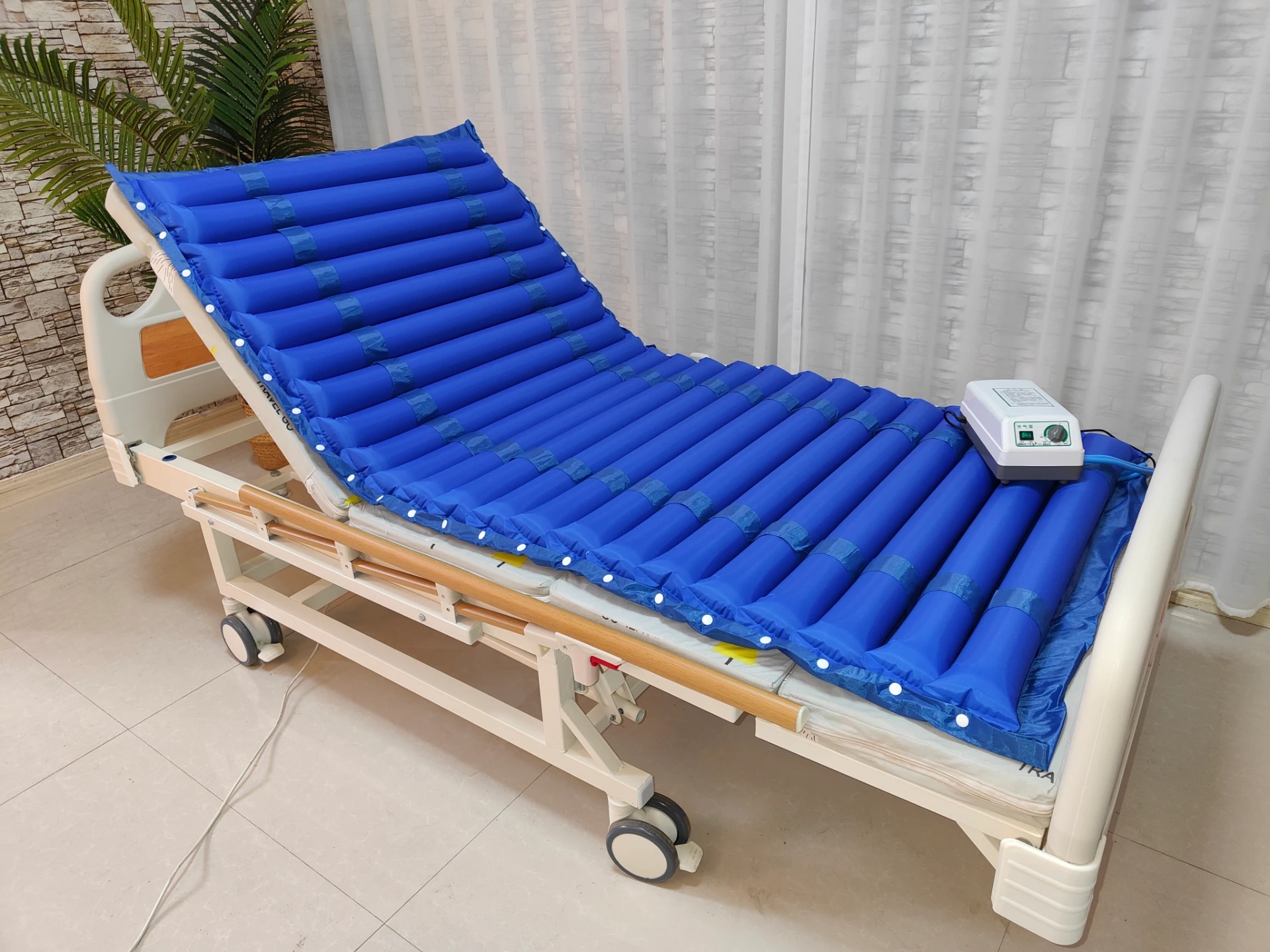
The global medical furniture market has been steadily growing, fueled by increased healthcare spending and the rising prevalence of chronic illnesses. According to the World Bank and WHO, populations over 60 are expected to double by 2050. This aging trend naturally fuels demand for electric beds — devices engineered to help bedridden patients adjust their position easily and reduce complications like bedsores.
Yet, electric bed cost remains a challenge, especially for countries with constrained health budgets. In lower-income regions, the price often dictates if patients must rely on traditional beds without adjustability, hindering mobility and recovery. On the flip side, developed regions are pushing the envelope with high-tech solutions, pushing electric bed prices upward. This disparity reveals a typical global healthcare paradox — the best tech is often the hardest to distribute.
In real terms, the electric bed cost affects hospital operating expenditure, NGO fundraising strategies, and national healthcare policies. So, like it or not, it’s a puzzle everyone involved in healthcare and humanitarian work is trying to solve.
What Exactly Is Electric Bed Cost?
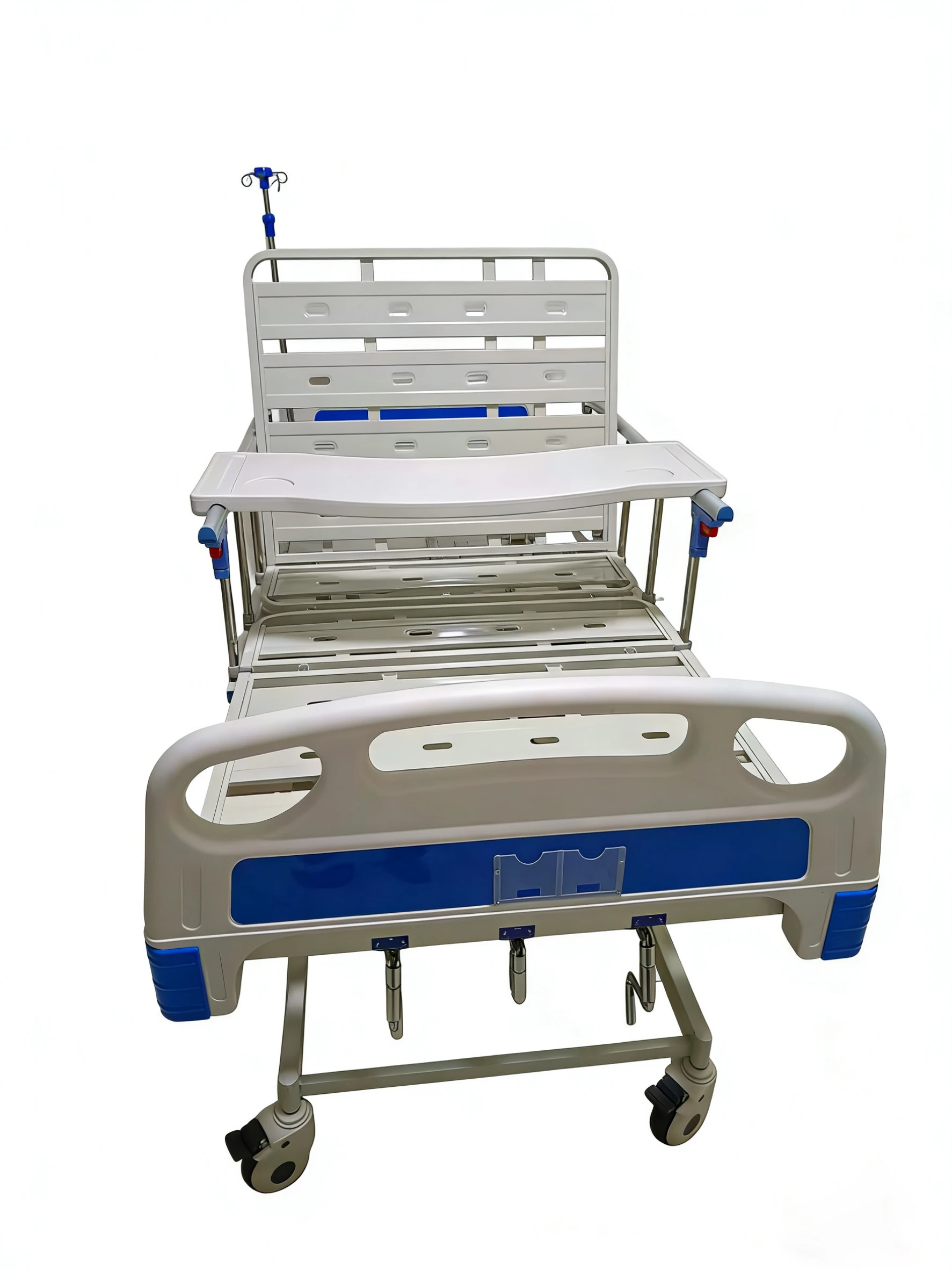
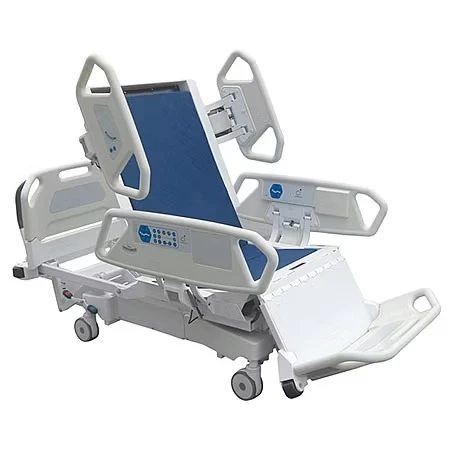
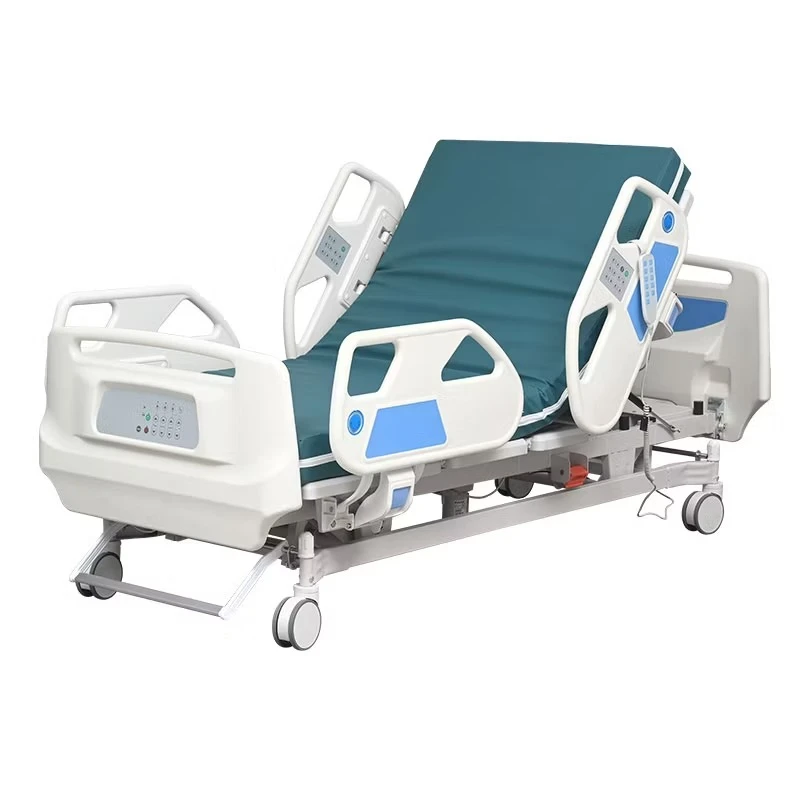
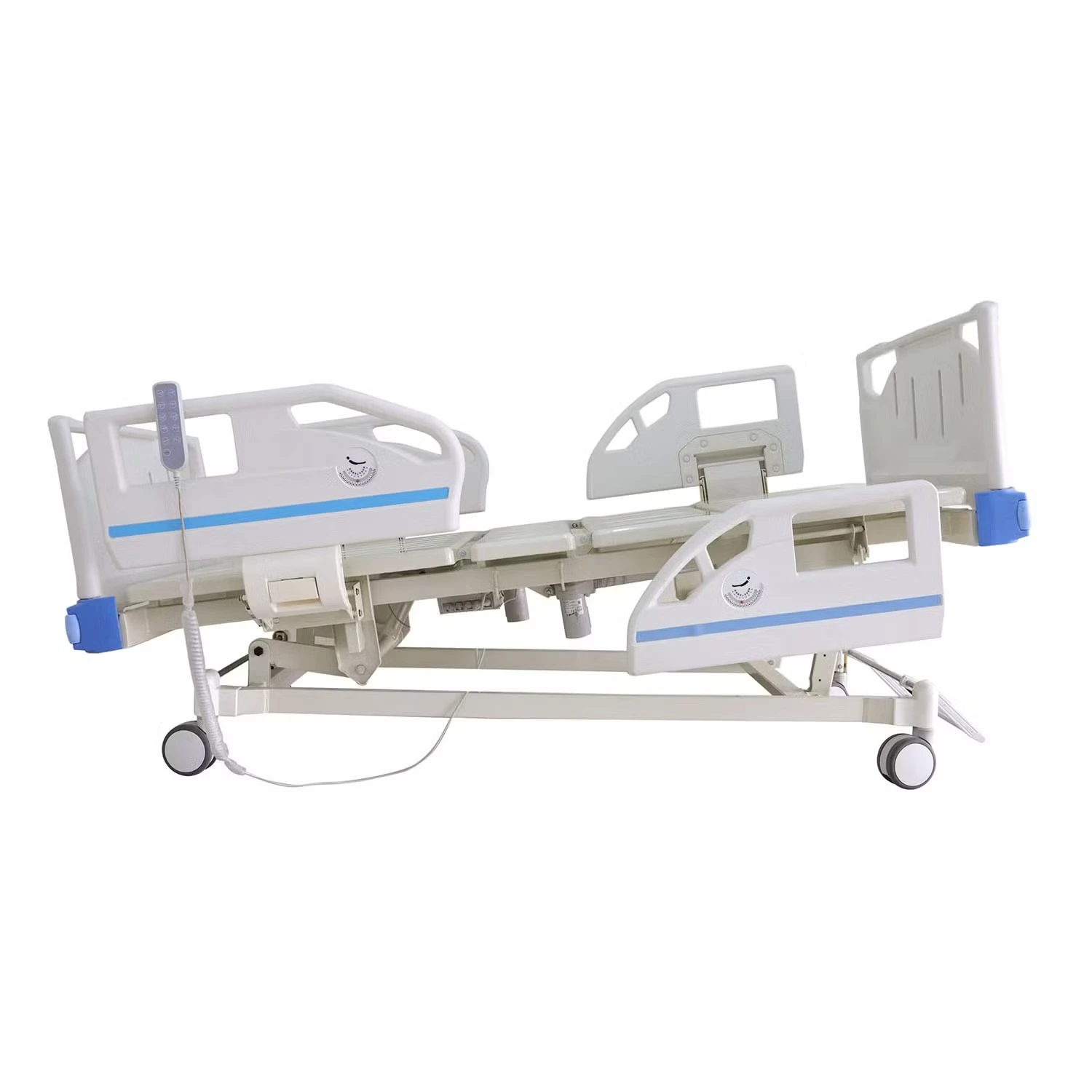
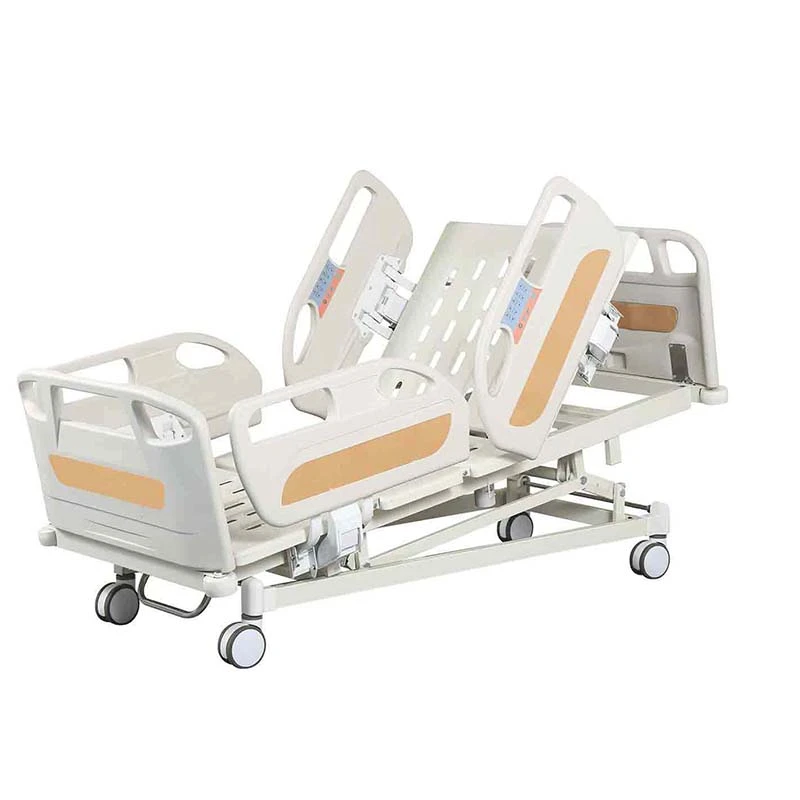
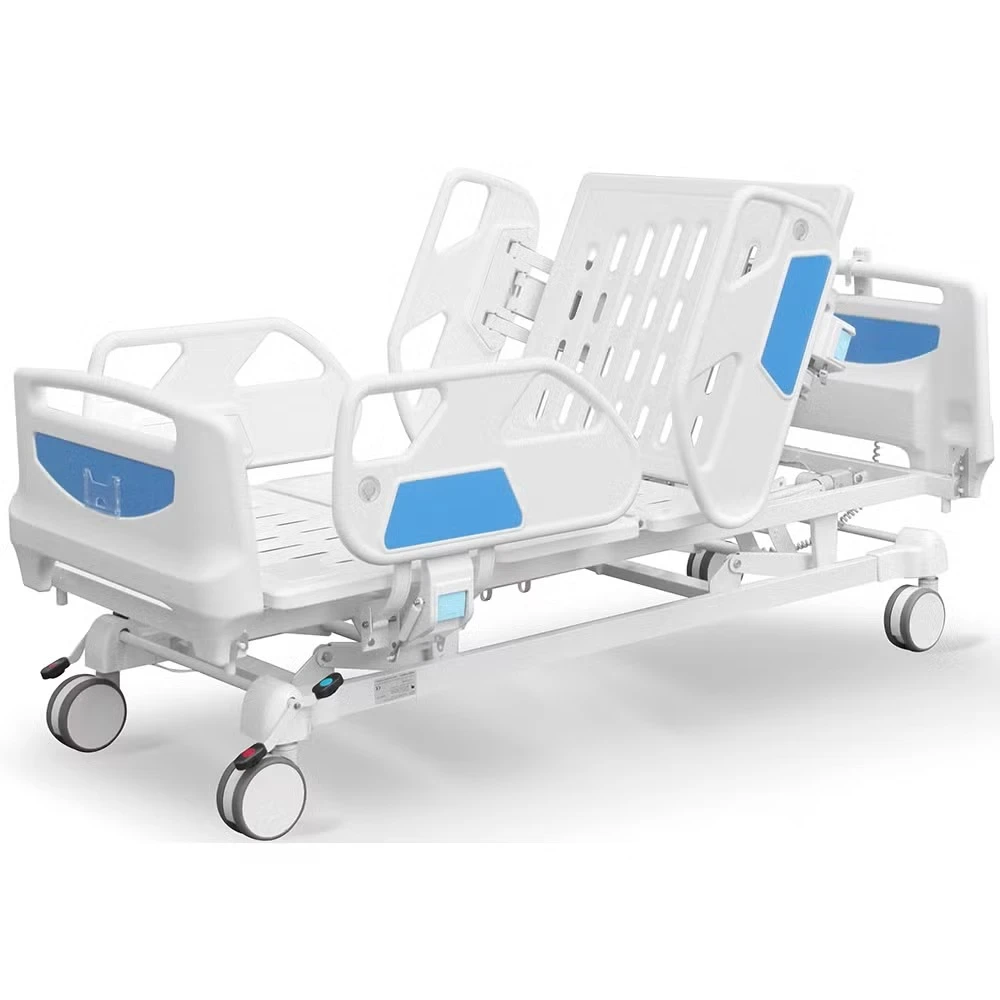
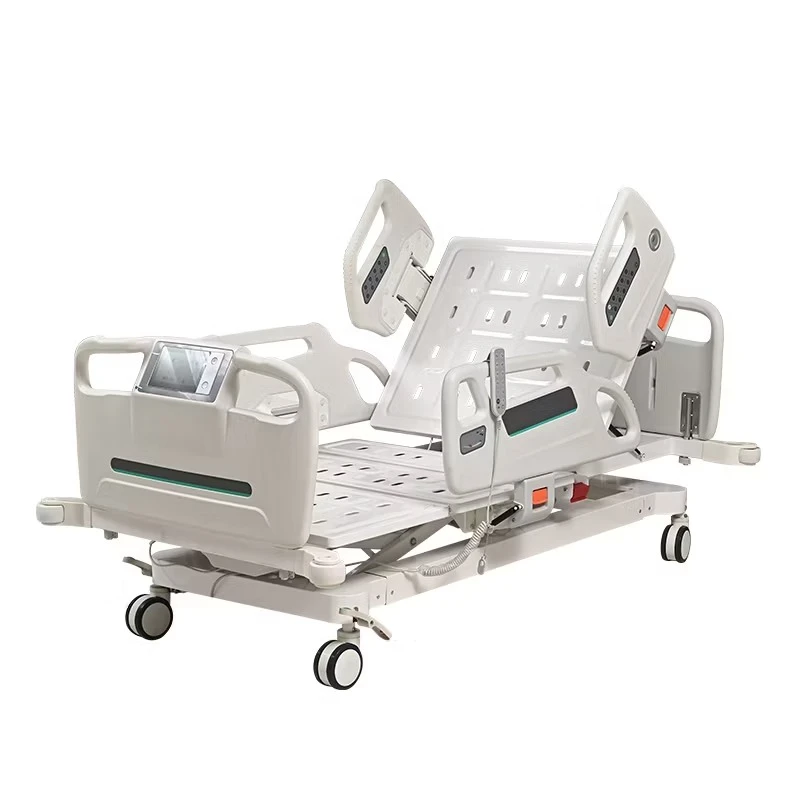
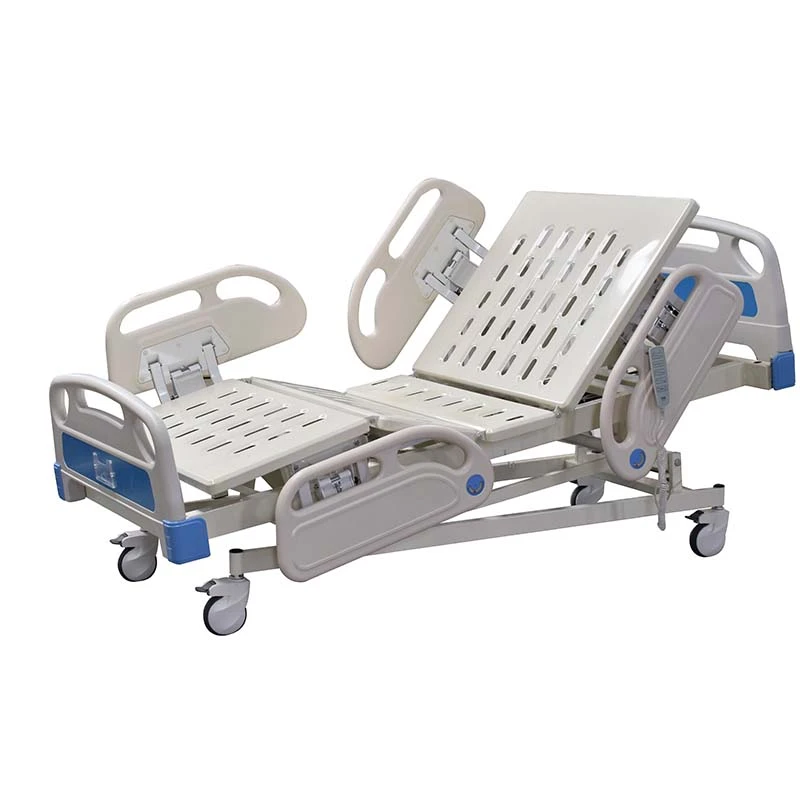
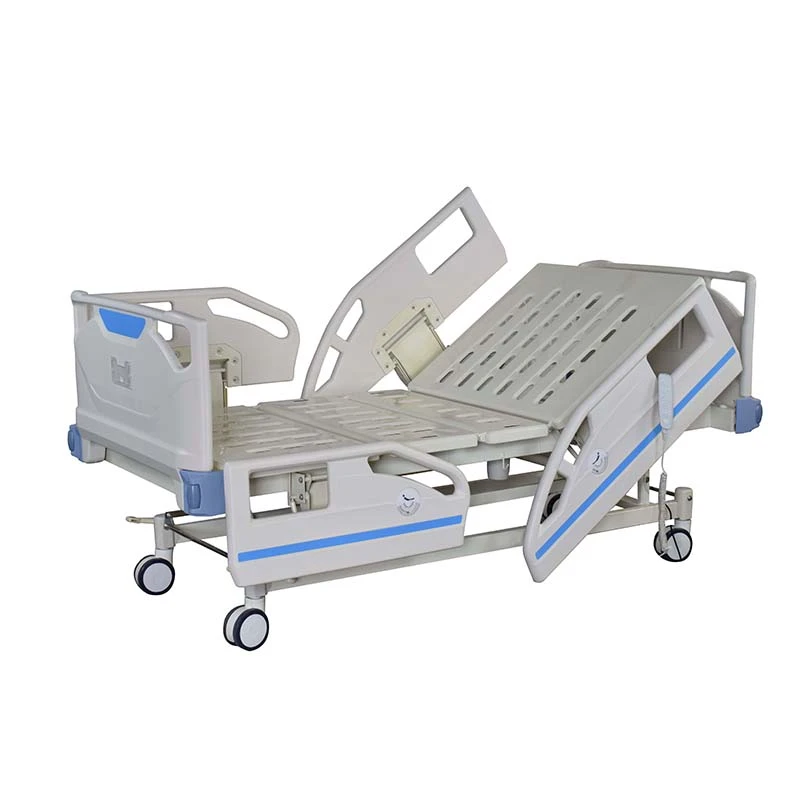
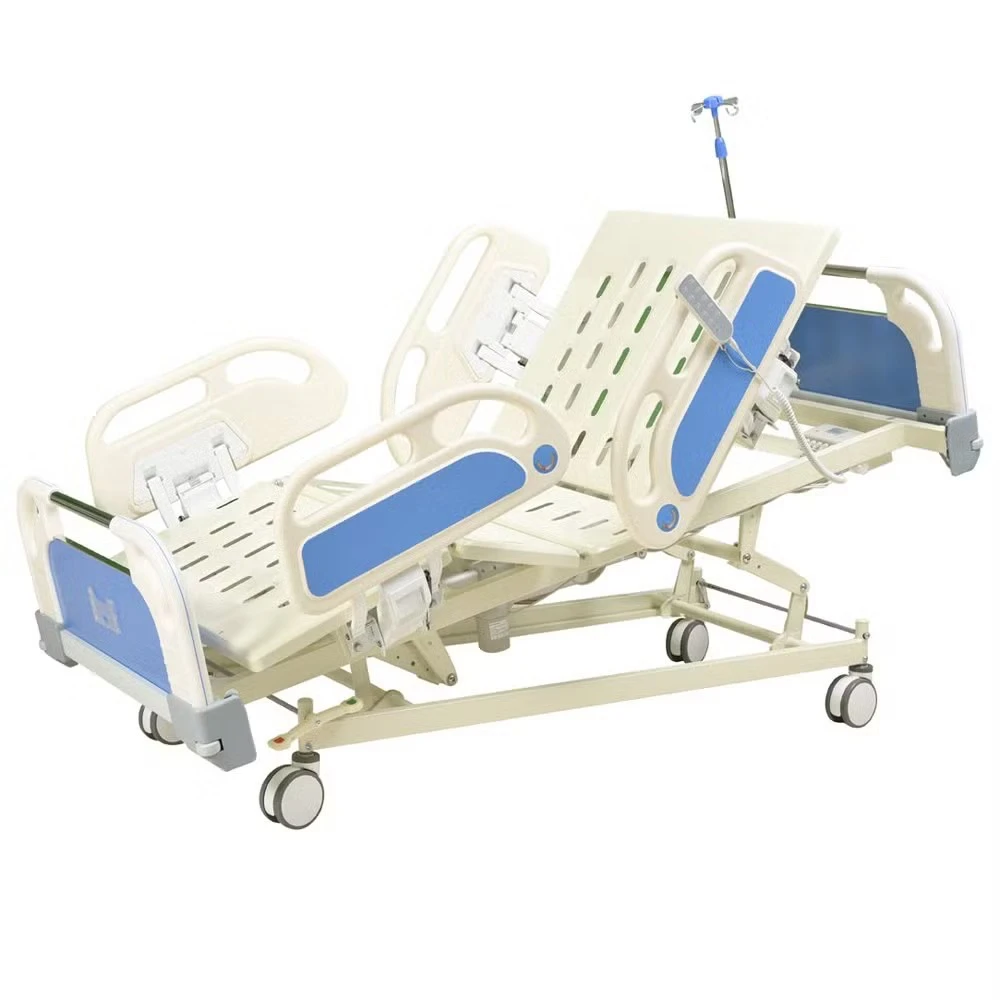
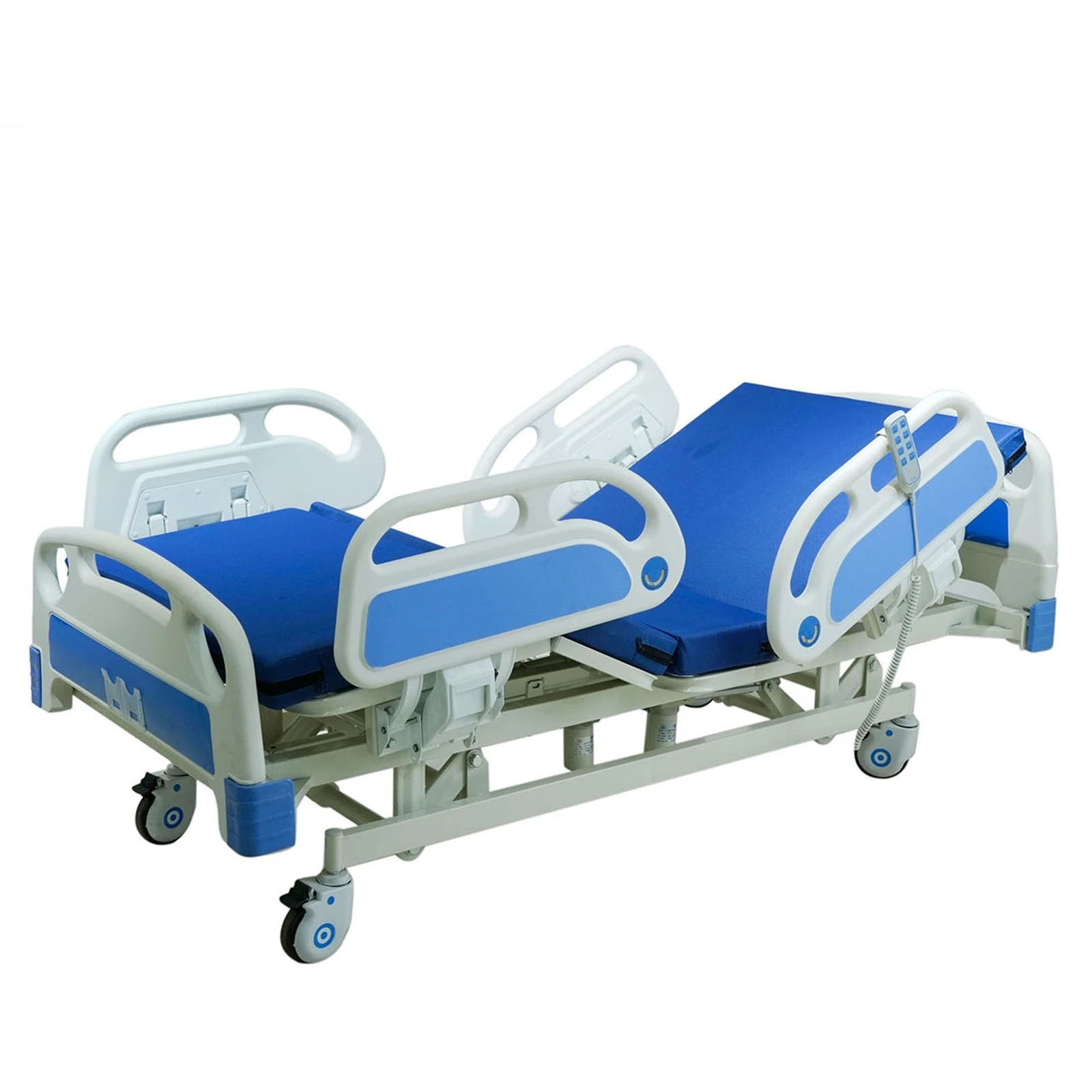
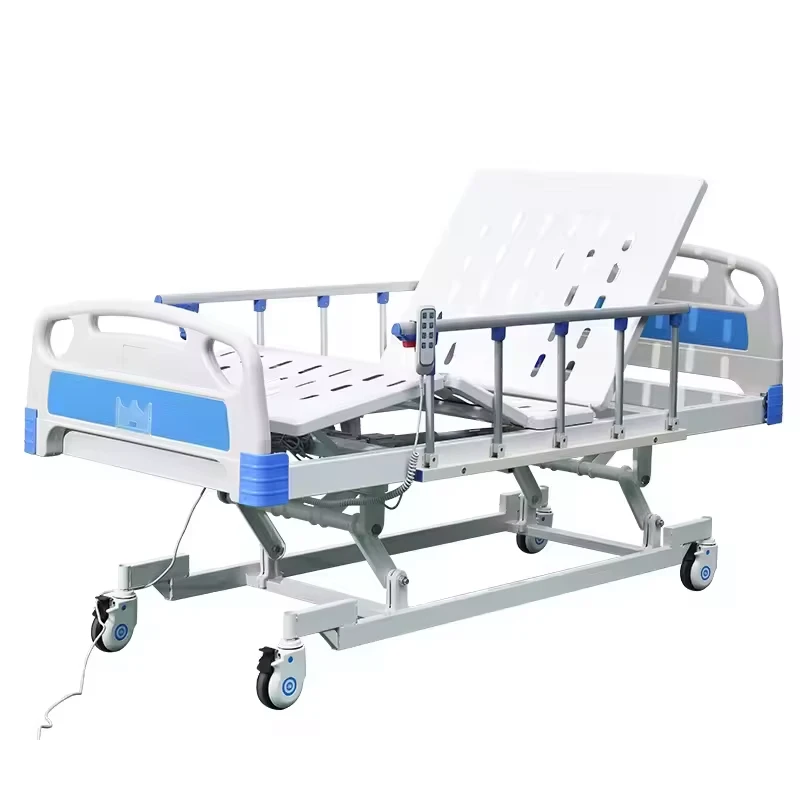
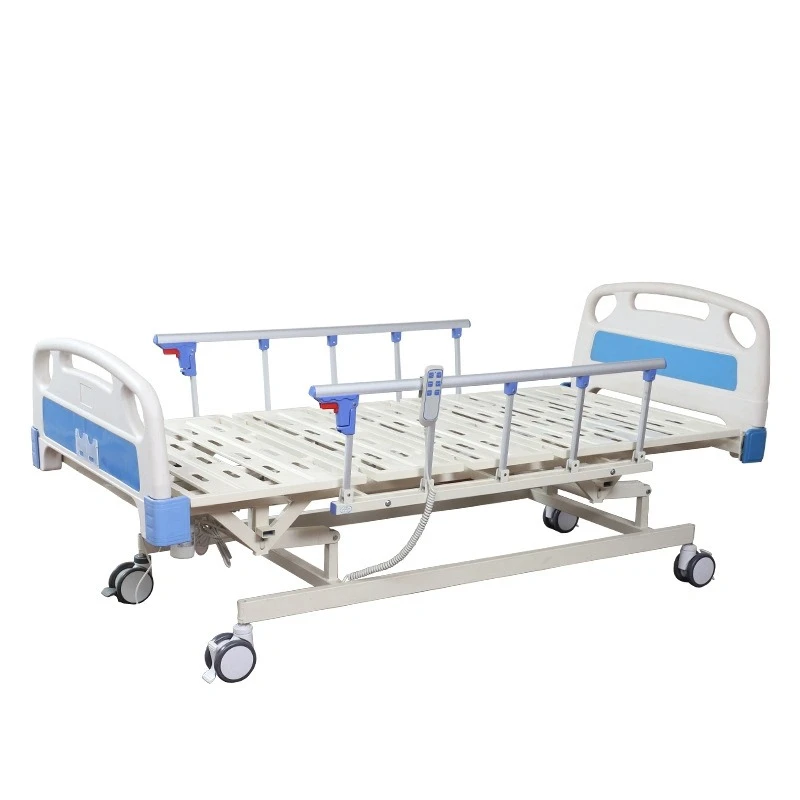
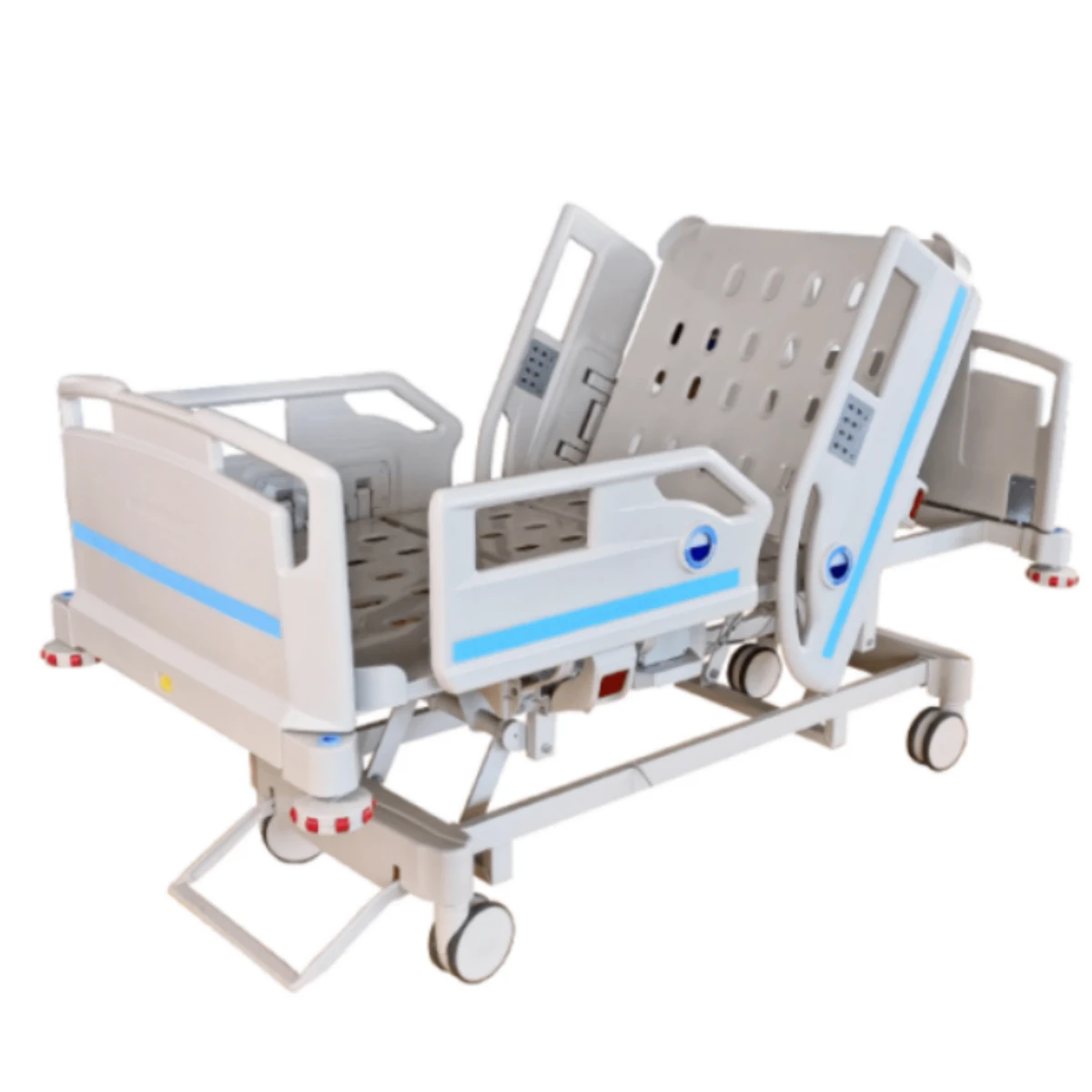
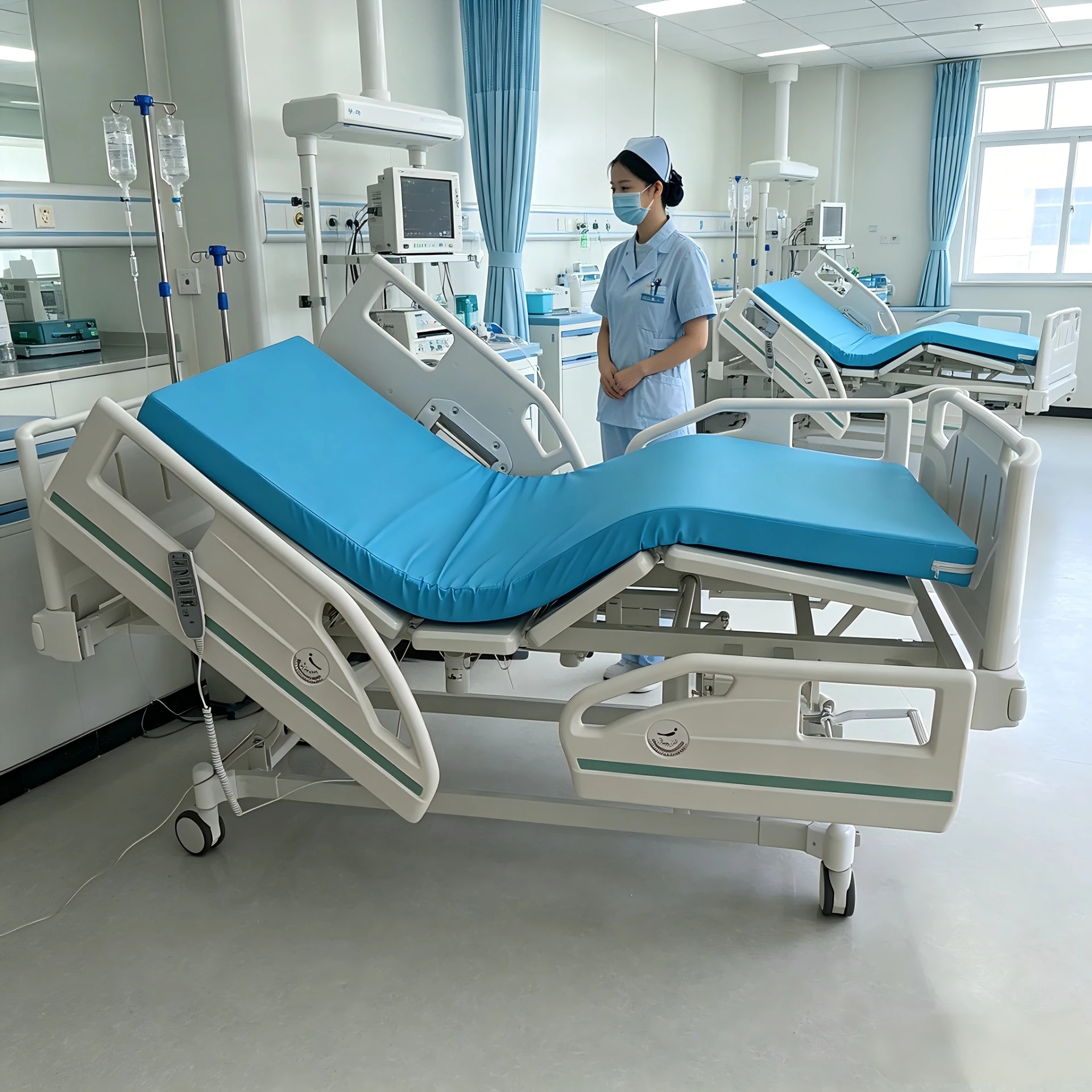
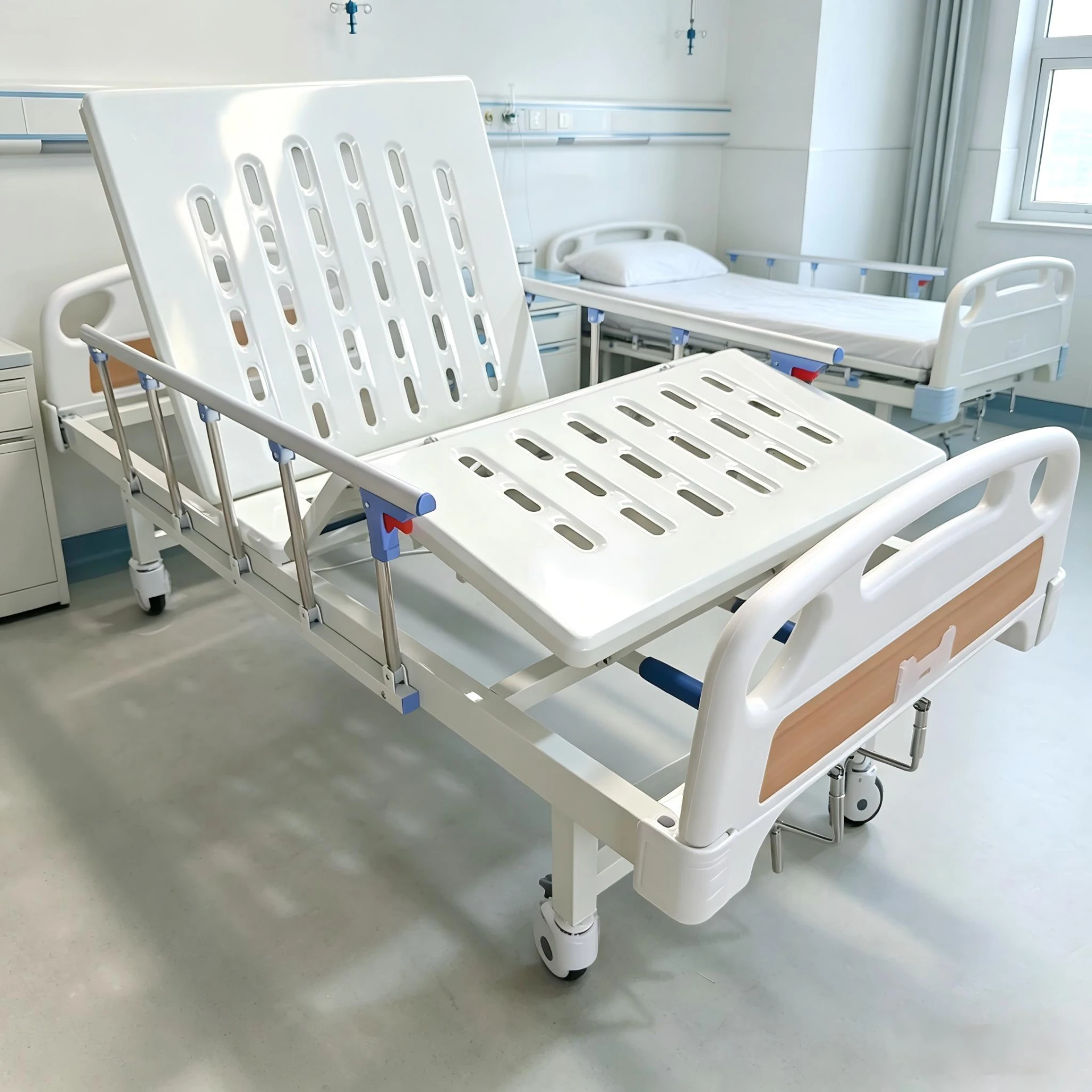
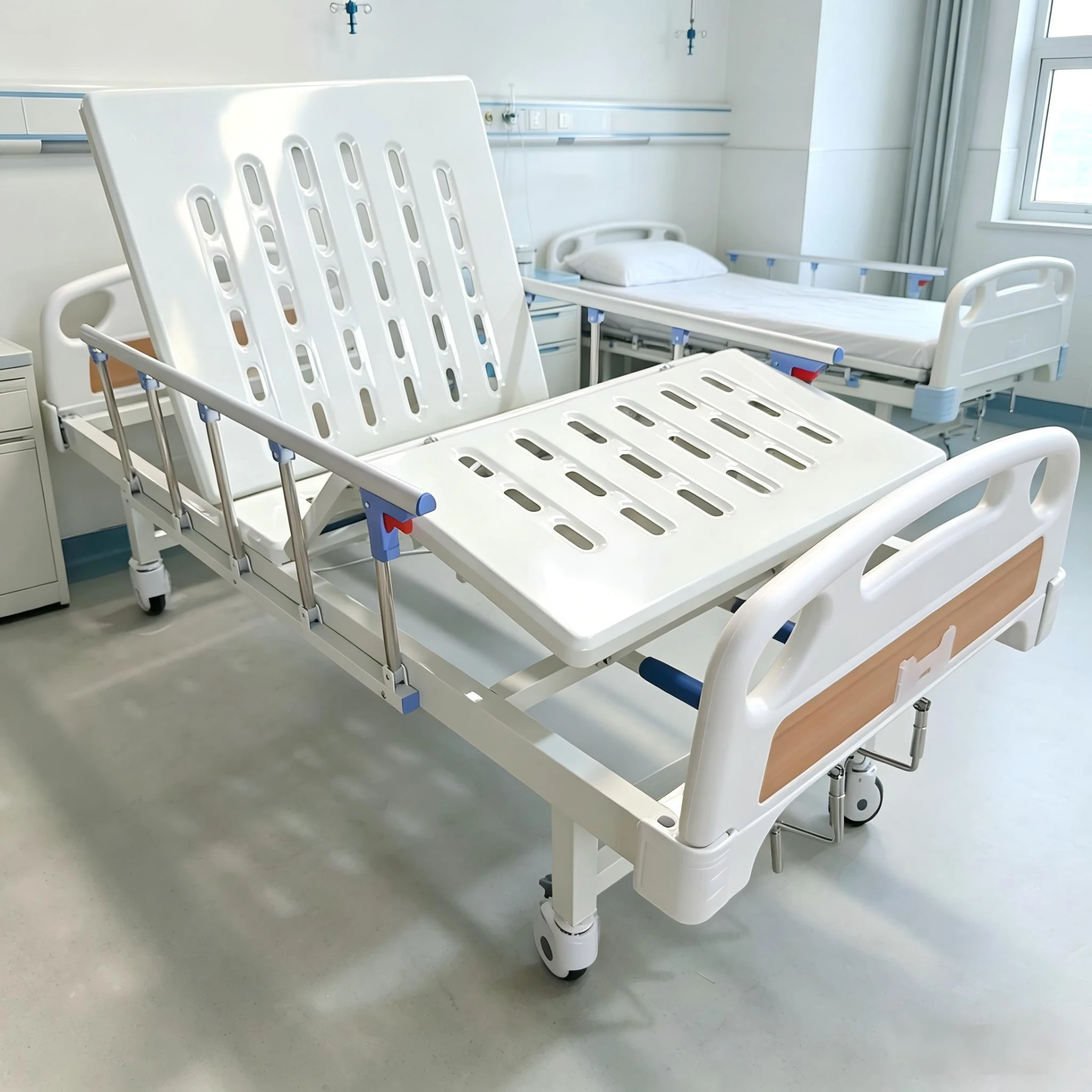
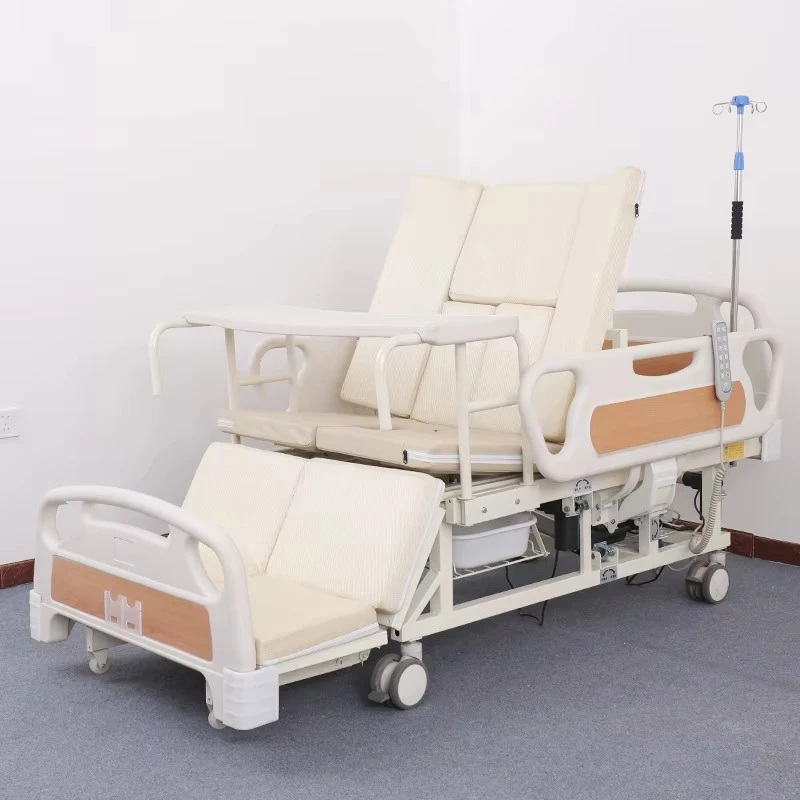
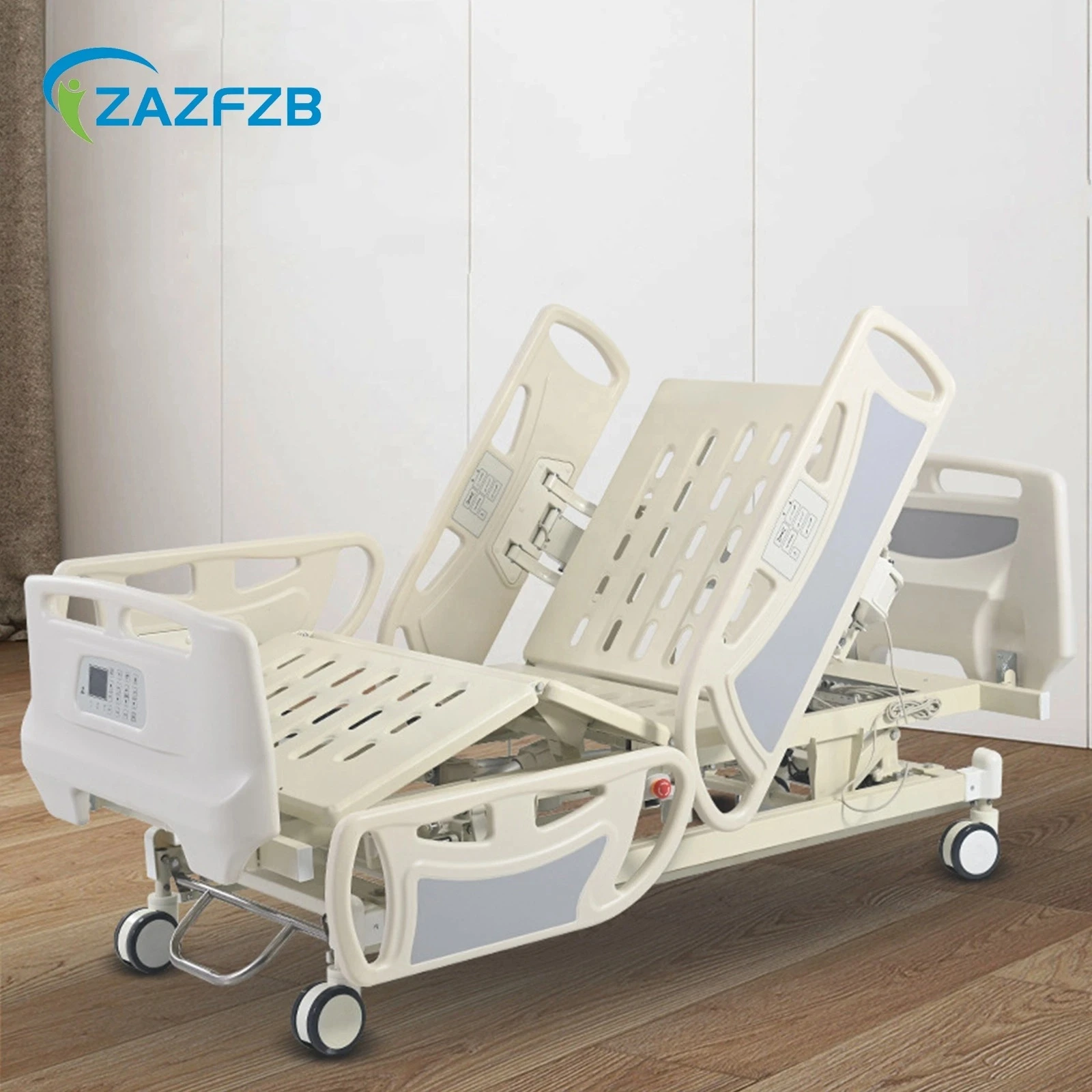
Put simply, electric bed cost refers to the total price — upfront and running — of adjustable beds equipped with electric motors to change positions. This includes the base bed frame, motors, control units, safety features, and sometimes accompanying accessories like side rails or remote controls.
From a manufacturing angle, costs incorporate raw materials (steel, plastics), engineering labor, quality control testing, and shipping. On the user end, maintenance and electricity costs also factor into the ongoing expense. When you connect this with modern industry or humanitarian needs, the cost metric effectively determines accessibility, durability, and usability in varied contexts — from hospital wards to emergency response tents.
Key Factors Influencing Electric Bed Cost
1. Durability and Build Quality
Steel frames with powder coating usually add to the price but mean the bed lasts longer in busy hospital environments. Many engineers emphasize that cheaper imports often skimp here, leading to earlier failure or expensive repairs. Conversely, military-grade or anti-corrosion finishes spike costs but pay off over time, especially in moist climates.
2. Motor Technology
Some beds use brushless motors for quieter, smoother adjustments, adding a premium. Others rely on more economical, noisier motor types. The power source also varies — some beds use backup batteries or safer low-voltage systems, which again impacts the cost.
3. Safety and Compliance Standards
Beds certified by ISO or FDA-compliant standards are generally costlier but come with higher trust, which hospitals need. Electrical safety inspections and durability testing add complexity to production, reflecting in the final price.
4. Customization and Features
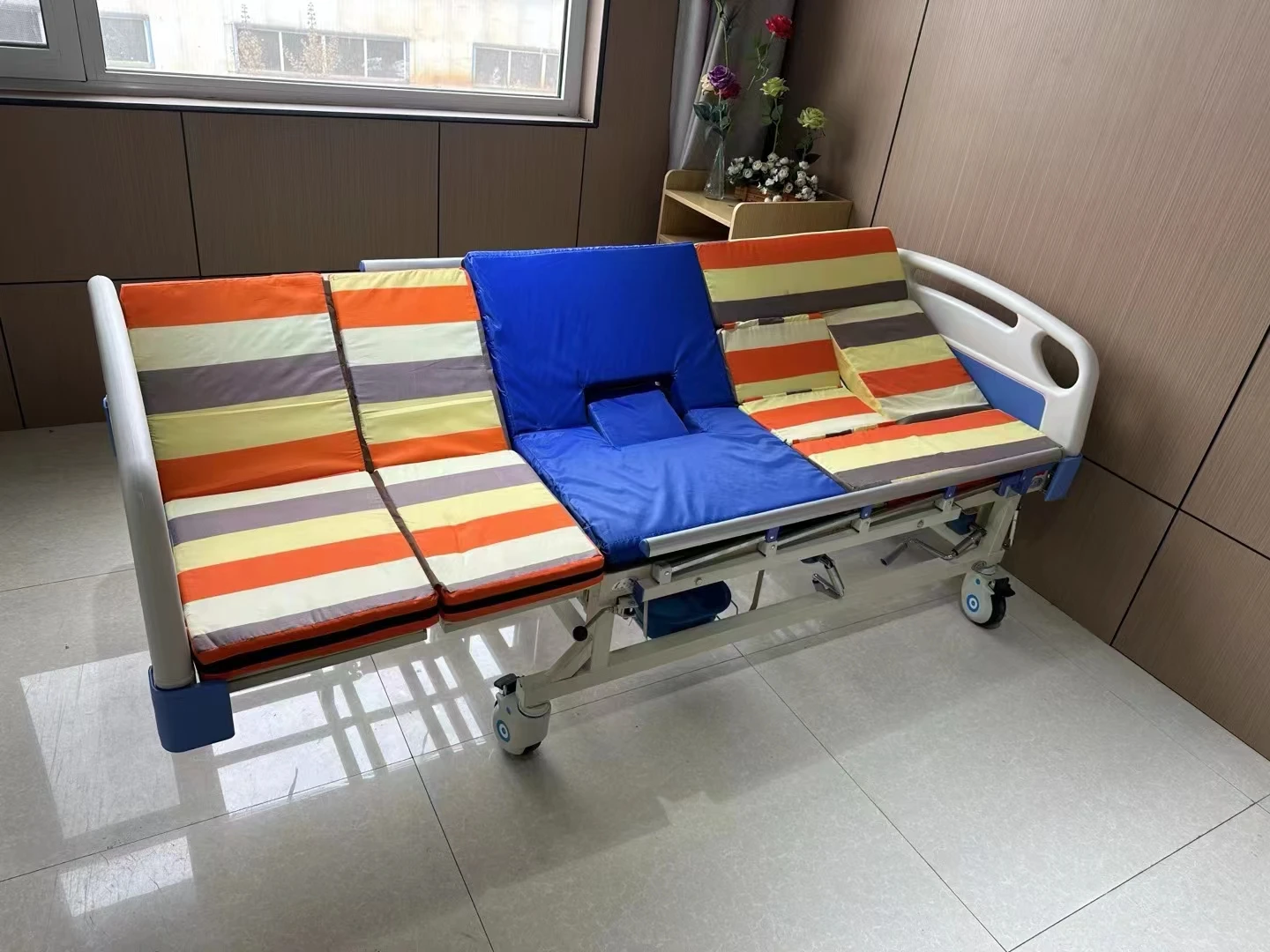
Additional functions like massage settings, USB ports, or integrated weighing scales contribute to cost. Some clients demand customized sizes, which require specialized tooling — meaning even higher expenses.
5. Supply Chain and Logistics
Where a bed is manufactured and shipped affects its cost due to customs, transportation, and tariffs, sometimes adding unexpected expenses, especially for NGOs working in remote areas. Strangely, a bed assembled locally from imported parts can offer a cost advantage if managed well.
Mini Takeaway
Electric bed cost isn’t just sticker price. It’s a complex mix of quality, tech, standards, and logistics that ultimately influences healthcare quality worldwide.
Real-World Applications of Electric Beds
Electric beds are everywhere, but their roles differ:
- Hospitals and Rehabilitation Centers: Facilitating patient comfort, reducing nurse strain, and speeding recovery.
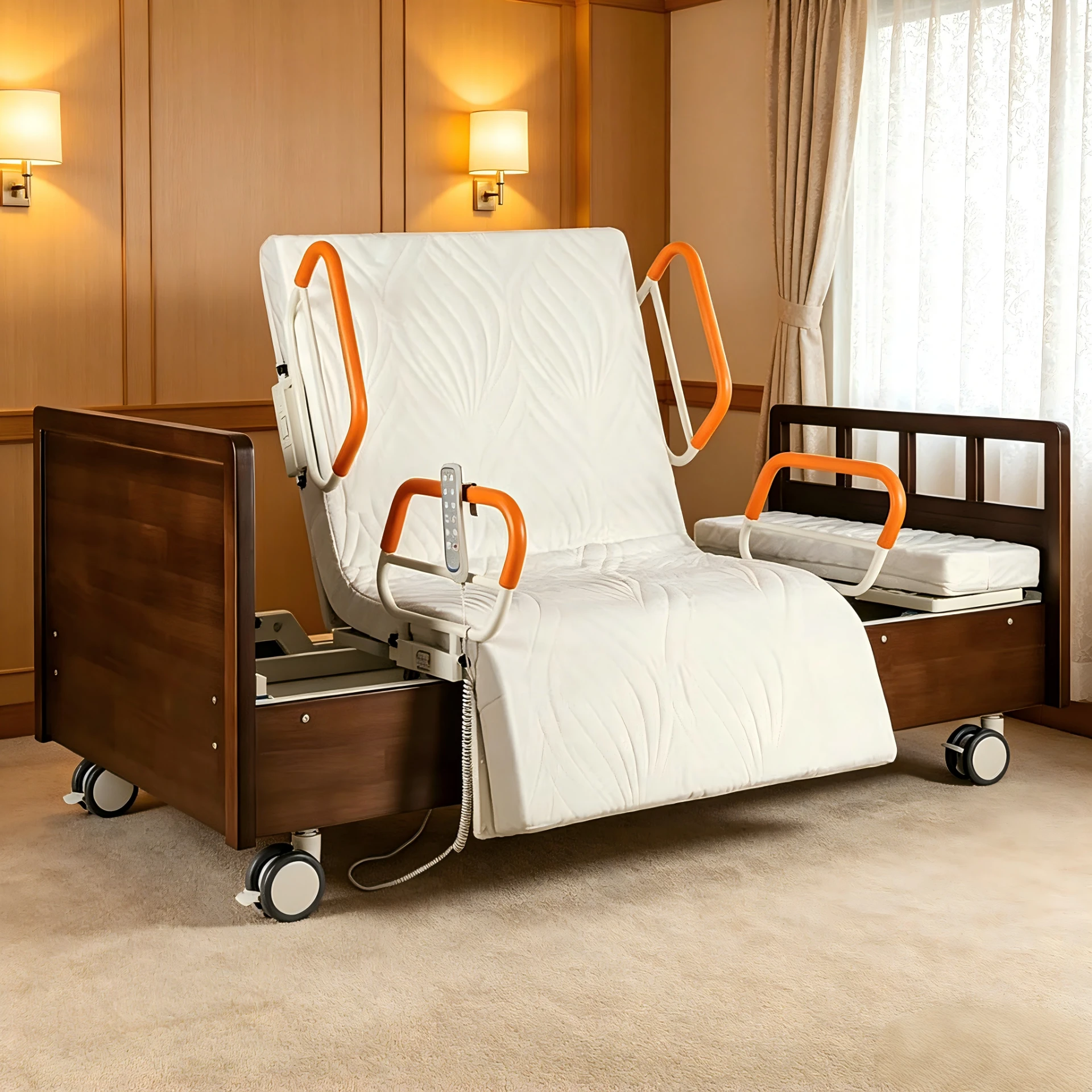
- Long-Term Care Homes: Crucial for elderly residents requiring positional changes and safety features.
- Humanitarian Aid and Disaster Relief: In places like earthquake zones or post-conflict areas, NGOs equip makeshift hospitals where electric bed cost affects how many units they can supply.
- Remote Industrial Sites: Mining or oil rigs often set up medical units using electric beds to provide quality emergency care.
Interestingly, regions like Southeast Asia and East Africa increasingly invest in mid-range electric beds to build scalable community health solutions.
Advantages and Long-Term Value of Investing in Electric Beds
The advantages are not just pragmatic — they include safety for both patient and caregiver, improved dignity for patients, and even psychological benefits by enabling control over one’s position. Hospitals confirm that electric beds reduce pressure sore incidents by over 30%, a metric that pays off handsomely in treatment costs.
From a financial perspective, durable electric beds reduce ongoing replacement and repair costs, proving that a higher upfront electric bed cost can translate into long-term savings. Socially, investing in quality beds signals commitment to patient welfare — an intangible but crucial form of trust.
Product Specification Table
| Specification | Typical Range | Notes |
|---|---|---|
| Frame Material | Powder-coated steel or aluminum | Affects durability & weight |
| Motor Type | Brushless DC / AC motors | Quieter, smoother motors cost more |
| Maximum Load Capacity | 200 - 300 kg (440 - 660 lbs) | Dependent on frame & motor strength |
| Adjustable Positions | Head, leg, height adjustments | Standard features vary |
| Power Source | 110V/220V AC with backup battery | Emergency readiness option |
Comparing Major Electric Bed Vendors
| Vendor | Price Range (USD) | Warranty | USP | Delivery Regions |
|---|---|---|---|---|
| MedEquip Pro | $900 - $1,500 | 5 years | High-end motors, ISO-certified | Global |
| HealWell Beds | $650 - $1,100 | 3 years | Energy efficient designs | Europe, Asia |
| Global Relief Beds | $400 - $700 | 1 year | Rapid deployment, lightweight | NGO Focused |
Looking Ahead: Trends and Innovations in Electric Bed Cost
The future for electric beds feels pretty exciting. There’s an increasing push for eco-friendly materials and integration with smart-health tech. Think built-in sensors that monitor patient vitals or AI-controlled positioning that anticipates discomfort. These features push costs up, of course, but developers argue they’ll reduce overall health spend by catching issues early.
Automation in assembly lines and use of recycled metals are also trending, potentially lowering manufacturing costs — a welcome shift. Policies encouraging sustainable medical equipment, inspired by ISO and UNEP guidelines, might soon nudge prices in a more affordable direction, at least for some markets.
Challenges & Practical Solutions
Still, not everything is rosy. One big challenge remains the upfront electric bed cost, especially for facilities in emerging markets or NGOs. Maintenance support and electrical infrastructure reliability can be problematic too — failure here means either broken beds or risk to patient safety.
Some innovative solutions include modular designs that simplify repairs and localized maintenance training programs. Additionally, micro-financing or leasing models are gaining traction for better accessibility, allowing health providers to spread costs instead of a massive upfront investment. Still, success depends heavily on careful planning and partnerships.
FAQ: Common Questions about Electric Bed Cost
- What factors most influence the variation in electric bed cost?
- The biggest players are motor quality, frame materials, customization options, and safety certifications. Shipping distance and supplier relationships also sneakily affect the final price.
- Is it cheaper to buy an electric bed outright or lease?
- Leasing often reduces upfront costs and includes maintenance, which is ideal for cash-strapped facilities. However, buying can be more economical over many years if you have upfront capital and technical support.
- How does electric bed cost affect emergency medical response?
- Lower cost beds allow NGOs and disaster responders to quickly equip field hospitals but may trade off durability. Investing in mid-range models balances rapid deployment and reasonable lifespan.
- Are there eco-friendly electric bed options available?
- Yes, manufacturers are increasingly using recycled metals and low-energy motors. Some also incorporate solar charging for onsite power—though these tend to be pricier initially.
Conclusion: Balancing Cost and Quality in Electric Beds
Understanding electric bed cost is more than an accounting exercise; it’s about grasping how healthcare quality, patient dignity, and operational efficiency come together. From advanced hospitals in New York to humanitarian clinics in Nairobi, knowing which costs matter and why helps everyone make better decisions. If you’re interested in exploring more details or tailored solutions, feel free to visit our website. Sometimes, the right knowledge leads to better care — one electric bed at a time.