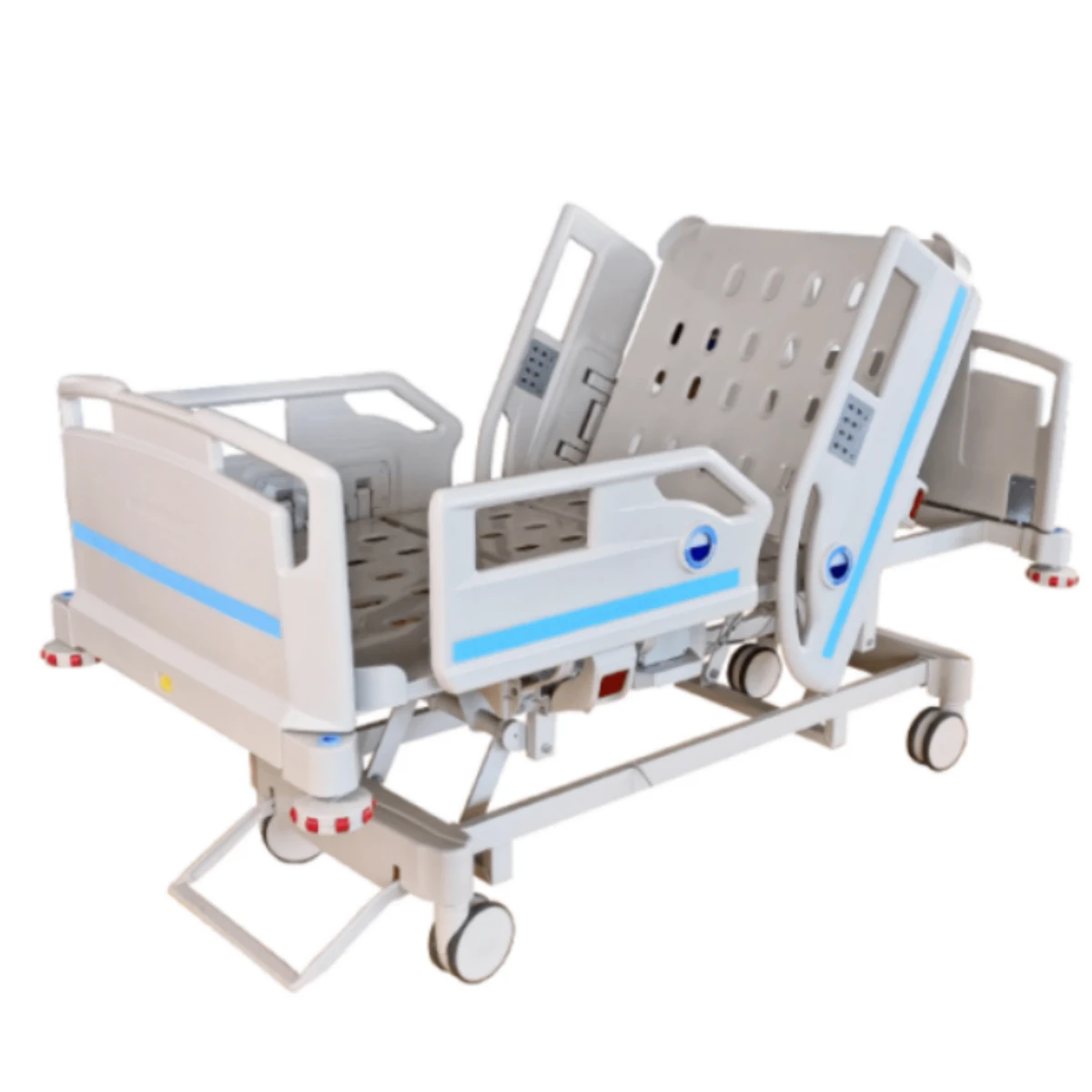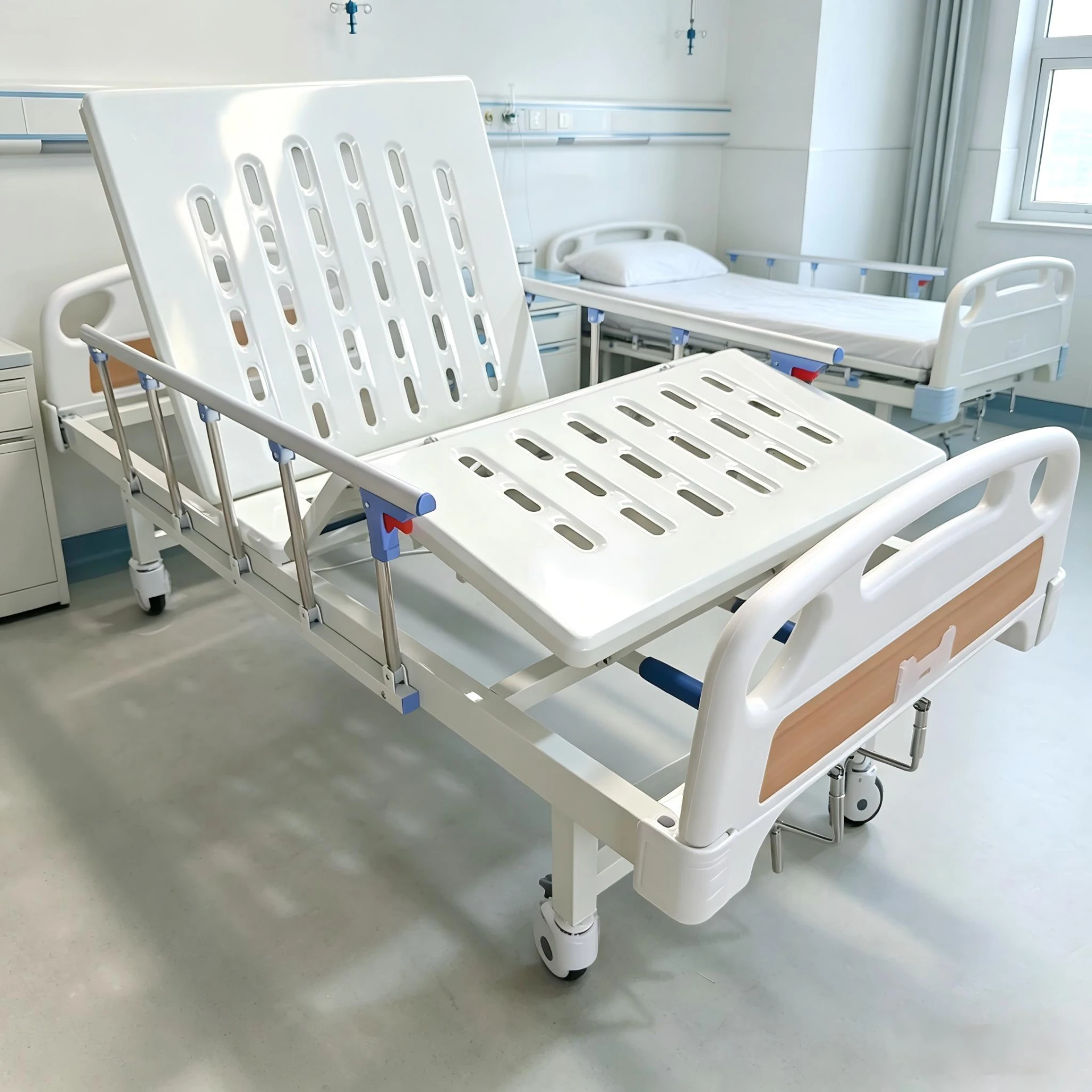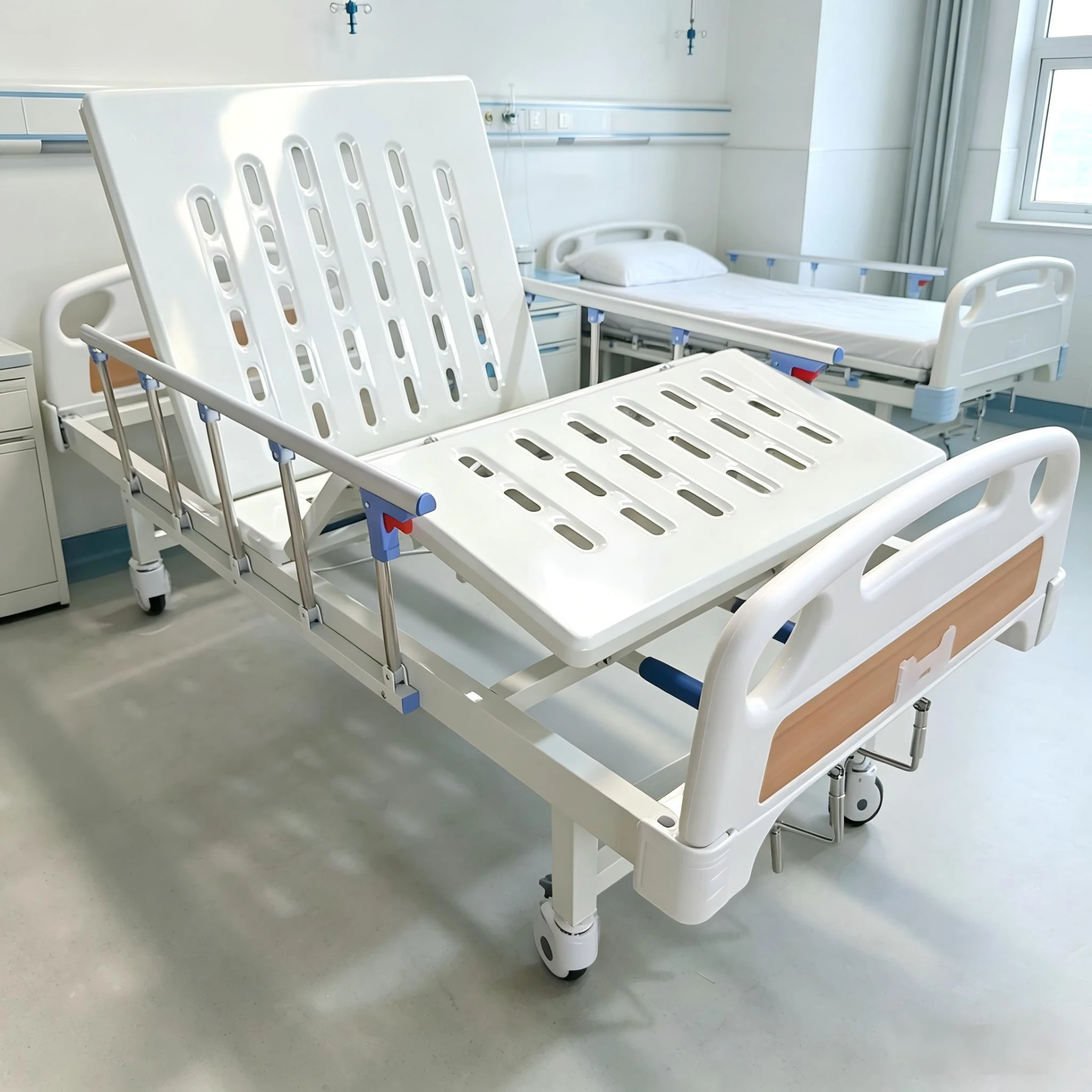
Standard Hospital Bed Size – Global Healthcare Standardization & Benefits
Understanding Standard Hospital Bed Size: Why It Matters Worldwide
When we talk about hospital essentials, the standard hospital bed size might not seem like a star player at first glance. But trust me, its importance stretches way beyond comfort. Globally, as healthcare systems face increasing demand—from aging populations to emergency responses—the dimensions and standardization of hospital beds directly influence patient care, logistics, and overall health infrastructure efficiency.
Why does a precise bed size matter? Well, picture a hospital ward where beds don’t fit through hallways or can’t accommodate the latest medical equipment because dimensions vary wildly. Not only do standards make manufacturing and procurement smoother, but they ensure safety, ease of cleaning, and interoperability across different regions and even different countries. Plus, from humanitarian missions to modern hospitals, knowing these “standard” measurements aids quick setup and patient transfer protocols.
Mini takeaway: Simply put, standard hospital bed size is a fundamental building block for efficient health service delivery worldwide, combining comfort, safety, and logistics in one neat package.
Global Perspectives: The Growing Need for Standardized Hospital Bed Sizes
The global healthcare industry is on a rapid expansion trajectory. According to the World Health Organization (WHO), by 2050, the world population is expected to reach nearly 10 billion, with a large proportion being elderly—patients who depend significantly on hospital care and thus, hospital beds. International bodies such as ISO have emphasized standardization in hospital furniture, but disparities remain.
Consider this: hospitals in North America generally follow a standard bed width of around 36 inches (91 cm) and length of about 80 inches (203 cm), designed to fit most adult patients comfortably, while some Asian countries adopt slightly narrower dimensions due to varying patient demographics. Such variations can complicate multinational medical supply logistics and emergency deployments.
This challenge escalates dramatically in humanitarian crises—refugee camps, natural disasters—where rapid medical response depends on quickly deployable, reliable furnishing. This is why global health initiatives prioritize defining uniform hospital bed sizes.
Mini takeaway: Bridging the gap in standardization helps facilities worldwide prepare better, respond faster, and care deeper.
What Exactly Is a Standard Hospital Bed Size?
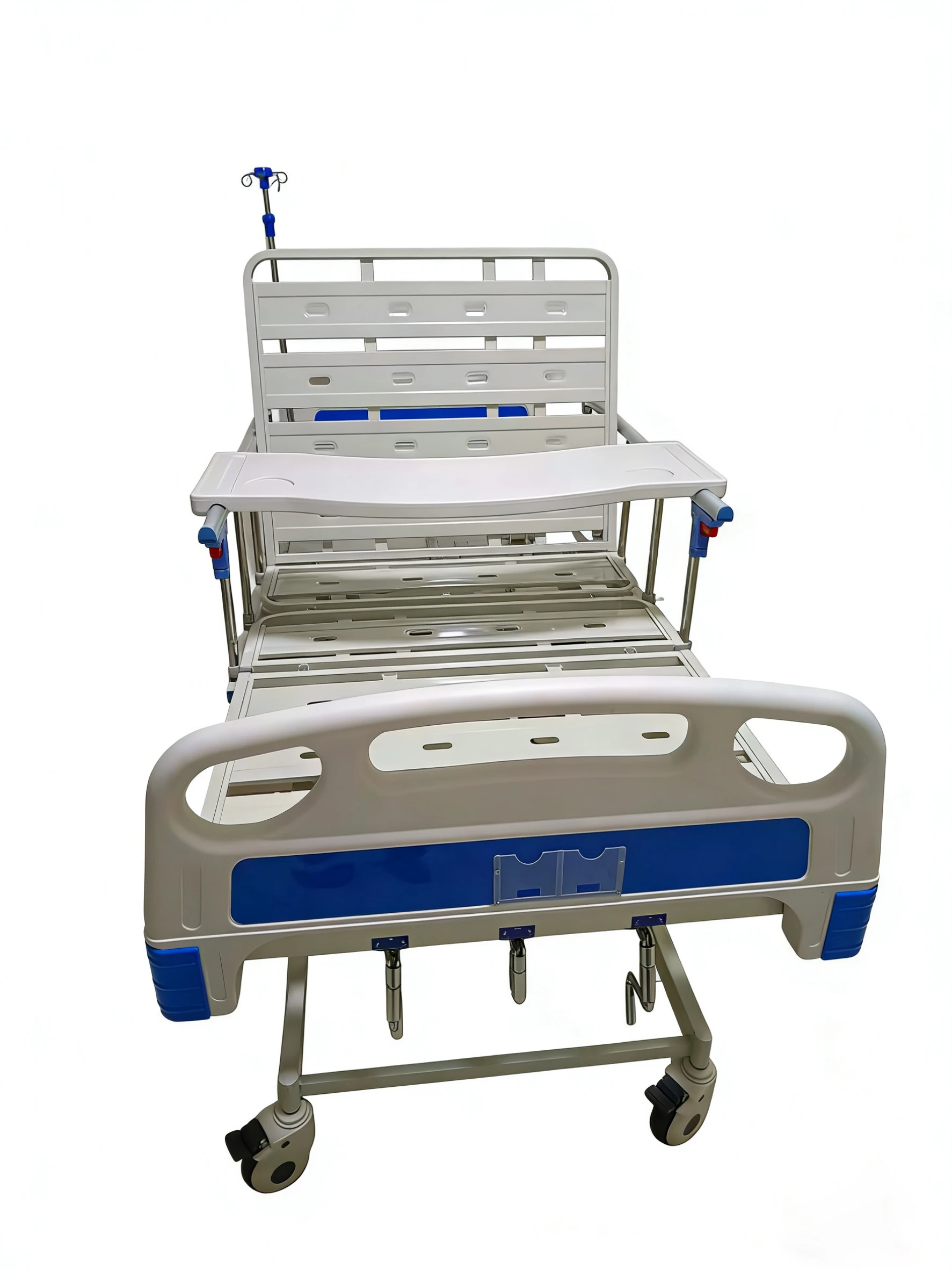
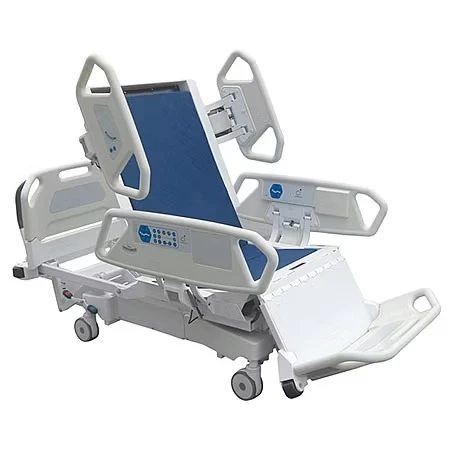
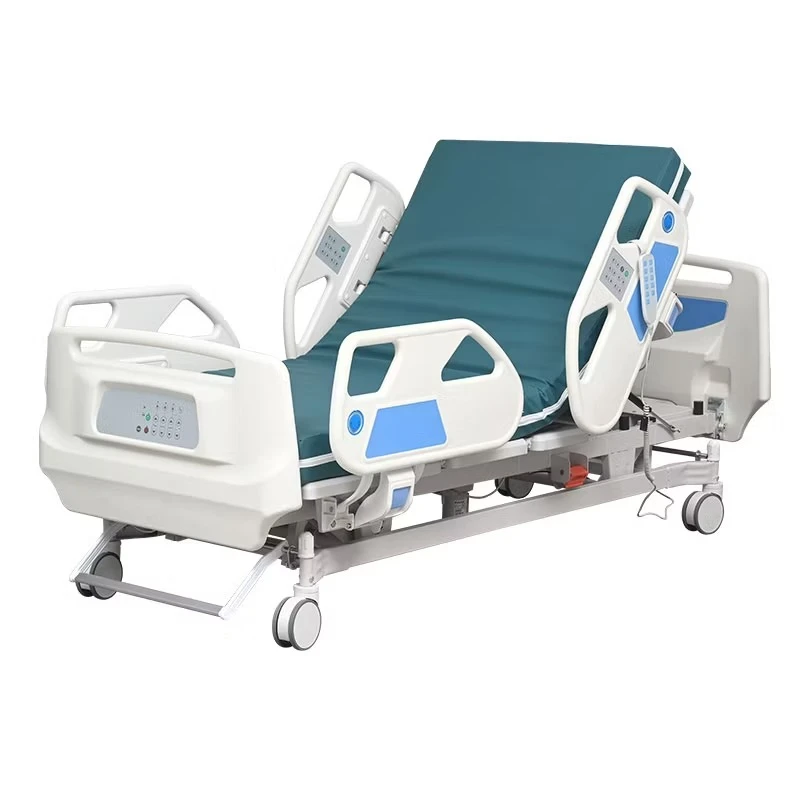
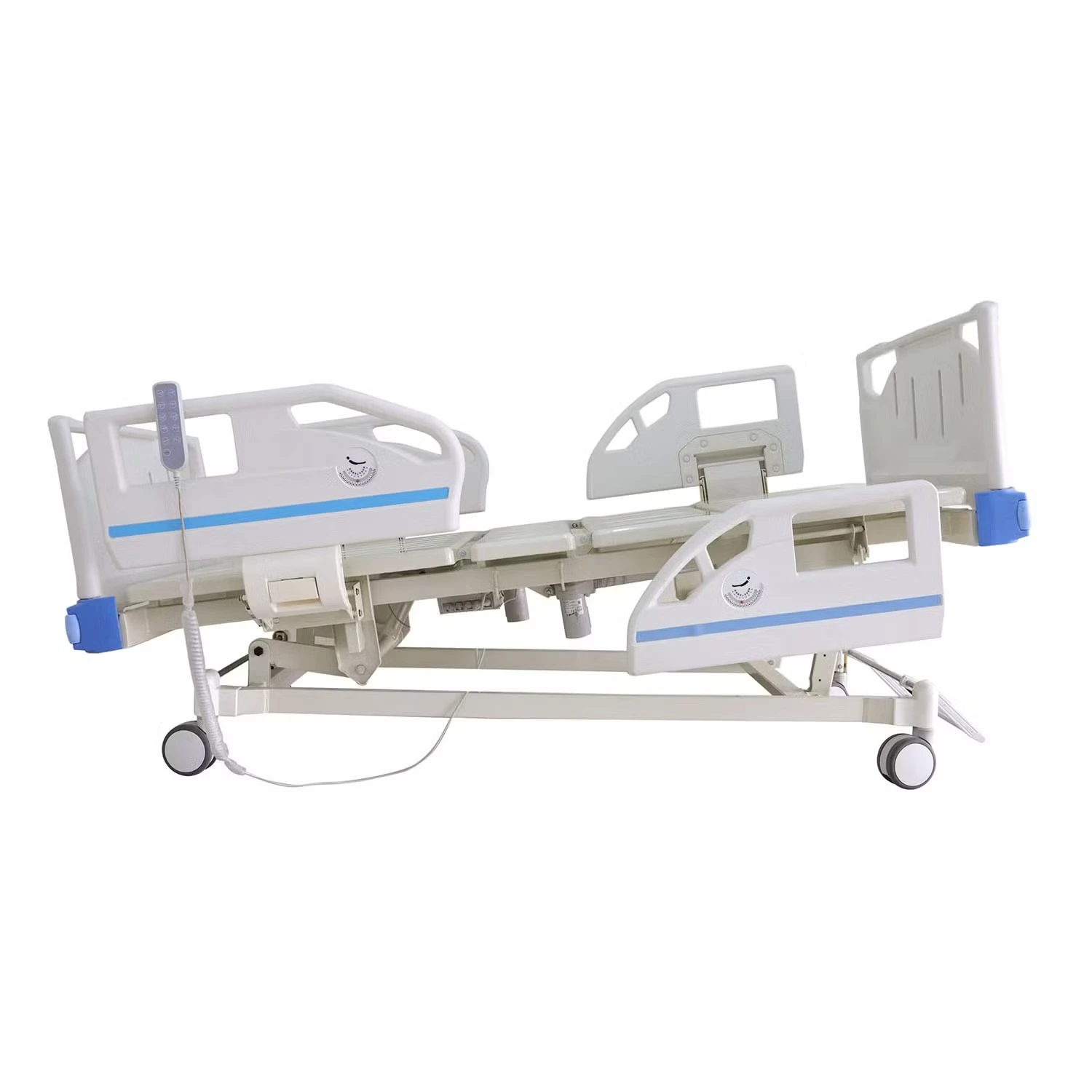
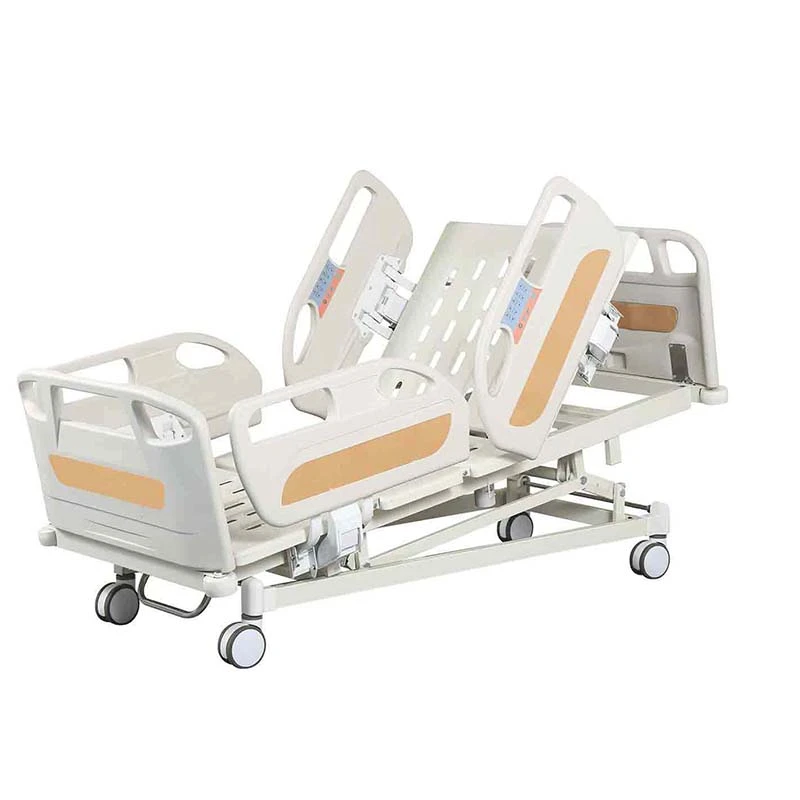
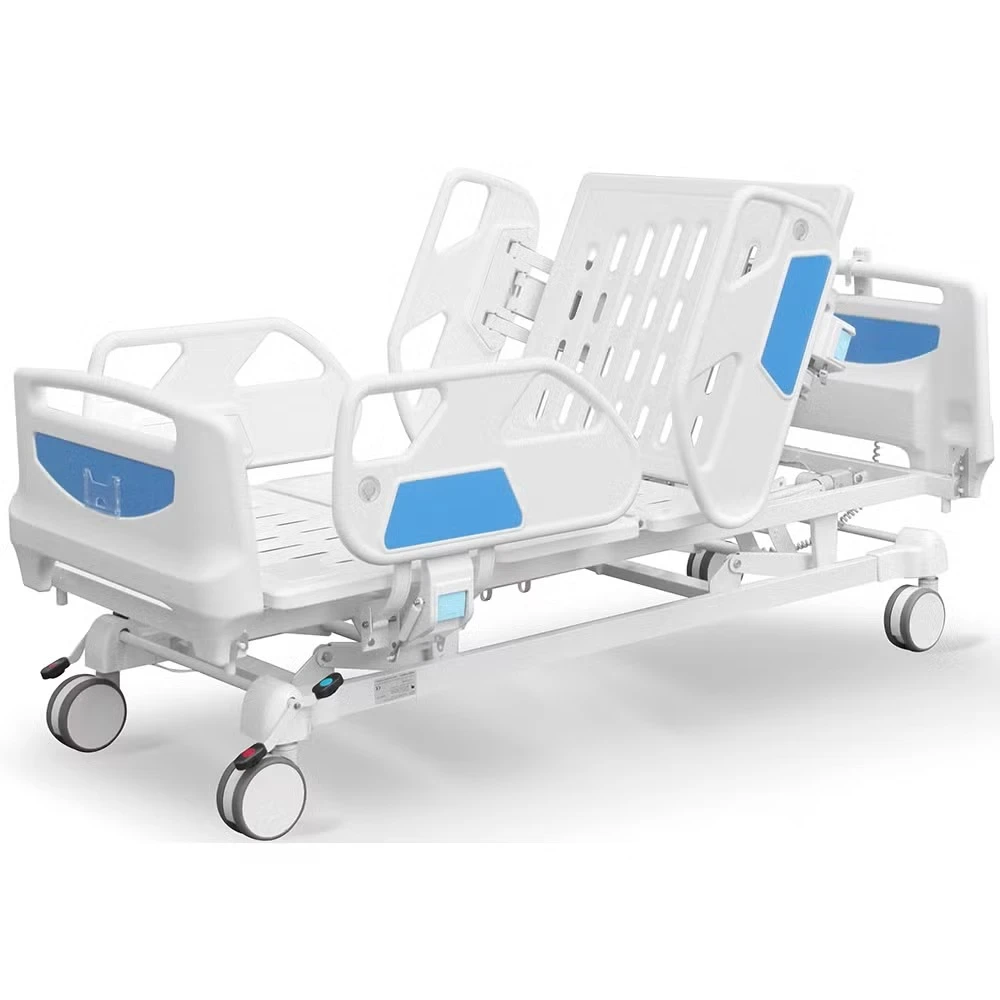
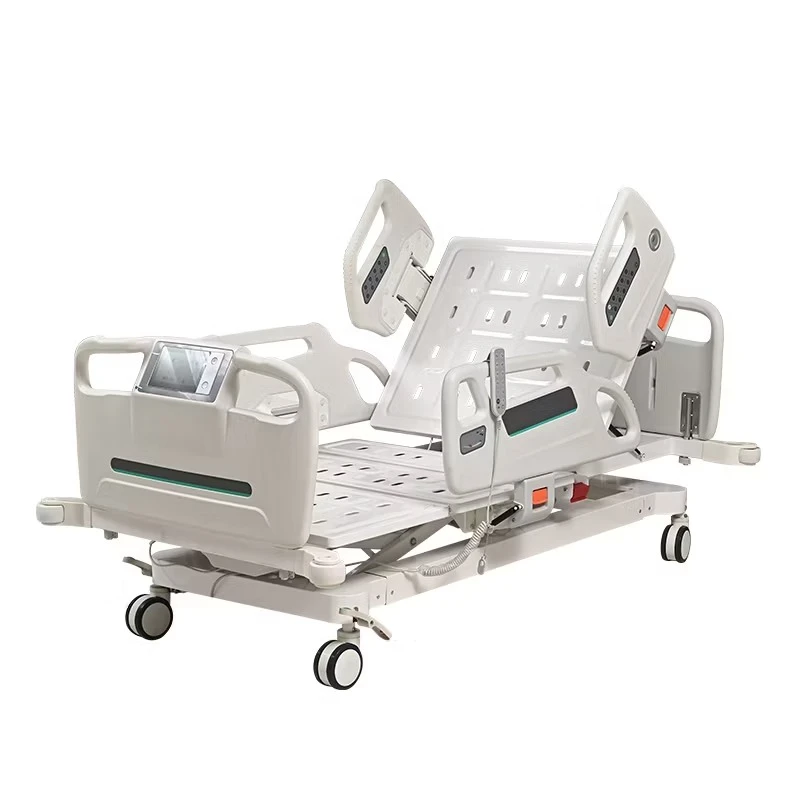
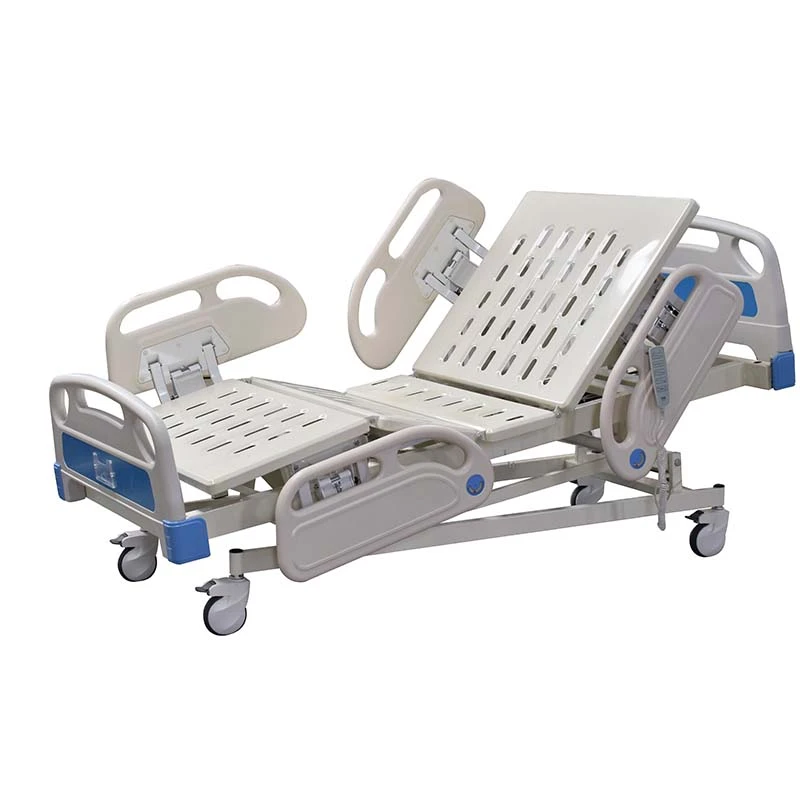
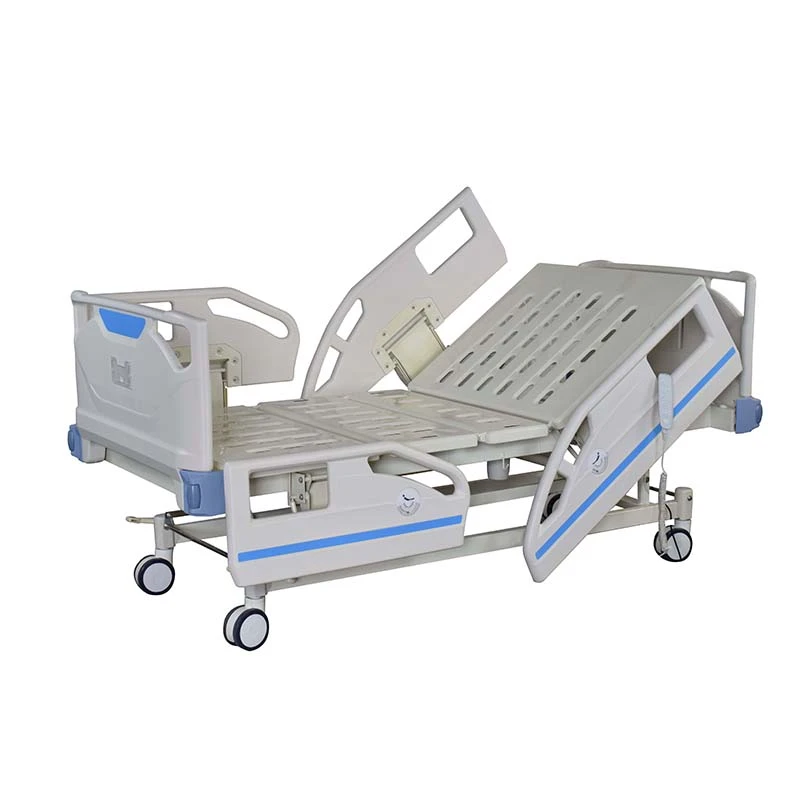
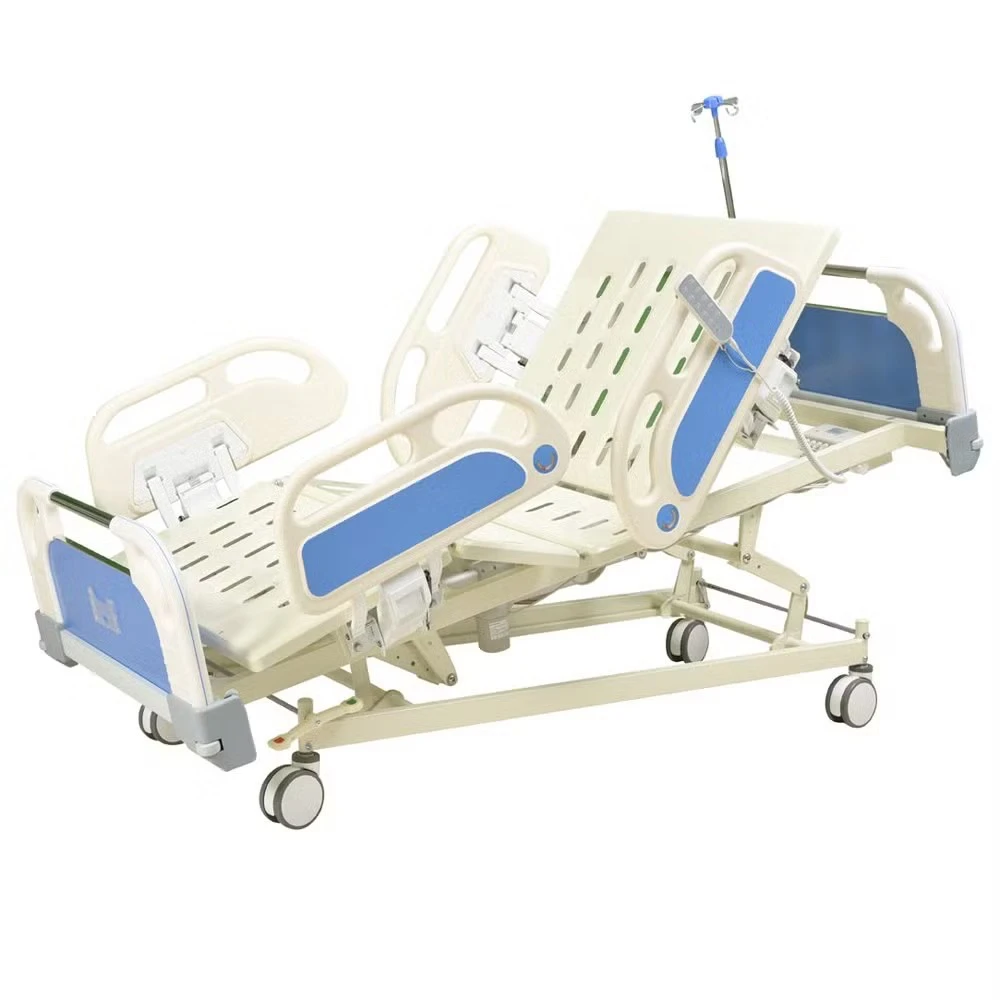
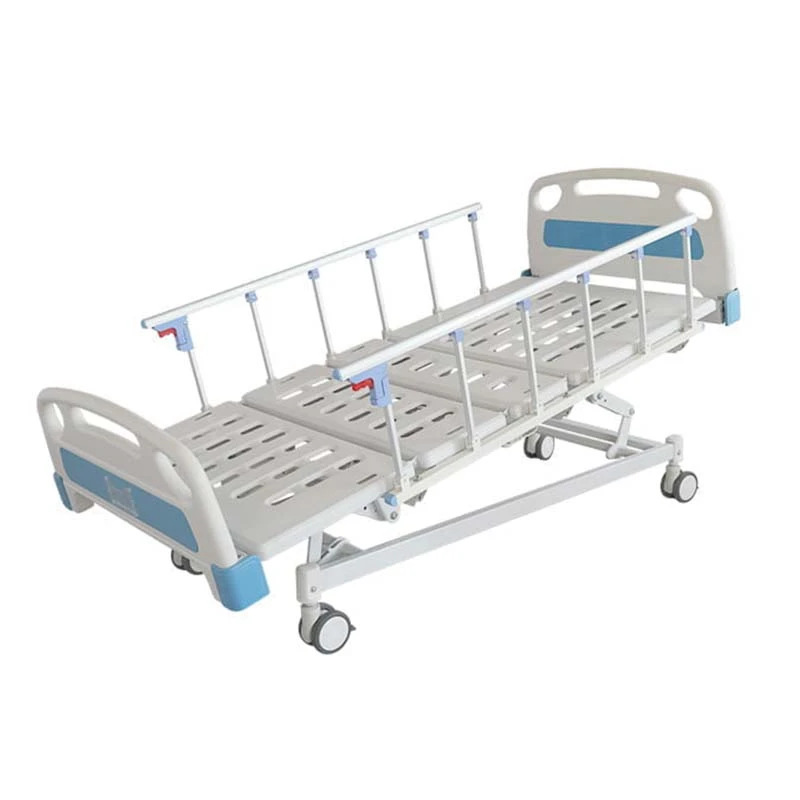
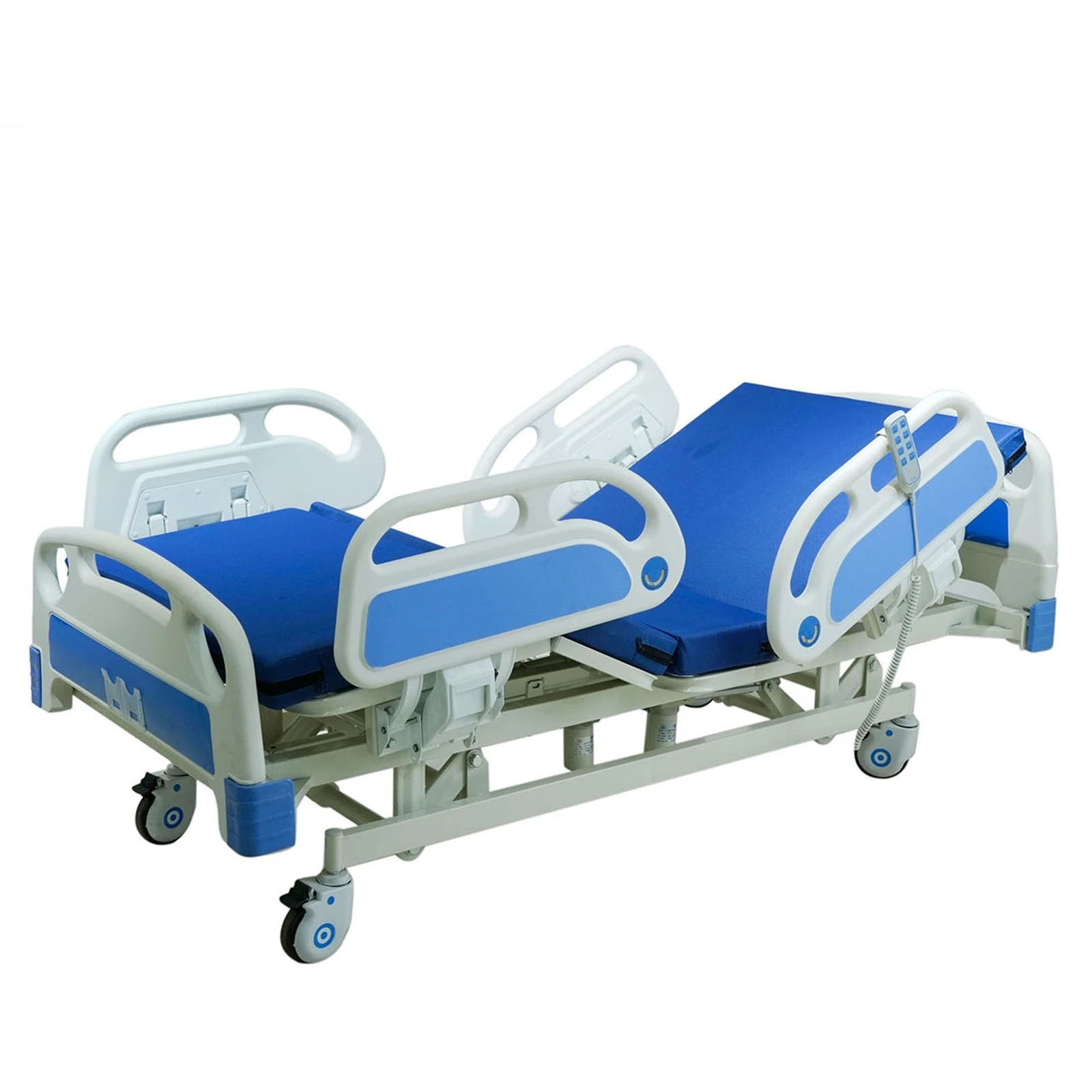
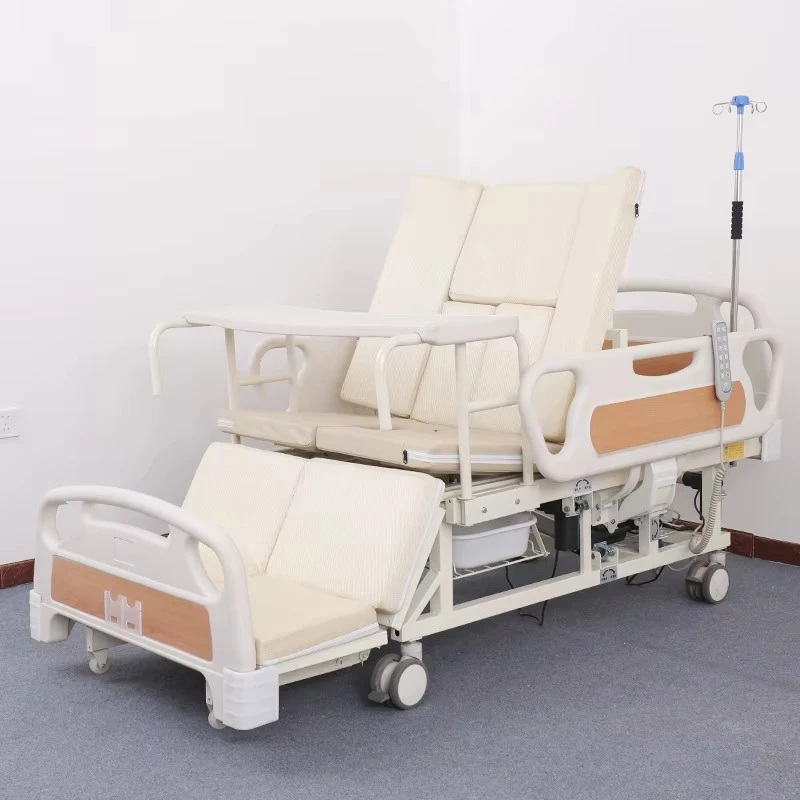
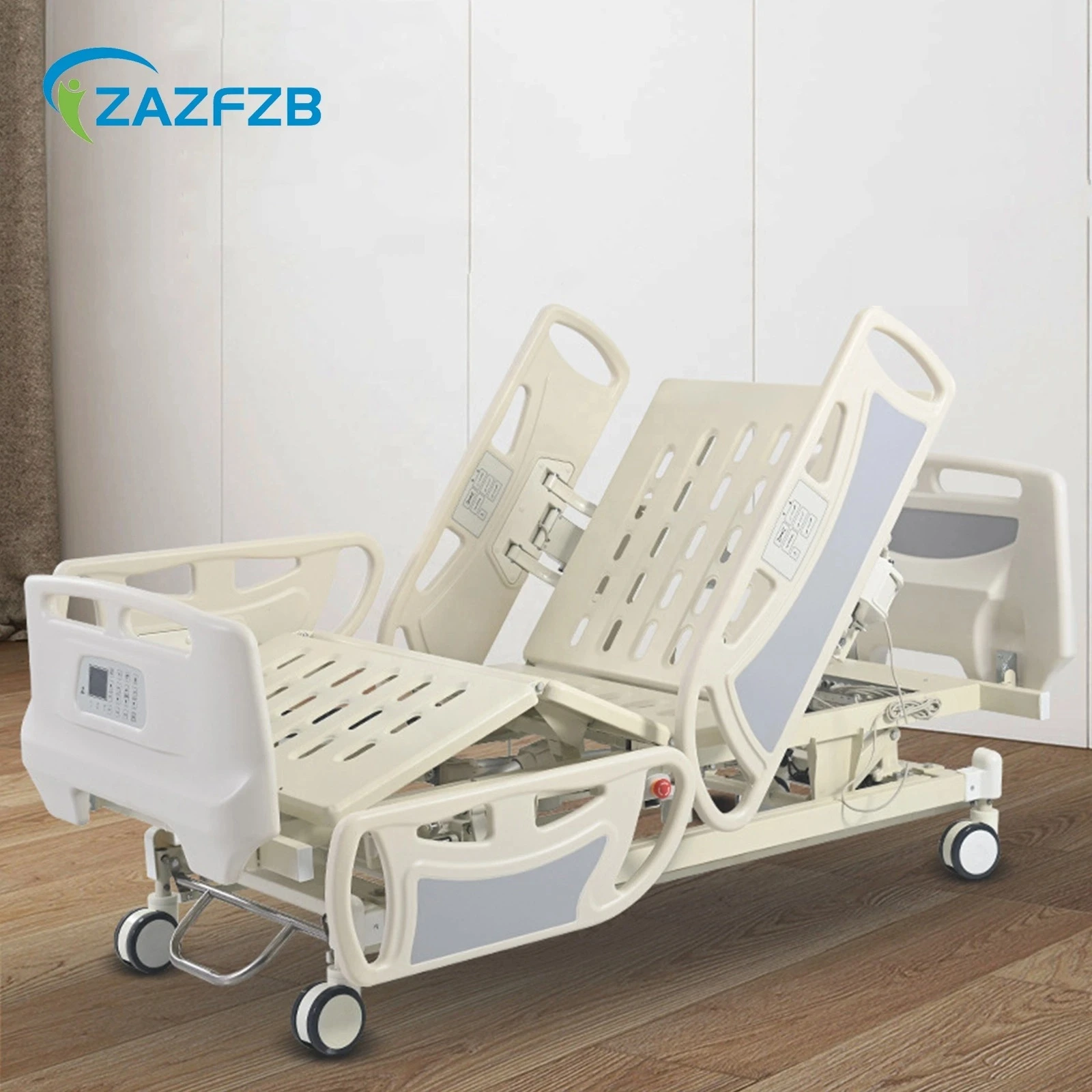
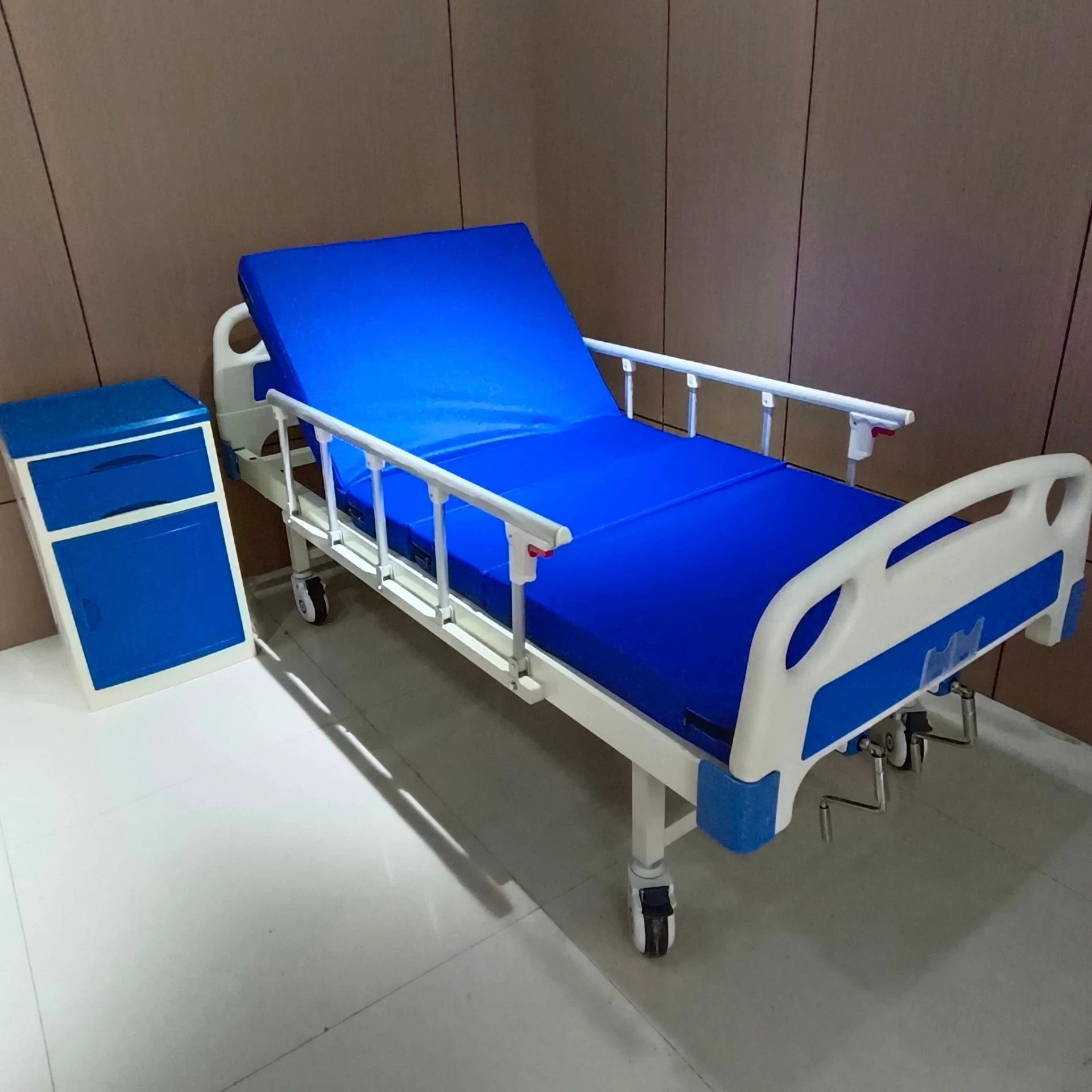
In simple terms, the standard hospital bed size refers to the typical dimensions hospitals adopt for patient beds to ensure consistency in comfort, safety, and compatibility with medical equipment. Typically, these beds have adjustable features—height, backrest, leg rest—but their core physical footprint falls within predefined width and length ranges.
Industrially, this standardization connects with production efficiency, regulatory compliance, and clinical workflow optimization. On the humanitarian front, standardized beds make it easier to ship and set up field hospitals instantly, reducing wait times when every minute in care matters.
Key Factors Behind Standard Hospital Bed Size
1. Durability and Material Quality
Hospital beds must endure daily wear, patient movements, cleaning chemicals, and adjustments without faltering. The material—usually steel or aluminum for the frame—affects both durability and weight. Standard sizes ensure manufacturers can optimize material use without guesswork.
2. Patient Comfort and Ergonomics
The size needs to accommodate a broad range of body types. Beds too narrow or short risk discomfort or injury. Interestingly, adjustable lengths sometimes co-exist with a standard frame base to better fit patients yet remain compatible with room designs.
3. Compatibility With Equipment
Medical beds interface with infusion pumps, monitors, hoists, and mattresses. A standard bed size supports universal accessories, reducing costs for hospitals and simplifying training.
4. Cost Efficiency and Scalability
Prefab designs based on standard dimensions allow bulk manufacturing, driving down unit costs. This is particularly critical in emerging markets looking to scale facilities efficiently.
5. Mobility and Space Optimization
Officials often grapple with maximizing ward space. Standard bed sizes help hospital architects and planners design rooms and corridors that optimize treatment capacity without cramping.
6. Infection Control and Hygiene
The ability to clean hospital beds thoroughly without gaps or awkward edges is vital. Standard designs incorporate these practicalities into their sizing and shape.
Mini takeaway: These factors shape the “perfect” hospital bed size—not too big, not too small, but perfectly balanced to serve comfort, practicality, and economics.
Real-World Applications: The Reach of Standard Hospital Bed Sizes
Across continents, the ripple effects of standardized hospital bed sizing reveal themselves in fascinating ways:
- In post-disaster relief, such as after the 2010 Haiti earthquake, field hospitals equipped with beds matching standard measurements facilitated rapid patient turnover and enhanced care consistency—saving lives under intense pressure.
- In urban hospitals across Europe and North America, adhering to standard sizes has supported the integration of smart hospital beds with weight sensors and patient monitoring tech—modernizing patient care.
- Remote industrial zones in Africa and Asia benefit where modular hospitals use these standards to ship efficient, ready-to-install medical furnishings.
- Military medical units depend on standard sizes to ensure their equipment can be packed and deployed in multiple countries without modification.
Advantages of Sticking to the Standard Hospital Bed Size
So, why stick to one size range despite local variations? The benefits are tangible and quite profound:
- Cost reduction through bulk manufacturing and simpler logistics.
- Sustainability as reusable mattresses and linens fit universally, minimizing waste.
- Improved patient safety with beds that fit hospital room design and safety codes reliably.
- Staff efficiency by reducing time wasted on maneuvering furniture that doesn’t fit or work well.
- Dignity and comfort ensuring patients feel cared for rather than accommodated awkwardly.
In a way, the standard hospital bed size reflects a commitment to trust—between patients, caregivers, and institutions. It’s innovative in its simplicity.
Looking Ahead: Future Trends Impacting Hospital Bed Dimensions
Healthcare isn’t static, and neither are hospital beds. Here’s what’s changing:
- Smart beds with IoT sensors and remote adjustment tied tightly to specific layouts and sizes.
- Eco-friendly materials that reduce hospital carbon footprints; think bio-based polymers replacing steel frames.
- Adaptive beds that automatically calibrate length and width within a standardized framework.
- Modular design allowing hospital systems to swap or upgrade components without replacing entire beds.
- Regulatory push toward global sizing consistency, helping international aid and trade agencies.
Common Challenges and Smart Solutions
Yet, all is not perfect. Challenges include:
- Regional size variations, often necessary due to local patient populations.
- Cost barriers for cutting-edge adjustable designs.
- Supply chain complexity where different hospitals demand different specs.
Experts suggest a flexible “standard+” approach: a base size standard with adjustable allowances, ensuring interoperability but respecting local needs. Innovations like 3D printing of parts and modular beds also offer cost and logistics relief.
FAQ on Standard Hospital Bed Size
-
Q: What is the usual length and width for a standard hospital bed?
A: Standard beds usually measure about 80 inches (203 cm) in length and 36 inches (91 cm) in width, though adjustable models can vary. These sizes accommodate most adult patients while fitting hospital infrastructure. -
Q: Why can’t hospitals just use any bed size for patients?
A: Non-standard sizes risk incompatibility with medical equipment, create cleaning challenges, and can pose safety hazards during patient transfer or emergencies. -
Q: Are pediatric hospital beds standardized differently?
A: Absolutely. Pediatric beds are smaller in dimension and designed for child safety but often adhere to standardized frameworks to ensure equipment compatibility. -
Q: How do standard hospital bed sizes affect emergency medical response?
A: Standardization allows rapid deployment of beds and supplies across various sites without customization delays, crucial in disasters or pandemics. -
Q: Can hospitals customize bed sizes while sticking to standards?
A: Yes. Many manufacturers offer beds with adjustable length or width module options around a core standard, balancing universal fit and local needs.
Product Specifications: A Typical Standard Hospital Bed
| Feature | Specification |
|---|---|
| Overall Length | 80 in (203 cm) |
| Overall Width | 36 in (91 cm) |
| Height Adjustment Range | 15 - 25 in (38 - 64 cm) |
| Weight Capacity | 450 lbs (204 kg) |
| Frame Material | Powder-coated steel |
| Adjustable Sections | Backrest, thigh rest, leg rest |
Vendor Comparison: Popular Hospital Bed Manufacturers
| Manufacturer | Standard Bed Size (L x W) | Adjustability Features | Additional Offerings |
|---|---|---|---|
| Zhaofa Medical | 80 in x 36 in | Electric and manual height & backrest | Mobile beds, ICU beds, maternity beds |
| Hill-Rom | 78 in x 36 in | Full electric with advanced controls | Smart bed integration, pressure relief mattresses |
| Invacare | 80 in x 35 in | Manual adjustment with quick-release sides | Home care beds, accessories |
Wrapping Up: The Long-Term Impact of Standard Hospital Bed Sizes
Looking at the bigger picture, the standard hospital bed size isn’t just a footnote in healthcare logistics; it’s almost the unsung hero of patient care, safety, and healthcare management globally. Understanding and committing to these standards supports innovation, global collaboration, and the dignity of care delivery.
Whether you manage a rural clinic or a metropolitan hospital, or work in emergency response teams overseas, tuning into hospital bed size standards pays dividends in smooth operation and patient satisfaction.
Explore more about how standard sizing can simplify your procurement and improve patient outcomes at our website: Zhaofa Medical.