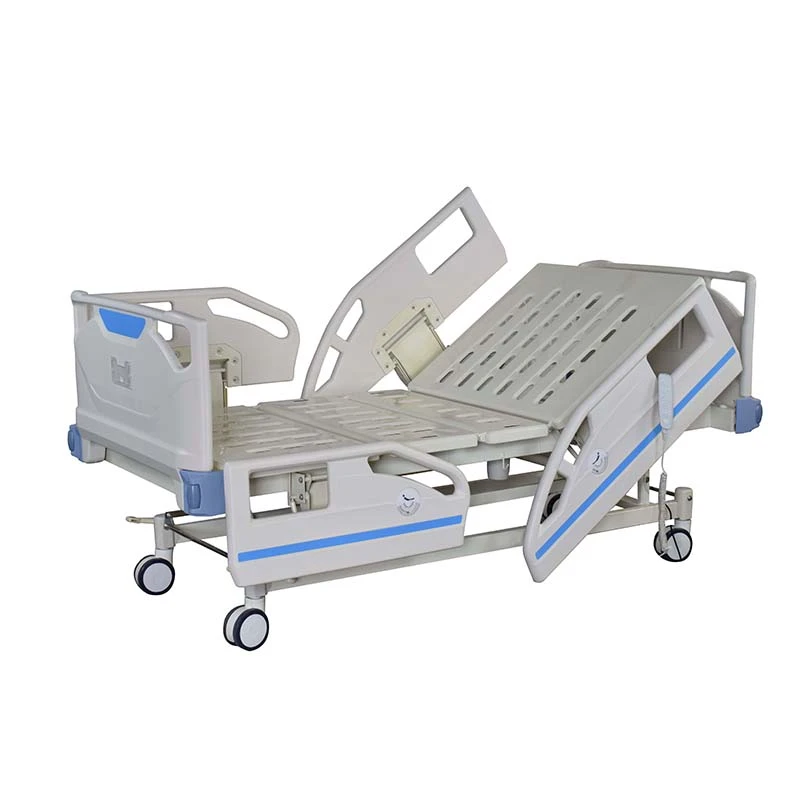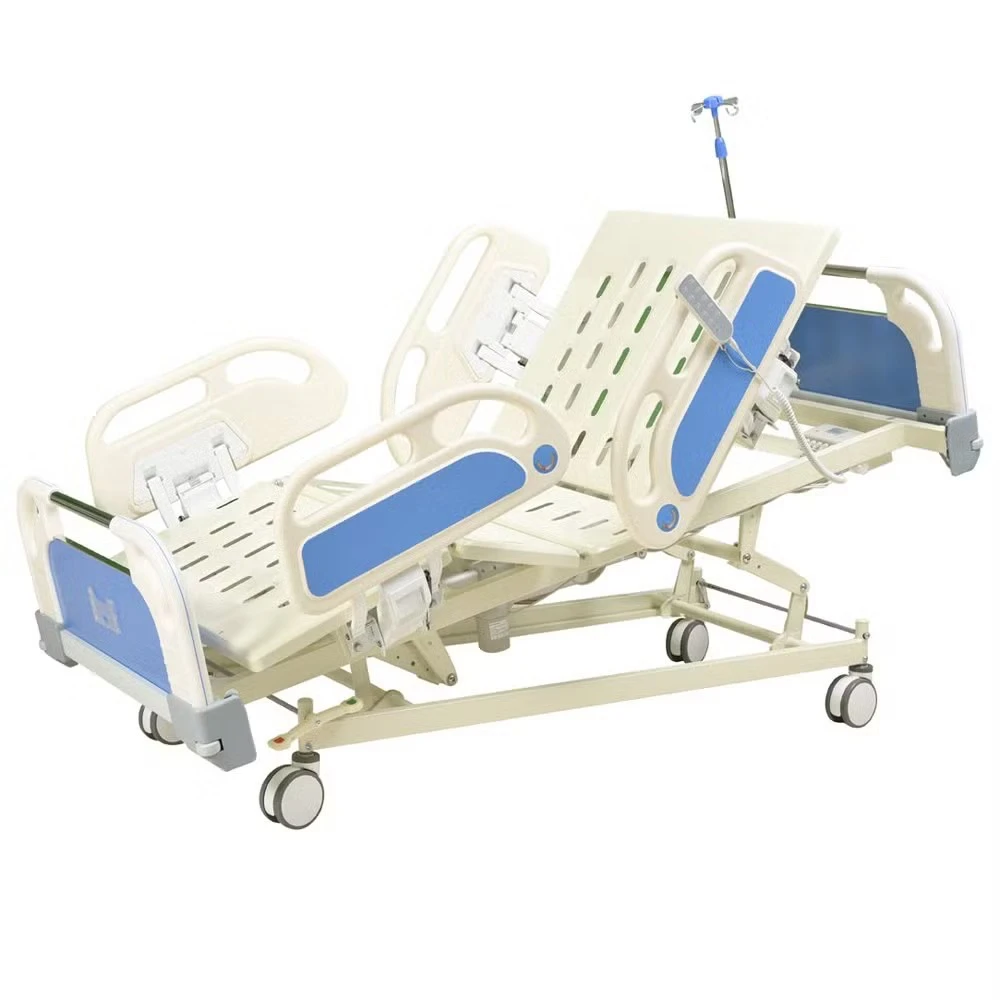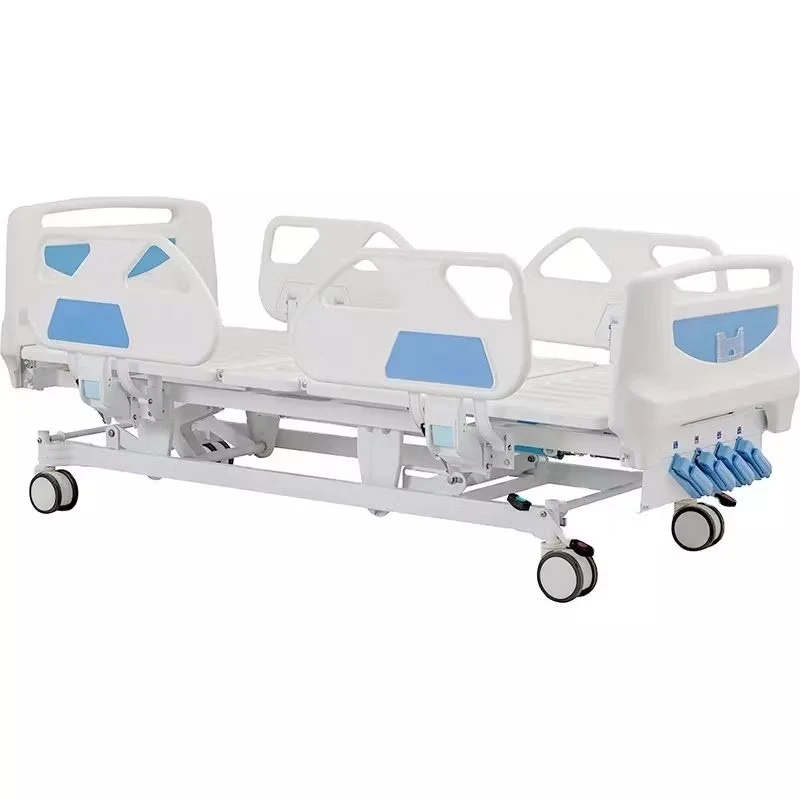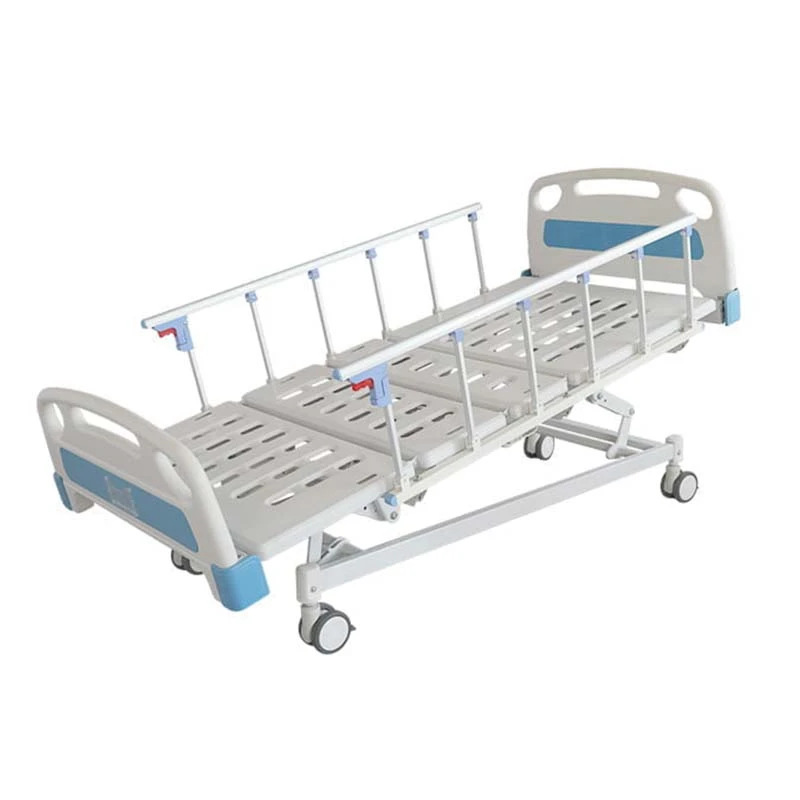
Comprehensive Guide to Twin Hospital Bed Dimensions for Healthcare Facilities
Understanding Twin Hospital Bed Dimensions: Why Size Truly Matters
When we talk about twin hospital bed dimensions, it might seem like a simple technical detail — but these measurements play a surprisingly big role in healthcare delivery worldwide. Whether it’s a bustling urban hospital or a remote emergency clinic in a disaster zone, the size and specifications of hospital beds influence patient comfort, facility design, and even operational efficiency.
Globally, hospitals handle millions of patients daily. According to the World Health Organization, properly sized and equipped hospital beds can improve patient outcomes by ensuring safety and ease of care. So understanding the standard dimensions of twin hospital beds isn’t just academic; it’s a pillar of effective healthcare planning.
The Global Context: Why Standardizing Twin Hospital Bed Dimensions is Crucial
In a world where hospital infrastructure can differ drastically from one country to another, standardization becomes key. The International Organization for Standardization (ISO) provides guidelines that hospitals and manufacturers often follow to maintain uniformity in bed sizes. Approximately 70% of healthcare facilities worldwide use bed standards based on these metrics, making twin hospital bed dimensions relevant not only regionally but on a global scale.
One challenge this standard addresses is resource optimization—beds that are too large or too narrow can disrupt ward layouts or complicate patient transfers. Furthermore, in crises like the COVID-19 pandemic, having consistent bed sizes facilitates faster deployment and setup of makeshift hospitals.
What Exactly Are Twin Hospital Bed Dimensions?
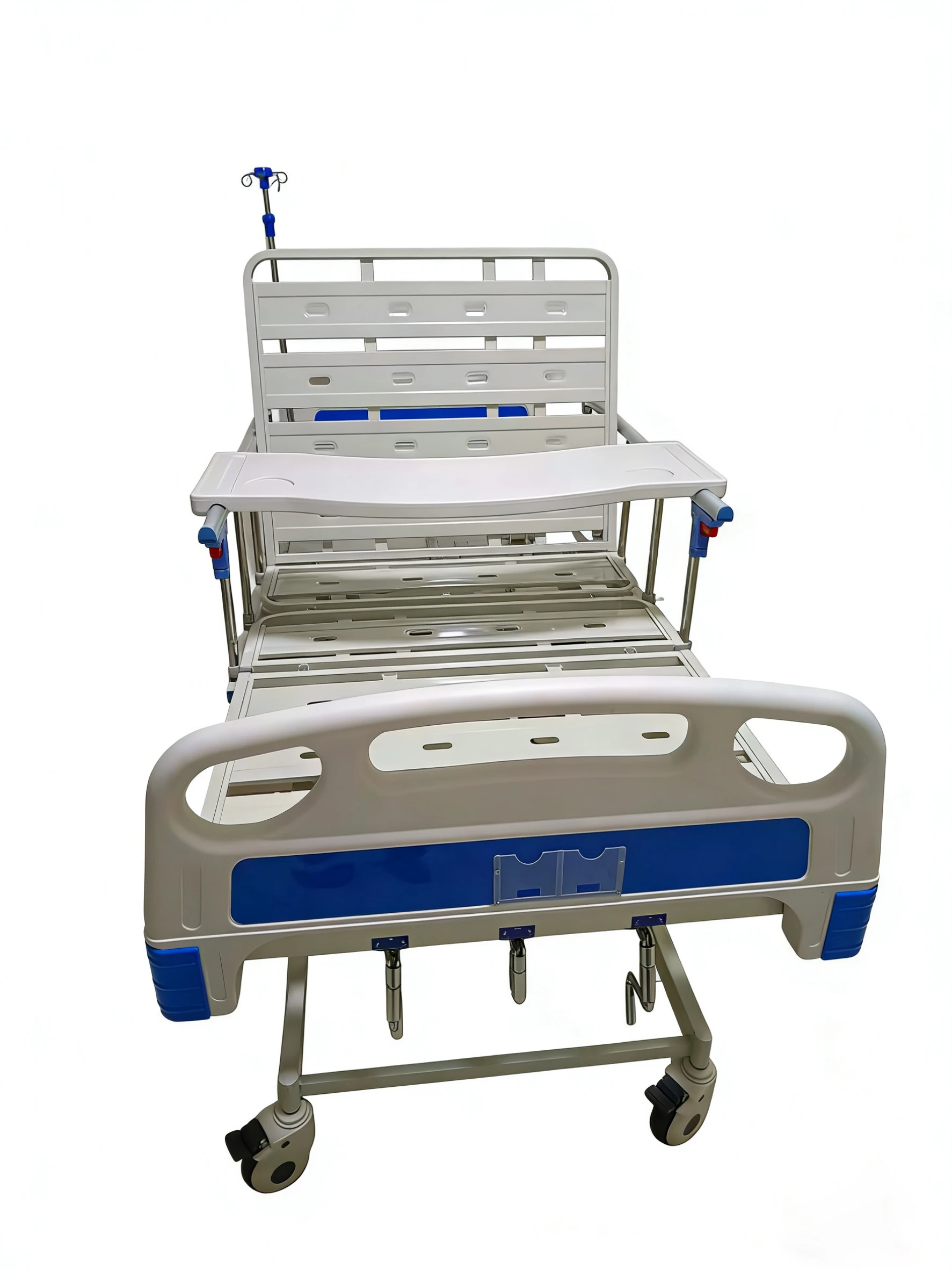
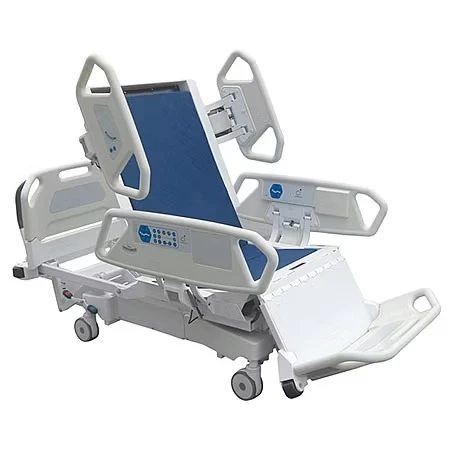
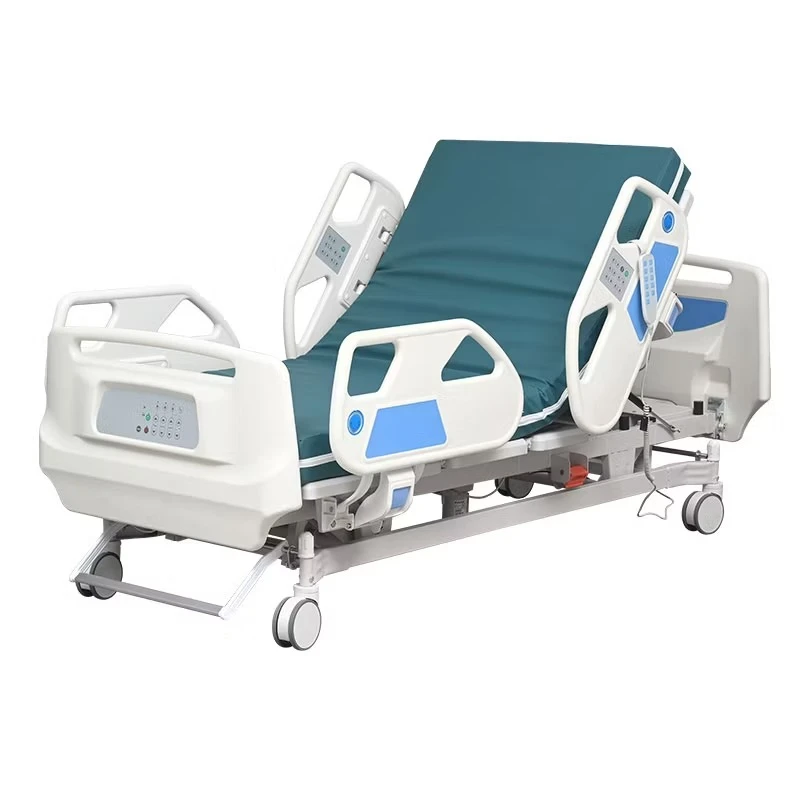
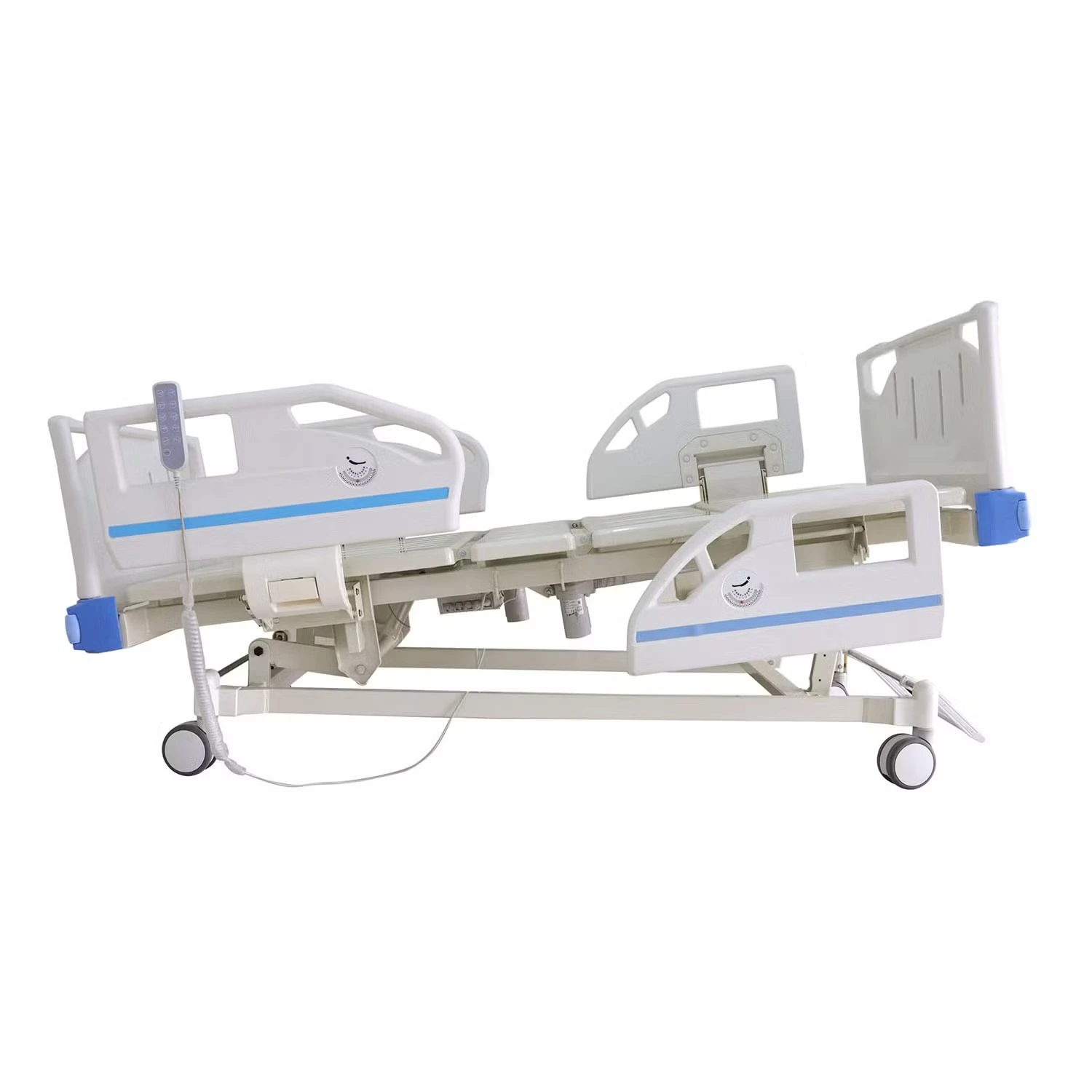
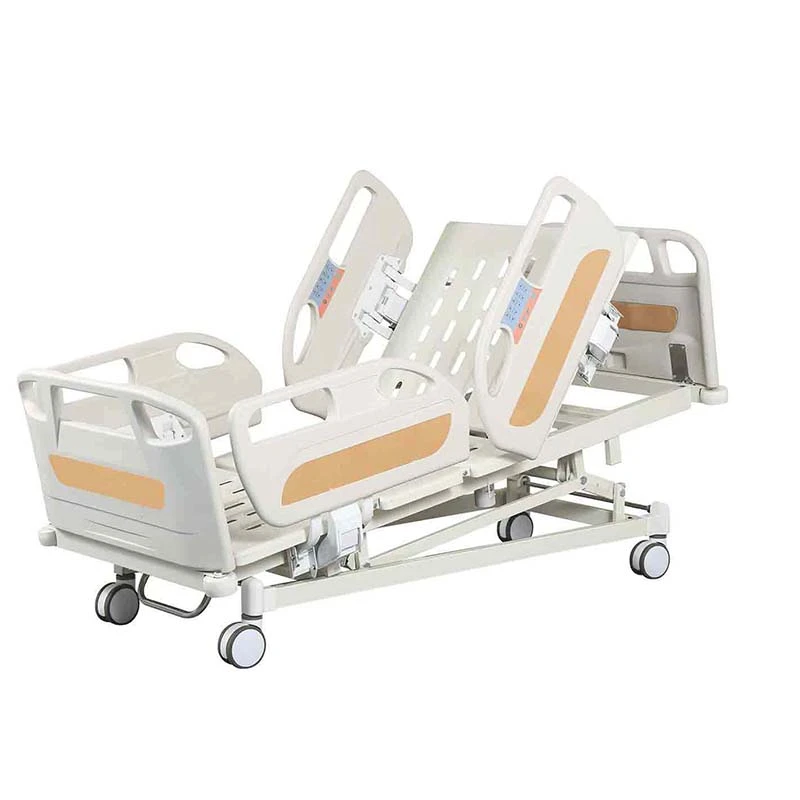
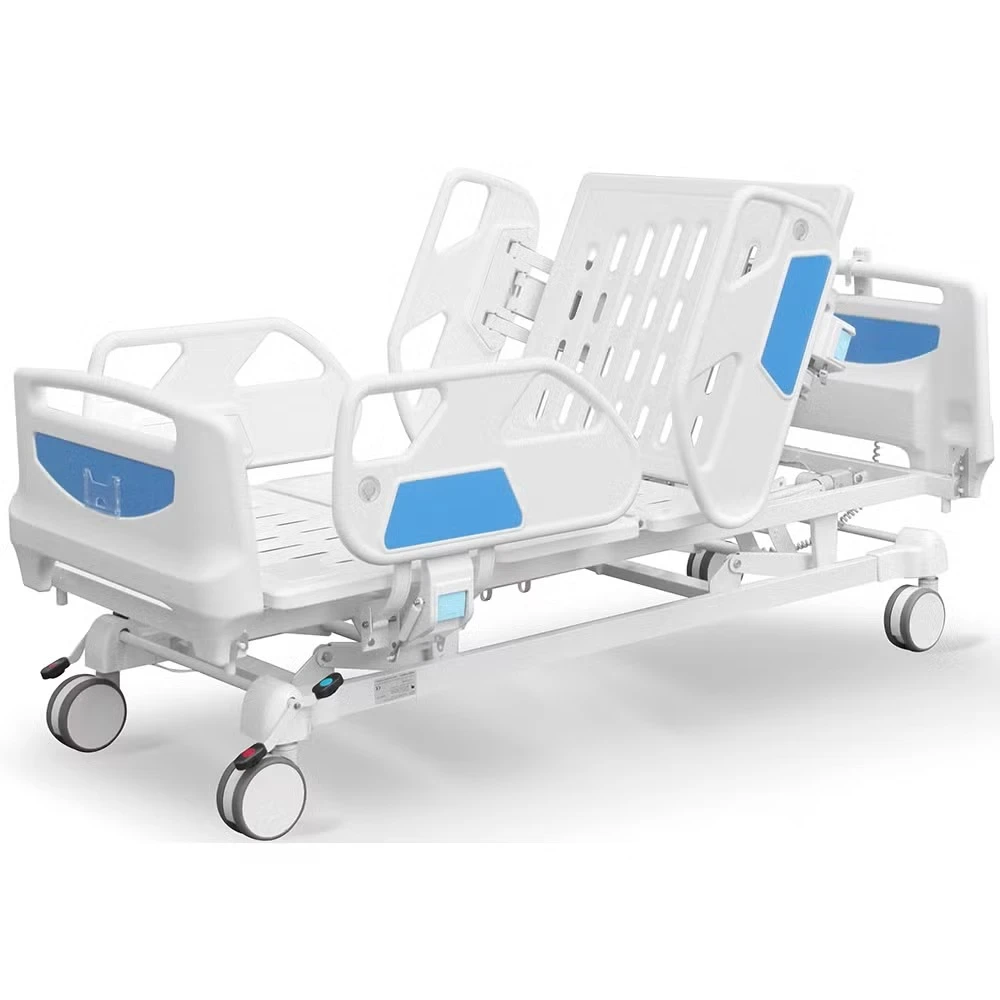
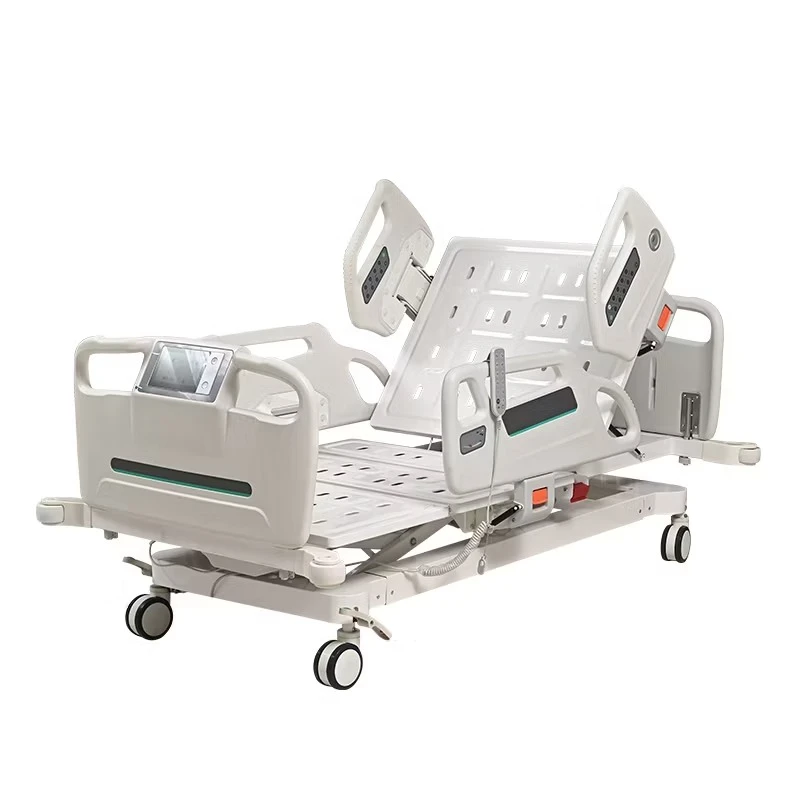
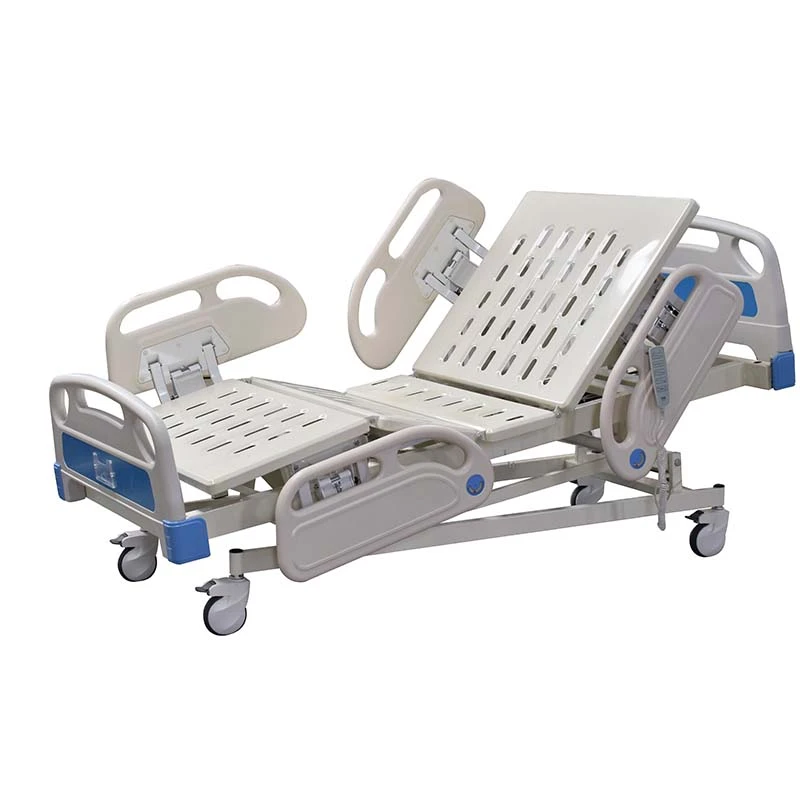
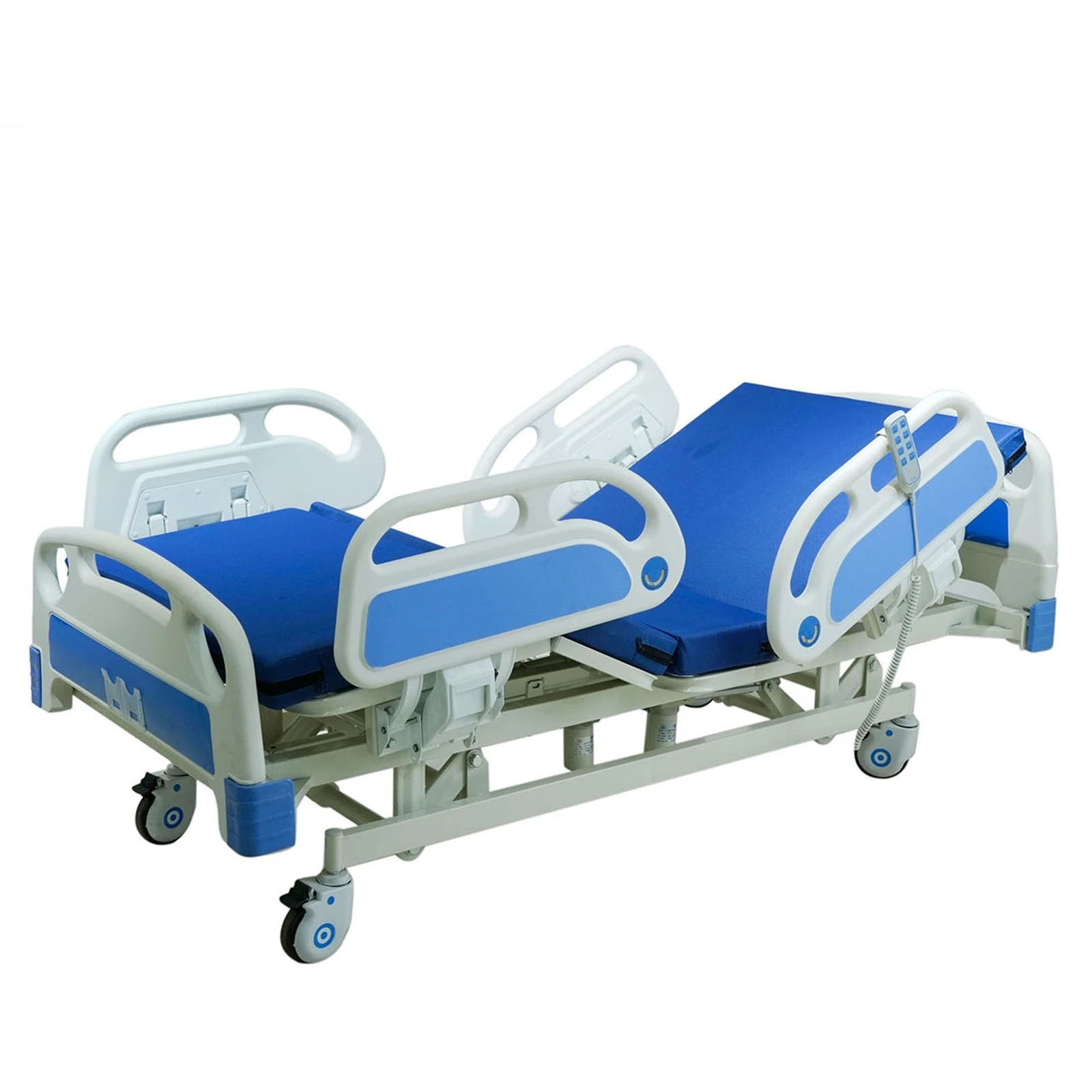
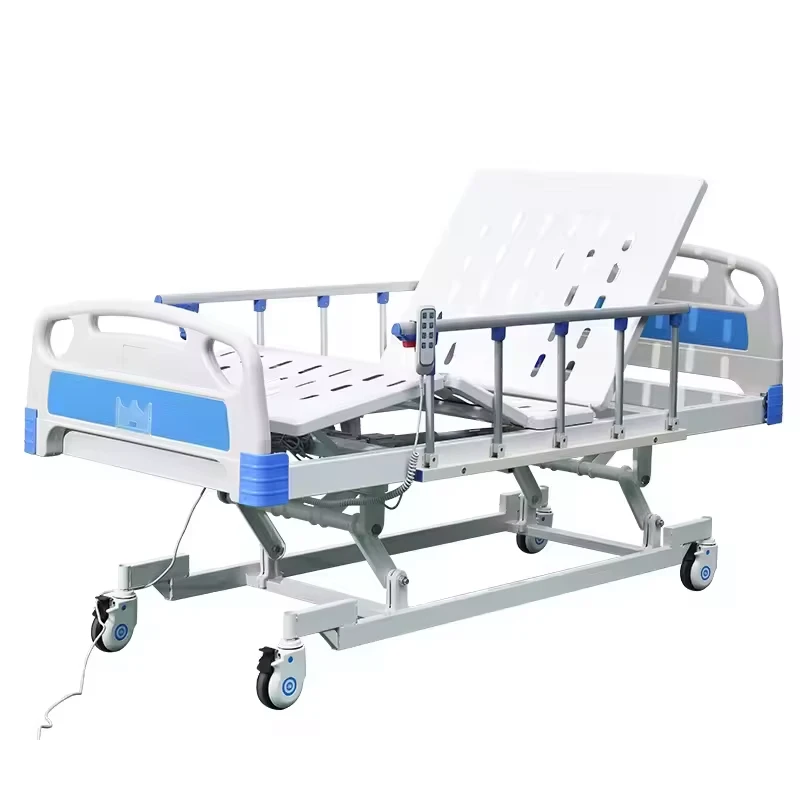
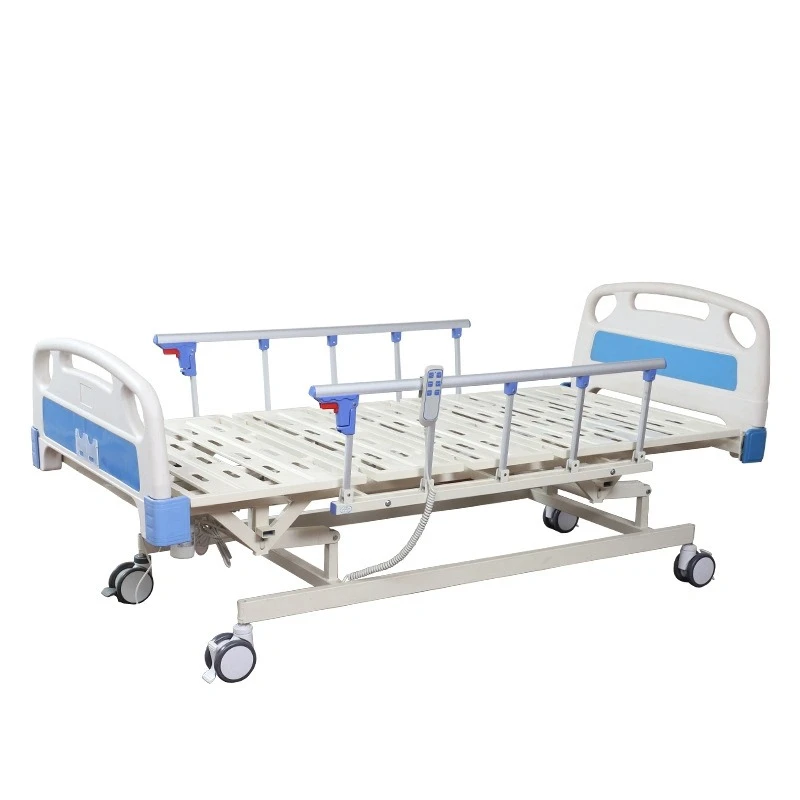
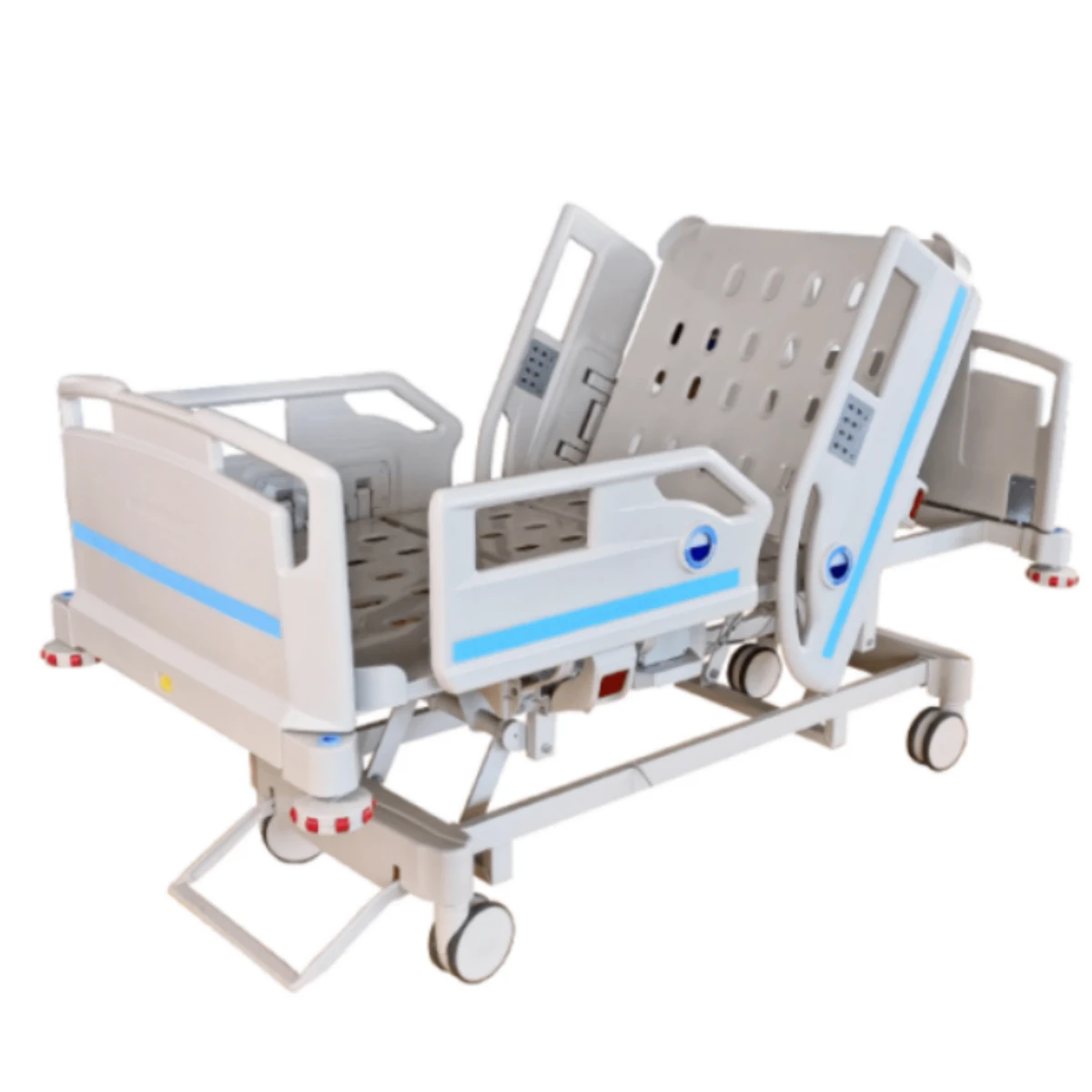
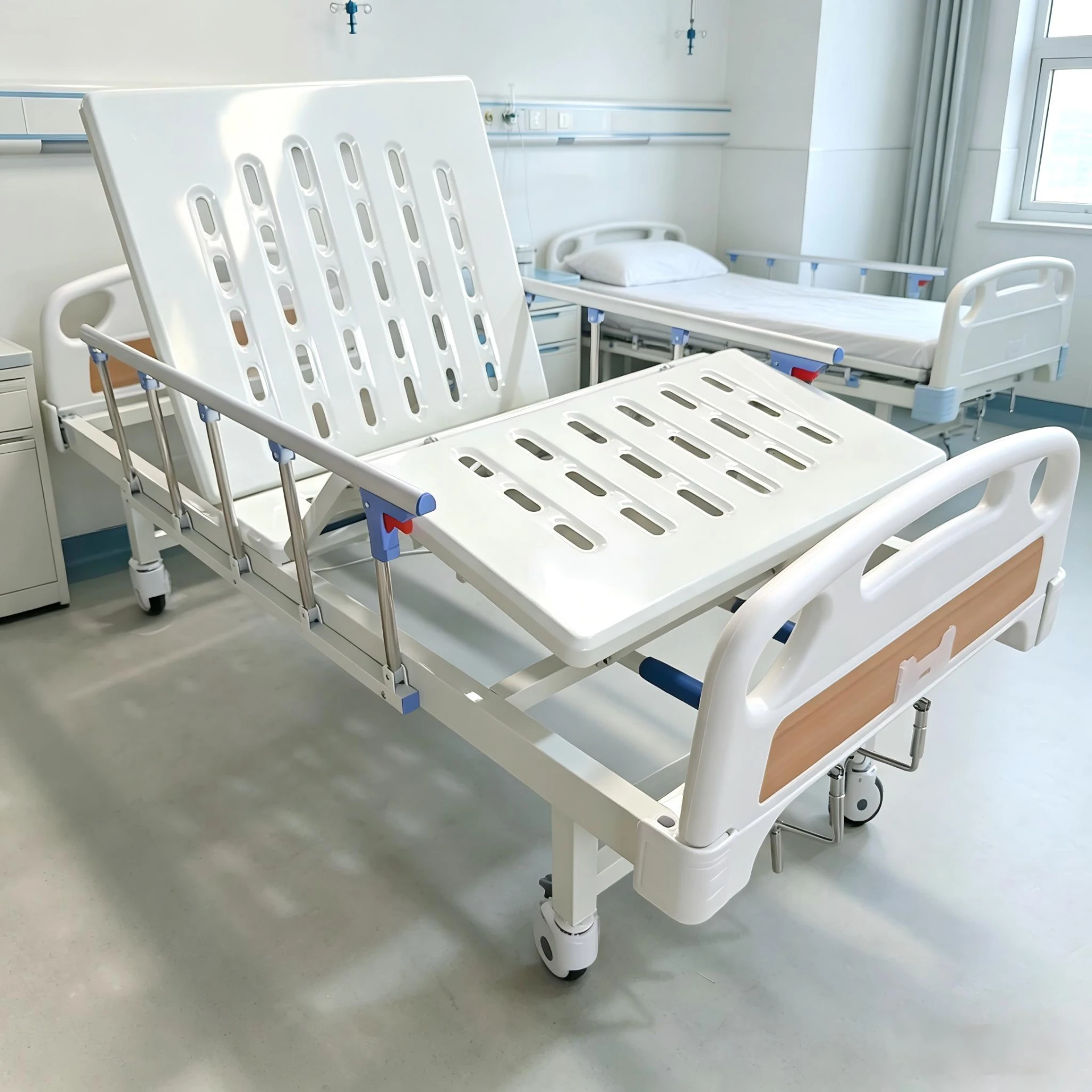
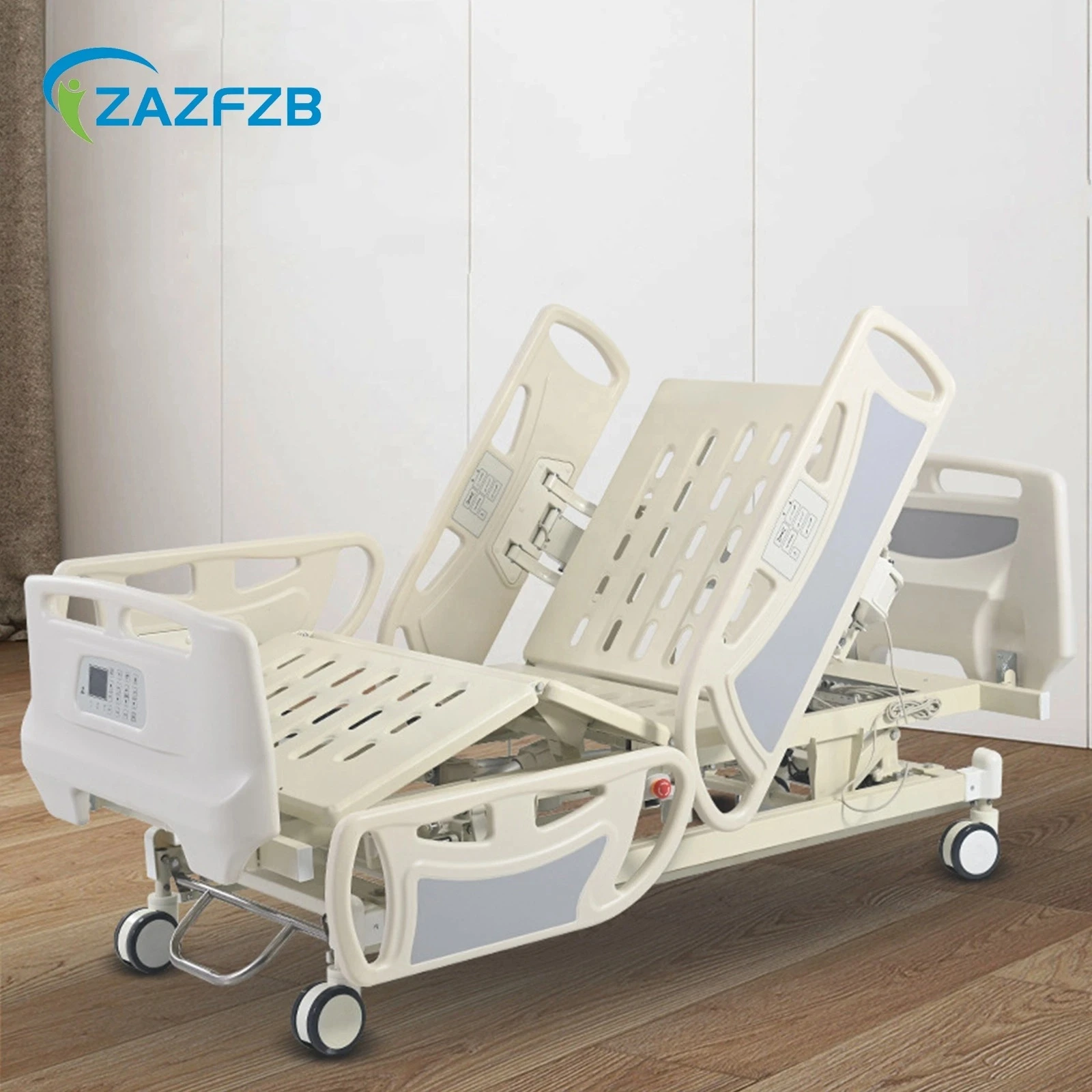
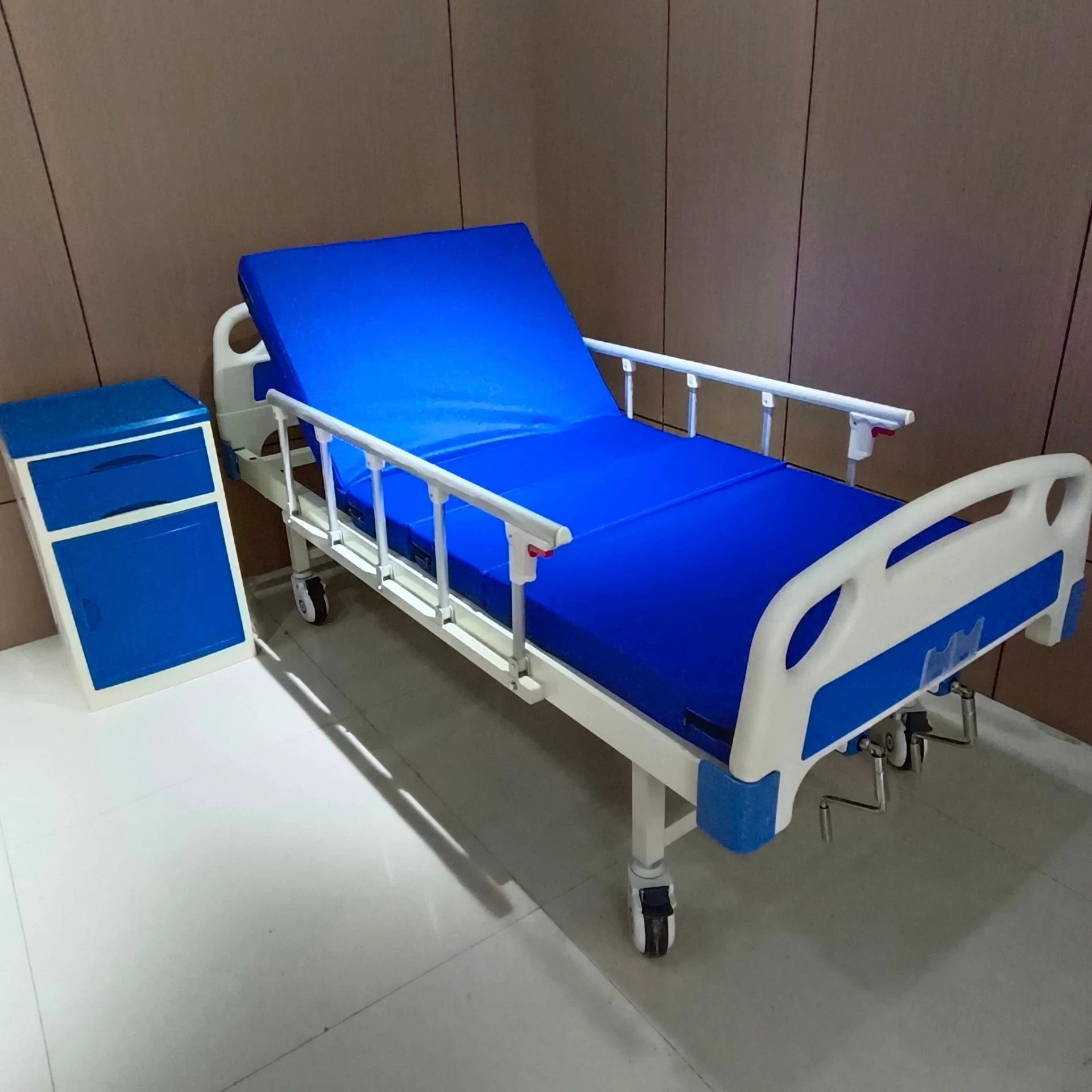
In straightforward terms, twin hospital bed dimensions refer to the length, width, and overall footprint of a hospital bed designed to accommodate a single patient—often called a “twin” bed in healthcare settings for its similarity in size to a twin mattress.
Typically, these beds measure roughly 36 inches (91 cm) in width and about 80 inches (203 cm) in length, though dimensions can vary slightly depending on manufacturer specifications and intended use. The compact, yet comfortable size meets modern medical needs, ensuring accessibility and maneuverability within wards and patient rooms.
These dimensions are not arbitrary—they are carefully selected to balance the patient’s comfort, caregiver access, and hospital space constraints.
Key Factors in Twin Hospital Bed Dimensions You Should Know
1. Durability and Material Strength
Hospitals demand beds that can withstand constant use, cleaning, and occasional rough handling. The frame dimensions must harmonize with robust materials like stainless steel or reinforced aluminum, ensuring that size doesn’t compromise strength.
2. Ergonomics and Patient Comfort
The width and length dimensions are designed to keep patients cozy without feeling cramped. Adjustable height and tilt mechanisms also rely on those dimensions to function correctly.
3. Accessibility and Caregiver Convenience
Caregivers need enough room to tend to patients, so the bed’s width influences not only the patient’s space but the caregiver’s reach and ease of movement around the bed.
4. Portability and Scalability
Many healthcare facilities deploy twin beds in combination, so the sizing must allow efficient arrangement in wards, transport in ambulances, or quick assembly during emergencies. The dimensions must align with modular healthcare designs.
5. Regulatory and Compliance Standards
Compliance with local and international health and safety regulations often specifies minimum and maximum bed sizes to ensure consistent quality.
Typical Twin Hospital Bed Specifications at a Glance
| Specification | Typical Range | Notes |
|---|---|---|
| Width | 86–92 cm (34–36 in) | Suits most adult patients |
| Length | 190–210 cm (75–83 in) | Adjusts for taller patients |
| Height Adjustment | 40–80 cm (16–32 in) | Variable for treatment needs |
| Weight Capacity | Up to 250 kg (550 lbs) | Supports bariatric patients |
| Frame Material | Steel / Aluminum / Composite | Influences weight and durability |
How Twin Hospital Bed Dimensions Make a Real-World Impact
It’s one thing to know the numbers, but the applications are where things get interesting. For example:
- Post-disaster relief operations: When setting up temporary field hospitals after natural disasters, consistent twin hospital bed dimensions allow rapid assembly of wards with minimal wasted space.
- Developing countries: Hospitals in regions like Southeast Asia and Sub-Saharan Africa often rely on compact bed sizes that fit local infrastructure limitations and facilitate patient turnover.
- Urban healthcare systems: In densely populated cities, smaller footprints minimize space use while maintaining patient dignity and safety.
If you want to dive deeper into size specifics for cataloging or ordering, check out twin hospital bed dimensions for detailed product info.
The Long-Term Value of Getting Dimensions Right
Beyond immediate fitting and comfort, these bed sizes contribute to sustainability, too. Smaller beds mean less raw material used and lower shipping costs. Many hospitals now favor designs that incorporate recyclable materials, reinforced steel frames, and modular parts—all tied back to adhering to proper sizes in the first place.
Patients also benefit emotionally by feeling neither overcrowded nor abandoned in an overly large bed, finding a balance of security and freedom of movement. Trust in a healthcare facility often begins with these subtle comforts...
Trends and Innovations on the Horizon
Healthcare equipment designers are exploring smart beds that self-adjust to patient weight and pressure points — dimensions here move away from rigid fixed sizes towards adaptive solutions. Meanwhile, eco-friendly materials like bamboo composites and biodegradable plastics have started entering twin hospital bed frames.
Automation is also relevant: think remote controls for bed adjustments, IoT sensors that monitor patient vitals integrated into the bed structure, all while maintaining those core twin hospital bed dimensions to fit standardized spaces.
Common Challenges and How Experts Address Them
Standard dimensions don’t always match patient diversity — taller or bariatric patients often require custom solutions, which complicates inventory and logistics. Plus, retrofitting old hospital wards designed decades ago may clash with modern dimensions.
Manufacturers are responding by offering modular beds that can expand or contract width and length, plus beds with reinforced load capacities that still fit standard room layouts. Designers often recommend a mixed fleet of twin and adjustable beds to tackle diverse patient needs.
Comparing Popular Twin Hospital Bed Vendors
| Vendor | Bed Width (cm) | Materials | Price Range (USD) | Unique Feature |
|---|---|---|---|---|
| Zhaofa Med | 90 | Steel, Composite Panels | $400–$700 | Modular & easy assembly |
| HealWell Beds | 88 | Aluminum & Plastic | $500–$800 | Lightweight & portable |
| MediPro | 86 | Steel & Foam | $350–$650 | Ergonomic design |
FAQ: Your Questions on Twin Hospital Bed Dimensions Answered
- What are the standard twin hospital bed dimensions I should expect?
- Typically, twin hospital beds measure around 34 to 36 inches (86 to 92 cm) in width and 75 to 83 inches (190 to 210 cm) in length, designed to fit most adult patients comfortably while maintaining room efficiency.
- Are twin hospital beds adjustable in size?
- While the base mattress size is generally fixed, modern hospital beds often feature adjustable head and foot sections, plus height modifications. Some newer designs allow modular adjustments for width or length to accommodate specific patient needs.
- How do twin hospital bed dimensions affect infection control?
- Proper bed size supports effective cleaning and reduces contact points where germs can accumulate. Smaller yet sufficiently spacious beds allow cleaning staff to reach surfaces easily, helping maintain hygiene standards.
- Can twin hospital beds be used in home care settings?
- Yes! Many home care providers opt for twin hospital beds because of their manageable size and medical-grade features, which ensure patient safety and ease of caregiver assistance in smaller spaces.
Wrapping Up: Why Paying Attention to Twin Hospital Bed Dimensions Pays Off
Twin hospital bed dimensions might seem like a niche detail, but honestly, they're foundational for effective, humane, and efficient healthcare environments. The right sizes support patient comfort, caregiver access, and operational fluidity across the globe.
Whether you’re building new wards, upgrading equipment, or just researching for procurement, understanding these dimensions can save headaches and enhance outcomes. For comprehensive info and sourcing, don't forget to visit twin hospital bed dimensions.
Mini takeaway: Good twin hospital bed dimensions are practical details with profound, far-reaching effects — balancing space, comfort, and care.