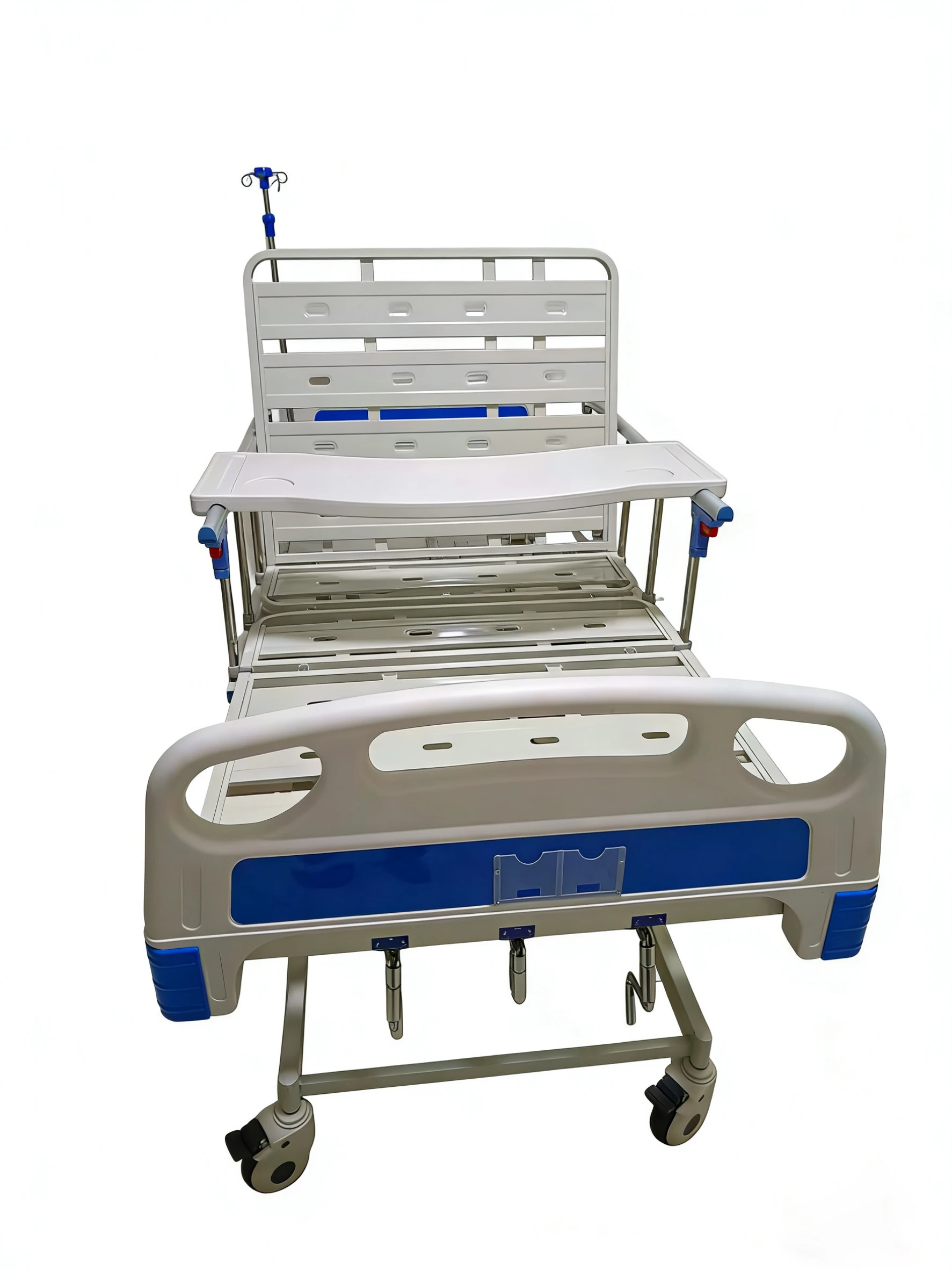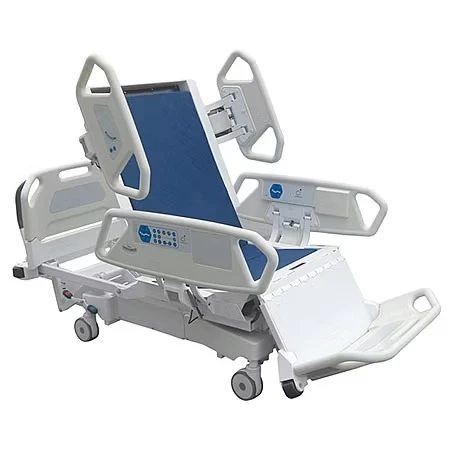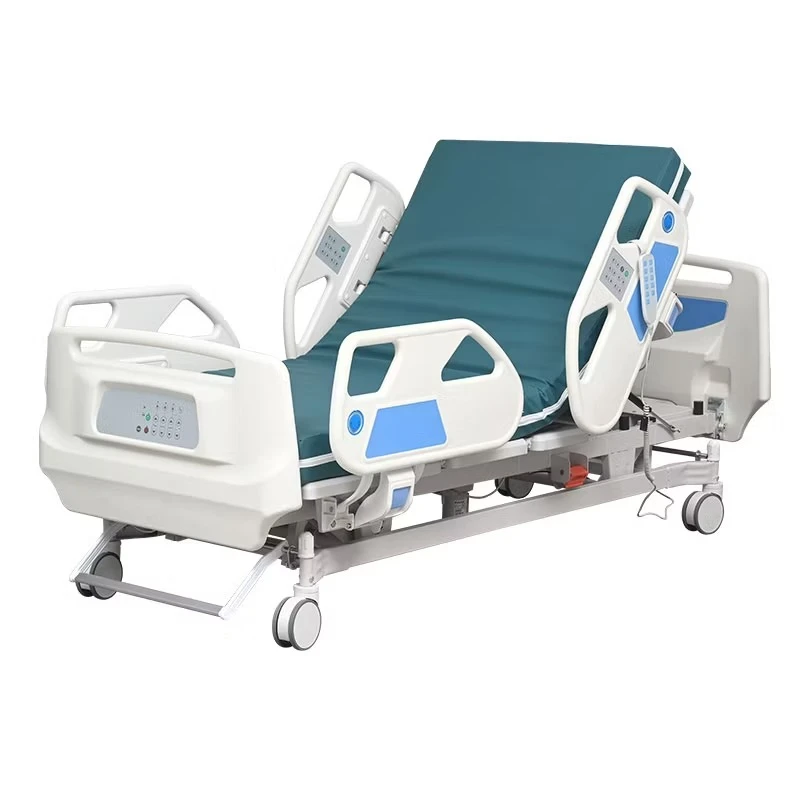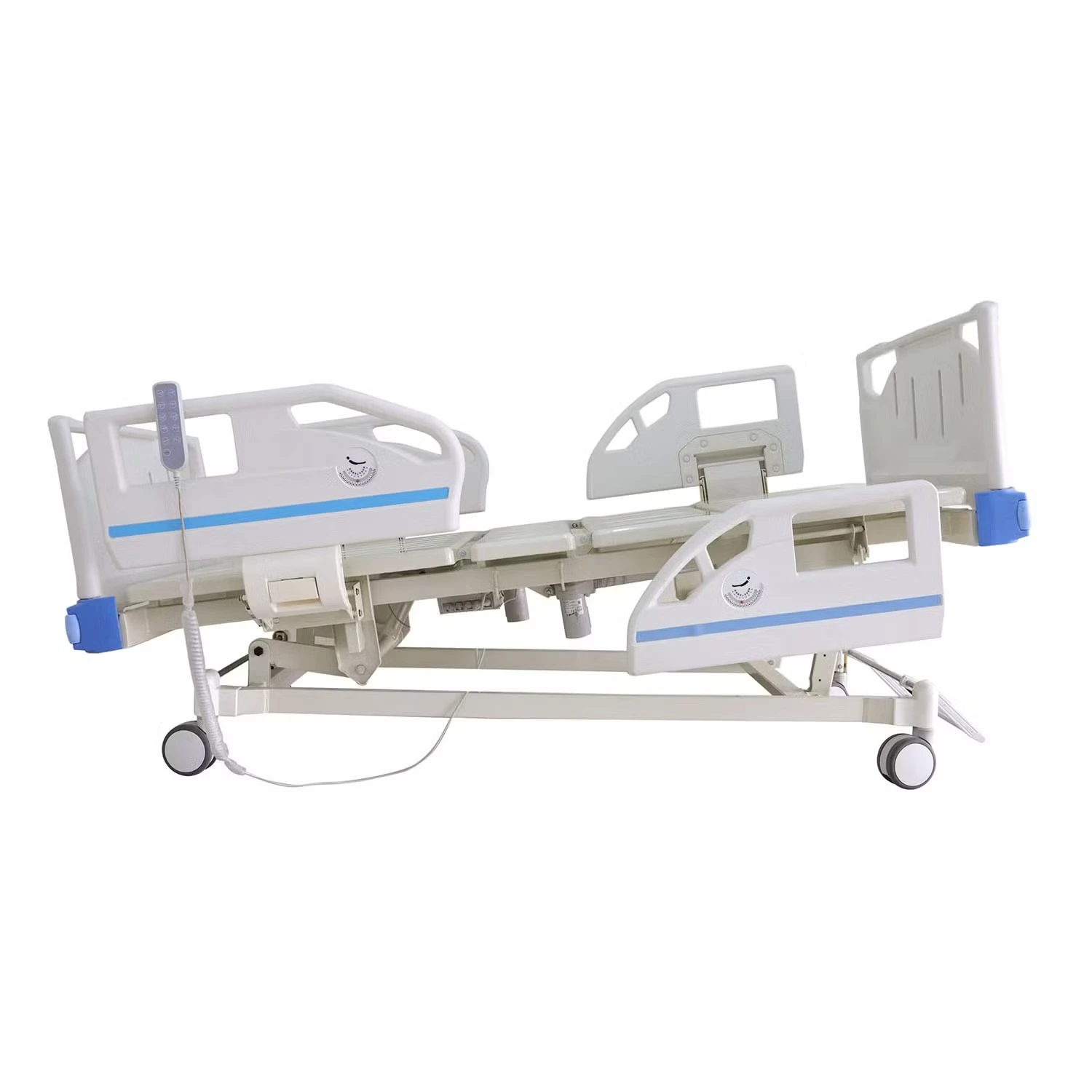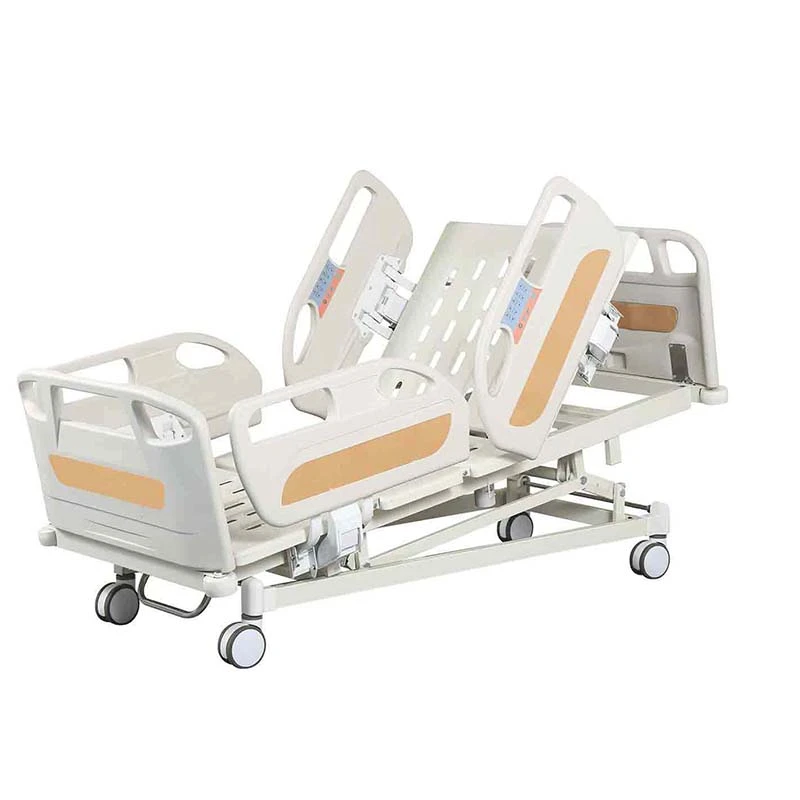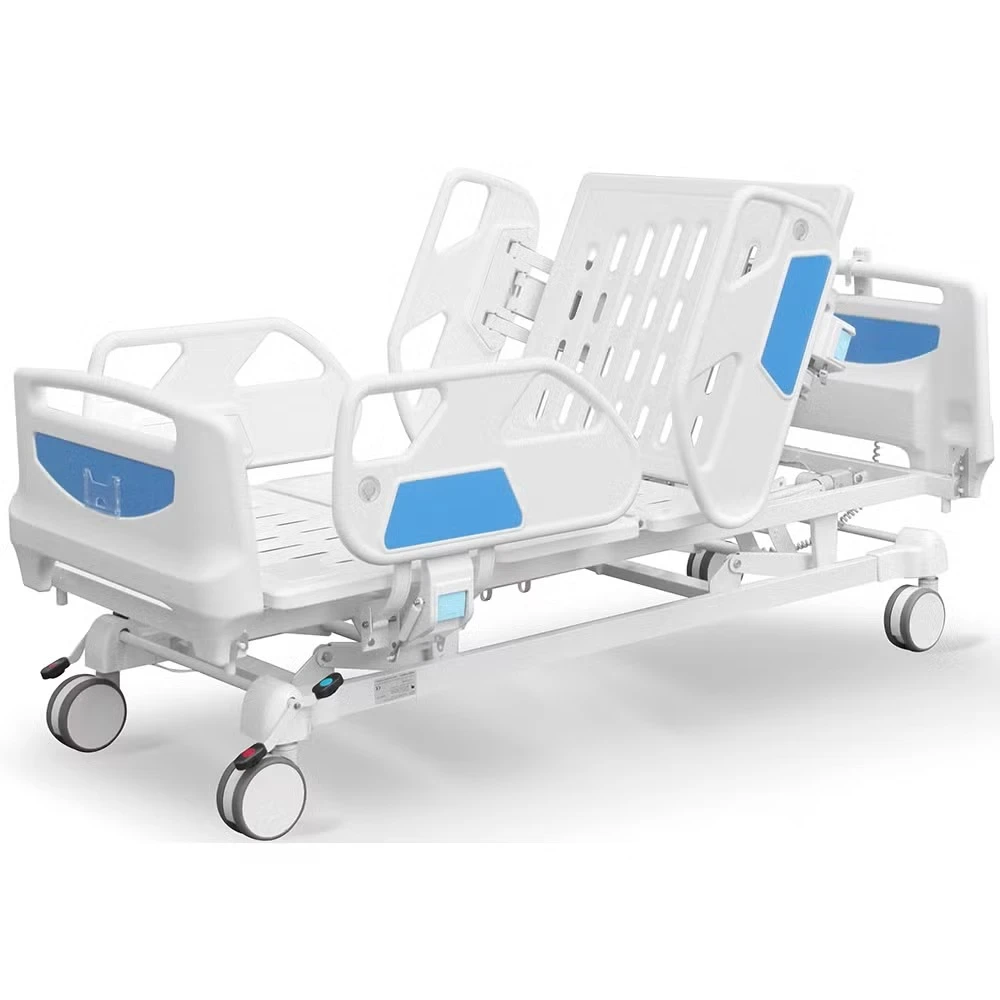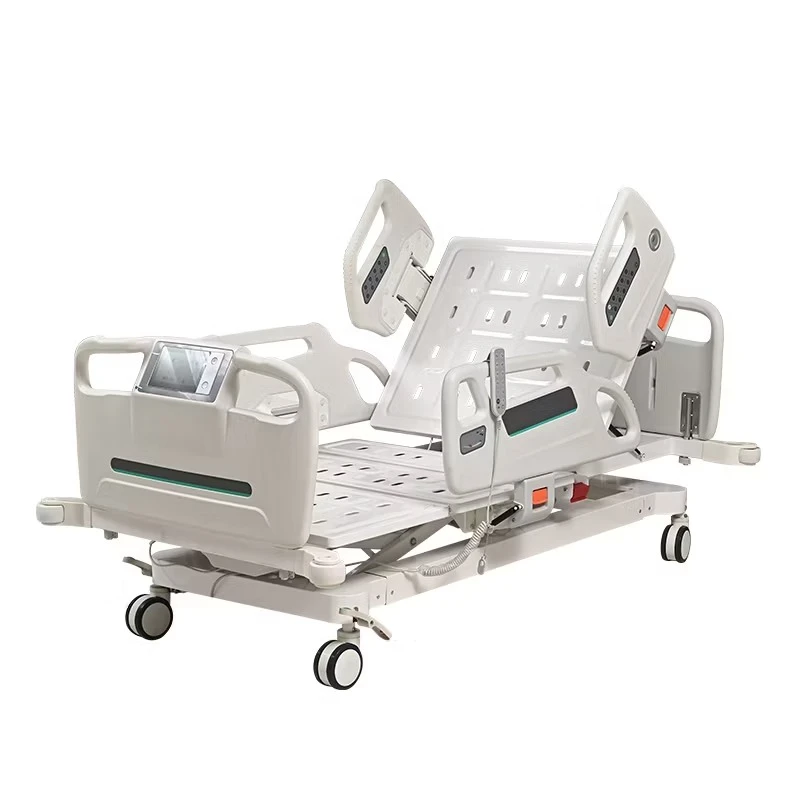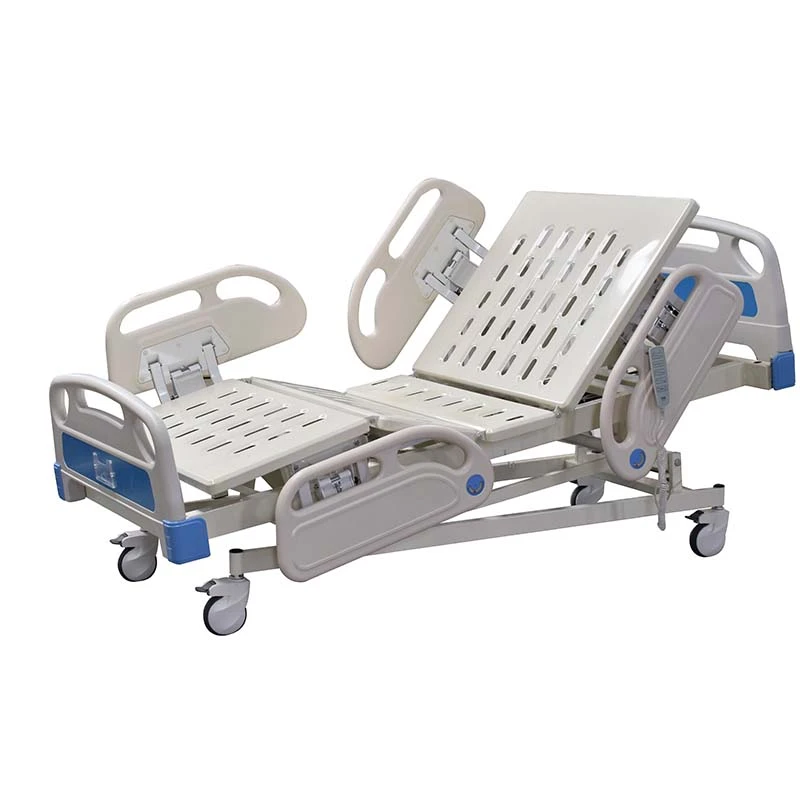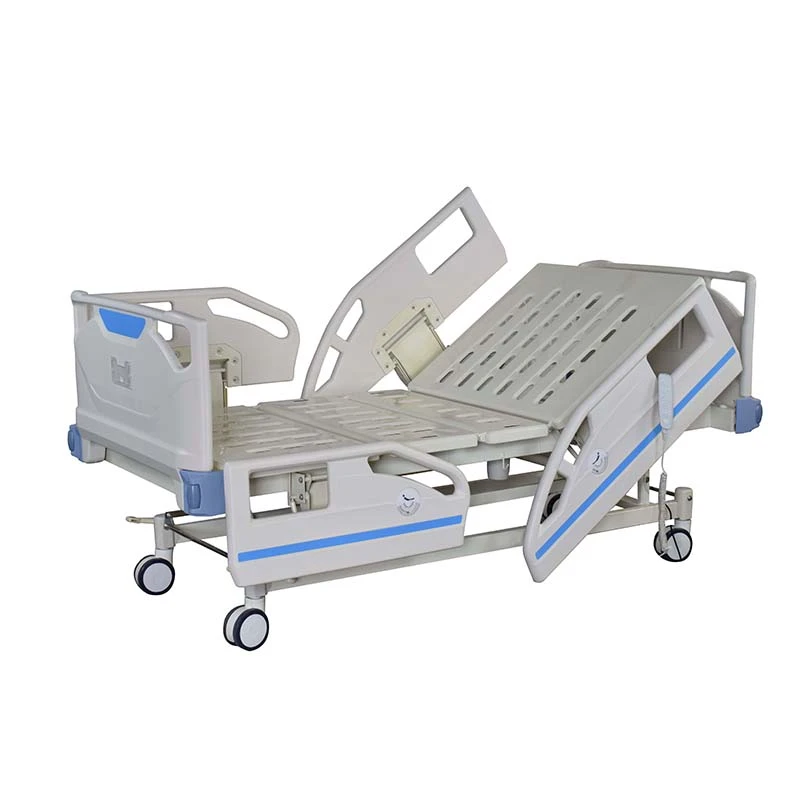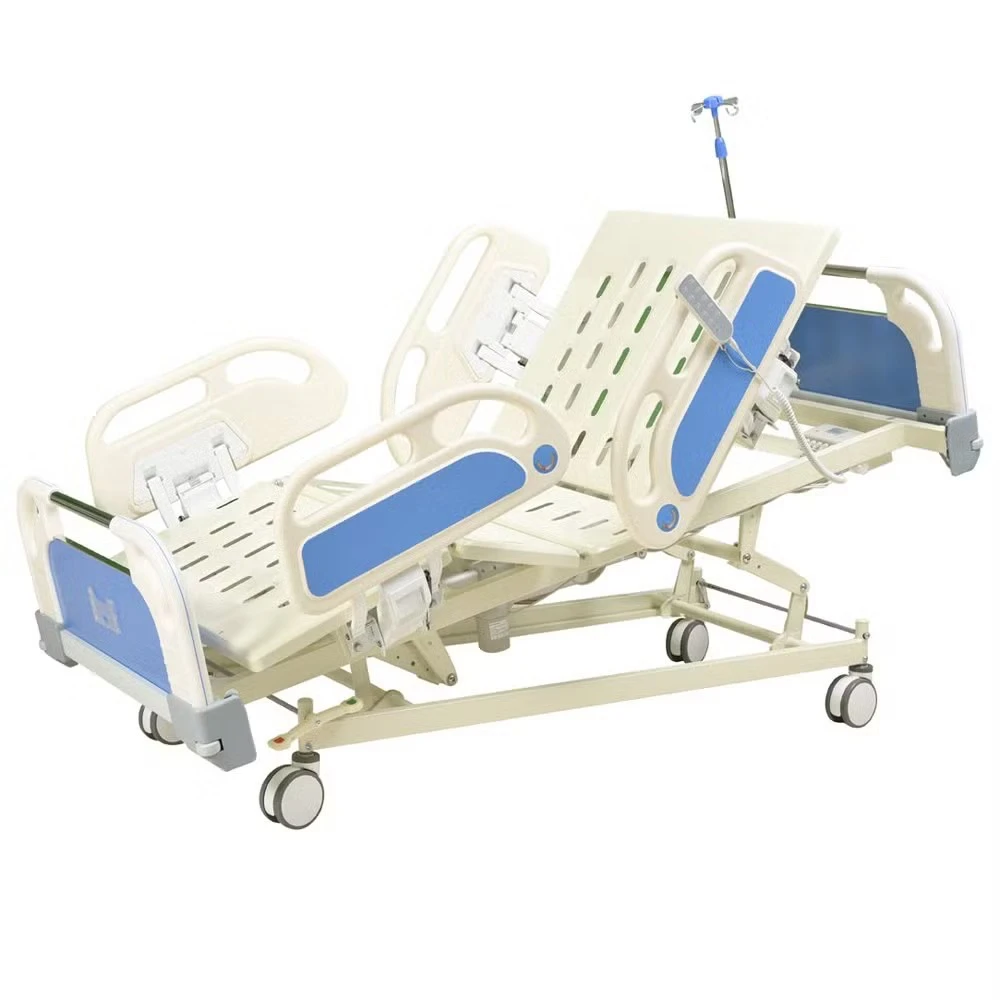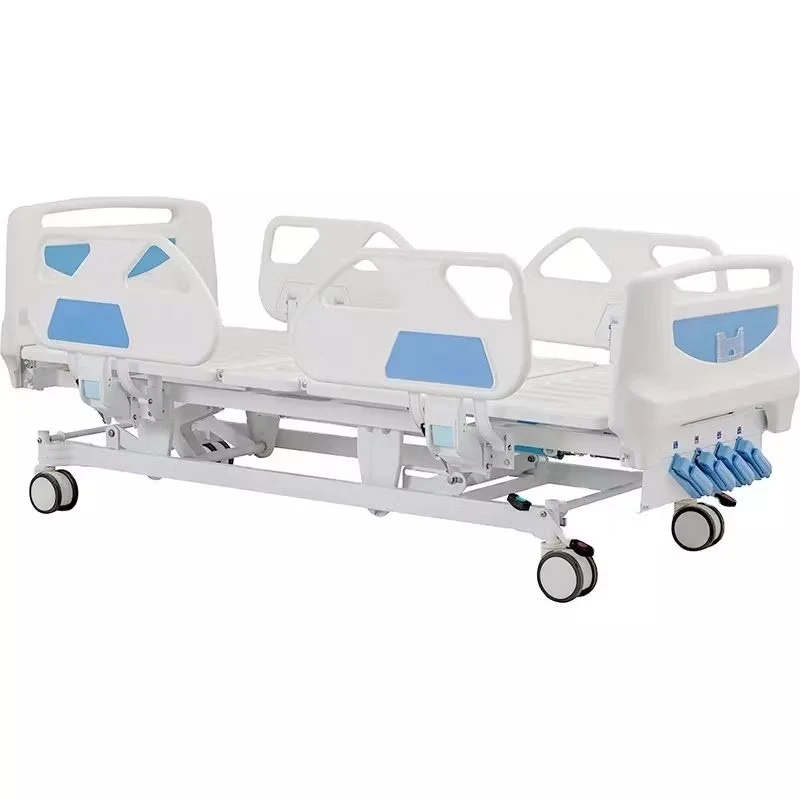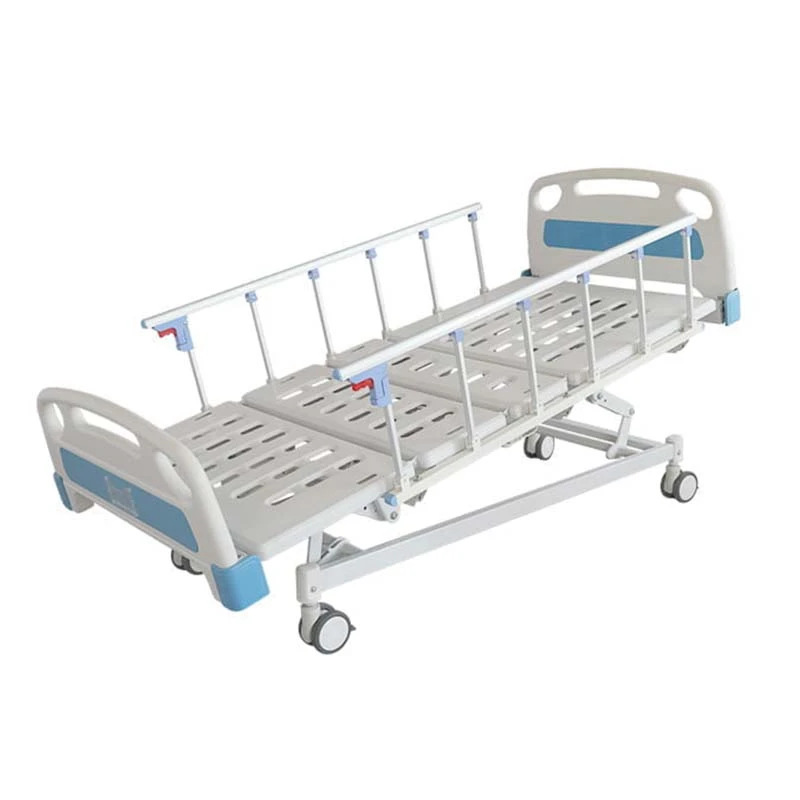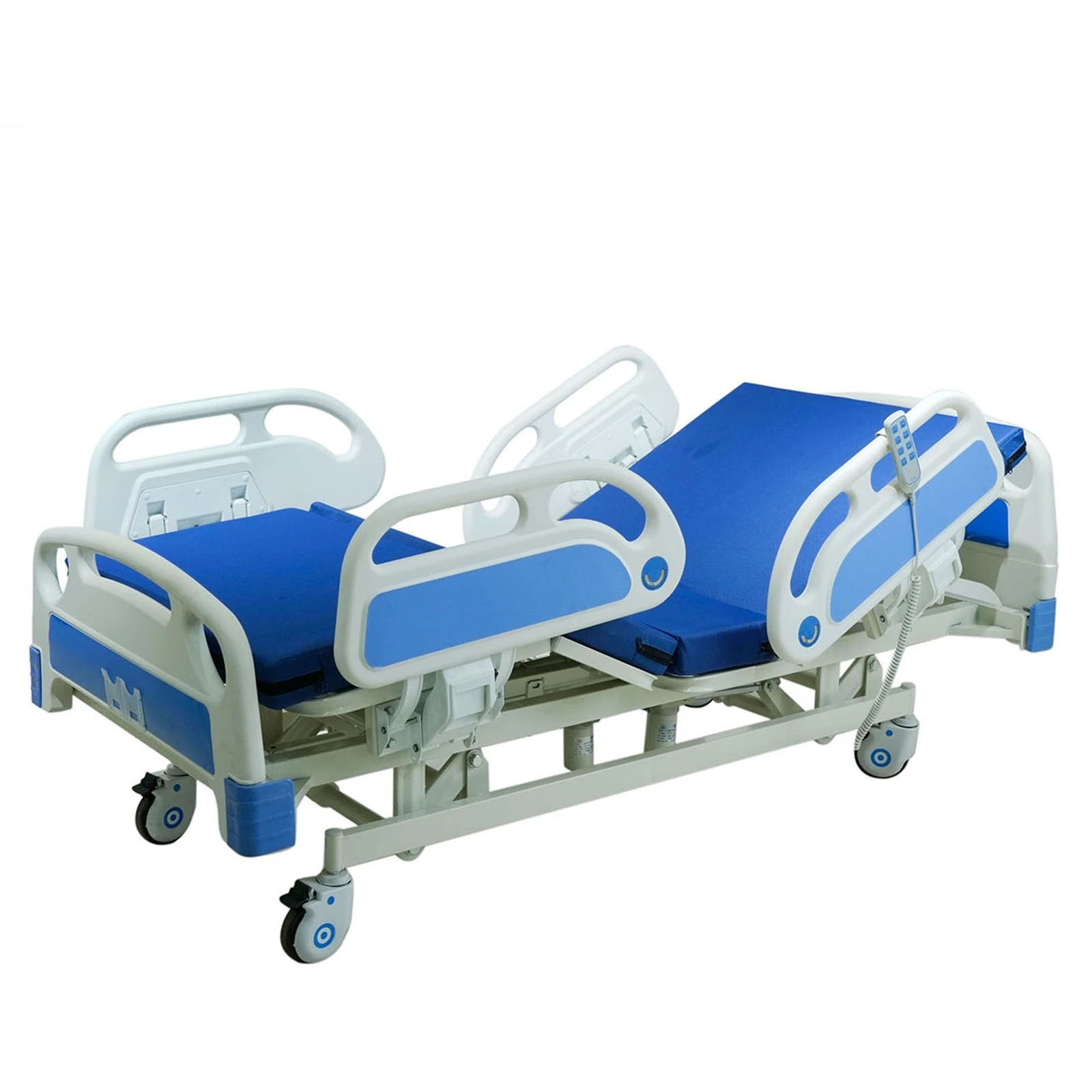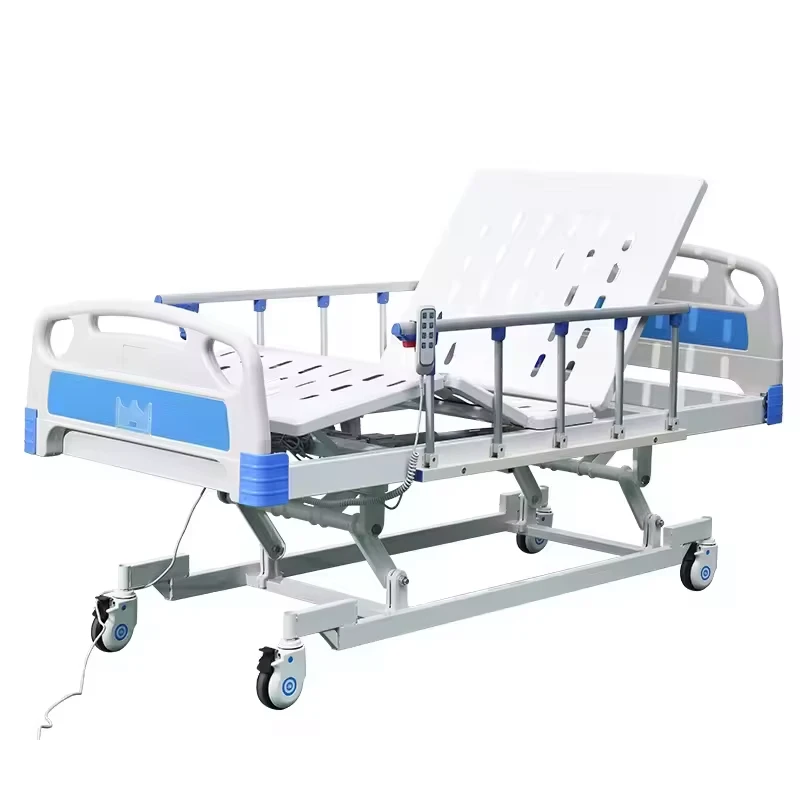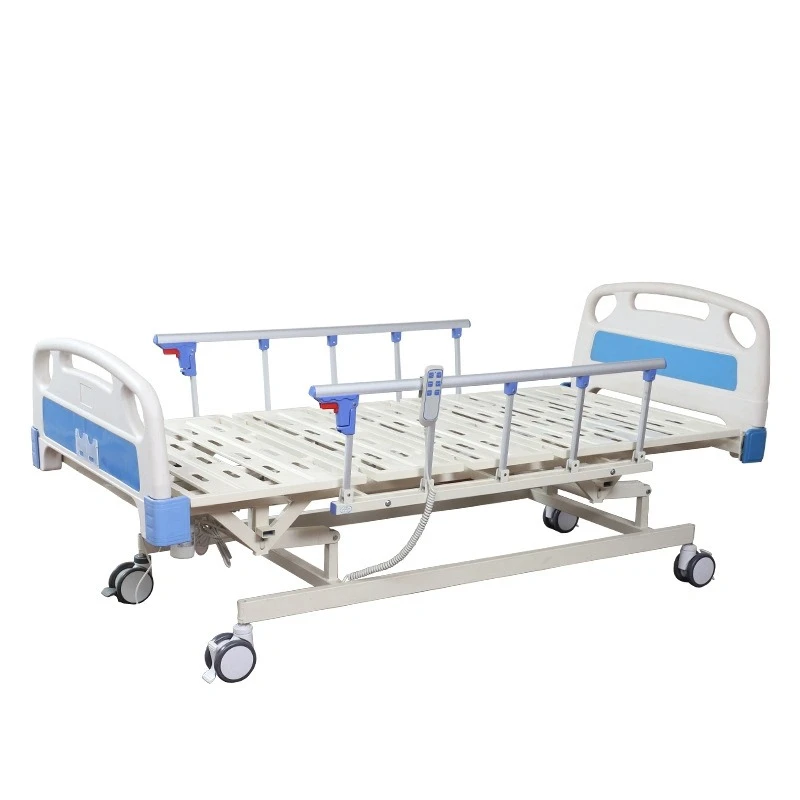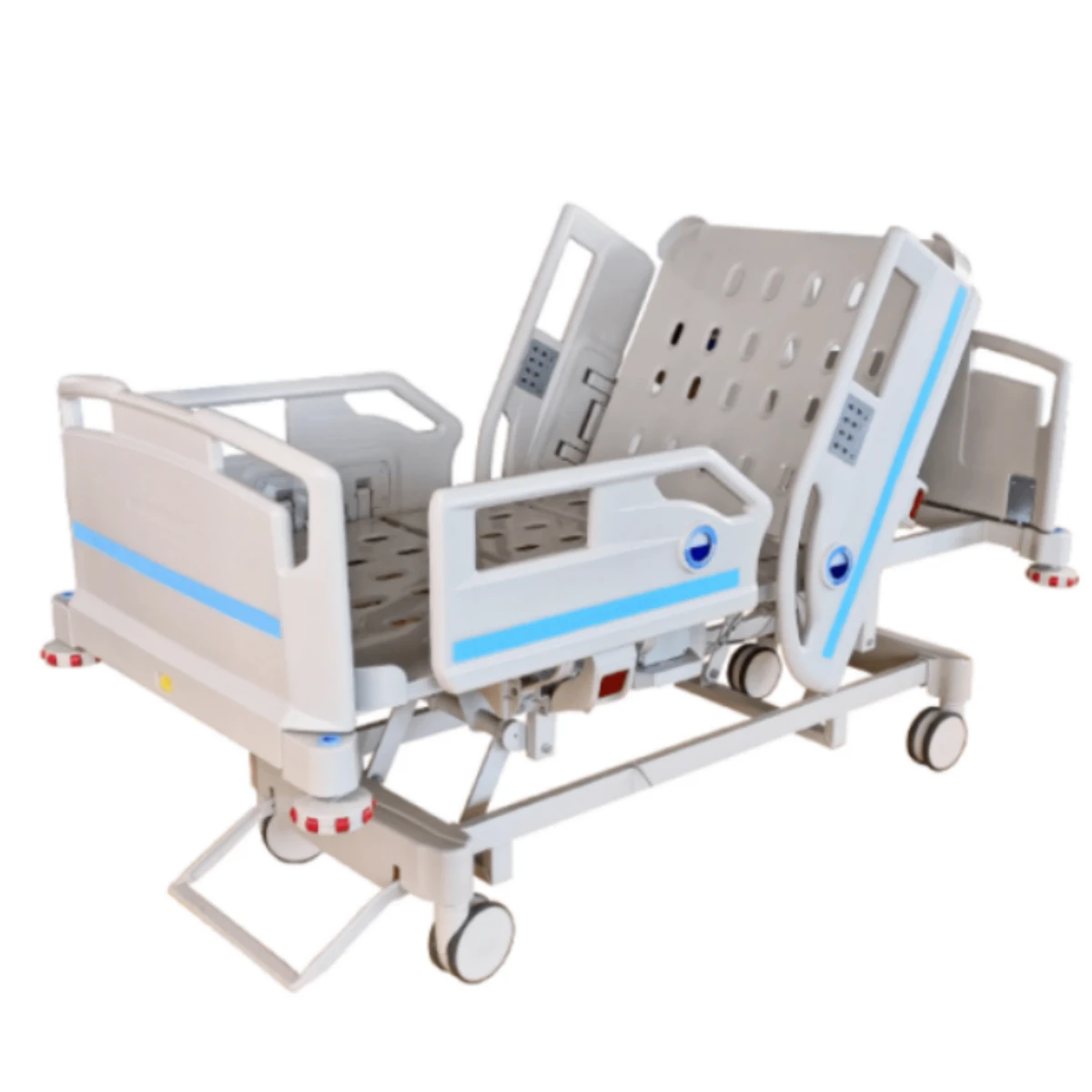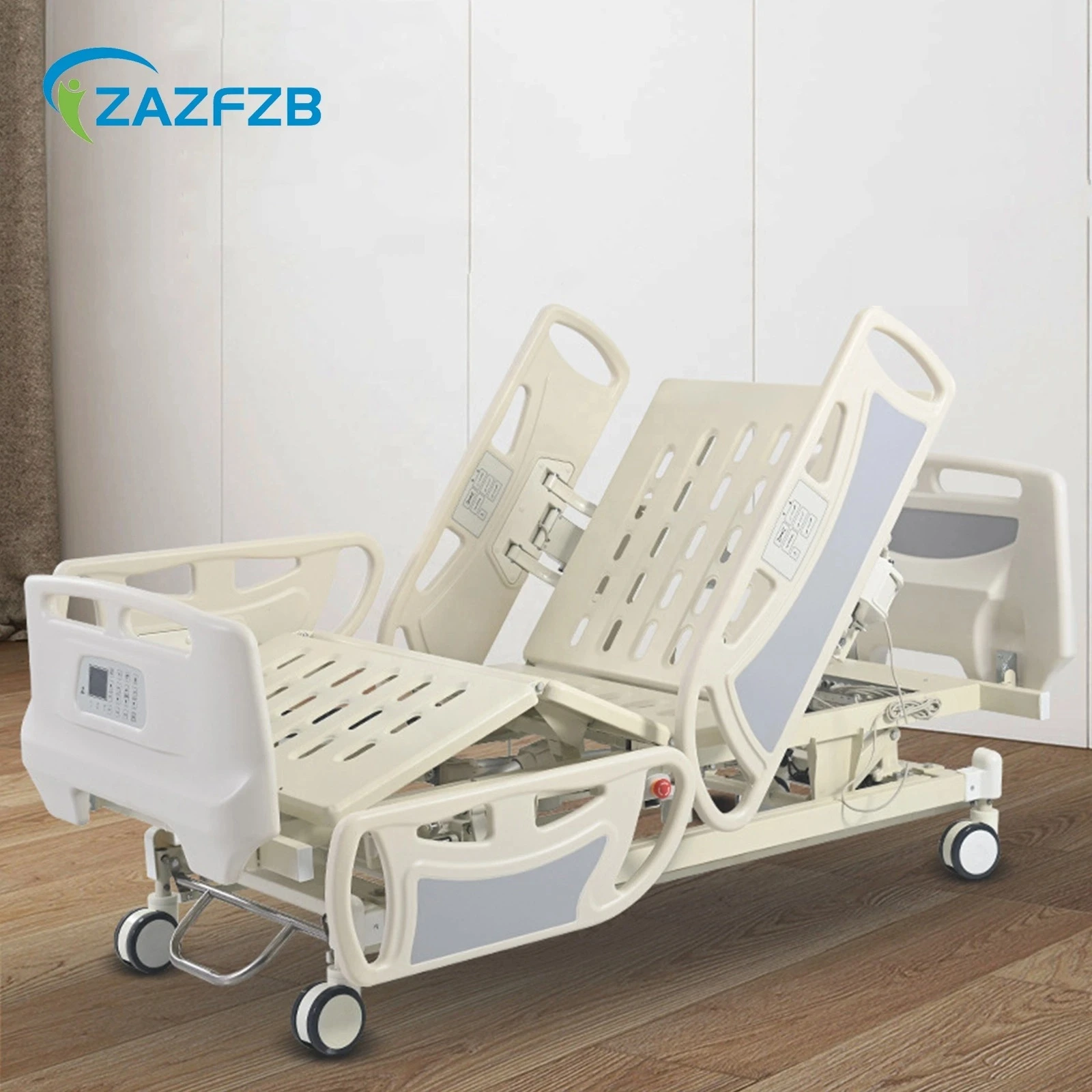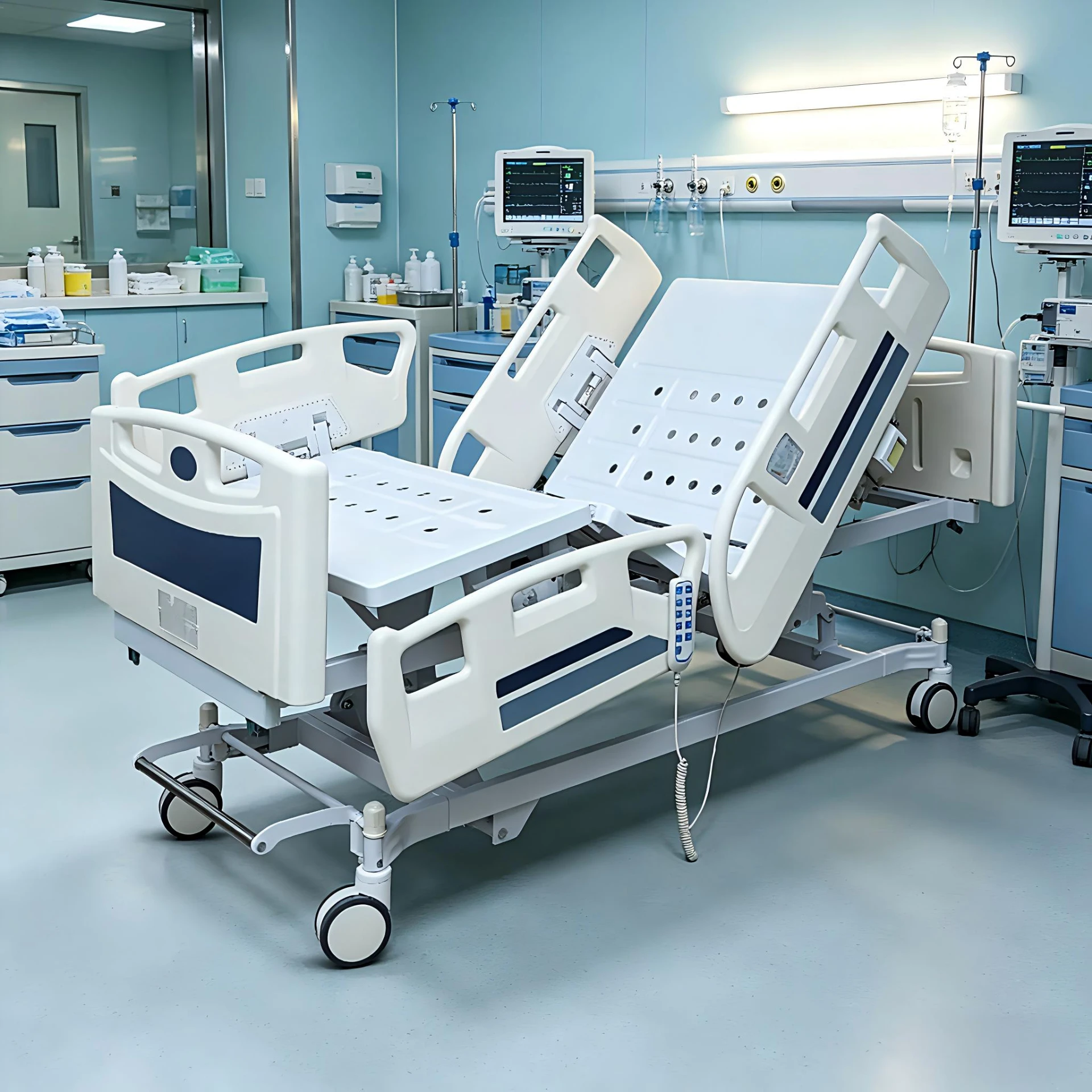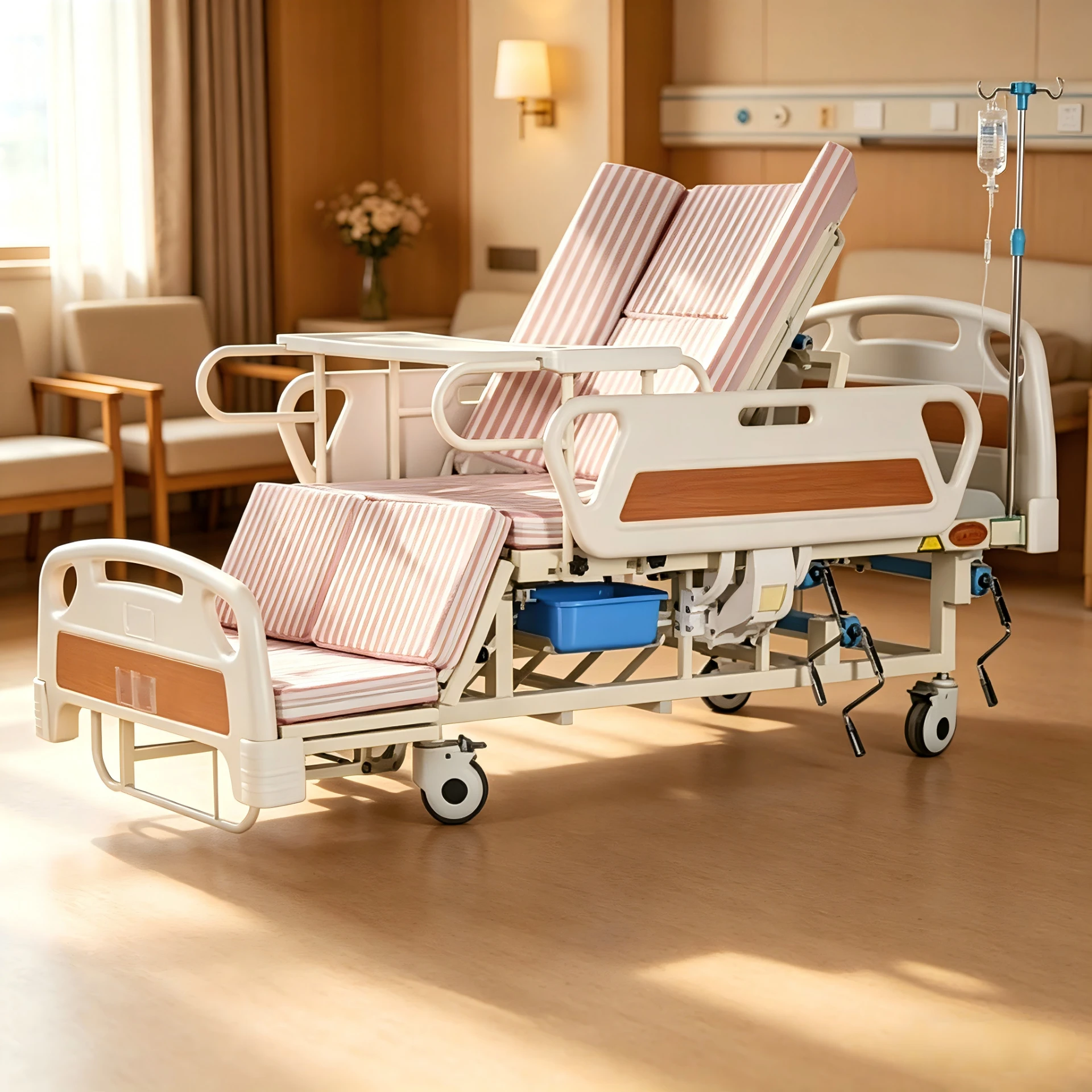
Bariatric Hospital Bed Dimensions: Key Specifications & Global Impacts for Healthcare Providers
Understanding Bariatric Hospital Bed Dimensions: Why They Matter More Than Ever
When you hear “bariatric hospital bed dimensions,” you might picture a bigger bed designed for patient comfort. And sure, that’s part of it, but the topic runs deeper—and frankly, it’s becoming a key issue worldwide. The rising obesity rates, changing patient care needs, and the demand for safer, more durable medical equipment make understanding these dimensions critical for hospitals and healthcare providers globally. Whether you’re a supplier, clinician, or facilities manager, knowing the ins and outs of bariatric hospital bed sizing can mean the difference between comfort, safety, and expensive mishaps.
Let’s explore the nitty-gritty of what these sizes mean, why the medical industry is buzzing about them, and how they fit into today's healthcare scene.
Global Context: Why Bariatric Hospital Bed Dimensions Are a Growing Priority
Obesity rates have skyrocketed around the globe. According to the World Health Organization, as of 2024, over 650 million adults worldwide are classified as obese. This shift isn't just a personal health issue — it profoundly impacts healthcare infrastructure. Most conventional hospital beds simply weren’t built for patients over certain weight thresholds, which leads to safety risks and even liability for medical institutions.
UN health reports indicate that inadequate bed design can exacerbate patient injuries, while ISO standards show updated guidelines on medical furniture to accommodate heavier patients. The challenge is glaring: hospitals need beds with larger dimensions and higher weight capacities, without compromising mobility or ease of care.
Oddly enough, many healthcare facilities still aren’t fully upgraded in this regard. So, the right bariatric hospital bed dimensions are more than specs—they’re a response to a worldwide challenge demanding better solutions.
What Exactly Are Bariatric Hospital Bed Dimensions?
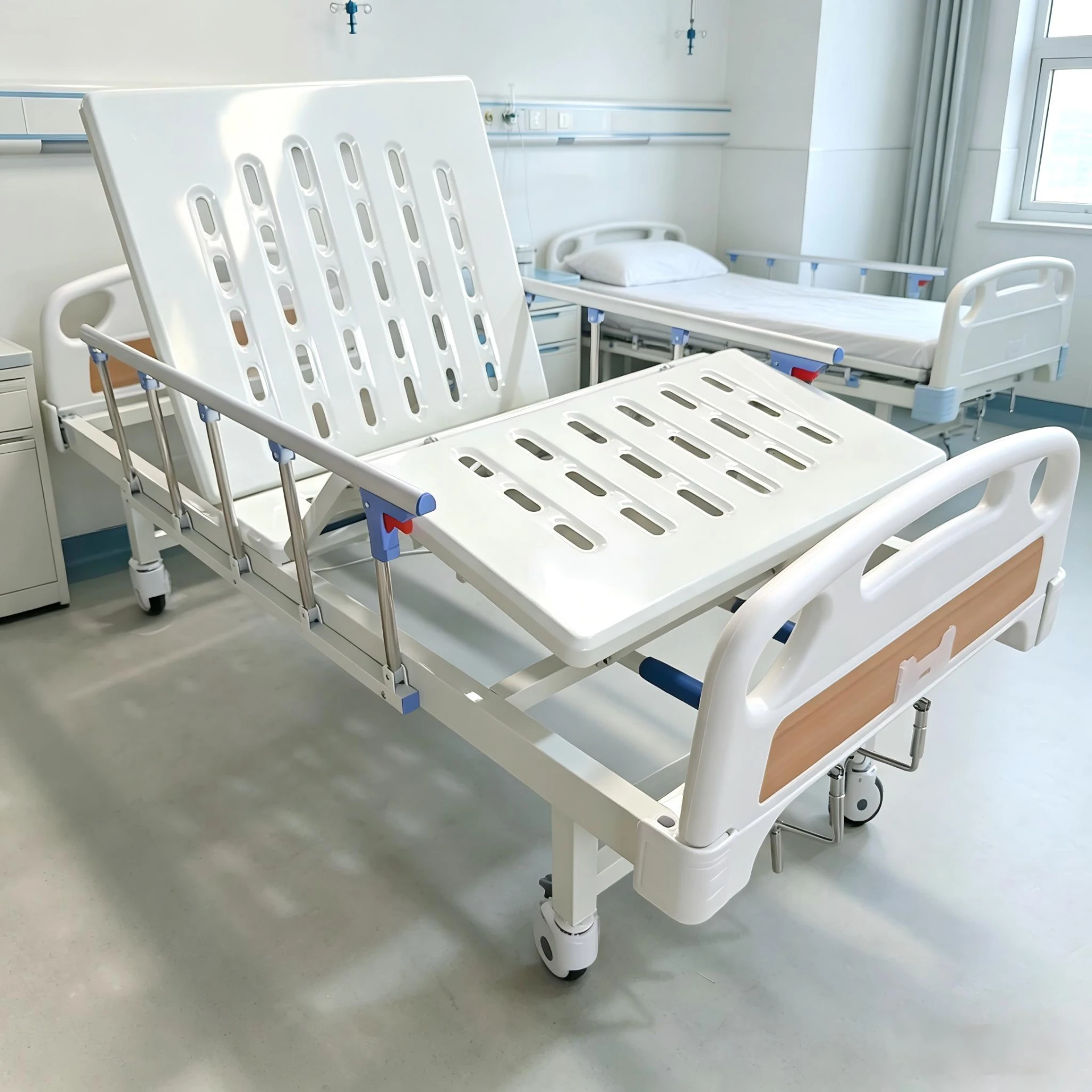
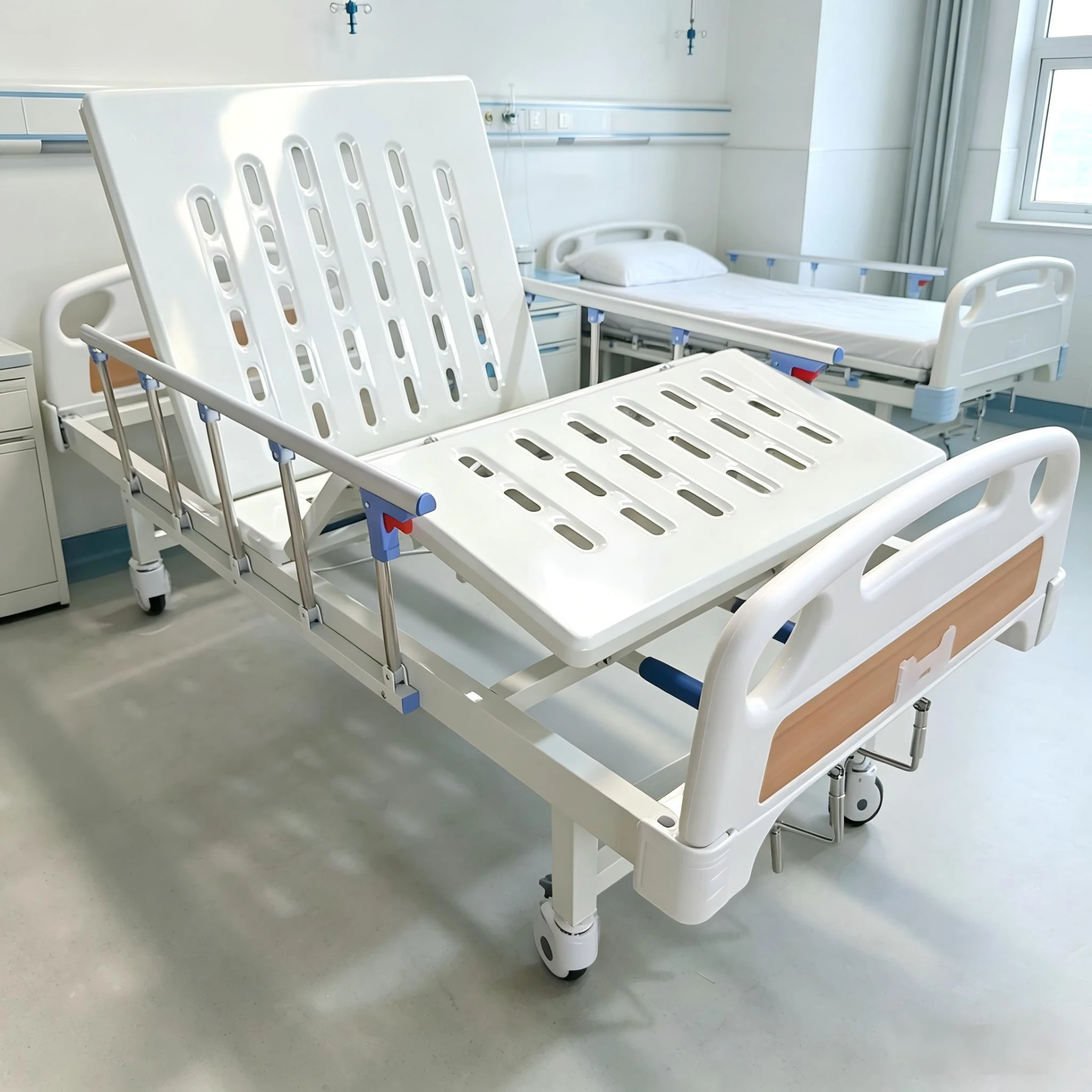
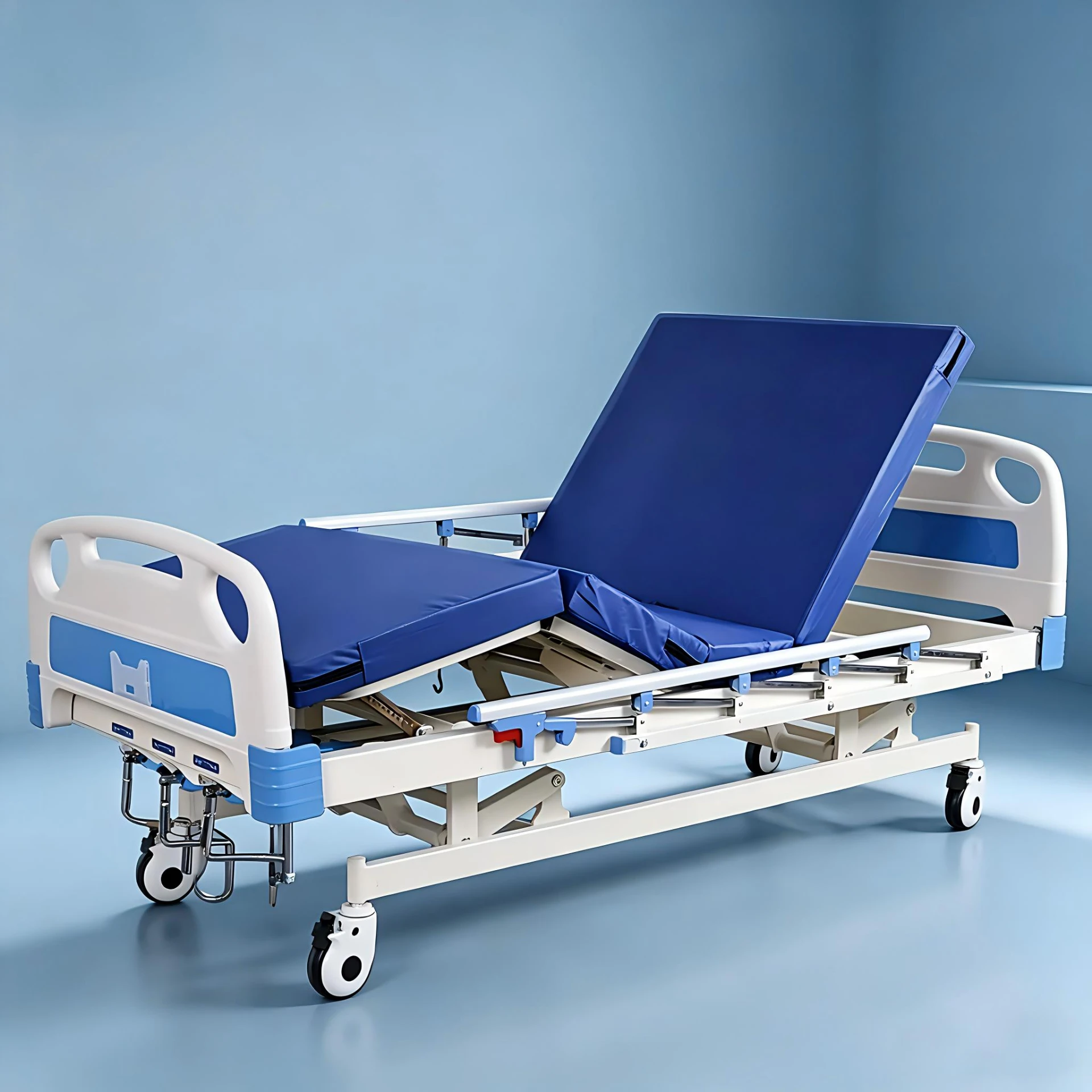
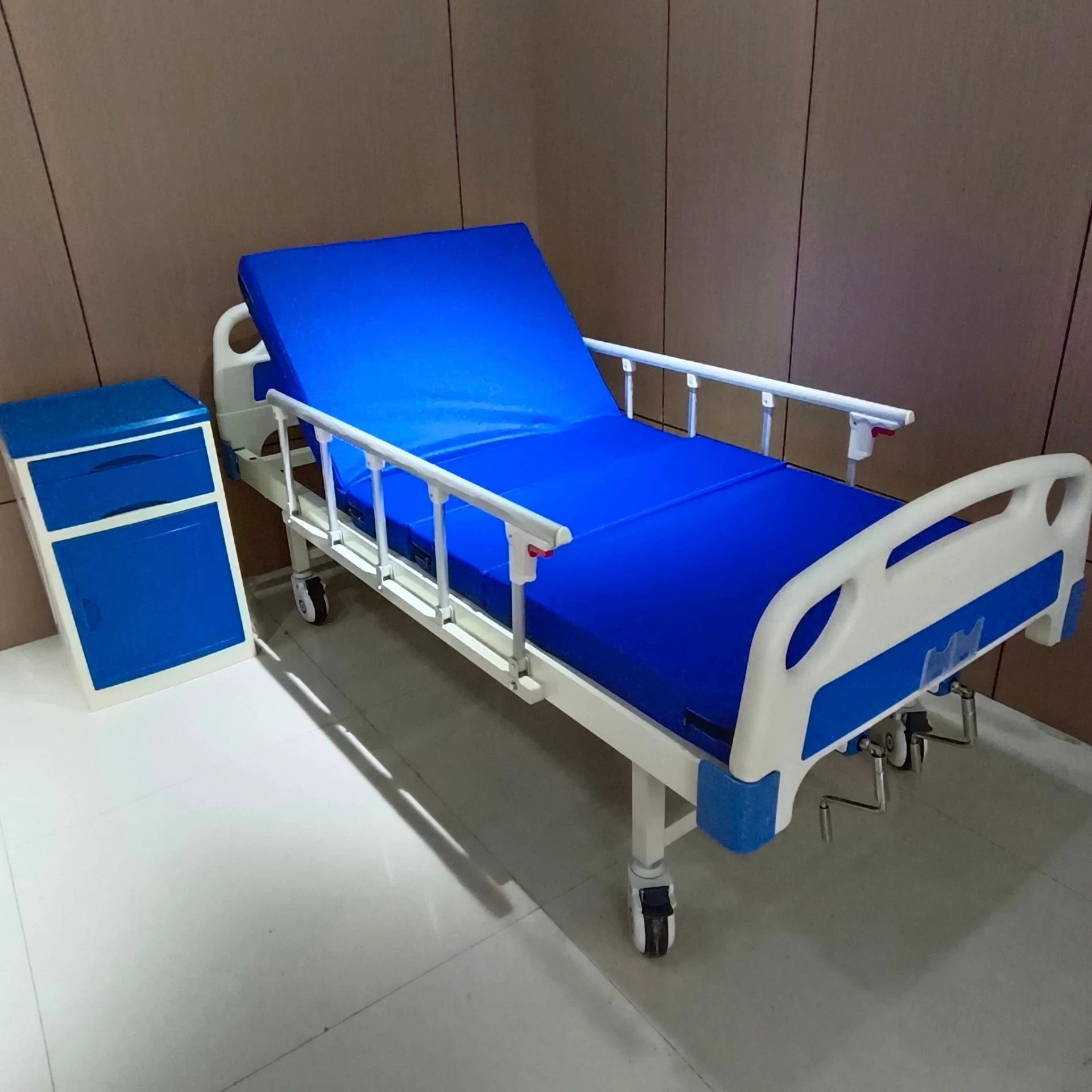
Simply put, bariatric hospital bed dimensions refer to the specific measurements and weight capacity standards designed for hospital beds catering to larger or heavier patients. These dimensions cover everything from width and length to mattress thickness and the mechanical durability of bed rails or support structures.
The goal? To ensure safety, comfort, and efficient care whether the patient weighs 250 pounds or 650 pounds (or more). These beds are specially constructed to withstand heavier loads without sacrificing functionality or patient dignity.
In the humanitarian and medical supply context, having clear and standardized bariatric dimensions ensures that aid groups and hospitals worldwide can reliably source products fitting their demographic needs.
Core Aspects of Bariatric Hospital Bed Dimensions
1. Width & Length
Typical hospital beds are about 36 inches wide, but bariatric beds usually start at 42 inches, with many models going as wide as 60 inches to improve patient comfort and mobility. Lengths also vary, often between 80 to 96 inches, accommodating taller patients.
2. Weight Capacity
Standard beds might support up to 350 lbs, but bariatric beds usually support 600 lbs or more. This capacity is critical—not just in terms of safety, but also durability over long periods of use.
3. Frame Strength and Materials
Steel frames with reinforced joints are common for bariatric beds. Some manufacturers use powder coating to resist corrosion, especially in moist hospital environments. The sturdiness affects transportability and bed features, like adjustable height or tilt.
4. Mattress and Pressure Relief
Bariatric hospital bed dimensions must account for thicker, high-density mattresses. These support pressure relief to prevent bedsores—a big risk factor with less specialized options.
5. Adjustability and Mobility Features
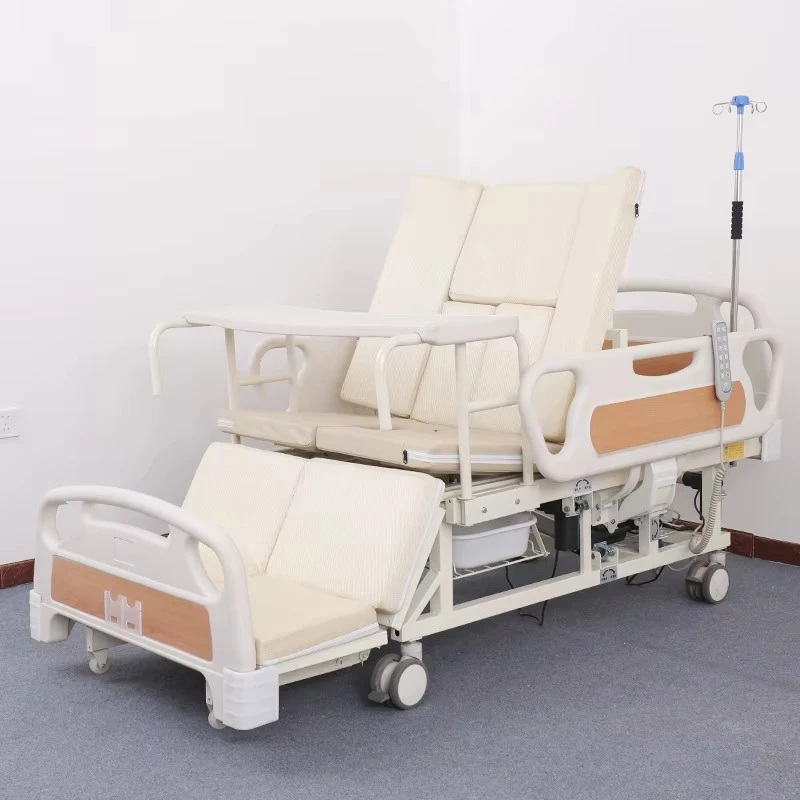
Because these beds are larger and heavier, their mechanisms for raising, tilting, or transporting must be robust but user-friendly. Many models incorporate powered lifting mechanisms—either hydraulic or electric—to ease caregiver workload.
Mini Takeaway
Bariatric hospital bed dimensions aren’t just about bigger beds; they’re about a careful balance of comfort, strength, and medical safety to match evolving patient needs worldwide.
How Are These Dimensions Applied Globally?
- Hospitals and Long-term Care Facilities: In countries with high obesity rates like the U.S., UK, and Australia, bariatric beds are standard in many departments from ICU to general wards.
- Disaster Relief and Humanitarian Missions: In post-disaster zones, like after hurricanes or earthquakes, specialized beds can accommodate varying body types, ensuring dignified care even under tough conditions.
- Remote Industrial or Military Clinics: Hardened, wide-fitted beds support diverse personnel in challenging environments where rental or purchase options are limited.
- Home Care: An increasing trend to keep patients comfortable at home means suppliers offer bariatric beds tailored to domestic spaces.
Interestingly, even developing countries are focusing on scalable solutions to improve medical furniture following healthcare infrastructure reforms.
Mini Takeaway
From city hospitals to remote outposts, the need for properly dimensioned bariatric beds transcends borders—and practically every healthcare setup will face this challenge in coming years.
Advantages and Long-Term Benefits of Proper Bariatric Bed Sizing
- Enhanced Patient Safety: Correct sizing reduces falls and injury risks, especially during transfers.
- Improved Caregiver Ergonomics: Easier adjustment features reduce workplace injuries among nurses and aides.
- Cost Efficiency: Durable beds minimize replacement frequency, resulting in lower lifetime expenses despite an initially higher price.
- Social Inclusion and Dignity: Larger beds show respect to patients' needs, reducing stigma around obesity—a surprisingly emotional factor.
- Regulatory Compliance: Helps institutions meet ISO and national healthcare standards to avoid costly penalties.
Bariatric Hospital Bed Specification Table
| Specification | Standard Bed | Bariatric Bed |
|---|---|---|
| Width | 36 in (91 cm) | 42–60 in (107–152 cm) |
| Length | 80 in (203 cm) | 80–96 in (203–244 cm) |
| Weight Capacity | 350 lbs (159 kg) | 600–1000 lbs (272–454 kg) |
| Mattress Thickness | 4–6 in (10–15 cm) | 6–10 in (15–25 cm) |
| Frame Material | Steel | Reinforced Steel/Alloy |
Vendor Comparison: Leading Bariatric Bed Manufacturers
| Vendor | Max Weight Capacity | Width Range | Price Range | Special Features |
|---|---|---|---|---|
| StrongMed | 1000 lbs | 42–60 in | $3,000–$5,000 | Electric tilt, antimicrobial coating |
| CareLift | 750 lbs | 48–56 in | $2,500–$4,200 | Hydraulic lift, crash-tested frame |
| MediComfort | 600 lbs | 42–54 in | $2,000–$3,500 | Adjustable height, built-in scale |
Emerging Trends and Innovations in Bariatric Bed Design
The market isn’t static—far from it. We’re seeing breakthroughs centered around sustainability, smarter materials, and even digital integration. For instance, lightweight yet ultra-strong composites are replacing traditional steel to ease transport while maintaining durability.
Smart beds with sensor-based weight monitoring and patient movement tracking are becoming common in advanced hospitals, improving fall prevention and personalized care.
Plus, many manufacturers are aligning with green energy and circular economy principles by using recyclable parts and promoting modular designs that extend lifespan.
Addressing Challenges: Practical Solutions to Current Limitations
One big issue is the sheer size and weight of bariatric hospital beds, making them harder to maneuver in tight hospital spaces. Some vendors now offer foldable or sectional frame designs to ease hospital logistics.
Another challenge is cost—which can be prohibitive for smaller clinics or those in developing regions. Bulk procurement agreements, rental programs, and adaptable standard sizes help mitigate these barriers.
Finally, ensuring caregiver training on bariatric bed use and safe patient handling prevents misuse and damage, a simple but often overlooked solution.
FAQ: Top Questions About Bariatric Hospital Bed Dimensions
Q1. What are the typical weight limits to look for in a bariatric hospital bed?
Most bariatric beds can support between 600 to 1000 pounds, depending on the model. Always choose a bed with a weight capacity exceeding expected patient needs to ensure safety and longevity.
Q2. How do bariatric bed dimensions affect patient comfort?
Wider and longer dimensions reduce pressure points, allowing patients more freedom of movement. Coupled with thicker, pressure-relieving mattresses, these beds significantly reduce the risk of bed sores and improve overall comfort.
Q3. Can bariatric hospital beds fit in standard hospital rooms?
They usually require more space—both in width and maneuvering room. Hospitals often have designated bariatric rooms designed to accommodate these beds and ensure staff can work safely.
Q4. Are there regulatory standards that dictate bariatric hospital bed dimensions?
Yes. Organizations like ISO and the FDA provide guidelines and approval processes that hospital beds must meet, including bariatric specifications, ensuring quality and safety across markets.
Q5. Where can I find detailed bariatric hospital bed dimensions for procurement?
Reliable sources include product spec sheets from manufacturers, healthcare procurement platforms, and specialist sites such as bariatric hospital bed dimensions, which offer verified data tailored for decision-makers.
Wrapping It Up: Why Bariatric Hospital Bed Dimensions Are a Smart Investment
So, all told—bariatric hospital bed dimensions are far from a small detail. They are a frontline answer to sweeping health shifts, advancing safety, dignity, and practicality in medical care. Getting these dimensions right means investing in durable infrastructure that serves patients better and eases caregiver access. The subtle importance? It really supports an evolving, more inclusive healthcare system.
Feel free to explore more about how these beds can fit your facility’s needs by visiting our website here, and keep the conversation going about thoughtful medical equipment design.