Nov 30,2025
Single Hospital Bed Dimensions Explained - Optimize Patient Care Worldwide
The Subtle Art of Single Hospital Bed Dimensions: Why It Matters Globally
If you stop for a moment in any hospital or emergency shelter worldwide, it’s probably not the flashy high-tech gadgets grabbing your attention, but something as simple as the hospital bed beneath a patient. You might wonder why something so ordinary deserves such close scrutiny—well, the dimensions of single hospital beds carry weight far beyond comfort. Knowing the right size impacts patient safety, healthcare efficiency, and even logistics on a global scale. Globally, hospitals spend millions annually on beds that either don’t fit patient needs or space constraints. This seemingly straightforward metric has layers — transportability during crises, ergonomic design for nurses, and even standardized sizing affecting global supply chains. When done right, the benefits range from improving recovery outcomes to saving costs and space in crowded wards. So, why all this fuss about single hospital bed dimensions? Simply put: getting it right touches health, dignity, and operational excellence everywhere hospitals and relief agencies operate — from Nairobi to New York.Understanding the Global Context of Single Hospital Bed Dimensions
As of 2023, the World Health Organization estimates over 140 million hospital admissions annually worldwide, and the number is only increasing with aging populations and global health challenges. The UN reports that hospital infrastructure shortages, especially in developing regions, compromise patient care, often due to mismatched or inadequate equipment. This is where standardization and smart design of single hospital bed dimensions become crucial. The problem? Many healthcare facilities struggle balancing patient comfort, space constraints, and equipment compatibility, particularly during sudden surges like pandemics or disaster relief operations. In some countries, legacy beds are oversized, limiting room capacity; in others, too-small beds create patient safety risks. Standardizing and optimizing single hospital bed dimensions directly addresses this — enabling scalable responses to healthcare demands and improving day-to-day efficiency.What Exactly Are Single Hospital Bed Dimensions?
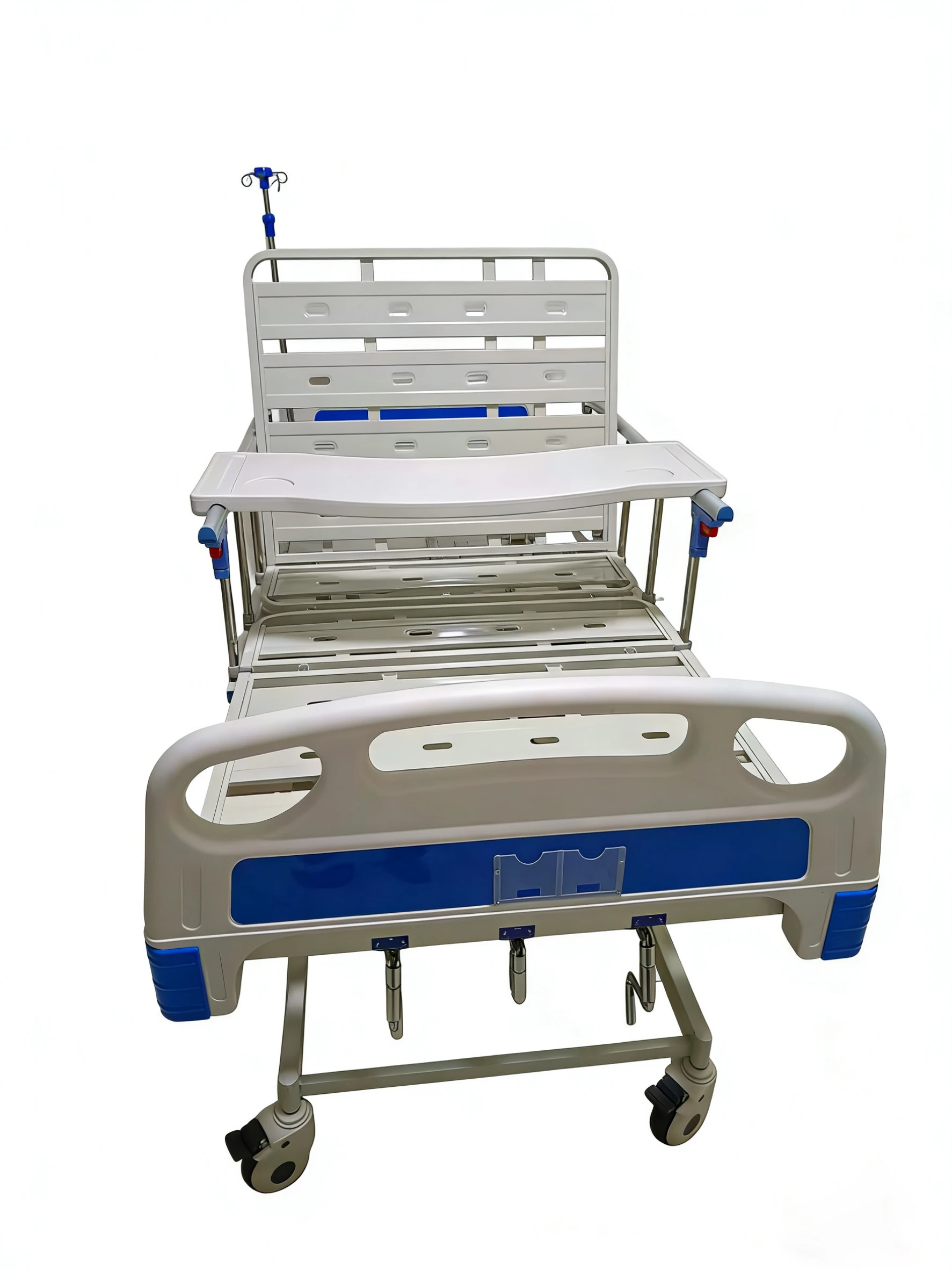
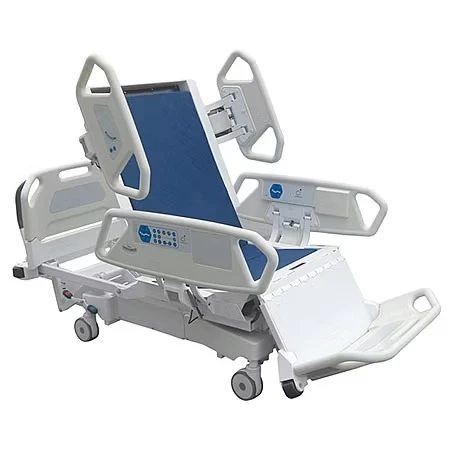
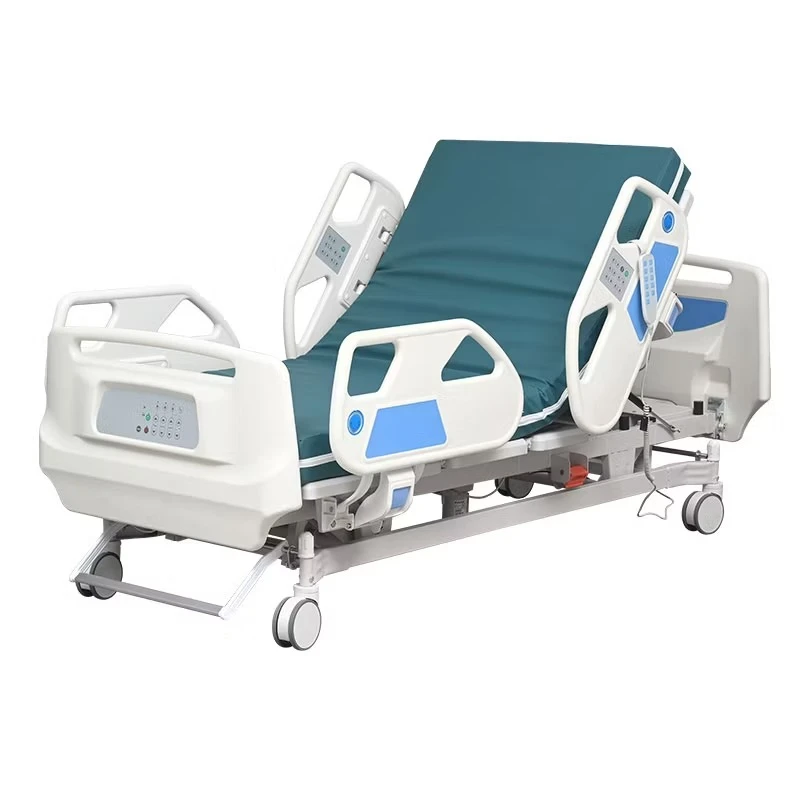
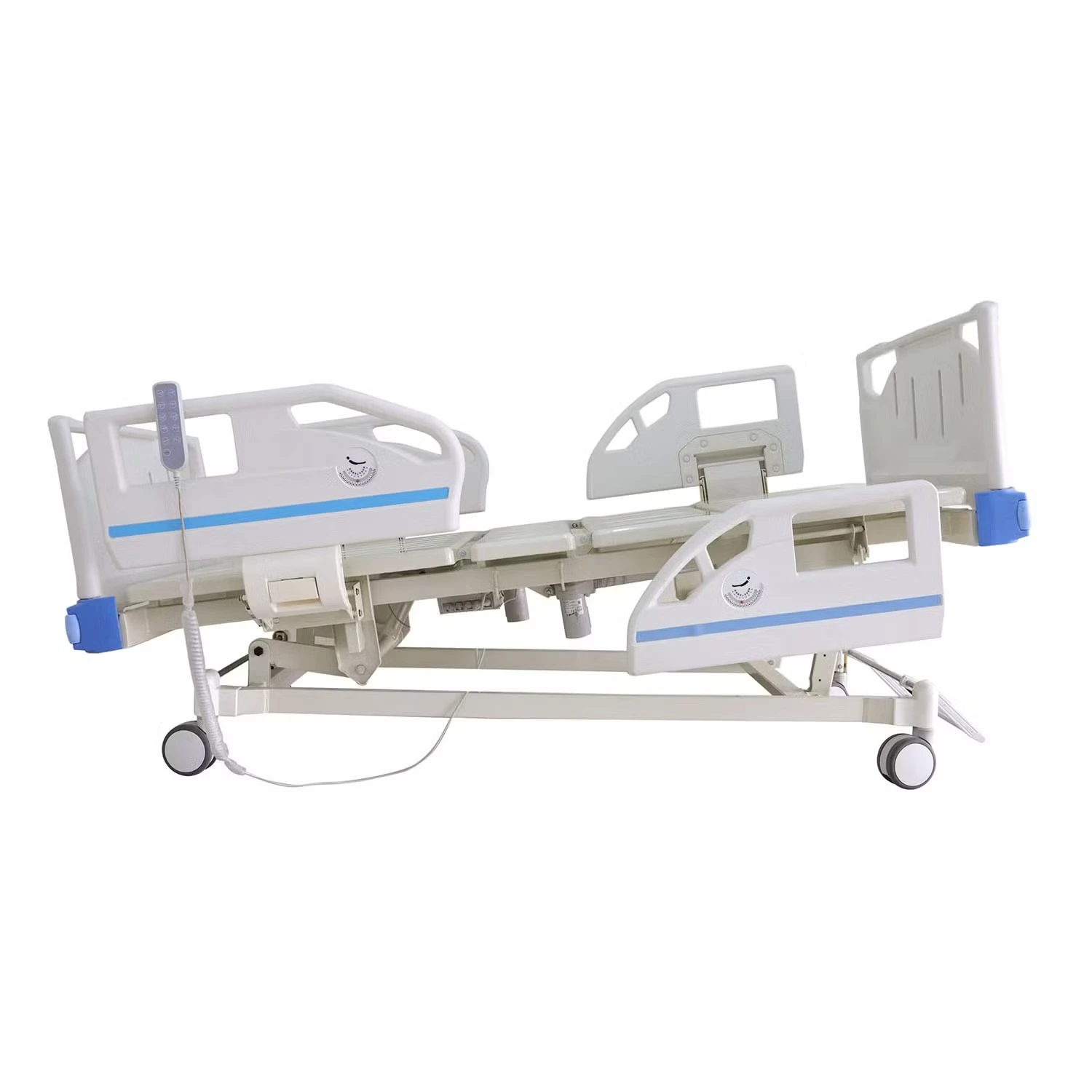
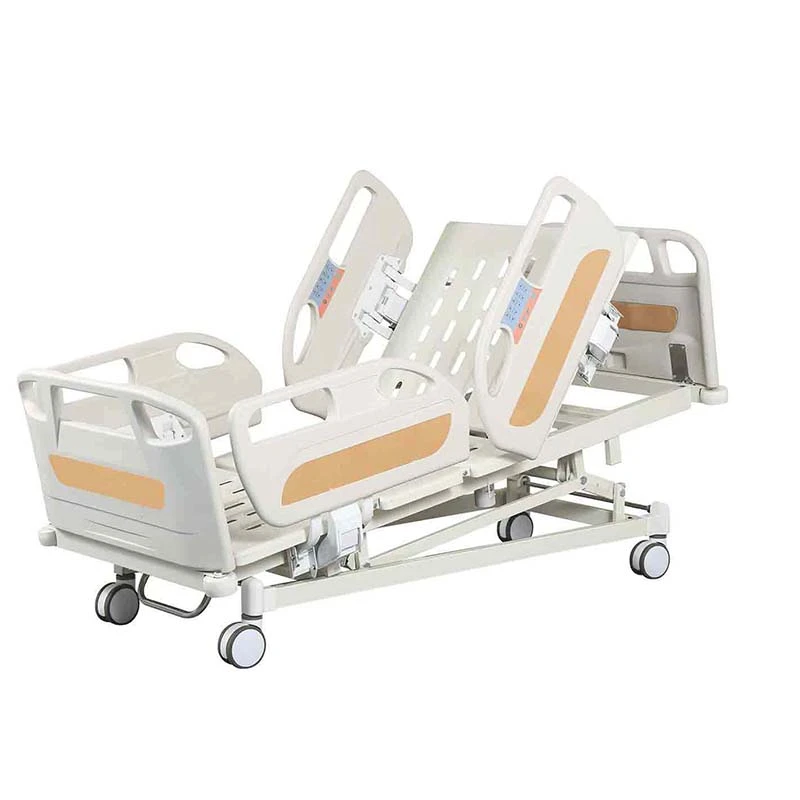
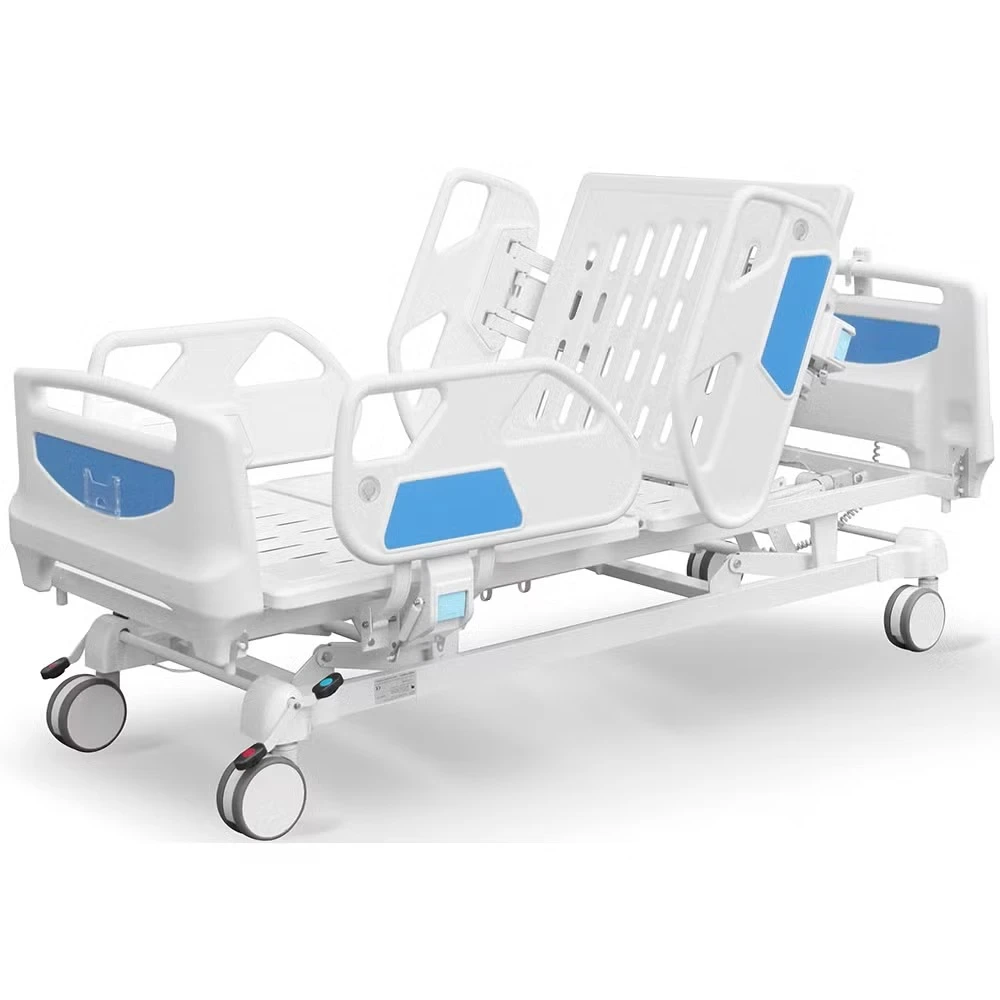
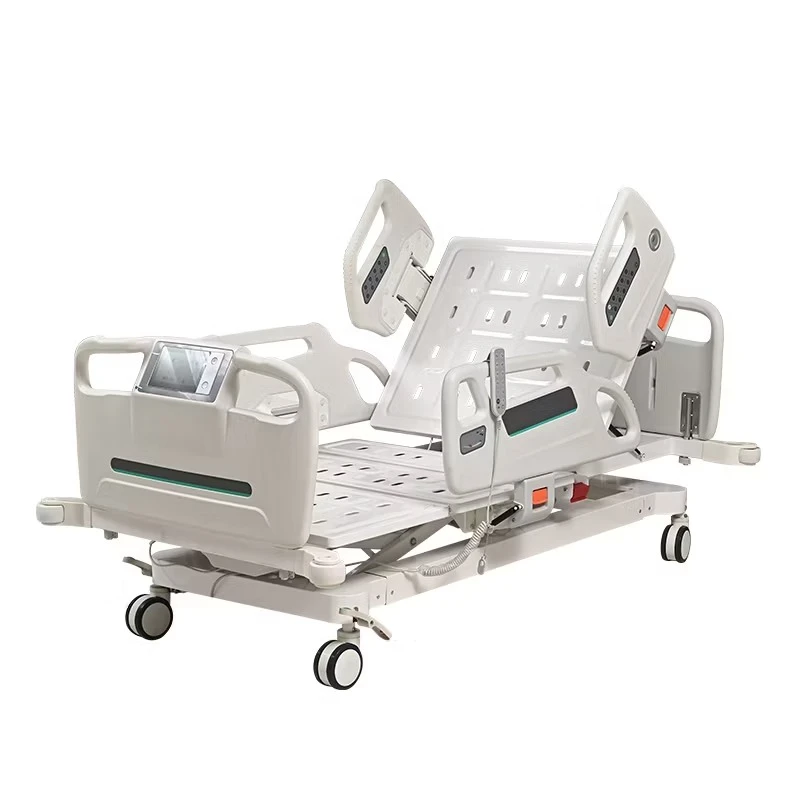
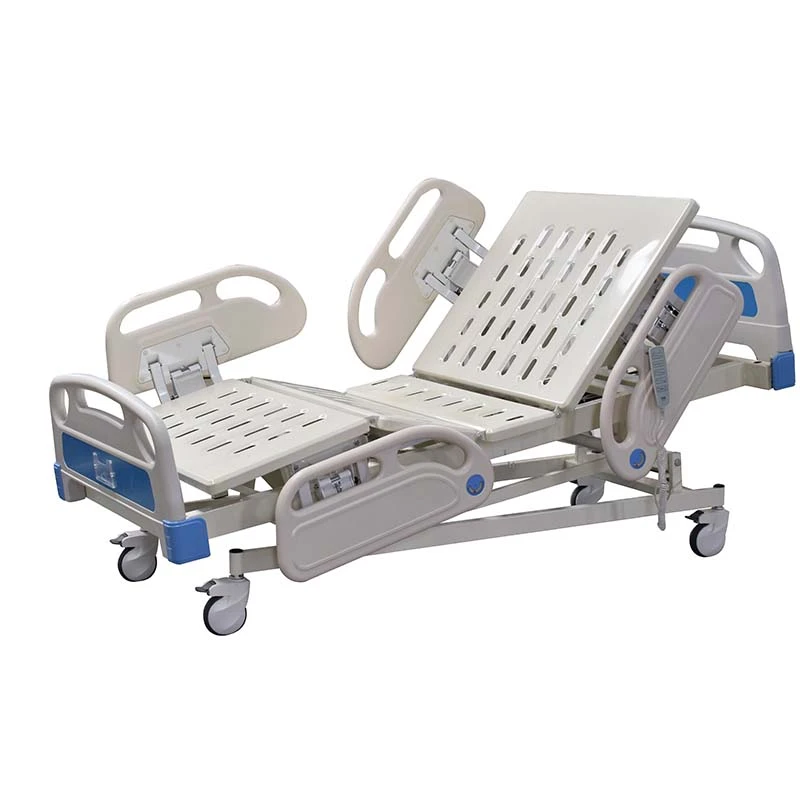
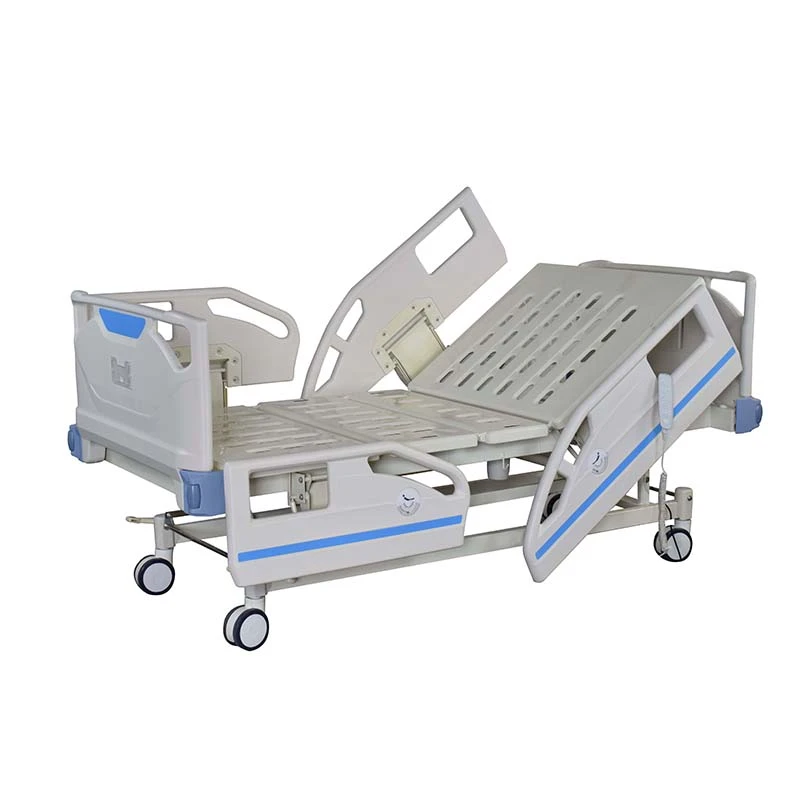
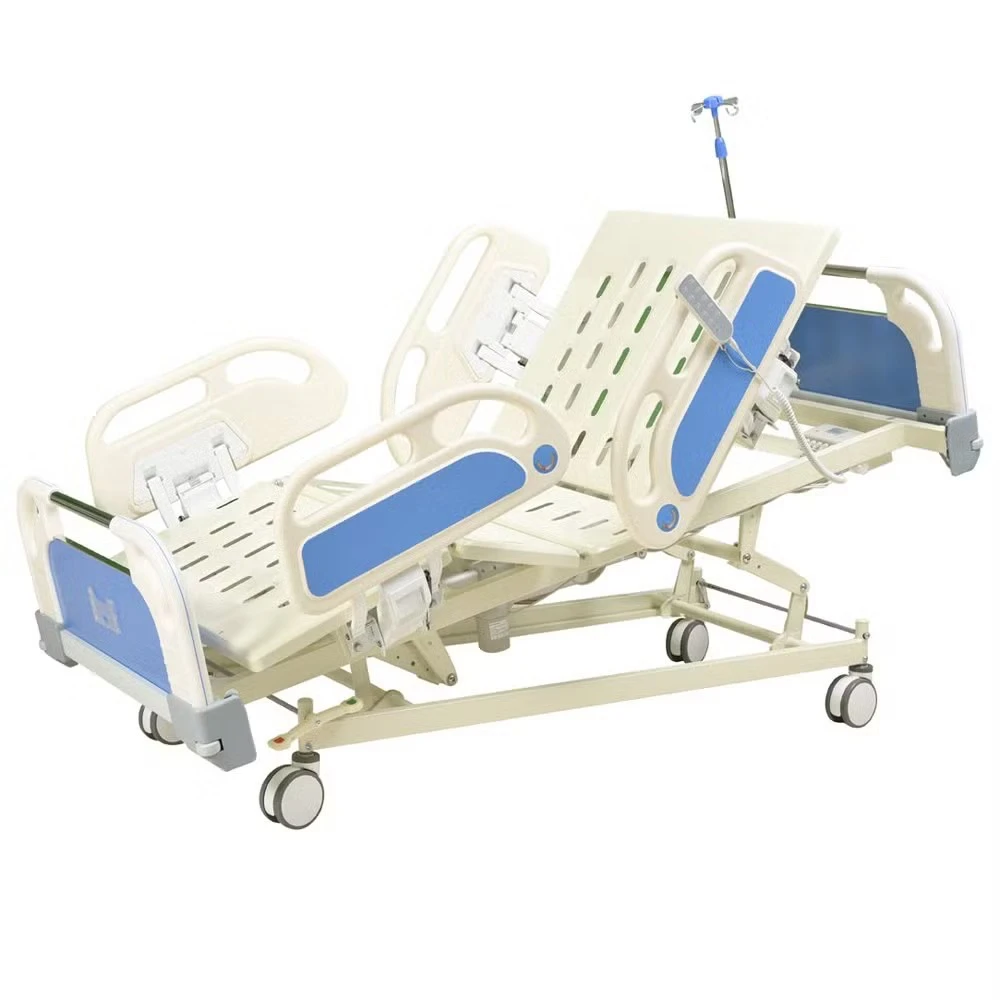
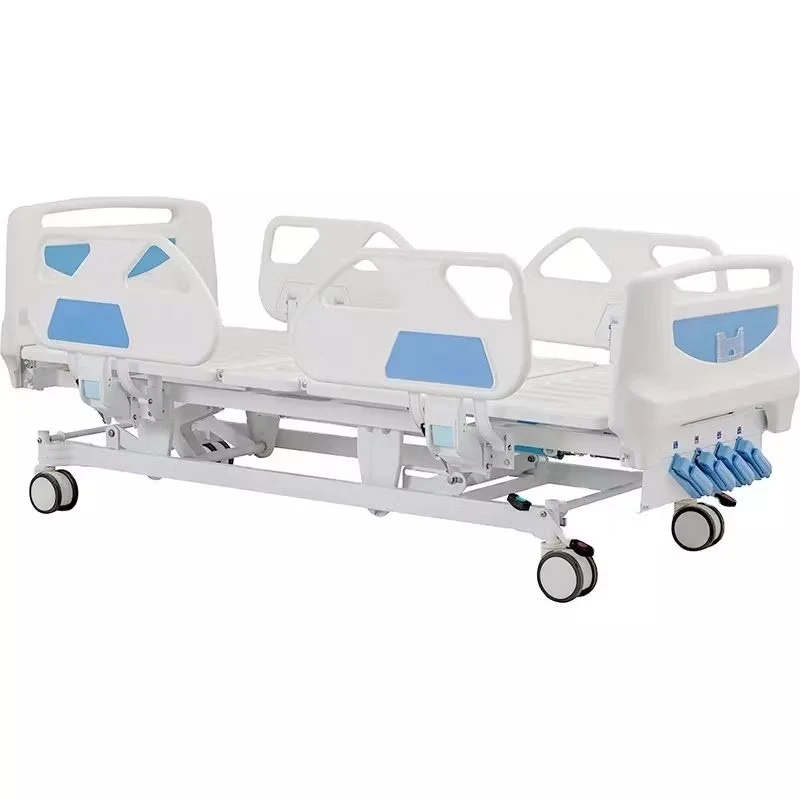
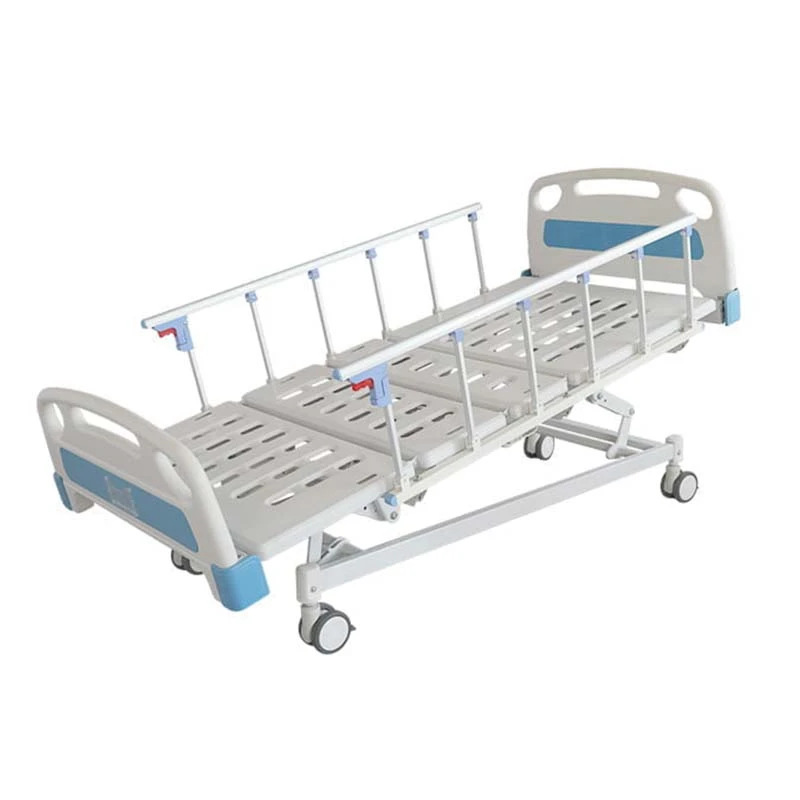
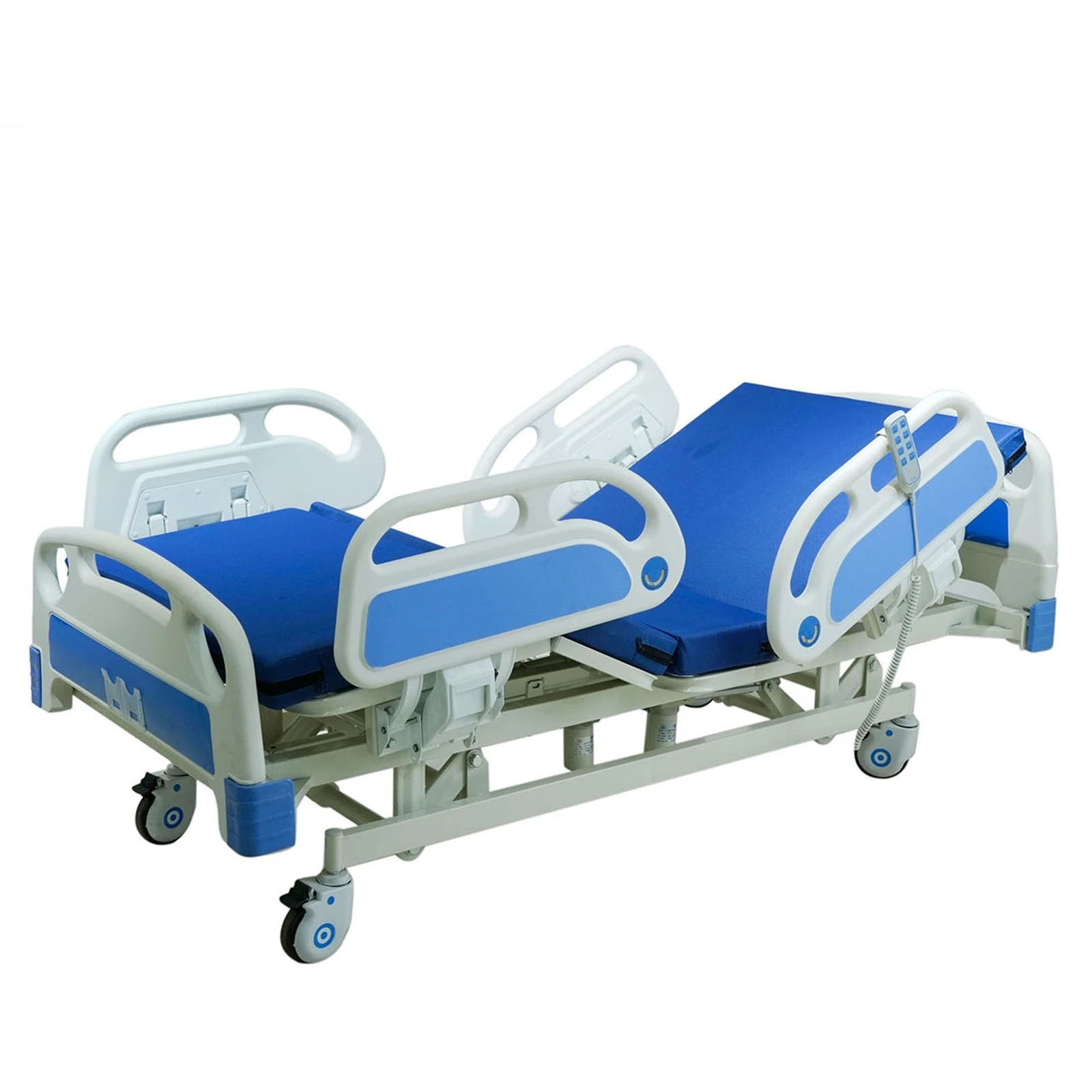
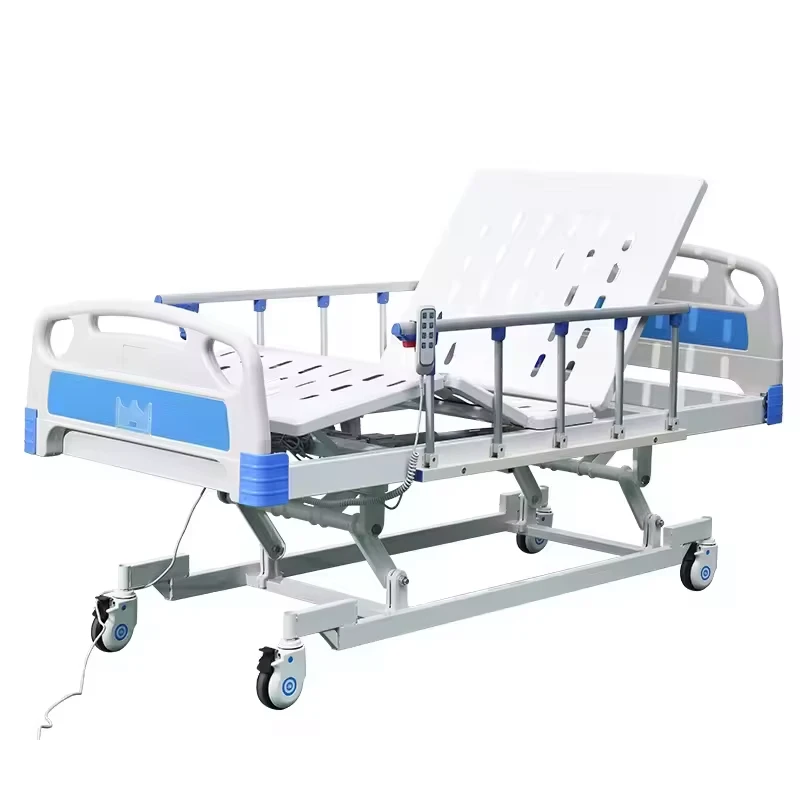
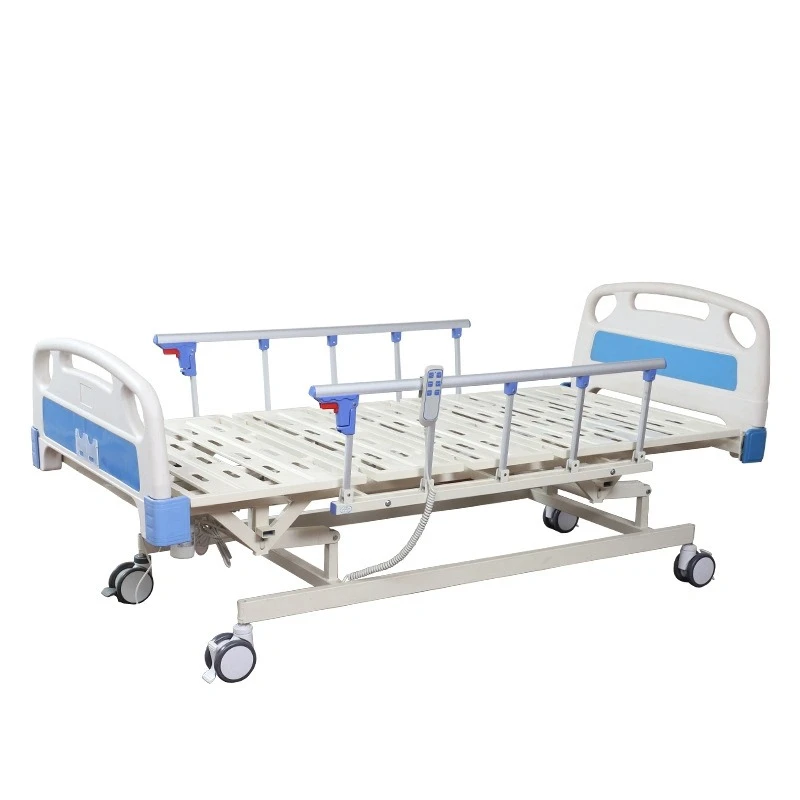
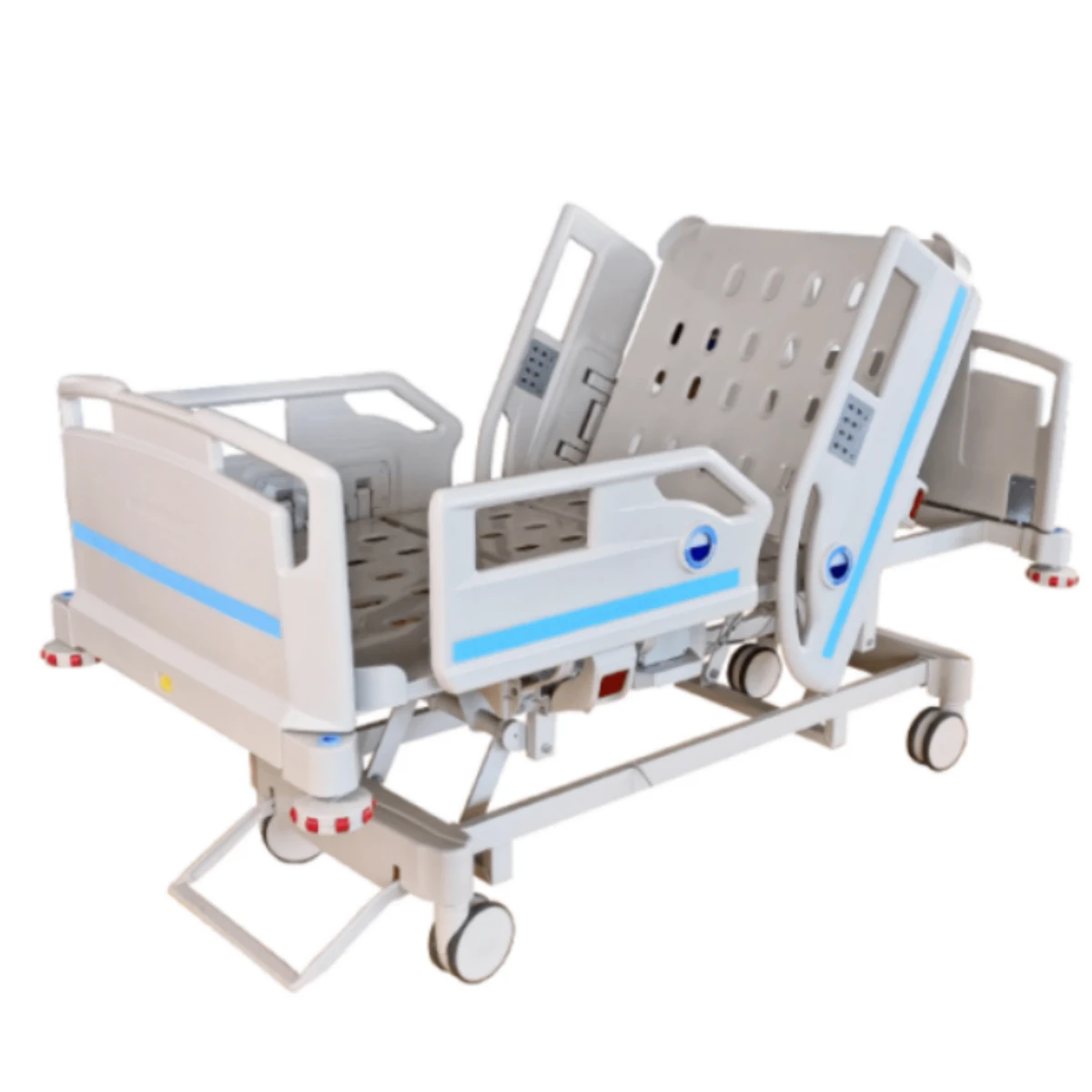
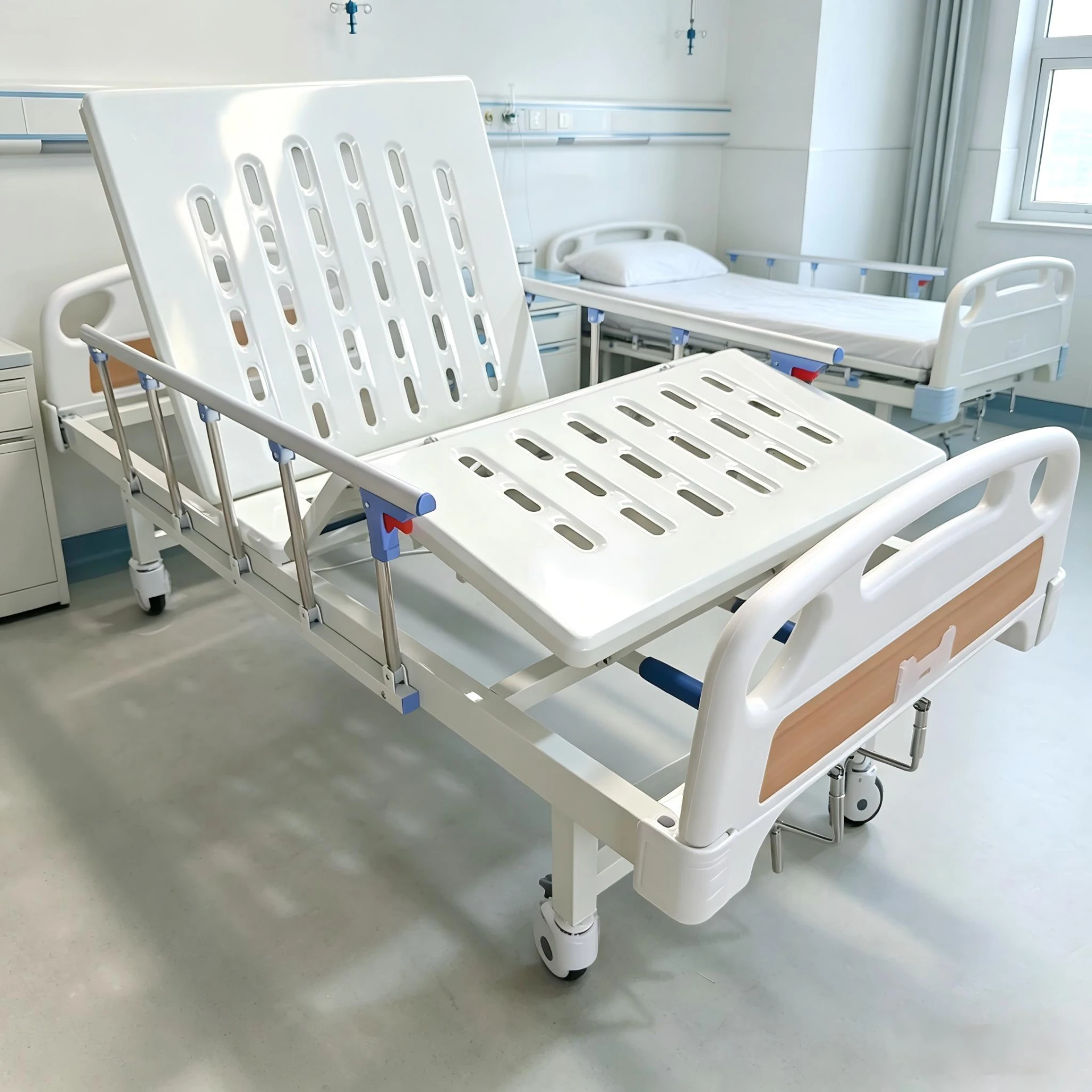
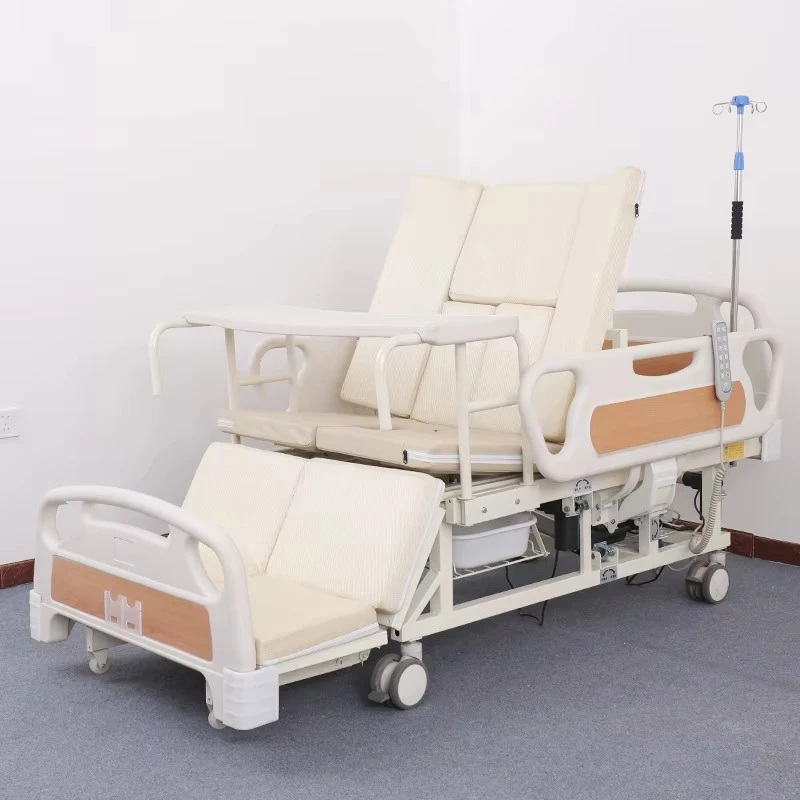
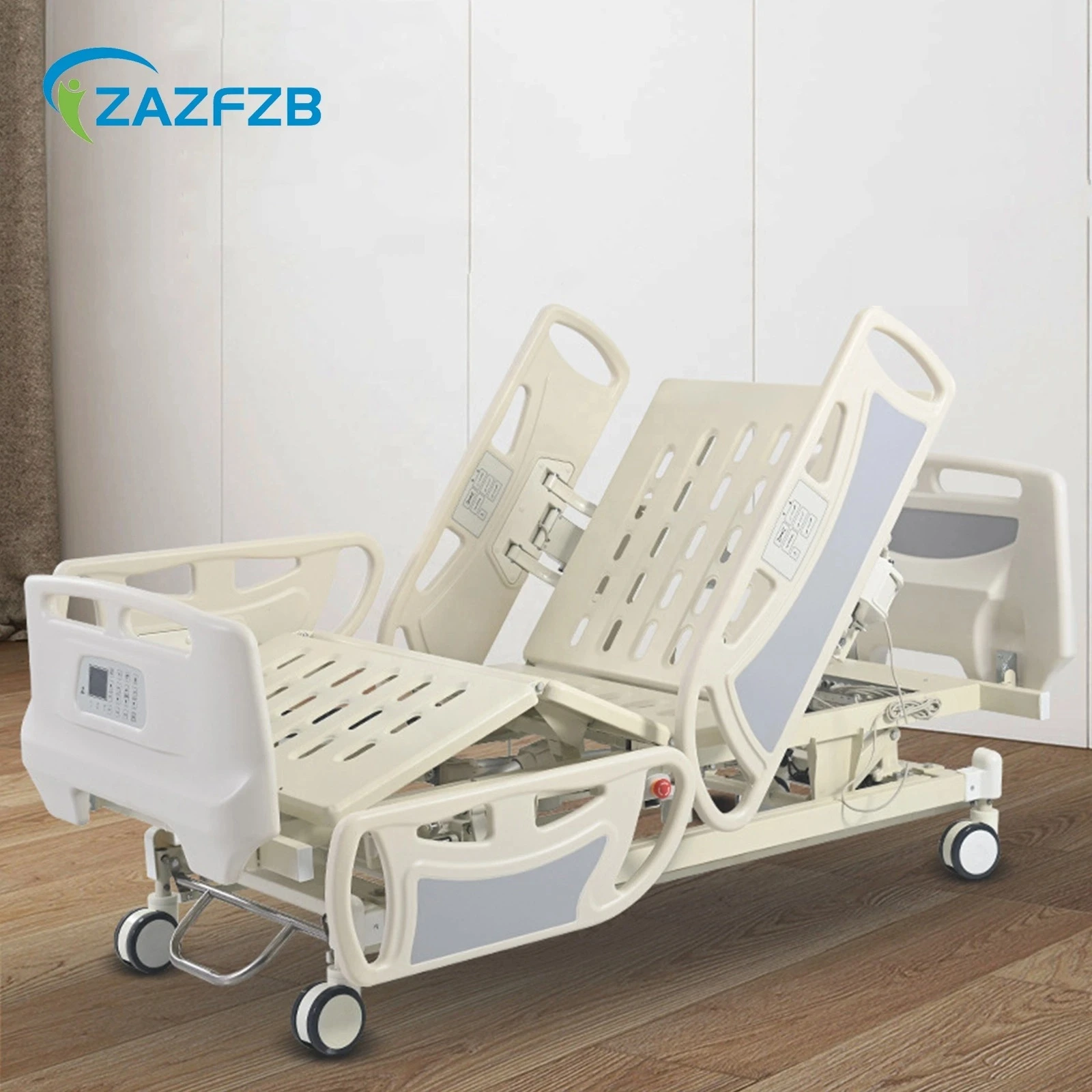
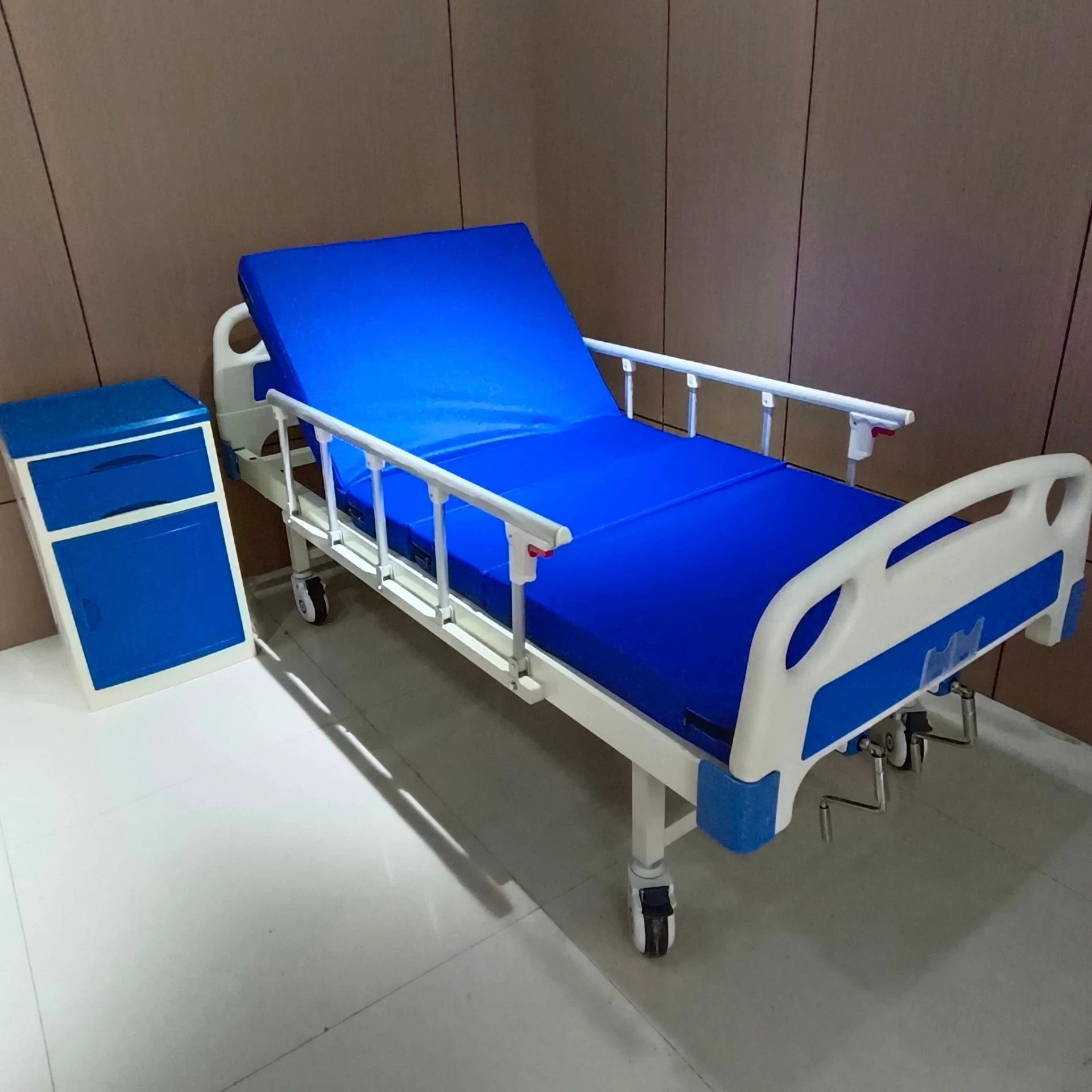
In simple terms, single hospital bed dimensions refer to the length, width, height, and ergonomic layout tailored to accommodate one patient safely and comfortably. It includes the mattress size, frame design, and adjustability features, but focuses primarily on the spatial measurements aligning with patient body size and healthcare worker ease. This seems straightforward, but remember hospitals deal with a variety of patients—from pediatric to geriatric—all needing nuanced dimension considerations. The design also integrates with medical devices, such as IV stands and monitors, requiring standardized sizing for compatibility. Beyond hospitals, this definition spills into humanitarian spaces — mobile field hospitals, temporary shelters, even home care setups. The dimensions must fit various physical environments without compromising patient wellbeing.Core Components Defining Single Hospital Bed Dimensions
1. Length and Width
The length commonly ranges roughly 190 cm to 210 cm, while width typically sits between 90 cm and 100 cm. These limits accommodate the majority of adult patients but allow some modularity for special cases. Too wide and beds overcrowd rooms; too narrow and they risk patient falls or discomfort. It’s a fine dance.2. Height Adjustability
Not just about convenience; the height must fit caregivers’ ergonomics to reduce strain during caregiving tasks, typically adjustable from 40 cm to 80 cm. A taller bed helps some patients but creates transfer difficulties for others, so flexibility is key.3. Durability and Material Strength
Hospital beds endure heavy use and must resist corrosion, be easy to sanitize, and support varying patient weights (sometimes up to 250 kg). The frame materials often use treated steel, aluminum alloys, or composites, balancing strength with weight.4. Mobility and Scalability
For emergency setups or wards with space restrictions, single beds often come with smooth-rolling casters, locks, or even foldable designs. This enhances transportability in hectic environments and rapid reconfiguration during crises.5. Compliance with Medical Standards
Beds must meet ISO standards such as ISO 7176 for electrically powered hospital beds and local regulations concerning electrical safety, load, and design ergonomics. Knowing this helps hospitals procure the right equipment without surprises.Mini takeaway: Dimensions matter as much as materials and ergonomics; every millimeter influences patient safety and workflow.
Real-World Applications and Who Benefits Most
Single hospital bed dimensions come into sharp focus in several spheres:- Hospital Wards worldwide: Standardized beds simplify layout planning and maintenance logistics.
- Disaster Relief Operations: Mobile units use compact, standardized beds for rapid deployment and patient throughput.
- Home Healthcare: Adjustable dimension beds improve elderly patient care at home, reducing hospital re-admissions.
- Remote Industrial Zones: In mining camps or oil rigs, ergonomic bed sizing helps reduce injury risks and increase rest quality.
Advantages and Long-Term Value of Optimizing Single Hospital Bed Dimensions
There’s a tangible payoff here beyond just size. Correctly dimensioned beds provide:- Cost efficiency: Smaller footprint means more beds per room, optimizing precious hospital floor space.
- Enhanced patient dignity and comfort: No awkward squeezing or unsafe edges — patients feel cared for.
- Durability decreases replacement cycles: Tough beds built to last reduce procurement frequency and costs.
- Improved caregiver ergonomics: Adjustable heights limit nurse injuries and speed up patient handling.
- Logistics friendly: Standard sizing enables bulk purchasing and easier inventory management.
Product Specification Table: Typical Single Hospital Bed Dimensions
| Specification | Typical Range | Notes |
|---|---|---|
| Bed length | 190 cm – 210 cm | Accommodates most adults |
| Bed width | 90 cm – 100 cm | Balance of comfort and space |
| Height adjustability | 40 cm – 80 cm | Ergonomic for caregivers |
| Weight capacity | Up to 250 kg | Inclusive patient support |
| Mobility features | Lockable casters, foldability | For fast deployment & space-saving |
Vendor Comparison Table: Popular Single Hospital Bed Suppliers
| Supplier | Price Range (USD) | Typical Dimensions (cm) | Unique Features | Global Availability |
|---|---|---|---|---|
| Medline | $600–$1200 | 200 L × 92 W | Electric controls, high weight capacity | North America, Europe |
| Hill-Rom | $1000–$1800 | 210 L × 100 W | Smart bed tech, hygiene enhancements | Global |
| Zhaofa Medical | $450–$900 | 190 L × 90 W | Cost-effective, adjustable height | Asia, Africa, Europe |
Looking to the Future: Innovations in Single Hospital Bed Dimensions
There’s quite a buzz around technology shaping tomorrow’s hospital beds. Lightweight composites and modular parts are making beds easier to ship globally without sacrificing strength. Some manufacturers integrate IoT sensors, monitoring patient vitals and adjusting bed positions automatically — which changes how we think about dimensions, too, since beds will adapt physically to patients in real-time. Sustainability also leads innovations; eco-friendly materials and energy-efficient electric motors reduce environmental footprint and operating costs. At the international policy level, organizations like the WHO advocate for standard dimension frameworks to streamline emergency aid deployment worldwide.Common Challenges and How Experts Are Addressing Them
One sticking point remains: how to fit diverse patient sizes comfortably while keeping beds manageable in tight hospital wards. Some engineers propose telescoping bedside rails or modular bed frames that can adjust width dynamically. Others look at fold-away storage beds for temporary use. Transport costs also constrain global deployment, but collapsible designs and pallet-friendly sizes are helping with logistics. Plus, integrating single hospital bed dimensions standardizations into procurement policy ensures future purchases align with space and patient needs, not legacy constraints.FAQ: What People Commonly Ask About Single Hospital Bed Dimensions
- What are the standard dimensions of a single hospital bed?
- The common single hospital bed measures approximately 190 cm in length and 90–100 cm in width, with adjustable height from 40 to 80 cm, fitting most adult patients safely and comfortably.
- How do hospital bed dimensions affect patient safety?
- Correct dimensions prevent falls by ensuring adequate width and safety rail placement, providing proper support, and reducing patient discomfort, which can impact recovery speed.
- Can single hospital beds be customized for different clinical environments?
- Absolutely. Beds often include modular parts, adjustable height, and optional features like wheels or electric controls to fit diverse hospital or home care needs.
- Are standardized bed sizes suitable for emergency field hospitals?
- Yes, especially when dimensions favor easy transport and quick assembly, enabling relief groups to set up wards rapidly and ensure patients receive dignified care promptly.
- Where can hospitals purchase reliable single hospital beds?
- Vendors such as Hill-Rom, Medline, and Zhaofa Medical offer a range of beds suitable for global markets, balancing cost, quality, and availability.
Final Thoughts: Why Getting Single Hospital Bed Dimensions Right Makes a Difference
To sum up, single hospital bed dimensions are not just measurements; they symbolize the intersection of healthcare quality, operational efficiency, and compassionate design worldwide. Whether in urban hospitals or emergency relief tents, these dimensions enable dignity, trust, and comfort. As technology and global standards evolve, so does the promise of better patient care — one bed at a time. If you want to explore tailored solutions or learn more about how single hospital bed dimensions can fit your facility’s needs, visit our website today!Mini takeaway: Thoughtful bed sizing is one of those small details with a surprisingly big impact on health systems worldwide.
References: