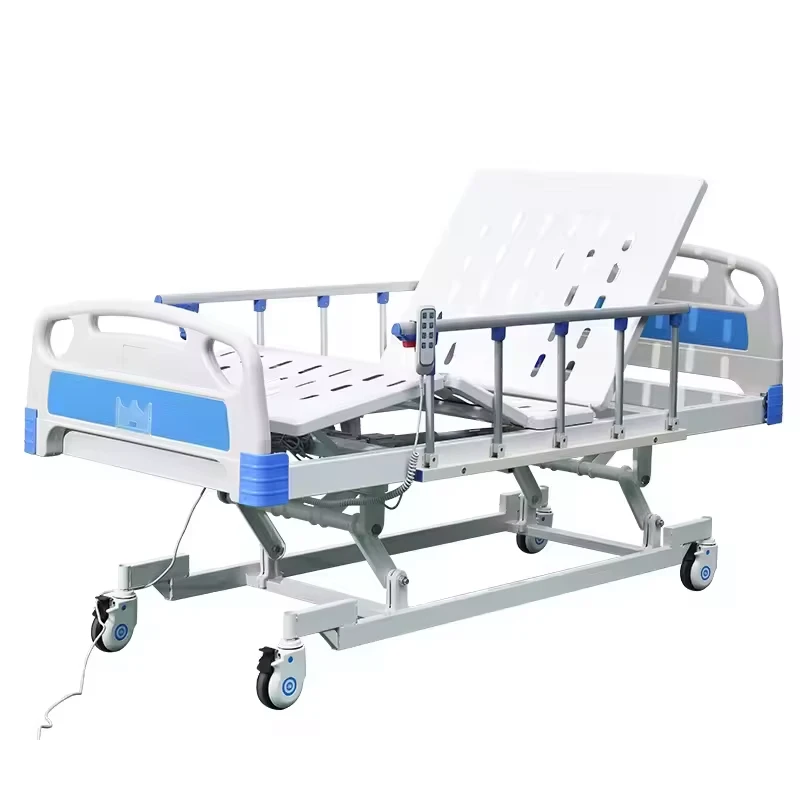
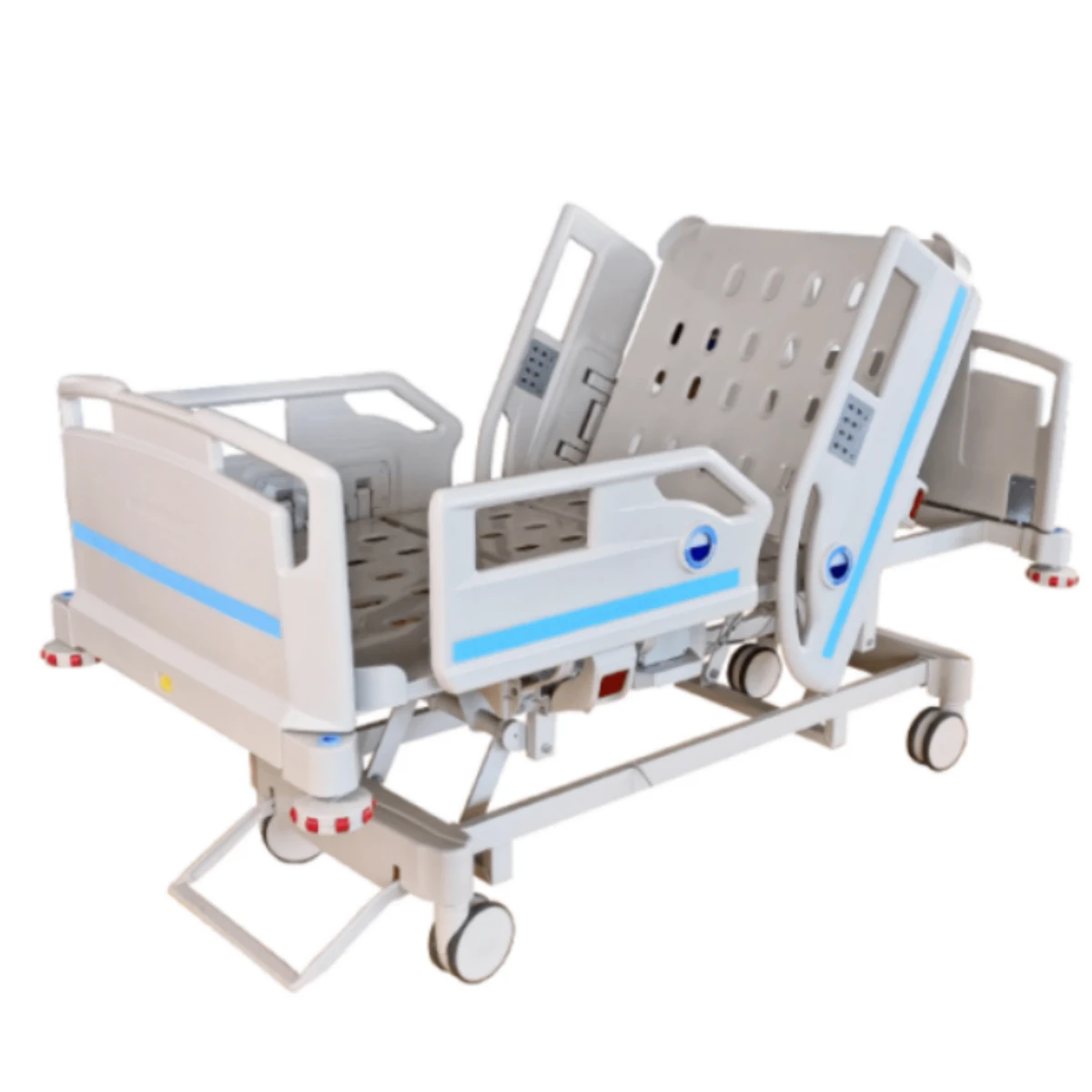
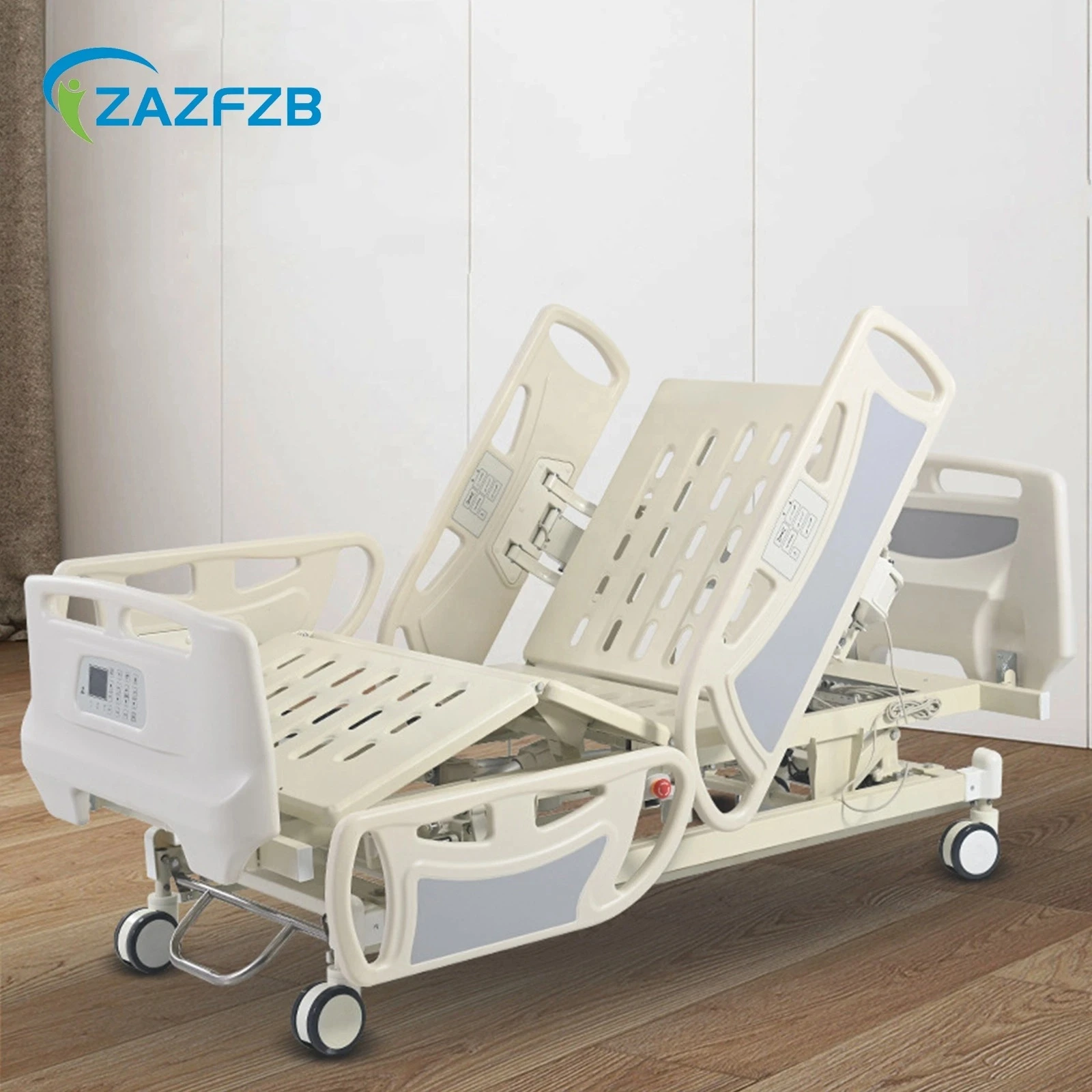
Understanding Hospital Bed Size in Inches: Why It Truly Matters
When we talk about hospital bed size in inches, the conversation might seem technical or niche. Yet, this seemingly simple metric holds critical importance in healthcare infrastructure worldwide. Why care about the dimensions of a hospital bed? Because it’s not just about fitting equipment in a space — it ripples into patient comfort, medical staff efficiency, equipment compatibility, and even global health standards. Whether you're a hospital planner, a medical device buyer, or just intrigued by healthcare logistics, grasping how bed sizes vary and why they're standardized can improve outcomes on many levels.
Hospital beds come in different shapes and sizes, usually measured in inches to accommodate local and international healthcare needs. Understanding these sizes is especially crucial given the global rise in aging populations, longer hospital stays, and the continued push for universal health coverage (WHO, 2022). Plus, the right bed size ensures better ergonomics, reduces risks of pressure ulcers, and supports critical devices, essential when every inch counts. Oddly enough, something as simple as the size of a bed can define the quality of care a patient experiences.
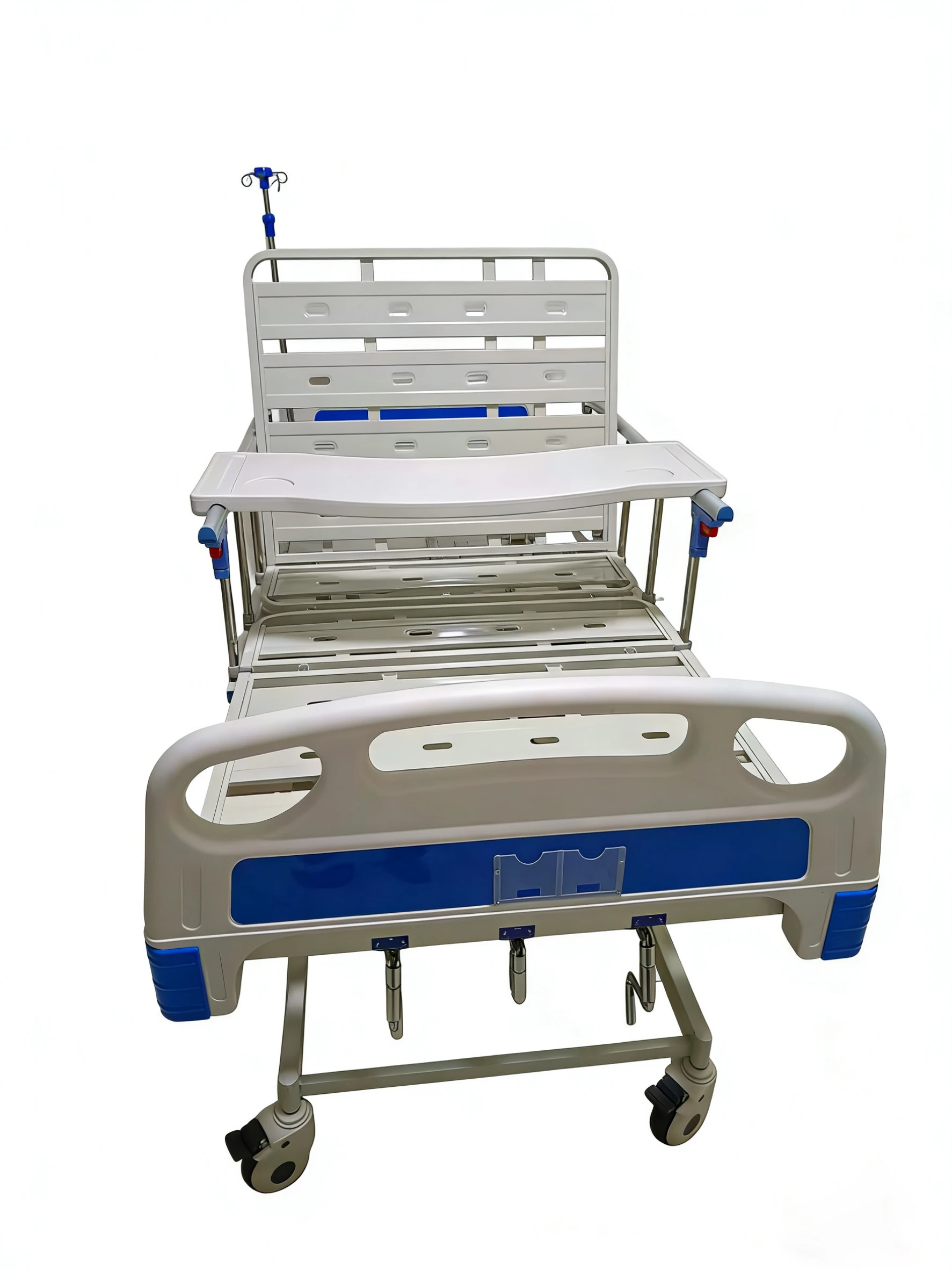
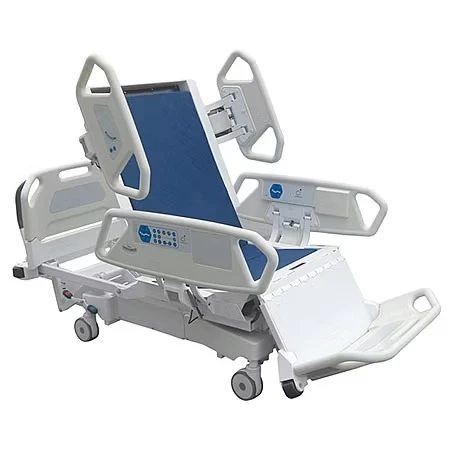
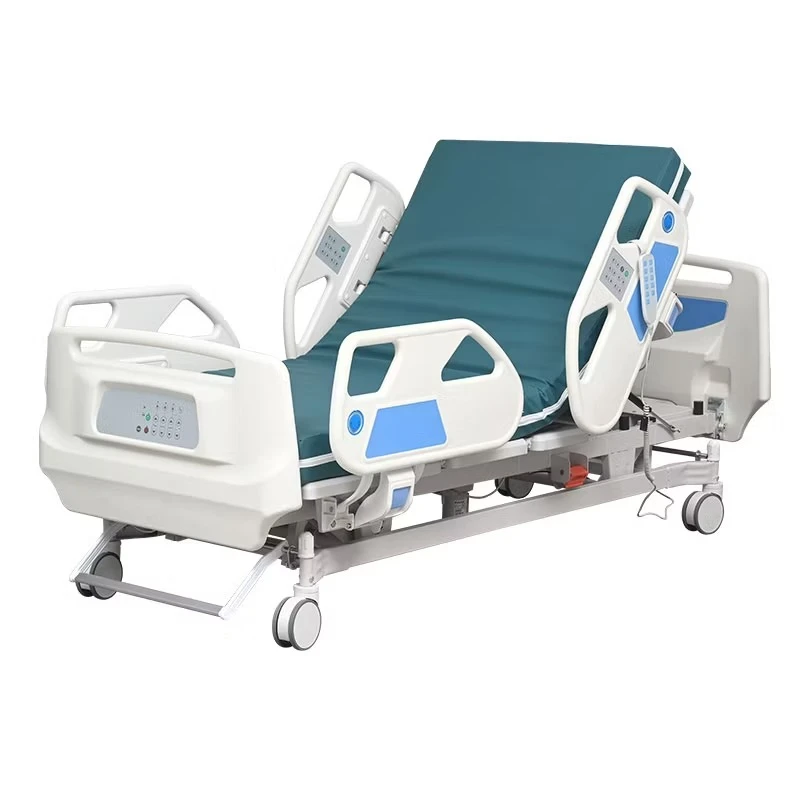
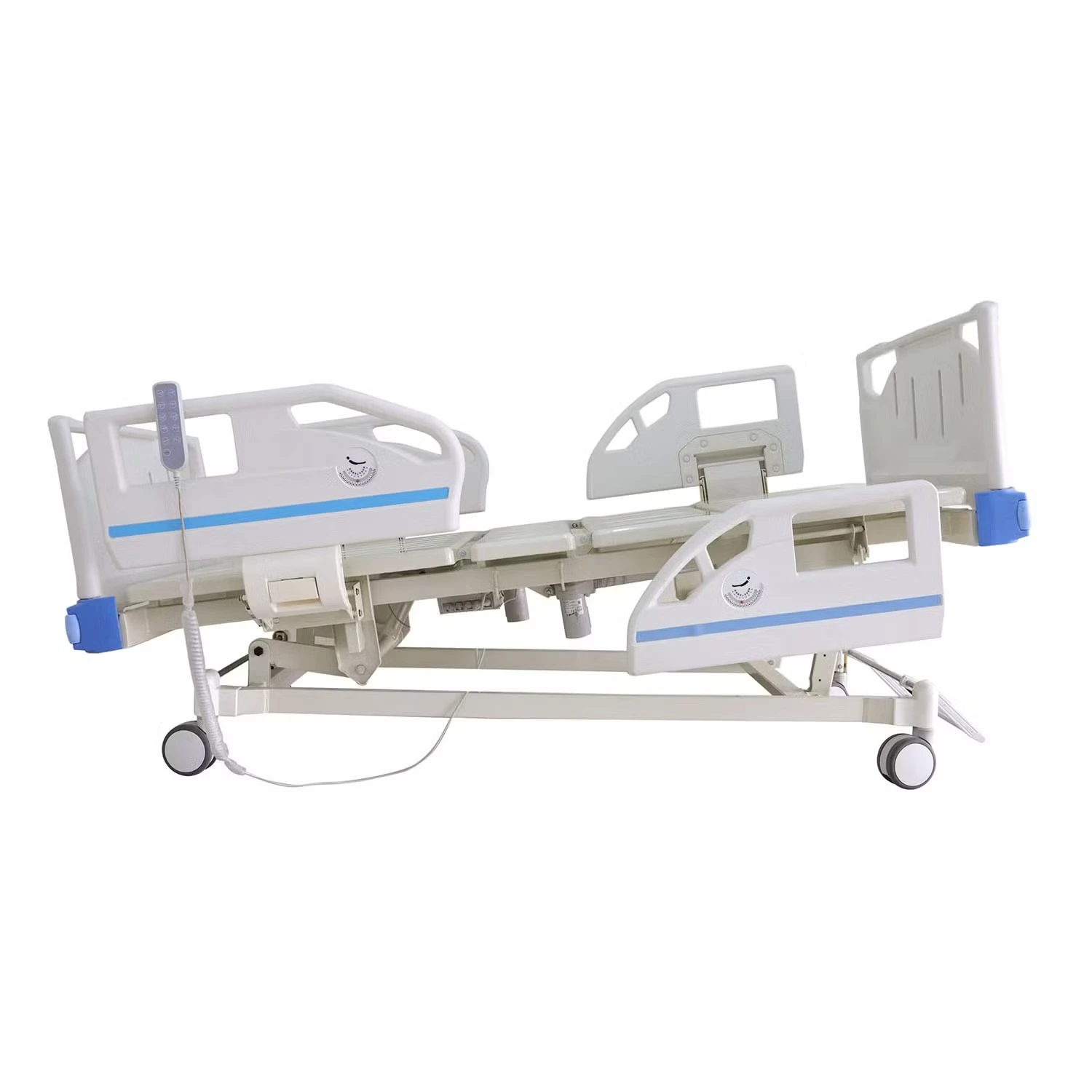
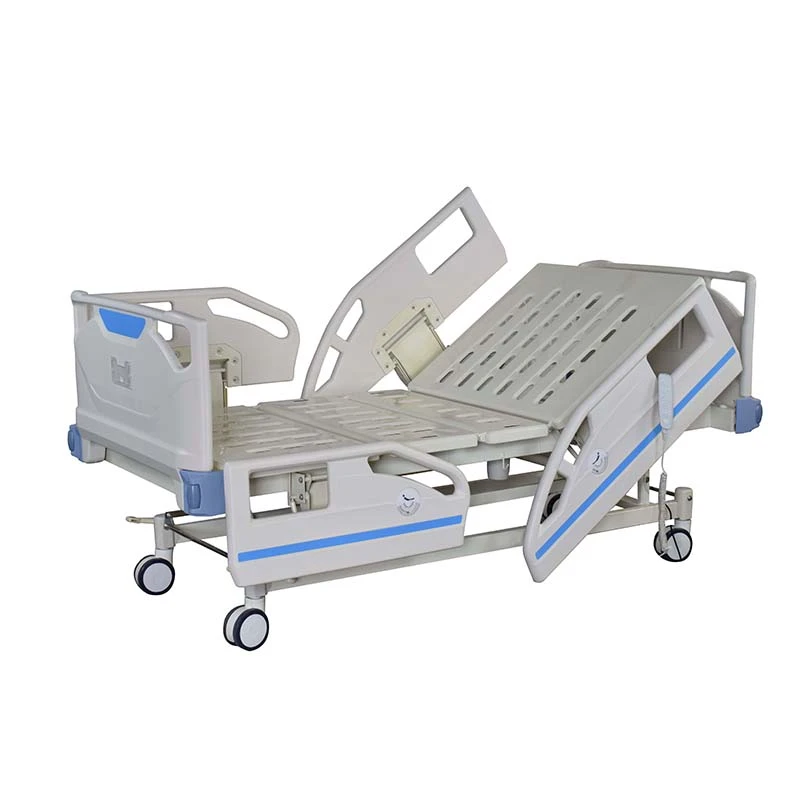
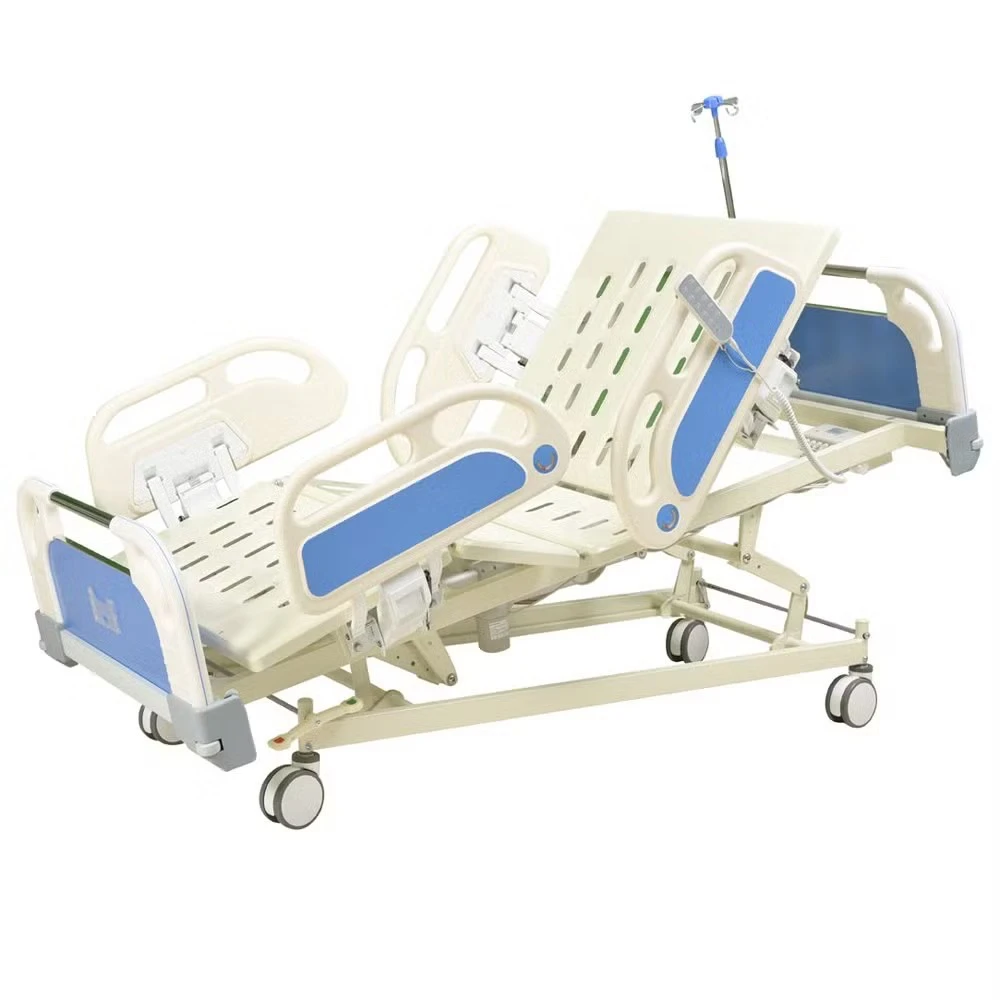
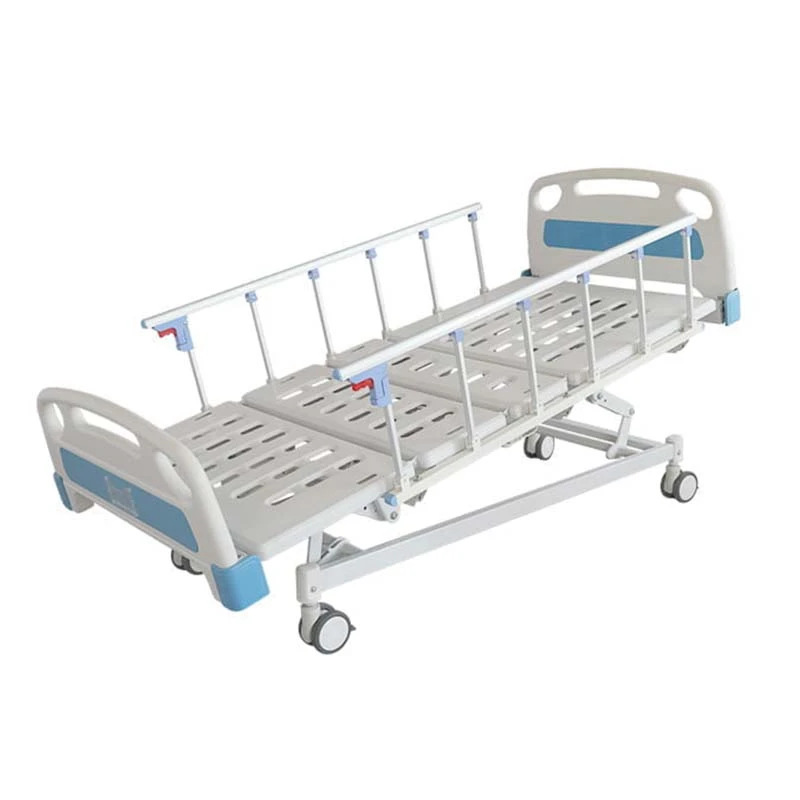
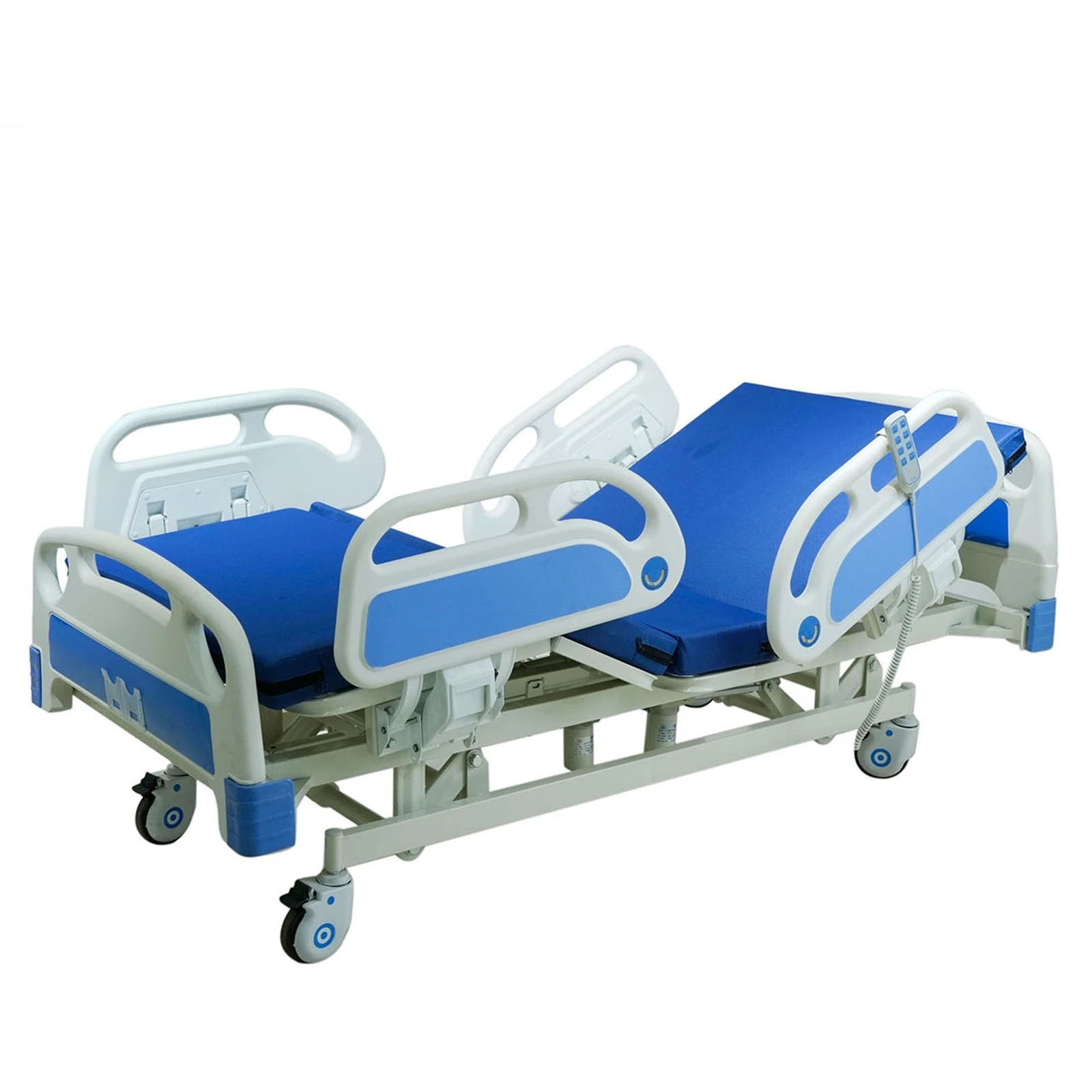
hospital bed size in inches
Global Perspectives: Why Hospital Bed Size in Inches Is Not Just Local
Let’s zoom out for a second. Various countries and regions report stark disparities in hospital bed availability, both in quantity and quality. According to OECD data, beds per 1,000 population vary spectacularly—from Japan’s 13.1 to Mexico’s 1.5 in 2023. But beyond sheer numbers, the actual bed sizes influence healthcare delivery, especially in multi-disciplinary or emergency scenarios.
The International Organization for Standardization (ISO) recommends certain sizes for adult hospital beds largely based on ergonomic research to support diverse patient bodies and care equipment. However, in many developing regions, hospital beds often fail to meet these size recommendations due to resource limitations, resulting in compromises that affect patient safety and staff efficiency.
For instance, in post-disaster relief operations, a quick-deploy hospital bed must balance compactness for transportability and adequate size for patient comfort — not an easy feat. And that’s just one challenge.
Mini takeaway: Hospital bed size in inches is a global health challenge rooted in standardization needs, patient safety, and resource availability.
What Exactly Is Hospital Bed Size in Inches?
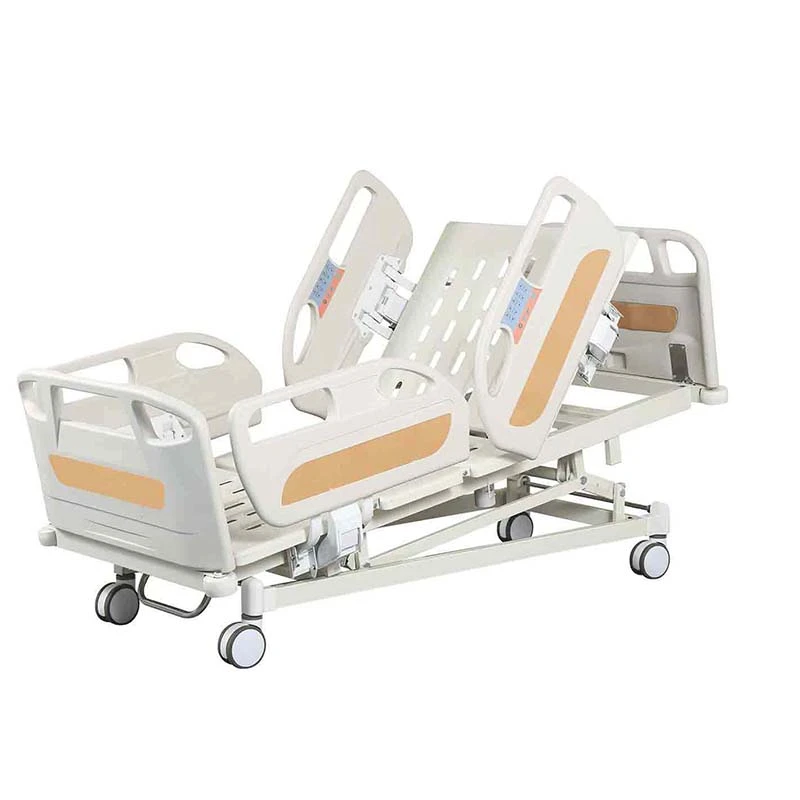
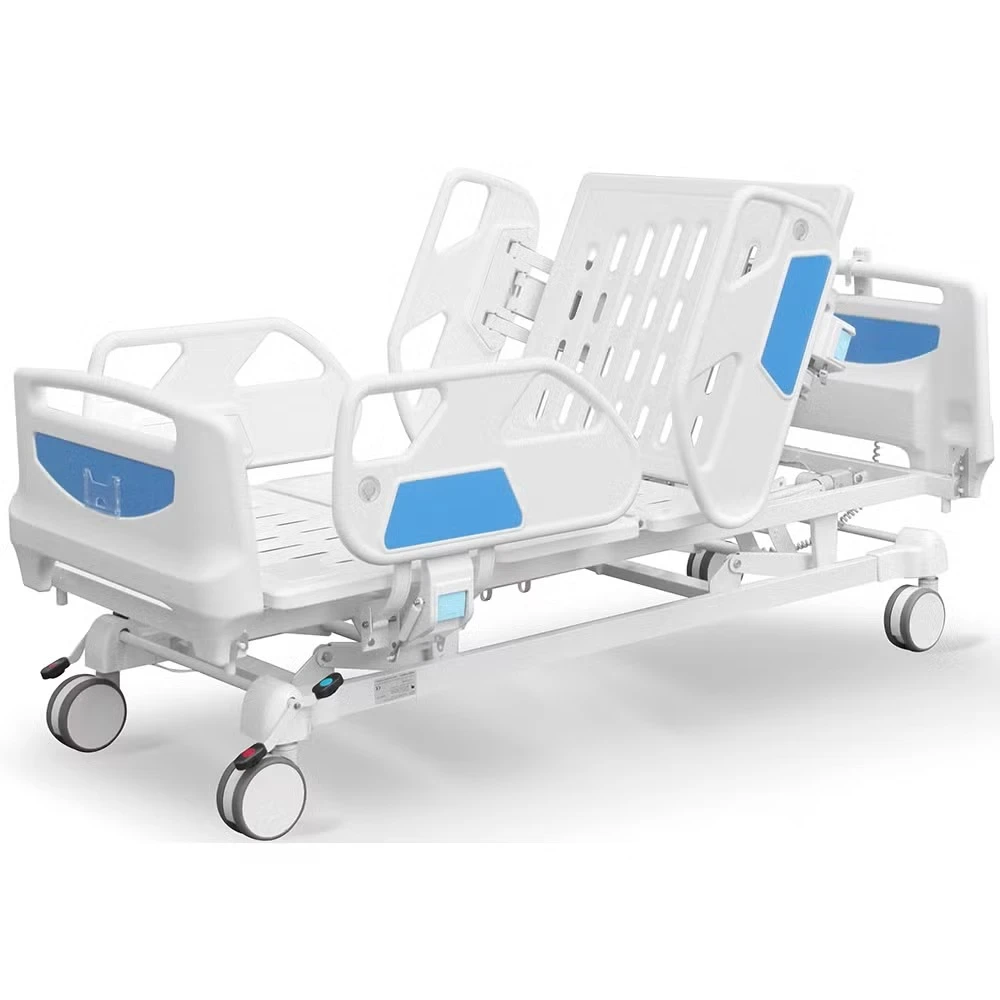
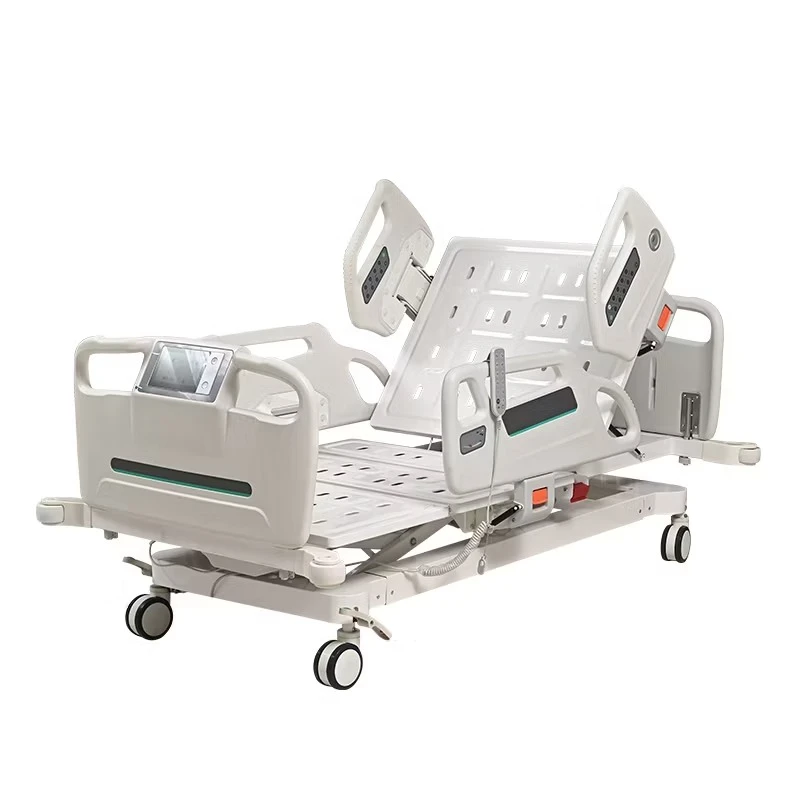
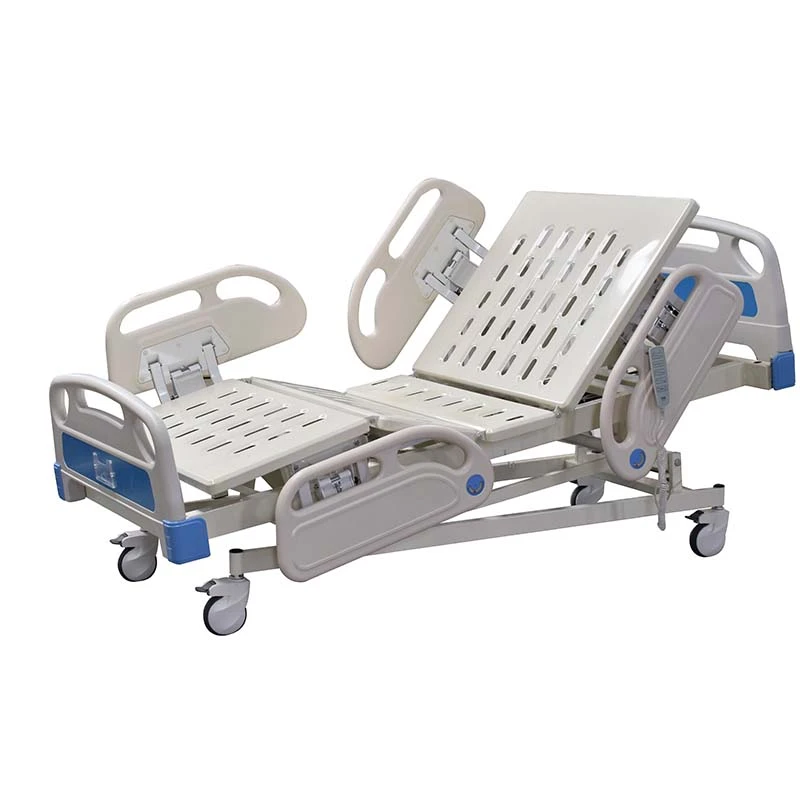
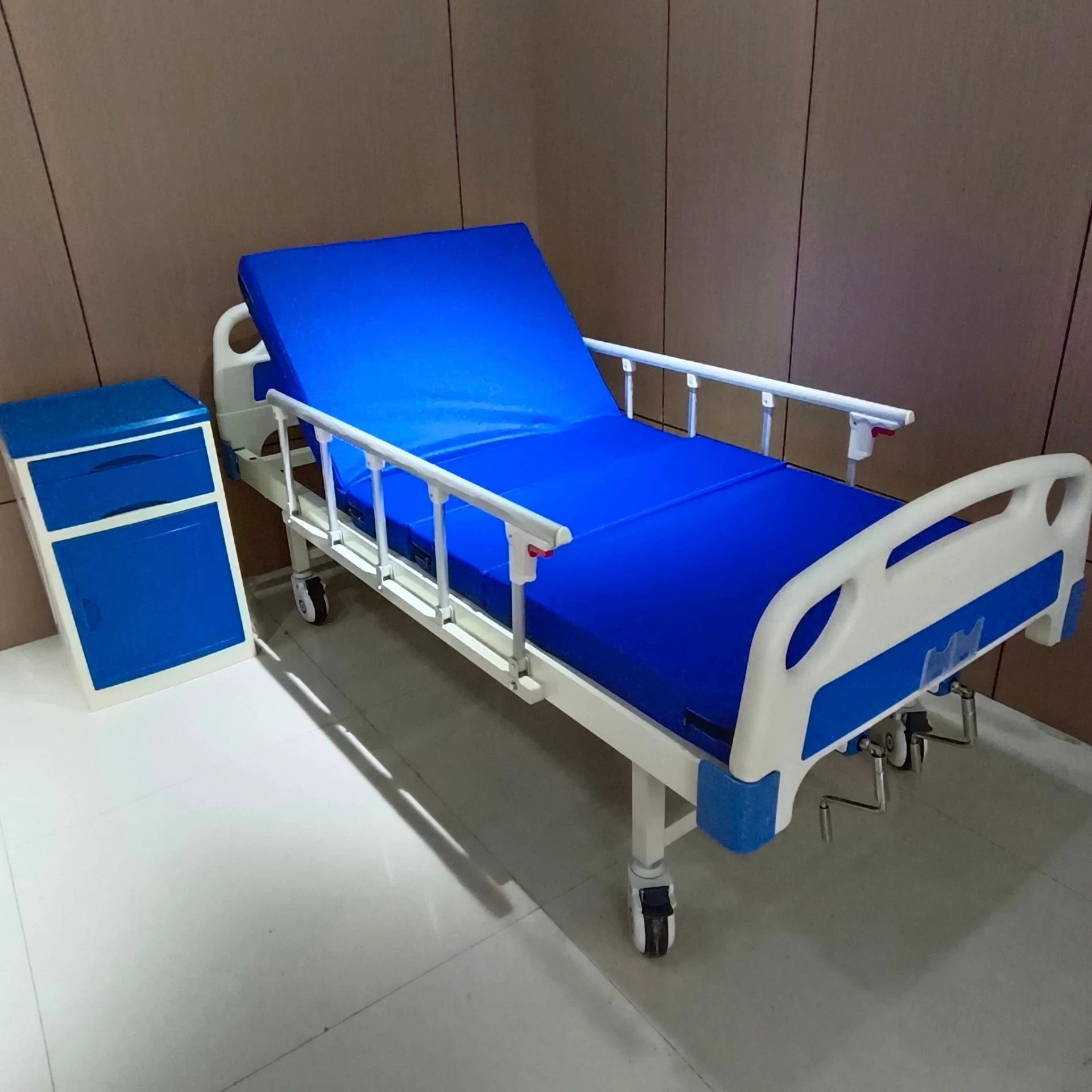
Simply put, hospital bed size in inches refers to the dimensions — length, width, and sometimes height — of the bed platform designed specifically for patient care settings. To give you the gist:
- Length often ranges from 78 to 84 inches (198-213 cm).
- Width typically spans 36 to 42 inches (91-107 cm).
- Height can be adjustable, but usually from 15 to 25 inches (38-64 cm) off the ground.
These figures aren’t just arbitrary. They reflect human anatomical variability, the need for comfort especially for patients who might be bedridden for long periods, and space allowances for medical equipment like IV stands, ventilators, or overhead rails. Plus, adjustable sizes cater to pediatric to bariatric patients, reflecting inclusivity in design.
Hospital bed sizes act as a bridge between medical technology and human-centered care — a literal platform where science and compassion meet.
Core Aspects of Hospital Bed Size: What Really Matters
1. Durability & Materials
A hospital bed needs to be sturdy yet functional. Steel frames are typical, but new composites balance weight with ruggedness. The bed size influences material choice—larger beds require stronger supports to handle patient weight and movements safely.
2. Adjustability & Patient Comfort
Lengths and widths are important, but adjustable height and reclining angles make the biggest difference daily. Beds sized correctly provide comfortable positioning that prevents bedsores and supports respiratory function.
3. Space Efficiency & Scalability
Hospitals don’t have infinite space. Beds too large choke hallways or interfere with equipment workflows; too small, and they risk patient discomfort. Understanding bed size in inches helps facility planners optimize room layouts and future expansions.
4. Compatibility with Medical Equipment
Monitors, airbags, and other devices rely on precise bed sizes. For example, a ventilator cradle designed for a 36-inch wide bed might not fit a 42-inch bed, causing expensive compatibility issues.
5. Cost Efficiency
Buying beds in standard sizes can reduce costs via mass production, but specialized sizes—like bariatric beds—necessarily increase expense. Hospitals juggling budgets consider how bed sizes impact lifecycle costs and maintenance.
Mini takeaway: Hospital bed size is more than a number — it ties directly into sturdy design, patient well-being, space economics, and the entire ecosystem of hospital equipment.
Hospital Bed Size in Inches: Real-World Applications Across the Globe
From the metro hospitals of Europe to rural clinics in Africa, hospital bed size impacts care delivery:
- In urban hospitals in the U.S. and Europe, the standard adult hospital bed (78” long × 36” wide) is optimized for patient throughput and equipment standardization.
- Post-disaster zones in Southeast Asia often employ modular, lightweight hospital beds sized smaller for rapid transport and assembly without sacrificing patient needs.
- Bariatric care units worldwide use specialized oversized beds (up to 84” long by 48” wide) catering to increasing global obesity rates.
- Military field hospitals deploy compact, foldable hospital beds designed with minimized inches for flight transport, yet still meet critical safety standards.
Many NGOs rely on these standardized sizes to harmonize their supply chain, making bed donations and installations more predictable and effective.
Advantages and Long-Term Value: Why Precision in Bed Size Pays Off
A well-sized hospital bed enhances patient safety by reducing falls and pressure ulcers. It allows nurses to maneuver easily, cutting down on back injuries. Plus, good size choices improve sanitation by making beds easier to clean, critical for infection control.
On a rational level, hospitals see fewer equipment mishaps and better space management, lowering operational costs—often significantly. Emotionally, patients who aren’t squeezed into undersized beds report increased dignity and overall comfort, which we know contributes to healing.
Innovation in patient-centric designs creates trust — a factor often underestimated in hospital management. When patients feel cared for down to the last inch of their bed, recovery often follows a positive path.
Emerging Trends and Innovations in Hospital Bed Sizing
Technology isn’t standing still. Smart hospital beds now incorporate sensors embedded within frames sized precisely to the patient population, automatically adjusting height and tension to optimize circulation and comfort. Materials such as carbon-fiber composites offer strength with less weight, enabling larger beds without bulk.
Sustainability concerns have spawned eco-friendly hospital beds that adjust the frame size while using recycled or renewable materials. Digital transformation also helps hospitals track bed utilization with precise size data, improving logistics and maintenance scheduling.
The trend toward modular and customizable beds that can be configured depending on specific patient requirements is escalating, driven by both tech advances and patient expectation shifts.
Common Challenges & Practical Solutions Around Hospital Bed Dimensions
Despite all advances, challenges remain:
- Standardization gaps: Different countries or even hospitals use slightly different sizes, complicating supply and equipment compatibility.
- Cost vs. customization clash: Specialized beds improve care but often blow budgets.
- Transport restrictions: Larger beds can’t easily move through narrow hospital corridors or fit into ambulances.
Solutions? Some hospitals adopt adjustable-sized beds with interchangeable parts, optimizing for scalability without buying multiple beds. Innovative vendors now provide modular beds that adjust on-site in just a few minutes — making facility managers smile.
It's a work in progress, but the strides taken in the last decade suggest these issues are solvable with continued collaboration and tech input.
FAQ: Hospital Bed Size Your Quick Questions Answered
- What are the most common hospital bed sizes in inches?
Typically, adult hospital beds are 78” long by 36-42” wide, with height adjustable between 15 and 25 inches. Pediatric and bariatric beds differ accordingly.
- Can hospital bed sizes be customized?
Yes, many manufacturers now offer modular designs allowing length and width adjustments, especially useful in specialized care units.
- Why is bed size important for infection control?
Proper dimensions ensure easier cleaning and prevent tight spaces where pathogens can accumulate, helping reduce hospital-acquired infections.
- How does hospital bed size affect patient safety?
Beds sized to accommodate patients comfortably decrease risks of falls and pressure sores, improving recovery outcomes.
- Are there global standards for hospital bed sizes?
ISO provides recommendations, but adoption varies; ongoing efforts aim to harmonize these to improve international healthcare logistics.
Quick Reference: Hospital Bed Specifications
| Specification |
Standard Adult Bed |
Pediatric Bed |
Bariatric Bed |
| Length (inches) |
78 - 84 |
55 - 65 |
80 - 84 |
| Width (inches) |
36 - 42 |
24 - 30 |
42 - 48 |
| Height Adjustable |
15 - 25 inches |
10 - 20 inches |
15 - 23 inches |
| Weight Capacity |
300 - 450 lbs |
75 - 150 lbs |
600 - 1,000 lbs |
Comparing Leading Hospital Bed Suppliers by Size Options and Features
| Vendor |
Size Range (inches) |
Customization |
Material Quality |
Special Features |
| Medbed Co. |
36 - 48 width, 78 - 84 length |
Modular frame kits |
High-strength steel |
Integrated patient sensors |
| HealFlex |
24 - 42 width, 55 - 84 length |
Custom sizes on demand |
Aluminum alloy lightweight |
Eco-friendly materials |
| FlexiCare Beds |
30 - 48 width, 78 - 90 length |
Expandable widths |
Carbon-fiber composites |
Smart IoT-enabled controls |
Final Thoughts on Hospital Bed Size in Inches
It turns out, something as humble as hospital bed size influences far more than comfort — it affects safety, operational efficiency, and even global health outcomes. Understanding and adopting suitable bed sizes in inches is fundamental to delivering quality care across diverse healthcare settings. As technologies evolve and demands shift, the hospital bed remains a focal point of care innovation, combining science, design, and empathy in equal measure.
If you want to explore current models, specs, or order hospital beds tailored to your facility’s exact needs, don't hesitate to visit
our website for more insights.
---
### References
1. World Health Organization (WHO). "Global Health Observatory data on hospital beds per 1,000 population."
2. International Organization for Standardization. ISO Beds - Ergonomic and sizing standards.
3. OECD Health Statistics 2023.