Reliable Hospital Bed Suppliers – Durable, Scalable, and Innovative Healthcare Solutions
Hospital Bed Suppliers: More Than Just Furniture in Healthcare
When you think of hospital beds, it might seem that they’re just basic furniture pieces—simple platforms for patients to rest on. But in reality, hospital beds supplied globally are crucial pillars of healthcare infrastructure, affecting patient safety, caregiver efficiency, and even public health outcomes. Understanding hospital bed suppliers and their role goes beyond procurement: it’s about ensuring that medical facilities are equipped to deliver care anywhere and anytime. In the wake of global population growth, aging demographics, and unexpected crises like pandemics or disasters, the importance of reliable hospital bed suppliers has never been more clear.
The Global Context: Why Hospital Bed Suppliers Matter
Globally, healthcare systems face increasing pressure to expand capacity and modernize. According to the World Health Organization (WHO), the number of hospital beds per 1,000 people varies dramatically worldwide—from a mere 0.3 in low-income countries to over 8 in high-income nations. This stark difference highlights challenges in accessibility and infrastructure that hospital bed suppliers address by improving scalability and delivery speed. In fact, during crises like COVID-19, shortages of suitable beds and related equipment became a glaring bottleneck. Hospital bed suppliers step in to mitigate such gaps, ensuring quick deployment and standardized quality.
But it’s not just about numbers; it’s about the quality and adaptability of the beds themselves. Many regions, especially post-disaster or in remote industrial zones, require beds that are durable and easy to maintain. Hospital bed suppliers, therefore, face the challenge of balancing cost, durability, and ergonomics on a global scale, all while navigating logistical hurdles.
Mini takeaway: Hospital bed suppliers play a vital role in global healthcare resilience, bridging supply-demand gaps, especially during emergencies.
What Exactly Are Hospital Bed Suppliers?
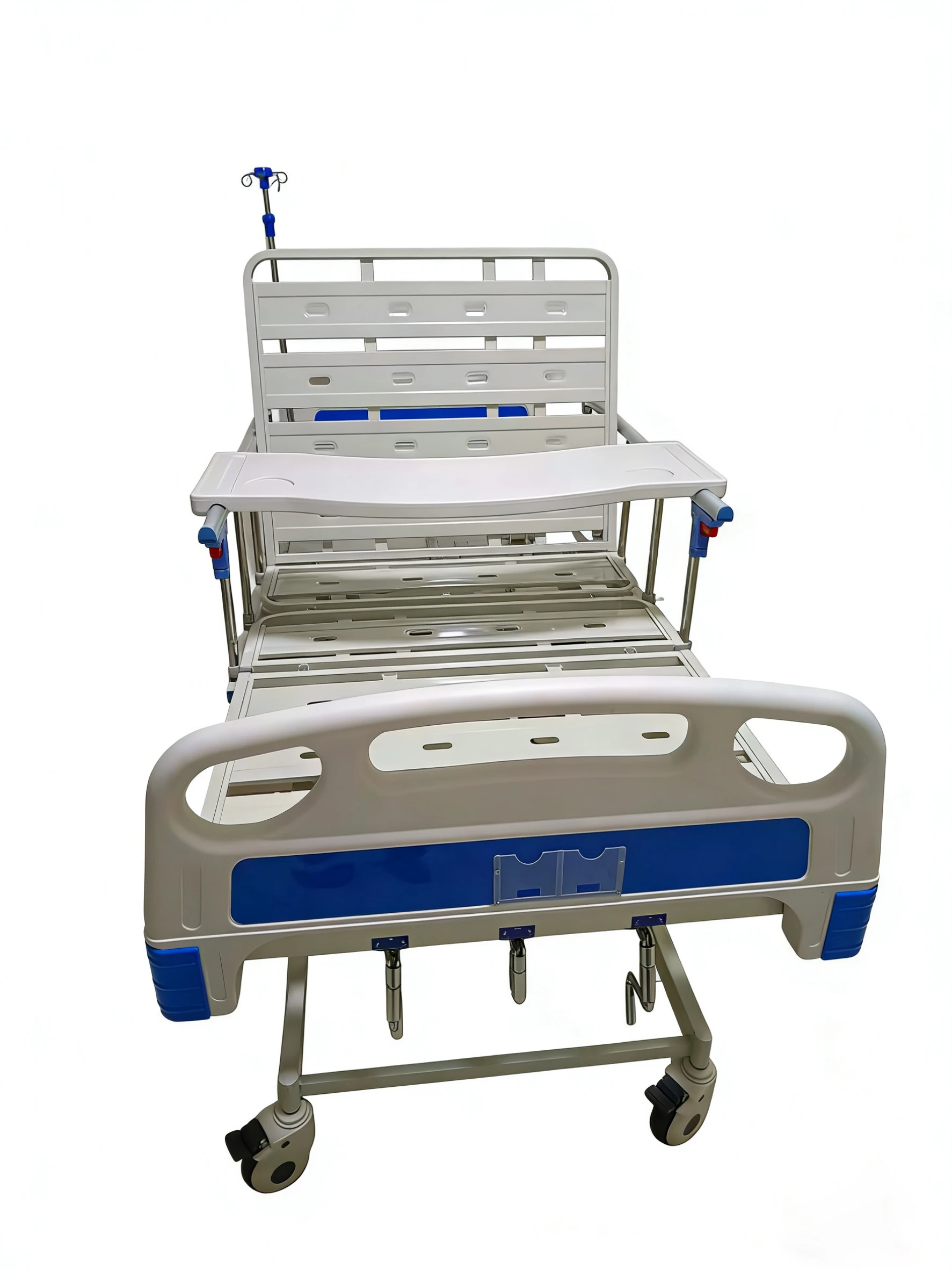
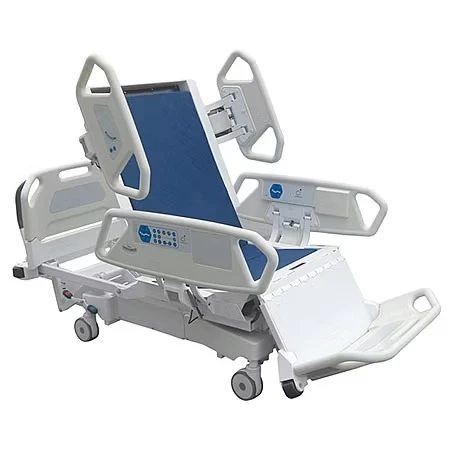
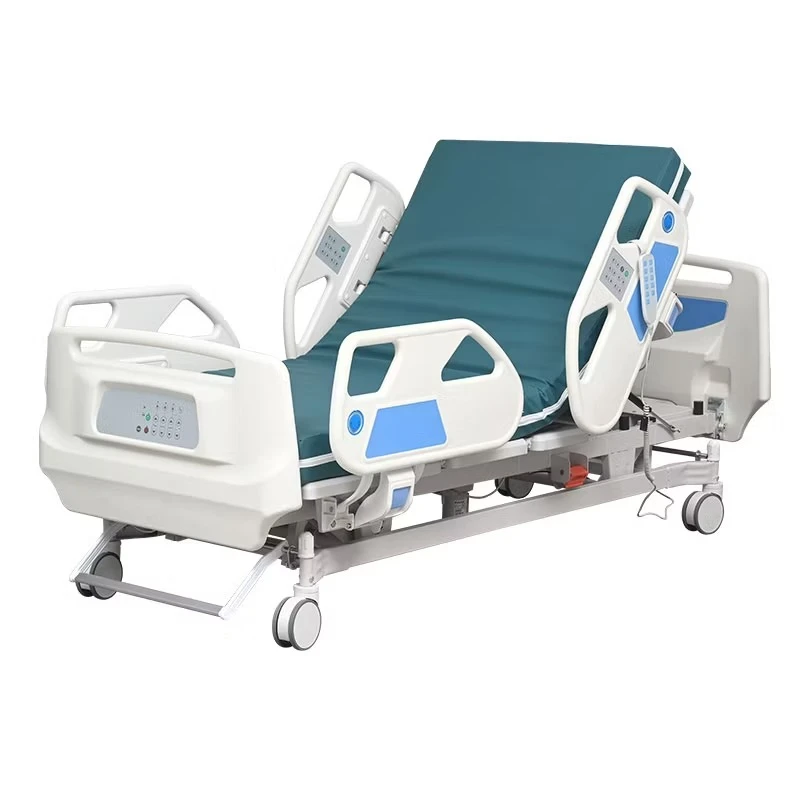
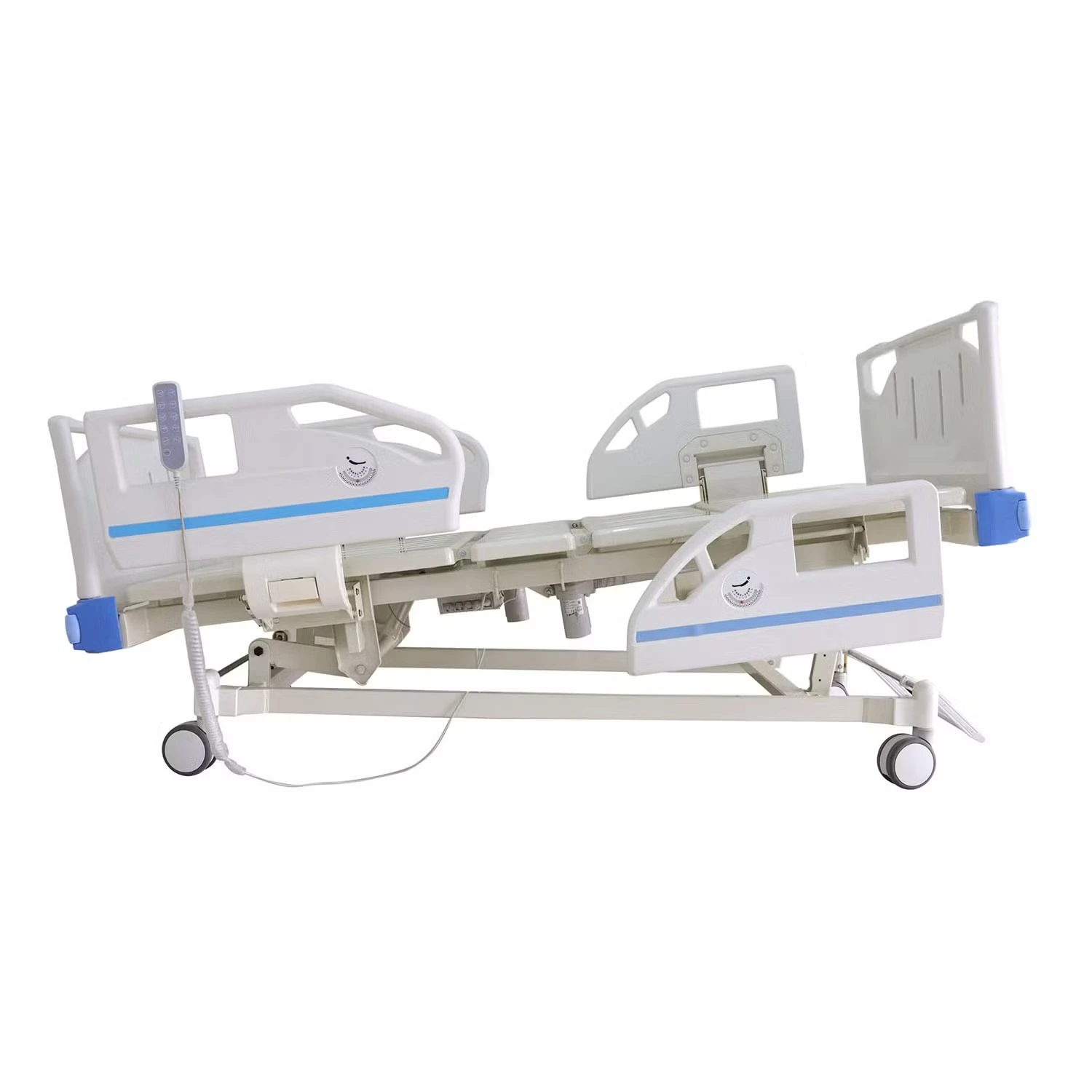
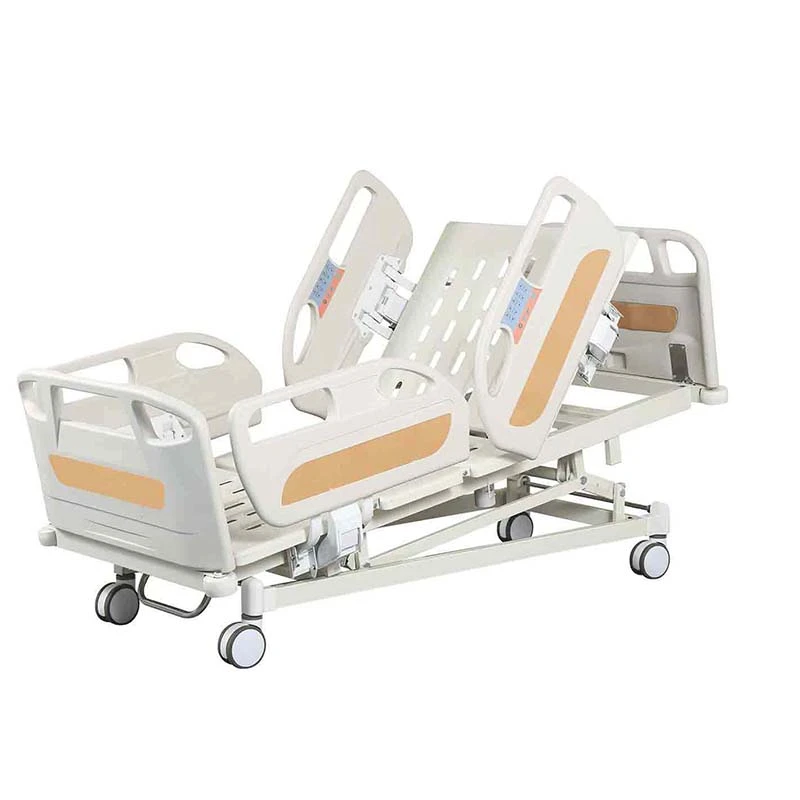
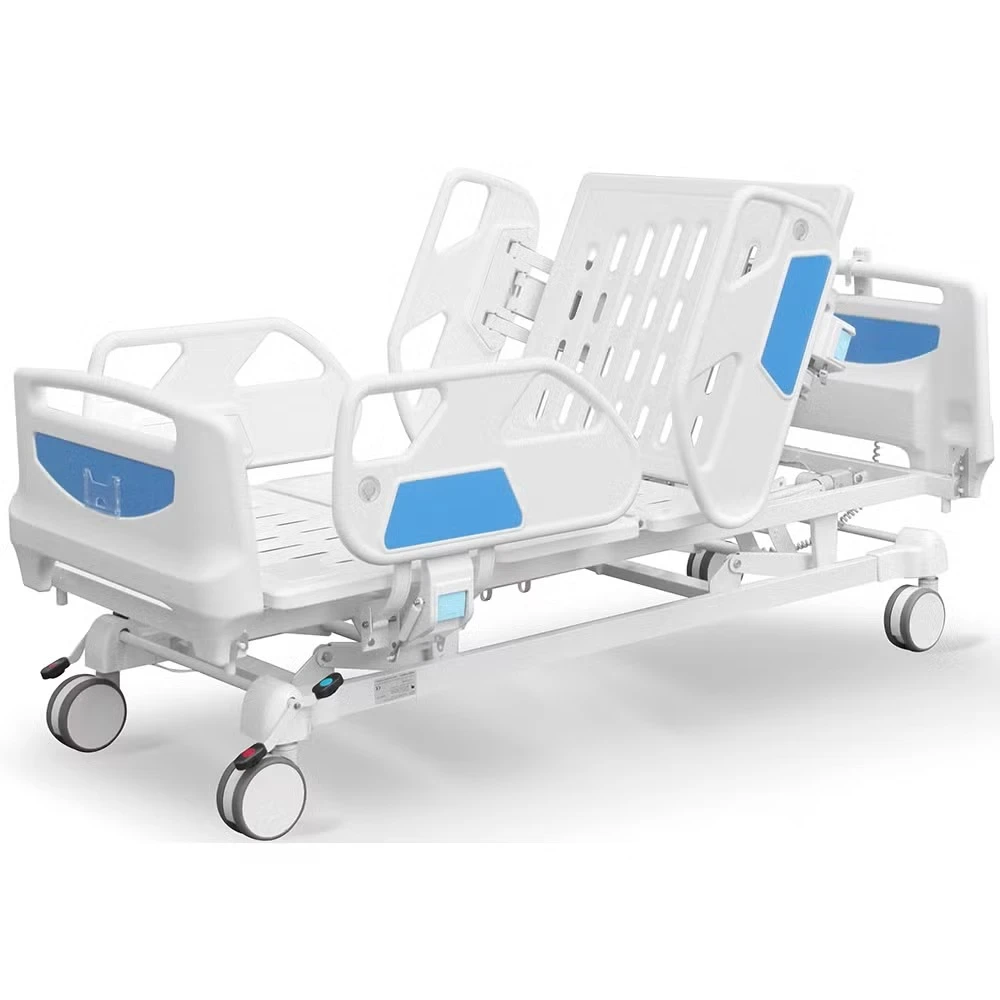
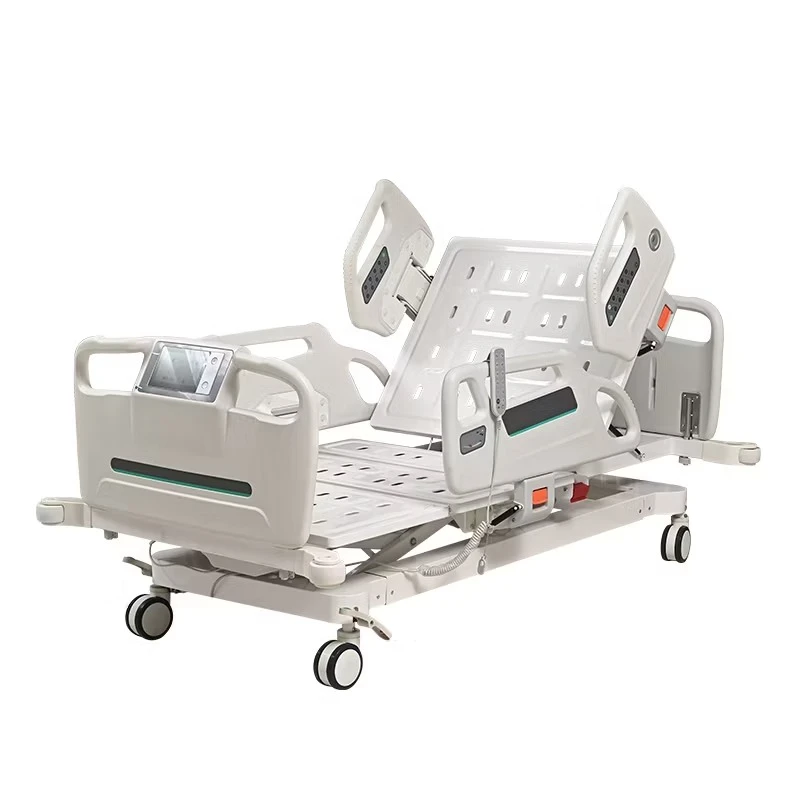
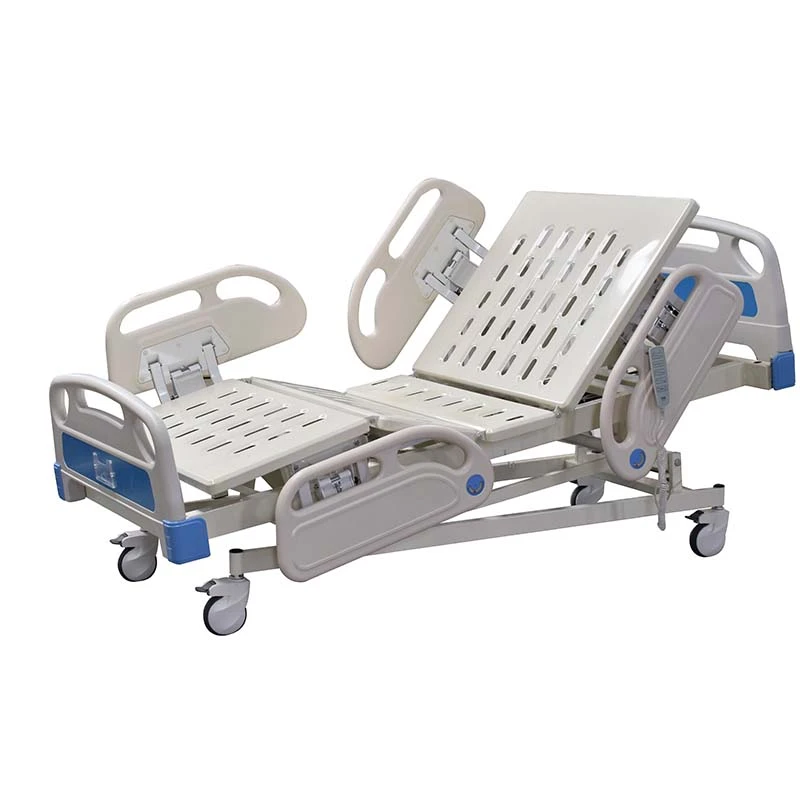
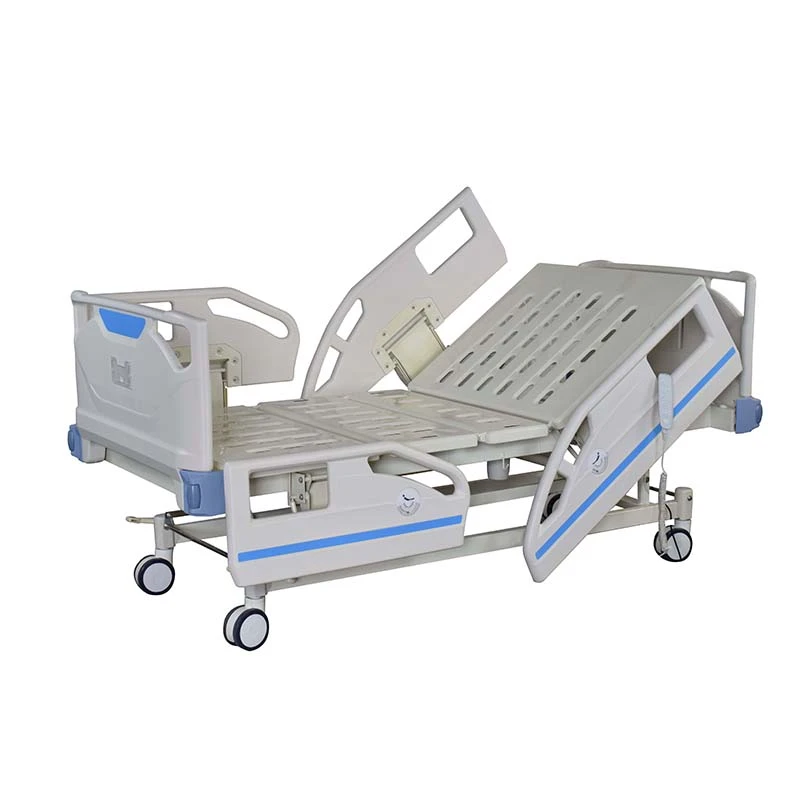
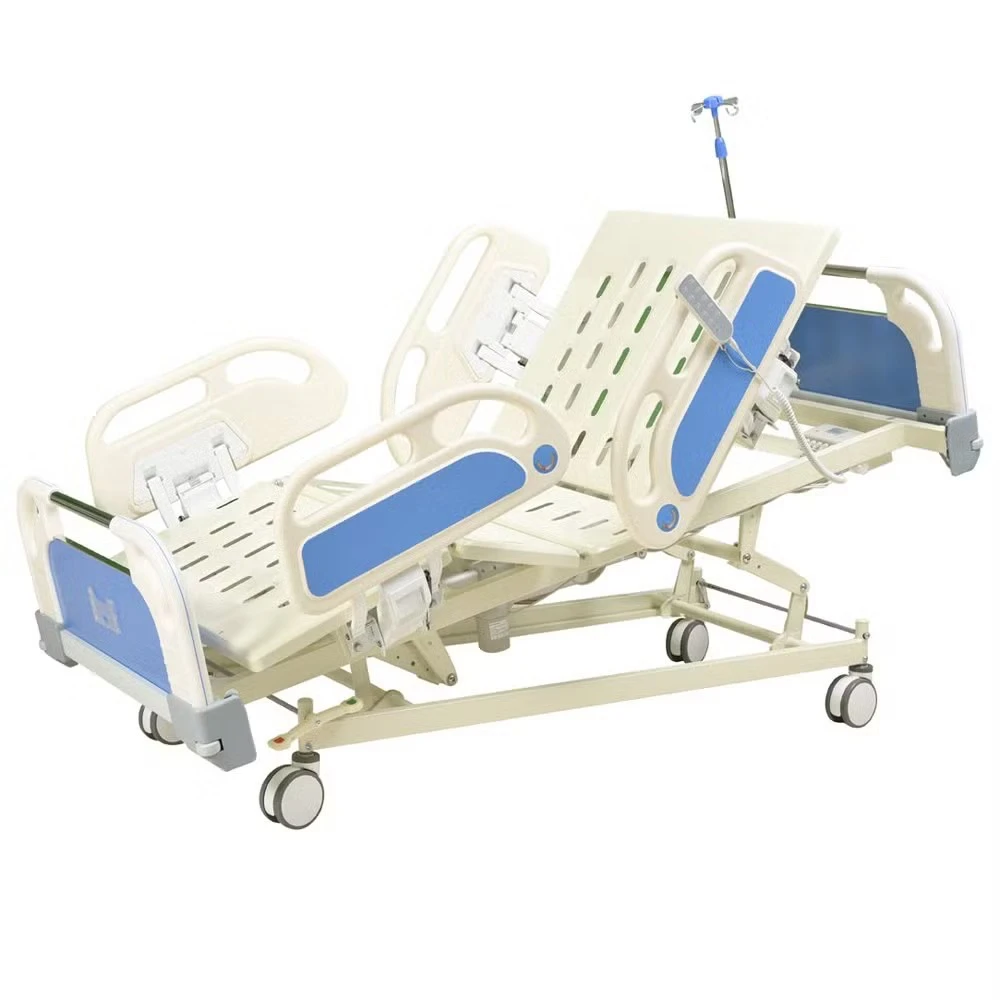
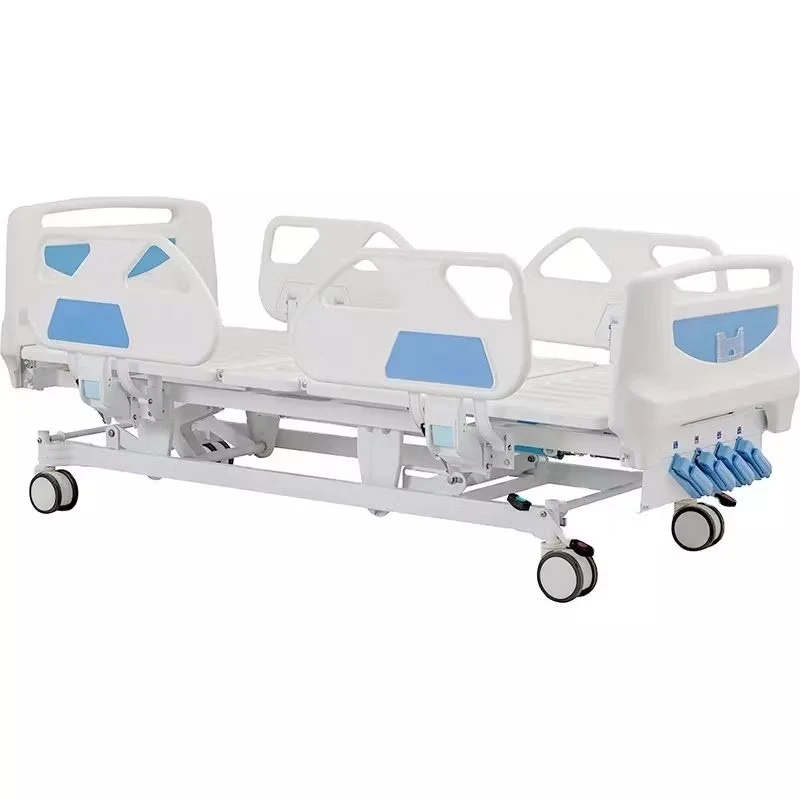
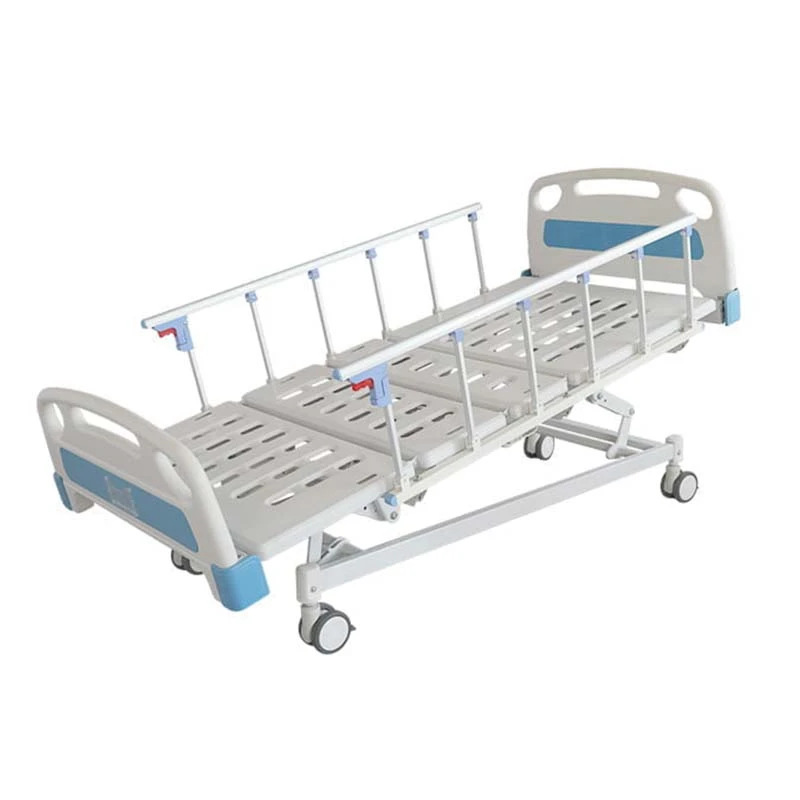
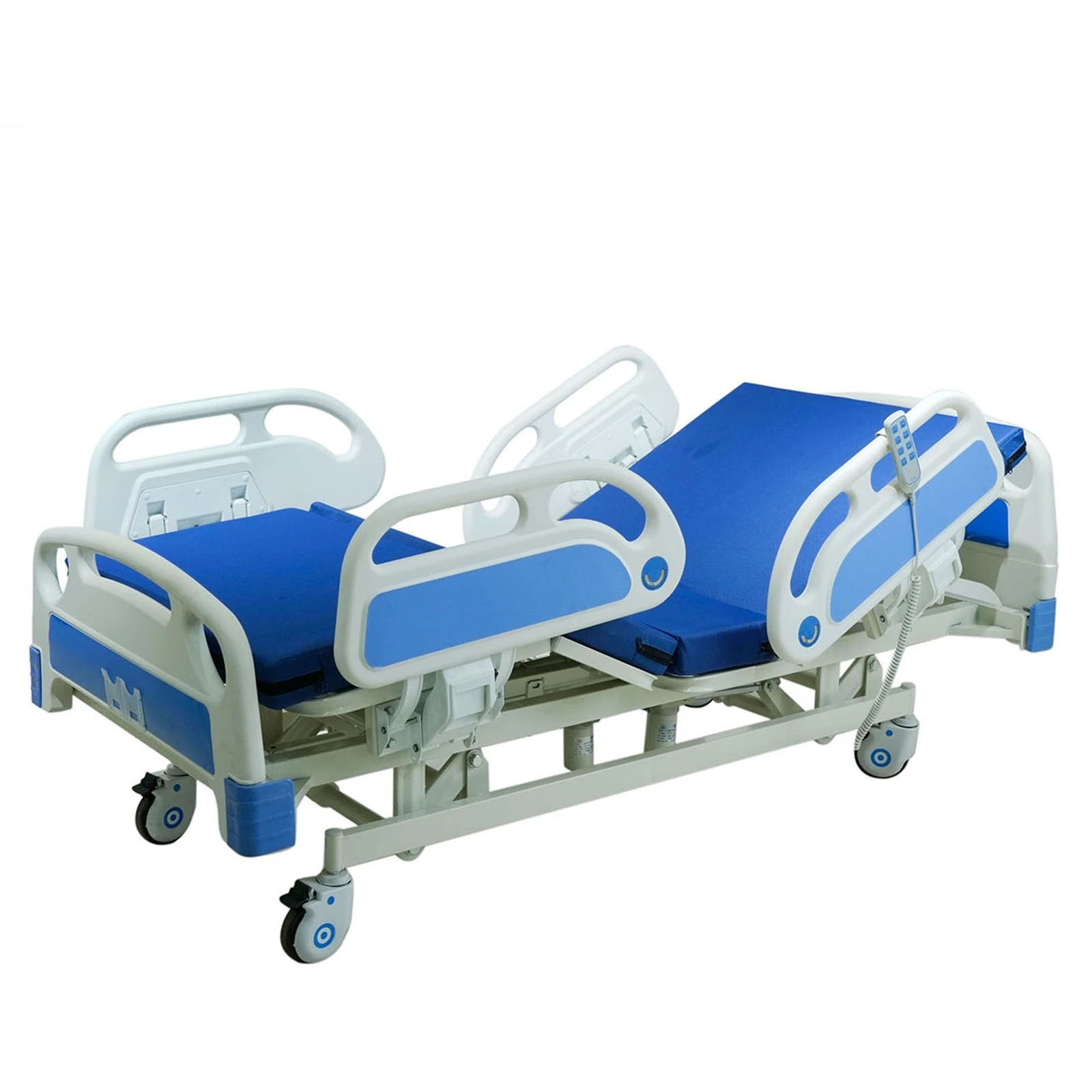
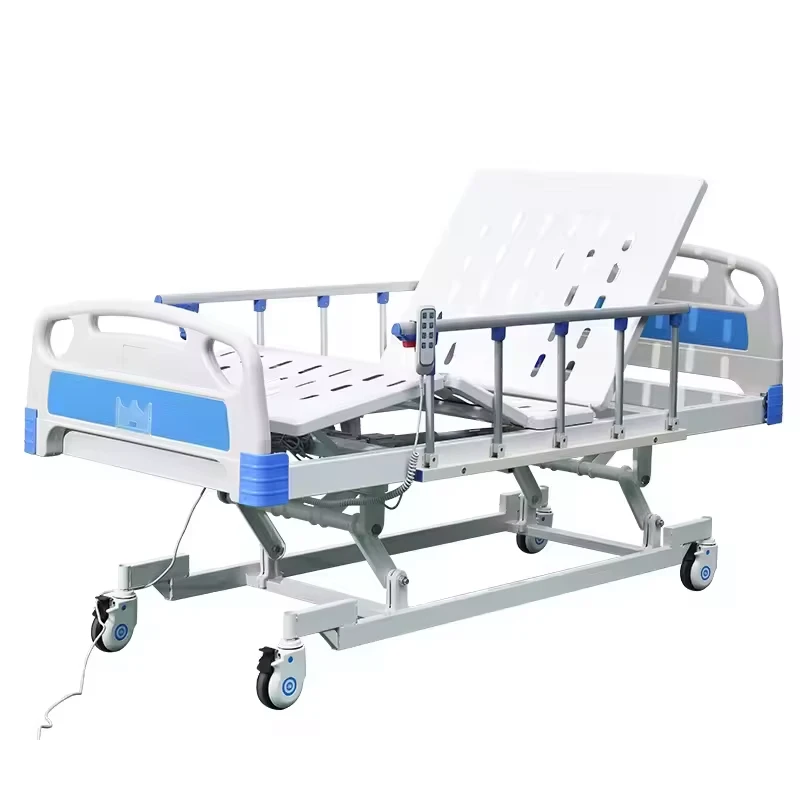
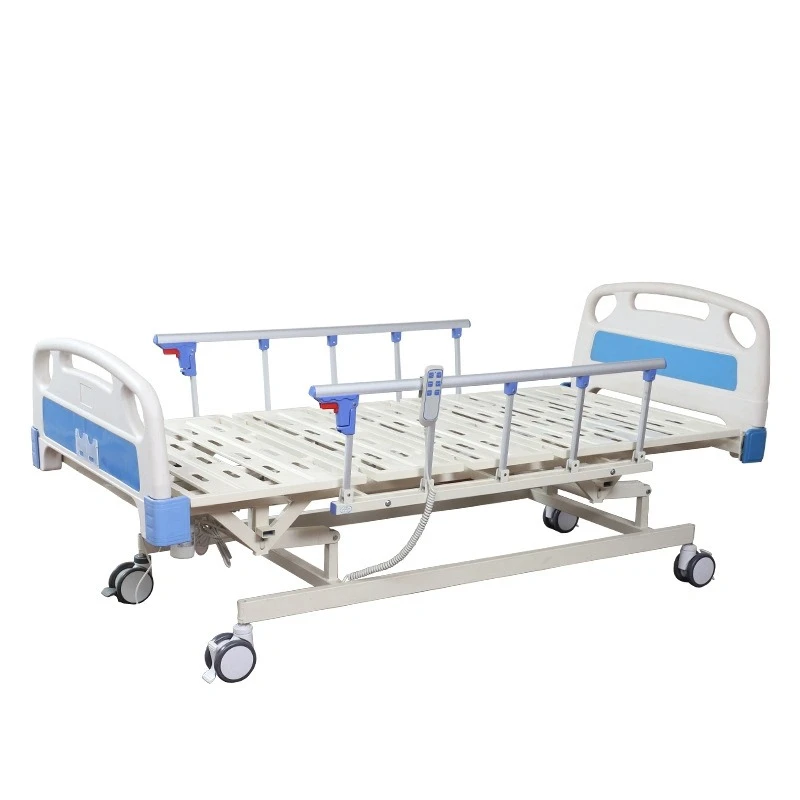
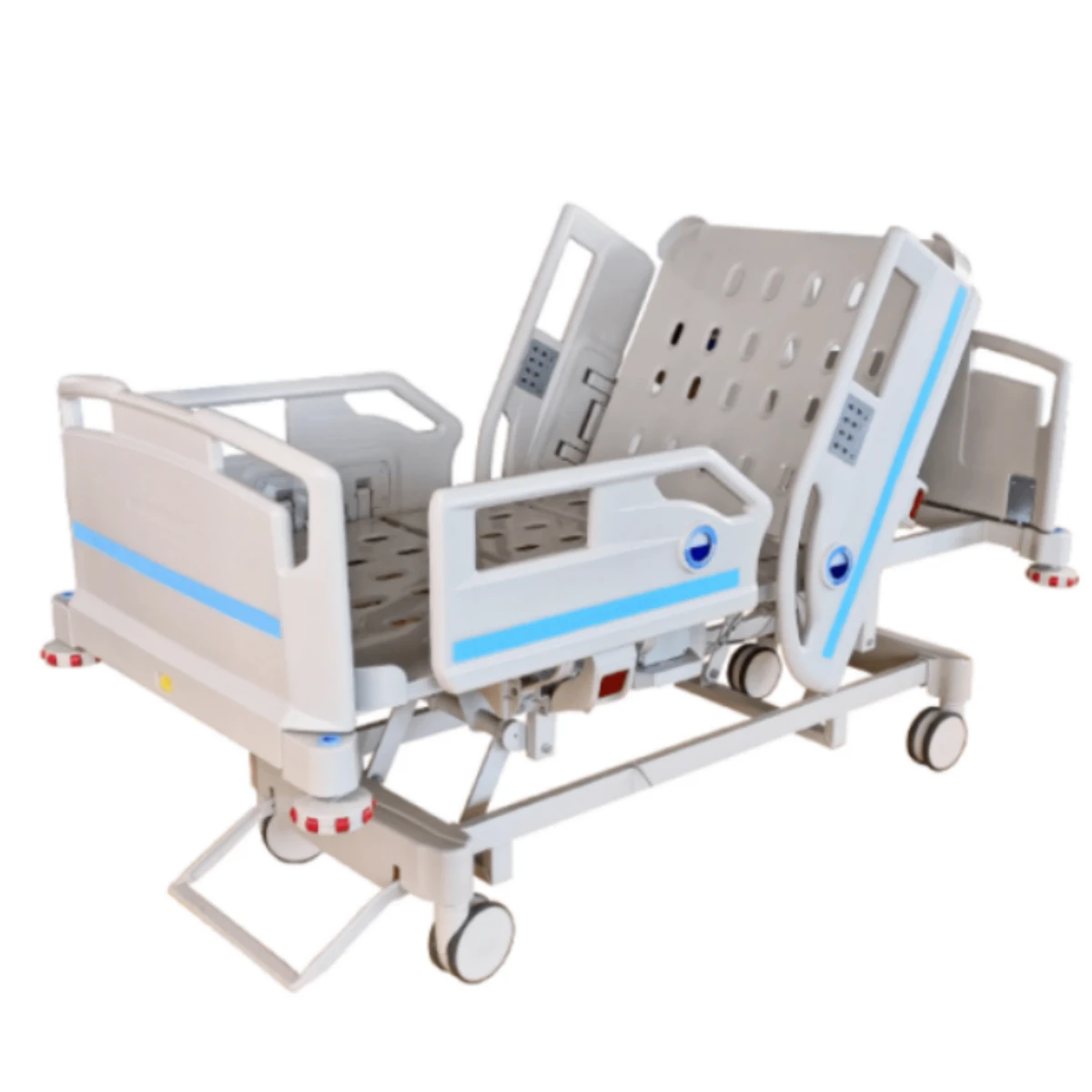
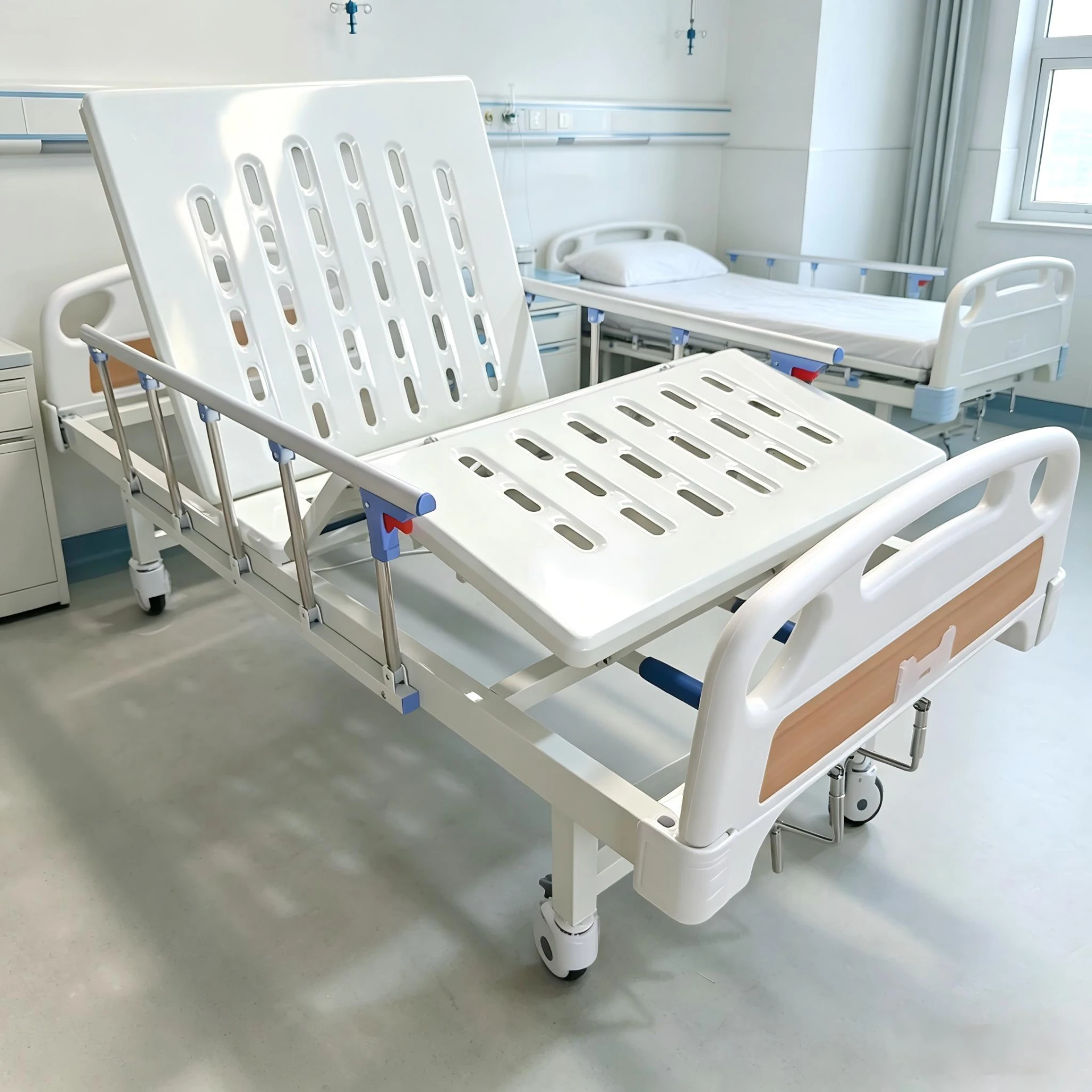
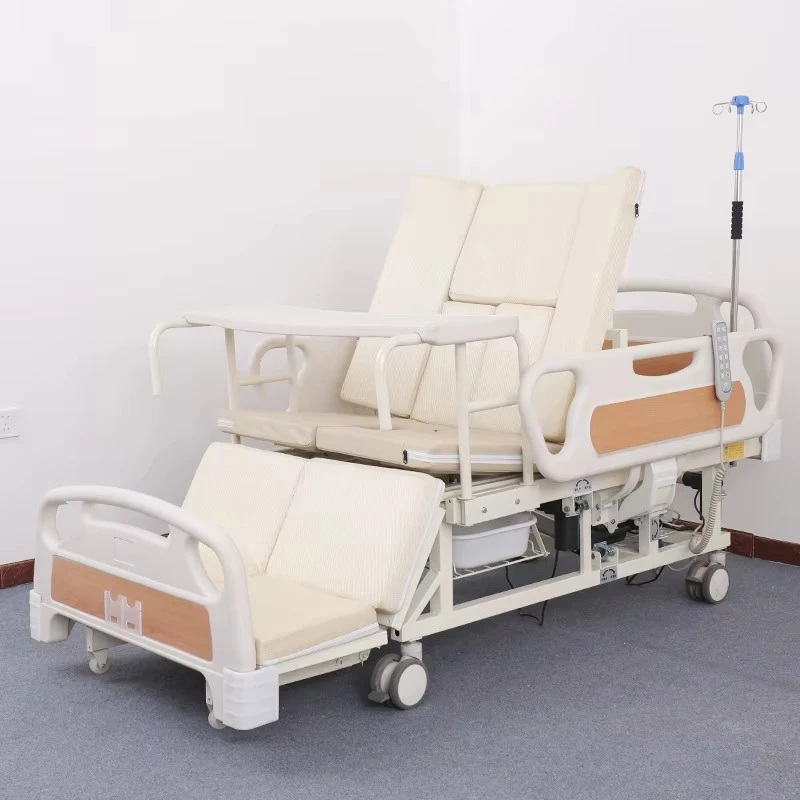
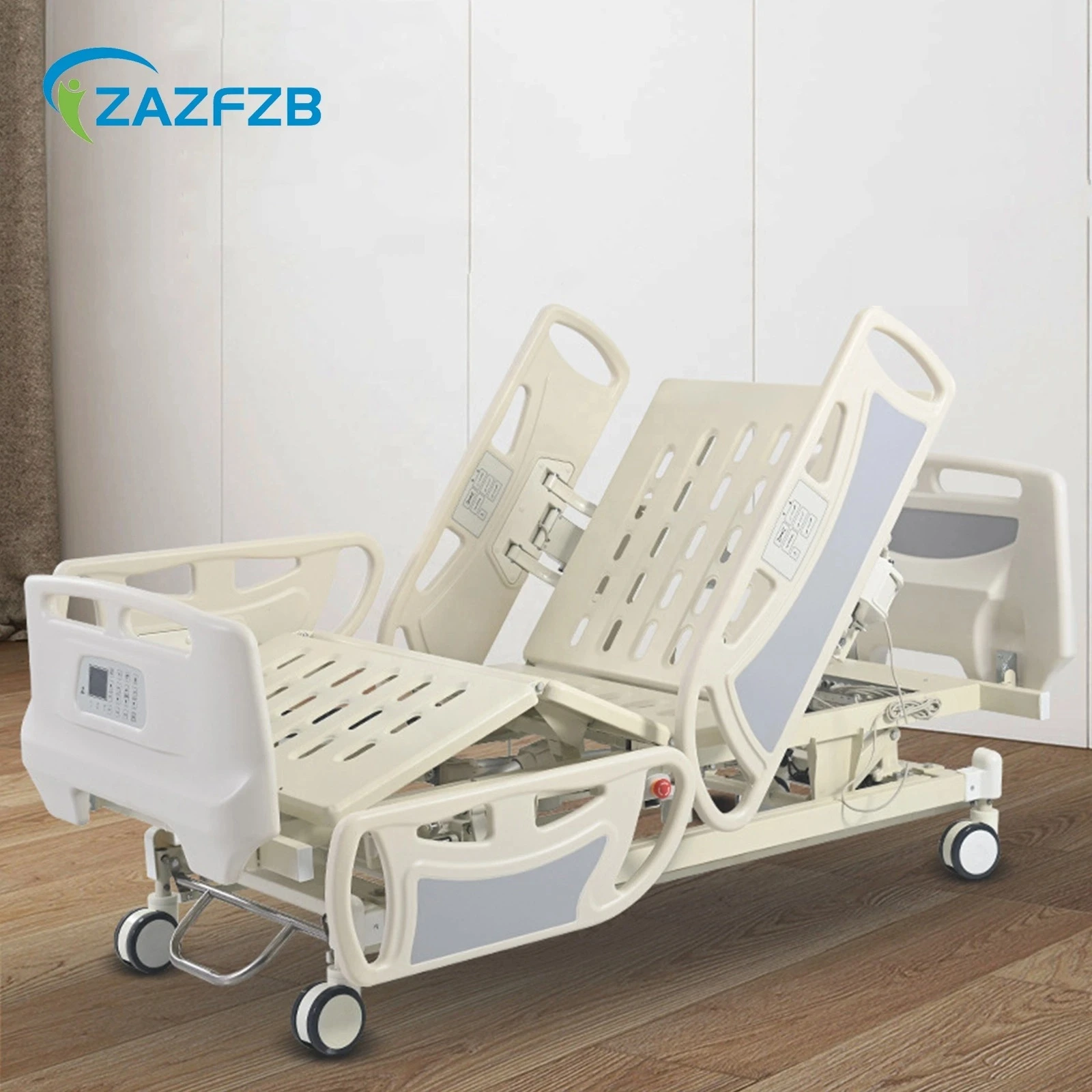
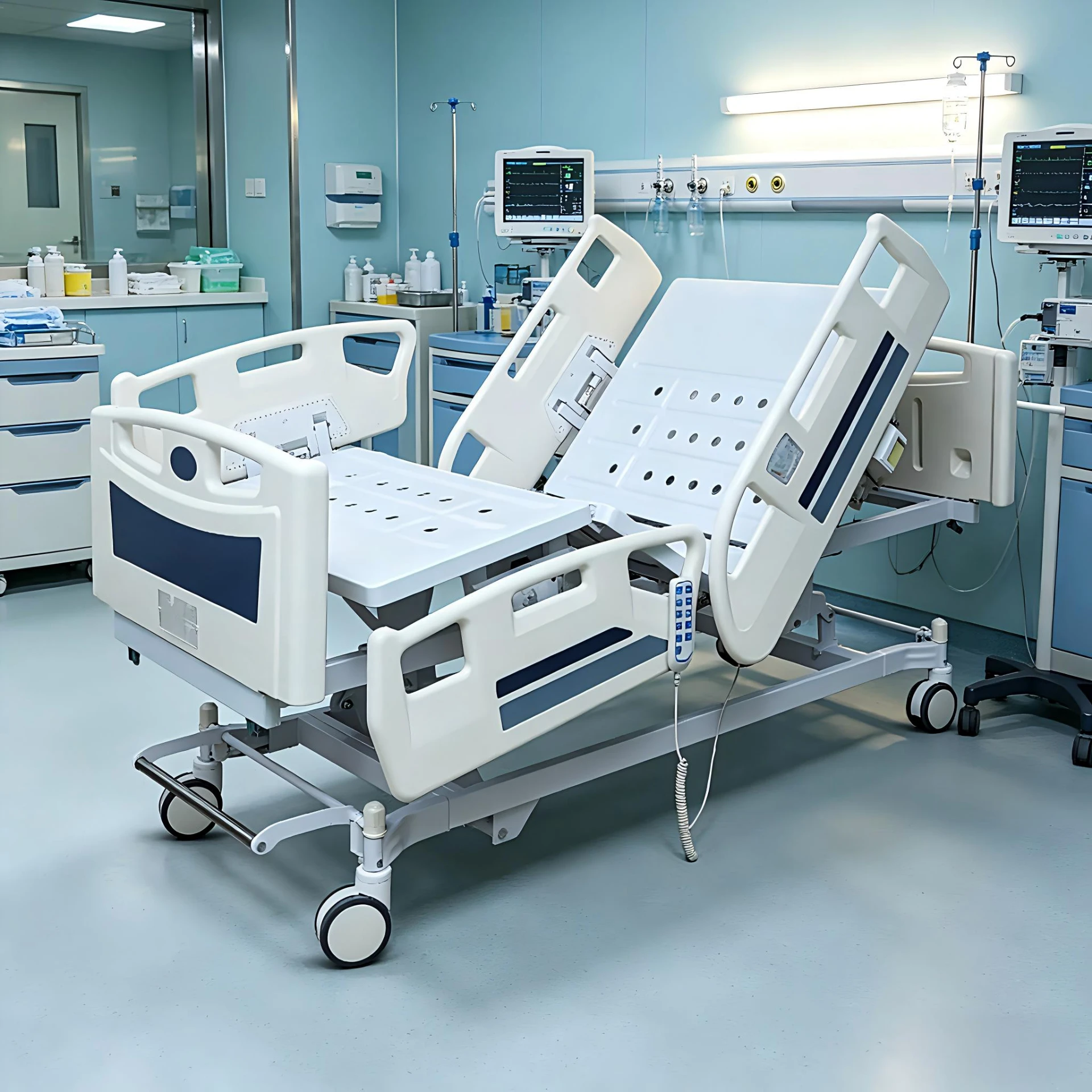
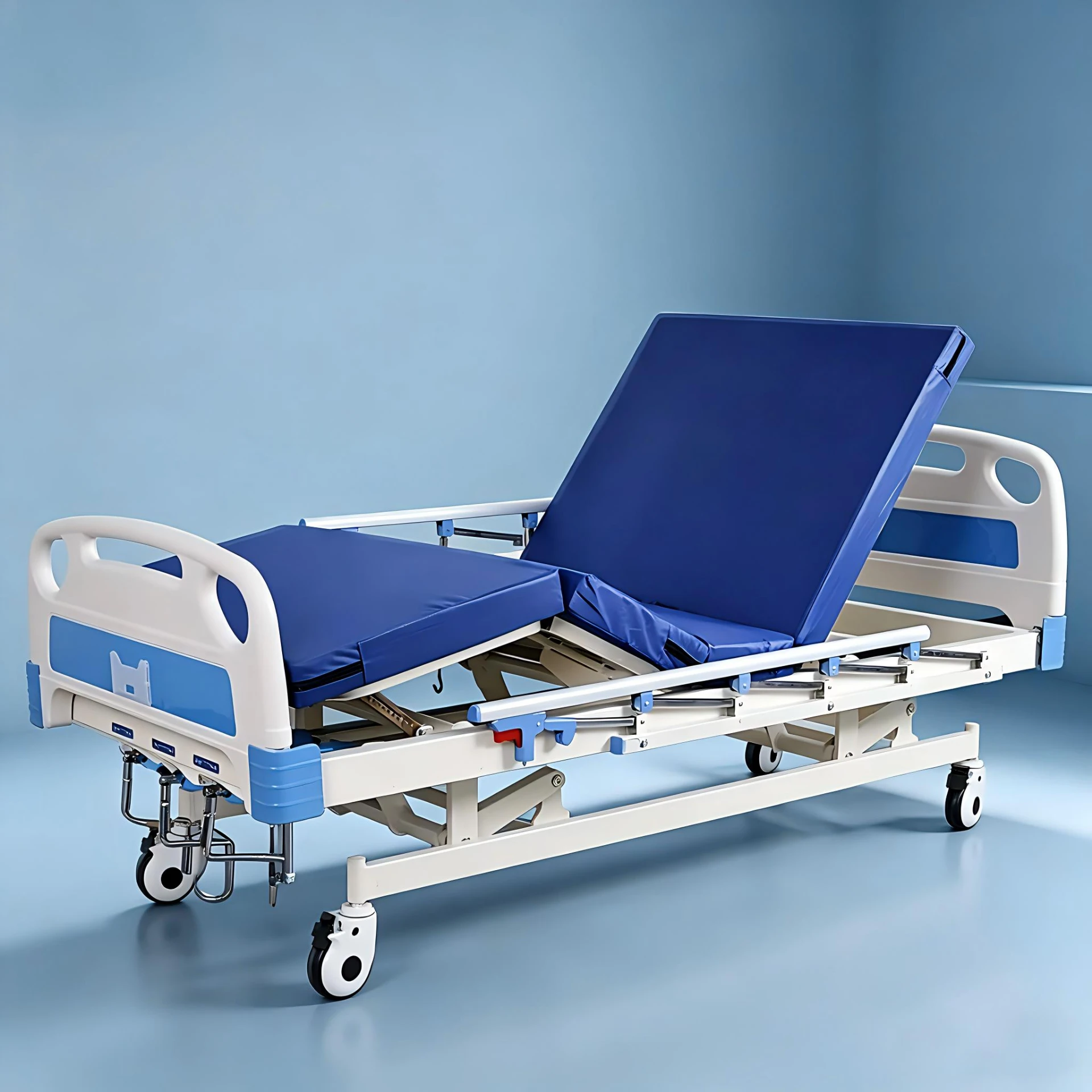
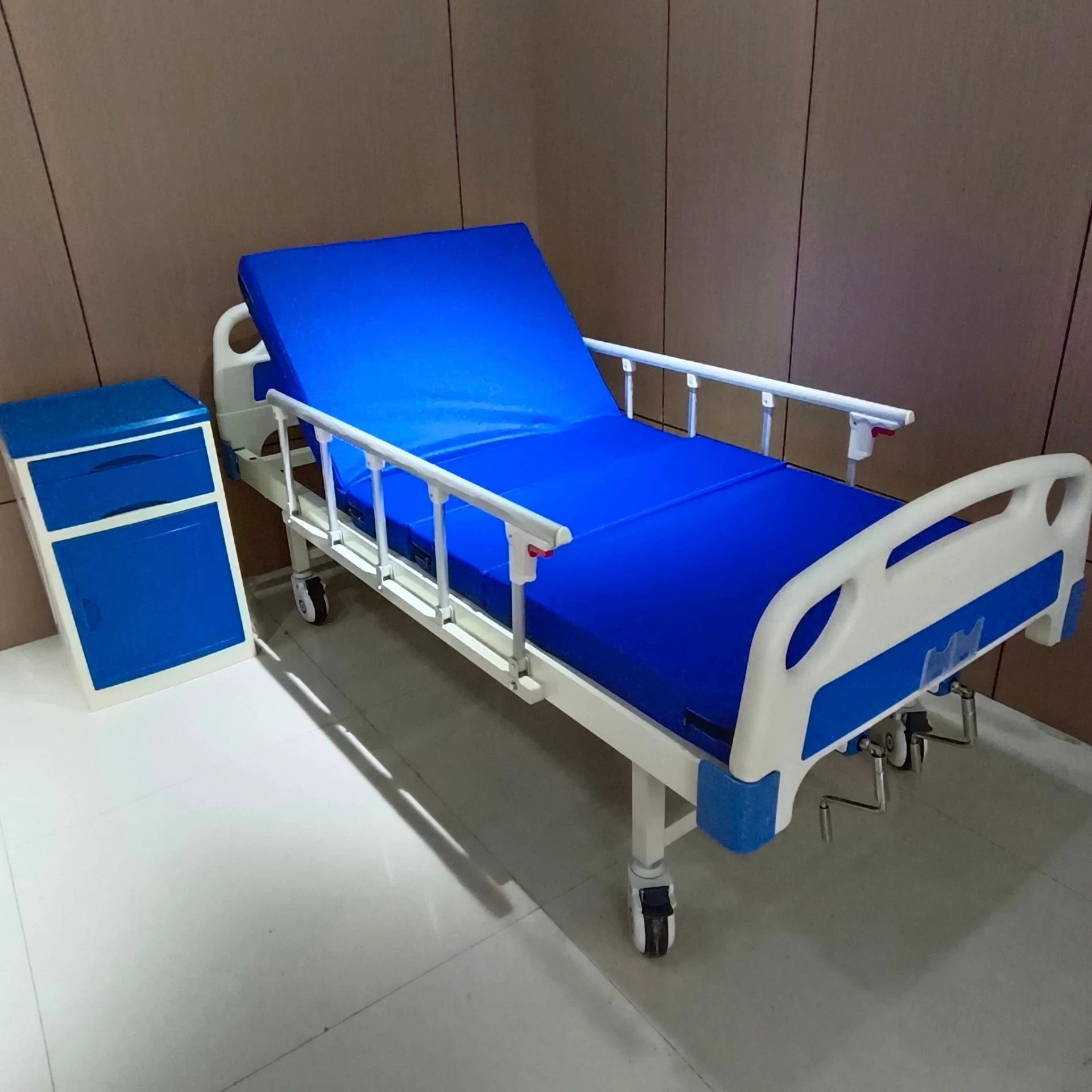
Simply put, hospital bed suppliers are companies or organizations that manufacture, distribute, and service hospital beds—a range of adjustable, durable beds designed for patient care in medical facilities. These suppliers may offer different types and models, including manual beds, electric adjustable beds, ICU-grade beds, pediatric beds, and specialized bariatric models. Their connectivity to modern healthcare isn’t just commercial; it’s functional and lifesaving. A properly supplied hospital bed optimizes patient positioning, aids caregivers’ ergonomics, and often integrates with medical devices.
Many suppliers also provide after-sales services like maintenance, repair, and training—important for hospital operations in less urbanized regions. Simply stocking beds isn’t the end of the story; it’s about ongoing availability and tailored solutions.
Core Components That Define Great Hospital Bed Suppliers
1. Durability and Quality
Quality matters beyond aesthetics. Hospital beds must endure intensive usage—constant mechanical adjustments, cleaning with harsh disinfectants, and sometimes rough handling during emergencies. Top suppliers select robust materials like steel alloys and enhanced polymers to ensure longevity.
2. Scalability and Supply Chain Efficiency
Whether a metropolitan hospital or a temporary field clinic, quick access to beds is critical. Efficient suppliers maintain logistics networks and inventory strategies to scale supply as demand spikes, often leveraging global partnerships to avoid bottlenecks.
3. Cost Efficiency
Balancing high standards with affordability is a persistent tightrope walk. Suppliers often innovate in design, materials, or production techniques to keep prices competitive without sacrificing features necessary for patient safety.
4. Customization and Versatility
Hospitals differ vastly in needs. Some require electrically adjustable ICU beds; others want budget-friendly manual options. Good suppliers offer modular designs or a variety of models that clinicians can choose from depending on their specific patient demographics and budgets.
5. Compliance and Innovation
Meeting international standards like ISO 13485 (Medical devices – Quality management systems) is non-negotiable. The best suppliers are early adopters of innovations such as antimicrobial surfaces, digital controls, or even IoT-enabled beds.
Mini takeaway: Great hospital bed suppliers don’t just sell beds—they provide durable, scalable, and adaptable solutions aligned with healthcare needs.
How Hospital Bed Suppliers Make a Difference Worldwide
From bustling urban hospitals in Europe and North America to remote clinics in Asia and Africa, hospital beds from quality suppliers impact care profoundly.
- Post-Disaster Relief: After events like earthquakes or floods, emergency field hospitals rely on portable, easy-to-clean beds to expedite patient care.
- Rural Healthcare: Suppliers delivering sturdy, low-maintenance beds help rural health centers operate with fewer resources but enhanced patient dignity.
- Industrial Zones: On offshore oil rigs or mining camps, beds must be ergonomically sound and compliant with occupational health standards.
- Child and Elder Care: Pediatric and geriatric wards require specialized beds that support safety and comfort—hospital bed suppliers cater to these specialized markets.
For example, a supplier with an extensive network in Southeast Asia was credited with enabling hospitals to triple bed capacity in underserved areas within months—critically improving outcomes during a flu epidemic.
Table: Typical Hospital Bed Specifications
| Feature | Standard Model | ICU Model | Pediatric Bed |
|---|---|---|---|
| Adjustability | Manual crank, 3 sections | Electric, 5+ sections | Manual, side rails included |
| Weight Capacity | 150 kg | 220 kg | 100 kg |
| Materials | Steel frame, PVC mattress | Alloy steel, antimicrobial surfaces | Steel frame, washable covers |
| Mobility | Locking caster wheels | Advanced locking & brake system | Fixed wheels (optional) |
Advantages and Long-Term Benefits
Relying on skilled hospital bed suppliers yields tangible payoffs:
- Cost Savings: Durable beds reduce replacement frequency, saving budgets.
- Sustainability: Manufacturers increasingly use eco-friendly materials and energy-efficient processes creating greener supply chains.
- Patient Safety & Dignity: Proper beds reduce falls, pressure ulcers, and improve recovery comfort.
- Innovation: Integrated digital controls promote caregiver efficiency and real-time patient monitoring.
- Trust & Reliability: Long-term supplier relationships ensure consistent delivery and maintenance support.
In real terms, these benefits build health systems that withstand crises without scrambling for basics—an intangible but priceless value.
The Future: Digital & Green Innovations in Hospital Beds
Look ahead, and hospital bed suppliers are merging technology and sustainability in exciting ways. Smart beds equipped with sensors automatically adjust position to prevent bedsores and integrate with electronic health records (EHRs). Biodegradable and recycled materials are becoming more common, appealing to environmentally conscious hospitals.
Automation is on the rise, too. Some vendors are experimenting with robotic beds capable of self-sterilizing or guided by machine learning algorithms to optimize patient positioning based on individual health data. Meanwhile, 3D printing of customized bed components is a tantalizing glimpse into the future.
Common Challenges and How Suppliers Address Them
Of course, the industry isn’t without its stumbling blocks. Hospitals in developing countries often cope with inadequate infrastructure, making bed delivery and maintenance a nightmare. Suppliers counter this by:
- Designing modular, lightweight beds easy to assemble on site.
- Training local staff remotely and providing multilingual manuals.
- Partnering with NGOs to fund and expand distribution.
Another challenge is managing supply disruptions caused by global events. Diversifying manufacturing locations and investing in local warehouses are some mitigation strategies employed by top suppliers.
Vendor Comparison: Sample Hospital Bed Suppliers
| Supplier | Product Range | Global Reach | After-Sales Support | Innovations |
|---|---|---|---|---|
| Zhaofa Medical | Manual & Electric Beds, ICU, Pediatric | Asia, Africa, Europe | 24/7 hotline, spare parts delivery | Antimicrobial materials, IoT-integrated models |
| Global Bed Co. | Mostly Manual Beds | North America, Europe | Limited regional support | Sustainability certified |
| MediEquip Solutions | Electric ICU beds and customized solutions | Worldwide | On-site maintenance teams | AI-assisted patient monitoring |
Frequently Asked Questions About Hospital Bed Suppliers
Q1: How do hospital bed suppliers ensure the beds meet safety standards?
Most reputable hospital bed suppliers adhere to international regulations such as ISO 13485 and IEC 60601 standards. They subject beds to rigorous testing for weight capacity, electrical safety (for powered beds), and materials durability. Additionally, third-party certifications and quality audits are common practices to guarantee compliance.
Q2: Can hospital beds be customized to fit specific hospital requirements?
Yes, many suppliers offer modular designs allowing customization of features like bed length, weight capacity, side rails, mattress types, and even integrated electronics. This flexibility ensures hospitals can tailor beds for pediatric, adult, or bariatric patients as well as for different care settings.
Q3: What challenges do hospitals in remote areas face regarding hospital bed supplies?
Remote hospitals often encounter logistical hurdles, delayed deliveries, and limited access to spare parts. Skilled hospital bed suppliers mitigate this by providing beds that are easy to assemble and maintain, comprehensive training for local staff, and establishing regional warehouses where possible.
Q4: How are hospital bed suppliers adapting to sustainability concerns?
Suppliers are increasingly incorporating recycled materials, antibacterial coatings that reduce chemical cleaning needs, and energy-efficient manufacturing processes. Some also offer reusable packaging and focus on designs that extend product lifespans.
In Closing: Why Thoughtful Hospital Bed Supply Matters
It’s easy to overlook how crucial hospital bed suppliers are until a hospital runs short or, worse, patients endure discomfort due to inadequate beds. The global healthcare community depends on these suppliers not just for quantity but quality, innovation, and reliability—everything from providing dignity to a patient recovering from surgery to enabling caregivers to do their best work safely. A well-chosen hospital bed supplier is an unseen but invaluable partner in health.
If you’re looking for trustworthy hospital bed suppliers who blend innovation and reliability, do explore options like hospital bed suppliers with proven track records and support services that go beyond delivery.
References: