Understanding the Standard Hospital Bed Price: Factors, Benefits, and Global Perspectives
Why Understanding the Standard Hospital Bed Price Matters Globally
Hospital beds might not be the first thing you think about when considering healthcare infrastructure, but their importance is immense. They form the backbone of patient care — quite literally. The standard hospital bed price is a crucial factor that affects not only budget planning for healthcare facilities but also accessibility and quality of care worldwide. In a world consistently grappling with aging populations, increasing chronic illnesses, and emergency care demands, understanding the factors behind hospital bed costs helps stakeholders—from hospital administrators to humanitarian agencies—make informed decisions.
From sprawling urban medical centers in Europe to mobile clinics in disaster-stricken regions, affordability balanced with quality defines how effectively patients receive care. This is why scrutinizing the cost drivers and the elements that influence the standard hospital bed price is more than a numbers game—it touches on global health equity.
The Global Context of Hospital Bed Pricing
On a global scale, healthcare expenditures continue to rise, with the World Bank estimating that the global health market will exceed $10 trillion by 2025. Hospital beds represent a significant portion of capital equipment costs linked to inpatient care, directly affecting hospital budgets and national healthcare funding priorities. The World Health Organization (WHO) benchmarks suggest that hospital bed density must meet minimum thresholds to maintain adequate care provision—especially in low- and middle-income countries.
However, many hospitals and clinics face challenges securing quality beds within budget constraints. The variable prices of hospital beds—driven by materials, design sophistication, and vendor competition—can create disparities in patient comfort and safety. That’s the real challenge: balancing cost-effectiveness without sacrificing essential features.
What Exactly is Meant by “Standard Hospital Bed Price”?
Simply put, the standard hospital bed price refers to the typical or benchmark cost of procuring a hospital bed that meets defined specifications and industry standards. It is important to note that “standard” often implies compliance with international health and safety regulations, functional adjustability, and durability suited to clinical environments.
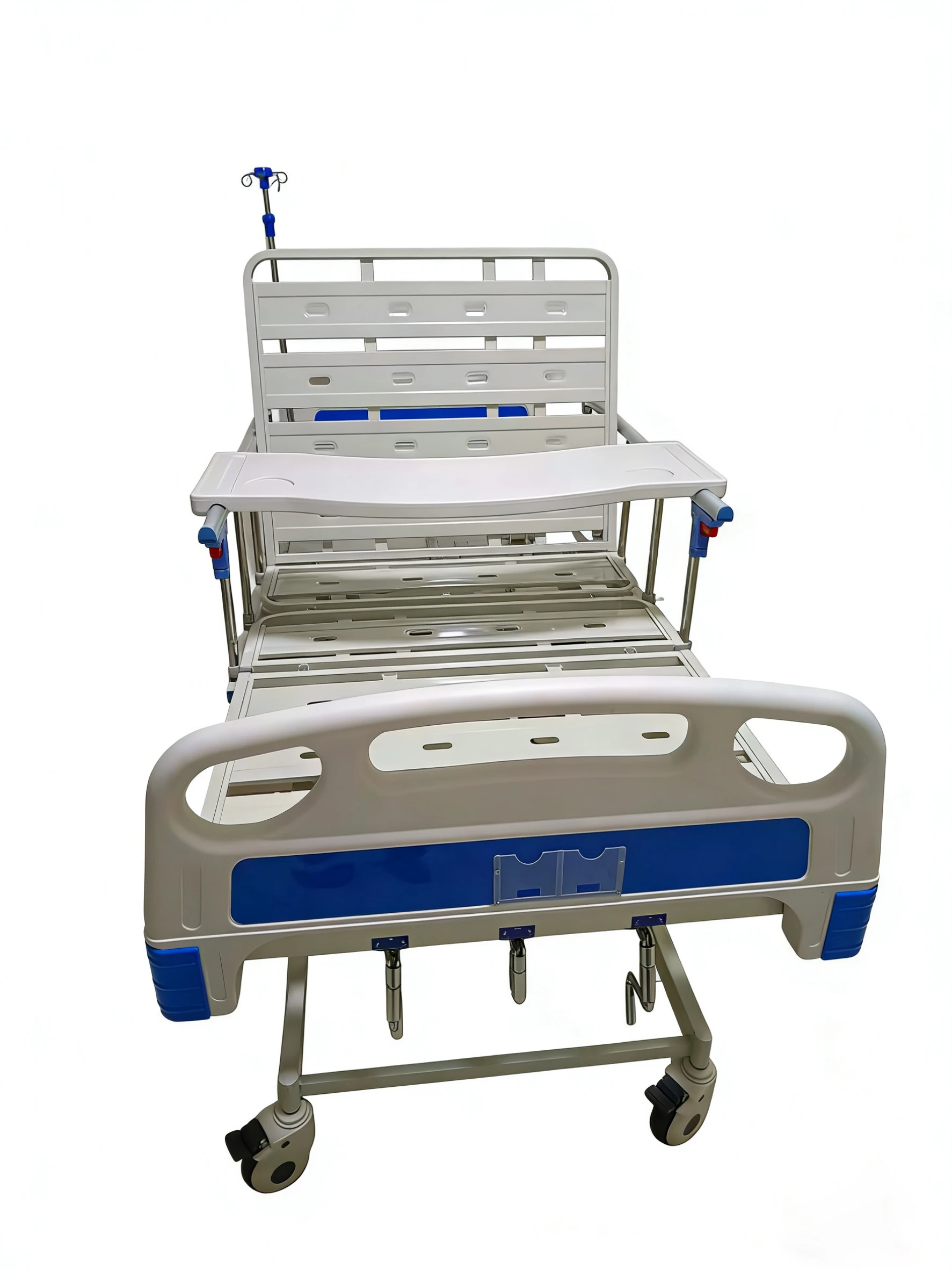
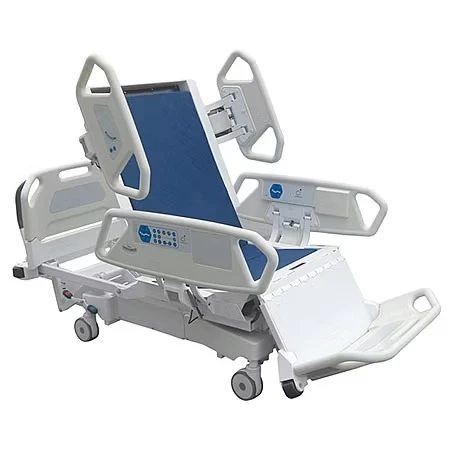
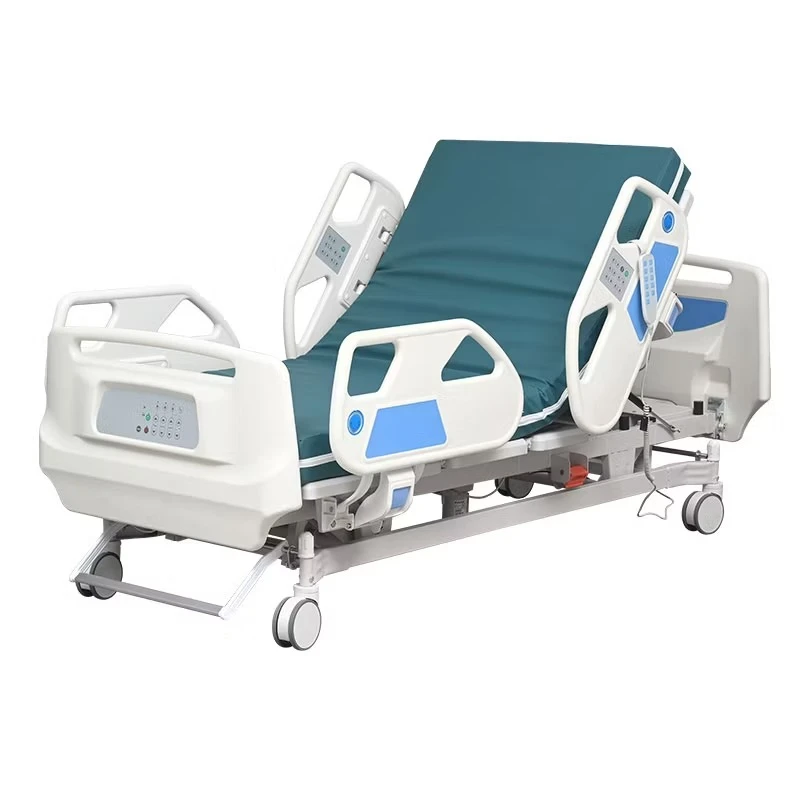
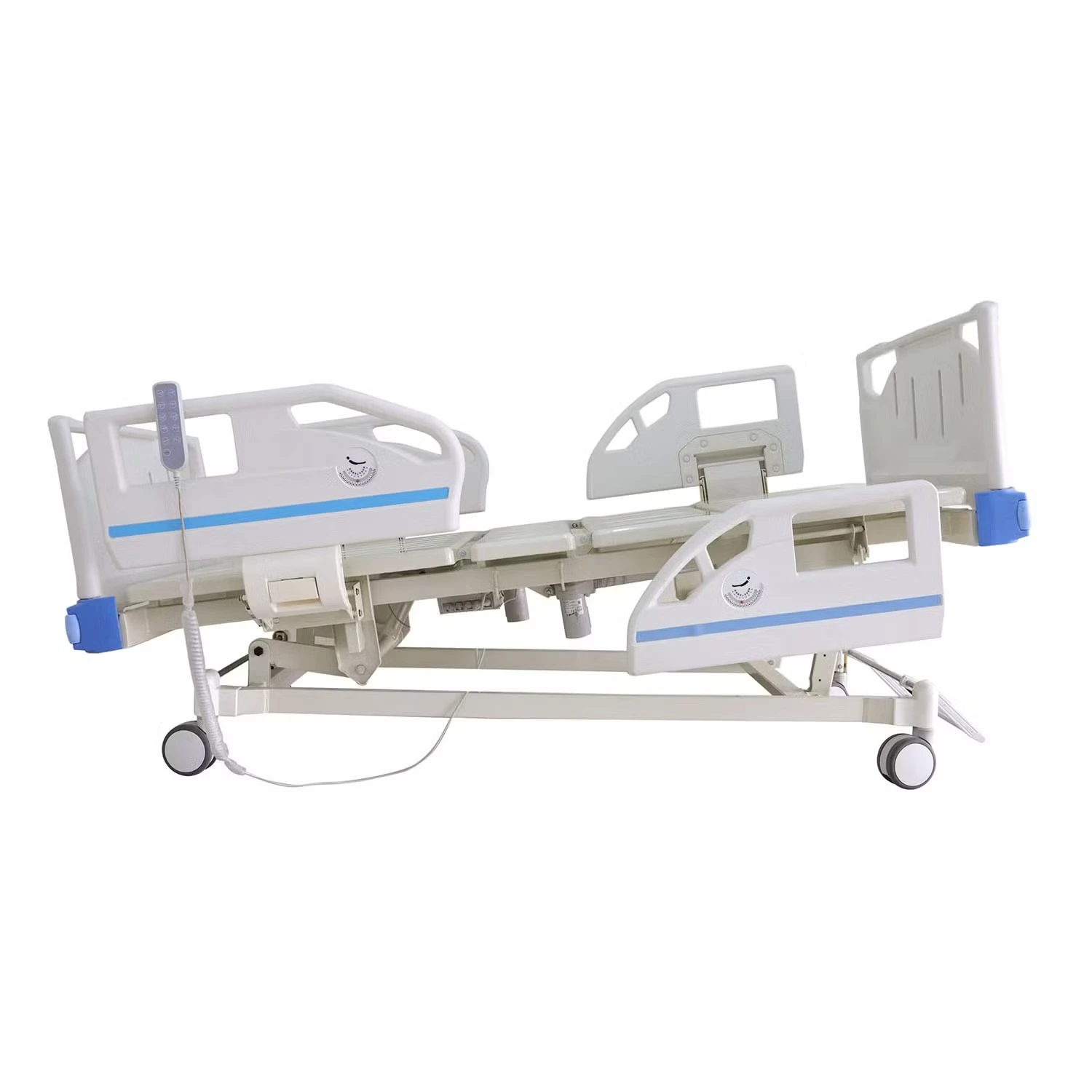
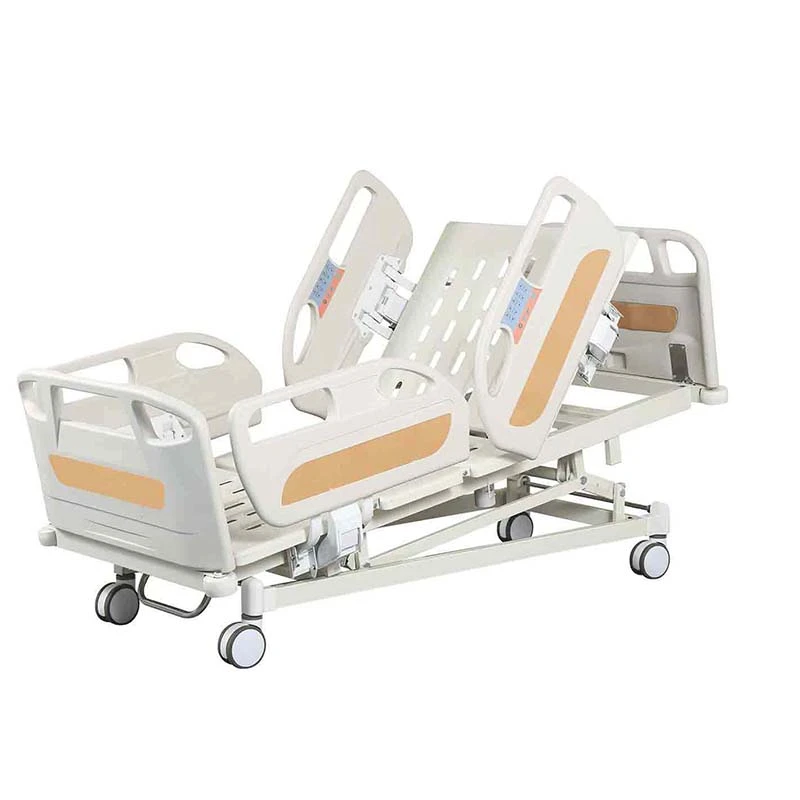
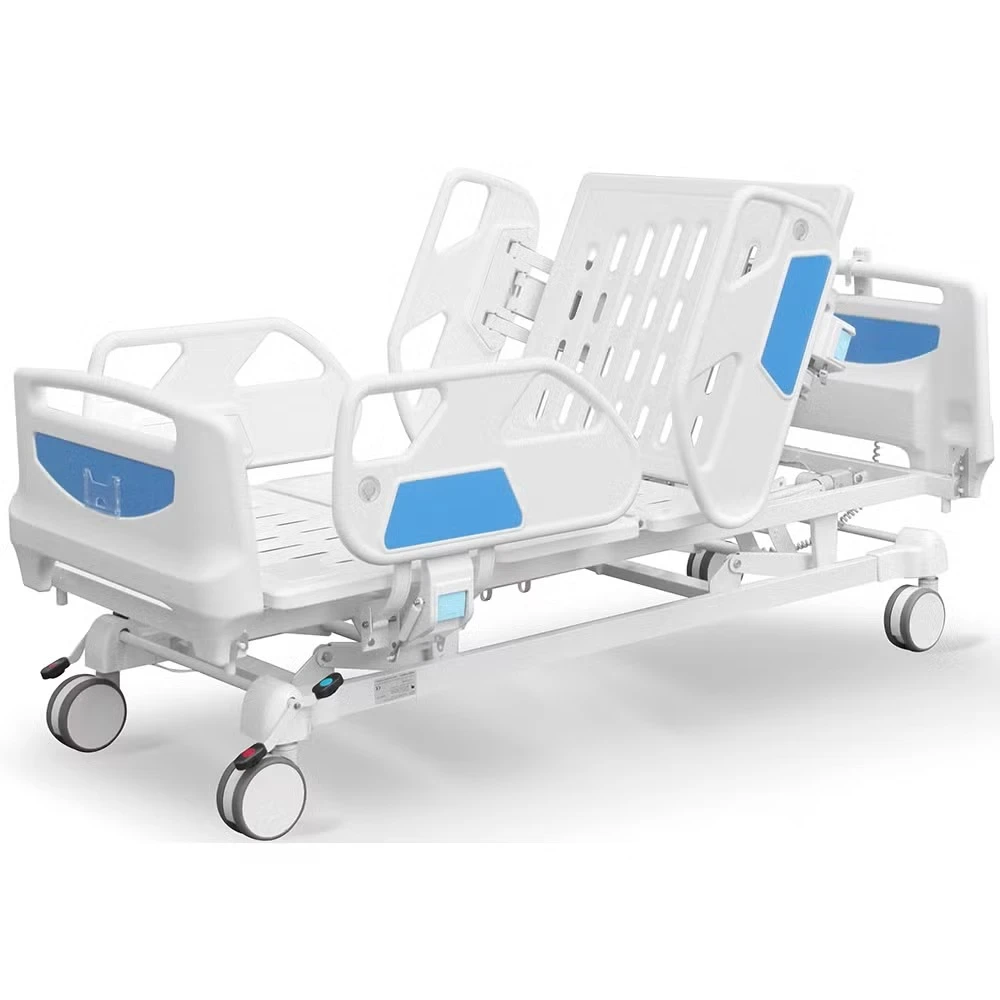
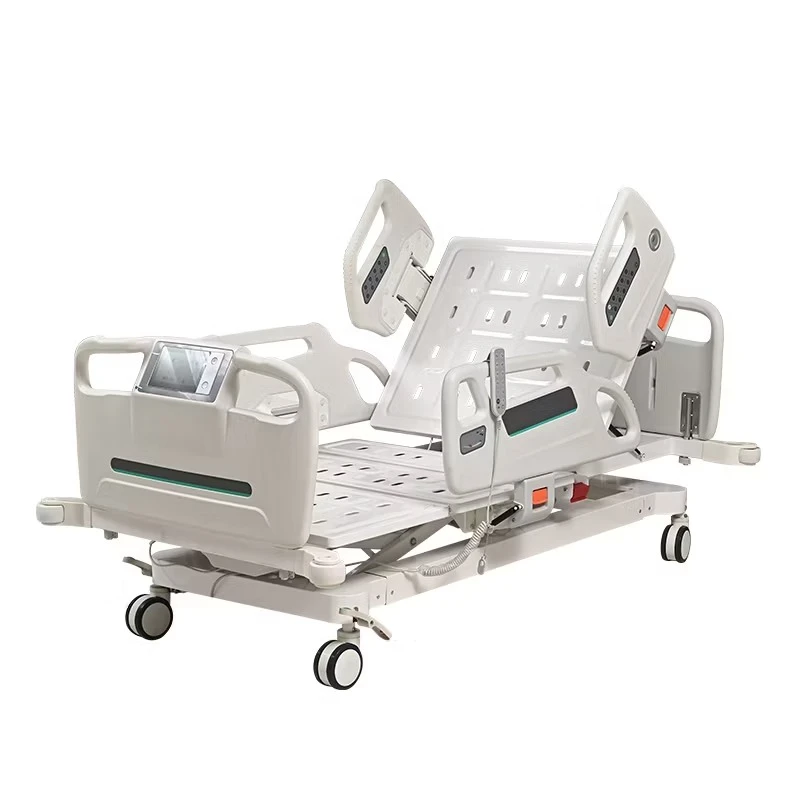
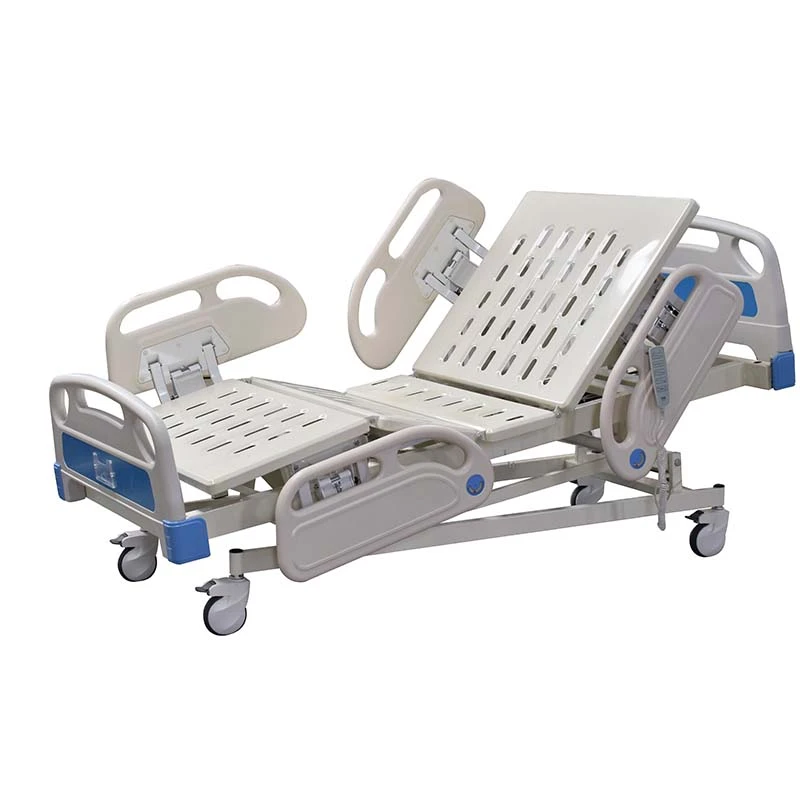
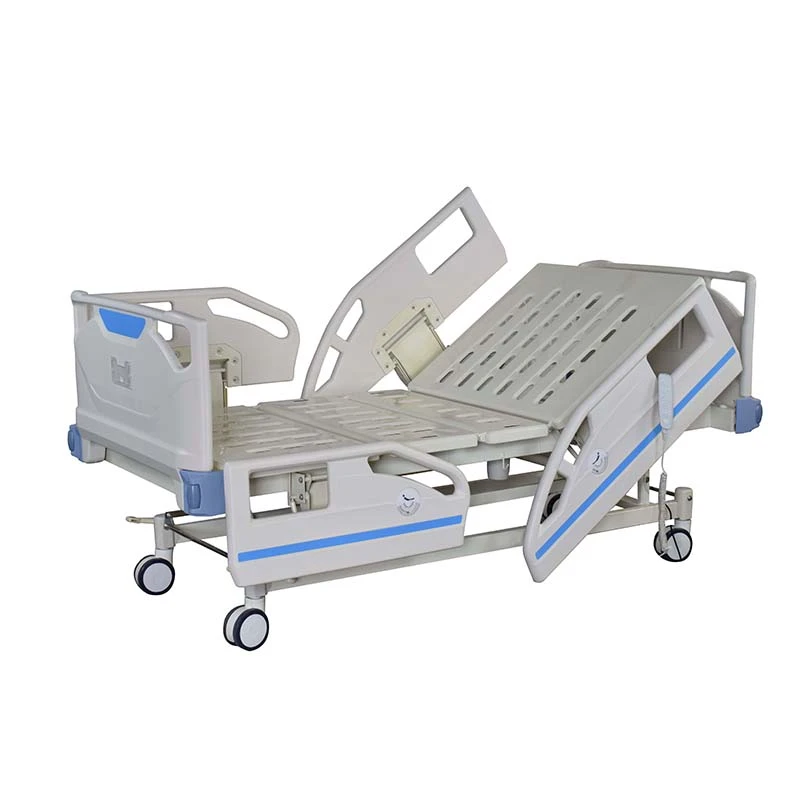
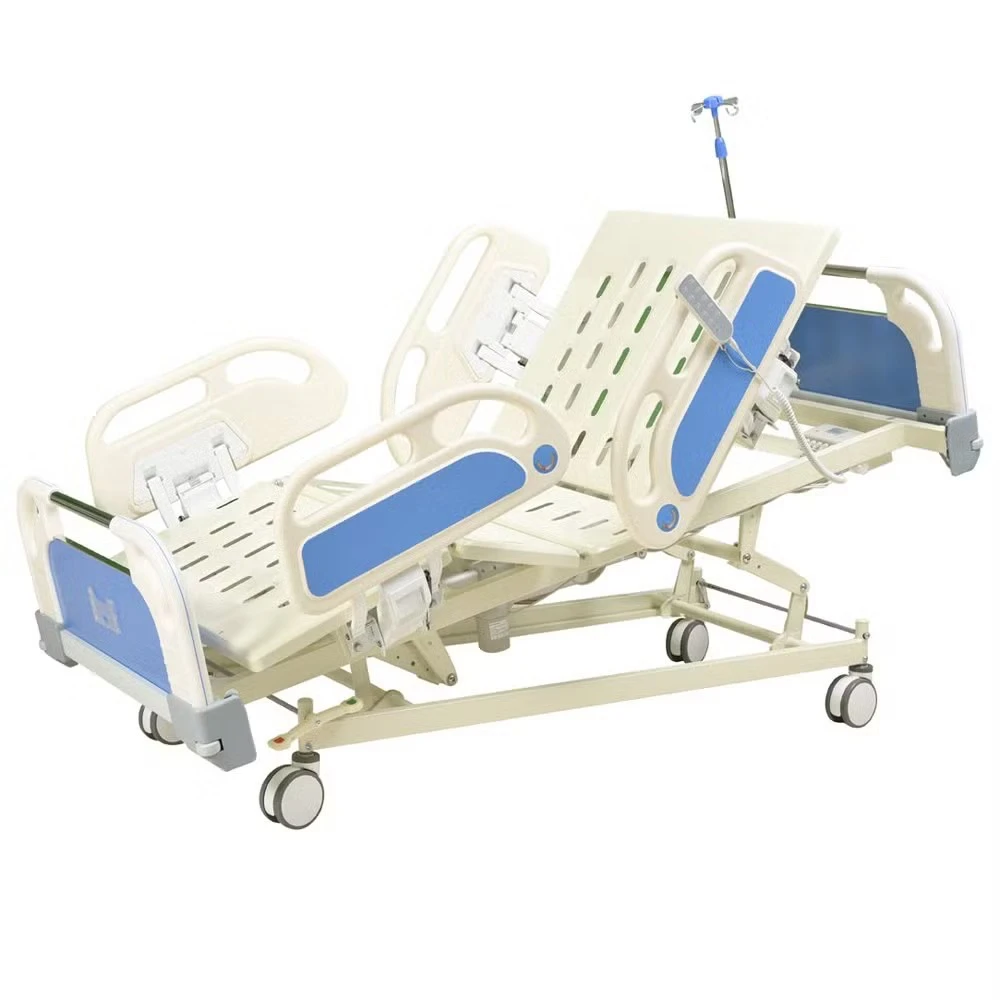
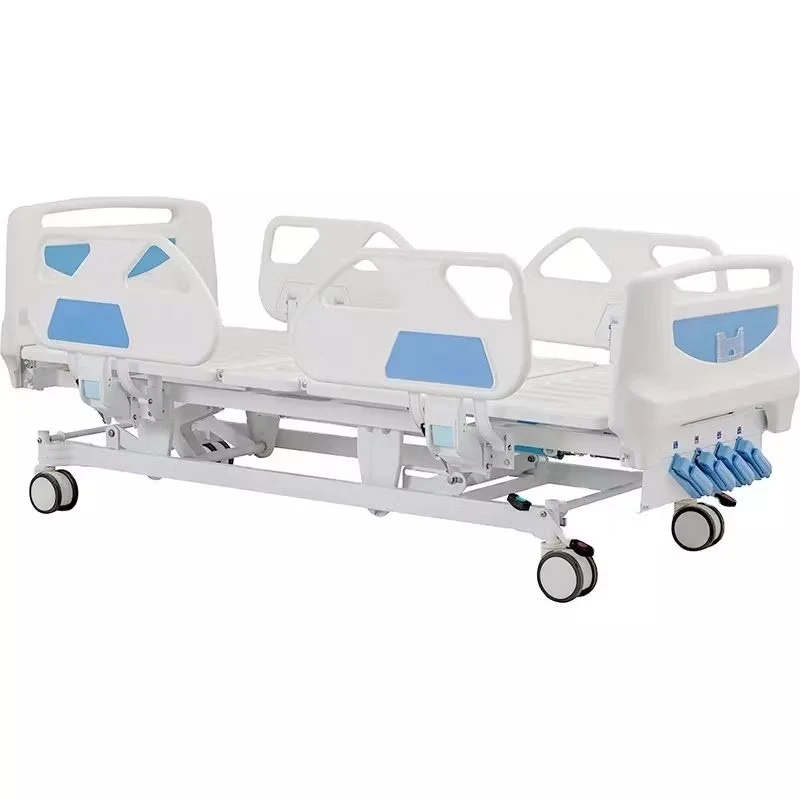
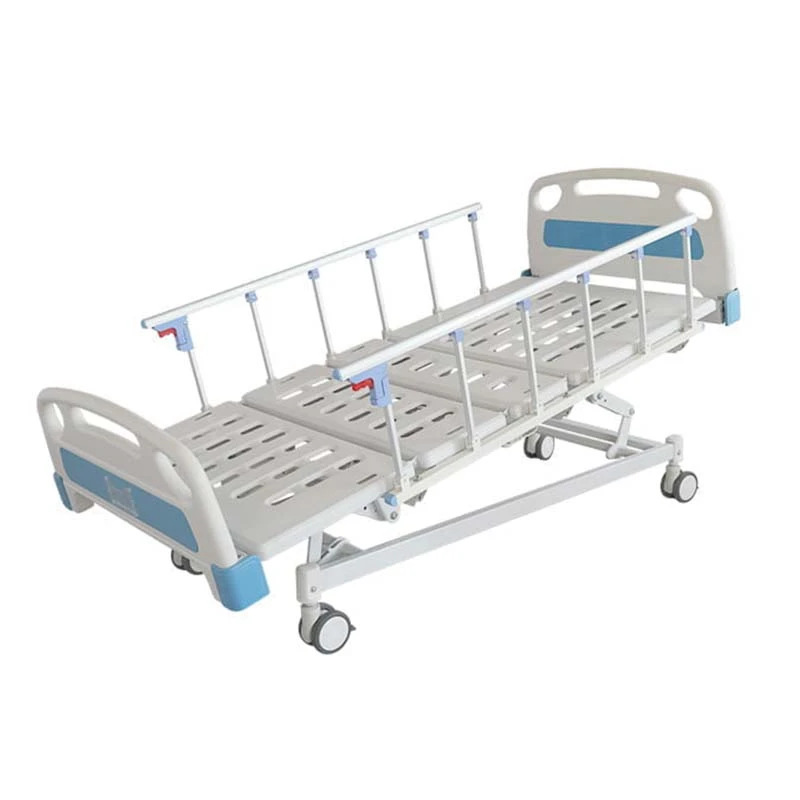
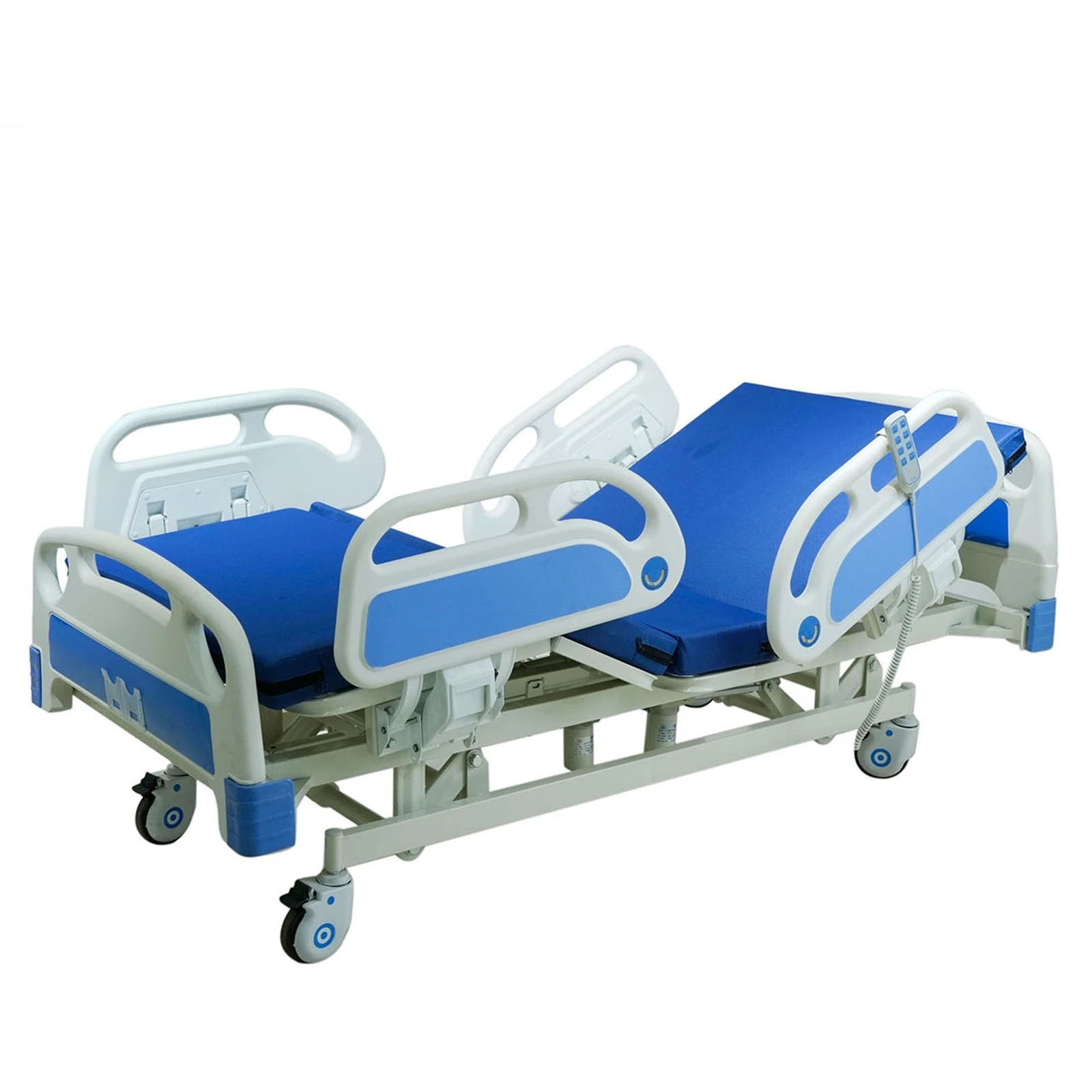
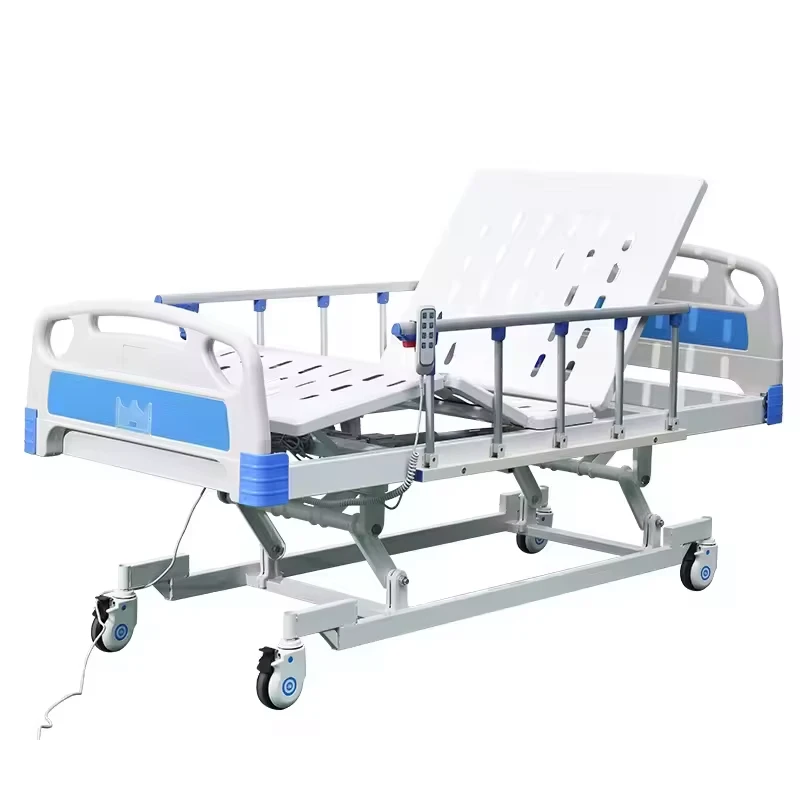
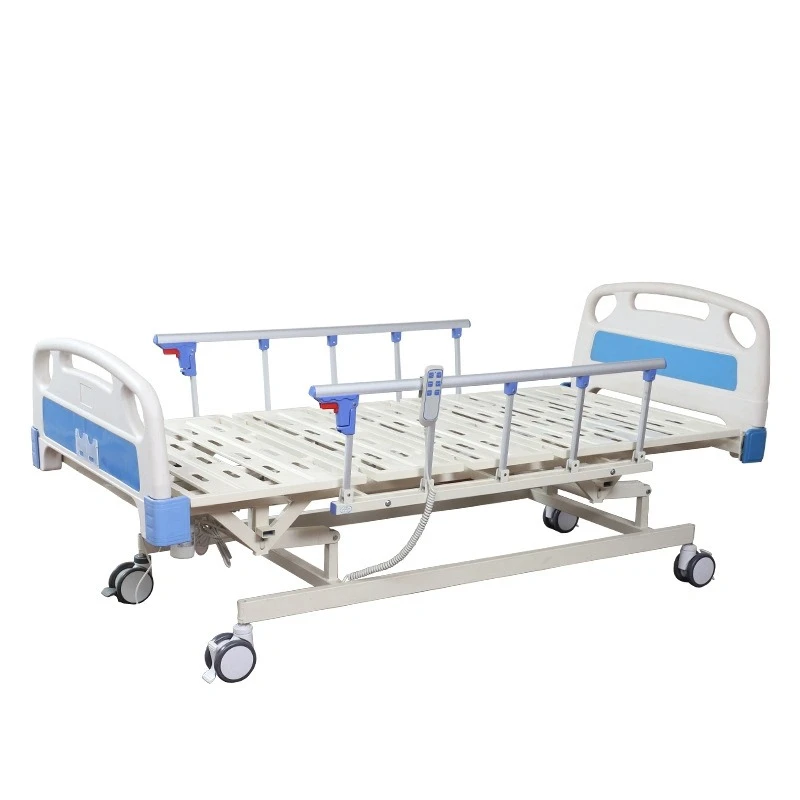
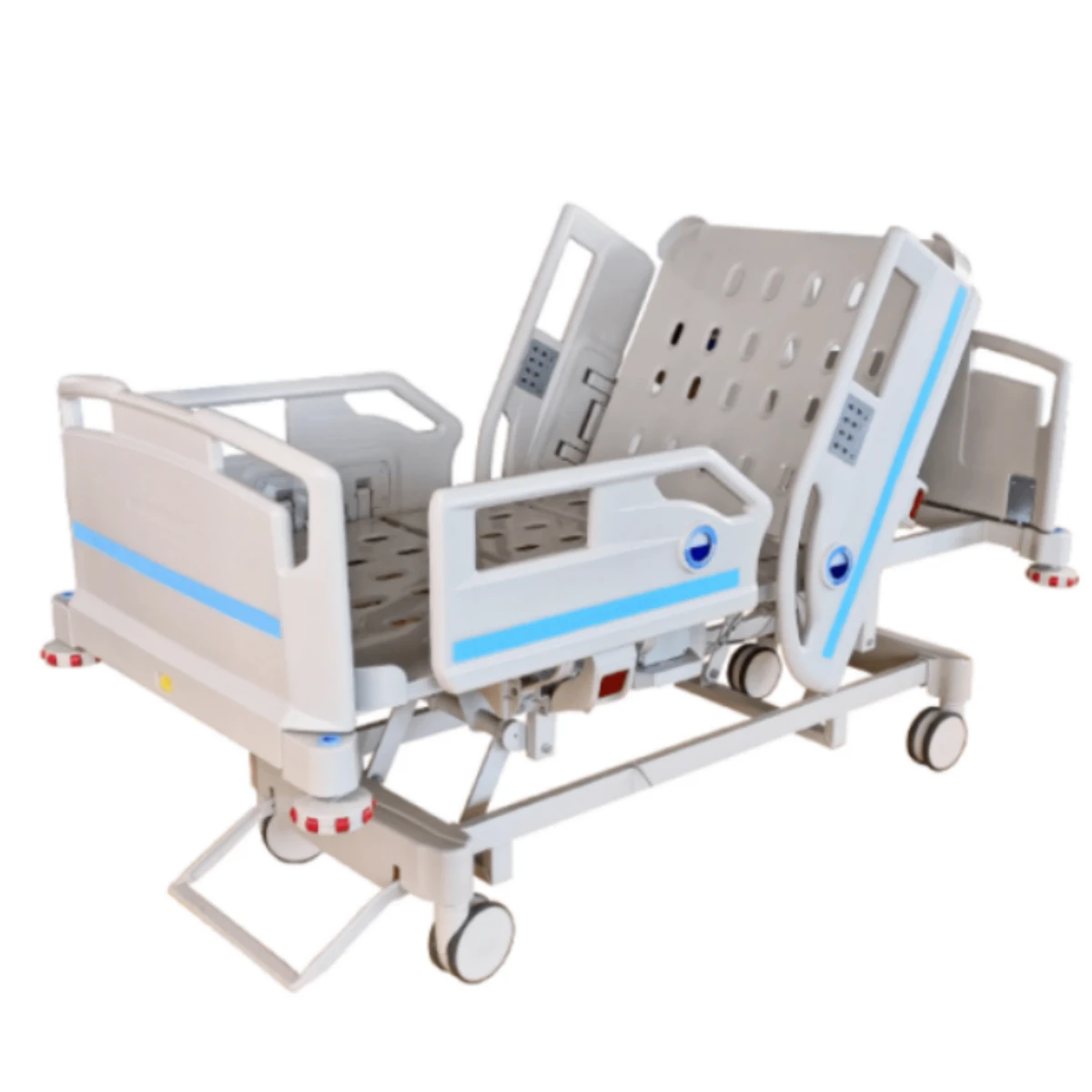
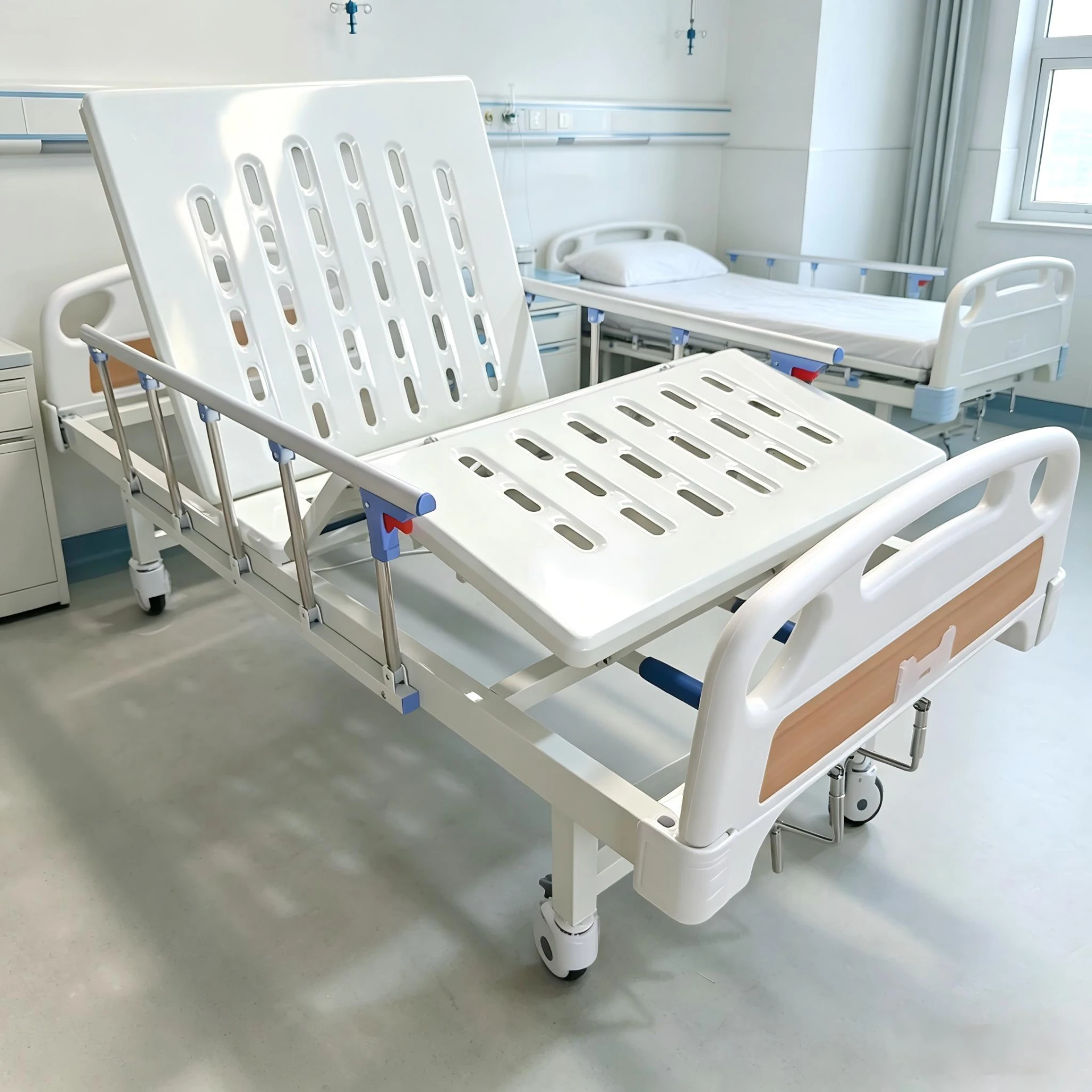
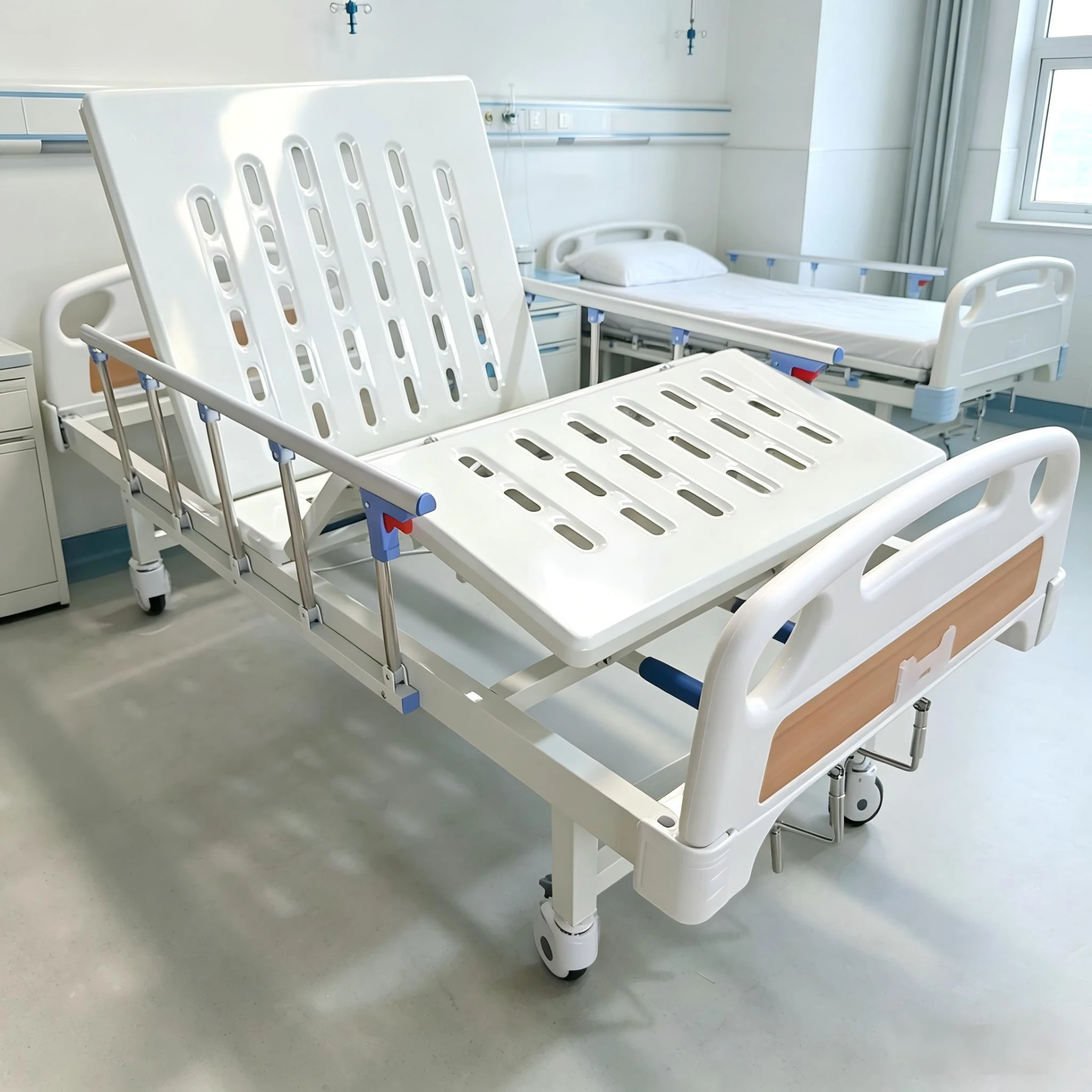
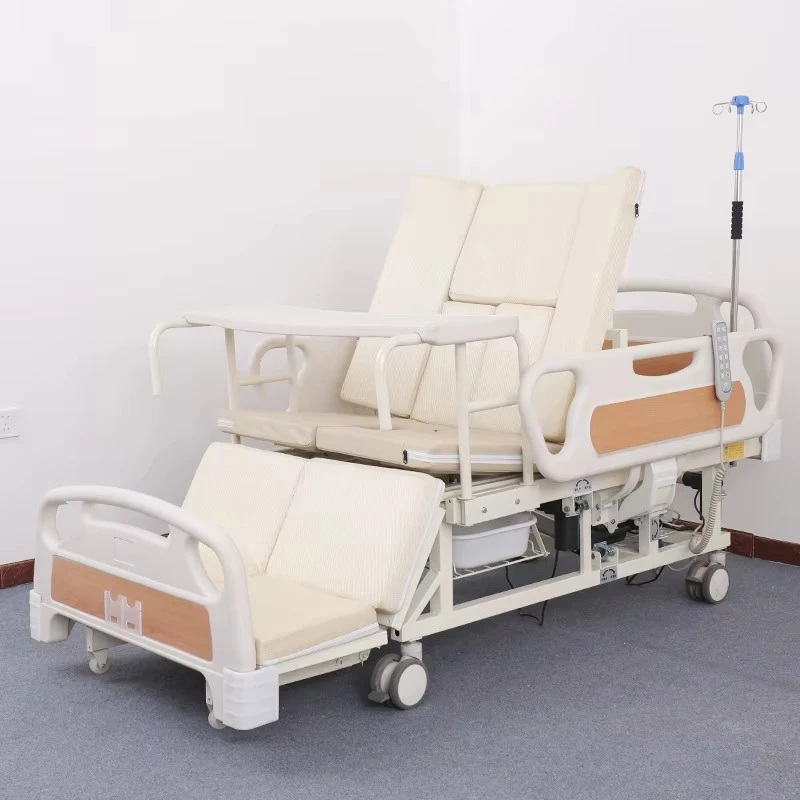
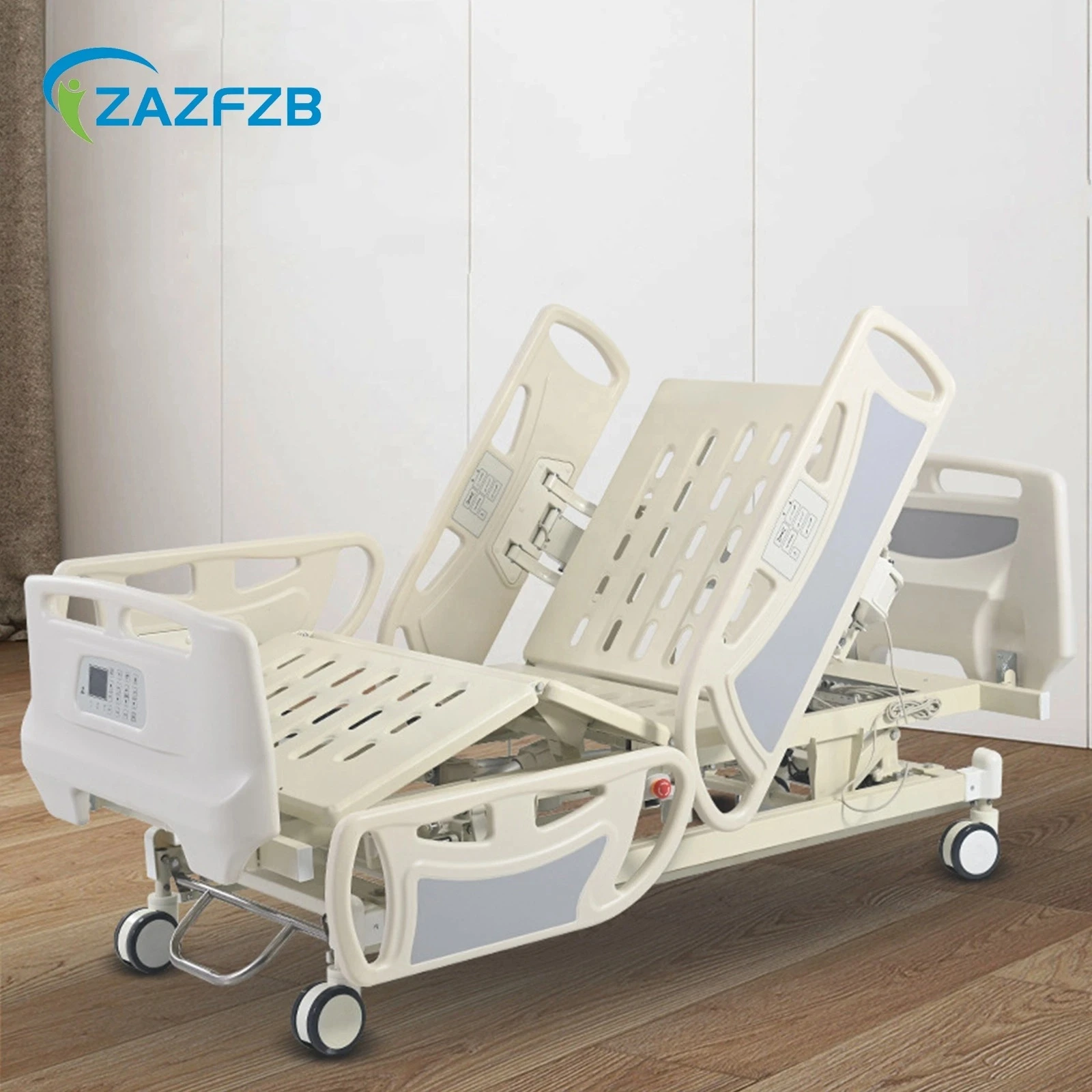
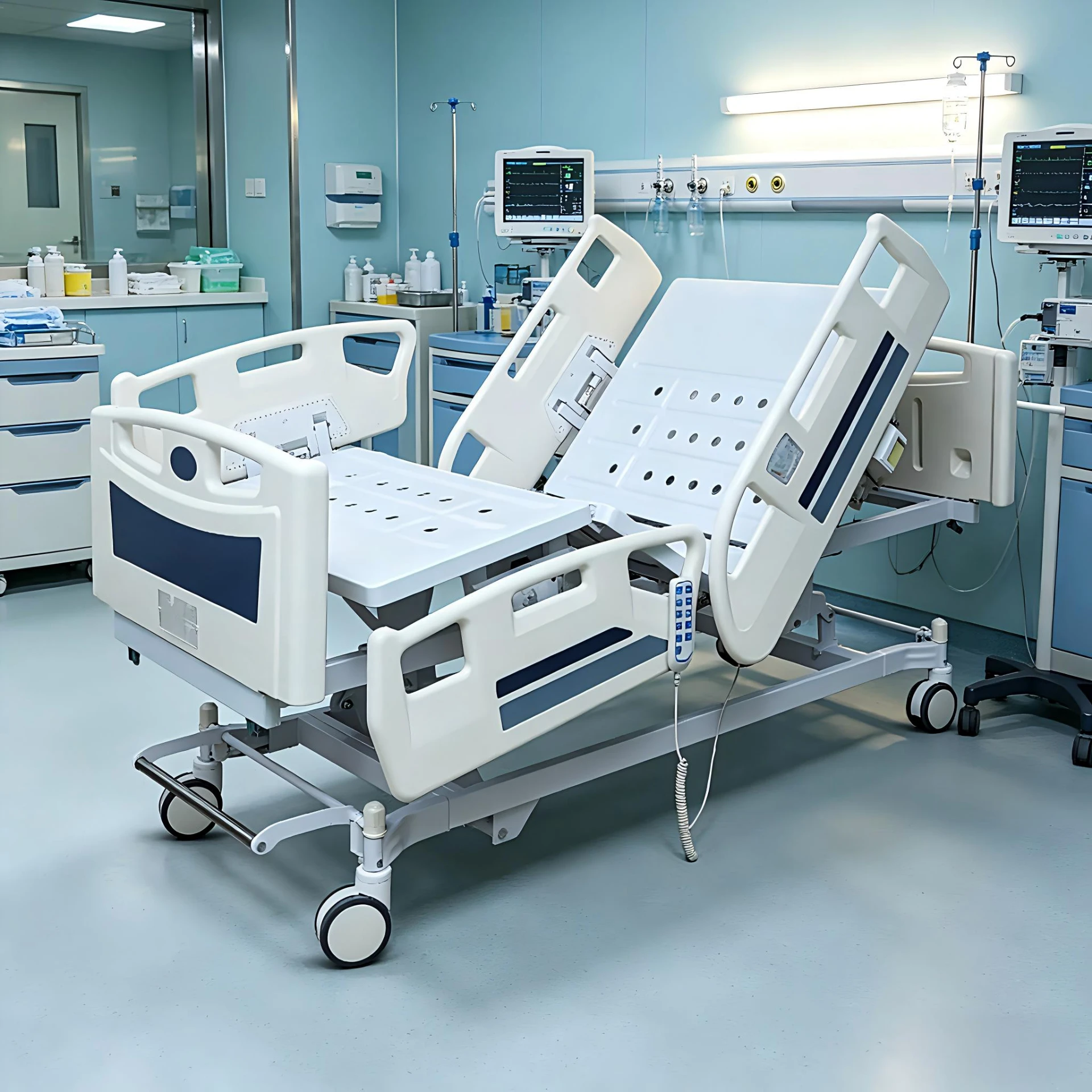
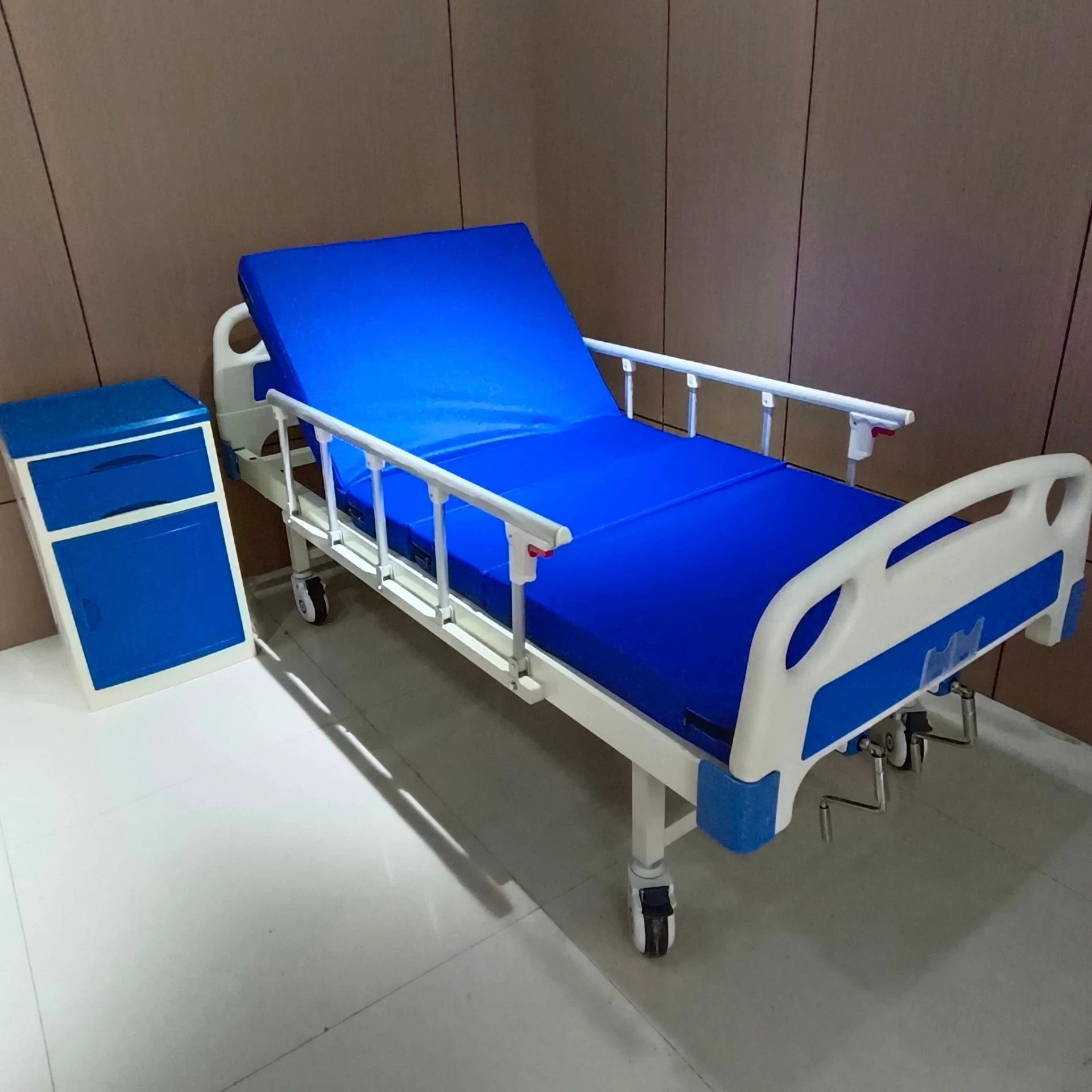
Modern hospital beds go well beyond a simple mattress frame. They incorporate ergonomic designs, adjustable heights, side rails, and sometimes electronic controls for patient positioning or health monitoring. The standard hospital bed price thus reflects the sum of these functional elements, manufacturing quality, and the supply chain behind the product.
Mini takeaway:
The “standard hospital bed price” is not just a price tag—it’s a reflection of health standards, patient safety, and technological integration.
Core Components Influencing Hospital Bed Pricing
1. Durability and Material Quality
Hospital beds demand sturdy materials—usually high-grade steel or aluminum frames—to withstand constant use and maintain hygiene standards through cleaning and sterilization. The cost of these raw materials and their treatment directly impacts price.
2. Adjustability & Functional Features
From manual crank adjustments to sophisticated electronic controls, the bed’s functionality heavily sways the price. Features like height adjustment, backrest tilt, and leg elevation increase manufacturing complexity and cost.
3. Safety and Regulatory Certification
Meeting safety standards such as ASTM F970 or ISO 13485 certification means additional design validation and inspection costs, but also guarantees patient safety compliance.
4. Scalability & Customization Options
Hospitals often seek modular options to adapt beds for various wards or specialized needs, which can influence unit pricing depending on order volume and customization.
5. Vendor and Supply Chain Factors
Logistics, warranty policies, after-sales support, and shipping costs factor in. Vendors offering bundled services or with localized manufacturing may price beds differently.
Mini takeaway:
Understanding these nuances clarifies why two similar hospital beds might differ dramatically in price—quality, features, and support all count.
Specification Table: Typical Standard Hospital Bed Features & Pricing
| Feature | Description | Typical Cost Impact |
|---|---|---|
| Frame Material | Powder-coated steel or aluminum for corrosion resistance | $300 - $700 |
| Manual vs. Electric Adjustments | Hand-cranks or motorized positioning | $200 - $1,200 |
| Side Rails & Safety Features | Collapsible rails meeting safety standards | $100 - $400 |
| Mattress Compatibility | Support for pressure-relief mattresses | Varies widely |
| Warranty & Service | Typically 1 to 5 years with support options | Included / Additional $100 - $500 |
Which Vendors Lead the Standard Hospital Bed Market?
| Vendor | Price Range (USD) | Product Specialty | Geographic Focus |
|---|---|---|---|
| Zhaofa Medical | $400 - $1,500 | Modular, electric hospital beds | Asia, Africa, Europe |
| Hill-Rom | $1,200 - $5,000+ | High-end intelligent beds | Global |
| Stryker | $900 - $4,000 | Durable, heavy-duty beds | North America, Europe |
| Joerns Healthcare | $700 - $2,500 | Rehabilitation & nursing beds | North America |
Real-World Applications: Where the Standard Hospital Bed Price Comes Into Play
In emergency response scenarios, like natural disasters or pandemics, the cost of hospital beds directly influences how quickly medical facilities can scale up capacity. For example, in the 2020 COVID-19 pandemic, many regions struggled to source affordable yet functional hospital beds rapidly.
In remote settings, such as rural clinics in Sub-Saharan Africa, the standard hospital bed price often determines whether health workers can provide dignified care. Hospitals aiming to upgrade wards with adjustable electric beds face budgetary hurdles balancing the latest technology against accessibility.
Even in developed markets, the demand for cost-efficient beds that maintain stringent safety and cleanliness standards shapes procurement decisions. Many health systems focus on procurement cycles that optimize lifecycle costs rather than initial outlay alone.
Mini takeaway:
The price tag of hospital beds is a practical gatekeeper to care — affecting everything from emergency readiness to everyday patient comfort across multiple continents.
Advantages and Lasting Value of Investing in Proper Hospital Beds
- Cost-efficiency over time: Even though higher-quality beds may cost more upfront, their durability and lower maintenance reduce overall expenses.
- Sustainability factors: Eco-friendly materials and energy-efficient designs have started filtering into bed manufacturing, indirectly affecting price but promising long-term environmental benefits.
- Improved patient safety and dignity: Features such as adjustable height and side rails minimize pressure ulcers and fall risks, factors that greatly impact recovery durations.
- Operational reliability: A well-chosen bed minimizes replacement frequency and downtime, streamlining hospital workflows.
Looking Ahead: Future Trends Affecting Hospital Bed Pricing
Healthcare’s digital transformation is even reaching hospital beds. Smart beds with integrated sensors can monitor patient vitals, reducing manual checks and increasing safety. Also, sustainable manufacturing techniques and materials aiming for recyclability are reshaping cost structures.
Automation like motorized adjustments augmented with AI to prevent bedsores or detect patient movement may add upfront costs but promise reduced care costs and better outcomes. Additionally, manufacturers are pushing for more modular, plug-and-play designs to ease transport and installation internationally.
Challenges To Overcome
Of course, even the best hospital beds come with challenges: high upfront costs, complex supply chains, and fitting beds into overcrowded wards or uneven floors can limit utility. Yet, innovative vendors are experimenting with lighter frames, locally sourced parts, or offering rental and leasing options to ease these concerns.
Governments and NGOs often work together on bulk purchasing agreements to leverage economies of scale, helping to bring standard hospital bed price into affordable ranges for low-resource settings.
FAQ: Answers to Common Questions About Standard Hospital Bed Price
- What factors cause the price of hospital beds to vary so much?
- Material quality, whether beds have electronic adjustments, safety certifications, and vendor services all affect price dramatically. Simplicity lowers cost; advanced features increase it.
- How can hospitals balance cost with quality when purchasing beds?
- Look for beds with modular features that can be upgraded and consider total lifecycle costs, including maintenance and warranties, not just initial prices.
- Are electric hospital beds worth the extra expense over manual models?
- Generally yes for patient comfort and staff efficiency in high-use settings. However, manual beds still have a strong place in budget-conscious or low-power environments.
- Do vendors provide support or leasing options to reduce upfront costs?
- Many do. Leasing or rental options help hospitals spread out expenditures while ensuring access to up-to-date beds with service.
- Where can I find reliable information on standard hospital bed prices?
- Consult manufacturers’ websites, government procurement portals, and trusted market analysts. Our standard hospital bed price page offers accurate and current info.
Conclusion: Why the Standard Hospital Bed Price Should Not Be Overlooked
In short, the standard hospital bed price is a silent but powerful driver of healthcare quality worldwide. It reflects a balancing act between innovation, safety, affordability, and sustainability. For hospitals, NGOs, and governments alike, making well-informed procurement decisions about beds can mean the difference between just enough care and truly effective patient outcomes.
If you’d like to dig deeper or explore purchasing options, please visit our website: https://www.zhaofamed.com for in-depth resources and product selections tailored to your needs.