Leading Hospital Bed Companies: Innovations, Global Impact & Buying Guide
Hospital Bed Companies: Why They Matter More Than You Might Think
At first glance, hospital beds might seem like a simple piece of furniture—just something to rest on while recovering. But when you pause and consider the global healthcare landscape, hospital bed companies are at the forefront of easing patient suffering, improving staff workflow, and even boosting hospital efficiency all over the world. Their importance stretches from advanced urban medical centers to emergency relief setups in remote areas. Understanding who these companies are and what they bring to the table can brighten your outlook on how medical care evolves globally.
Setting the Scene: The Growing Global Need for Hospital Beds
Globally, healthcare demand is rising rapidly. The World Health Organization estimates that roughly a quarter of the world’s population may not have regular access to essential medical equipment — and hospital beds are a critical part of that puzzle. Whether due to aging populations, pandemics, or natural disasters, hospital bed companies face the challenge of scaling production to meet an ever-expanding need. That problem isn’t trivial. The UN’s latest health infrastructure reports highlight that insufficient bed availability often translates directly to reduced patient safety and slower recovery times.
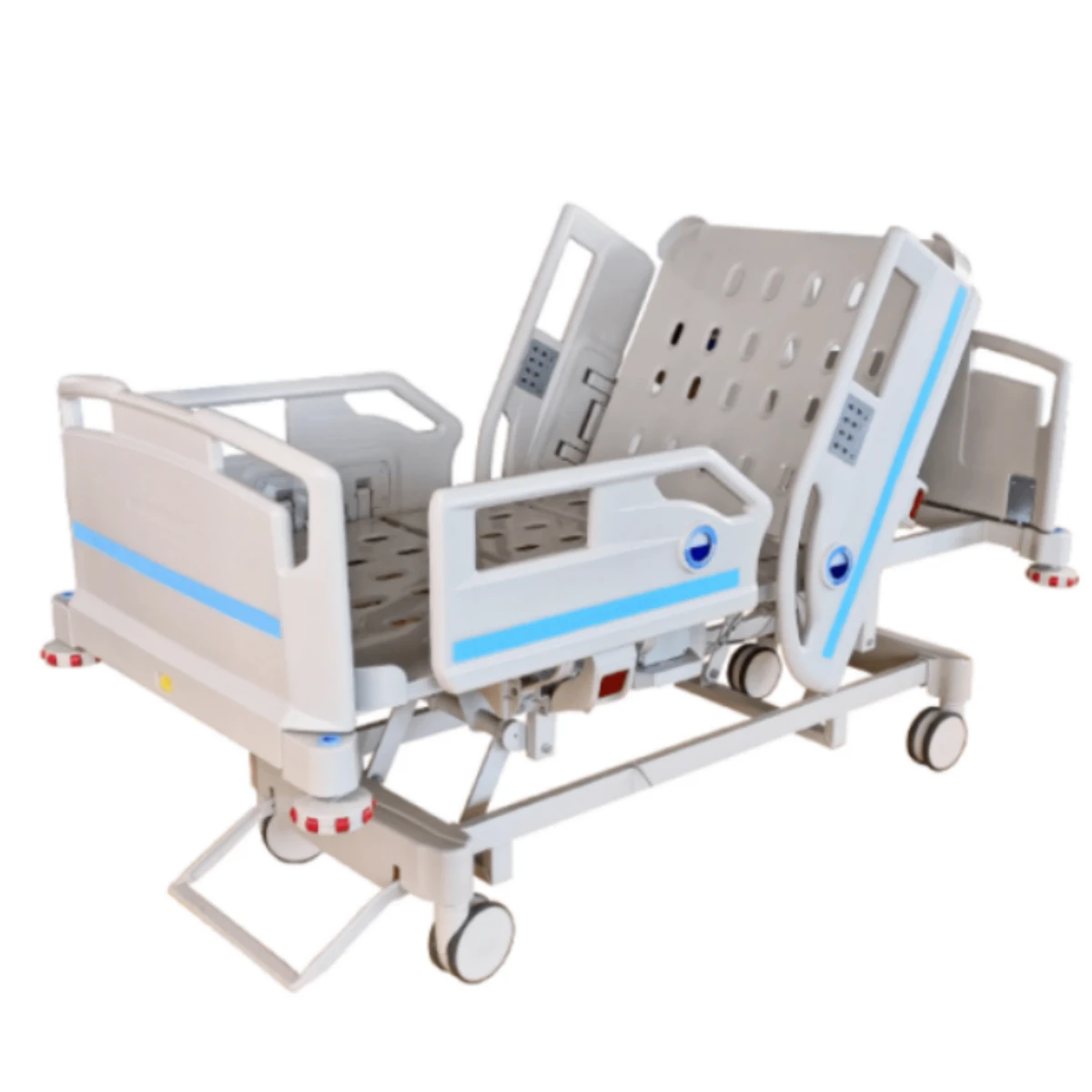
Oddly enough, not all hospital beds are created equal, either. There’s a broad range of designs tailored for different healthcare realities, ranging from ICU-grade beds loaded with tech, to rugged, portable beds used in humanitarian aid. Companies that design and manufacture these beds must navigate a complex intersection of functionality, regulation, and affordability.
What Exactly Are Hospital Bed Companies?
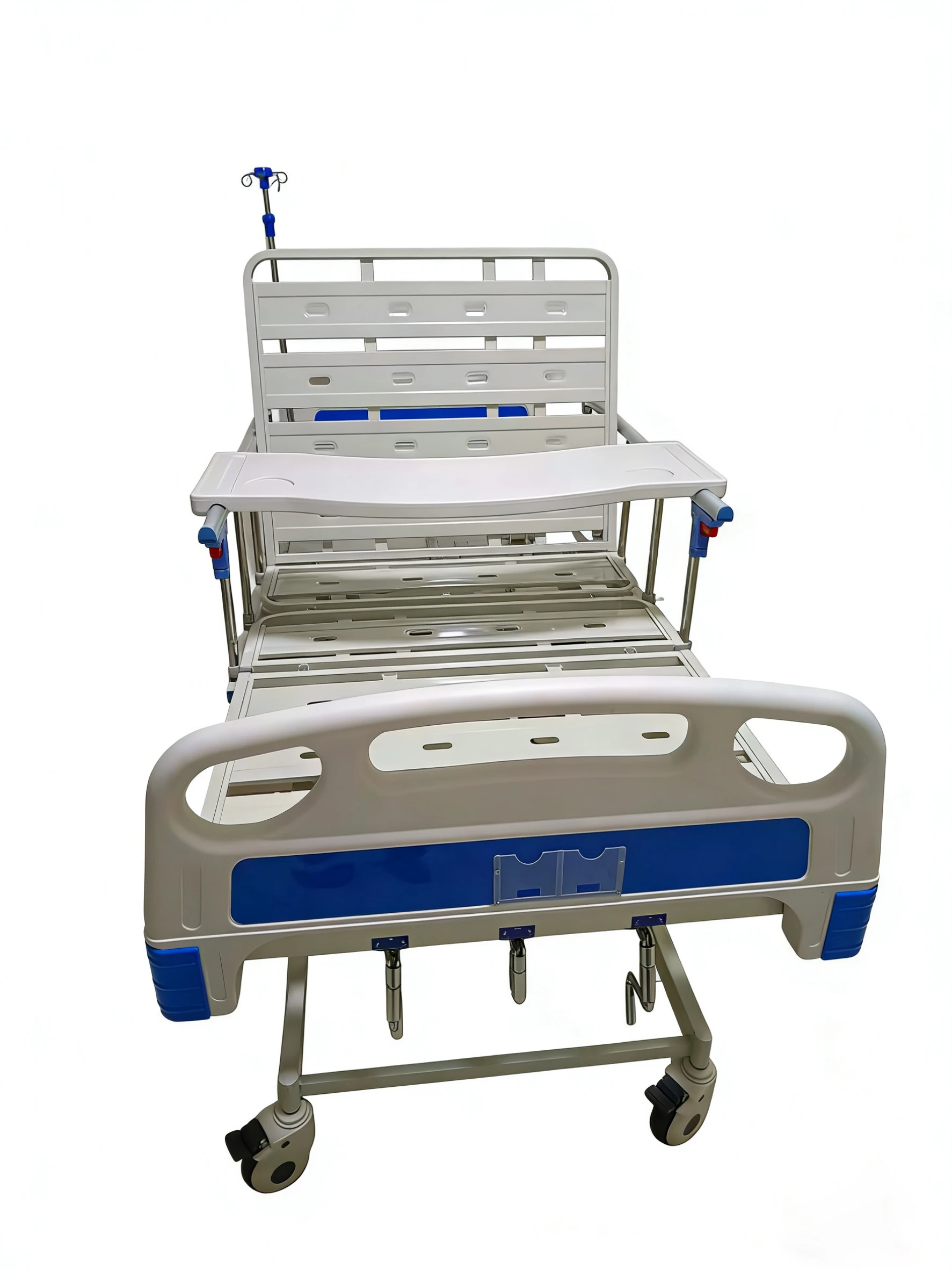
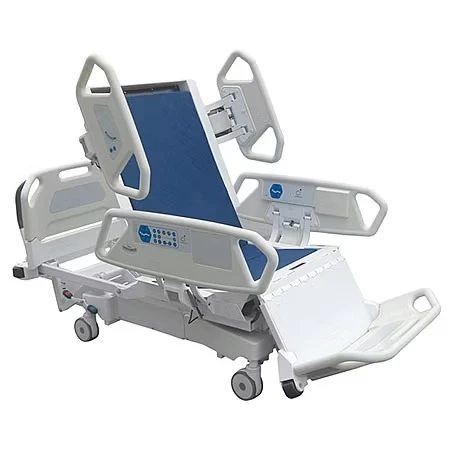
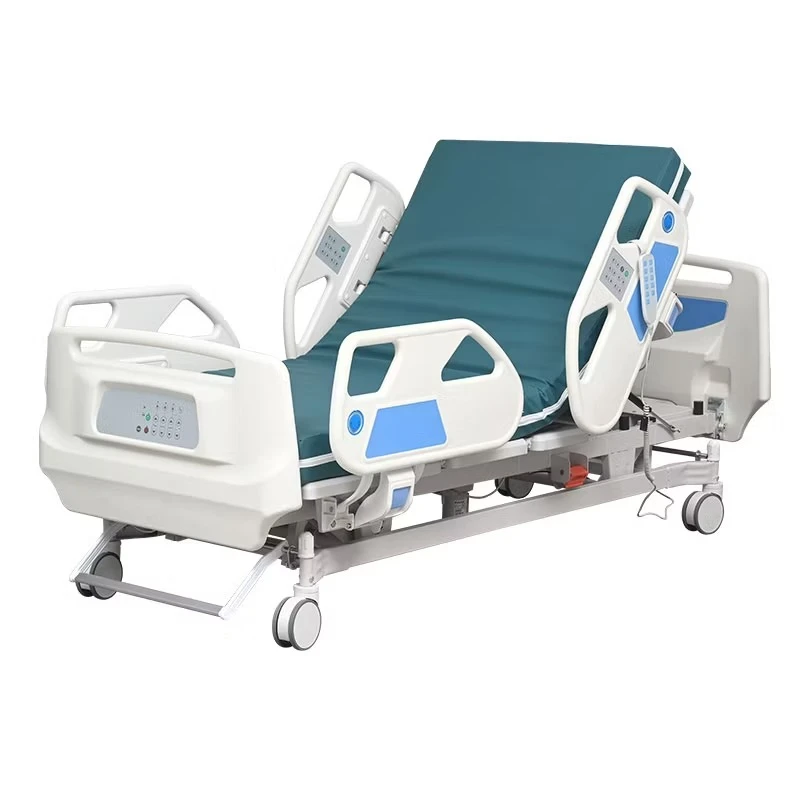
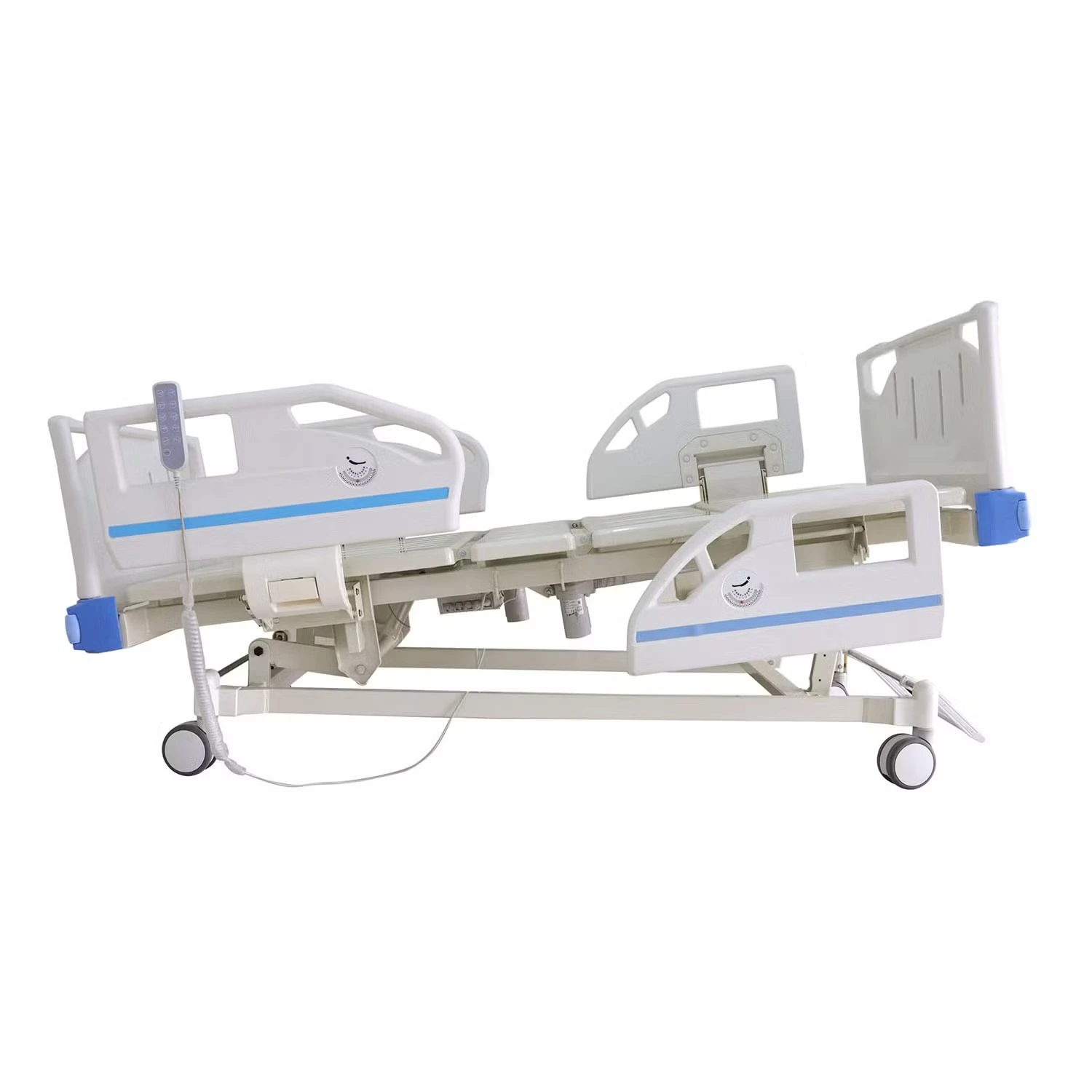
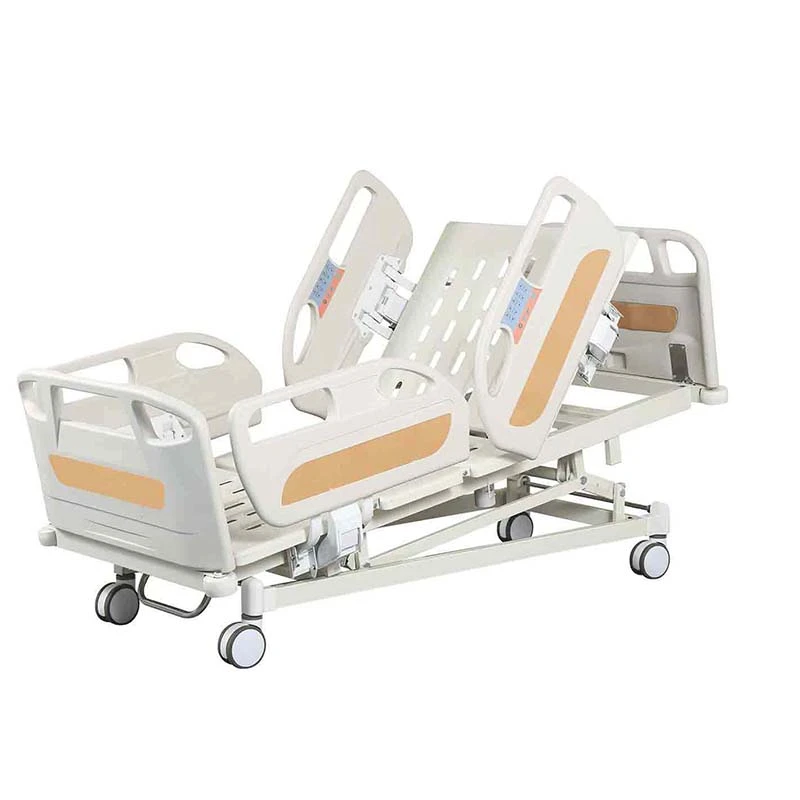
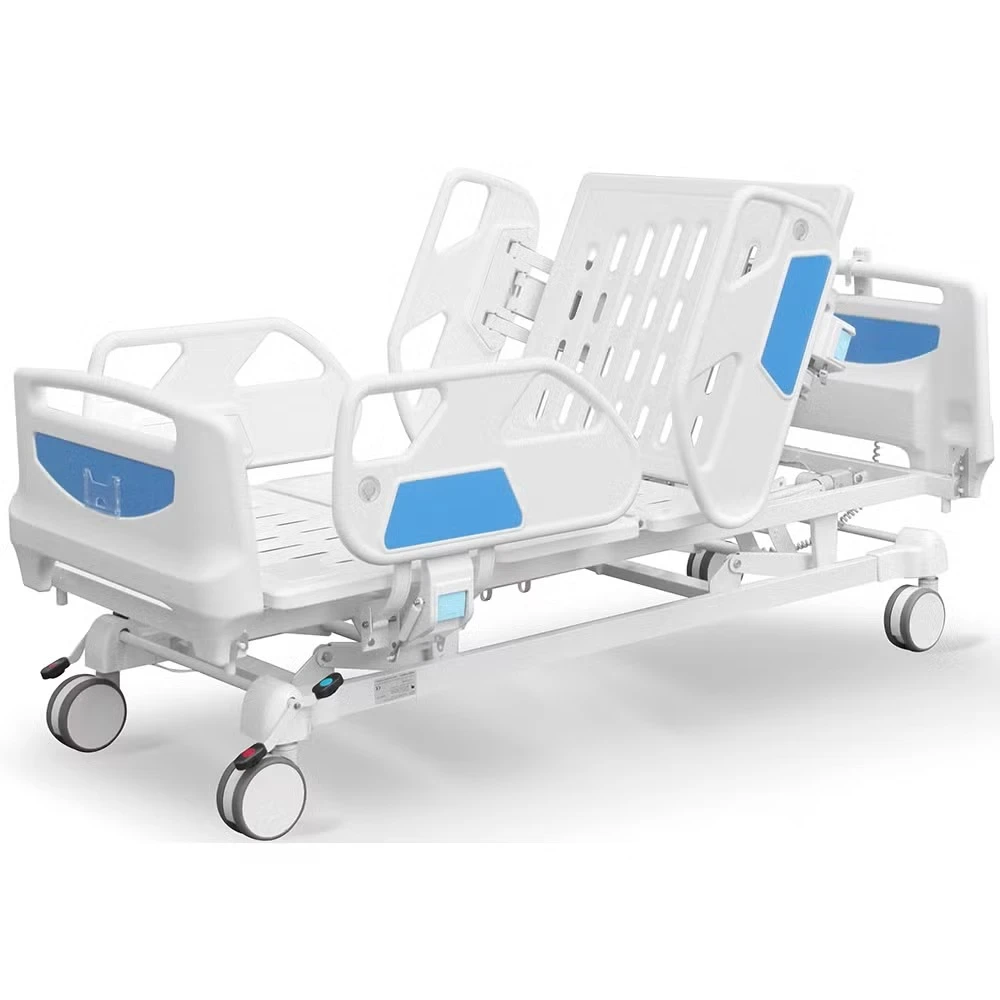
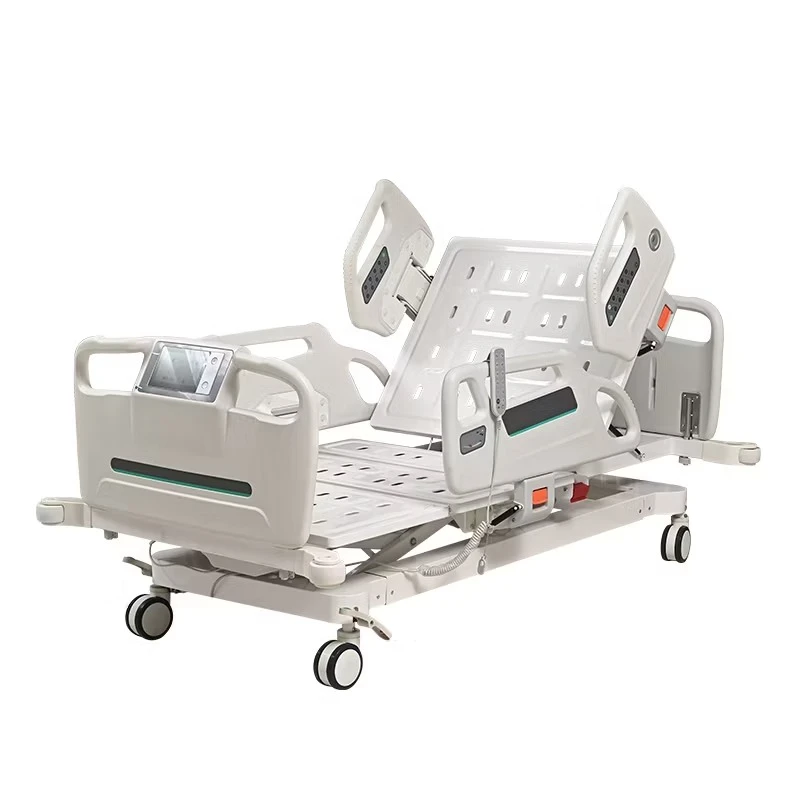
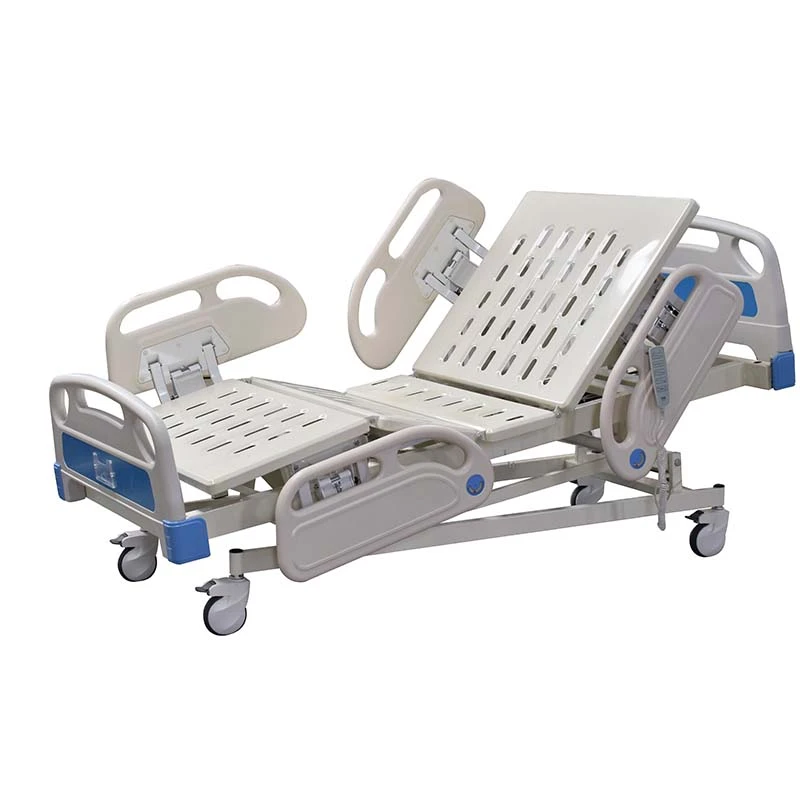
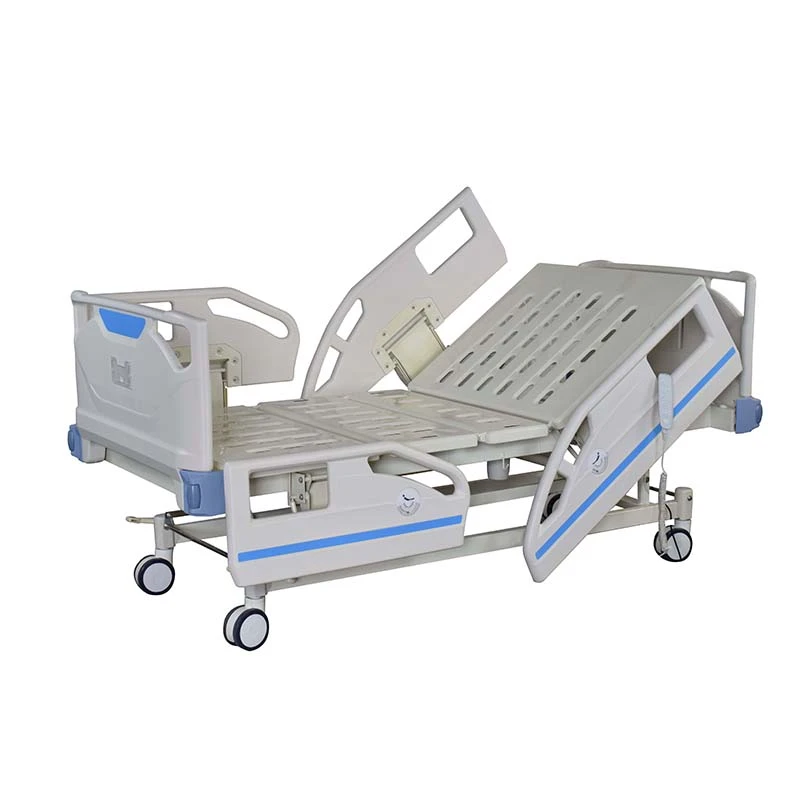
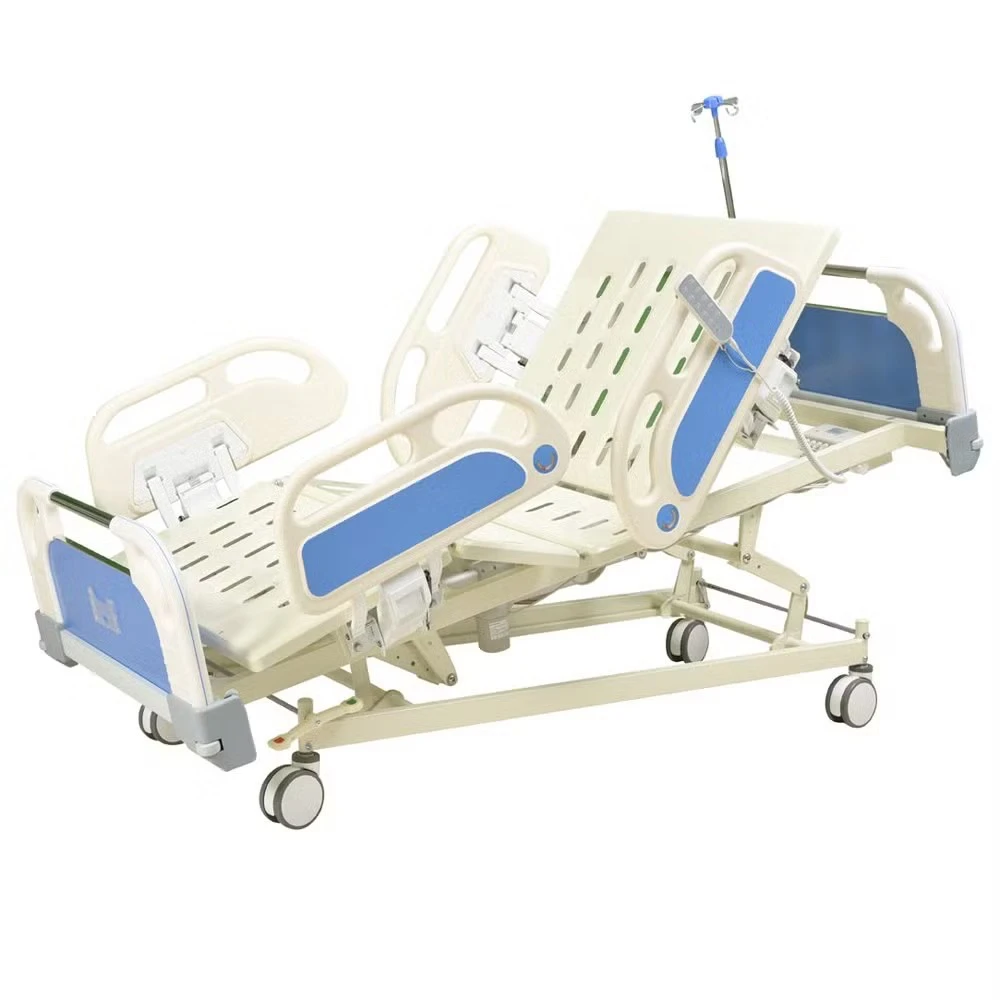
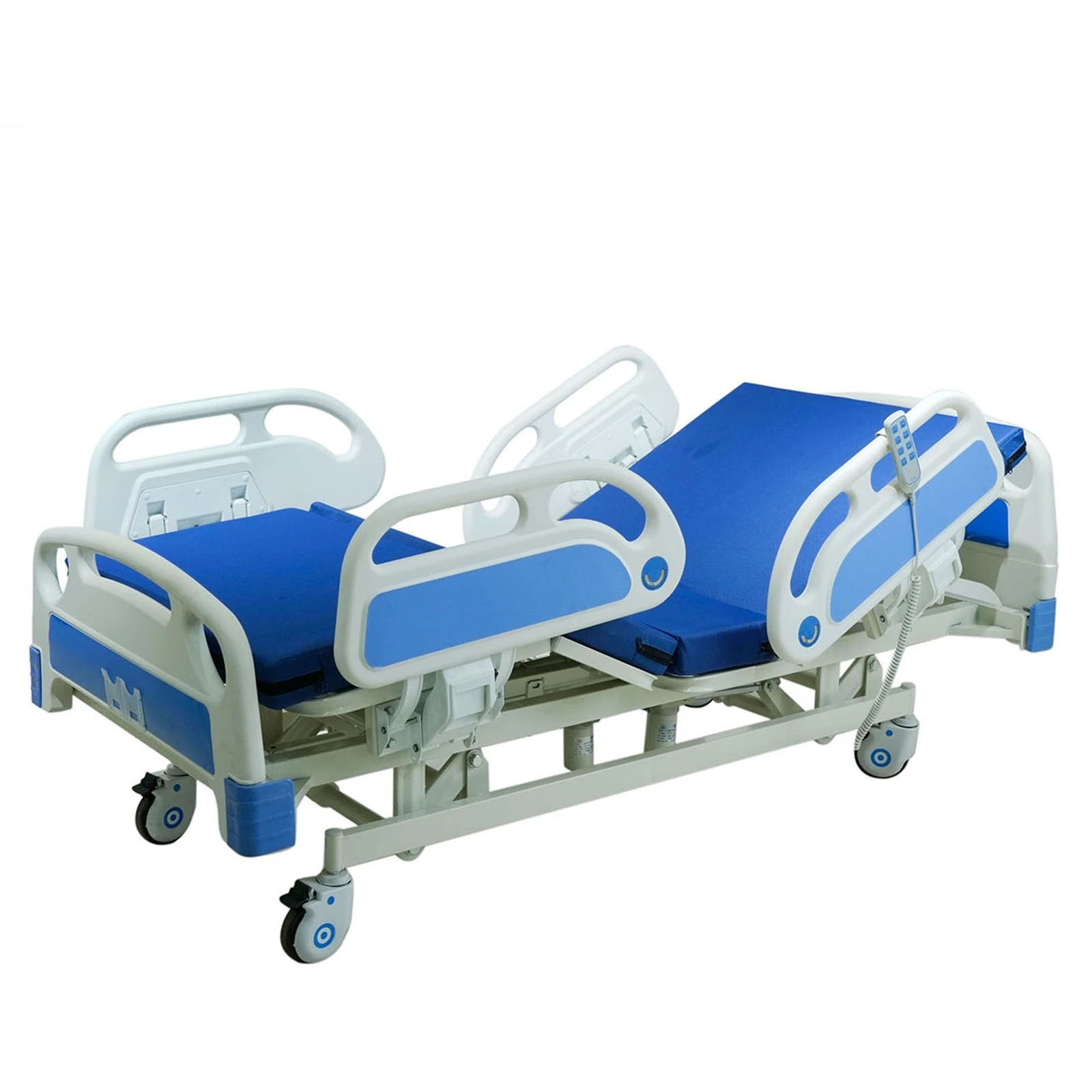
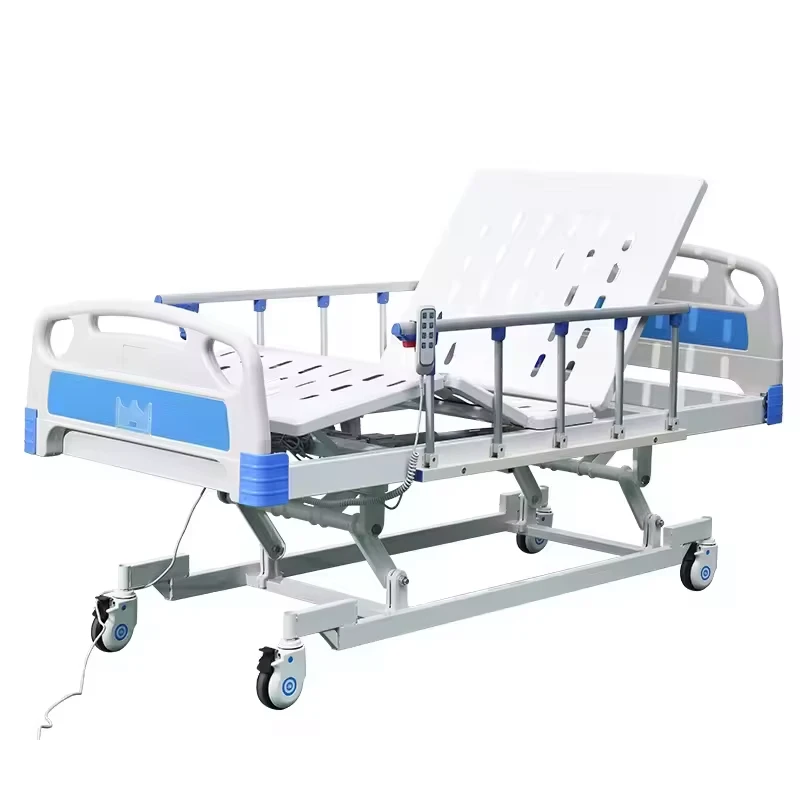
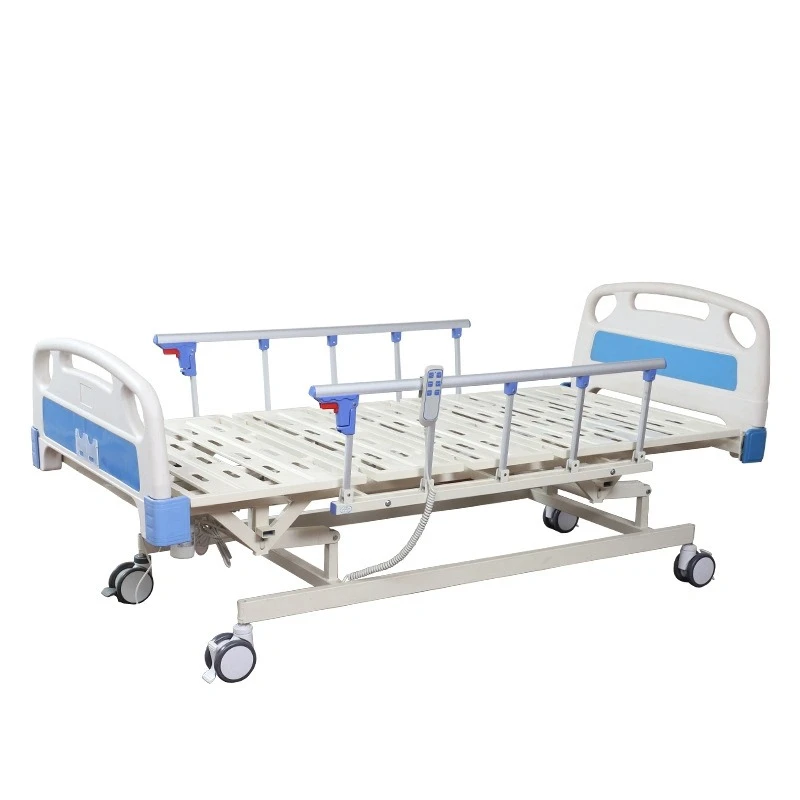
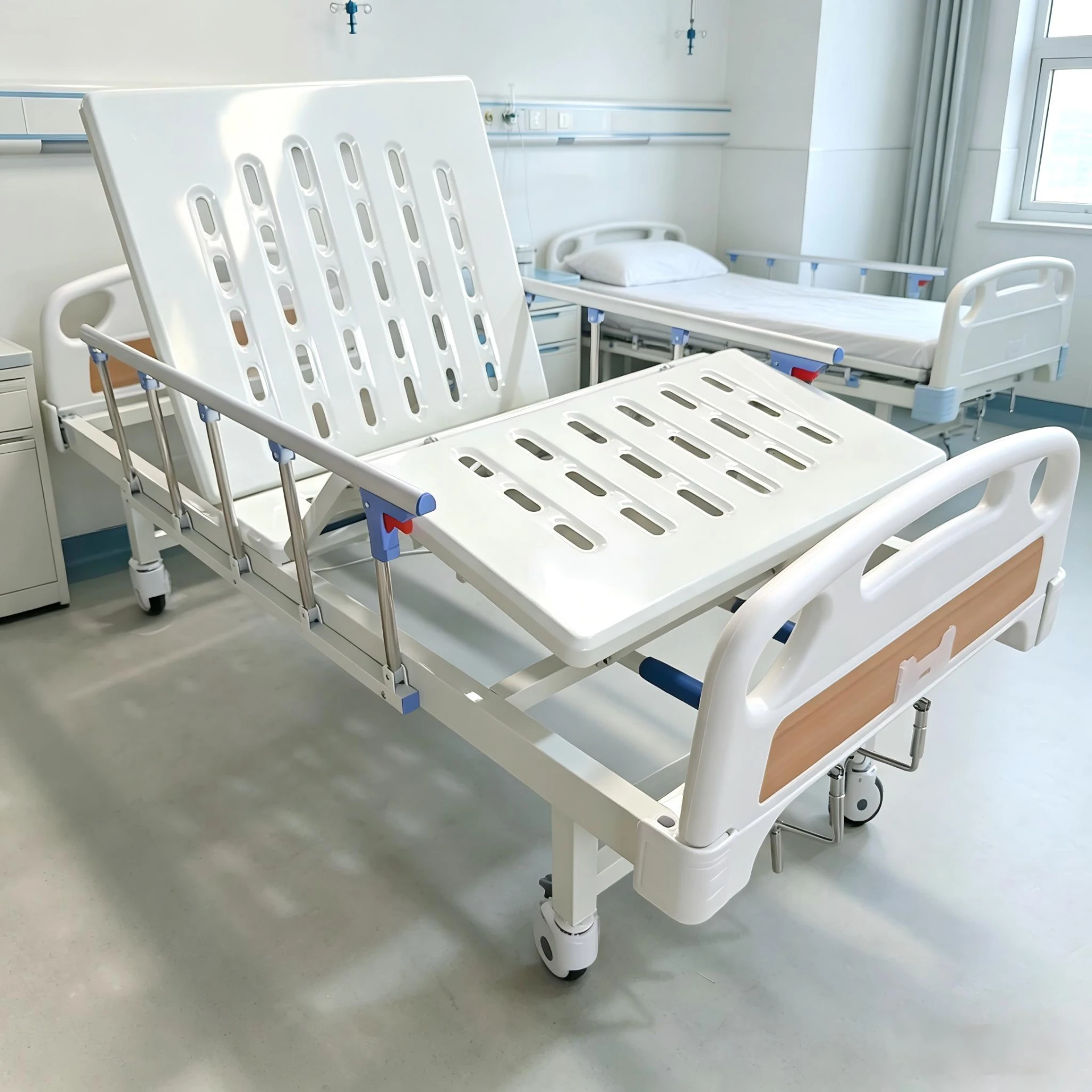
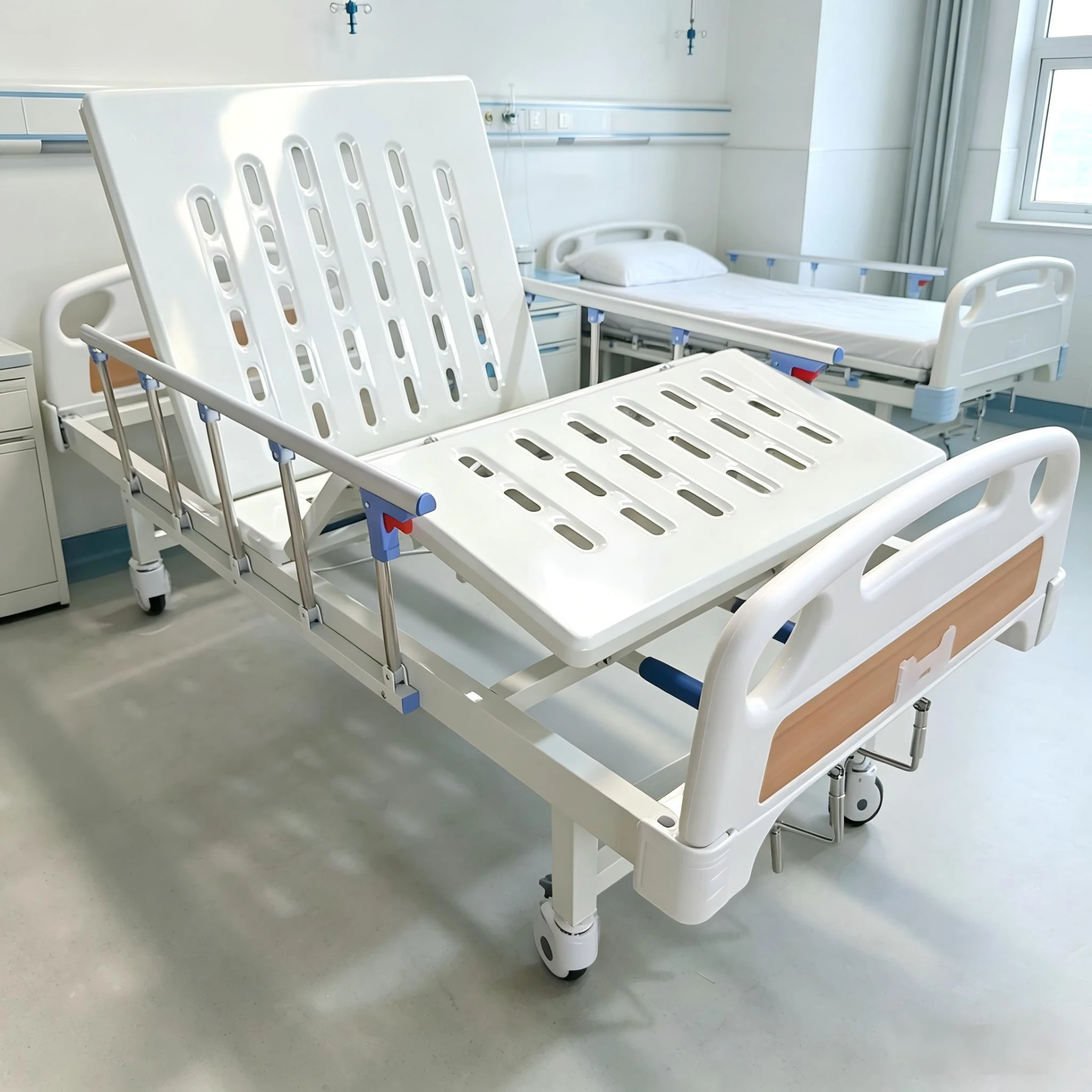
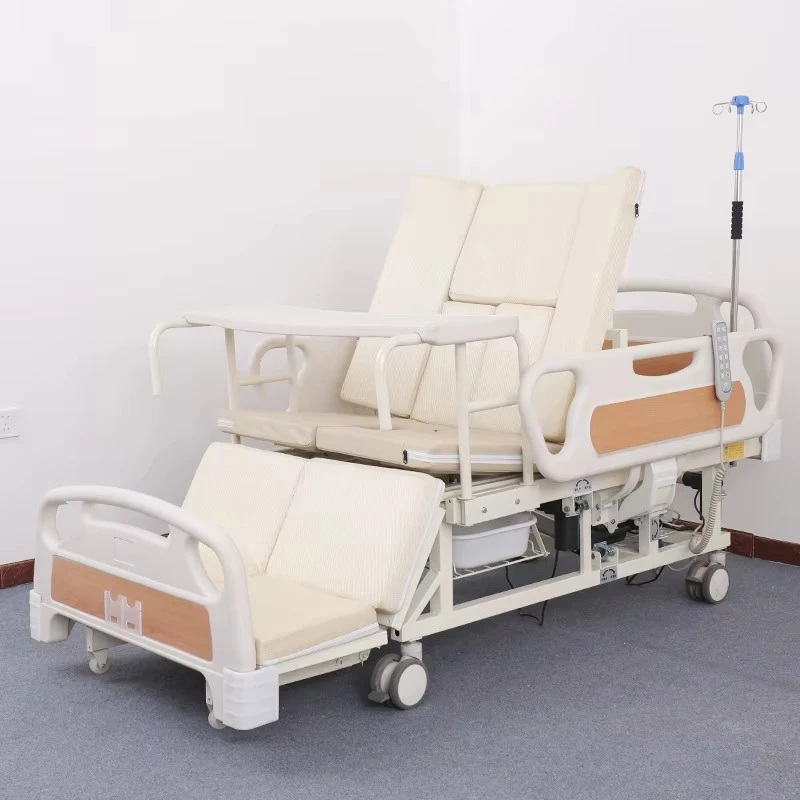
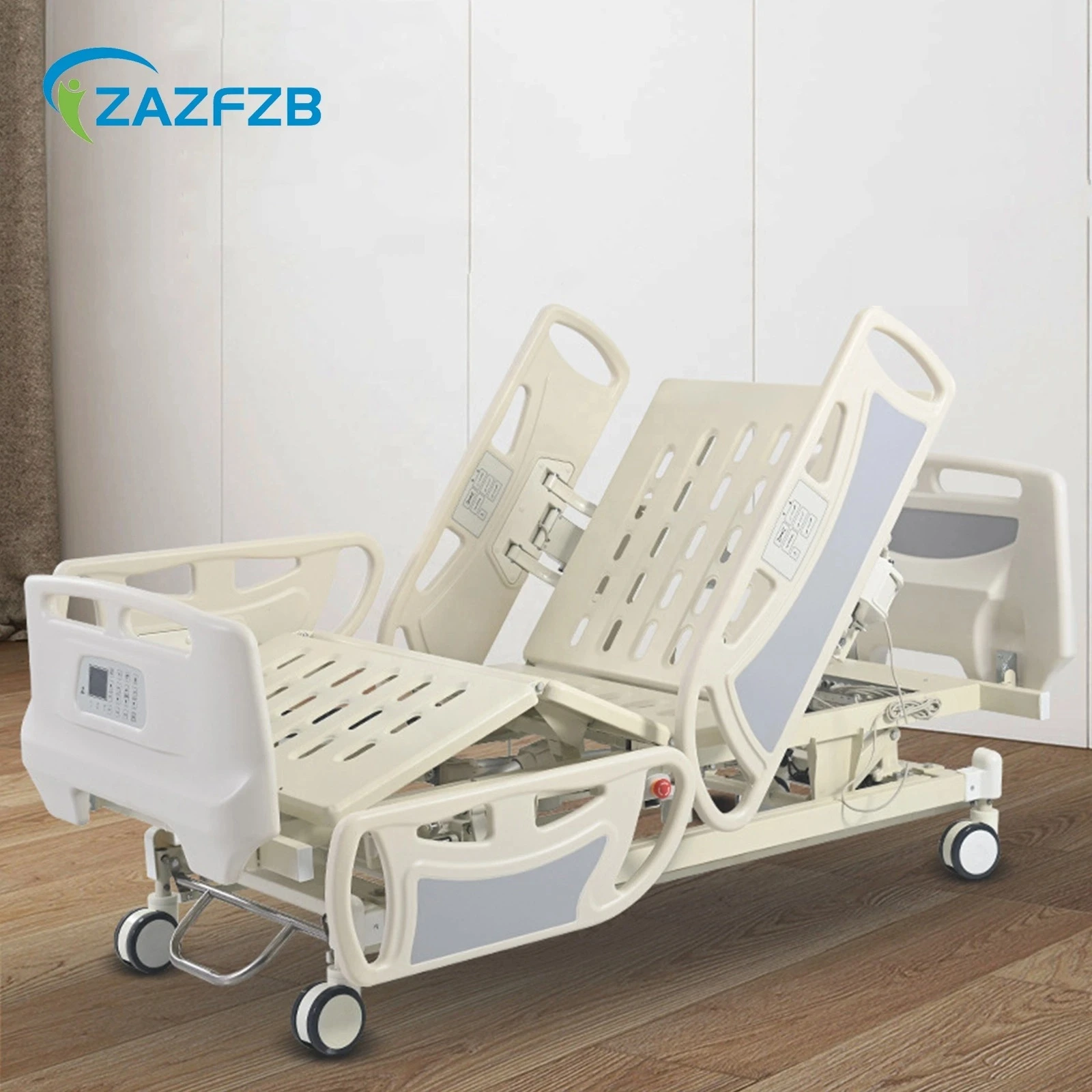
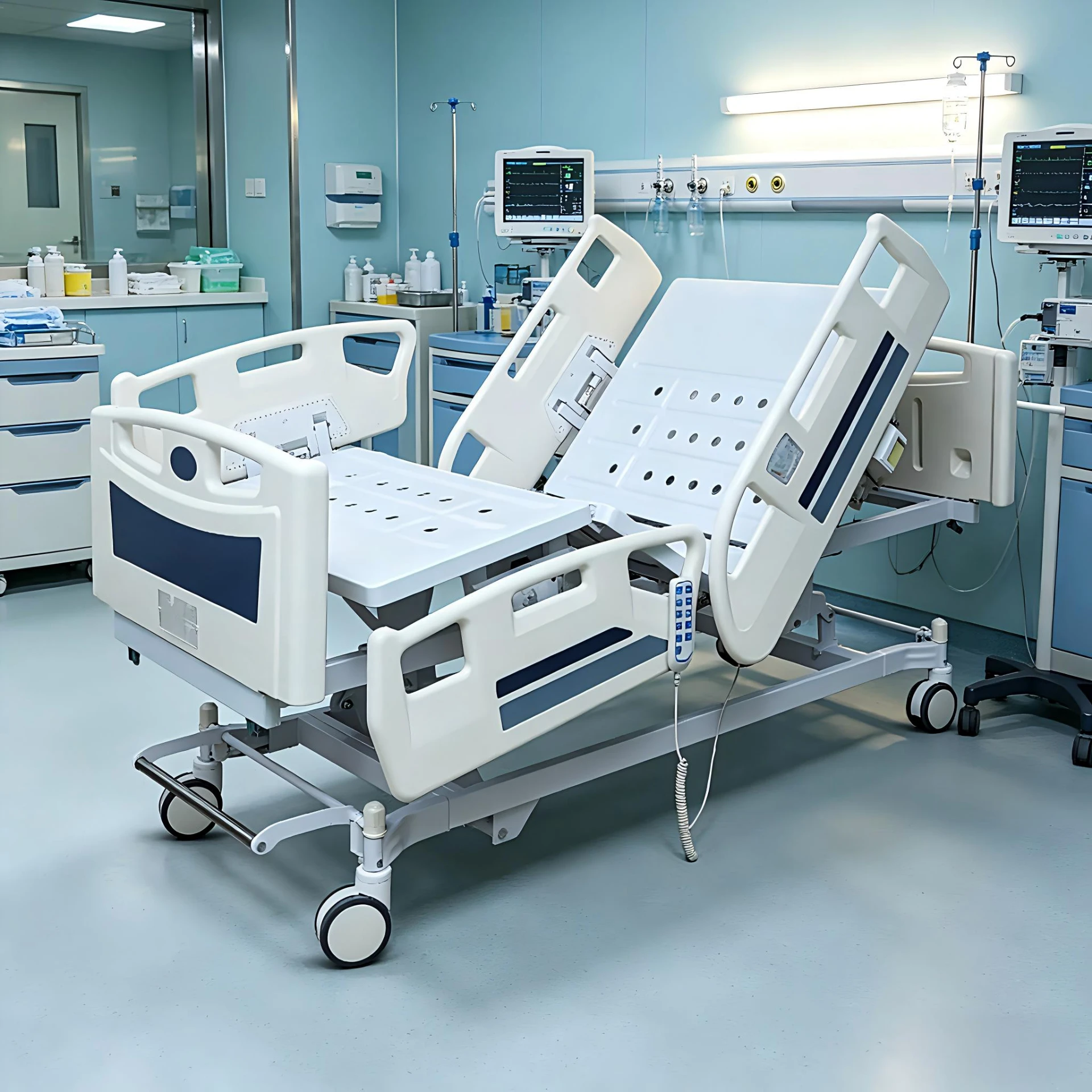
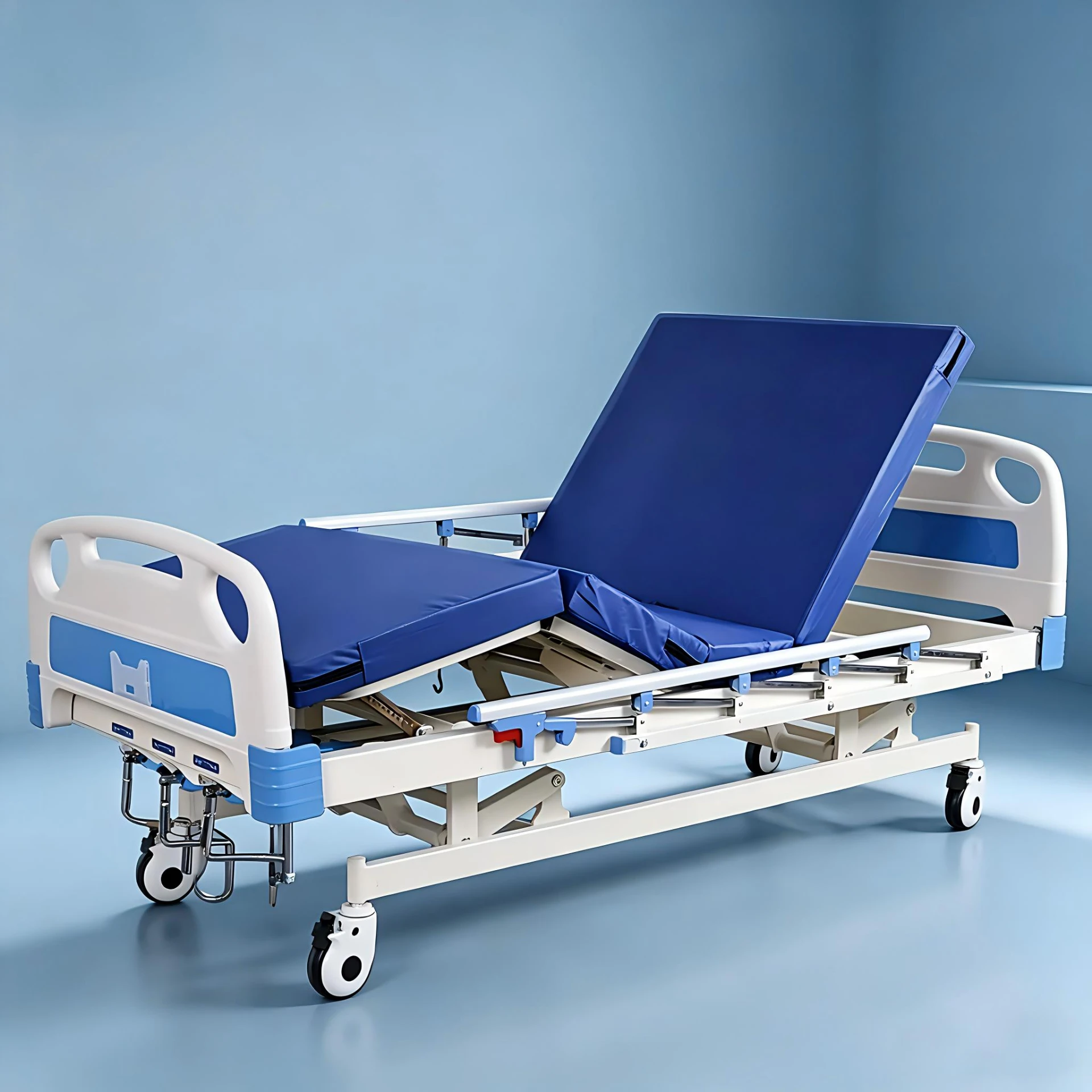
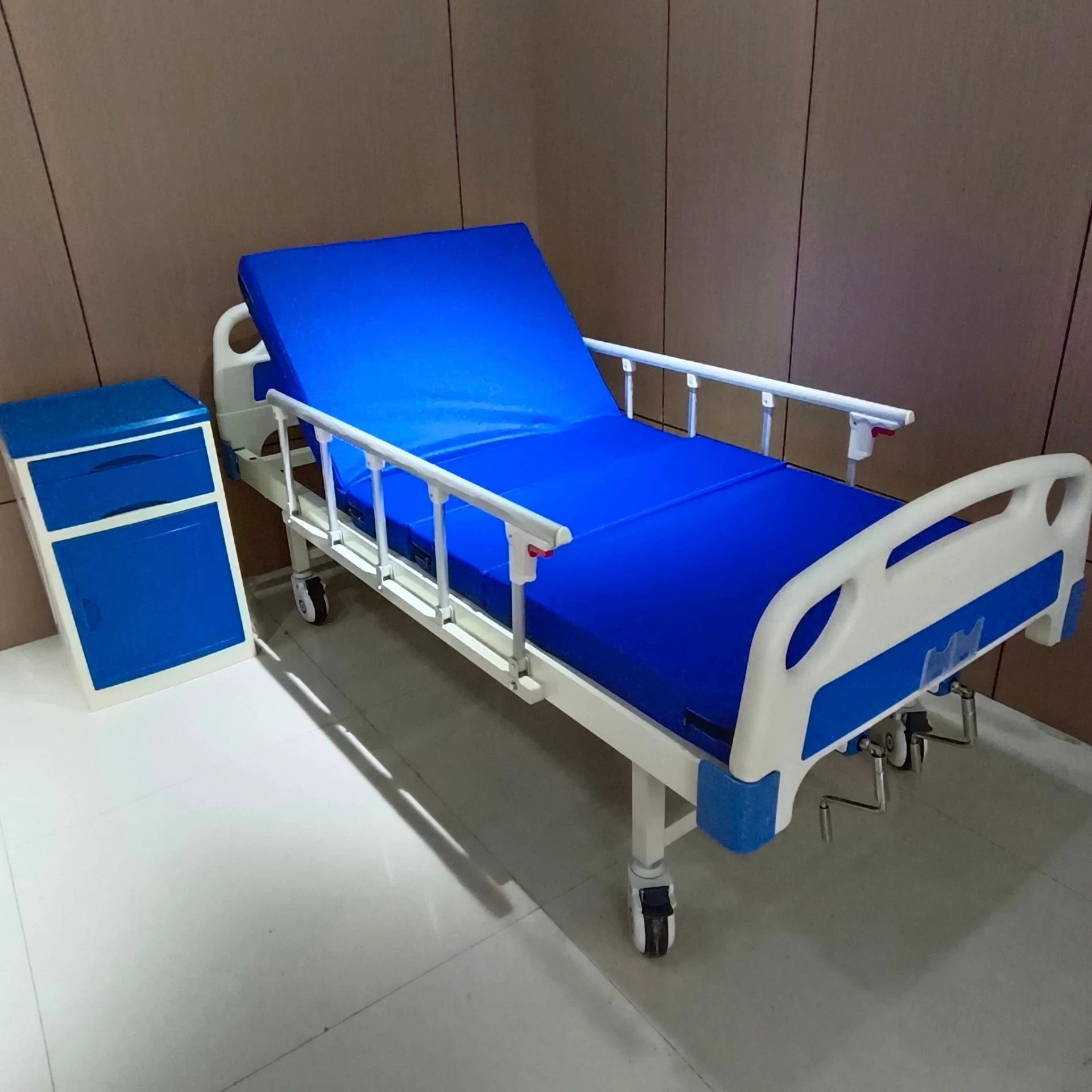
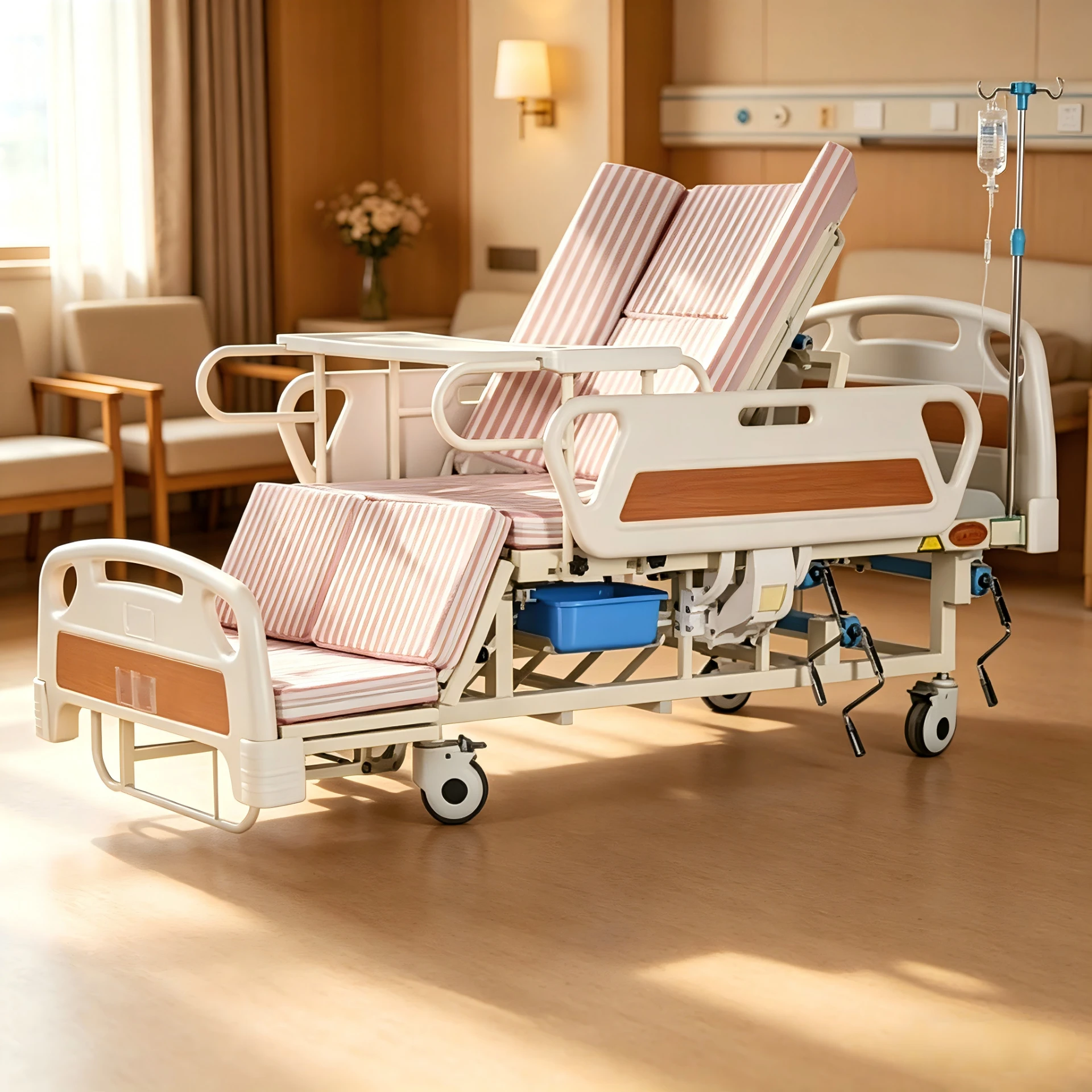
Put simply, hospital bed companies design, manufacture, and supply specialized beds used primarily in healthcare settings. These beds go beyond conventional couches or recliners. They’re engineered for patient comfort, clinical support, safety, and often, staff efficiency. That includes everything from adjustable height, various reclining positions, integrated IV and monitoring systems, to easy-clean surfaces complying with strict sanitation protocols.
In a more humanitarian light, these companies also supply beds for temporary or mobile medical units — think earthquake zones, refugee camps, or emergency field hospitals. Their products become lifesavers in literally every sense, impacting health outcomes, and sometimes, the overall dignity of patients undergoing extremely difficult circumstances.
Key Factors Driving Hospital Bed Innovation
1. Durability and Safety
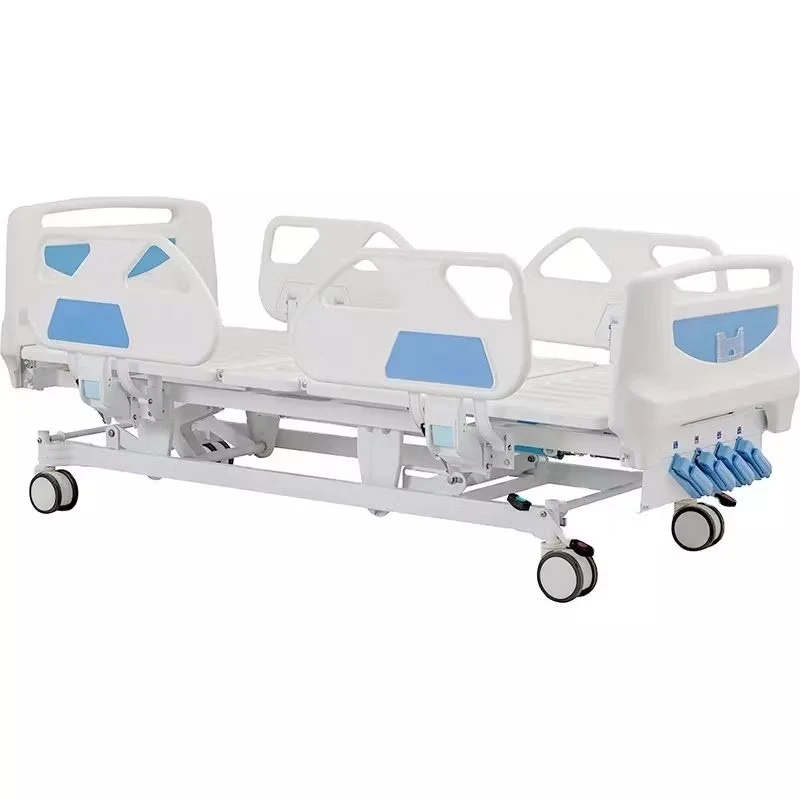
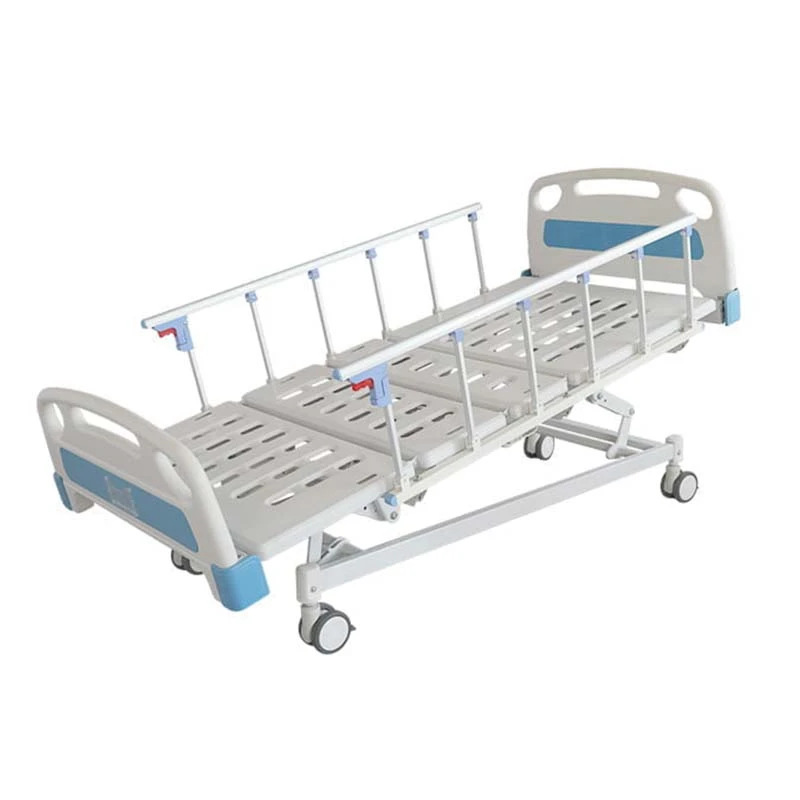
Hospital beds must withstand constant use and strict hygiene standards, so durability is non-negotiable. Companies invest heavily in materials that resist rust, provide robustness without heavy weight, and ensure patient safety with features like side rails and lockable wheels.
2. Adaptability and Comfort
Patients vary significantly—from newborns needing gentle cradling to elderly with mobility challenges. Modern beds offer adjustable heights, multiple positioning options, and pressure-relief mattresses that reduce the risk of bedsores. Comfort here isn’t just a fancy add-on; it can directly affect healing times.
3. Cost Efficiency
Healthcare budgets are always tight. Affordable yet quality beds allow hospitals to maintain proper capacity. Many hospital bed companies now focus on scalable production methods and modular designs that reduce costs but keep essential functions intact.
4. Technological Integration
As hospitals go smart, so do their beds. Integration with monitoring devices, electronic controls, and even IoT capabilities means beds can now help clinicians track patient conditions remotely, triggering alarms as needed.
5. Compliance and Certification
Hospitals must stick to stringent international standards—ISO certifications, FDA approvals (in the US), or CE markings in Europe. The best companies have rigorous quality assurance systems to ensure compliance.
Hospital Bed Specifications at a Glance
| Feature | Typical Value | Remarks |
|---|---|---|
| Adjustable Height Range | 40–80 cm | Allows ergonomic patient transfers |
| Weight Capacity | 150–250 kg | Supports a wide range of patients |
| Electrical Functions | 1–4 motors | For position adjustments and tilt |
| Side Rails | Fixed or Foldable | Patient safety |
| Material | Steel frame with PU coating | Rust and infection resistant |
Mini takeaway: When choosing hospital beds, knowing specs helps you match the bed’s practicality with patient and facility needs.
How Hospital Bed Companies Serve The World
In places like the US and Europe, these companies supply hospitals with high-tech beds designed for chronic care, surgery recovery, and intensive care settings. Elsewhere, in developing countries or disaster zones, they pivot to fast-deploy, sturdy yet affordable beds. An example that stands out is the use of modular hospital beds in the aftermath of the 2010 Haiti earthquake, where quick setup and mobility saved lives.
Oddly enough, even industrial zones in remote areas rely heavily on hospital bed makers to outfit their onsite medical clinics. Whether it's mining operations in Australia or oil rigs in the North Sea, reliable hospital beds ensure injured workers receive timely, dignified care.
Hospital Bed Company Comparison
| Company | Specialization | Global Reach | Key Strength | Price Range |
|---|---|---|---|---|
| ZhaoFa Medical | High-tech ICU & General Beds | Asia, Africa, South America | Durability & Customization | $$$ |
| Medline Industries | Wide Range, including Economy Beds | Global mostly USA/Europe | Comprehensive product line | $$$ |
| Hill-Rom | Innovative, Smart Technology Beds | Worldwide | Tech integration & R&D | $$$$ |
| Invacare | Homecare & Hospital Beds | North America, Europe | Patient comfort focus | $$ |
Mini takeaway: Different companies excel in different niches — from budget solutions to high-tech innovation — so research based on your needs is key.
Advantages And The Lasting Impact
Hospital bed companies provide more than just equipment. They offer peace of mind to families watching loved ones recover, and to medical staff relying on reliable tools to save lives. Cost-efficient production enables wider access, supporting healthcare equity globally. The constant evolution of design also means sustainability is growing — from recyclable materials to power-saving motors. The long-term value isn’t just fiscal; it’s deeply humane.
Looking Ahead: Trends and Innovations on the Horizon
We’re observing an exciting era where beds incorporate AI for automatic repositioning and fall prevention. Eco-friendly materials and solar-powered backup systems are gaining ground, especially for regions with unstable electricity. Moreover, digital connectivity means beds might soon tie into full hospital management systems, streamlining workflow like never before.
Facing The Challenges And Solving Them
Despite advancements, there remain hurdles: high initial costs can discourage smaller clinics, regulatory complexities vary widely, and supply chains sometimes struggle under pandemic pressures. However, many hospital bed companies now offer modular, scalable products to ease upfront investment, while partnering with NGOs and governments to navigate regulations. The pandemic showed how flexibility and speed in production save lives — something many manufacturers are taking to heart.
Frequently Asked Questions About Hospital Bed Companies
- Q: How do hospital bed companies ensure compliance with international healthcare standards?
A: Leading manufacturers invest in certifications like ISO 13485 for medical devices and FDA approvals. They conduct rigorous testing for safety, durability, and hygiene, often with third-party audits to meet various global regulations. - Q: Can hospital beds be customized for specialized needs?
A: Absolutely. Many companies offer customization options such as extra weight capacity, specialized mattresses, integrated monitoring systems, and adjusted dimensions to accommodate pediatrics or bariatric patients. - Q: What innovations have hospital bed companies recently introduced?
A: Recent innovations include IoT-enabled beds that provide real-time patient data, energy-efficient motors, antimicrobial surfaces to reduce infections, and solar-powered options for off-grid facilities. - Q: How can smaller hospitals manage costs when purchasing hospital beds?
A: Modular beds that can be upgraded over time, flexible payment plans, leasing options, and working with companies that cater to budget-conscious markets can help smaller facilities afford quality beds. - Q: Are portable hospital beds reliable for emergency and disaster use?
A: Designed for rapid deployment, portable hospital beds are built to be durable, easy to assemble, and maintain basic comfort and safety standards — making them invaluable in disaster relief and field hospitals.
Final Thoughts and a Quick Reminder
The world’s healthcare challenges demand more than medicines and doctors. The right bed, supplied by dependable hospital bed companies, is often a silent hero in patient recovery stories everywhere. For those involved in healthcare procurement or medical services, having a pulse on the industry can make a tangible difference. Curious to explore more specialized products or match your needs to the right supplier? Feel free to check out hospital bed companies like ZhaoFa Medical — they often blend innovation, durability, and cost-effectiveness in ways that truly impress.
Healthcare is always moving forward, and the beds patients lie on will quietly follow suit — a comforting thought, isn’t it?
References