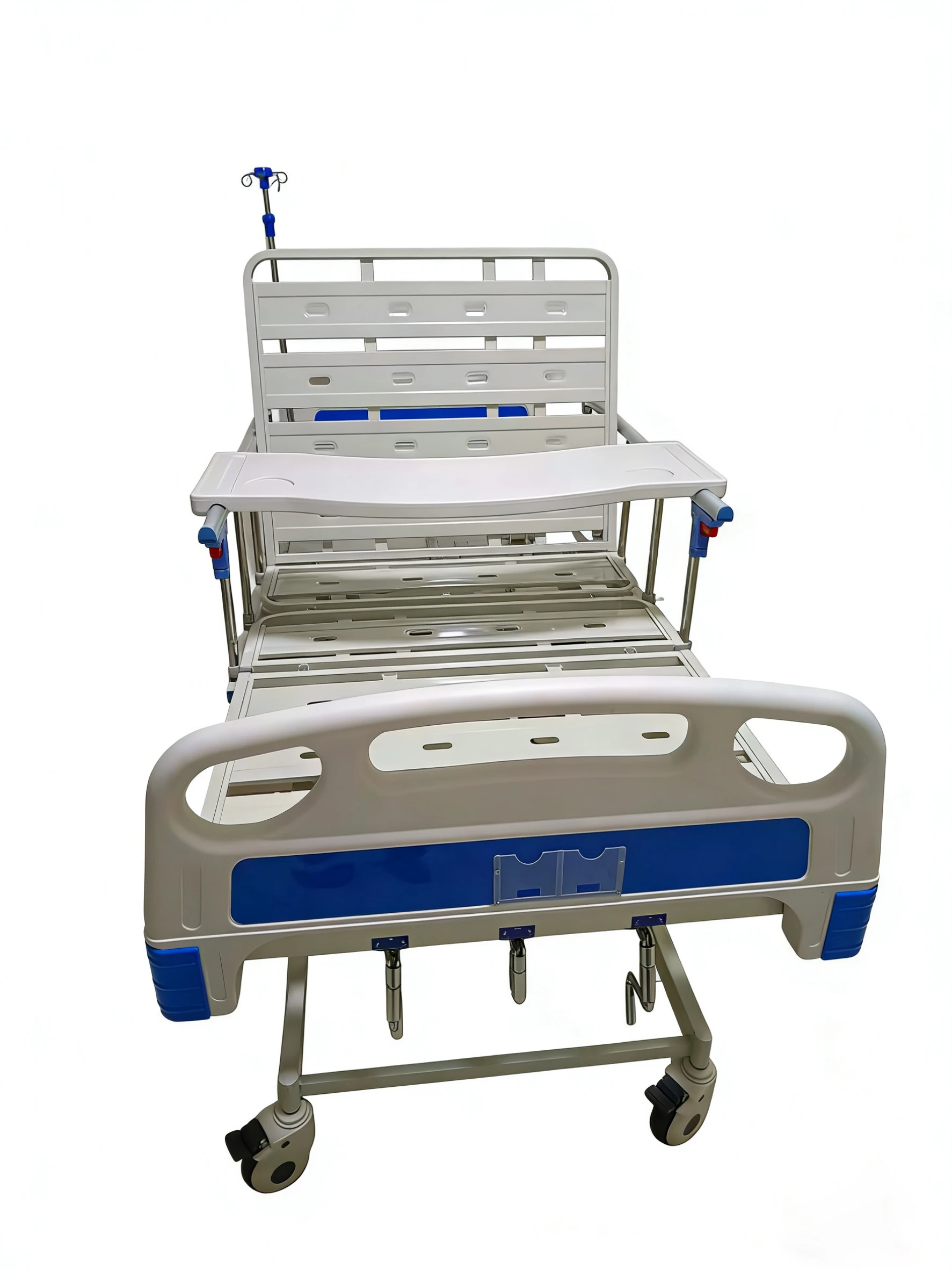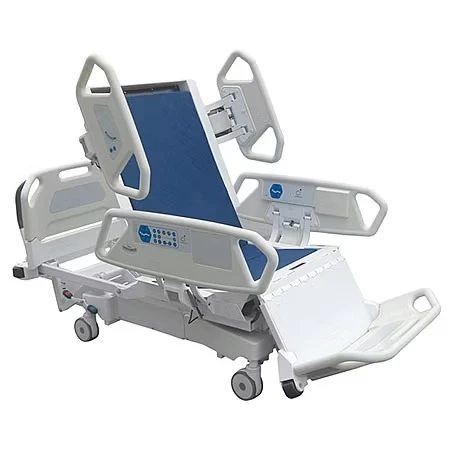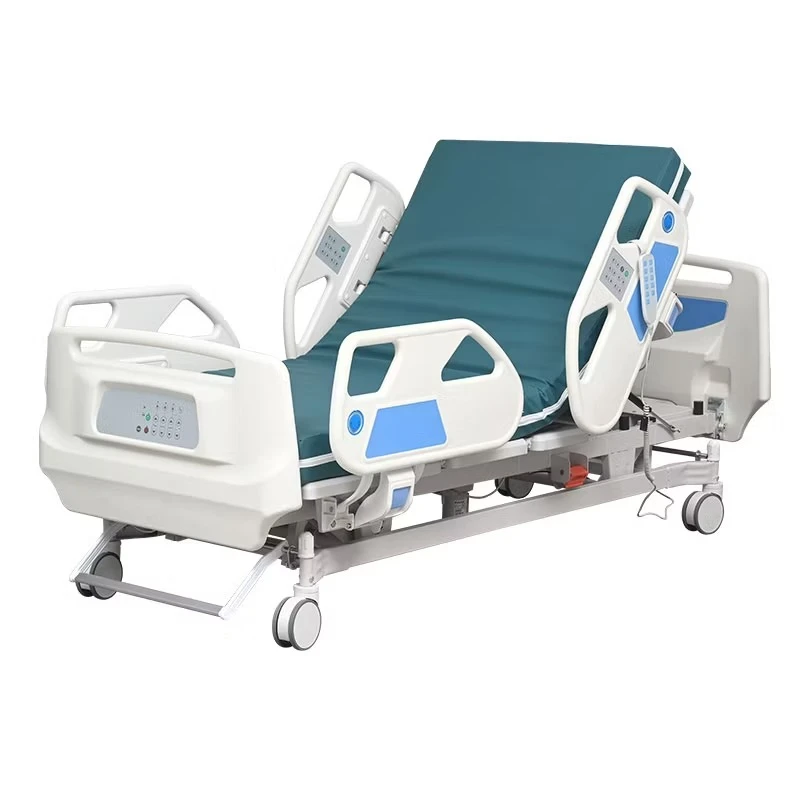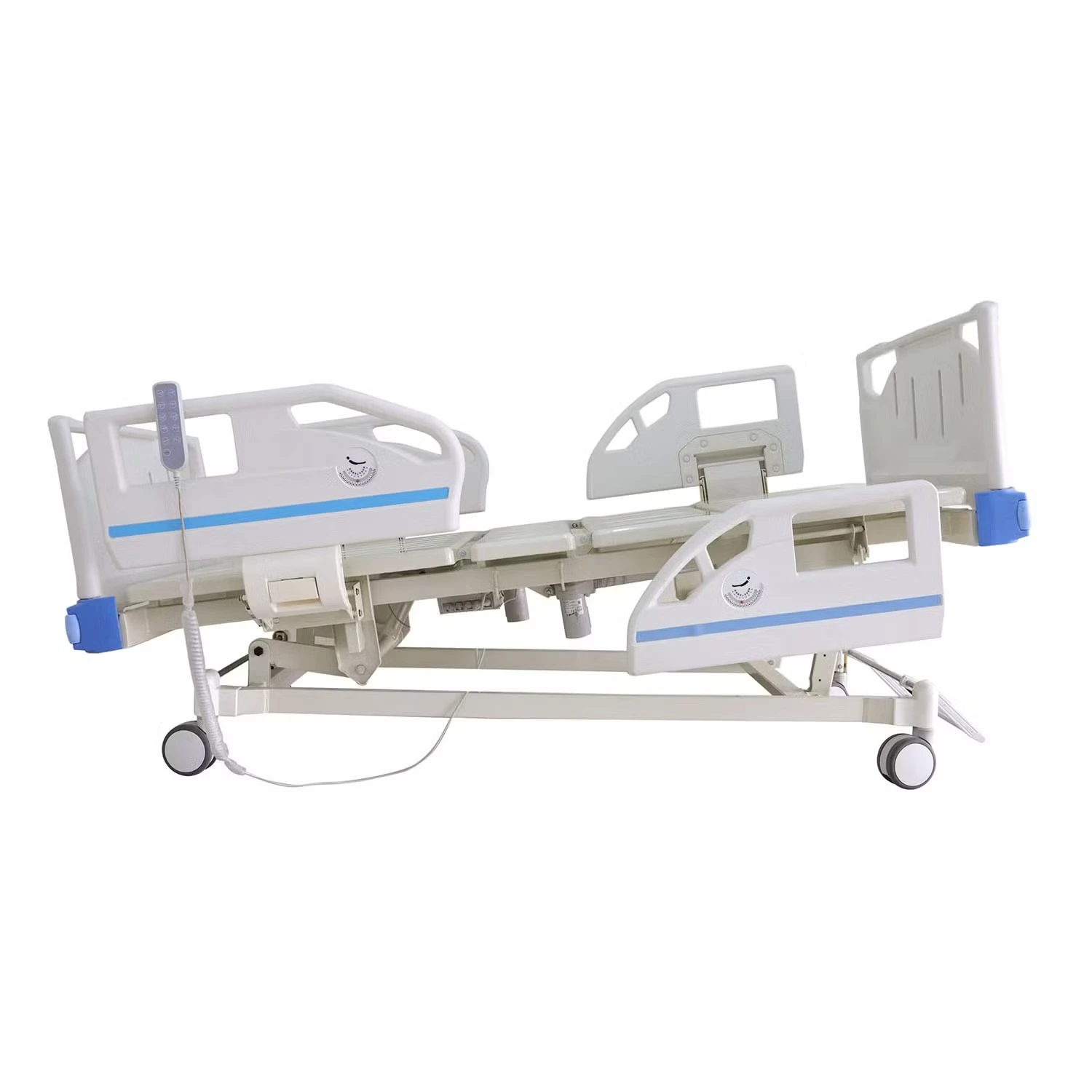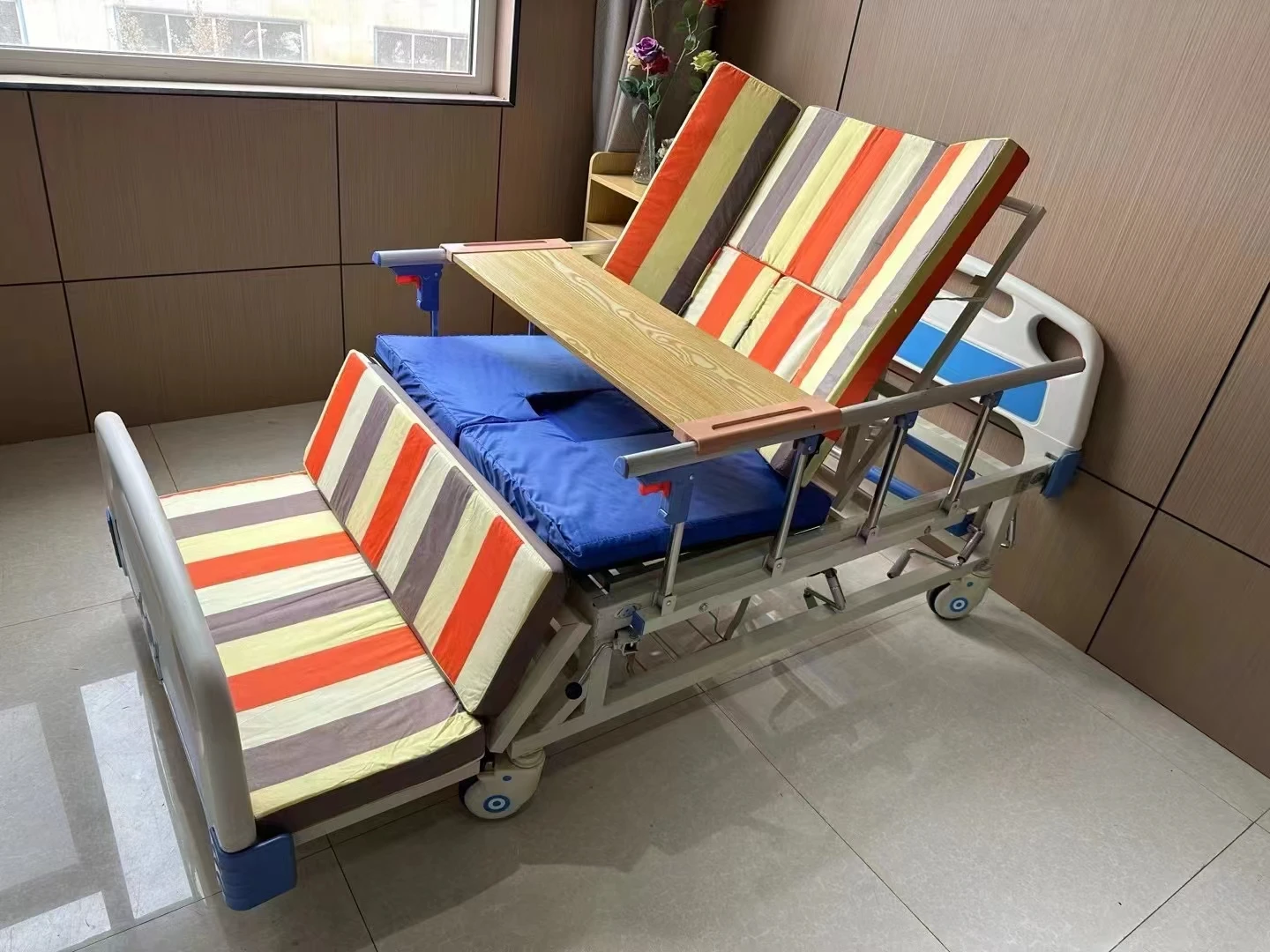
Medical Bed Dimensions: Global Standards, Benefits, and Innovations
Understanding Medical Bed Dimensions: Why Details Matter Worldwide
Medical bed dimensions may not be the first thing that springs to mind when picturing healthcare, but trust me, they’re quietly shaping patient care across the globe. Why? Because the size, adjustability, and design of these beds affect everything from safety and comfort to facility logistics and even healthcare costs. Getting a handle on medical bed dimensions unlocks benefits for patients, providers, and supply chains alike.
Globally, accurate medical bed dimensions help standardize treatment environments — a crucial factor for organizations working across borders. Knowing these specs means better planning in hospitals, more reliable emergency responses, and enhanced dignity for patients during their toughest times.
Mini takeaway: Medical bed dimensions play a vital role in global healthcare quality and operational efficiency.
The Global Context: Why Medical Bed Dimensions Matter More Than Ever
As healthcare systems expand worldwide (the World Bank reports a steady rise in hospital infrastructure investment), the humble medical bed becomes something of a silent hero. According to WHO data, many developing countries face challenges like overcrowded hospitals or lack of compatible equipment — and the bed's size and adaptability can ease or exacerbate these issues.
Also, with an aging global population (UN estimates say people over 60 will double by 2050), the demand for beds that accommodate mobility issues, bariatric needs, or specialized care grows exponentially. However, poorly defined or inconsistent medical bed dimensions cause headaches in procurement, transportation, and training. So addressing this challenge is more than just a design detail — it’s a matter of worldwide health equity.
Mini takeaway: Standardized medical bed dimensions support growing global healthcare demands and improve patient outcomes.
What Are Medical Bed Dimensions, Really?
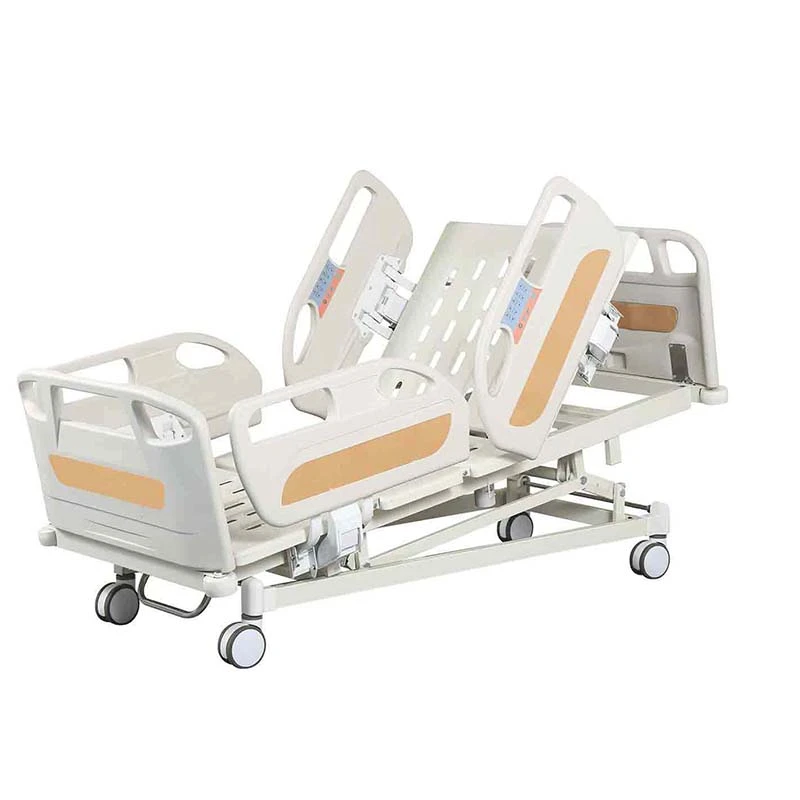
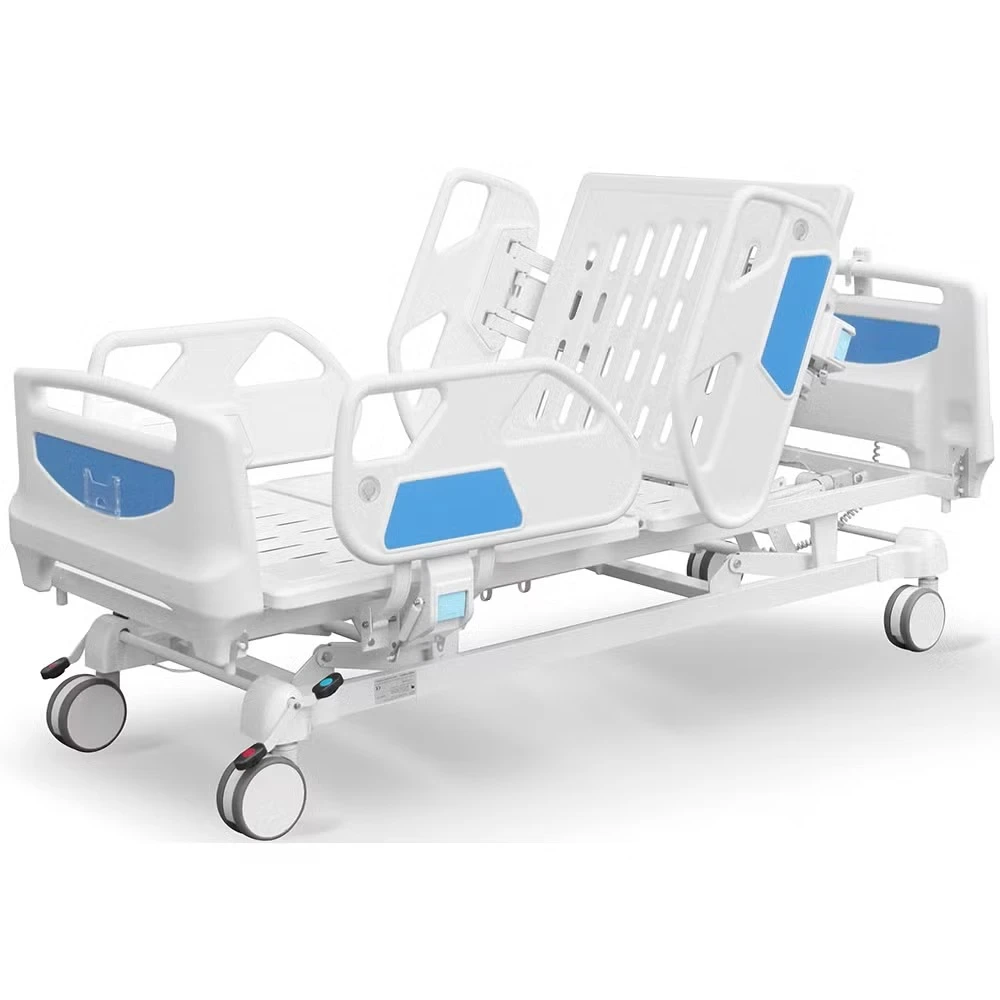
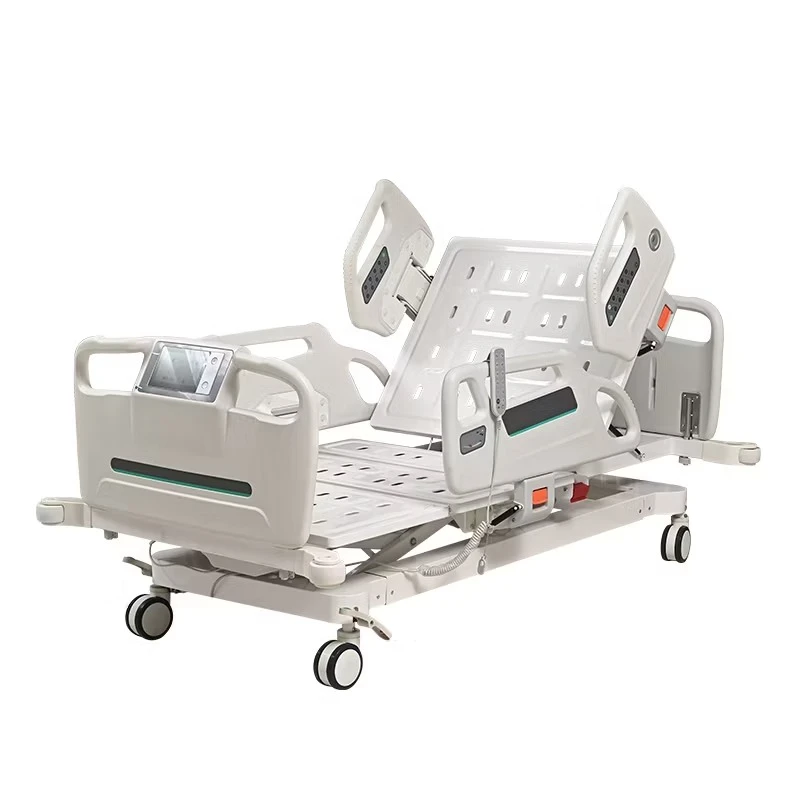
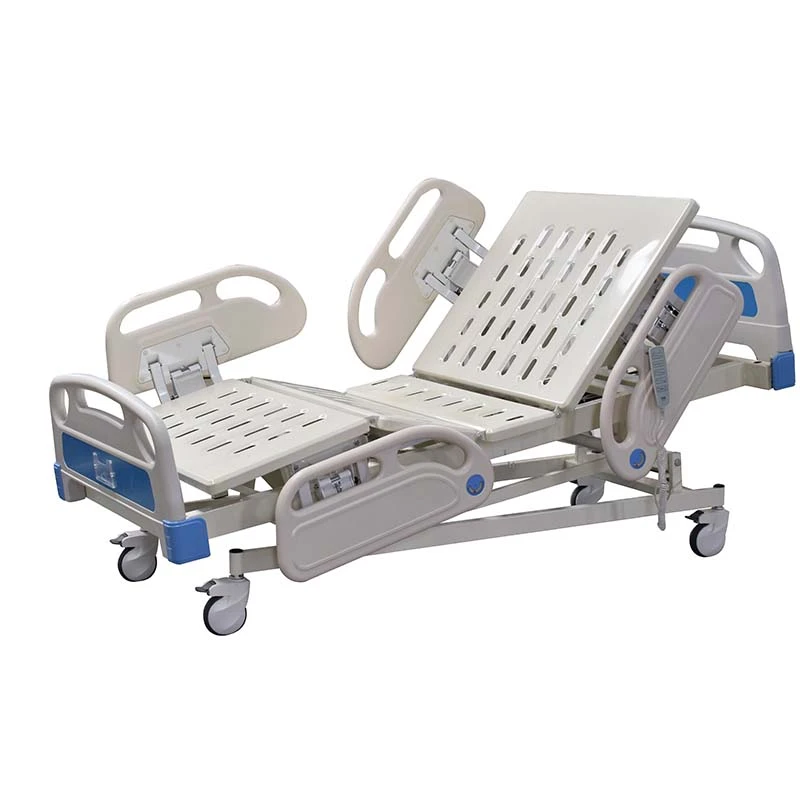
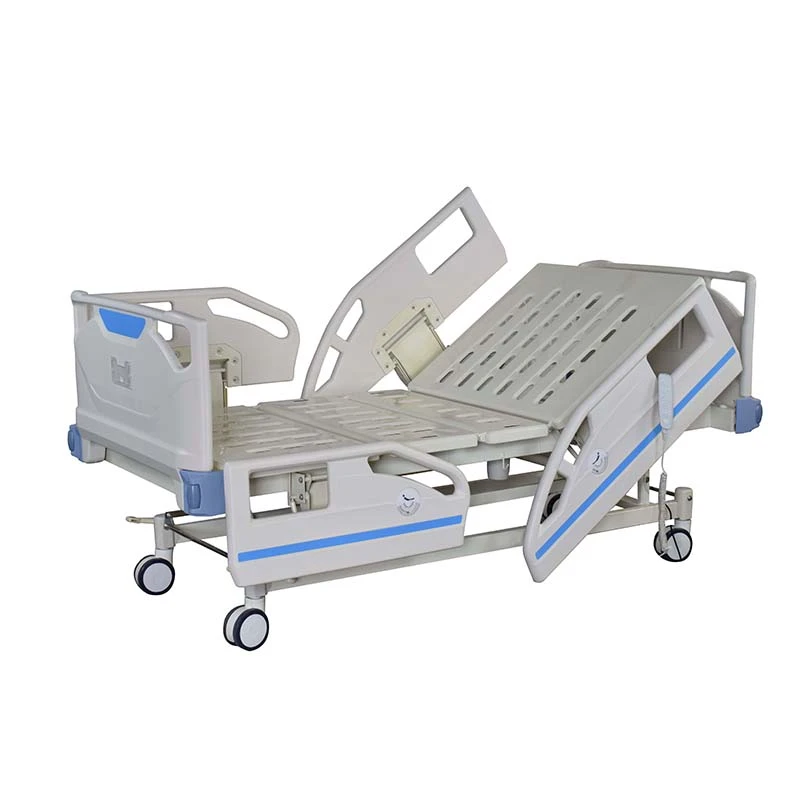
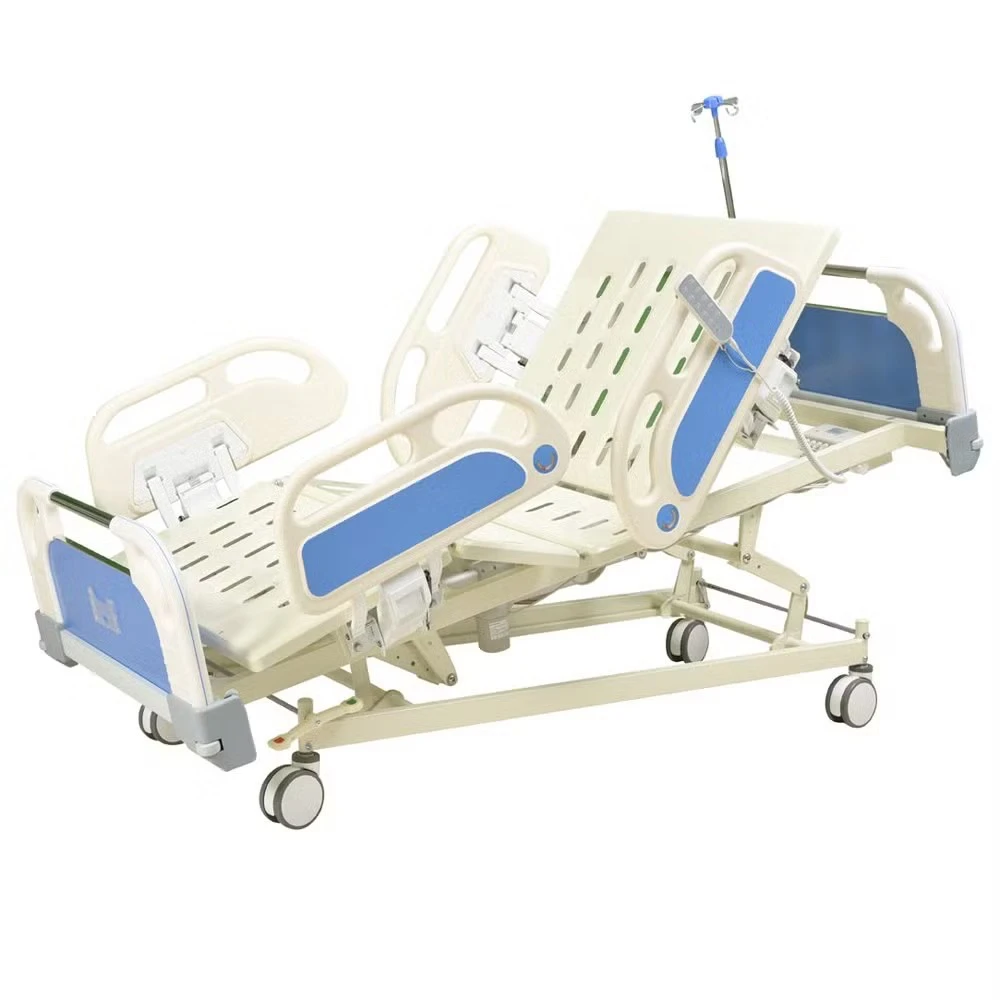
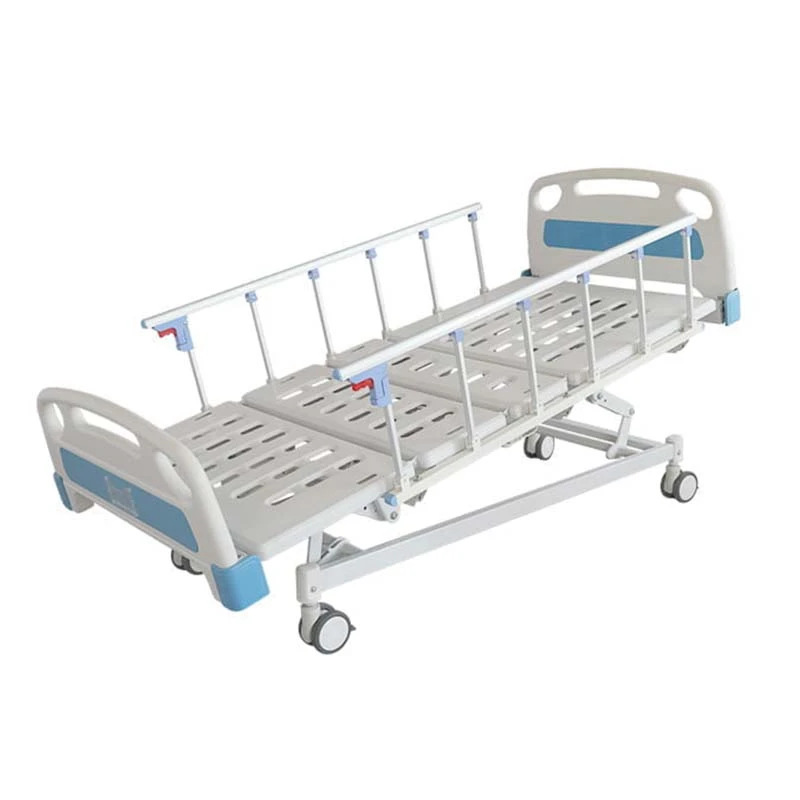
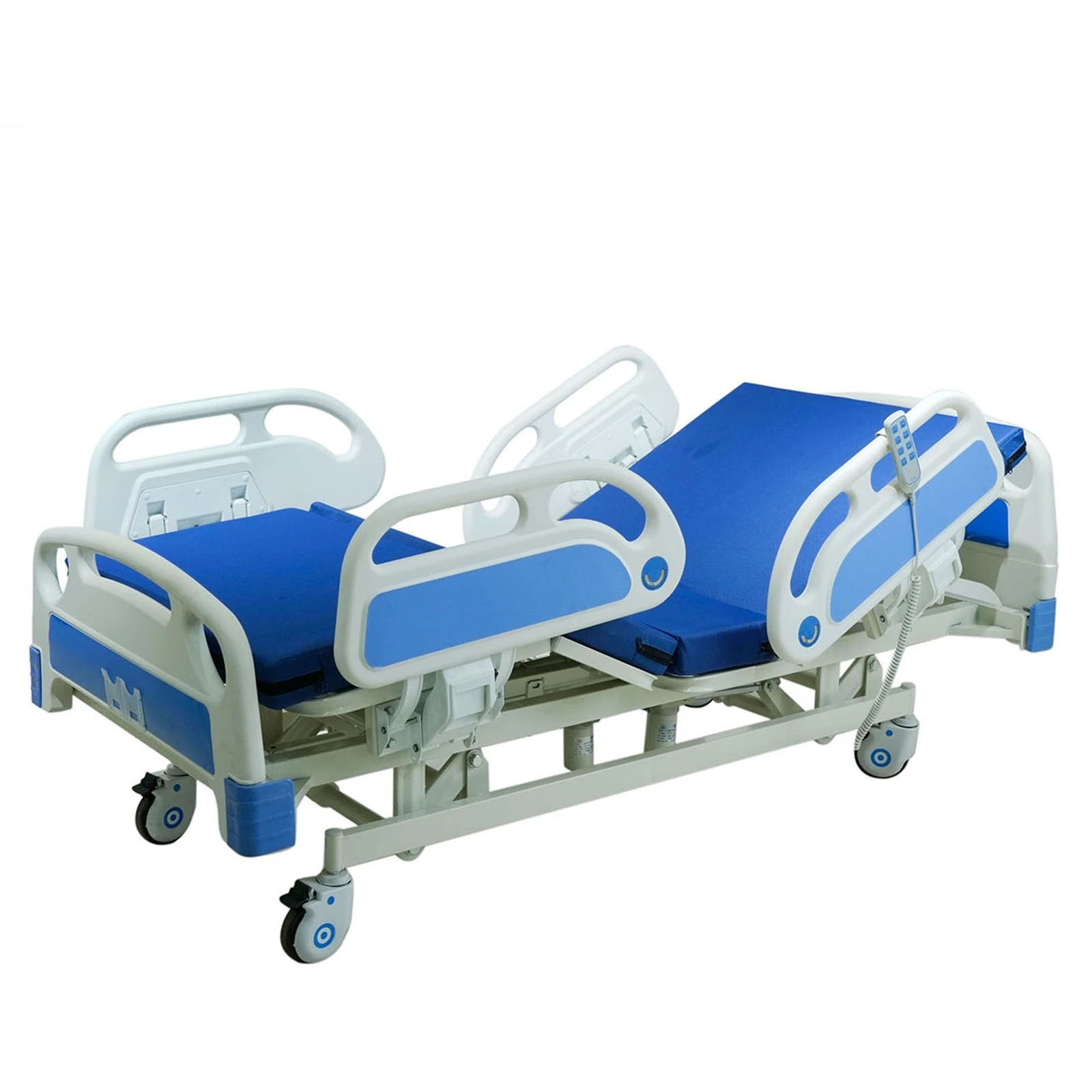
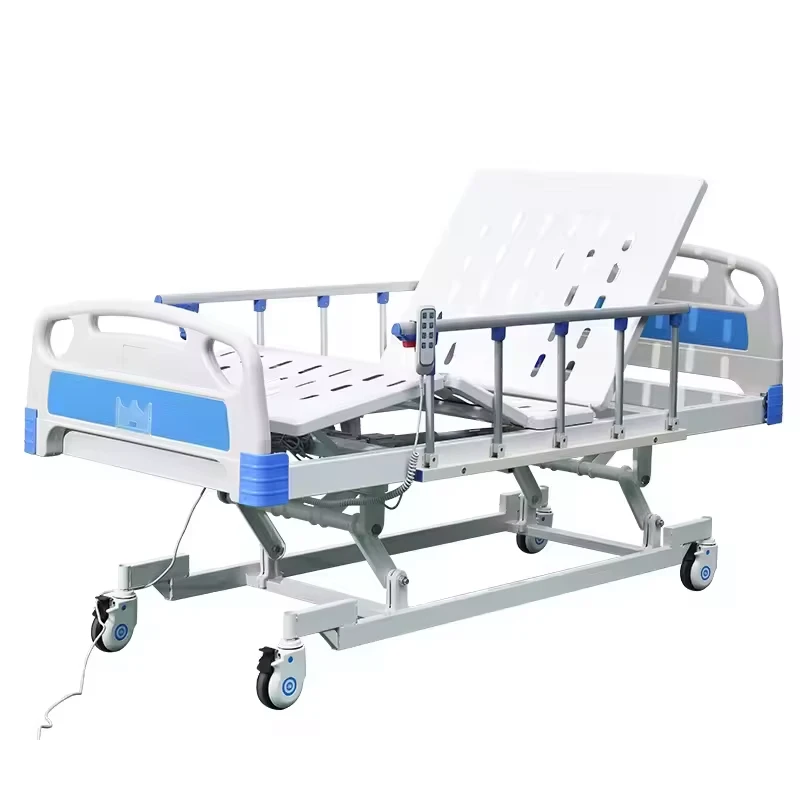
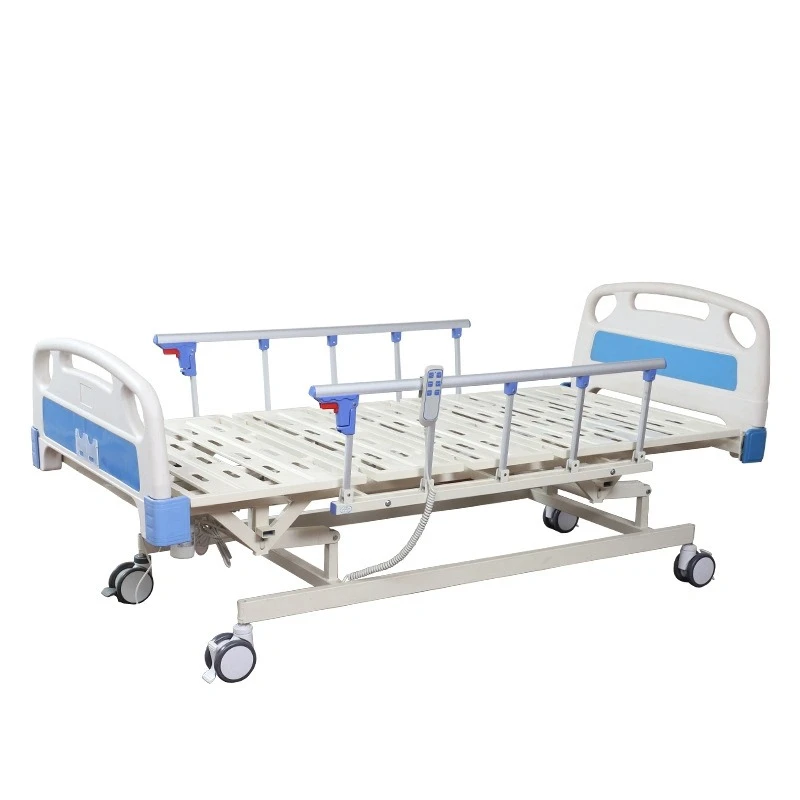
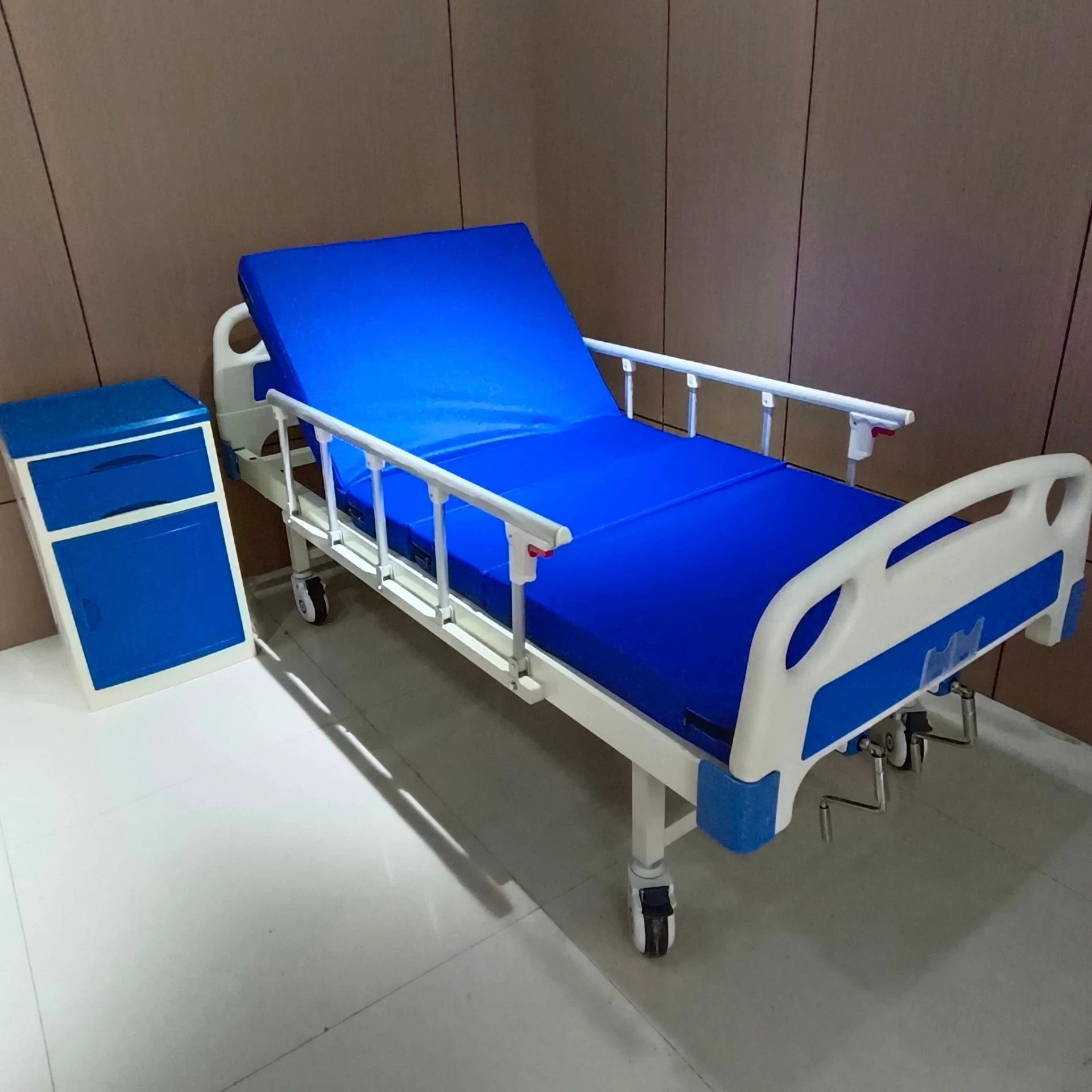
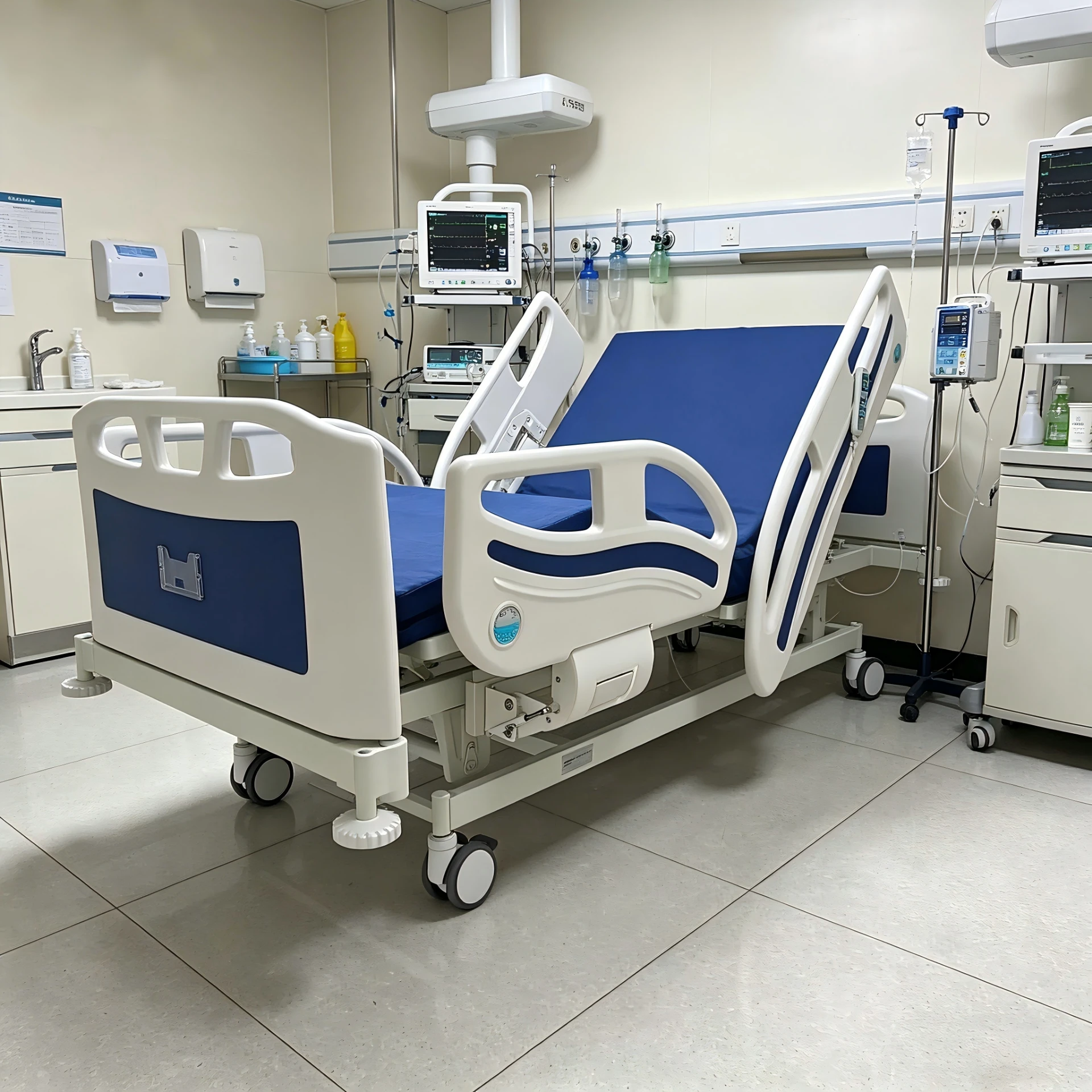
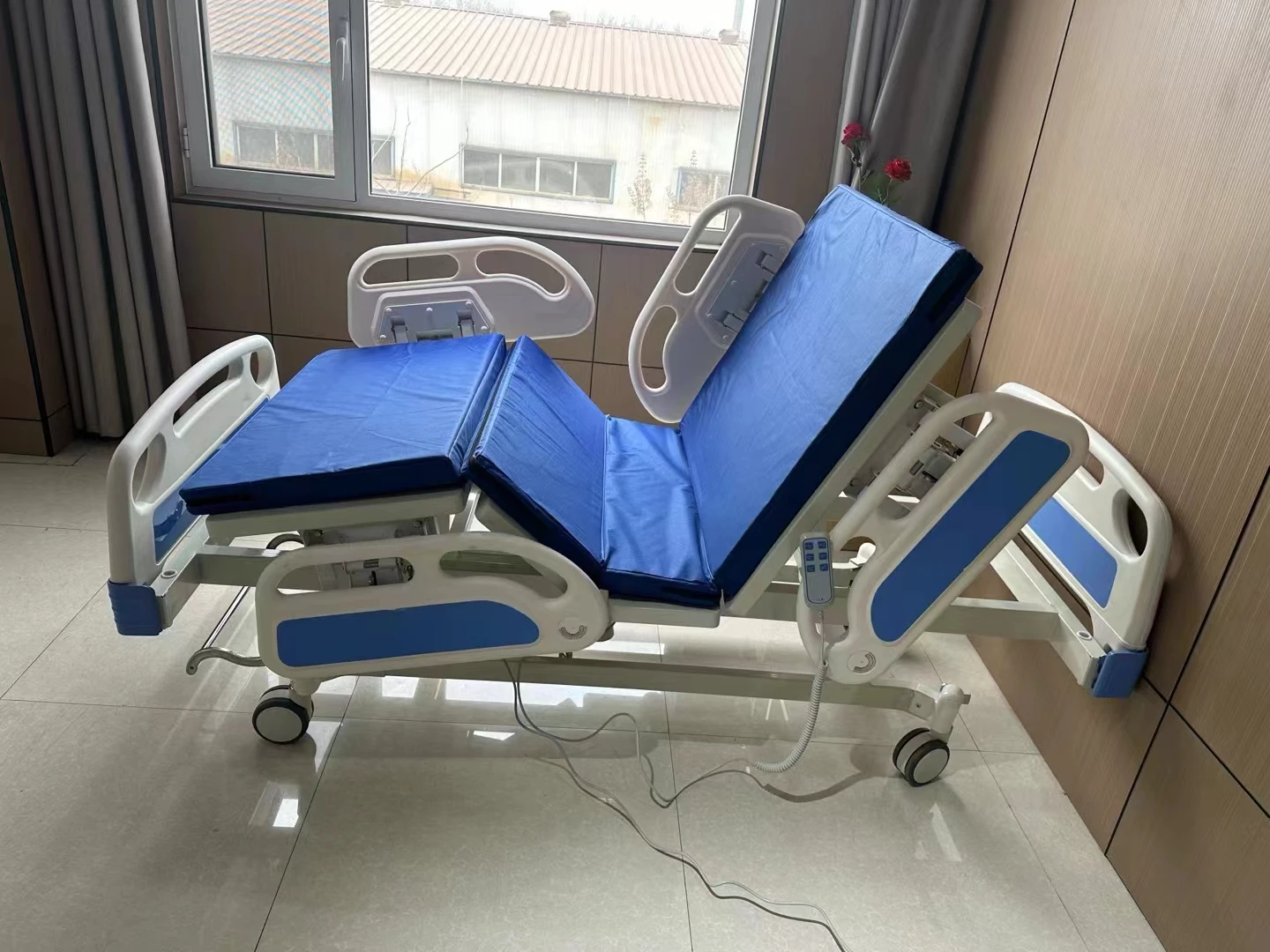
At its core, medical bed dimensions refer to the precise physical measurements of a hospital or clinical bed — including length, width, height, and sometimes more detailed specs like mattress size or rail height. They influence how a bed fits inside rooms, supports different patient weights, and interacts with associated equipment.
For example, a common adult hospital bed might have an overall length of about 78 inches and a width around 36 inches, but these numbers shift depending on the model, function, or manufacturer. The term also encompasses adjustable parts — like side rails, headboards, or lift mechanisms — which affect the bed’s “footprint” and usability.
More broadly, medical bed dimensions connect deeply to clinical workflows, ergonomics, and even compliance with international standards (like ISO 80601-2-52), which ensures safety and interoperability.
Mini takeaway: Medical bed dimensions are more than numbers; they shape how beds serve patients and professionals.
4 Key Aspects of Medical Bed Dimensions
1. Patient Safety and Comfort
Dimensions directly impact a patient's security — the right bed width prevents falls, while appropriate length supports proper posture. Additionally, height adjustability helps caregivers avoid injuries while tending bedsides.
2. Space Optimization
Hospitals juggle tight spaces and crowded rooms. Beds with standard or modular dimensions fit neatly, leaving room for equipment or visitors. Odd sizes can cause logistical quagmires, from installation headaches to movement restrictions.
3. Equipment Compatibility
Medical beds rarely stand alone — monitors, IV poles, and hoists rely on matching or adjustable dimensions. A mismatch means costly adapters or workarounds that slow care delivery.
4. Portability and Deployment
In disaster zones or temporary field hospitals, bed dimensions influence transportability. Some models fold or dismantle to fit into standard containers, aiding rapid mobilization.
5. Customization for Special Needs
Not everyone fits into the “standard” dimension. Bariatric beds, pediatric beds, or neonatal cribs all feature tailored dimensions, ensuring dignity and proper treatment.
6. Regulatory Compliance
Adherence to medical standards and local regulations ensures legal use and reimbursement. Dimensions part of these rules minimize procurement issues.
Mini takeaway: Medical bed dimensions touch on safety, efficiency, comfort, and compliance — all critical for healthcare success.
Real-World Applications of Medical Bed Dimensions
Around the world, from bustling urban hospitals in Europe to rural clinics in Africa, medical bed dimensions influence operational success.
For instance, in post-disaster relief operations, compact beds with foldable frames are preferred to fit into cargo planes or trucks — rapid setup is critical. Meanwhile, in long-term care facilities, adjustable beds accommodate diverse patient mobility, improving quality of life.
Organizations like Médecins Sans Frontières design medical outreach kits factoring in standardized bed sizes to streamline their hospital-in-a-box programs. In advanced medical centers, smart beds integrate IoT sensors but still conform to established size norms for compatibility.
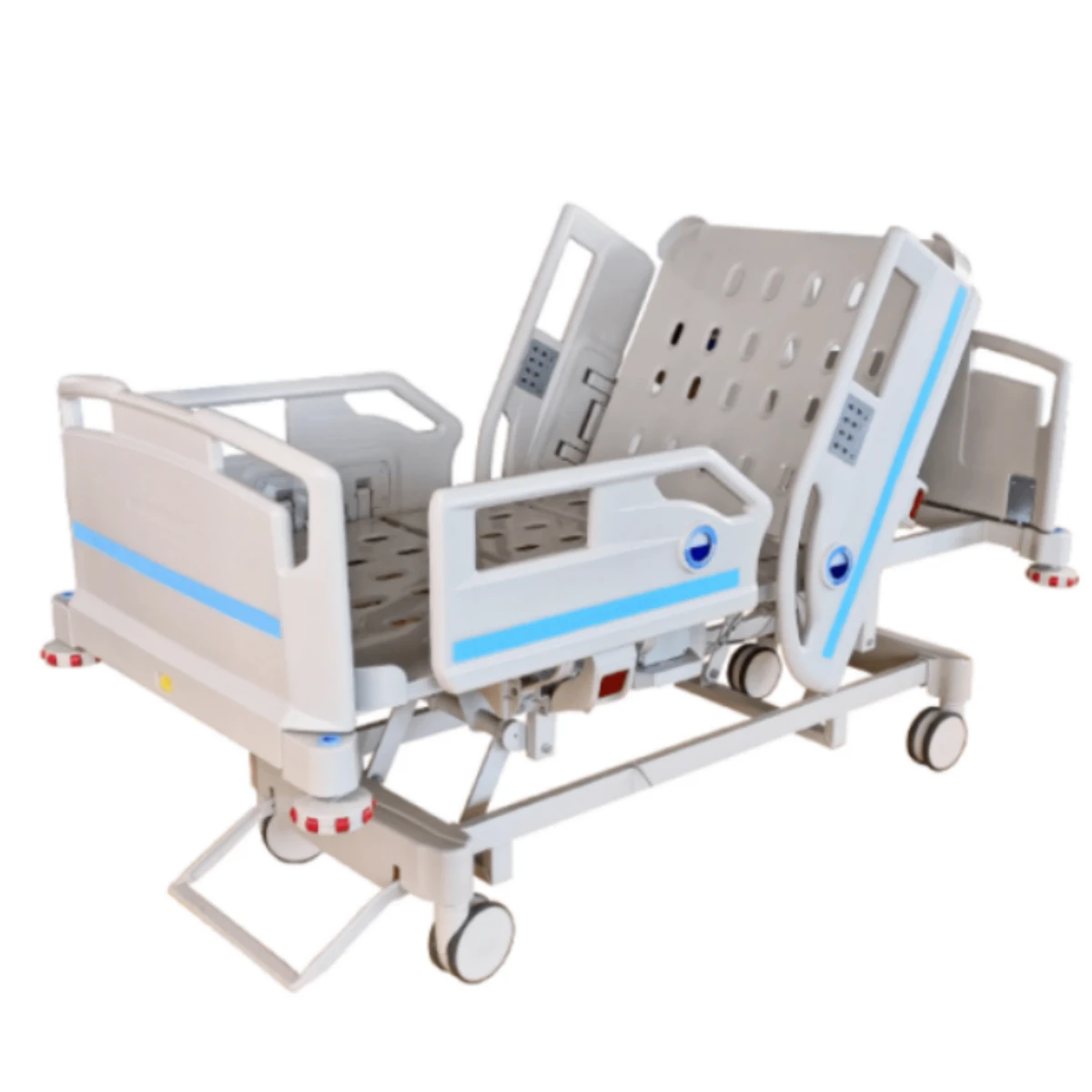
Even within hospitals, departments like ICU or maternity units choose beds fitting different medical dimensions and workflows, proving no one size fits all.
Product Specification Table: Typical Medical Bed Dimensions
| Specification | Typical Range | Notes |
|---|---|---|
| Length (overall) | 78–84 inches (198–213 cm) | Includes mattress base and head/footboards |
| Width | 35–42 inches (89–107 cm) | Varies by patient type (adult to bariatric) |
| Height Adjustment | 14–30 inches (35–76 cm) | Adjustable to assist patient and caregiver |
| Weight Capacity | 300–600 lbs (136–272 kg) | Heavier for bariatric beds |
| Rail Height | 15–22 inches (38–56 cm) | Ensures fall protection |
Mini takeaway: These typical dimensions guide design and procurement worldwide, balancing function and flexibility.
Vendor Comparison: Leading Medical Bed Dimensions
| Vendor | Bed Width (inches/cm) | Weight Capacity (lbs/kg) | Height Adjustability | Special Features |
|---|---|---|---|---|
| ZhaoFamed | 35–39 / 89–99 | 300 / 136 | 14–28 / 35–71 | Modular design, quick assembly |
| VitaHealth | 36–42 / 91–107 | 400 / 181 | 16–30 / 41–76 | Integrated patient monitoring |
| HealthPro | 37 / 94 | 350 / 159 | 15–27 / 38–69 | Ergonomic controls, smooth motorized lift |
Advantages & Long-Term Value of Knowing Medical Bed Dimensions
Knowing medical bed dimensions offers several tangible benefits:
- Cost Efficiency: Optimized bed sizes reduce wasted hospital space and shipping costs.
- Sustainability: Easier replacement and upgrade cycles extend bed life and reduce waste.
- Safety and Dignity: Proper sizing prevents accidents and improves patient comfort — emotionally big for healing.
- Reliability & Trust: Standardized dimensions build trust across supply chains and regulatory bodies.
Frankly, the feeling of walking into a hospital room where the bed fits just right, neither too cramped nor too bulky, instills confidence that the patient will be well-cared for. It’s a small detail with outsized impact.
Mini takeaway: Medical bed dimensions drive efficiencies, safety, and a sense of wellbeing that resonates far beyond the hospital walls.
Looking Forward: Trends and Innovations Shaping Medical Bed Dimensions
The future? Expect beds to get smarter and greener. Manufacturers are exploring lightweight, sustainable materials like bamboo composites and recycled aluminum — still rigid but easier on the environment.
Digitally, IoT-enabled beds that track patient position and adjust automatically are on the rise, but these innovations still need to respect core bed dimension standards to fit existing spaces.
Also, modular designs allowing quick size adjustments post-purchase might become common, addressing variable patient needs and space constraints without extra inventory.
Oh, and with the pressure to cut carbon footprints, expect more beds designed for low energy consumption while maintaining electric adjustments.
Mini takeaway: Sustainable, adaptable, and intelligent medical beds are the next frontier in refining medical bed dimensions.
Challenges & Smart Solutions in Managing Medical Bed Dimensions
Despite progress, several issues persist:
- Inconsistent Standards: Different countries and vendors sometimes use varying size specs, complicating procurement.
- Transport and Storage: Bulky beds may not fit transport vehicles or storage areas, delaying critical deployments.
- Customization Costs: Tailored beds can be prohibitively expensive.
Experts recommend adopting international standards like ISO norms and designing modular beds that balance standardization with customization. Also, leveraging medical bed dimensions in procurement contracts ensures better alignment across supply chains.
Mini takeaway: Overcoming dimension-related challenges requires global standards and smart design collaboration.
Frequently Asked Questions About Medical Bed Dimensions
- What are the standard dimensions of an adult medical bed?
- Typically, adult hospital beds measure between 78 to 84 inches in length (about 198–213 cm) and 35 to 42 inches (89–107 cm) in width. Variations exist based on patient needs and bed functions.
- How do medical bed dimensions impact patient safety?
- Proper width and length reduce risks of falls and discomfort. Height adjustability minimizes caregiver strain during care, preventing injuries. Rails sized correctly protect from accidental falls.
- Can medical bed dimensions vary for special patient groups?
- Yes. Bariatric patients need wider beds with higher weight capacity; pediatric beds are smaller. Neonatal beds have unique size requirements to ensure safe care.
- Are there international standards for medical bed dimensions?
- Absolutely. ISO 80601-2-52 outlines safety and performance requirements, including dimensional aspects, to harmonize medical bed manufacturing globally.
- How do hospitals manage space constraints related to bed sizes?
- They often opt for modular or compact bed designs. Rooms are planned with standard bed dimensions in mind to maximize flexibility without sacrificing patient comfort.
Conclusion: A Small Detail with Big Impact
To sum up, understanding medical bed dimensions is much more than a technical curiosity. It’s a critical piece in the puzzle of delivering compassionate, efficient, and safe healthcare worldwide. Whether you’re a hospital planner, equipment buyer, or healthcare provider, getting this right simplifies countless other complexities.
For more details and expert guidance on selecting the perfect medical bed, visit us at medical bed dimensions.
References:
1. World Health Organization (WHO)
2. ISO 80601-2-52
3. United Nations Demographic Reports