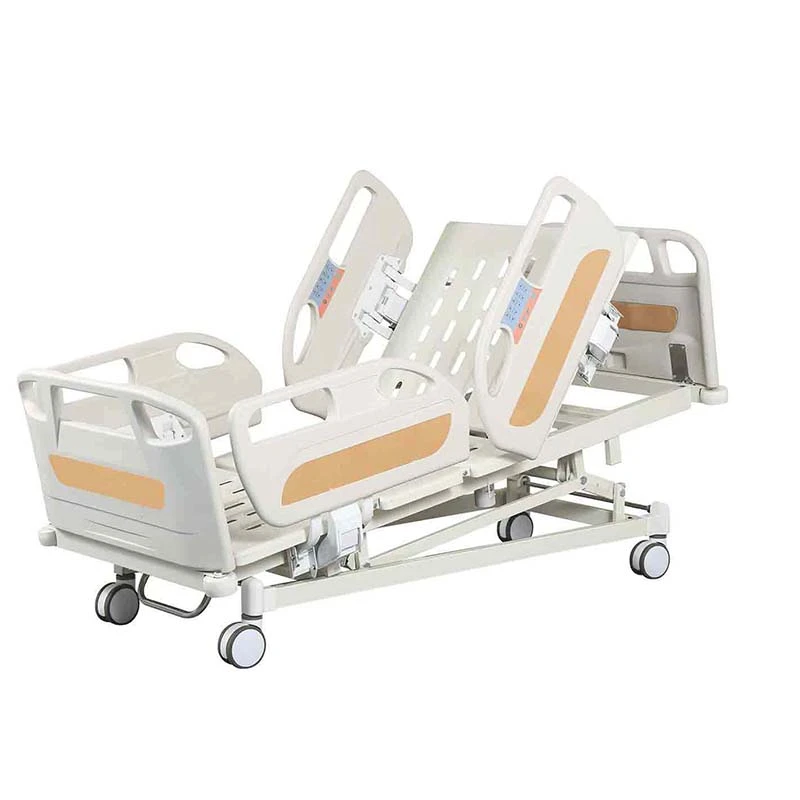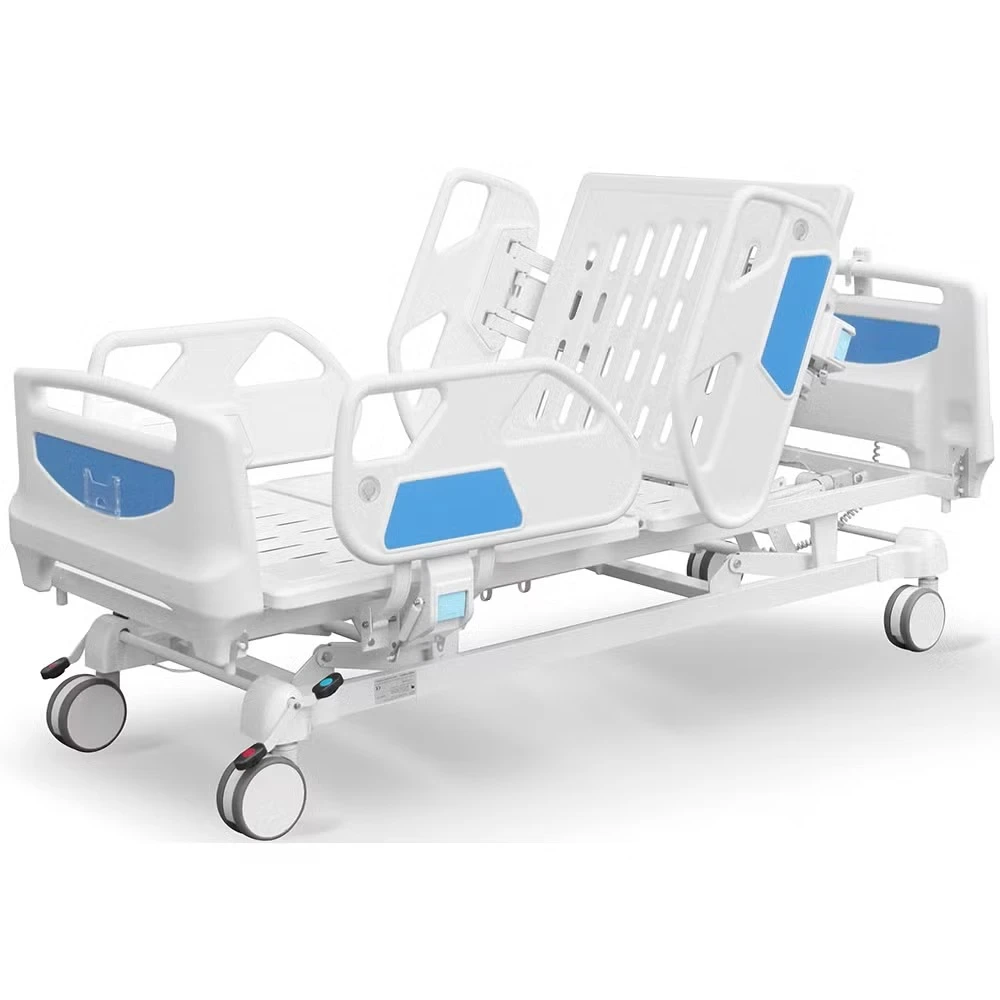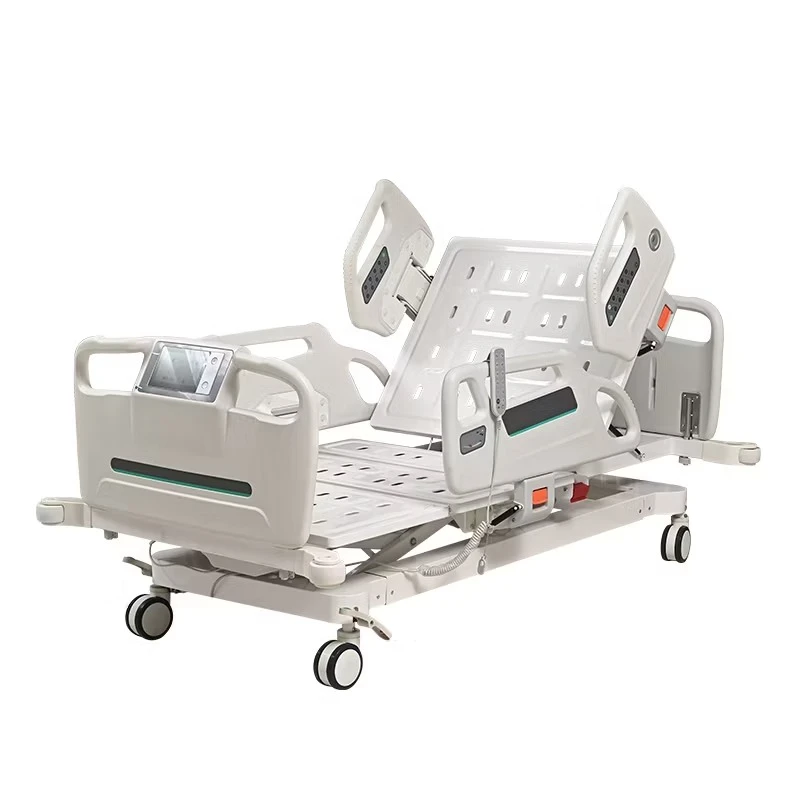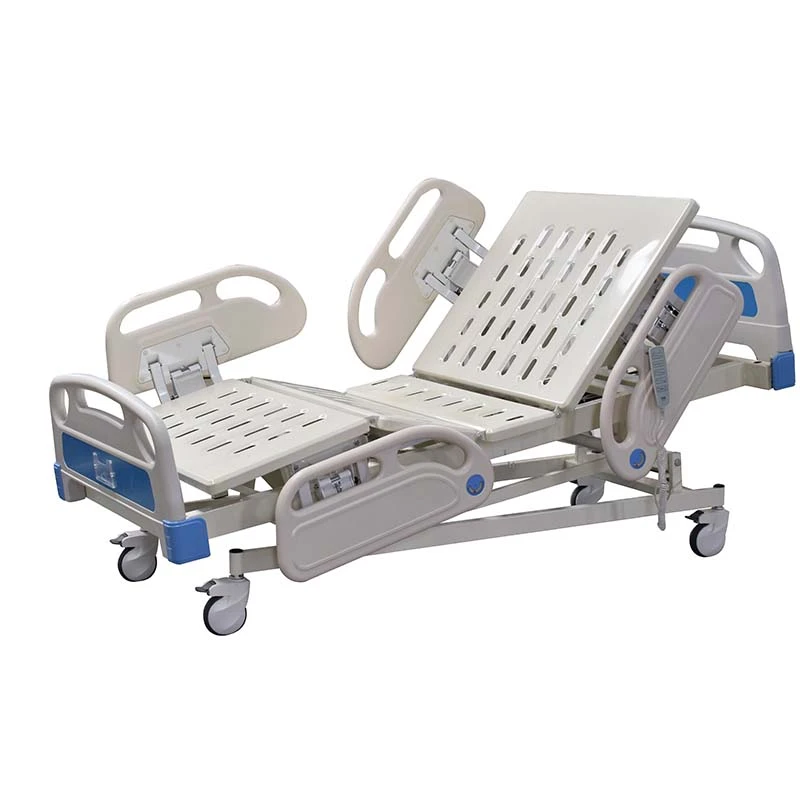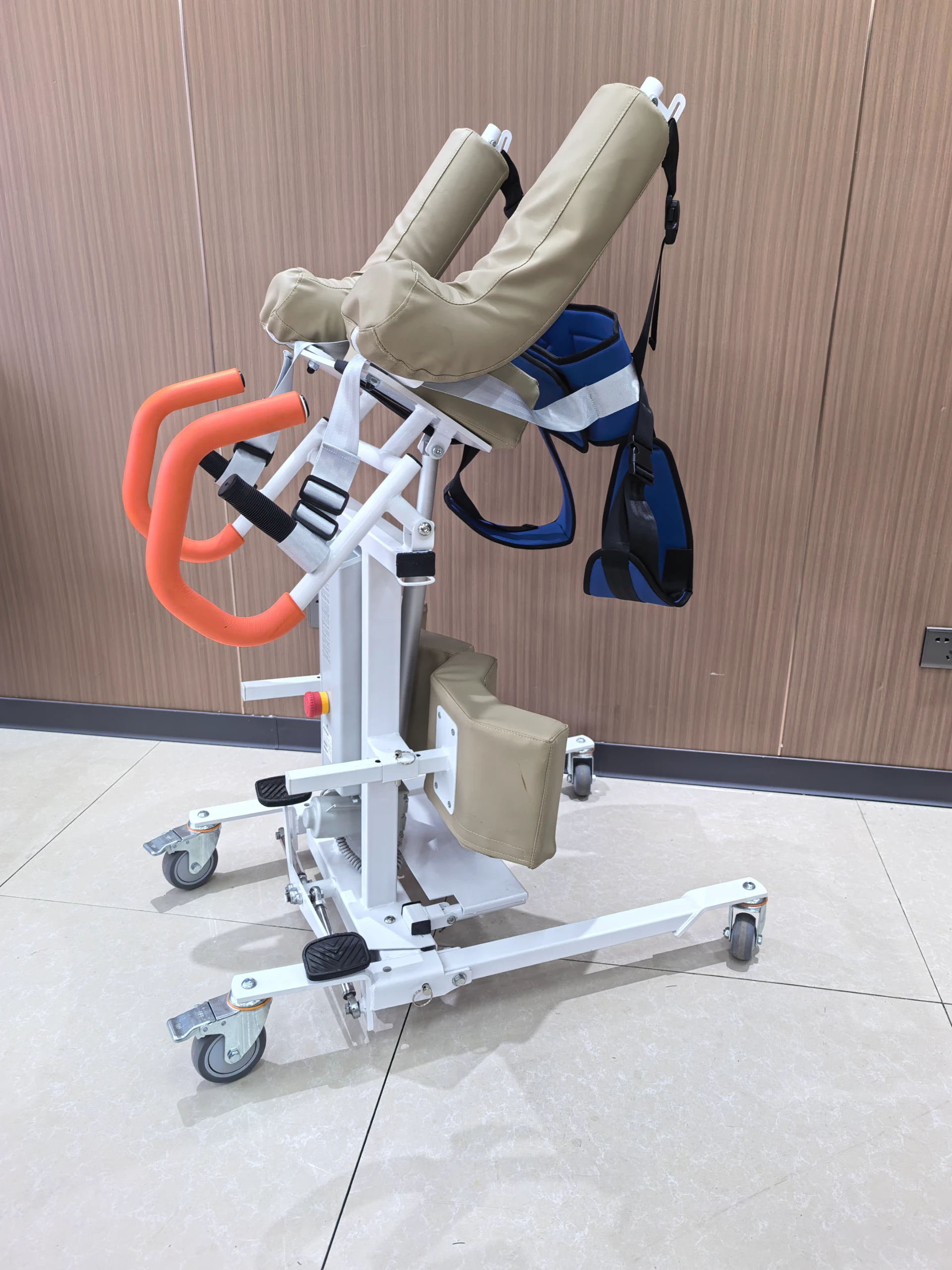
Hospital Bed Size in cm: Global Standards, Applications & Innovations
Why Hospital Bed Size in cm Matters Worldwide
If you’ve ever set foot in a hospital, you probably noticed the beds—though maybe not how precisely sized they are. “Hospital bed size in cm” might sound like a niche technical detail, but it’s actually crucial from healthcare logistics to patient comfort, medical safety, and facility design. Understanding this measurement is more than just a standards exercise; it’s about optimizing care delivery globally.
Hospitals worldwide use standardized bed dimensions to ensure compatibility with equipment, accommodate diverse body sizes, and facilitate handling during emergency evacuations. On the flip side, knowing the right dimensions can help cut costs, improve space efficiency, and support new tech integration like adjustable or automated beds.
Hospital Bed Size in cm: A Global Perspective
Healthcare infrastructure demands vary significantly across regions. The World Bank estimates that over 80% of global health facilities face challenges related to infrastructure, including bed availability and appropriateness. Hospital beds, calibrated in centimeters to fine margins, are the unsung heroes in streamlining patient flow and ensuring safety.
However, hospitals in developing countries often struggle to procure beds that fit their specific needs, especially when international standards like ISO 60601-2-52 define dimensions that don't always match local patient demographics or space constraints. This challenge sparks crucial questions: Should sizes vary by region? How can manufacturers balance global standards and local needs?
What Does Hospital Bed Size in cm Actually Mean?
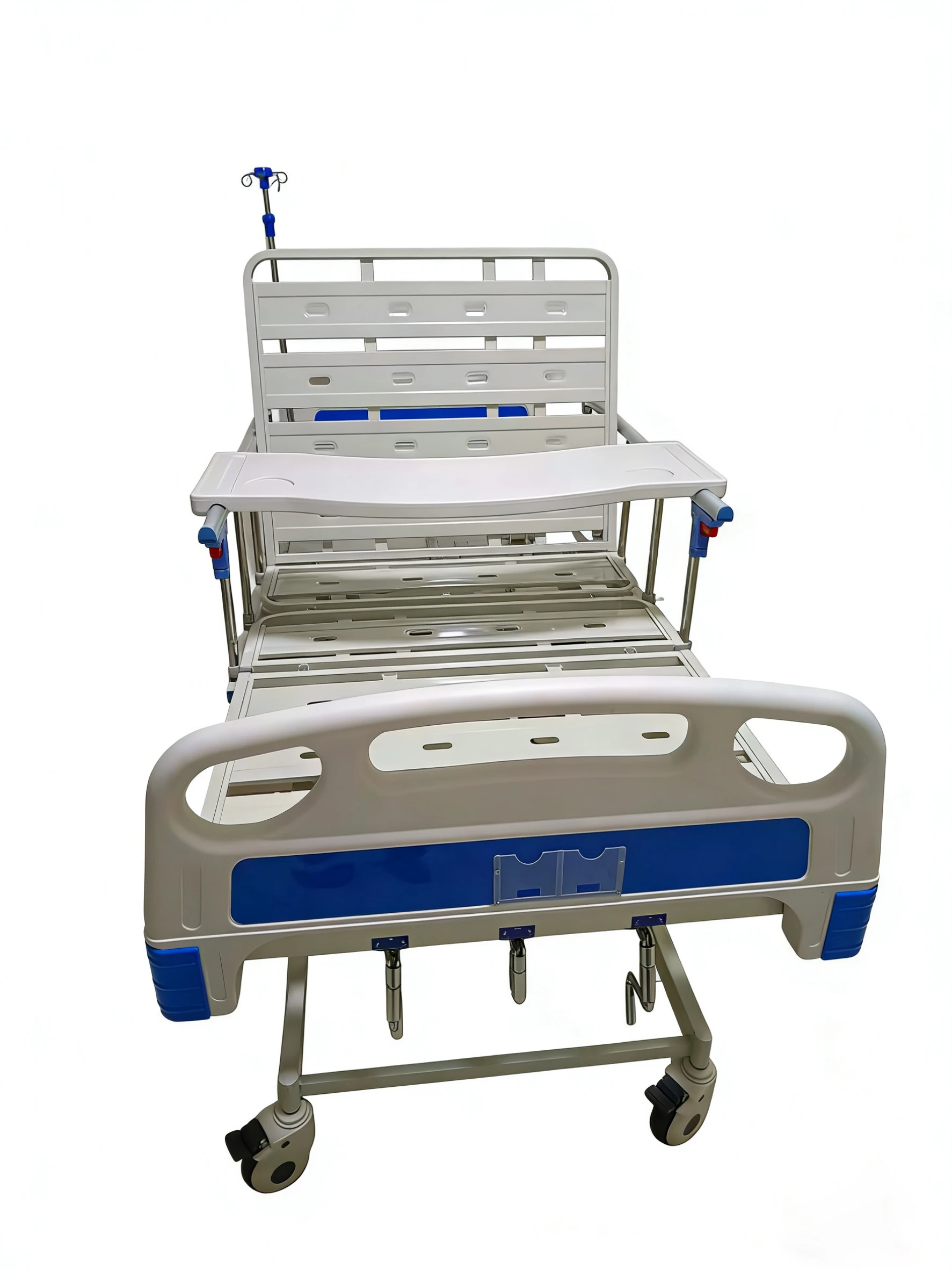
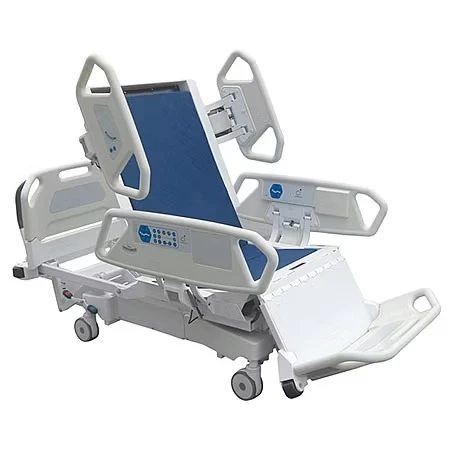
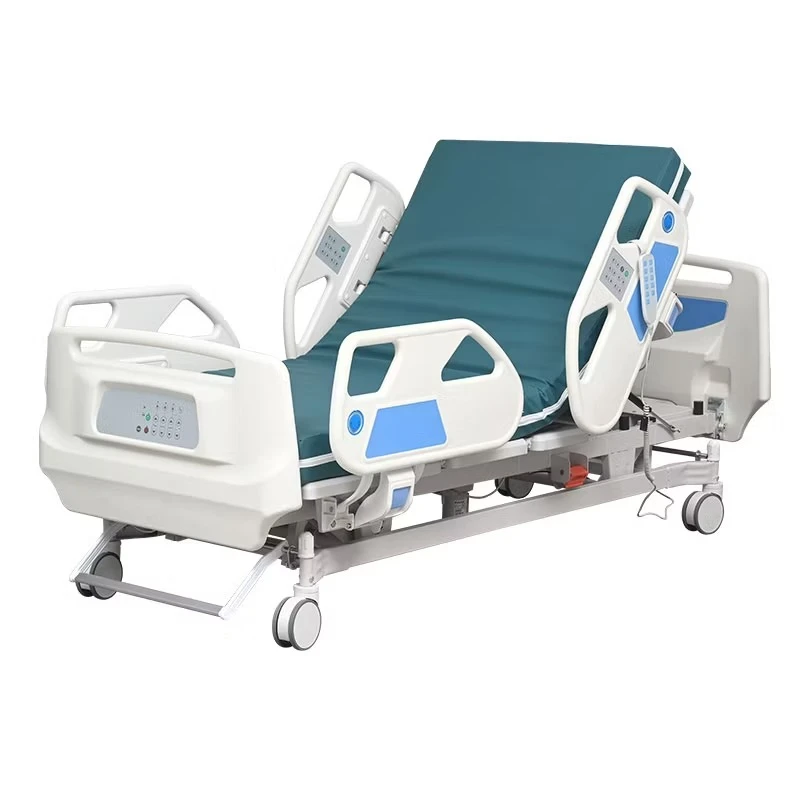
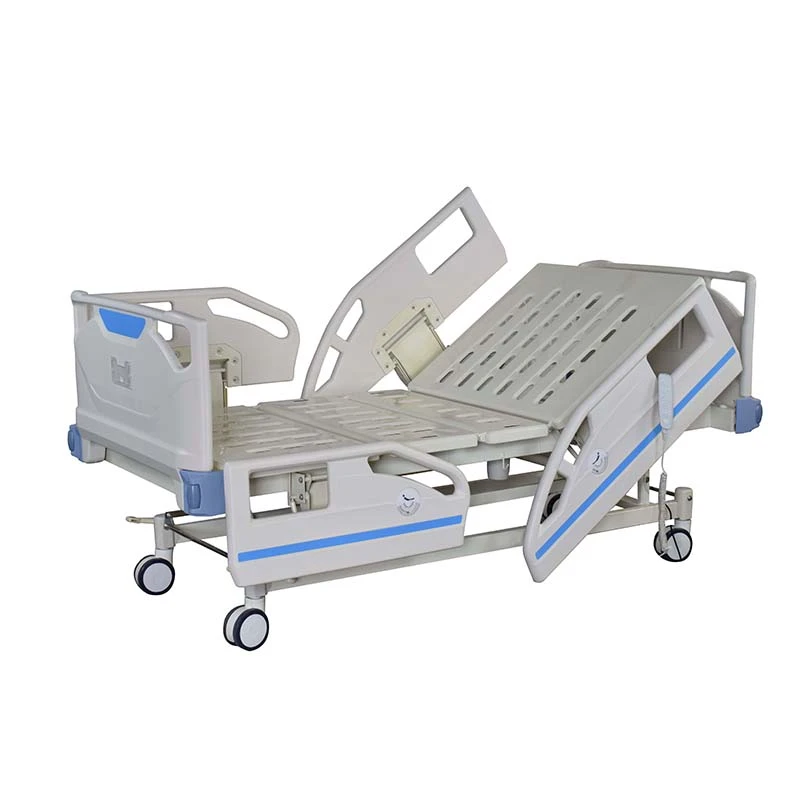
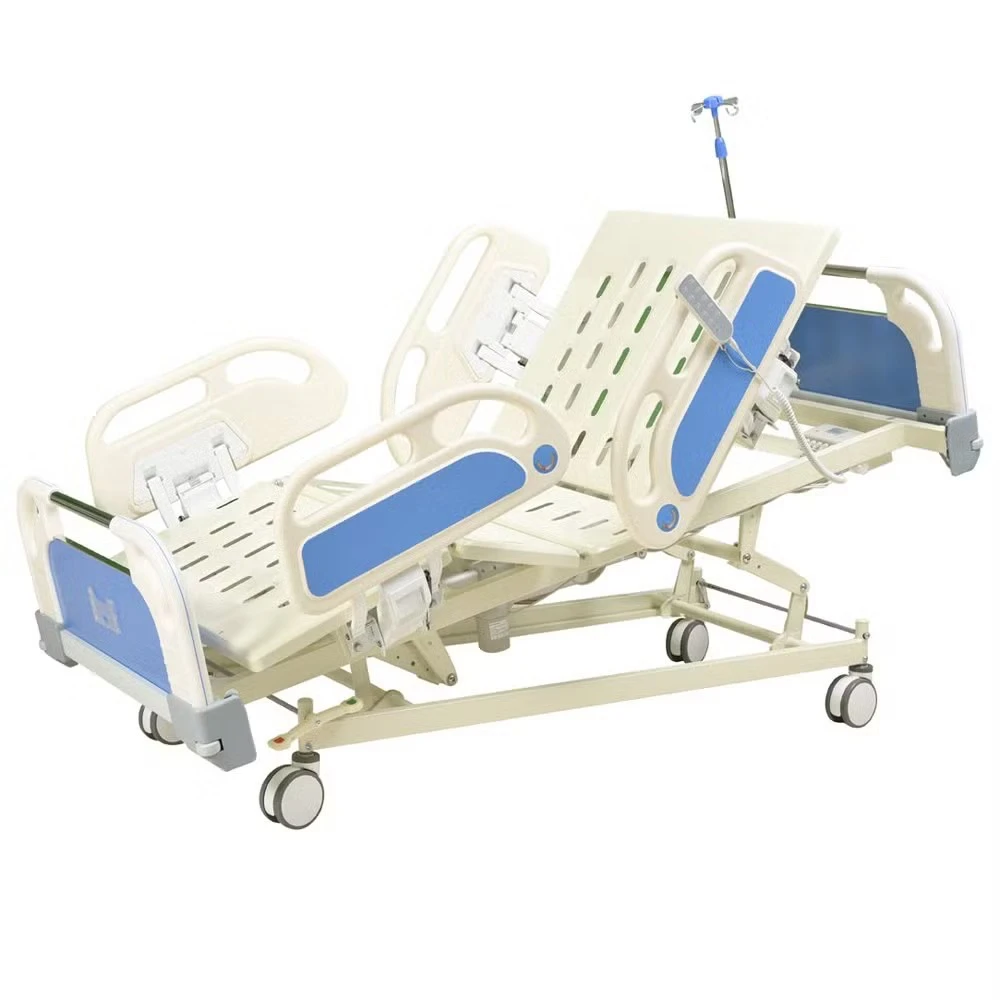
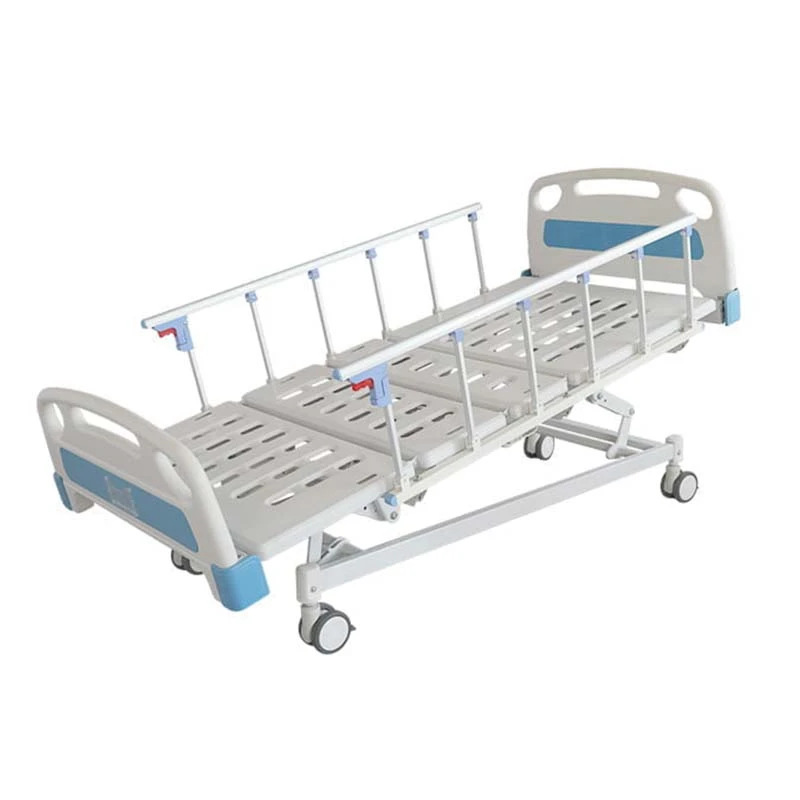
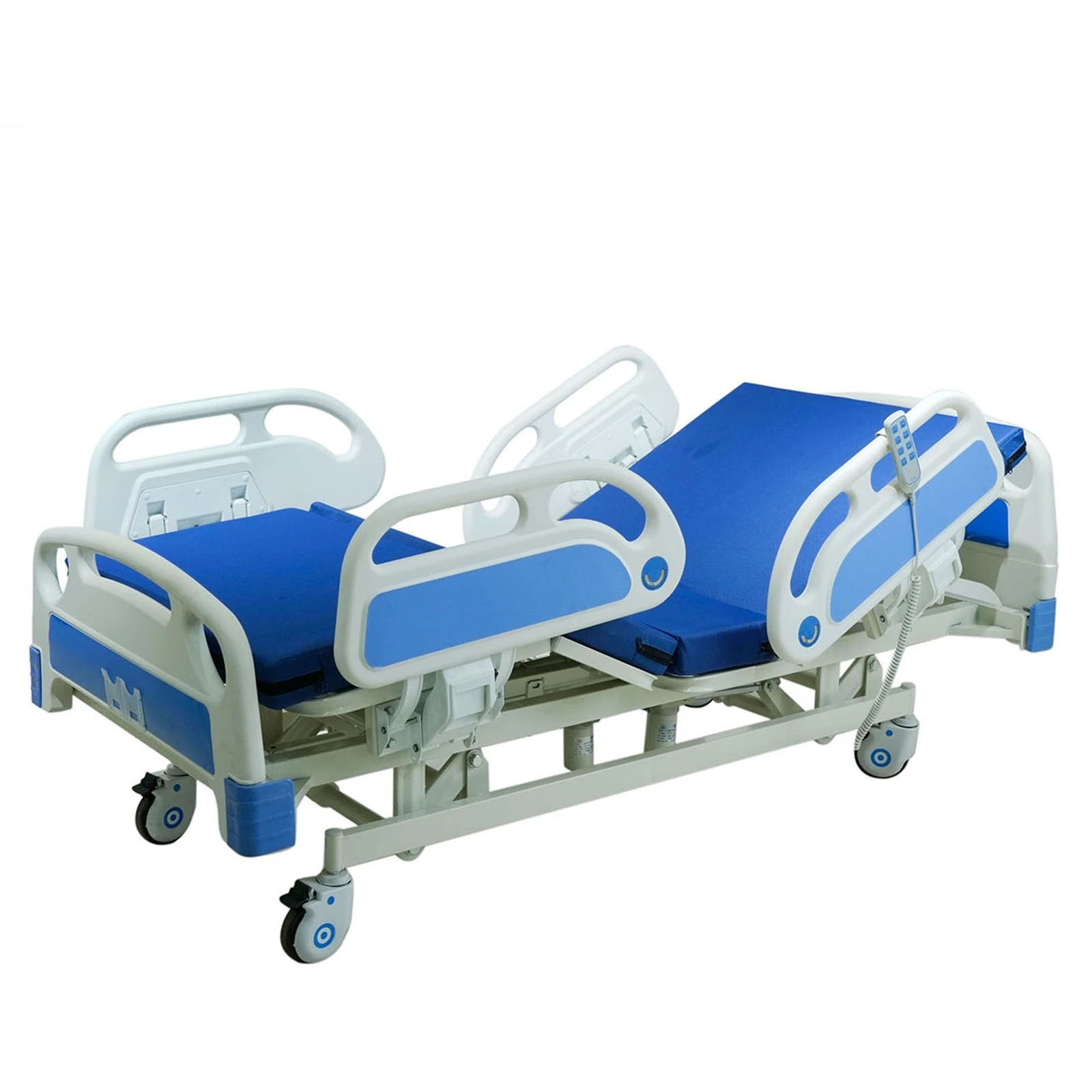
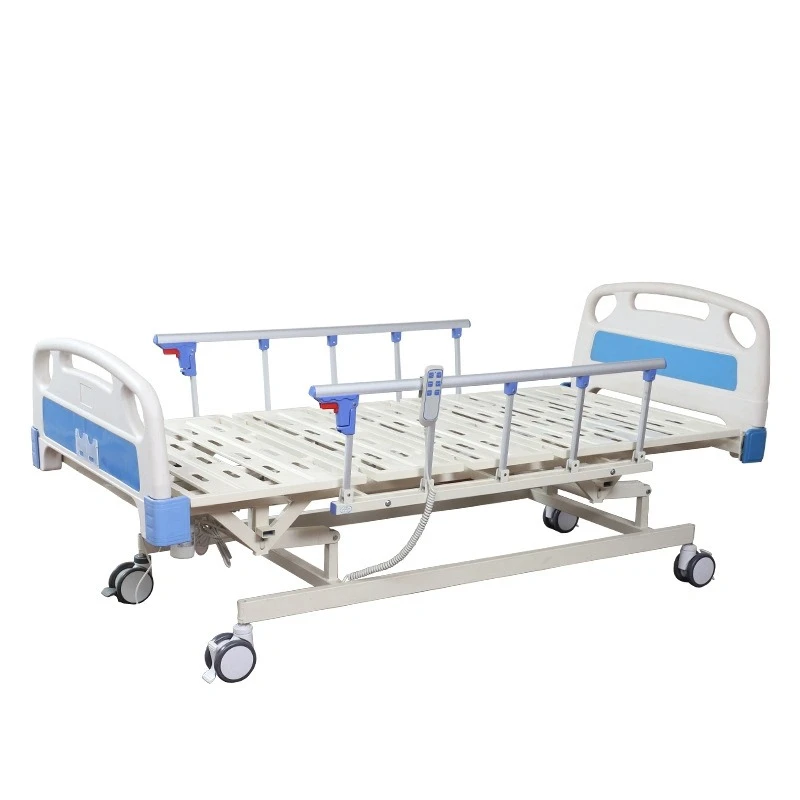
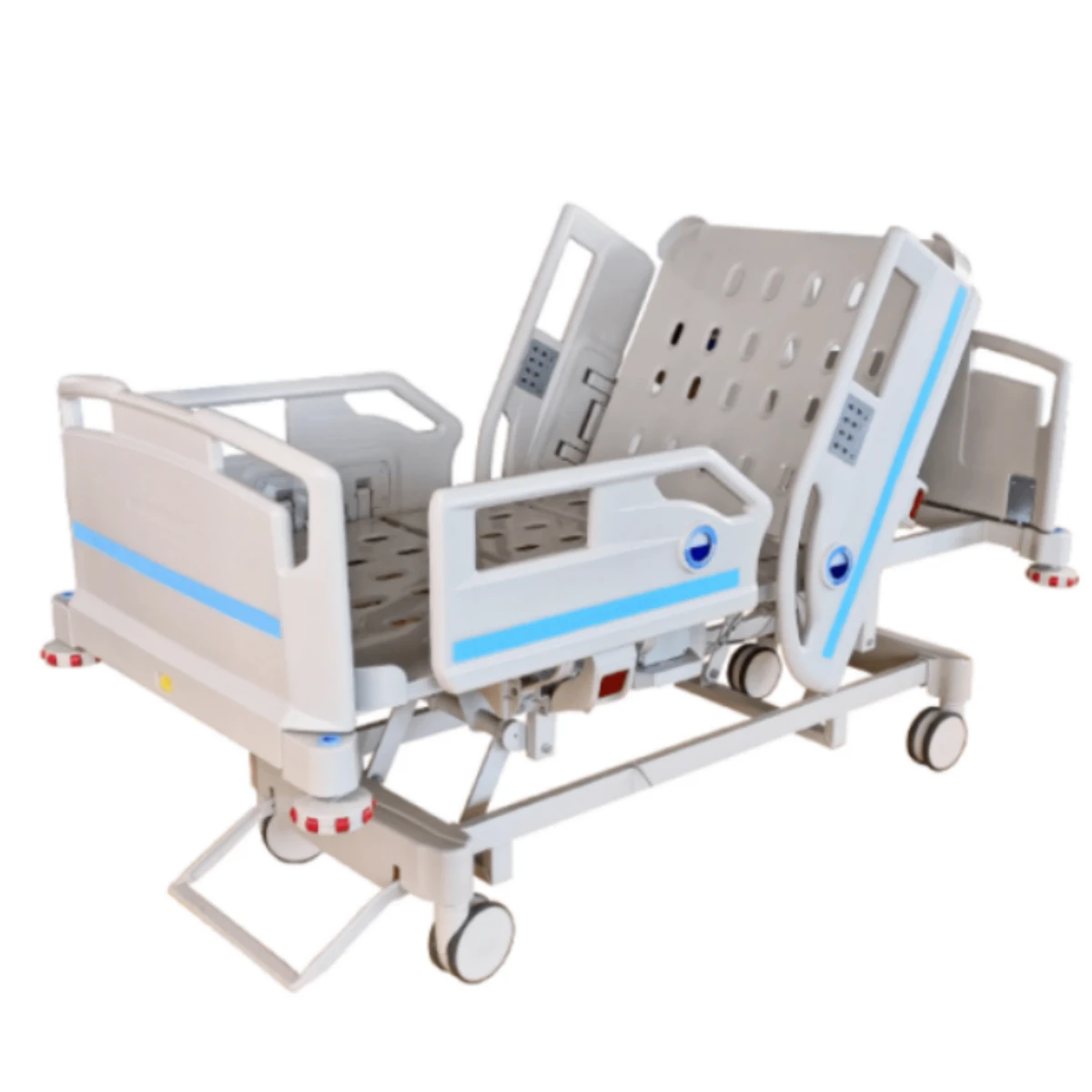
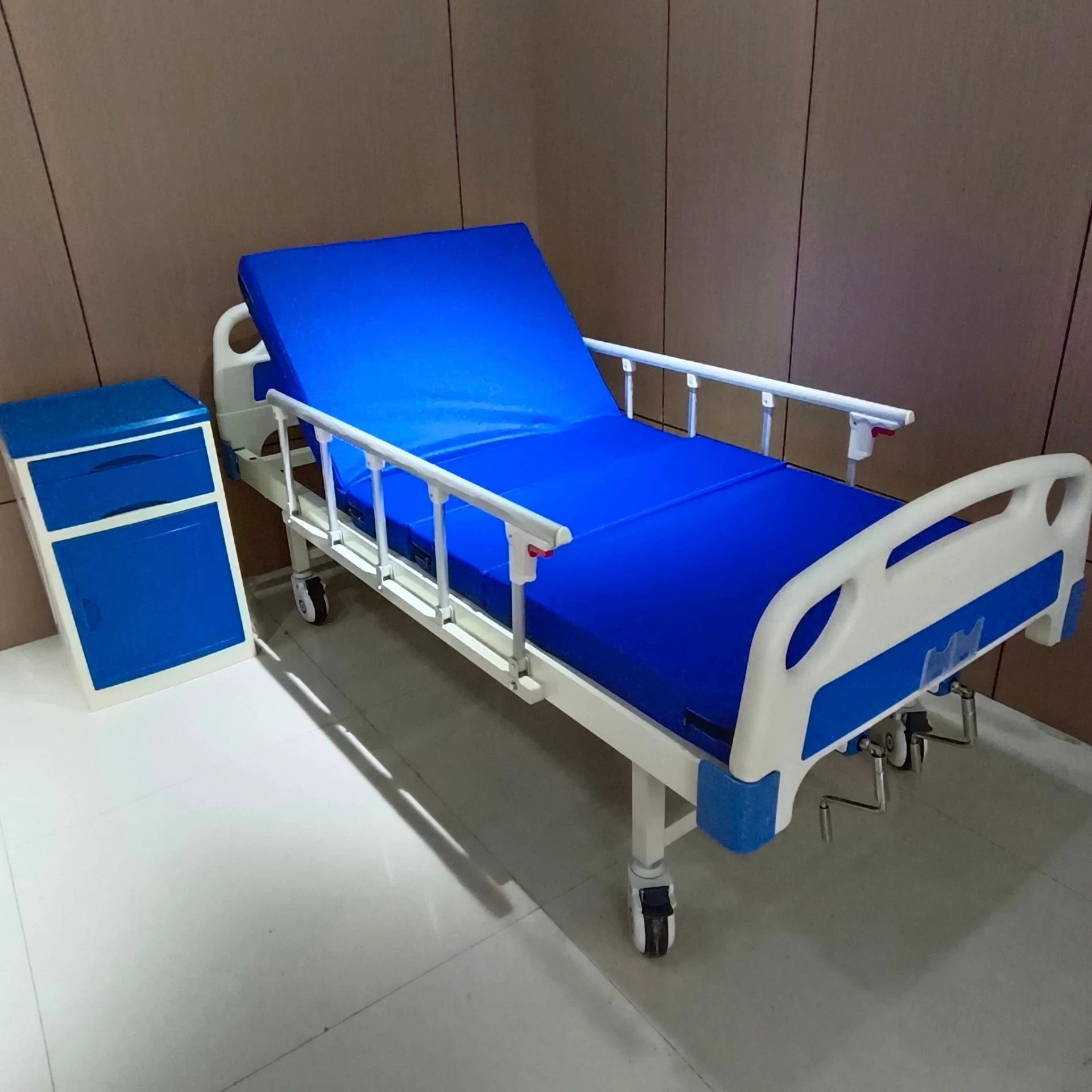
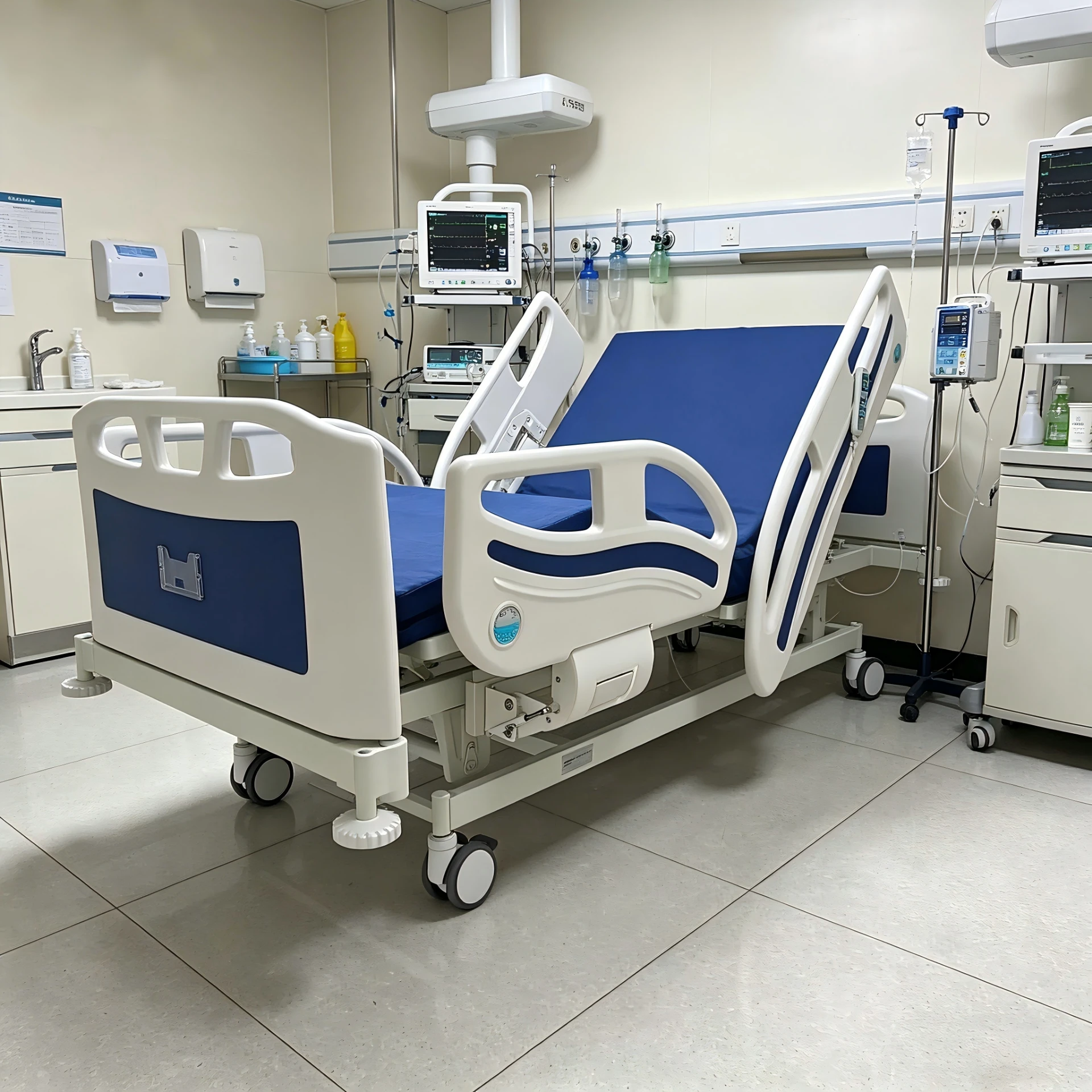
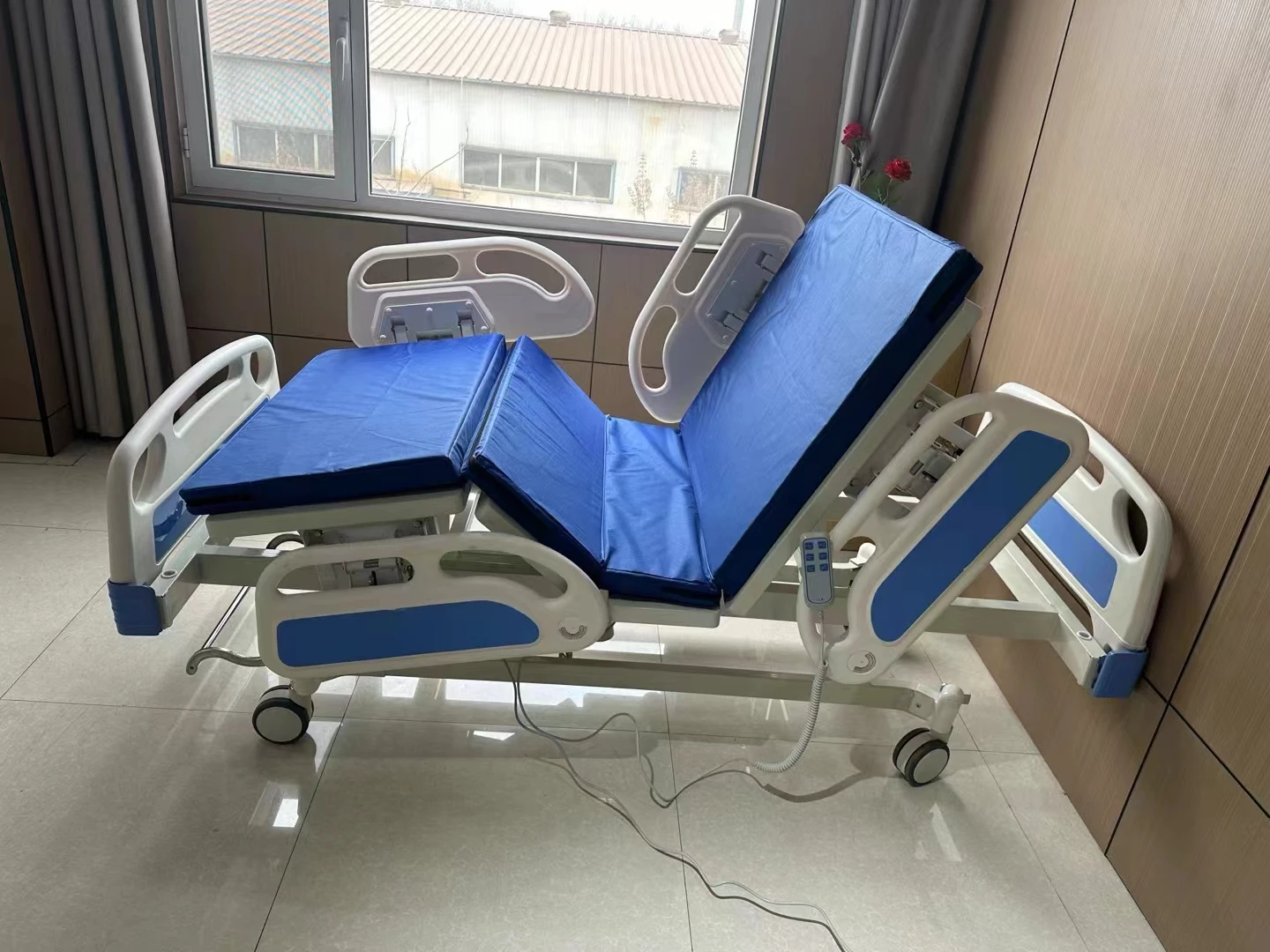
At its simplest, the term refers to the physical dimensions—usually length, width, and sometimes height—of hospital beds measured in centimeters. The size must accommodate not just the patient but also accessories like IV poles, side rails, and mattress thickness.
Modern industry standards aim to harmonize these sizes for interoperability. From humanitarian aid organizations delivering temporary hospital setups post-disaster to permanent medical centers in urban hubs, standardized bed sizes are essential in coordinating care logistics and medical equipment compatibility.
Key Components of Hospital Bed Size in cm
1. Length & Width
Length typically ranges between 190 cm and 210 cm, while widths hover around 90 cm to 105 cm. These dimensions attempt to accommodate the average adult patient while leaving room for caregivers to maneuver safely.
2. Adjustable Height Settings
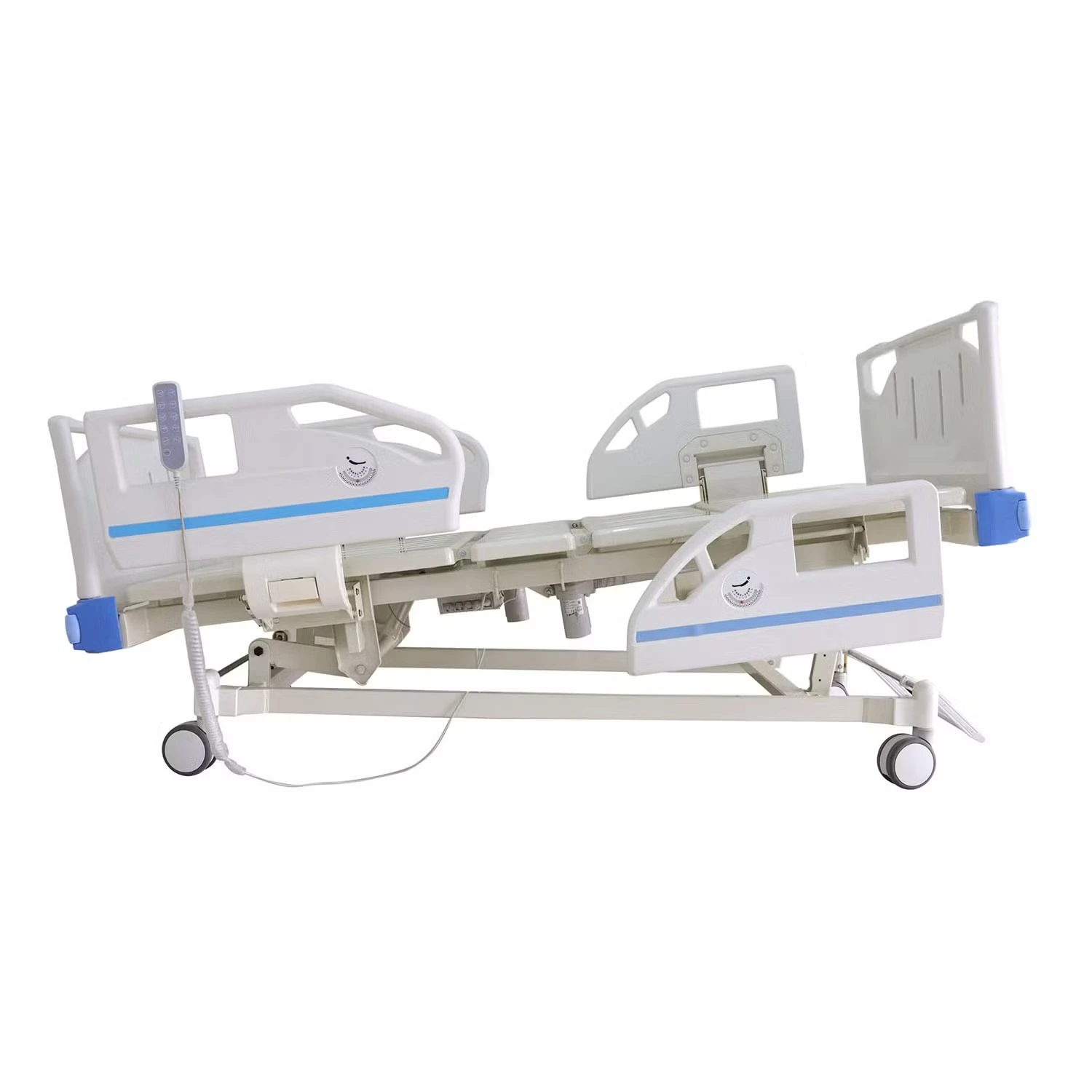
Height is crucial for ergonomics and is generally adjustable from around 40 cm to 80 cm to assist with patient transfers and medical procedures.
3. Compatibility With Accessories
The bed’s frame must fit standard medical attachments. Proper sizing ensures side rails, monitors, and IV stands fit seamlessly without interference.
4. Durability & Material Thickness
Material thickness influences the bed’s structural integrity and overall footprint, indirectly affecting size specs—using steel vs. aluminum can slightly alter dimensions and weight.
5. Space for Mattress Insertion
Mattress compatibility is non-negotiable. Beds must allow for a snug fit to prevent gaps that compromise patient safety.
| Specification | Dimension (cm) | Notes |
|---|---|---|
| Length (adjustable) | 190 - 210 | Fits average adult needs |
| Width | 90 - 105 | Includes side rails allowance |
| Height (adjustable) | 40 - 80 | For patient accessibility & staff ergonomics |
| Mattress Thickness | 12 - 15 | Designed for pressure relief |
Mini takeaway: Hospital bed dimensions are a delicate balance of patient comfort, safety, and operational practicality that affect outcomes in diverse healthcare settings.
Where Hospital Bed Size Counts Most: Applications and Use Cases
It’s one thing to debate centimeters on paper—but where does this actually matter? Quite literally, everywhere!
- Post-Disaster Relief: NGOs deploying makeshift hospitals rely on beds that fit rapid transportation containers and standard tents. Uniform hospital bed size in cm ensures gear and mattresses arrive and fit as expected.
- Urban Hospitals in Asia and Europe: The average body sizes might vary, but hospitals often have tight spaces, so knowing exact bed dimensions helps optimize patient rooms and corridors.
- Remote Industrial Zones: Medical units in mining camps or oil rigs favor compact, yet adjustable beds that fit their limited footprint but can handle safety-critical weight requirements.
In fact, healthcare planners are increasingly consulting data on hospital bed size in cm to guide procurement, ensuring the beds complement local ergonomic norms and equipment standards.
Why It Pays Off: Advantages & Long-Term Benefits
Beyond the direct physical size, hospital bed dimensions influence:
- Cost Efficiency: Thoughtful sizing reduces wasted space and helps control mattress and accessory expenses.
- Patient Safety & Dignity: Properly fitted beds reduce falls and discomfort, supporting quicker recoveries.
- Staff Efficiency: Adjustable heights tailored to caregiver needs make daily treatment less physically taxing.
- Adaptability: Beds that comply with size standards are more easily upgraded or repaired with compatible parts.
The emotional side can’t be ignored either—patients feel respected and cared for when surroundings “fit” them well. That trust in the environment can have surprisingly big impacts on outcomes.
Emerging Trends and Innovations Shaping Hospital Bed Sizes
Advanced materials like carbon-fiber composites offer lighter beds without sacrificing durability, allowing more flexibility around sizing and portability. Digital sensors embedded in bedframes monitor patients’ vitals, requiring precise dimensions to house electronics safely.
Meanwhile, sustainability concerns are growing. Reduced material waste in bed production means measurements and cut patterns have to be incredibly accurate to minimize scrap, pushing manufacturers to innovate on the sizing front.
Challenges & Innovations Tackling Sizing Hurdles
Standardization often bumps up against reality—patients vary widely in body size and mobility, and hospitals have space constraints. Balancing these demands isn’t easy.
New modular designs are emerging; beds can be custom-configured by combining standardized sections to match more specific needs. This hybrid approach could be the answer to tailoring without marring supply chain economies.
| Vendor | Standard Size Range (cm) | Customization Options | Special Features |
|---|---|---|---|
| MediSleep Co. | 190-205 length, 90-100 width | Adjustable height, rail options | Sensor integration, modular frame |
| CareMate Group | 200-210 length, 95-105 width | Custom width/length, foldable side rails | Lightweight materials, battery backup |
| HealthLine International | 185-200 length, fixed 90 width | Basic adjustments only | Economical pricing, durable steel frame |
Frequently Asked Questions About Hospital Bed Size in cm
- What is the standard hospital bed size in cm for adult patients?
- Generally, hospital beds measure between 190 cm to 210 cm in length and 90 cm to 105 cm in width, accommodating a broad range of adult patient sizes. Adjustable height usually ranges from 40 cm to 80 cm to help medical staff manage treatment safely.
- Can hospital beds be customized to meet specific regional needs?
- Yes, many manufacturers offer customizable dimensions or modular components designed to adapt beds to local patient demographics, room sizes, or special clinical needs, though this might affect delivery time and cost.
- How does bed size impact patient safety?
- Beds that fit patients properly reduce risks of falls and pressure sores by preventing dangerous gaps between mattress and rails and ensuring easy movement, thus playing a vital role in patient wellbeing.
- Are there international standards defining hospital bed sizes in cm?
- Yes, ISO 60601-2-52 provides guidelines for medical beds including size specifications, but local adjustments are common depending on cultural and ergonomic factors.
- Where can I find more information about hospital bed sizes and standards?
- Organizations like the International Organization for Standardization (ISO), World Health Organization (WHO), and trusted healthcare equipment providers frequently publish detailed guidelines and insights.
Wrapping Up: Why Paying Attention to Hospital Bed Size in cm is Essential
When you think about it, something as seemingly minor as hospital bed size in cm touches every corner of healthcare — from patient comfort and staff safety to healthcare systems’ efficiency and humanitarian response effectiveness.
Picking the right sized bed is not just a numbers game; it’s about care quality, dignity, and innovation converging in a piece of essential hospital furniture. So next time you see a hospital bed, you might just glance at it differently — as a product of global health architecture and thoughtful engineering.
For deeper insights or to explore beds that balance standardized sizing with innovative features, visit our website: hospital bed size in cm.