Essential Guide to Hospital Bed Twin Size – Comfort Meets Efficiency
Hospital Bed Twin Size: Why It Matters in Today's Healthcare Landscape
Hospital beds aren’t just furniture; they’re a vital part of patient care and recovery. Understanding hospital bed twin size options is crucial because these beds balance patient comfort, facility space, and operational efficiency. Globally, as healthcare systems evolve and patient needs become more specialized, having the right-sized hospital bed ensures better safety, support, and accessibility — especially in crowded or resource-challenged environments.
More than just a dimension, twin size hospital beds symbolize adaptability: they fit into varied medical sectors, from intensive care to home health, and they form the backbone of scalable, patient-centric care.
The Global Context of Hospital Bed Twin Size
Healthcare demand is increasing worldwide, with UN data highlighting a surge in hospital admissions and longer stays due to aging populations and chronic illnesses (1). According to the World Bank, hospital infrastructure is under pressure to be both efficient and flexible — leading to a rise in demand for appropriately sized beds, including the essential twin size.
But why twin size specifically? Facilities in dense urban areas or low-income countries often struggle with limited space and funding. Twin size beds occupy less footprint without sacrificing functionality, meeting these challenges head-on.
Still, it’s not just about space. For patients, correct bed sizing can significantly reduce pressure wounds, improve mobility, and lower fall risks — a global patient safety priority outlined by WHO (2). So, understanding the twin size bed in healthcare is truly a matter of life and well-being.
Mini Takeaway:
Choosing the right hospital bed size isn’t arbitrary. Twin size beds meet a unique niche, offering compactness without compromising care quality — essential in a globally stretched medical environment.
What Exactly Is a Hospital Bed Twin Size?
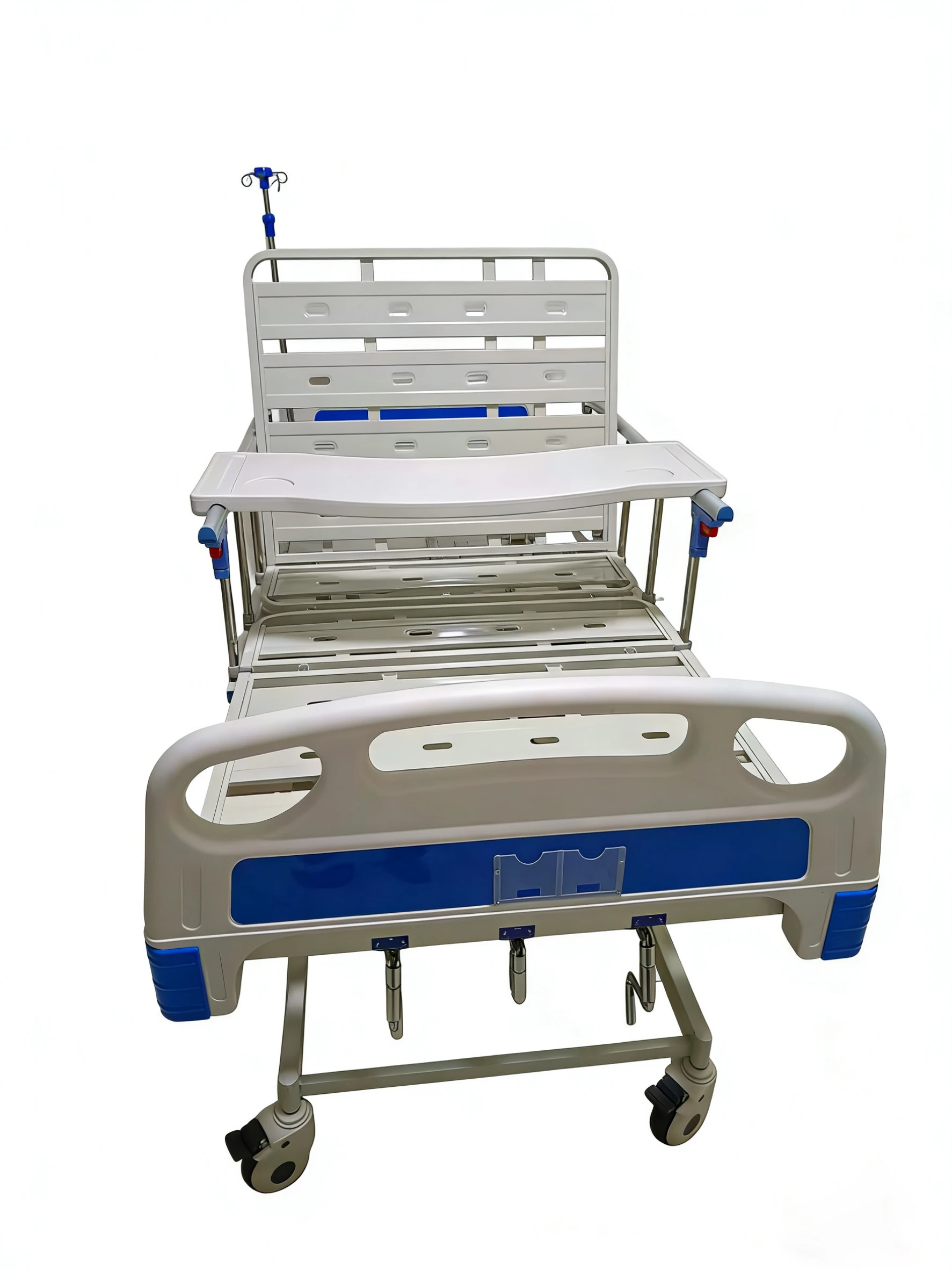
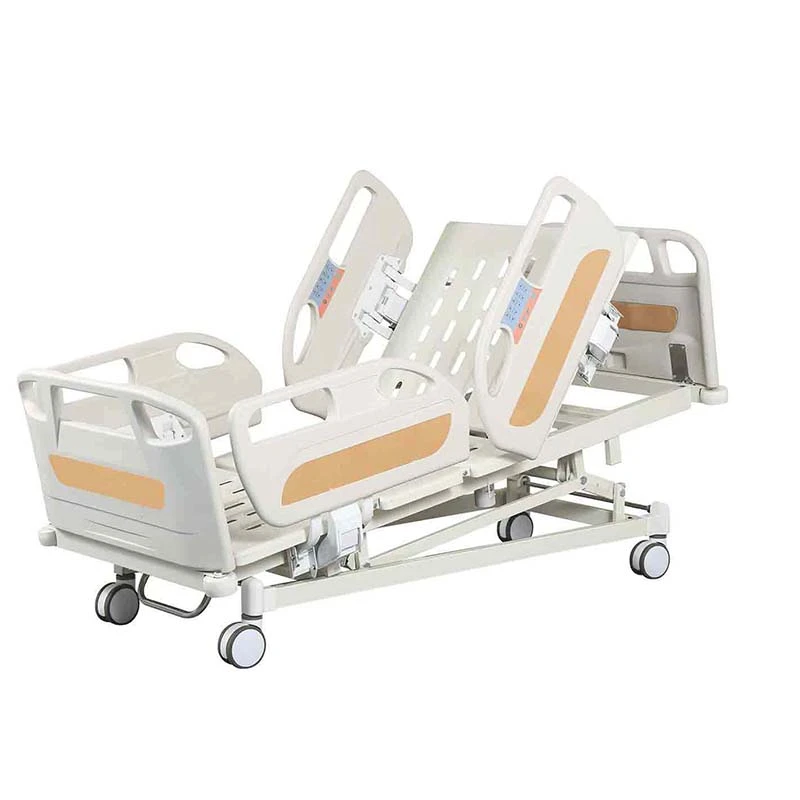
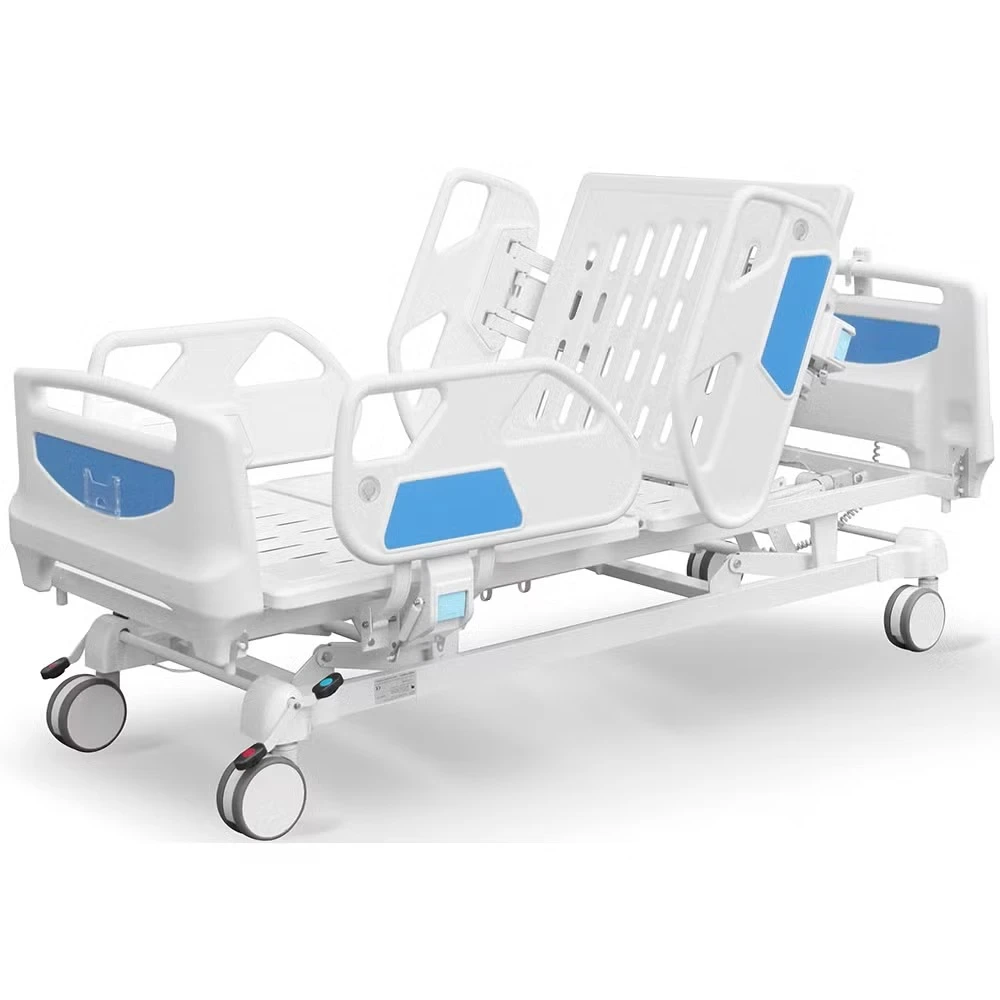
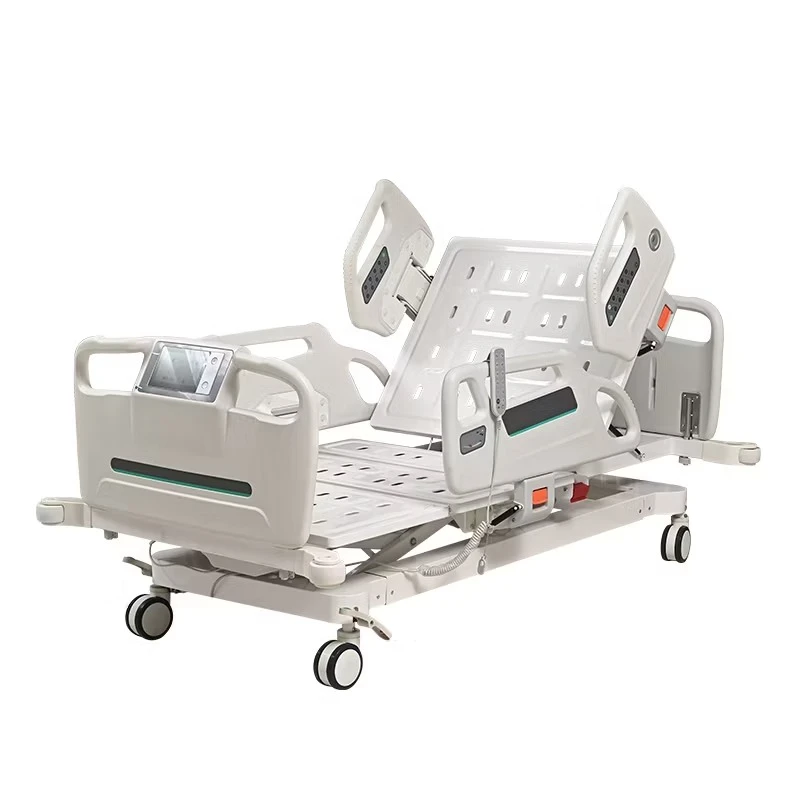
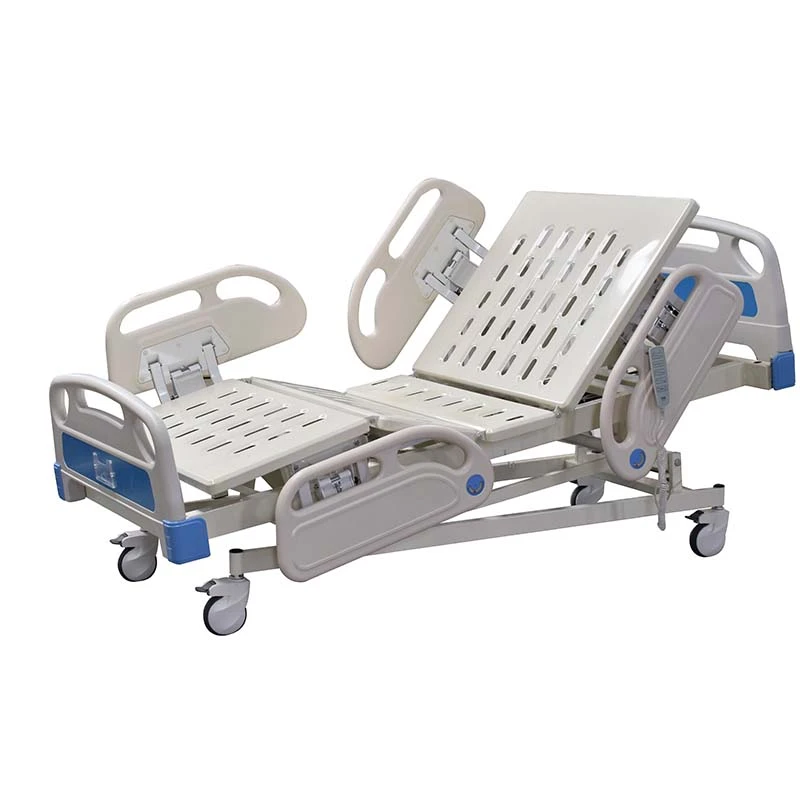
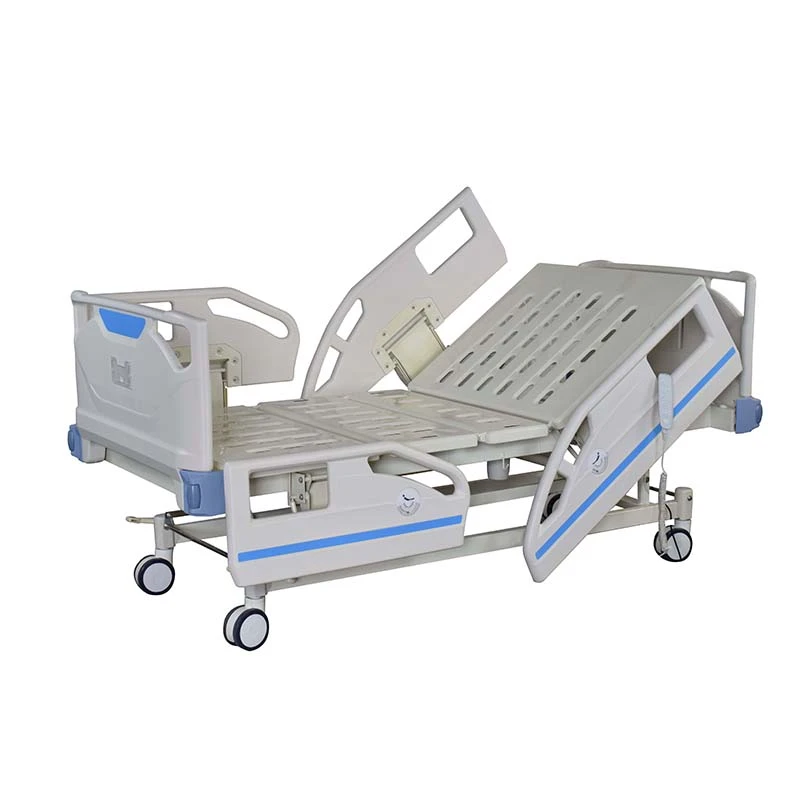
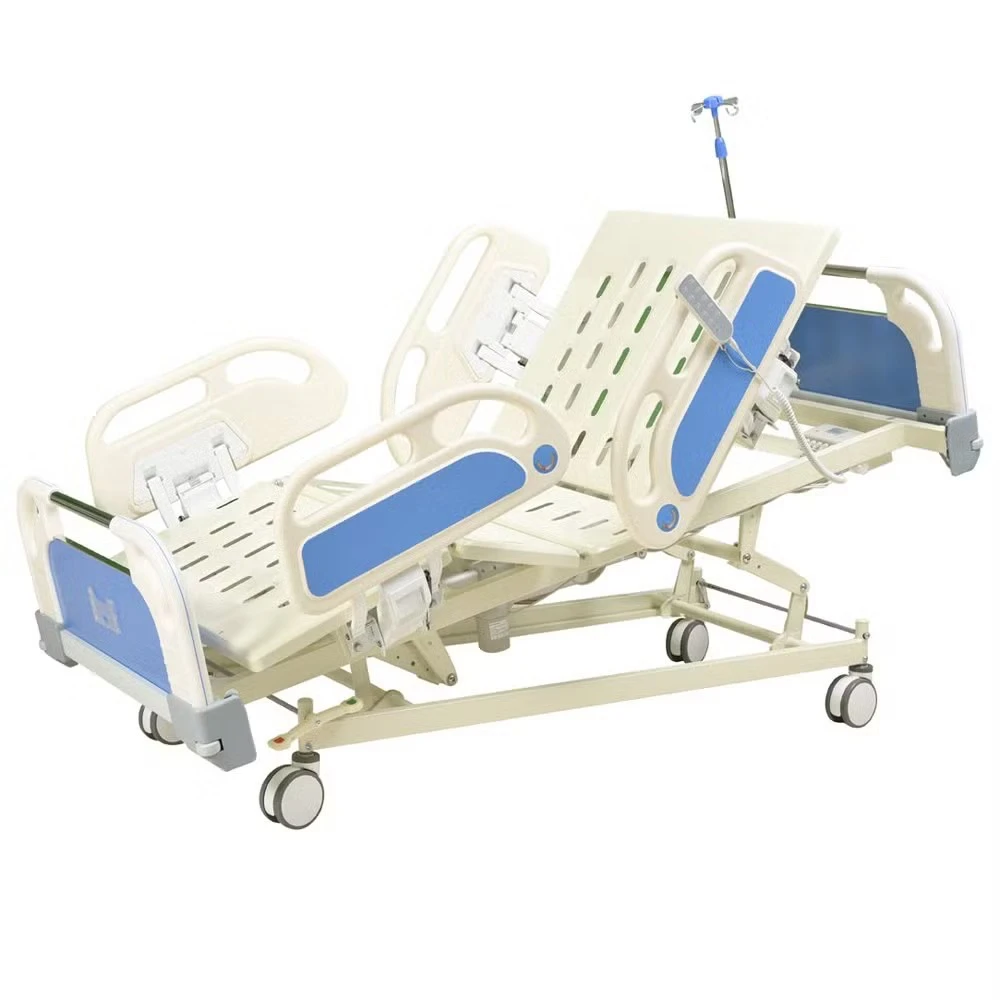
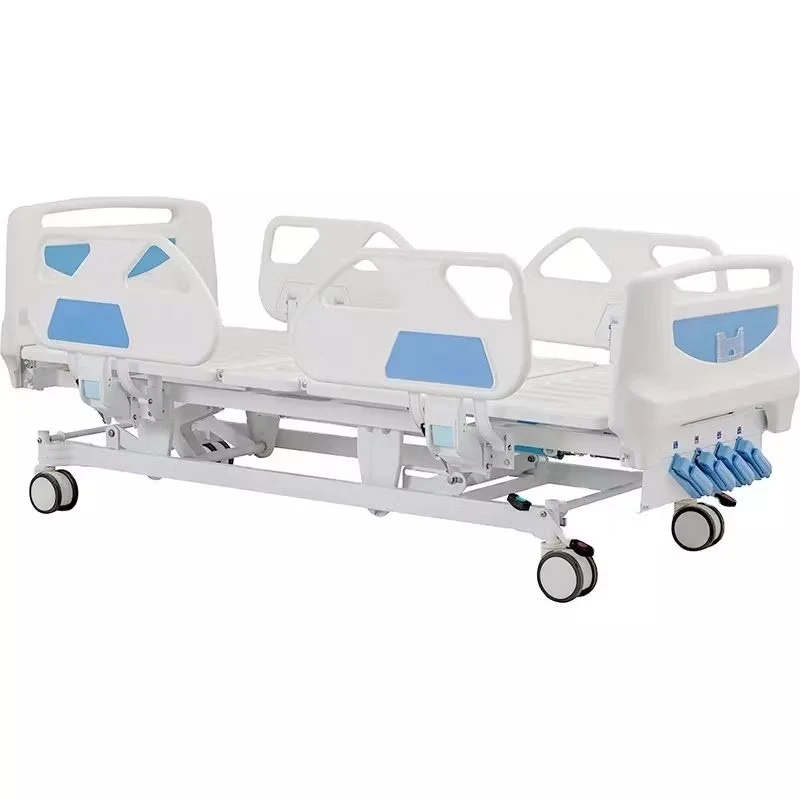
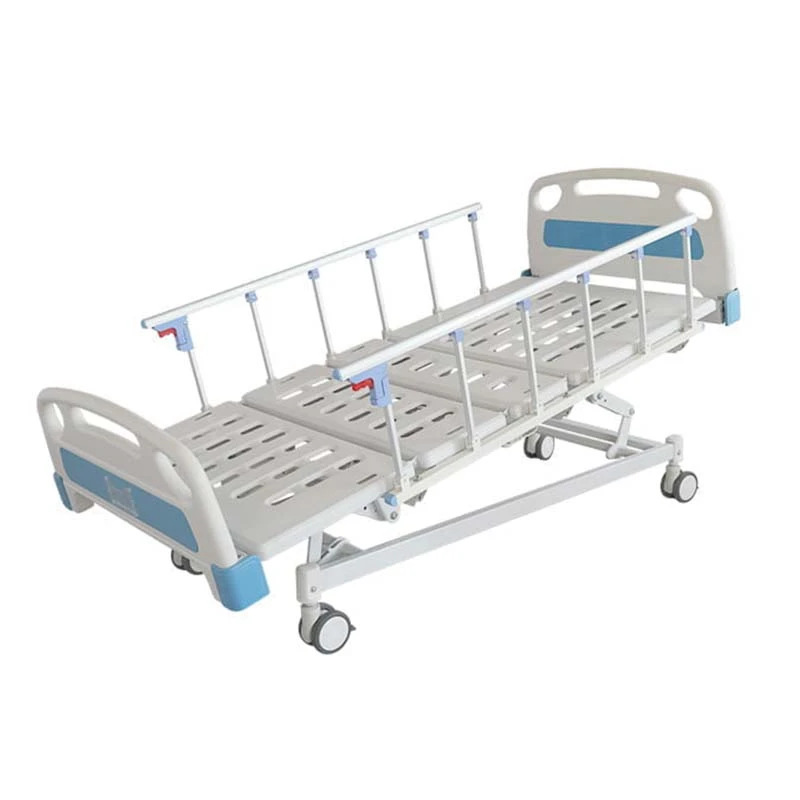
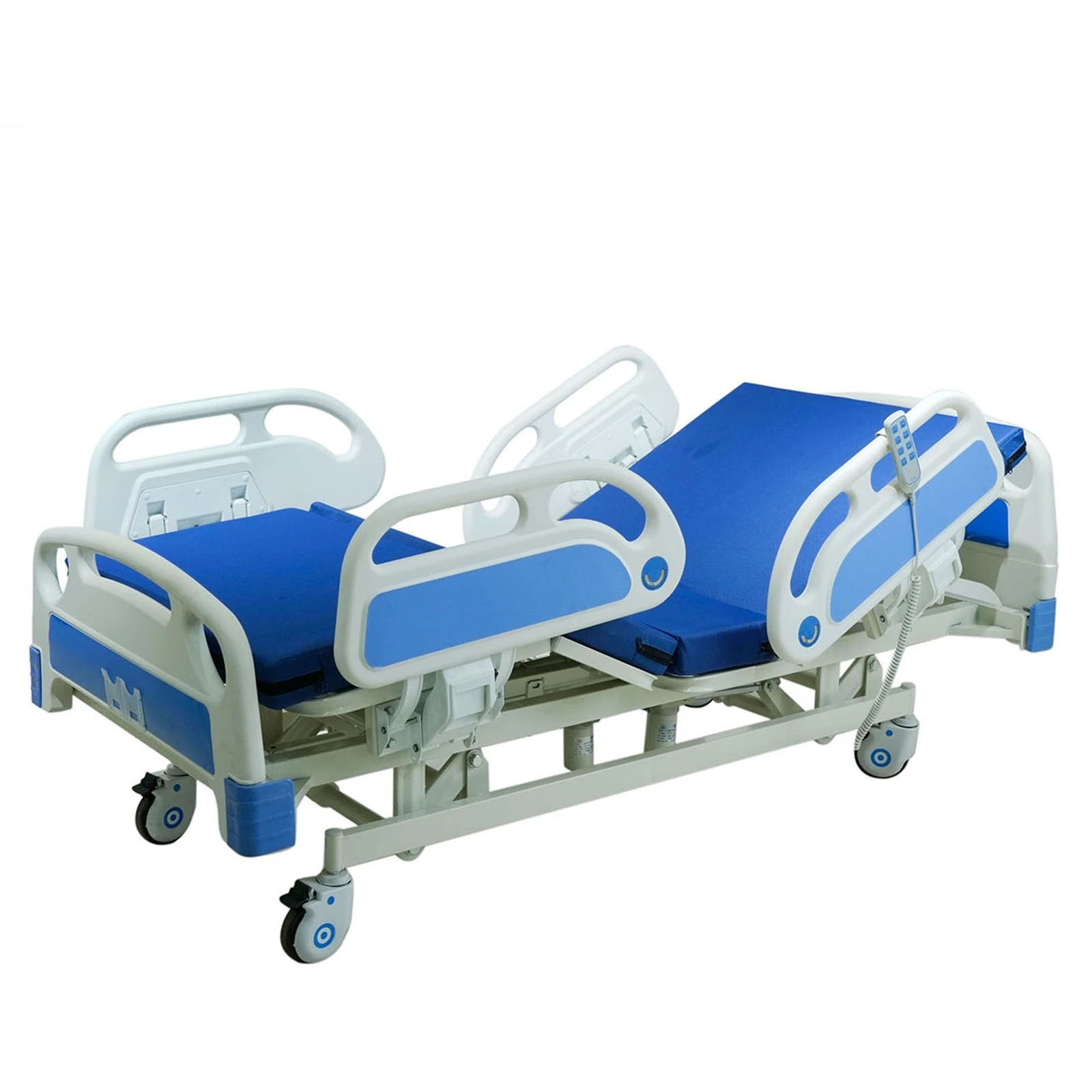
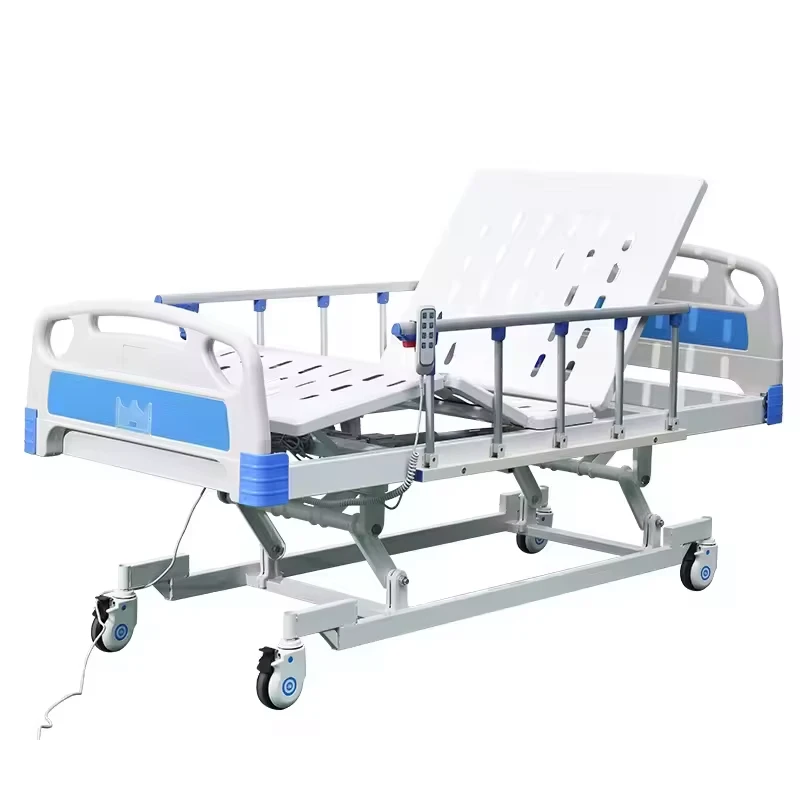
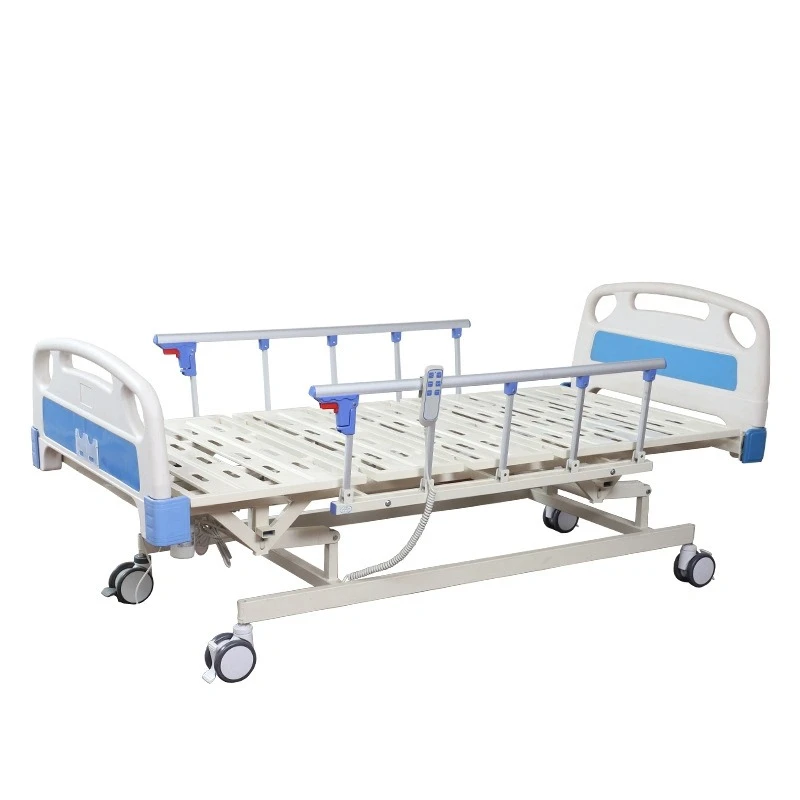
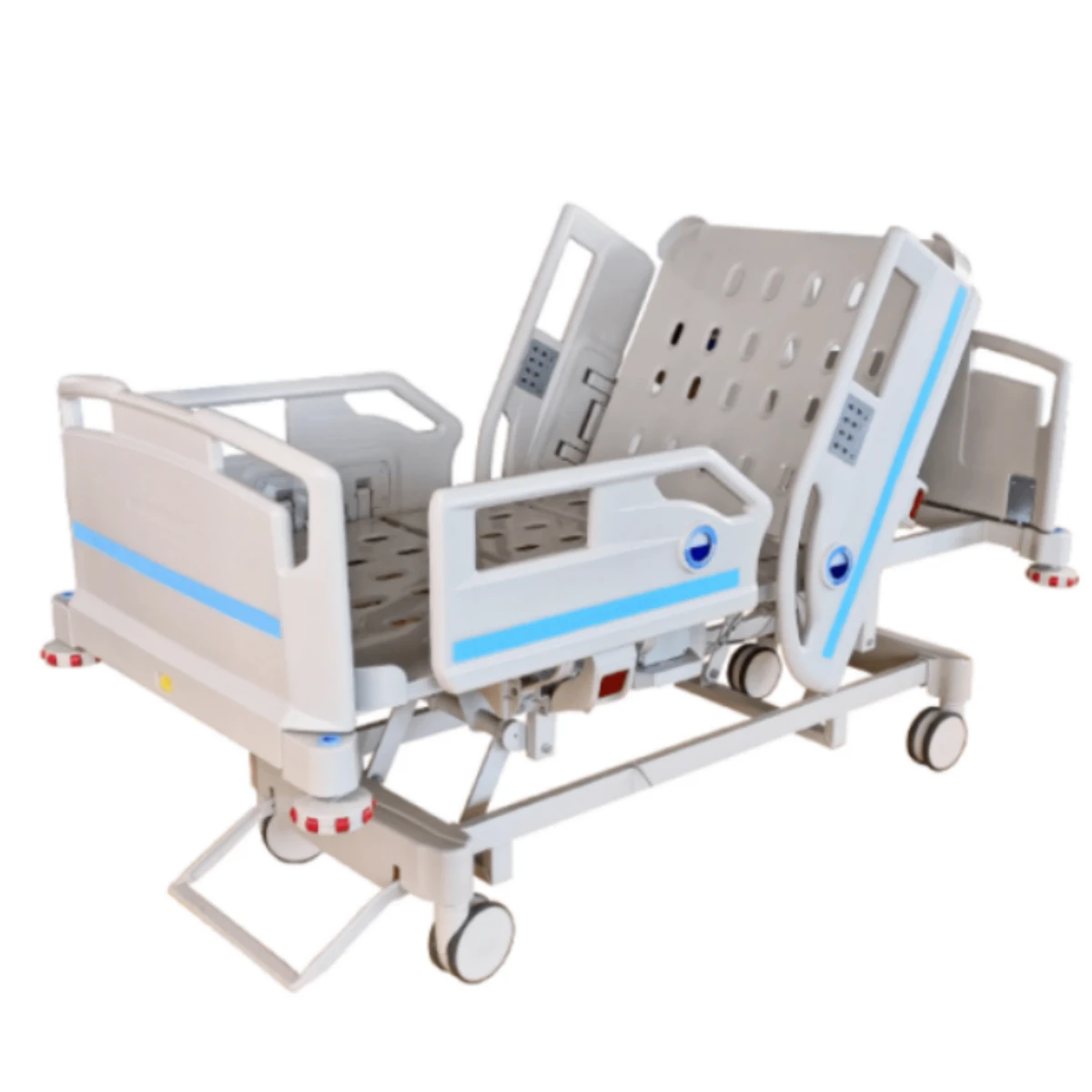
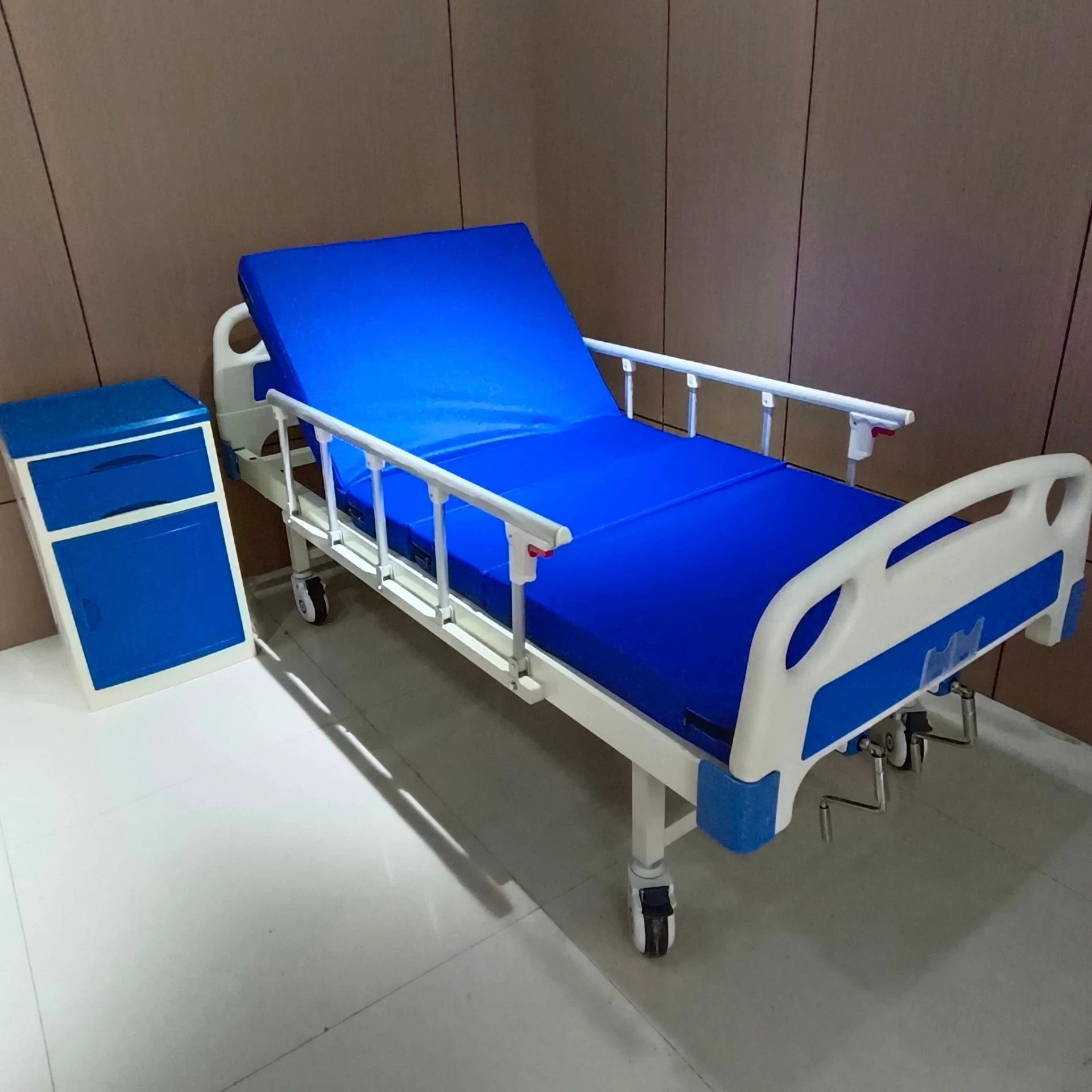
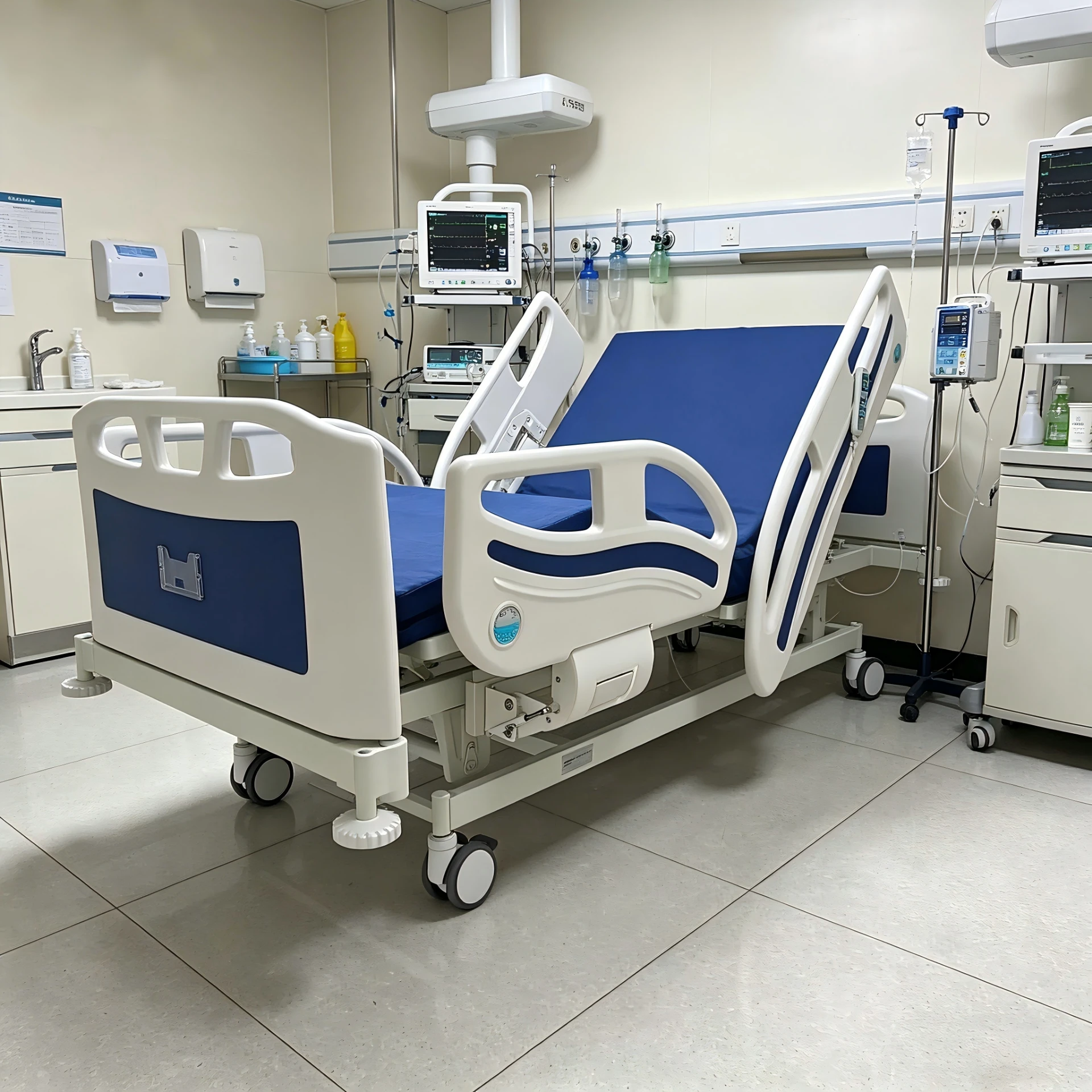
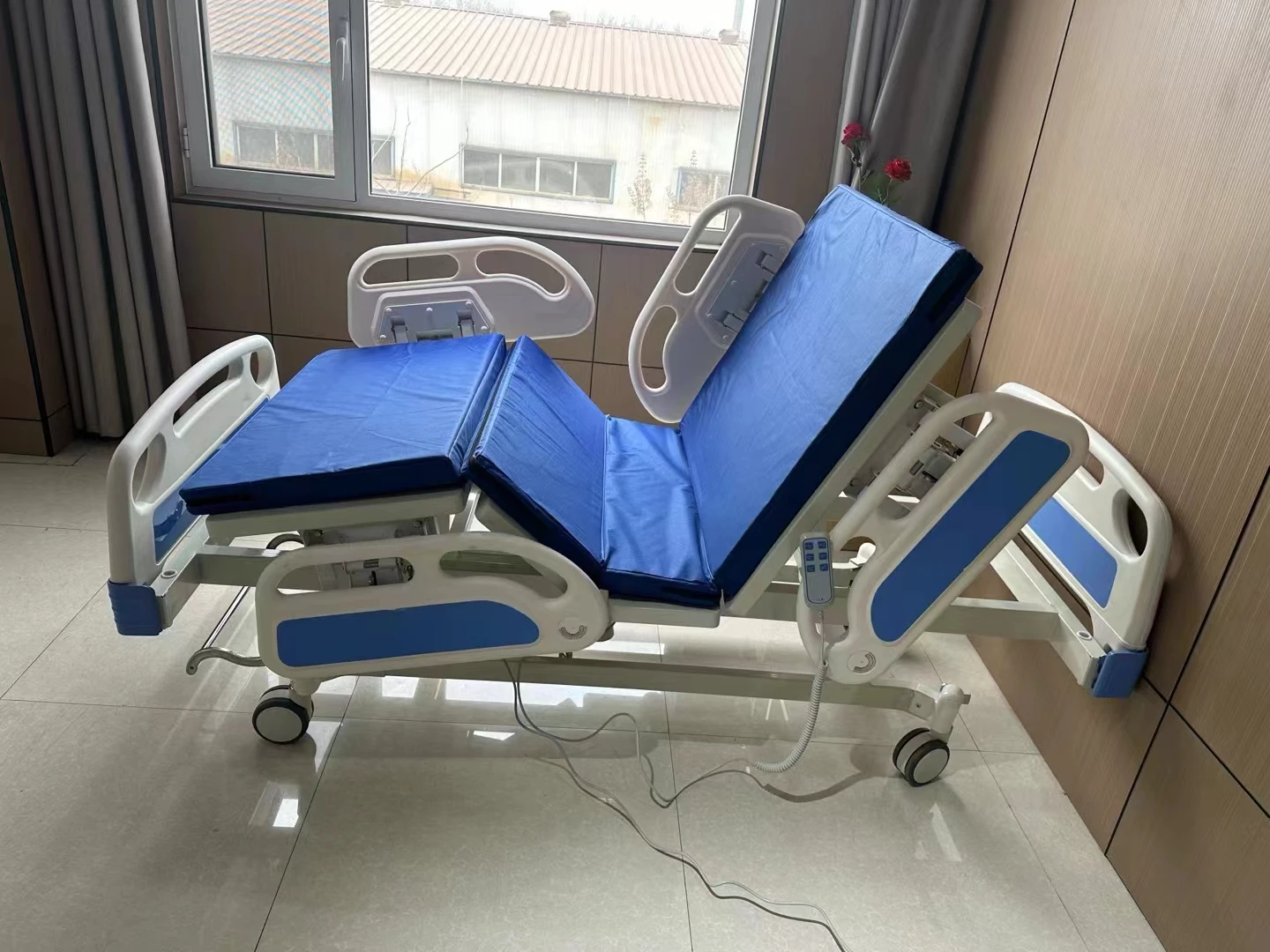
Put simply, a hospital bed twin size usually refers to a bed approximately 39 inches wide and 75 inches long. This size mirrors the standard twin mattress but with medical-grade specifications: adjustable height, side rails, and specialized support surfaces.
They’re designed not just for comfort, but for precise clinical needs such as pressure relief or facilitating caregivers' access. In humanitarian contexts, twin size beds are popular for field hospitals and temporary clinics because they are easier to transport and set up compared to wider full or queen-size options.
In real terms, think of it as a compromise between room efficiency and patient safety — slim enough to save space but wide enough to support basic patient movement and care actions.
Key Aspects of Hospital Bed Twin Size
Durability and Build Quality
Hospital environments are high-traffic zones. Beds must endure daily use, frequent sanitation, and sometimes patient weight beyond standard thresholds. Twin size hospital beds often feature steel or aluminum frames designed to be robust without extra bulk. The frame durability directly impacts long-term cost efficiency — you don’t want beds breaking down mid-shift.
Adjustability and Patient Comfort
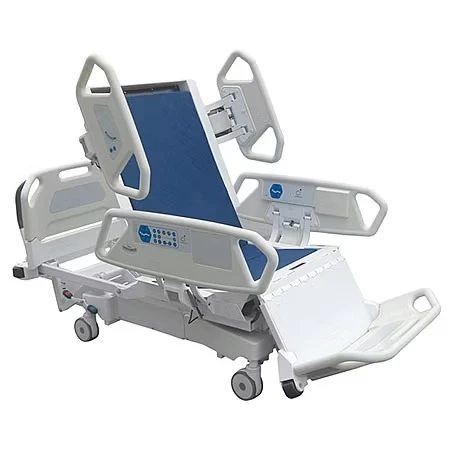
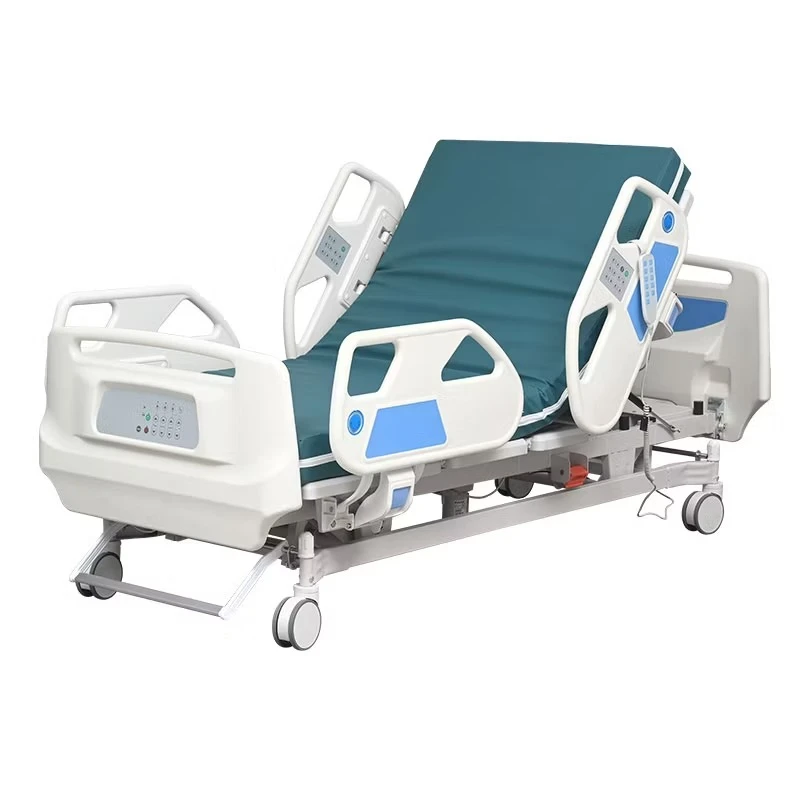
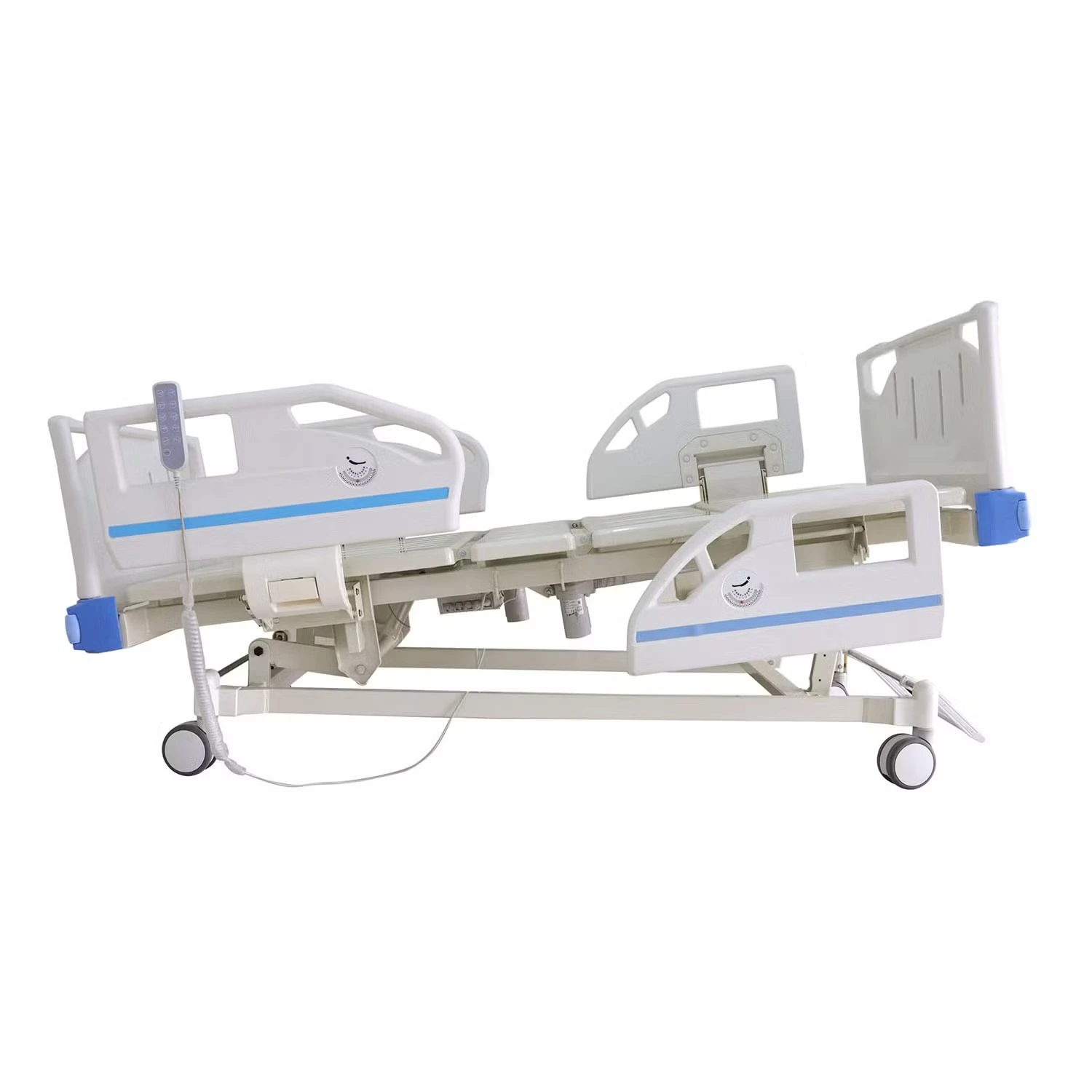
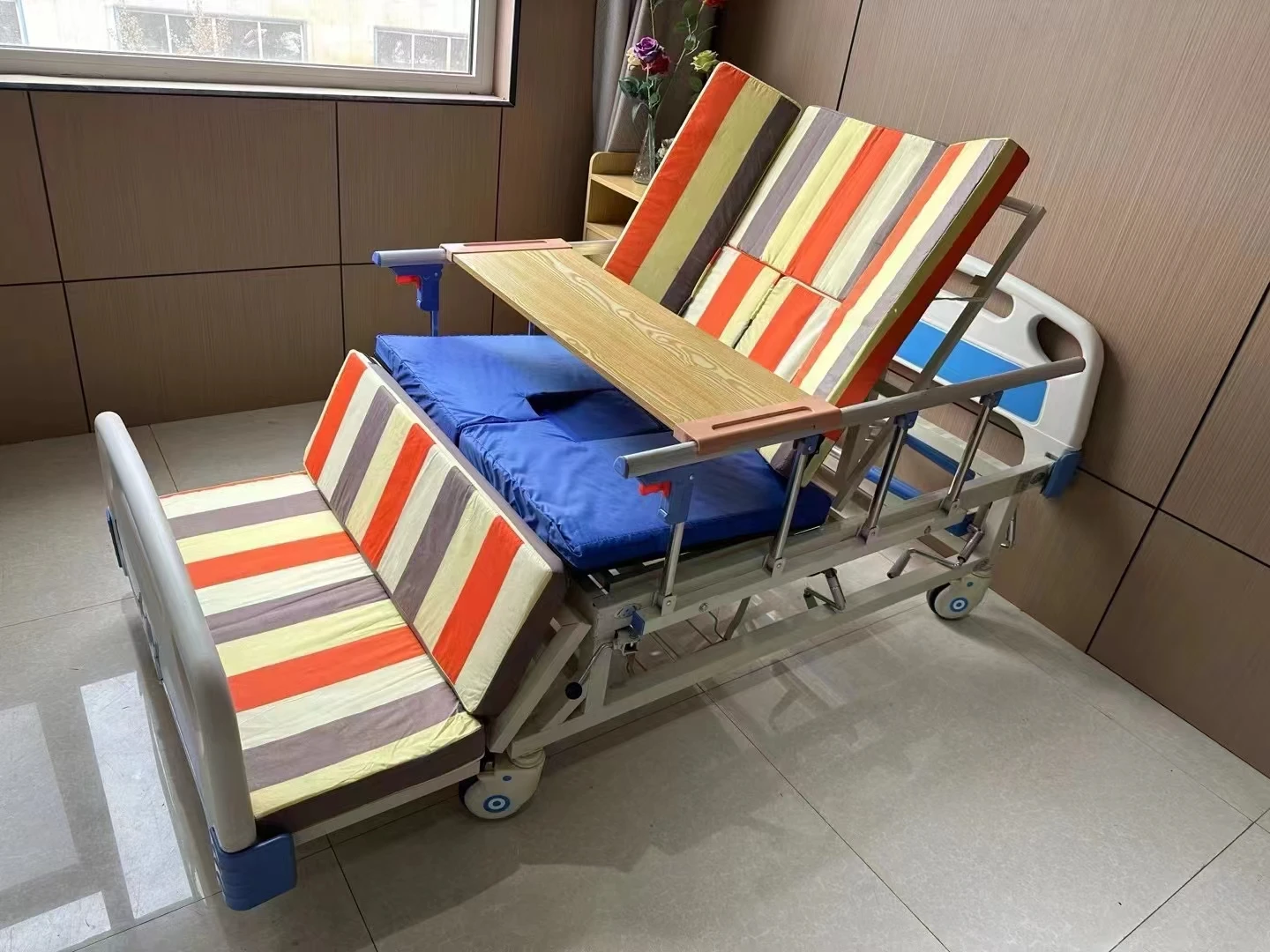
Adjustable backrests, knee elevation, and height control are core to these beds. Twin sizes get a bit trickier here — the narrower width means design engineers need to ensure controls don’t feel cramped or limited for patients or nurses operating them.
Cost Efficiency
Smaller materials, simpler transport, and less floor space translate into cost savings — both capital and ongoing. Facilities can fit more twin beds in limited square footage, increasing capacity without expanding real estate.
Compliance with Safety Standards
International safety norms (like ISO 60601 for medical electrical equipment) guide bed design. Twin size hospital beds must meet these while adapting to space constraints. Side rails, locking wheels, and emergency release mechanisms are standard features to minimize patient injuries.
Easy Maintenance and Hygiene
Hygiene isn’t just a bonus — it’s a strict requirement in hospitals. Twin size beds often have simpler surfaces and fewer crevices, making cleaning faster and more effective. That subtle design choice helps reduce infection rates.
Mobility and Transportability
Smaller size means easier movement within wards or from one hospital to another. In disaster response or remote clinics, lightweight twin size beds can be lifesavers, literally.
Mini Takeaway:
The genius of the hospital bed twin size is in these practical components balancing functionality with real-world healthcare demands.
Where Are Twin Size Hospital Beds Used? Real-World Applications
From Asia's sprawling public hospitals to European clinics rehabbing elderly patients, twin size hospital beds find homes everywhere.
- Post-disaster Relief: Twin beds are favored in temporary hospitals, refugee camps, and field operations for their portability and space-saving benefits.
- Home Healthcare: Many home care patients use twin beds tailored for medical needs without turning their homes into large hospitals.
- Long-Term Care Facilities: Nursing homes often deploy twin beds for residents to optimize limited room sizes.
- Small Clinics or Outpatient Wards: The compactness suits clinics that need to stretch every square meter.
Oddly enough, in some industrial zones where medical units are on-site (think mining camps or remote rigs), twin size hospital beds provide a practical medical solution — tough, adaptable, and efficient.
Advantages and Long-Term Value
The benefits are layered like a good trifle:
- Cost Savings: Less material, transport, and storage costs.
- Sustainability: Smaller beds use fewer resources, and many designs incorporate recyclable materials.
- Patient Dignity and Safety: Proper sizing means fewer falls, better comfort, and a sense of respect for personal space.
- Operational Reliability: Staff find twin size beds easier to maneuver, improving workflow.
- Space Optimization: Maximize bed count per ward without feeling overcrowded.
It’s a blend of emotional and practical win: patients feel safer and more comfortable; hospitals save money and space; conditions improve overall.
Future Trends in Hospital Bed Twin Size
With digital health tech advancing, twin size hospital beds aren’t staying basic. Many models now integrate:
- Smart sensors monitoring patient vitals.
- Wireless remote controls facilitating contactless adjustment.
- Eco-friendly materials and energy-efficient motors.
- Modular designs allowing quick customization.
Looking ahead, automation and IoT will make even these compact beds part of larger connected care systems, enhancing predictive care and reducing workload.
Common Challenges and How to Address Them
Of course, smaller beds mean less room for patients, potentially discomfort for larger individuals, or limited attachment options for certain devices. Manufacturers counter this by:
- Offering wider twin-plus models for heavier patients.
- Designing foldable or removable rails.
- Utilizing ultra-strong materials to allow slim profiles with high load capacity.
- Customizing mattresses and surfaces ergonomically.
Innovation continues to close the gap between compactness and comprehensive patient care.
Frequently Asked Questions About Hospital Bed Twin Size
- What exactly qualifies a hospital bed as 'twin size'?
- A twin size hospital bed typically measures around 39 inches wide by 75 inches long, designed with hospital-grade features like adjustable heights and safety rails — essentially a medical-grade twin mattress frame.
- Are hospital bed twin sizes suitable for all patient types?
- While ideal for many, twin size beds might be tight for larger or bariatric patients. Facilities often use wider beds in such cases or twin-plus options offering extra width.
- How easy is it to clean and maintain these beds?
- Twin size beds generally have simpler surfaces and fewer crevices, enabling faster cleaning and better hygiene, which is crucial in infection control.
- Can twin size hospital beds be transported for emergency use?
- Yes, their compact size and lighter frames make twin beds excellent for quick deployments in field hospitals or disaster zones.
- Do twin size beds comply with typical healthcare safety standards?
- Absolutely. Well-designed twin size beds meet international safety regulations, including side rails, wheel locks, and emergency release systems.
Hospital Bed Twin Size Specification Table
| Specification | Details |
|---|---|
| Dimensions (Width x Length) | 39" x 75" |
| Weight Capacity | Up to 350 lbs (standard) |
| Adjustability | Adjustable backrest, knee section, height |
| Material | Steel frame with powder coating |
| Safety Features | Side rails, wheel locks, emergency release brake |
| Mobility | Caster wheels with 360° lock |
Vendor Comparison: Leading Hospital Bed Twin Size Manufacturers
| Vendor | Price Range (USD) | Warranty | Special Features | Global Availability |
|---|---|---|---|---|
| ZhaoFamed | $800-$1,200 | 5 years | Smart sensor integration, eco-friendly coating | Worldwide |
| HealthRest | $700-$1,000 | 3 years | Ergonomic design, lightweight frame | North America, Europe |
| MediFlex | $900-$1,400 | 4 years | Modular parts, adjustable width options | Asia, Middle East |
Conclusion: A Lasting Step Toward Better Patient Care
Choosing the right-sized hospital bed — particularly the hospital bed twin size — isn’t just about space-saving. It’s about adapting healthcare environments to real-world patient needs, advancing comfort, safety, and operational success worldwide. These beds pack a lot of purpose into their compact frame, supporting caregivers and patients with equal efficiency.
As innovation rolls forward, twin size hospital beds will increasingly integrate tech and sustainable materials, making them a smart investment — for healthcare providers and, most importantly, for patients.
For up-to-date options and detailed product lines, visit ZhaoFamed and see how hospital bed twin size solutions could fit your facility’s needs.