Nov 29,2025
Leading Hospital Bed Makers: Quality, Innovation & Global Healthcare Support
Hospital Bed Makers: Why They Matter Worldwide
If you’ve ever spent time in a hospital or even just visited, you probably noticed the humble hospital bed — easy to overlook, but absolutely critical for patient care. So, who makes these beds, and why does it matter globally? Hospital bed makers play a pivotal role in healthcare infrastructure, impacting everything from patient comfort to infection control. Understanding this sector not only highlights the importance of specialized manufacturing but also sheds light on how innovations here can save lives and improve recovery rates across the globe. Let’s face it—every country needs reliable hospital beds, but not every country has easy access to top-quality suppliers or designs suited to their local conditions. In humanitarian crises or aging populations, the demand skyrockets. For anyone curious about the “healthcare backbone,” hospital bed makers are a surprisingly vital piece of the puzzle. ---The Global Context: Why Hospital Bed Makers Are Essential
Today, the healthcare industry is under pressure like never before. According to the World Health Organization, global demand for hospital beds is expected to rise sharply due to aging demographics, urbanization, and unexpected public health emergencies like pandemics. Meanwhile, the United Nations points to increasing healthcare challenges in developing nations, where access to appropriate medical equipment is more limited. Hospital bed makers face the challenge of supplying adaptable, durable beds for a broad spectrum of needs — from intensive care units in New York to emergency field hospitals in flood-stricken Bangladesh. ISO standards increasingly influence production, ensuring safety and compatibility worldwide. But there’s a gnawing problem: many regions still struggle with beds that are unsuitable for their climate, maintenance infrastructure, or budget. That’s why a good grasp of who hospital bed makers are, what they produce, and how they innovate matters globally—not just for hospitals but for NGOs, governments, and even private sectors trying to boost healthcare access. ---What Exactly Are Hospital Bed Makers?
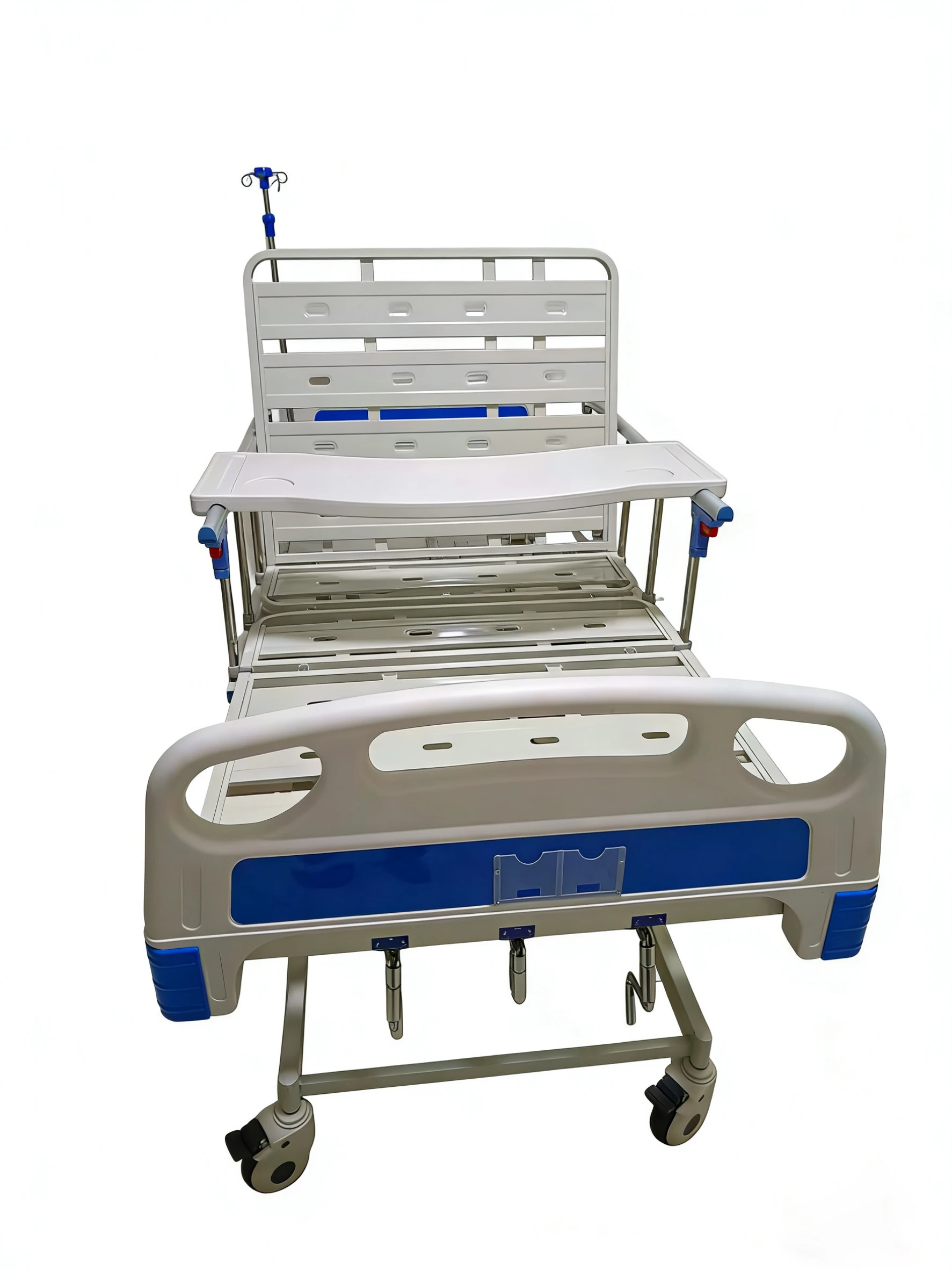
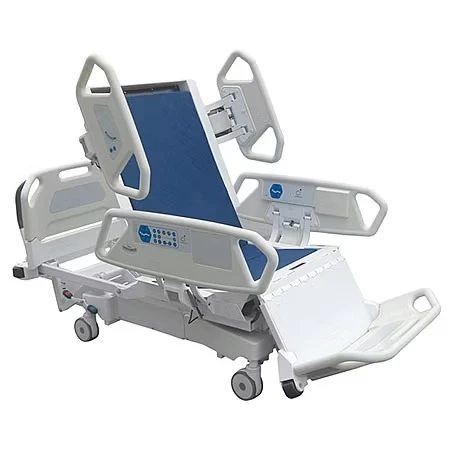
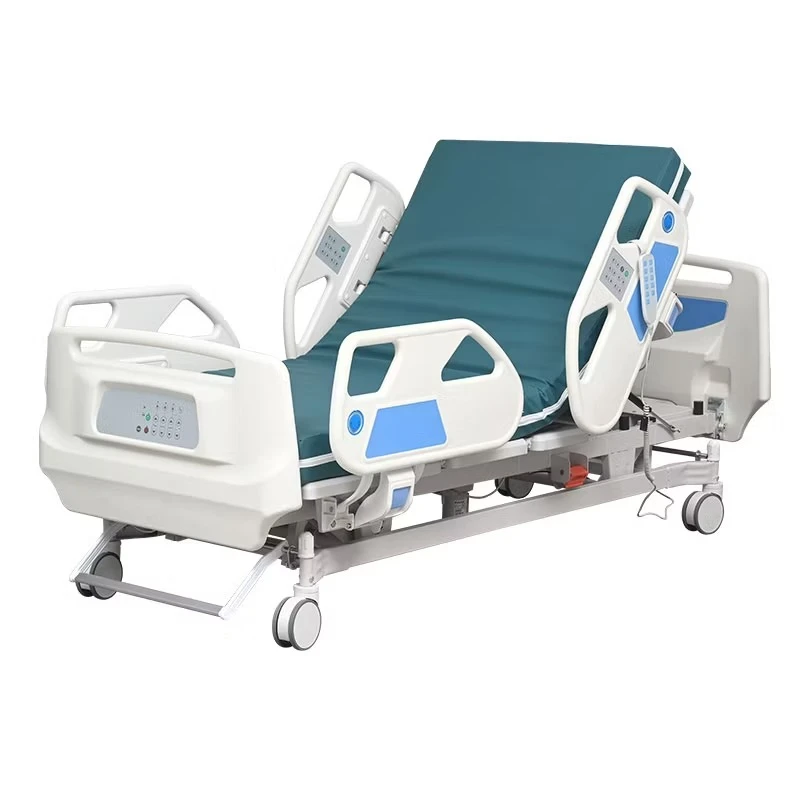
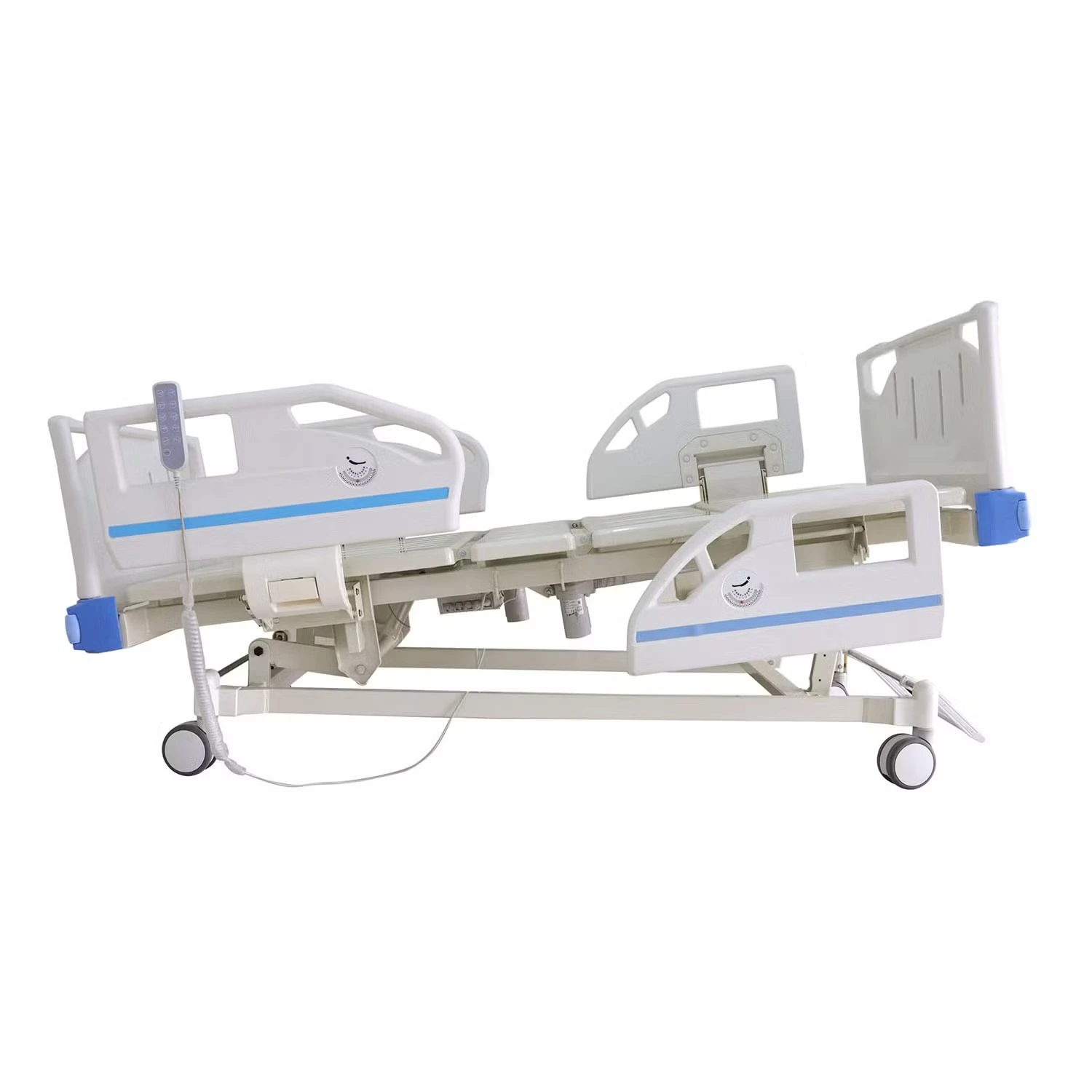
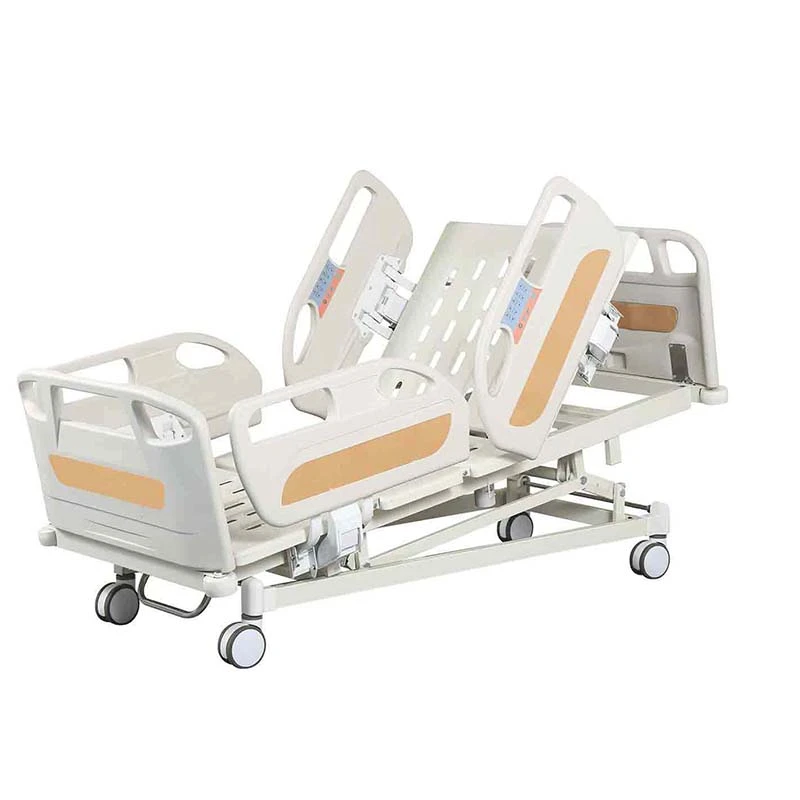
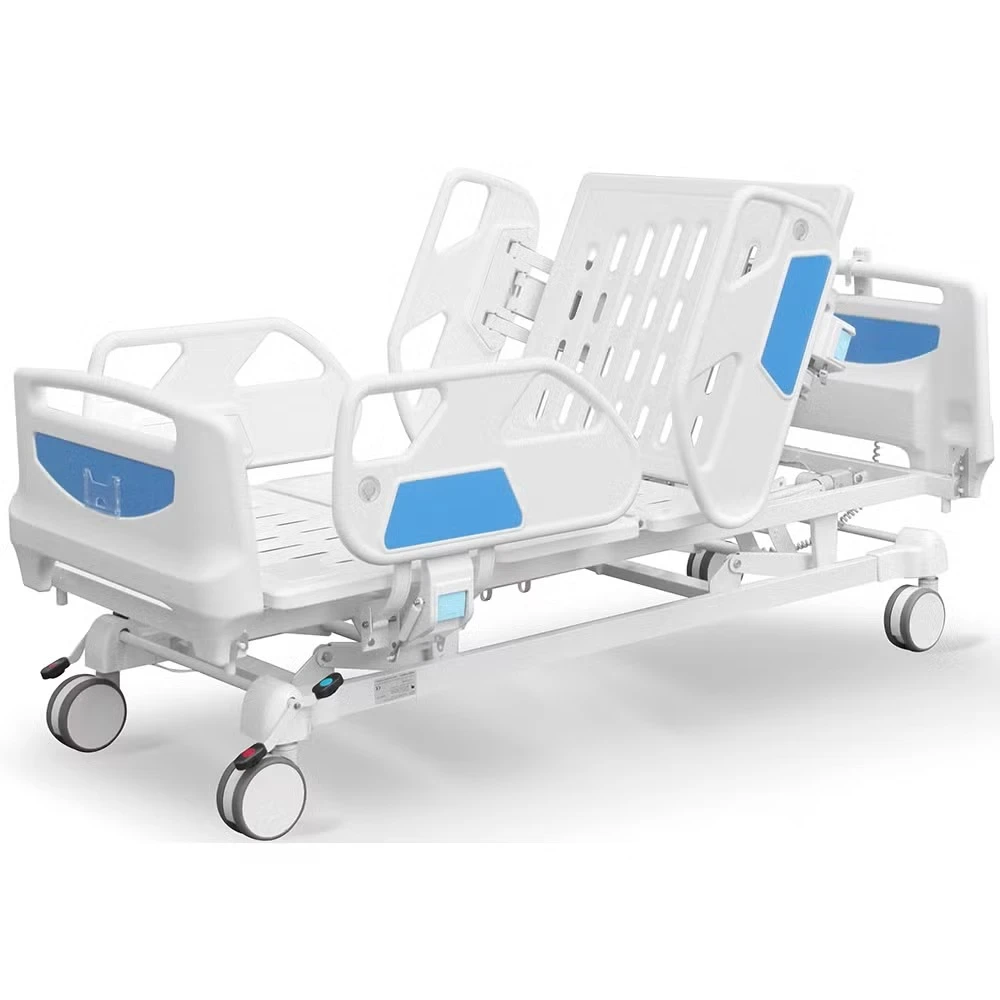
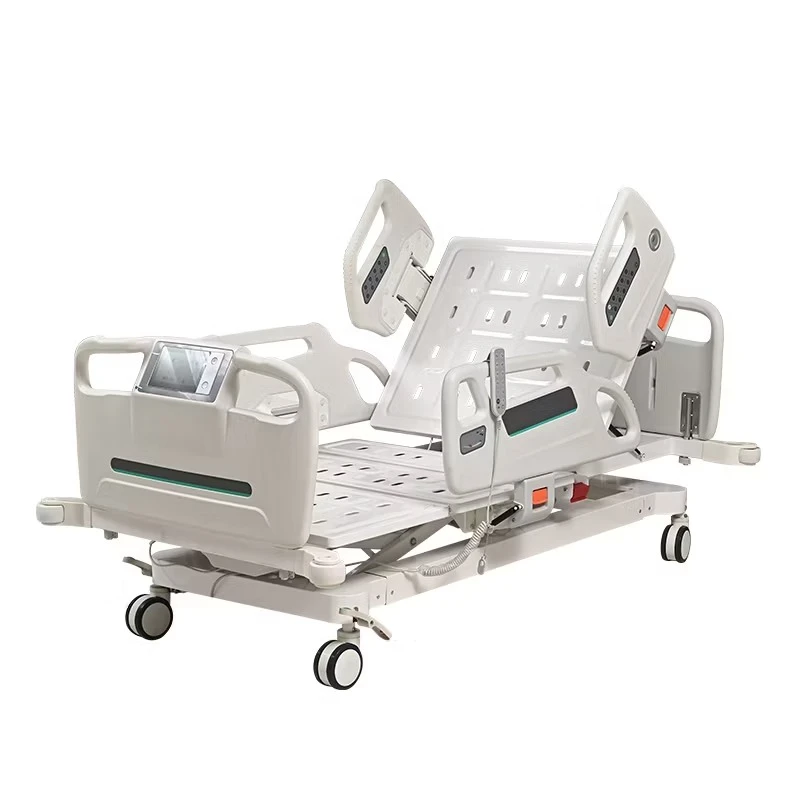
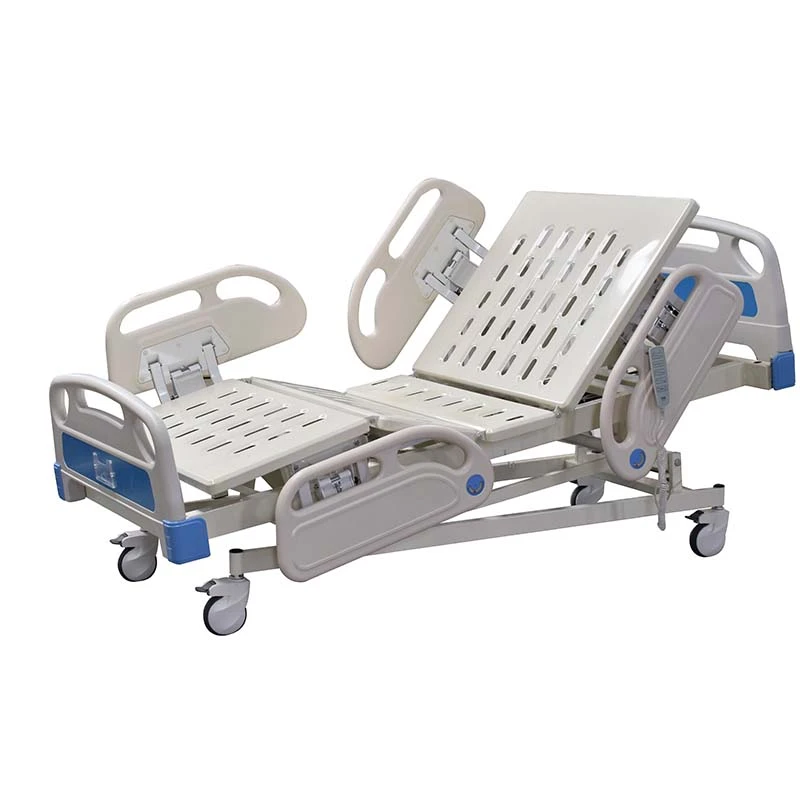
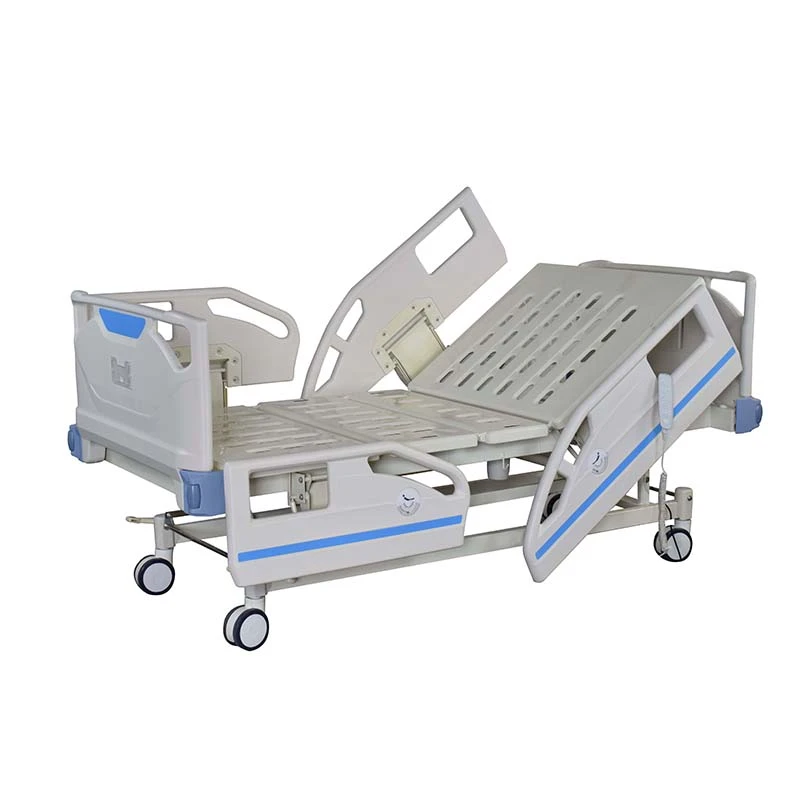
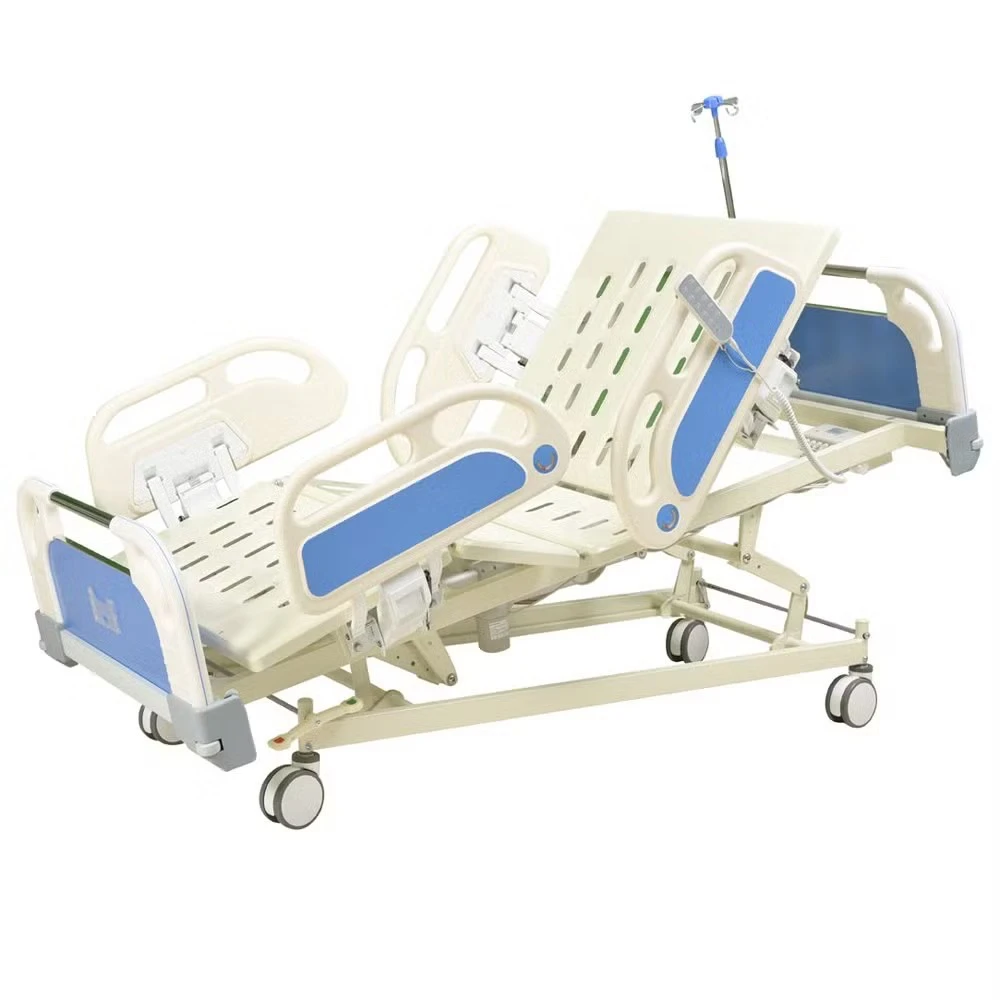
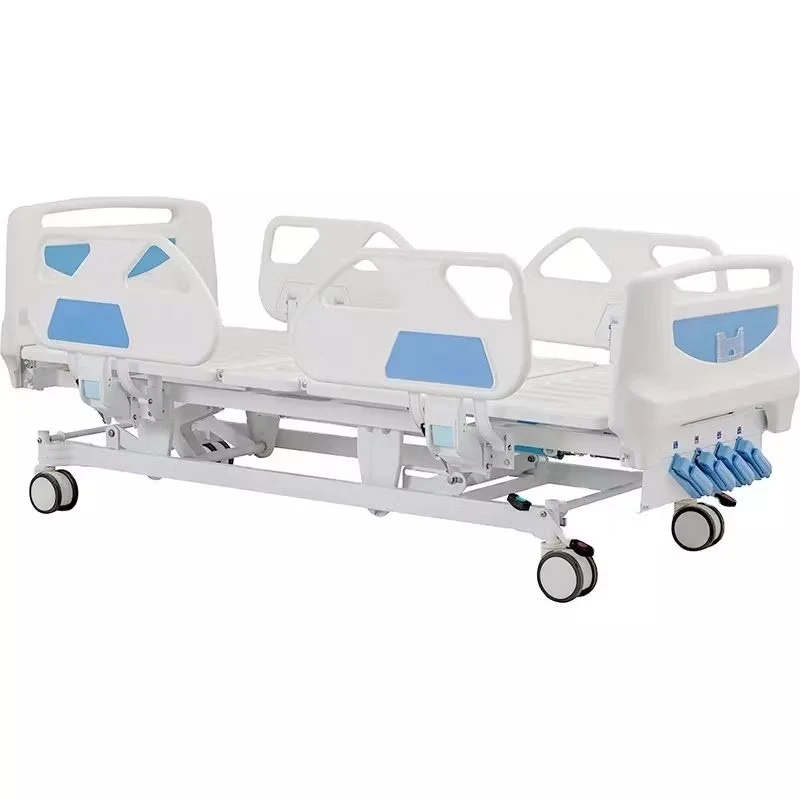
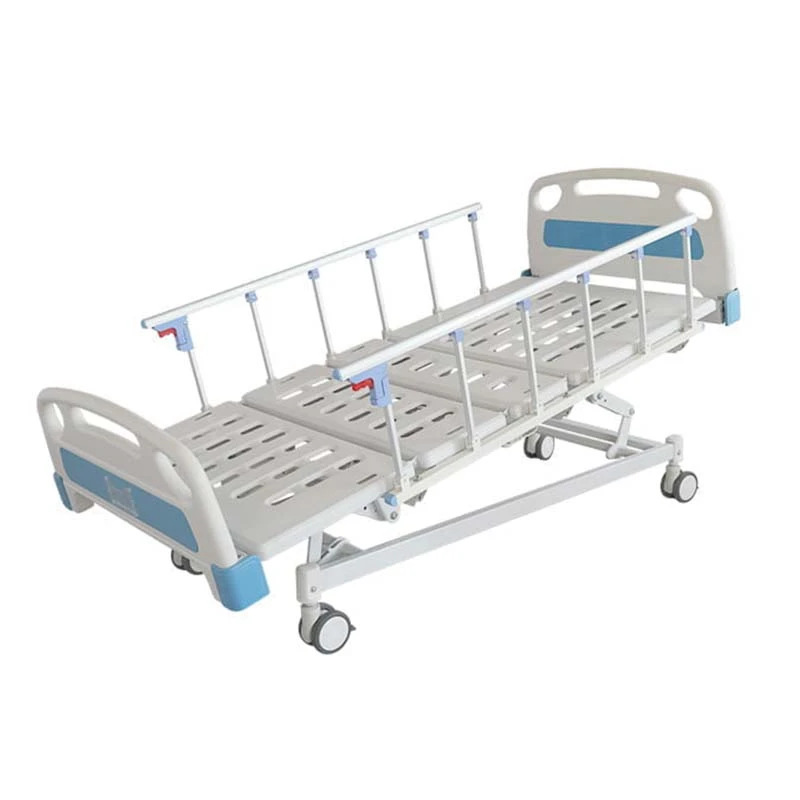
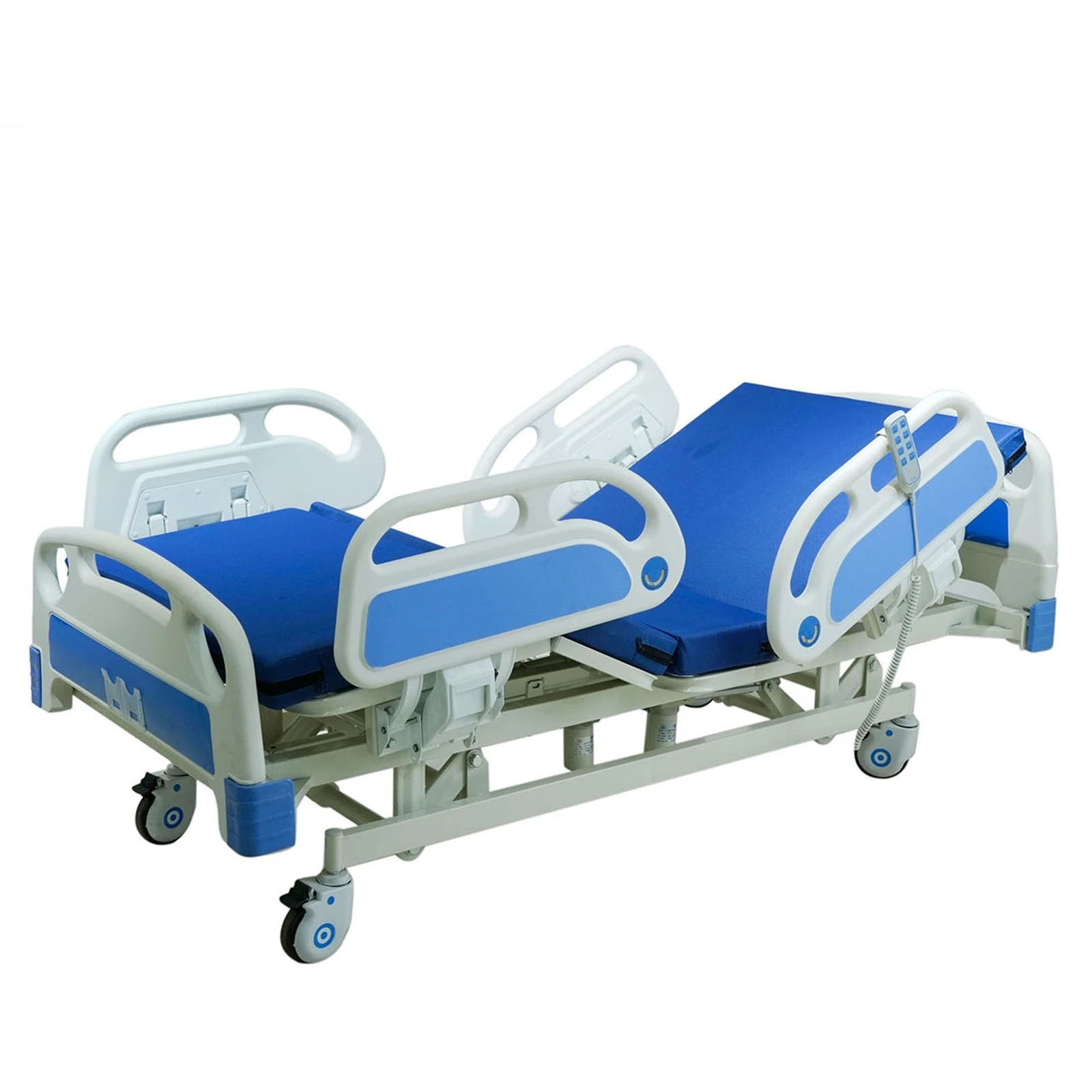
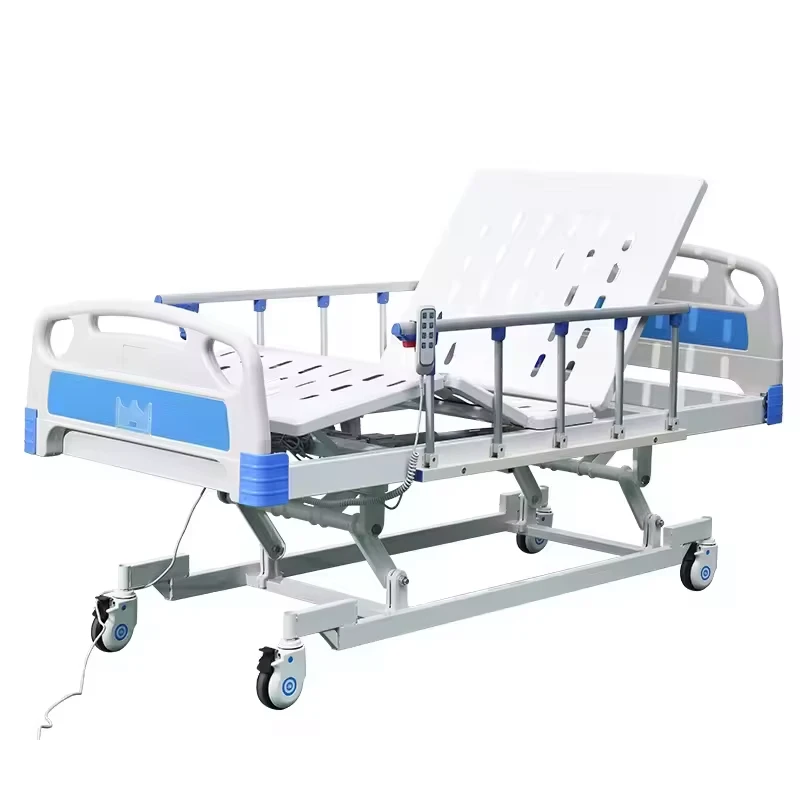
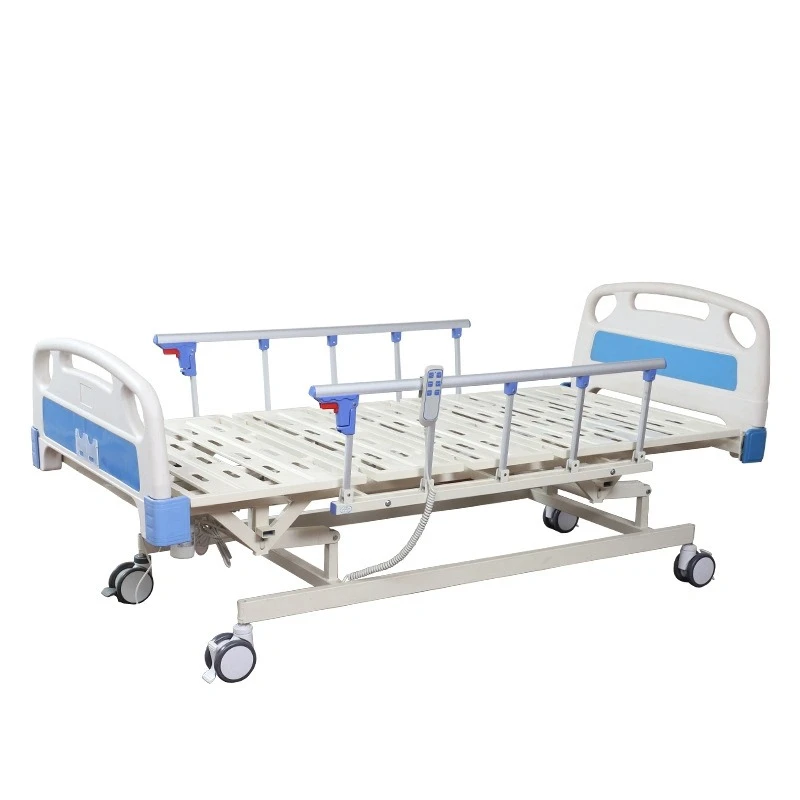
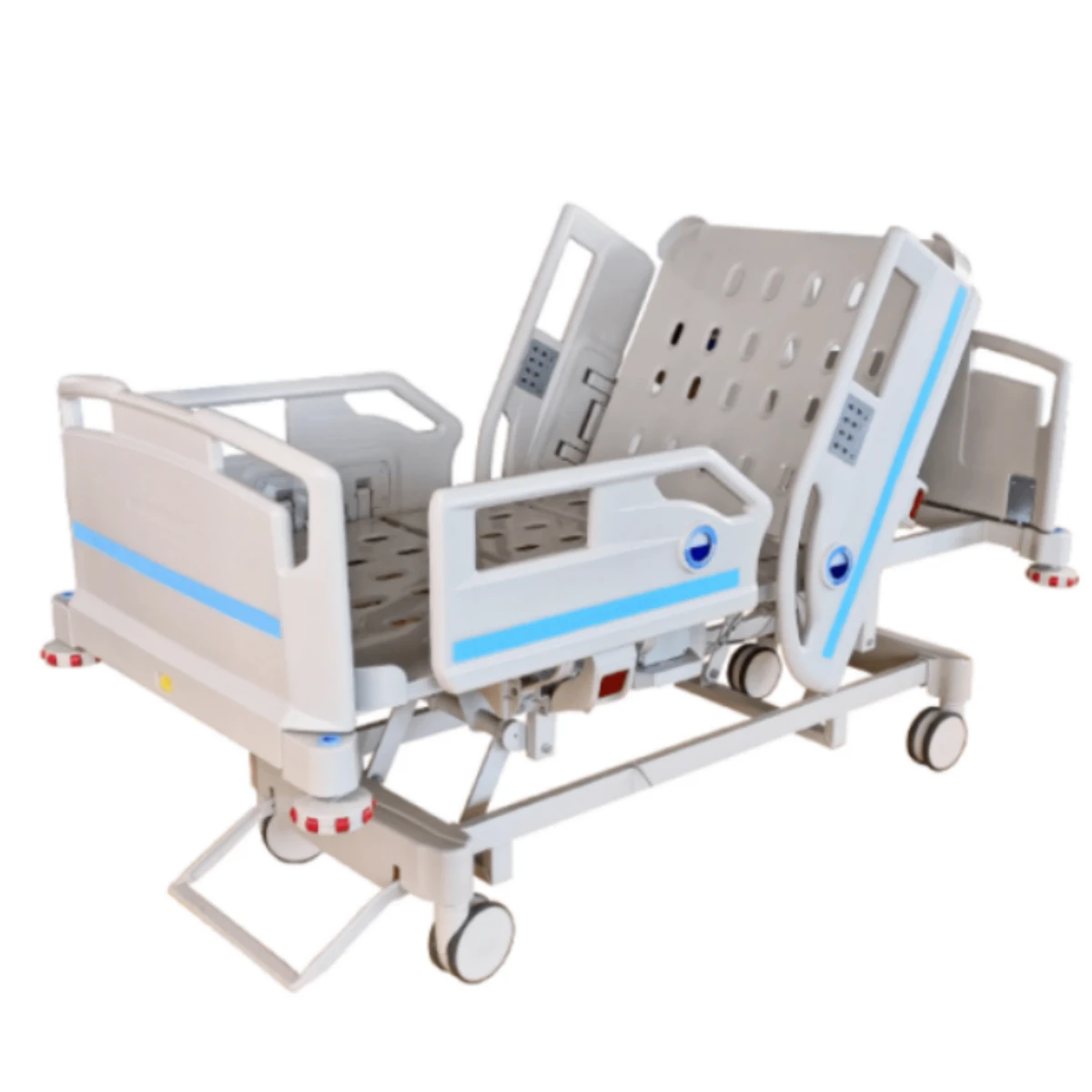
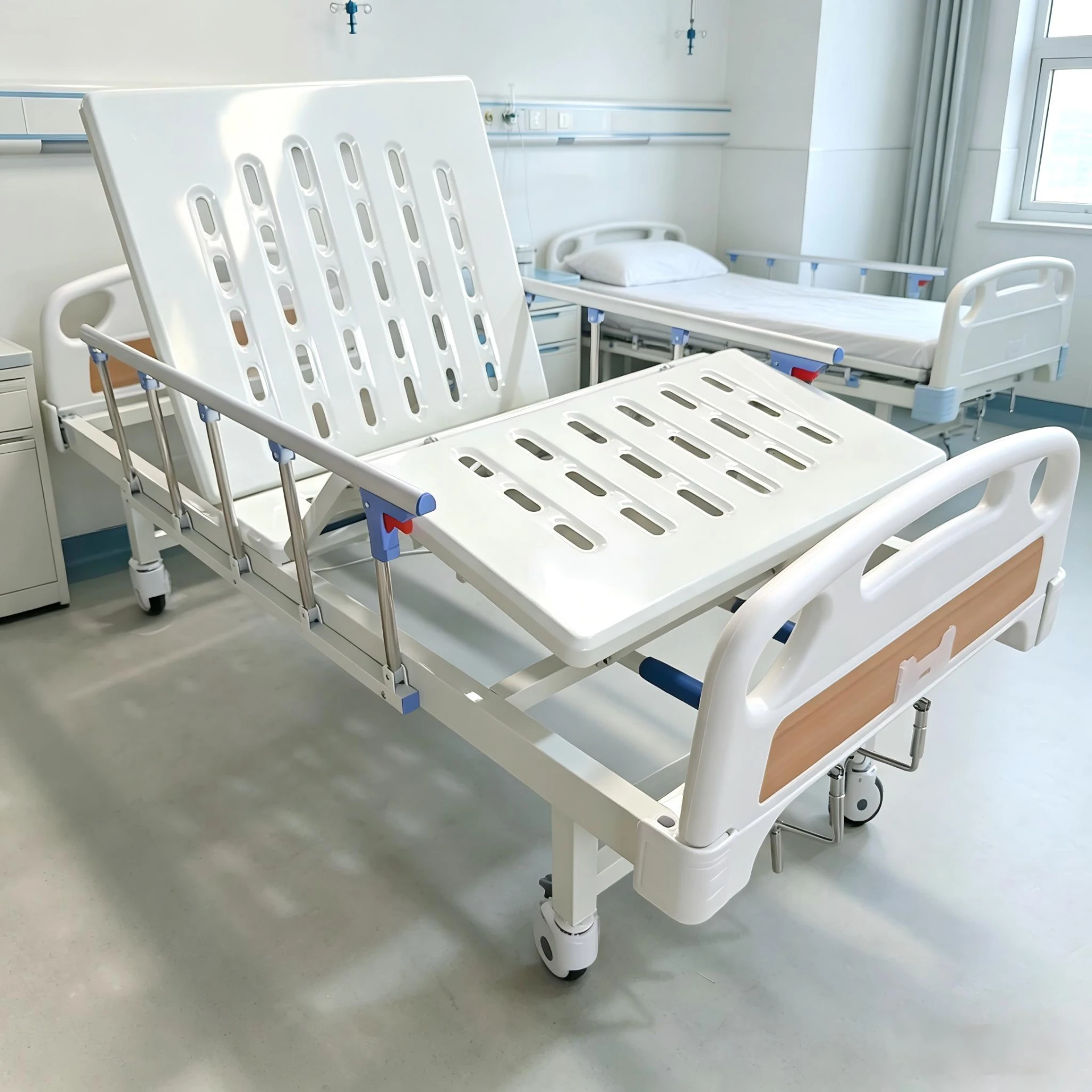
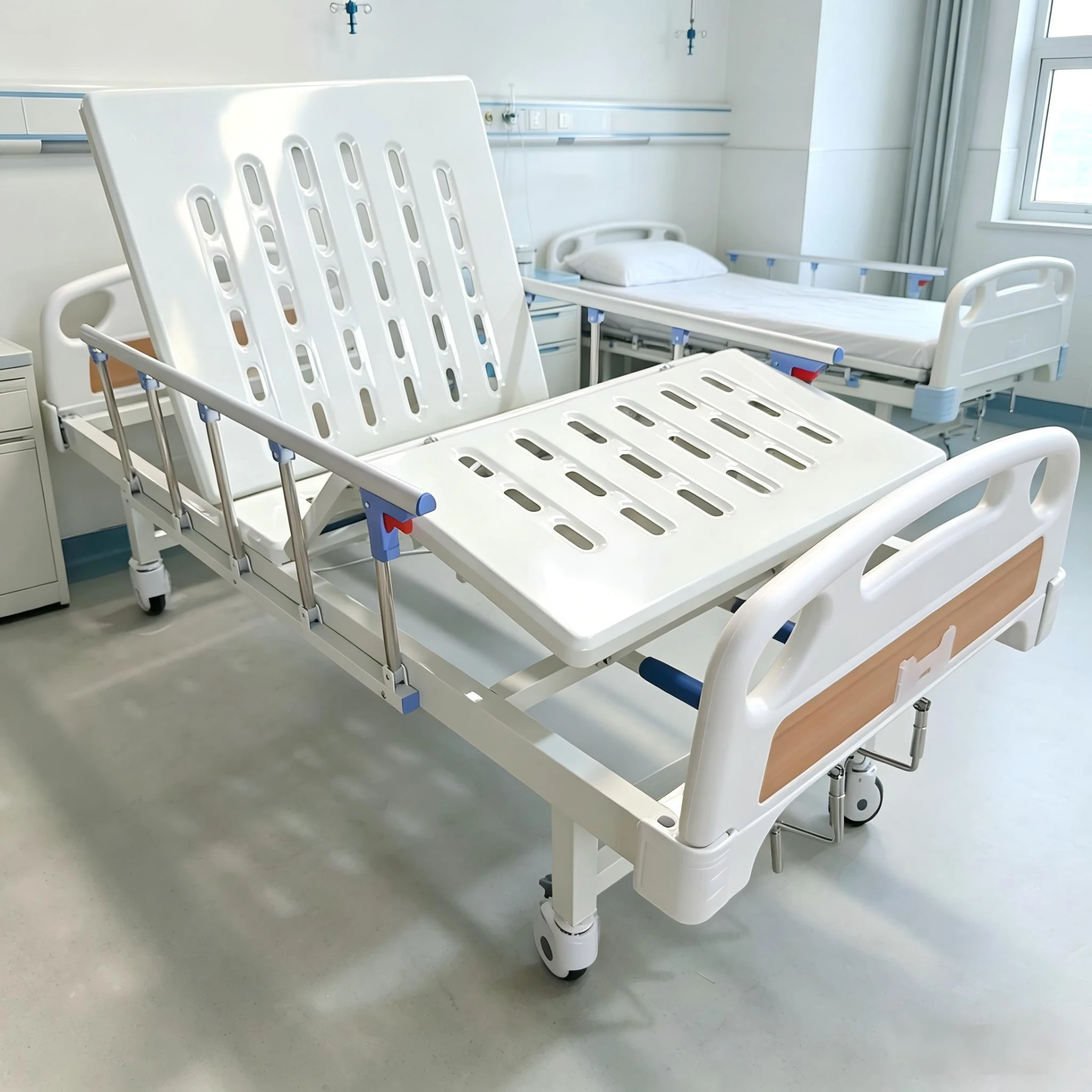
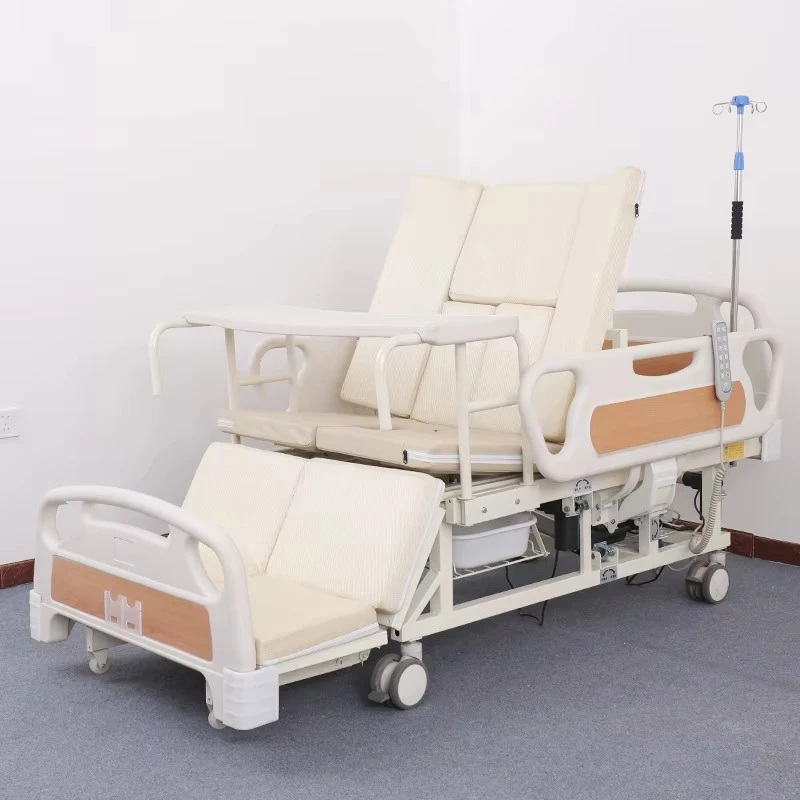
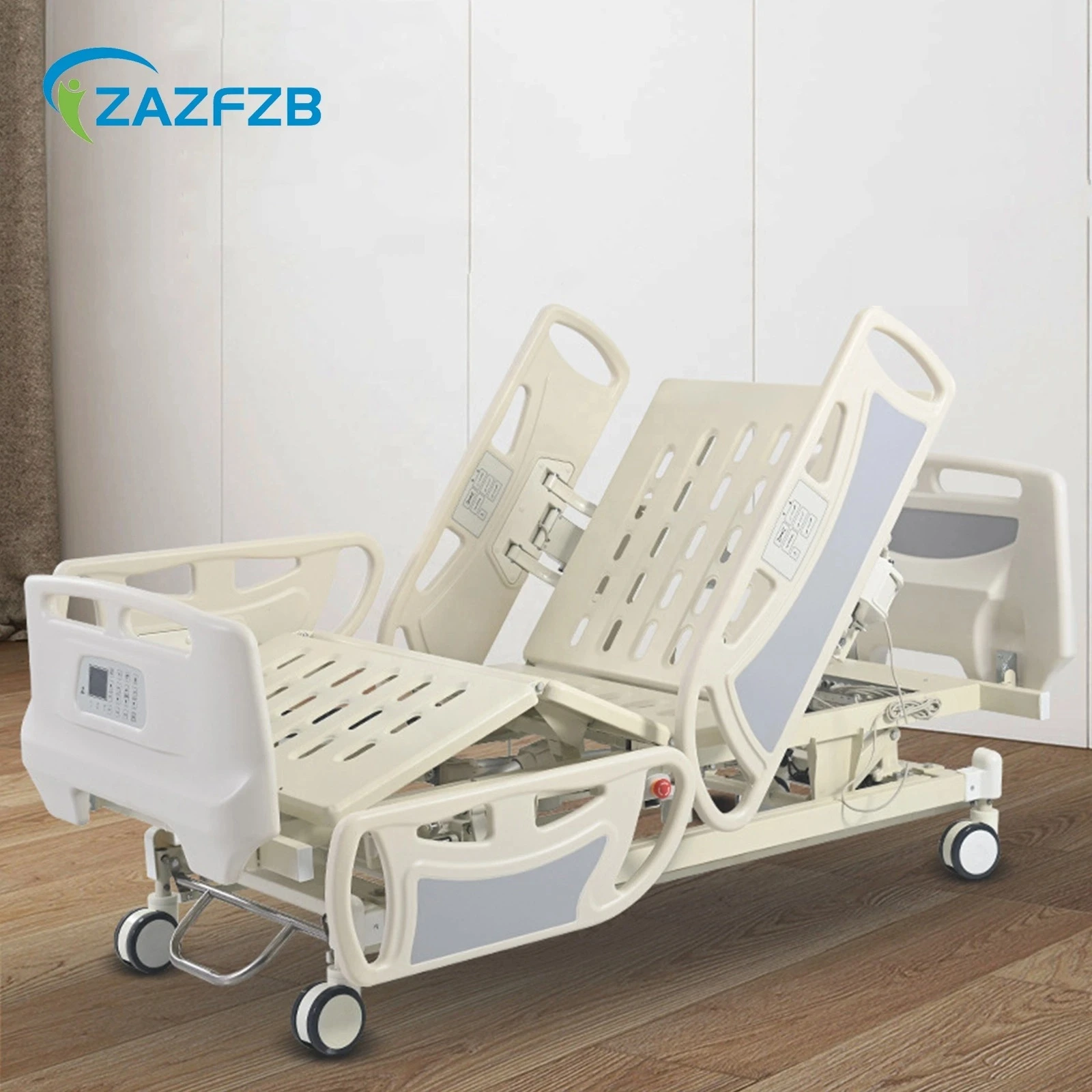
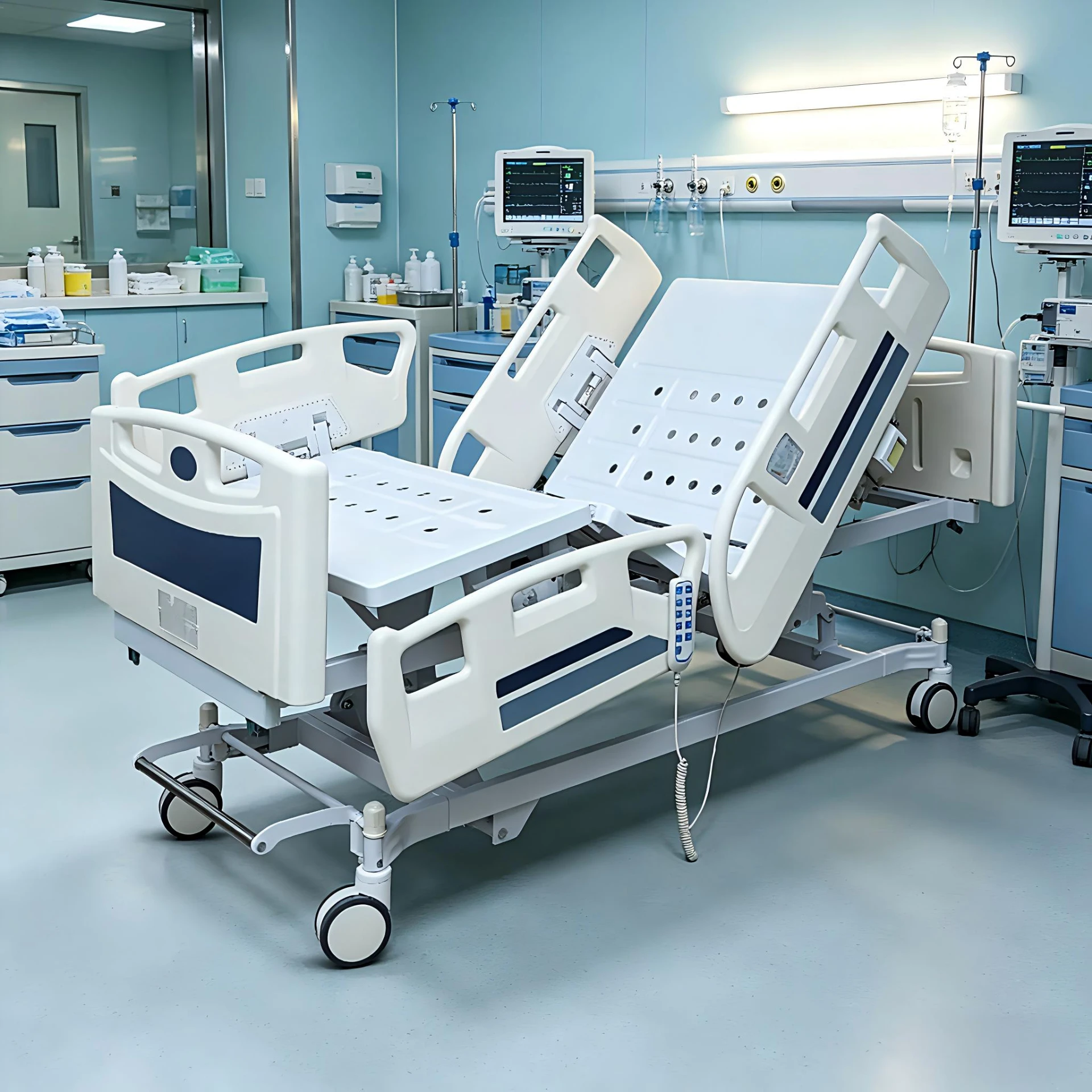
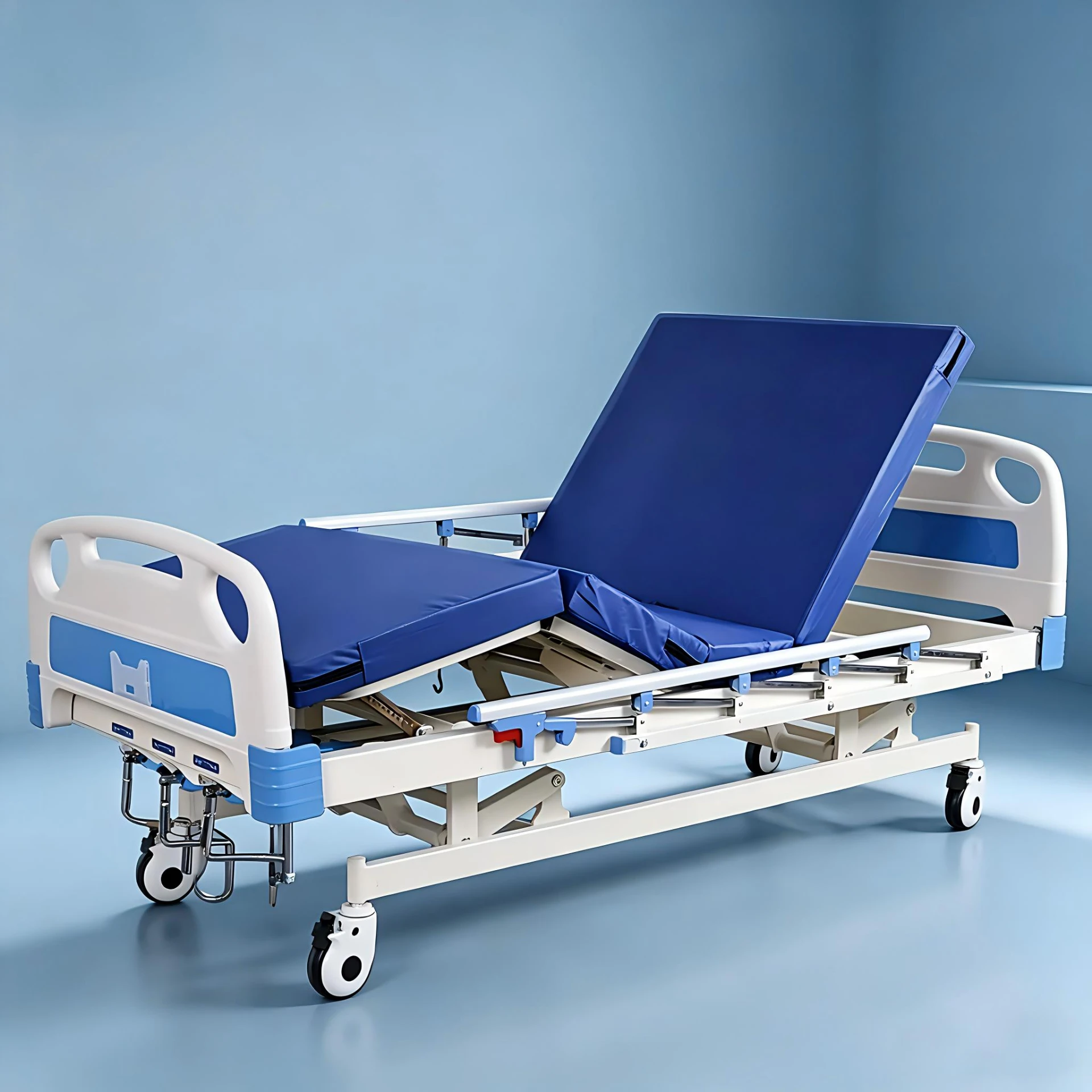
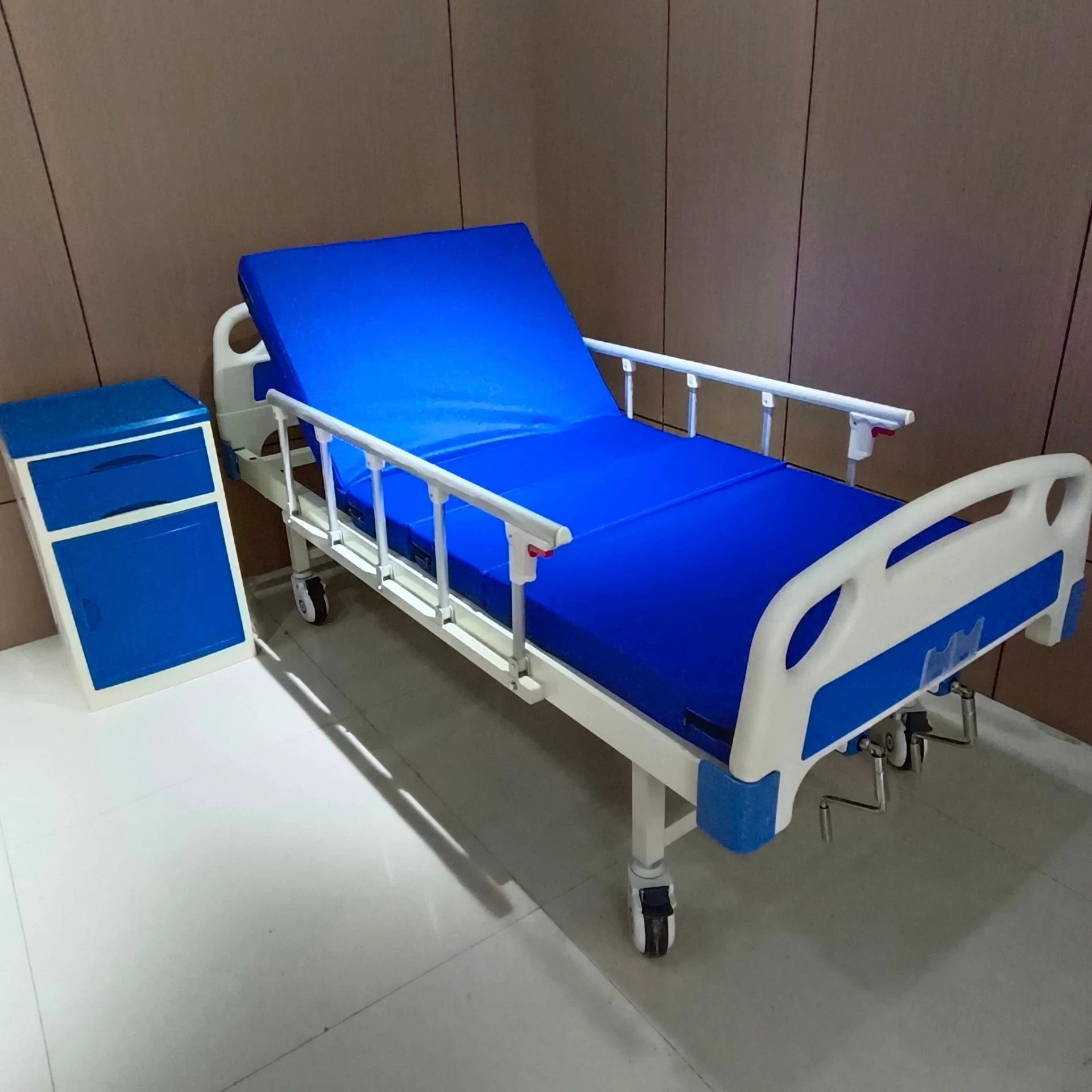
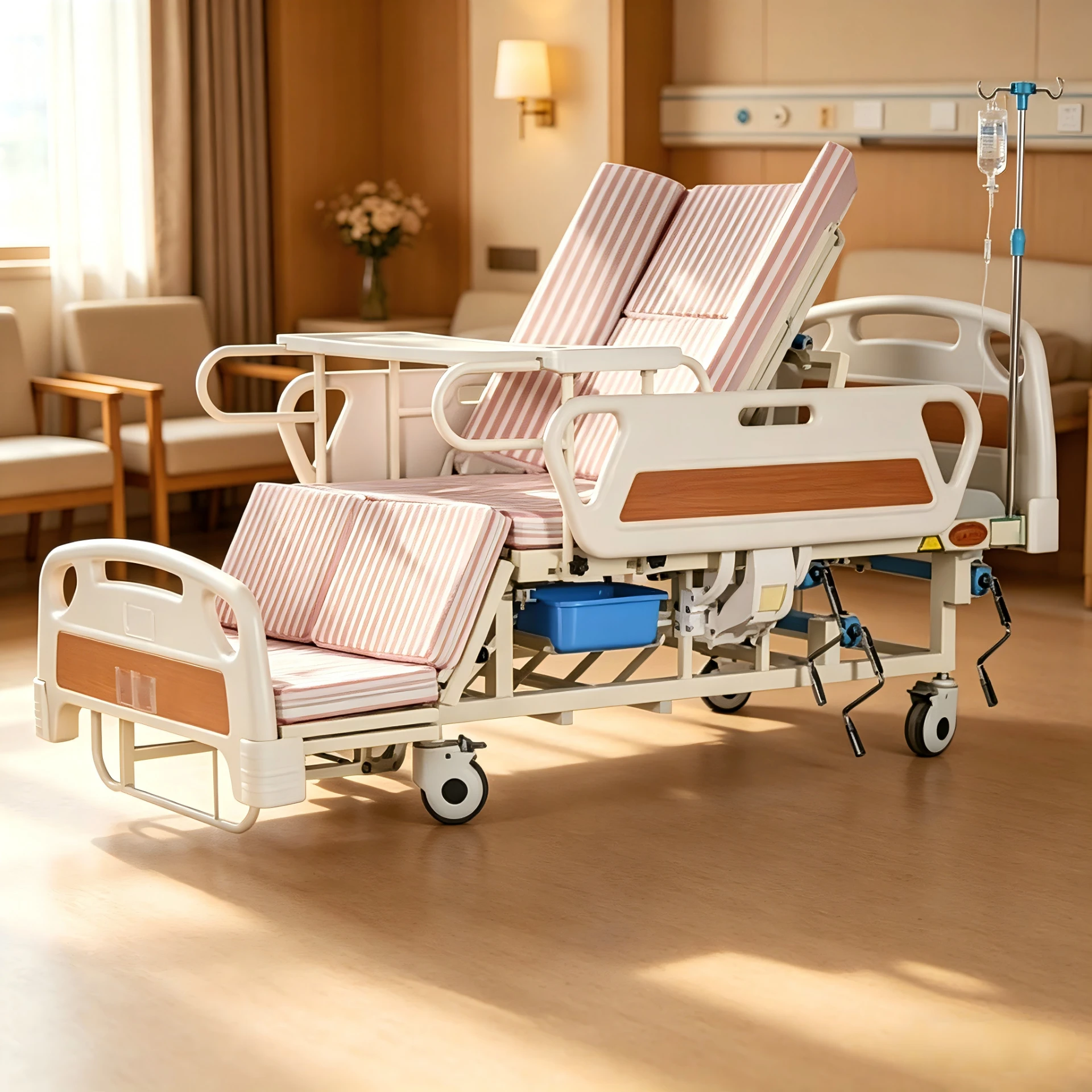
Let’s break down the term. At its core, hospital bed makers are manufacturers specializing in the design, production, and sometimes maintenance of beds tailored specifically for medical use. Unlike your typical furniture maker, these manufacturers have to blend engineering precision, hygiene standards, and patient comfort. Hospital beds aren’t just “better chairs.” They often feature adjustable positions, locking wheels, support rails, and ergonomic designs enabling patients to sit up or lie flat at the touch of a button. They’re designed to foster healing environments, reduce caregiver strain, and accommodate medical equipment. In humanitarian contexts, these beds can be life-saving. In modern industry, they’re a blend of specialized manufacturing and health science, often requiring adherence to medical standards and certifications. ---Core Components That Define Hospital Bed Makers’ Offerings
1. Durability and Material Quality
Hospital beds must endure constant use and rigorous cleaning. Makers opt for stainless steel frames, antimicrobial paints, and tough plastics. Oddly enough, material breakdown accounts for many hospital complaints, so quality here isn’t luxury—it’s necessity.2. Scalability and Custom Options
Not all hospitals look alike. Some facilities want heavy-duty ICU beds; others, simple foldable models for remote clinics. Top hospital bed makers offer modular designs and customization to fit client needs and budgets.3. Cost Efficiency and Accessibility
It’s a delicate balance. Providers want sturdy, feature-rich beds but often face budget constraints, especially in emerging markets. Makers continuously innovate to balance upfront costs with long-term durability.4. Safety Features
From lockable wheels to side rails and patient monitoring integration, safety is a must. Many engineers say that these “small” features profoundly impact recovery and reduce accidents.5. Ease of Maintenance and Repair
Even the best beds wear out or break parts. Designing for easy access and repair without specialist tools reduces downtime—a huge boon for hospitals juggling limited technical staff. ---
Mini takeaway: Hospital bed makers are not just furniture factories; they engineer, innovate, and adapt to make durable, safe, and affordable beds — tailored to diverse healthcare environments worldwide.
---
Where Are Hospital Beds Really Making a Difference?
In real-world terms, the impact spans continents and contexts. For example:- Post-Disaster Relief: In places hit by natural disasters like earthquakes in Nepal or flooding in the Philippines, rapid deployment of reliable hospital beds is crucial for makeshift clinics.
- Remote Industrial Zones: Mining or oil drilling areas in Africa and South America depend on portable hospital beds for onsite clinics, blending robustness with transportability.
- Urban Hospitals in Aging Societies: Japan and parts of Europe require beds designed with enhanced patient mobility and fall prevention.
- Developing Countries’ Healthcare Expansion: Countries in Southeast Asia and Sub-Saharan Africa increasingly demand affordable, scalable bed solutions as healthcare infrastructure expands.
Hospital Bed Makers Product Specification Table
| Feature | Basic Model | Advanced ICU Model | Portable Foldable Model |
|---|---|---|---|
| Frame Material | Powder-coated steel | Stainless steel 304 | Aluminum alloy |
| Adjustability | Manual crank | Electric motor, multiple positions | Manual fold & lock |
| Max Load Capacity | 150 kg | 250 kg | 120 kg |
| Mobility | 4 castors with brakes | 4 lockable castors + built-in weighing scale | Compact wheels for transport |
| Price Range | $500–700 | $2000–3500 | $800–1200 |
How Do Leading Hospital Bed Makers Compare?
| Vendor | Product Range | Global Reach | Customization | Sustainability Initiatives |
|---|---|---|---|---|
| Zhaofamed | Extensive (basic to ICU) | Strong in Asia, Africa, Europe | High (modular, color, function) | Uses recycled steel & green packaging |
| HealthTech Inc. | Focused on ICU and specialty beds | North America, Europe | Medium (custom control panels) | LED lighting & low-power motors |
| MediComfort Ltd. | Basic and foldable models | Emerging markets focus | Low (standardized units) | Limited recycling programs |
Advantages and Long-Term Benefits of Quality Hospital Beds
Hospital bed makers don’t just sell beds — they embed trust, safety, and dignity into the patient experience. A sturdy bed reduces fall risks, adjustable positions ease pain, and user-friendly designs reduce burnout for nursing staff. From a cost perspective, investing in durable, modular beds saves hospitals money by minimizing replacement cycles. Moreover, many newer models incorporate eco-friendly materials or energy-saving features, demonstrating a commitment to sustainability. On a social level, quality hospital beds symbolize respect for patients’ well-being, especially in fragile moments. That can’t be overstated—innovations here have real human impact. ---The Road Ahead: Trends and Innovations in Hospital Bed Manufacturing
Looking forward, hospital bed makers are embracing: - Smart Beds: Embedded sensors to monitor vital signs or detect patient movement. - Eco-friendly Materials: Bioplastics and recycled metals reduce carbon footprint. - Automation: Electric and hydraulic systems for effortless adjustments. - Telehealth Integration: Beds that connect with hospital networks for real-time data. - Customization: Modular designs that hospitals can adapt for specific wards or patient types. The fusion of digital and mechanical innovation feels like it’s just getting started. Frankly, I’m curious how these devices might redefine healthcare delivery soon. ---Challenges Facing Hospital Bed Makers—and How To Solve Them
Supply chain disruptions, fluctuating raw material costs, and inconsistent demand can make production tricky. Also, regulatory barriers differ by country, complicating international distribution. One savvy solution is local assembly partnerships combined with modular designs shipped in parts — lowering transport costs and speeding delivery. Another approach is investing in sustainable supply chains to mitigate price swings. Many manufacturers realize that investing in maintenance training for end-users dramatically improves bed longevity, which often gets overlooked in the rush to sell. ---FAQ: Answers to Common Questions About Hospital Bed Makers
- Q: What features should I prioritize when buying hospital beds?
- A: Focus on safety features like locking wheels, adjustable height for caregiver ergonomics, ease of cleaning, and load capacity. Depending on use, electric adjustability might be essential.
- Q: How long do typical hospital beds last?
- A: With proper maintenance, beds can last 7–10 years or more. Material quality and usage intensity affect lifespan significantly.
- Q: Are hospital beds customizable for specific healthcare environments?
- A: Absolutely. Many hospital bed makers offer modular designs that can be adapted, including different mattress types, control systems, and materials suitable for various climates.
- Q: Can NGOs easily import hospital beds internationally?
- A: Yes, many vendors provide export-compliant solutions and partner with logistics firms to simplify customs clearance and ensure timely delivery.
Conclusion: Why Choosing the Right Hospital Bed Maker Matters
In sum, hospital bed makers quietly support patient care worldwide. Their blend of innovation, pragmatism, and quality directly impacts health outcomes and hospital efficiency. For healthcare providers or humanitarian organizations, understanding this market means better purchasing decisions, improved care, and, ultimately, lives saved. If you’re interested in exploring a comprehensive range of adaptable and sustainable hospital beds, a good place to start is with hospital bed makers who lead the way in quality and innovation. ---
References:
1. World Health Organization, Hospital Bed Density Data
2. United Nations Sustainable Development Goals & Healthcare Infrastructure
3. ISO Standards for Medical Bed Manufacturing (ISO 60601-2-52)
1. World Health Organization, Hospital Bed Density Data
2. United Nations Sustainable Development Goals & Healthcare Infrastructure
3. ISO Standards for Medical Bed Manufacturing (ISO 60601-2-52)