Medical Bed Suppliers – Key to Global Healthcare Comfort & Safety
The Growing Importance of Medical Bed Suppliers in Healthcare
Medical bed suppliers play a critical role in the healthcare ecosystem globally — it’s one of those unsung yet vital sectors that keep hospitals, clinics, and care facilities running smoothly. With an aging global population, rising chronic diseases, and emergencies like pandemics or natural disasters, the demand for quality, reliable medical beds has never been higher. Understanding the industry behind these suppliers sheds light on healthcare infrastructure resilience and patient care quality.
From the comfort they provide to patients to the ergonomic designs facilitating caregivers’ work, the humble medical bed is a cornerstone of modern medical care.
Global Context: Why Medical Bed Suppliers Matter Today
To get a grasp on the scale, consider this: according to the World Health Organization, by 2050, the number of people aged over 60 will double, reaching nearly 2.1 billion. This demographic shift alone inflates the pressure on healthcare facilities worldwide. Meanwhile, the United Nations highlights increasing humanitarian crises requiring rapid deployment of medical infrastructure, including beds that meet safety standards.
Many facilities wrestle with sourcing beds that are both affordable and adaptable to different patient needs. This is where medical bed suppliers step in with products designed for scalability, durability, and comfort.
Takeaway: Medical bed suppliers aren’t just furniture makers; they’re fundamental partners in global healthcare readiness and quality.
What Exactly Are Medical Bed Suppliers?
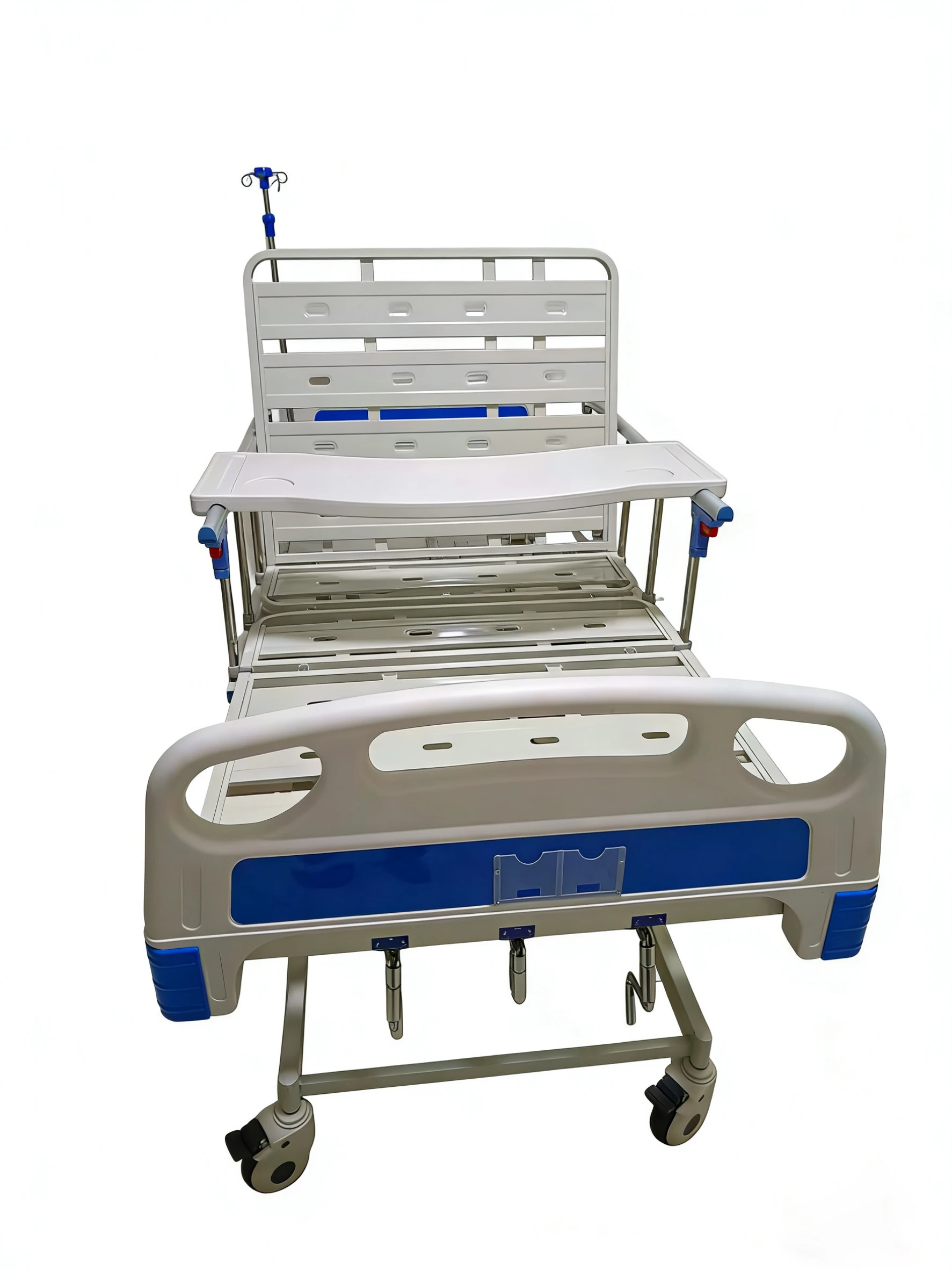
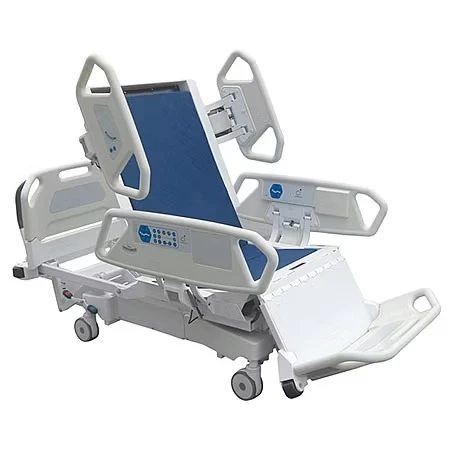
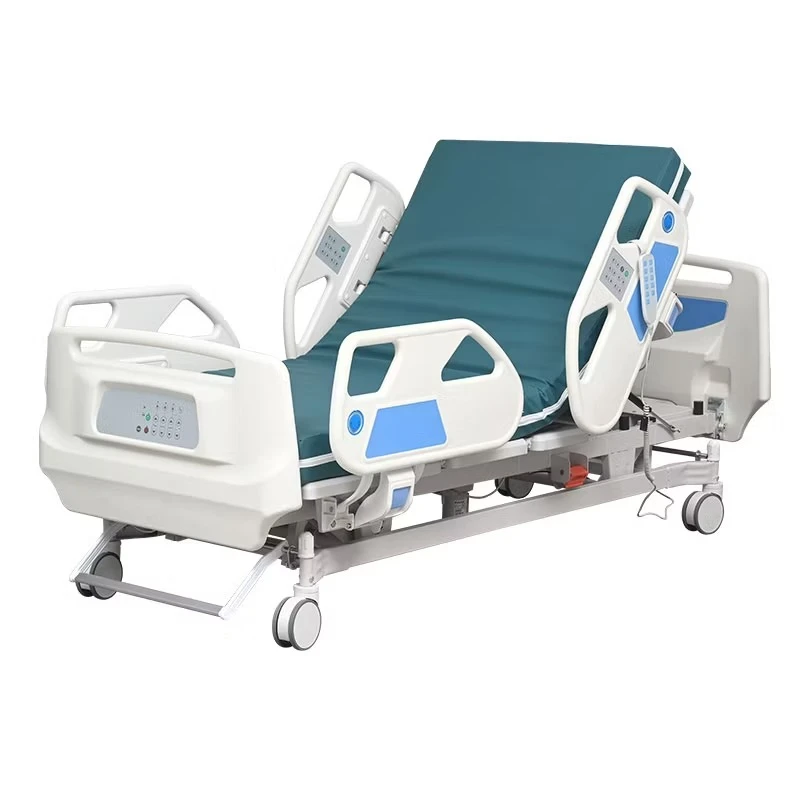
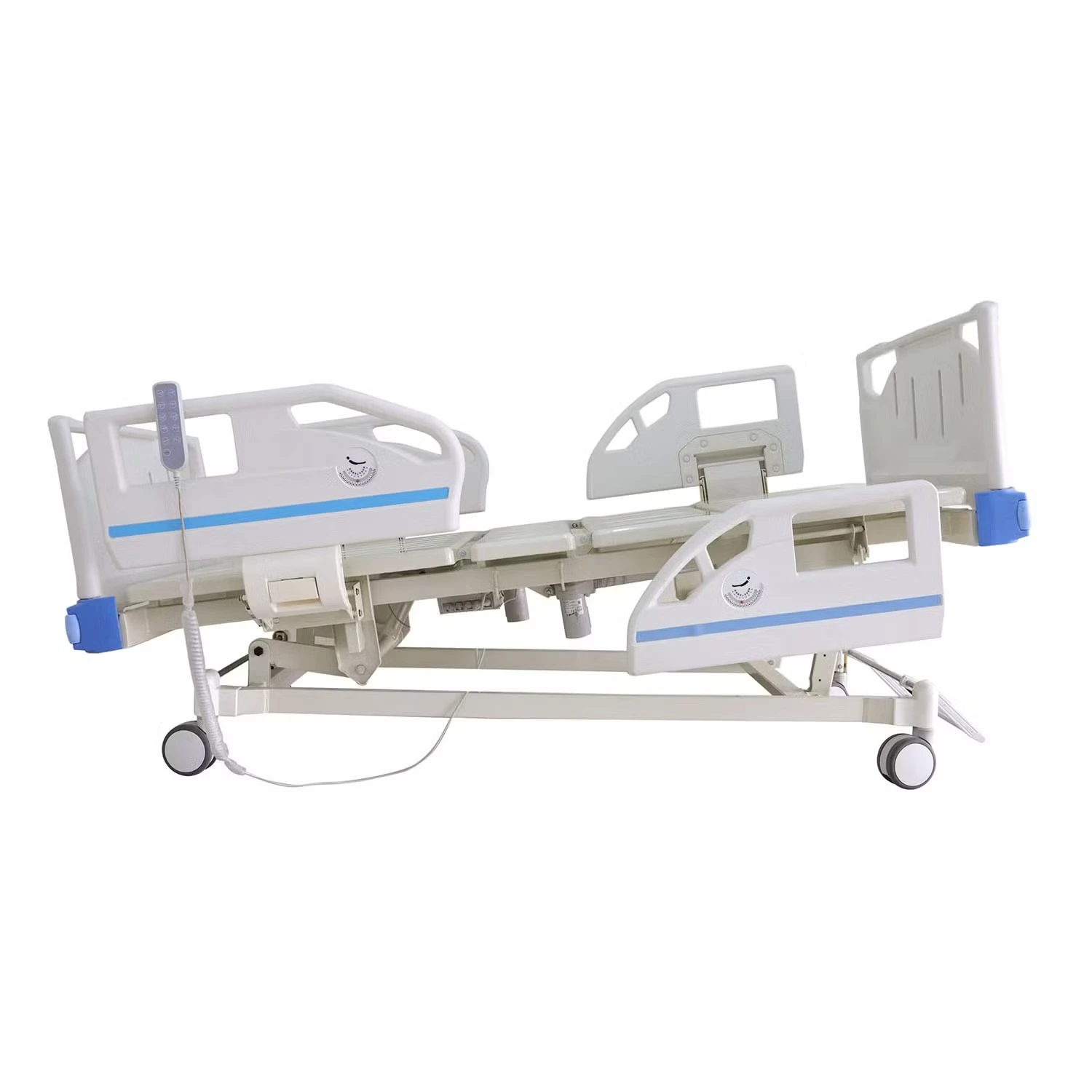
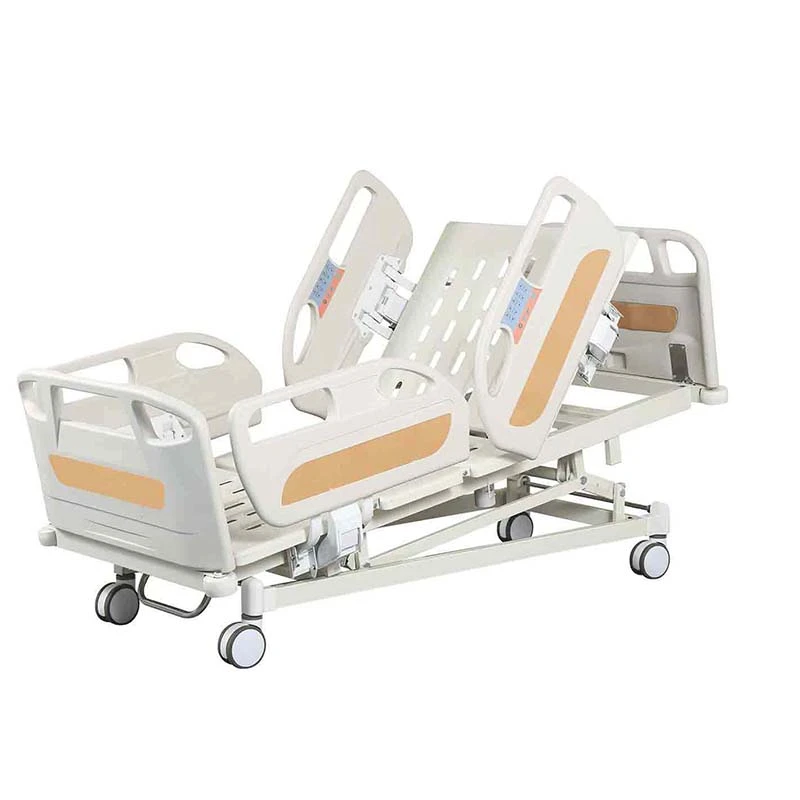
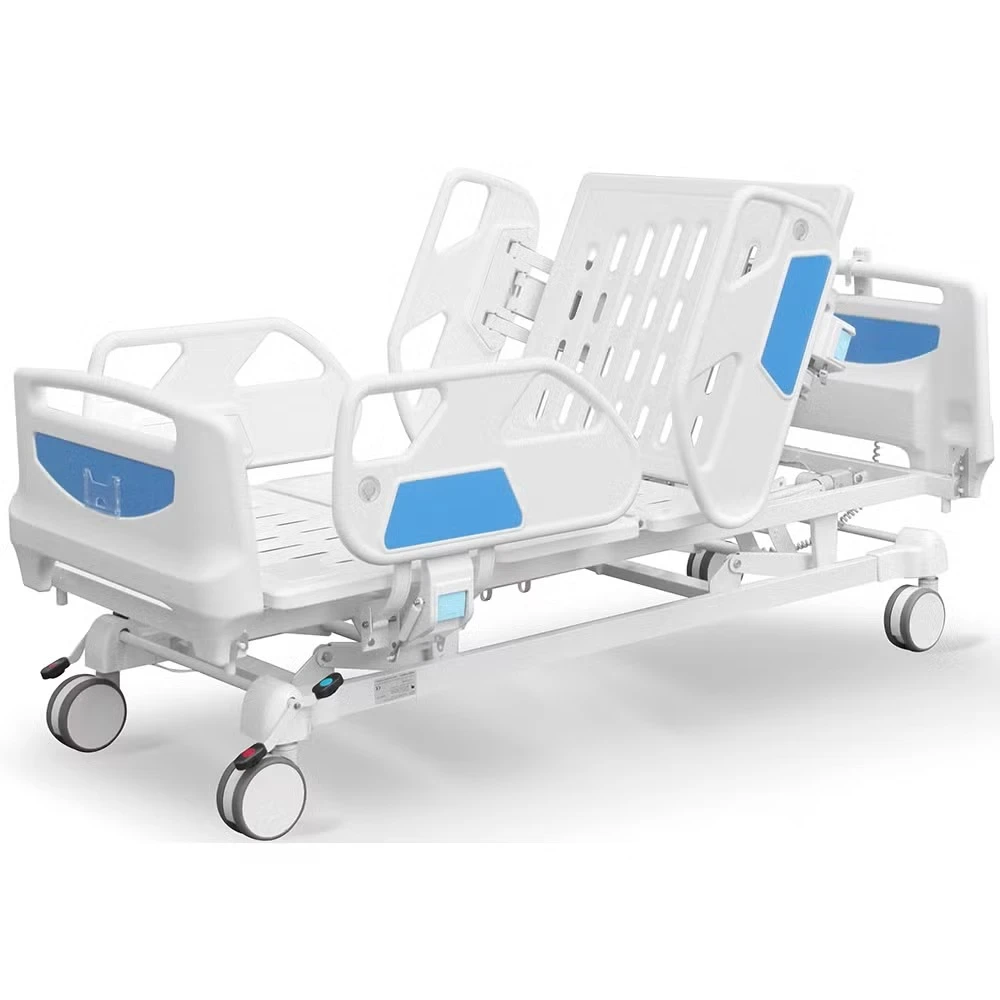
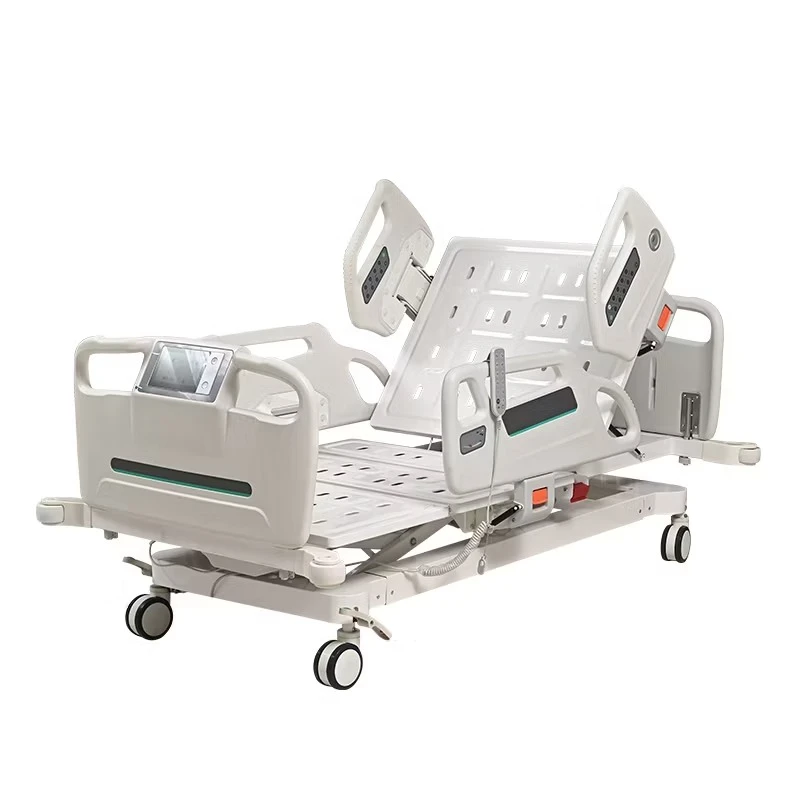
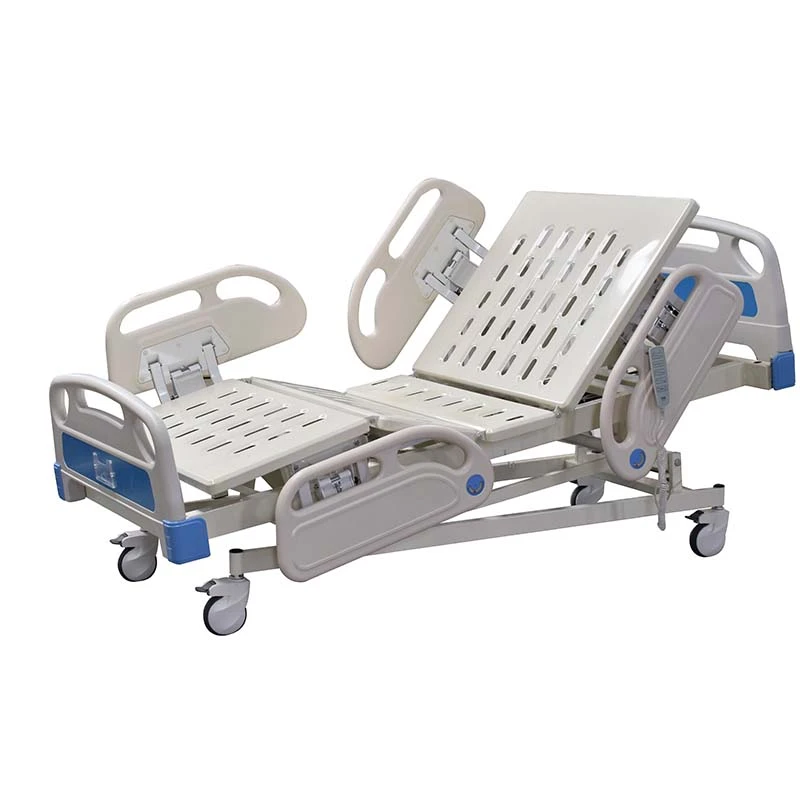
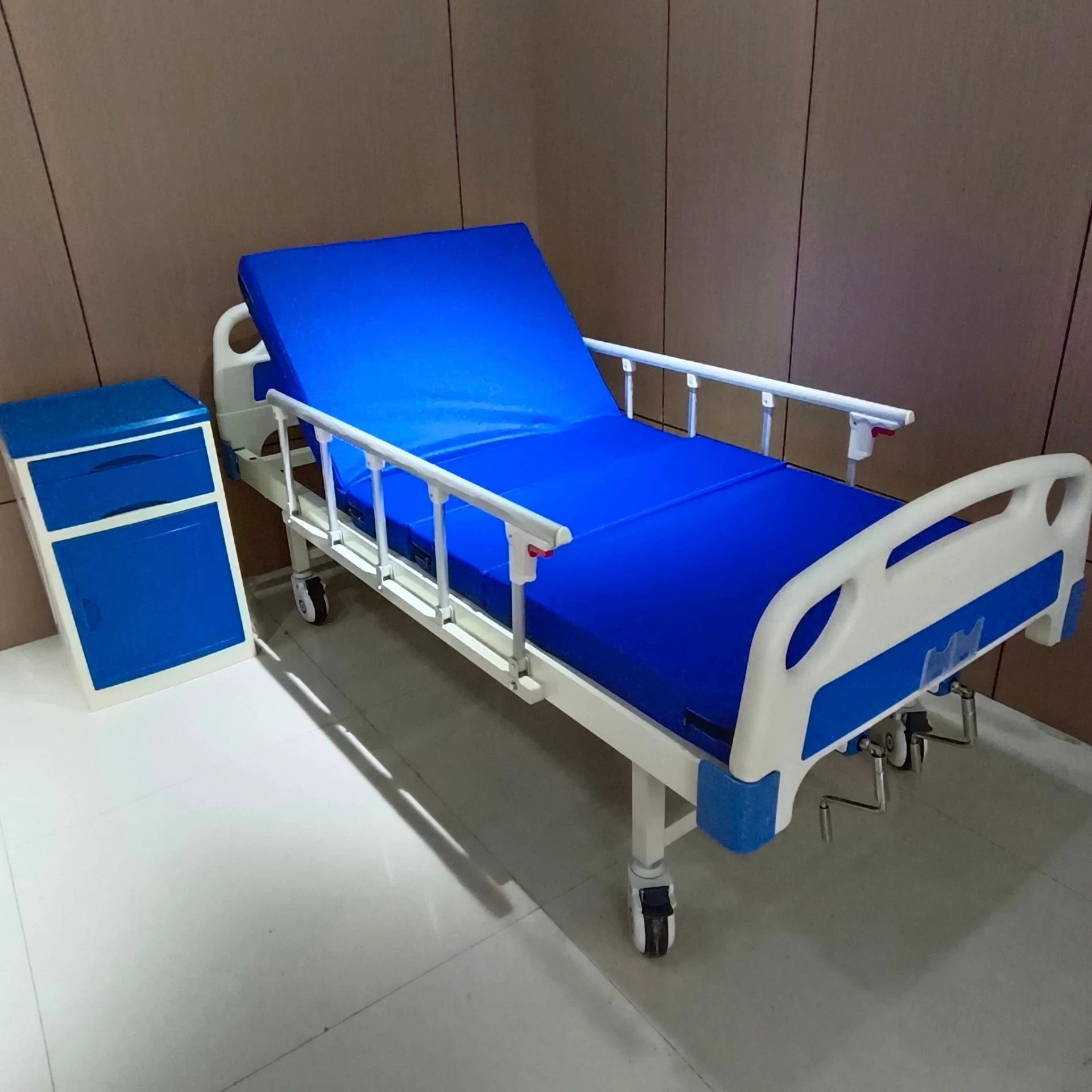
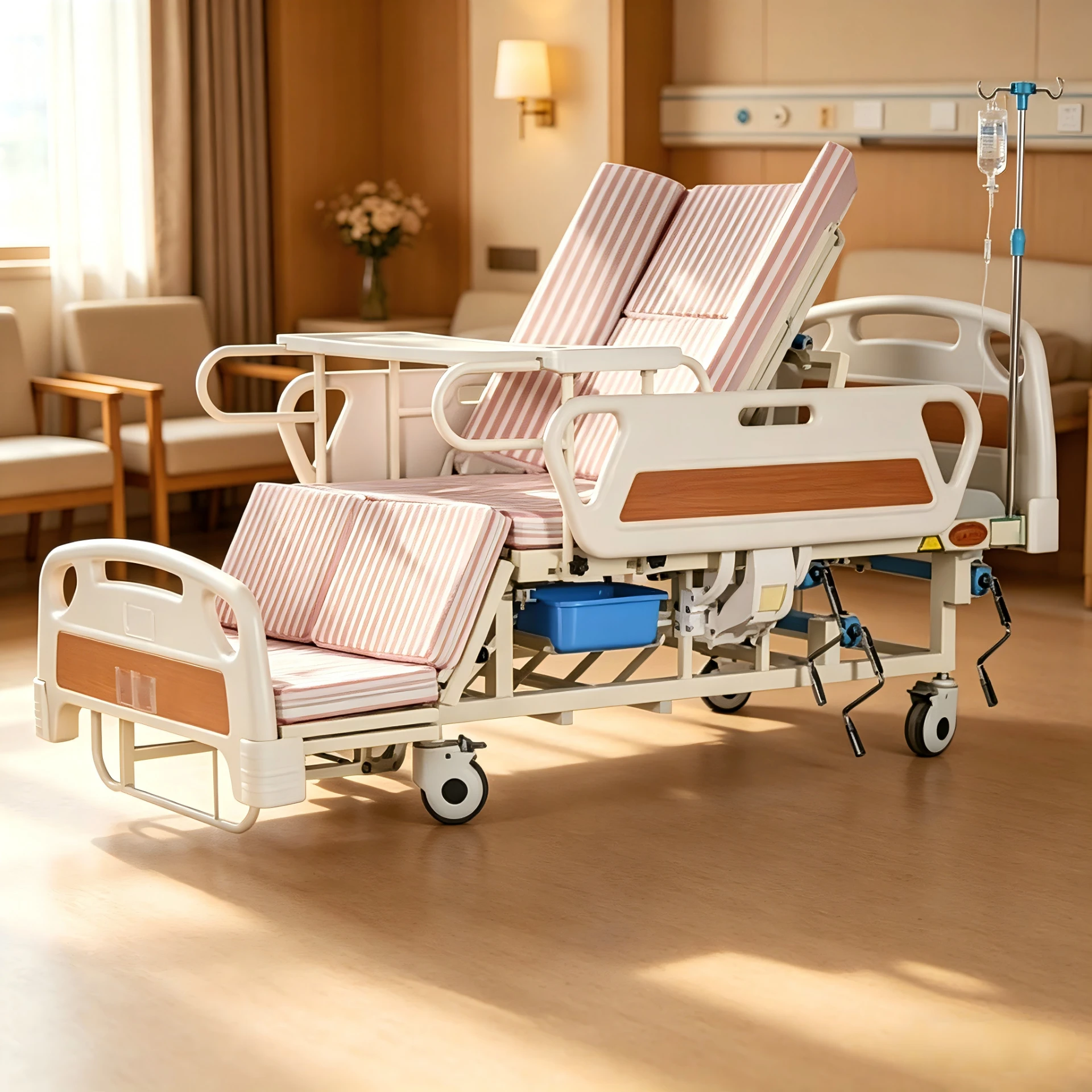
Simply put, medical bed suppliers are companies or organizations that manufacture, distribute, or retail beds specifically designed for patient care settings. These aren't your average beds—think of them as highly specialized equipment made to support various clinical needs from intensive care to long-term convalescence.
Their products often integrate ergonomic adjustability, infection control-friendly materials, and compatibility with other medical devices. Crucially, they serve hospitals, hospices, nursing homes, and emergency relief responders worldwide.
Core Aspects of Medical Bed Suppliers to Consider
1. Durability and Safety
Medical beds must endure constant use, rigorous cleaning, and sometimes harsh disinfectants. Suppliers focus on materials like treated steel and antimicrobial plastics to extend product lifespan while maintaining strict safety certifications like ISO 13485 for medical devices.
2. Scalability and Customization
Not all patients or institutions have the same needs. The best suppliers offer modular designs or customizable platforms to answer a range of clinical environments — from neonatal wards to geriatric care. This modularity often translates into better cost efficiency since facilities can upgrade rather than replace the entire bed setup.
3. Cost Efficiency
Healthcare budgets are stretched thin globally. Suppliers providing competitive pricing without sacrificing quality tend to win contracts. This involves smart supply chain strategies, optimizing materials, and after-sales service packages that prolong functional life and reduce repair costs.
4. Ergonomics and Patient Comfort
Patients spend a lot of time in these beds, often immobilized. Ergonomically designed beds relieve pressure points and help prevent bedsores. Adjustable height and positioning features not only support patient comfort but also assist healthcare workers in delivering care safely, reducing bodily strain and injury risk.
5. Regulatory Compliance
Medical beds need to meet country-specific regulations which means suppliers often have to adapt products to varied international standards on electrical components, fire safety, and bio-compatibility.
Takeaway: When choosing medical bed suppliers, prioritizing durability, flexibility, and compliance is key to long-term success.
Where Medical Bed Suppliers Make a Difference Around the World
Medical beds supplied to various regions illustrate diverse challenges and solutions:
- Post-disaster relief: Medical beds that are lightweight and easy to deploy in tents or temporary hospitals are critical during earthquake or flood responses.
- Remote industrial zones: Mining or oil extraction camps require beds designed to handle harsh climates and limited maintenance options.
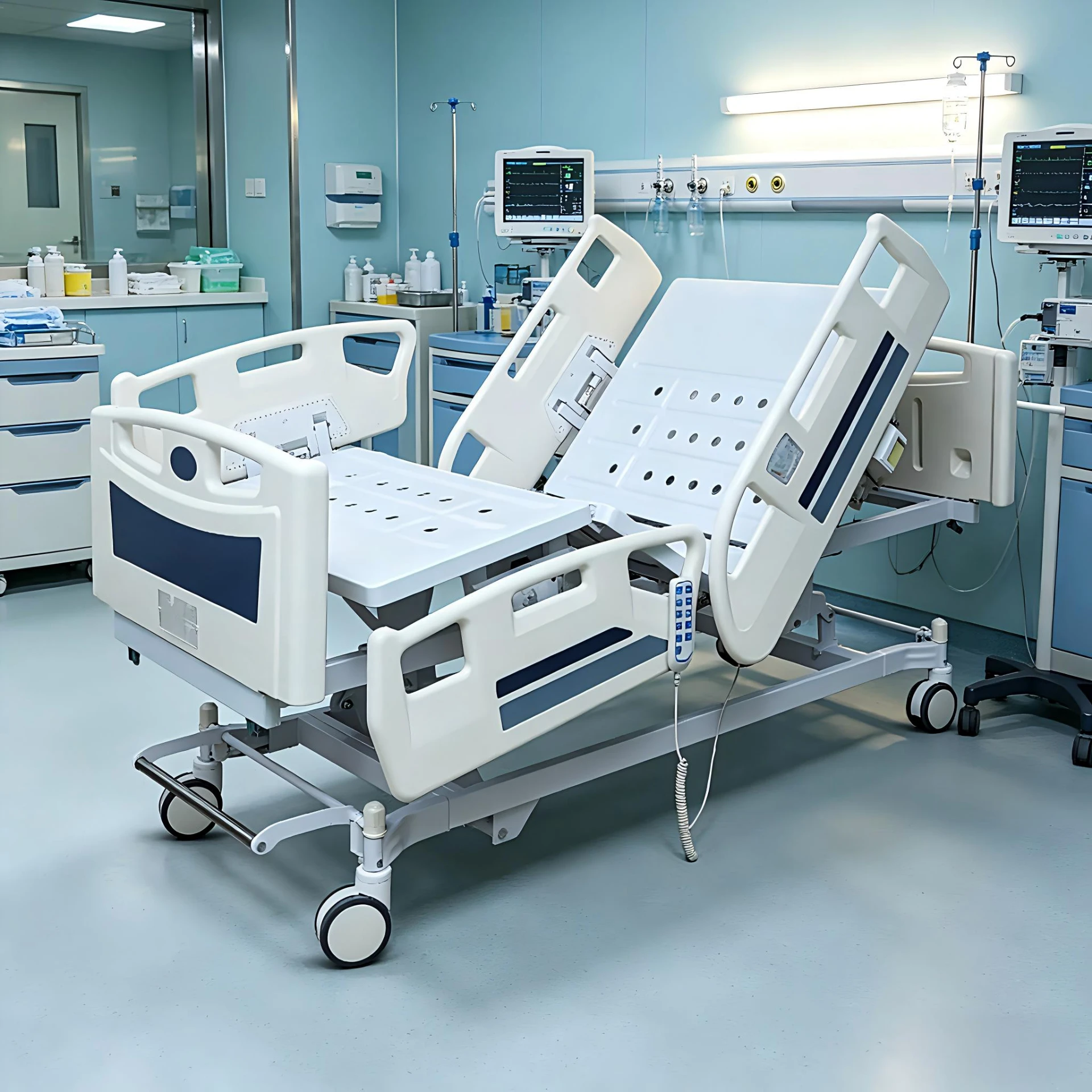
- Urban hospitals: Here, occupants value beds with high-tech features like integrated monitoring systems.
- Home healthcare: Growing homecare sectors need beds that combine clinical functionality with domestic aesthetics.
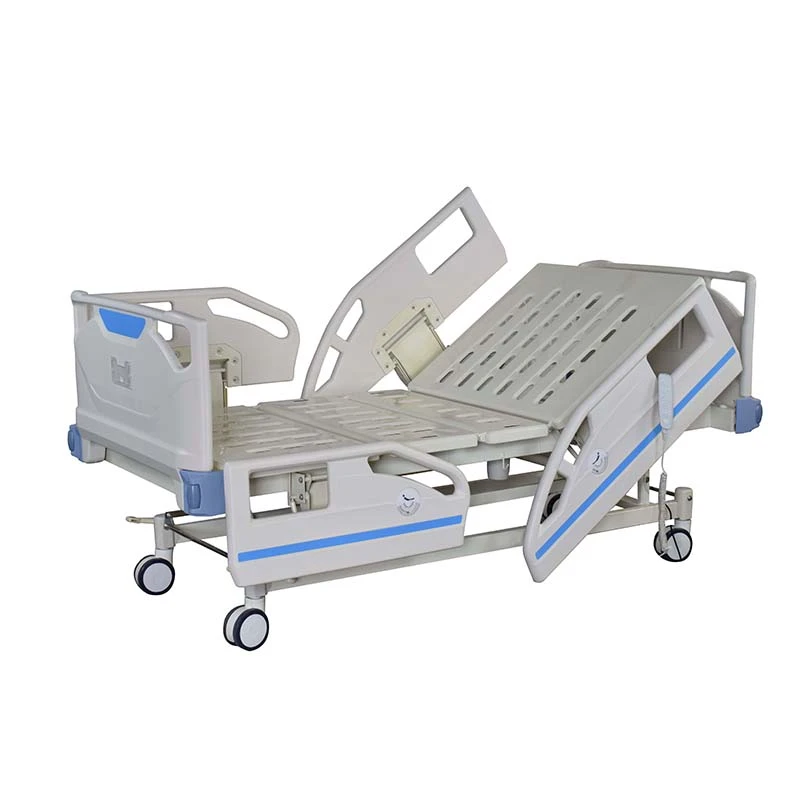
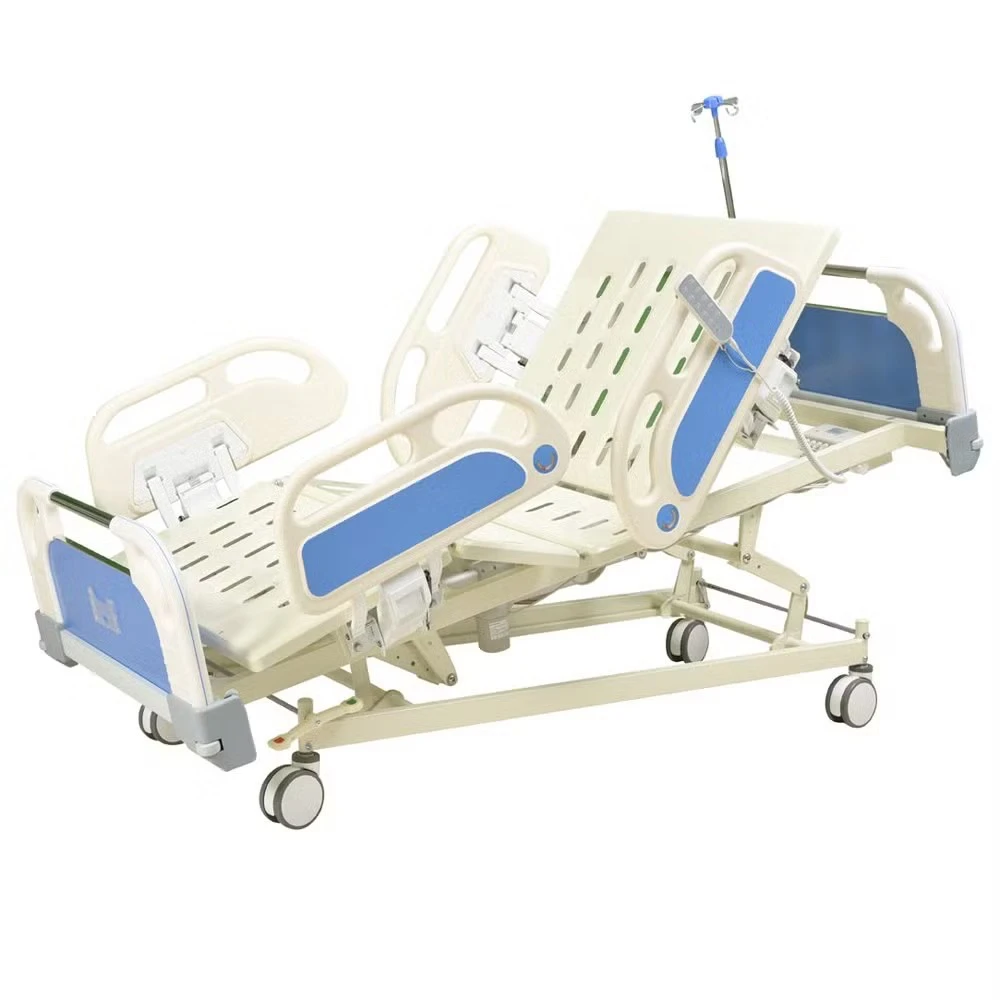
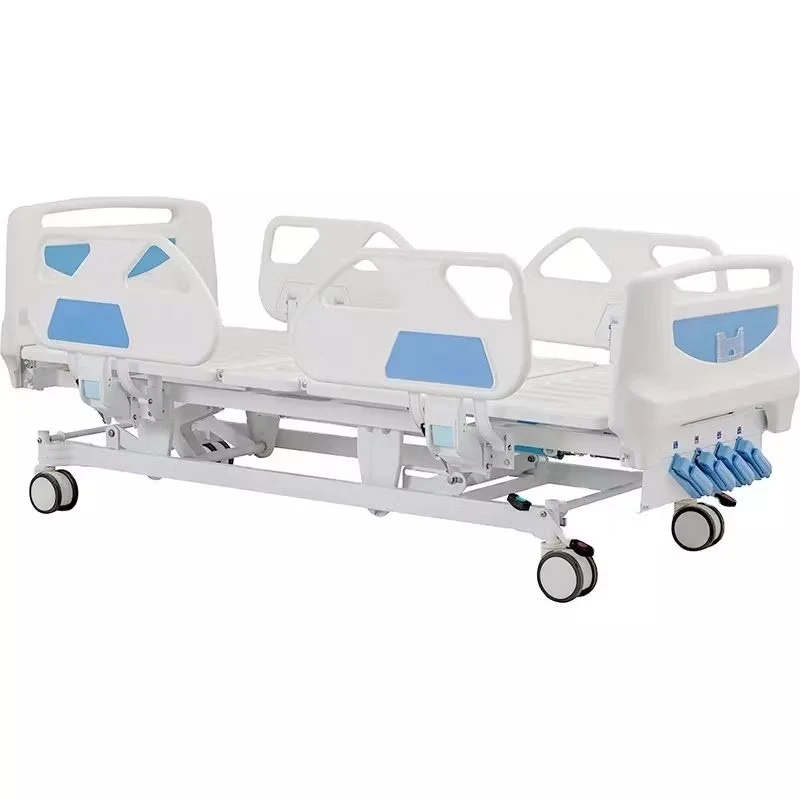
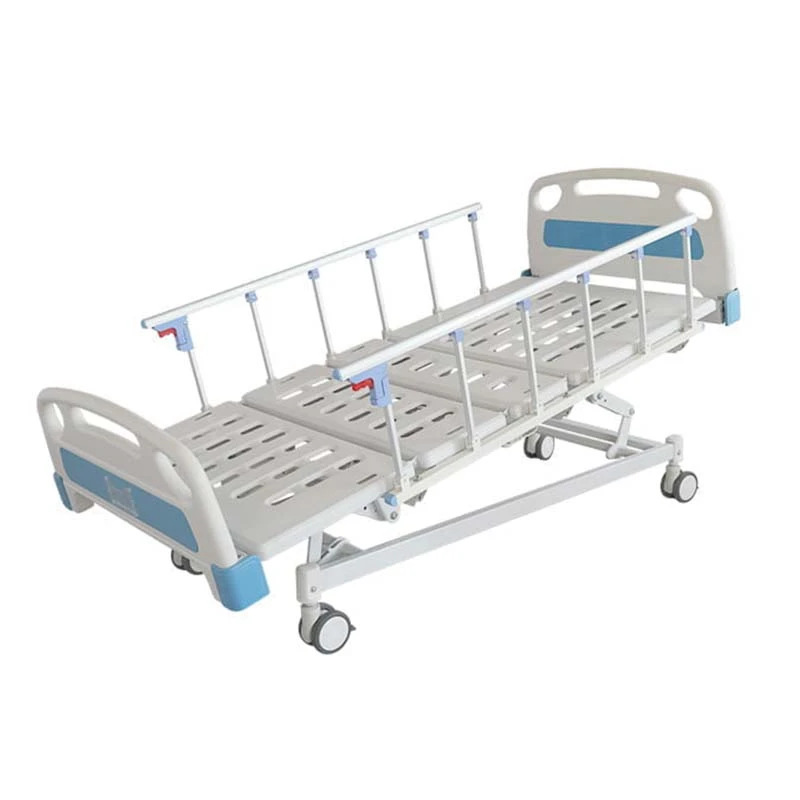
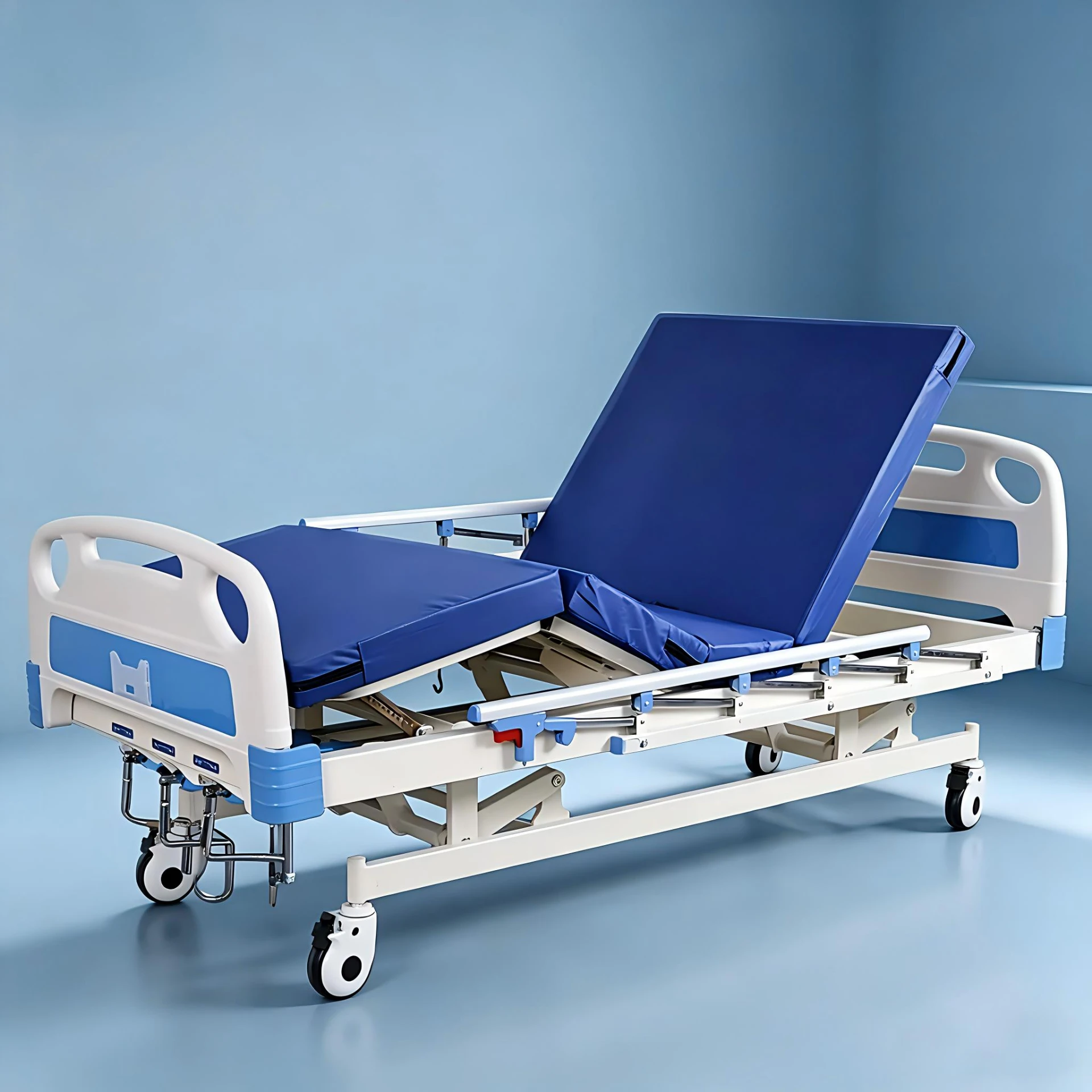
Product Specification Table: Typical Hospital Medical Bed
| Feature | Specification |
|---|---|
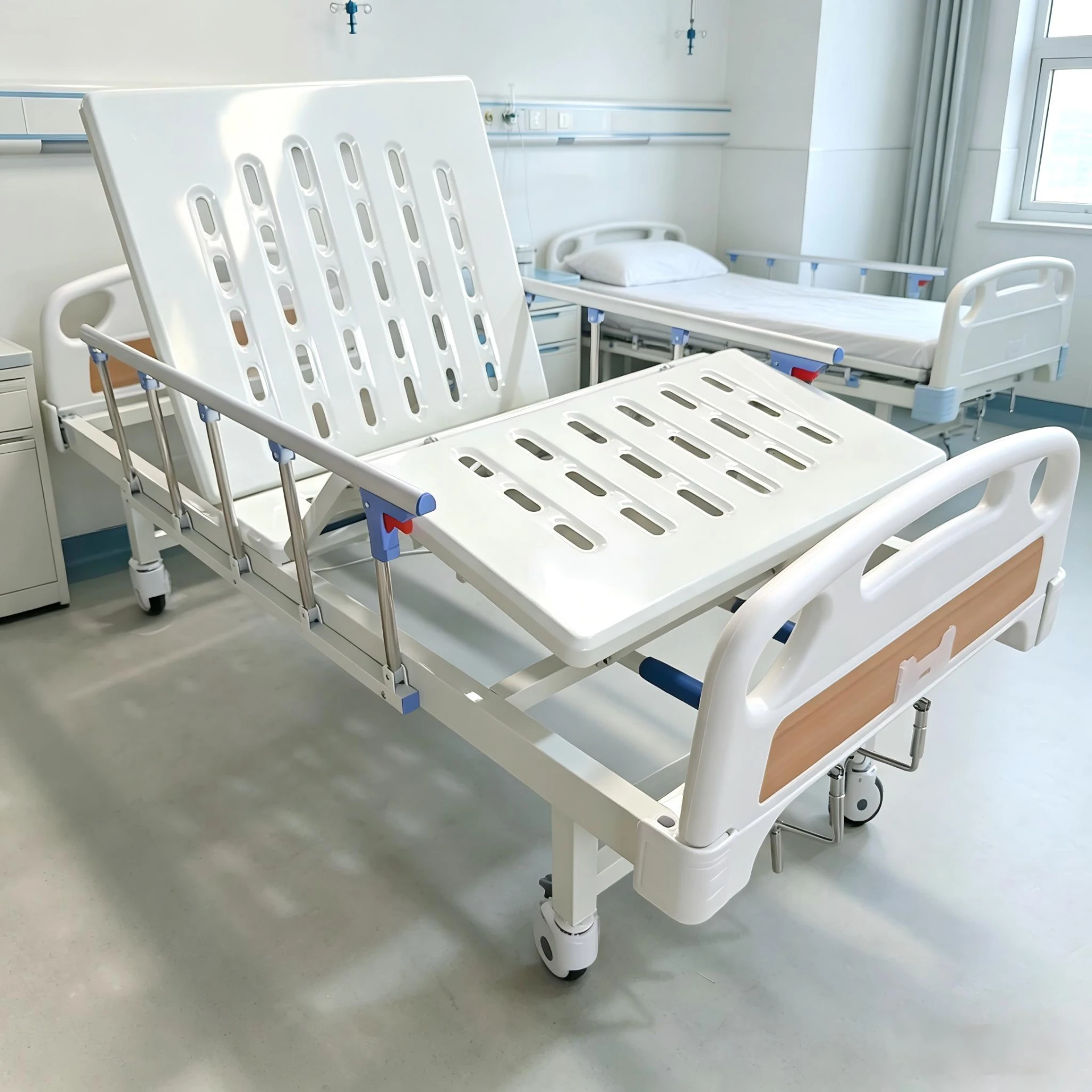
| Frame Material | Powder-coated steel with antimicrobial coating |
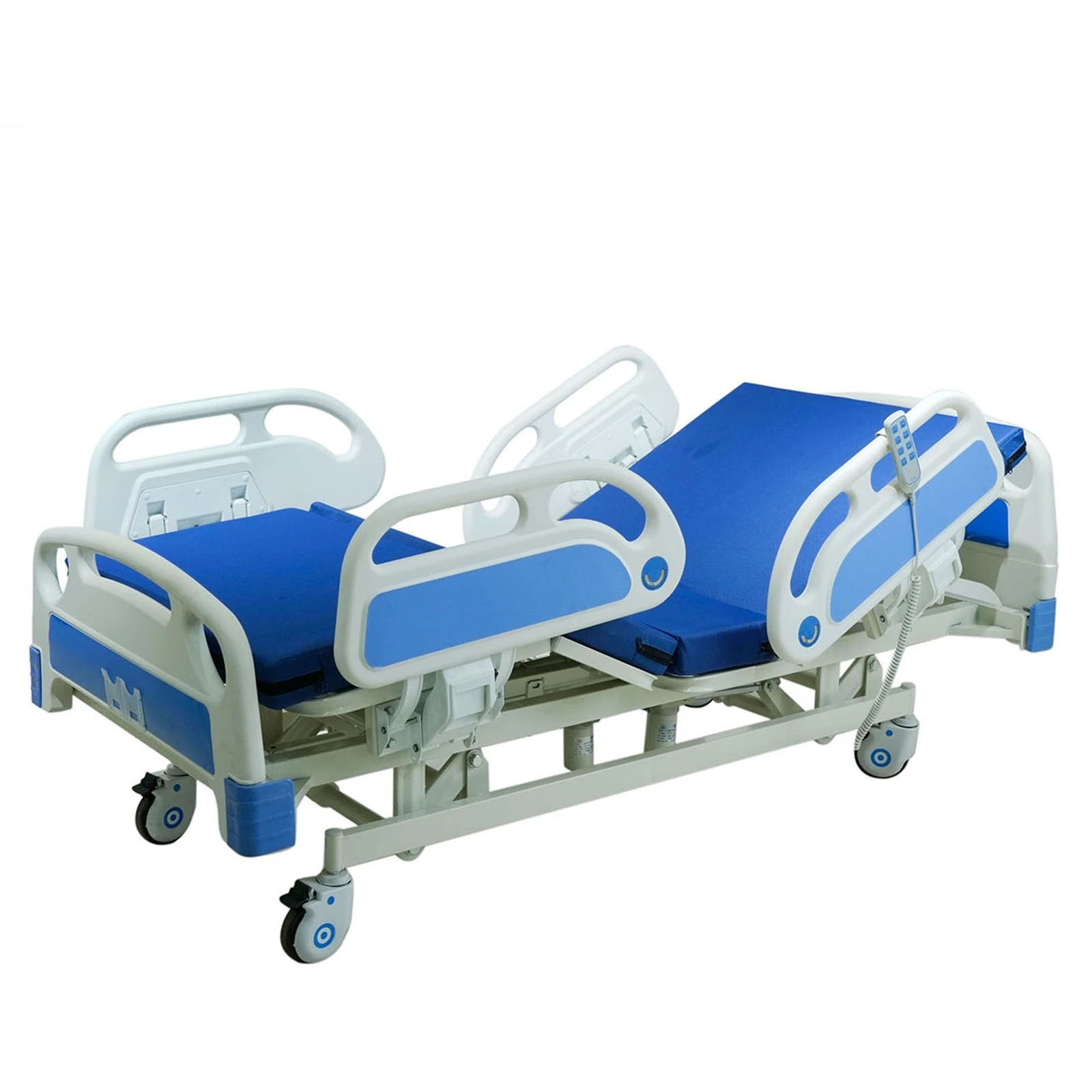
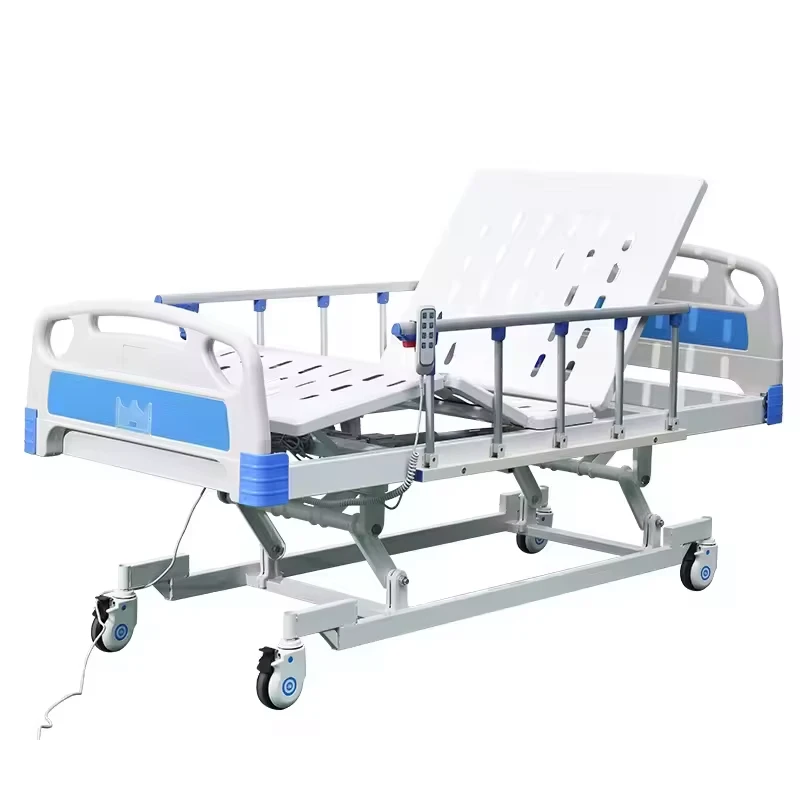
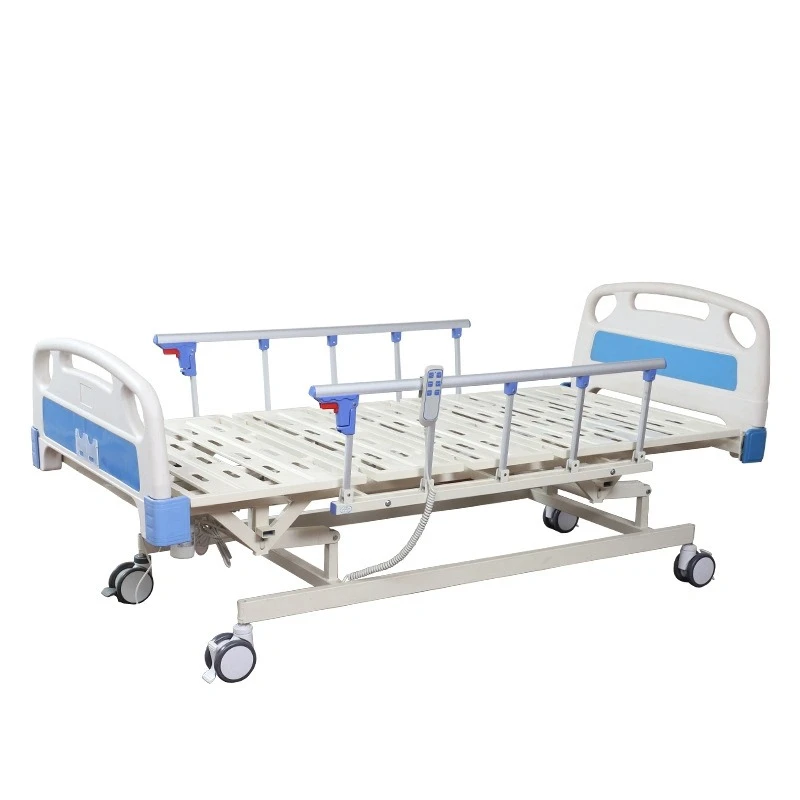
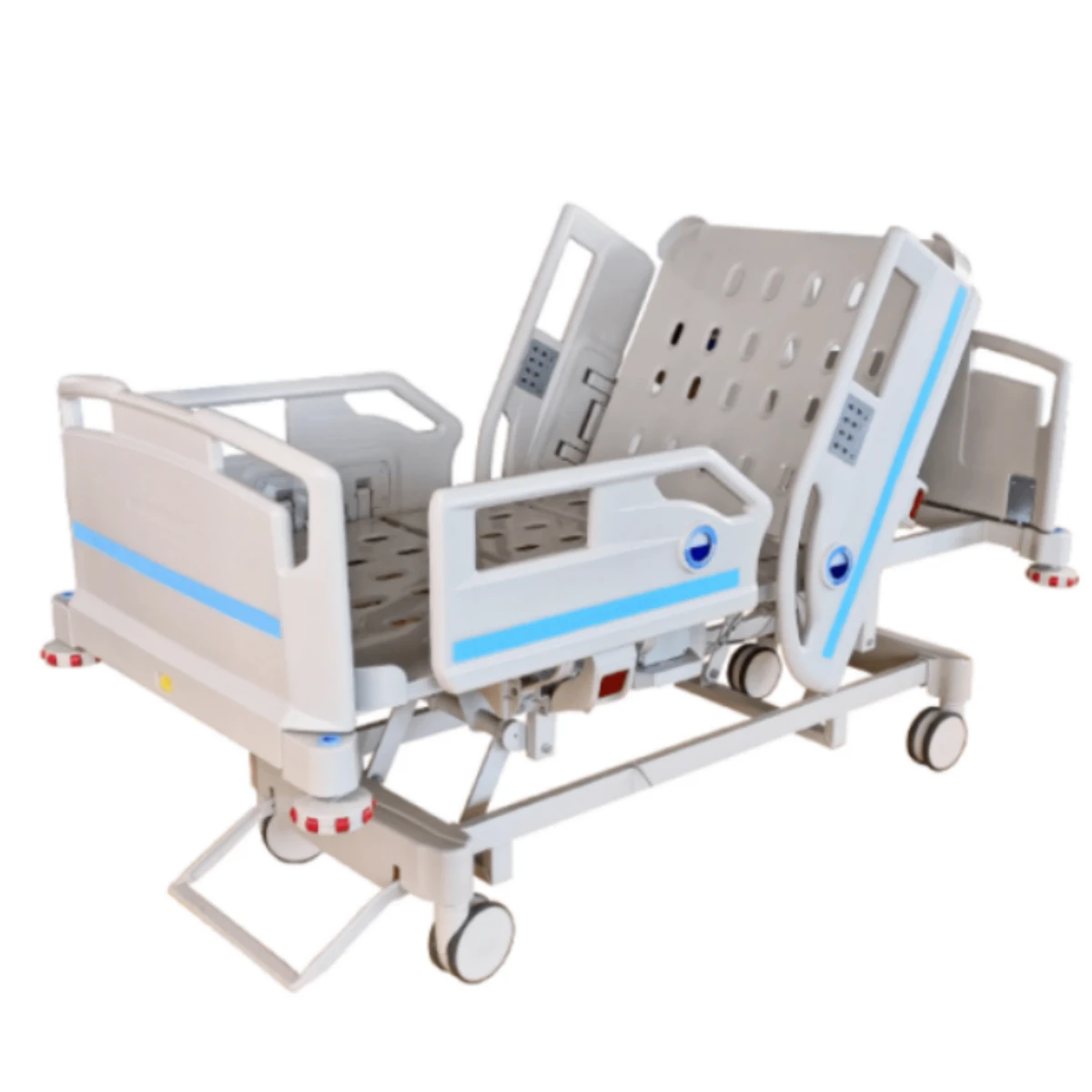
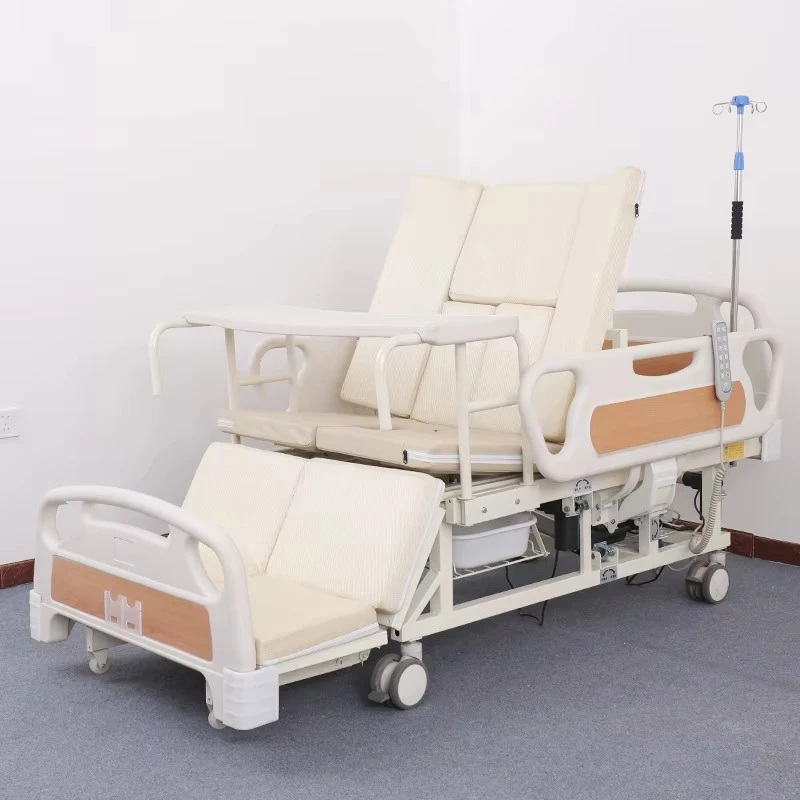
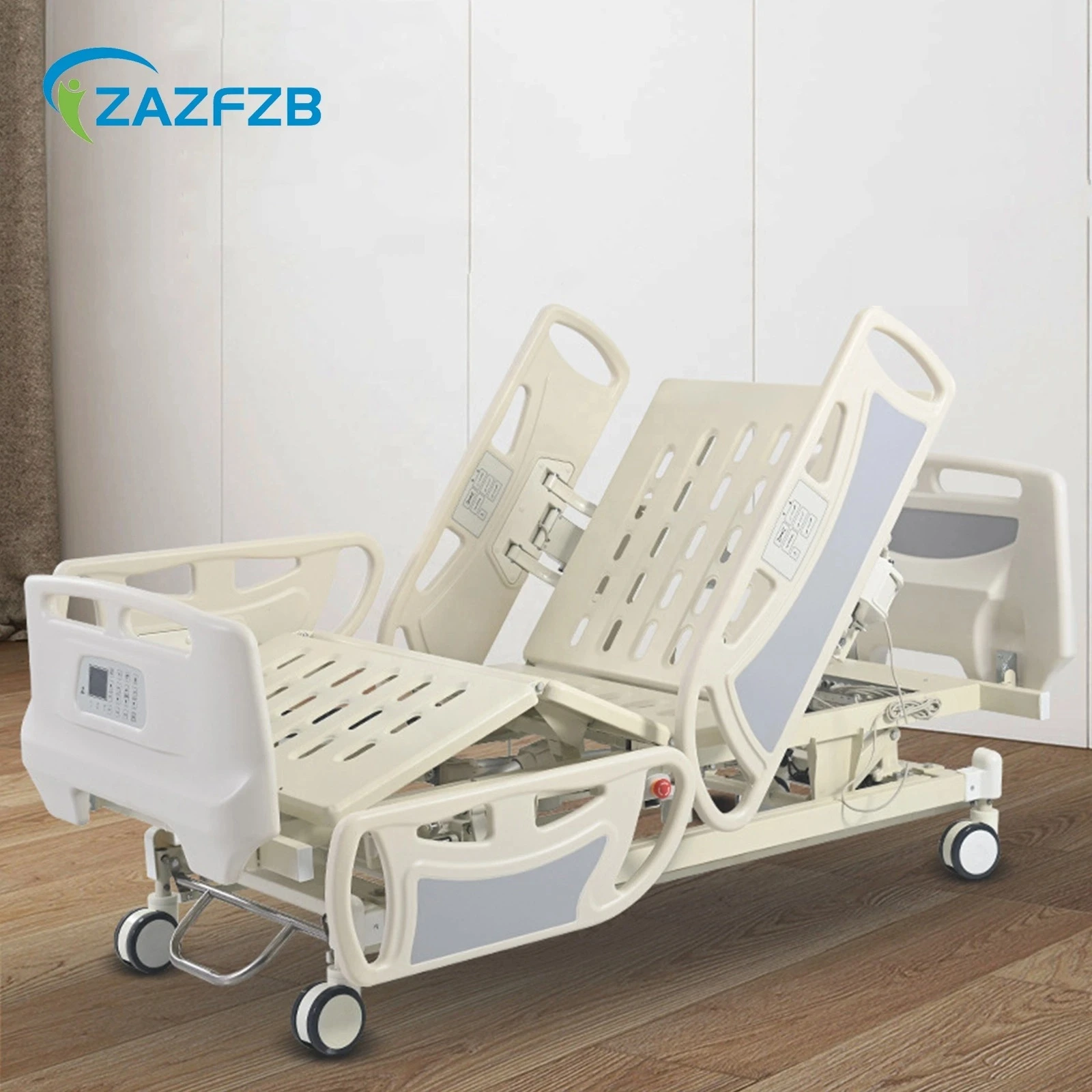
| Adjustability | Electric motor controlled - height, backrest, leg rest |
| Weight Capacity | Up to 250 kg (550 lbs) |
| Safety Features | Side rails with locking mechanism, emergency manual lowering |
| Dimensions (L×W×H) | 210 cm × 90 cm × Adjustable 40-80 cm |
| Certification | ISO 13485, CE Mark |
Comparing Leading Medical Bed Suppliers
| Supplier | Product Range | Customization | Global Reach | Warranty & Support | Typical Price Range |
|---|---|---|---|---|---|
| Zhaofamed | Standard & ICU beds | High - modular parts | International, including Africa & Asia | 3 years, on-site service options | $800 - $2,500 |
| Invacare | Homecare & hospital beds | Moderate - fixed designs | Mostly North America & Europe | 2 years, phone support | $700 - $2,000 |
| Hill-Rom | Advanced ICU & specialty beds | High - personalized systems | Global - strong hospital network | 5 years, extensive training | $3,000 - $10,000 |
What Benefits Do These Medical Beds Deliver Long-Term?
Beyond simple functionality, the right supplier can help healthcare providers enhance patient dignity and safety, which frankly, is priceless. Better ergonomics decrease caregiver injuries, lowering turnover and healthcare costs. Sustainability also factors in as many suppliers are moving toward recyclable frames and low-energy electronics — less waste and utility bills, better for everyone.
On an emotional front, families and patients feel more secure when medical beds are modern, clean, and responsive to their physical and psychological needs — trust built through simple design choices.
Looking Ahead: Innovations Shaping Medical Bed Supplies
Digital integration is gaining pace: beds come equipped with sensors for vital signs or movement tracking. Imagine a bed that alerts nurses if a patient tries to get up unassisted — small tech but huge for fall prevention. Meanwhile, sustainability pushes extend to solar-powered hospital equipment and use of eco-friendly materials.
Automation and robotics may soon enable hospitals to adjust beds remotely or even self-clean surfaces. Obviously, these technologies come with costs but they’re slowly becoming standards in high-tier facilities.
Overcoming Challenges in the Medical Bed Supply Chain
One major hurdle is logistics — transporting bulky beds globally can be costly and slow. Outdated inventory systems also lead to mismatched supply and demand. Suppliers can overcome this with modular designs easy to ship in parts and employing data-driven forecasting.
Another challenge: balancing cost and quality, especially in developing areas. Thoughtful partnerships— NGOs or governments collaborating with reputable medical bed suppliers — help bridge this gap, ensuring safety without price gouging.
FAQ: Your Questions About Medical Bed Suppliers Answered
Q: How do I choose the right medical bed supplier for my healthcare facility?
A: Focus on quality certifications (ISO, CE), product range that fits your needs, warranty and after-sales support, as well as delivery timelines. Check if they offer customization for your specific patient population.
Q: What standards ensure safety and durability of medical beds?
A: Look for compliance with standards such as ISO 13485 (medical devices), IEC 60601 for electrical safety, and local health ministry approvals. These ensure beds meet rigorous safety and performance benchmarks.
Q: Can medical bed suppliers support hospitals in remote regions?
A: Yes, many suppliers offer lightweight, modular beds designed for easy transport and assembly, ideal for remote or disaster-hit areas. They may also provide training for local staff on use and maintenance.
Q: Are there eco-friendly options available?
A: Increasingly, yes. Suppliers are incorporating recyclable materials, energy-efficient motors, and designs that reduce waste. These options may carry a slightly higher upfront cost but often save money long-term.
In Conclusion: Why Medical Bed Suppliers Matter
To wrap it up, without reliable medical bed suppliers, healthcare facilities would struggle to provide safe, comfortable patient care on a large scale. Their products support clinicians’ work, improve patient outcomes, and, frankly, help save lives. As demand grows and technology evolves, partnering with forward-thinking medical bed suppliers becomes a strategic choice. So whether you're in a bustling metropolitan hospital or a rural care post, the right bed supplier makes all the difference.
For trusted, customizable hospital bed solutions, visit Zhaofamed and explore effective medical bed options that meet your facility’s unique needs.
References: