ICU Bed Supplier – Durable, Safe, & Technologically Advanced Critical Care Beds
The Growing Importance of ICU Bed Suppliers in Global Healthcare
In today’s healthcare landscape, the term icu bed supplier may not roll off the tongue as often as pharmaceuticals or surgeries, but it’s absolutely vital—arguably a lifeline—in hospitals worldwide. Why does it matter so much? Because ICU beds are the backbone of critical care delivery. They’re not just beds; they’re complex, life-supporting systems that help patients through their most fragile moments. Understanding the role of an ICU bed supplier and what they bring to the table helps clarify how healthcare systems stay resilient, especially during crises like pandemics, natural disasters, or mass casualty events.
icu bed supplierGlobal Context: Why ICU Beds Are More Important Than Ever
The World Health Organization estimates that nearly 5–10% of hospitalized patients require intensive care at some point — that’s millions globally each year needing specialized support. UN data illustrates that the availability of ICU beds per 100,000 population varies wildly by region—from single digits in some developing countries to over 30 in wealthier nations. This huge disparity poses real challenges: how do poorer regions keep pace with rising critical care demands? And internally, how do hospitals ensure they have reliable icu bed suppliers who provide durable, safe, and advanced equipment at scale? The COVID-19 pandemic made one thing clear: the world cannot afford ICU bed shortages.
Forming partnerships with dependable suppliers has become more than procurement; it’s strategic resilience.
What Exactly Does an ICU Bed Supplier Do?
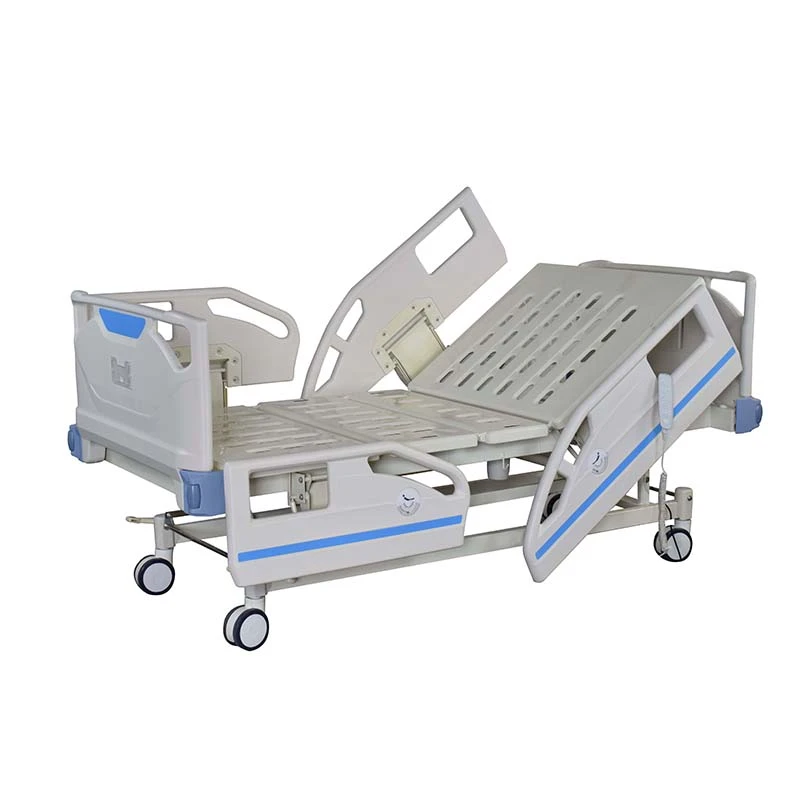
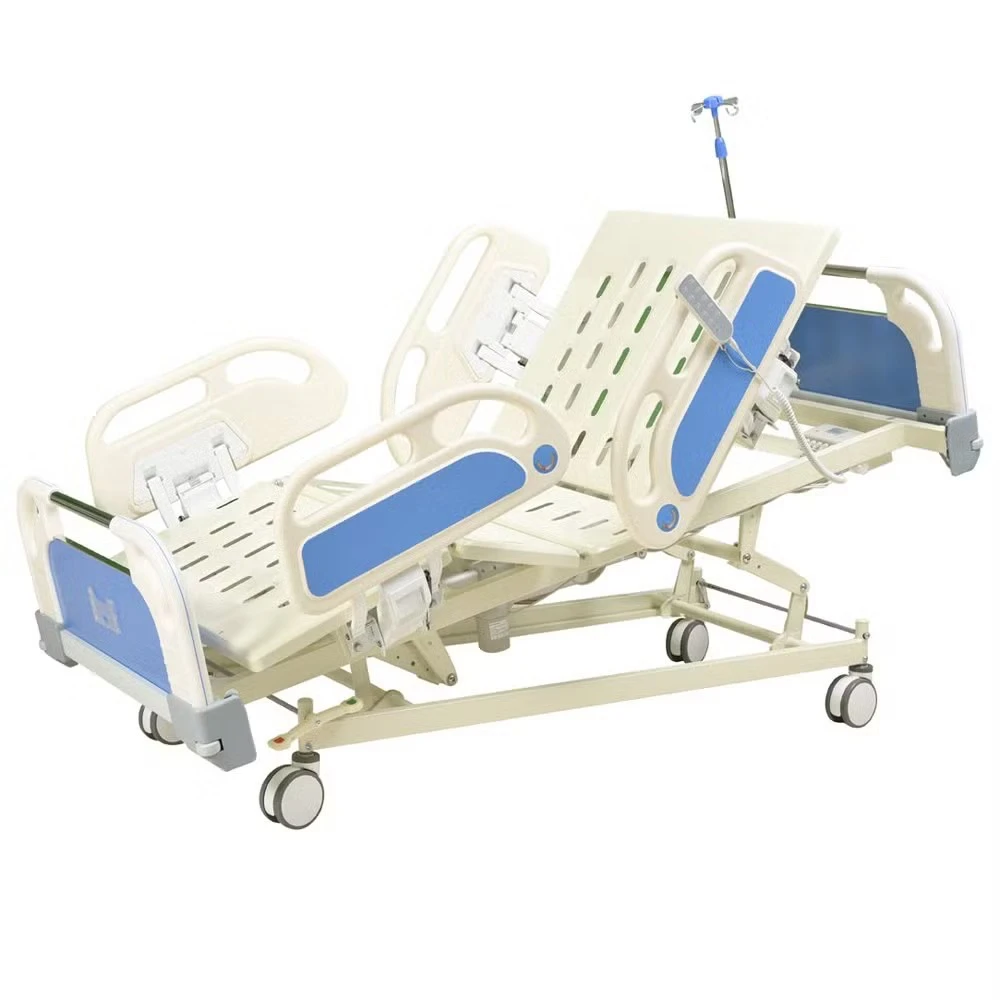
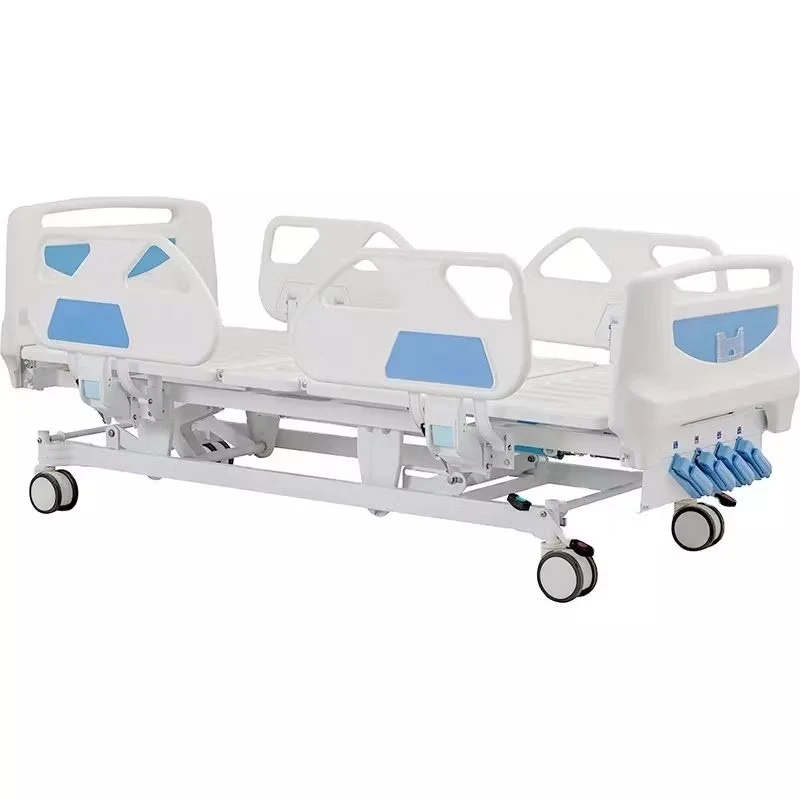
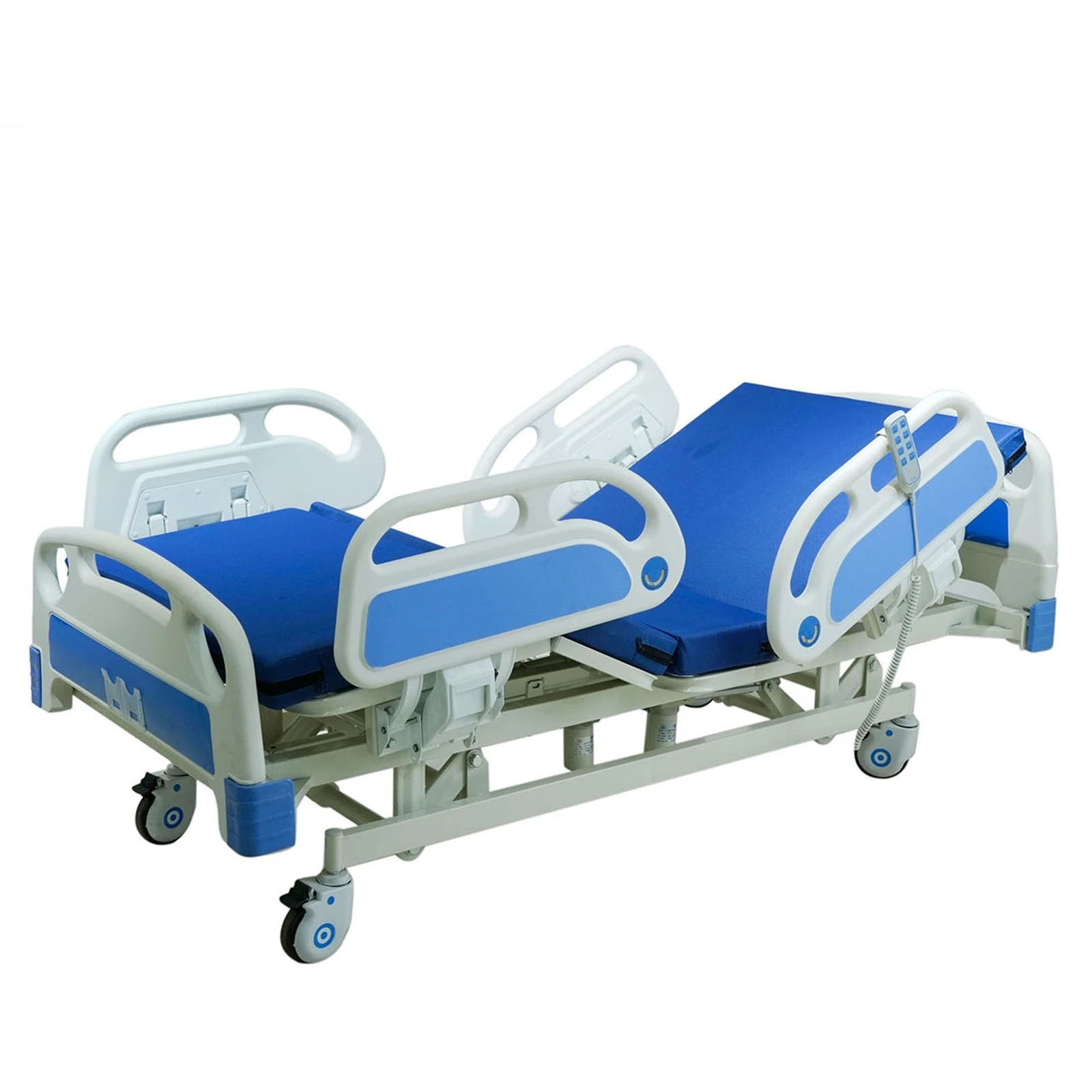
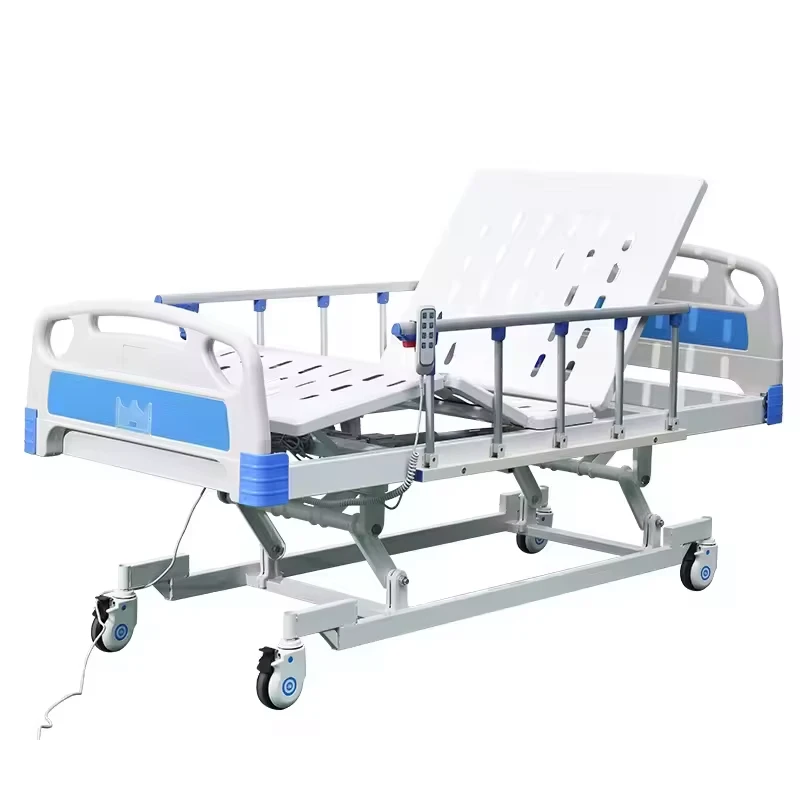
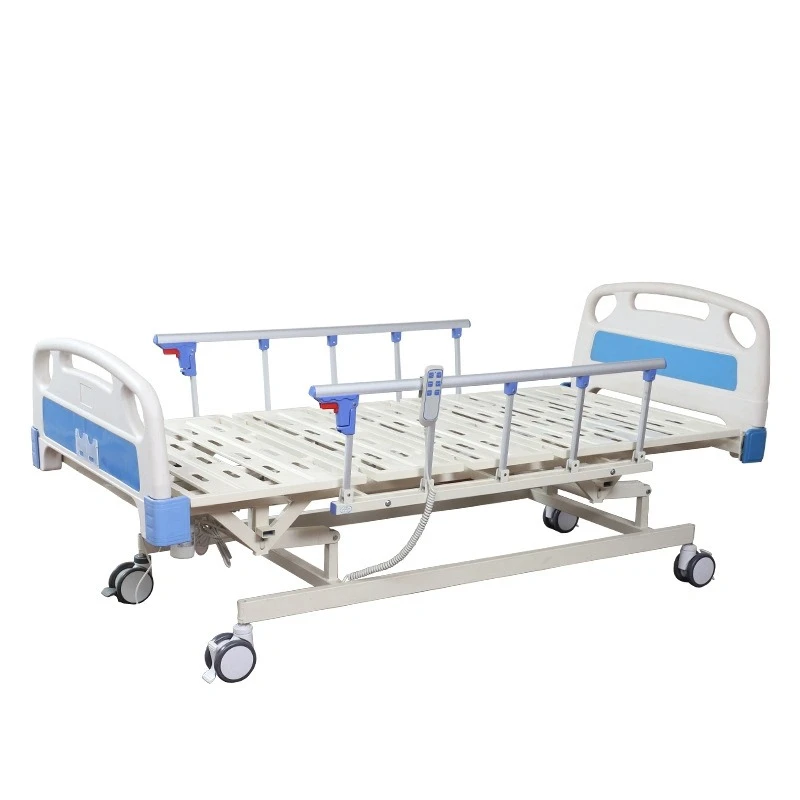
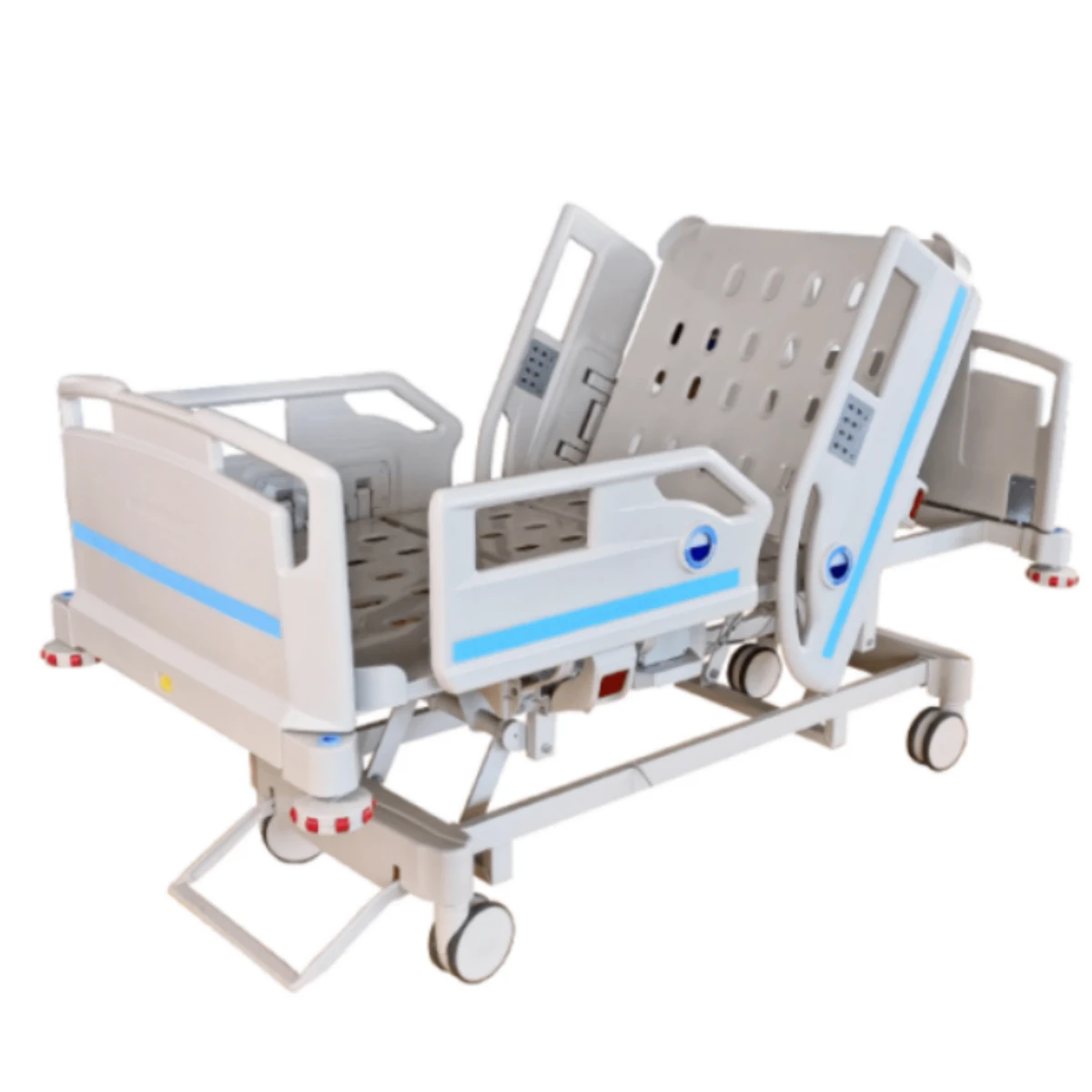
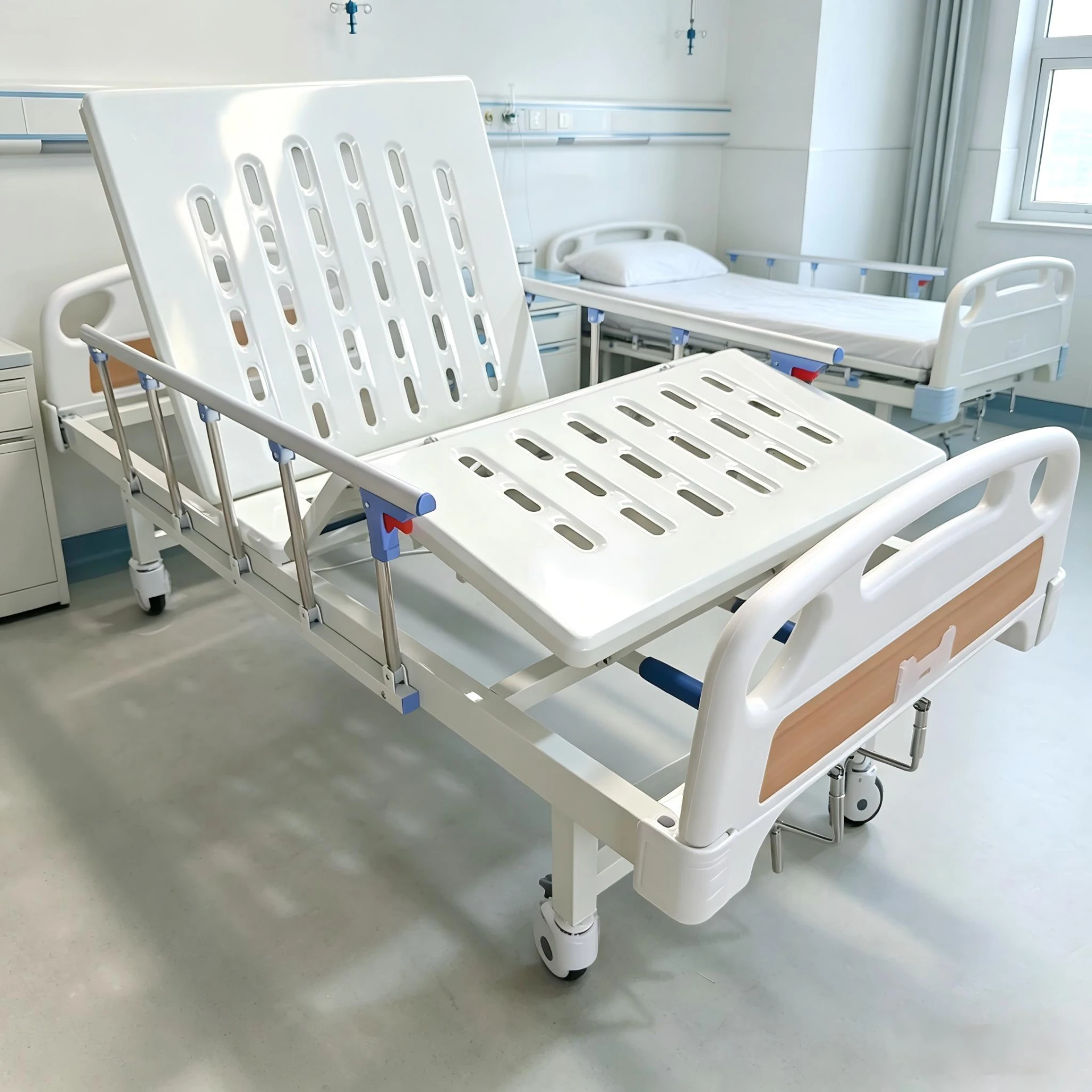
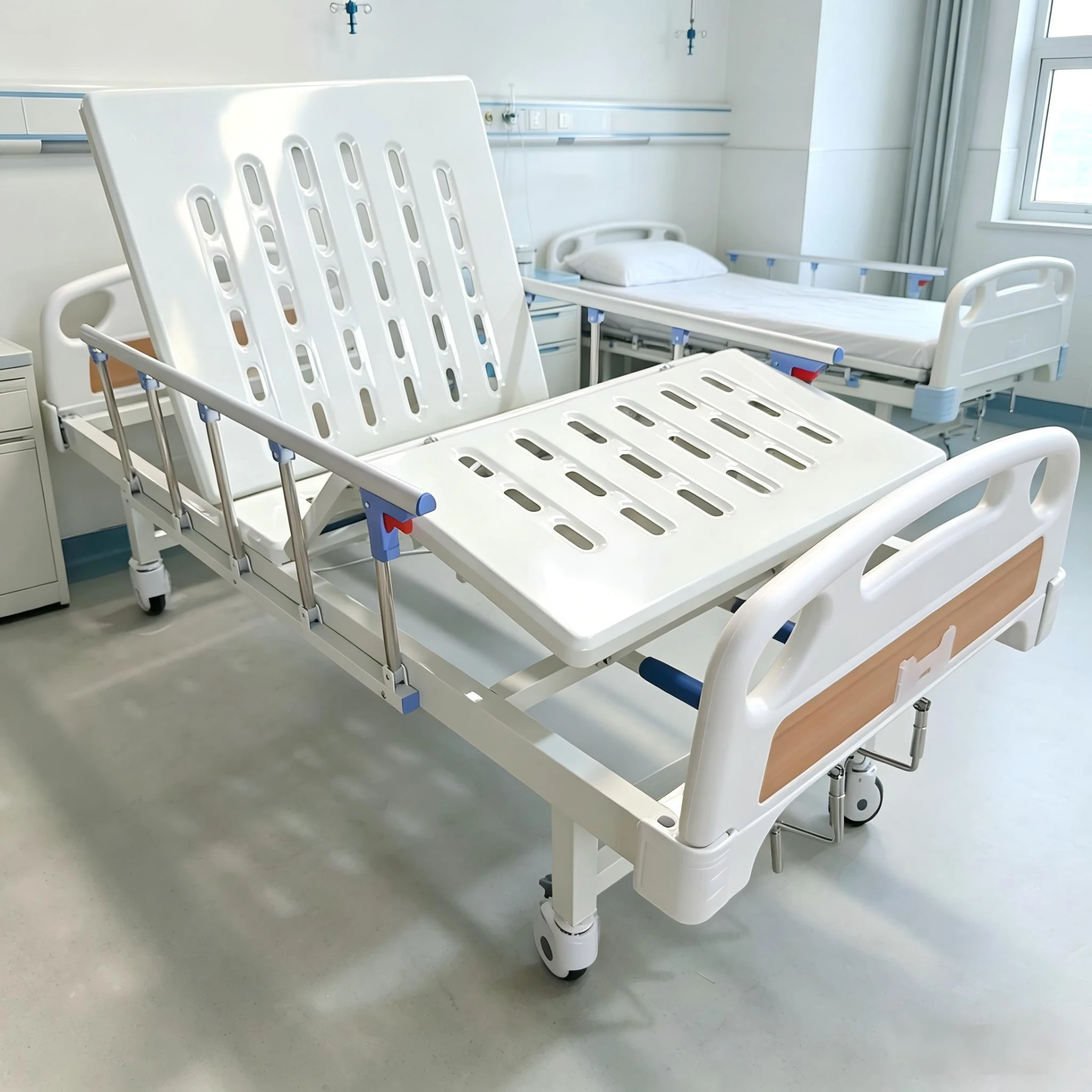
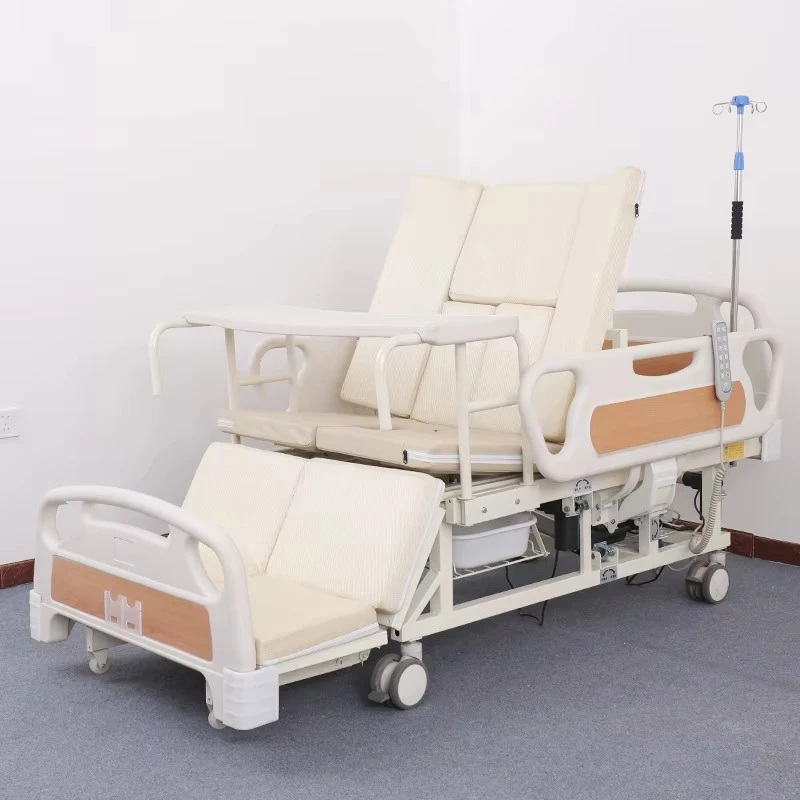
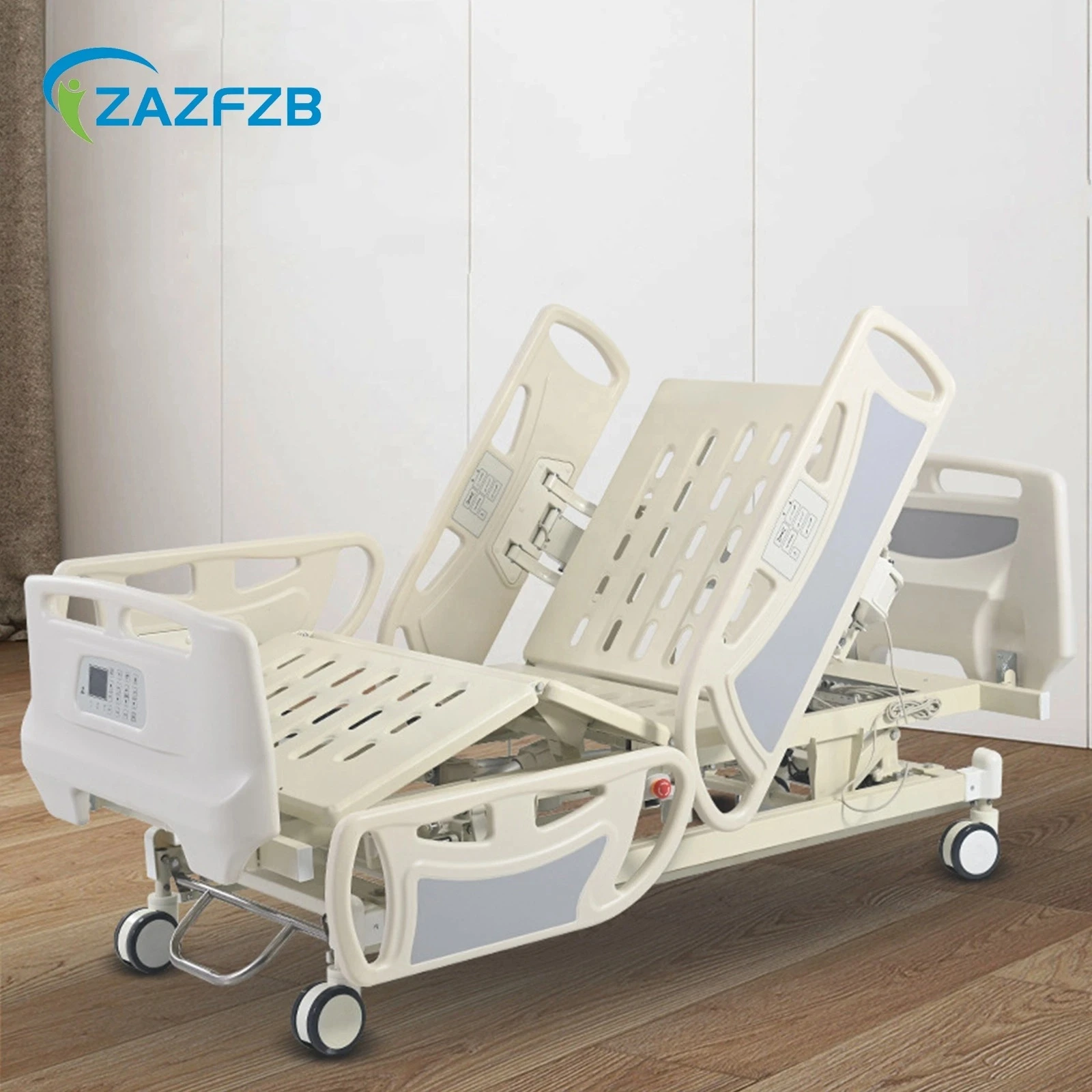
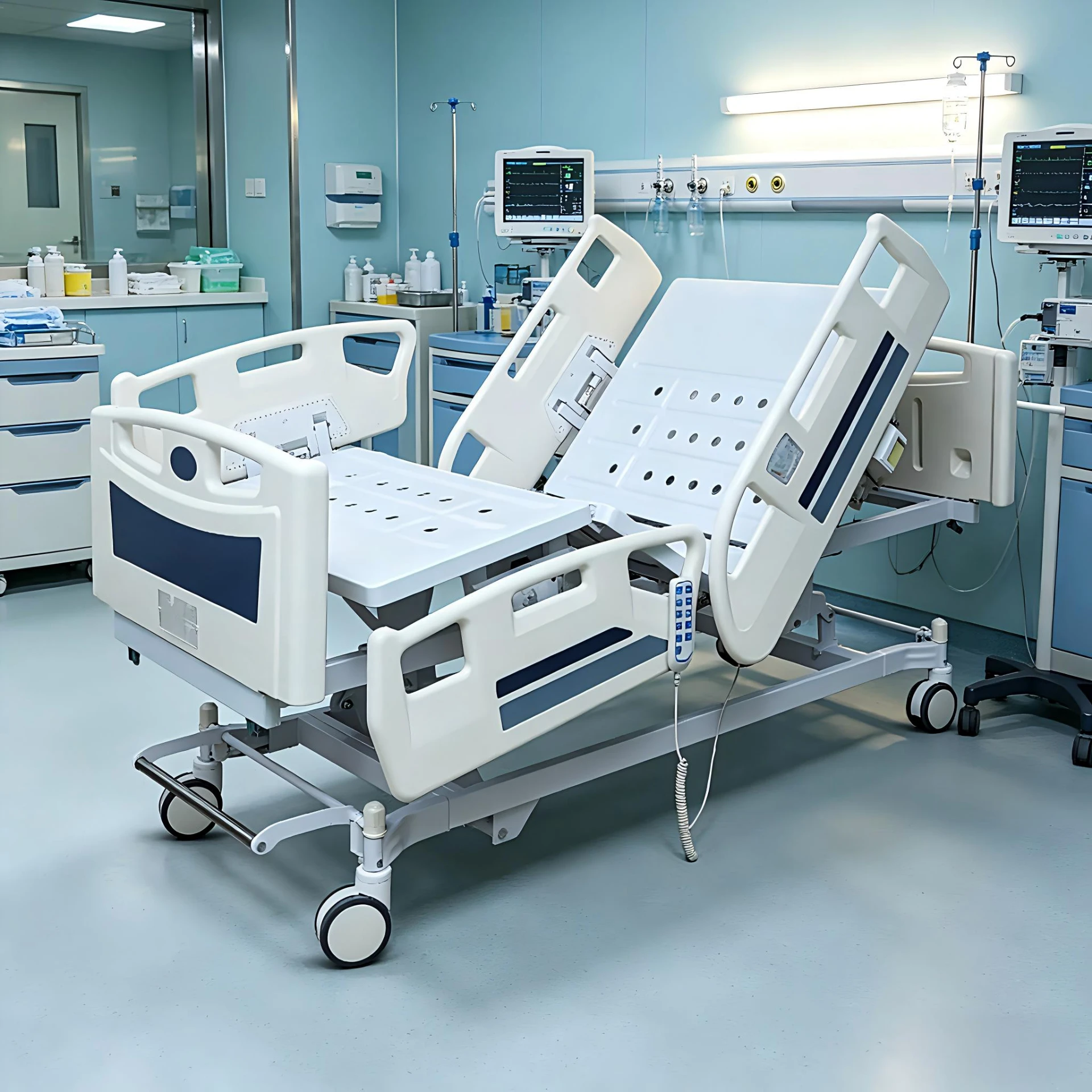
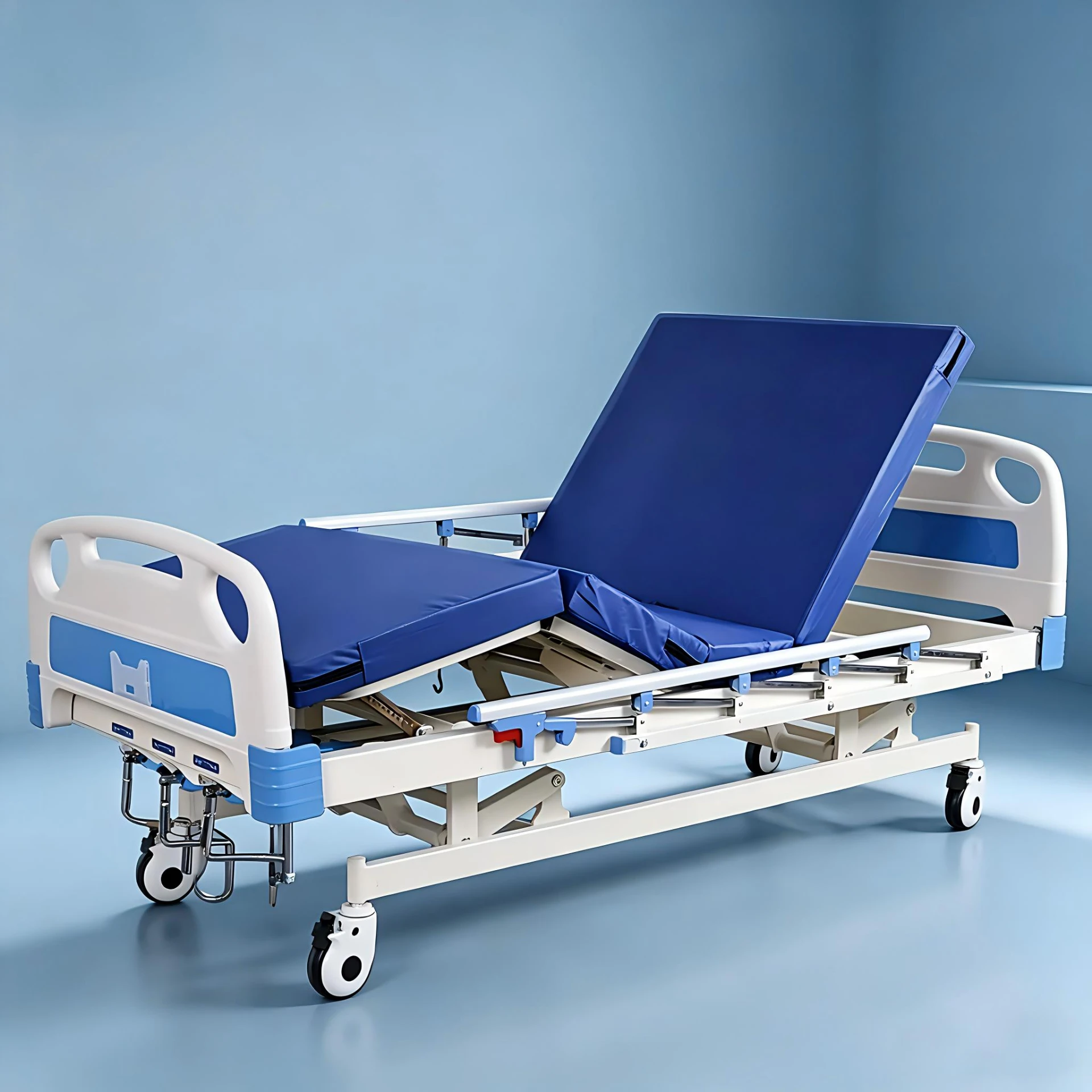
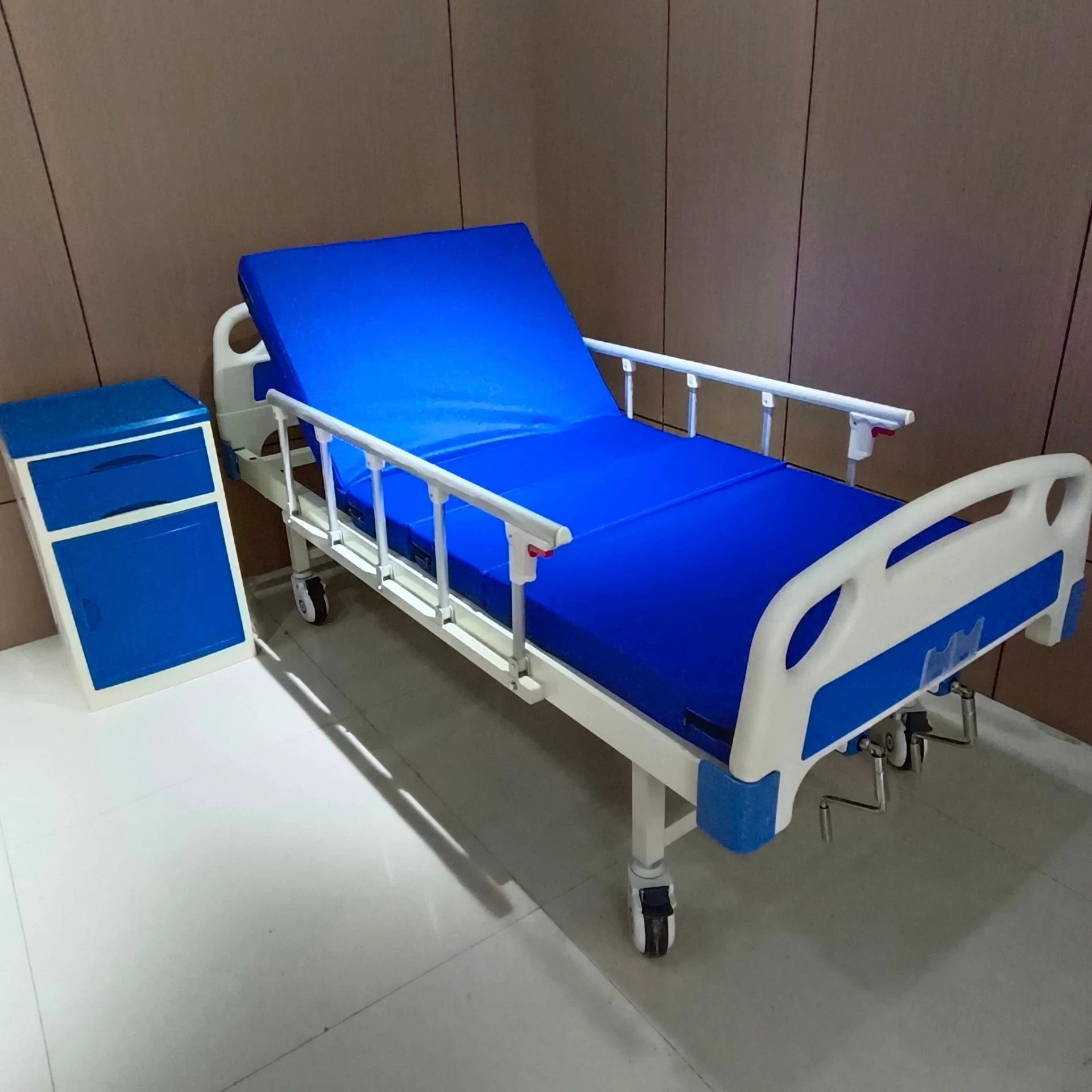
Put simply, an icu bed supplier is a company or entity that designs, manufactures, and distributes specialized hospital beds intended for intensive care units. These beds go beyond basic laying-flat models—they feature advanced ergonomics, motorized adjustment, integrated monitoring systems, and compatibility with various medical devices. The supplier is responsible not only for manufacturing the bed frame but often for delivering customizable solutions, maintenance support, and meeting strict international quality standards (hello, ISO 13485).
In modern healthcare, ICU bed suppliers are vital links between technology, patient care, and hospital workflow efficiency. Without them, hospitals would struggle to provide the nuanced support critically ill patients require.
Core Components of an ICU Bed
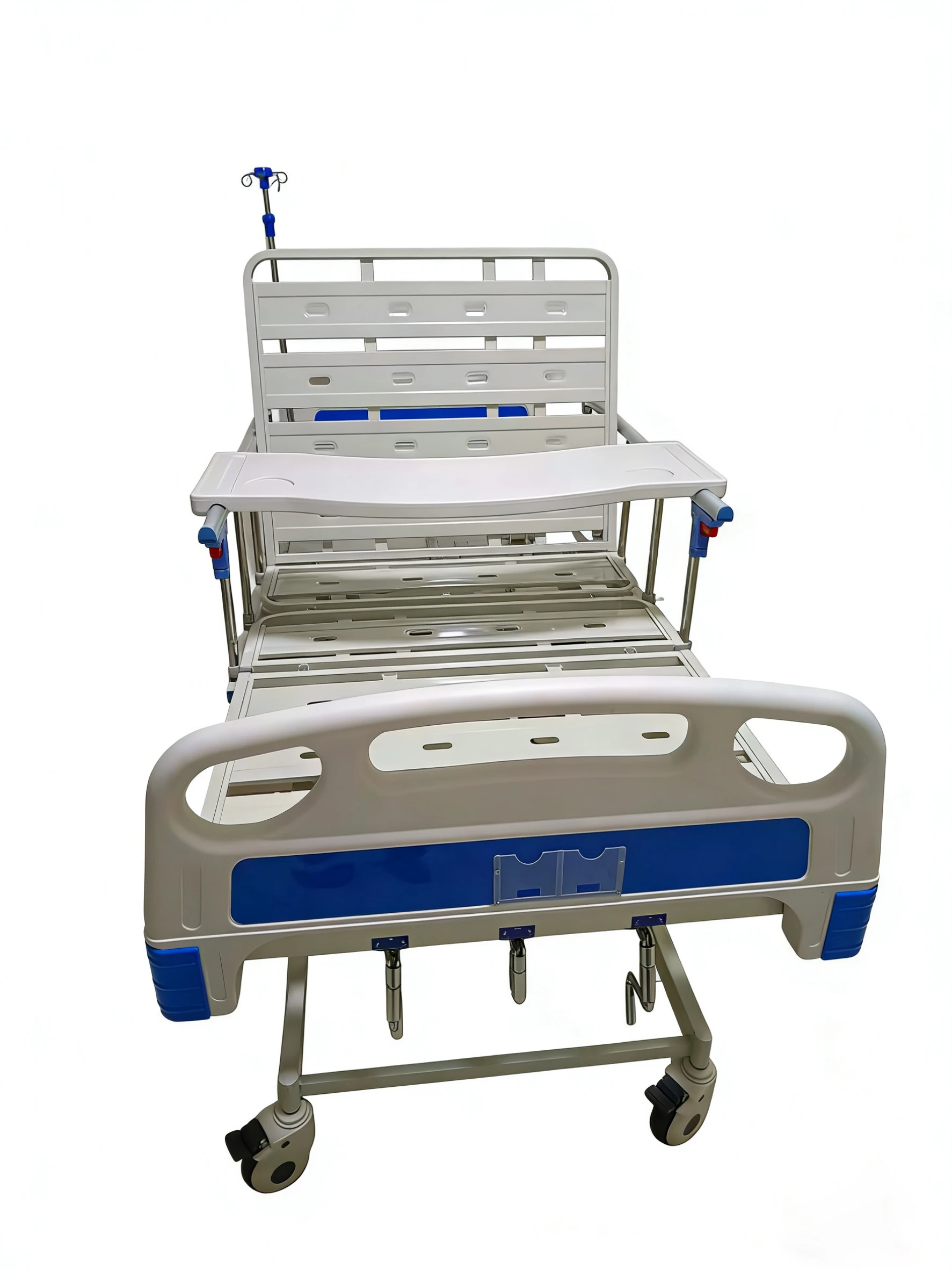
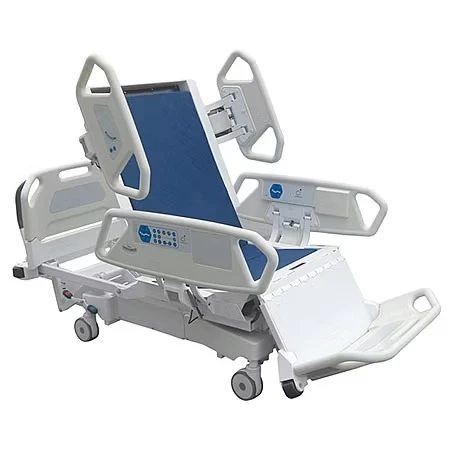
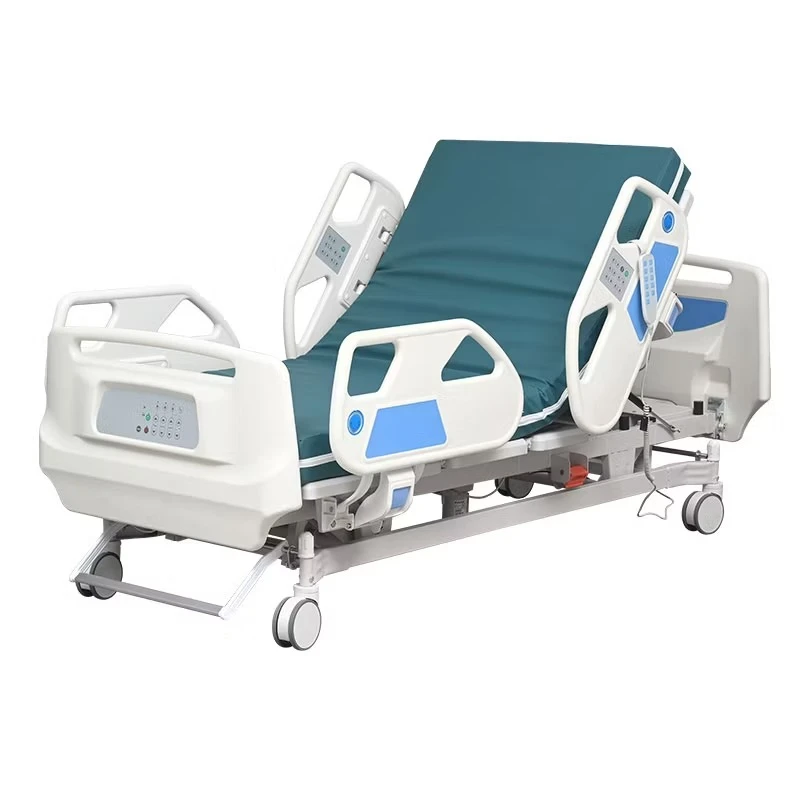
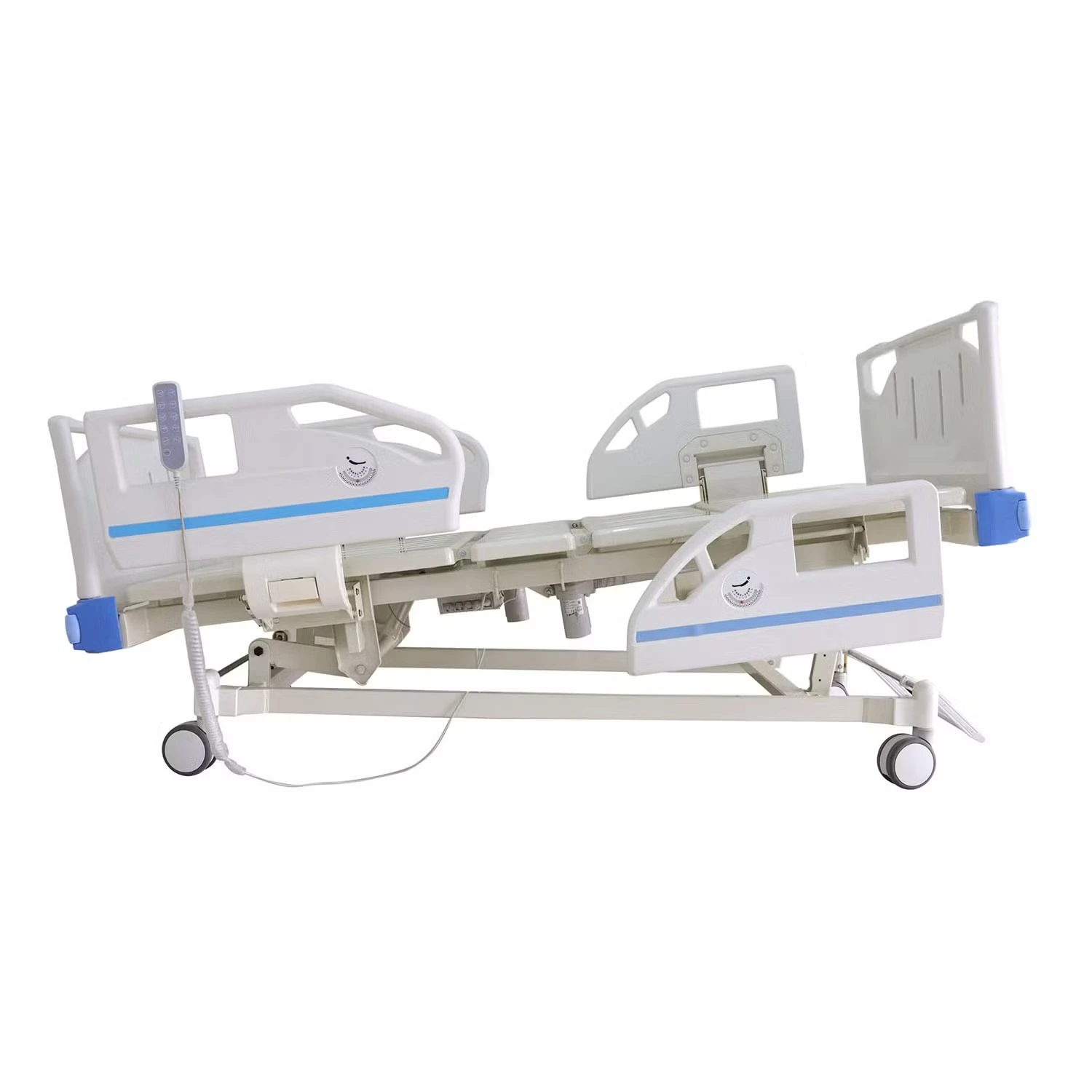
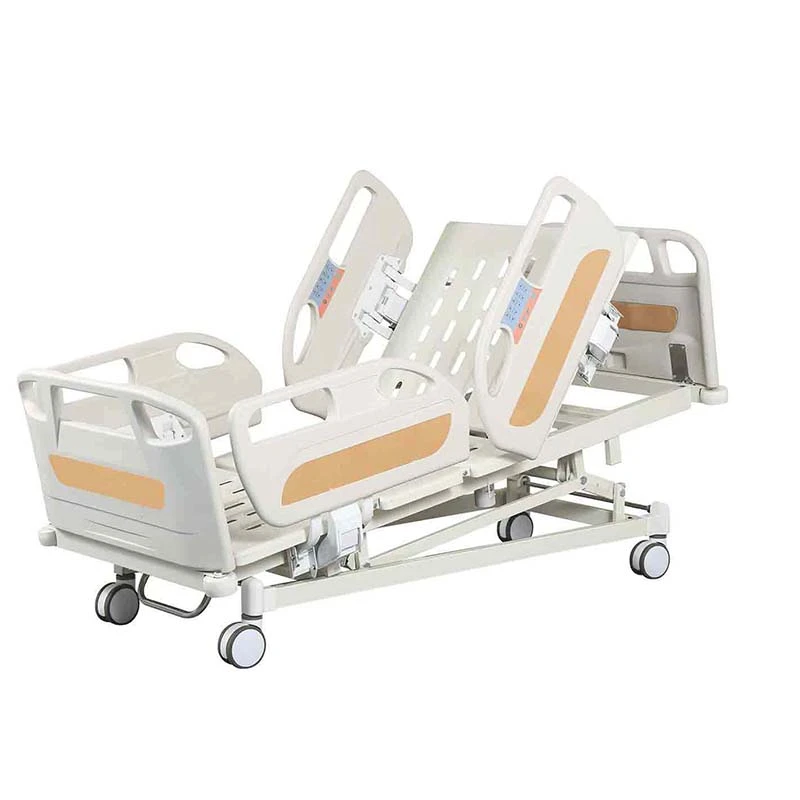
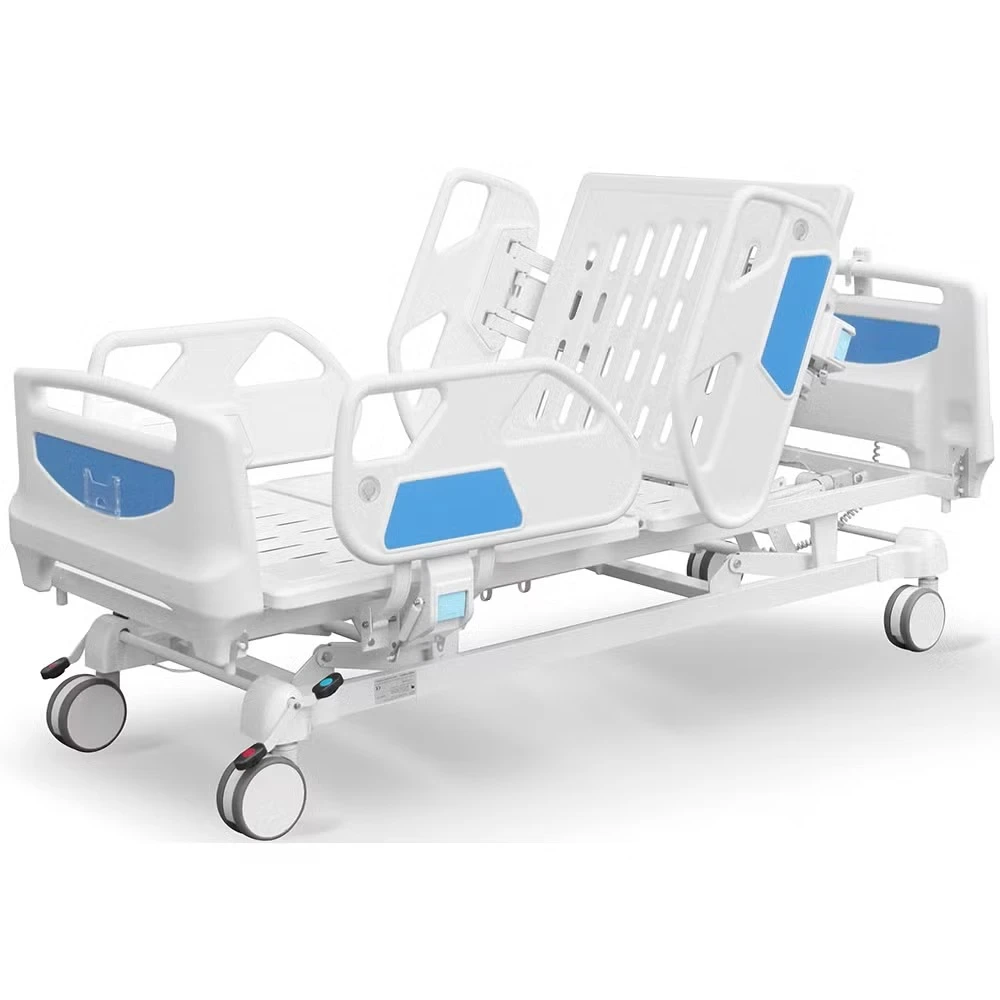
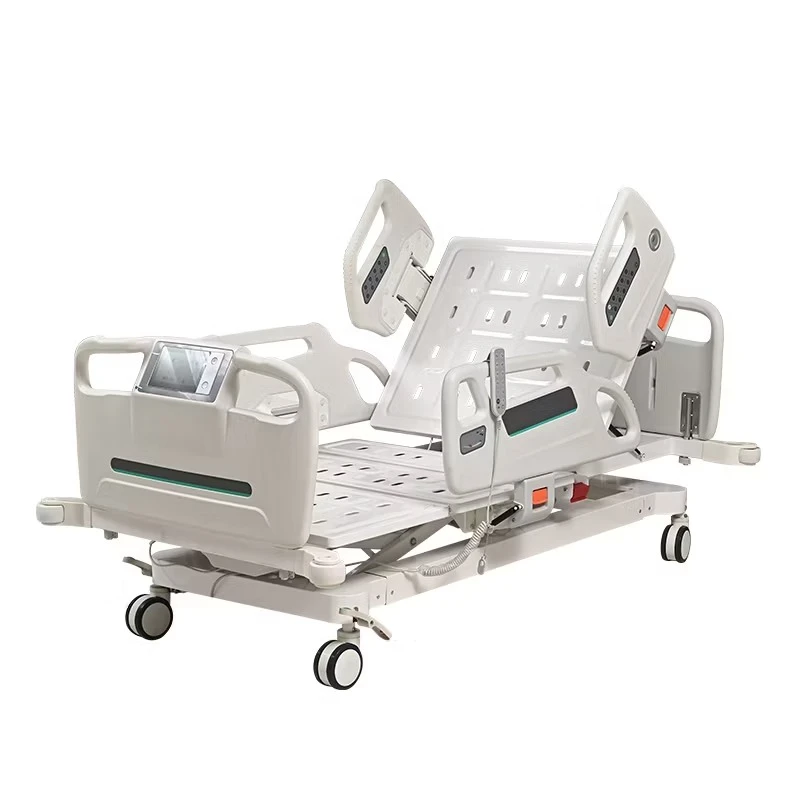
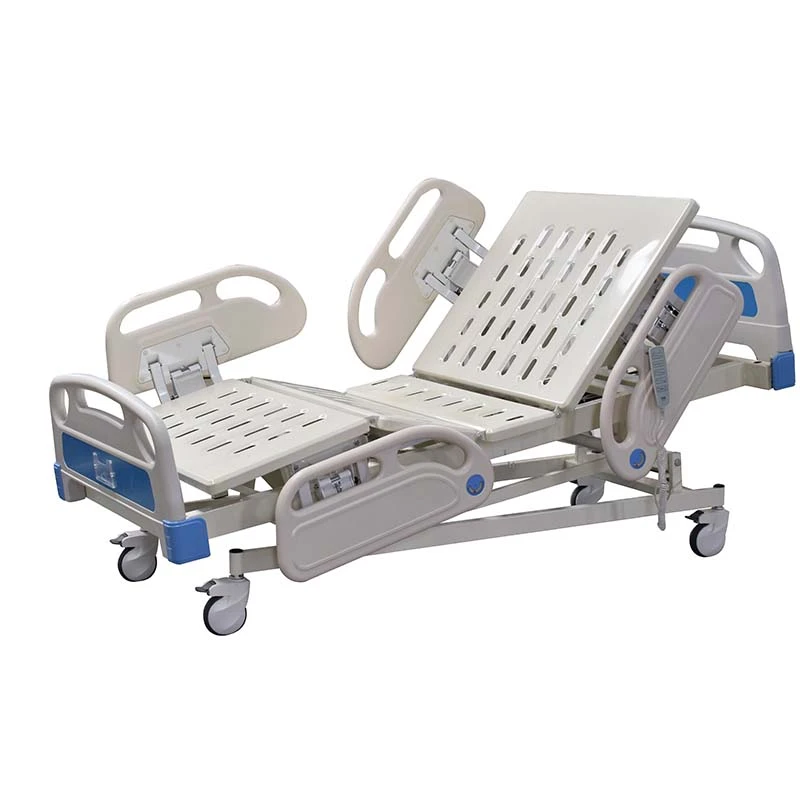
- Durability: Frames built from high-tensile steel or aluminum alloys for strength and longevity.
- Adjustability: Multiple electric motors to adjust height, tilt, and position for patient comfort and clinical need.
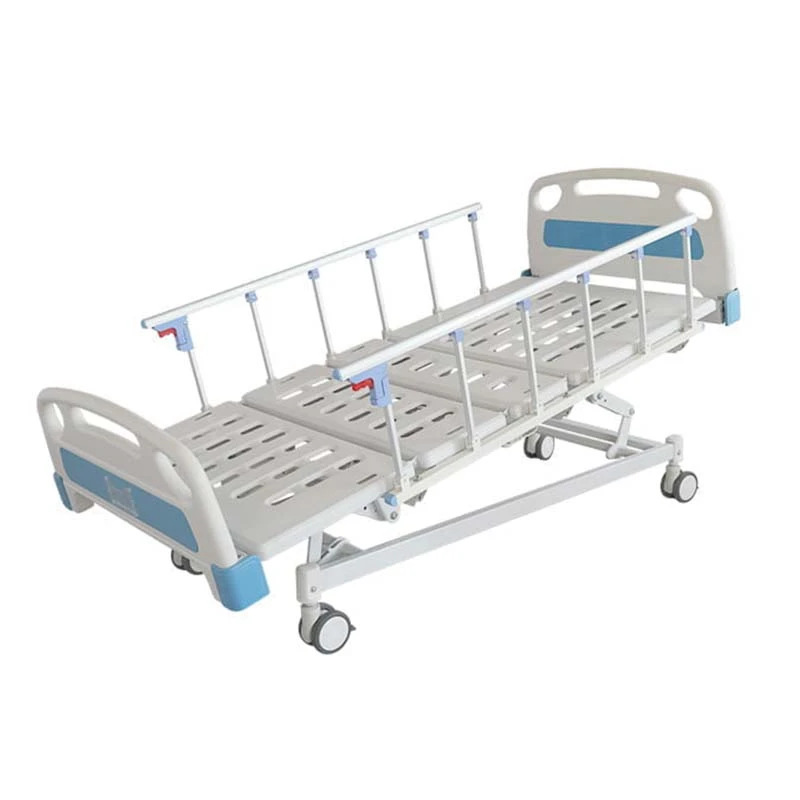
- Safety Features: Side rails, brakes with dual locking systems, and bed exit alarms for accident prevention.
- Compatibility: Integration ports for devices like ventilators, monitors, and infusion pumps.
- Ease of Cleaning: Materials resistant to harsh disinfectants to maintain infection control.
Mini Takeaway: A quality ICU bed isn’t just about the mattress — it’s a whole system layered with safety, technology, and durability.
Real-World Applications: Where ICU Beds Make a Difference
Across continents, the demand for ICU beds varies according to demographic, economic, and healthcare infrastructure factors. For example:
- Post-Disaster Relief: In earthquake-prone zones like Nepal, having mobile ICU bed units supplied through humanitarian channels accelerates emergency response.
- Remote Industrial Zones: Mining companies in Australia invest in compact yet fully equipped ICU beds to handle onsite accidents before airlifting patients to hospitals.
- Large Urban Hospitals: In the US and Europe, ICU beds come equipped with smart IoT capabilities, connecting bedside monitors directly to nursing stations for real-time alerts.
It’s fascinating how the same core product can adapt from high-tech city hospitals to rough field conditions, emphasizing the supplier’s role tailoring to each use case.
Product Specification Table: Typical ICU Bed Features
| Specification | Typical Value | Notes |
|---|---|---|
| Frame Material | Powder-coated Steel + Aluminum | Corrosion resistant for durability |
| Max Load Capacity | 250 kg (550 lbs) | Complies with hospital safety standards |
| Adjustability | Electric, 5 Motors | Head, foot, height, tilt, Trendelenburg |
| Side Rails | Full-length, Foldable | Lockable for patient safety |
| Mobility | 4 Swivel Casters with Individual Locking Brakes | Easy repositioning |
| Integrated Features | IV poles, Monitor mounts, Bed exit alarms | Customizable options available |
Comparing Top ICU Bed Suppliers
| Supplier | Global Reach | Product Range | Customization Options | Warranty & Service |
|---|---|---|---|---|
| ZhaoFa Medical | Asia, Europe, Africa | Basic to advanced ICU beds, mobile units | High – tailored frame sizes, controls | 5 years plus on-site support |
| Hill-Rom | Worldwide | Wide; focus on technology integration | Moderate – mostly software customization | 4 years warranty, premium services |
| Stryker | North America, Europe | Advanced ICU with robotics options | Low – standard models mostly | 3 years warranty, optional service contracts |
Why Partnering With the Right ICU Bed Supplier Matters
Choosing an ICU bed supplier affects everything from patient outcomes to hospital budgets and staff efficiency. The advantages include:
- Cost Efficiency: Well-designed beds reduce maintenance and replacement expenses.
- Enhanced Patient Safety: Reducing falls and pressure ulcers through advanced features.
- Flexibility: Adapting quickly to varying patient profiles and space constraints.
- Social Impact: Reliable products improve healthcare equity, especially in under-resourced areas.
Emerging Trends Shaping ICU Bed Supply
One of the most exciting developments in this space is the push for sustainability and digital integration. Some suppliers are now using eco-friendly composites to lighten frames and reduce chemical waste. On the tech side, expect more beds with embedded sensors that gather data on patient movement, pressure points, and even biometrics — all feeding into AI-powered dashboards for optimized care.
There’s also rising interest in modular designs for rapid deployment in emergencies, which we saw showcased vividly during pandemic responses.
Challenges ICU Bed Suppliers Face and How They Overcome Them
Not every hospital has immediate access to premium ICU beds due to procurement delays, transportation hurdles, or budget constraints. Moreover, maintenance in remote areas can be a nightmare when parts or expertise are scarce. Some suppliers are addressing these problems by:
- Implementing local assembly hubs with standardized parts.
- Offering remote diagnostics and repair via IoT connectivity.
- Designing ultra-durable, easy-to-clean models that require less frequent servicing.
Clearly, innovation is about more than just bells and whistles — it’s about practical, on-the-ground improvements.
FAQ: Common Questions About ICU Bed Suppliers
1. How quickly can an ICU bed supplier deliver beds in emergency situations?
Most top suppliers have rapid deployment options that ship modular beds within days to weeks, depending on order size and customization. Some maintain stockpiles precisely for disaster response.
2. What should I look for when choosing an ICU bed supplier?
Key factors include product safety certifications, warranty and after-sales service quality, customization capabilities, and supplier reputation in healthcare networks.
3. Are ICU beds customizable for pediatric or bariatric patients?
Yes, reputable suppliers often offer specialized models or adjustable accessories catering to different patient sizes and needs.
4. How do ICU bed suppliers ensure their products remain hygienic and easy to clean?
Materials are chosen to resist harsh disinfectants; designs minimize crevices where pathogens can hide, and many beds feature antimicrobial surfaces.
5. Can smaller hospitals afford quality ICU beds?
Suppliers now offer modular designs at a range of price points, allowing smaller institutions to access reliable beds without breaking the bank.
Wrapping Up: Investing in the Backbone of Critical Care
Ultimately, the relationship between healthcare providers and their icu bed suppliers sets the stage for life-saving care. It’s a partnership where innovation, durability, and adaptability meet critical patient needs. Think of it as buying peace of mind — because when lives hang in the balance, you don’t want to cut corners.
Curious to explore top-quality ICU beds? Visit https://www.zhaofamed.com and see how they are reshaping critical care delivery worldwide.
References & Mini Takeaway
To deepen understanding, I consulted:
- WHO Critical Care Fact Sheet
- Wikipedia: Intensive Care Unit
- ISO 13485 Medical Devices Quality Management
In all, the world’s need for trustworthy ICU bed suppliers grows hand-in-hand with modern medicine’s march forward — a collaboration with both life-saving impact and a degree of engineering artfulness.