Essential Guide to Nursing Home Beds: Comfort, Safety & Global Care Solutions
Understanding Nursing Home Beds: Comfort Meets Care Worldwide
When you hear the term nursing home beds, you might think simply of a hospital bed-like structure where elderly or disabled individuals rest. But nursing home beds are far more than just furniture; they represent a critical component of long-term care facilities that enhance dignity, safety, and quality of life for millions globally. Given the aging populations in many regions and advances in healthcare, understanding nursing home beds is essential—not only for healthcare providers but for families and policymakers as well.
The Global Context: Why Nursing Home Beds Matter
Globally, the number of people aged 65 and older is expected to double by 2050, hitting nearly 1.5 billion according to United Nations demographic data. This demographic shift puts pressure on elderly care infrastructures—including long-term care facilities and nursing homes. Nursing home beds serve as frontline equipment that directly influences patient comfort and health outcomes.
Interestingly, the World Health Organization estimates that appropriate mobility and pressure relief devices (which nursing home beds are part of) can reduce bedsores—a huge healthcare cost and patient risk—in nursing home settings by up to 50%. Yet, challenges remain, particularly in developing nations where access to quality care environments is limited.
What Are Nursing Home Beds?
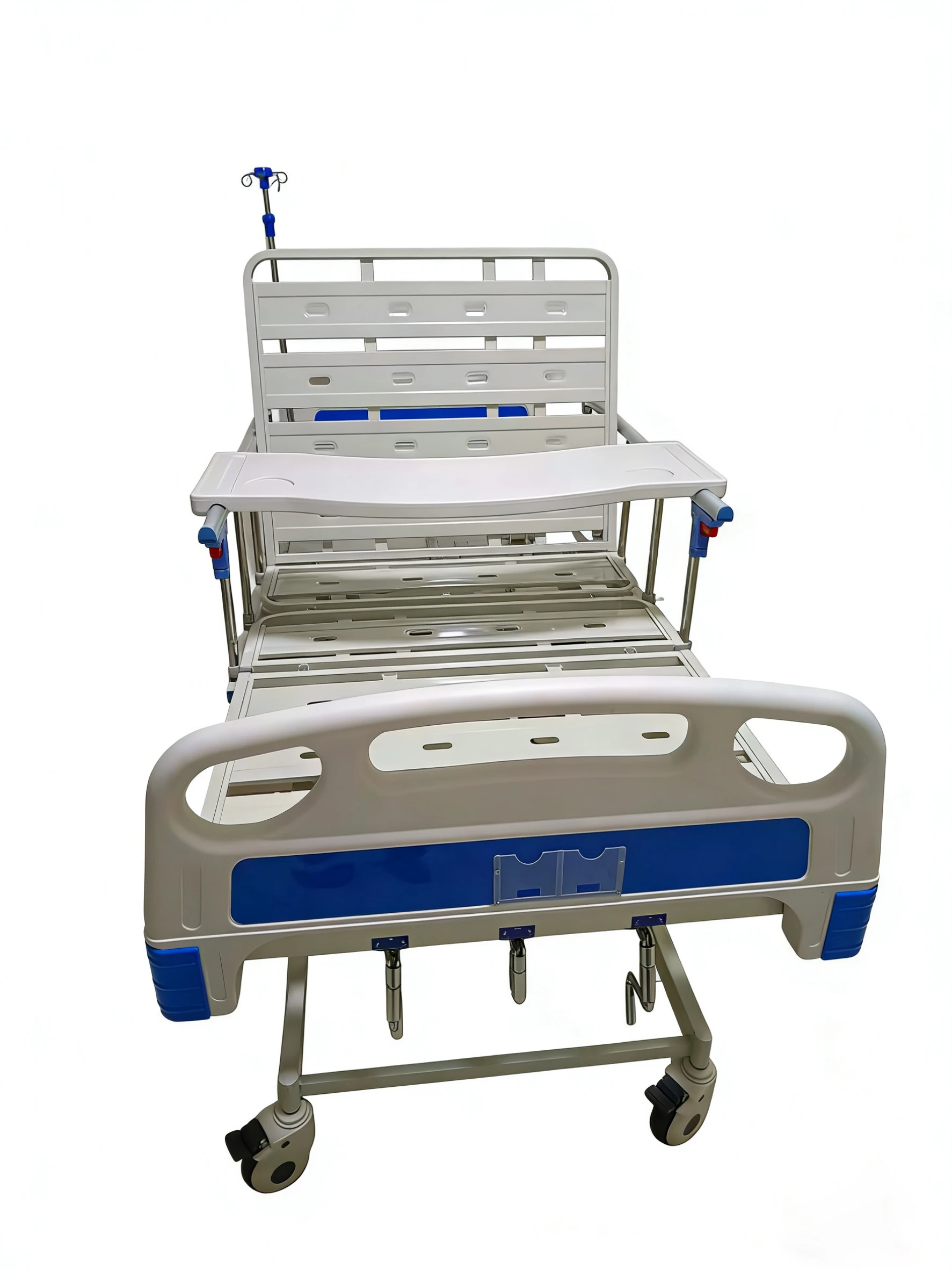
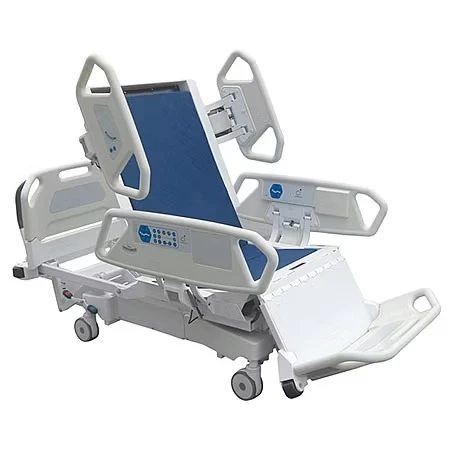
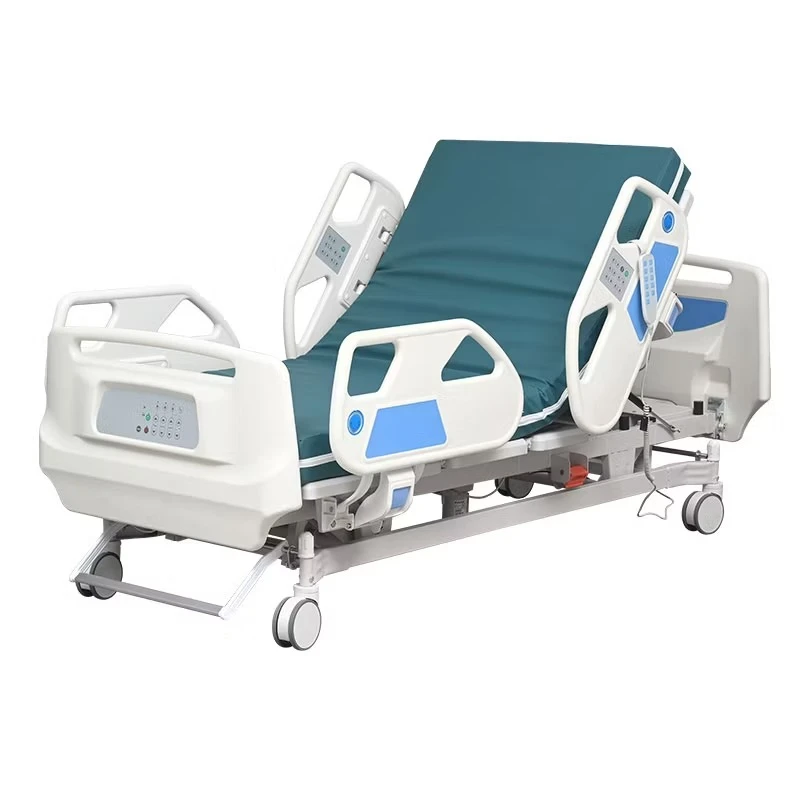
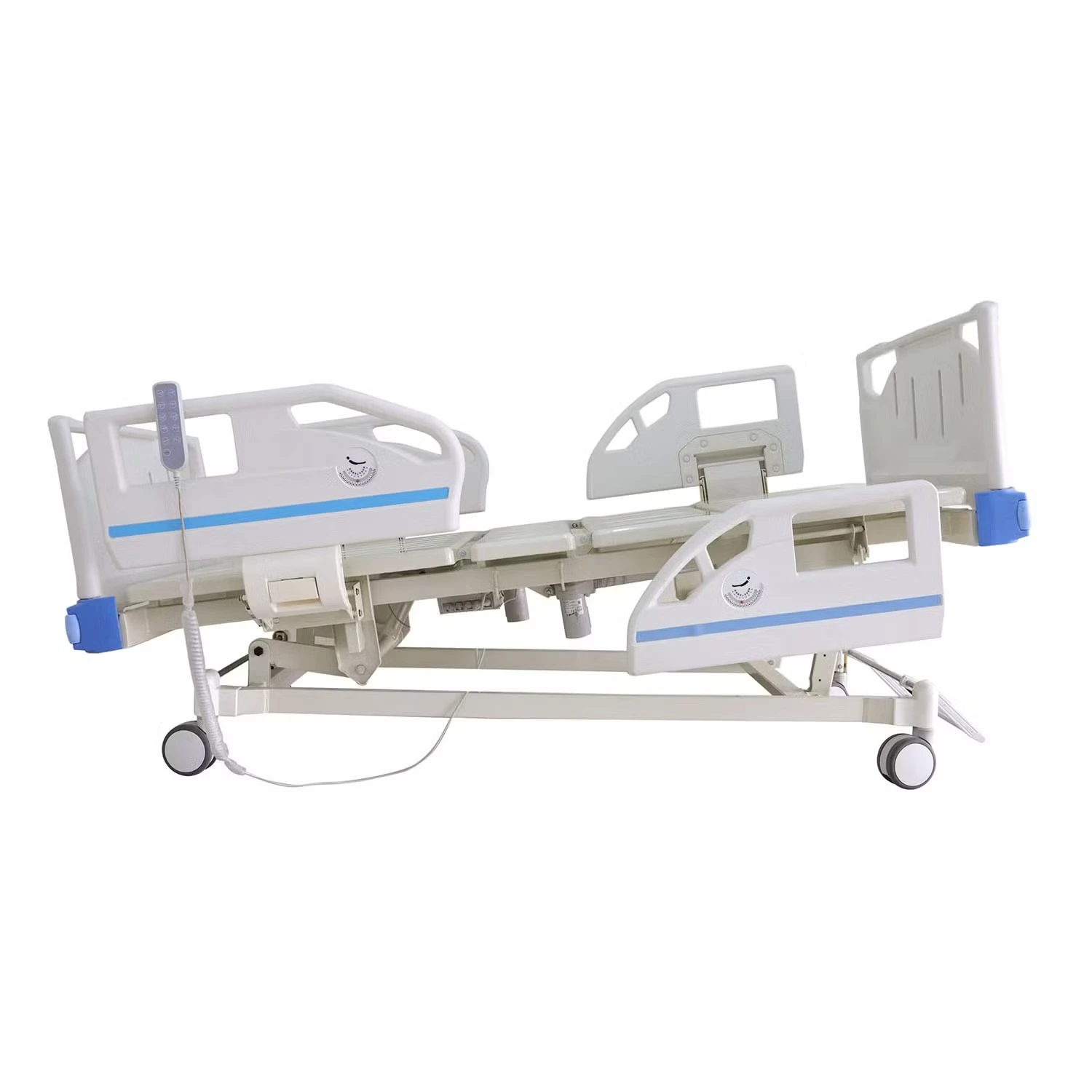
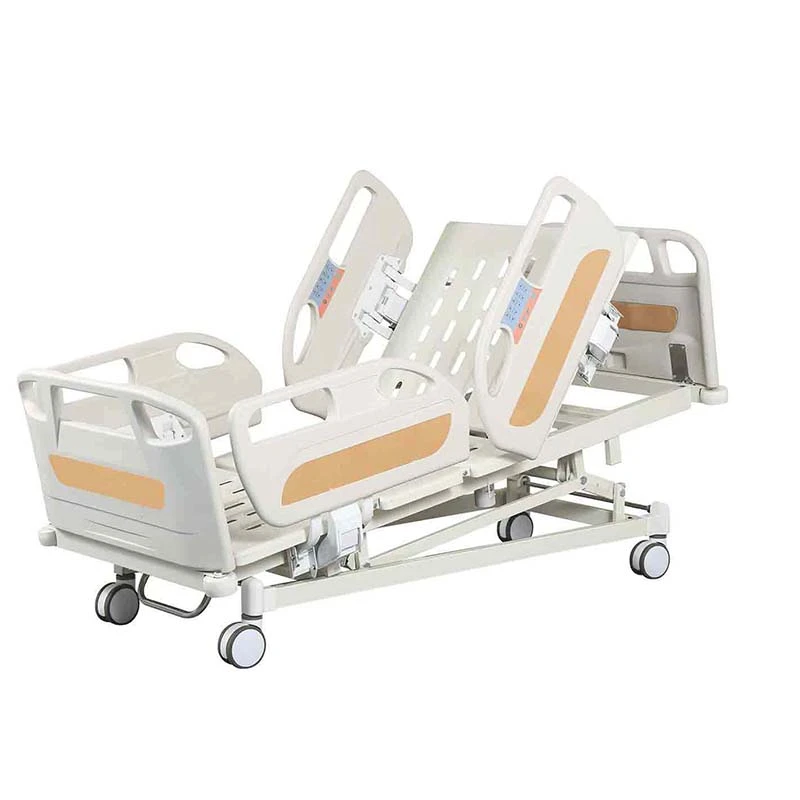
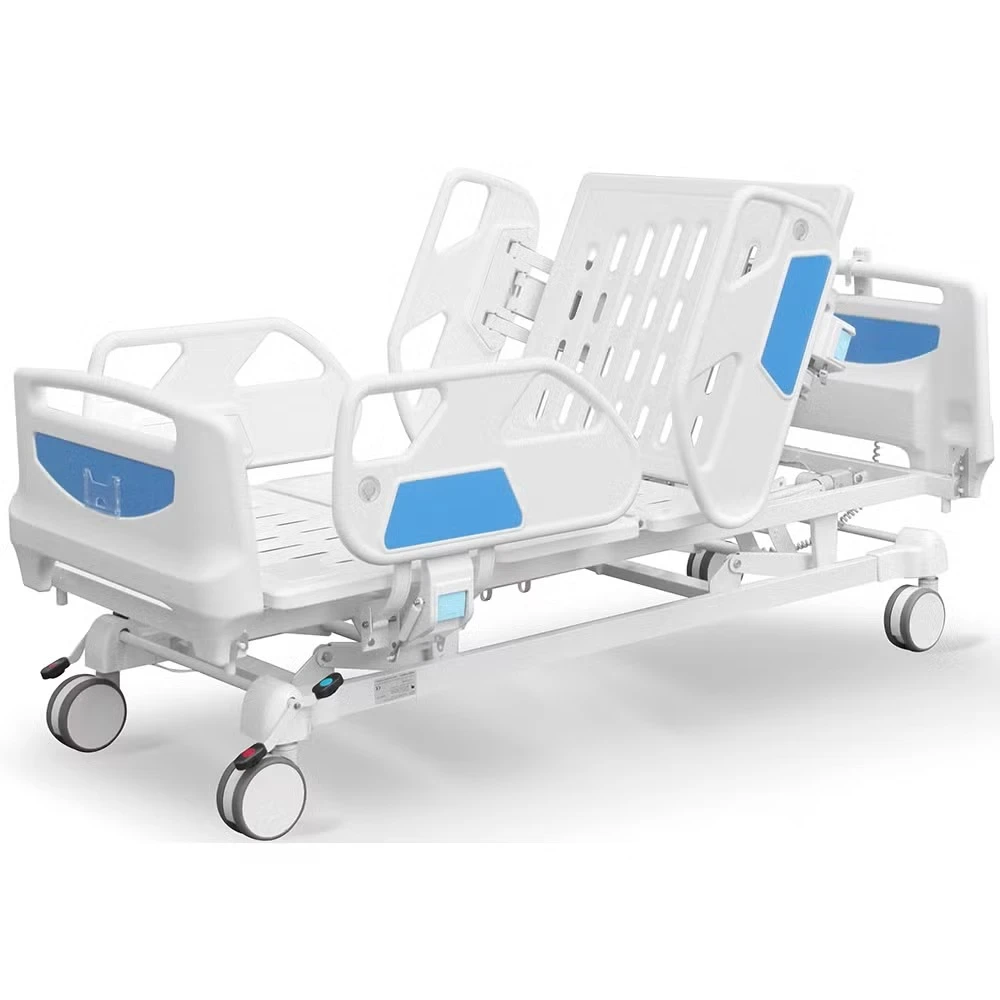
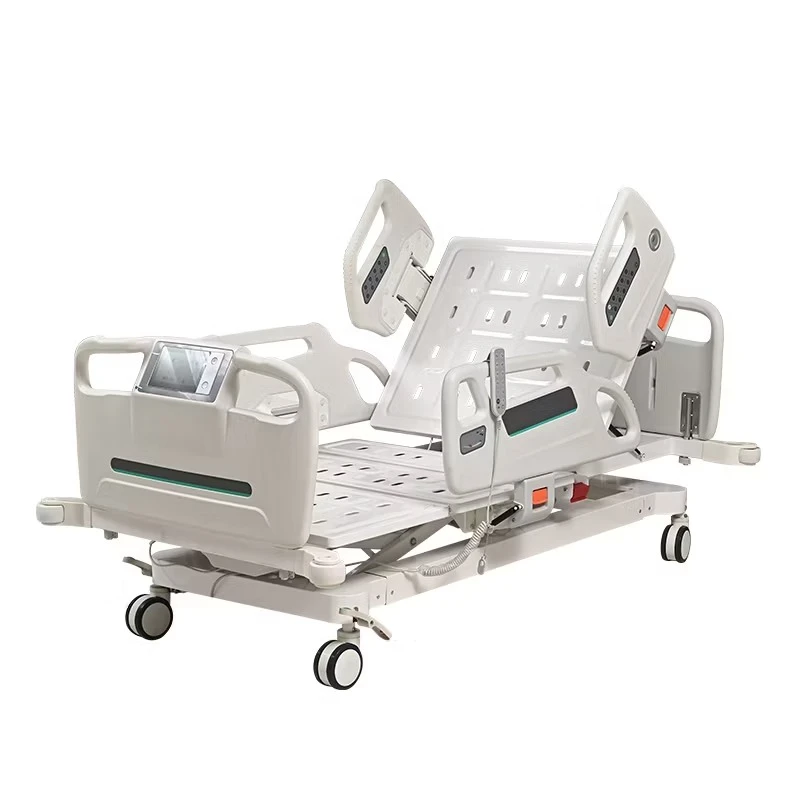
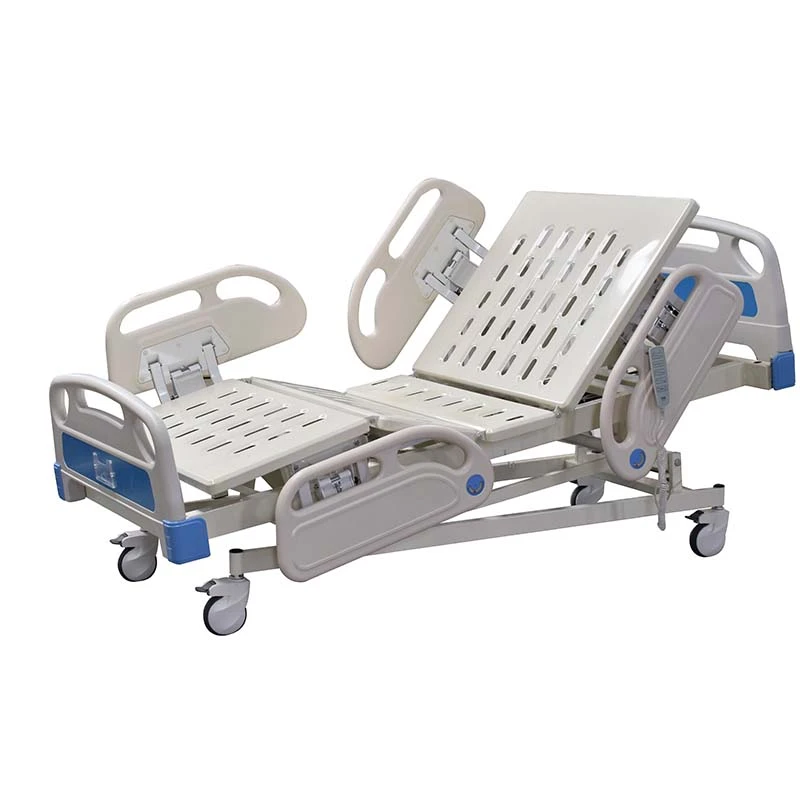
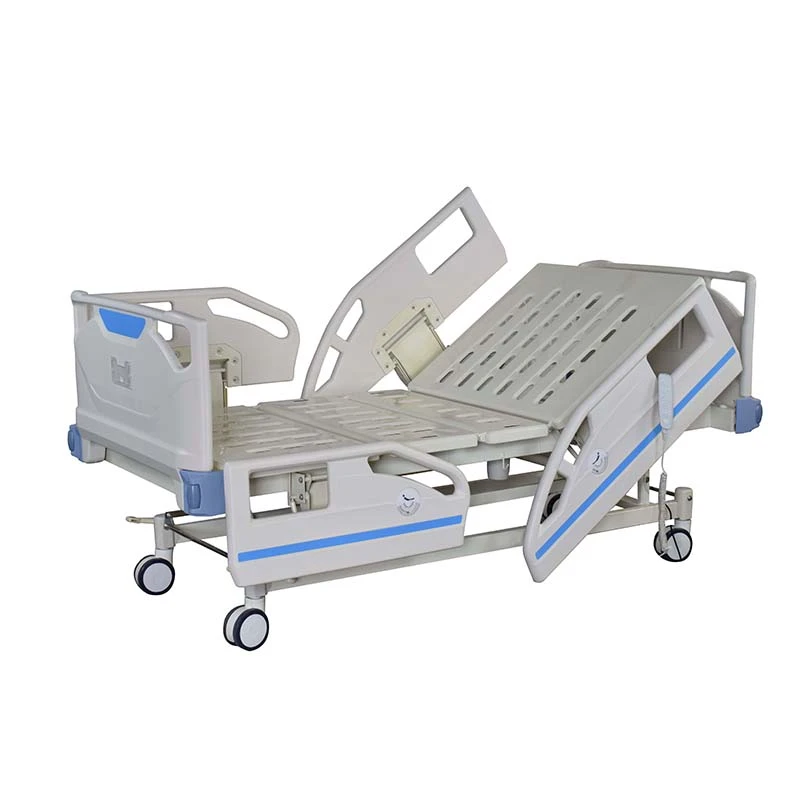
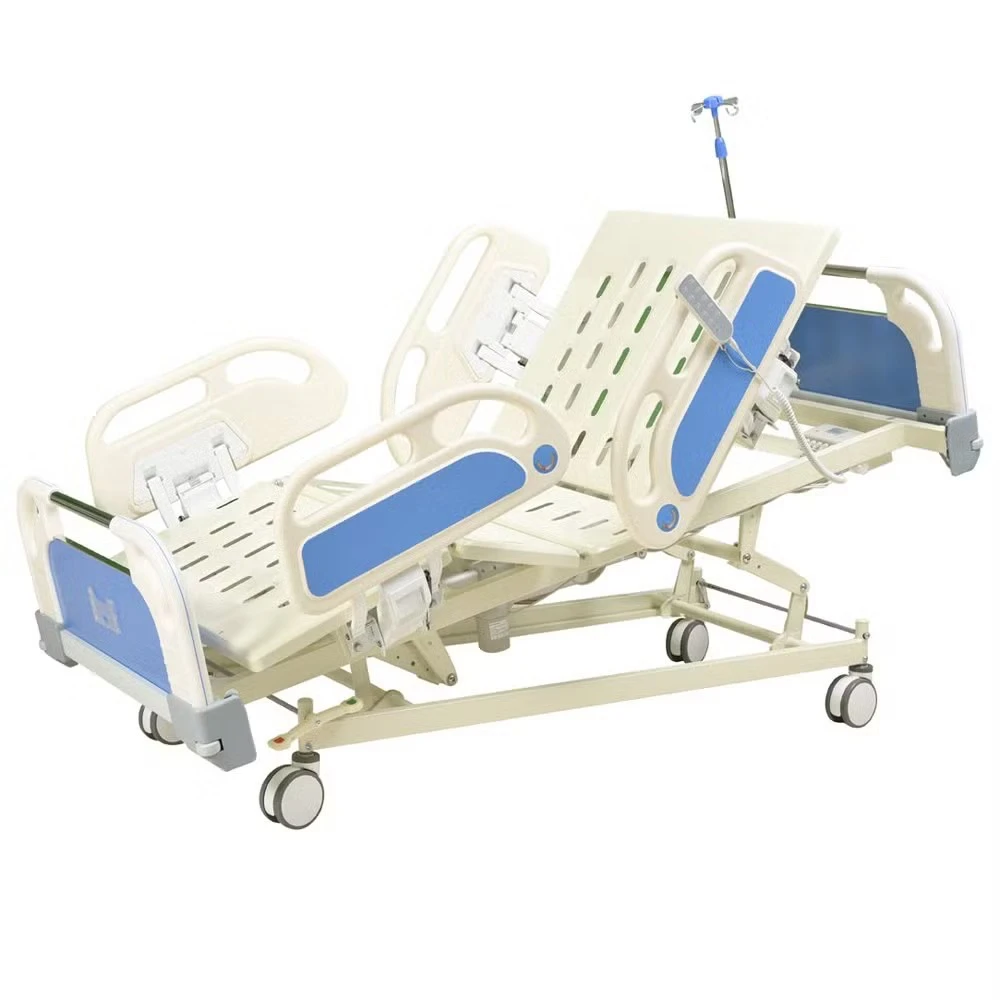
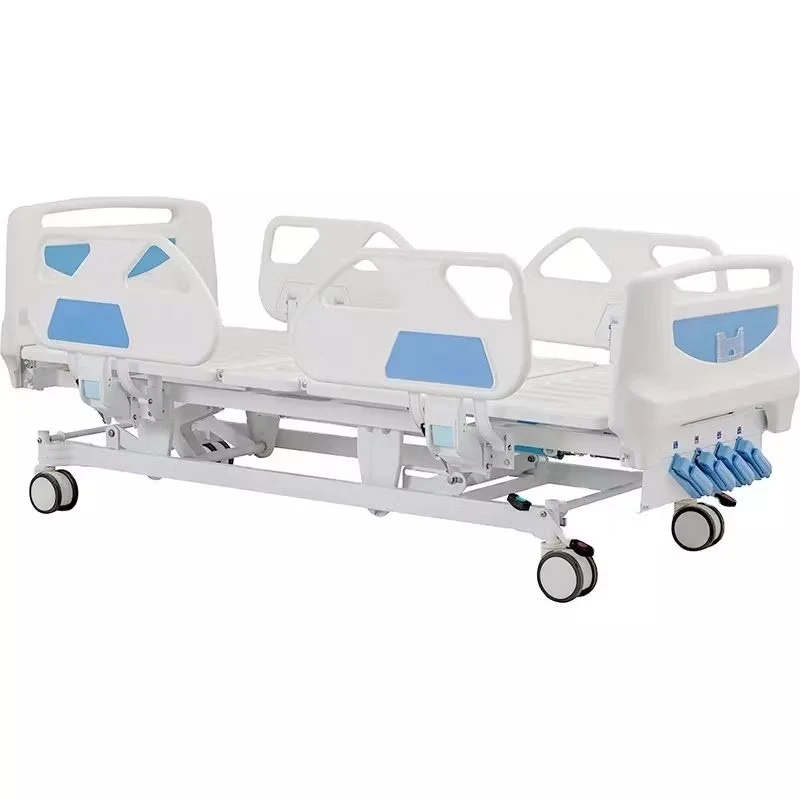
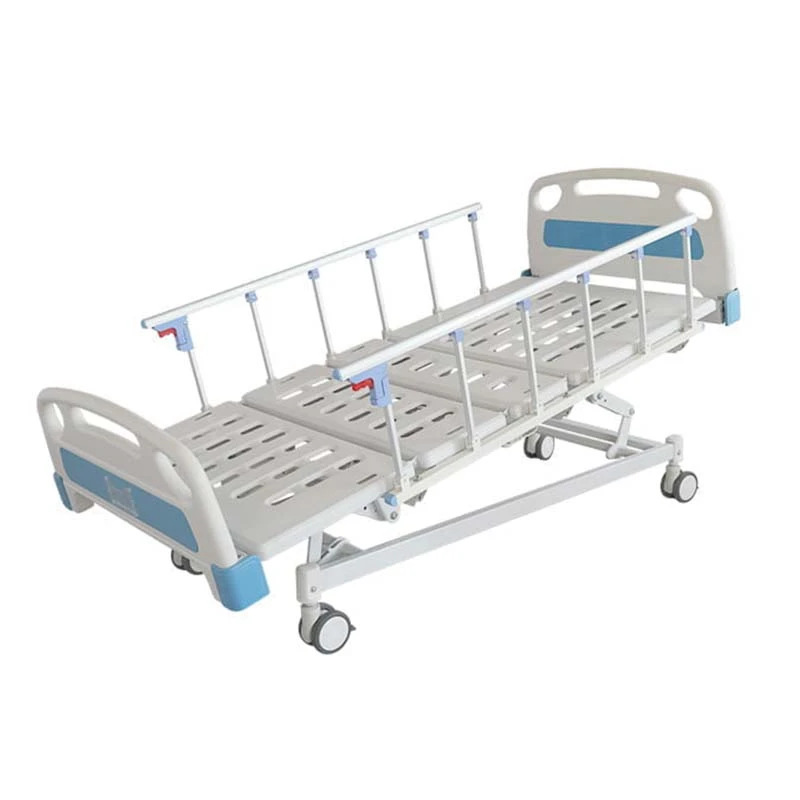
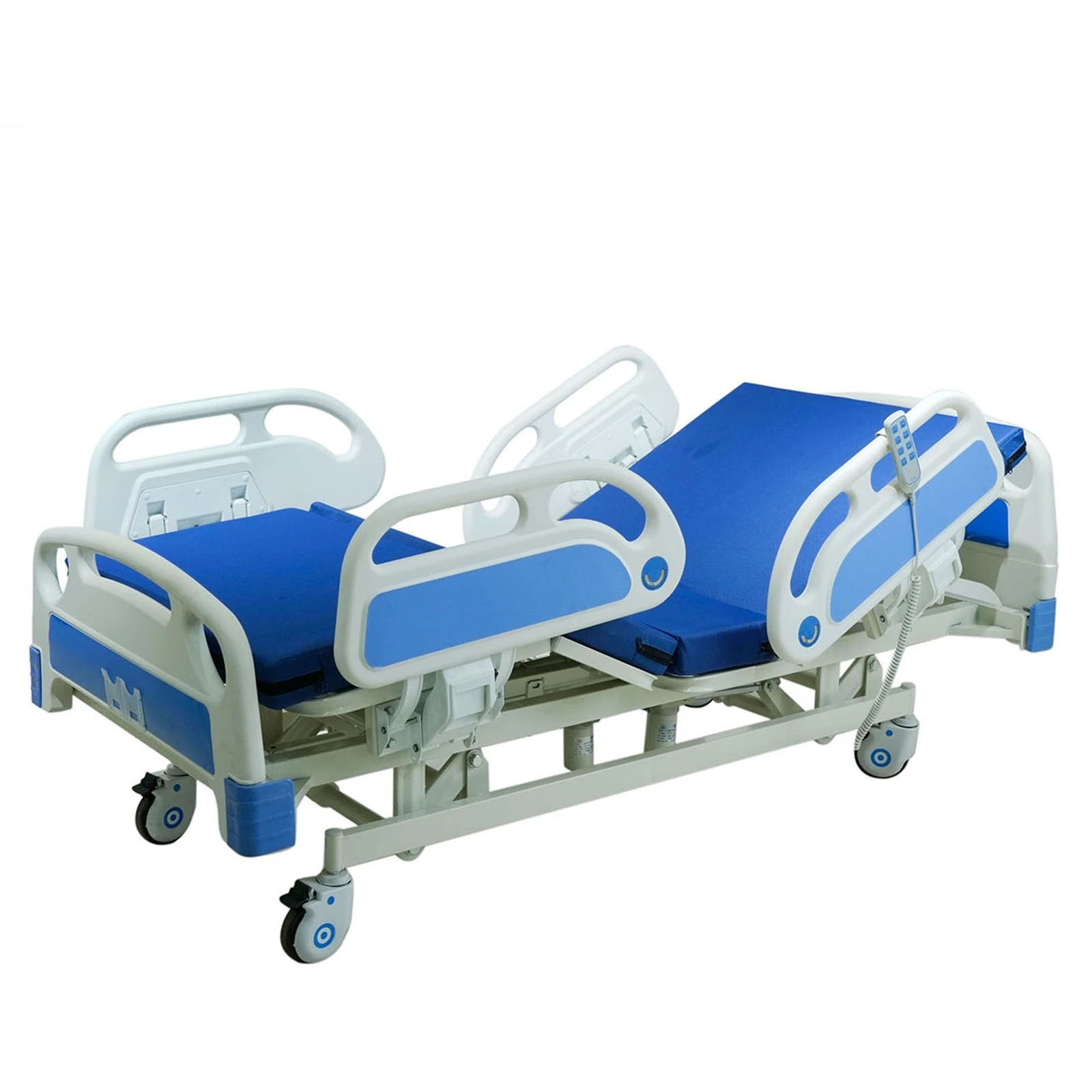
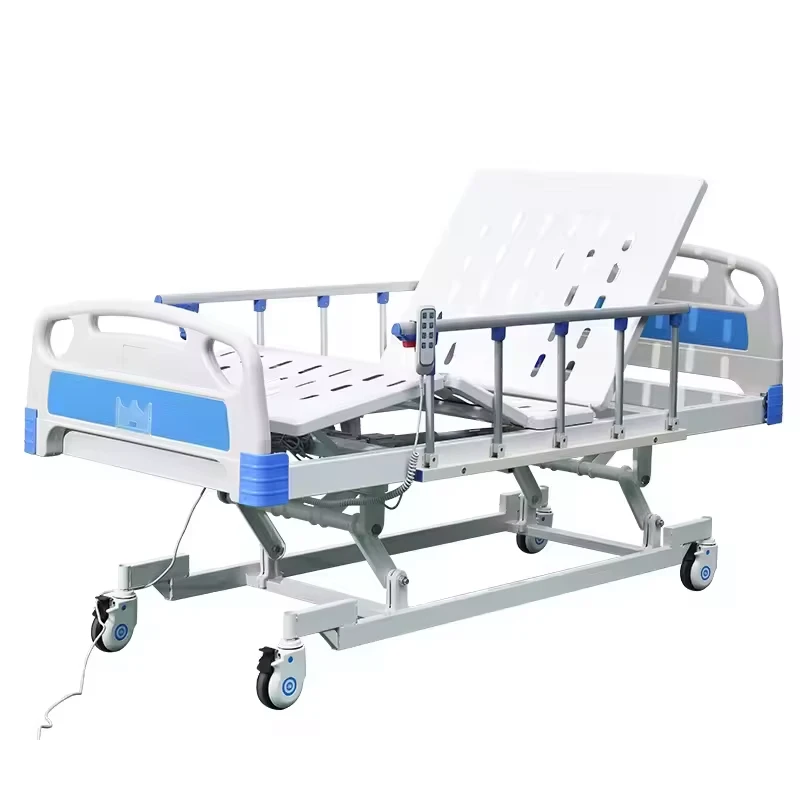
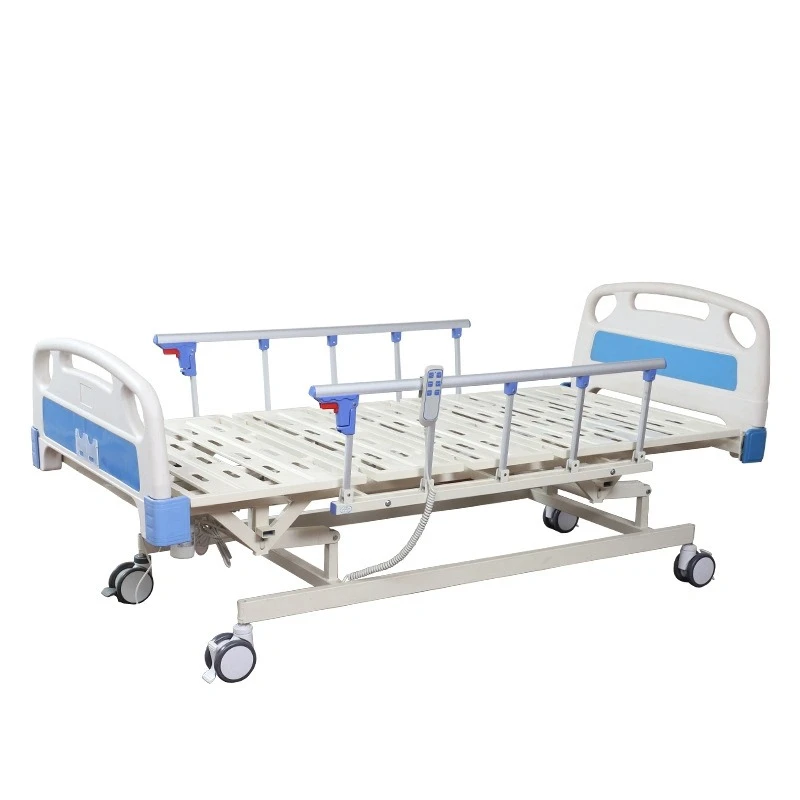
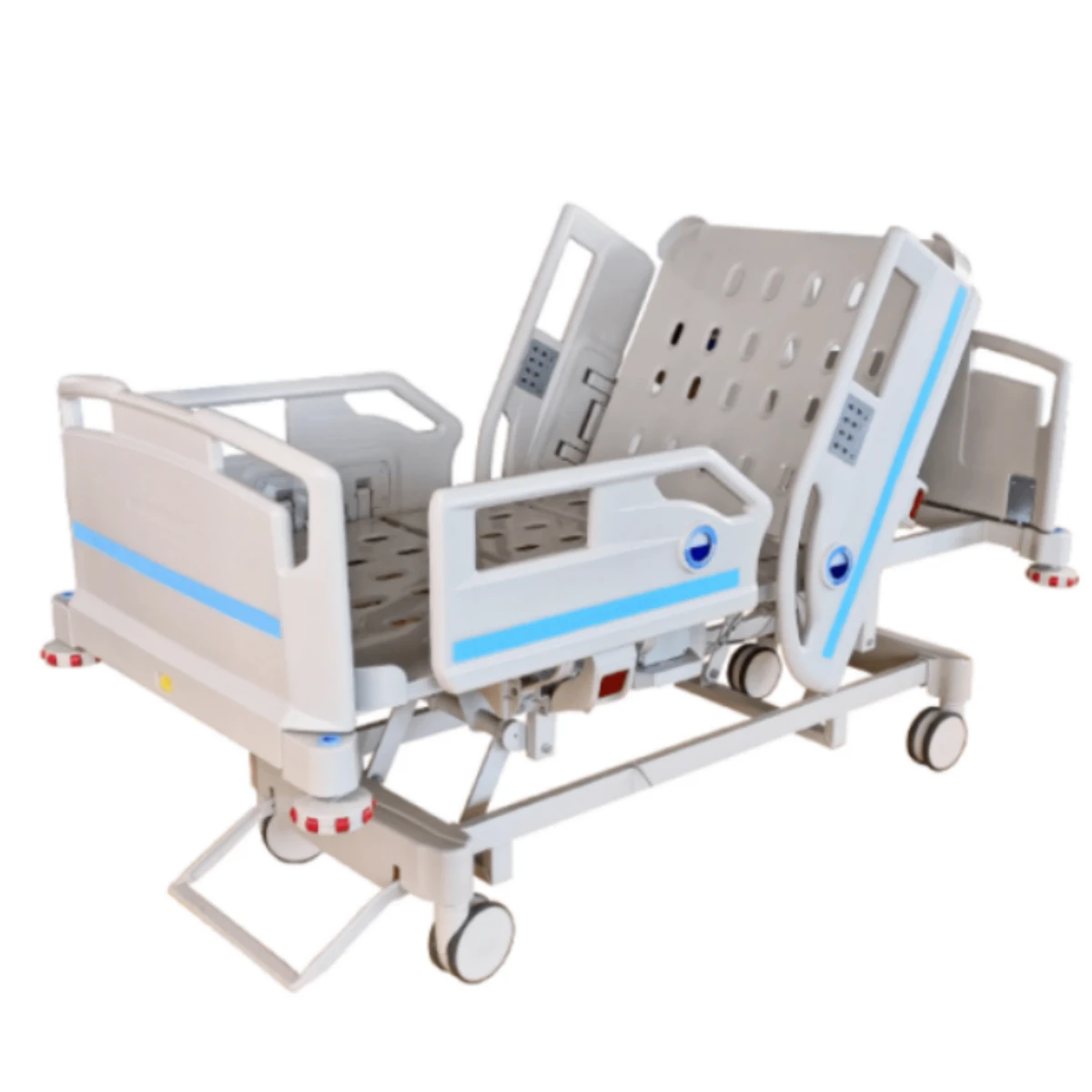
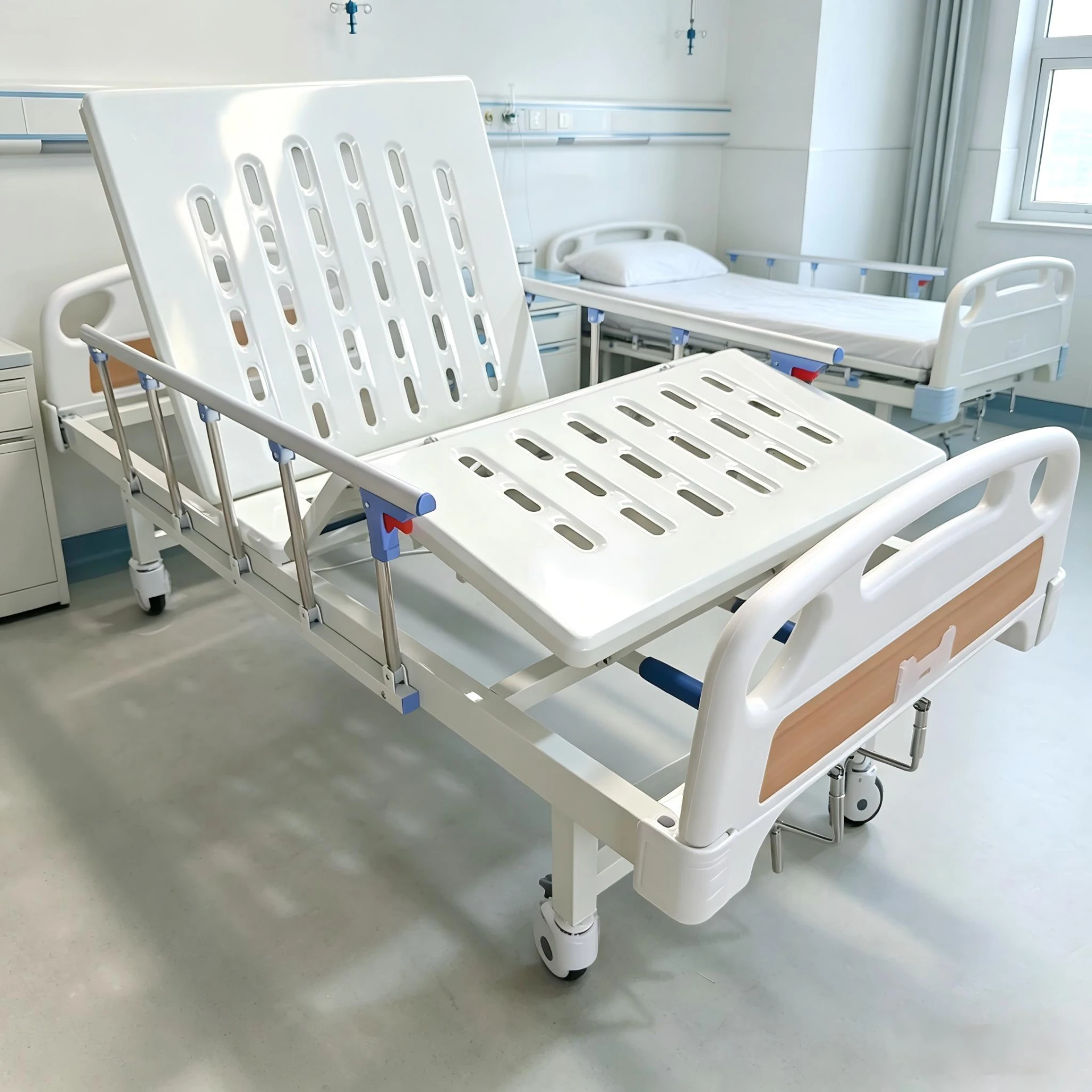
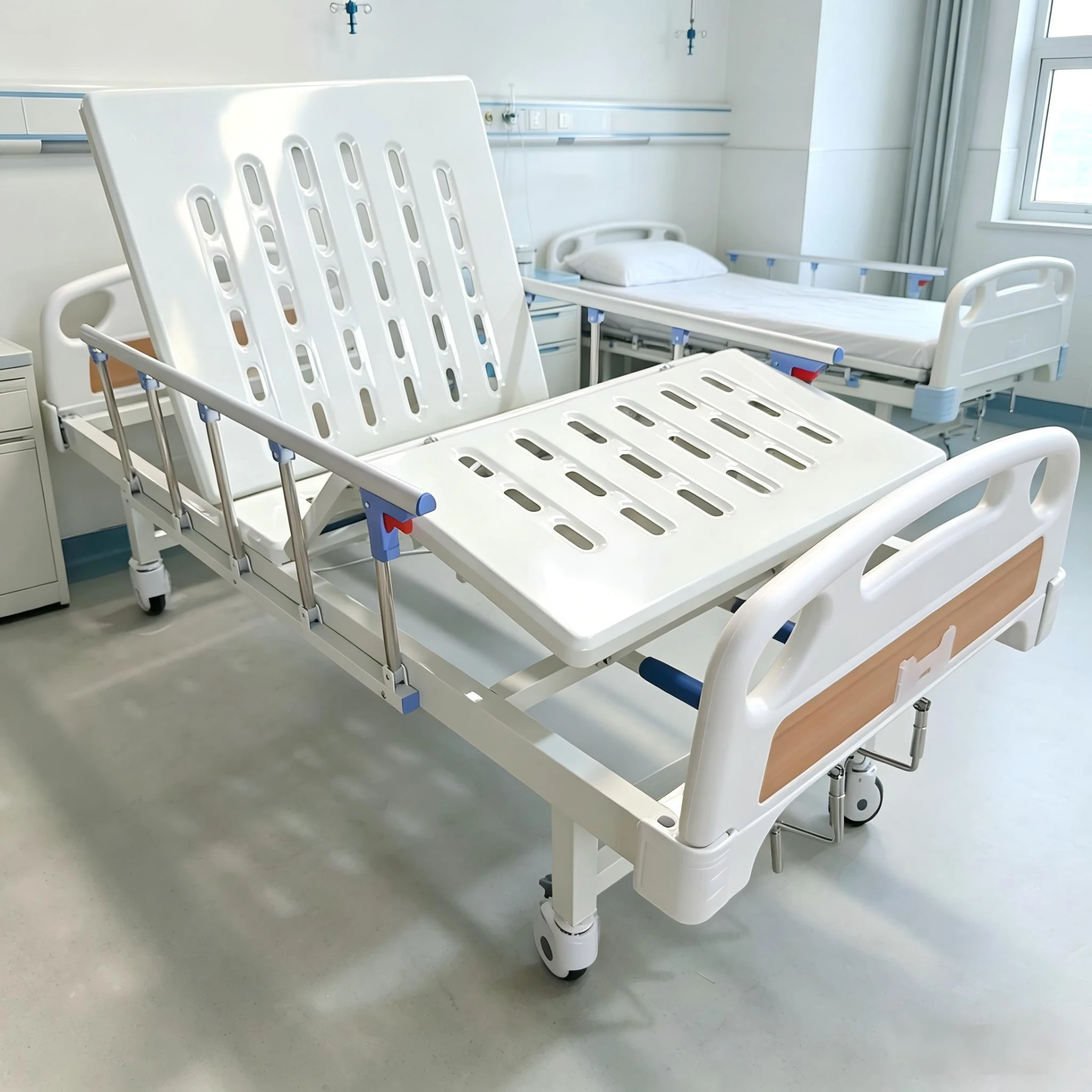
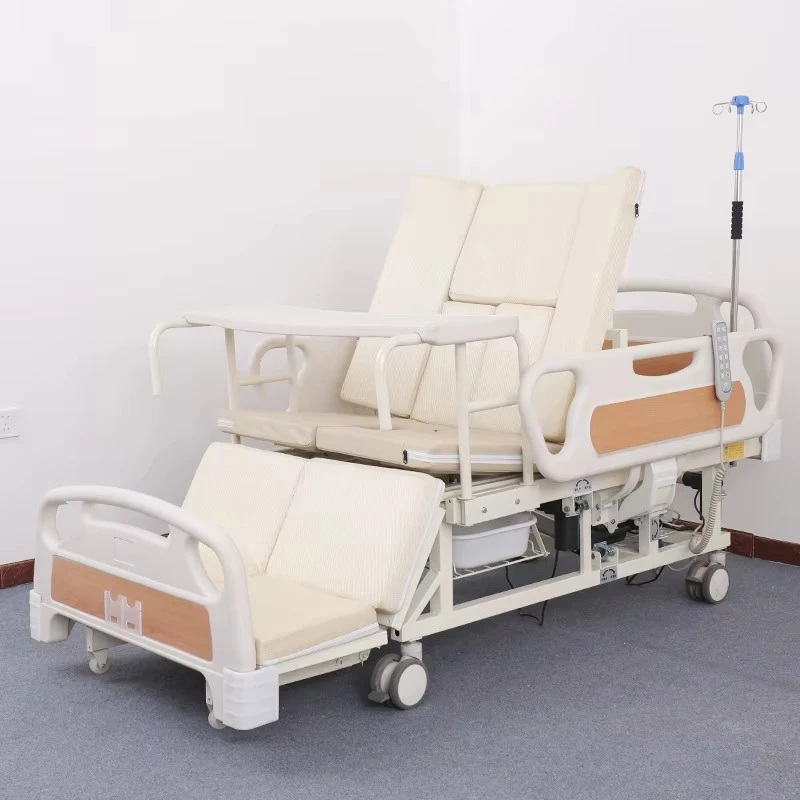
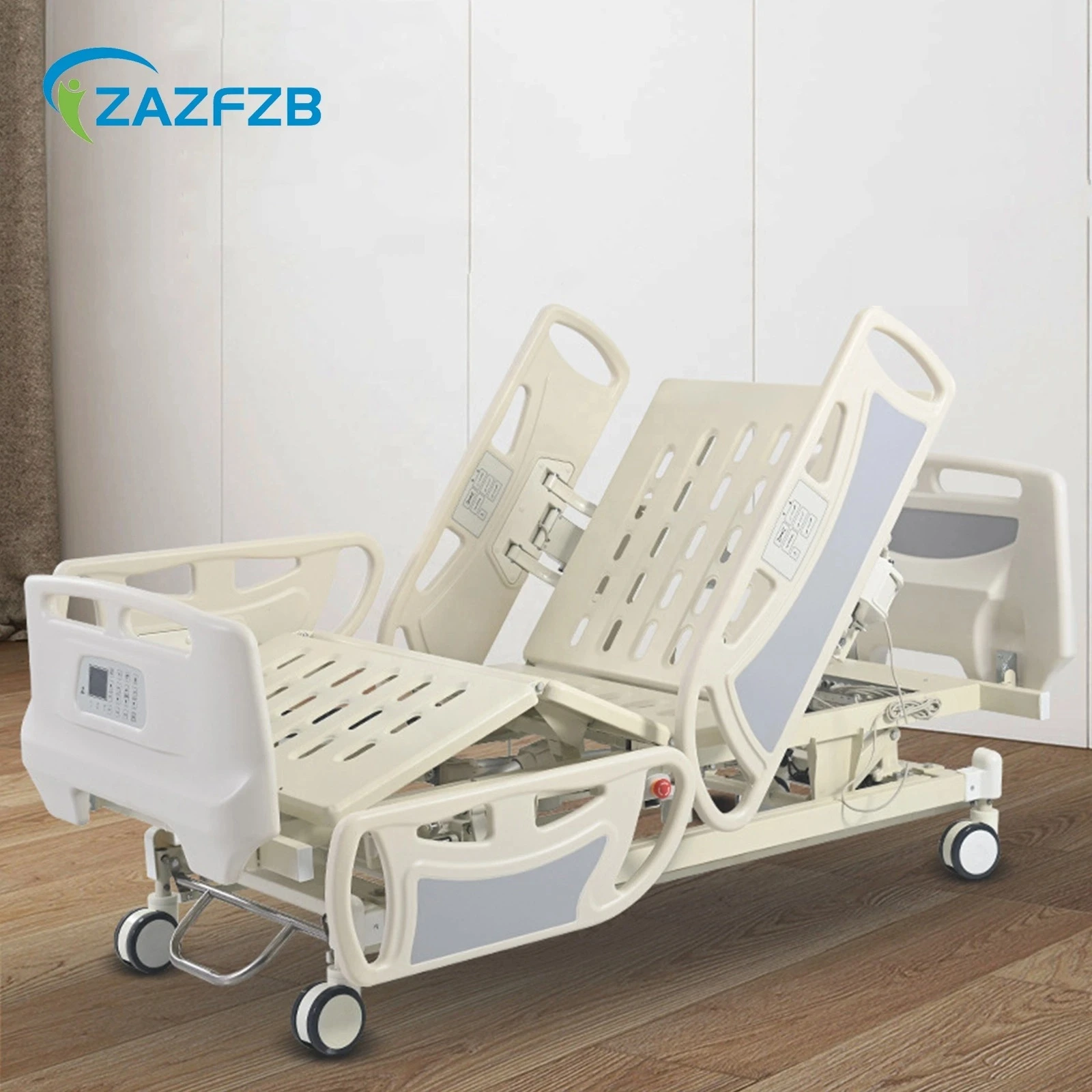
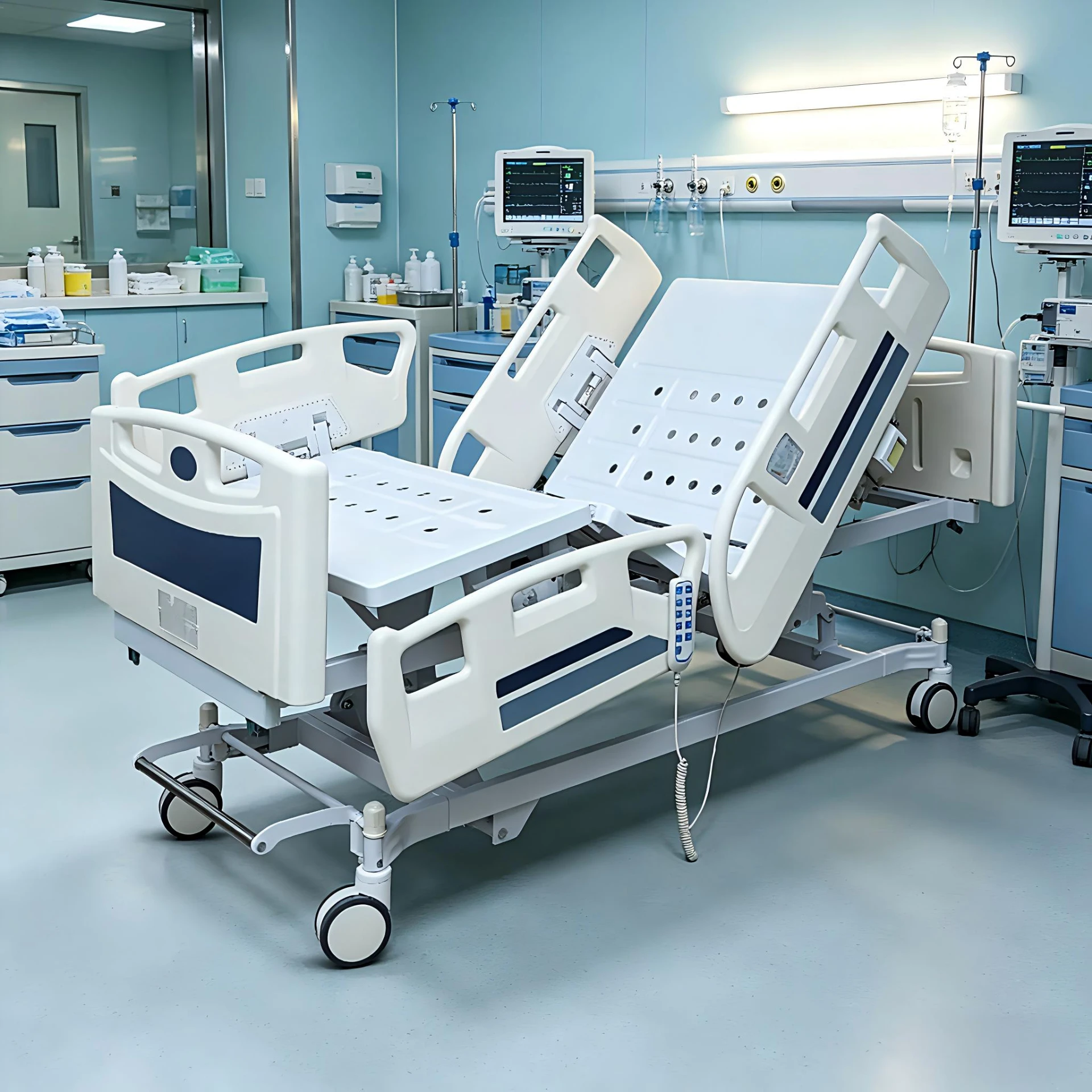
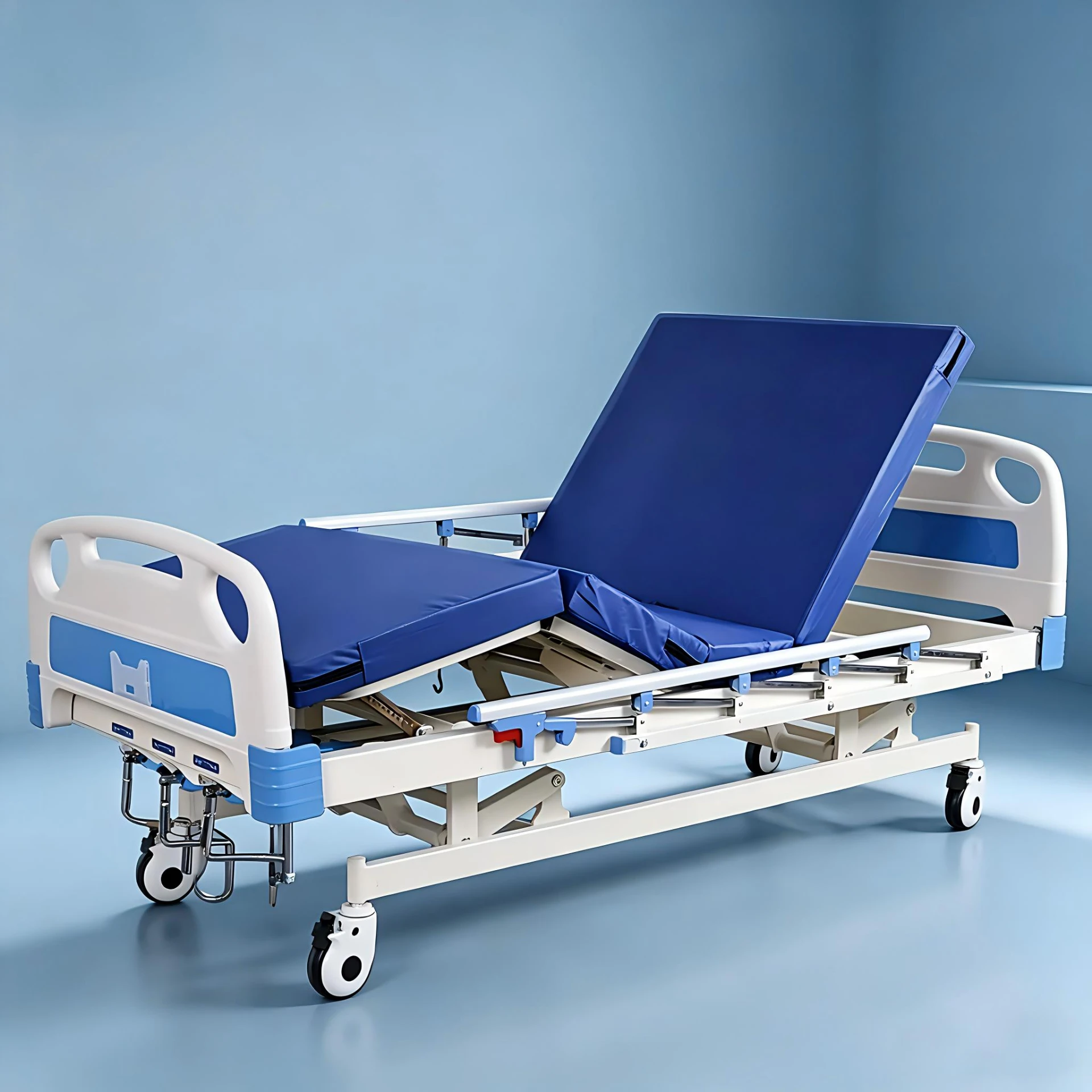
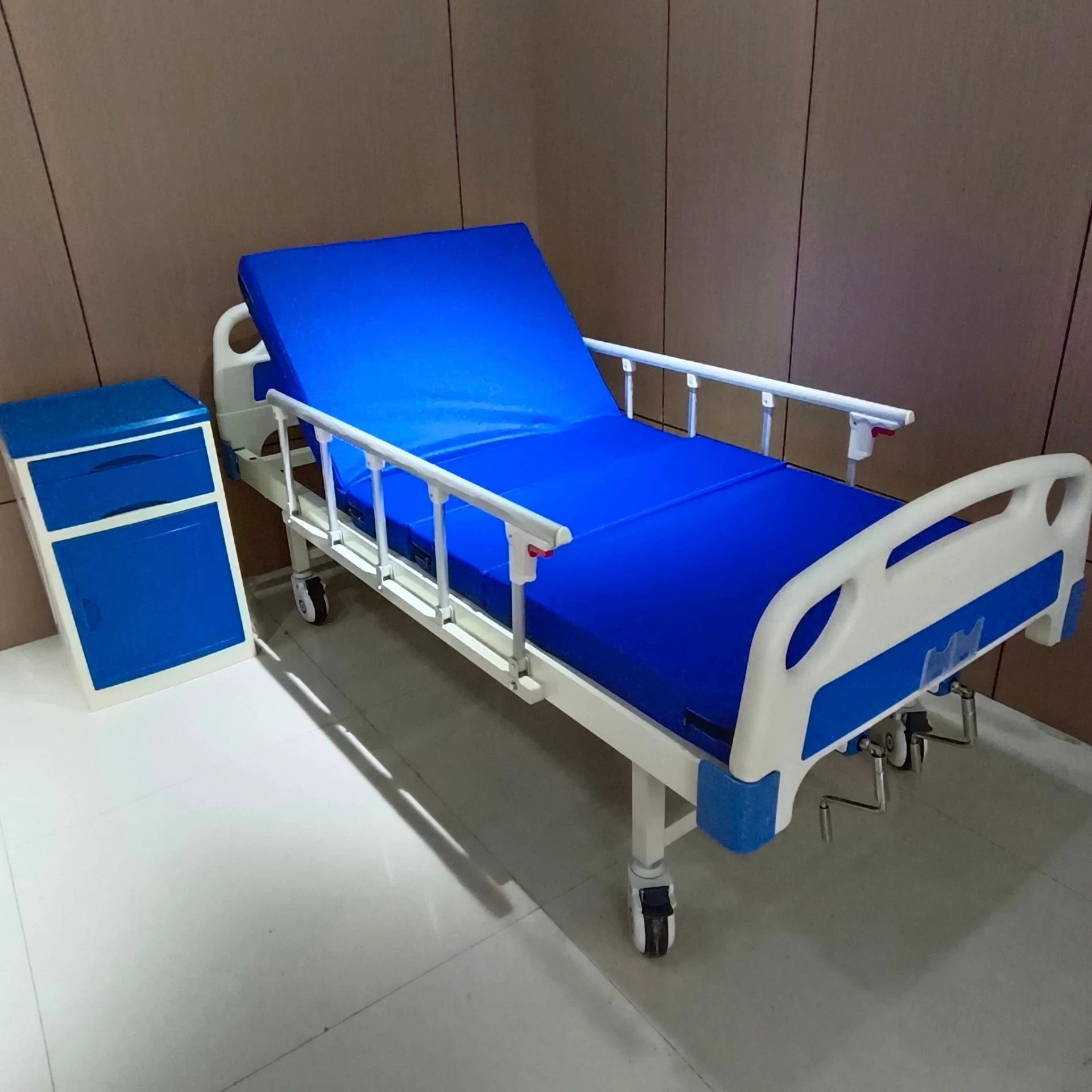
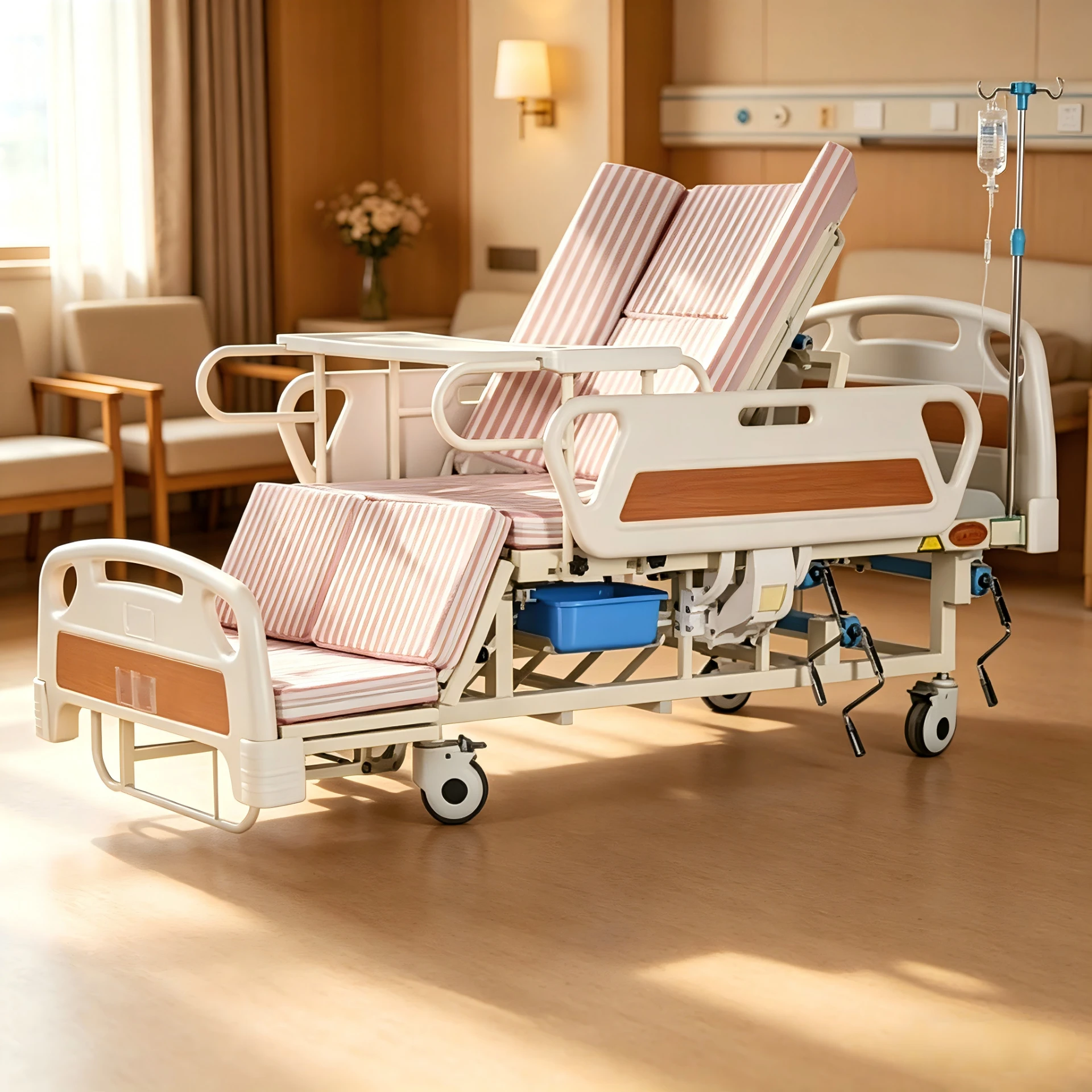
Simply put, nursing home beds are specialized hospital beds designed specifically for institutional senior care. They feature adjustable positions to ease patient movement, accommodate caregiving tasks, and reduce risk of injury. Unlike standard beds, these are engineered for durability, hygiene, and user-friendly operation—often incorporating rails, locking wheels, and electrical controls.
Beyond their physical design, these beds represent a convergence of technology and compassionate caregiving: enabling better sleep, easier feeding, safer rehabilitation, and sometimes integration with medical monitoring.
Key Factors in Nursing Home Beds
1. Durability
Given the constant use in busy care homes, nursing home beds must withstand heavy daily wear. High-grade steel frames, anti-corrosion coatings, and robust mechanisms ensure longevity over years—even decades.
2. Adjustability and Comfort
Electric or hydraulic systems allow caregivers to change bed height, backrest angle, and knee positions. This adjustability aids patient comfort, prevents pressure ulcers, and assists in physical therapy.
3. Safety Features
Side rails with secure lock mechanisms reduce fall risks without restricting mobility unduly. Beds also come with easy-to-operate brakes on wheels to keep the bed from moving unexpectedly.
4. Hygiene & Maintenance
Materials like antimicrobial coatings and washable mattresses reduce infection risks—an obsession during global pandemic times, frankly.
5. Cost Efficiency
There's often tension between cutting upfront costs and investing in higher-quality beds. Wise facilities select beds balancing price with long-term reliability to minimize replacement and repair expenses.
| Feature | Detail / Range |
|---|---|
| Adjustability | Height (40-80 cm), backrest up to 70° |
| Weight Capacity | Standard up to 150 kg, bariatric models >250 kg |
| Material | Powder-coated steel frame, ABS plastic parts |
| Power Supply | AC mains, battery backup optional |
| Safety Features | Side rails, emergency release brakes |
Mini takeaway: Nursing home beds are thoughtfully engineered for a blend of durability, safety, and user comfort—critical for delivering quality elderly care in any setting.
Global Applications & Use Cases
In North America and Europe, nursing home beds are standard in eldercare facilities and rehab centers, playing a role well beyond patient comfort—they mitigate falls and help nursing staff perform hygiene and medical procedures efficiently. In Asia, rapid urbanization and aging have triggered a surge in demand for these beds across nursing homes and hospitals.
Oddly enough, similar bed designs have also been adopted in post-disaster shelters, humanitarian camps, and even remote mining camps where makeshift care is required. For example, after the 2015 Nepal earthquake, NGOs supplied adjustable beds to temporary clinics to improve patient outcomes dramatically.
Vendor Comparison: Nursing Home Beds
| Vendor | Key Features | Price Range (USD) | Warranty | Notes |
|---|---|---|---|---|
| ZhaoFamed Health | Electric adjustment, antimicrobial mattress | $700 – $1,200 | 2 years | Good for mid-size homes; visit site |
| CarePro Beds | Bariatric options, manual and electric types | $900 – $2,000 | 3 years | Robust build with wider applications |
| EasyCare Solutions | High-tech control panels, foldability | $1,100 – $1,800 | 2 years | Modern and sleek; suited for upscale facilities |
Advantages & Long-Term Value
Clearly, there’s a lot to gain with thoughtfully designed nursing home beds. First, they improve patient safety by reducing fall risk and facilitating mobility. Families feel reassured knowing their loved ones rest in beds that support healing and comfort. Institutions benefit from reduced maintenance costs and lower patient complication rates. The emotional and social dividends of providing dignity through quality bedding can't be overstated — it fosters trust and improves overall satisfaction for residents and caretakers.
Future Trends & Innovations
Looking ahead, the nursing home beds market is embracing digital transformation. Smart beds with integrated sensors can monitor vitals and movement—alerting staff to patient distress early. Environmentally, manufacturers are experimenting with sustainable materials like bamboo composites or recycled metals to meet green building codes.
Also, modular, lightweight designs increasingly incorporate IoT connectivity for remote monitoring and predictive maintenance—the future leans on automation and data-driven care. I suppose these innovations will redefine care standards in coming years.
Challenges & Solutions
Despite advances, challenges linger: affordability is a barrier in many low-income regions; inconsistent quality control sometimes plagues lesser-known suppliers; and caregiver training to use advanced beds properly isn’t universal. To overcome these, international standards like ISO 60601-2-52 help regulate electrical safety and performance. NGOs and governments can assist via subsidized procurement and capacity building to maximize benefits.
FAQ: Frequently Asked Questions About Nursing Home Beds
- Q: What features are most important when choosing a nursing home bed?
A: Adjustable height, reliable safety rails, ease of cleaning, and durability rank highest. Also consider weight capacity and power backup in electric models. - Q: How do nursing home beds help prevent bedsores?
A: By allowing repositioning and pressure relief adjustments, these beds reduce prolonged pressure on skin, a key cause of ulcers. - Q: Are there eco-friendly nursing home beds?
A: Yes, some manufacturers use recyclable metals and organic mattress materials while meeting healthcare standards. - Q: Can nursing home beds be customized for special patient needs?
A: Absolutely. Options include bariatric strength frames, side rail designs, and integrated monitoring for high-dependency patients. - Q: Is it difficult to train staff on advanced nursing home beds?
A: For the most part, training is straightforward, especially with supplier support. Many beds have intuitive controls to simplify use.
Conclusion
Ultimately, nursing home beds are indispensable tools in caring for our aging population. They enable not only comfort but dignity and security—core to compassionate care. For anyone involved in eldercare facilities, understanding these beds’ specifications, applications, and future prospects is crucial.
If you’re considering upgrades or purchasing, visit our website to explore wide-ranging solutions tailored to various care settings. Investing in quality nursing home beds today pays off in well-being and peace of mind tomorrow.
— It feels like the small advances in bed technology quietly change lives every day, often unnoticed but deeply felt in recovery and daily comfort.