Comprehensive Guide to Beds for the Elderly at Home: Comfort, Safety & Innovations
Beds for the Elderly at Home: Enhancing Comfort and Safety in Everyday Living
When we talk about beds for the elderly at home, it's more than just furniture—it's about dignity, safety, and quality of life. Globally, as populations age, this topic gains even more weight. According to the United Nations, the number of people aged 60 and over is expected to double by 2050, reaching almost 2.1 billion worldwide. So, understanding the importance and nuances of such beds isn’t merely academic; it’s a real-world priority for caregivers, healthcare providers, and families alike.
Why should this matter to you? Because a thoughtfully designed bed can reduce fall risks, ease caregiver duties, and vastly improve the day-to-day comfort of elderly individuals living at home. As it turns out, having the right bed is not just convenience—it’s health, safety, and peace of mind bundled together.
Introduction: The Growing Need for Elderly Beds Globally
Elder care is a pressing global challenge shaped by demographic shifts, healthcare costs, and evolving family dynamics. The World Bank estimates that by 2030, nearly 1 in 6 people worldwide will be over 60 years old. That’s a staggering increase from past decades and a signal of growing demand for products and solutions that support independent living.
One particular challenge is creating living environments that accommodate age-related mobility declines and chronic health issues. Here’s where beds for the elderly at home come into focus: they directly address safety risks like bed falls, pressure sores, and nighttime wandering—often overlooked but critical concerns. Essentially, the right bed becomes a frontline defense in elderly care.
Defining Beds for the Elderly at Home
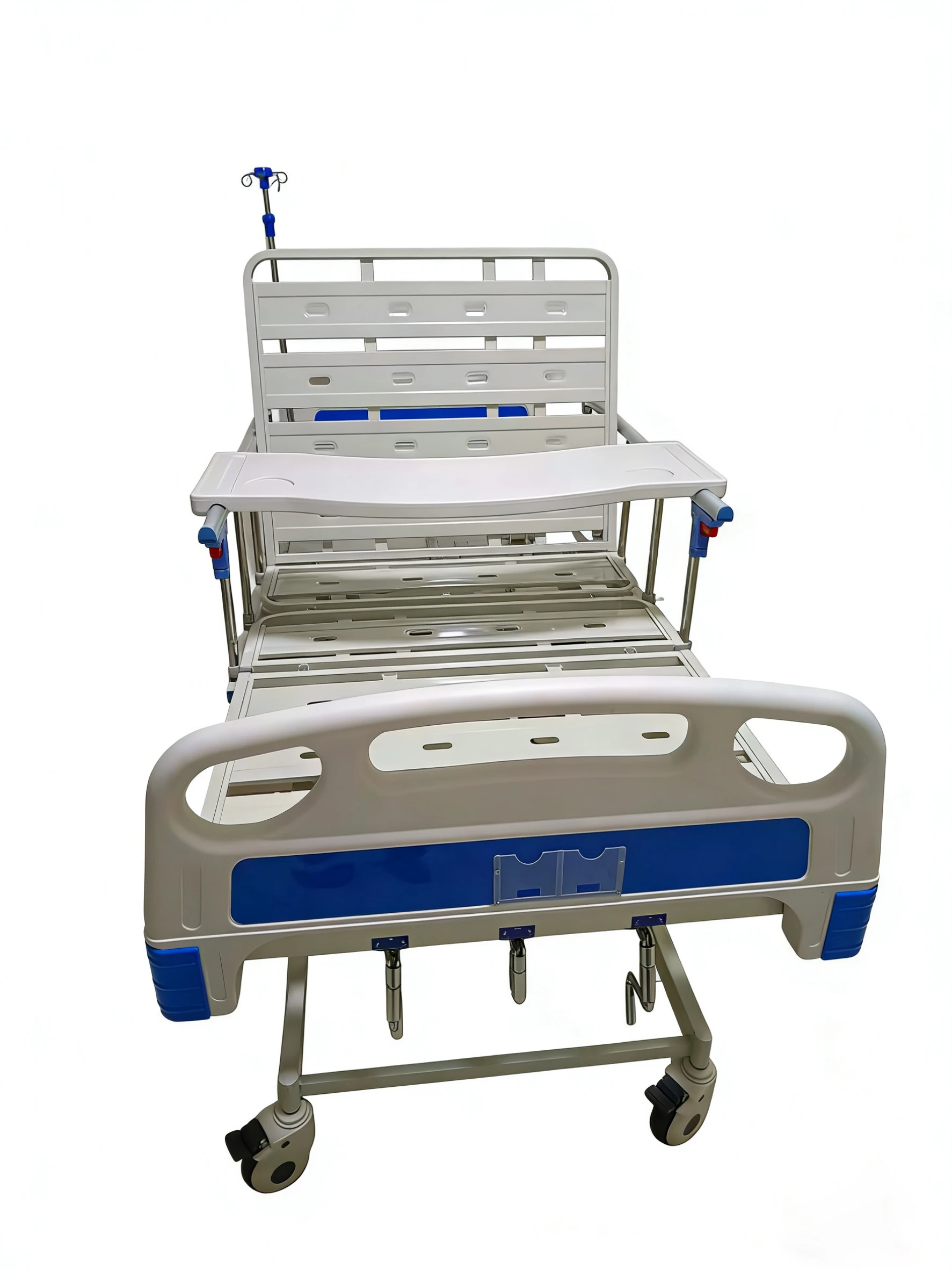
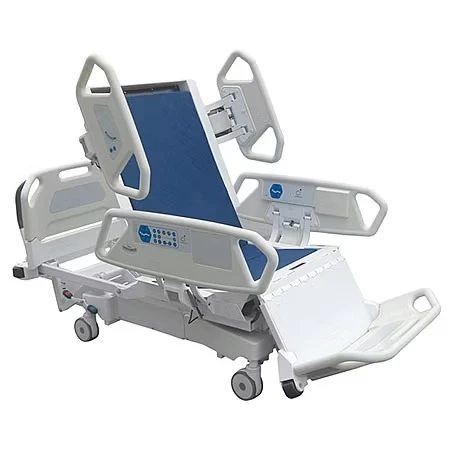
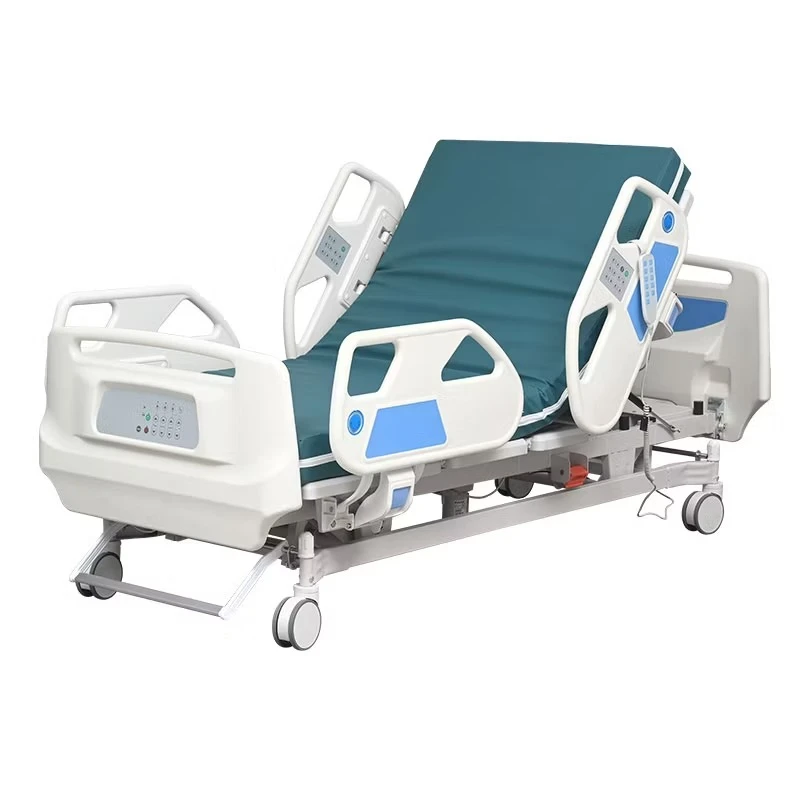
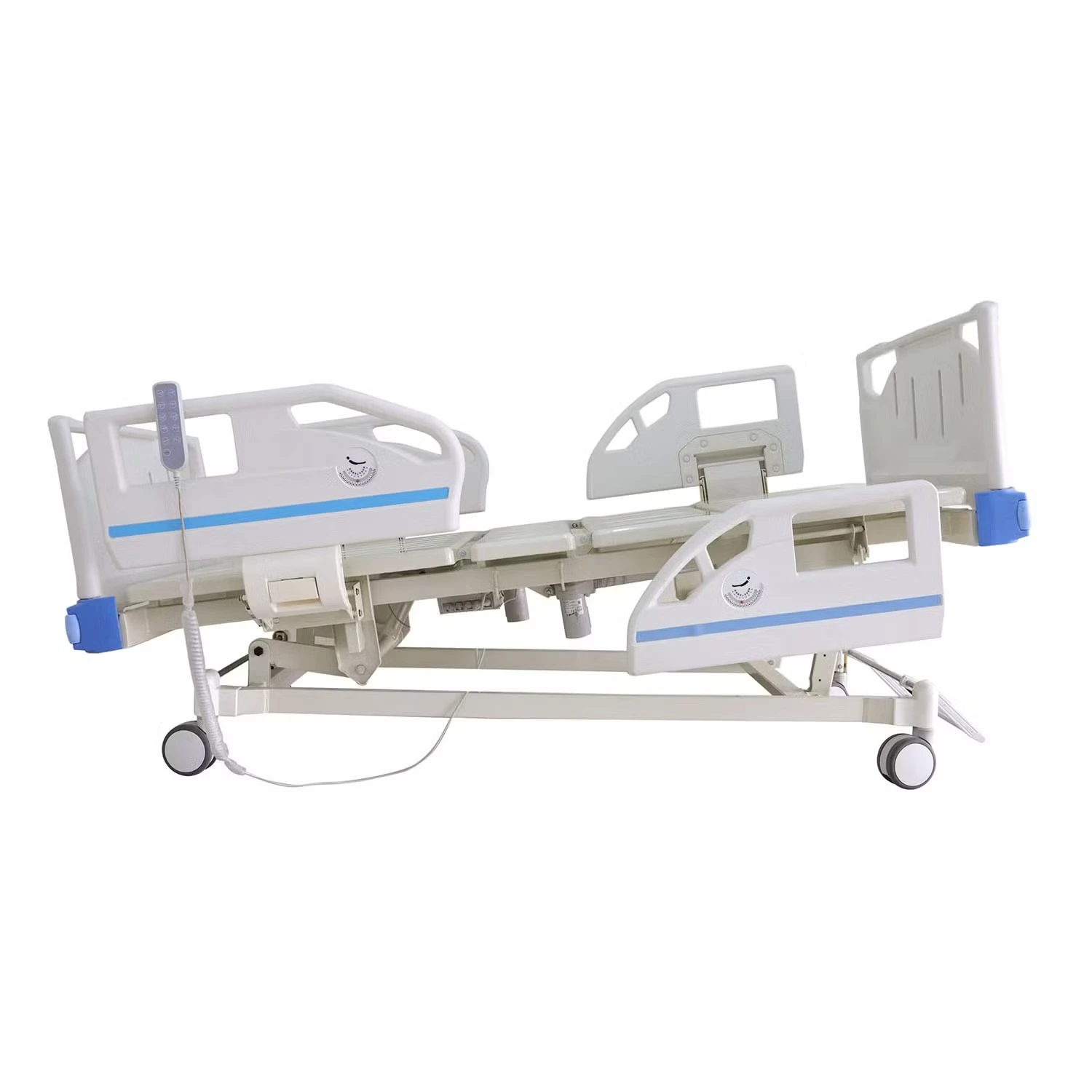
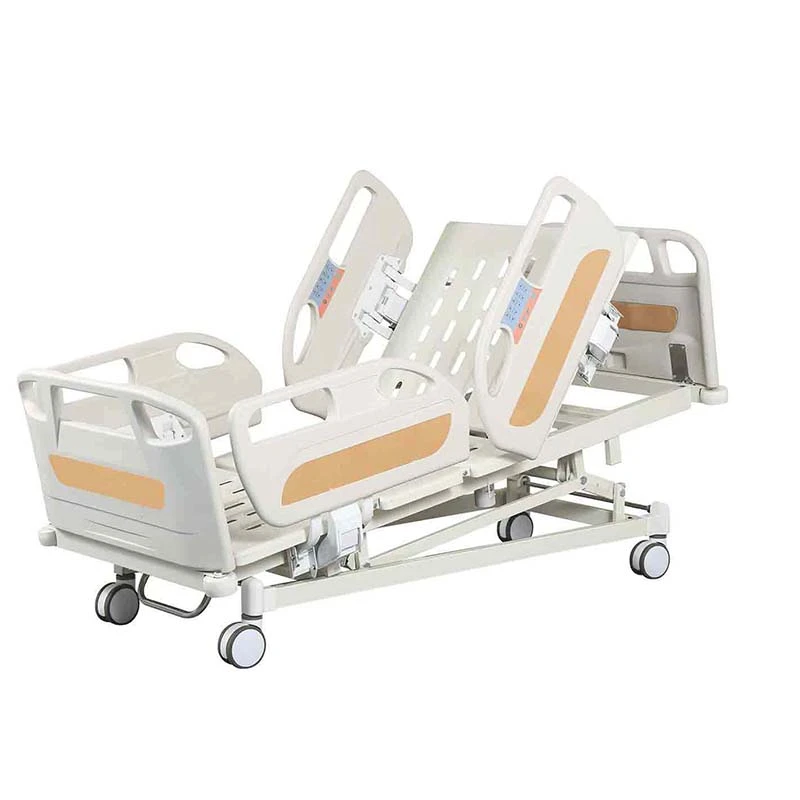
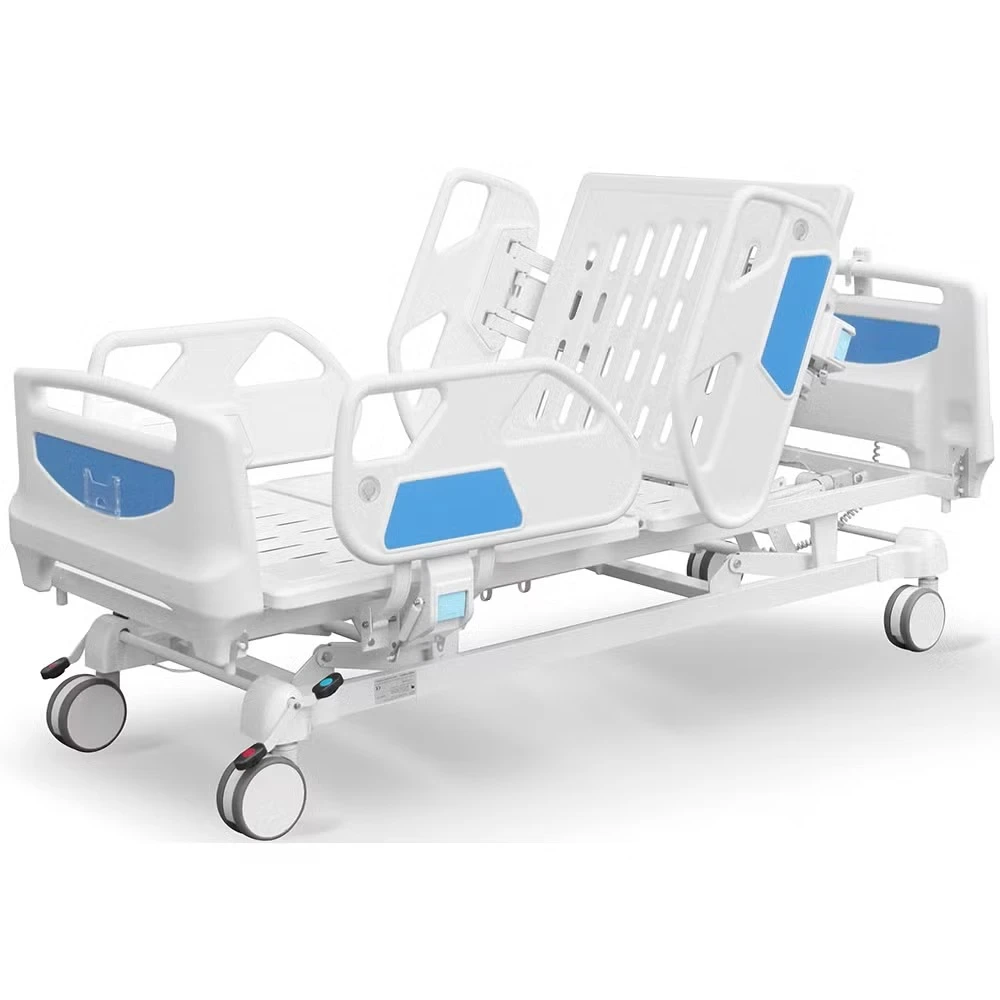
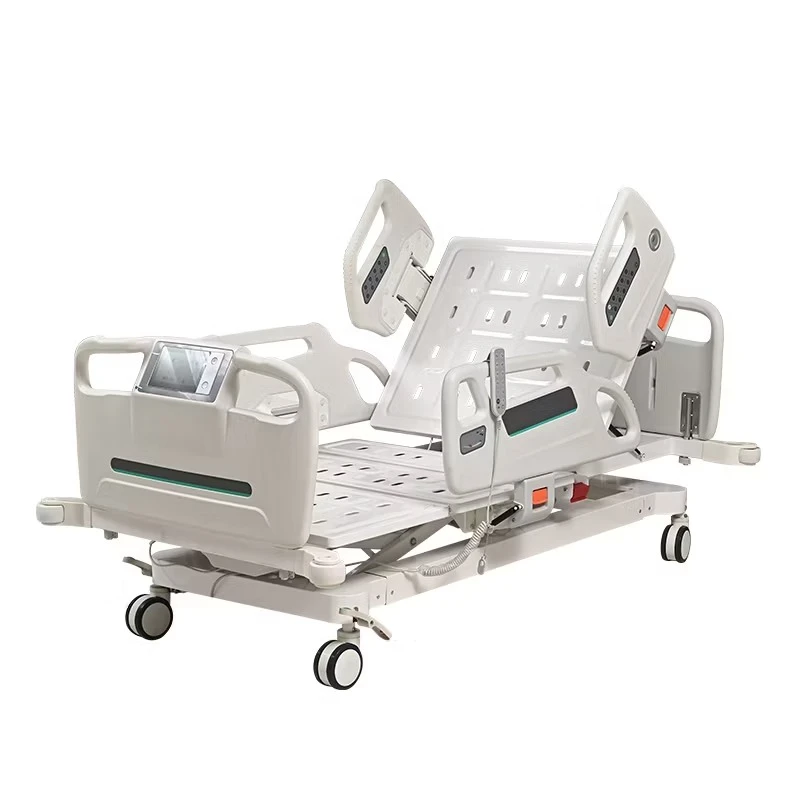
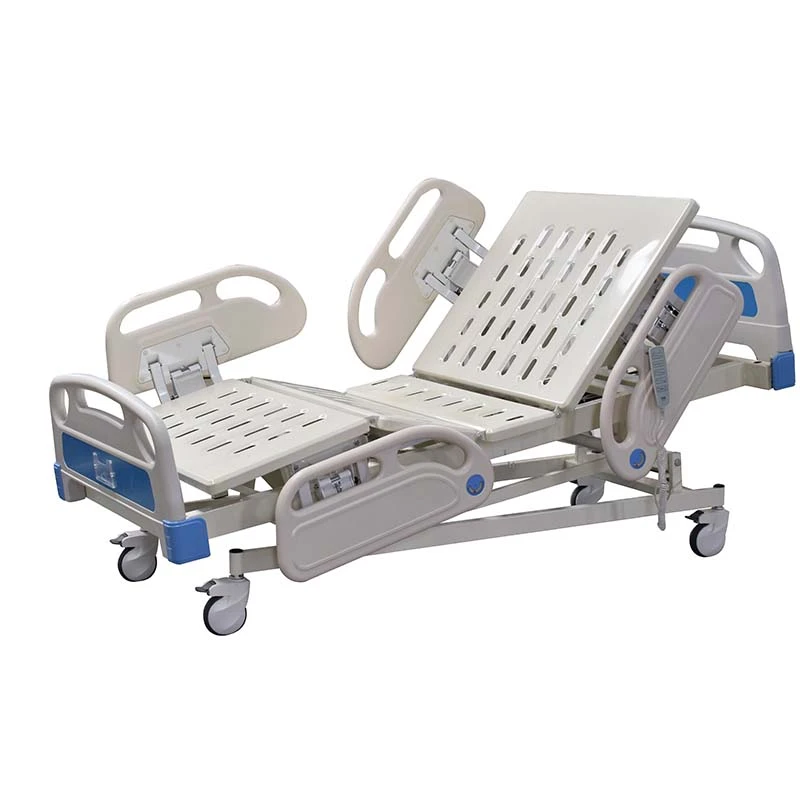
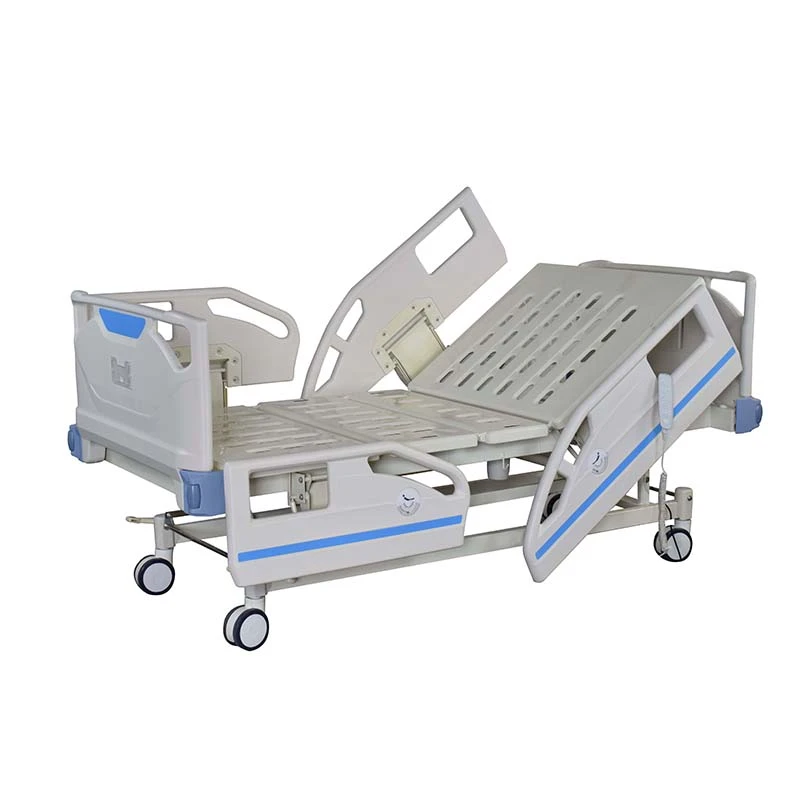
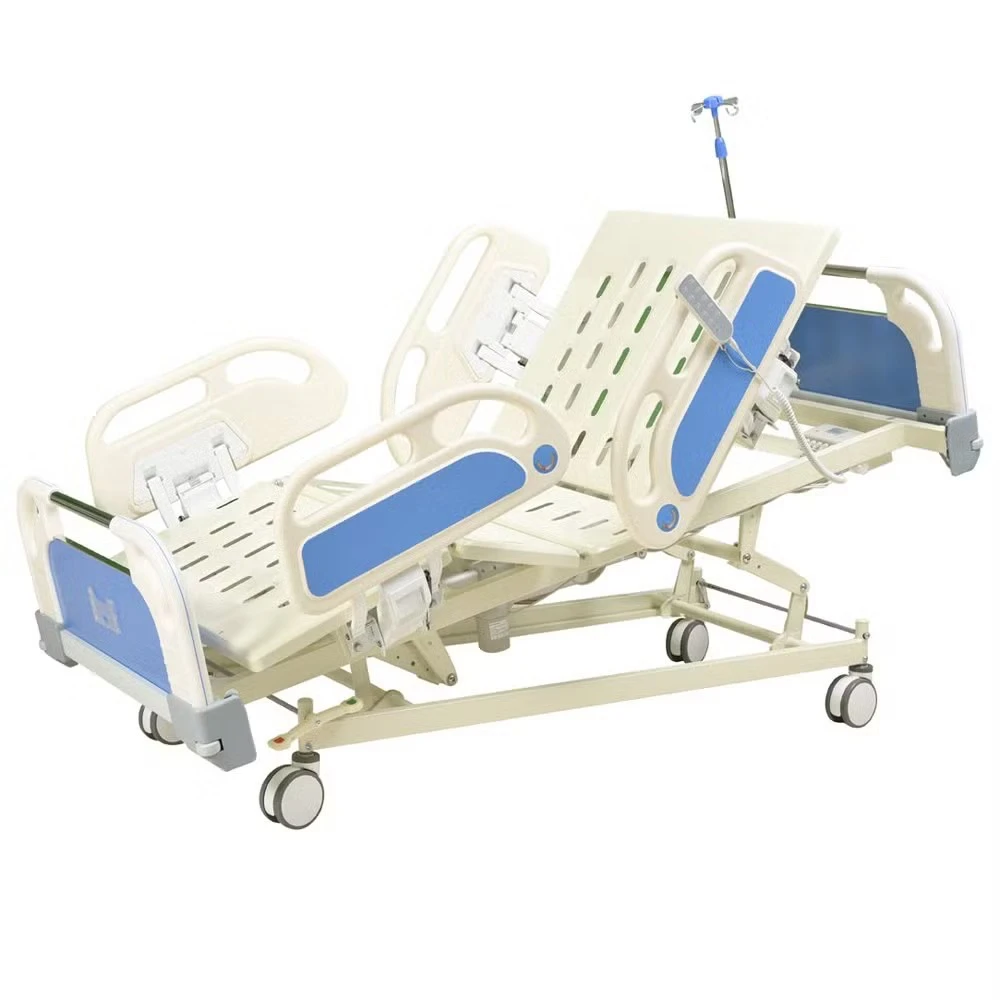
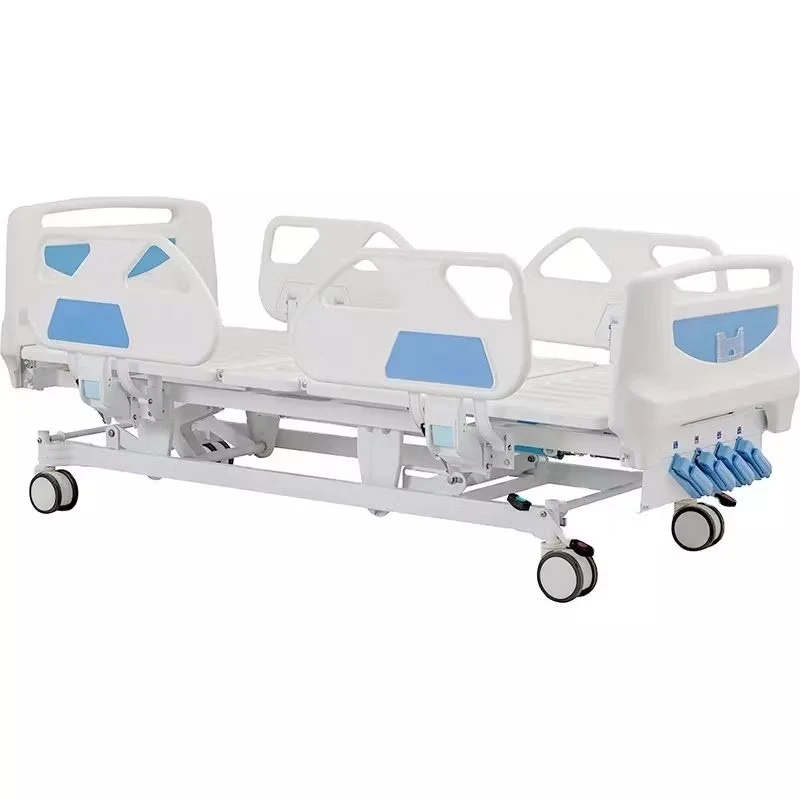
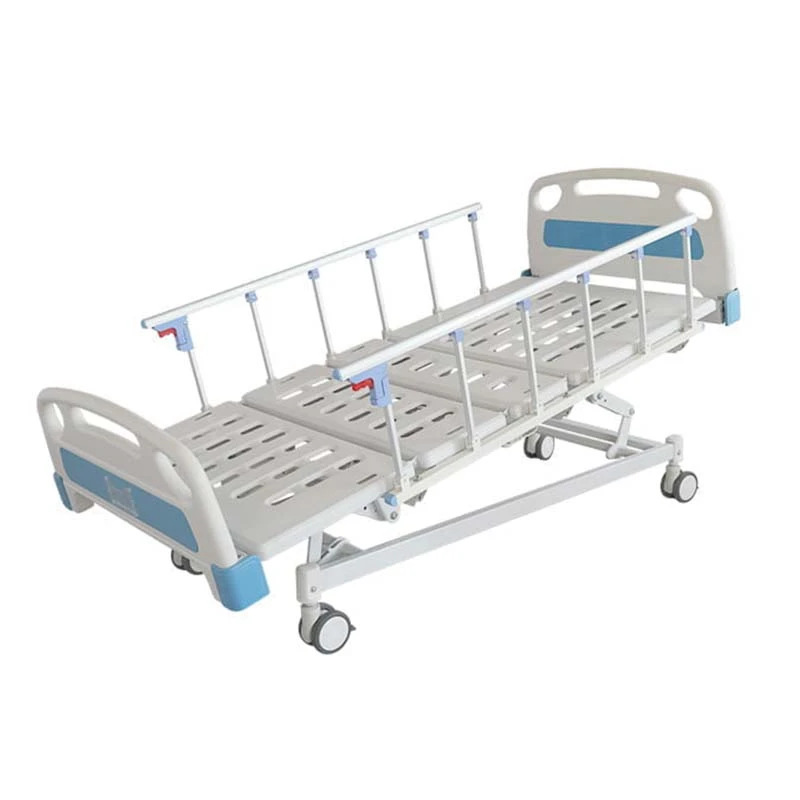
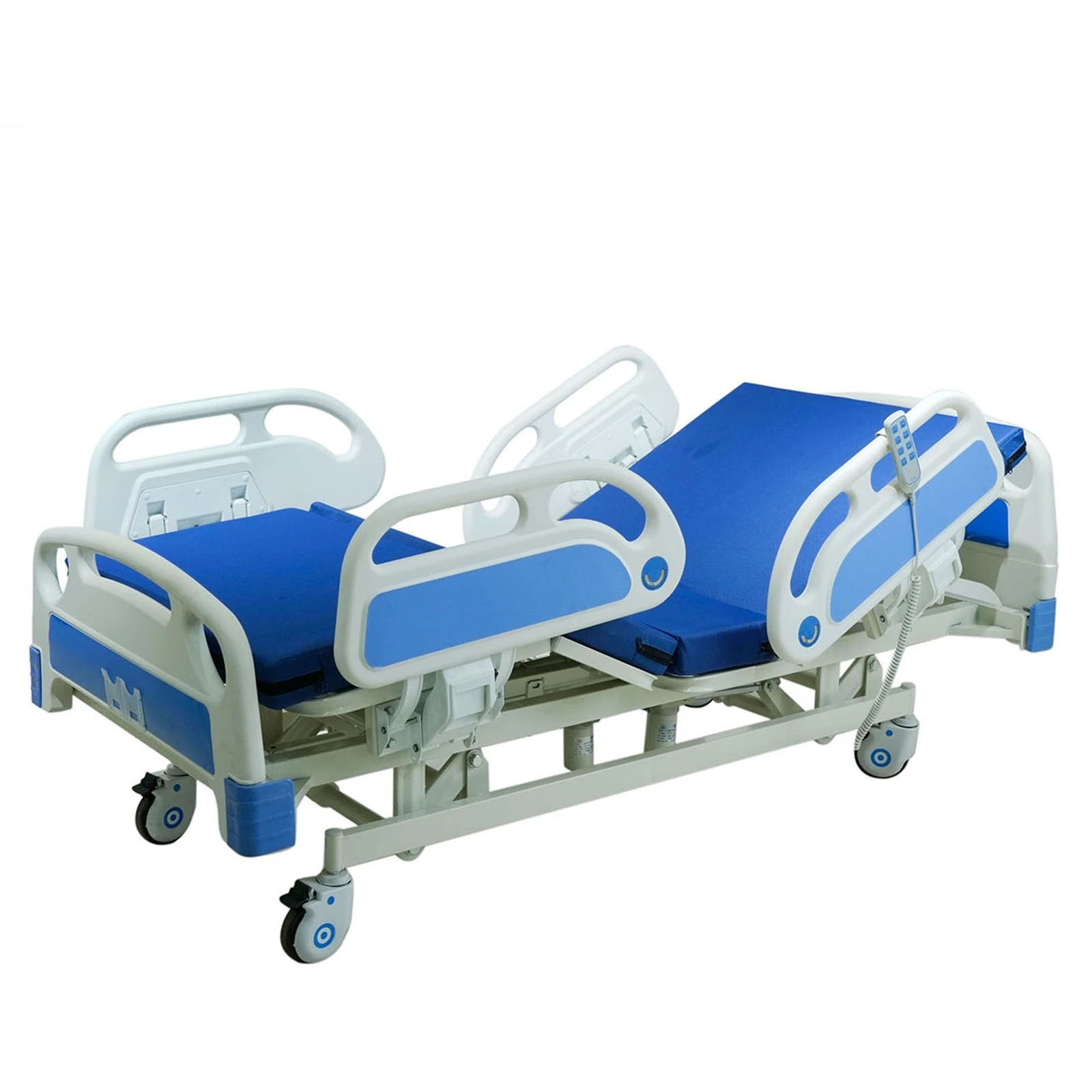
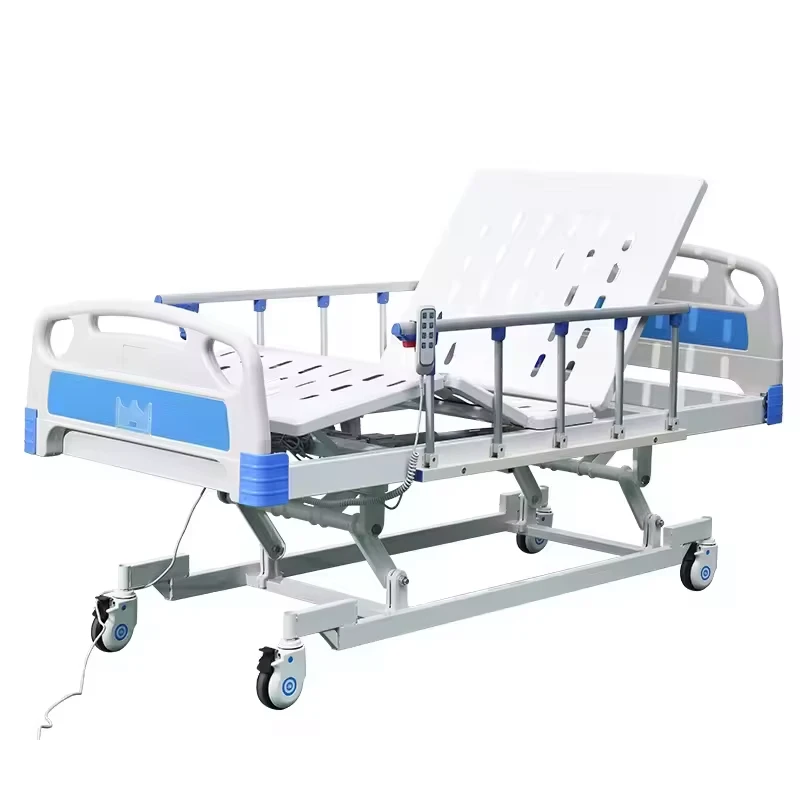
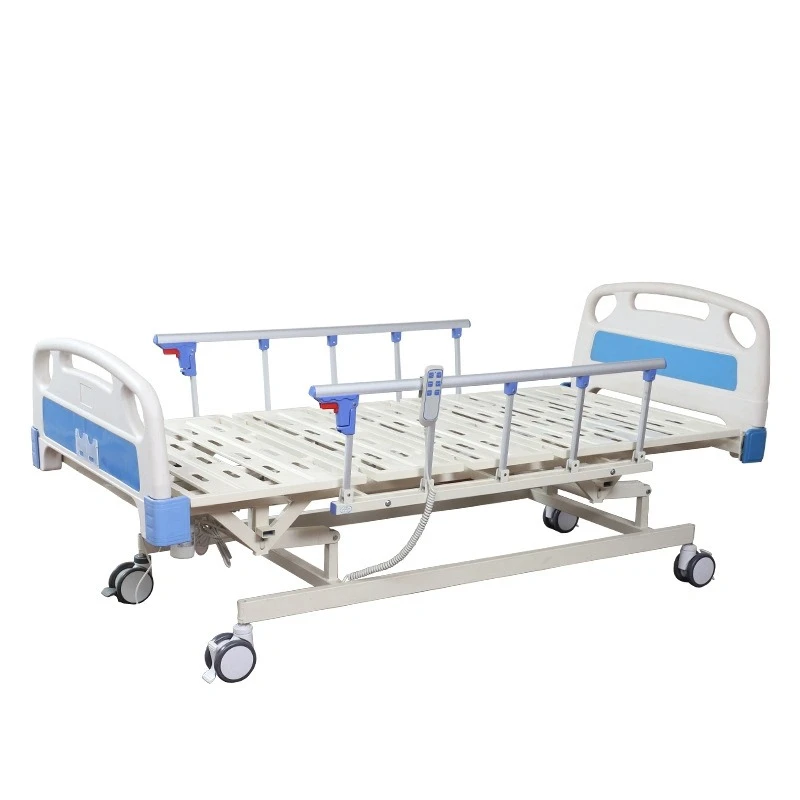
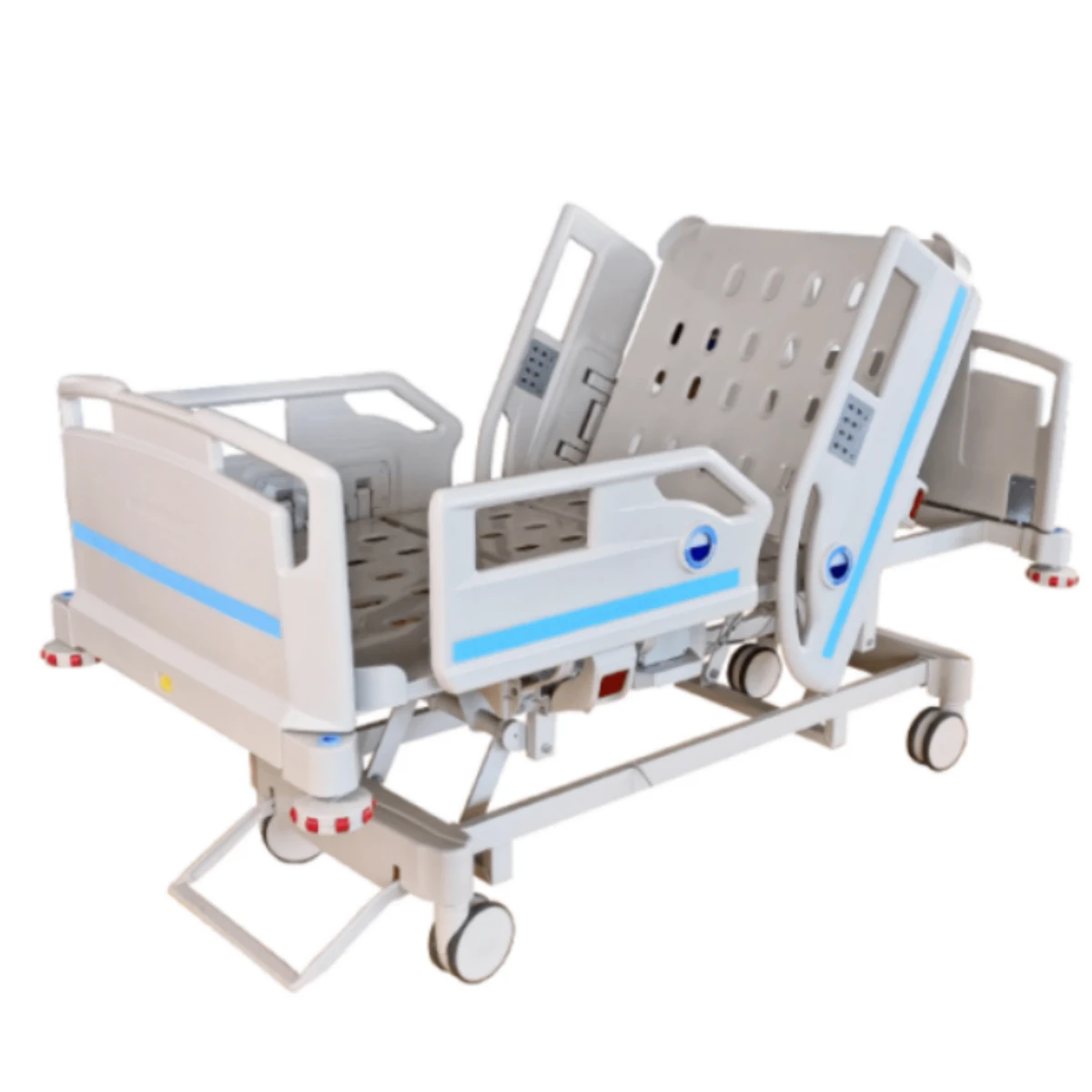
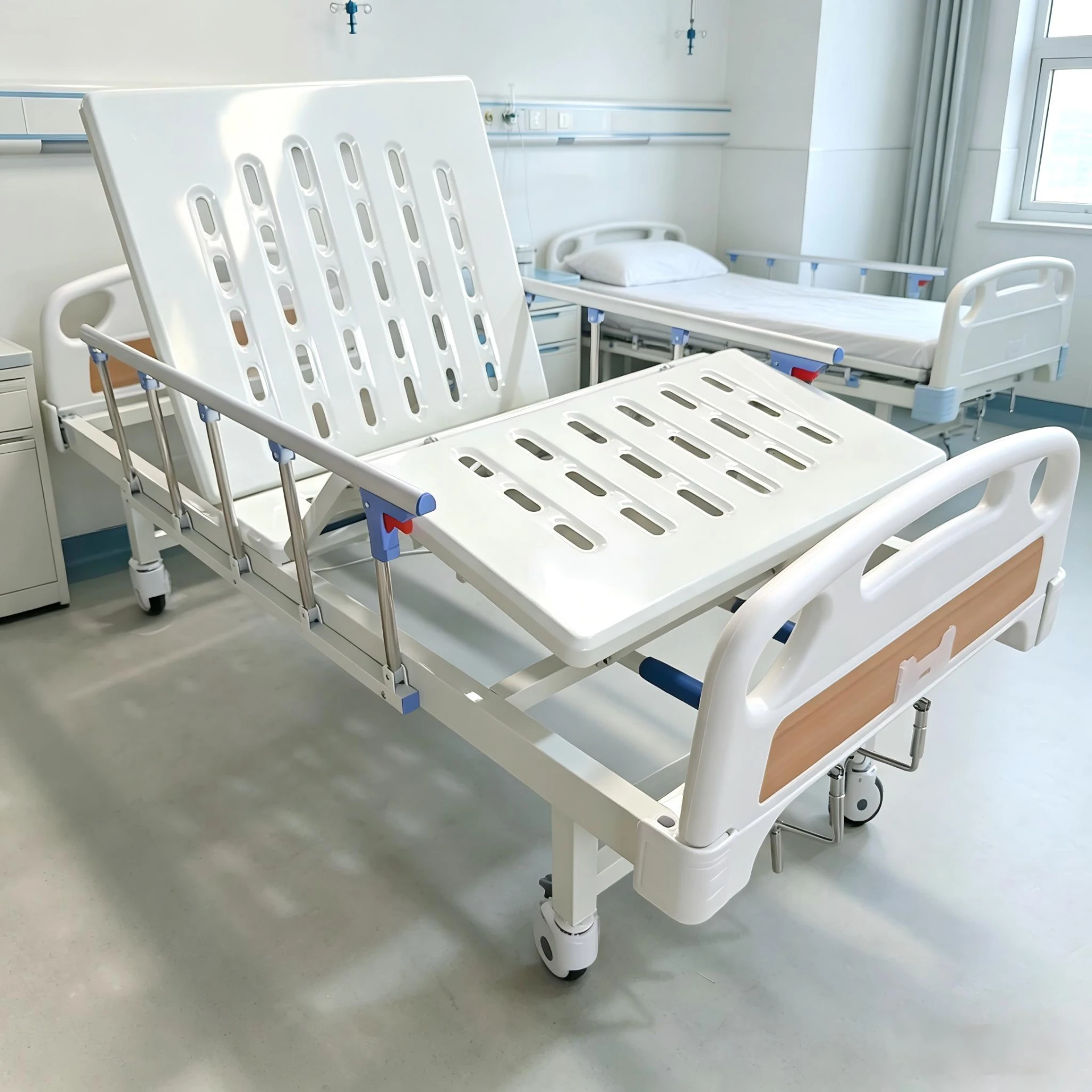
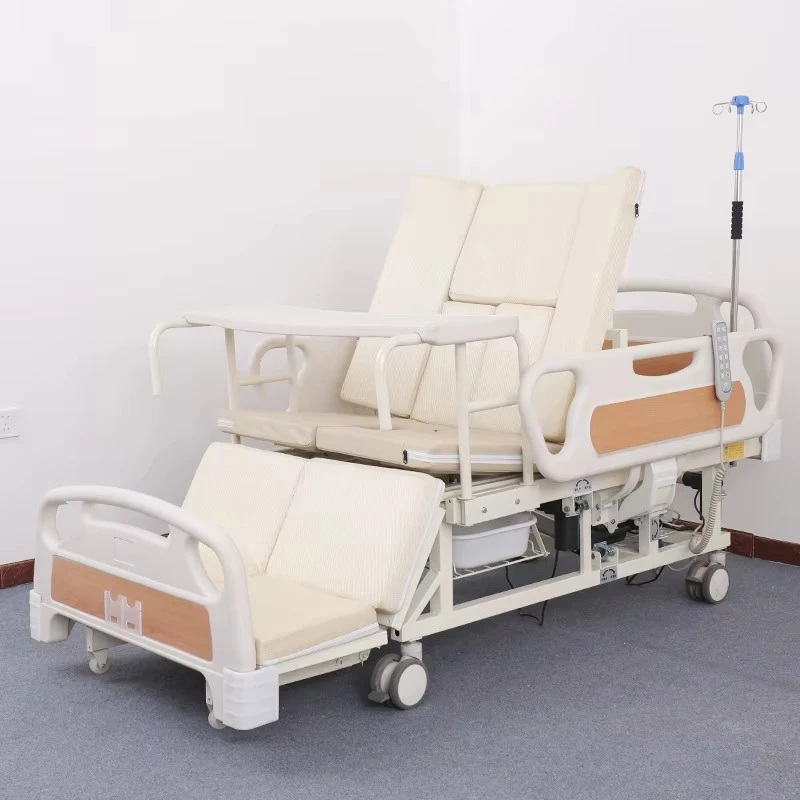
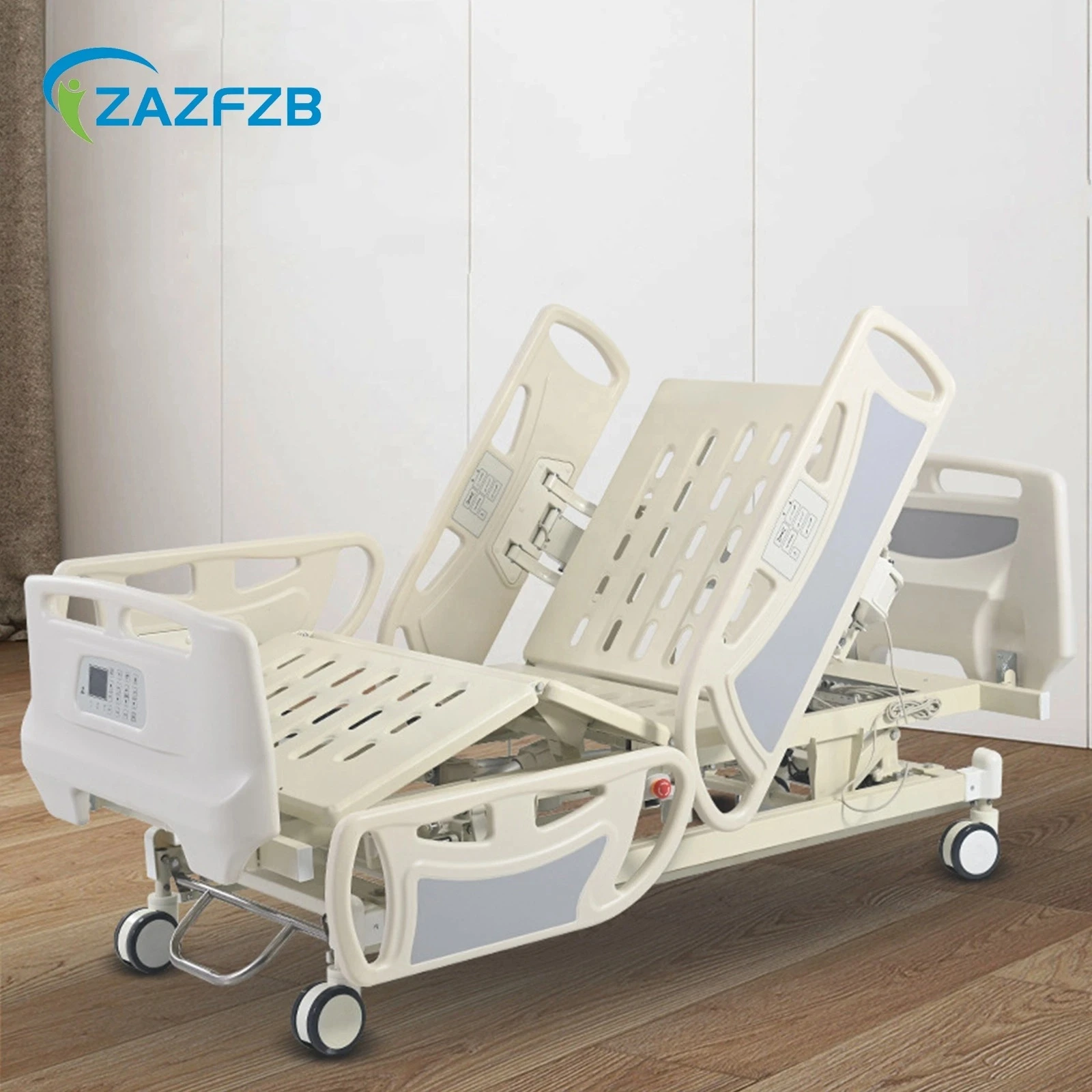
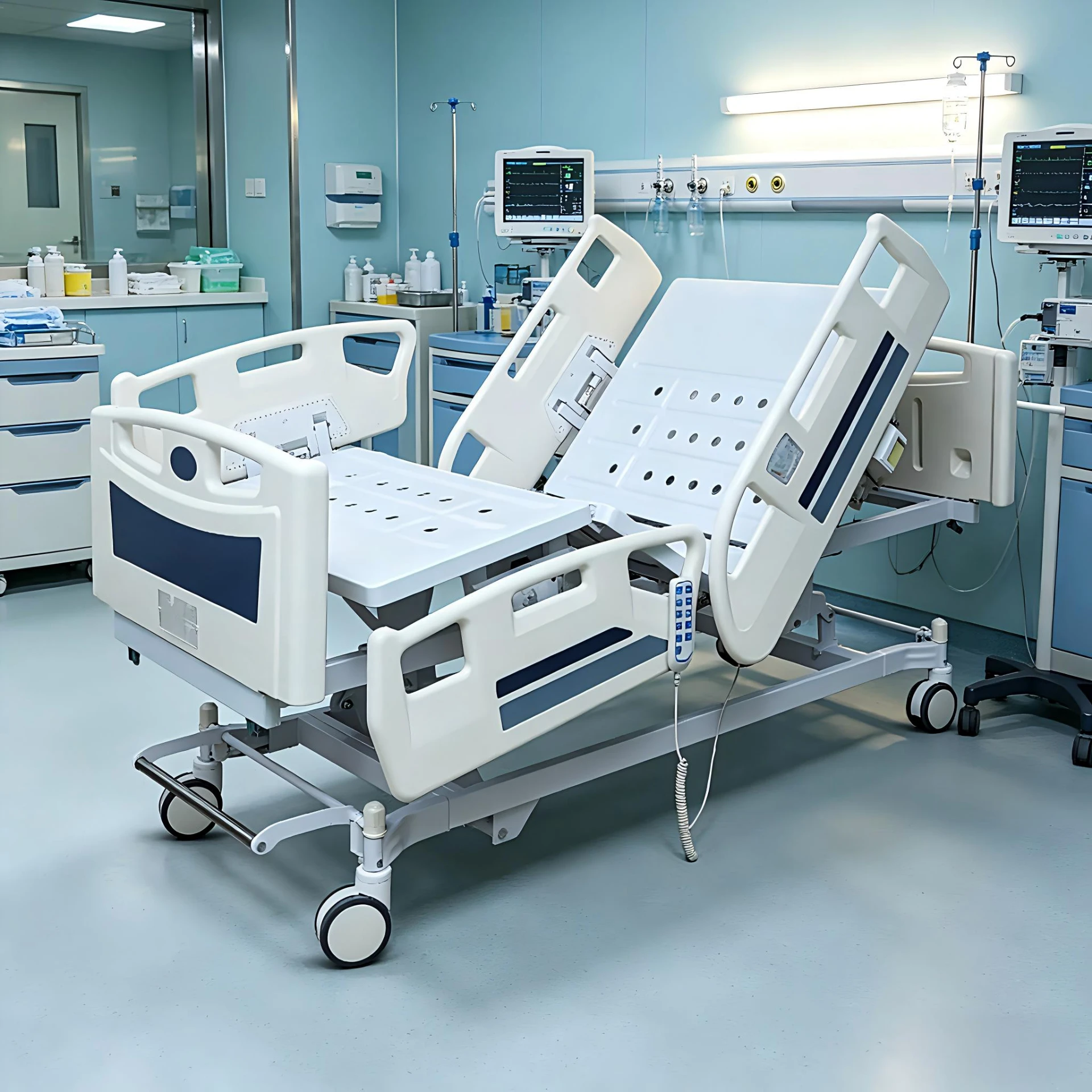
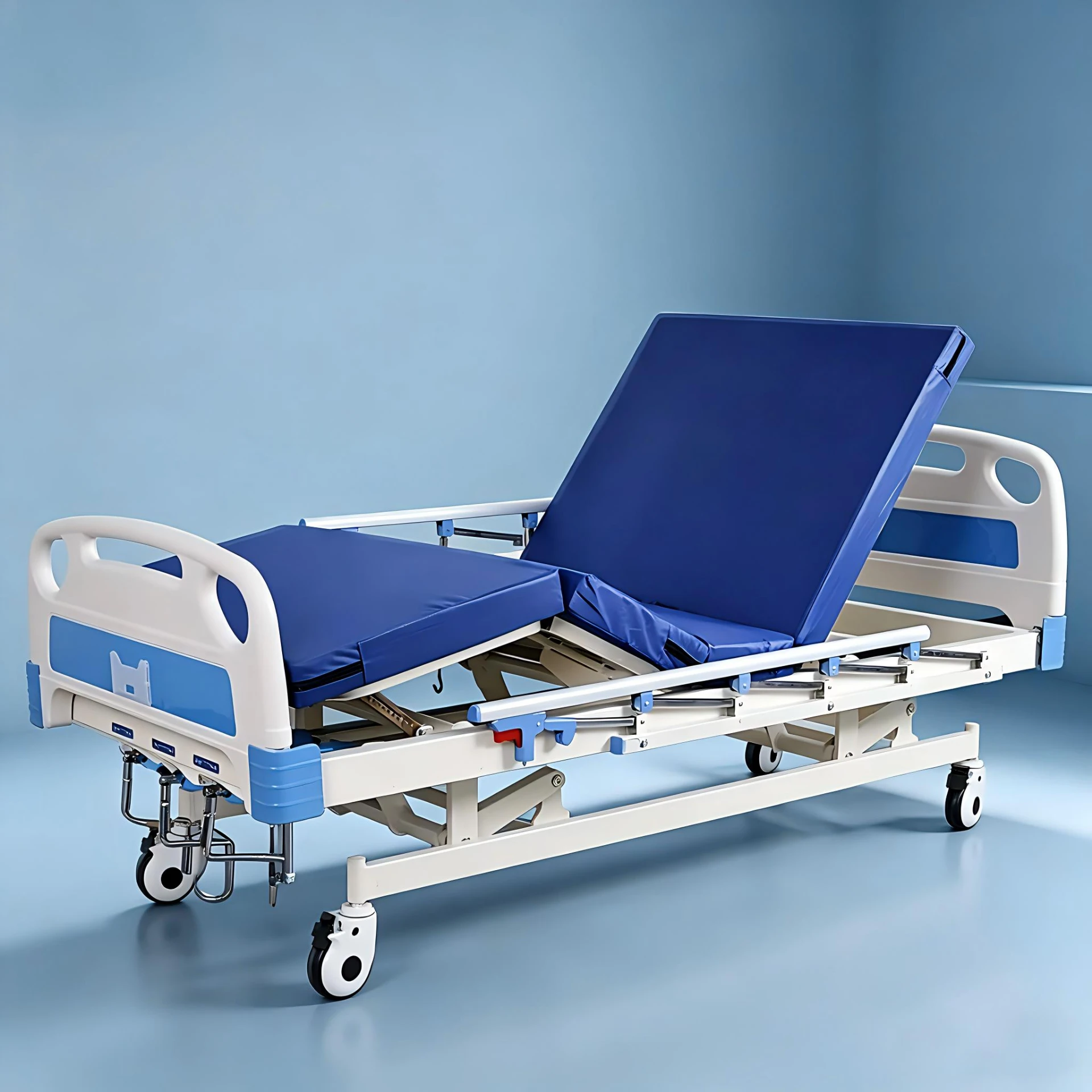
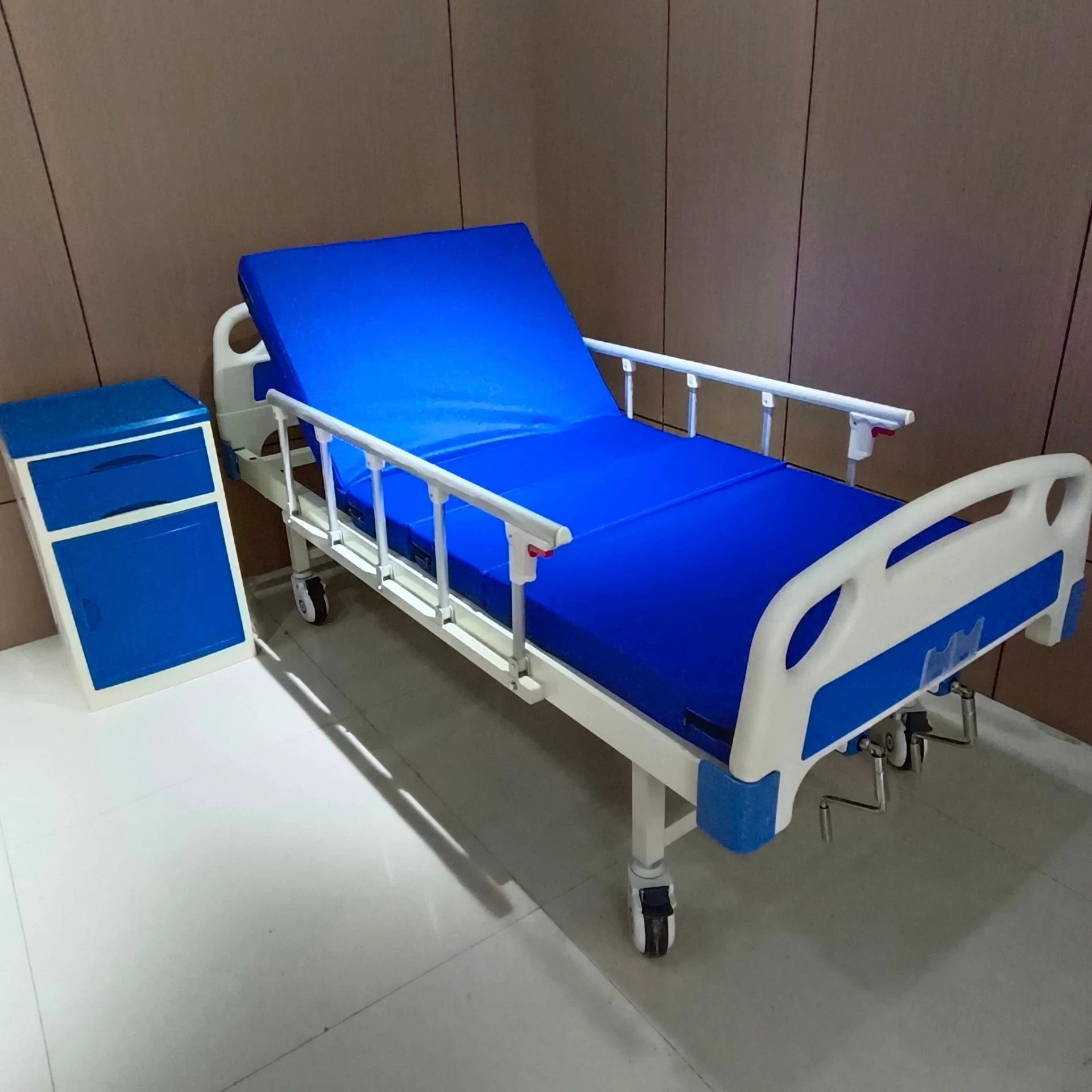
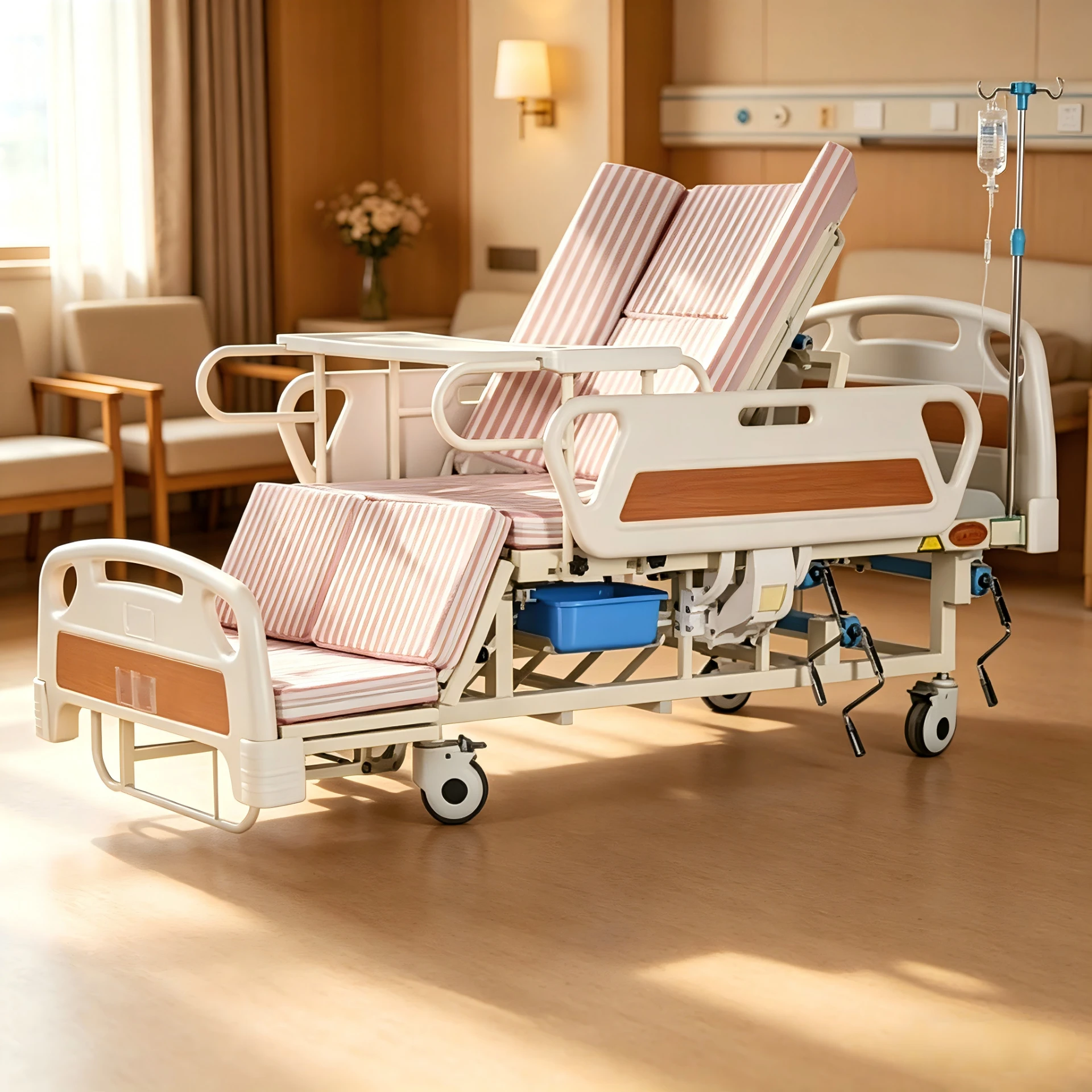
In simple terms, beds for the elderly at home are specialized sleeping furniture designed specifically to meet the physical, emotional, and practical needs of seniors living outside institutional settings. Features commonly include adjustable heights, side rails, pressure relief mattresses, ease of transfer, and compatibility with assistive devices.
From a humanitarian perspective, these beds help maintain autonomy and dignity, enabling seniors to age in place rather than face early institutionalization. From a technical standpoint, they’re engineered to blend ergonomic design with medical functionality—a subtle but critical distinction from regular beds.
Core Components of Beds for the Elderly at Home
1. Durability
Given that these beds support individuals with varied mobility and medical conditions, durability is key. Frames commonly use steel or reinforced aluminum to ensure stability and longevity. A sturdy bed reduces maintenance and increases safety.
2. Adjustability
Height and position controls allow users and caregivers to align the bed for comfort, ease of getting in/out, and medical needs—think sitting up to reduce aspiration risk or elevating legs for circulation. Electric motors are increasingly common, though manual crank options remain useful as budget alternatives.
3. Safety Features
Side rails, non-slip surfaces, and quick-release mechanisms prevent falls and entrapment. Some designs incorporate alarms that notify caregivers if a user attempts to leave the bed unattended, reflecting technology’s growing role.
4. Mattress Technology
Pressure redistribution mattresses using materials like memory foam or specialized gels prevent bedsores, a prevalent risk for immobile elders. Breathability and hygiene (removable, washable covers) also feature prominently.
5. Cost Efficiency
While advanced beds command a higher upfront price, many models balance functionality with affordability, recognizing families’ budget constraints. Rental options and government subsidies sometimes alleviate costs.
Global Applications & Use Cases
Such beds have become mainstream not only in private households but across healthcare and humanitarian contexts. For example:
- Japan and Europe: Countries with rapidly aging populations rely heavily on adjustable beds for elderly care at home, supported by public health policies.
- Post-disaster relief: In emergency shelters, lightweight, easy-to-clean beds facilitate care for elderly survivors.
- Remote care settings: Industrial zones or isolated communities use modular elderly beds to support onsite medical needs, given limited hospital access.
Oddly enough, many social programs now integrate these beds as part of broader aging-in-place initiatives, combining technology, healthcare, and community support.
Advantages & Long-Term Value
Aside from obvious physical benefits, these beds promote psychological well-being by fostering independence and reducing caregiver strain. Families report less anxiety, while elderly users feel safer and more comfortable. In the long run, fewer hospitalizations and injury-related expenses save money and healthcare resources—the kind of win-win that’s not always easy to find.
| Key Feature | Explanation |
|---|---|
| Adjustable Height | Reduces strain for caregivers and eases transfers for users |
| Pressure Relief Mattress | Prevents bedsores, improves blood circulation |
| Side Rails with Quick Release | Prevents falls, enables safe exits from bed |
| Easy-to-Clean Surface | Hygienic, reduces infection risks |
Future Trends & Innovations
The future promises exciting advances. Smart beds embedded with sensors monitor vital signs and movement patterns, alerting caregivers to emergencies in real time. Sustainable materials like bamboo composites and recycled metals are gaining traction for environmental benefits. Digital transformation means beds might soon link directly to health apps, integrating elderly care into the broader “Internet of Things” ecosystem.
Automation is also on the rise—robots assisting repositioning to ease caregiver workload, for instance. Plus, government incentives encourage manufacturers to innovate along these lines, tightening the link between policy and technology.
Challenges & Solutions
Despite benefits, there are hurdles. Cost remains a barrier, especially in low-income households. Some users find complexity intimidating; high-tech features require training. Also, space constraints in homes can limit bed size and adjustability options.
Solutions? Modular beds that fold or slide help with space. Enhanced user interfaces simplify use, often through smartphone apps. Public funding programs and rentals lower financial barriers. Plus, educational campaigns increase awareness and support adoption.
Vendor Comparison Table: Popular Beds for the Elderly at Home
| Vendor | Price Range | Key Features | Warranty | Best For |
|---|---|---|---|---|
| ComfortCare Beds | $800 - $1500 | Electric adjustability, Memory foam mattress | 3 years | Home care, moderate budgets |
| SafeRest Solutions | $1200 - $2000 | Smart sensors, Side rails with alarms | 5 years | Tech-savvy caregivers, high-risk users |
| BudgetSleep Co. | $500 - $900 | Manual crank, Basic mattress | 1 year | Cost-conscious buyers |
FAQ: Frequently Asked Questions About Beds for the Elderly at Home
- Q: What essential safety features should I look for in an elderly bed?
- A: Look for adjustable side rails, non-slip surfaces, and easy height adjustments. Some beds also offer alert systems to notify caregivers if the occupant tries to leave bed unsafely.
- Q: Are electric adjustable beds worth the extra cost compared to manual ones?
- A: Generally, yes. Electric models provide easier operation, better positioning options, and reduce caregiver strain. However, manual beds are budget-friendly and simpler, fitting some use cases well.
- Q: Can I use these beds in small-home environments?
- A: Absolutely. Many vendors offer modular or compact models specifically designed to fit limited spaces while maintaining functionality.
- Q: Are pressure-relief mattresses included with these beds?
- A: Often, beds come with standard mattresses, and pressure relief mattresses are optional upgrades. Since they significantly reduce bedsores risk, they’re highly recommended for immobile users.
- Q: How can I find government support for purchasing elderly beds?
- A: Many regions offer subsidies, grants, or rental programs via healthcare agencies or social services. It’s worth contacting local eldercare offices to explore options.
Conclusion: Comfort and Safety Start with the Right Bed
In real terms, beds for the elderly at home are foundational for quality eldercare. They blend ergonomics, technology, and safety to offer dignity and independence to millions aging in place worldwide. Whether you’re a caregiver, family member, or healthcare professional, investing time in selecting the right bed makes a lasting difference.
For more on choosing the best solutions for your needs and exploring top models, visit beds for the elderly at home. The right bed awaits—with it, a better tomorrow.
Takeaway: The best elderly bed isn’t just about support in sleep; it’s about supporting life’s most vulnerable moments with care, safety, and respect.