Care Beds for Home: Enhancing Comfort, Safety & Recovery at Home
Understanding Care Beds for Home: Essential Comfort and Support
In today’s world, where healthcare and home comfort merge more than ever, care beds for home have become an important feature, not just for patients but also for caregivers and families. Simply put, these beds are designed to provide medical-grade comfort, mobility, and safety within the home environment, addressing the increasing demand driven by aging populations, chronic illnesses, and post-surgery care.
Why does it matter globally? According to the United Nations Department of Economic and Social Affairs, the number of people aged 60 and above is expected to double by 2050, surpassing two billion—a trend that profoundly impacts domestic care solutions worldwide. The global home healthcare market, which includes care beds, is projected to grow at a steady pace (source: World Bank, 2023). Understanding these beds’ value helps families and healthcare providers optimize quality of life while keeping care accessible and affordable.
Mini takeaway: Care beds for home are more than just furniture; they are lifelines that bring healthcare into the patient’s personal space, fostering dignity and independence.
What Are Care Beds for Home?
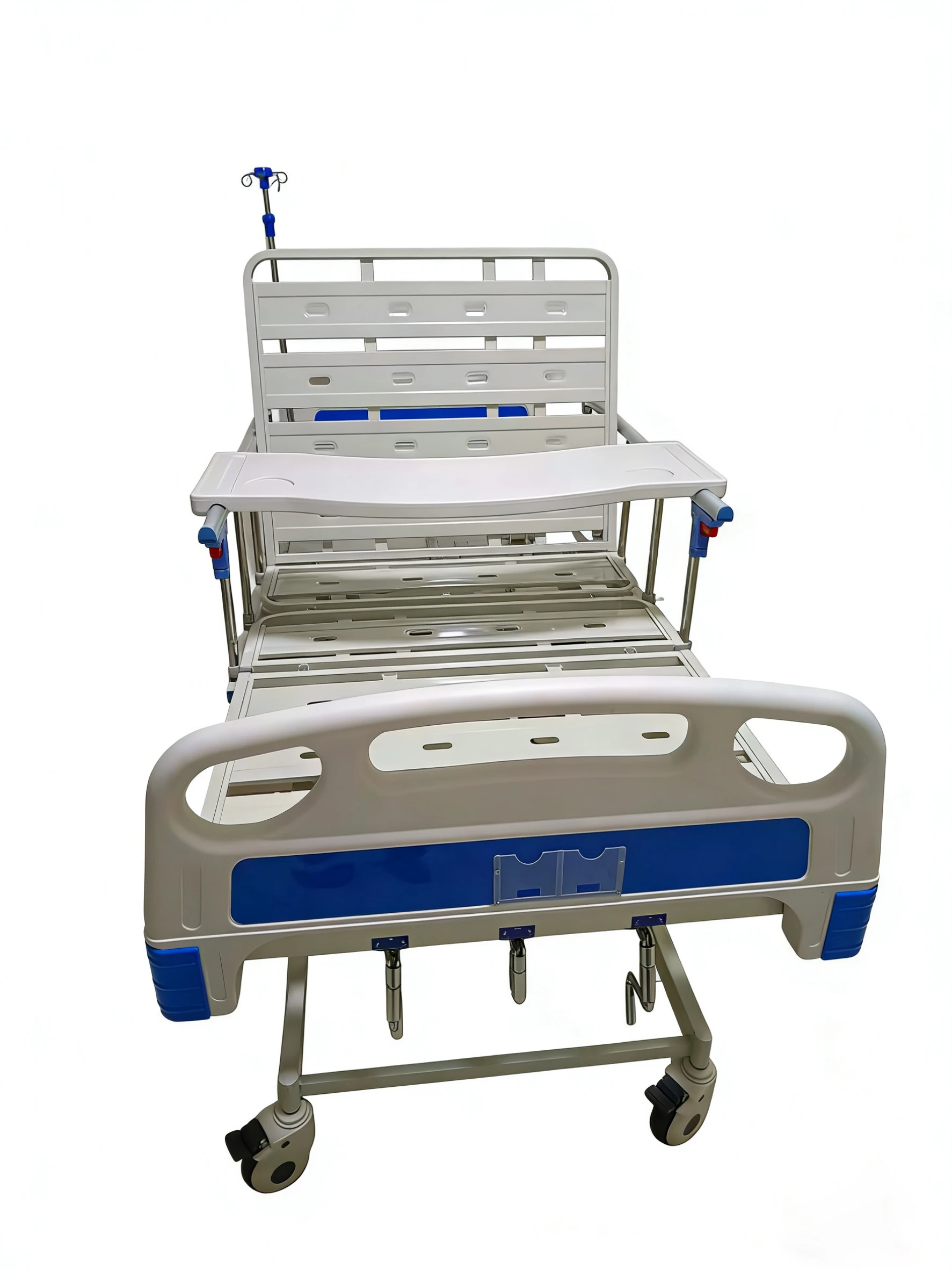
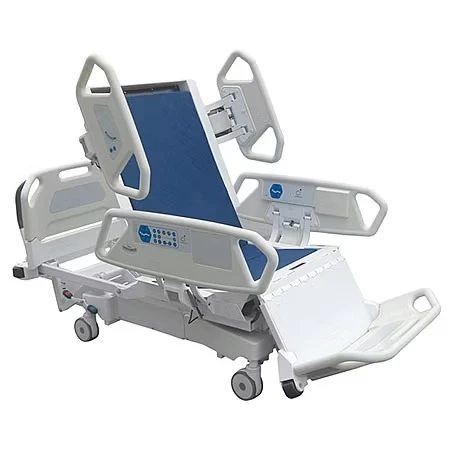
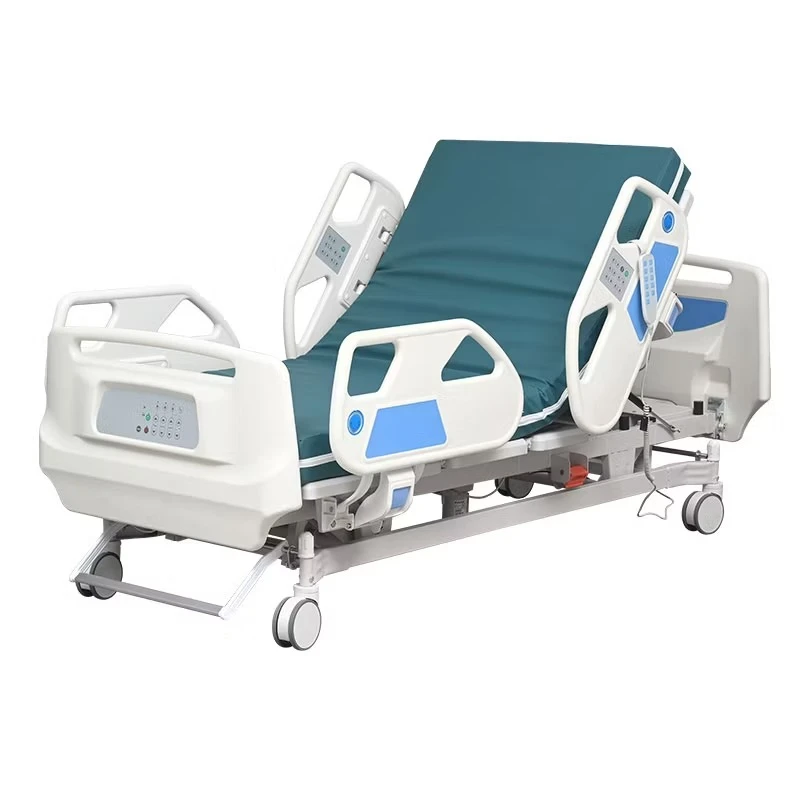
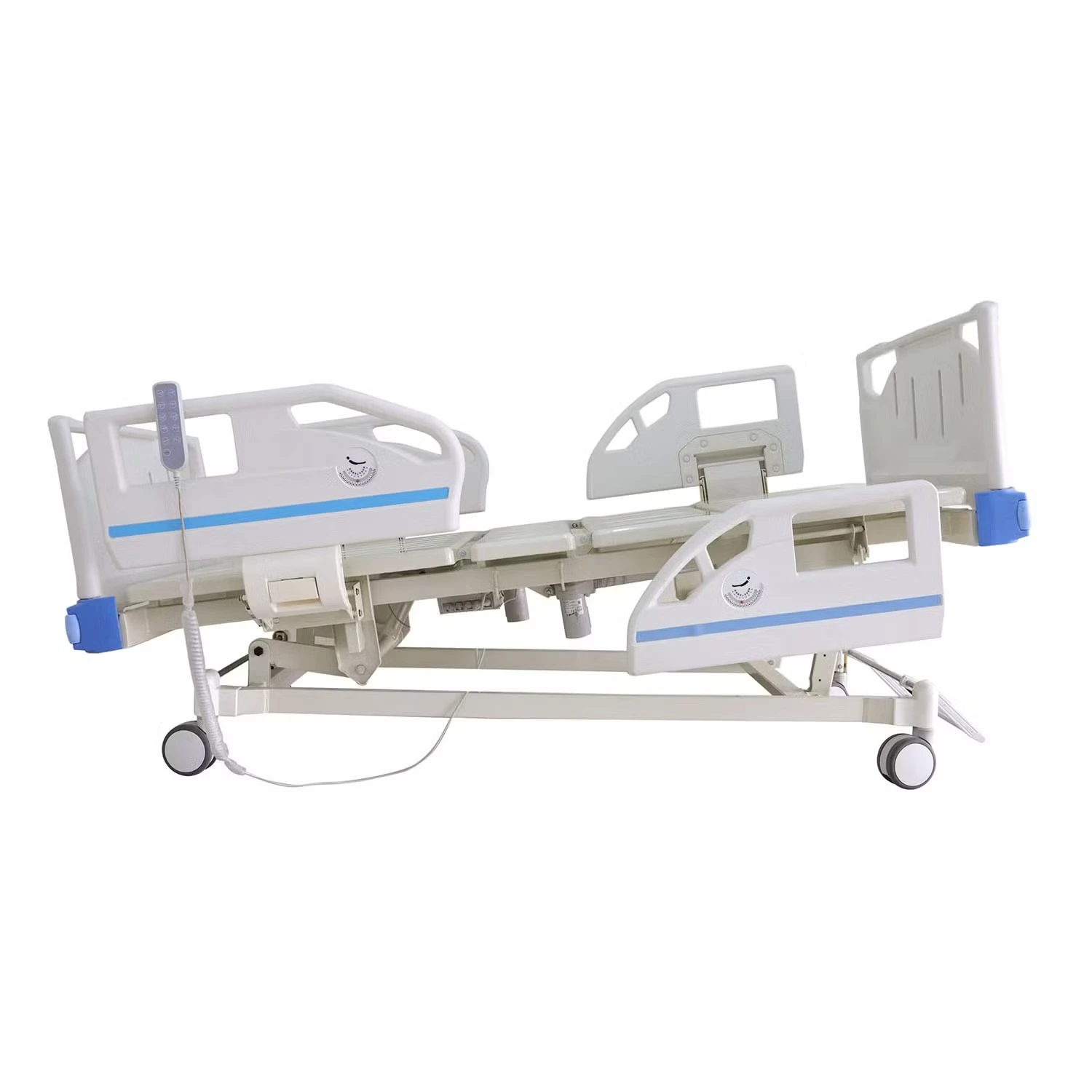
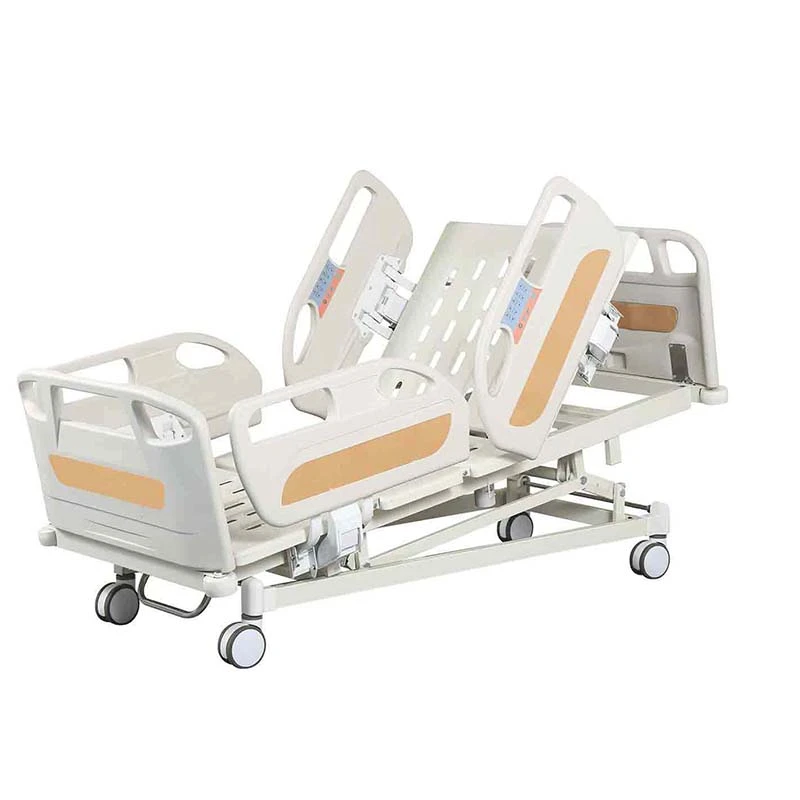
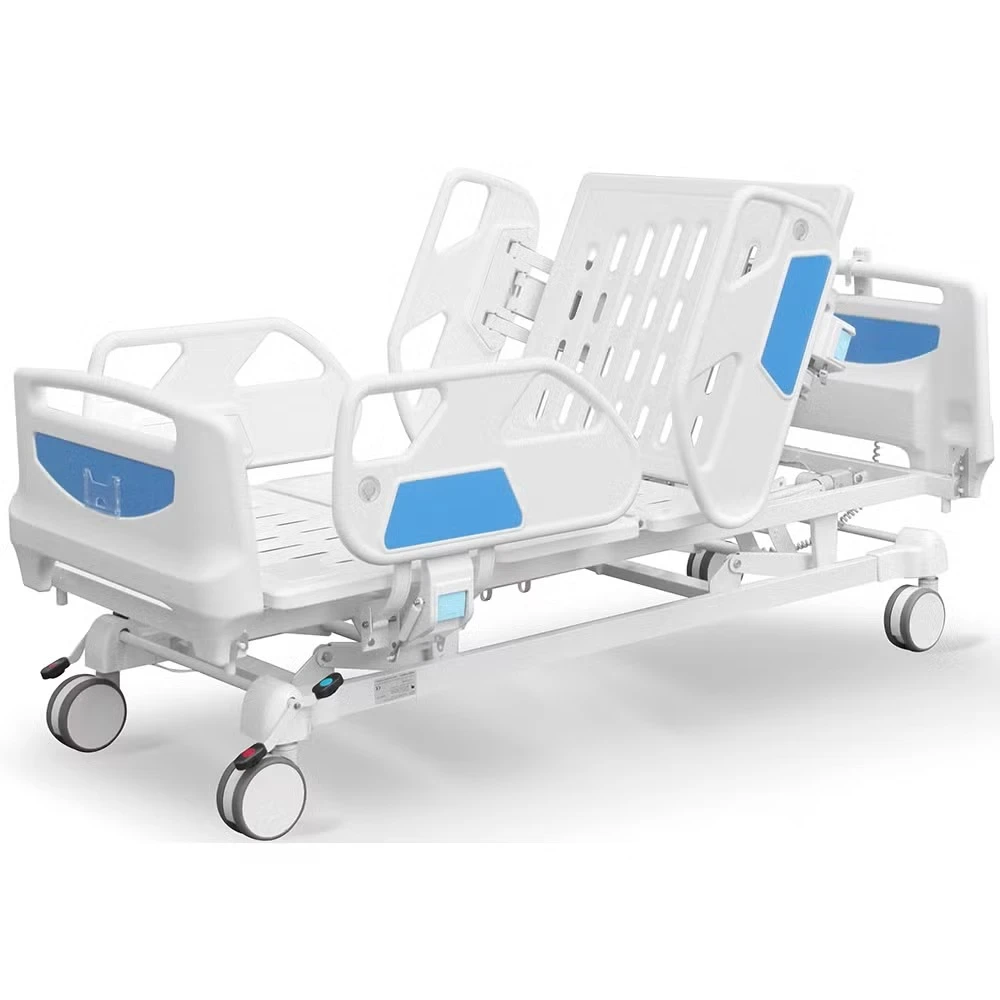
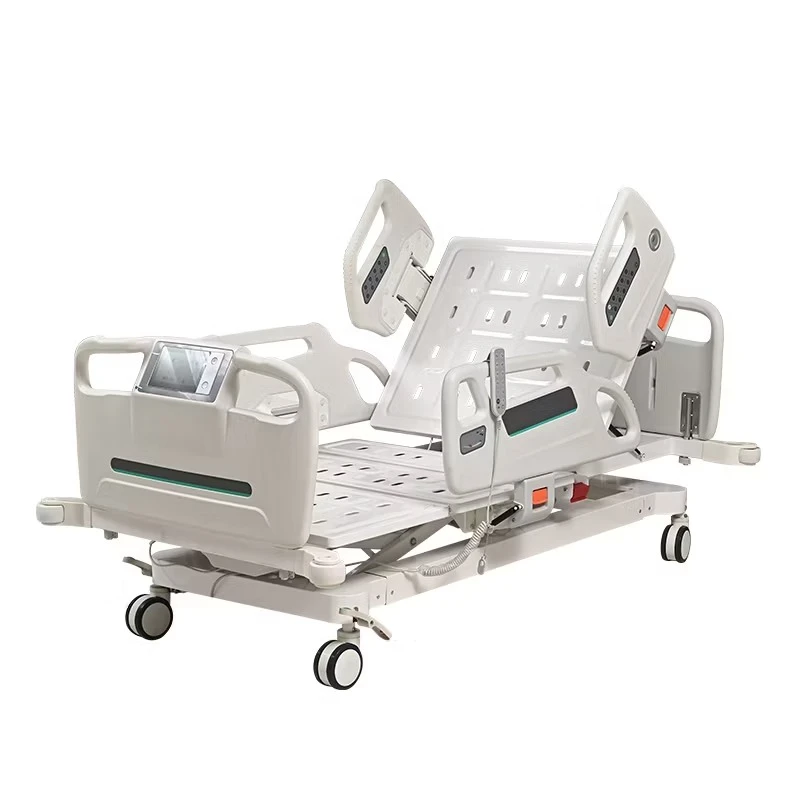
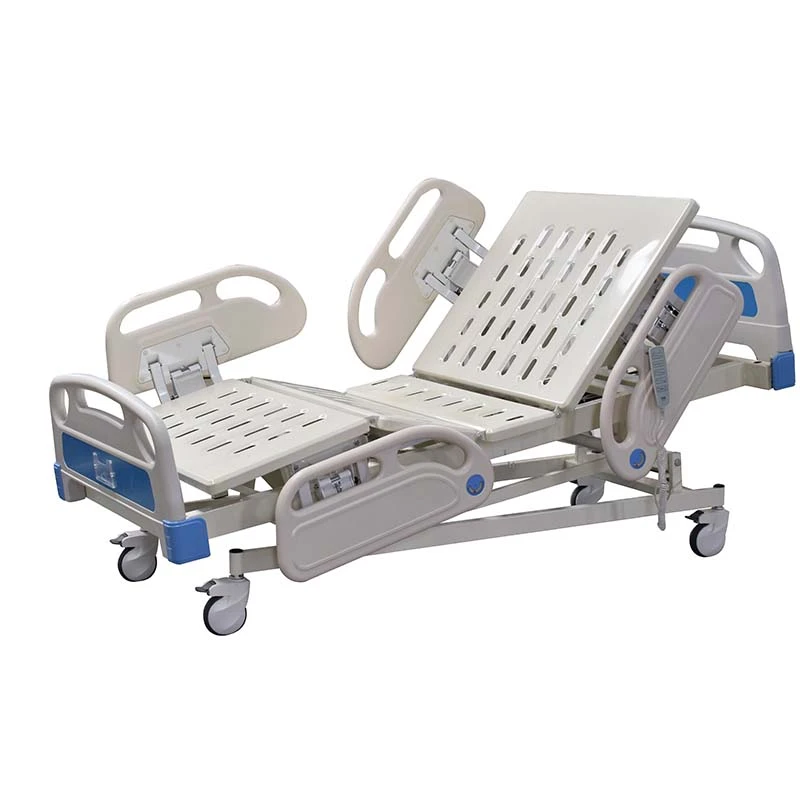
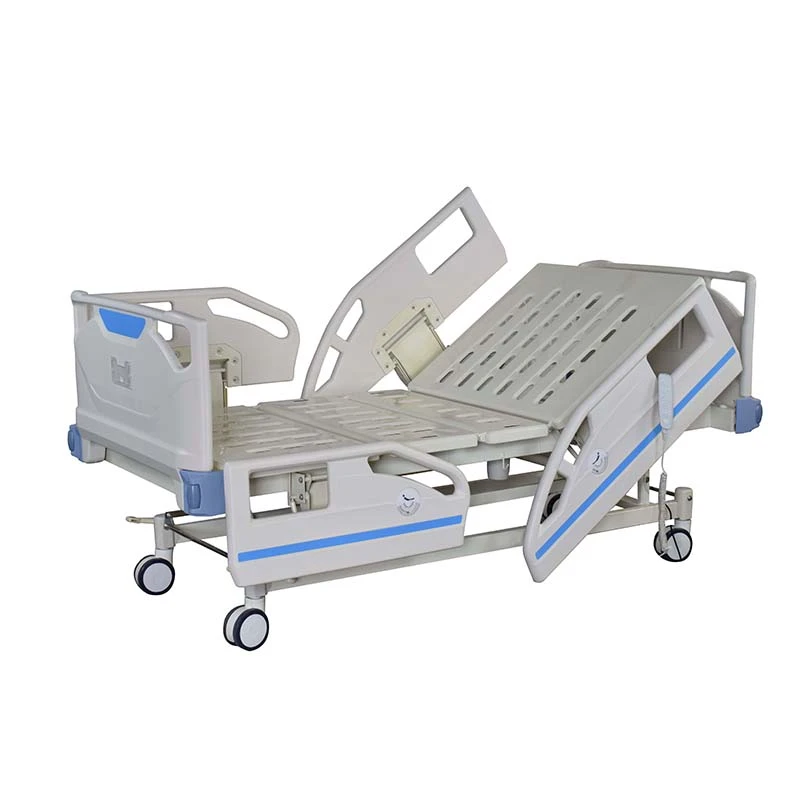
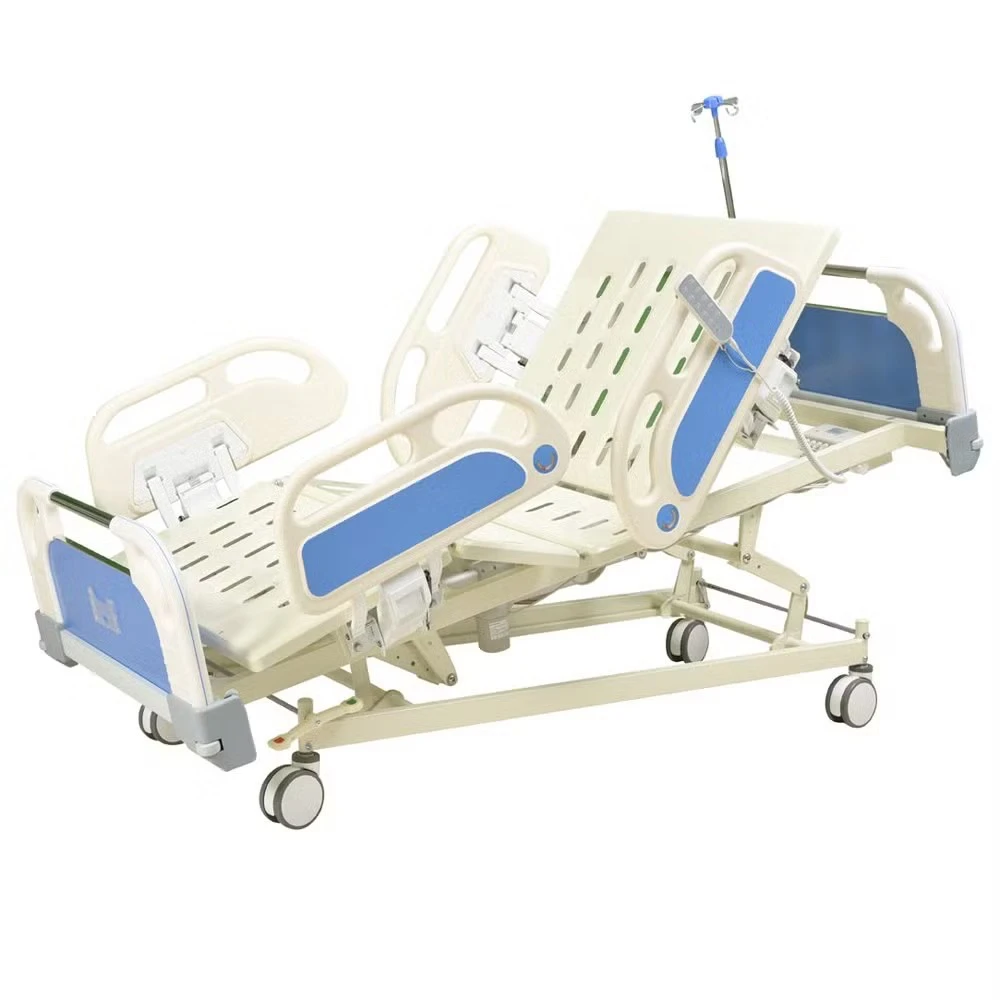
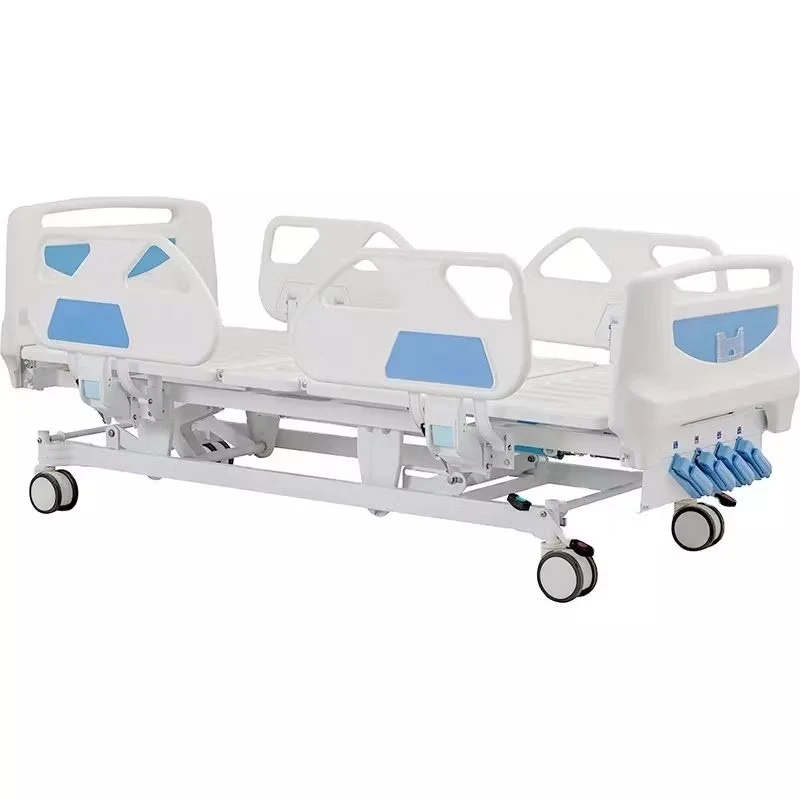
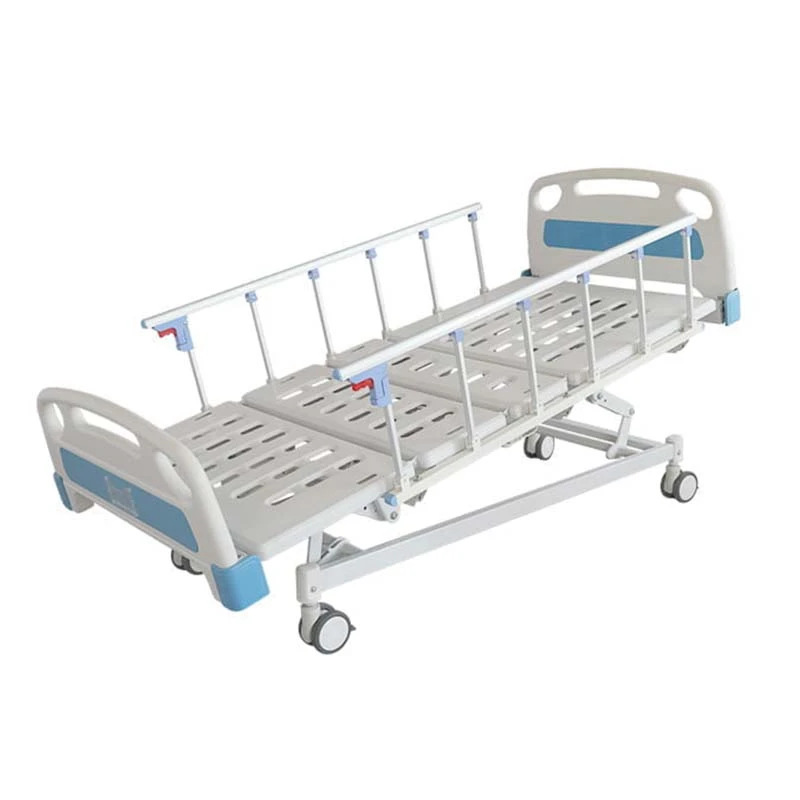
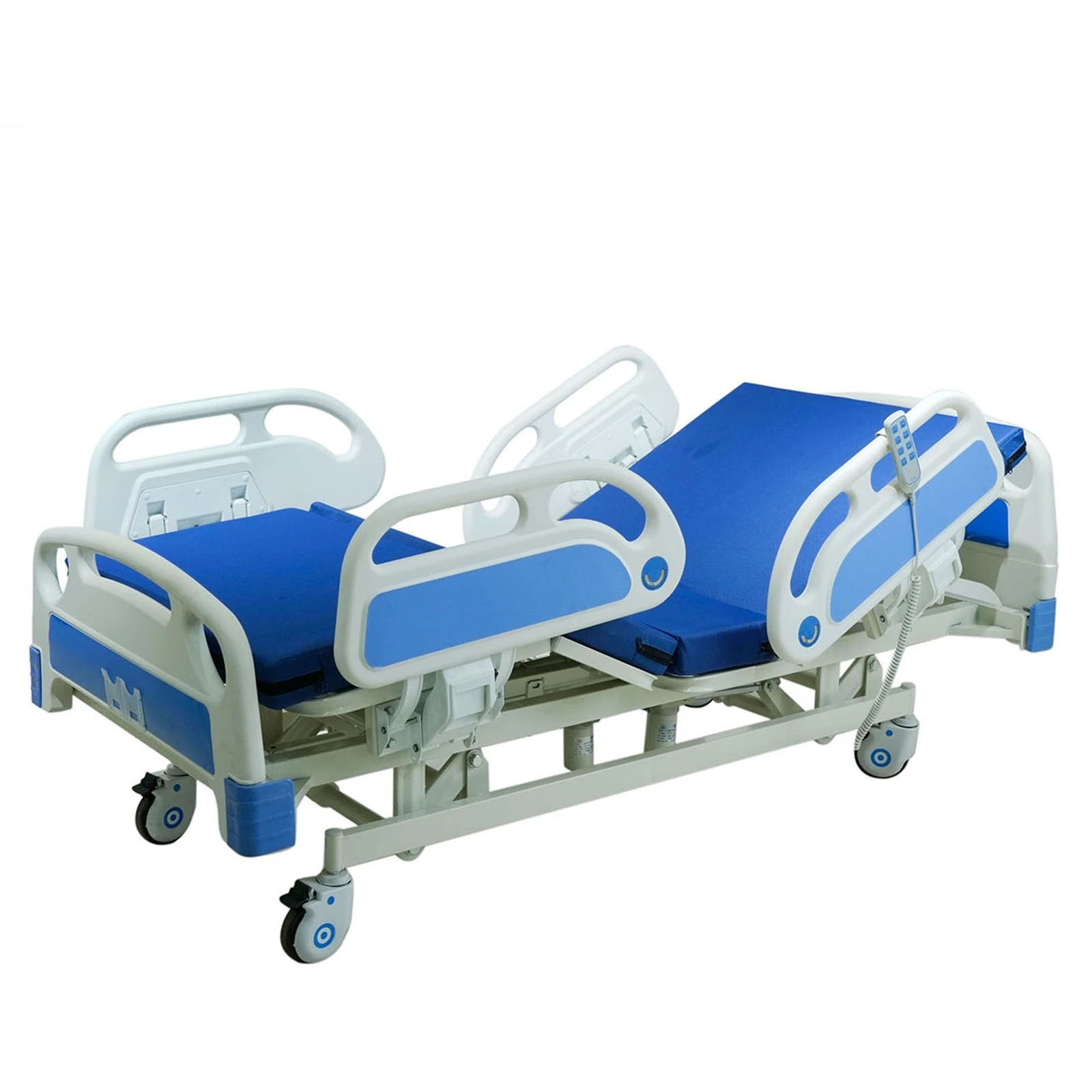
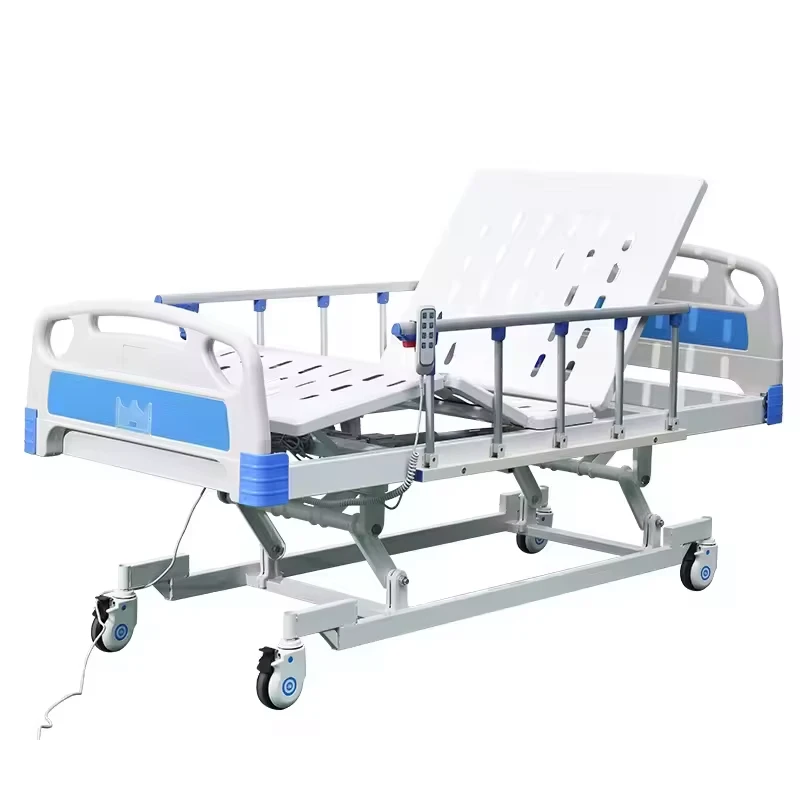
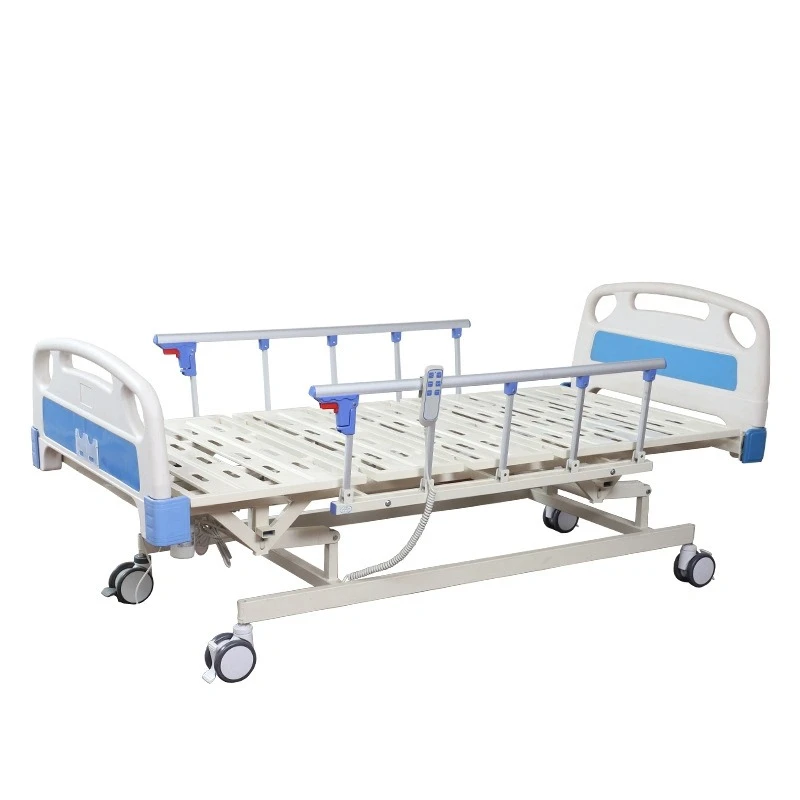
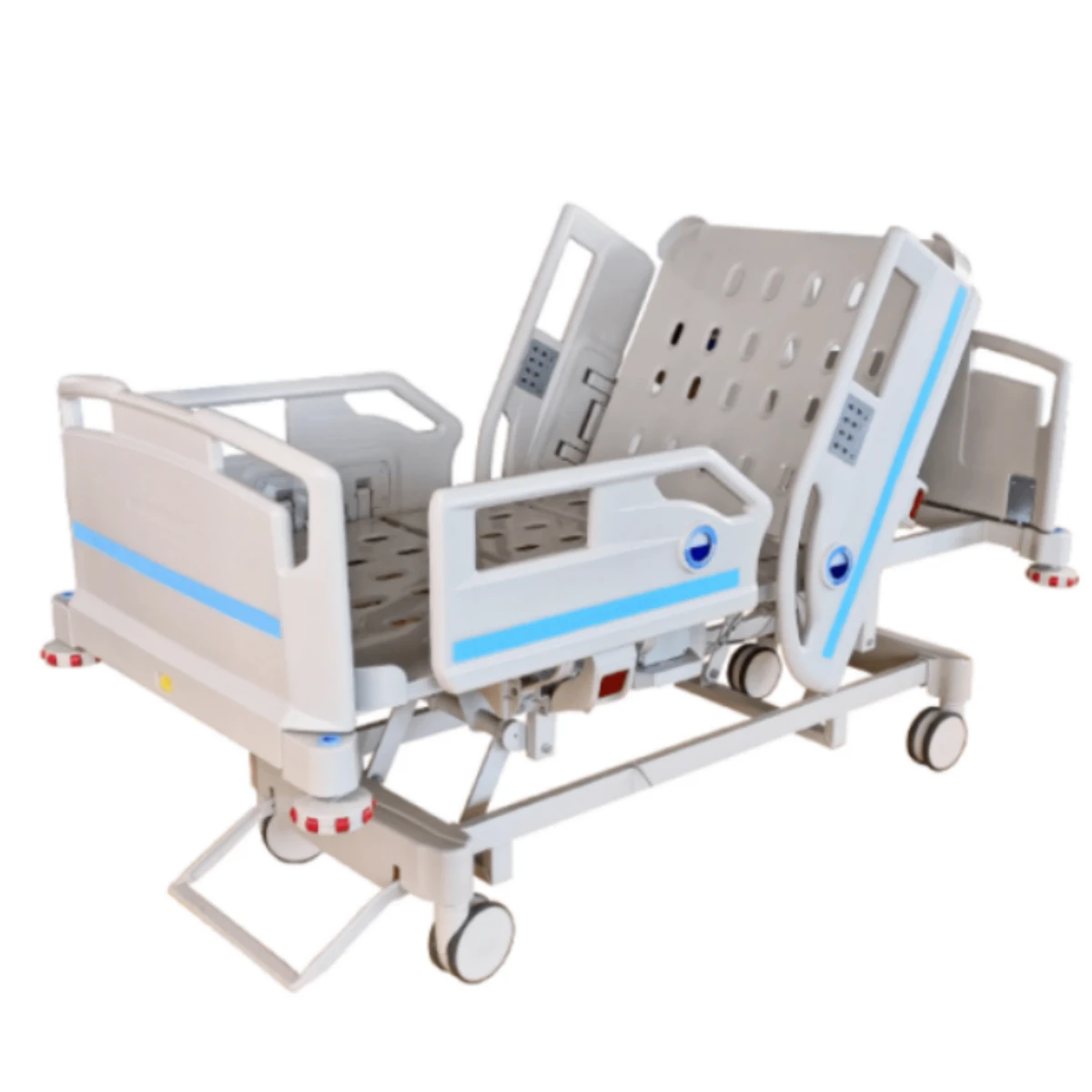
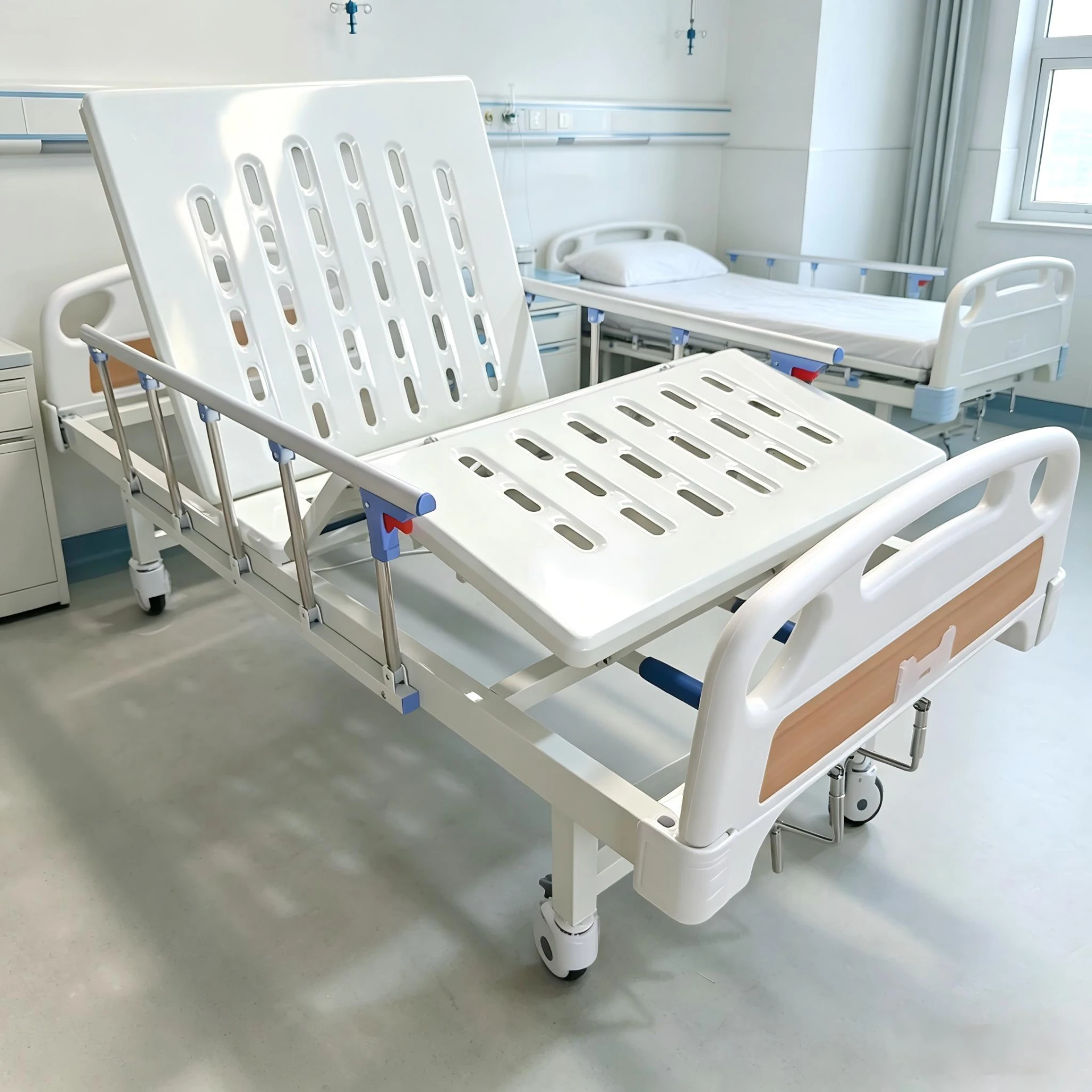
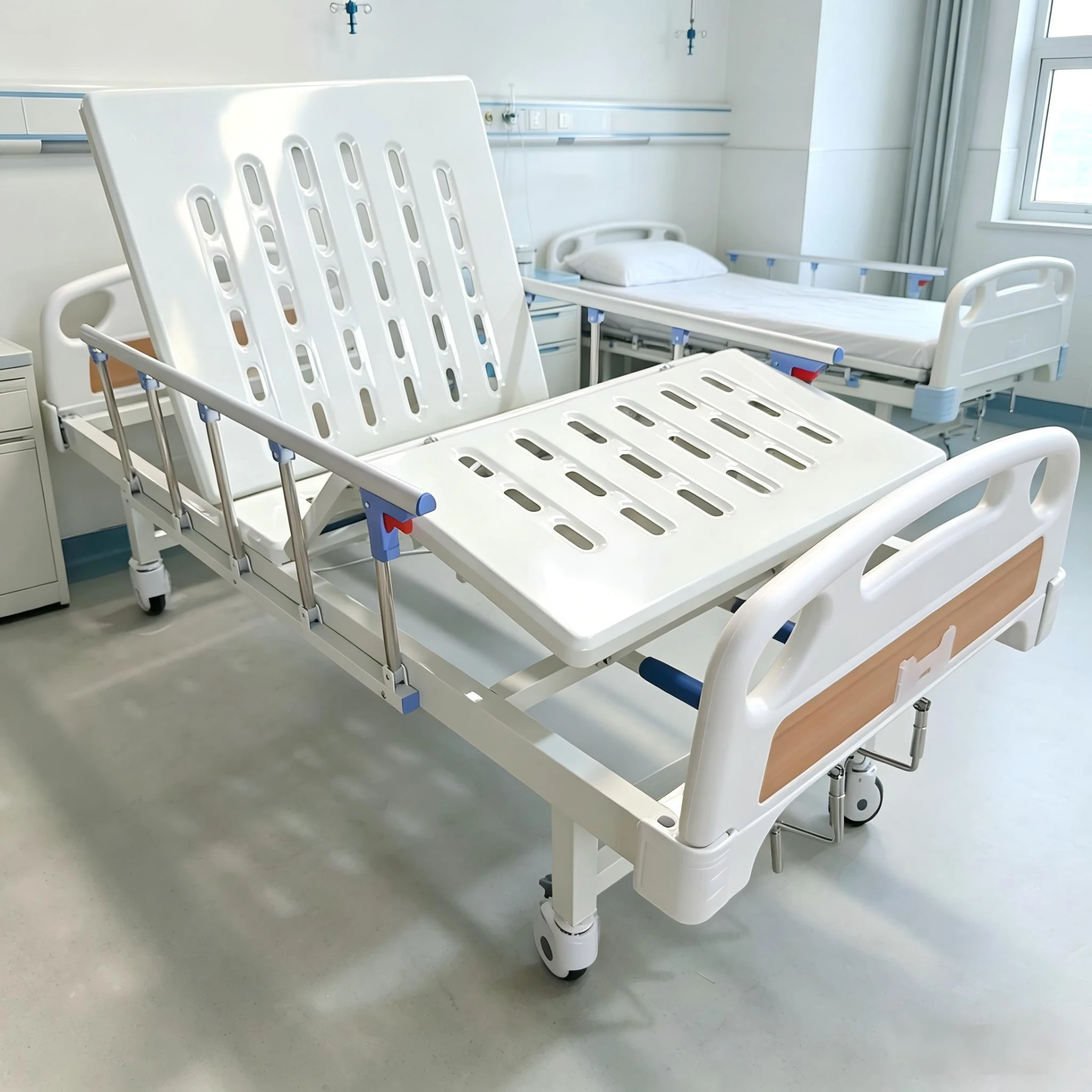
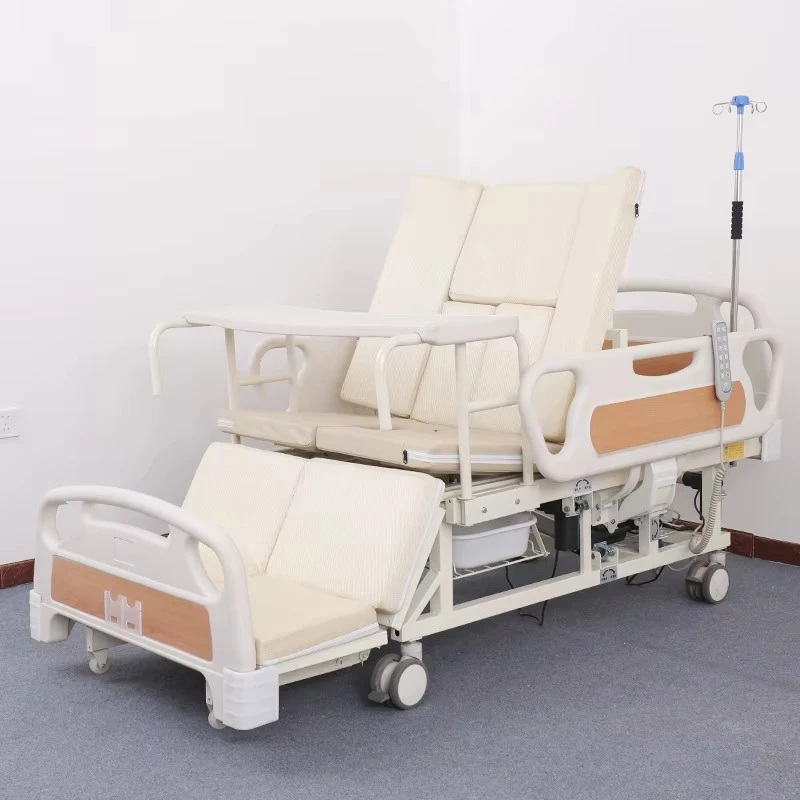
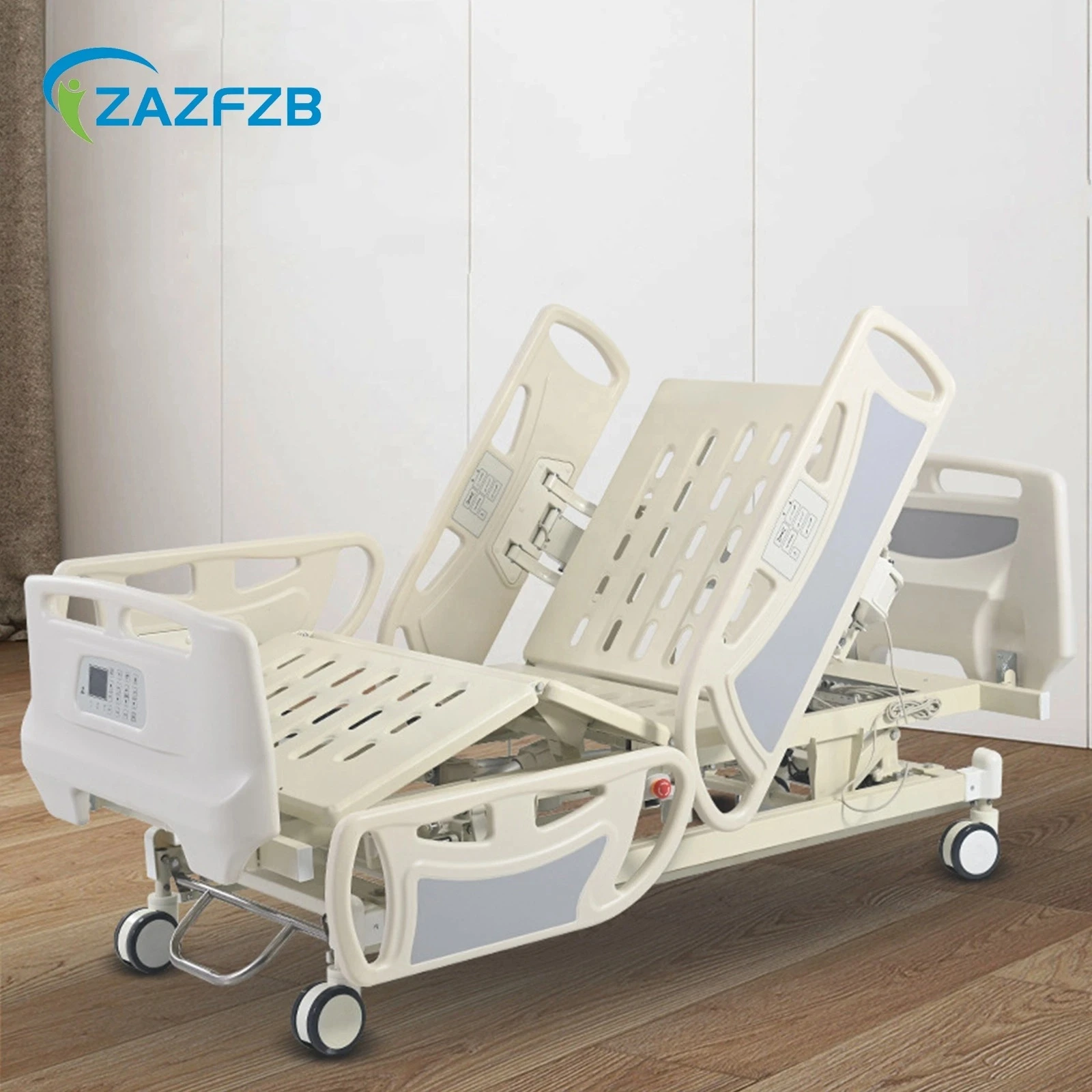
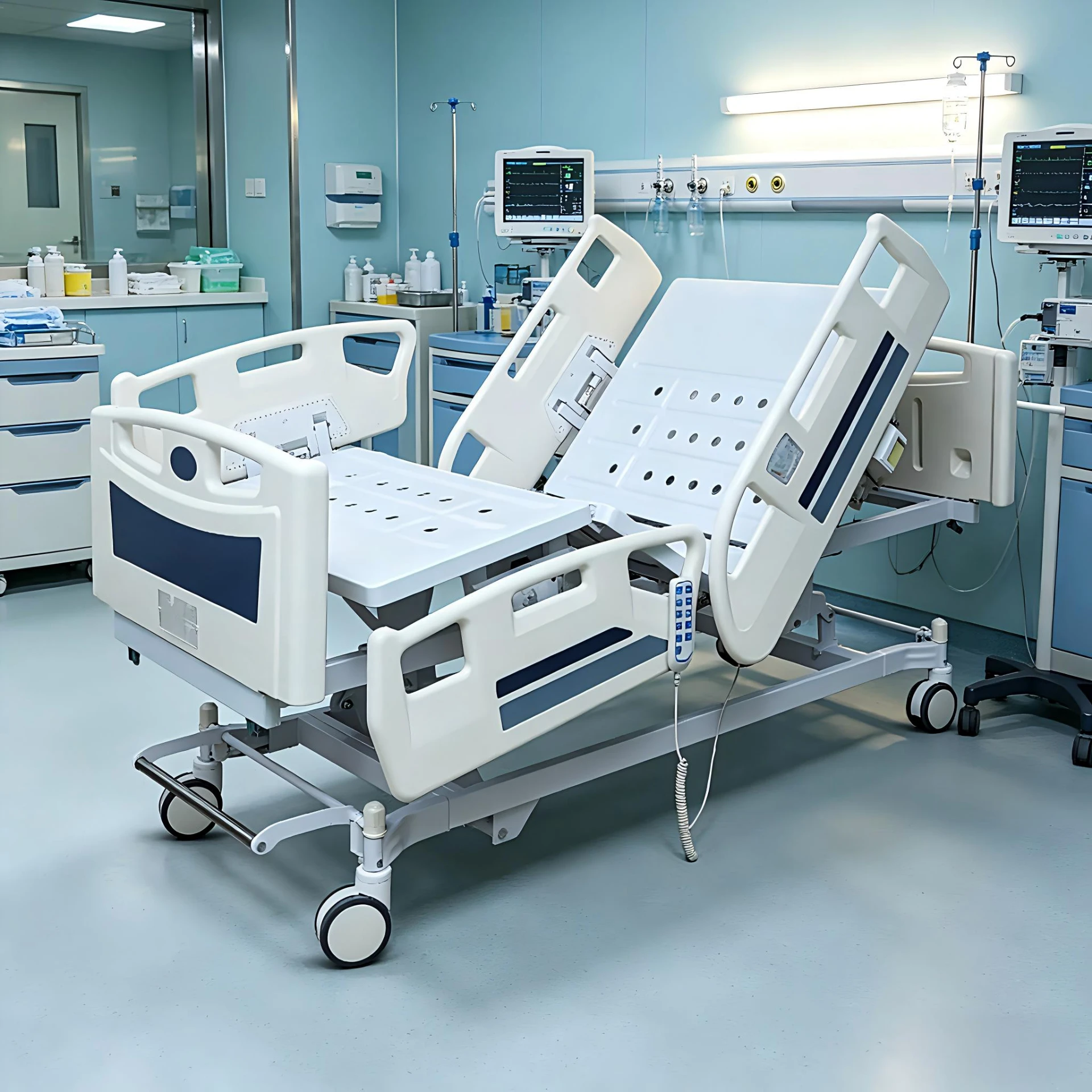
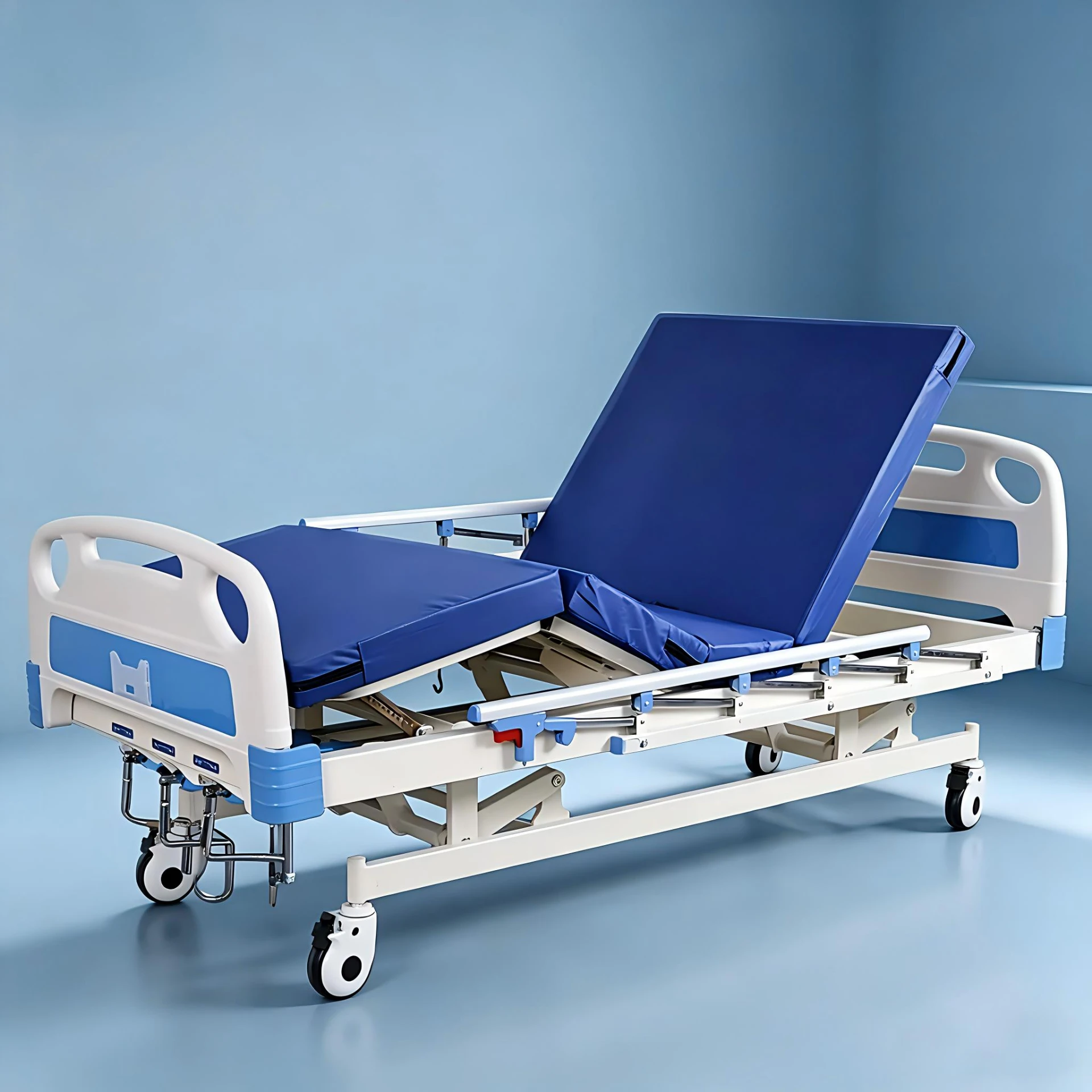
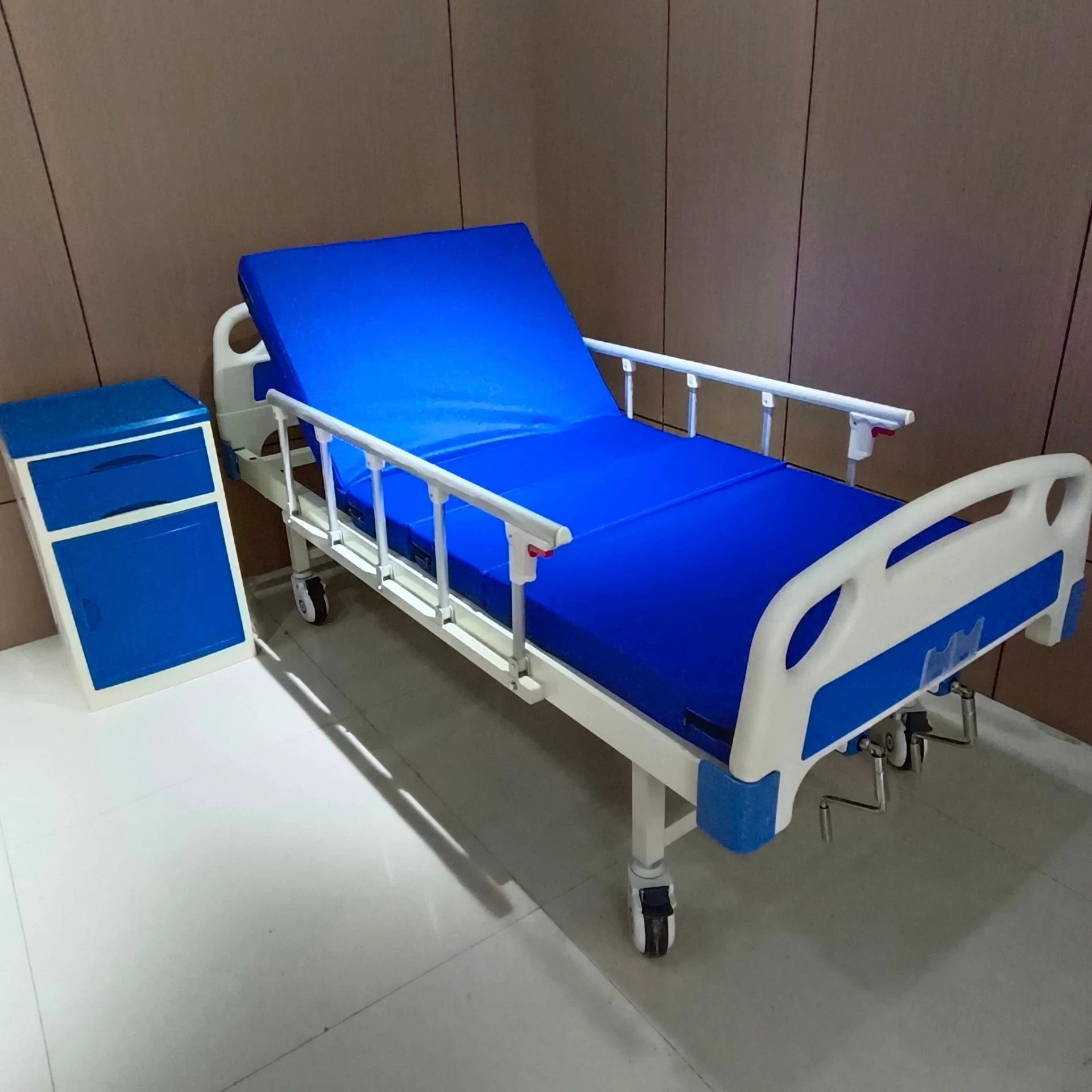
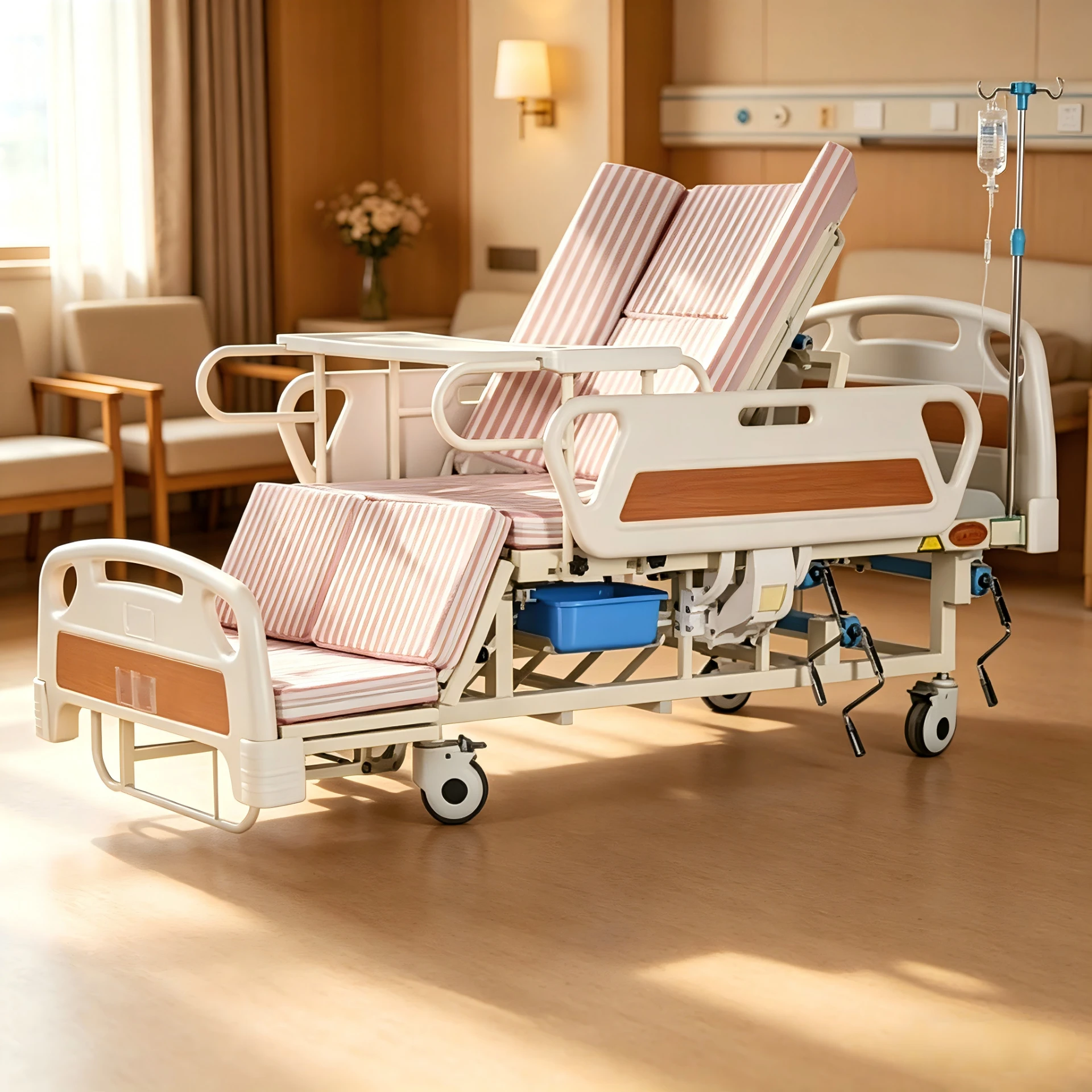
Care beds for home refer to specially designed beds equipped with adjustable features catering to the medical and comfort needs of individuals under home care. They often include height adjustability, head and foot elevation, side rails, and mobility aids. These beds are closely linked to the broader medical device and home care industry, helping fill the gap between hospitalization and independent living.
To put it simply, they’re like mini hospital beds for your living room, optimized for home use—not bulky, but robust enough to support recovery or long-term care. They tie into humanitarian efforts too, where safe, reliable rest is part of dignity and respect.
Key Factors Driving Care Bed Selection
- Adjustability and Comfort: A good care bed lets users find the perfect position for comfort and necessary medical needs. Electric motors for easy repositioning matter a lot.
- Durability and Safety: Since these beds support vulnerable people, materials and build quality must be robust and compliant with safety standards like ISO 13485.
- Mobility and Space Efficiency: Folding or modular designs adapt to home spaces, and wheels make transportation hassle-free for caregivers.
- Cost Efficiency: With various pricing, some beds come with rental options, helping families manage budgets without sacrificing essential features.
- Ease of Cleaning: Hygiene is key, especially for infection control. Surfaces must be easy to sanitize, using materials like powder-coated steel and antimicrobial fabrics.
In practice, caregivers often rate comfort and mobility as priority features—but weirdly enough, sometimes the smallest details, like the sound of the motor or the bed’s noise level, influence overall satisfaction.
Global Applications and Practical Use Cases
Care beds for home aren’t limited to wealthy urban centers. Their reach extends globally:
- In developed countries, they support elderly individuals aging in place, reducing hospital readmissions.
- Post-disaster scenarios, temporary home setups enable patients to recover outside overwhelmed healthcare facilities, especially in regions prone to natural disasters (think Japan or the Philippines).
- Remote industrial zones where onsite medical infrastructure is thin but workers require rest and urgent care, mobile care beds make a difference.
- Humanitarian NGOs deploy modular, durable beds for field hospitals and refugee camps, balancing portability and durability.
Oddly enough, some cultural preferences affect how these beds are accepted—what works in a Scandinavian home might need tweaks for Southeast Asian living conditions.
Advantages & Long-Term Value of Care Beds for Home
Aside from the obvious benefits like improved patient comfort and easier caregiving, several other advantages stand out:
- Safety & Dignity: Integrated side rails prevent falls, while adjustable heights ease transfers, promoting independence and lessening caregiver strain.
- Cost Savings: Reducing hospital stays and readmissions leads to lower healthcare system costs and less emotional stress for families.
- Sustainability: Modern beds use recyclable materials and energy-efficient motors, aligning with growing eco-conscious healthcare trends.
- Innovation & Reliability: Many now include smart tech, such as pressure sensors to prevent bedsores, showing how digital transformation is reshaping care.
It feels like investing in a care bed is investing in peace of mind—both emotional and practical.
Product Specification Table: Example Care Bed Model
| Feature | Description |
|---|---|
| Adjustable Positions | Electric head and foot elevation up to 70° |
| Weight Capacity | 150 kg (330 lbs) |
| Mobility | Lockable caster wheels for easy movement |
| Safety Features | Side rails, emergency CPR position |
| Material | Steel frame with antimicrobial coating |
| Power Supply | Rechargeable battery backup |
Comparing Leading Vendors of Care Beds for Home
| Vendor | Price Range | Key Features | Warranty | Delivery Options |
|---|---|---|---|---|
| ZhaoFamed Medical | $800 - $1500 | Smart sensors, battery backup, antimicrobial frame | 3 years | Worldwide shipping, installation support |
| ComfortLife Solutions | $900 - $1700 | Advanced adjustability, lightweight materials | 2 years | Limited to North America |
| HomeCare Essentials | $700 - $1200 | Basic electric adjustment, steel frame | 5 years | Nationwide delivery |
Future Trends & Innovations in Care Beds for Home
The future of care beds is kind of exciting. Integration of IoT (Internet of Things) devices is growing — think beds with built-in monitoring of vital signs and pressure sensors that notify caregivers automatically to reposition patients and prevent bedsores. Manufacturers are increasingly focused on eco-friendly materials and motors with improved energy efficiency. Plus, remote control apps are letting caregivers adjust beds without disrupting the patient.
Policy-wise, healthcare systems worldwide are beginning to incentivize home care, which means subsidies or insurance covers for care beds could rise, making these solutions more accessible.
Challenges & Expert Solutions
One sticking point? Cost can still be high for quality electric care beds. Not every family finds rental or insurance help. Plus, some models are too bulky for smaller urban homes.
Industry experts suggest modular designs and foldable features as practical solutions. Some NGOs are selecting lightweight, foldable beds even for disaster zones to ease logistics. Then there’s the hurdle of user education — caregivers need guidance to maximize these beds’ benefits. Training programs and clear manuals are steps forward.
FAQ: Your Questions About Care Beds for Home
- How do care beds for home differ from regular adjustable beds? Care beds have medical-grade features like side rails, CPR positions, and weight capacities above standard beds. They also often include infection control materials and advanced adjustability tailored for caregiving tasks.
- Are care beds safe for elderly patients with limited mobility? Yes, most are designed with fall prevention and easy transfers in mind, including adjustable height functions and side rails to minimize risks.
- Can we rent care beds or only purchase? Many providers offer rental plans, especially in regions with higher upfront costs, making these beds more financially accessible for short- or long-term needs.
- Is it possible to customize care beds for specific medical conditions? Absolutely. Some vendors provide options for pressure-relief mattresses, additional safety rails, and technology integration depending on patient needs.
- How do care beds integrate with home healthcare services? They serve as key tools in home caregiving, often recommended by healthcare professionals to improve mobility, comfort, and reduce hospital stays.
Conclusion: The Case for Care Beds for Home
To wrap things up—care beds for home stand as a vital bridge connecting medical care with the comfort of one’s own space. They offer safety, dignity, and convenience, increasingly necessary in an aging and health-conscious world. If you’re caring for a loved one or seeking to improve home care quality, it’s worth exploring options.
Visit our website for more information and choices on care beds for home that suit your needs.
Mini takeaway: A thoughtful care bed is more than a product — it’s a partner in care, recovery, and peace of mind.