Care Home Beds: Comfort, Safety, and Innovation for Global Healthcare Needs
Care Home Beds: Essential Comfort and Support in Healthcare Settings
Understanding care home beds is crucial—not just for healthcare professionals but for anyone concerned about eldercare and rehabilitation. Globally, as populations age and healthcare demands grow, the design and provision of these beds represent more than just furniture—they embody safety, dignity, and quality of life.
Introduction: Global Relevance of Care Home Beds
Did you know that by 2050, the United Nations estimates the population aged 60 and over will double globally, reaching nearly 2.1 billion? This demographic shift presents pressing challenges for nursing homes and assisted living facilities worldwide. Here, care home beds become not only a necessity but a critical component influencing patient comfort, recovery outcomes, and caregiver efficiency.
Yet, problems persist. Many care facilities, especially in low- and middle-income countries, struggle with outdated or insufficient bedding solutions. This impacts safety—think pressure ulcers or fall risks—and overall care delivery. That’s why a clear grasp of what makes a good care home bed matters.
What Are Care Home Beds?
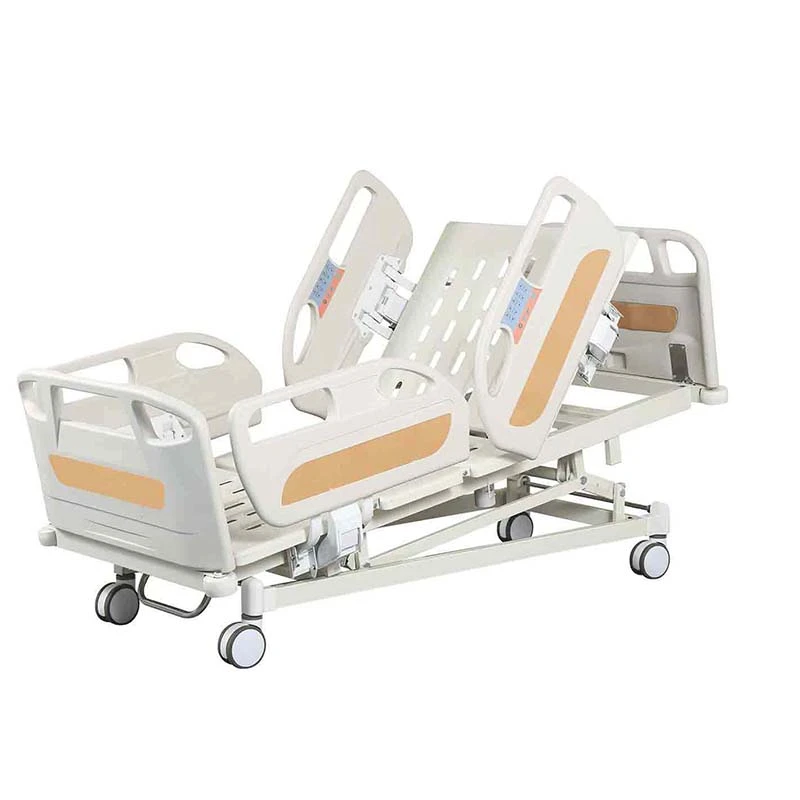
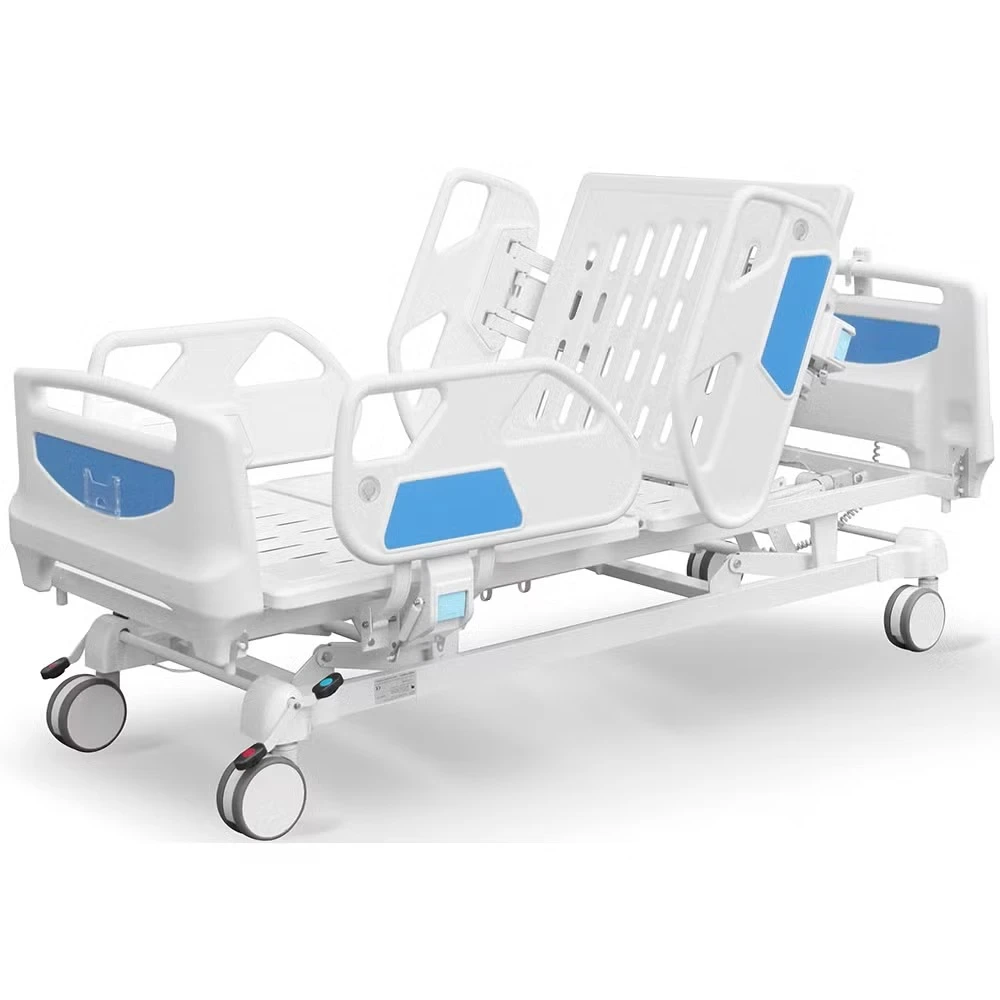
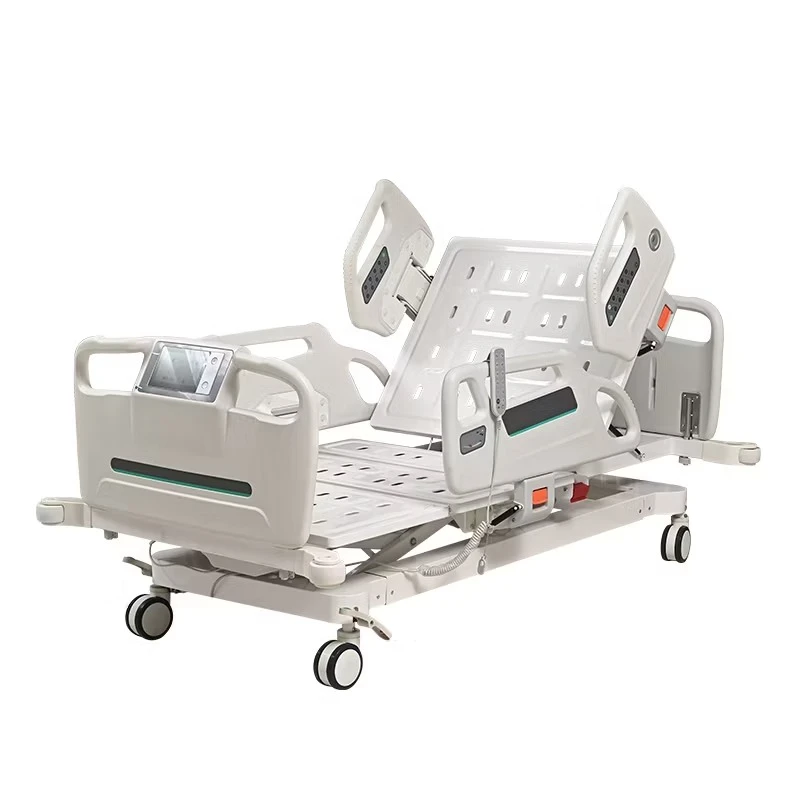
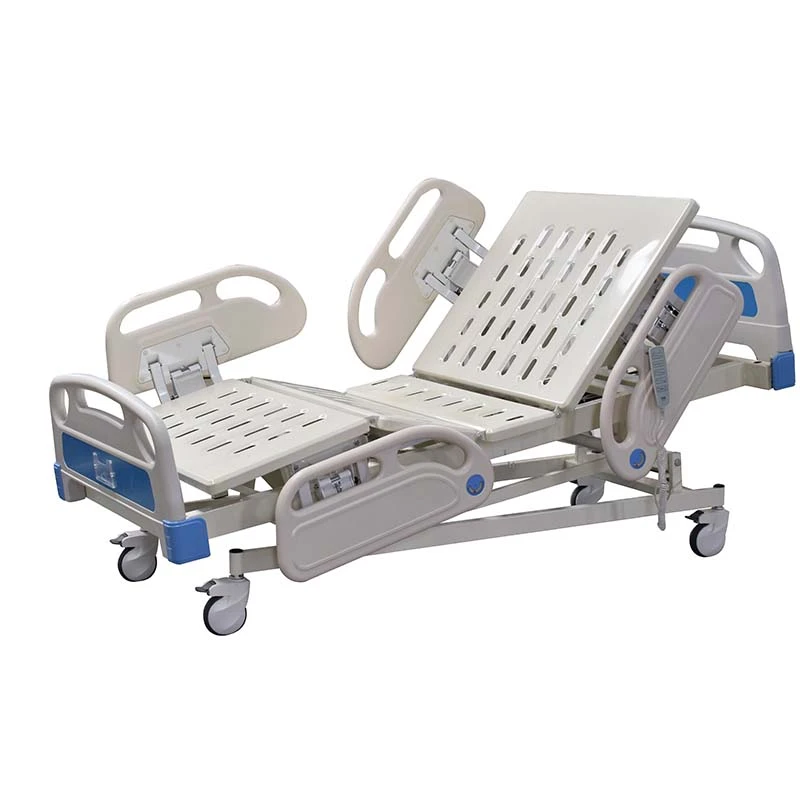
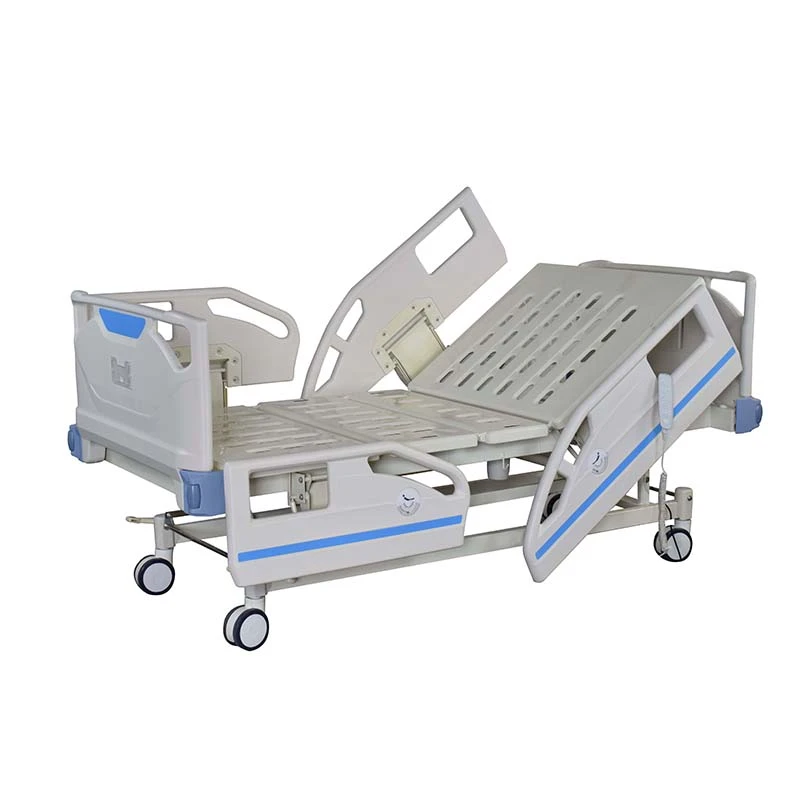
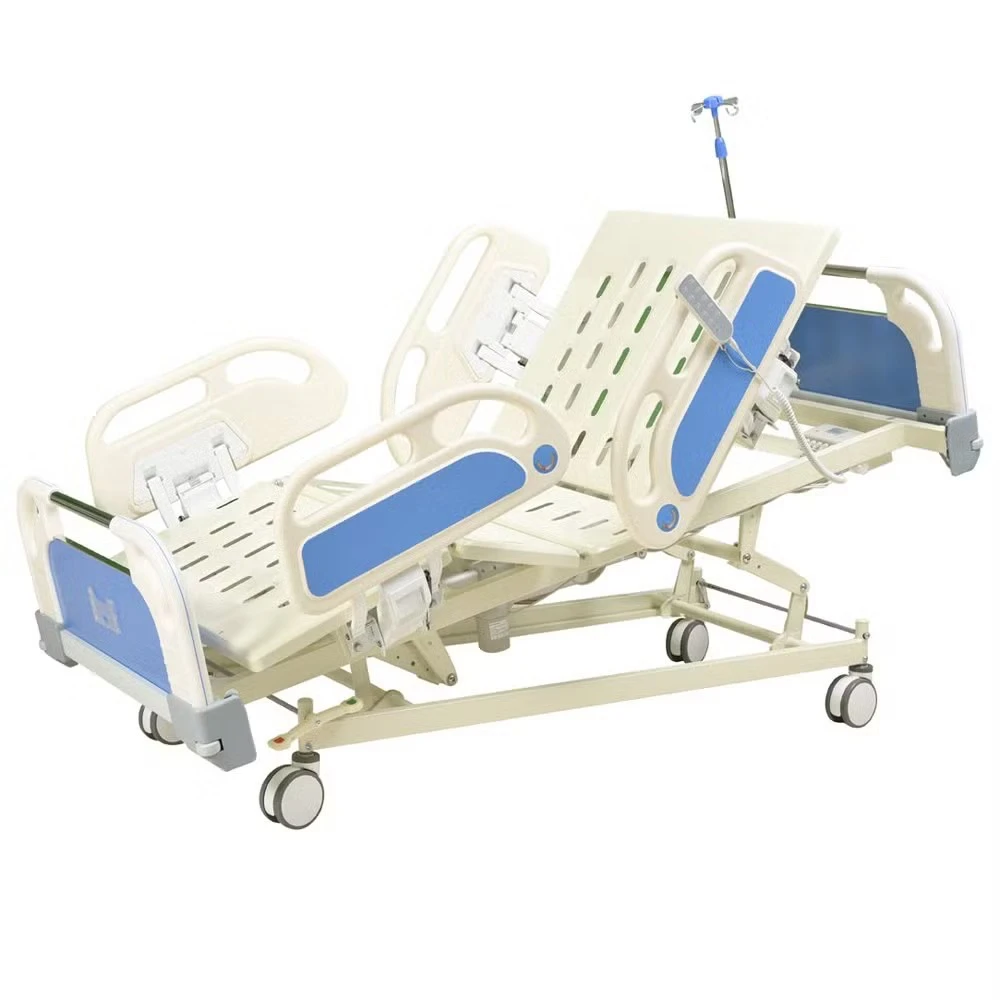
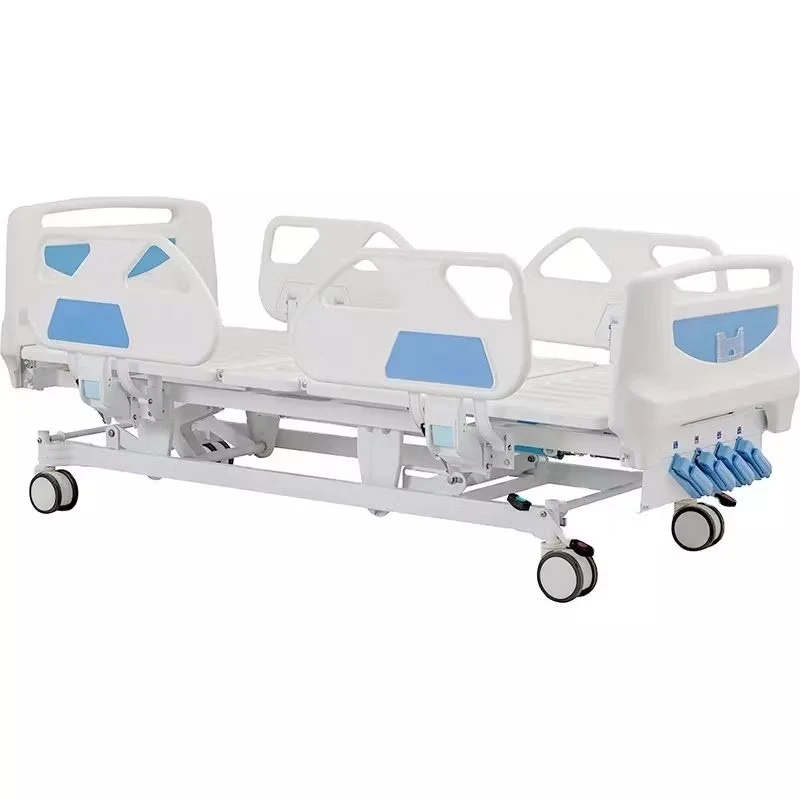
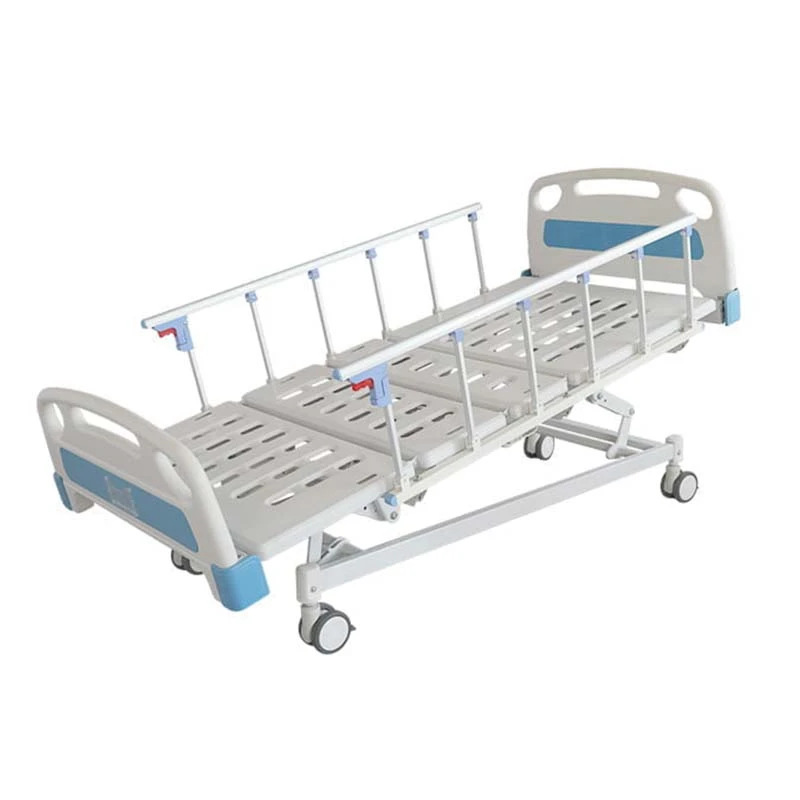
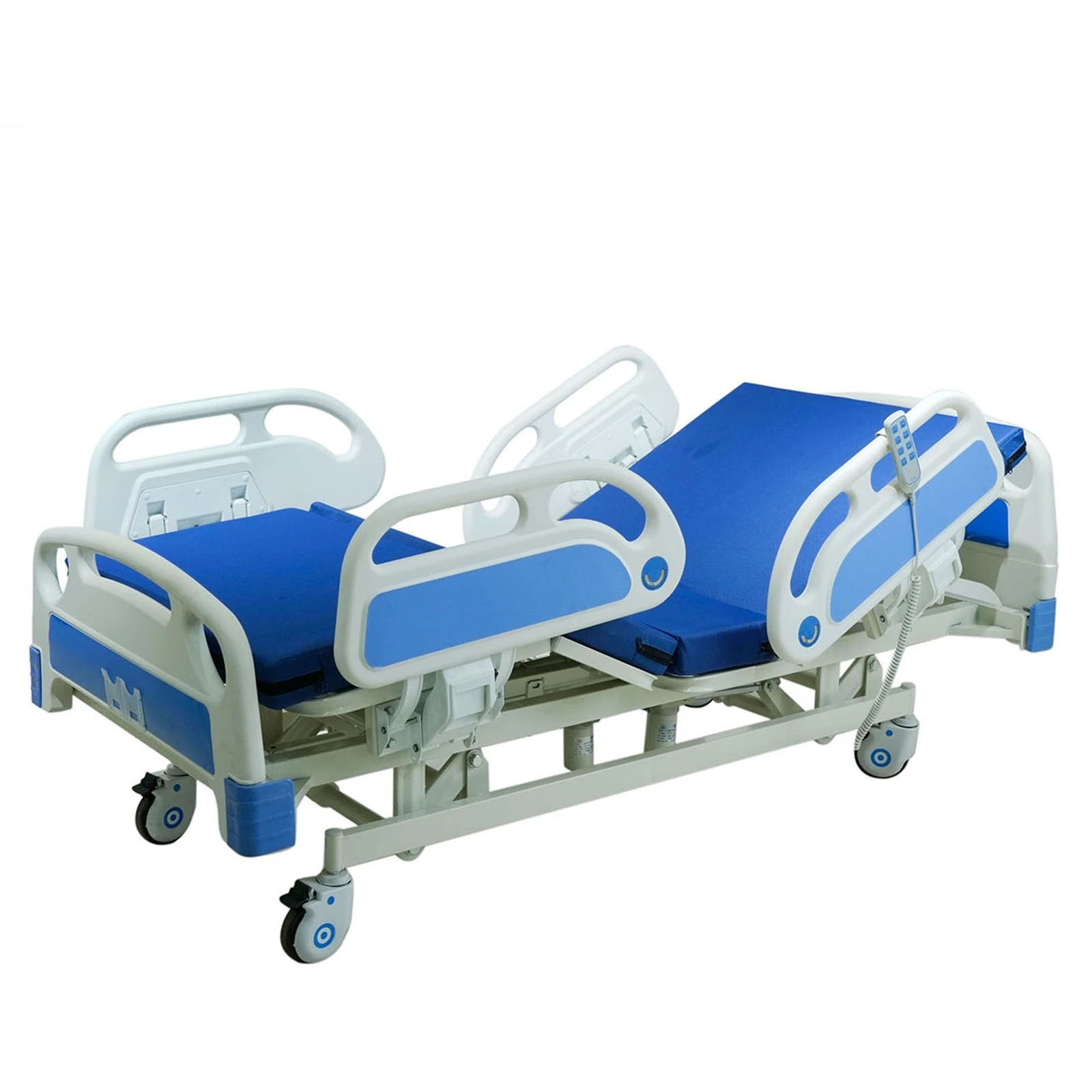
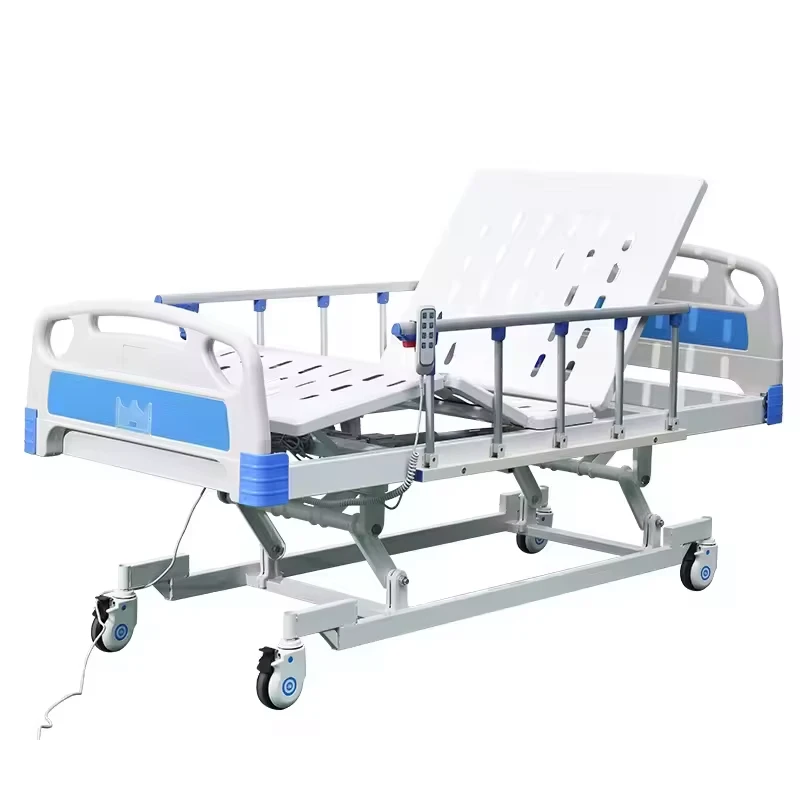
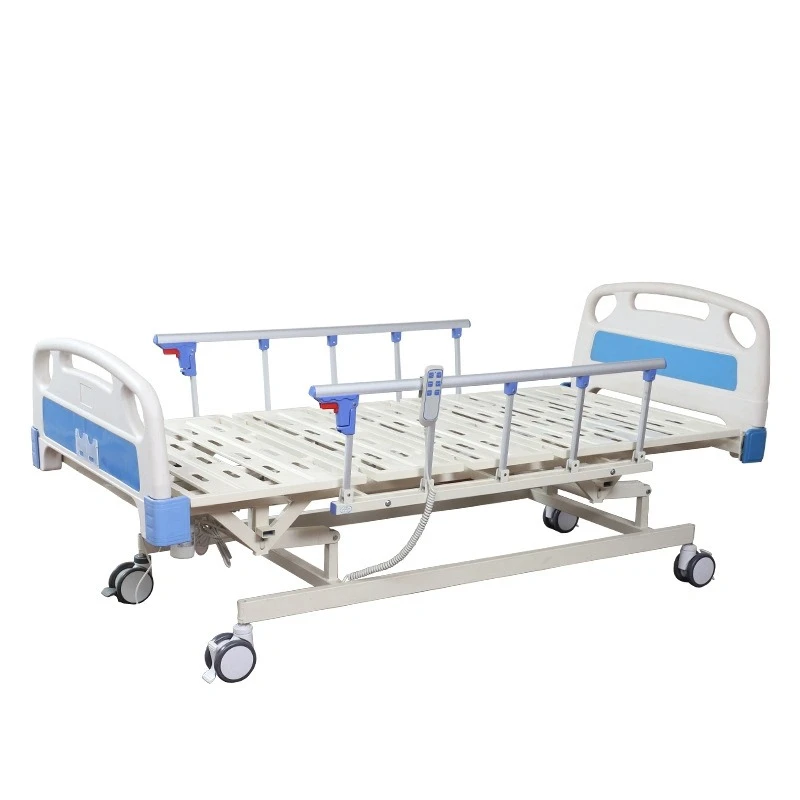
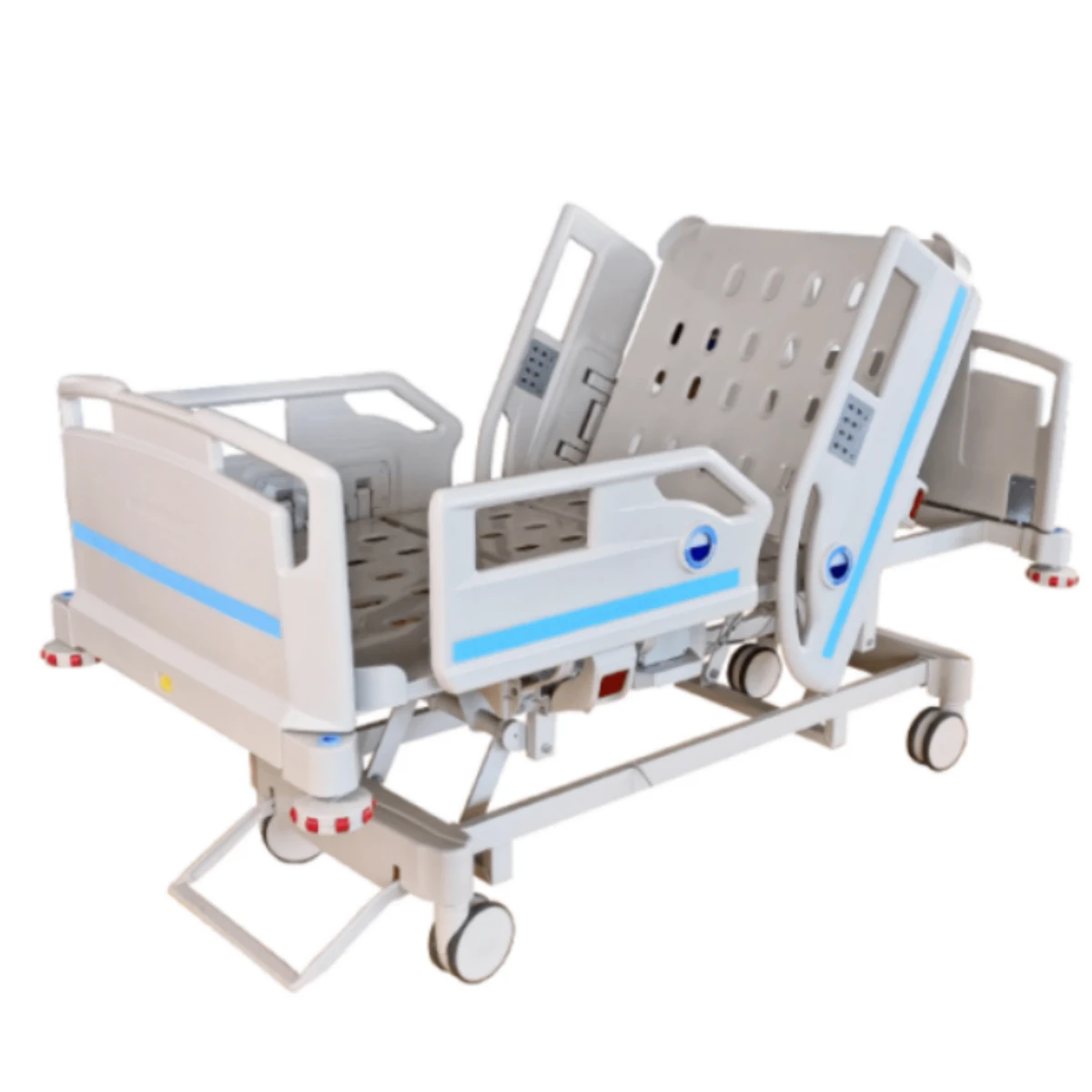
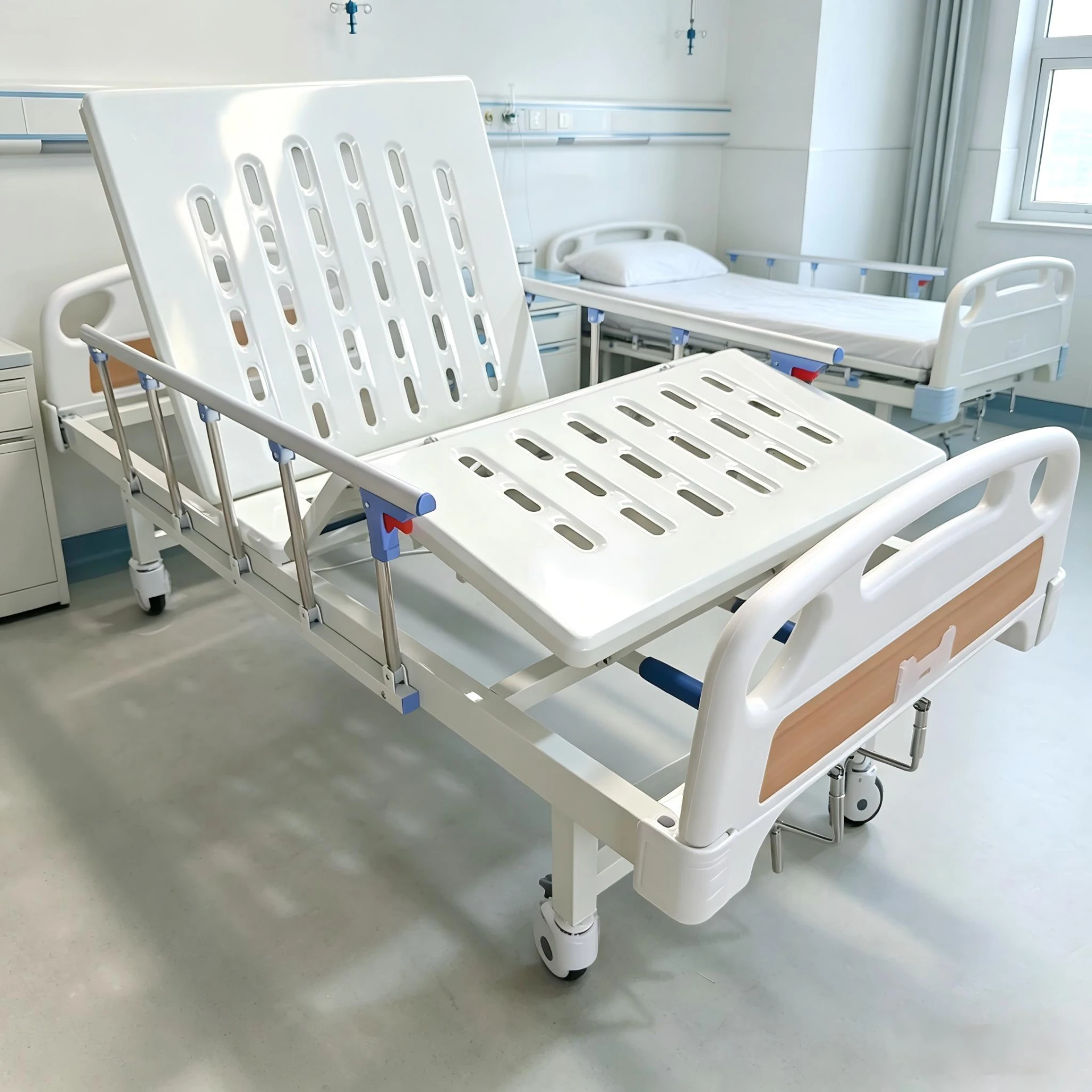
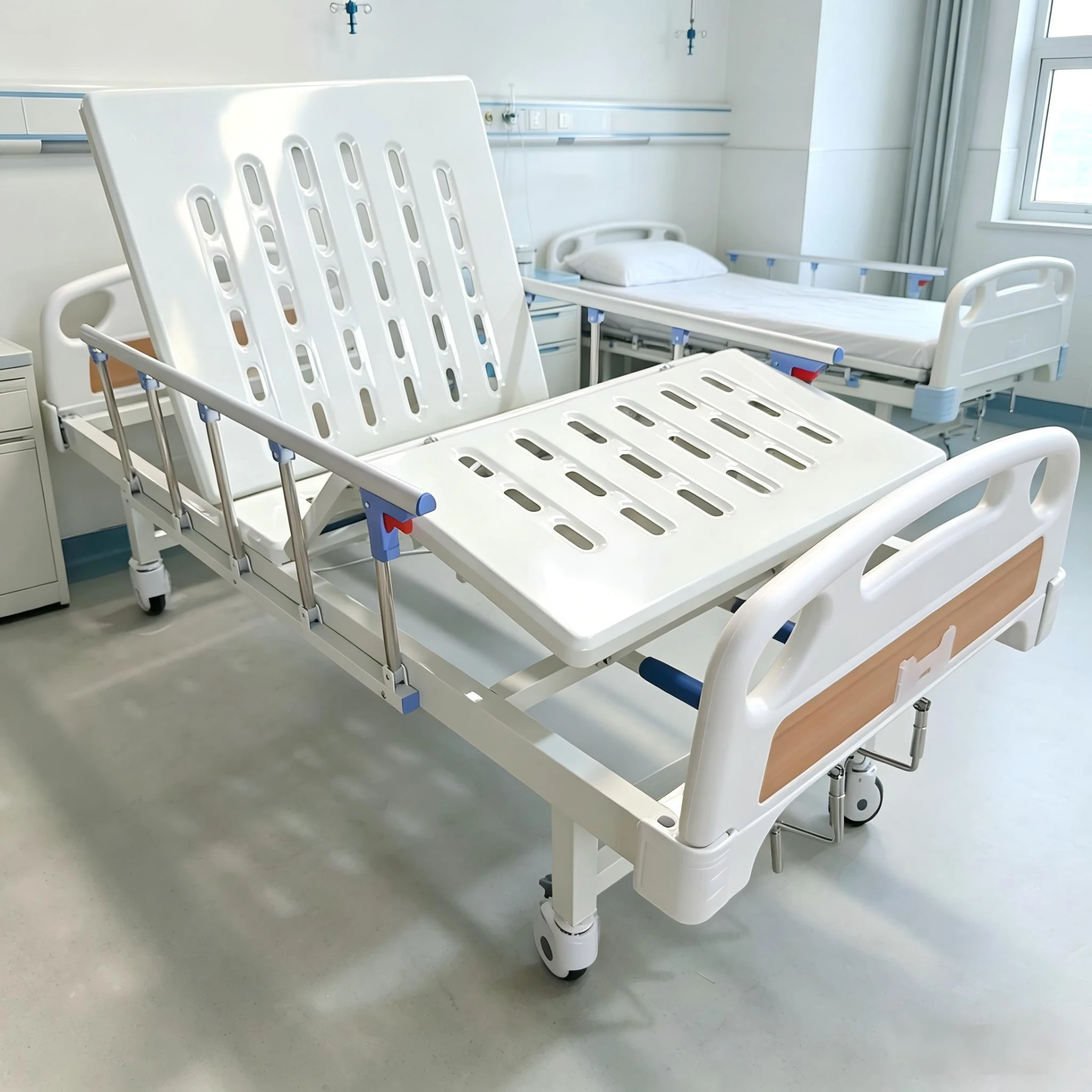
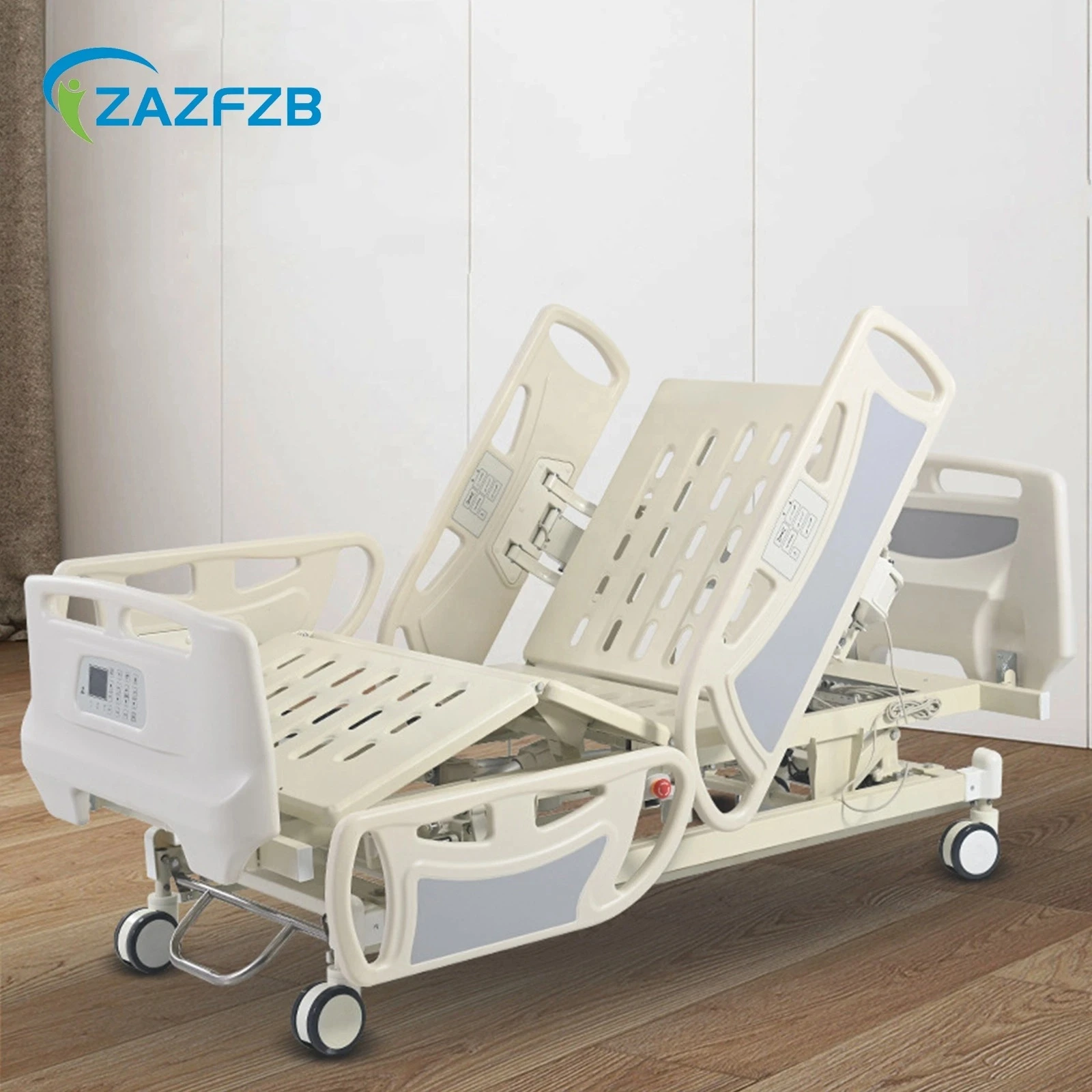
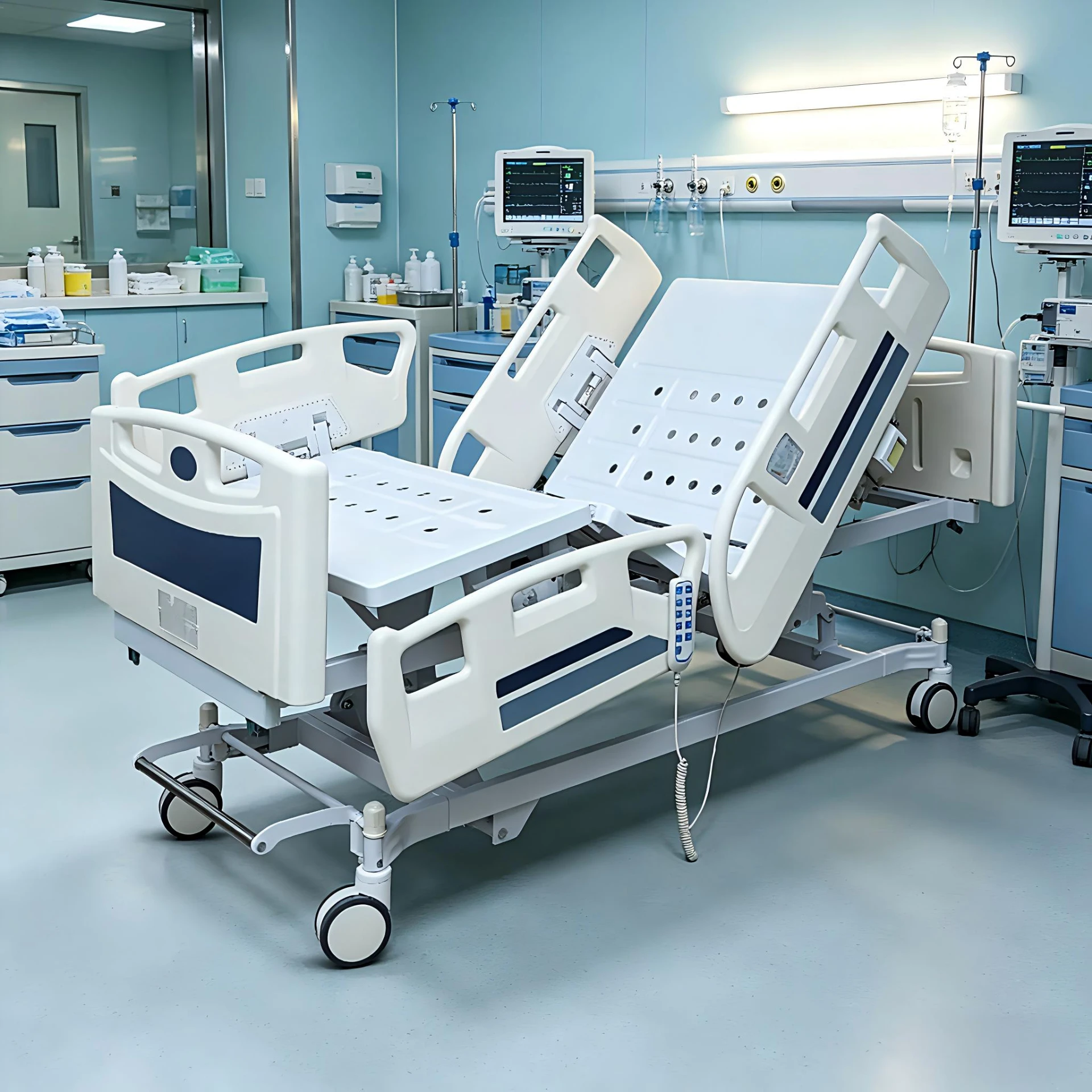
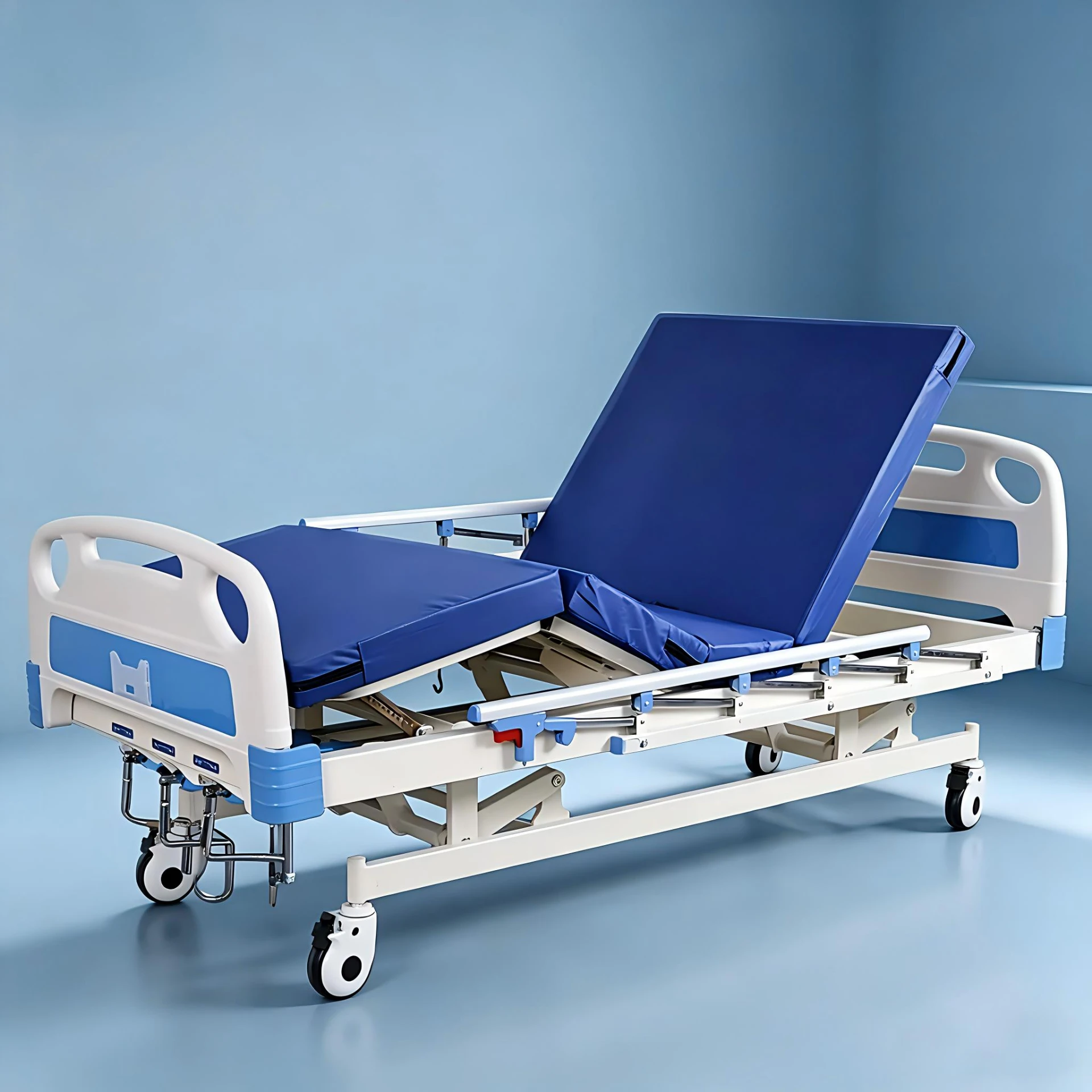
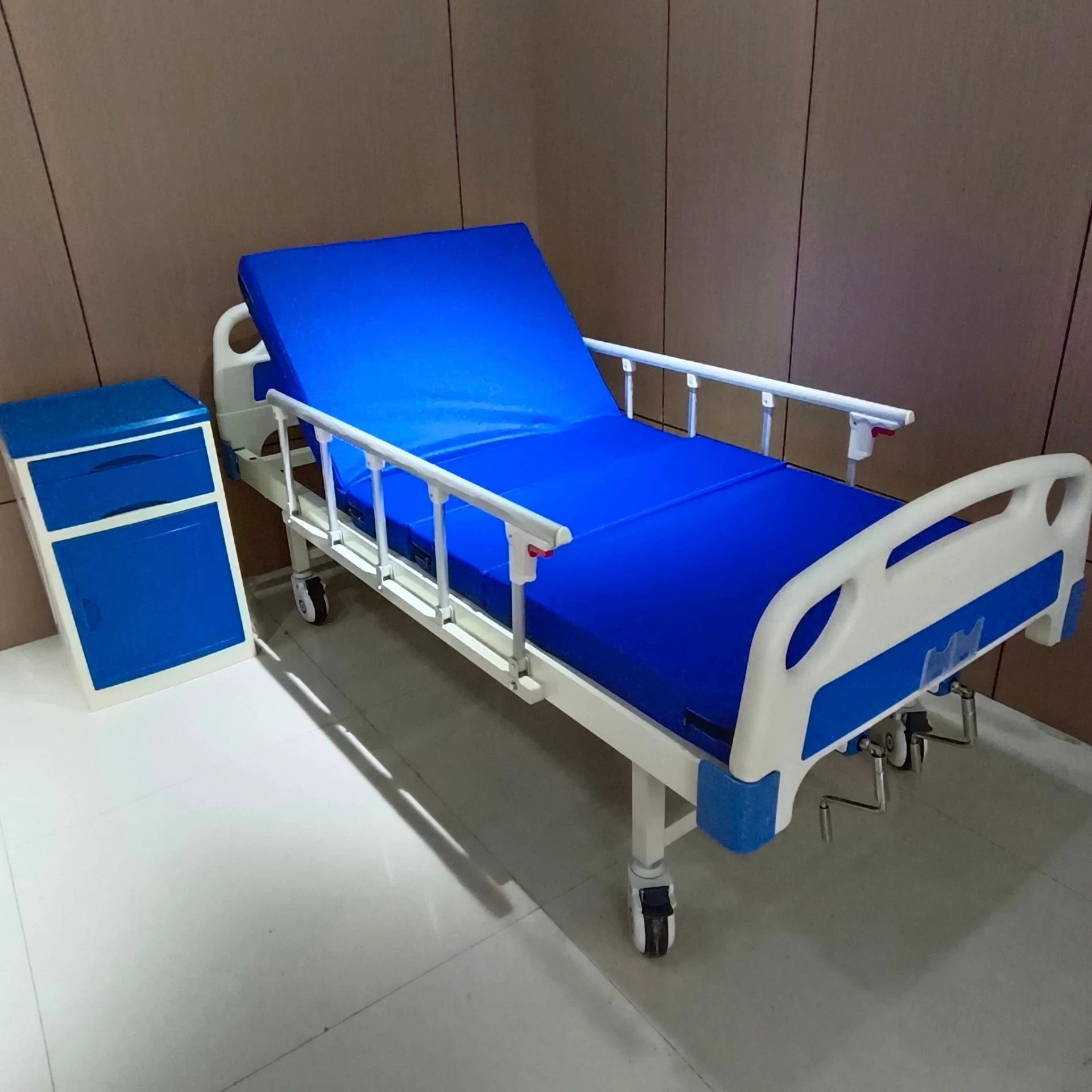
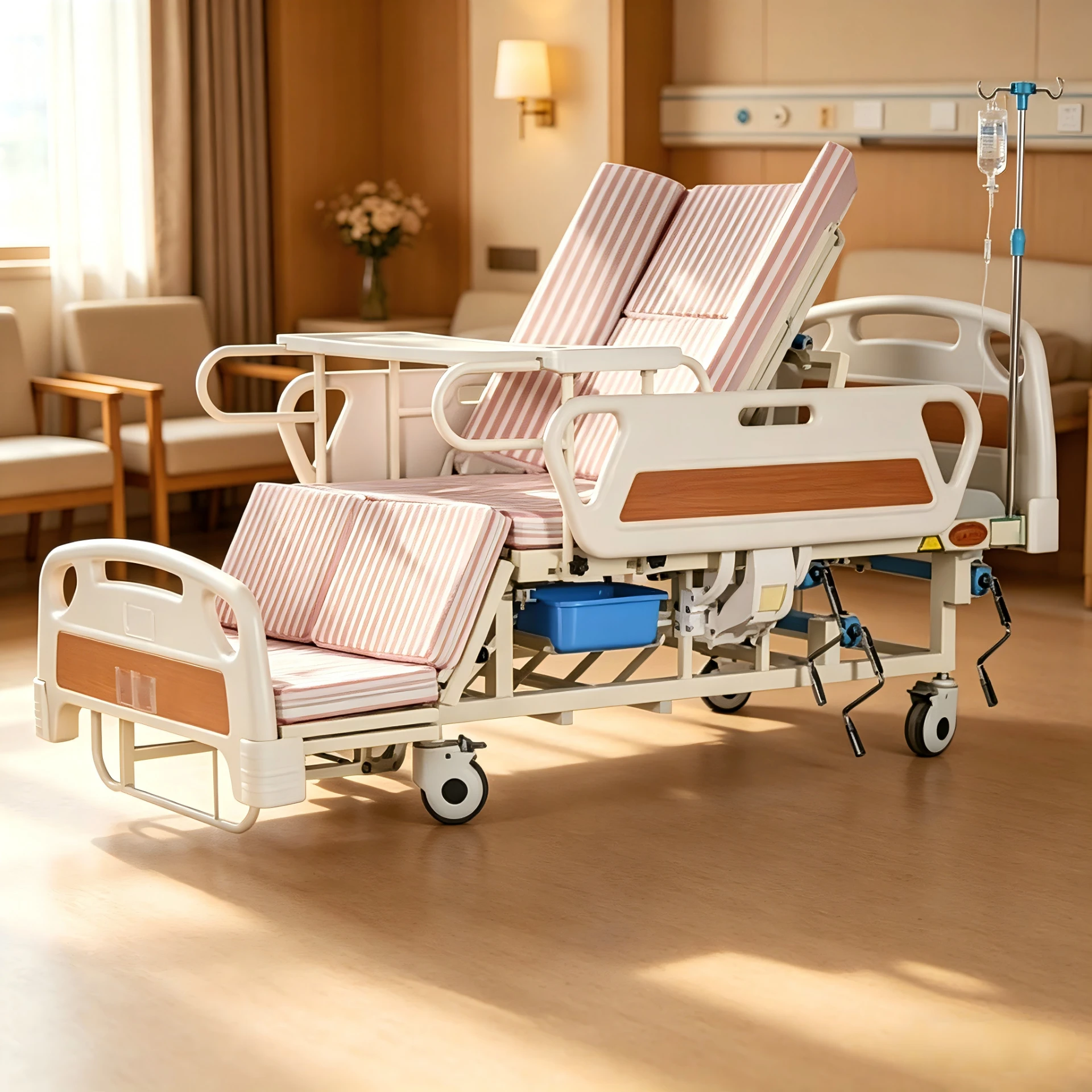
At its simplest, a care home bed is a specialized bed designed to support individuals who need medical or assisted care. Unlike standard beds, these typically include adjustable features (height, backrest angle, leg positioning), enhanced stability, and accessories like side rails or pressure-relief mattresses. The modern industry considers these beds essential for both clinical and humanitarian settings, offering comfort alongside mobility support.
Key Components That Define Care Home Beds
1. Durability and Build Quality
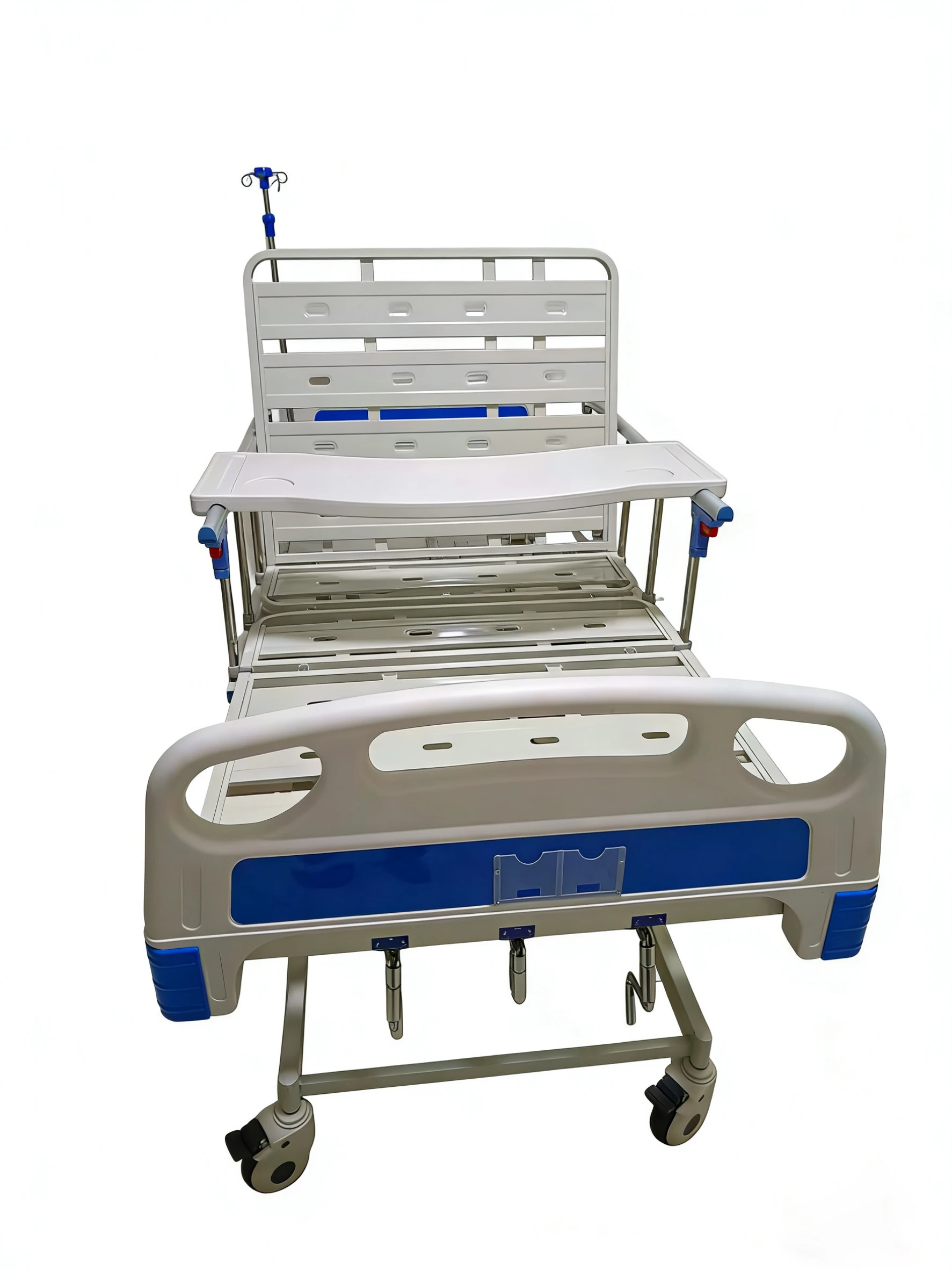
A care home bed must be sturdy, designed to withstand daily use over many years without compromising safety. Materials like high-grade steel frames combined with easy-to-clean surfaces balance longevity and hygiene.
2. Adjustability and Comfort
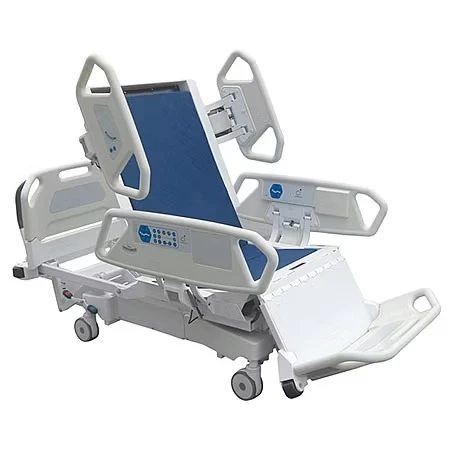
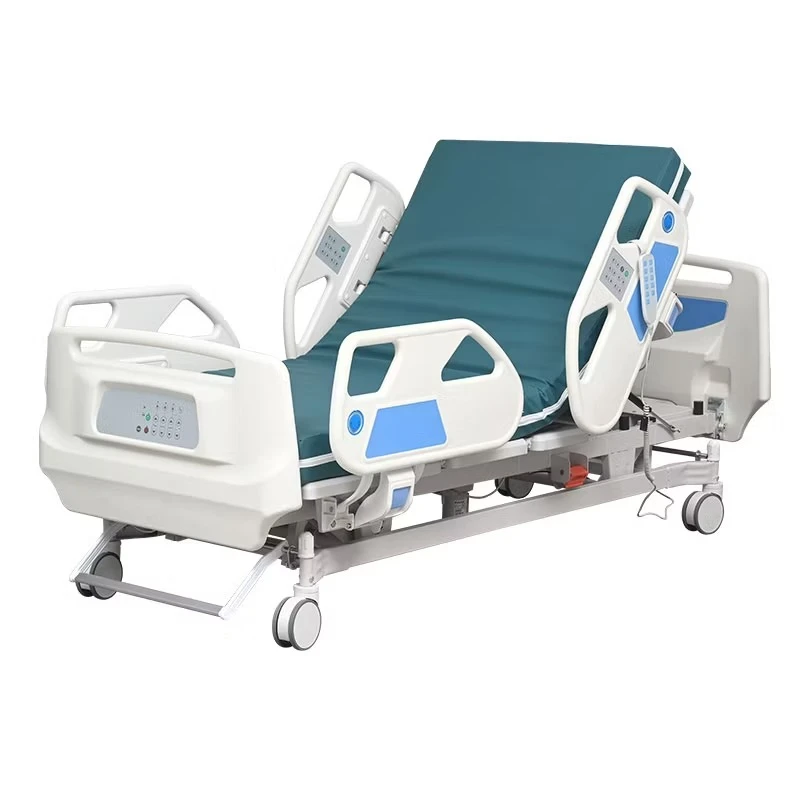
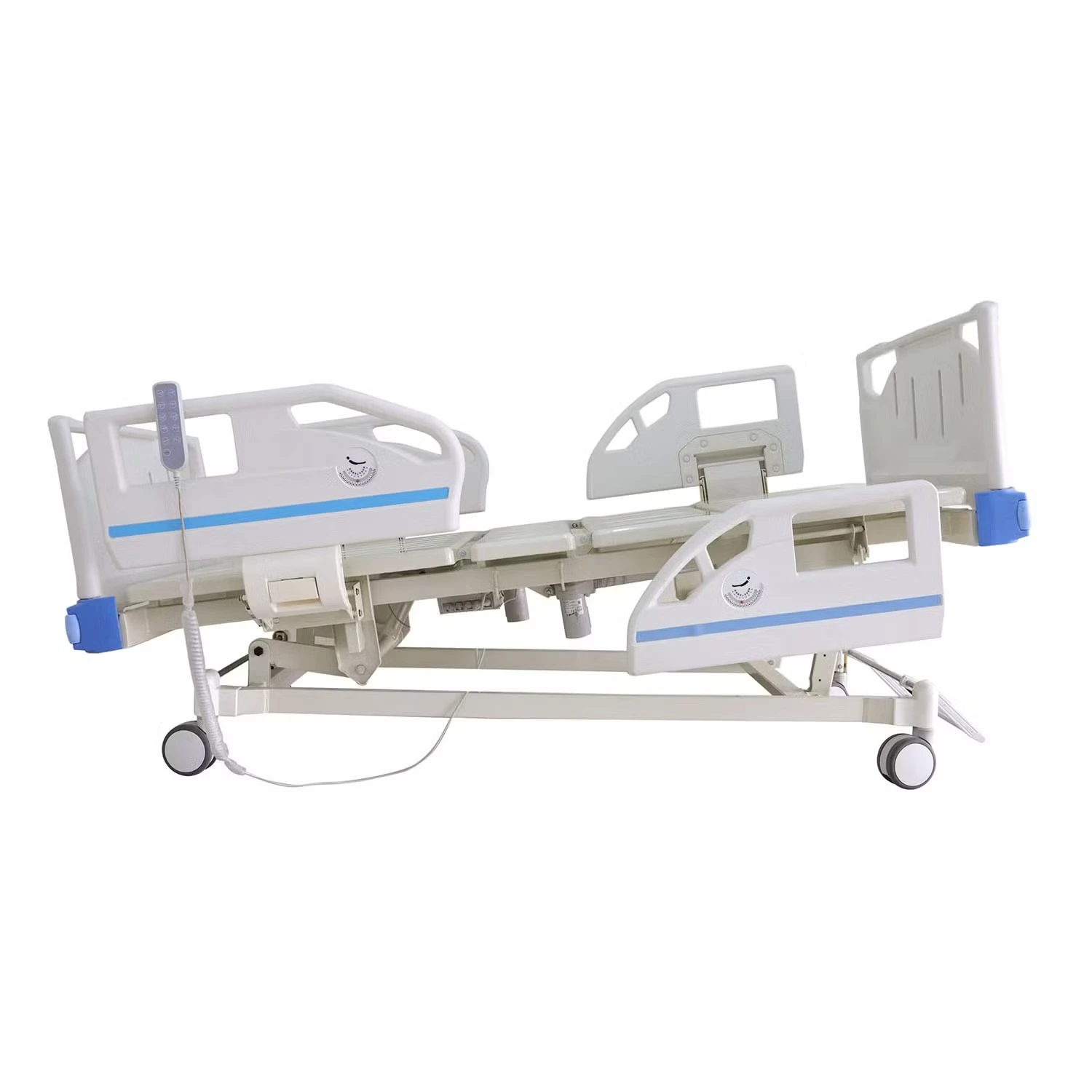
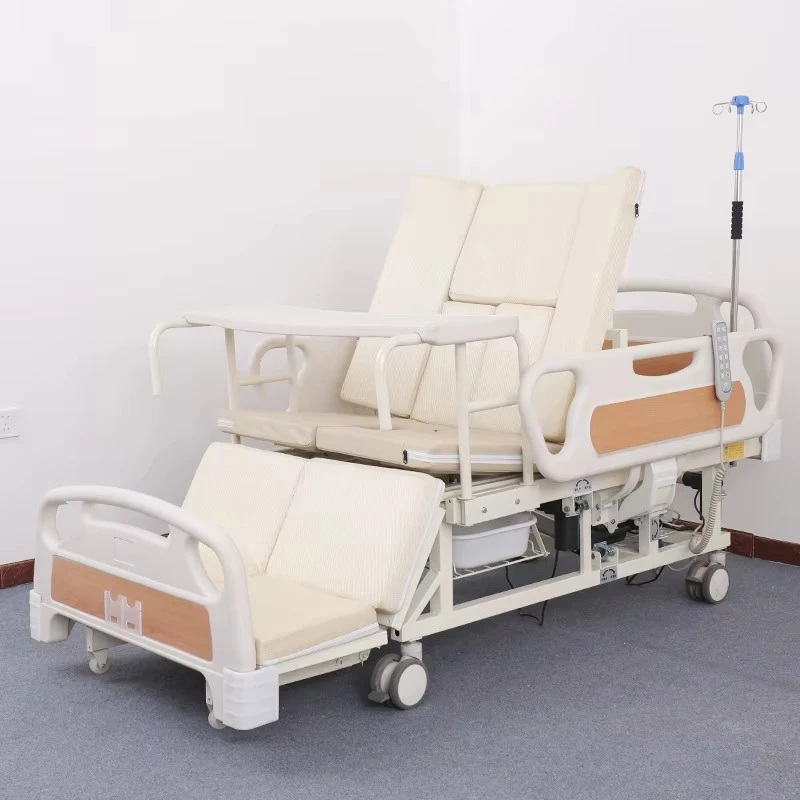
Adjustable beds improve patient outcomes by enabling comfortable positioning and easier mobility. From motorized tilt mechanisms to manual crank adjustments, these features empower caregivers and residents alike.
3. Safety Features
Side rails, non-slip surfaces, and locking wheels are standard to minimize fall risks. Some models now incorporate sensor technology alerting staff if a resident attempts to leave the bed unsupervised.
4. Cost Efficiency and Maintenance
For many facilities, budget constraints are real. Thus, beds that balance affordability with low-maintenance designs become vital — easy part replacements and minimal mechanical failure rates reduce long-term costs.
5. Customization and Accessibility
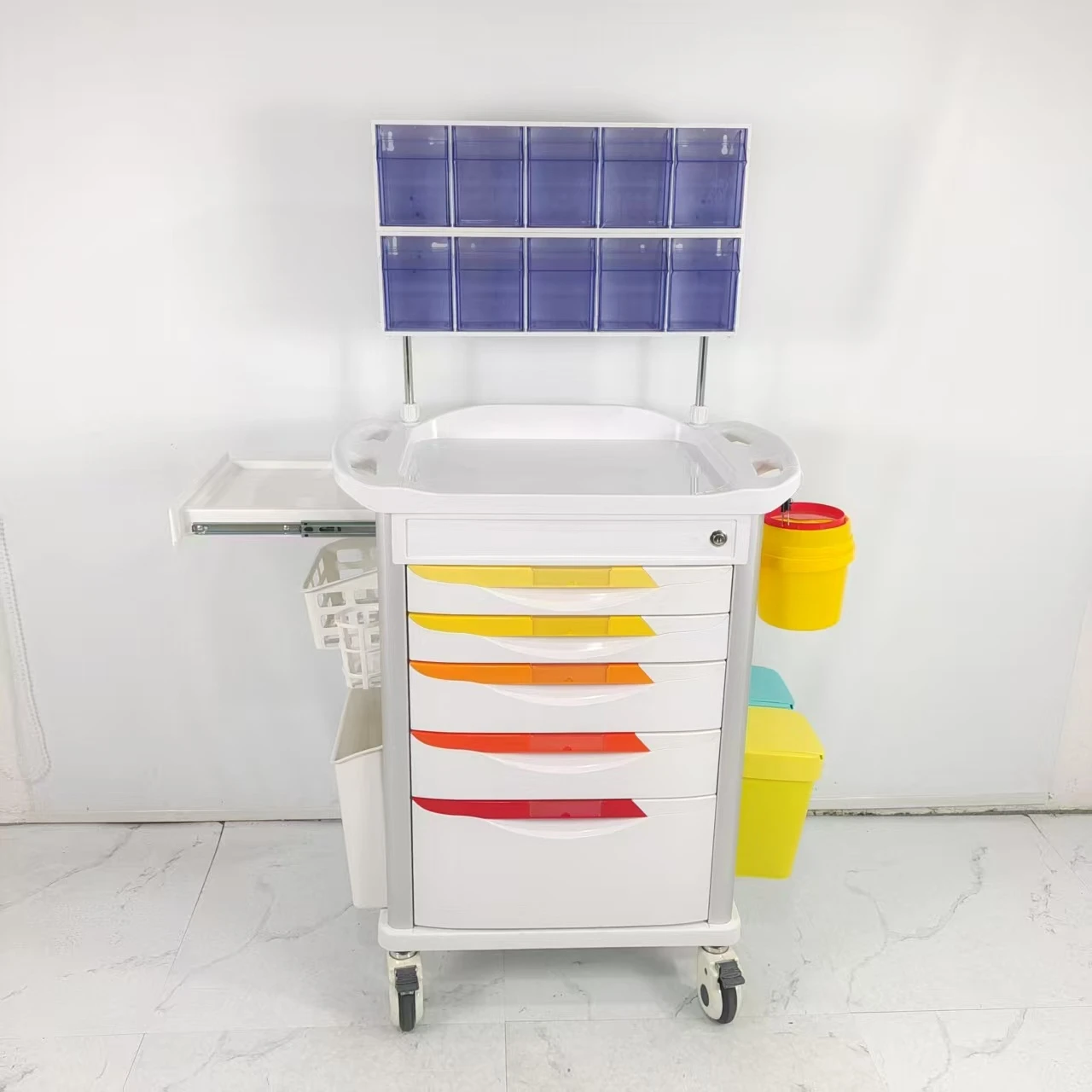
Care home beds often offer size variations, tailored mattress types, or accessory compatibility (IV poles, over-bed tables). These choices enable personalized care adapted to varied patient needs.
Product Specifications Snapshot
| Specification | Standard Model | Premium Model |
|---|---|---|
| Frame Material | Powder-coated steel | Stainless steel + Corrosion-resistant coating |
| Adjustability | Manual crank (3 position) | Electric motorized (5 position + Trendelenburg) |
| Weight Capacity | 150 kg (330 lbs) | 200 kg (440 lbs) |
| Safety Features | Side rails + locking wheels | Side rails, locking wheels + alert sensors |
| Mattress Type | Standard foam | Pressure-relief gel or air mattresses |
Global Applications & Use Cases
Care home beds find their place everywhere—from urban nursing homes in Europe and North America to rural elderly care centers in Asia and Africa. Oddly enough, in remote industrial zones with temporary medical stations, these beds also provide essential support for workers recovering from injuries.
Post-disaster relief operations have increasingly incorporated modular, easily transported care beds to treat wounds or chronic conditions away from hospitals, reflecting both humanitarian and practical design demands. Indeed, care home beds are now part of a global response toolkit.
Comparing Leading Care Bed Vendors
| Feature | Vendor A | Vendor B | Vendor C |
|---|---|---|---|
| Global Reach | Strong (60+ countries) | Medium (30 countries) | Emerging (15 countries) |
| Warranty Period | 5 years | 3 years | 2 years |
| Customization Options | Extensive (multiple accessories) | Moderate | Limited |
| Eco-friendly Materials | Yes (recycled metals/plastics) | Partial | No |
| Price Range | $$$ (premium market) | $$ (mid-tier) | $ (budget) |
Advantages & Long-Term Value
- Cost Efficiency: While premium models can be pricier upfront, their durability and reduced maintenance costs provide significant savings over a decade or more.
- Sustainability: Eco-friendly frames and recyclable components are increasingly standard, answering global sustainability goals aligned with ISO 14001 standards.
- Social Impact: Enhancing patient dignity and caregiver efficiency reduces burnout and improves quality of life. Hospitals and homes alike benefit.
- Innovation and Trust: Integration with digital monitoring and adjustable tech builds confidence for staff and families.
Future Trends & Innovations
Care home beds are becoming smarter and greener. Expect upcoming models to include AI-powered position adjustments responding to patient movement, integrated fall detection, and mattresses that modulate pressure dynamically to prevent ulcers. Sustainability pushes also fuel innovations in biodegradable materials and solar-powered motors in off-grid facilities.
Challenges and How to Overcome Them
Challenges such as high costs, limited supply in developing regions, and maintenance complexity remain. However, modular designs and local manufacturing partnerships, backed by global logistics networks, are making care home beds more accessible worldwide. Training caregivers on technology use is also vital, a concern voiced frequently by professionals.
Frequently Asked Questions about Care Home Beds
- What features should I prioritize when selecting care home beds?
- Focus on safety (side rails, locking wheels), adjustability, and mattress quality. Also, consider the resident’s specific mobility and comfort needs, plus ease of cleaning and maintenance.
- How do care home beds help prevent pressure ulcers?
- The combination of adjustable positions and pressure-relief mattresses reduces sustained pressure on vulnerable body areas, thereby minimizing ulcer development risks.
- Are electric beds worth the extra cost in care homes?
- Electric beds offer ease of use for both residents and caregivers, improving positioning precision and reducing manual labor. For facilities with higher budgets or long-term residents, they are often worth the investment.
- Can care home beds be customized for individual patient needs?
- Yes, many manufacturers offer wide customization options including mattress types, accessories like overbed tables, and integration with patient monitoring technology.
- How do care home beds comply with international safety standards?
- Good quality beds align with standards like ISO 13485 (medical devices) and include certifications ensuring electrical safety and mechanical robustness.
Conclusion and Call to Action
Ultimately, care home beds are more than just practical necessities; they embody comfort, safety, and respect for those in need of long-term or rehabilitative care. Considering the world’s aging population and evolving healthcare demands, investing in high-quality beds is an investment in better care and dignity. For those exploring options, feel free to visit our website for a detailed catalog and expert advice.
It’s fascinating to see how something as seemingly simple as a bed can impact lives in profound ways — kind of humbling, honestly.