Comprehensive Guide to Stainless Steel Trolleys with Wheels: Uses, Benefits & Trends
Understanding the Stainless Steel Trolley with Wheels: A Global Perspective
When you hear the phrase stainless steel trolley with wheels, you might just picture a simple cart moving goods around. But in reality, it’s far more significant than that—these trolleys play a surprisingly vital role across industries worldwide, from hospitals and factories to humanitarian aid, especially in places where reliability and hygiene cannot be compromised.
Why does this matter on a global scale? According to data from the World Bank, efficient logistics and safe transport equipment can boost productivity by up to 20% in manufacturing hubs (1). That’s huge when you think about the ripple effect on economies and lives. The durable design of stainless steel trolleys equipped with wheels means they’re trusted for everything from sensitive lab environments to heavy industrial warehouses, where you need equipment that can withstand wear and tear—and, frankly, being pushed around a dozen times a day.
Global Context: Why Stainless Steel Trolleys Matter
Across continents, the demand for robust, hygienic transport tools like these has skyrocketed. ISO standards on material corrosion resistance and cleanability (ISO 20878:2021 for stainless steel medical devices) highlight how important stainless steel is in environments that care about contamination risks. In emerging economies, these trolleys help smooth out supply chain bottlenecks, enabling faster and safer delivery of critical equipment and goods.
Oddly enough, industries that often fly under the radar—like food processing or emergency response—are the biggest beneficiaries. Post-disaster relief agencies and NGOs, for example, rely on these carts to move medical supplies quickly and safely across rough terrains, sometimes in remote regions of Africa or Southeast Asia. Having wheels that can manage uneven ground makes a huge difference.
What Exactly Is a Stainless Steel Trolley with Wheels?
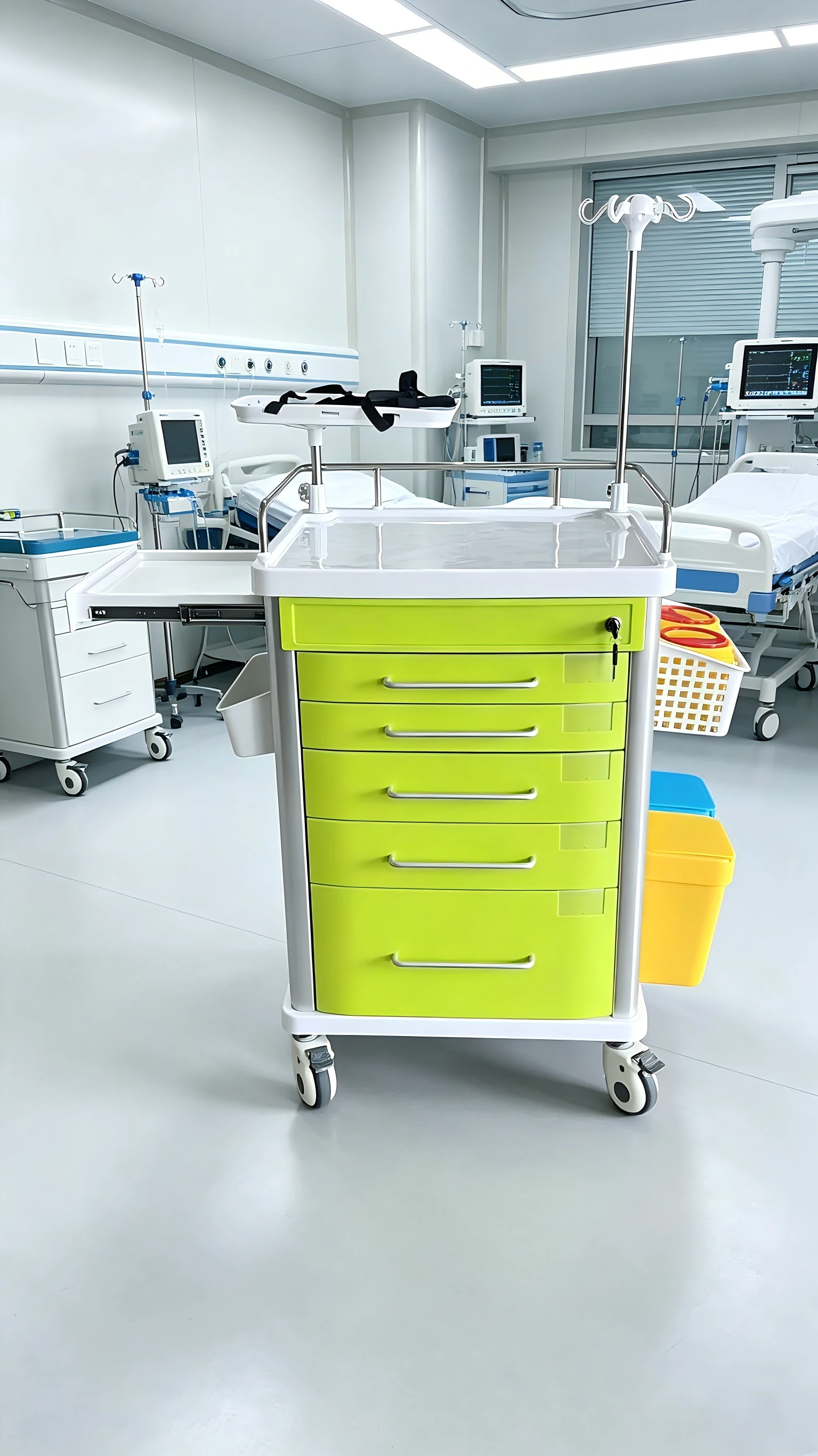
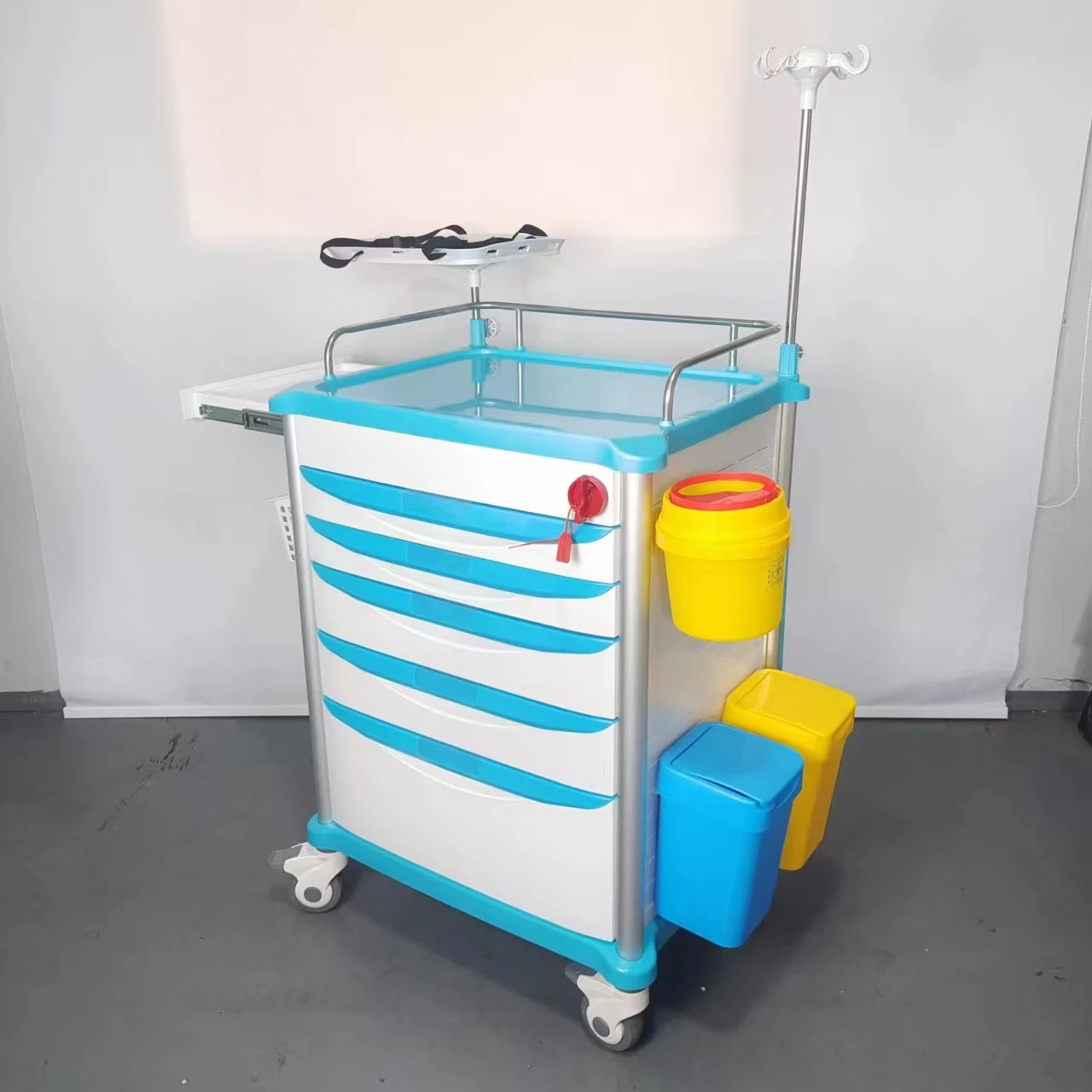
Put simply, it’s a mobile platform, frame, or cabinet made primarily of stainless steel, fitted with wheels for easy transport. The material choice isn’t random: stainless steel offers corrosion resistance, strength, and an easy-to-clean surface. This trolley can be as simple as a flatbed cart or more complex with shelves, drawers, and locking mechanisms—tailored to specific industry needs.
In modern hospitals, for instance, these trolleys are used for sterile transport of instruments. In factories, they haul heavy components. In humanitarian operations, it’s about flexibility and durability—equipment that survives tough handling and harsh climates. It’s the kind of everyday unsung hero.
Core Components of a Stainless Steel Trolley with Wheels
1. Durability
Probably the standout feature. Stainless steel is famed for resisting rust and wear, crucial in environments where water, chemicals, or rough handling are common. This longevity cuts replacement costs and downtime.
2. Mobility and Wheel Quality
Wheels determine ease of movement. Whether it’s pneumatic wheels for uneven outdoor surfaces or smooth polyurethane for indoor use, the right choice drastically improves user comfort and safety.
3. Load Capacity
Different applications need different strength ratings—ranging from a few dozen kilograms for lab supplies to several hundred for industrial parts. Matching the trolley’s design to the weight requirements is essential.
4. Hygiene and Cleanability
In medical and food industries, the ability to clean easily and maintain sterility is non-negotiable. Stainless steel excels here, resisting microbial growth and allowing high-temp sterilization.
5. Customization Options
From adjustable shelves to locking wheels and ergonomic handles, customization enhances functionality — a tad important when you need to fit the trolley into specific procedures or workflows.
| Specification | Details |
|---|---|
| Material Grade | 304/316 Stainless Steel |
| Wheel Type | Polyurethane swivel casters with brakes |
| Load Capacity | 250 kg (550 lbs) |
| Dimensions | 1200mm x 700mm x 900mm (LxWxH) |
| Finish | Brushed / Satin |
Global Applications & Use Cases
In real terms, stainless steel trolleys with wheels have made their mark in:
- Healthcare: Hospitals in the US and Europe use these trolleys for sterile instrument transport and medication carts.
- Food Processing: European and Asian food plants rely on them to maintain hygiene standards while moving raw materials.
- Manufacturing: Heavy industry sectors in China and Germany use them to transport parts on factory floors.
- Humanitarian Aid: NGOs working in disaster-prone areas—think earthquake zones or flood-hit regions—swear by rugged stainless steel trolleys to move supplies efficiently.
One interesting story comes from a relief operation in Nepal after the 2015 earthquake. The teams used custom stainless steel trolleys with reinforced wheels to haul medical kits through muddy rubble paths. It’s a testament to how even basic equipment can turn into lifelines.
Explore our range of stainless steel trolley with wheelsWhy Invest in Stainless Steel Trolleys? The Long-Term Value
Choosing stainless steel is choosing peace of mind. Cost-wise, it’s a smart investment because of how long these trolleys last compared to alternatives like plastic or mild steel. Sustainably, stainless steel is recyclable and contributes less to waste streams—a point not lost on companies committed to green manufacturing.
Plus, on the emotional side, employees appreciate reliable, easy-to-maneuver equipment that keeps their work safer and smoother. Safety translates into trust—not just in a product but in the company’s culture of care.
Future Trends & Innovations
What’s next? Automation and smart technology are creeping in—picture trolleys with embedded RFID sensors that track their location, or brakes activated by remote commands. Materials research is ongoing, aiming to make the steel even lighter but just as strong, freeing users from bulky carts.
Also, expect more environmentally friendly coatings and finishes, reducing cleaning chemicals and improving sustainability further. The digital transformation sweeping industry is bound to touch even this seemingly humble transport tool.
Challenges & Practical Solutions
No product is without its hurdles. Stainless steel trolleys sometimes face issues like higher upfront costs or heavier weight compared to alternatives. But advances in alloying and design—such as optimized frame geometries—help tackle weight issues.
Manufacturers can overcome cost barriers by offering modular designs, where users can scale up or down features based on need. Maintenance remains low but predictable schedules are vital to prolong lifespan.
| Vendor | Wheel Options | Customization | Typical Lead Time | Price Range (USD) |
|---|---|---|---|---|
| Zhaofa Med | Polyurethane, Pneumatic, Rubber | High (modular shelves, branding) | 2-4 weeks | 300 - 1200 |
| SteelPro Carts | Polyurethane, Steel Wheels | Medium (adjustable handles) | 3-5 weeks | 250 - 1000 |
| MoveEase Ltd. | Rubber, Pneumatic | Low (fixed design) | 1-3 weeks | 200 - 900 |
FAQ: Common Questions About Stainless Steel Trolleys with Wheels
- What wheels work best for rough outdoor terrain on stainless steel trolleys?
- For uneven or rough outdoor surfaces, pneumatic wheels filled with air provide shock absorption and better traction. These wheels can handle debris, mud, and irregular ground far better than solid polyurethane ones, which are better suited for smooth indoor floors.
- How often should stainless steel trolleys be maintained?
- Generally, cleaning after each use in sterile environments and thorough inspections monthly keep the trolley in peak condition. Checking wheels for wear and tightening fastenings regularly prolongs lifespan.
- Is customization expensive for these trolleys?
- Customization costs vary widely but modular designs help keep initial costs sensible. Features like adjustable shelves or locking wheels add minor increases relative to benefits in productivity and safety.
- Can stainless steel trolleys be used in corrosive chemical environments?
- Yes, provided the steel grade is appropriate—grade 316 stainless steel offers enhanced corrosion resistance, often preferred in chemical or marine applications. Confirm the trolley specs with the vendor for compatibility.
- Are stainless steel trolleys recyclable after use?
- Absolutely. Stainless steel is 100% recyclable without loss of quality. Recycling helps reduce environmental impact and is part of the reason why many industries favor it.
Conclusion: Moving Forward with Stainless Steel Trolleys
In sum, the stainless steel trolley with wheels is much more than an industrial cart. It’s a durable, reliable, and sustainable workhorse supporting everything from healthcare to disaster relief across the globe. Investing in quality trolleys means investing in efficiency, safety, and continuity.
If you’re ready to upgrade your mobile transport solutions, visit our website and see how our stainless steel trolleys with wheels can fit your industry’s needs.
Reflecting on all this, it feels odd how often we overlook such simple equipment — when in fact, it quietly drives much of the world’s daily operations.
- World Bank – Logistics Performance Index (https://www.worldbank.org)
- ISO 20878:2021 – Stainless Steel Medical Devices Standard (https://www.iso.org)
- Wikipedia – Stainless Steel (https://en.wikipedia.org/wiki/Stainless_steel)