Stainless Steel Cart with Wheels: Durable Mobile Solutions for Industry & Healthcare
Understanding the Stainless Steel Cart with Wheels: A Practical Solution for Modern Mobility
If you work in any kind of industrial, healthcare, or logistics environment, chances are you’ve seen—or used—a stainless steel cart with wheels. It’s one of those seemingly simple tools that, frankly, holds a lot of weight in terms of functionality and efficiency worldwide. From moving delicate medical equipment in hospitals to transporting heavy goods in warehouses, these carts help solve practical challenges on a daily basis. But beyond just “rolling stuff around,” knowing why stainless steel carts matter can unlock insights into durability, hygiene, and sustainability that are critical for industries globally.
Introduction: Why Stainless Steel Carts with Wheels Matter Globally
Globally, the movement of materials and tools plays a critical role in everything from healthcare to manufacturing. According to the World Bank, efficient logistics and material handling can increase productivity by up to 30% in manufacturing sectors. Meanwhile, international standards such as those from ISO emphasize hygiene and durability for equipment used in sensitive environments. This is where stainless steel carts with wheels come in—they’re robust, easy to sanitize, and built to last, helping organizations optimize workflows and reduce contamination risk. But the challenge is striking the right balance between strength and mobility, particularly in varied environments ranging from tropical hospitals to remote industrial sites.
Mini takeaway: Efficiency and hygiene concerns combined with industrial demands have made stainless steel carts with wheels indispensable worldwide.
What Exactly Is a Stainless Steel Cart with Wheels?
At its simplest, a stainless steel cart with wheels is a mobile platform or shelving unit, made primarily from stainless steel, equipped with caster wheels for easy movement. Unlike carts made from wood or plastic, these carts are praised for their resistance to corrosion, ease of cleaning, and capacity to handle heavy loads without deforming. This makes them perfect for industries where cleanliness and durability are paramount—think hospitals, food processing plants, laboratories, and even disaster relief operations. The wheels add necessary mobility, turning what would be a stationary shelf into a versatile, flexible tool.
Mini takeaway: It’s mobility meets resilience, in a clean, corrosion-proof package that suits modern hygiene and industrial standards.
Key Components and Why They Matter
- Durability
Stainless steel’s inherent corrosion resistance means the carts withstand harsh cleaning chemicals and environmental stress over long periods, reducing replacement costs. - Mobility
Quality caster wheels ensure smooth movement on various surfaces—venturing from hospital floors to uneven warehouse terrain—without unnecessary noise or wear. - Hygiene
Smooth stainless surfaces are easy to clean and sanitize, essential in sterile environments. This reduces contamination risk, especially in health and food sectors. - Load Capacity
Depending on the build, these carts can support anywhere from 100 to 500+ kilograms, facilitating the transport of heavy equipment safely. - Customization
Adjustable shelves, locking wheels, and added handles allow users to tailor carts for very specific operational needs—making them quite versatile.
Mini takeaway: These core factors ensure stainless steel carts with wheels not only work well but also adapt to demanding environments efficiently.
Global Applications & Use Cases
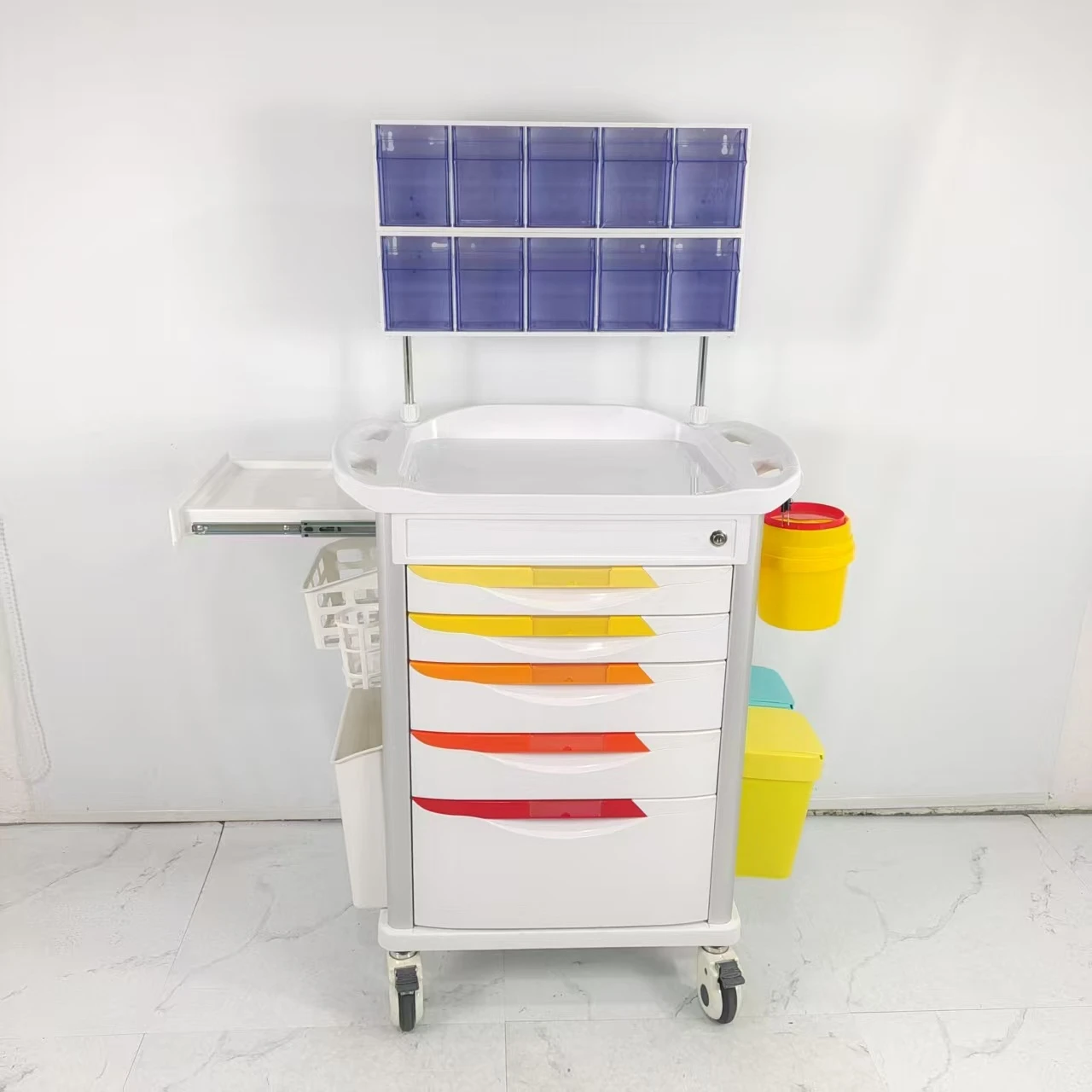
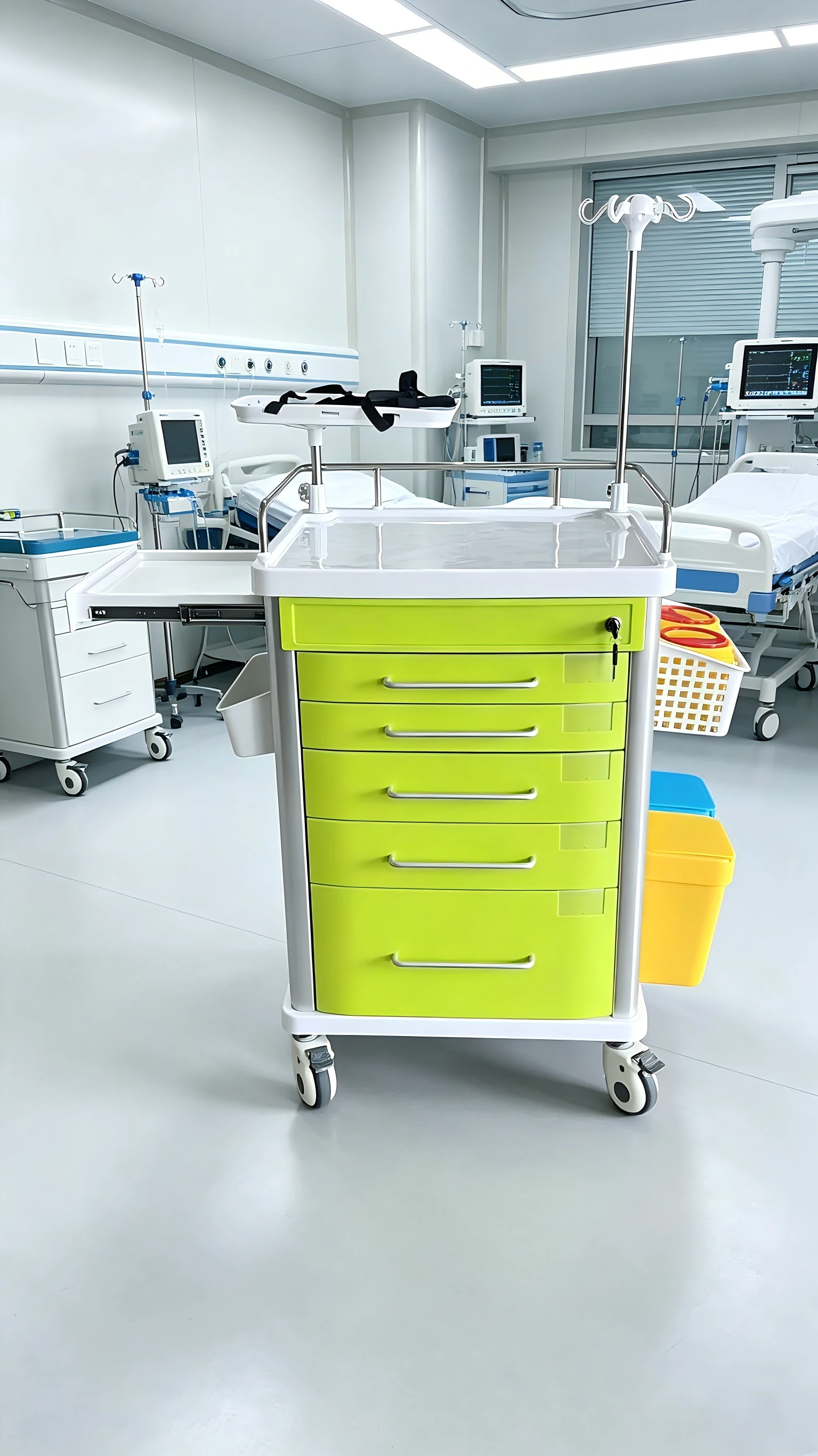
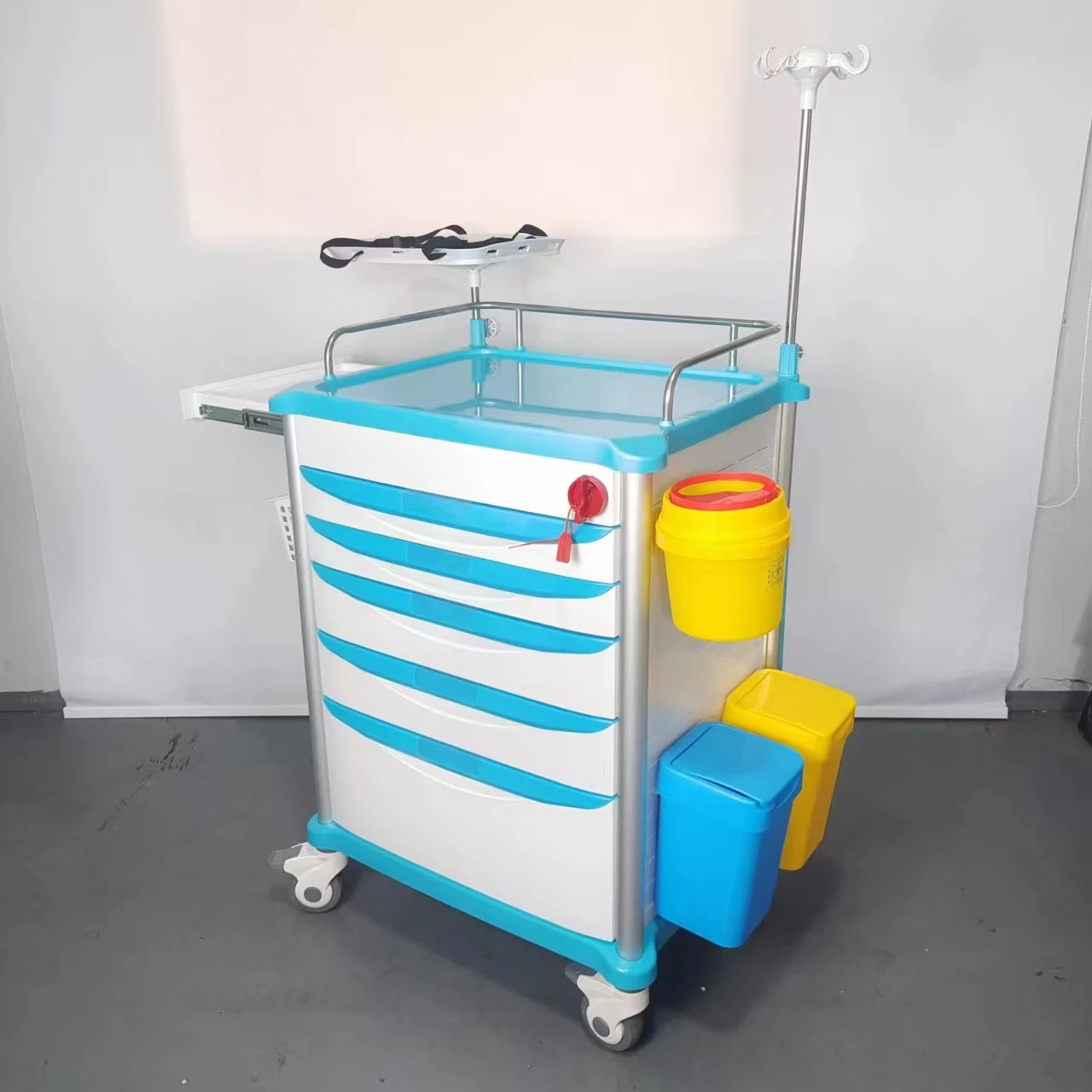
In healthcare, these carts become rolling workstations or supply carriers, minimizing the time nurses spend walking back and forth. For industries like food processing, the rust-resistant nature avoids contamination risks. Oddly enough, they even see use in disaster relief contexts, where ruggedness and hygiene are must-haves for transporting supplies in post-disaster zones. Places like Europe, North America, and parts of Asia report widespread deployment in industrial warehouses, hospitals, and even airport logistics. NGOs involved in humanitarian aid often rely on such carts to move medicines or equipment smoothly in makeshift clinics.
Mini takeaway: Stainless steel carts with wheels are a global backbone in sectors demanding mobility, cleanliness, and reliability under diverse conditions.
Advantages & Long-Term Value of Stainless Steel Carts
- Cost-Effectiveness: Despite a higher initial investment than plastic or wood carts, longevity and low maintenance reduce lifetime costs.
- Sustainability: Stainless steel is recyclable, often containing recycled content, which supports circular economy goals.
- Reliability & Trust: Users trust these carts will perform consistently—no squeaky wheels, no rust, no unexpected breakdowns.
- Emotional Impact: For those operating in healthcare or food industries, knowing your transport tools won’t compromise safety brings peace of mind and dignity to patient or consumer care.
Mini takeaway: Stainless steel carts with wheels offer a blend of smart economics, sustainability, and dependable performance that pays off long-term.
Product Specifications: Typical Stainless Steel Cart with Wheels
| Feature | Specification |
|---|---|
| Material | 304-grade stainless steel (304SS) |
| Dimensions | 900mm (L) x 500mm (W) x 900mm (H) |
| Weight Capacity | Up to 300 kg |
| Caster Wheels | 4 swivel polyurethane wheels with brakes |
| Shelf Count | 3 adjustable shelves |
| Finish | Brushed stainless steel for scratch resistance |
Vendor Comparison: Popular Stainless Steel Cart Providers
| Vendor | Material Grade | Customization | Price Range (USD) | Ideal Use Case |
|---|---|---|---|---|
| Zhao Famed | 304SS / 316SS options | Highly customizable: shelves, wheels, handles | $350 - $650 | Hospitals, industrial sites, laboratories |
| Global Cart Co. | 304SS standard | Limited | $280 - $500 | General warehousing |
| SteelMove Inc. | 316SS corrosion resistant | Moderate | $450 - $750 | Marine, chemical sectors |
Future Trends and Innovations
Looking ahead, the stainless steel cart with wheels is evolving alongside technology and sustainability efforts. Manufacturers are exploring smart sensor integration that tracks load weight or movement, feeding data into warehouse management systems. Environmentally, greener coatings or recycled stainless steel materials are gaining traction in efforts to reduce carbon footprints. Automation could mean self-driving carts that follow workers or robotic forklifts docking to these carts for seamless material transfer. Frankly, it’s a fascinating intersection of traditional materials with Industry 4.0 innovations.
Common Challenges & How to Overcome Them
Despite all their advantages, stainless steel carts can be heavy and sometimes a bit pricier upfront compared to plastic. Wheels can wear unpredictably on rough surfaces if not chosen carefully. Some operations might overlook routine maintenance, causing squeaks or wheel damage. The best approach? Select wheels suitable for the specific terrain, invest in regular inspections, and consider modular designs so parts can be replaced easily. Many suppliers, like those at stainless steel cart with wheels specialists, offer maintenance guides and warranty support that really adds to long-term reliability.
FAQ About Stainless Steel Cart with Wheels
- Q: What makes stainless steel carts better than plastic ones?
- A: Stainless steel carts resist corrosion, scratches, and chemicals better than plastic, making them ideal for harsh or sterile environments. They also support heavier loads and tend to last much longer.
- Q: Can stainless steel carts be customized for specific industry needs?
- A: Absolutely. Many manufacturers offer adjustable shelves, non-marking wheels, and even branded finishes to meet unique operational requirements.
- Q: Are these carts suitable for outdoor use?
- A: Yes, especially those fabricated in 316-grade stainless steel, which offers higher corrosion resistance against salty or wet environments.
- Q: How do I maintain a stainless steel cart to extend its lifespan?
- A: Regular cleaning with mild detergents, occasional inspection of wheels and joints, and prompt replacement of worn parts keep carts moving smoothly for years.
- Q: Where can I purchase reliable stainless steel carts with wheels?
- A: Vendors like Zhao Famed provide a range of options suited to healthcare, industrial, and disaster relief uses, often with customizations available.
Conclusion
All things considered, investing in a quality stainless steel cart with wheels is a smart move for organizations looking to improve safety, hygiene, and productivity. They’re not just durable transport tools—they help maintain standards that could literally save lives or prevent costly delays. If your operations demand mobility paired with long-term resilience, I’d encourage exploring the variety of options offered by suppliers like those at stainless steel cart with wheels. These carts combine thoughtful engineering with practical utility, and that’s a combination worth having at your fingertips.
Before you go—remember, selecting the right cart is as much about understanding your operational needs as it is about specs and price.
Visit our website: https://www.zhaofamed.com to explore a wide range of stainless steel cart options tailored for your industry.
Takeaway: The stainless steel cart with wheels remains an elegant, essential solution—easy to overlook but fundamental to smooth operations across many global sectors.
References:
1. ISO 15528: Stainless steel hygienic equipment standards. iso.org
2. World Bank, "The Impact of Logistics on Industry Productivity," 2022. worldbank.org
3. Stainless Steel Information Center, "Properties and Uses of Stainless Steel," 2024. ssina.com