Comprehensive Guide to Patient Bed for Home: Features, Benefits & Trends
Everything You Should Know About the Patient Bed for Home
When we talk about a patient bed for home, it might sound straightforward, but the topic is far richer than just a piece of furniture. Globally, with aging populations and advances in home healthcare, these beds have become a cornerstone of comfort, safety, and medical support for patients outside hospital walls. Understanding the key benefits and challenges surrounding home patient beds not only matters for caregivers but also impacts healthcare accessibility and quality of life worldwide.
Introduction: Global Context of Home Patient Beds
Across the globe, the World Health Organization estimates that by 2050, the number of people aged 60 years or over will double, which means increased demand for in-home care solutions. According to the United Nations, aging in place is a critical preference for many, but it requires equipment designed for both medical needs and everyday living. The patient bed for home addresses challenges such as limited hospital space, high healthcare costs, and the need for personalized care, making it an essential part of modern health infrastructure.
Definition & Meaning of Patient Bed for Home
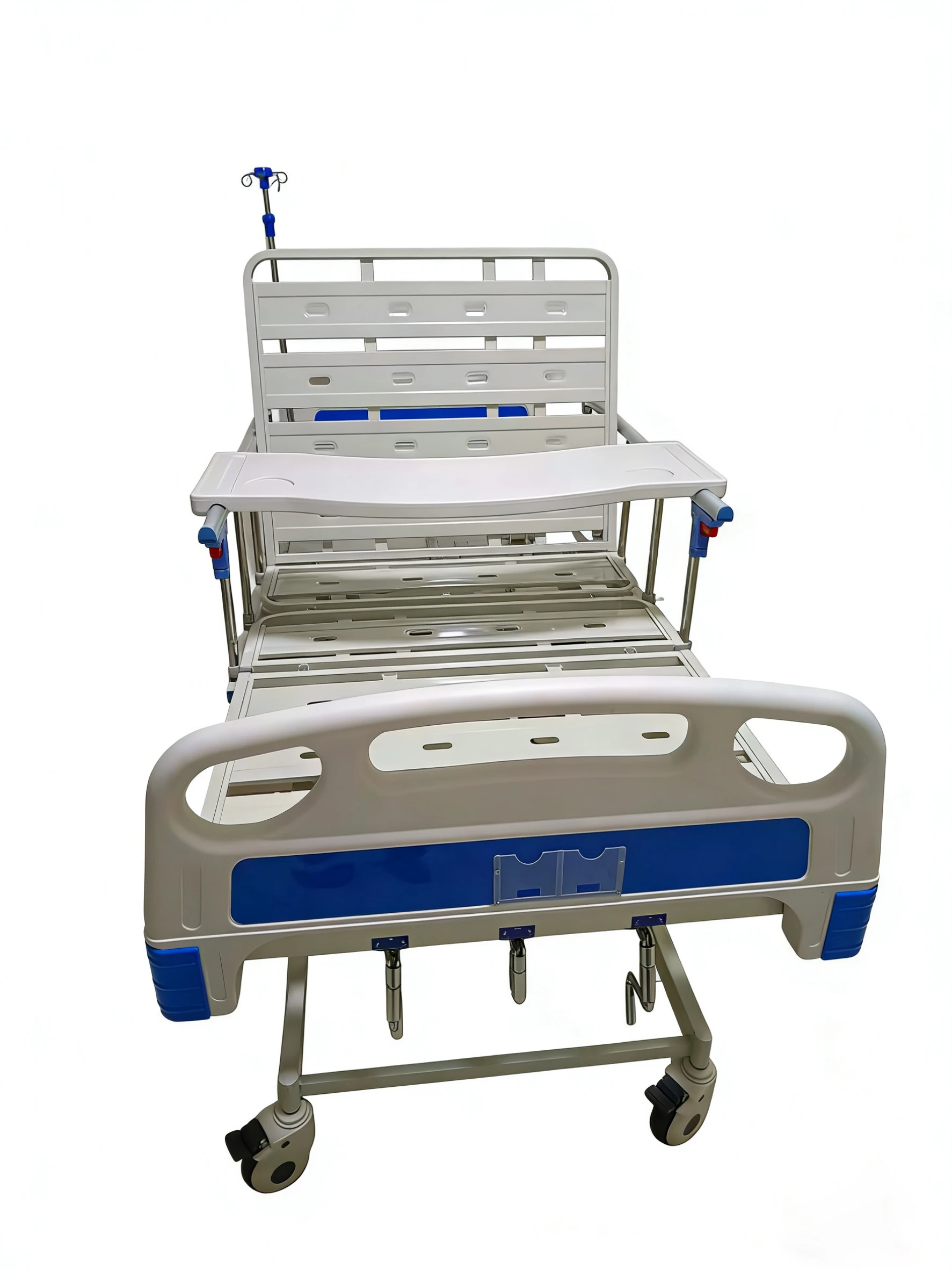
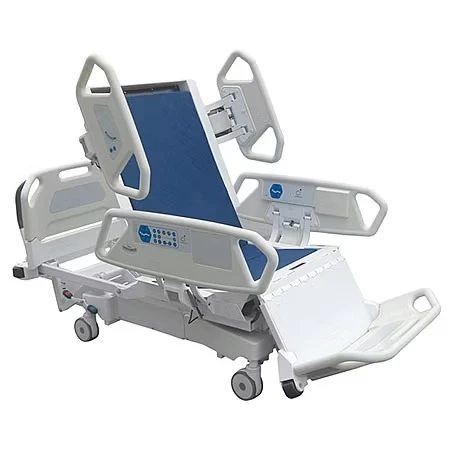
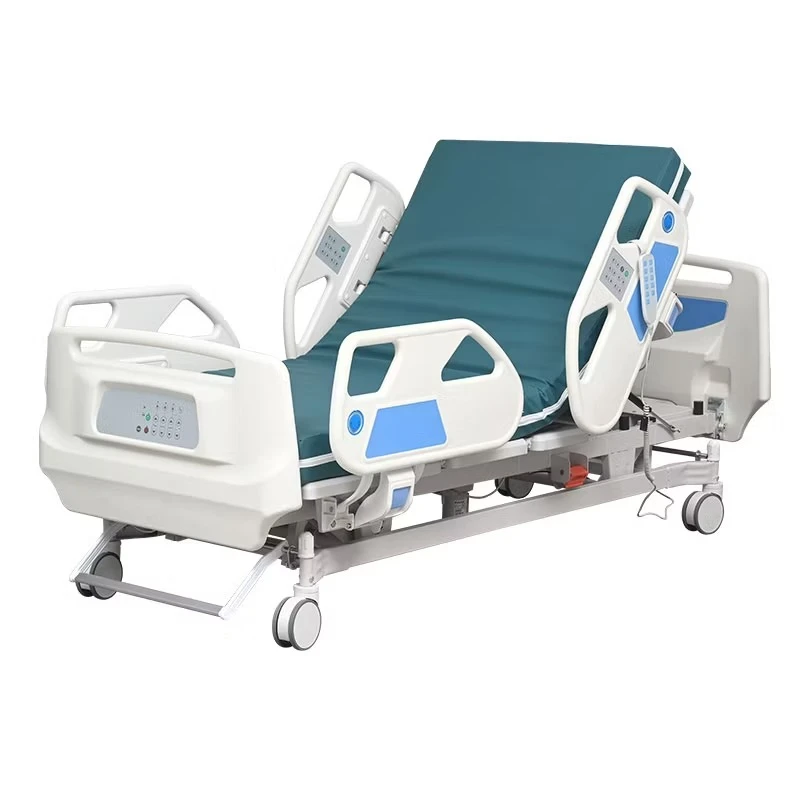
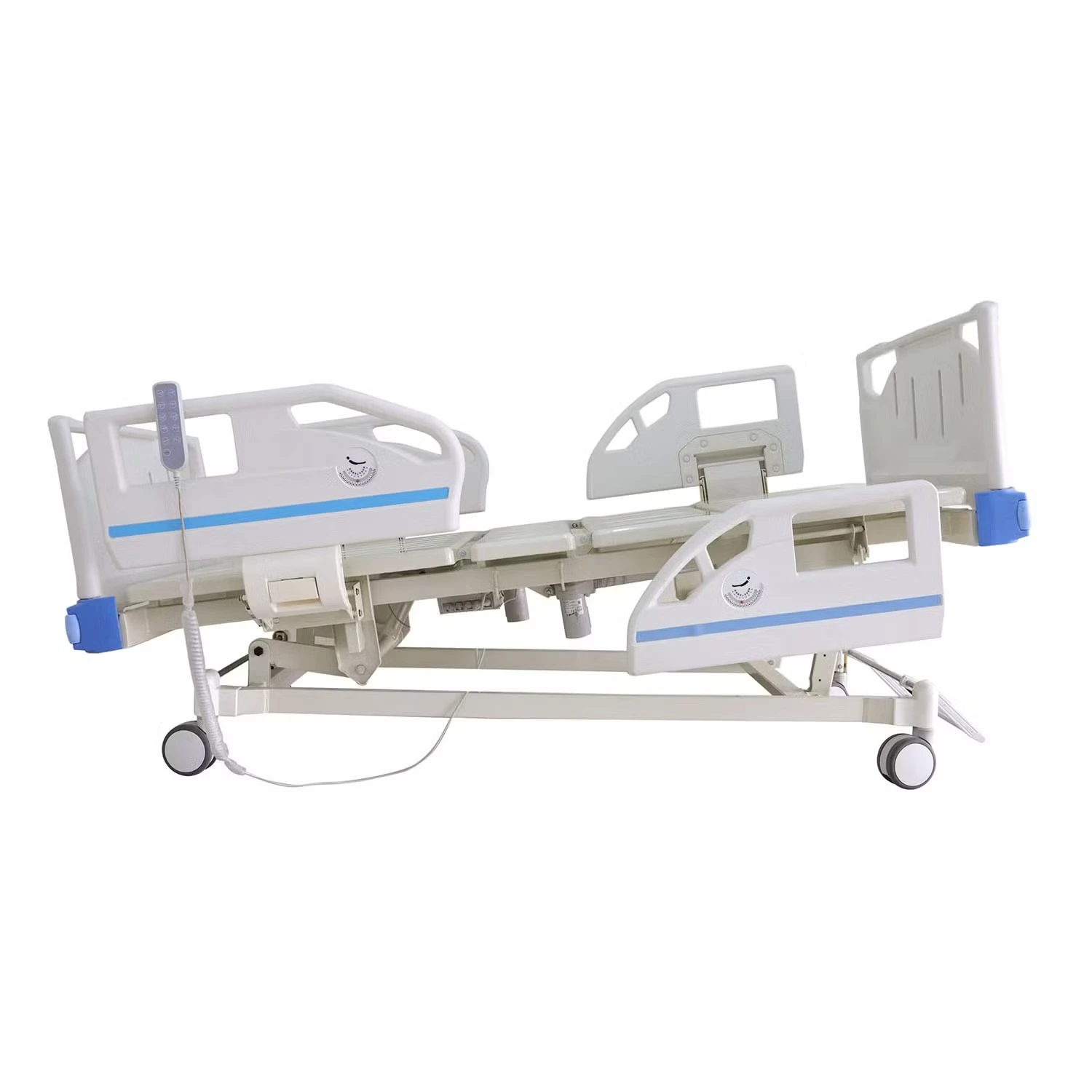
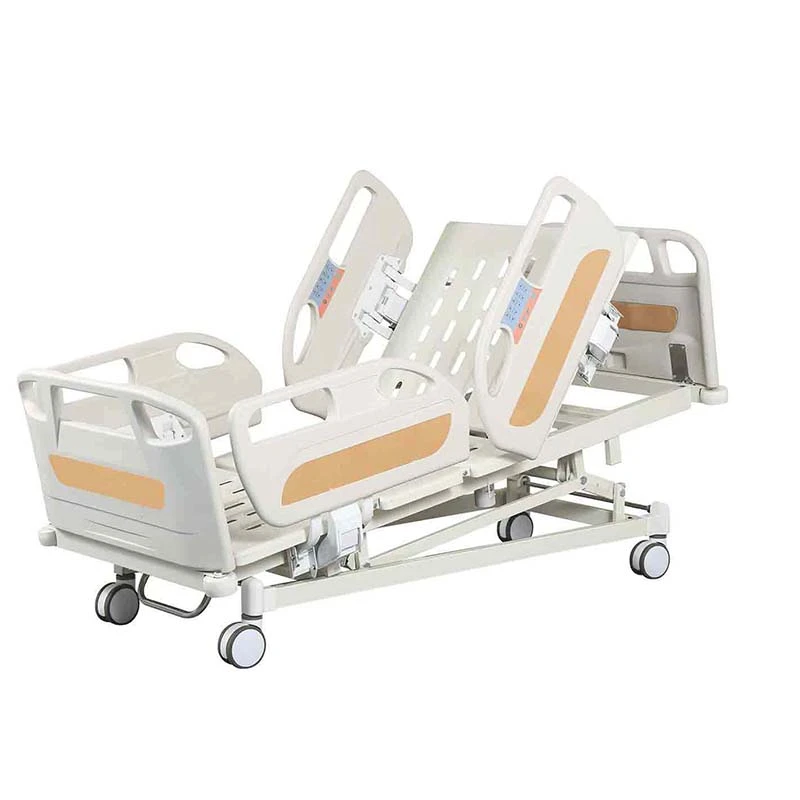
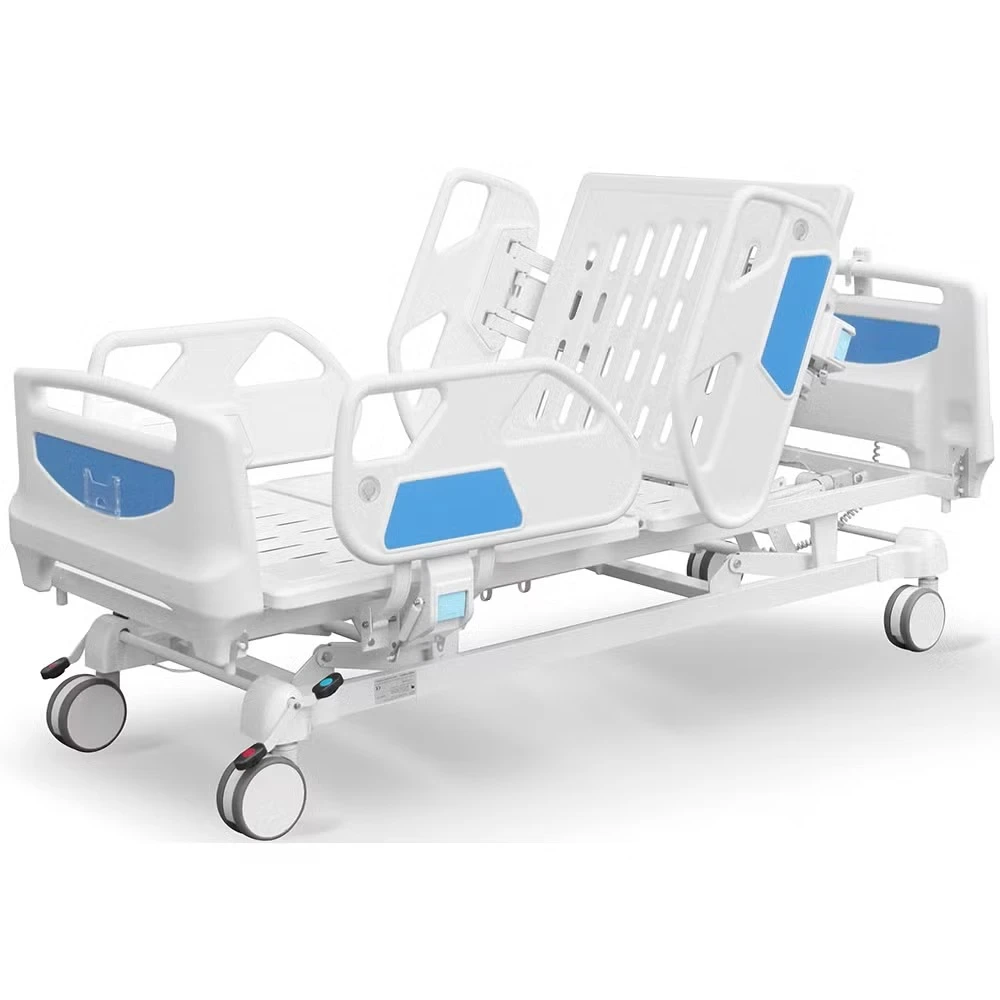
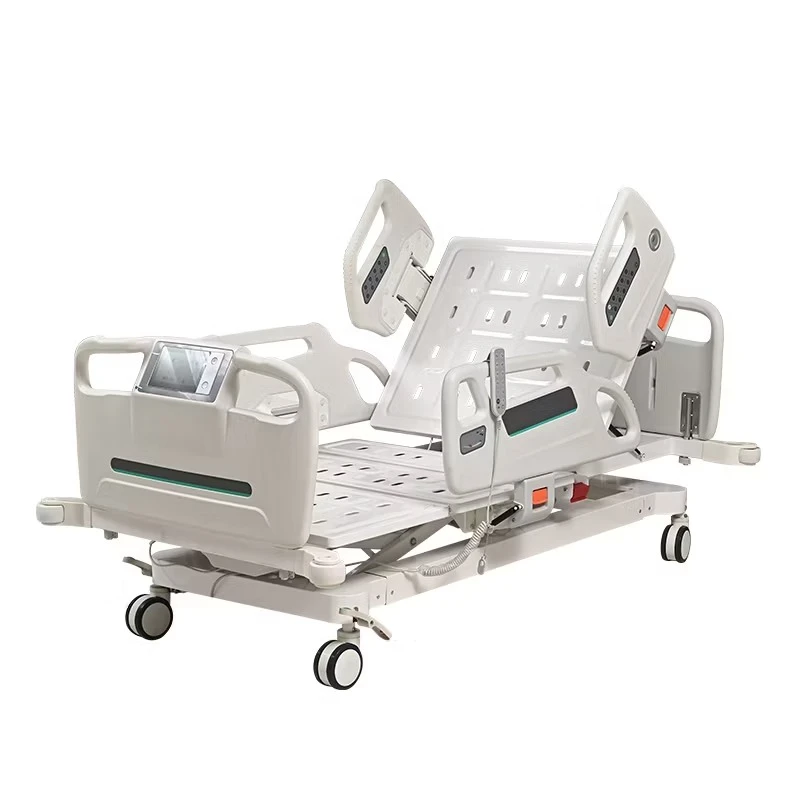
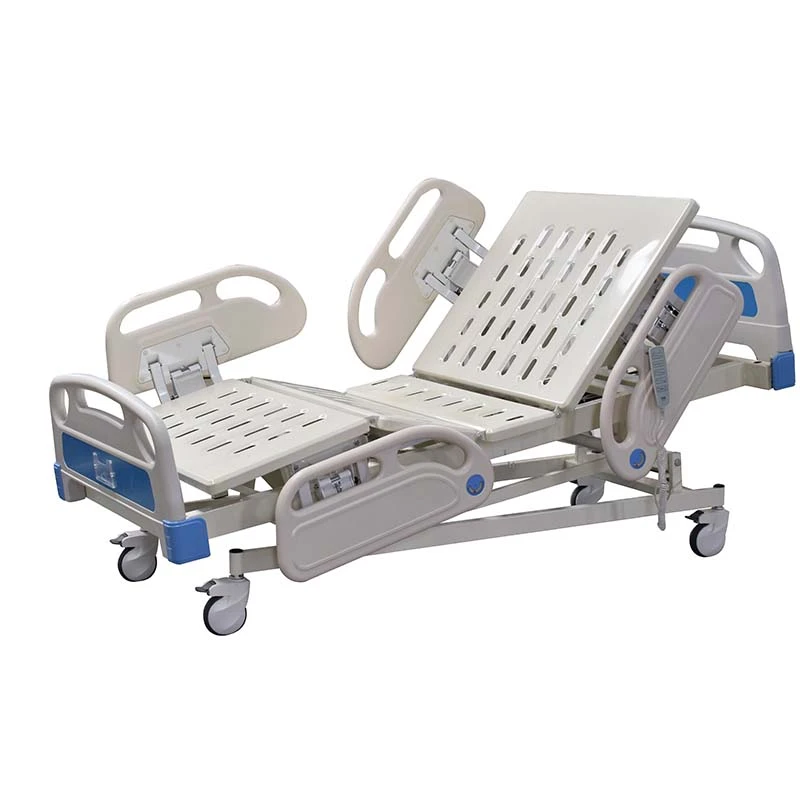
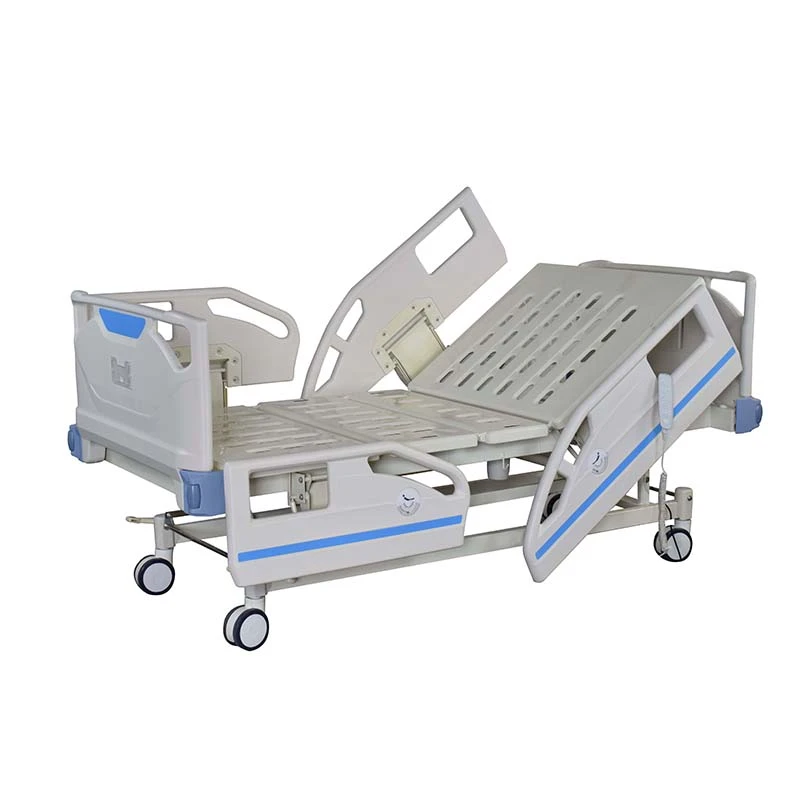
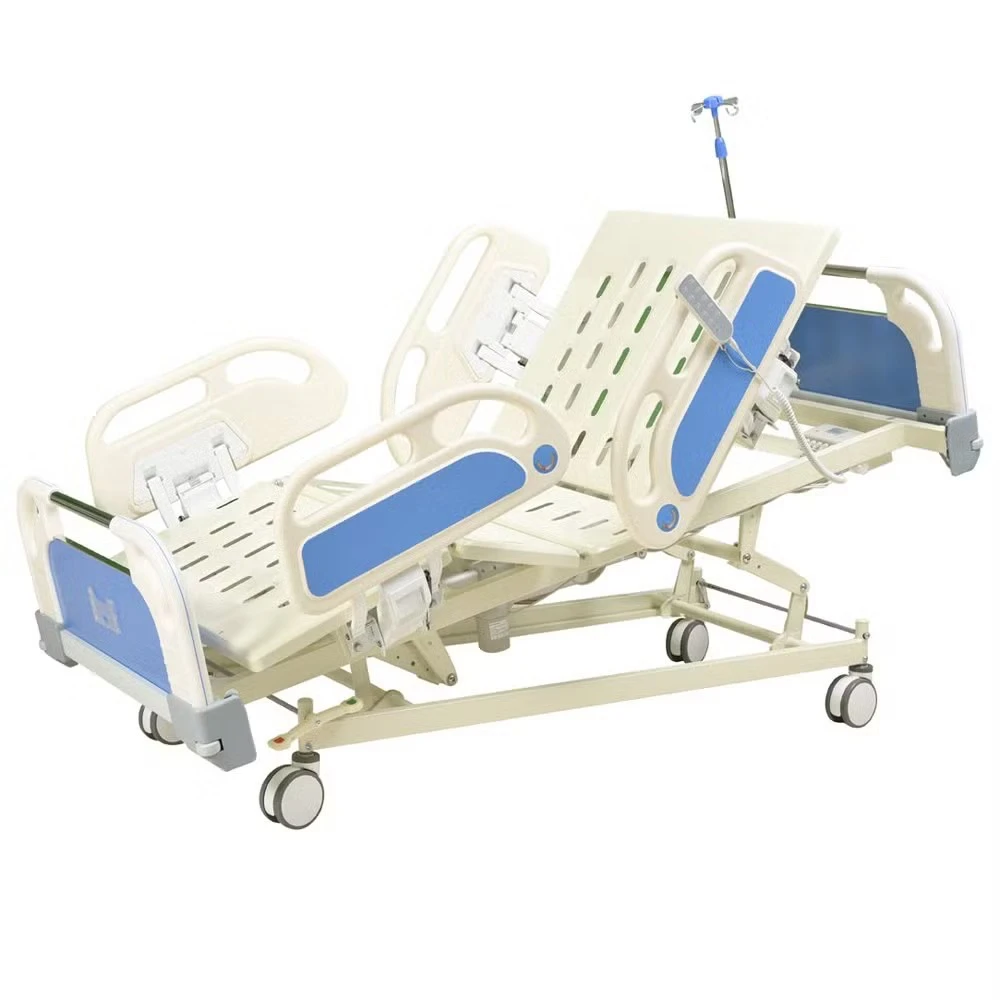
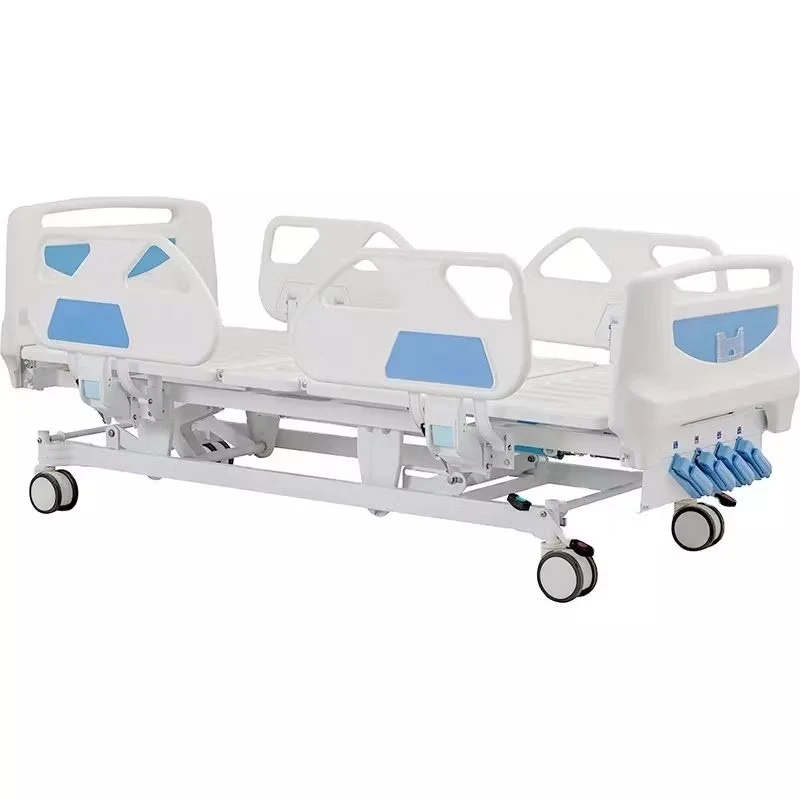
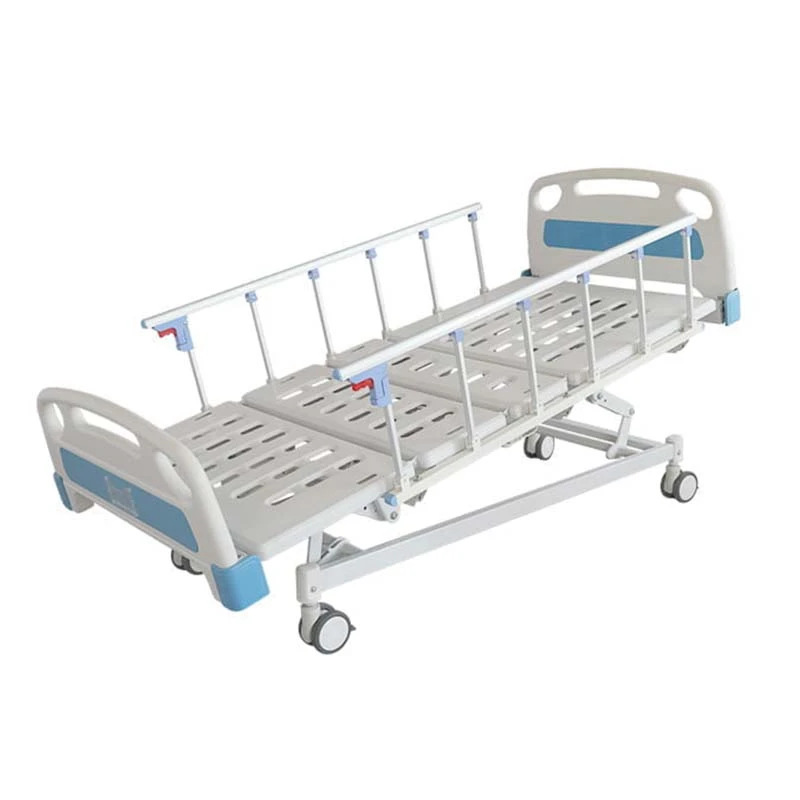
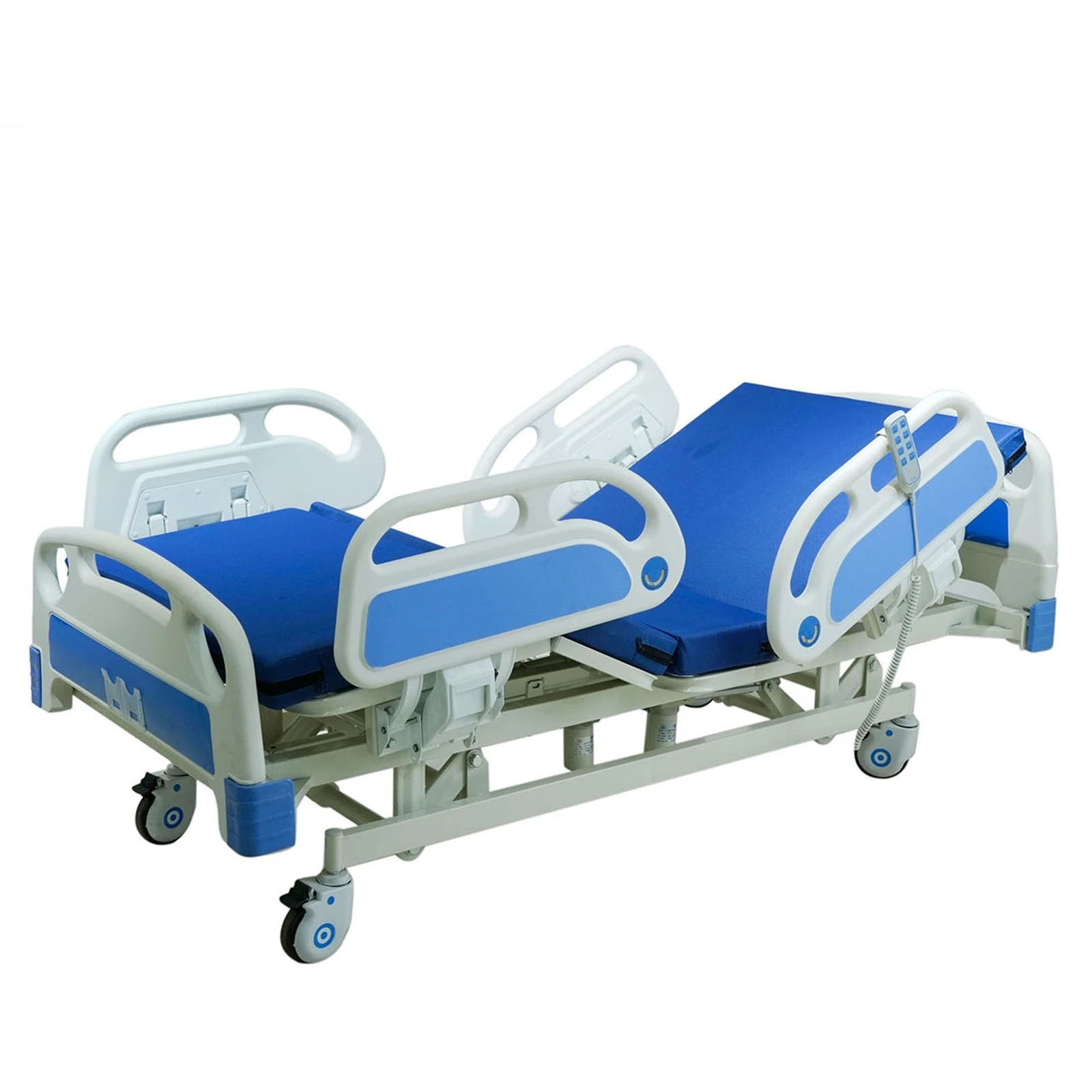
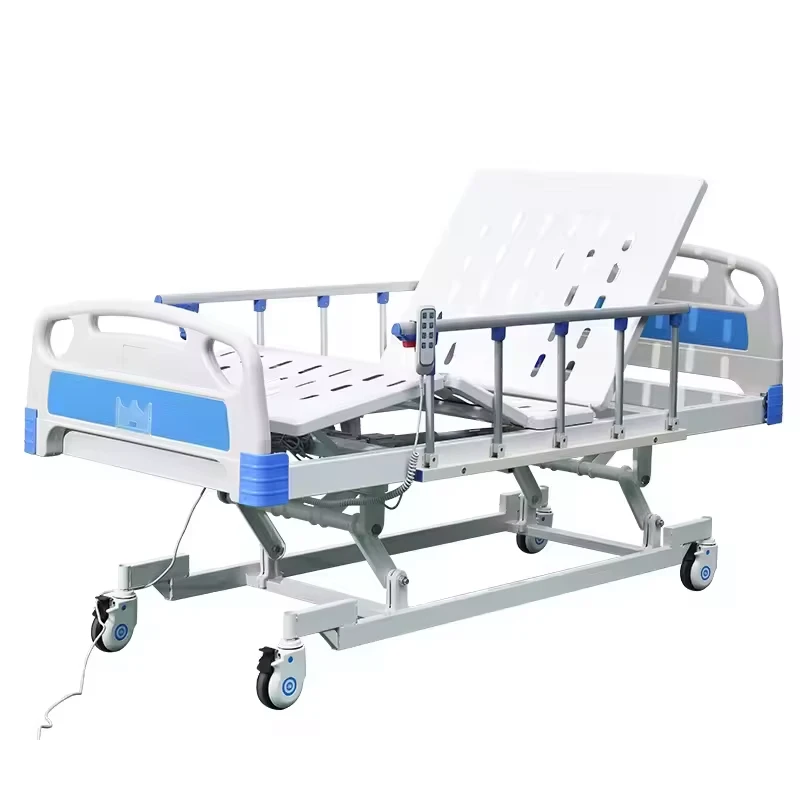
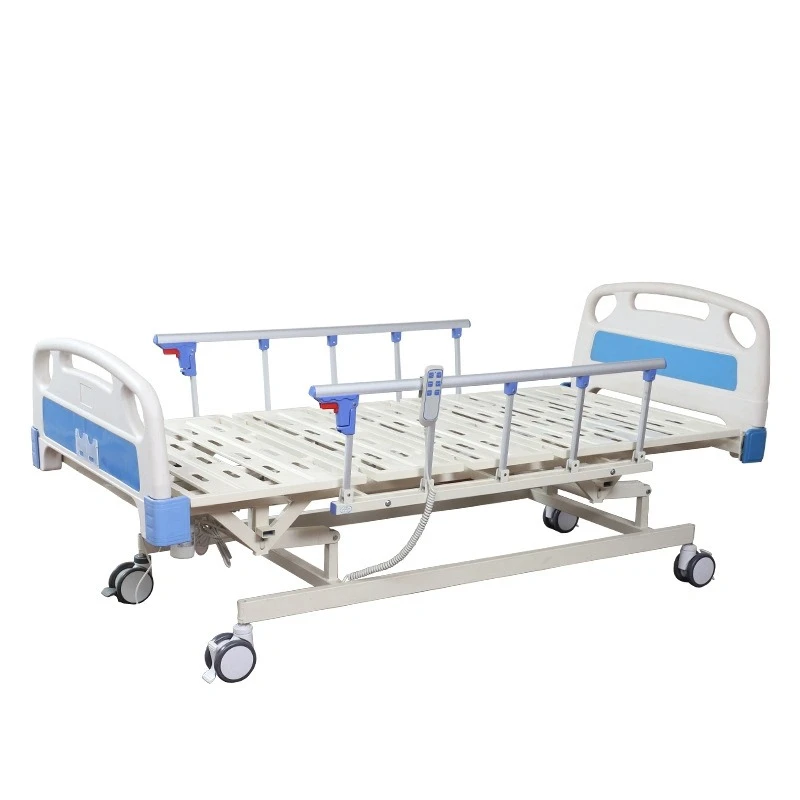
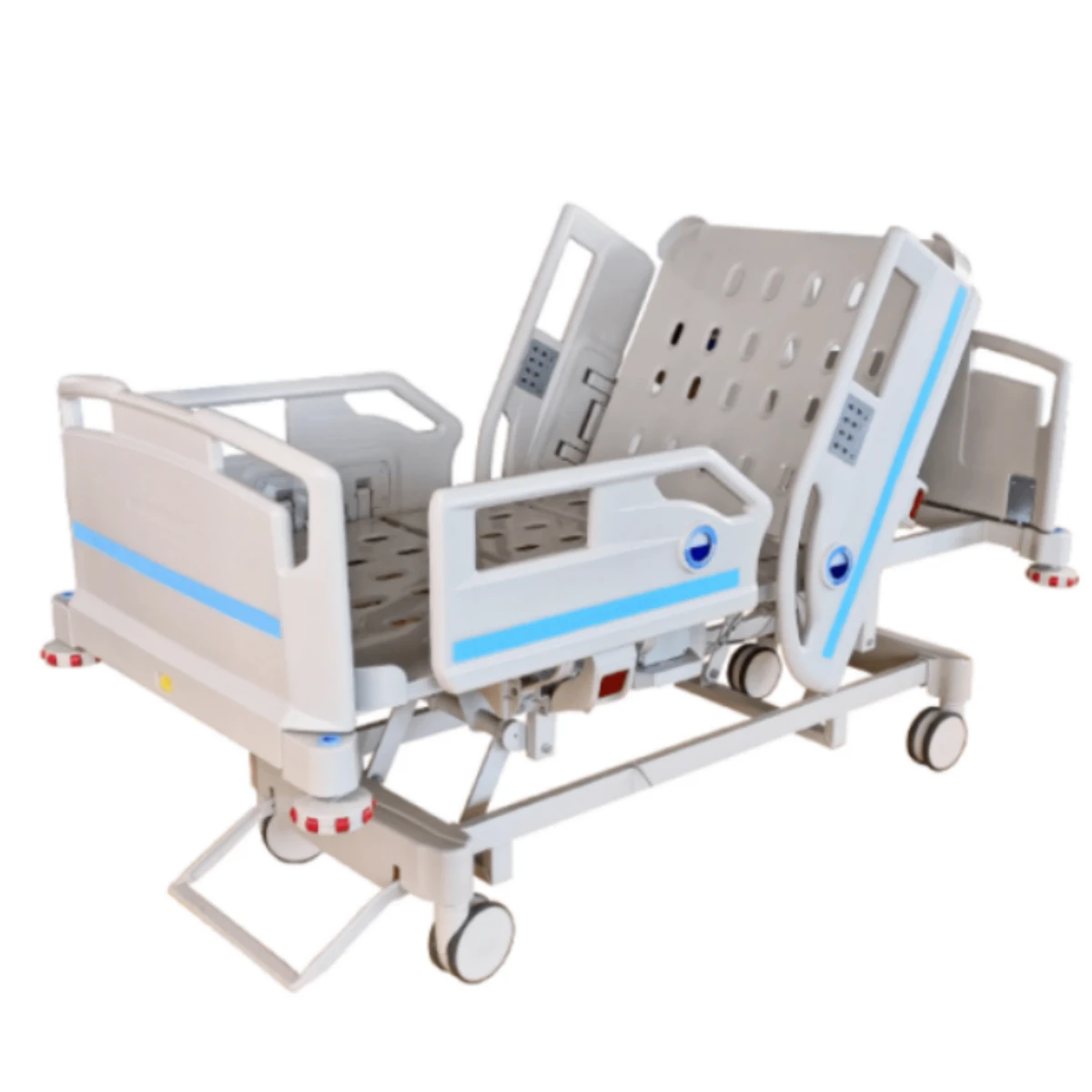
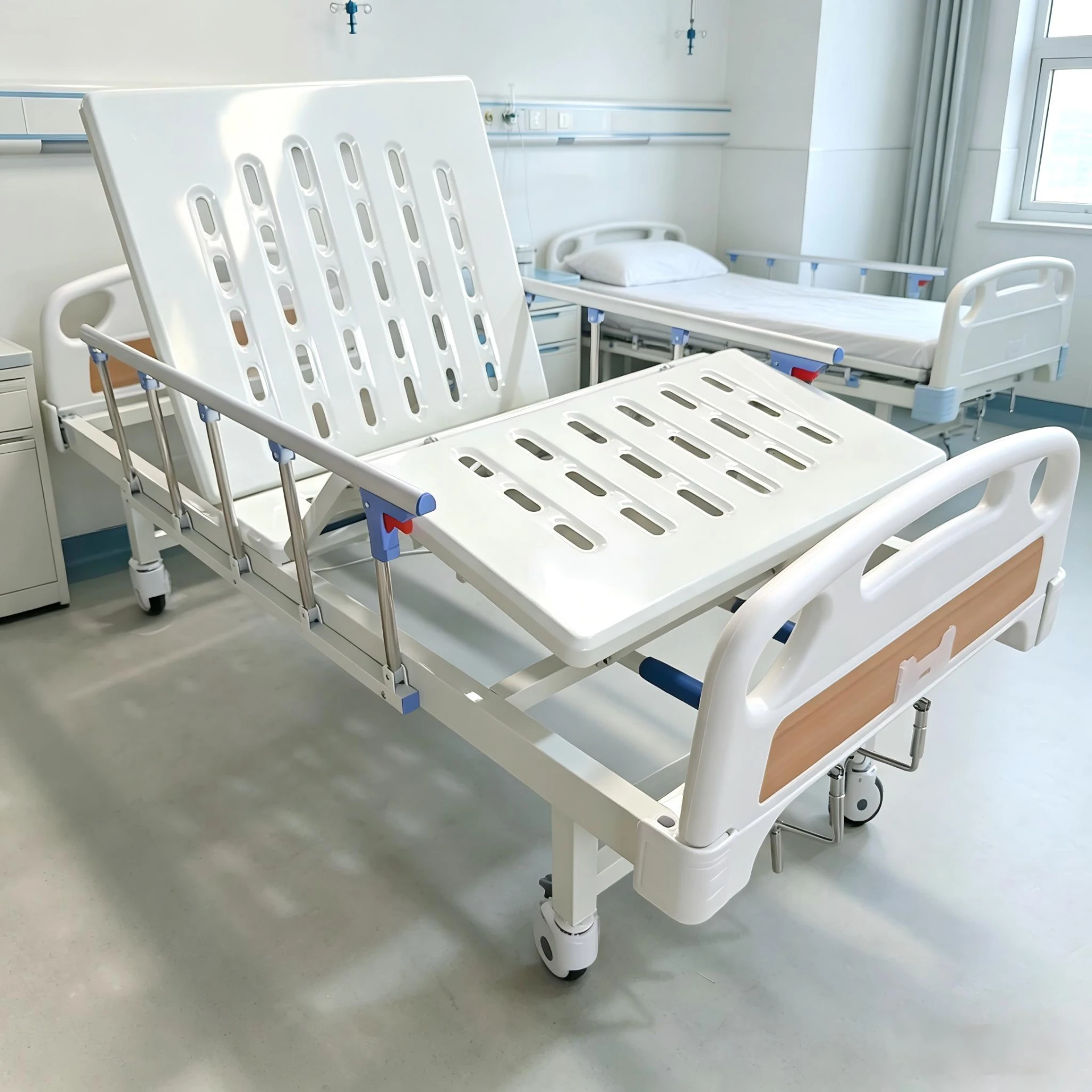
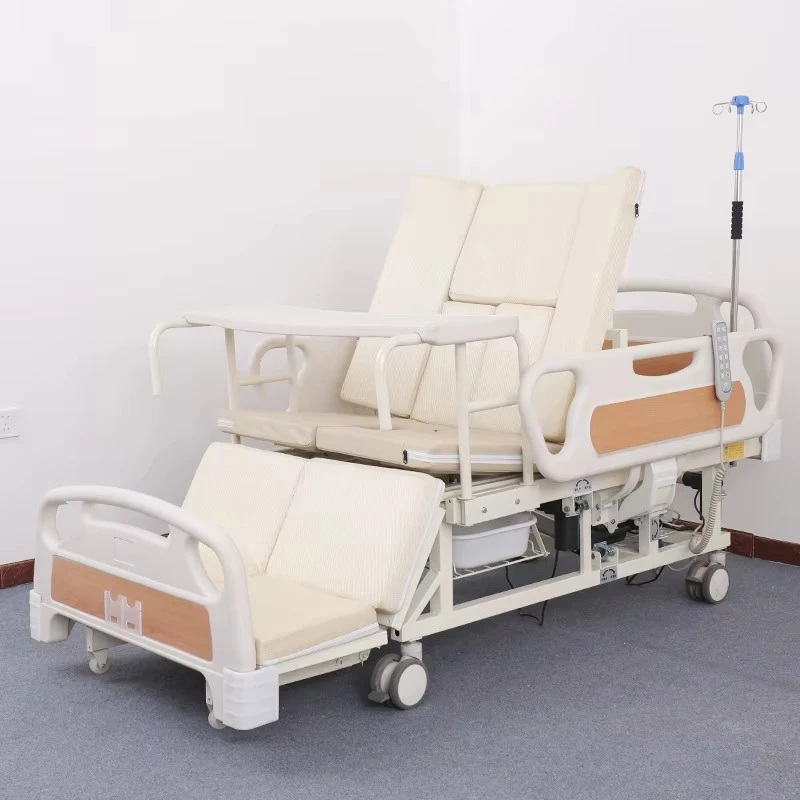
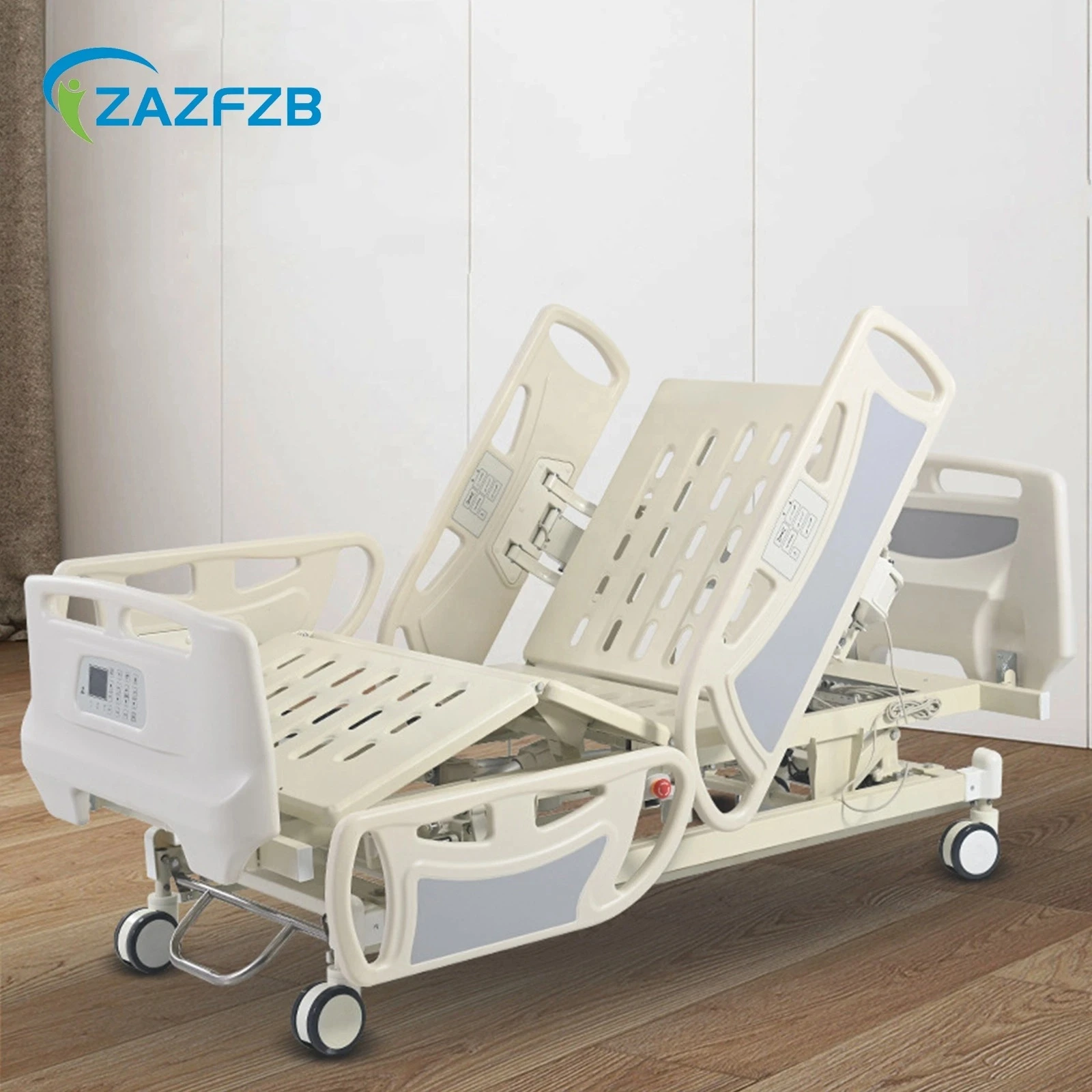
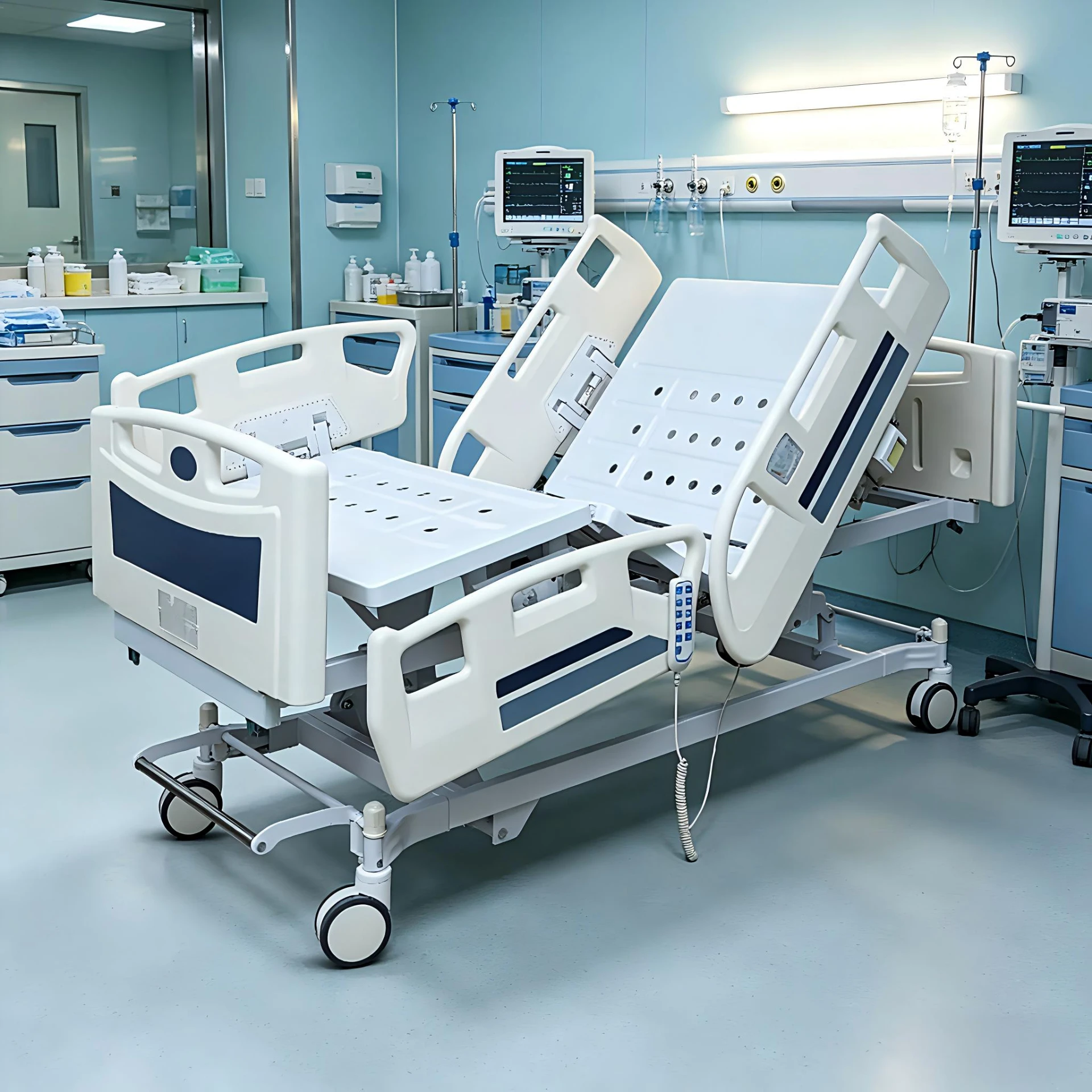
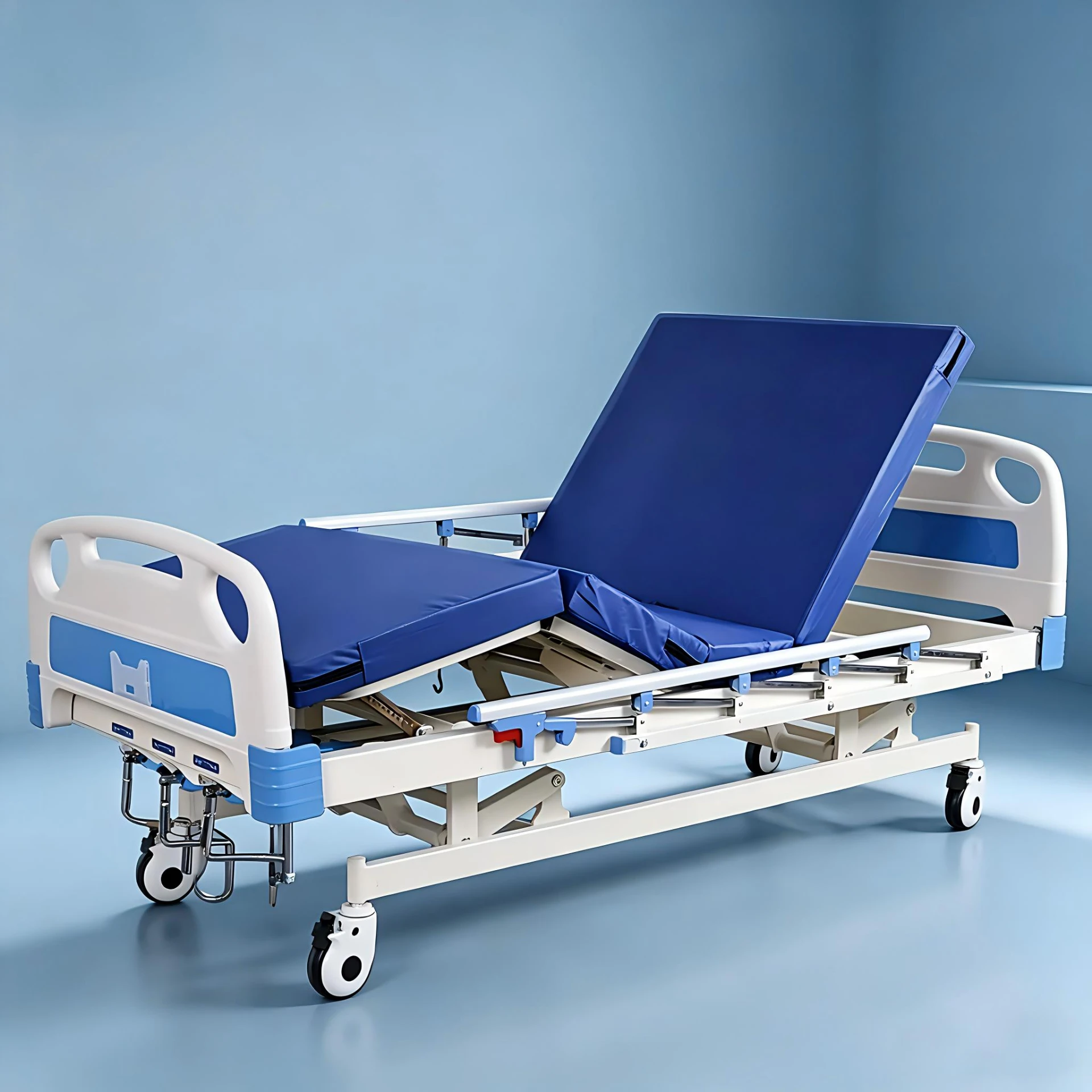
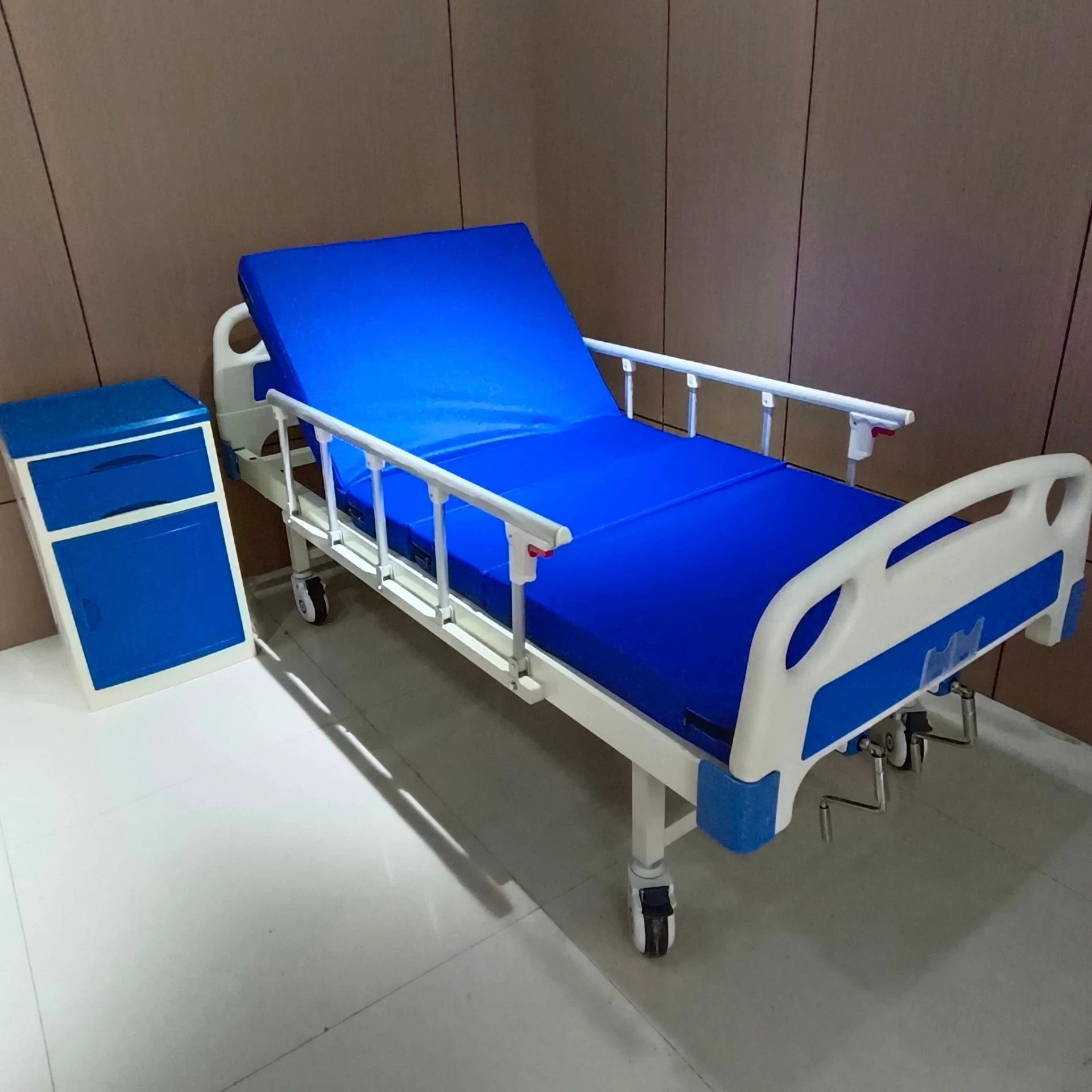
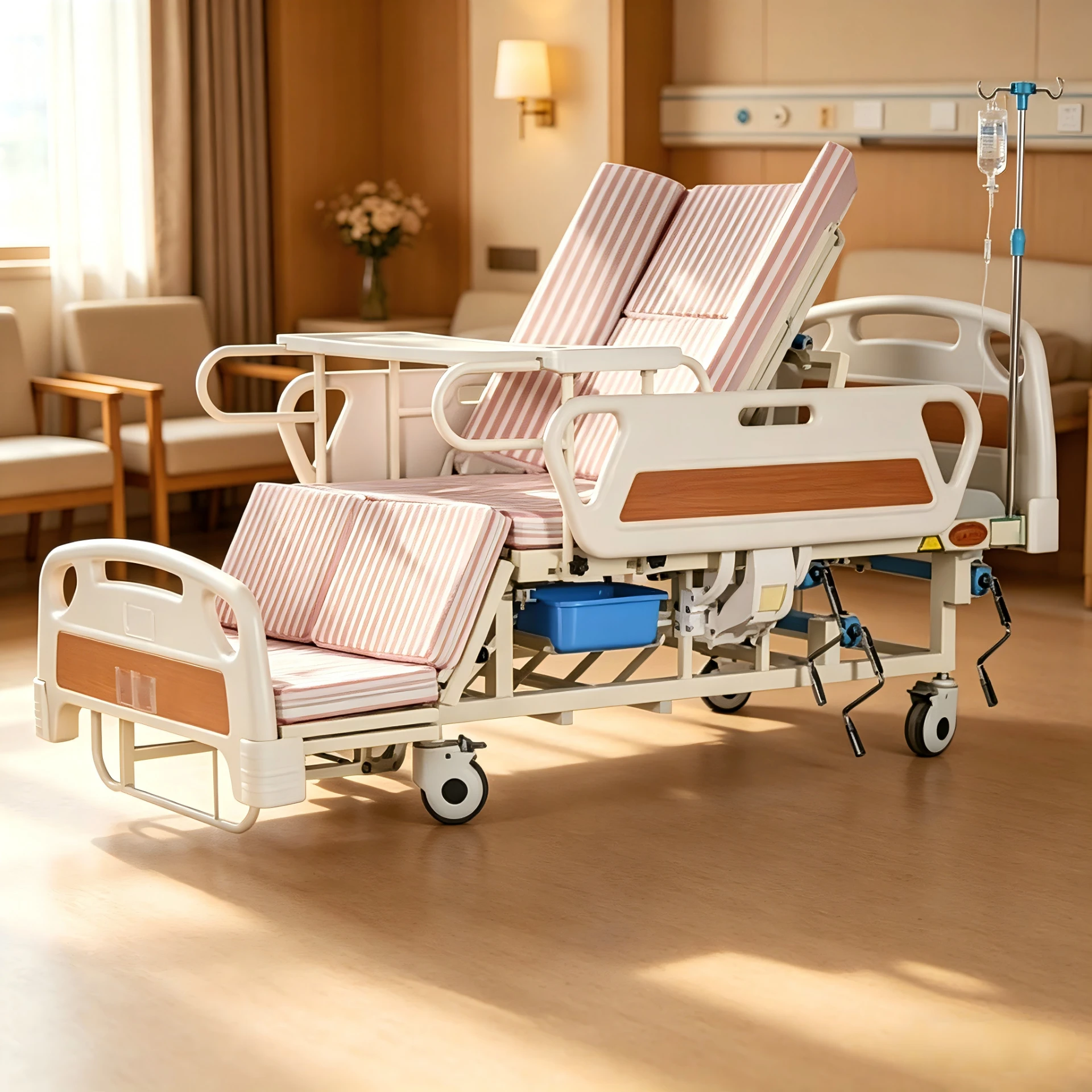
Simply put, a patient bed for home is a specialized bed designed to support individuals with medical or mobility needs in a residential environment. Unlike a regular bed, it often features adjustability, safety rails, and compatibility with medical devices to aid caregivers and improve patient comfort. This bed bridges the gap between hospital care and home living, allowing those recovering from illness or managing chronic conditions to maintain dignity and safety under one roof.
Key Factors of Patient Beds for Home
1. Durability
A patient bed must withstand daily use, support various patient weights, and resist wear. Typically made with steel frames and quality materials, durability ensures long-term reliability — something essential when the bed becomes the patient's primary resting place.
2. Adjustability and Functionality
From manual crank systems to electric motors, adjusting head, foot, and height positions helps promote circulation, reduce bedsores, and enable easier caregiving. In real terms, this means better health outcomes and less strain for both patient and caregiver.
3. Safety Features
Adjustable rails, anti-slip surfaces, and emergency release mechanisms are core safety components. They minimize falls and accidents, which is particularly crucial for elderly or frail patients.
4. Cost Efficiency
While some high-tech beds carry hefty price tags, many models balance affordability with essential medical functionalities, making home care practical and sustainable for families and healthcare providers alike.
5. Portability and Scalability
Certain patient beds are designed for easy transport or adjustment to different room sizes. This comes handy for temporary setups or moving patients between rooms or even homes.
| Feature | Typical Value | Benefit |
|---|---|---|
| Weight Capacity | Up to 450 lbs (204 kg) | Accommodates diverse patient needs |
| Adjustable Positions | Head, foot, height | Enhances comfort and care |
| Power Source | Manual/Electric options | Flexibility based on user needs |
| Safety Rails | Detachable and height-adjustable | Prevents patient falls |
| Mobility | Lockable caster wheels | Ease of bed relocation |
Global Applications & Use Cases
In post-disaster relief, such as after earthquakes or floods, NGOs rely on patient beds for home to quickly create safe recovery spaces outside overwhelmed hospitals. In remote industrial regions—say, mining camps—these beds support medical stations where hospital access is limited. Even in well-established healthcare systems like in Europe and North America, the preference for home care spurred by both technological advances and demographic shifts highlights the universal appeal of these beds.
Oddly enough, countries with limited medical infrastructure often leapfrog traditional hospital-centric care models and embrace home-based solutions, making the patient bed for home a vital part of healthcare innovation. For example, in Southeast Asia, where family-based care remains prevalent, these beds help integrate medical support seamlessly into daily life.
Advantages & Long-Term Value
- Cost Savings: Reducing hospital stays lowers expenses for both patients and health systems.
- Sustainability: Durable beds reduce waste and frequent replacements.
- Patient Dignity: Comfort-enhancing features promote emotional wellbeing.
- Caregiver Support: Ergonomic designs ease physical strain for family members or professionals providing care.
In terms of social impact, it’s more than just economics—the ability to receive quality care at home can restore privacy and independence, which you know, is huge for morale.
Future Trends & Innovations
Looking ahead, the integration of IoT (Internet of Things) technology is quietly revolutionizing patient beds. Imagine beds equipped with sensors to monitor patient movement and vitals, alerting caregivers immediately to falls or distress. The push toward greener materials and energy-efficient motors aligns with global sustainability goals — the ISO has begun setting standards for medical equipment environmental impact.
Automation, smarter controls, and compatibility with telemedicine devices also hint at a future where the bedside is truly digital and interconnected.
Challenges & Solutions
Of course, issues remain. Some patient beds can be bulky or difficult to assemble, limiting accessibility for certain users. Cost can be a hurdle in low-income regions. Import restrictions and shipping costs may delay delivery times internationally.
Innovative solutions include modular designs that snap together easily, rental models minimizing upfront costs, and partnerships with local manufacturers to reduce logistics burdens. NGOs and manufacturers working closely can help tailor beds to regional climate and cultural needs, which frankly, makes all the difference in adoption rates.
FAQ: Frequently Asked Questions About Patient Bed for Home
- What features should I prioritize when choosing a patient bed for home use?
- Focus on safety rails, adjustability (head and foot elevation), weight capacity suited to the patient, and power options that suit the caregiver’s ability (manual vs. electric). Portability is also a plus if the bed needs to be moved between rooms.
- How long does a typical patient bed last in home care settings?
- With proper maintenance, most patient beds last 5-10 years. Factors like frequency of use, weight loads, and environmental conditions affect longevity.
- Are electric patient beds safe to use at home?
- Yes, provided they meet international safety certifications (such as ISO 60601) and are used according to manufacturer instructions. It’s important to regularly check electrical components and avoid water exposure.
- Can patient beds for home be customized for specific medical needs?
- Many vendors offer options like pressure-relieving mattresses, adjustable side rails, or integration with monitoring systems, enabling customization to patient conditions such as spinal injuries or respiratory support.
- Where can I find reliable suppliers of patient beds for home?
- Look for vendors with ISO certification and positive reviews. Especially consider companies that have experience exporting globally or offering strong after-sales support.
| Vendor | Price Range | Key Features | Support & Warranty |
|---|---|---|---|
| ZhaoFaMed | $400 - $1200 | Electric/manual options, durable steel frame, medical-grade safety rails | 2 years plus global customer service |
| CareComfort | $500 - $1500 | Integrated sensors, advanced adjustability, premium mattresses | 1 year, limited international support |
| HomeMed Solutions | $350 - $1000 | Manual adjustment, lockable wheels, budget-friendly | 1 year domestic warranty |
Conclusion + Call to Action
Long story short, a patient bed for home is far from just a sleeping surface — it’s a critical component of modern healthcare’s shift toward patient-centered, accessible care. It empowers patients and caregivers alike, blending practicality with safety, comfort, and increasingly, smart innovations. If you or someone you know is looking into trustworthy home care options, exploring available patient beds is a great place to start.
For more detailed information on durable, reliable, and cost-effective patient beds for home, visit us at patient bed for home. Your loved one’s comfort and safety deserve nothing less.
Mini takeaway: Investing in the right home patient bed can transform care quality and confidence for families worldwide, a small switch with a big impact.
References:
1. WHO Ageing and Health Fact Sheet
2. United Nations Global Issues: Ageing
3. ISO Medical Beds Standards