Beds for Elderly at Home - Comfort, Safety & Modern Care Solutions
Beds for Elderly at Home: Enhancing Comfort and Safety Worldwide
When we think about aging in place, or supporting seniors in their own homes, beds designed especially for the elderly play a surprisingly pivotal role. These aren't just ordinary places to rest; they are carefully engineered furniture that balances comfort, accessibility, and health needs. Globally, as populations age and healthcare systems stretch thinner, understanding beds for elderly at home is crucial—not just for families, but also for healthcare providers, assisted living specialists, and policymakers.
More than 1 billion people are aged 60 or older globally, according to the United Nations (source: UN Ageing Report). This demographic shift makes aging-in-place solutions a growing priority worldwide. Proper beds help reduce falls, pressure ulcers, and improve overall quality of life, easing the load on hospitals and caregiving systems alike.
What Are Beds for Elderly at Home?
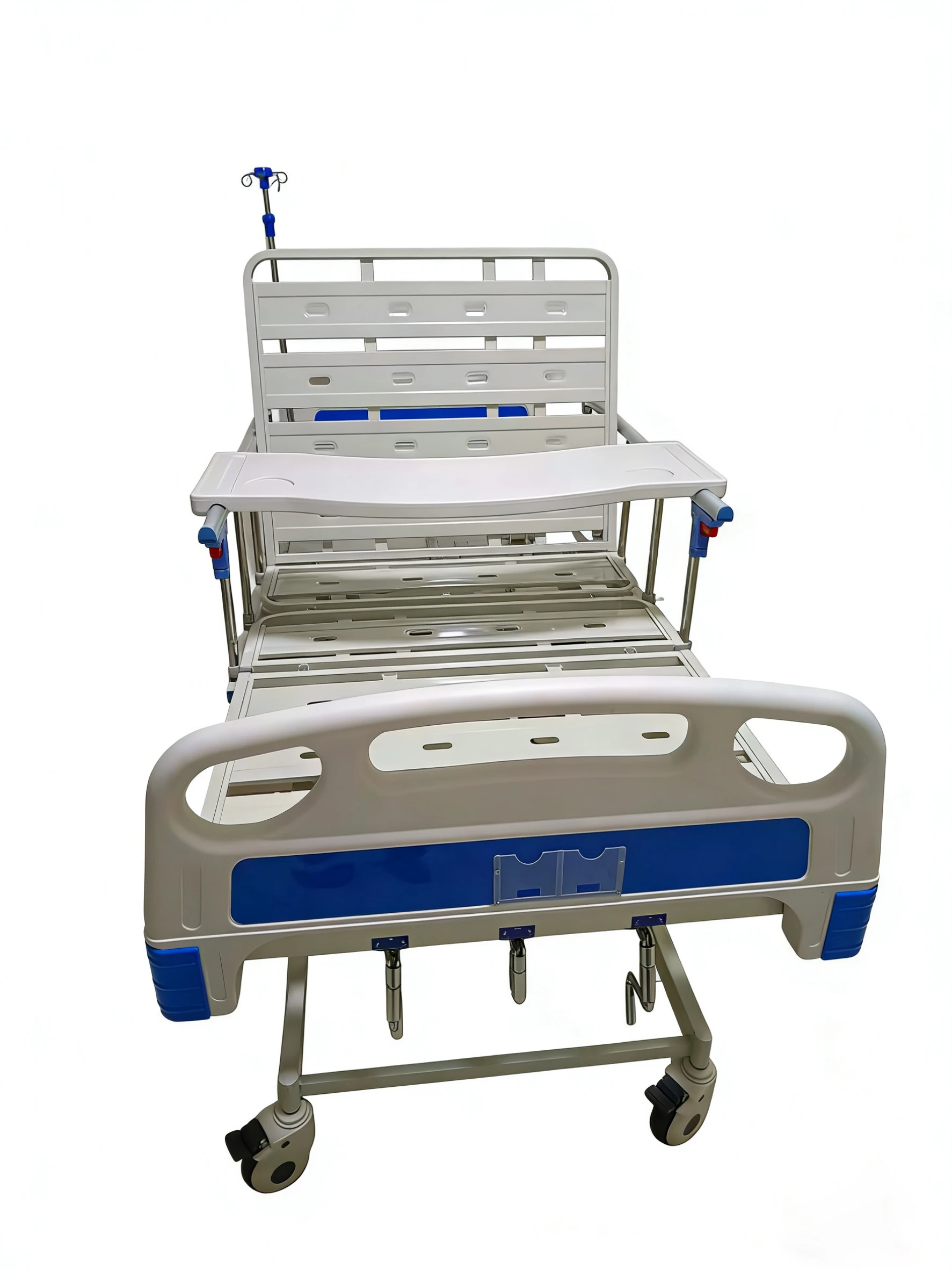
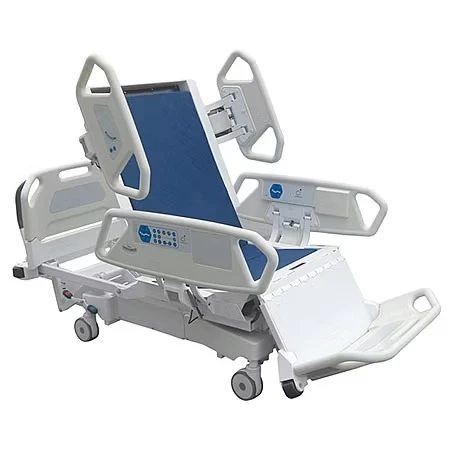
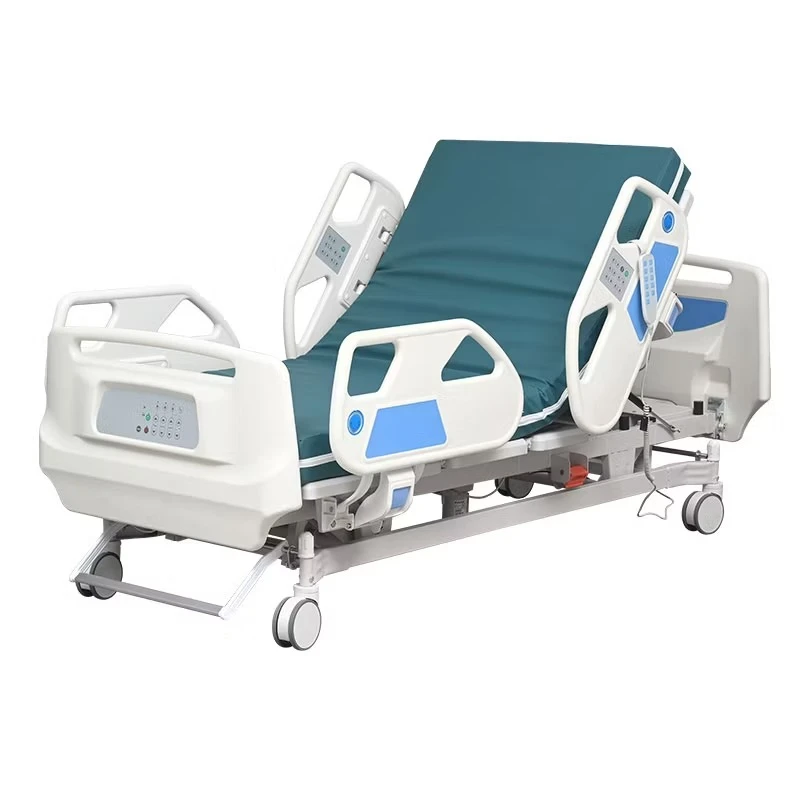
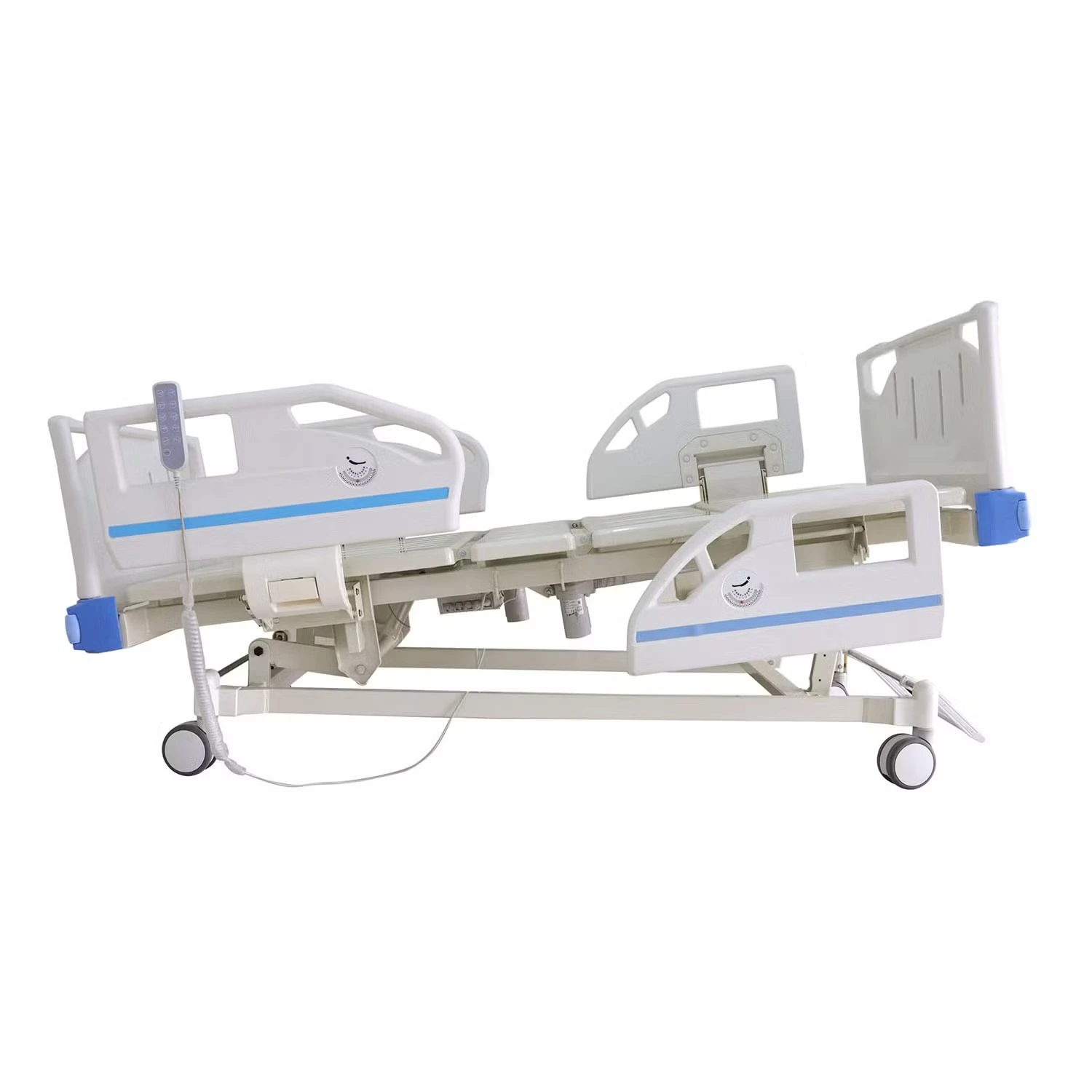
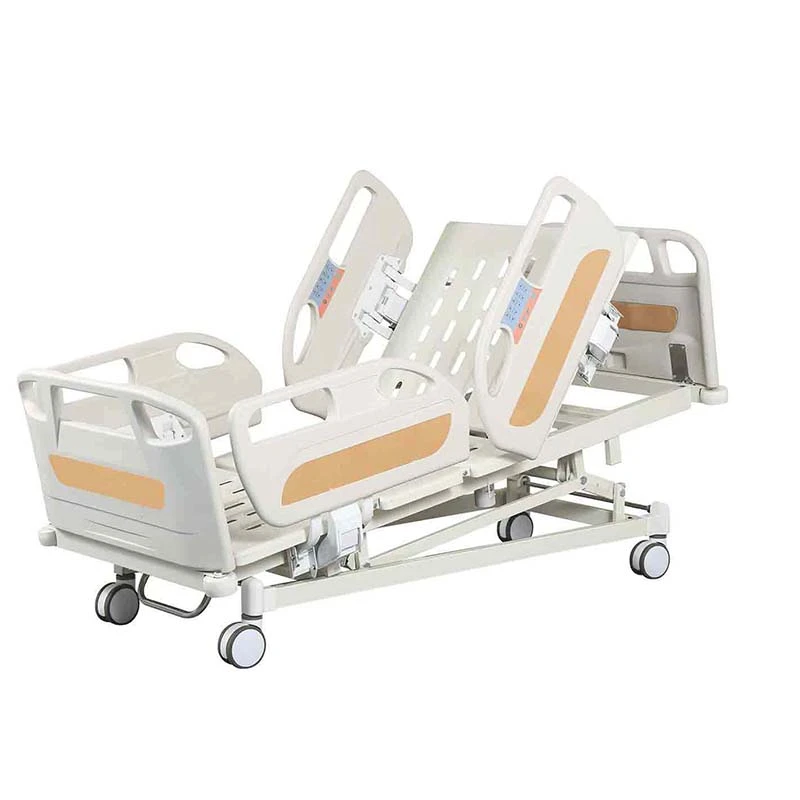
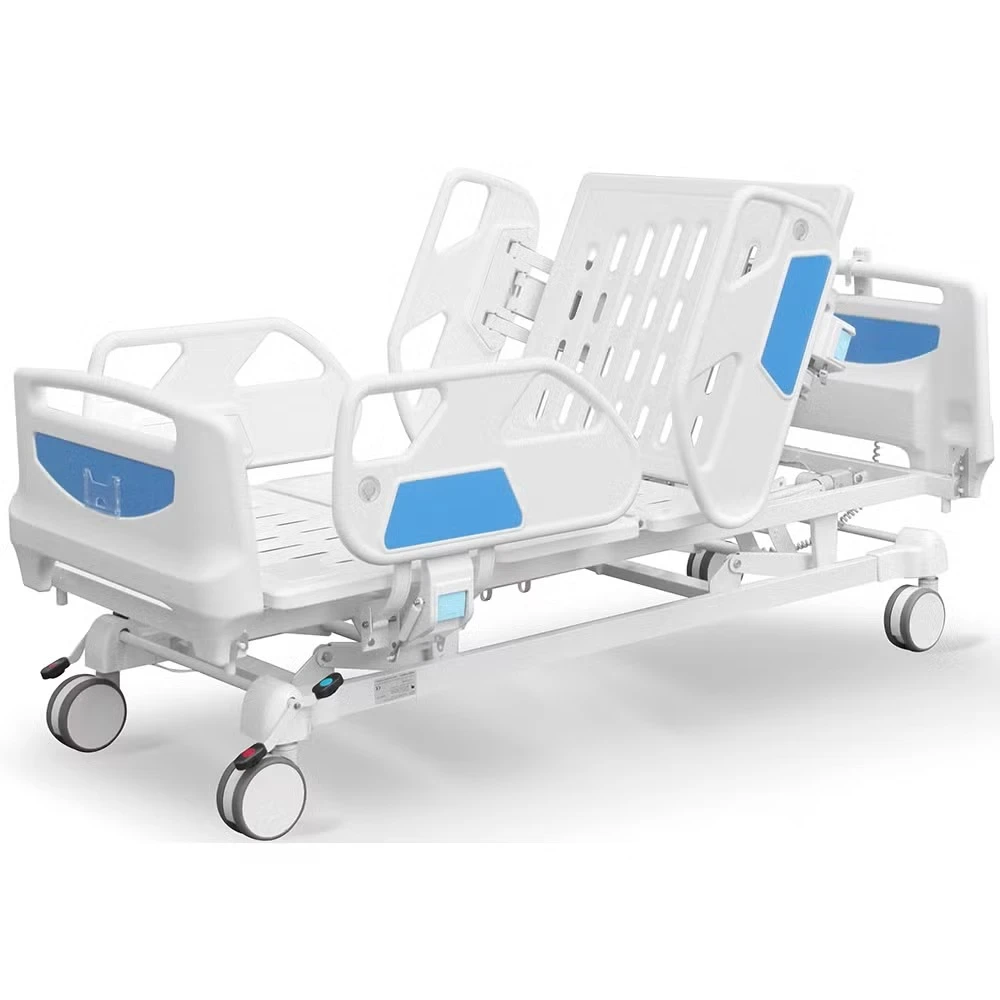
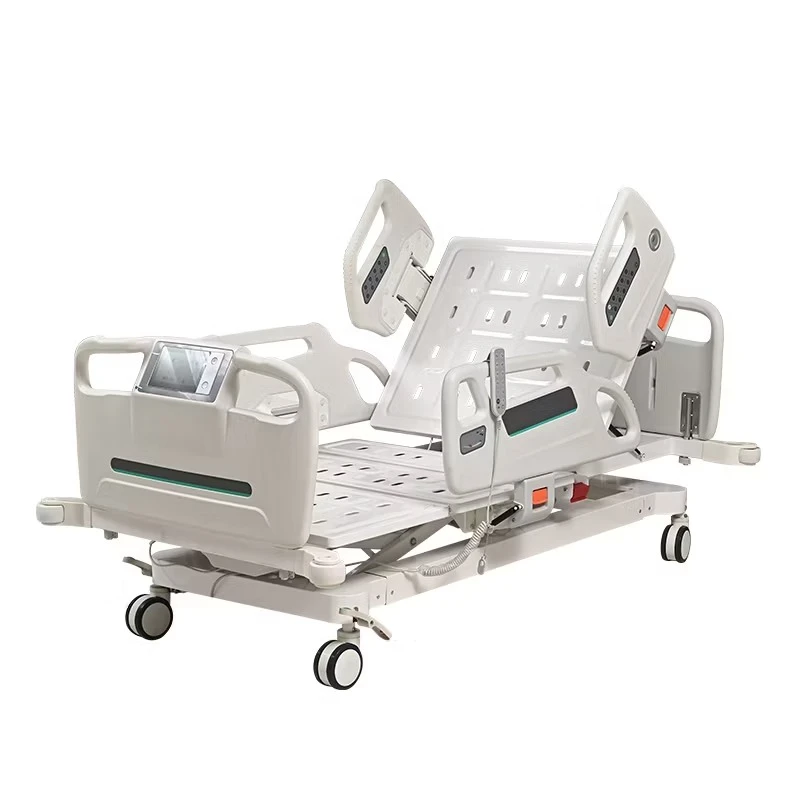
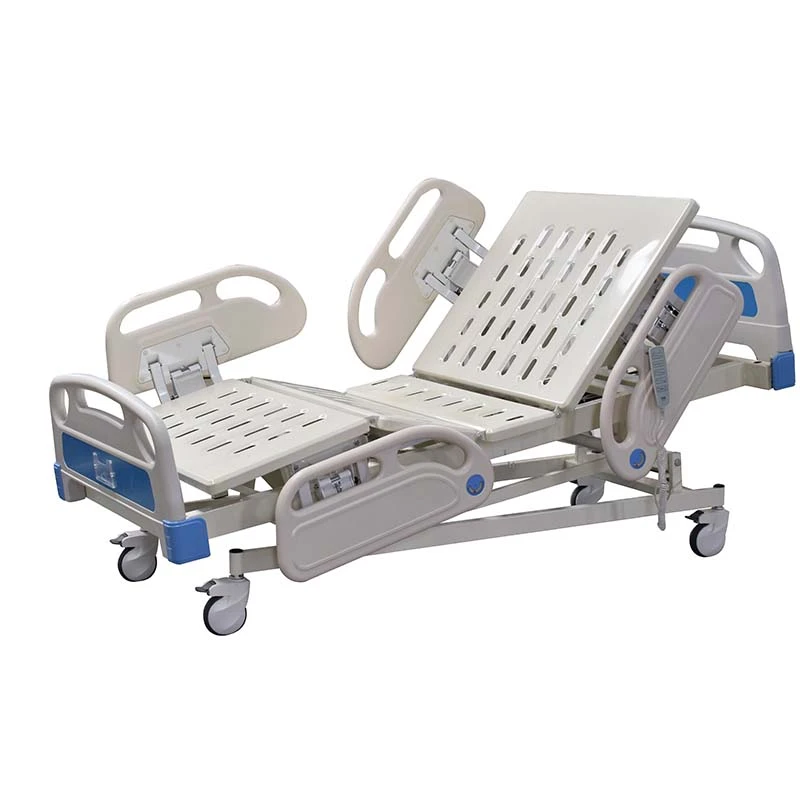
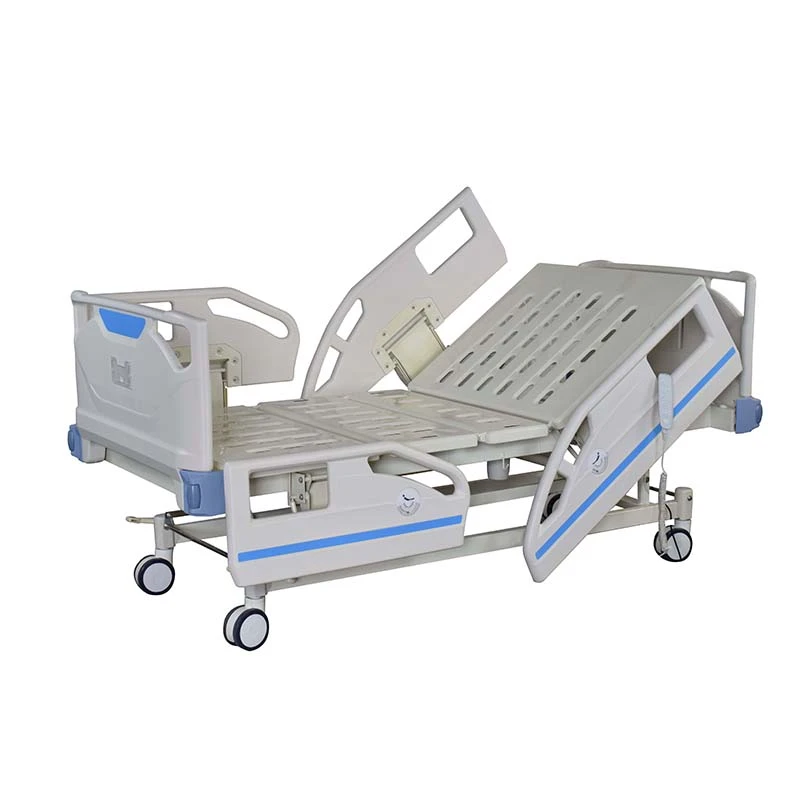
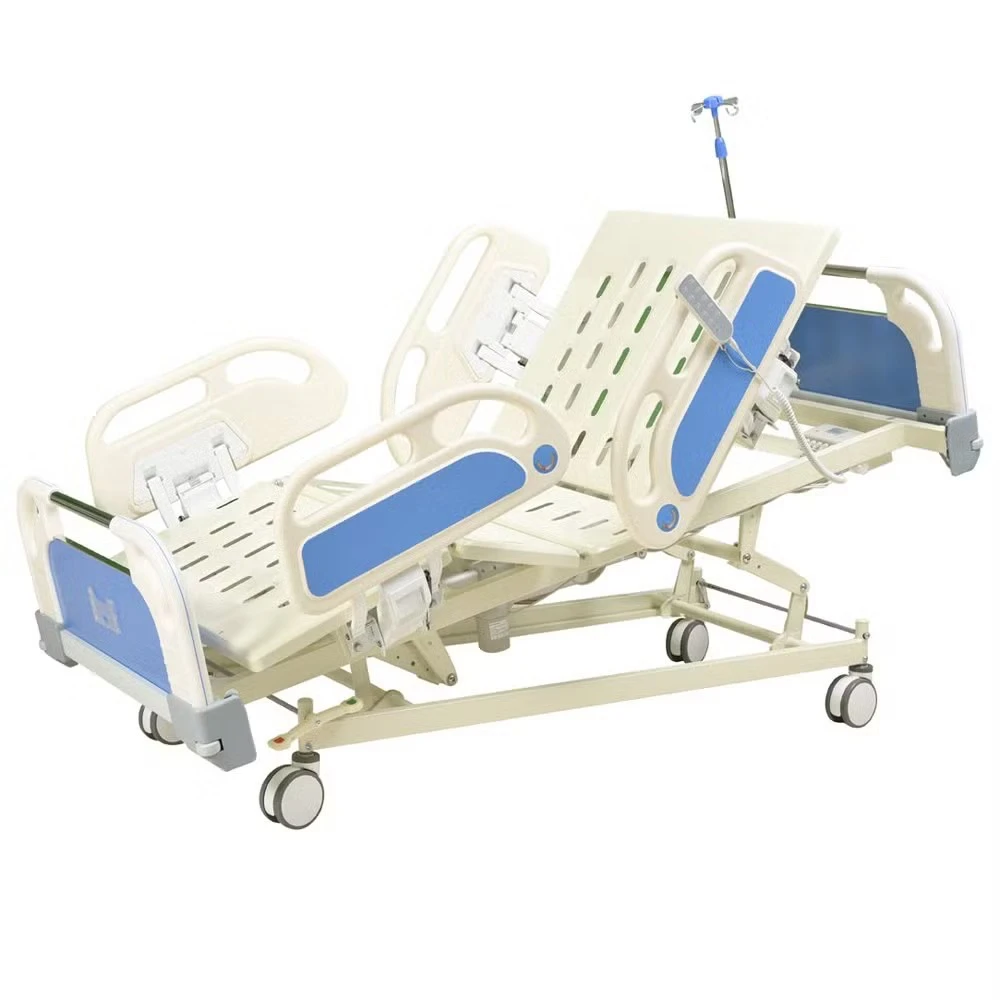
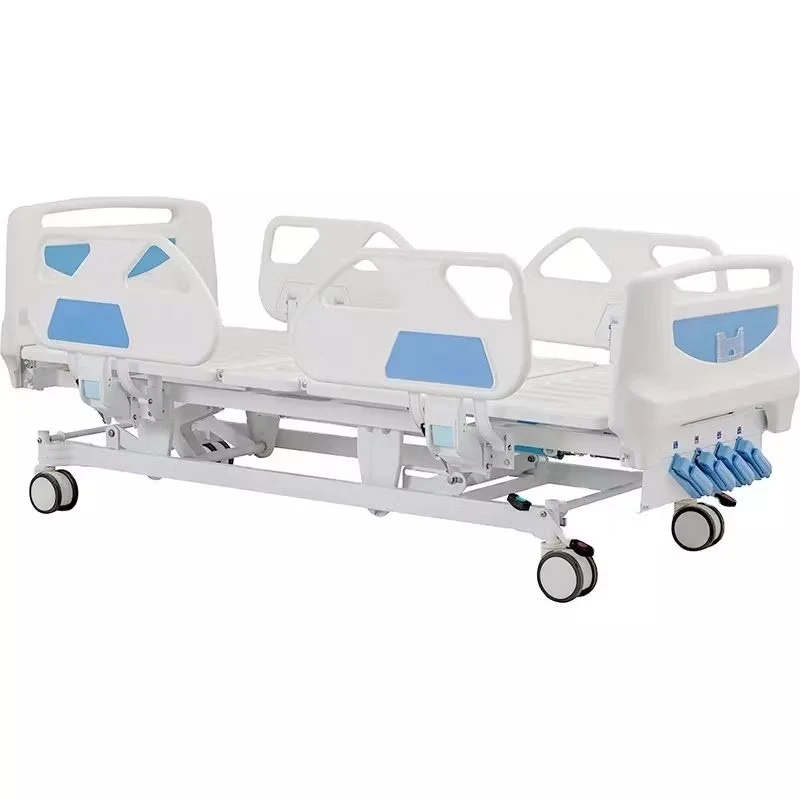
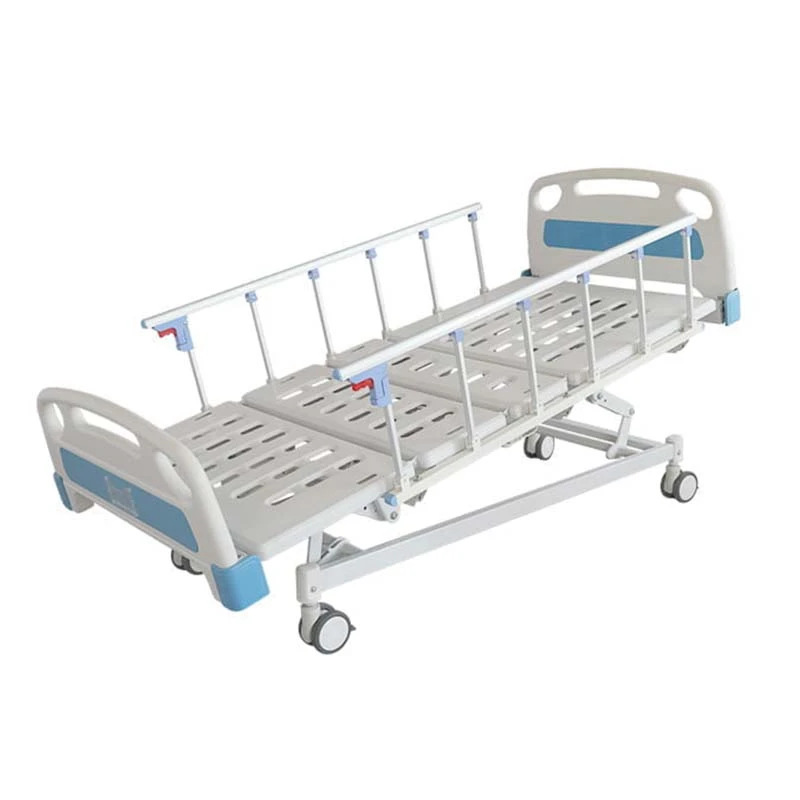
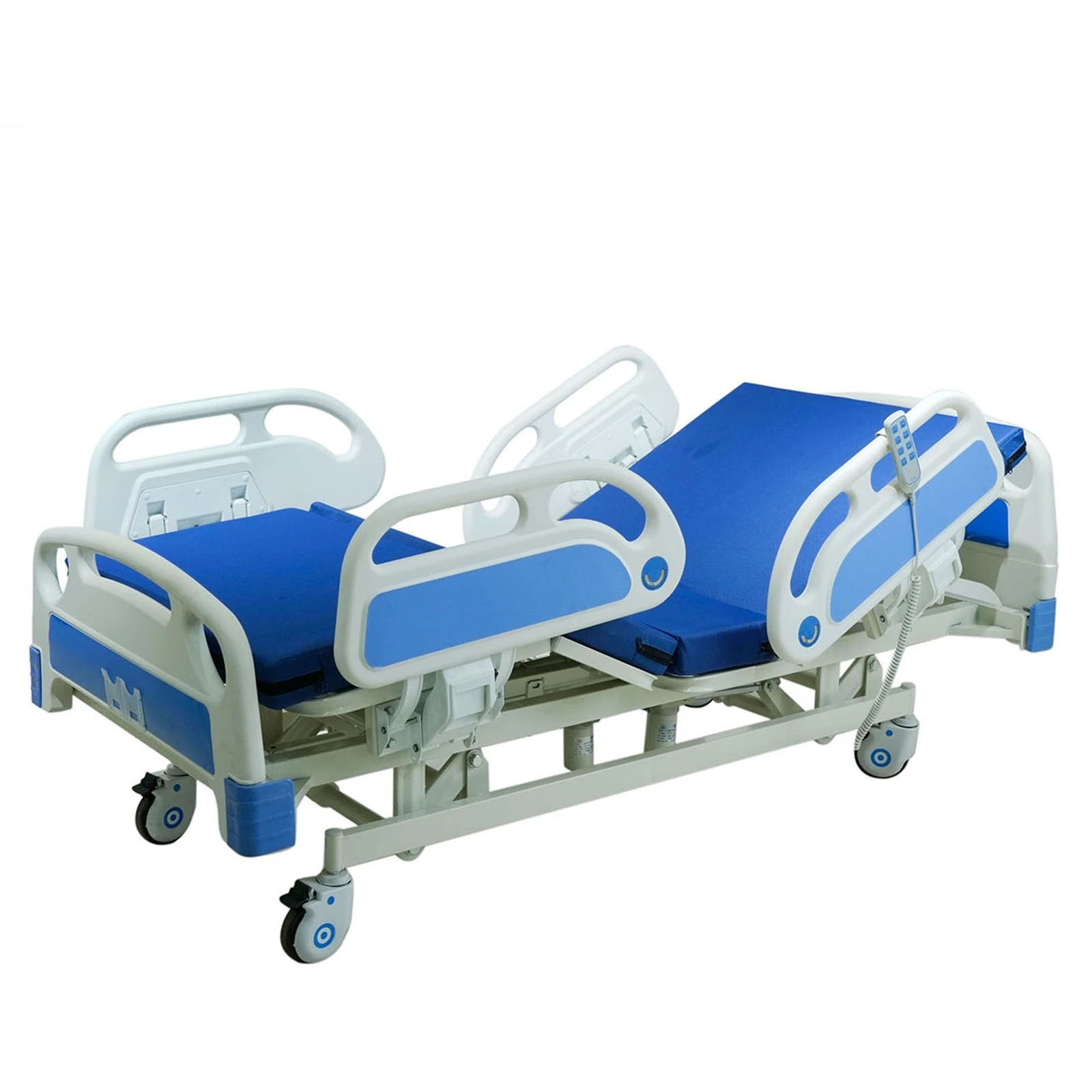
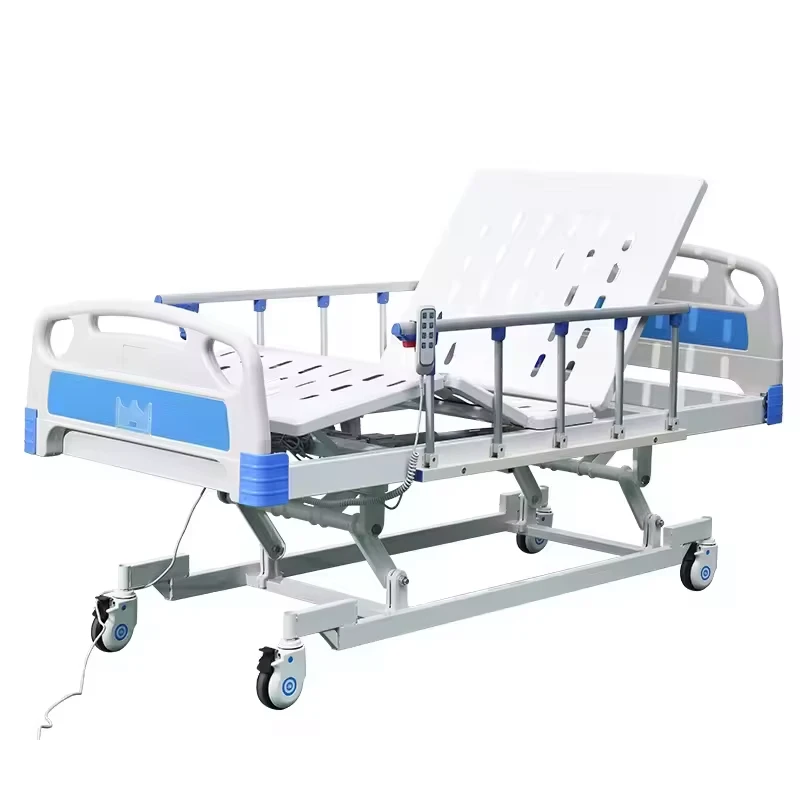
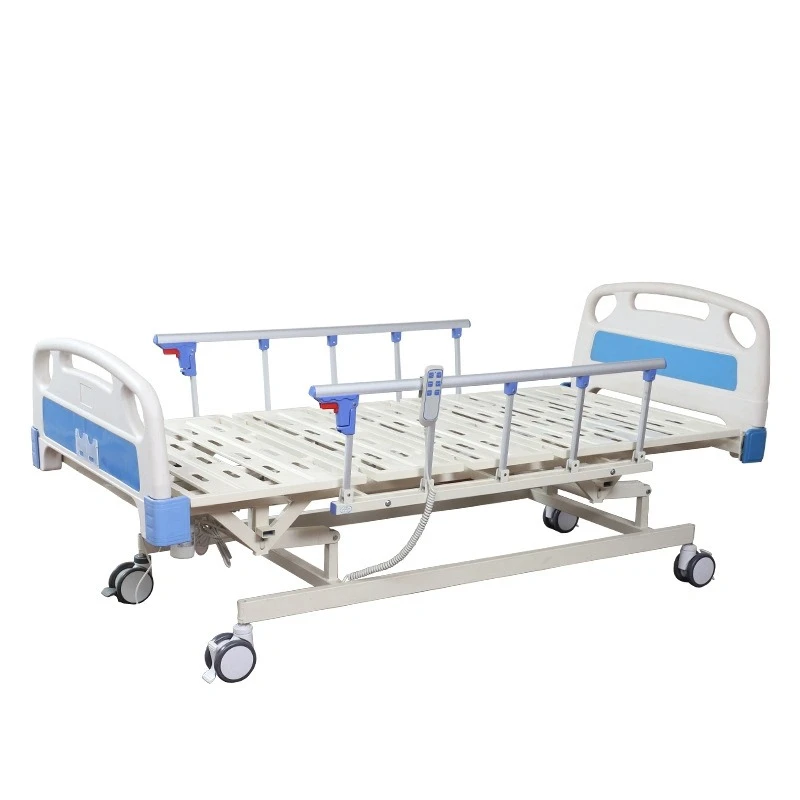
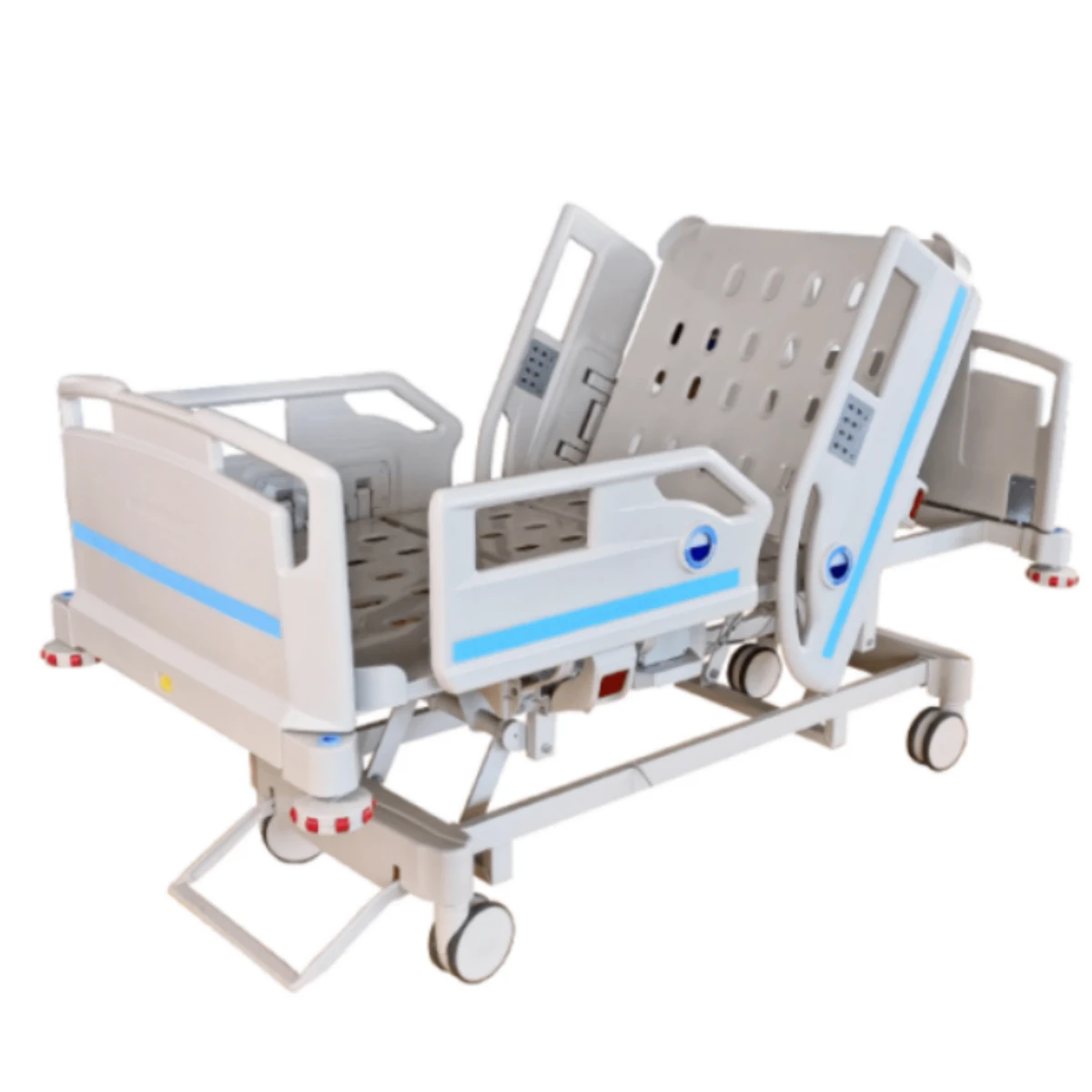
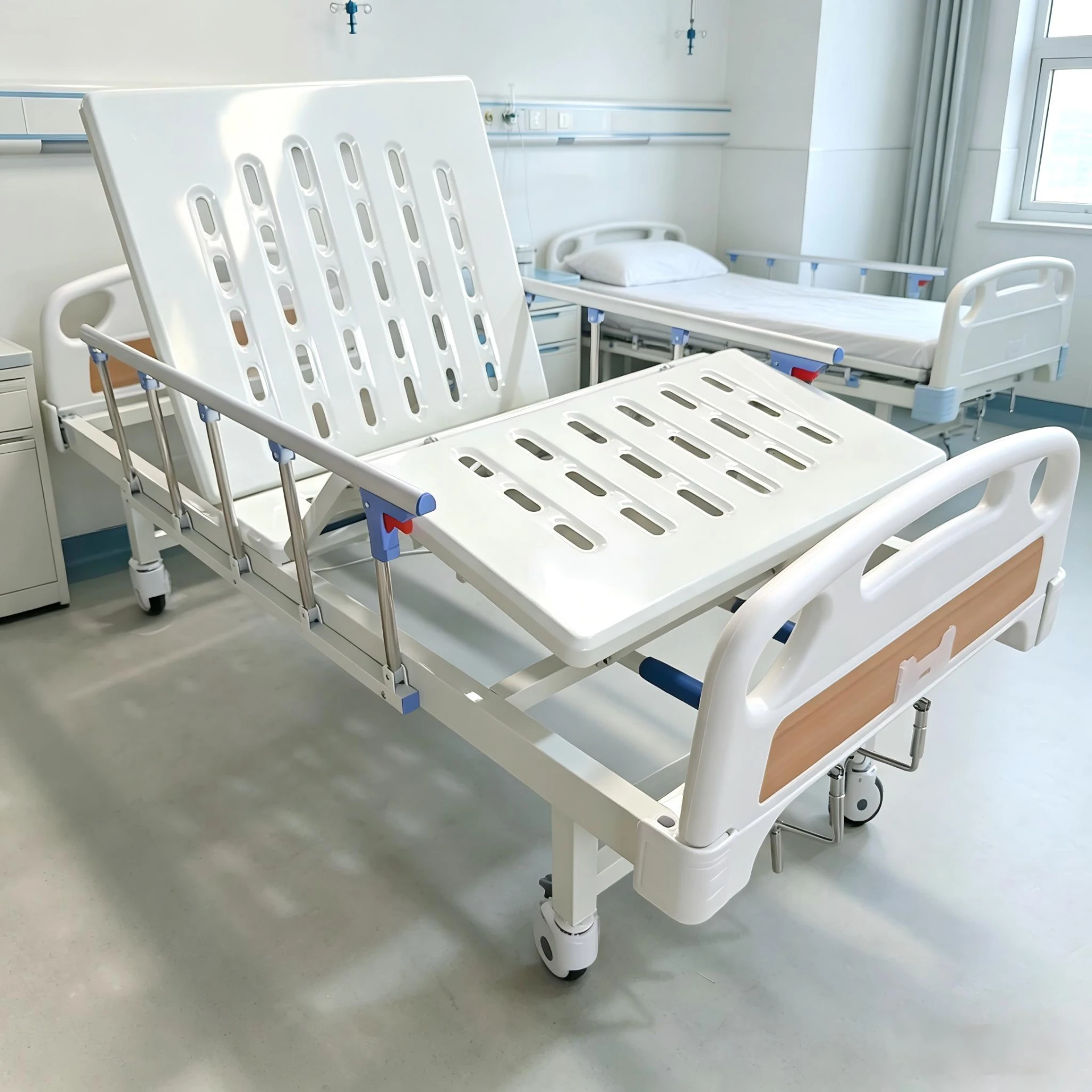
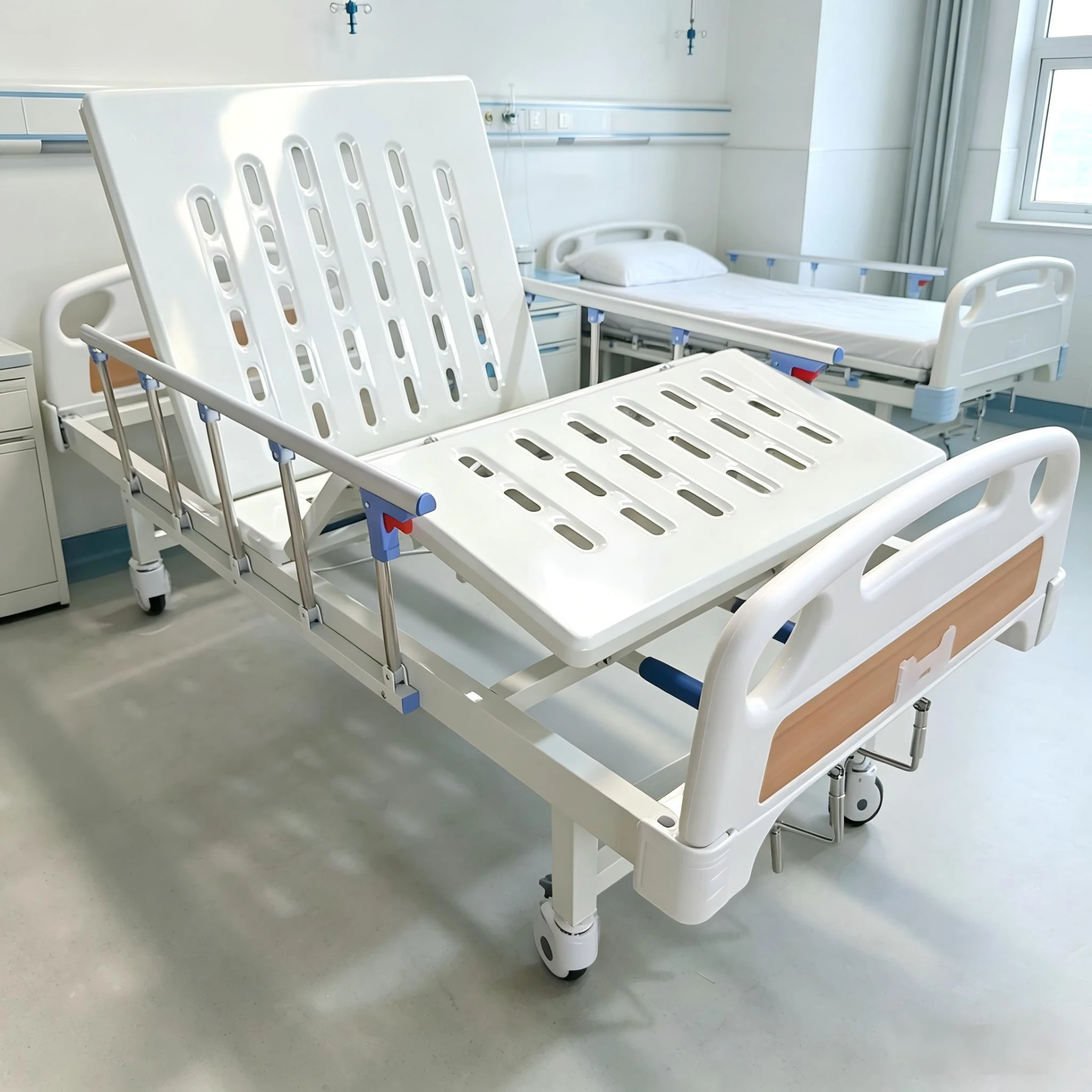
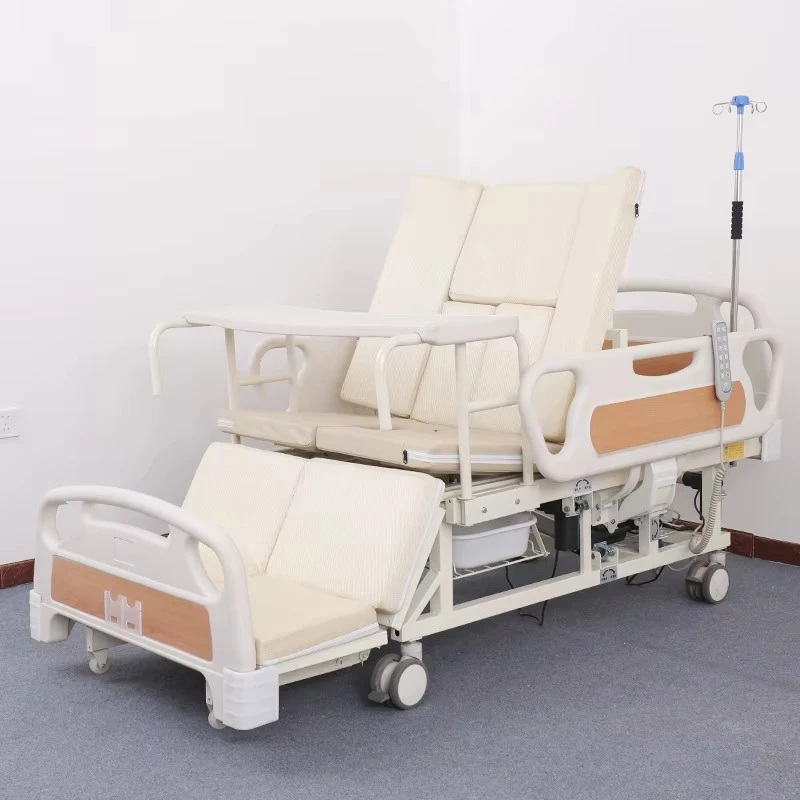
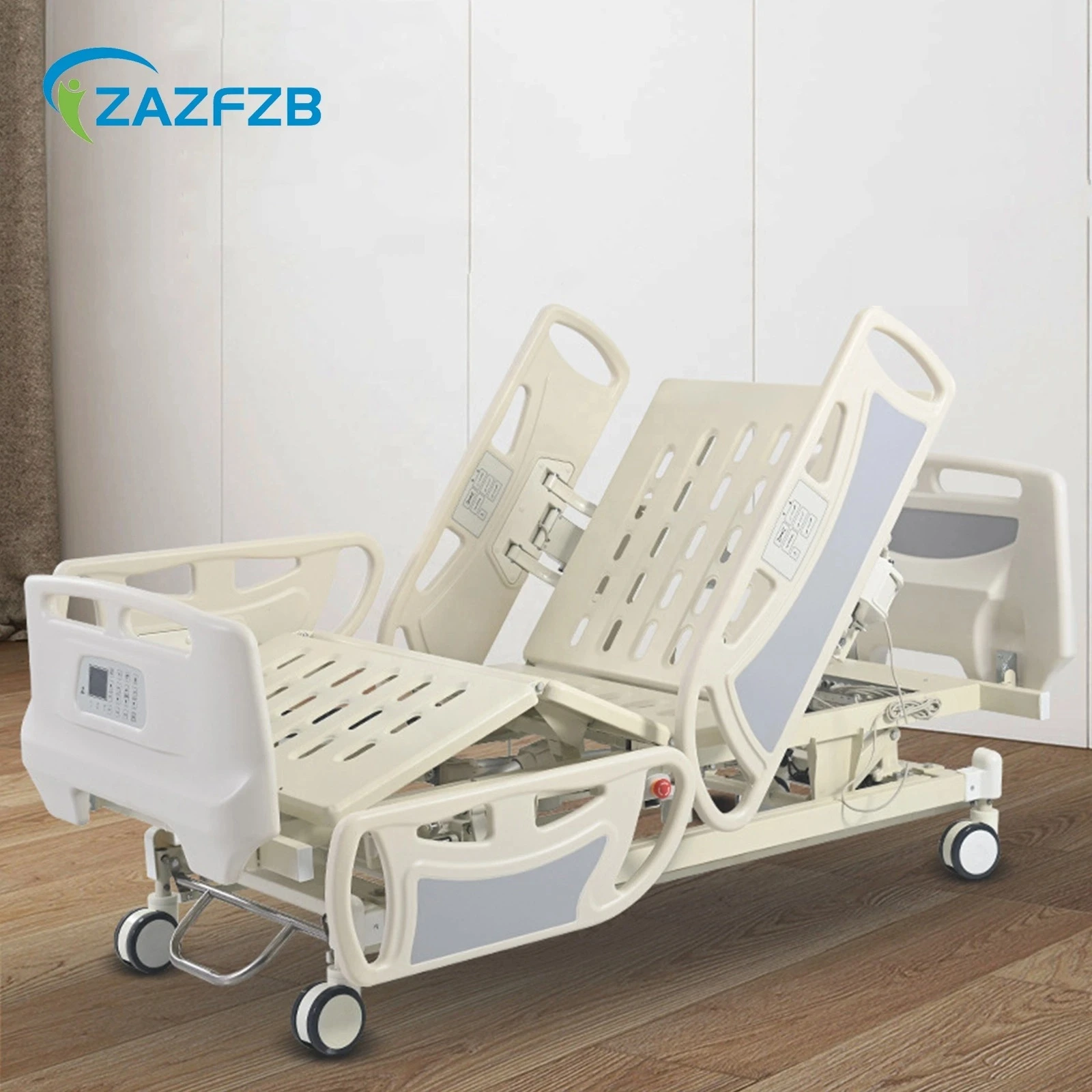
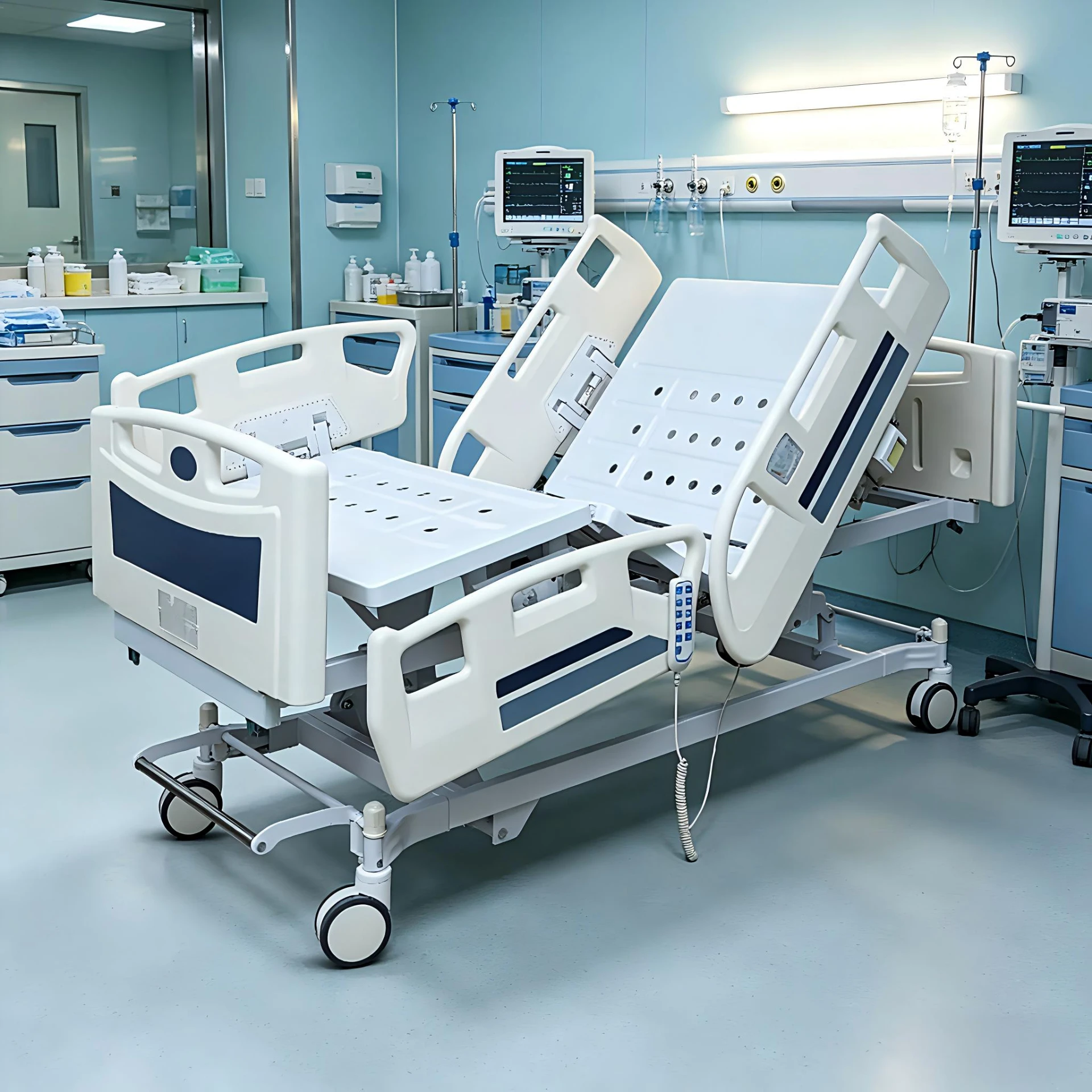
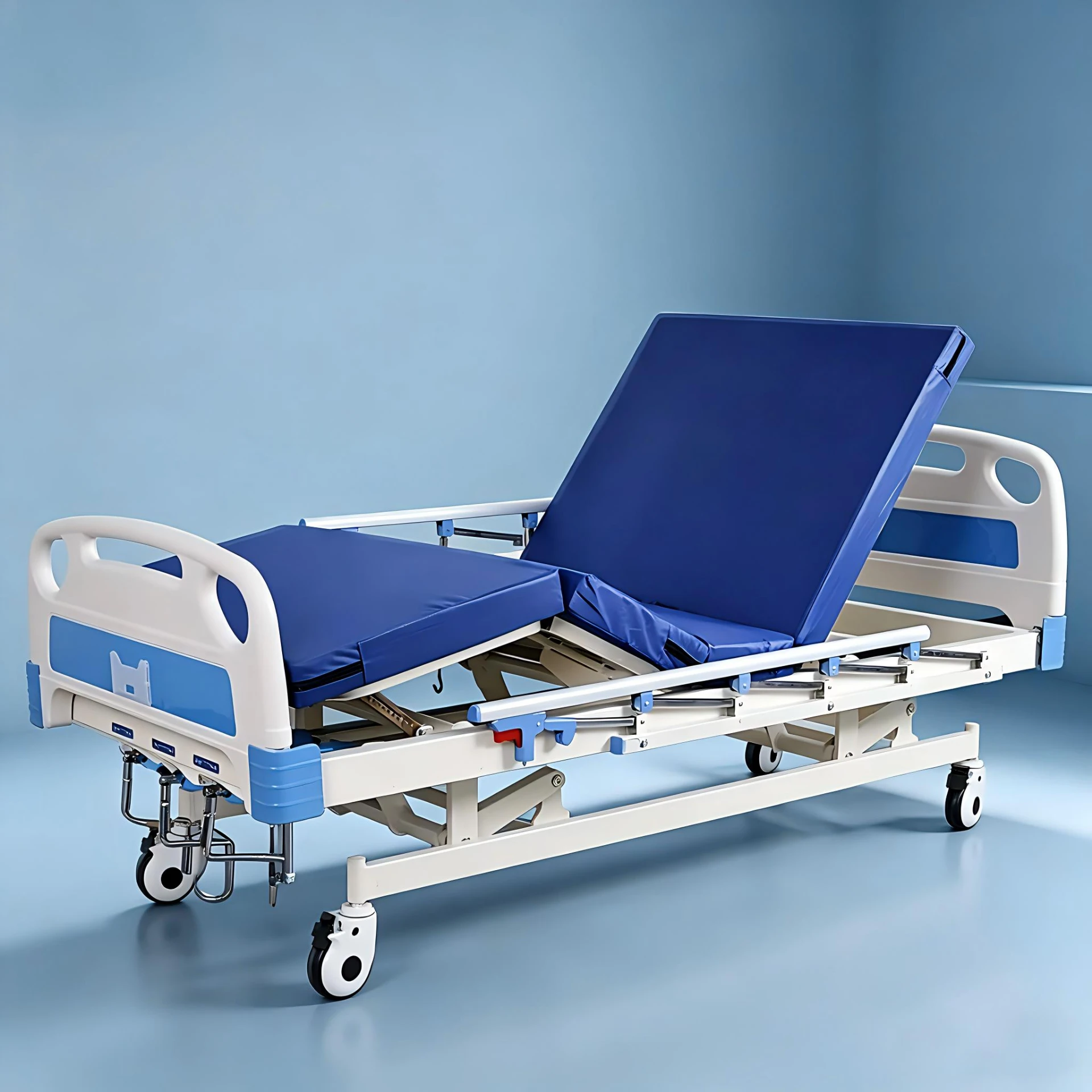
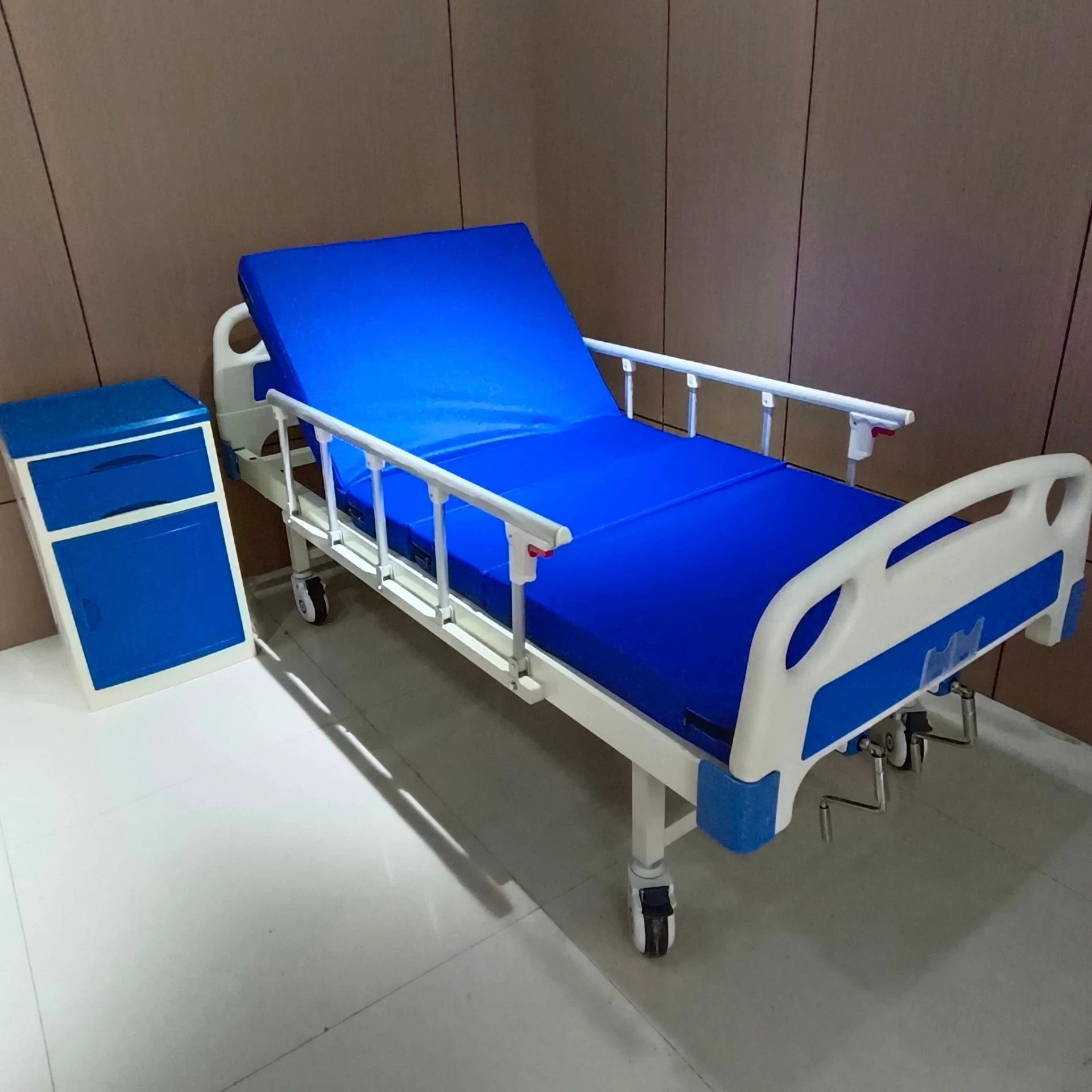
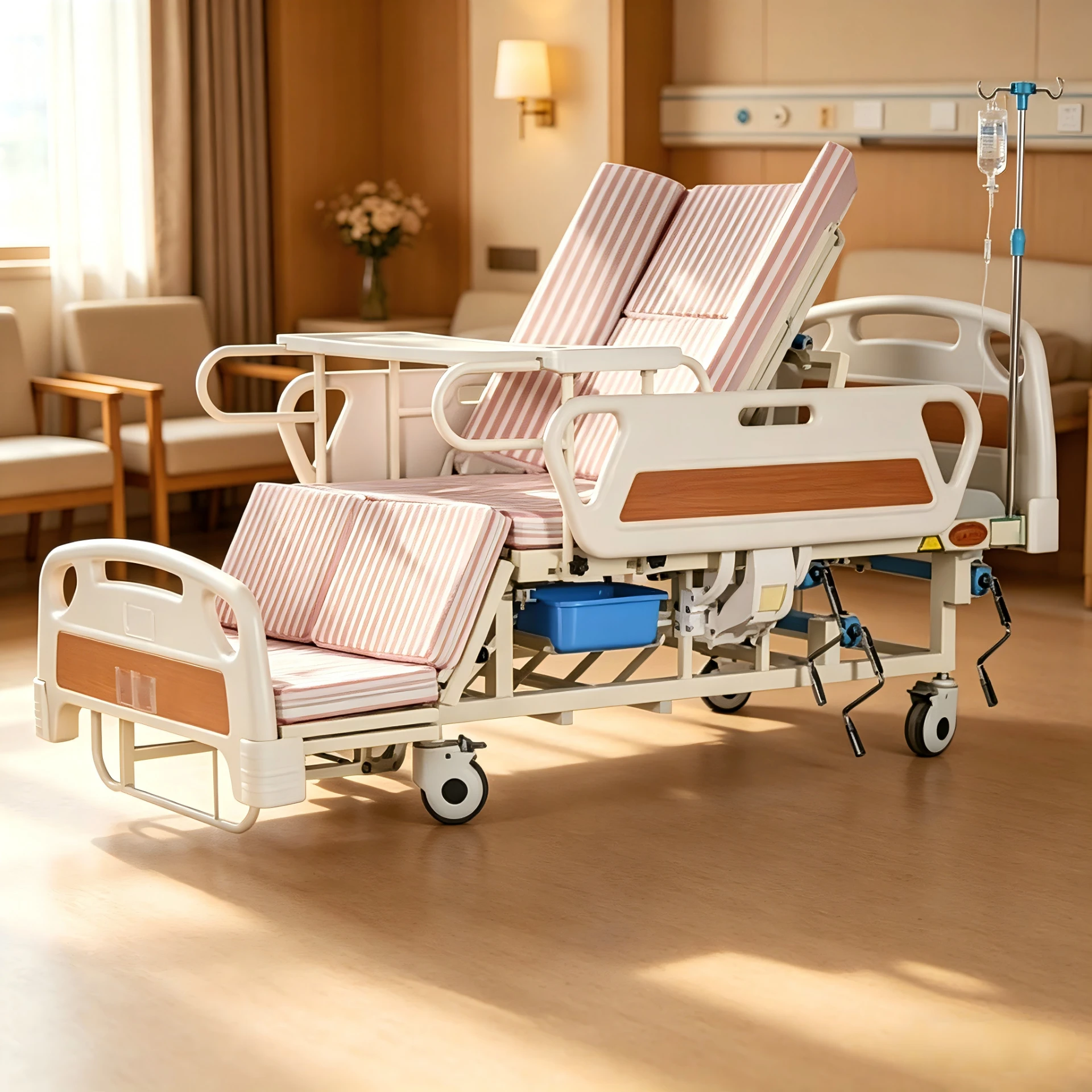
Simply put, beds for elderly at home are specially designed beds tailored to meet the physical, safety, and therapeutic needs of older adults spending most of their time in bed. Compared to regular mattresses or standard beds, they often include adjustable height, tilt features, side rails, and surfaces that reduce pressure points. These beds also reflect an intersection of healthcare, human factors engineering, and sometimes smart technology, ensuring dignity and independence in daily living.
Key Features of Elderly Care Beds
1. Adjustable Height and Positioning
One of the most important features is the ability to change the bed’s height or incline. This aids caregivers in assisting with transfers and helps the elderly adjust position to relieve pressure and improve circulation. Many beds include motorized controls for ease of use.
2. Safety Rails and Fall Prevention
Falls are a leading cause of injury among seniors. Side rails provide secure barriers to prevent unexpected falls, while still allowing ease of exit when needed. Innovative designs balance safety with comfort to avoid feeling “caged in.”
3. Pressure-Reducing Surfaces
Special mattresses made from memory foam, gel, or alternating pressure materials reduce the risk of bedsores for immobile users—an issue of global healthcare concern identified by the World Health Organization.
4. Durability and Ease of Cleaning
These beds must withstand regular adjustment and frequent cleaning, often in home environments without hospital-grade sterilization. Materials chosen usually resist fluids and wear.
5. Integration with Health Monitoring
Some advanced models now include sensors to monitor movement, heart rate, or even detect bed exits, supporting remote caregiving and early intervention in emergencies.
Product Specifications Snapshot
| Feature | Typical Value | Notes |
|---|---|---|
| Height Range | 35–80 cm (adjustable) | Motorized or manual options |
| Weight Capacity | 150–200 kg | Suitable for bariatric users |
| Mattress Type | Memory foam or alternating pressure | Reduces bed sores |
| Side Rails | Yes, removable | Designed for safety and ease of access |
| Frame Material | Powder-coated steel or reinforced aluminum | Durable and easy to clean |
Global Vendors Comparison
| Brand | Price Range | Key Features | Regional Availability |
|---|---|---|---|
| Mediline | $800–$1400 | Basic adjustable frame, manual rails | Global (focus on Europe) |
| ComfortCare | $1500–$2500 | Automated height, pressure mattress integration | North America, Australia |
| ZhaoFaMed (our pick) | $1100–$2000 | Smart sensor system, remote monitoring | Asia, expanding globally |
| ElderEase | $900–$1600 | Foldable rails, simple controls | Europe, Middle East |
How Are Beds for Elderly at Home Used Globally?
Oddly enough, despite the technological advances, the bed remains a simple solution with complex implications. In regions like Japan and Europe, where aging populations are common, these beds are almost a standard in private residences and eldercare facilities. In the US, they also find use in hospices and home health care.
In developing countries, the need for affordable, durable beds is urgent but often unmet due to cost or distribution challenges. NGOs sometimes deploy modular beds during humanitarian relief, especially where elderly populations are vulnerable after disasters. They support both physical well-being and emotional stability, a factor often overlooked.
beds for elderly at home also appear in smart homes equipped with digital health monitoring, blending healthcare with IoT devices—a glimpse into the future of eldercare.
Advantages and Long-Term Value
- Safety: Prevents injuries through design, reducing hospital admissions.
- Dignity: Supports independence and comfort, which are essential to mental health.
- Cost Savings: Reduces need for constant caregiver intervention and hospital stays.
- Sustainability: Durable materials and modular design mean less waste over time.
- Trust: Proven by studies to improve patient outcomes (source: WHO reports on elder care).
Future Trends & Innovations
Frankly, we're on the brink of a "smart bedding" revolution. Pressure sensors that automatically adjust firmness, IoT connectivity for real-time caregiver alerts, and materials made from recycled composites are all emerging trends. Sustainability and tech integration walk hand in hand here, especially with global pushes towards "green" healthcare solutions. Automation for bed adjustments that reduce caregiver strain will continue to evolve, making eldercare more humane and less labor-intensive.
Challenges and Their Solutions
Challenges remain, like affordability, especially in low-income settings. Also, some elderly people find automated features overwhelming—simplicity in controls is key. Fragmented healthcare systems may slow down adoption. However, partnerships across governments, manufacturers, and NGOs are tackling these gaps. For example, ZhaoFaMed has launched educational programs to improve user familiarity and maintenance support, which helps uptake.
Frequently Asked Questions About Beds for Elderly at Home
- Q: What features should I prioritize when buying a bed for an elderly parent?
A: Focus on adjustable height, safety rails, and pressure relief mattresses. Motorized controls add convenience but keep usability simple. - Q: Can these beds help prevent bedsores?
A: Yes, mattresses designed for pressure redistribution significantly reduce bedsores, especially when paired with position adjustments. - Q: Are beds for elderly at home suitable for limited spaces?
A: Many models are designed for compact homes, including foldable rails or narrower widths to fit smaller rooms without sacrificing safety. - Q: How long do these beds typically last?
A: With proper maintenance, a good quality bed can last 5–10 years. Parts like mattresses may need more frequent replacement. - Q: Where can I find reliable suppliers?
A: Trusted brands like ZhaoFaMed provide global delivery and after-sales service. Checking certifications such as ISO helps ensure quality.
Conclusion
In real terms, investing in beds for elderly at home means investing in safety, comfort, and dignity for a growing part of the global population. These beds have a ripple effect, easing care burdens and promoting health. For anyone caring for an elderly loved one or managing eldercare services, this is an essential consideration.
Ready to explore leading options? Visit ZhaoFaMed to discover innovative solutions designed with expertise and care.
Mini takeaway: Aging well at home often starts with the right bed—a foundation for health, happiness, and independence.
References:
1. United Nations Department of Economic and Social Affairs, Population Division. World Population Ageing 2020 Highlights. un.org
2. World Health Organization, Elderly care and pressure ulcer prevention guidelines. who.int
3. ISO Standards for Medical Beds.