Comprehensive Guide to Patient Bed Design: Trends, Benefits & Future Innovations
Why Patient Bed Design Matters in Healthcare Worldwide
Patient bed design might sound like an everyday topic, but in reality, it touches lives across the globe in very tangible ways. Think about it: a well-designed patient bed can improve recovery times, reduce caregiver strain, and even save lives during critical moments. As healthcare evolves, understanding the nuances of patient bed design is no longer a niche technical detail—it’s an essential component for modern hospitals, emergency responders, and humanitarian organizations alike.
Globally, healthcare facilities vary tremendously, yet the need for safe, ergonomic patient beds remains constant. According to the World Health Organization, the global rise in aging populations and chronic illnesses means patient care standards must keep pace, including how patients physically rest and move during treatment. And frankly, when you consider the impact on comfort, hygiene, and mobility, you realise that improving patient bed design is as vital as any cutting-edge medical technology.
Mini takeaway: Patient bed design is a subtle but powerful factor in healthcare quality worldwide, enhancing patient outcomes and operational efficiency.
Global Context: Patient Bed Design in a Changing Healthcare Landscape
Across continents, from high-tech urban hospitals to rural clinics in developing nations, patient bed design faces unique challenges. The United Nations estimates that by 2050, 1 in 6 people globally will be over 65, stressing healthcare infrastructures already stretched thin. Not to mention frequent natural disasters requiring rapid deployment of medical equipment—including beds suitable for diverse environments.
ISO standards and regulations increasingly demand beds that are safe, adjustable, and easy to sanitize. However, many markets still struggle with inadequate equipment. This gap leads to problems such as increased patient falls, pressure ulcers, and caregiver injuries. In other words, the very basics of patient support depend on thoughtful design solutions that balance durability, affordability, and ergonomics.
Mini takeaway: Patient bed design must adapt to demographic trends and healthcare challenges worldwide, driving a need for smarter, more resilient products.
What Exactly Is Patient Bed Design?
Patient bed design refers to the creation and engineering of beds specifically intended for patients in medical or care environments. It’s not just a “bed” in the home sense—these are specialized pieces of equipment made to ensure patient safety, comfort, and ease of care.
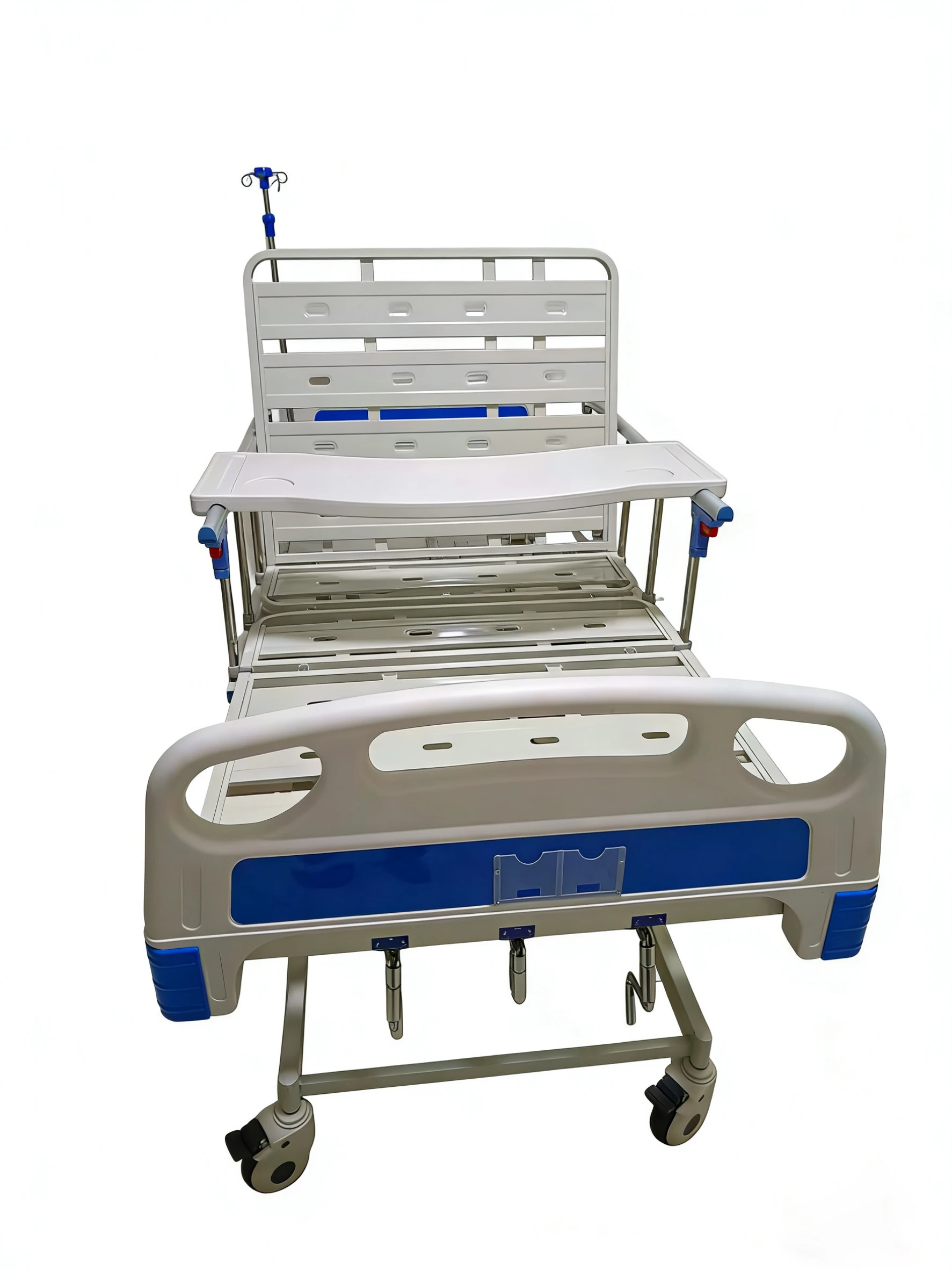
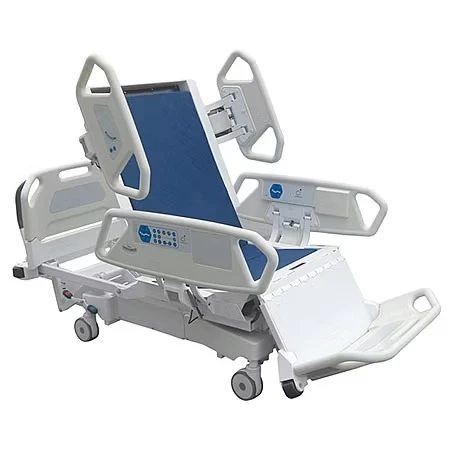
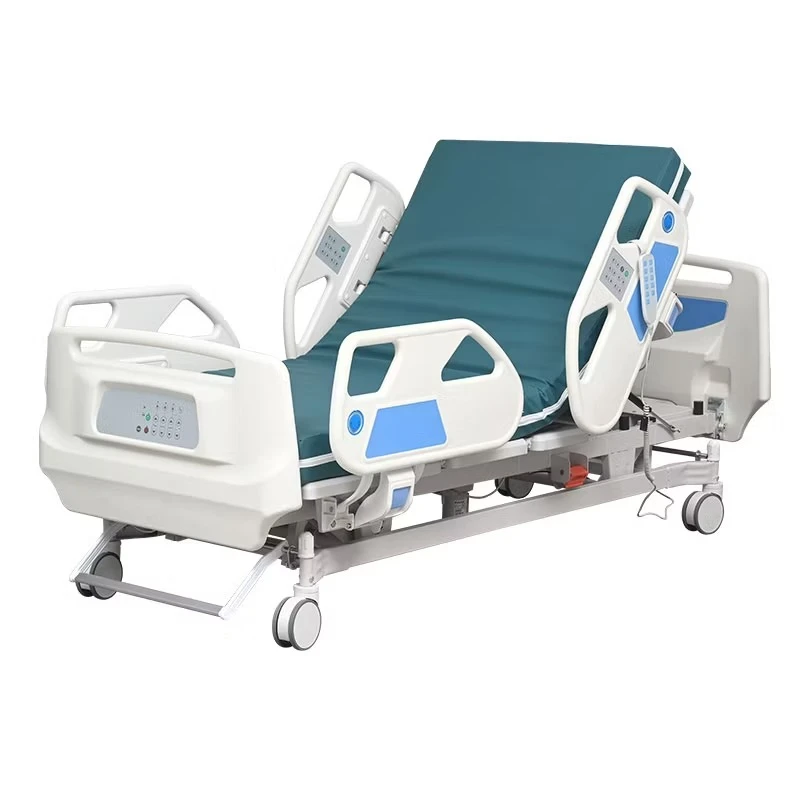
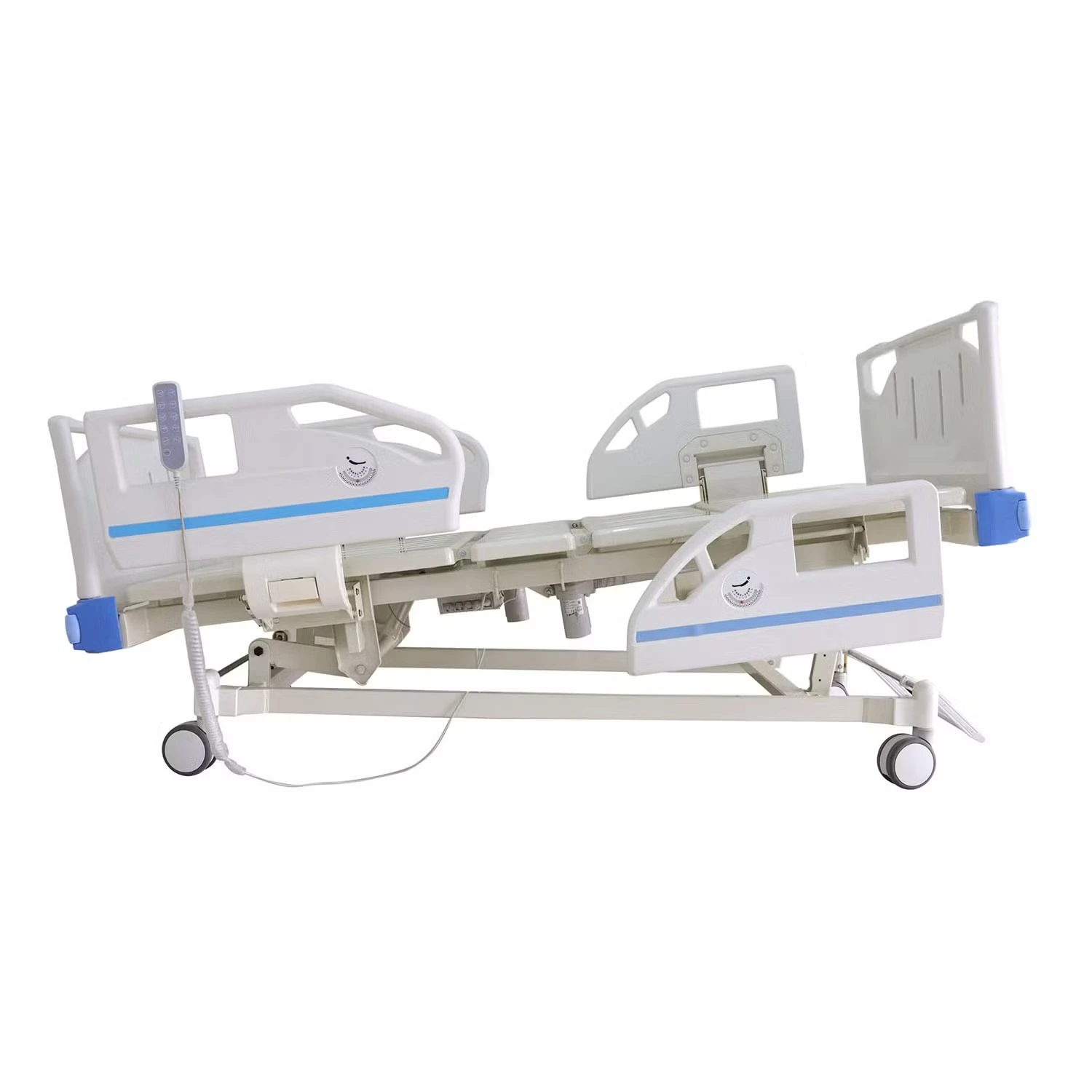
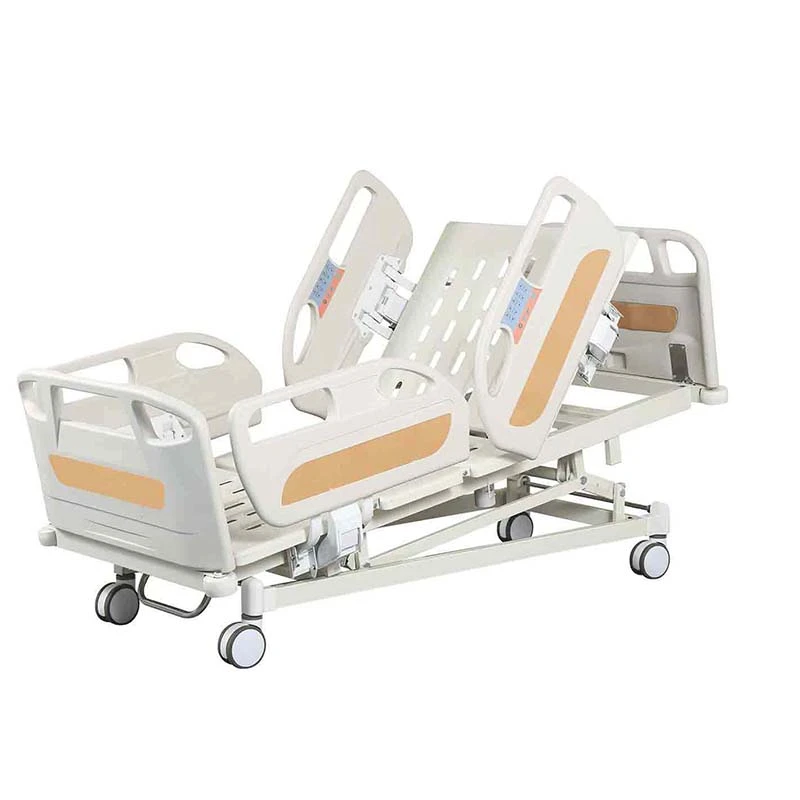
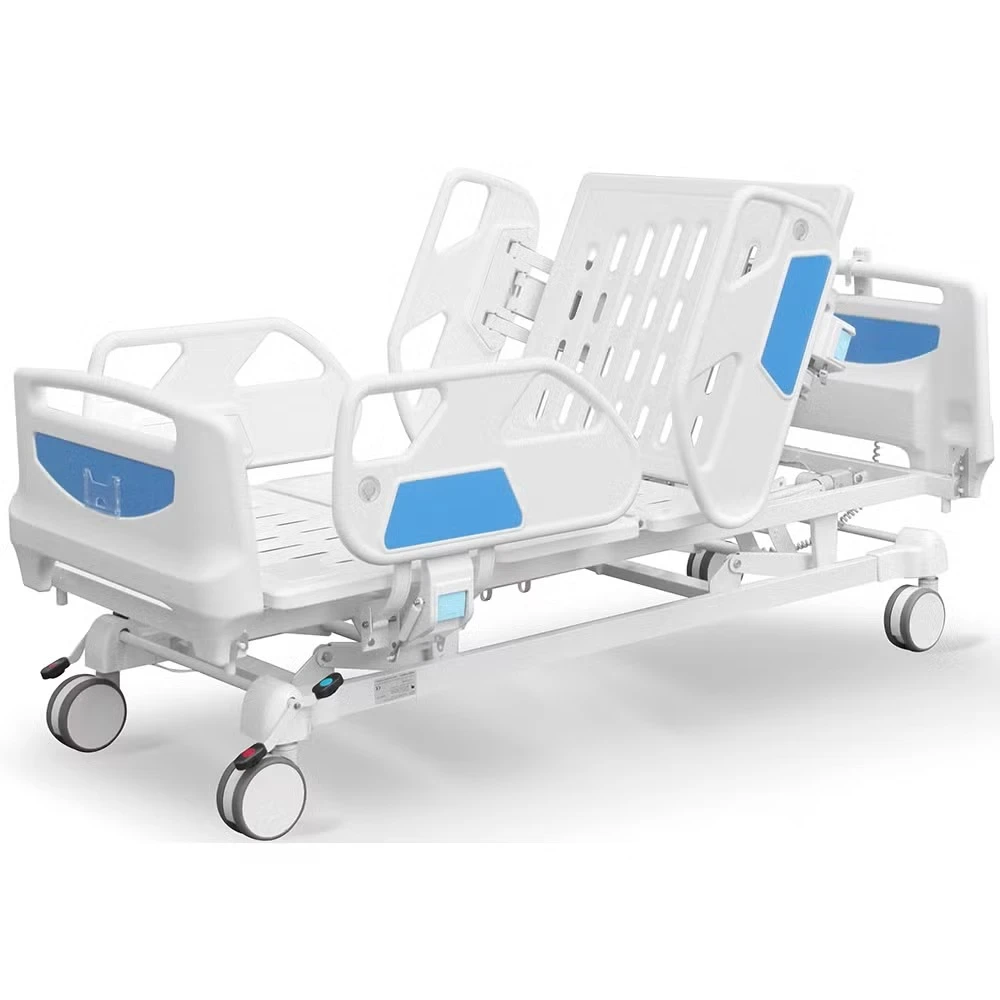
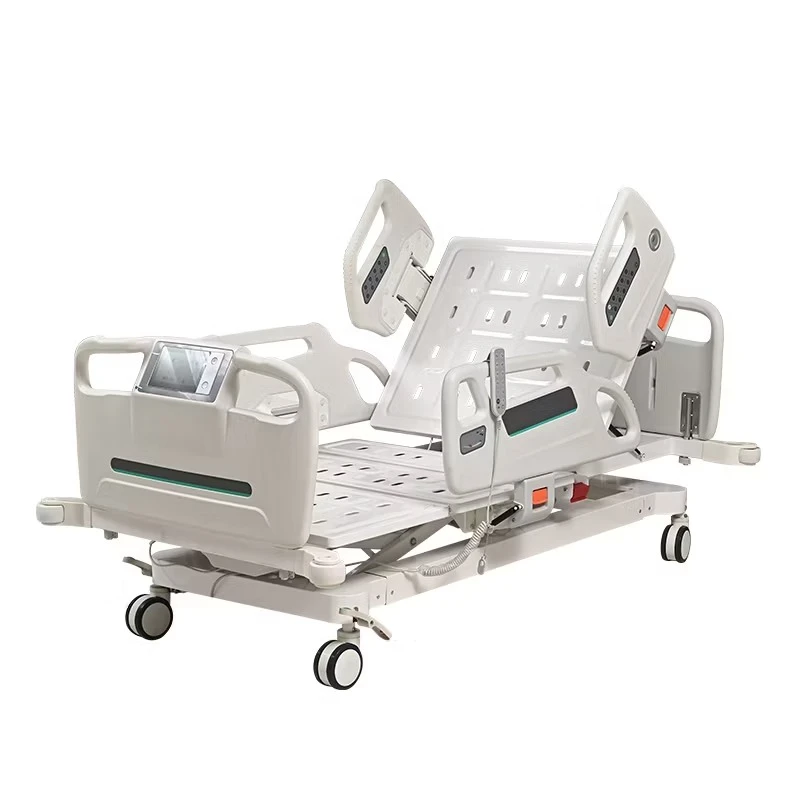
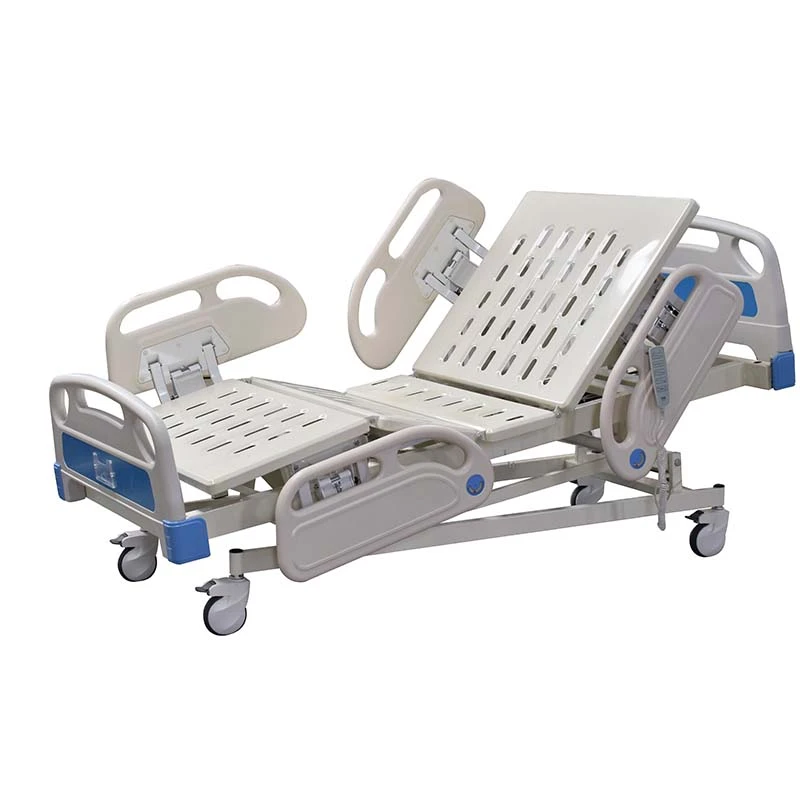
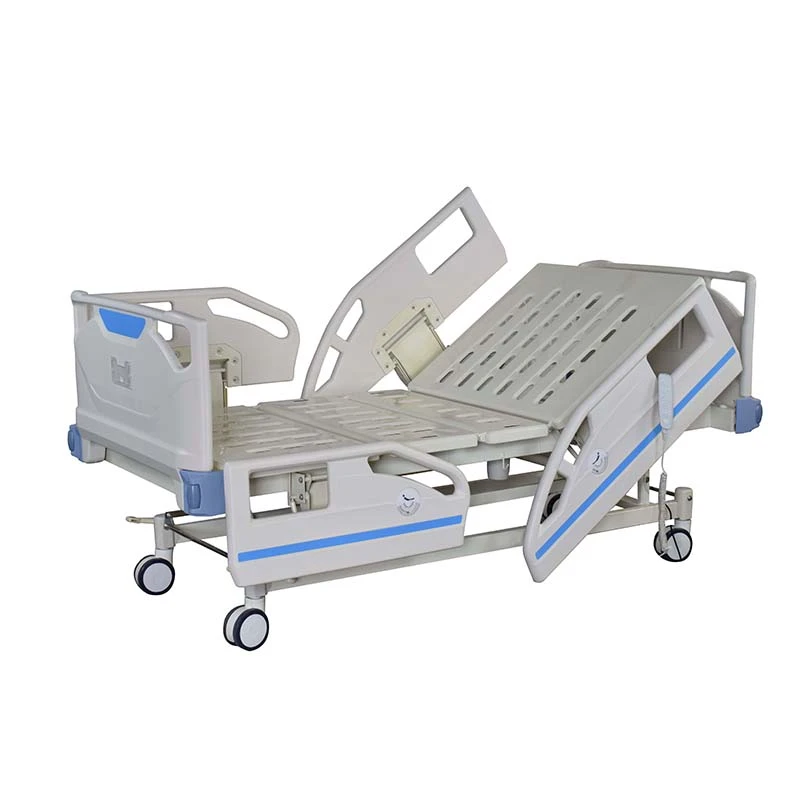
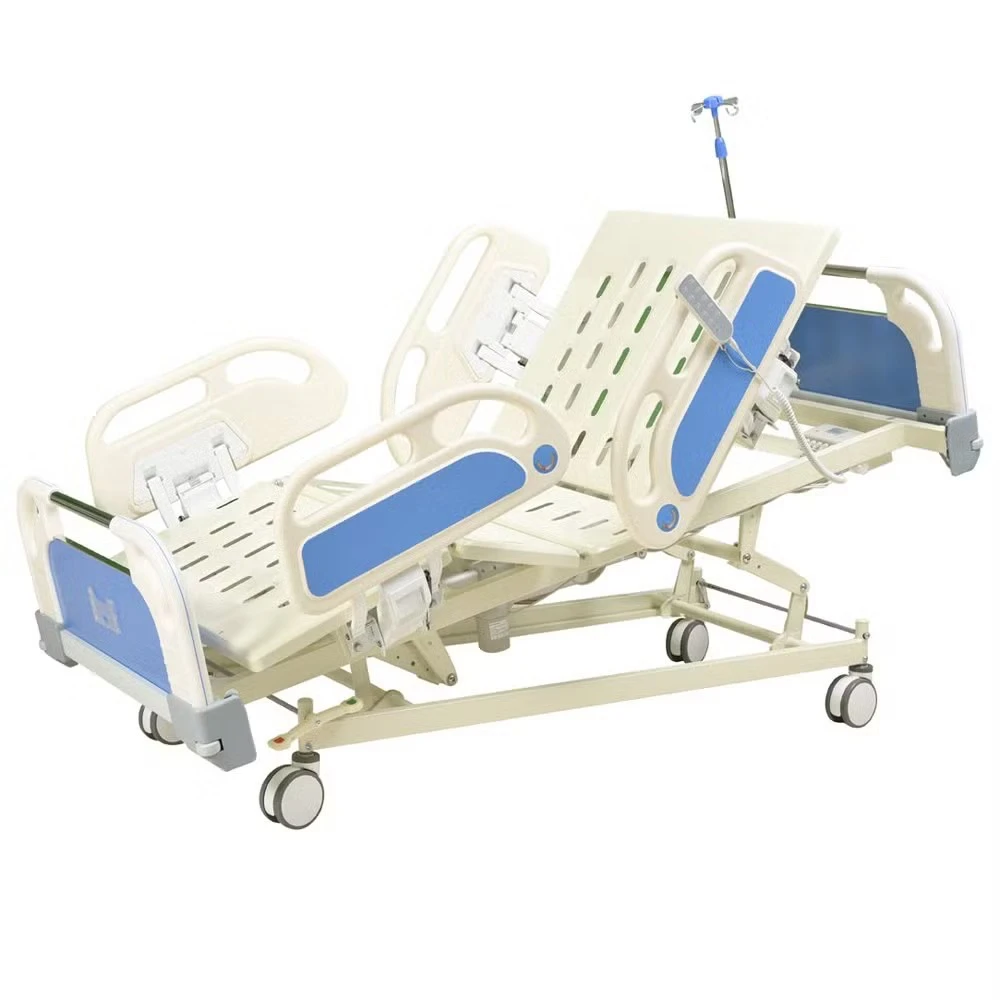
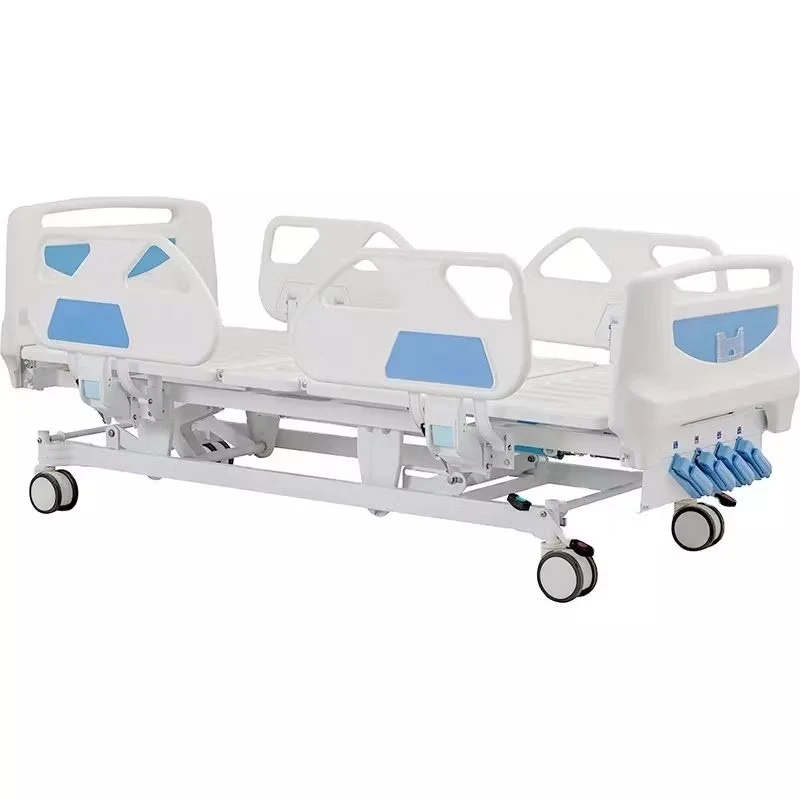
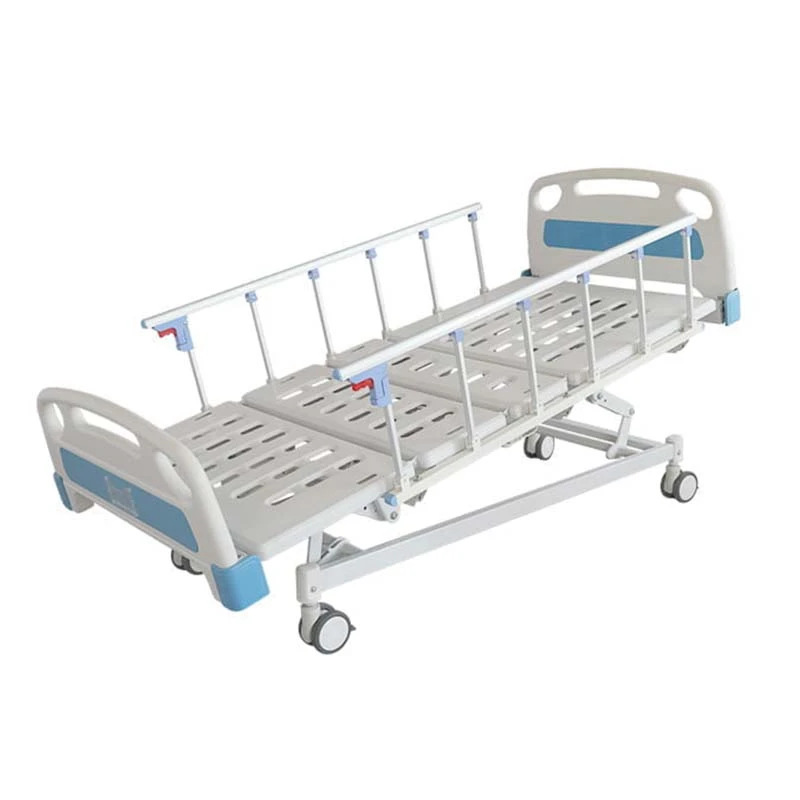
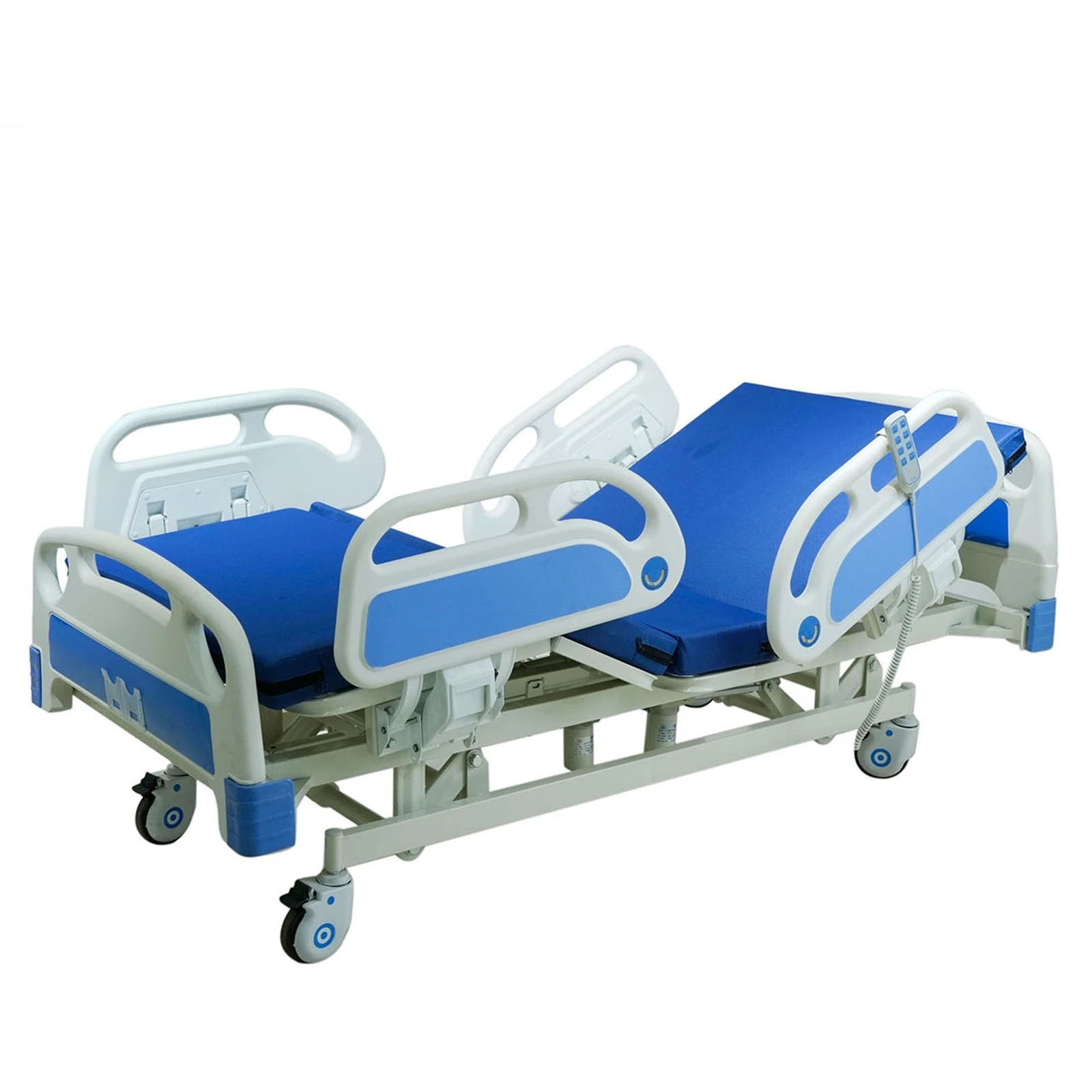
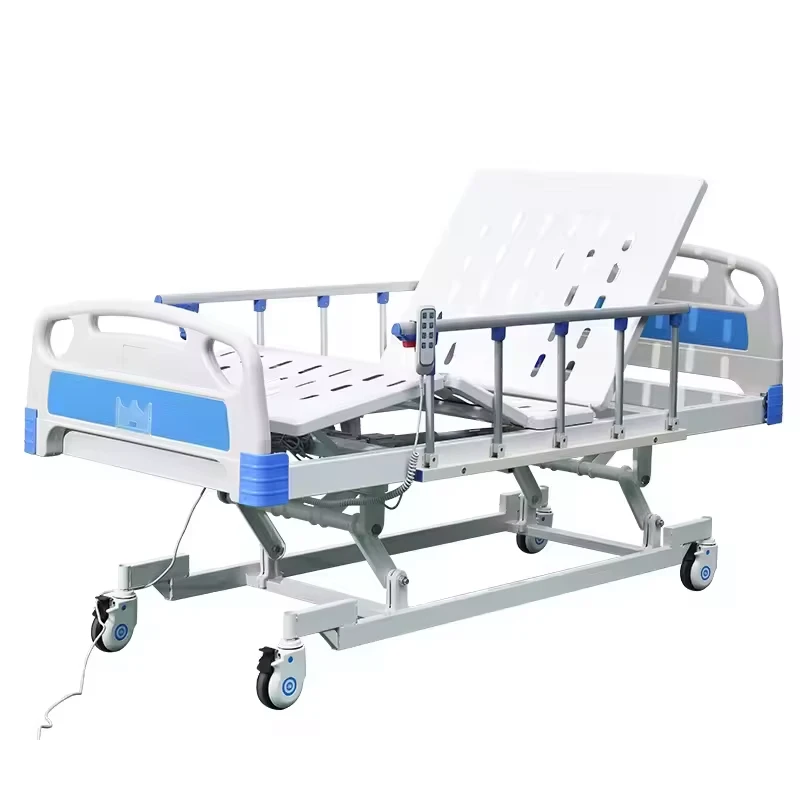
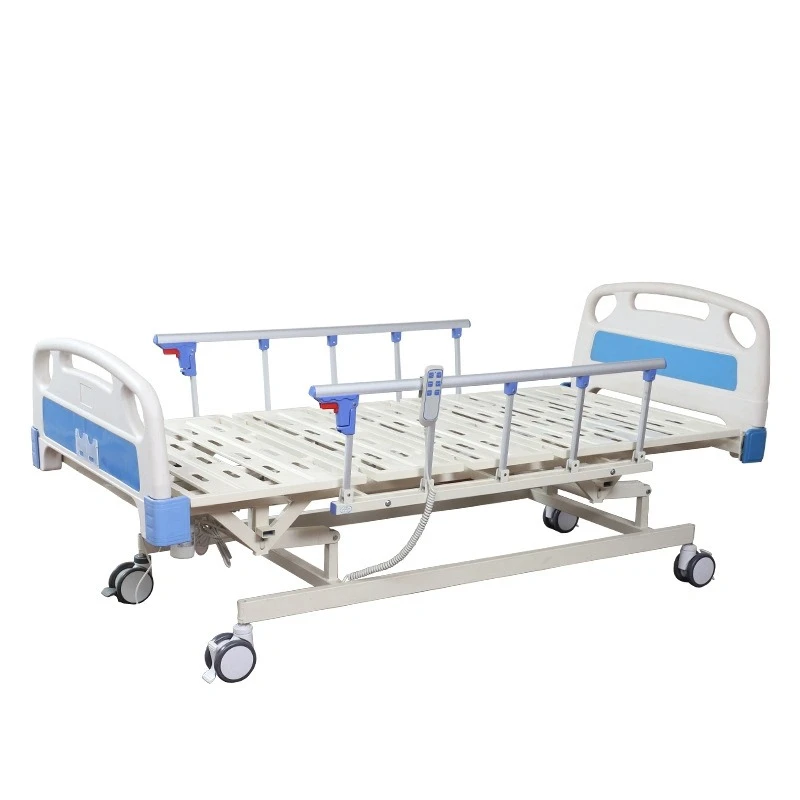
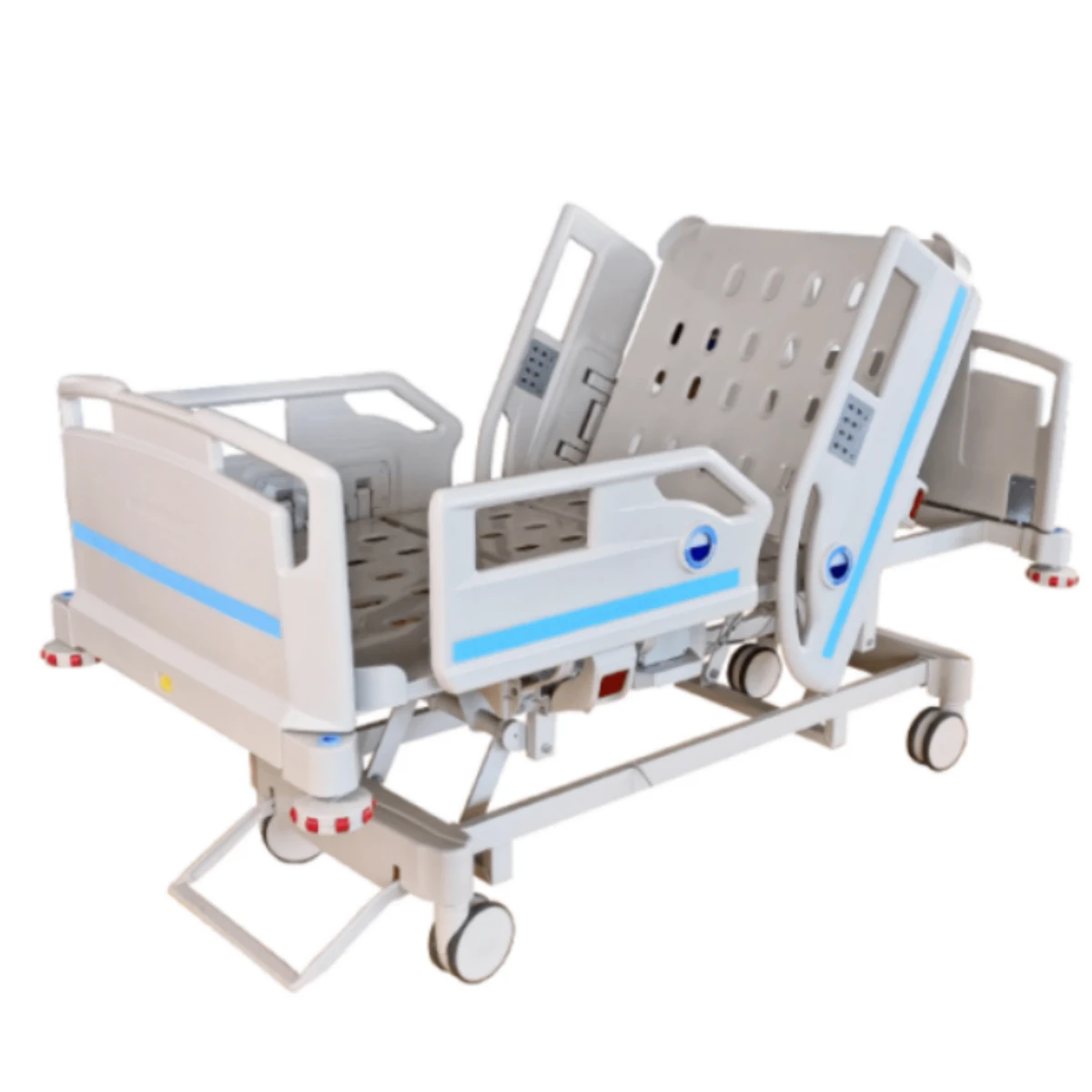
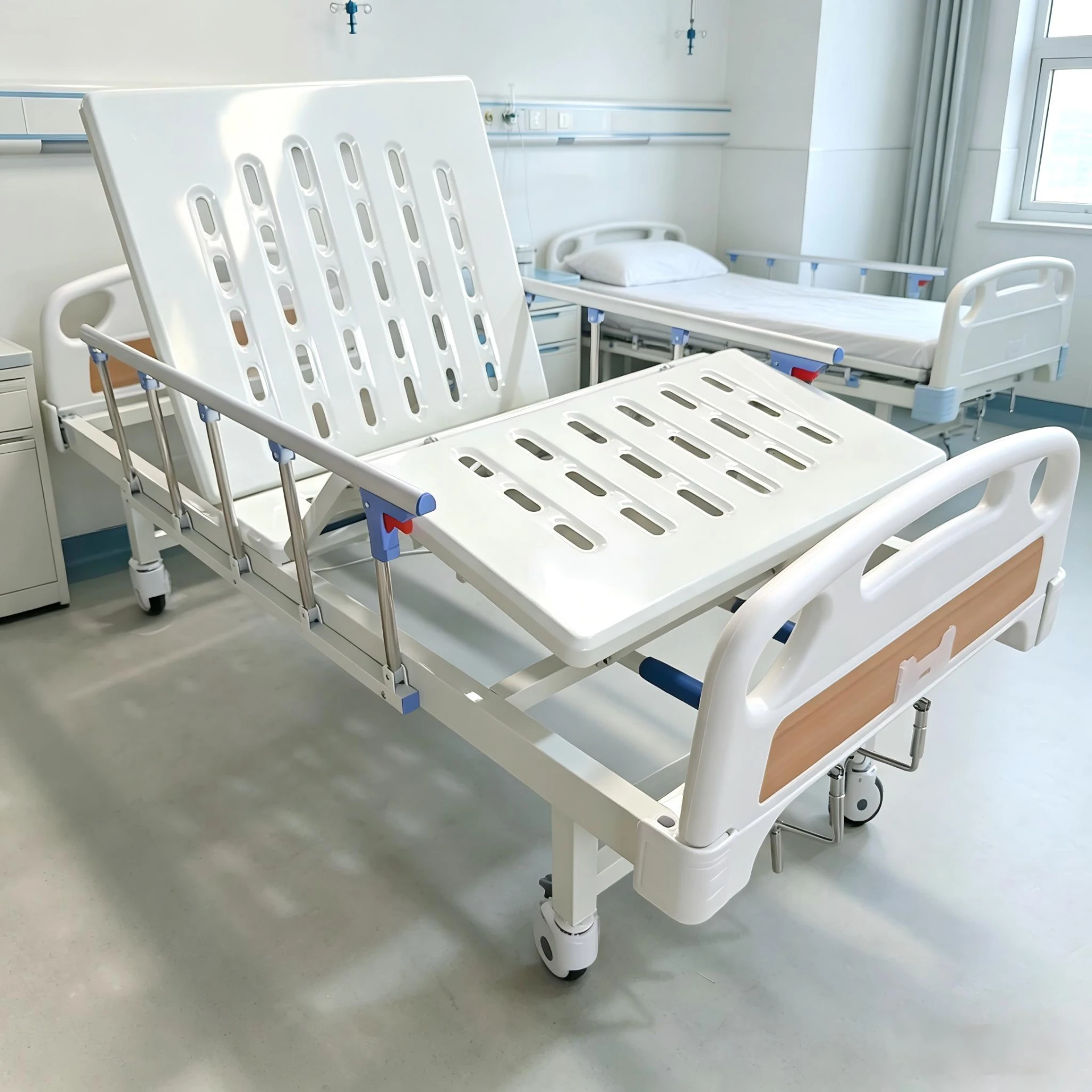
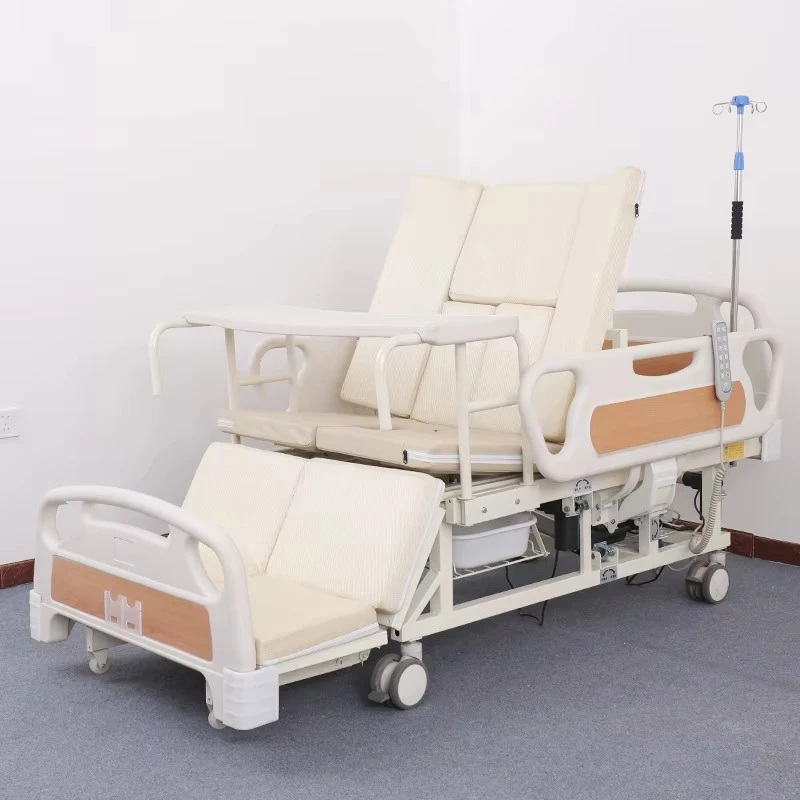
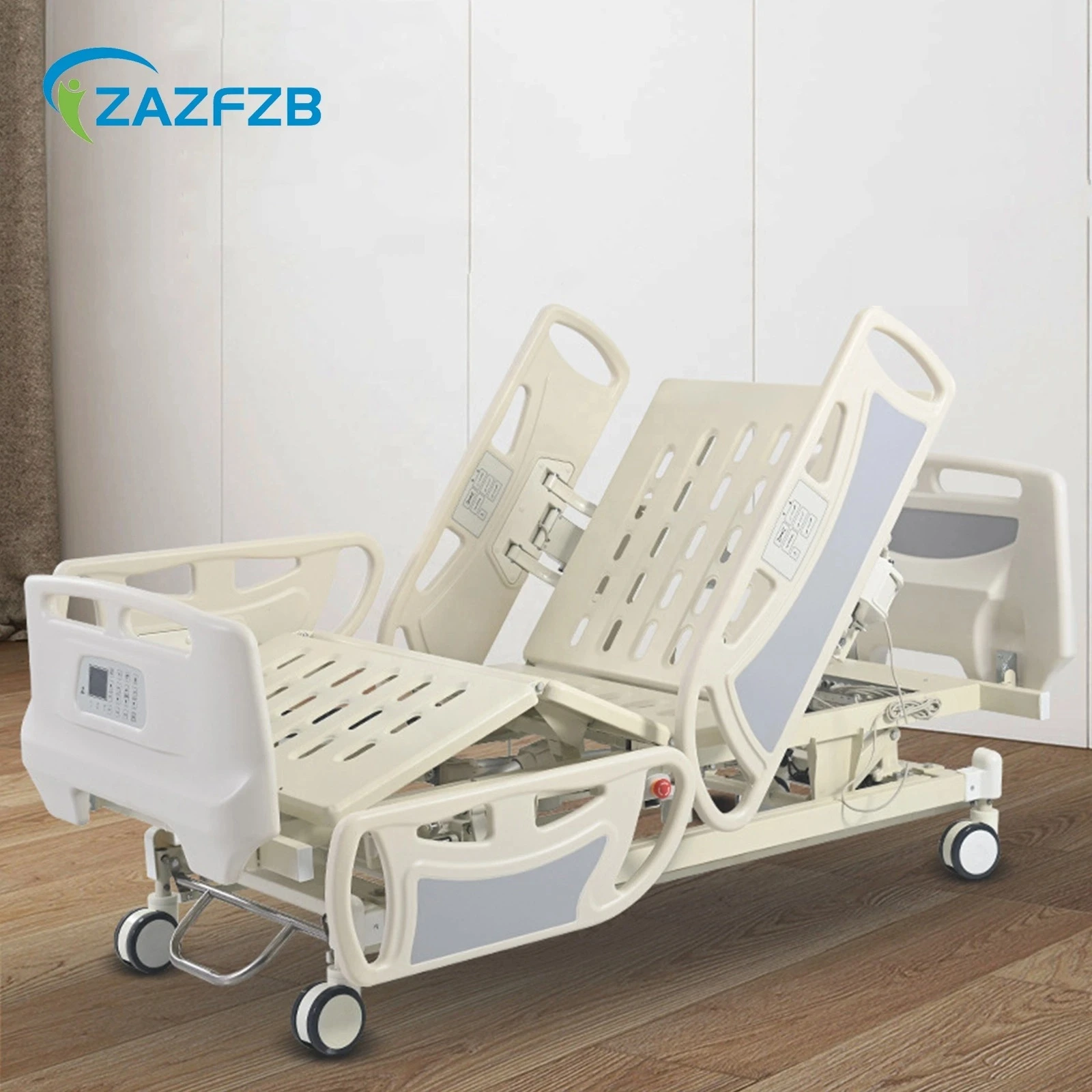
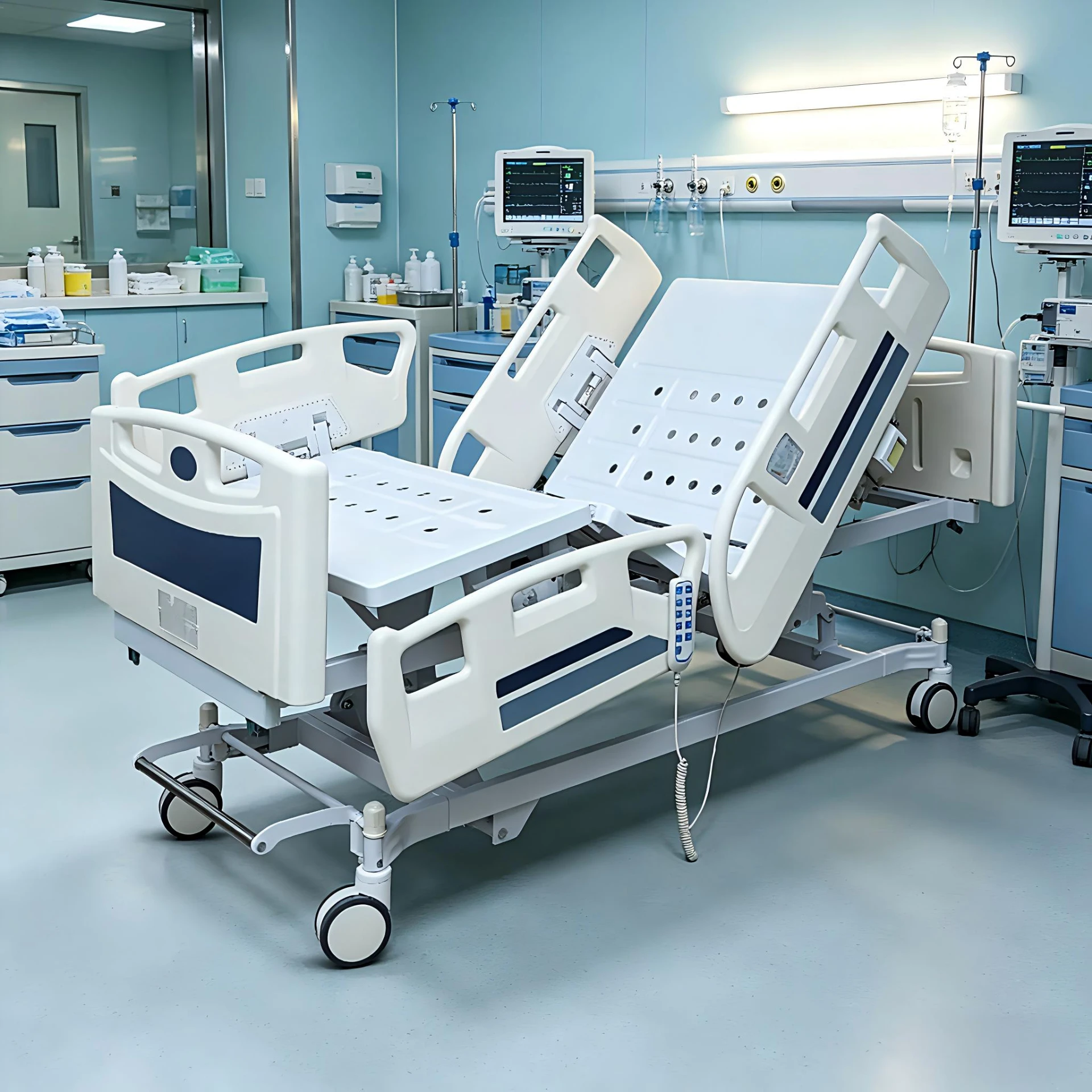
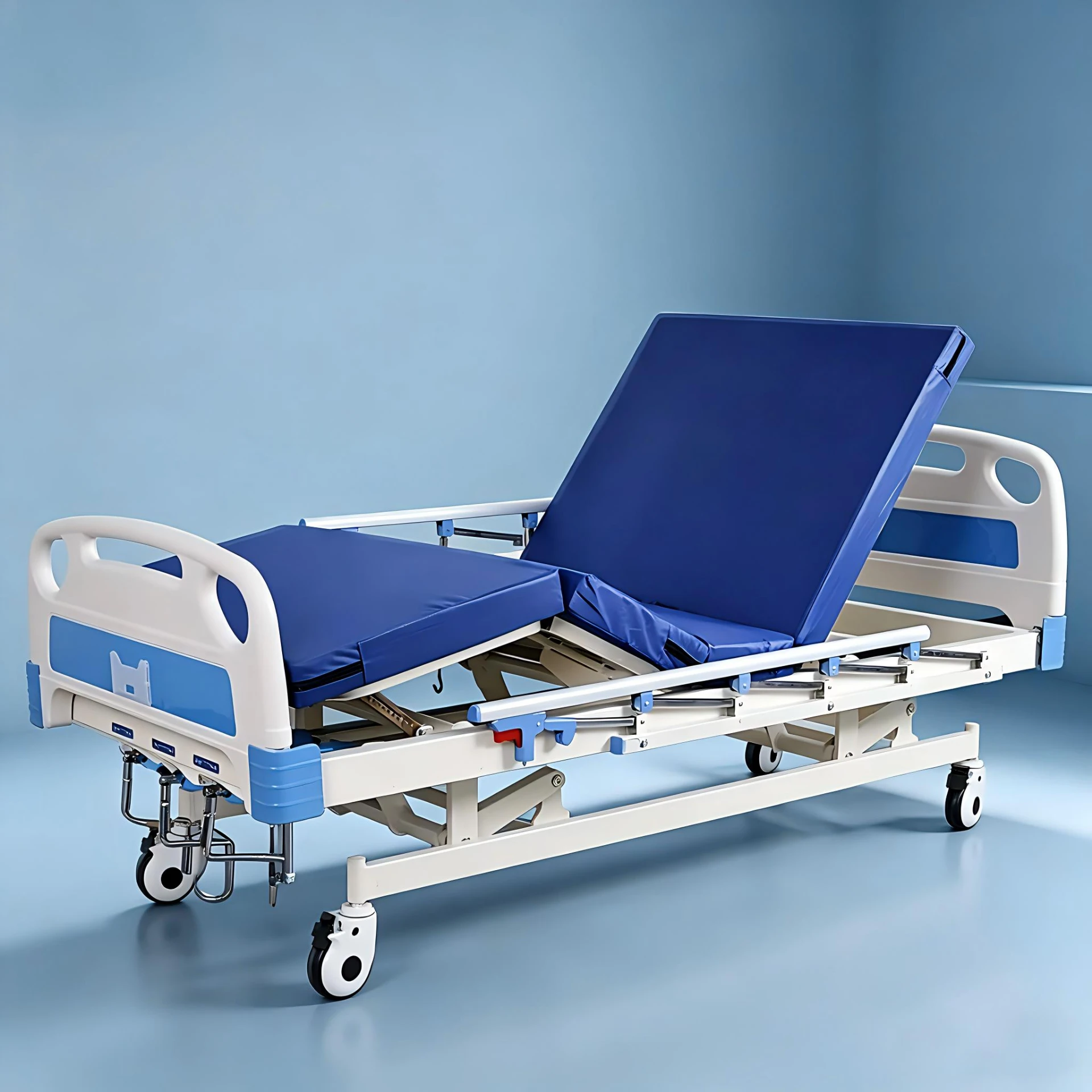
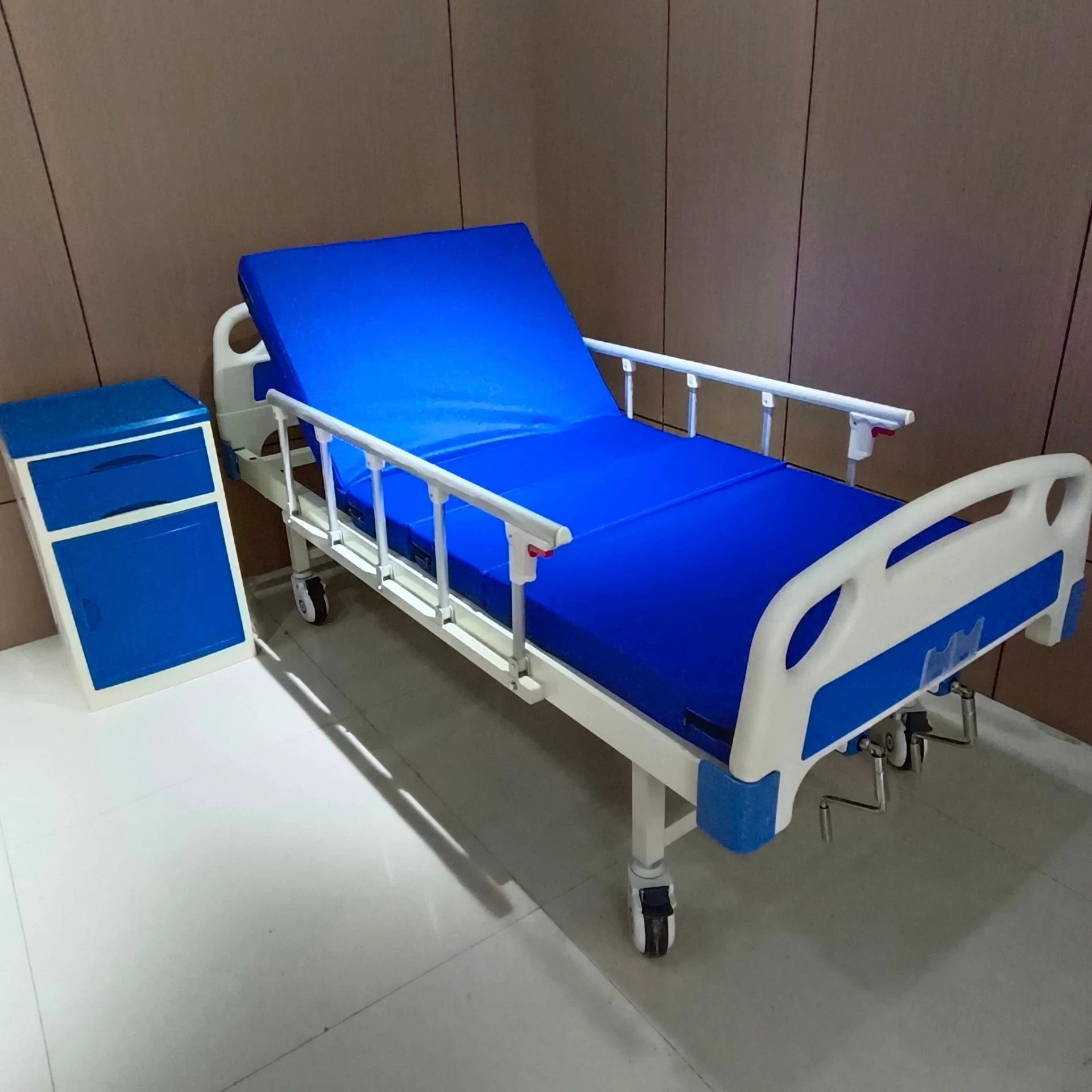
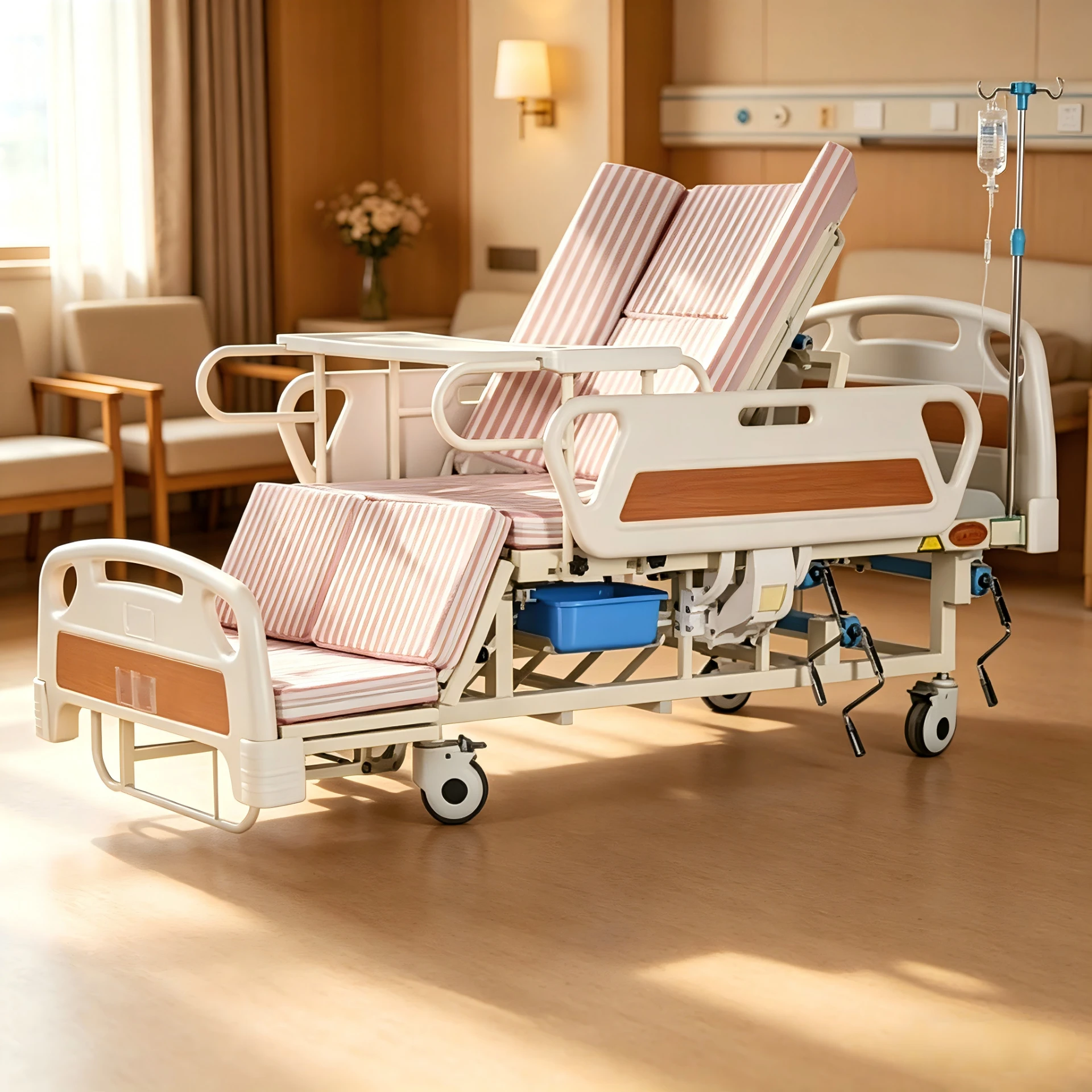
Common features include height adjustability, support for various body positions, materials that allow easy cleaning, and accessories such as IV pole mounts and side rails. These designs reflect both technological advances and the evolving philosophies of patient-centered care. So when we talk about patient bed design, it’s really a blend of engineering, health sciences, and even a little psychology—how the environment affects healing.
Mini takeaway: It’s more than furniture—it’s a carefully crafted interface between patient, caregiver, and environment.
Core Components of Effective Patient Bed Design
1. Durability and Material Quality
Patient beds must withstand frequent cleaning, weight loads, and sometimes harsh treatment. Manufacturers use metals like steel or aluminum alloys, along with antimicrobial plastics, making maintenance easier without sacrificing strength.
2. Adjustability and Mobility
From electric controls to manual levers, the ability to change bed position is critical. Adjustability improves patient comfort, aids medical procedures, and reduces pressure ulcer risks.
3. Safety Features
Side rails, locking wheels, and rounded corners all prevent accidents. Technology now sometimes includes sensors to alert caregivers if a patient tries to leave the bed unexpectedly.
4. Cost-Effectiveness
Especially in developing regions or emergency settings, balancing price with quality is key. Modular designs that allow for easy replacement of parts maximize long-term value.
5. Hygiene and Infection Control
Materials resistant to bacteria and fluids help reduce nosocomial infections, a critical factor in hospitals worldwide.
6. Ergonomics and Patient Comfort
Good support, pressure distribution, and temperature control all affect how a patient recovers. Plus, they make life easier for nurses and aides who assist daily.
| Feature | Description | Benefits |
|---|---|---|
| Electric Adjustability | Motorized system to alter height, tilt, and position. | Enhances comfort and allows tailored patient positioning. |
| Antimicrobial Surfaces | Materials coated or made to resist microbial growth. | Reduces infection risk and facilitates cleaning. |
| Foldable Side Rails | Rails that can be raised or lowered safely by caregivers. | Protects patients from falls and aids mobility. |
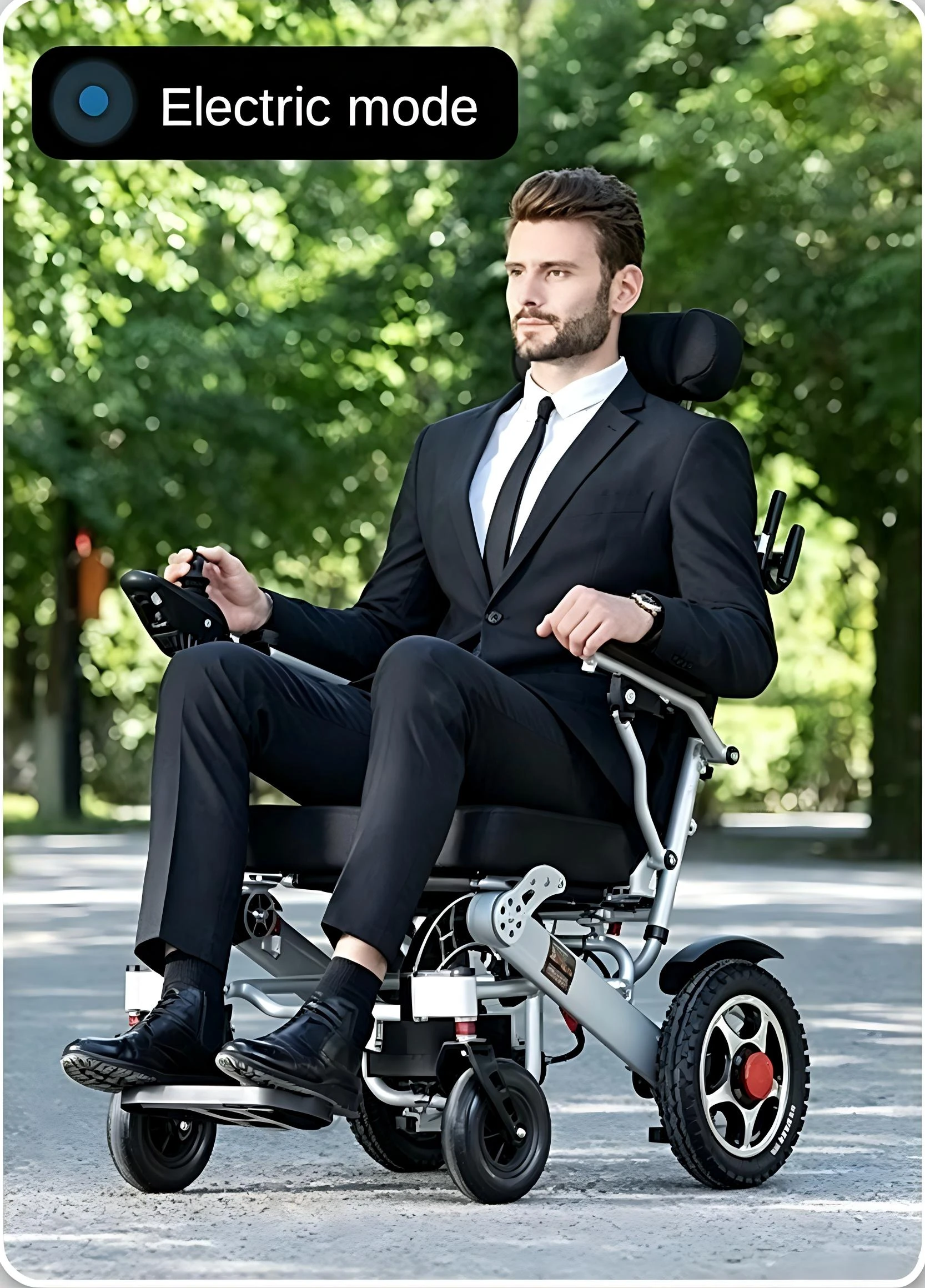
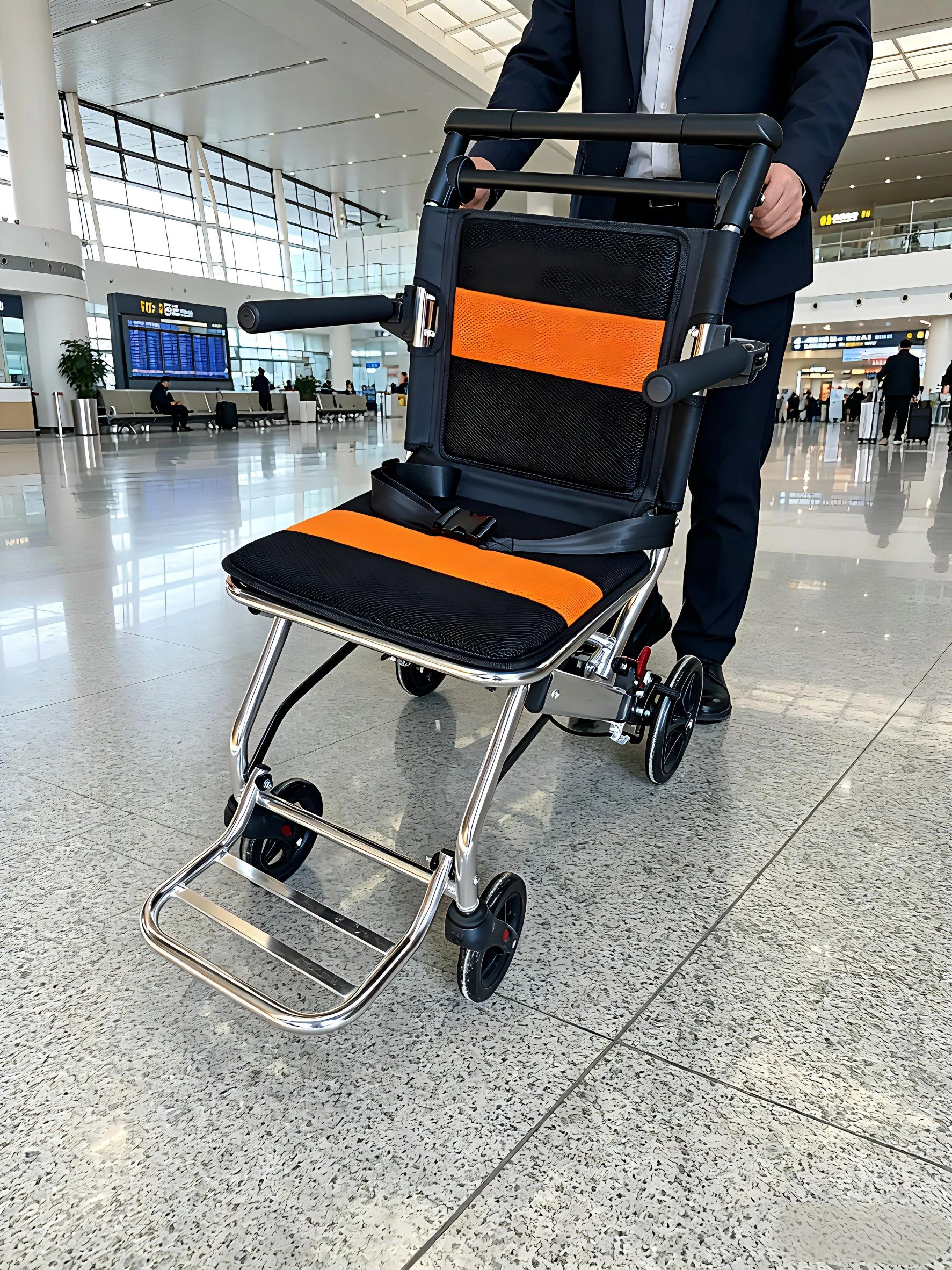
| Lightweight Frame | Using aluminum alloys for easier transport. | Simplifies moving beds during emergencies or cleaning. |
How Patient Bed Design Meets Real-World Needs
Patient beds aren’t one-size-fits-all—and worldwide applications reinforce that. In advanced hospitals, they’re tech-packed and quite sophisticated. Contrast that with mobile field hospitals or disaster relief operations, where durability, portability, and ease of assembly dominate design priorities.
Take, for example, the use of specialized beds in the aftermath of earthquakes or floods. Rapidly deployed beds must balance strength with weight and packability. Similarly, rural clinics in sub-Saharan Africa rely on beds designed to resist humidity and power outages while remaining affordable.
Also, many hospitals incorporate patient bed design innovations that address aging populations—like beds that monitor vitals or reduce caregiver injury from moving patients.
Mini takeaway: The global applications of patient bed design highlight adaptability as its biggest virtue—from cutting-edge hospital wards to emergency tents.
Advantages and Long-Term Value of Thoughtful Patient Bed Design
- Cost Savings: Durable, modular beds reduce replacement frequency and maintenance.
- Patient Safety: Design features prevent falls and sores that complicate healing.
- Sustainability: Use of eco-friendly materials and energy-efficient components lowers environmental impact.
- Caregiver Well-being: Ergonomic beds reduce injury and fatigue among healthcare workers.
- Emotional Support: A comfortable, dignified resting place aids psychological recovery, too.
It might sound surprising how something as “simple” as a bed can be so influential, but many clinicians stress its role in holistic healthcare. Over time, these benefits compound — better beds can lead to fewer complications, shorter hospital stays, and happier patients.
Future Trends: Innovations Shaping Patient Bed Design
The next wave of patient bed design revolves around connectivity and sustainability. Smart beds that monitor vital signs and adjust automatically are becoming more common, integrating with hospital information systems to alert nurses.
There's also a shift towards eco-conscious materials and manufacturing. Lightweight bioplastics, solar-powered features for remote use, and AI algorithms personalizing patient support—these innovations are on the horizon and already popping up in pilot programs.
Challenges in Patient Bed Design — And Clever Fixes
Despite all progress, challenges persist. Cost barriers still prevent top-tier beds reaching low-resource regions. Power dependency limits electric bed use in unstable electricity zones. And the sheer complexity of advanced models can intimidate staff without proper training.
However, modular design principles, hybrid manual-electric systems, and better training programs offer promising solutions. Public-private partnerships also help subsidize access to advanced bed technology.
Frequently Asked Questions About Patient Bed Design
- What features should I prioritize in patient bed design for a small clinic?
- Focus on durability, ease of cleaning, basic adjustability, and safety rails. Simple manual adjustment beds are cost-effective and reliable in clinics with limited resources.
- Are electric patient beds worth the investment?
- Electric beds improve patient comfort and reduce caregiver strain, especially in long-term care. If your facility can support power needs, they’re often a worthwhile upgrade.
- How do patient beds affect infection control?
- Materials used (like antimicrobial coatings) and design features enabling thorough cleaning reduce infection risks crucial for hospital hygiene.
- Can patient beds be customized for different patient needs?
- Yes, many beds offer modular components—like pressure-relief mattresses or specialized support—that adapt to individual patient requirements.
- How can NGOs acquire patient beds for disaster relief?
- Many manufacturers offer rapid-deploy beds meeting international shipping and durability standards. NGOs should seek vendors with proven delivery and support track records.
Conclusion: Elevating Healthcare One Patient Bed at a Time
In the tangled web of healthcare innovation, patient bed design might quietly appear to take a backseat. But, as we’ve explored, it is a critical foundation supporting recovery, safety, and dignity worldwide. Whether in a major metropolitan hospital or a temporary emergency clinic, the right bed means the difference between comfort and risk.
To keep up with innovations and find the right options tailored to your needs, exploring trusted manufacturers’ portfolios can be eye-opening. For more insights on the latest trends in patient bed design, check out our partner site. Sometimes, the simplest elements have profound impacts—never underestimate the power of a well-designed patient bed.
| Vendor | Design Specialties | Price Range | Geographic Reach | Warranty & Support |
|---|---|---|---|---|
| ZhaoFamed Medical | Modular, rapid-deploy systems; Smart bed integration | $$$ (mid-high) | Global (focus on Asia, Africa, Americas) | 5 years on frame; 2 years electronics; 24/7 support |
| MediComfort Inc. | Electric beds; Ergonomic designs | $$ (mid) | North America, Europe | 3 years warranty; Online training |
| GlobalBeds Supplies | Basic manual beds; Foldable, lightweight | $ (budget) | Africa, Southeast Asia | 1 year; Limited parts |
Mini takeaway: Selecting the right vendor depends on your specific needs: budget, location, and desired features all play pivotal roles.