Clinic Bed Size: Standards, Benefits & Global Applications Explained
Understanding Clinic Bed Size: Why It Matters Globally
When you walk into a clinic or hospital, you probably don't spend much time thinking about the bed beneath you. But clinic bed size is actually a surprisingly critical detail. It plays into not only patient comfort but also healthcare efficiency, safety standards, and even the global health infrastructure. With a growing population and evolving medical needs, understanding clinic bed dimensions has become a silently pivotal factor worldwide. From cramped urban clinics in Asia to large relief centers in Africa, getting the bed size right is about more than just fitting bodies—it speaks to dignity, accessibility, and effective treatment delivery.
In many ways, the size of a clinic bed encapsulates challenges facing modern healthcare — space constraints, diverse patient needs, and the push for standardized, yet flexible solutions that can be deployed anywhere on the planet.
Clinic Bed Size in the Global Healthcare Context
Globally, healthcare facilities face mounting pressure: according to the World Health Organization (WHO), nearly 60% of health services struggle with infrastructure limitations, including space and equipment sizing. The United Nations highlights that over 2 billion people live in areas lacking adequate hospital beds per population ratios. So, deciding on a clinic bed size isn’t just an operational detail—it addresses a fundamental issue of access and quality of care.
Furthermore, international standards such as ISO 80601-2-52 outline precise size recommendations to ensure patient safety across institutions. However, compliance varies widely — especially in low-resource settings.
The real problem? Designing clinic beds that strike a balance between universal ergonomics and the unique needs of diverse patient groups while fitting into varied facility footprints.
What Exactly Does “Clinic Bed Size” Mean?
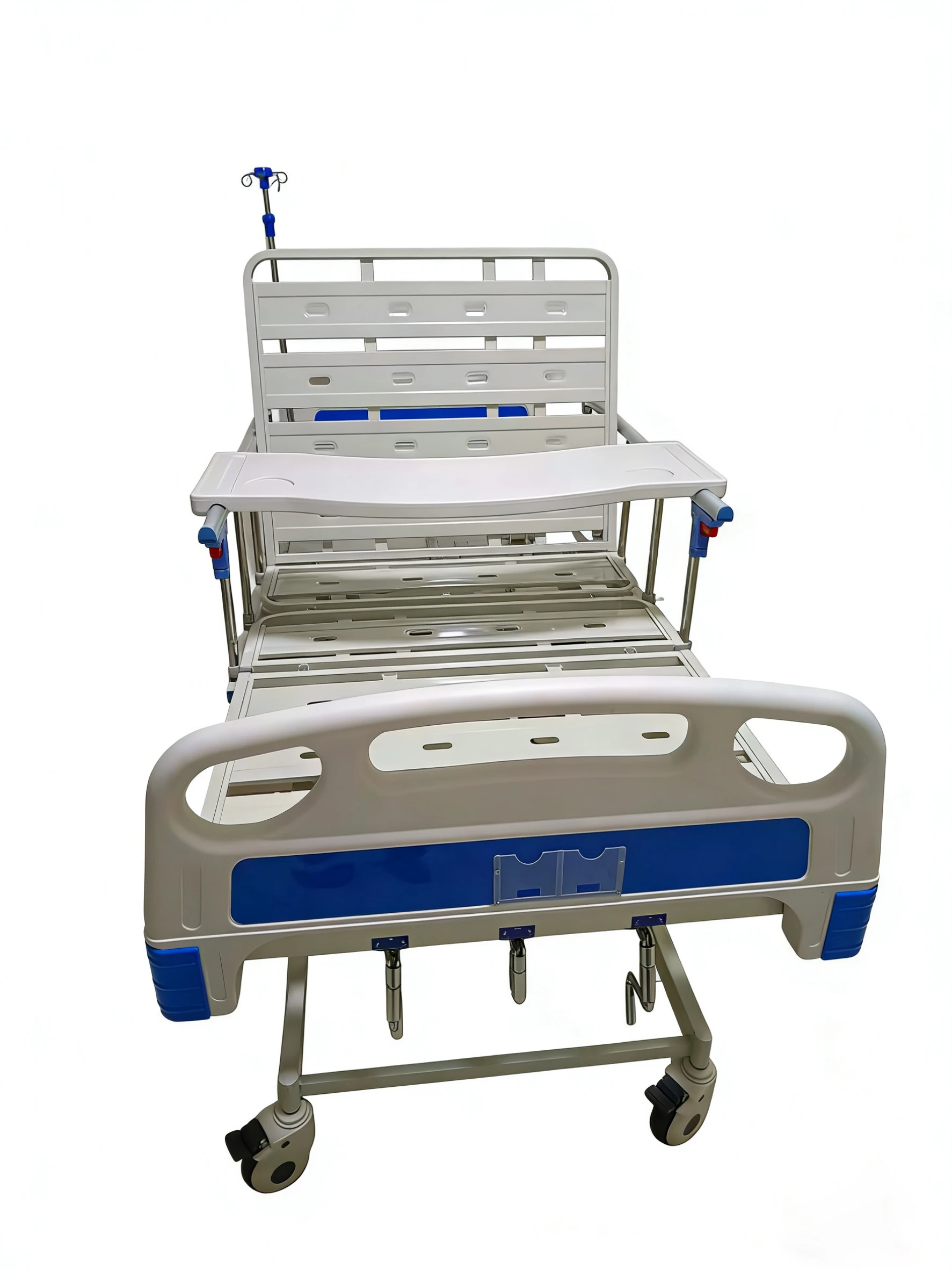
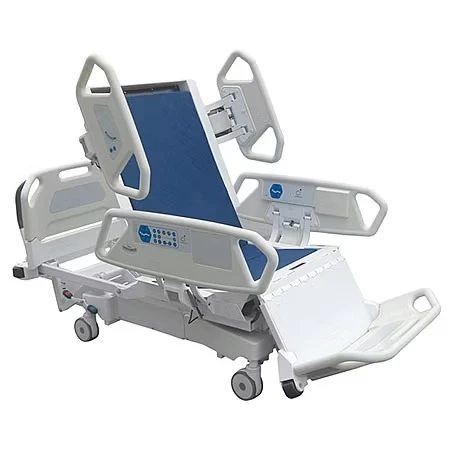
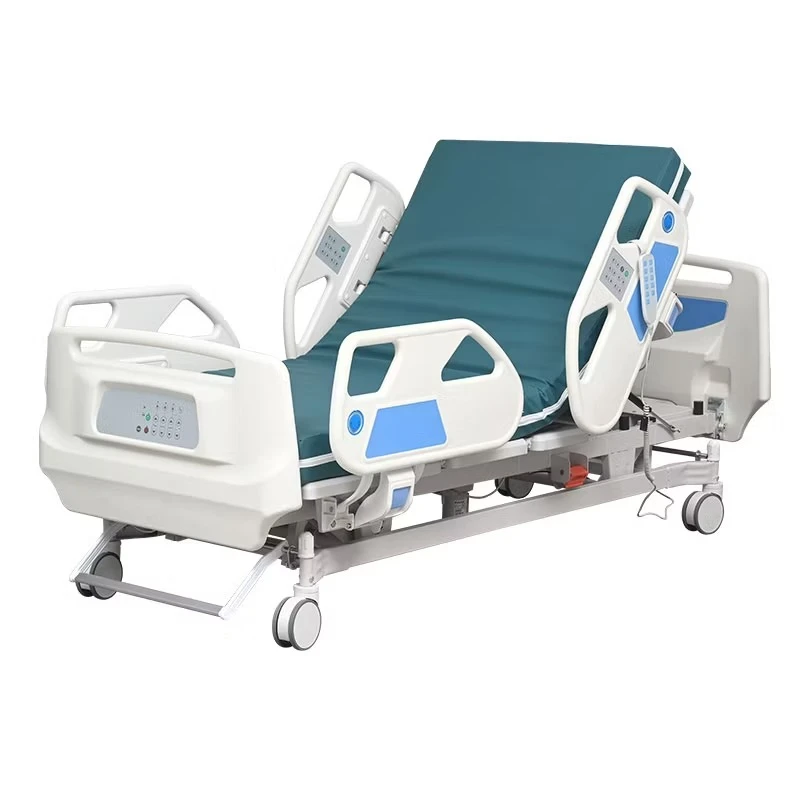
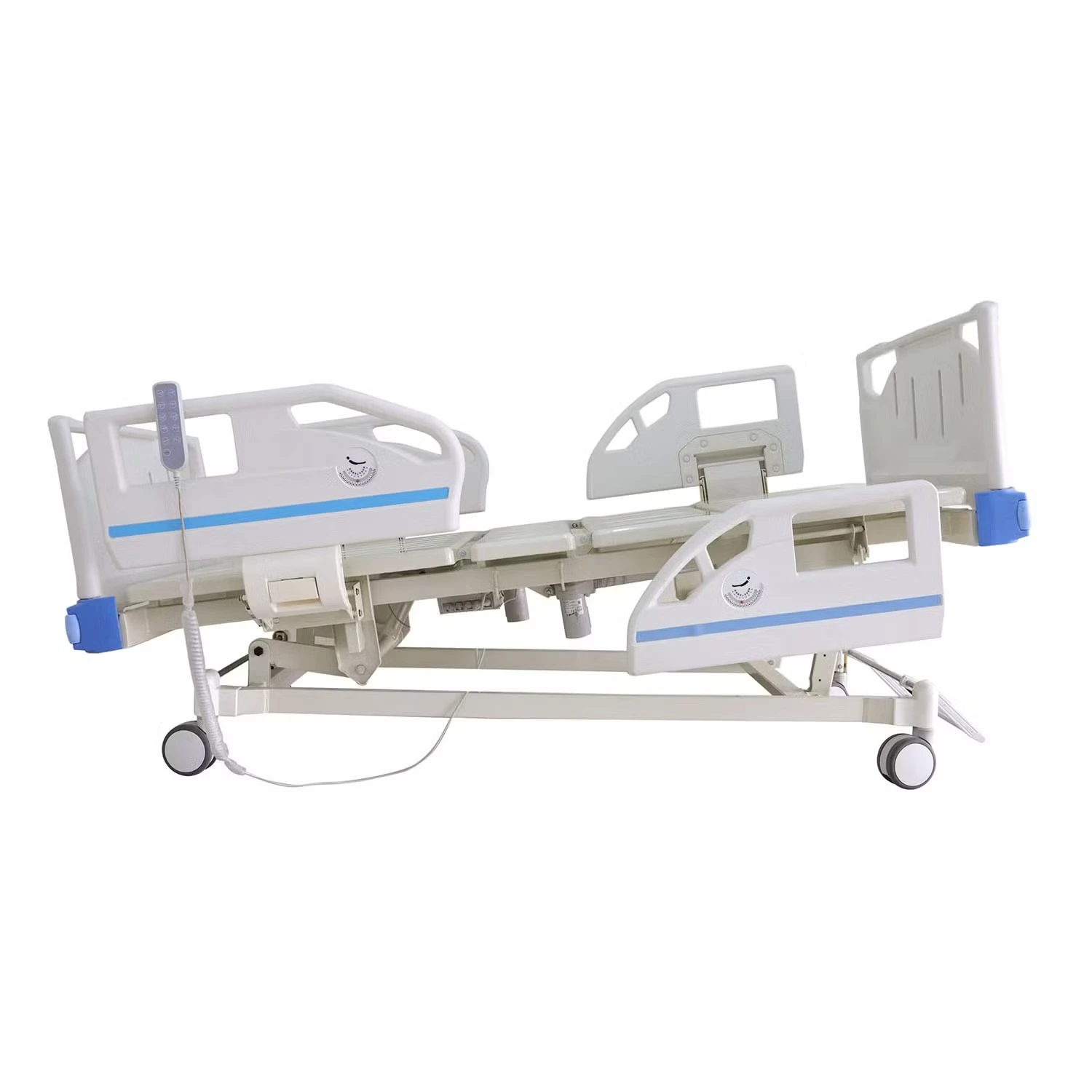
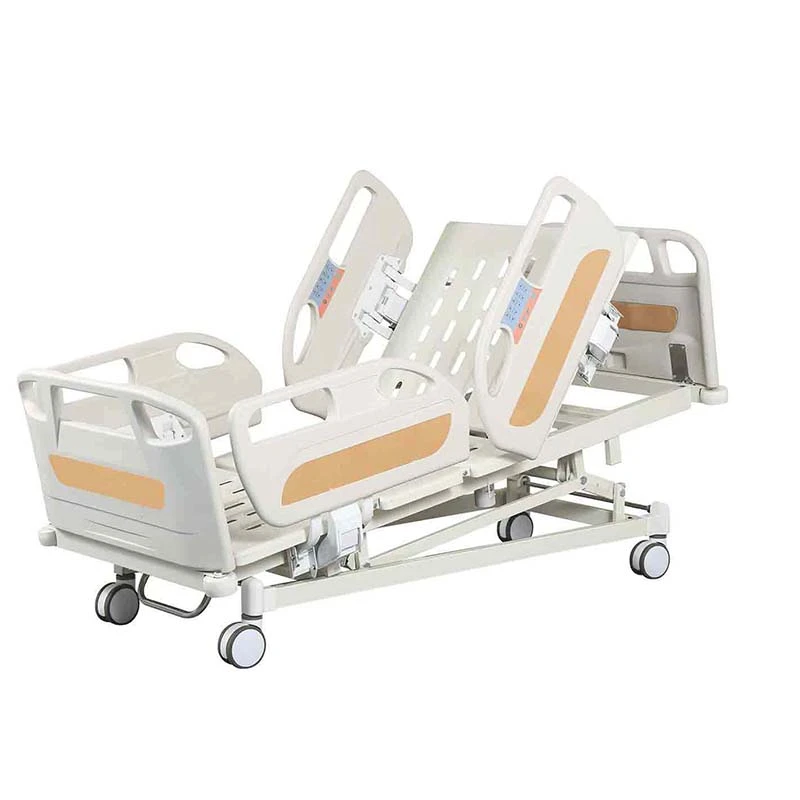
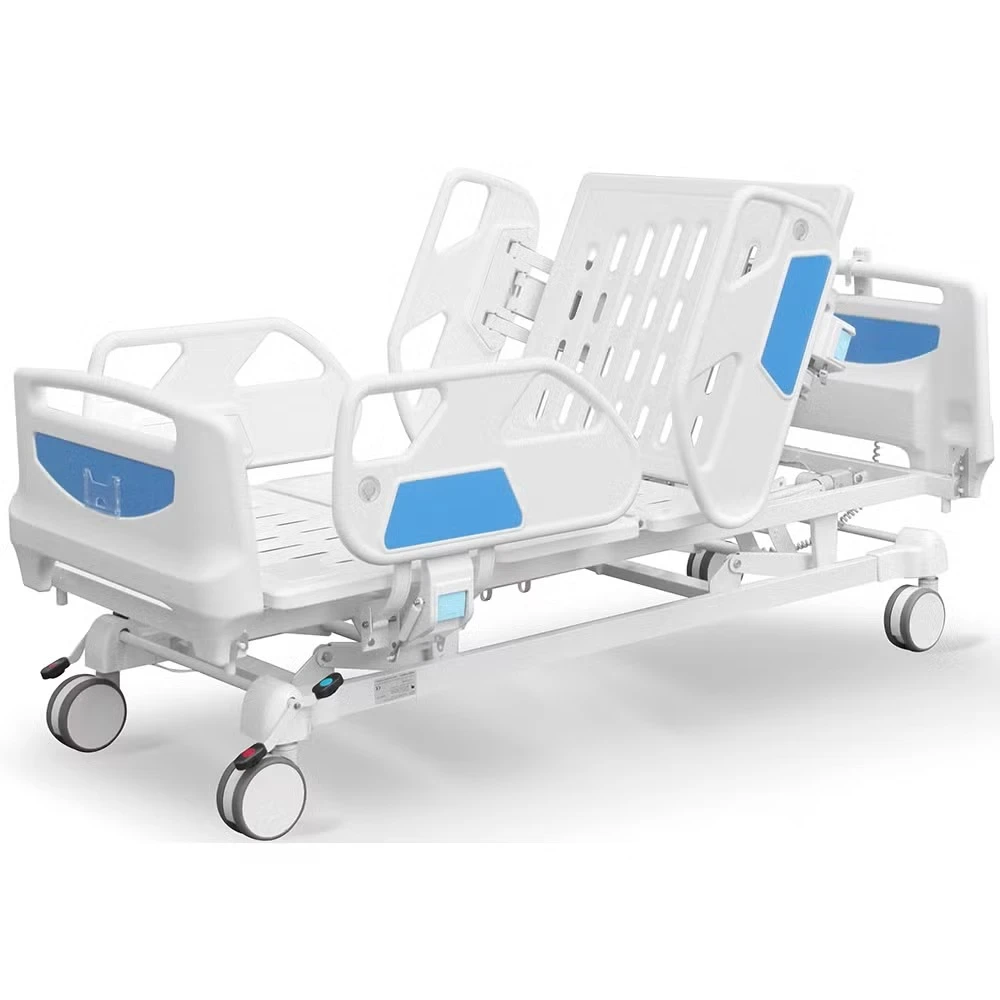
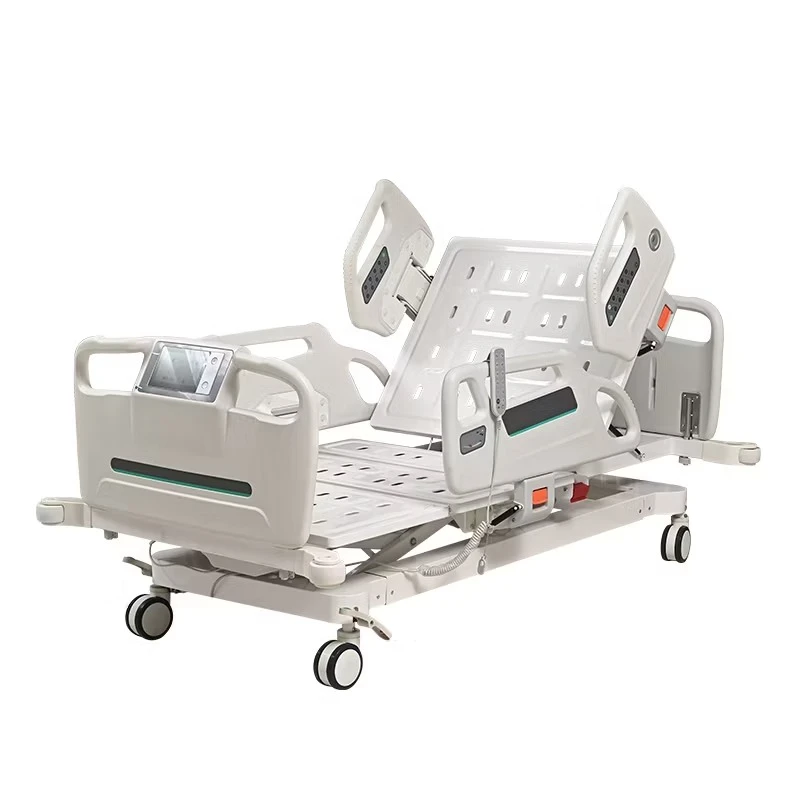
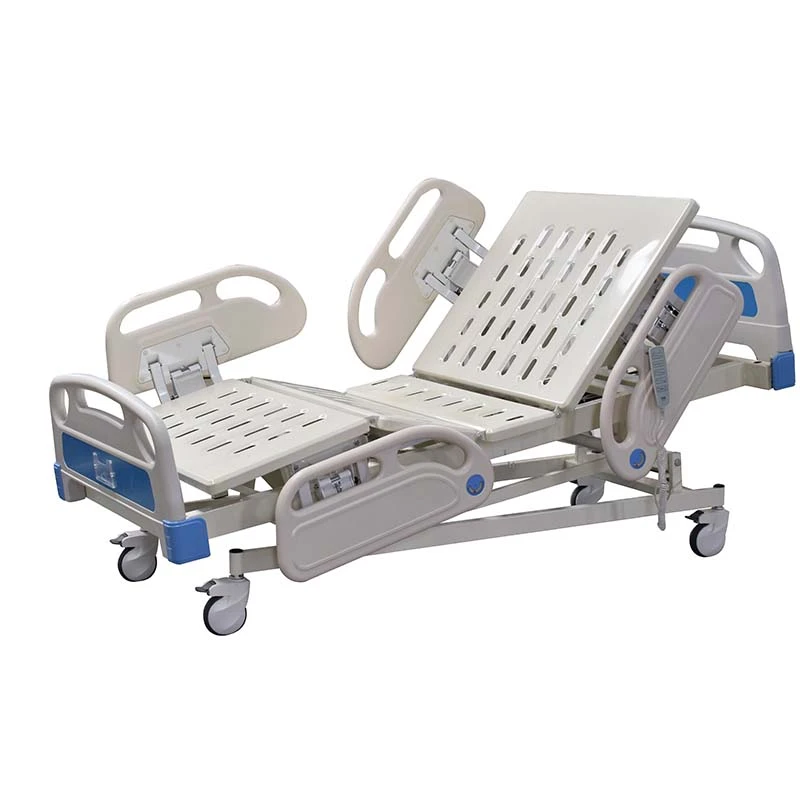
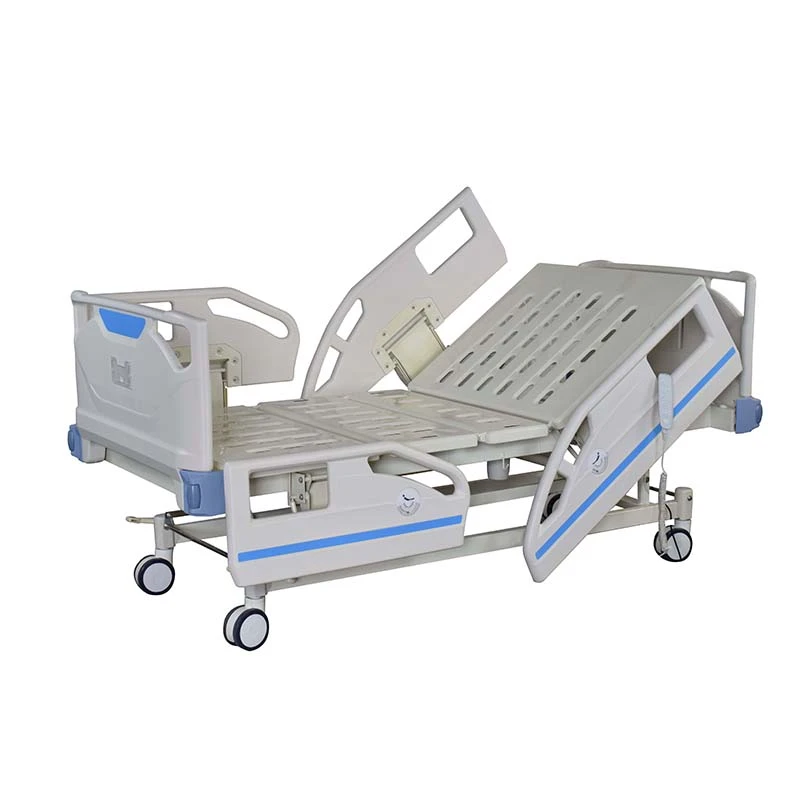
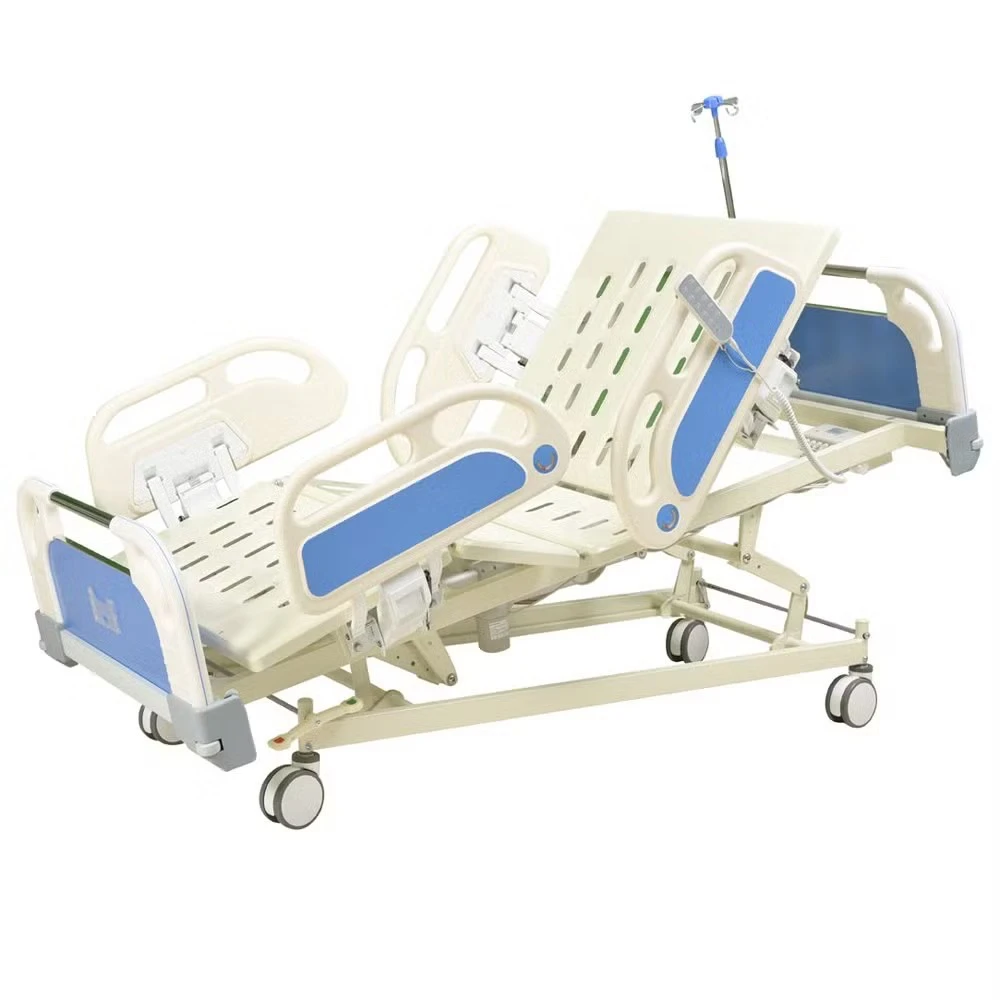
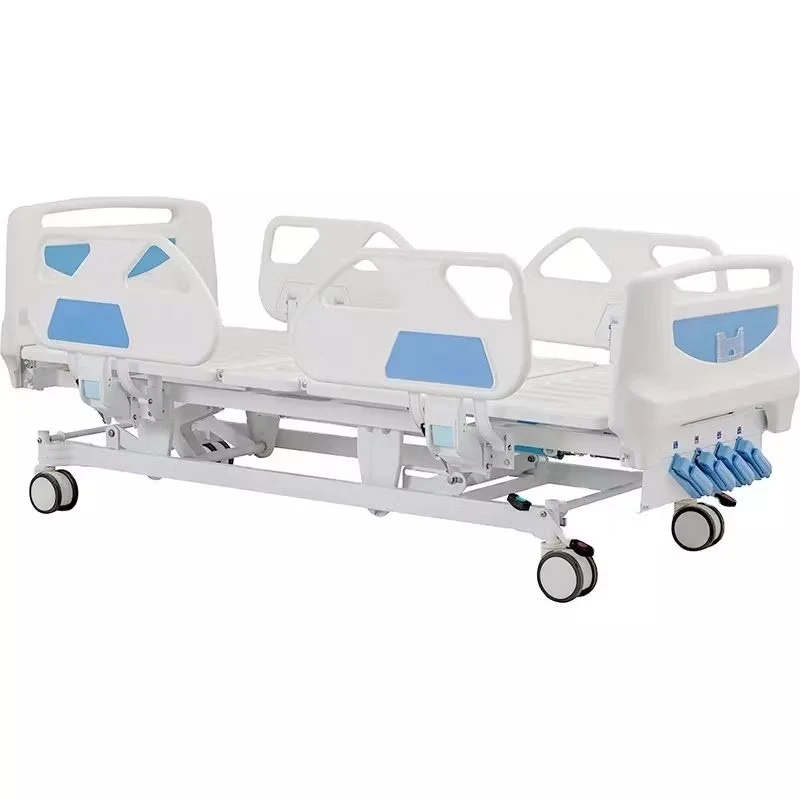
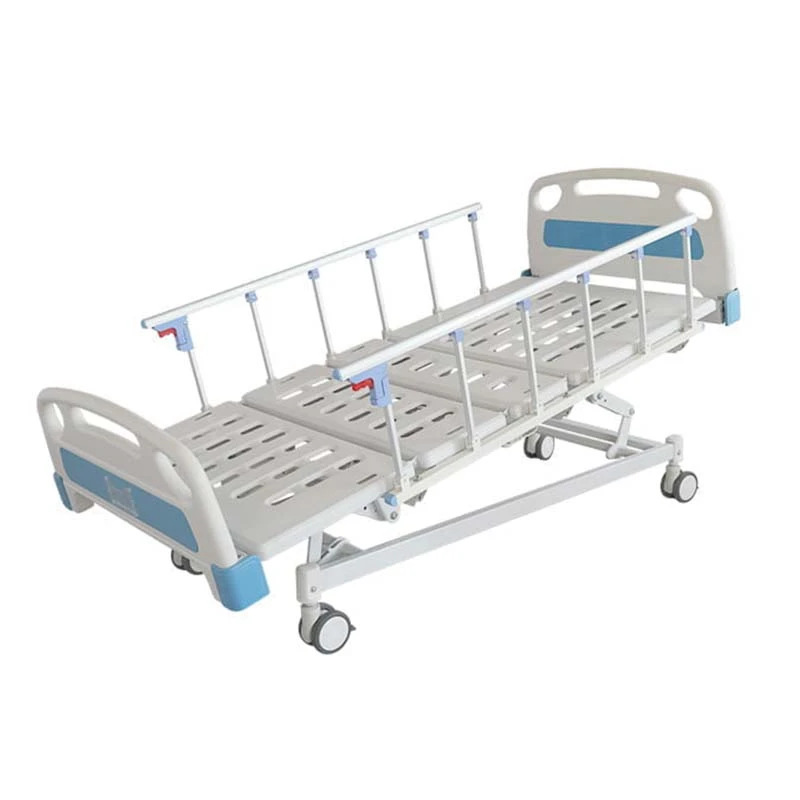
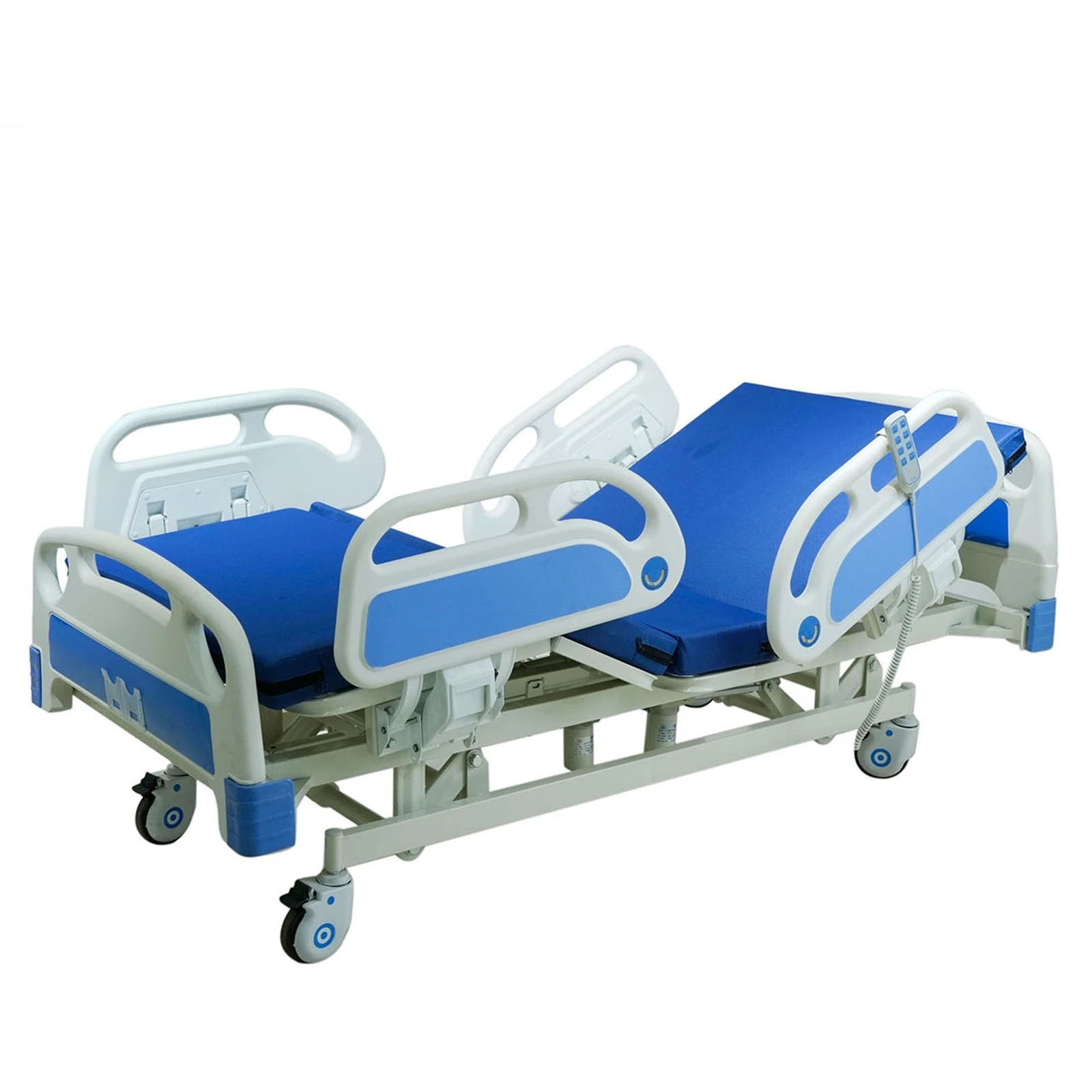
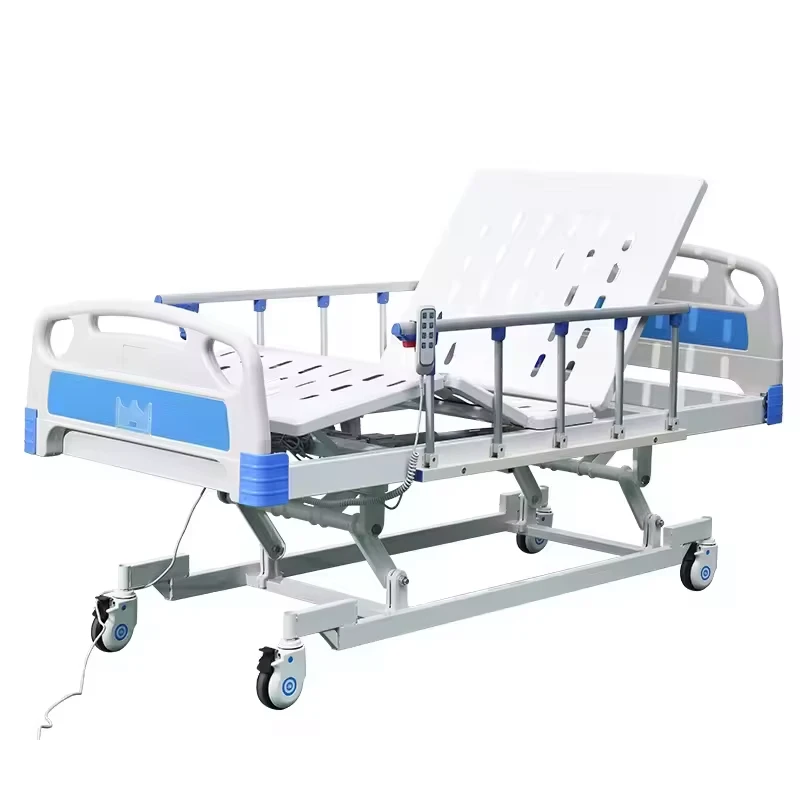
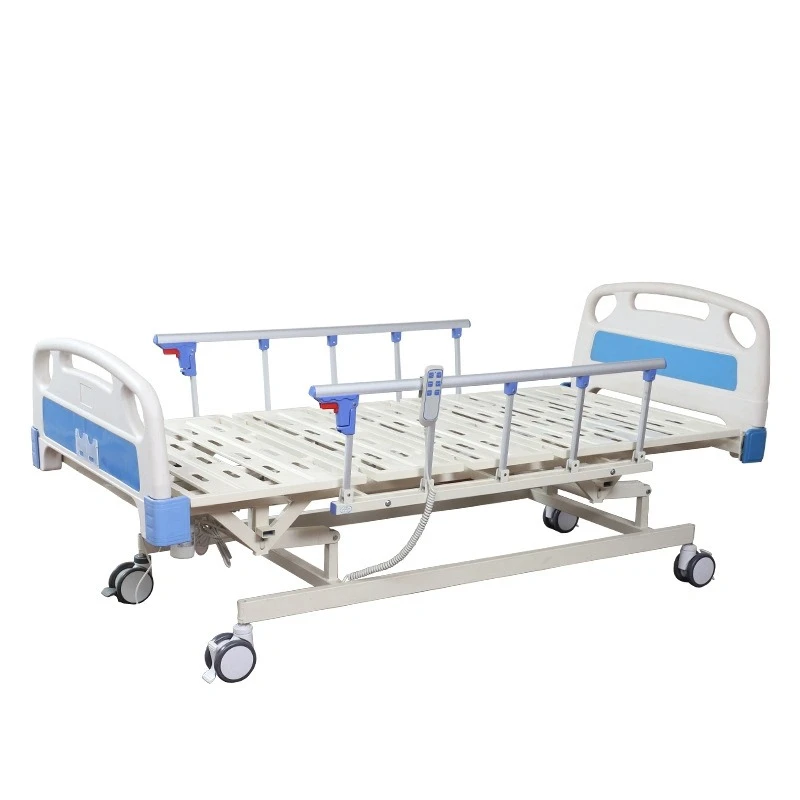
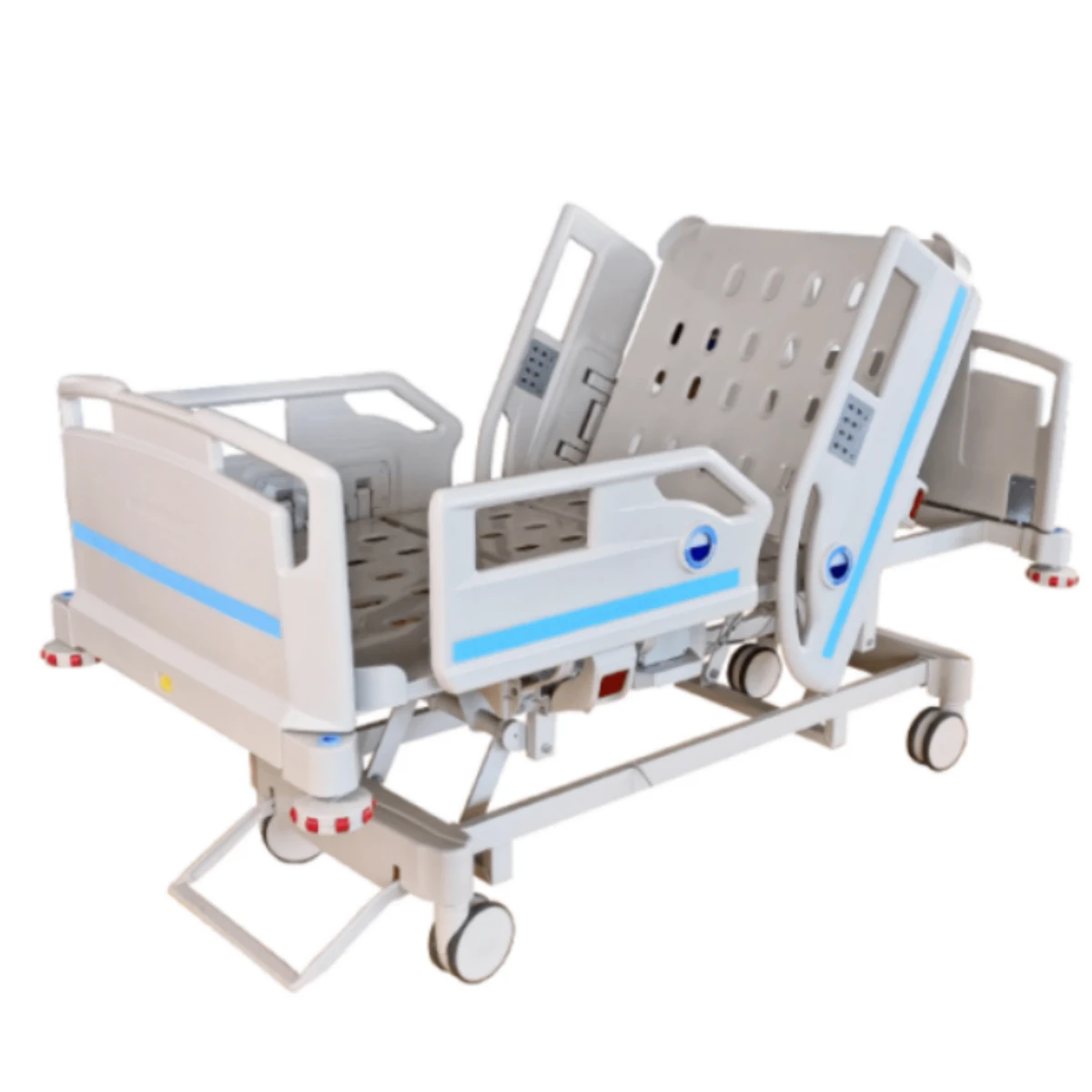
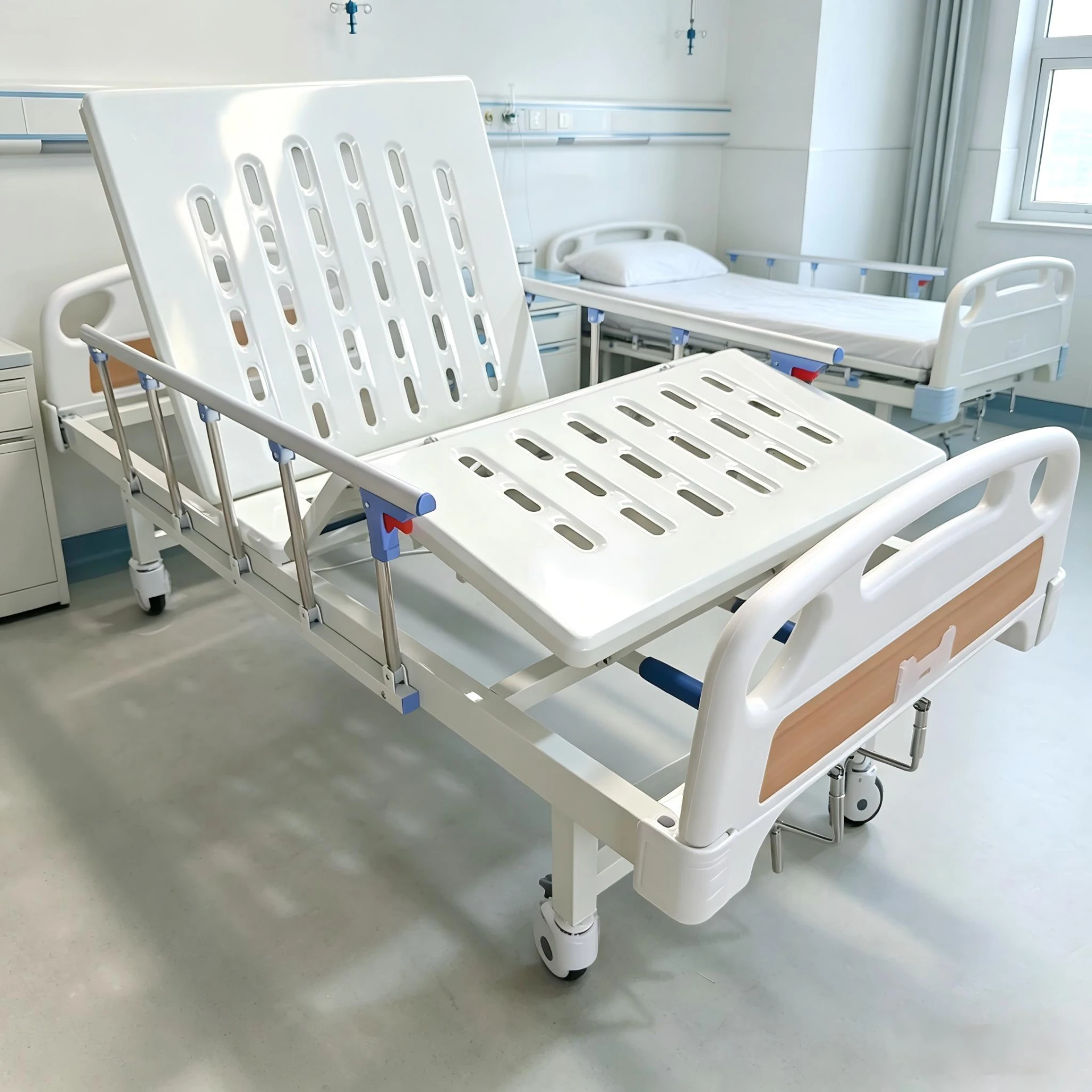
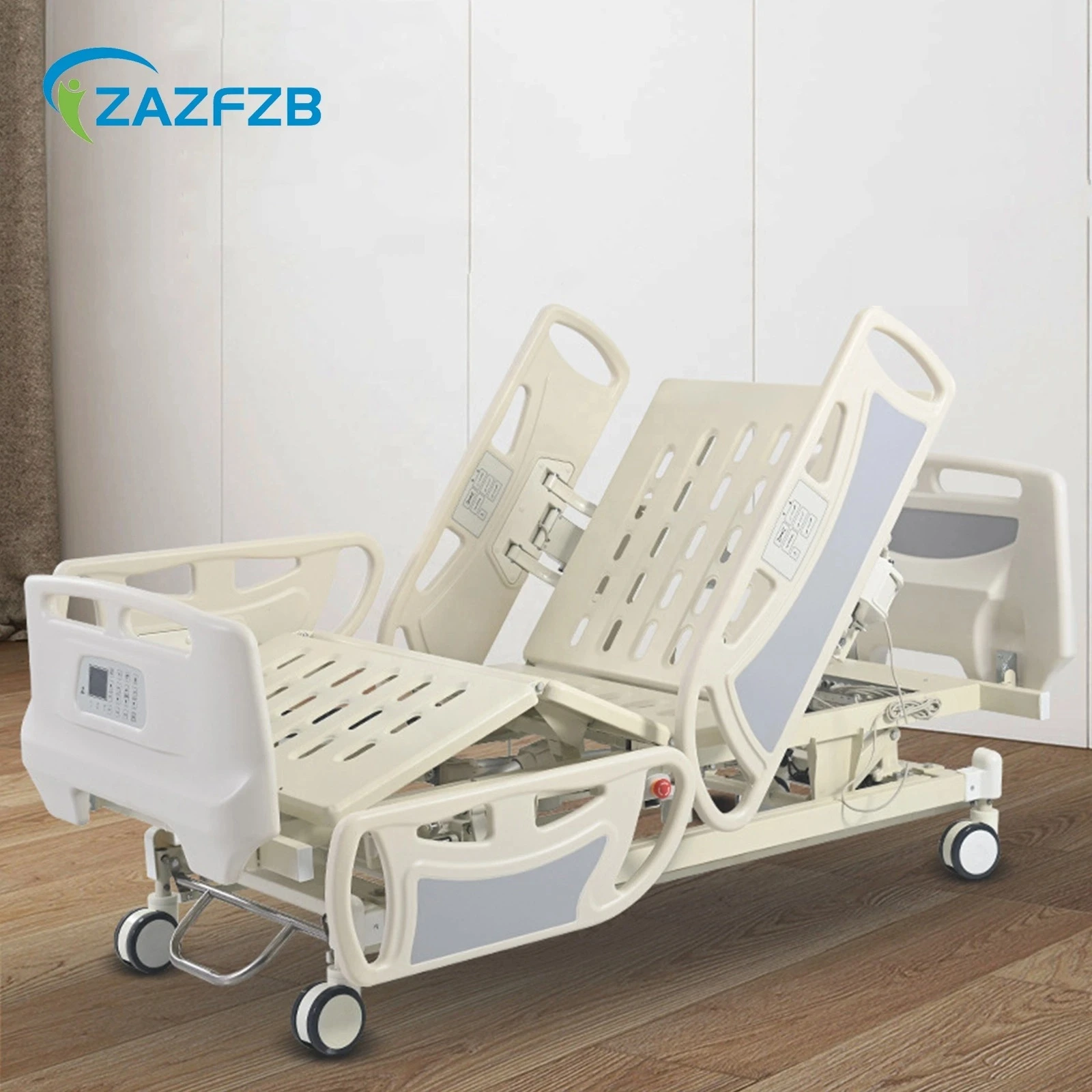
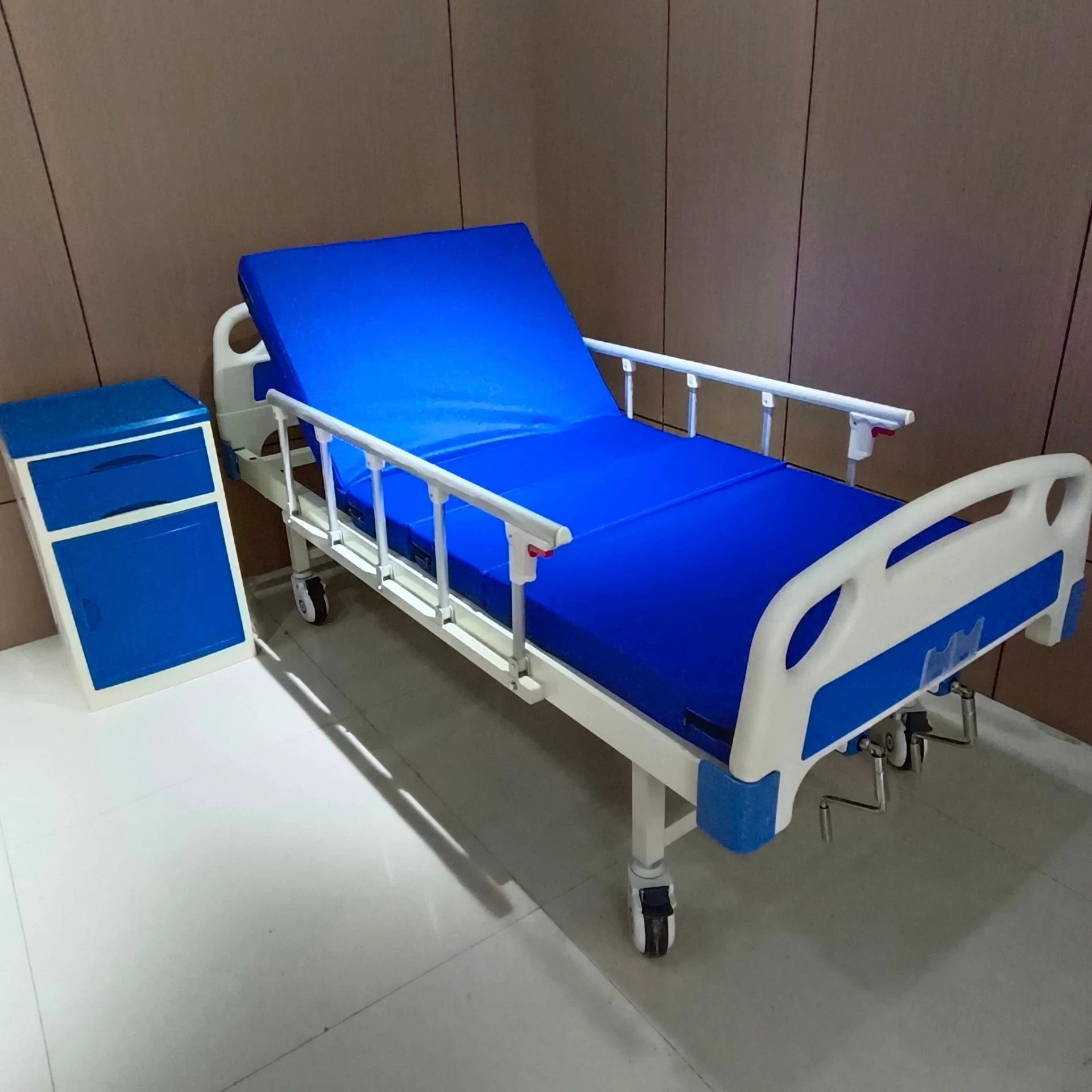
Clinic bed size simply refers to the standard dimensions—length, width, and sometimes height—of beds intended for clinical use. These sizes are carefully calibrated to accommodate patients comfortably, permit proper medical procedures, and support mobility and safety devices like side rails and IV stands.
But it’s more than measurements — it’s about clinical utility. For example, some beds might be longer for taller patients; others might be wider to allow caregivers space to assist without strain. It also connects to modular design in healthcare, where beds fit into pre-fabricated room modules or mobile clinics, especially relevant during epidemics or disaster relief.
Mini takeaway:
Clinic bed size is the physical footprint that must harmonize patient needs, caregiver efficiency, and facility constraints—a surprisingly complex but essential piece of healthcare infrastructure.
Key Factors Influencing Clinic Bed Size
1. Patient Demographics and Ergonomics
Age, average body size, and mobility issues dictate bed dimensions. For example, pediatric clinics require smaller beds, while geriatric wards often need adjustable width and length. Ergonomic design also means a bed shouldn’t be too narrow or short, avoiding discomfort or injury during treatment.
2. Facility Layout and Space Availability
Urban hospitals often face tight spaces, meaning beds need to fit into compact rooms but still allow access for medical staff and equipment. In contrast, rural or field clinics might prioritize portability alongside size. Hence, many tend to favor standardized sizes that can be shipped and installed easily worldwide.
3. Safety and Regulatory Compliance
International standards specify requirements like minimum bed width for side rail installation or safe patient transfer zones. Complying with these means that size is directly linked to patient safety.
4. Material Durability and Maintenance
Larger beds with more adjustable parts generally require sturdier materials. Sometimes, size influences how durable the bed frame must be, especially in high-usage hospitals.
5. Cost and Scalability
Bulk procurement favors standard sizes to reduce costs, but unique patient needs often call for a diverse bed inventory. Finding a middle ground is key for scaling healthcare services globally.
Mini takeaway:
Choosing the right clinic bed size involves juggling patient comfort, space constraints, safety rules, and economic factors, revealing a multifaceted design challenge.
Where and How Clinic Bed Size Plays a Role Globally
Take remote industrial zones, for instance—rigid clinic beds sized wrong can delay emergency treatment when every second counts. Or in rapid deployment field hospitals responding to natural disasters, beds need to be compact yet sturdy. For example, during the 2010 Haiti earthquake response, organizations struggled with bed standardization, prompting faster global efforts toward universally compatible sizes.
In developed countries, like Germany or Japan, clinics standardize bed sizes tightly with advanced adjustability features, improving patient rehabilitation experiences. Meanwhile, in parts of Sub-Saharan Africa, NGO-run clinics often use modular beds sized for mass patient intake and quick cleaning.
| Specification | Standard Adult Clinic Bed | Pediatric Clinic Bed | Adjustable Geriatric Bed |
|---|---|---|---|
| Length | 200 cm (79") | 140 cm (55") | 210 cm (83") |
| Width | 90 cm (35") | 70 cm (28") | 100 cm (39") |
| Height (Adjustable) | 40–80 cm | 30–60 cm | 35–85 cm |
| Weight Capacity | 180 kg (400 lbs) | 70 kg (154 lbs) | 220 kg (485 lbs) |
| Material | Steel frame, high-density foam mattress | Aluminum frame, waterproof mattress | Steel frame, memory foam mattress |
Benefits and Long-Term Value of Correct Clinic Bed Size
- Comfort and Dignity: A properly sized bed respects the patient’s body and privacy.
- Safety: Fits standard side rails better, reduces falls, and improves ergonomics for carers.
- Operational Efficiency: Standard sizes improve stocking, cleaning, and replacement cycles.
- Cost-Effectiveness: Reduces waste by avoiding ill-fitting beds that break or need frequent upgrading.
It’s interesting how even emotional factors tie in — caregivers mention how a bed that fits patients well fosters trust and smooths the treatment process. So the value isn’t just mechanical but deeply human.
Future Trends in Clinic Bed Size and Design
We're seeing some pretty exciting shifts here. Sustainable materials, like bamboo composites and recycled steel, are reducing bed weight without sacrificing strength. Digital transformation is pushing toward "smart beds" equipped with sensors to monitor patient movements and vital signs, where size must still remain within certain ergonomic norms. Flexibility for telemedicine setups and green energy compliance are also shaping design criteria.
Oddly enough, automation in bed assembly lines allows manufacturers to customize sizes more precisely than ever—which could mean more diverse options tailored per region or clinic specialty. The question remains: will universal sizing standards adapt fast enough?
Common Challenges and How Experts Are Addressing Them
The main hitch? Balancing the "one size fits all" mindset with real-world diversity. For example, over-standardizing can lead to beds too small for some patients, risking discomfort or injury. On the flip side, too many size options burdens procurement and logistics.
Industry leaders suggest modular design elements — interchangeable parts like side rails and mattress sizes — to add flexibility without complexity. Advances in lightweight, foldable frames also tackle space issues in urban clinics.
Frequently Asked Questions About Clinic Bed Size
Q1: What is the standard size for an adult clinic bed?
A1: The most common adult clinic bed measures approximately 200 cm in length and 90 cm in width. These dimensions accommodate the average adult while allowing space for medical equipment and caregivers. Adjustable height is typically between 40 to 80 cm for ergonomic access.
Q2: Why does bed size vary so much across regions?
A2: Variations stem from differences in average patient height, clinic space limitations, and cultural expectations of comfort. For instance, beds in North America might be longer but narrower than those in Europe or Asia. Supply chain and regulatory standards also play roles.
Q3: Can clinic beds be customized for specialty use?
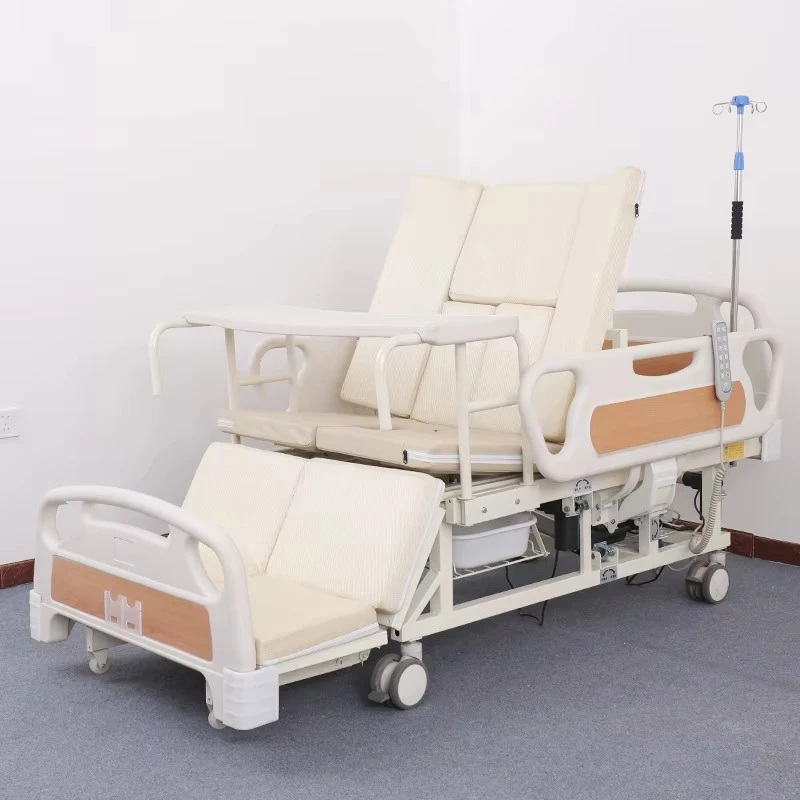
A3: Absolutely. Many manufacturers offer adjustable width, length, and features like removable side rails or integrated monitors for specific medical needs such as ICU or pediatric care.
Q4: How important is bed size for emergency field hospitals?
A4: Crucial. Portable clinics require beds that are compact yet durable and comfortable. Standard sizes simplify transportation and replacement but may require modular adjustments to suit context-specific needs.
Q5: Where can I find reliable information or suppliers for clinic beds?
A5: Trusted medical equipment vendors and websites like clinic bed size-specialized suppliers provide detailed specs, compliance certifications, and customization options.
| Vendor | Size Options | Material Quality | Customization | Global Reach |
|---|---|---|---|---|
| Zhaofa Medical | Multiple standard sizes, modular | High-grade steel & foam | Extensive options & rapid prototyping | Asia, Africa, Americas |
| MedEquip Global | Standard adult and pediatric | Stainless steel, durable | Limited options | Europe, North America |
| Global Beds Inc. | Highly customizable | Eco-friendly composites | Full custom designs | Worldwide |
Conclusion: Why Clinic Bed Size Shouldn’t Be Overlooked
Clinic bed size is one of those details that's easy to gloss over but hard to ignore once you really dive into it. The right sizing affects patient safety, comfort, operational efficiency, and can even shape the success of large-scale health responses globally. As healthcare evolves with new tech and sustainability demands, so too does the imperative for thoughtful, well-researched bed dimensions. If you want to explore the best options and detailed specifications, visiting a specialized supplier like clinic bed size experts will get you started on the right foot. After all, quality care often begins with a good rest.
Mini takeaway:
Clinic bed size is a quietly powerful factor in global health solutions—balancing human needs with practical realities and future-forward innovation.