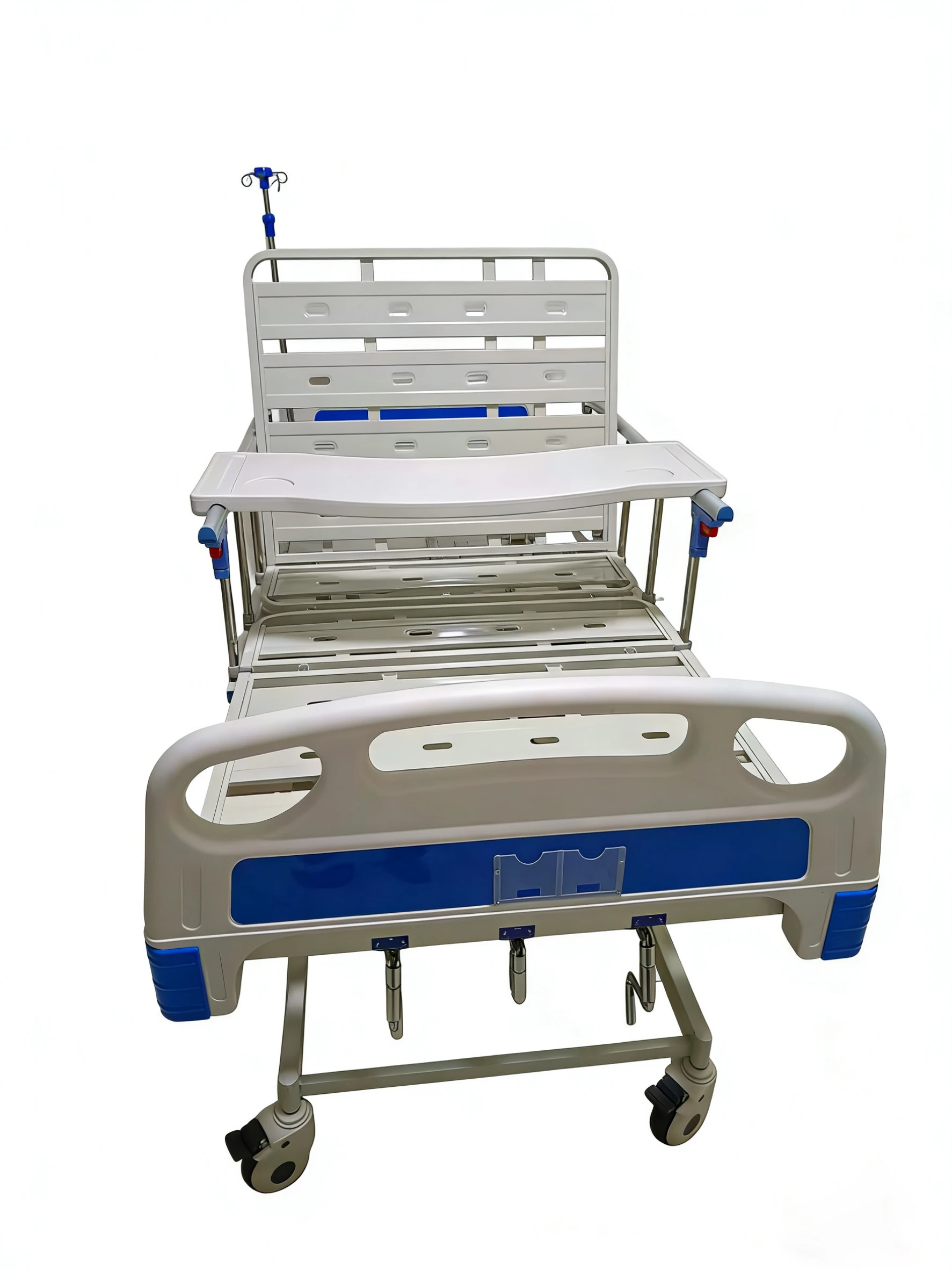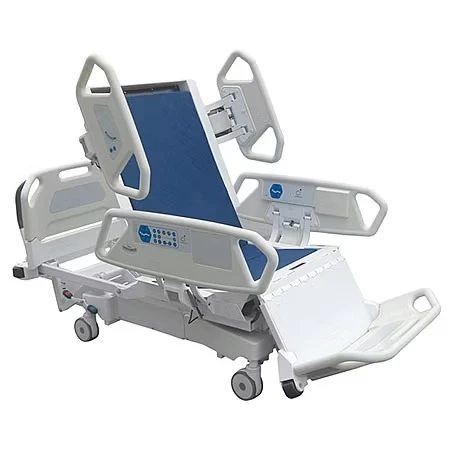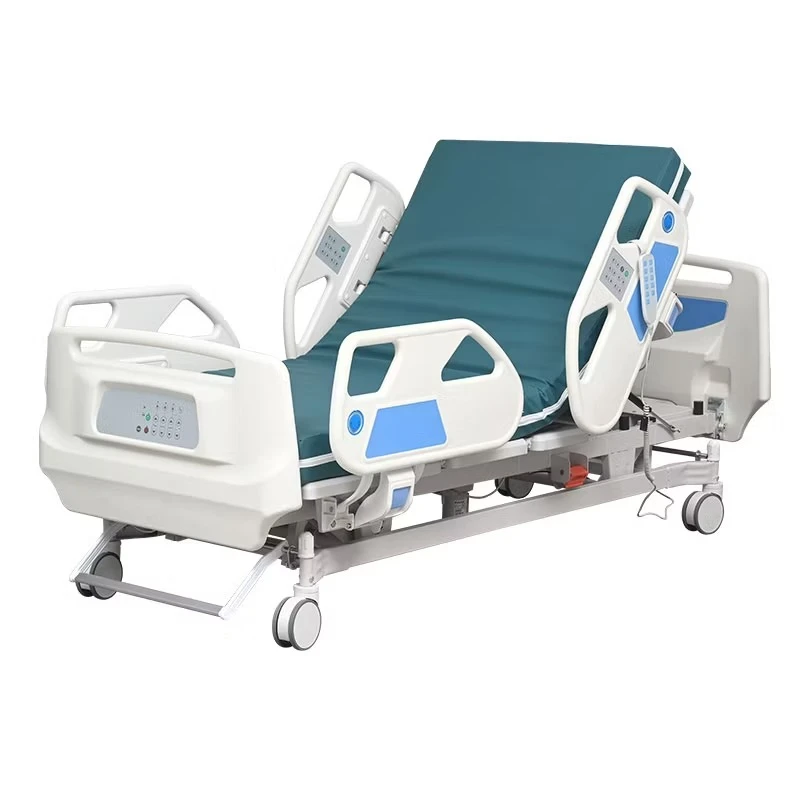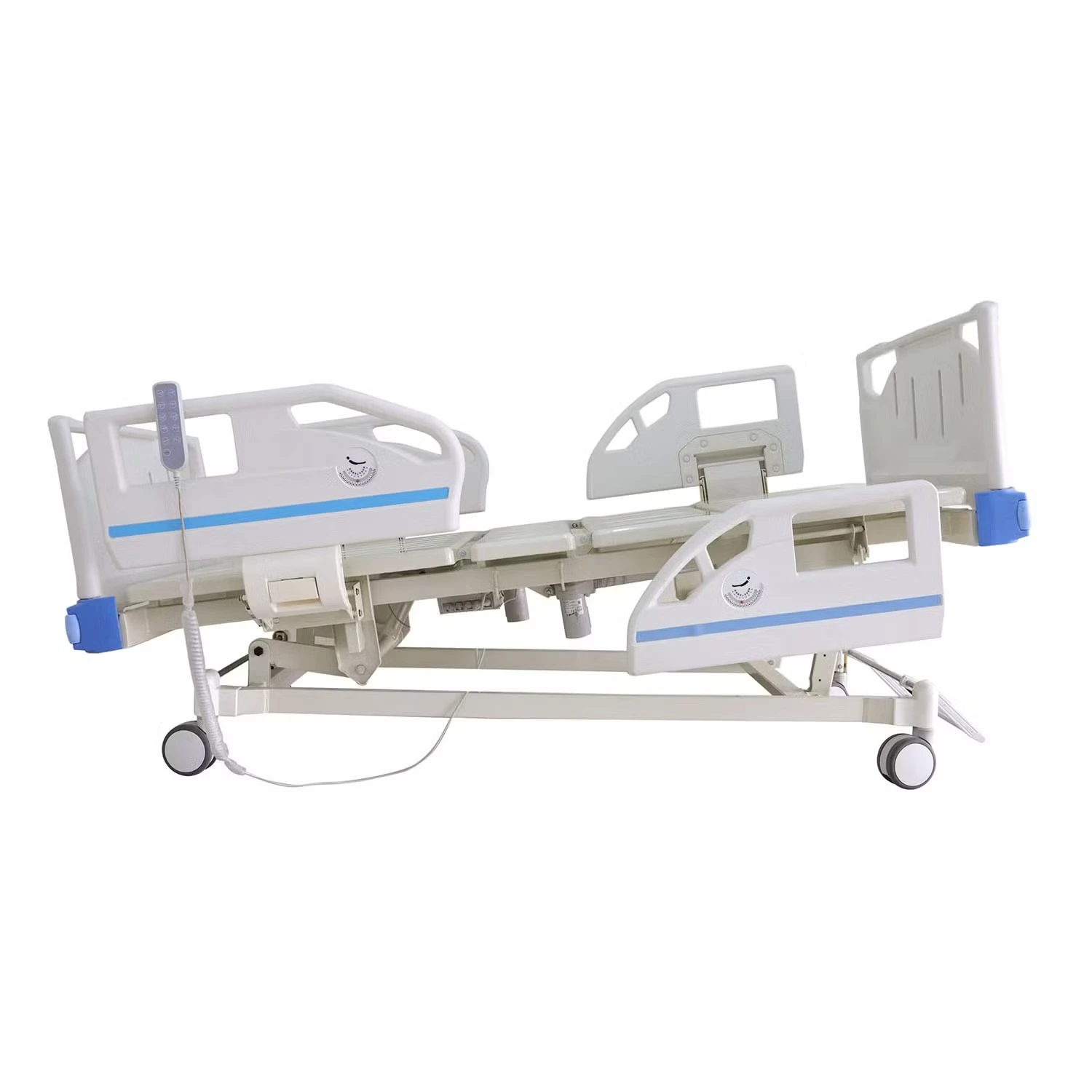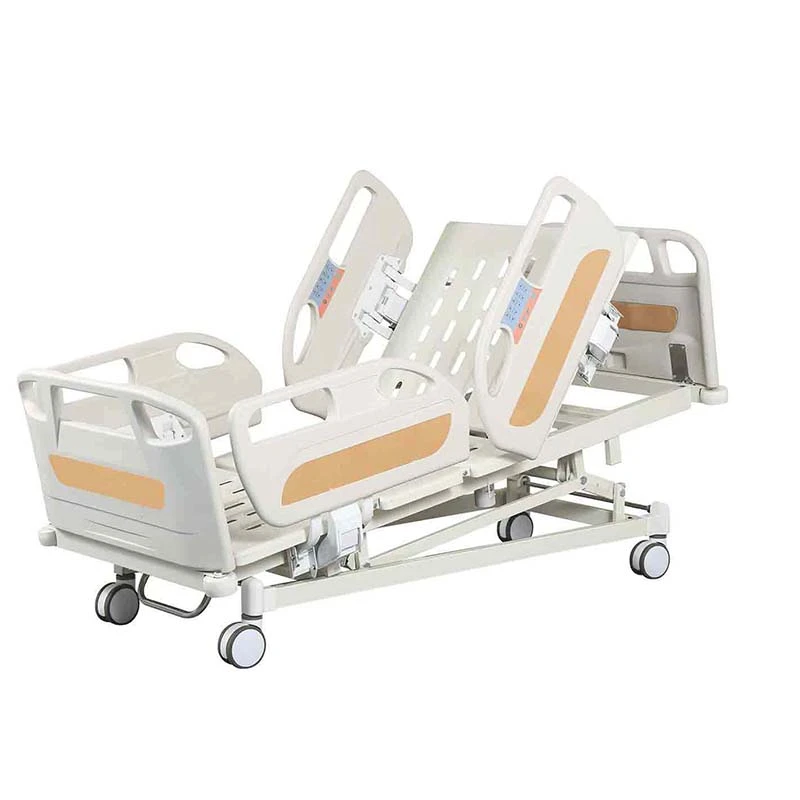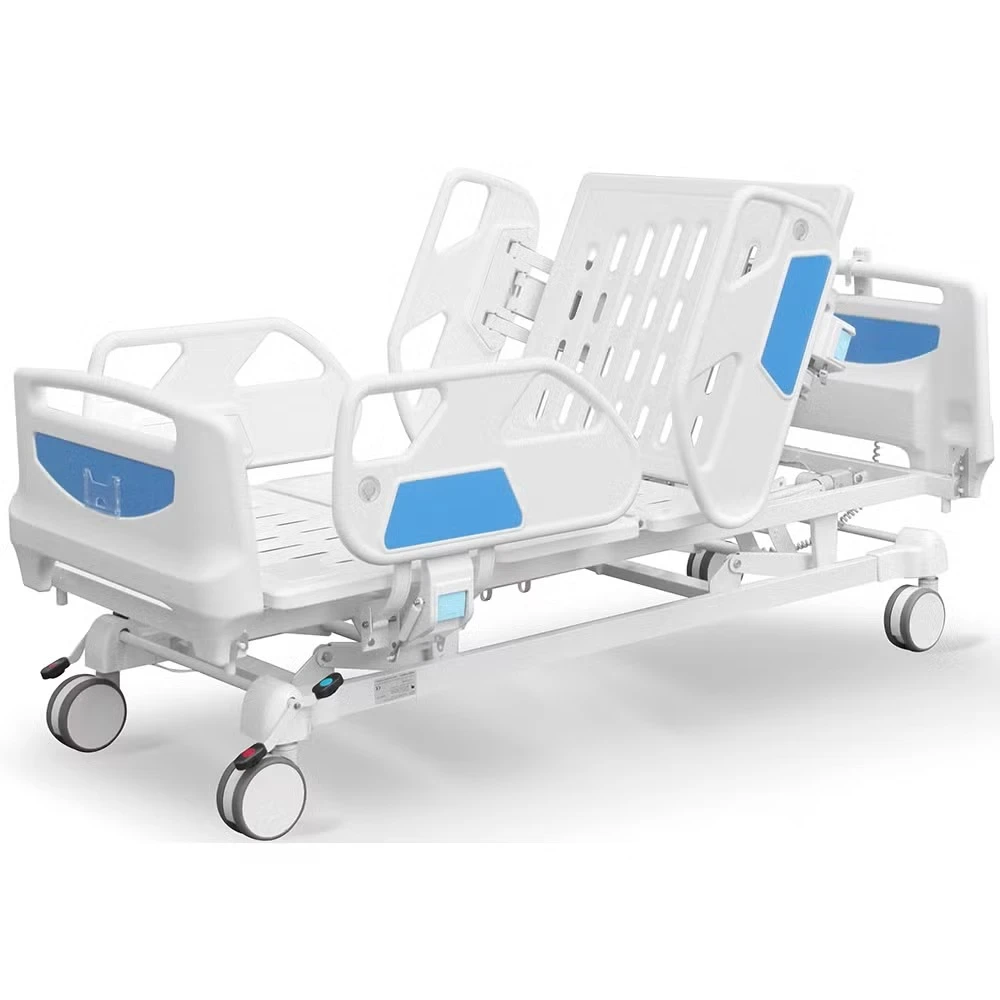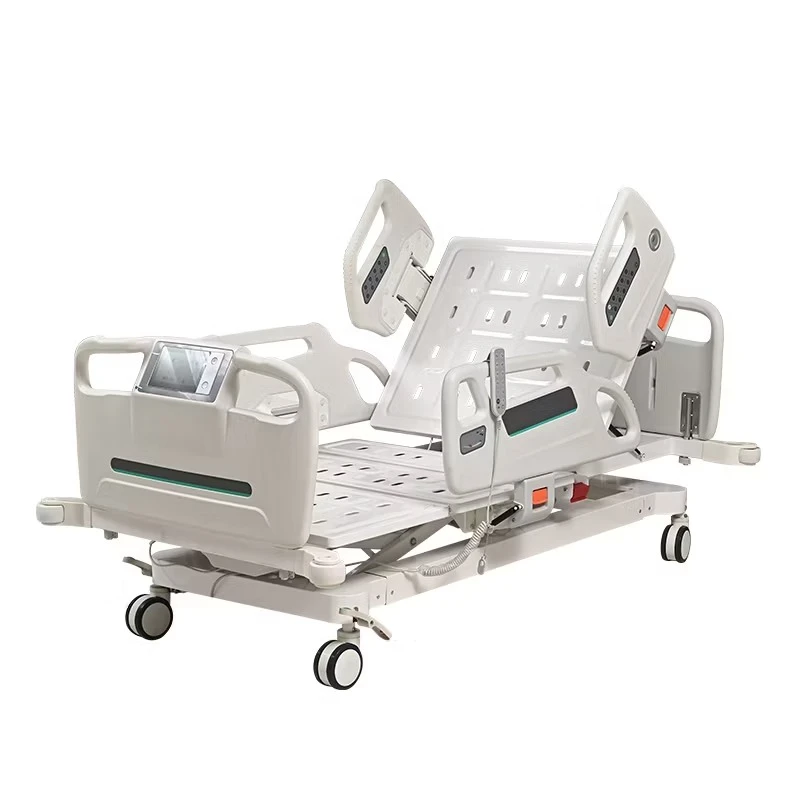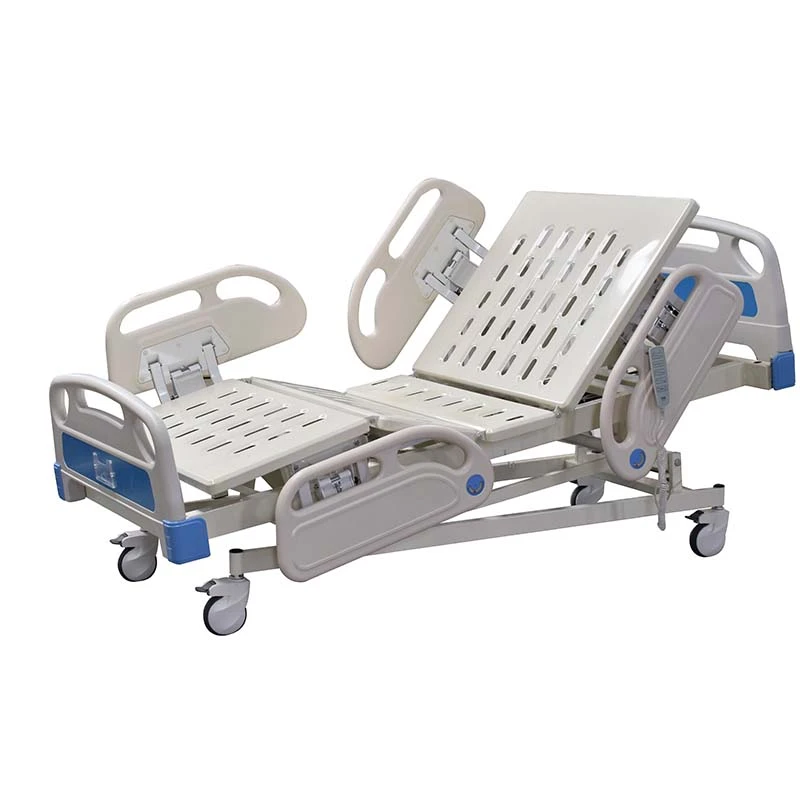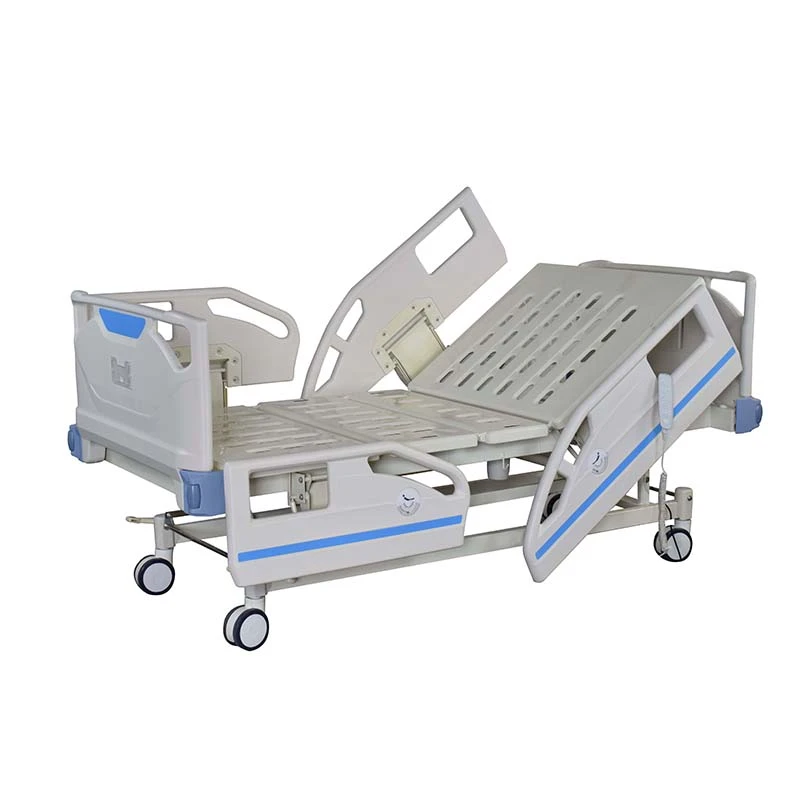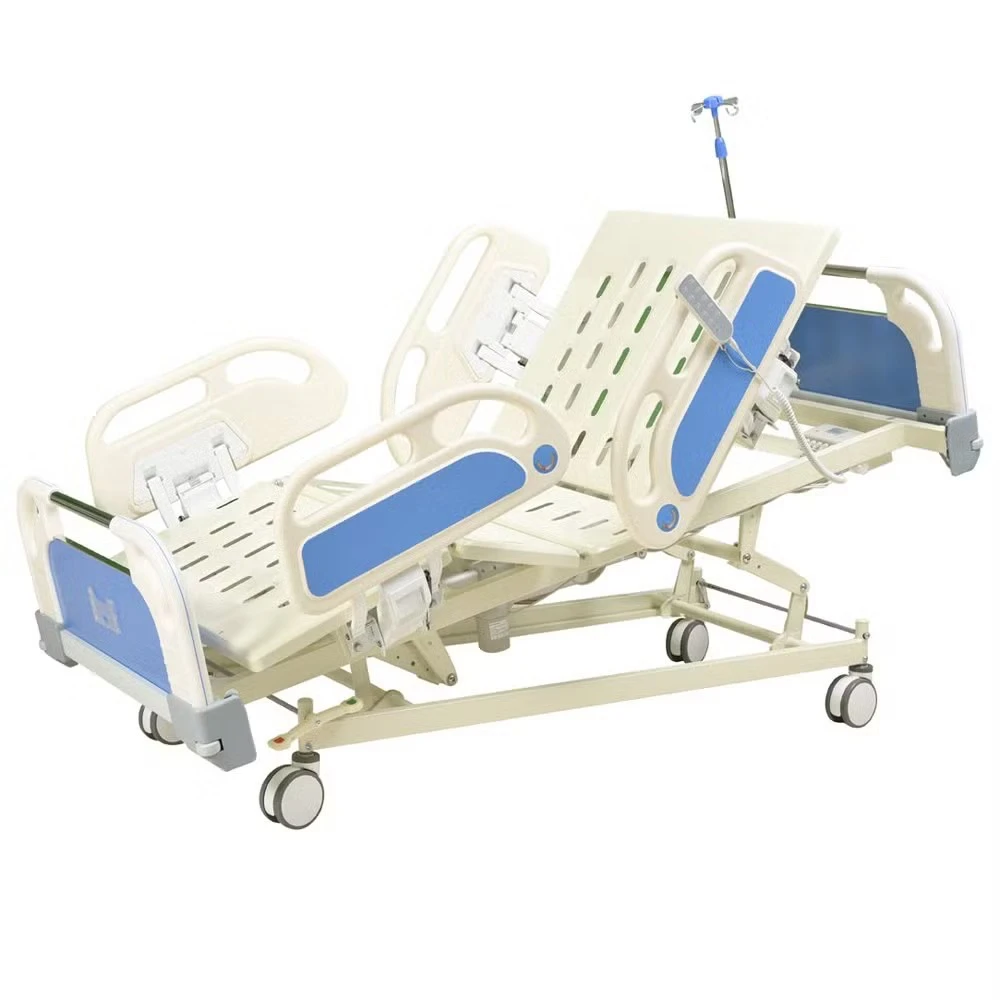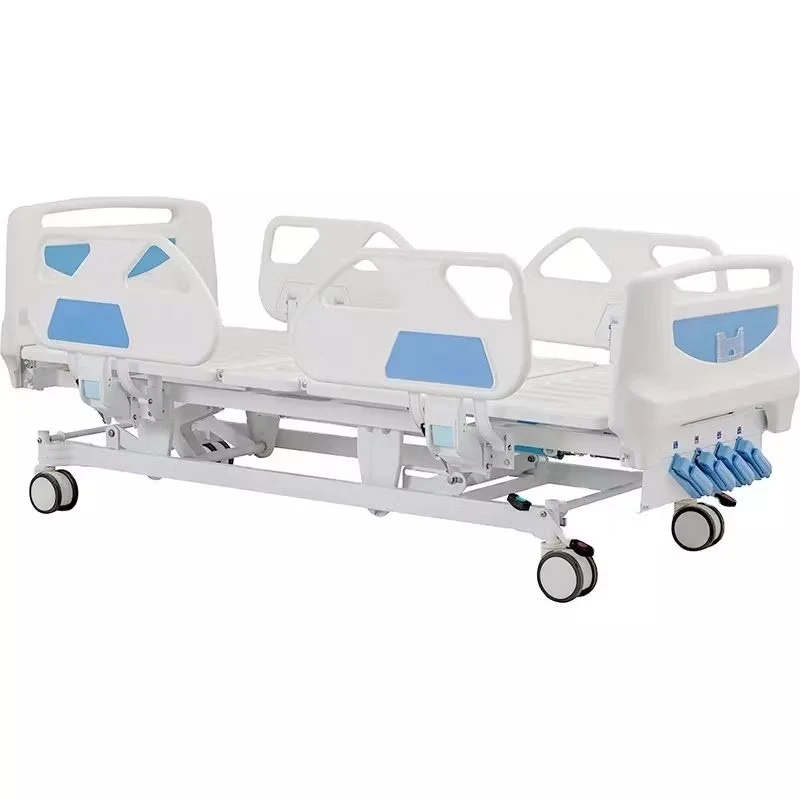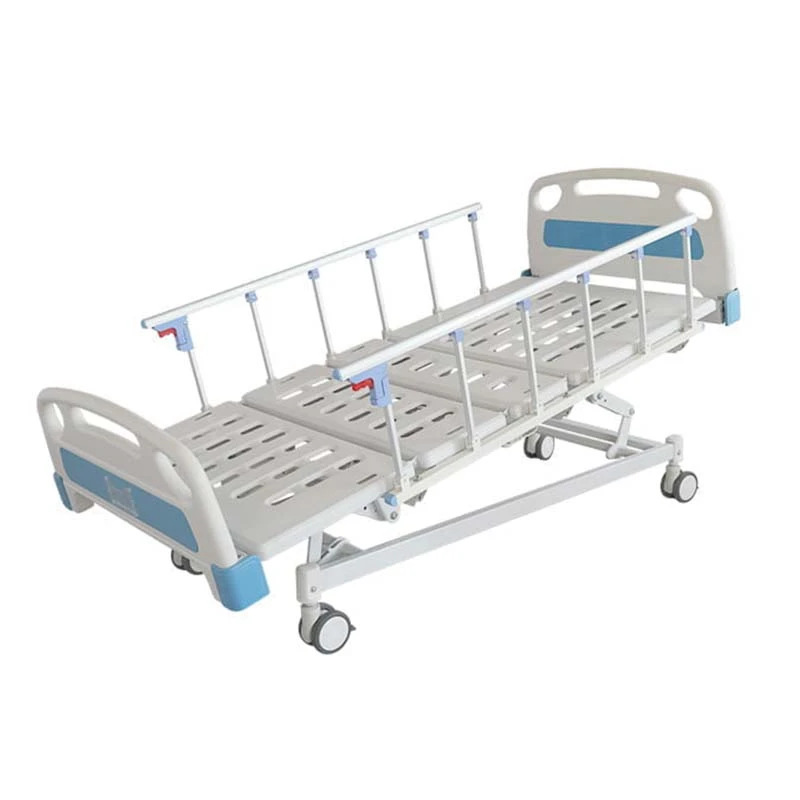
Understanding Hospital Bed Dimension: Global Standards & Practical Insights
The Dimensions of Hospital Beds: Why Size Really Matters Worldwide
Hospital bed dimension might sound like a dry topic at first glance — just numbers and measurements, right? But take a step back, and you realize these numbers profoundly affect patient comfort, clinical workflows, and even humanitarian responses around the globe. Whether it’s a high-tech ICU in New York or a mobile relief hospital in Southeast Asia, the size and design of hospital beds shape healthcare delivery itself.
Why care about hospital bed dimension? Because knowing and standardizing these dimensions improves everything from safety to supply chain logistics. And oddly enough, a few centimeters can make or break usability, especially in tight hospital wards or field clinics. Let's explore what these dimensions mean, why they matter globally, and how they’re evolving.
Hospital Bed Dimension in the Global Healthcare Context
Globally, the healthcare infrastructure is often assessed by available hospital beds per 1,000 people — a metric the WHO tracks closely. But less talked about is bed dimension itself. The typical adult hospital bed averages about 90-100 cm wide and roughly 190-200 cm long, though these vary regionally and by purpose. According to ISO standards (ISO 60601-2-52), beds must meet ergonomic, safety, and compatibility criteria to fit standard medical equipment.
Statistics show that many hospitals in developing regions struggle with non-standard or ill-fitting beds, driving inefficiencies during patient transfers, infection control, and emergency responses. As the global population ages and chronic illnesses rise, these challenges grow sharper.
In real terms, mismatched bed dimensions disrupt workflows and can complicate everything from staffing to sterilization. For industries designing and supplying hospital equipment, getting the sizes right is less luxury, more urgent necessity.
Mini Takeaway:
Hospital bed dimension is more than a number; it’s a vital global health factor influencing safety, logistics, and care quality.
What Exactly Does Hospital Bed Dimension Mean?
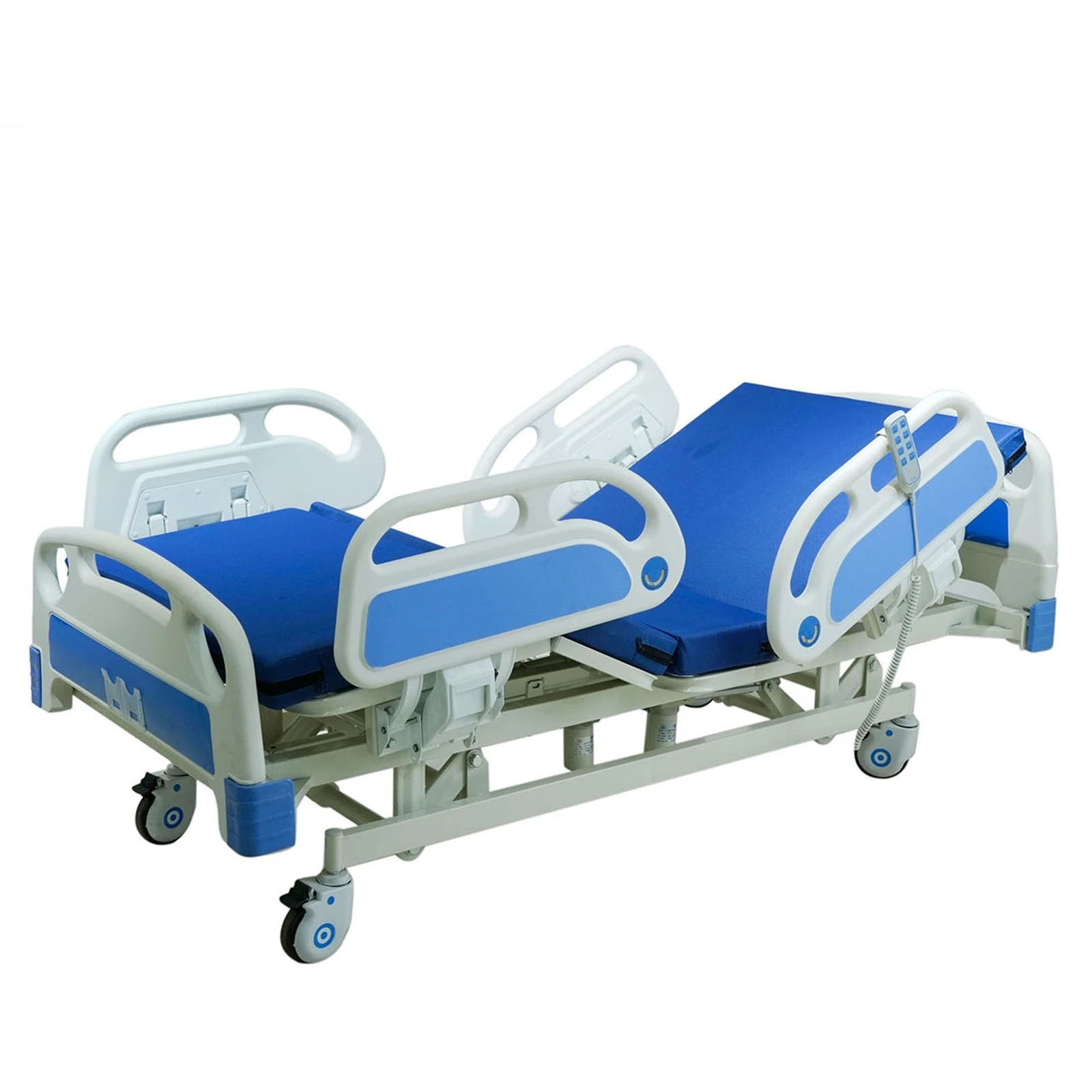
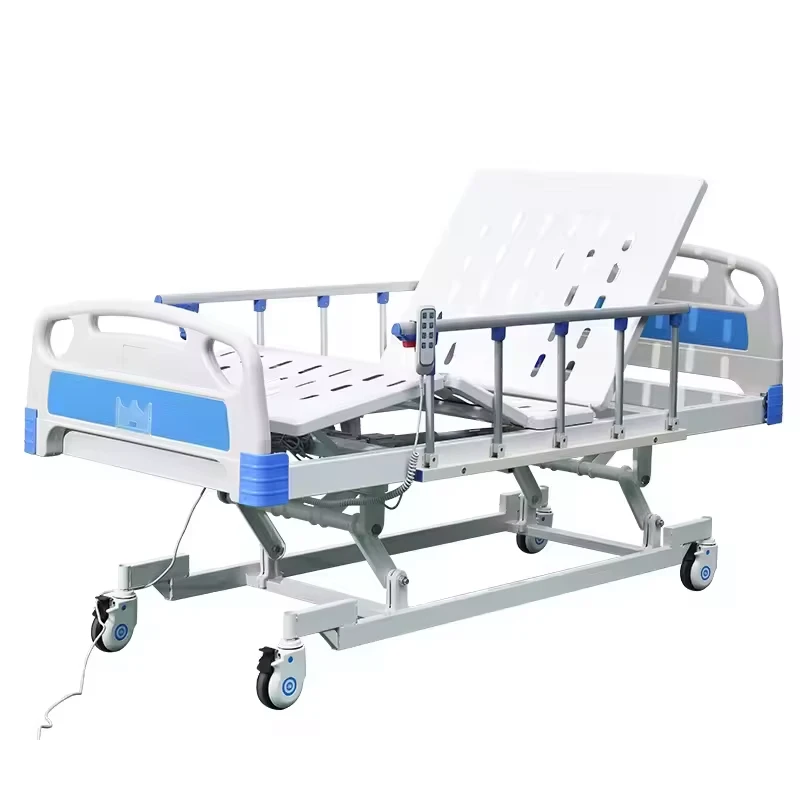
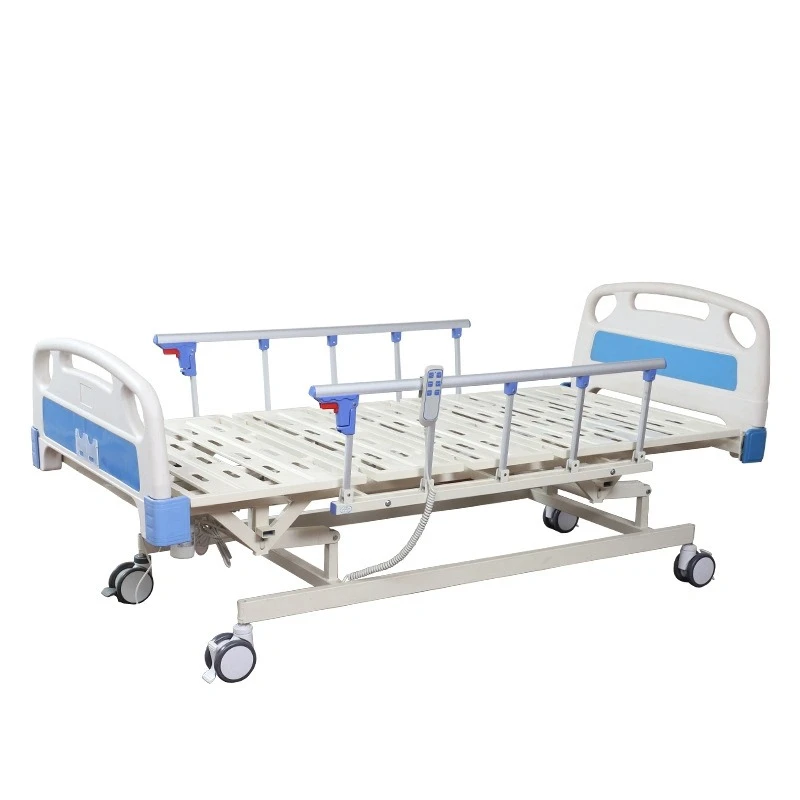
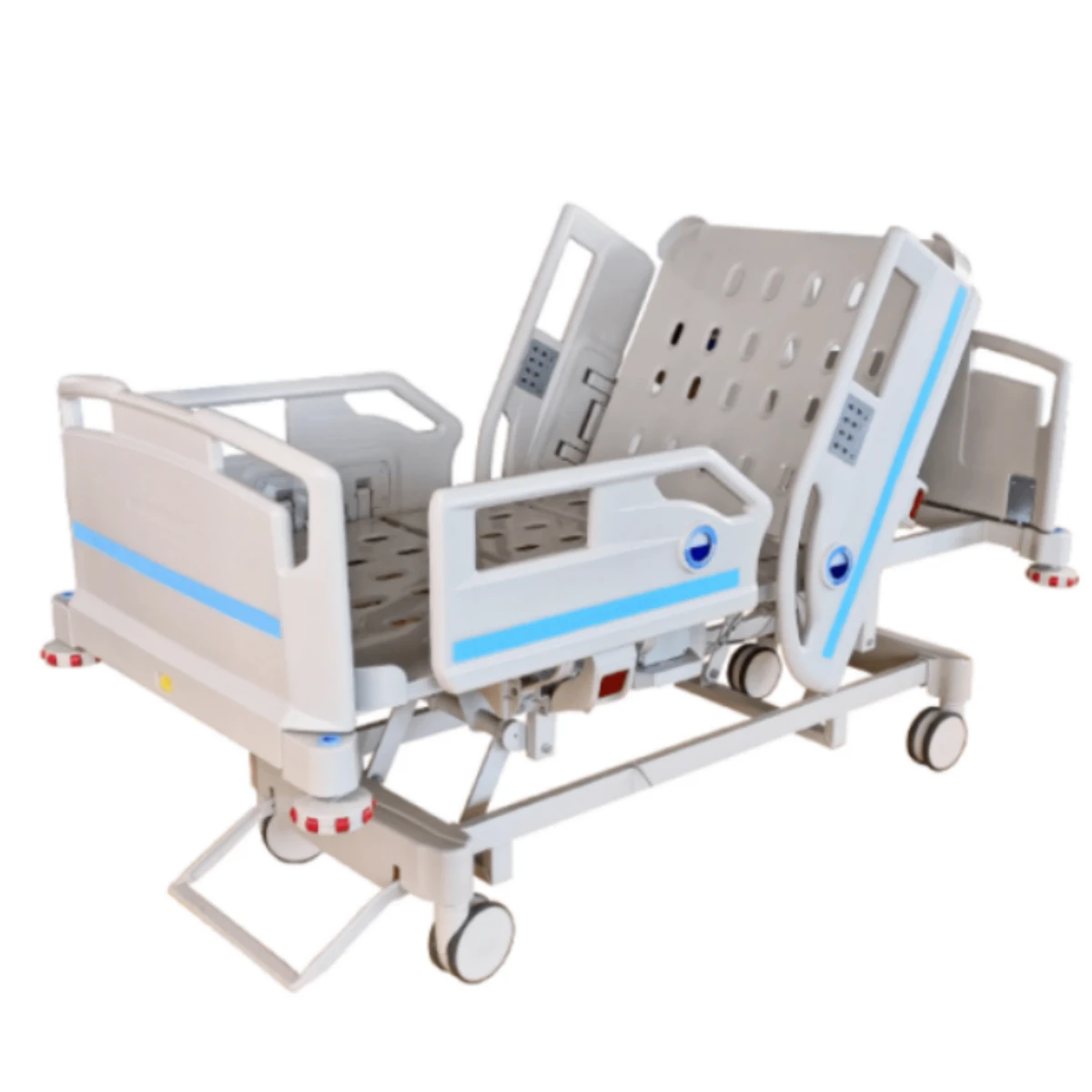
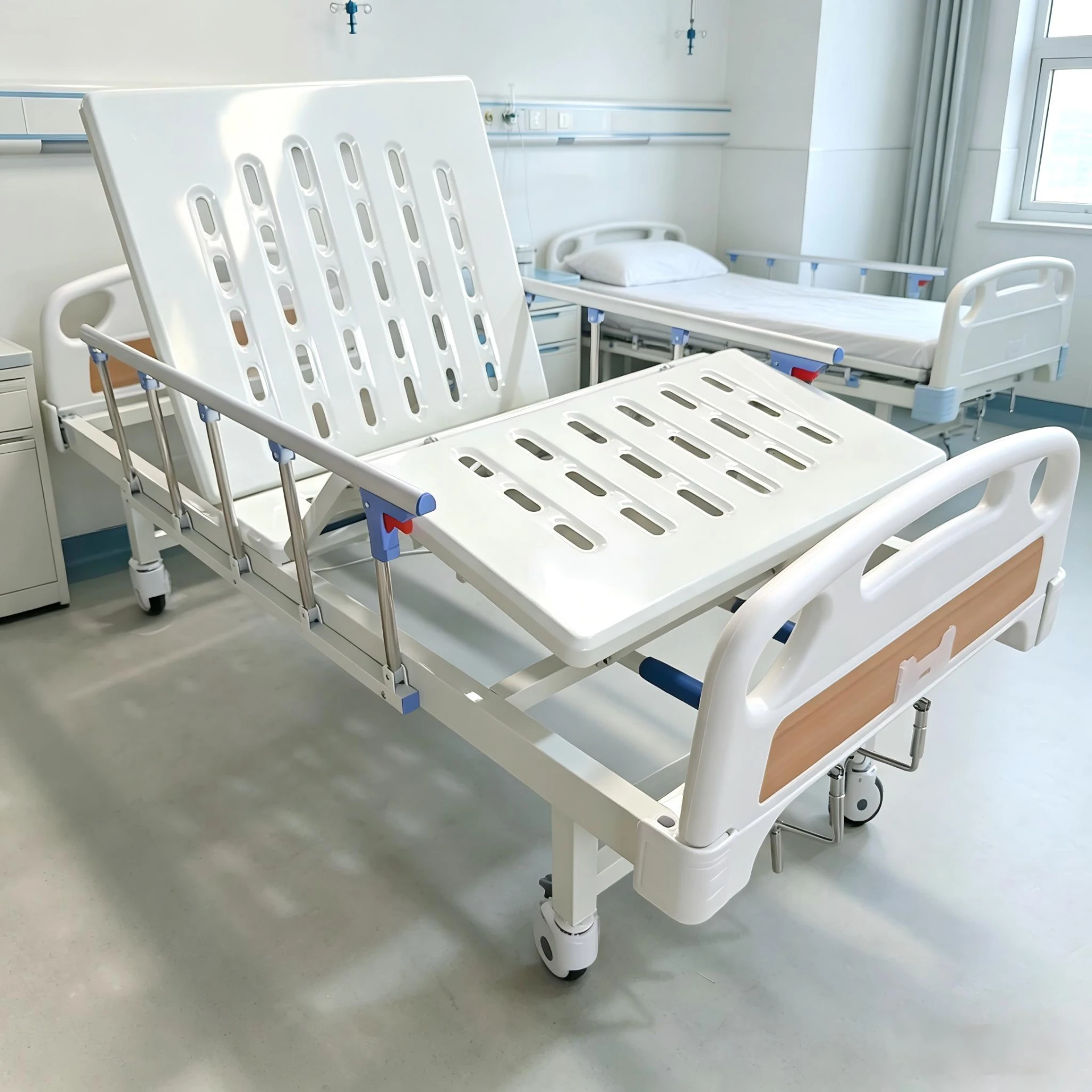
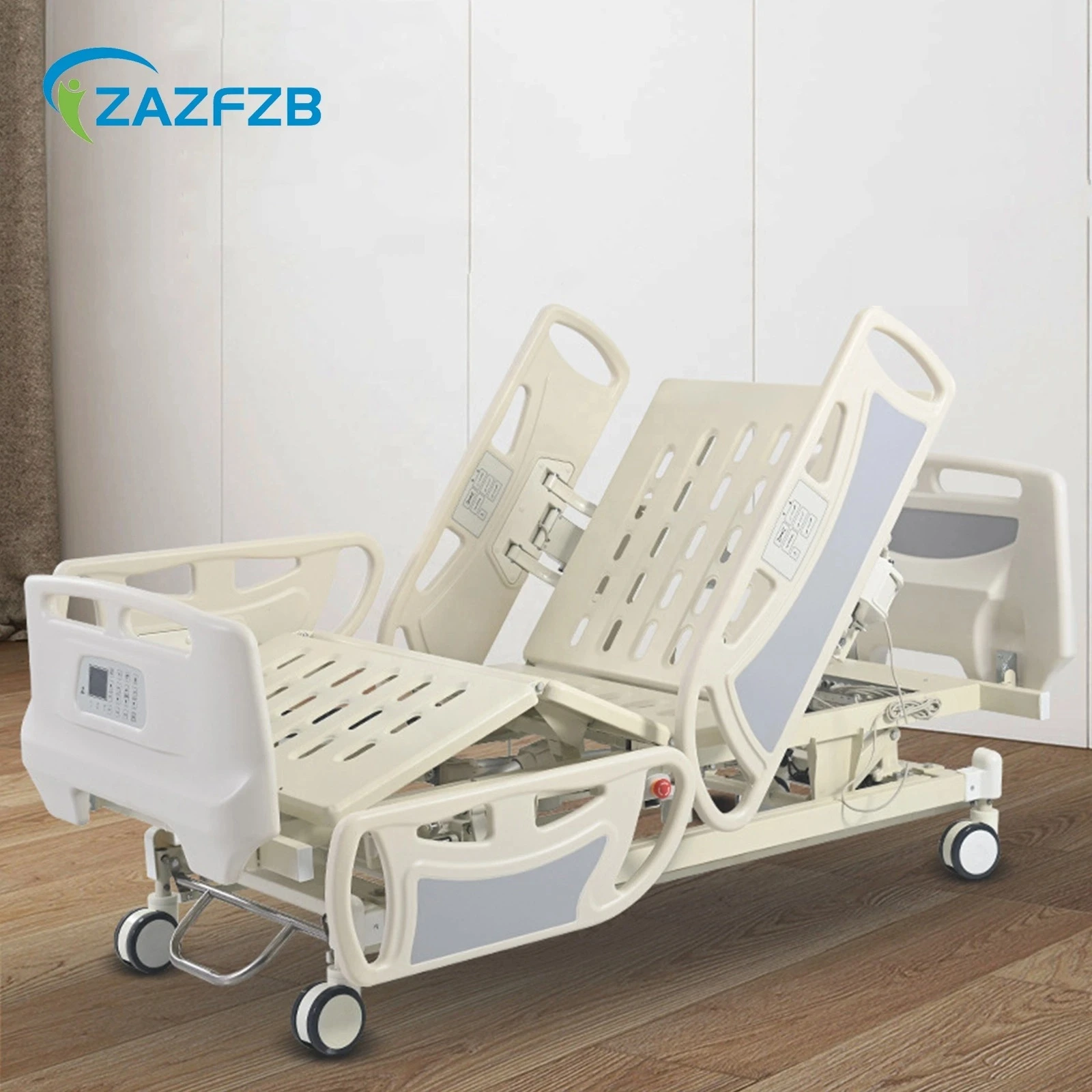
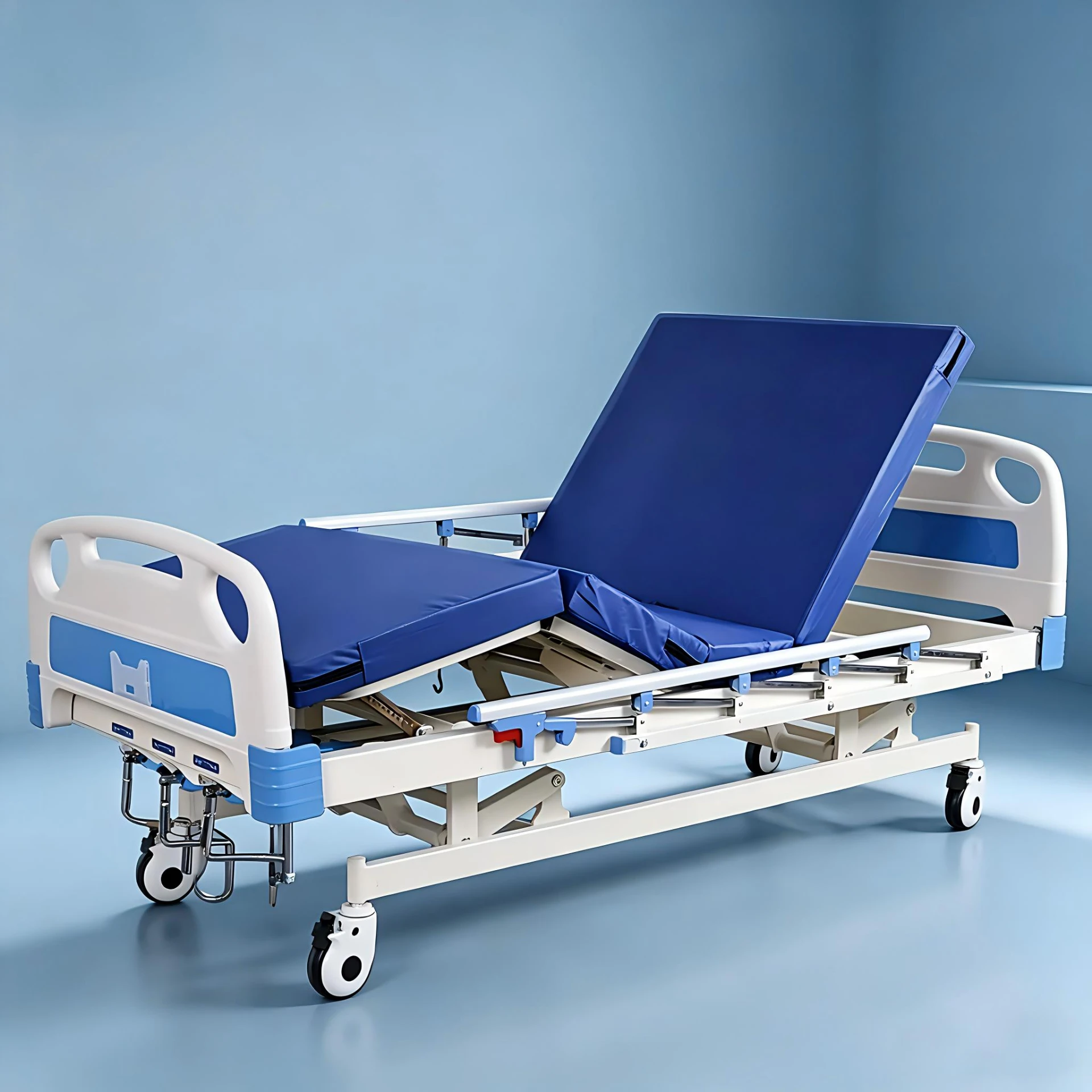
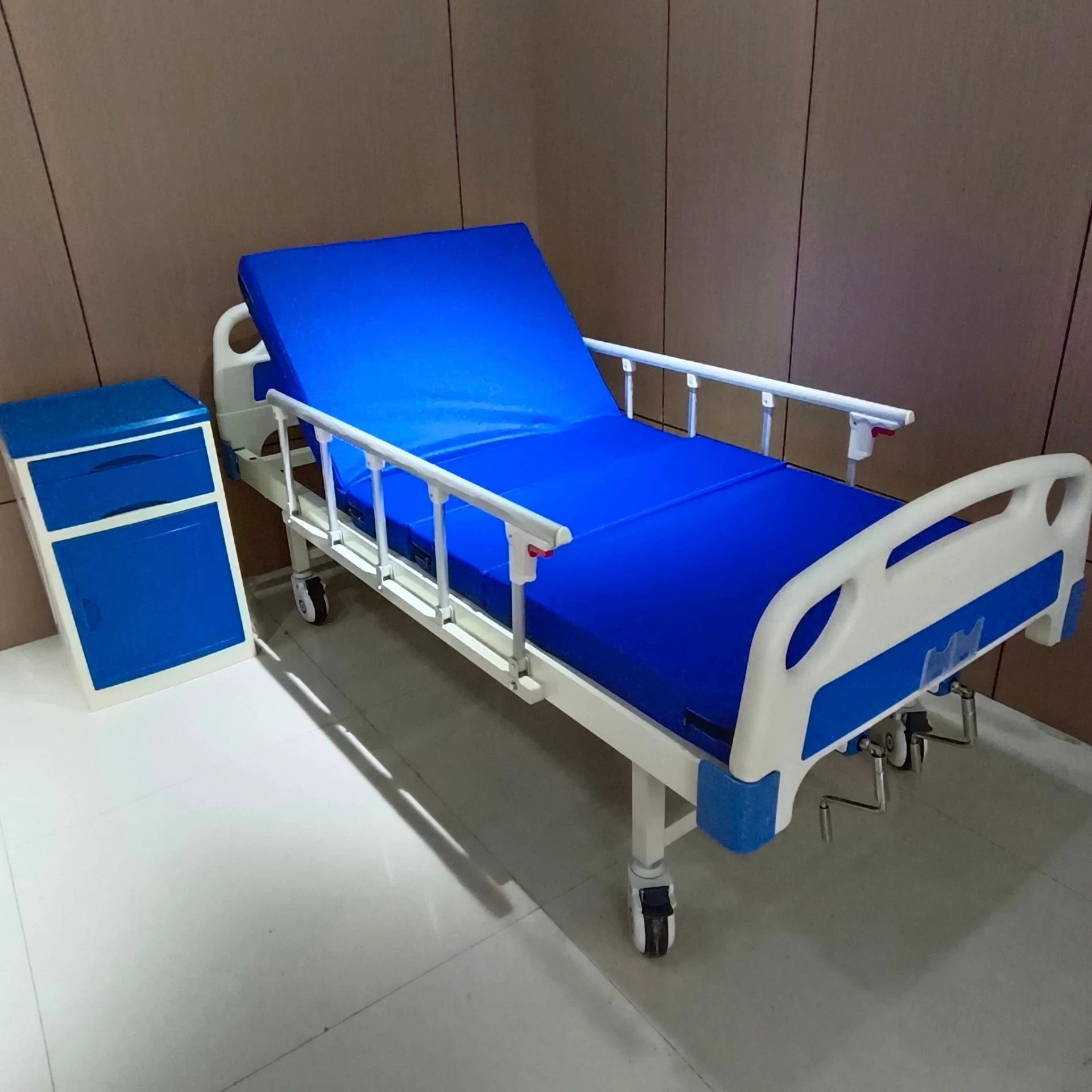
Simply put, hospital bed dimension refers to the length, width, and sometimes height parameters of a medical bed designed for patient care. This extends beyond just the mattress size — it includes frame width, clearance space needed, and adjustability range. Dimensions vary broadly to support pediatric to bariatric patients, or specialized purposes like ICU or maternity care.
Dimensions connect deeply with modern healthcare’s emphasis on patient-centered care and multi-functional hospital design. Having beds that fit not just bodies but also equipment, room spaces, and movement flow is essential — especially in resource-strapped or emergency settings.
Key Factors Affecting Hospital Bed Dimension
1. Patient Comfort & Safety
Wide enough to prevent falls, yet narrow enough to fit room constraints — this balance is critical. Adjustable side rails, height settings, and mattress thickness all influence dimension choices.
2. Clinical Functionality
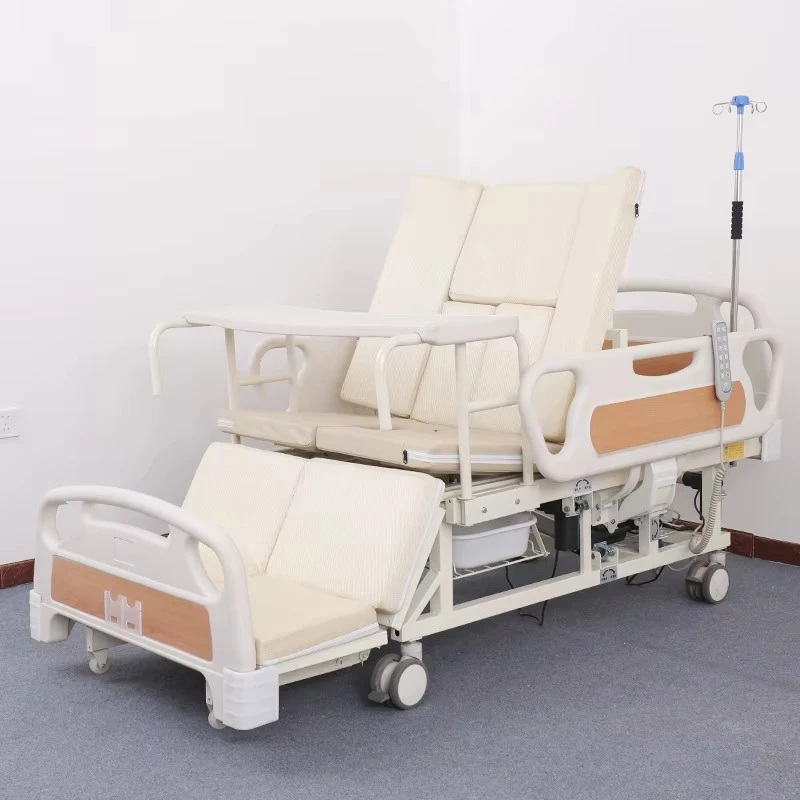
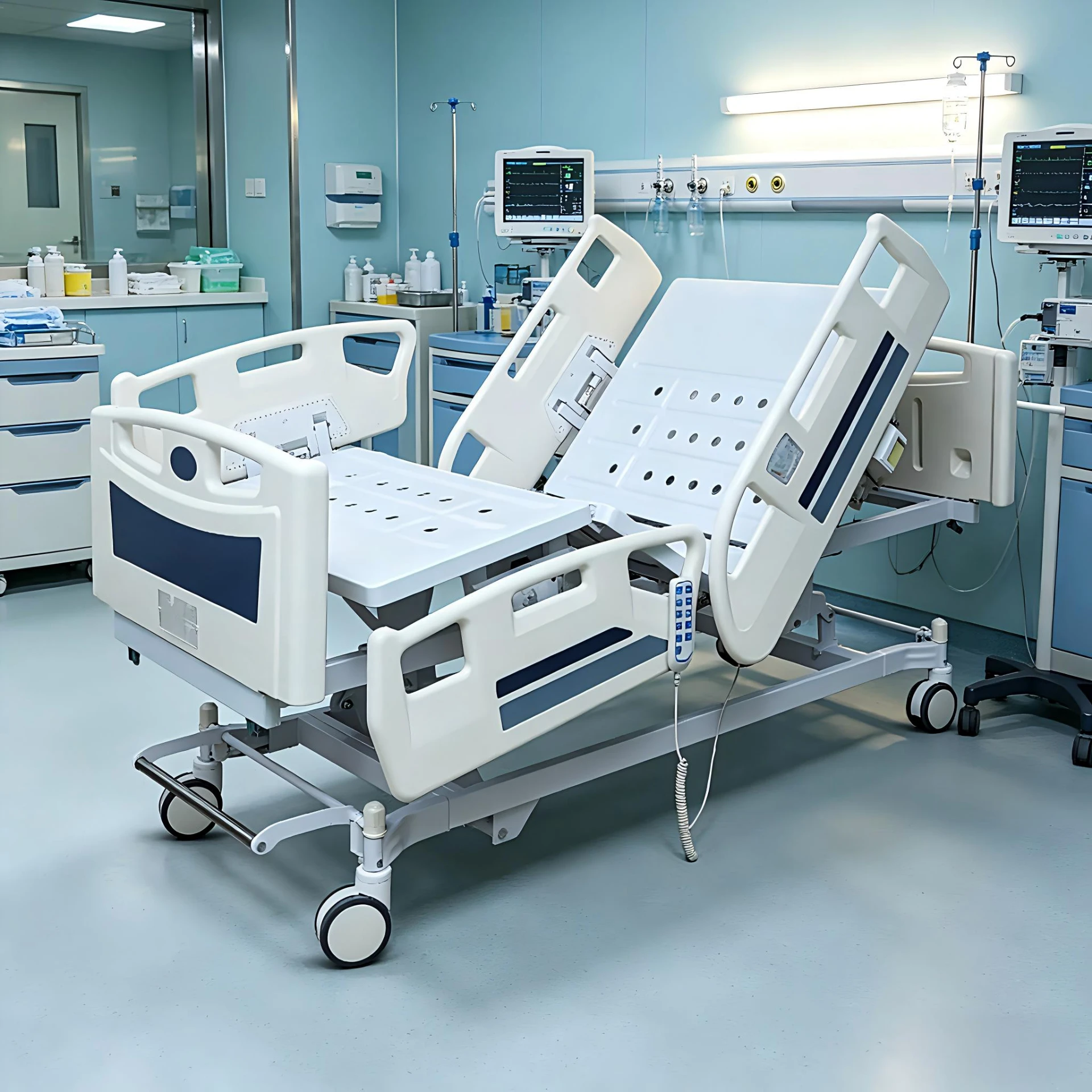
Modern hospital beds often integrate wiring, monitors, IV poles, and mechanical parts. Dimensions must accommodate these without crowding.
3. Material Durability & Hygiene
Frame materials and upholstery affect bed weight and size. Corrosion-resistant alloys, antimicrobial coatings, and water-resistant fabrics influence dimension tolerances.
4. Modular & Transportability Features
For disaster relief or mobile clinics, beds often fold or disassemble — this demands precise dimension planning to balance portability with sturdiness.
5. Standardization & Regulatory Compliance
International standards help ensure beds meet minimum sizes facilitating interoperability across systems and countries — something WHO and ISO stress heavily.
Mini Takeaway:
Hospital bed dimension embodies a complex blend of comfort, functionality, safety, and compliance demands.
How Hospital Bed Dimensions Play Out Around the World
Consider a rural clinic in sub-Saharan Africa: delivering a bariatric bed there might seem like a small detail. Yet, it’s a game-changer when the alternative is unstable makeshift stretchers. In disaster zones, modular beds with compact dimensions accelerate setup times — crucial for treating flood or earthquake victims. Conversely, urban hospitals in Europe or Japan emphasize narrow, adjustable beds maximizing limited ward space.
In developed countries, hospitals leverage technology integrated into beds, requiring compatible dimensions with monitors and robotic lifting. In contrast, NGOs delivering field hospitals to remote mining sites in South America focus on durability and portability — again, dimension constraints govern every design choice.
Mini Takeaway:
From bustling cities to remote relief efforts, hospital bed dimensions adapt to the setting, shaping healthcare accessibility and quality worldwide.
Advantages and the Long-Term Value of Getting Hospital Bed Dimensions Right
First, there’s the obvious: patient safety and dignity. Beds that “fit” patients reduce falls and pressure sores, easing recovery. Then comes staff efficiency — easy maneuverability saves time and injury risk. Over time, standardized dimensions simplify procurement and maintenance — fewer surprises, less downtime.
And here’s something poignant: a well-dimensioned hospital bed brings comfort to vulnerable people in frightening circumstances. It fosters trust in healthcare systems, which frankly plays a silent but powerful role in health outcomes.
Hospital Bed Dimensions: Product Specification Table
| Specification | Standard Adult Bed | Bariatric Bed | Pediatric Bed |
|---|---|---|---|
| Length | 198 cm | 213 cm | 155 cm |
| Width | 91 cm | 122 cm | 75 cm |
| Adjustable Height Range | 40–80 cm | 40–80 cm | 35–75 cm |
| Max Weight Capacity | 180 kg | 320 kg | 75 kg |
Current Vendors at a Glance: Hospital Bed Dimension Comparison
| Vendor | Standard Sizes Offered | Customization Available | Price Range (USD) | Lead Time |
|---|---|---|---|---|
| Zhaofa Medical | Adult, Bariatric, Pediatric | Yes, per project | $900 - $1,500 | 4-6 weeks |
| MediEquip Corp. | Adult only | Limited | $750 - $1,200 | 3-5 weeks |
| Global Health Beds | Adult, Pediatric | Yes, modular customization | $1,000 - $1,700 | 6-8 weeks |
The Future of Hospital Bed Dimensions: Trends and Innovations
Smart beds with sensors monitoring vital signs are increasingly common, influencing size and frame structures. We’re also seeing lightweight carbon fiber composites used to reduce weight without compromising durability. Sustainability is trending too: recyclable materials and energy-efficient manufacturing processes will factor into future hospital bed dimensions since the footprint matters now more than ever.
Modular beds, designed for fast deployment in emergencies, are evolving with space-saving foldability and durability upgrades—this directly affects dimension standards worldwide.
Challenges and How Industry Experts Are Tackling Them
One often-overlooked challenge is regional disparity in bed dimensions versus standard equipment sizes. Many hospitals have to retrofit or customize — a headache for supply and maintenance teams. Experts suggest harmonizing standards globally but are aware that one-size-fits-all rarely works.
Technological integration and cost constraints also make dimension design tricky. Still, novel flexible and scalable bed designs offer promising solutions—for example, adjustable frames accommodating a range of sizes instead of fixed dimensions.
FAQ: Your Top Questions About Hospital Bed Dimension
- Q: What is the standard size for a hospital bed?
A: Standard adult hospital beds typically measure about 198 cm (length) by 91 cm (width), with adjustable height to suit patient and staff needs, in line with ISO safety guidelines. - Q: How do hospital bed dimensions impact patient safety?
A: Proper dimensions reduce fall risk and support ergonomic handling, ensuring patients remain secure and comfortable during treatment. - Q: Are bariatric hospital beds larger than standard beds?
A: Yes, bariatric beds are wider and longer to safely support higher weight capacities, often around 122 cm wide and capable of supporting over 300 kg. - Q: Can hospital bed dimensions be customized for emergencies or remote care?
A: Absolutely. Many beds are designed modularly or collapsibly for quick transport and setup, making size adaptability crucial in disaster relief scenarios.
The Bottom Line
Understanding hospital bed dimension is about much more than measurements. It represents a mix of patient dignity, operational efficiency, and global health progress. As medical needs diversify and technologies advance, “right-sizing” beds becomes a critical factor in saving lives and enhancing care quality worldwide.
If you want to dive deeper into specific sizes and product options that meet international standards, check out hospital bed dimension resources and solutions.