Why Choosing the Right Hospital Bed Supplier Matters Worldwide
At first glance, the humble hospital bed might not seem like a gadget that’s changing the world. But take a closer look. Hospital beds are pivotal in care delivery, recovery, and even operational efficiency — especially in a world that keeps seeing health crises, aging populations, and stretched medical facilities. Getting the right hospital bed supplier isn’t just a procurement task; it ties directly into patient safety, staff workloads, and—frankly—the dignity of millions worldwide. When you understand this, you start appreciating the quiet but massive role these suppliers play globally.
---
Hospital Bed Suppliers in the Global Healthcare Landscape
Globally, healthcare demands are skyrocketing. According to the World Health Organization, nearly every country is facing challenges of hospital capacity and equipment shortages, worsened by recent pandemics and aging demographics. The hospital bed supplier market has responded with evolving product lines to meet these needs — from high-tech ICU beds to modular, easy-to-clean frames for emergency set-ups.
In some regions, the scarcity of quality hospital beds means patients are treated on foldable cots or even makeshift arrangements, leading to poorer care outcomes. That’s why reliable hospital bed suppliers don’t just sell equipment; they deliver solutions that can mean the difference between life and death, dignity and discomfort.
Mini takeaway: Globally, hospital bed suppliers underpin the infrastructure of modern healthcare — meeting the growing demand for safe, adaptable patient care environments.
---
What Exactly Is a Hospital Bed Supplier?
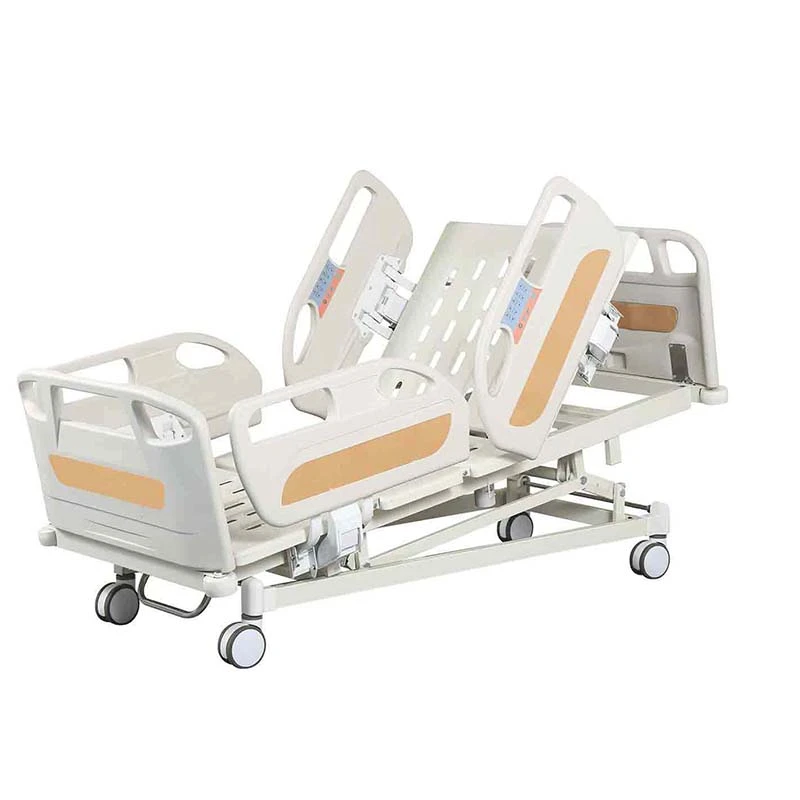
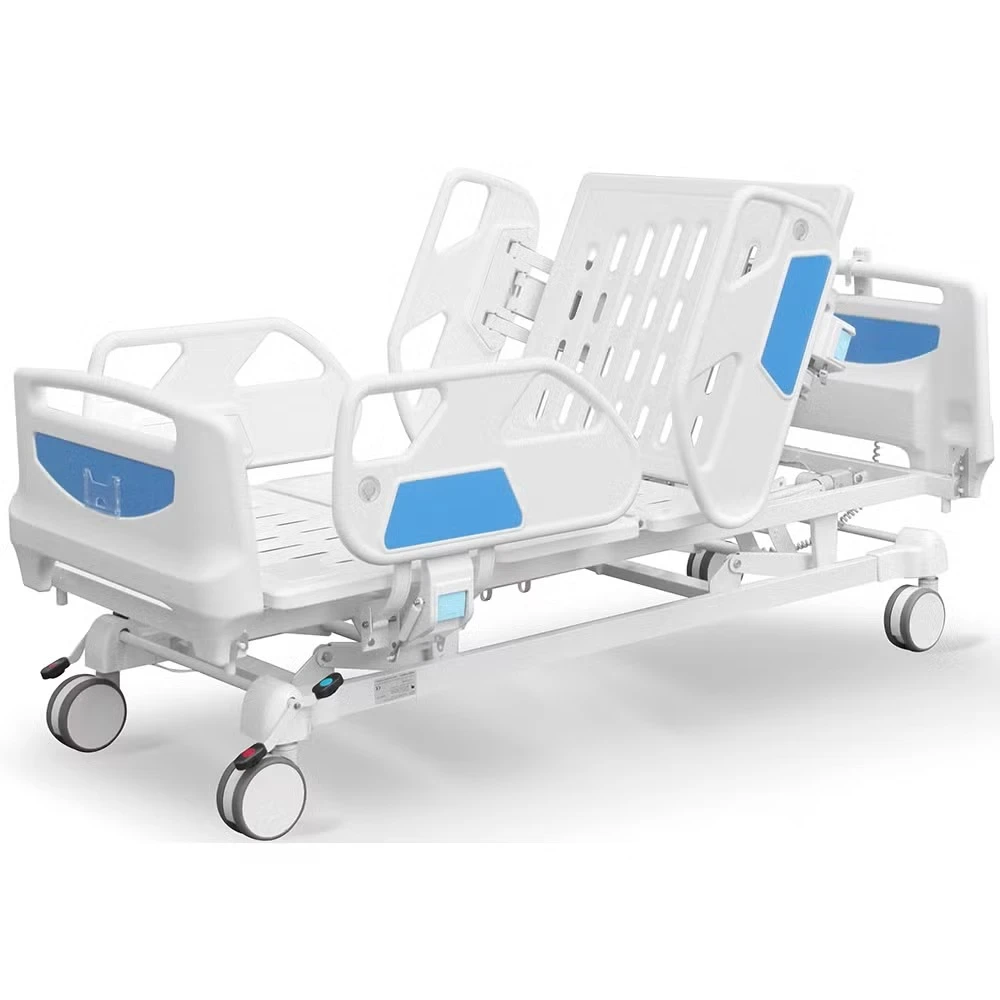
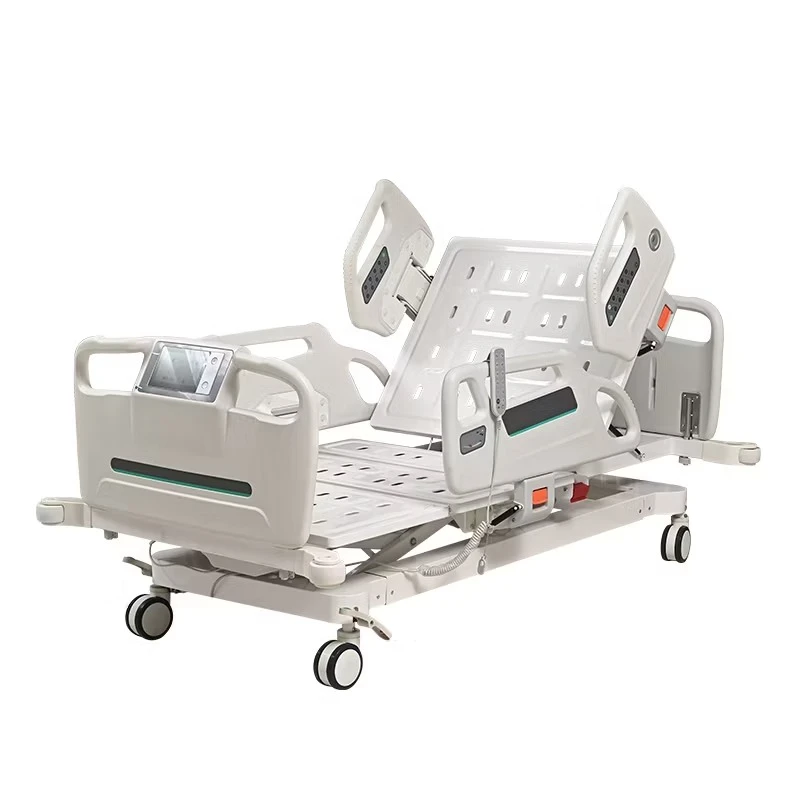
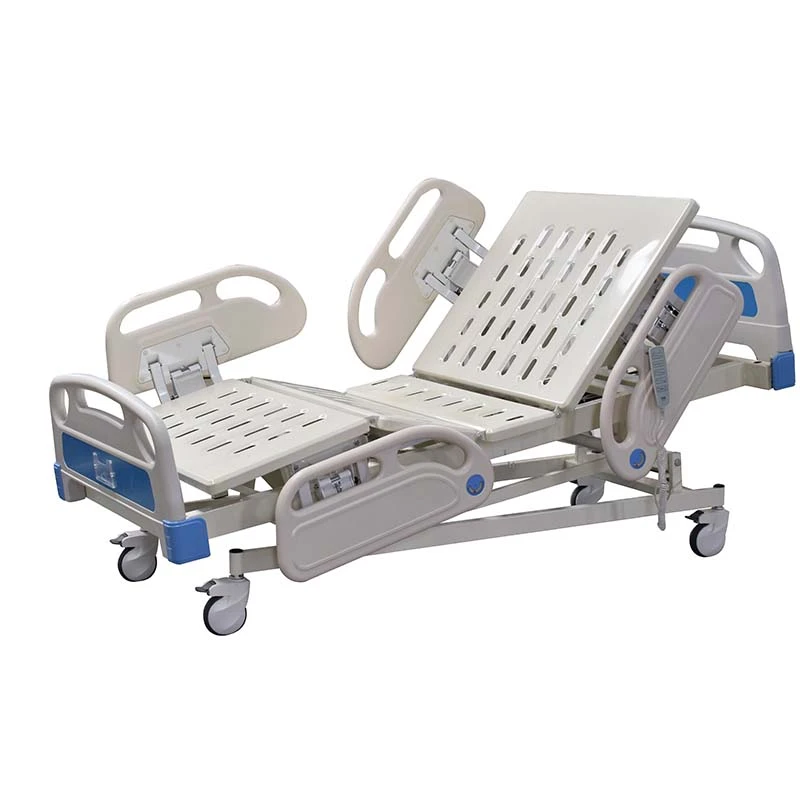
Simply put, a hospital bed supplier is a company or entity that manufactures, distributes, or sells hospital beds and related accessories. But there's more: these suppliers often provide customization, maintenance services, and training, blending product delivery with healthcare consulting.
Their role links tightly with humanitarian needs, healthcare modernization, and the medical equipment supply chain. In emergency response or under-resourced settings, the choice of supplier can affect not only bed availability but also ease of use, infection control, and long-term maintenance costs.
---
Key Factors in Selecting a Hospital Bed Supplier
1. Durability and Build Quality
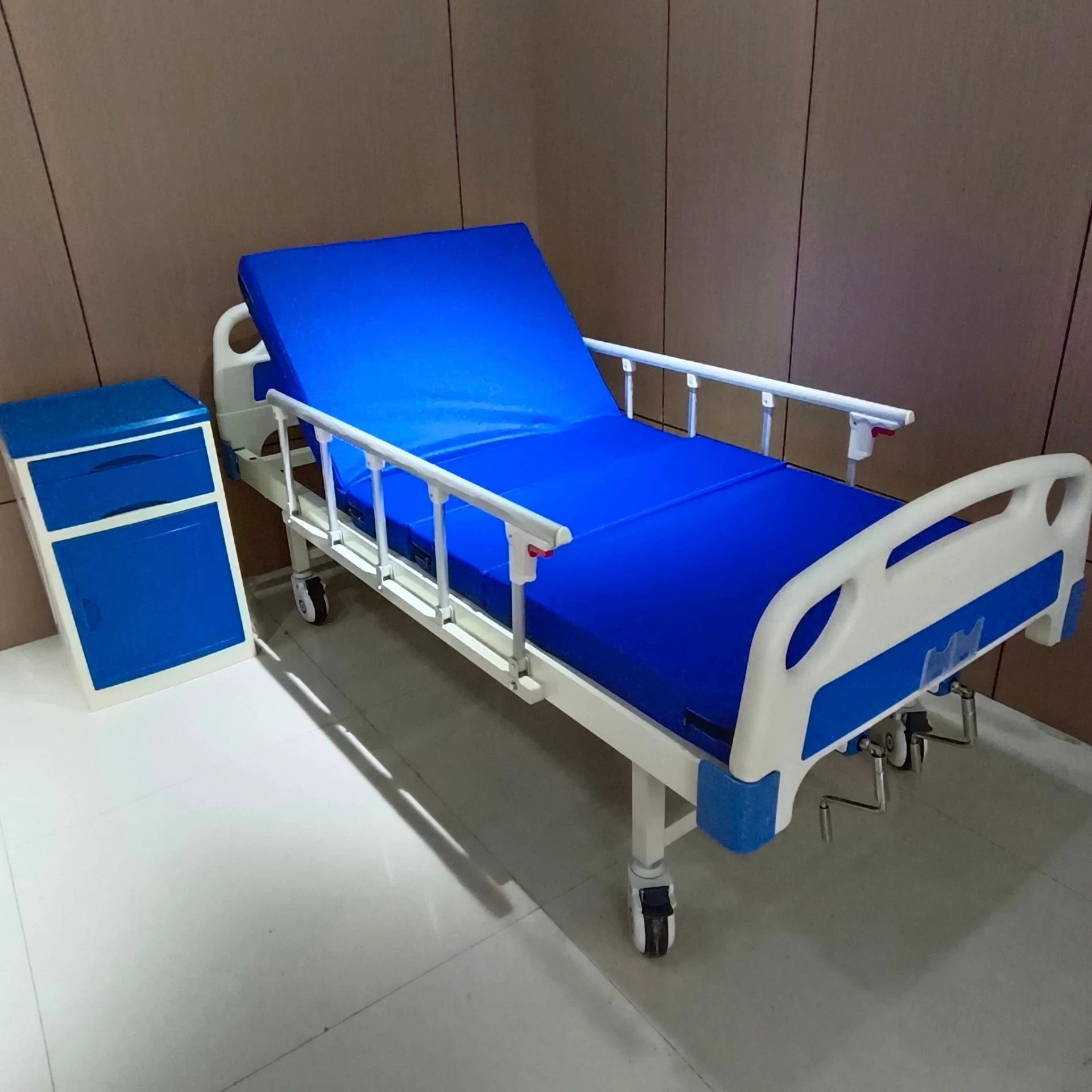
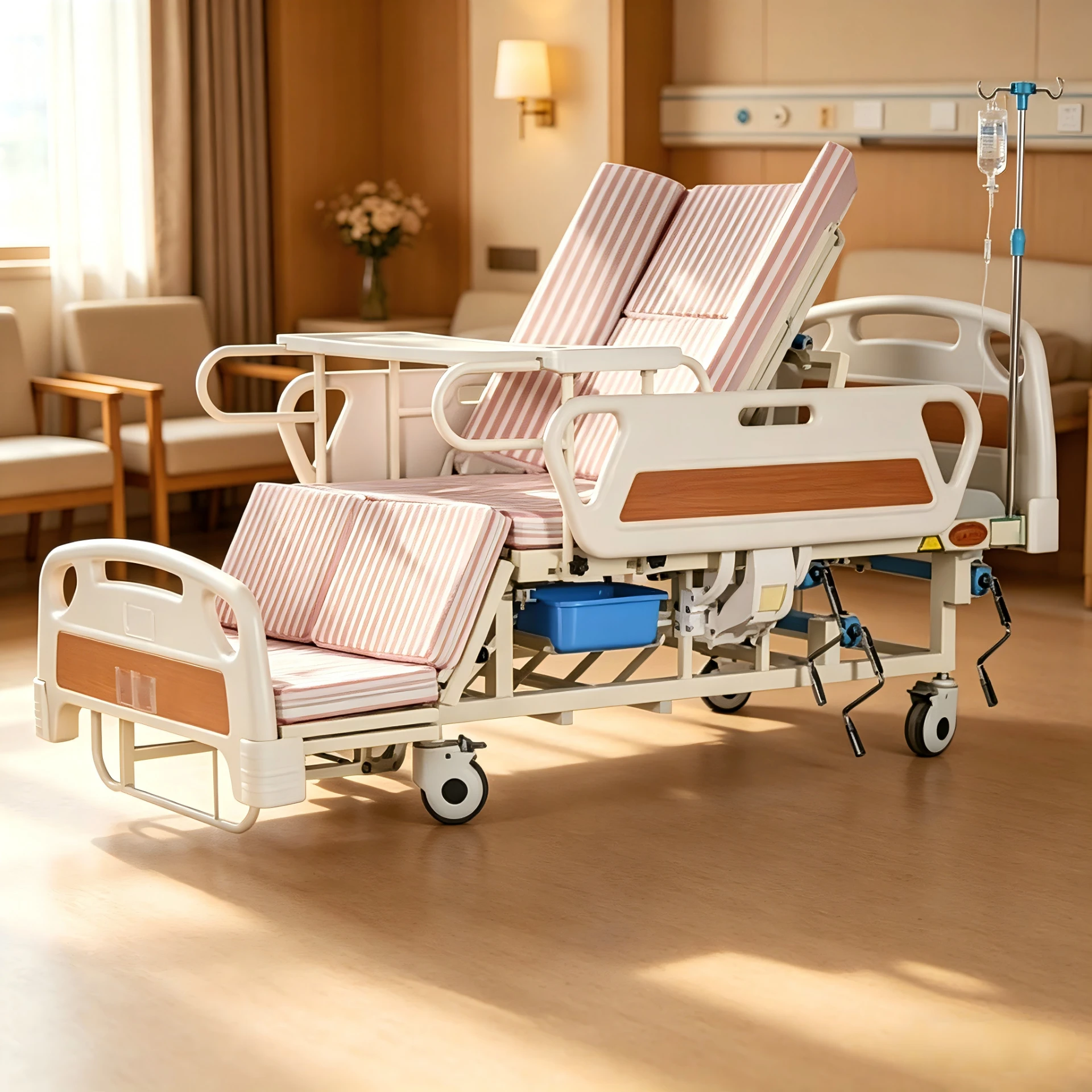
Hospital beds must withstand frequent adjustments, patient transfers, and rigorous cleaning cycles. Materials like stainless steel or reinforced alloys tend to be popular — you don’t want a flimsy frame when lives hang in the balance.
2. Scalability of Supply
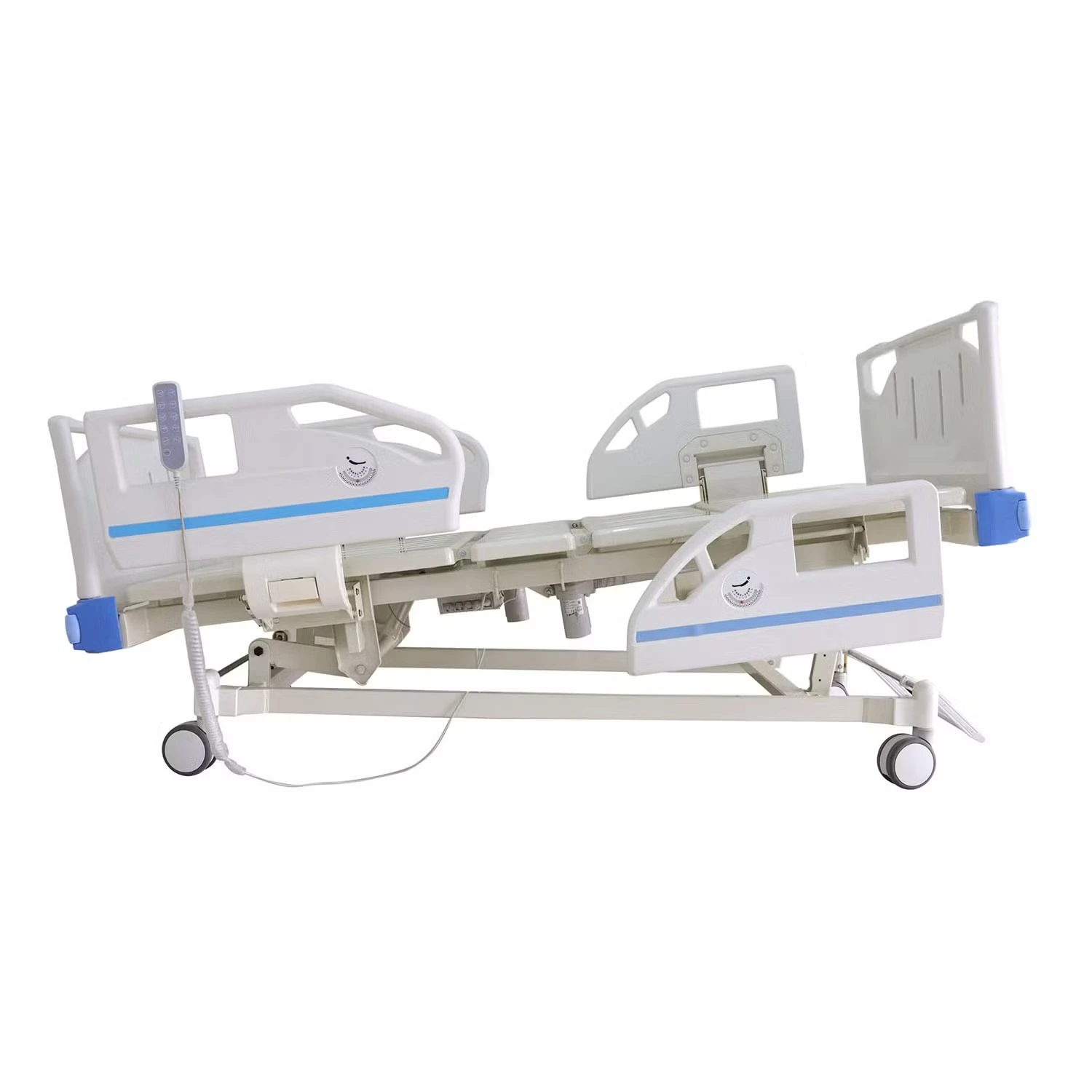
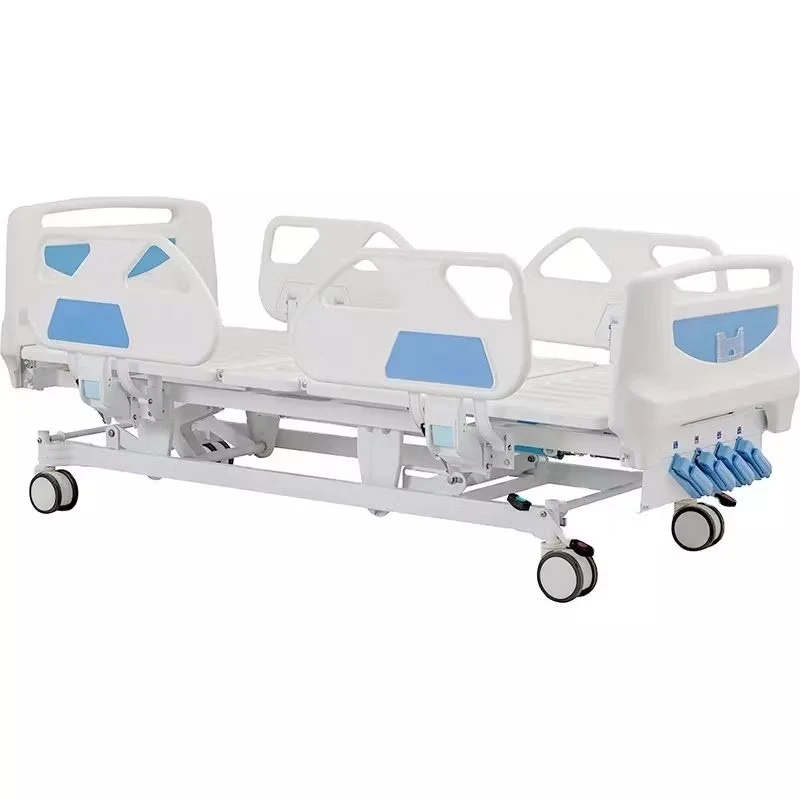
A small clinic and a large hospital network have wildly different needs. Top suppliers offer a range of products, from standard manual beds to advanced electric models, scaling supply without losing quality or timeliness.
3. Cost Efficiency and Value
Given tight health budgets worldwide, price matters — but so does value for money. Some suppliers focus on low-cost mass production, others on durable, modular designs that require less maintenance. Both approaches have their place.
4. Compliance and Certifications
Hospital beds are medical devices, so adhering to standards like ISO 13485 (medical device quality) ensures safety and performance. Suppliers meeting such certifications inspire confidence.
5. Customization & Accessories
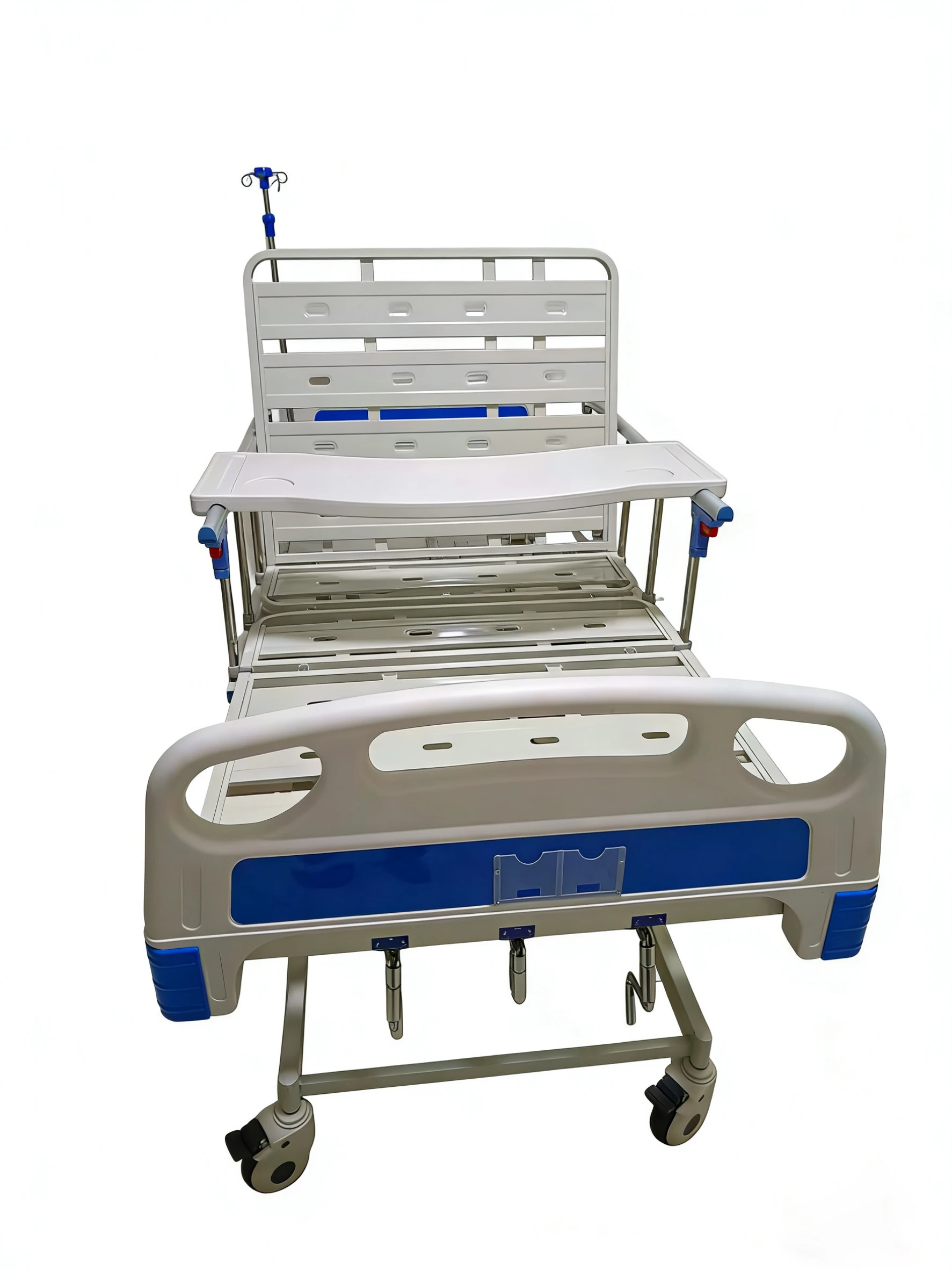
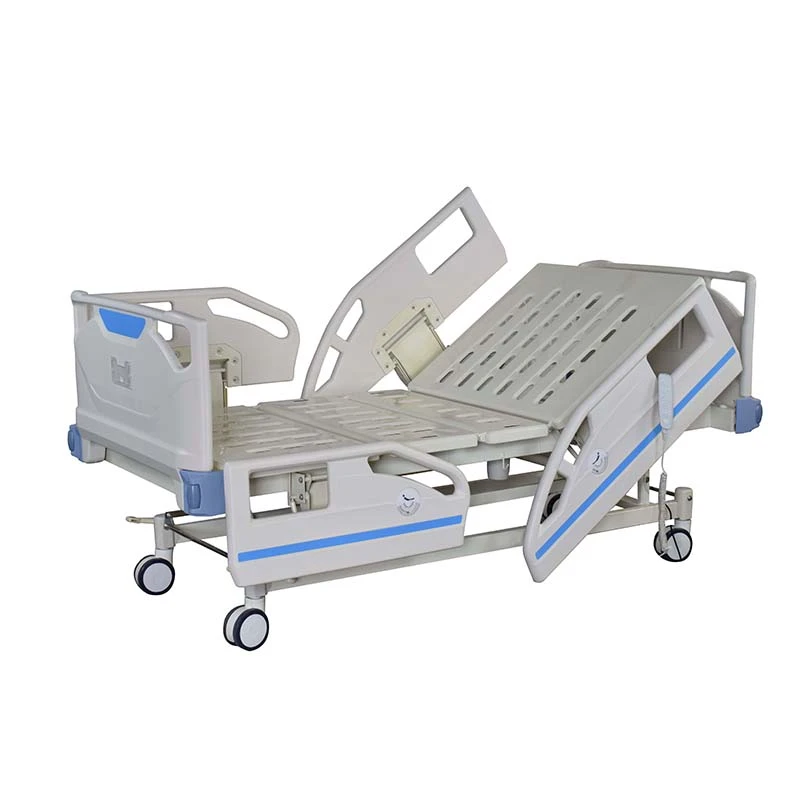
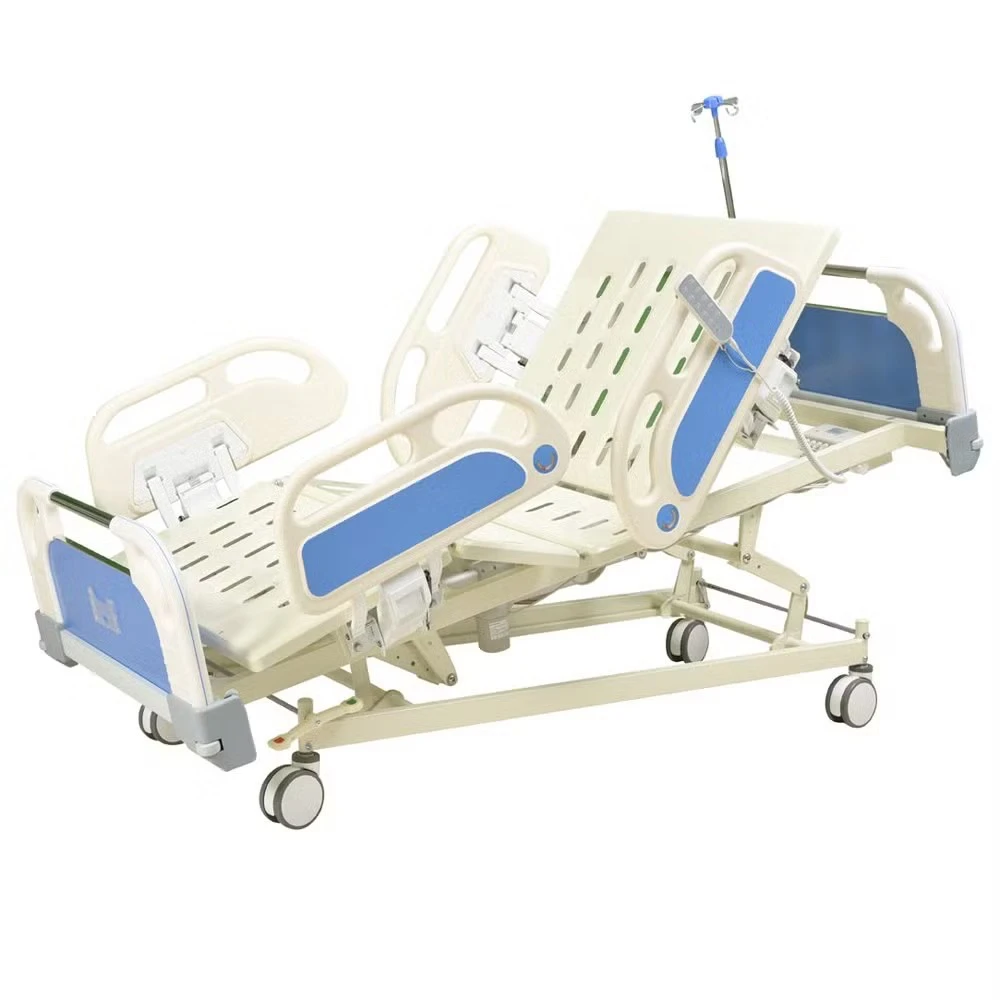
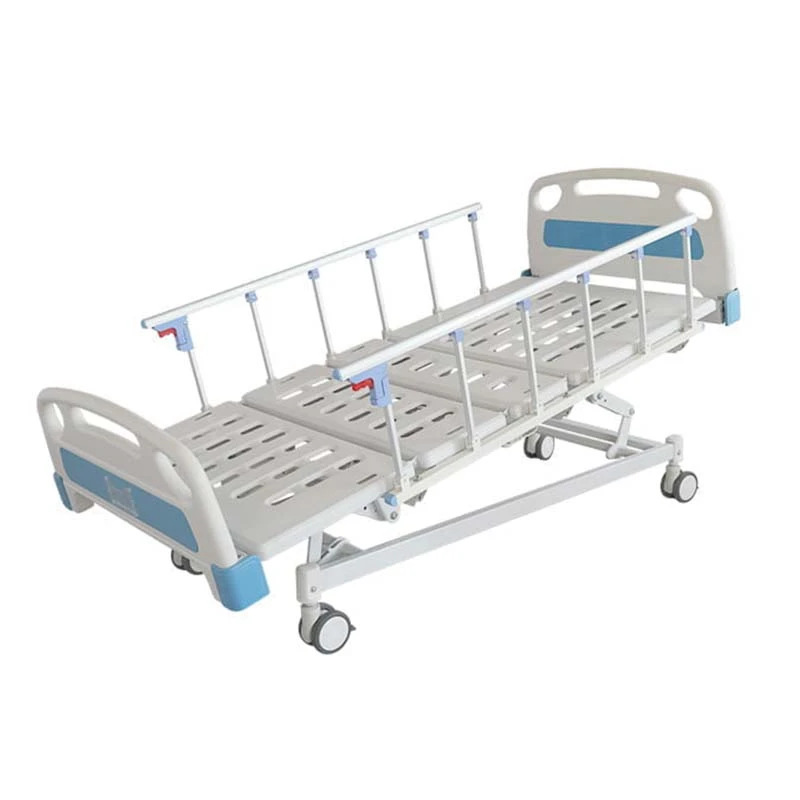
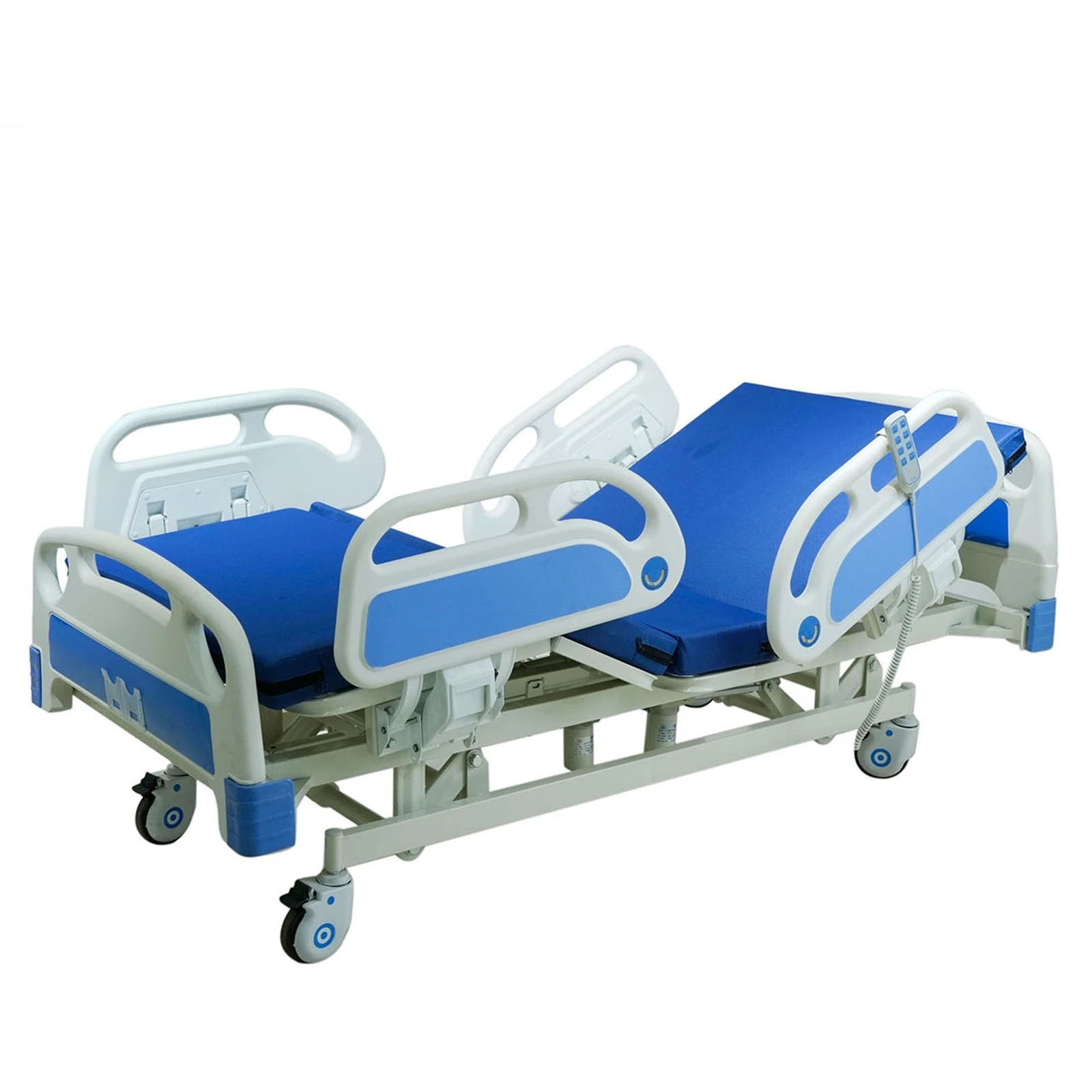
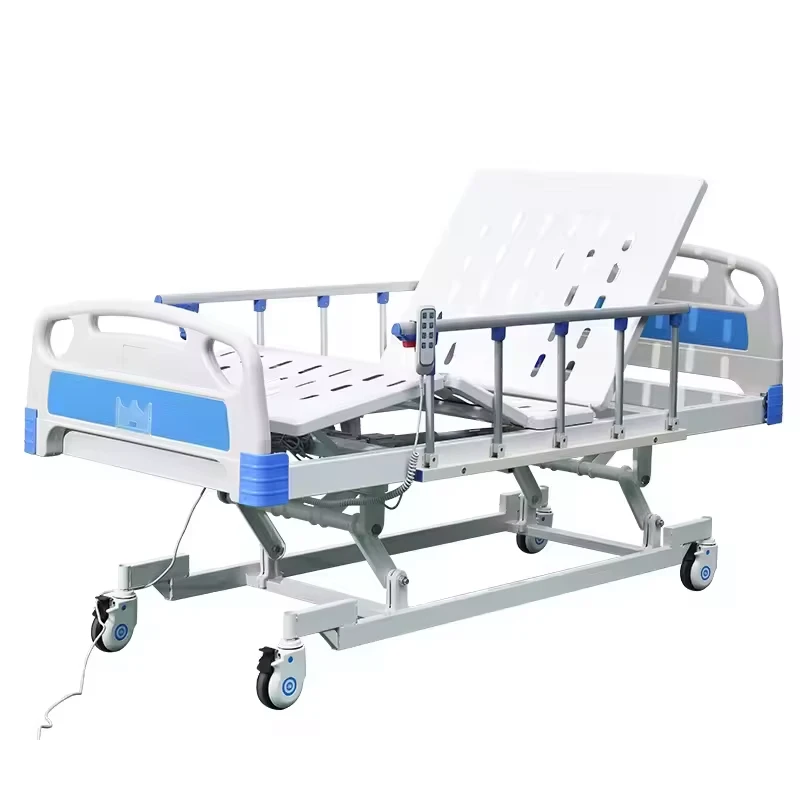
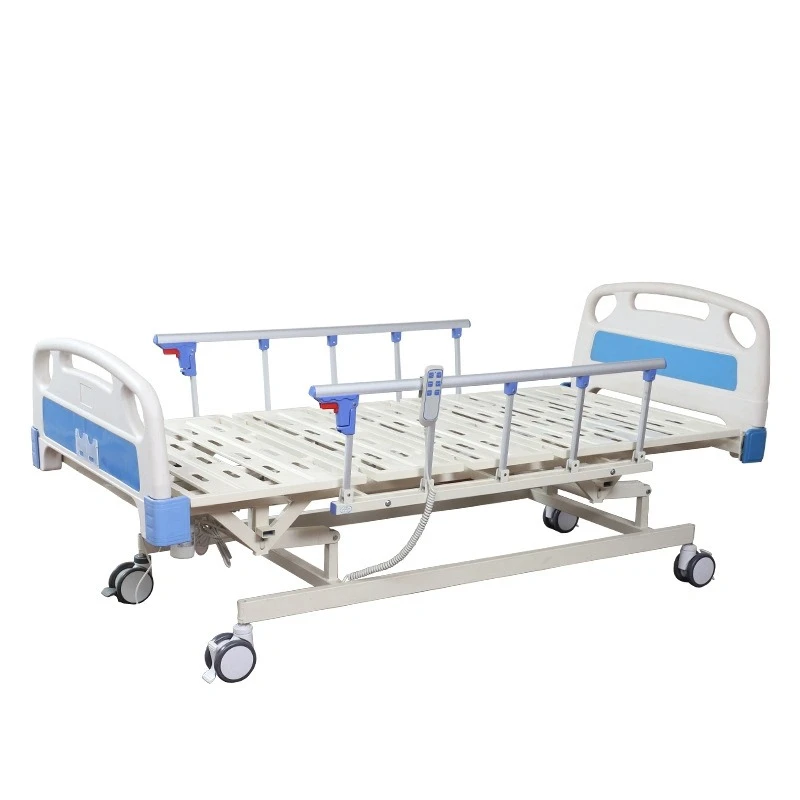
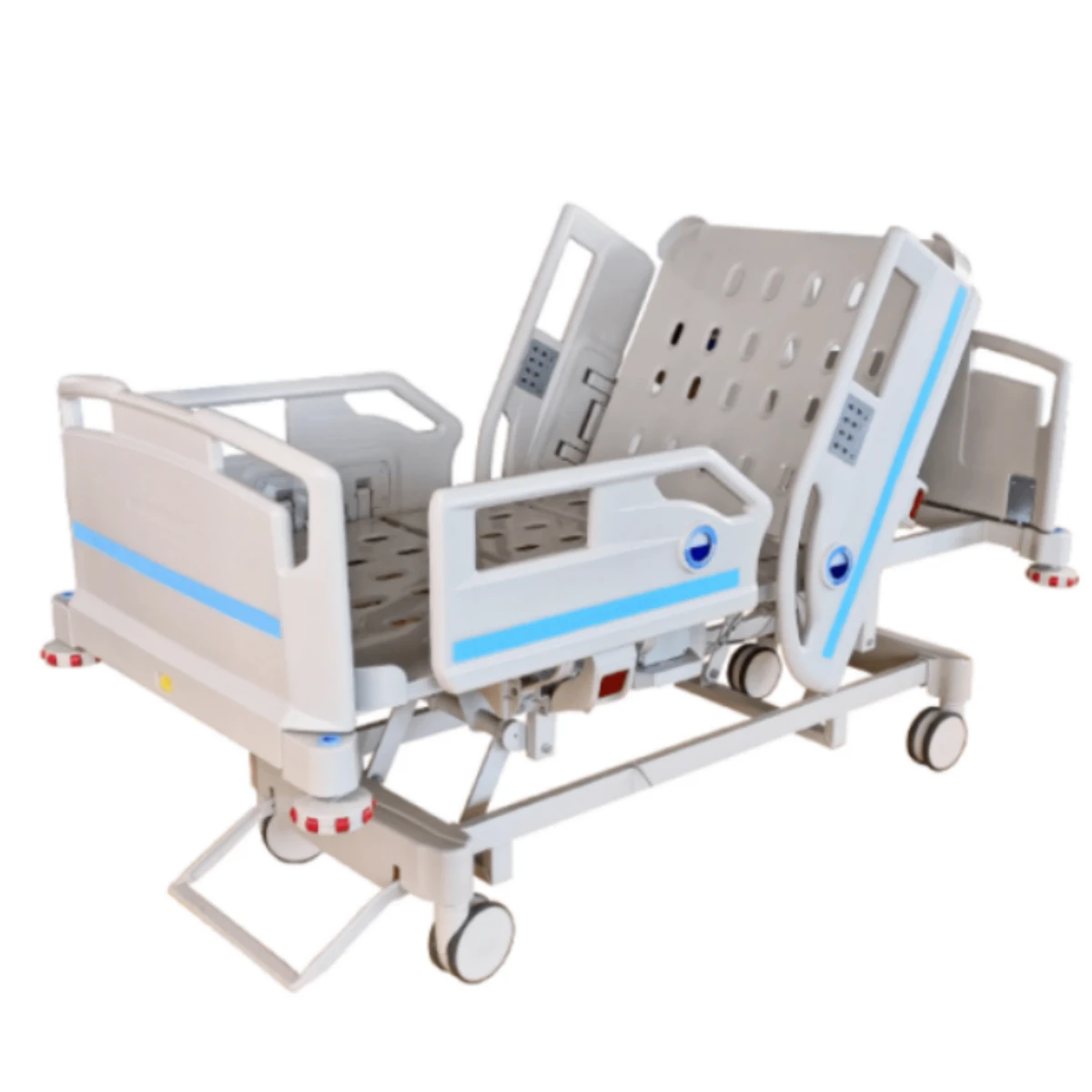
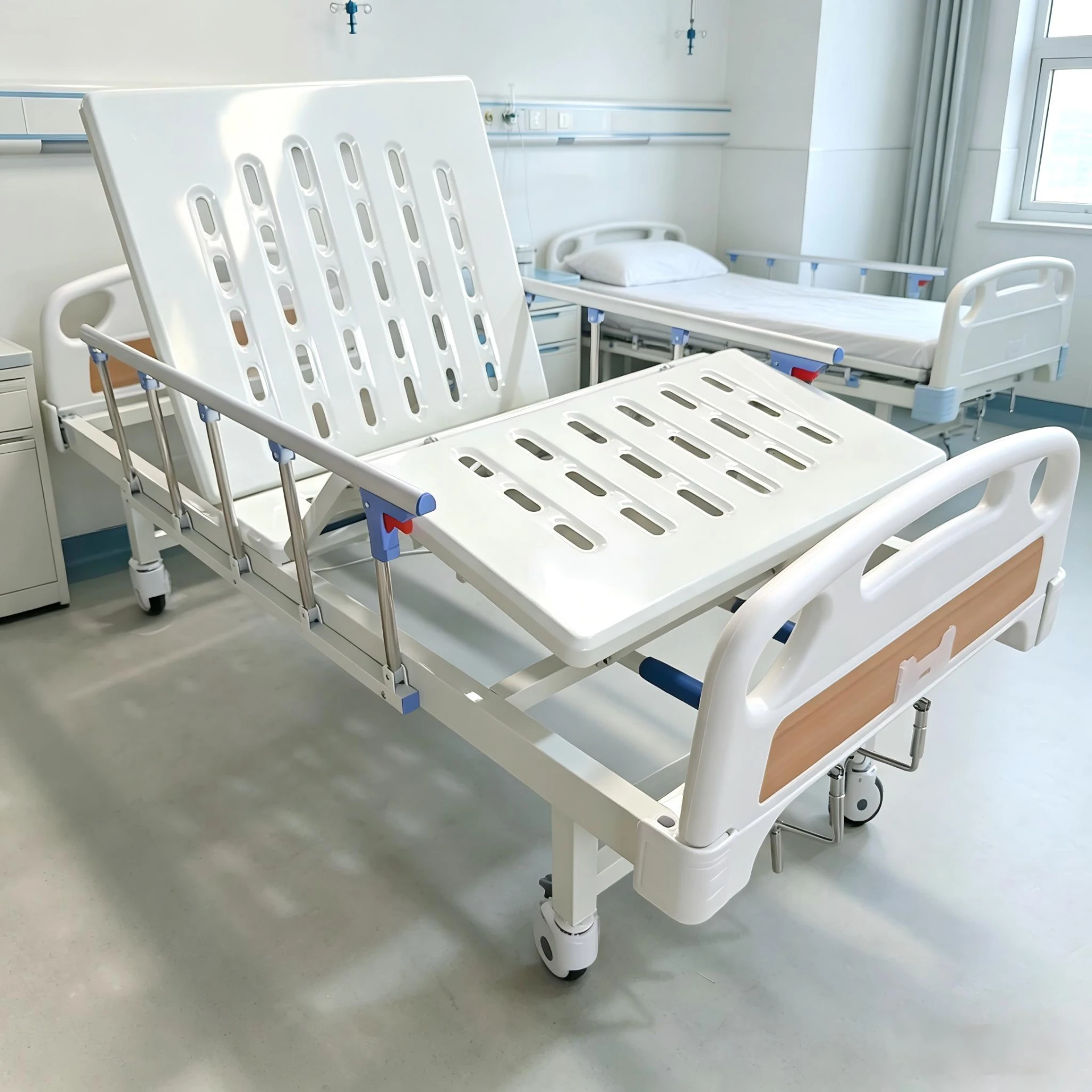
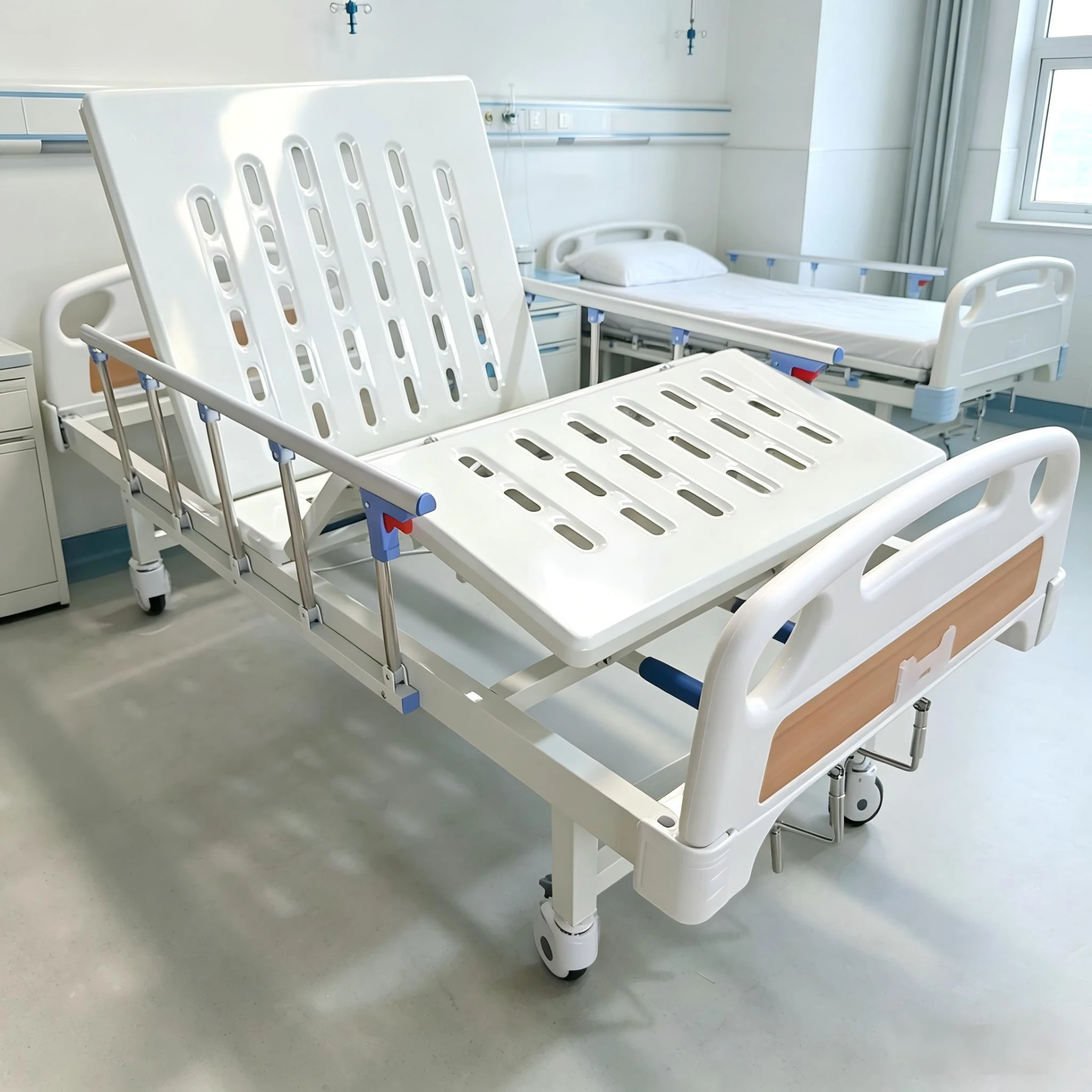
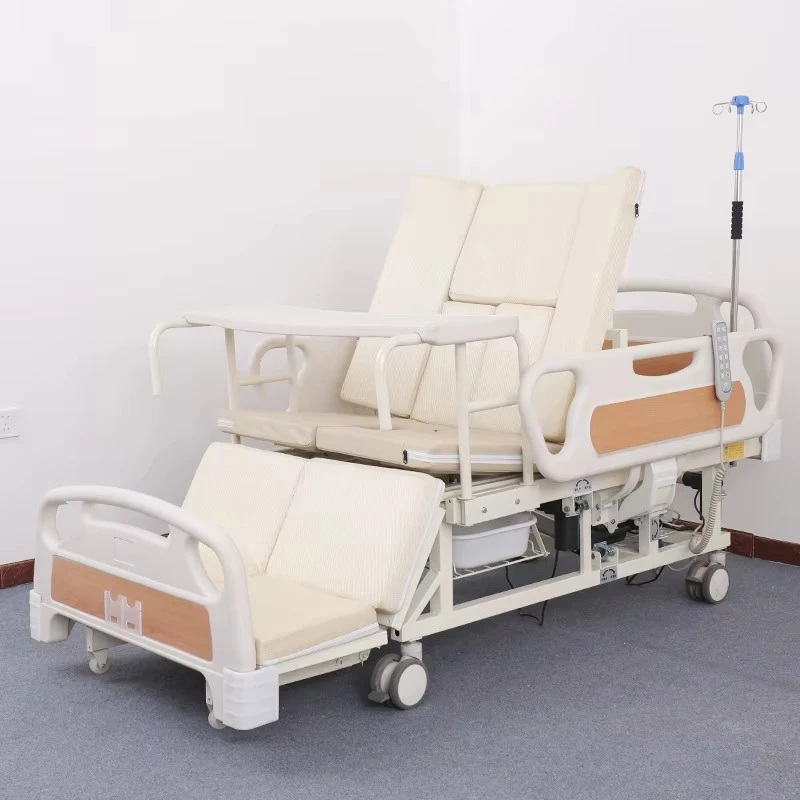
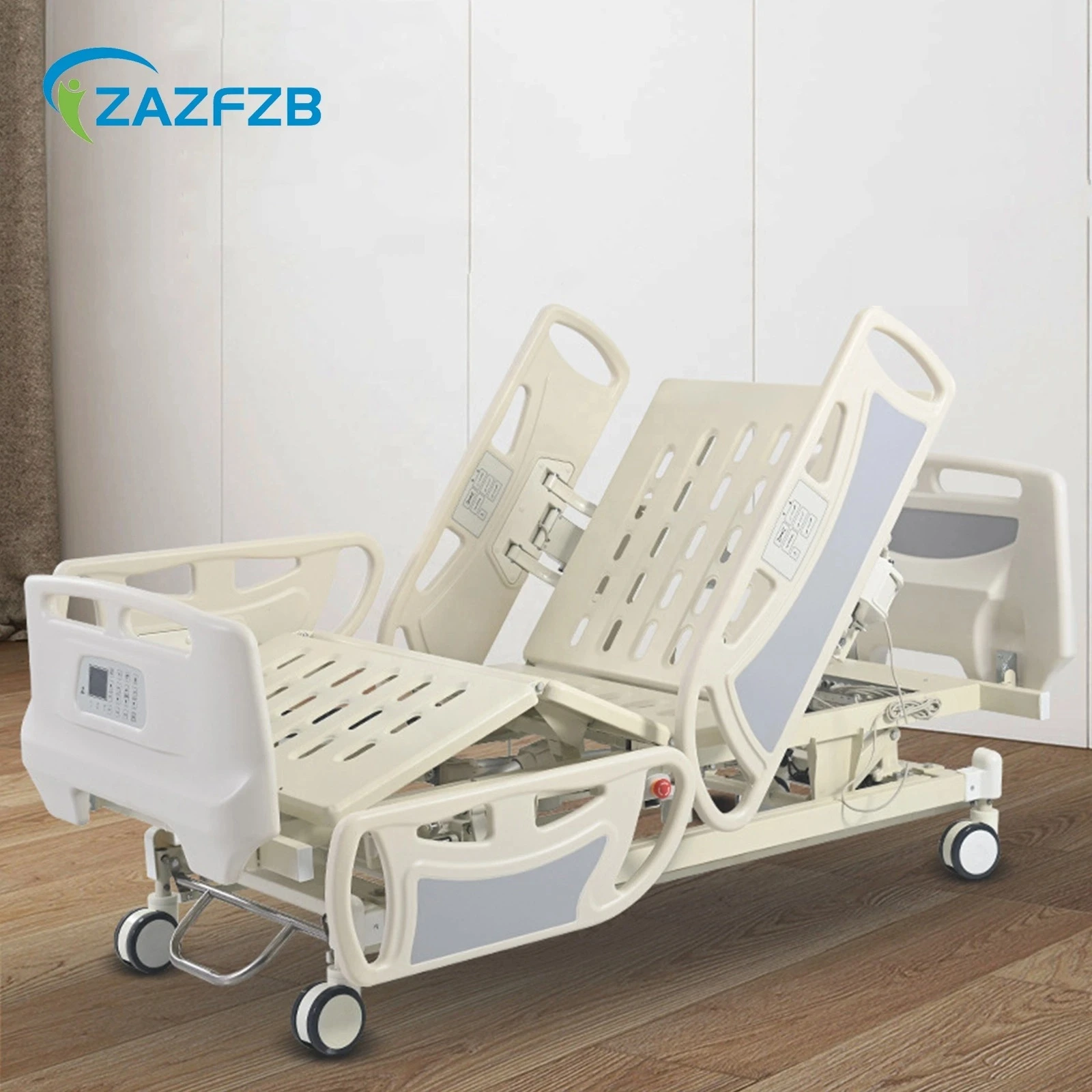
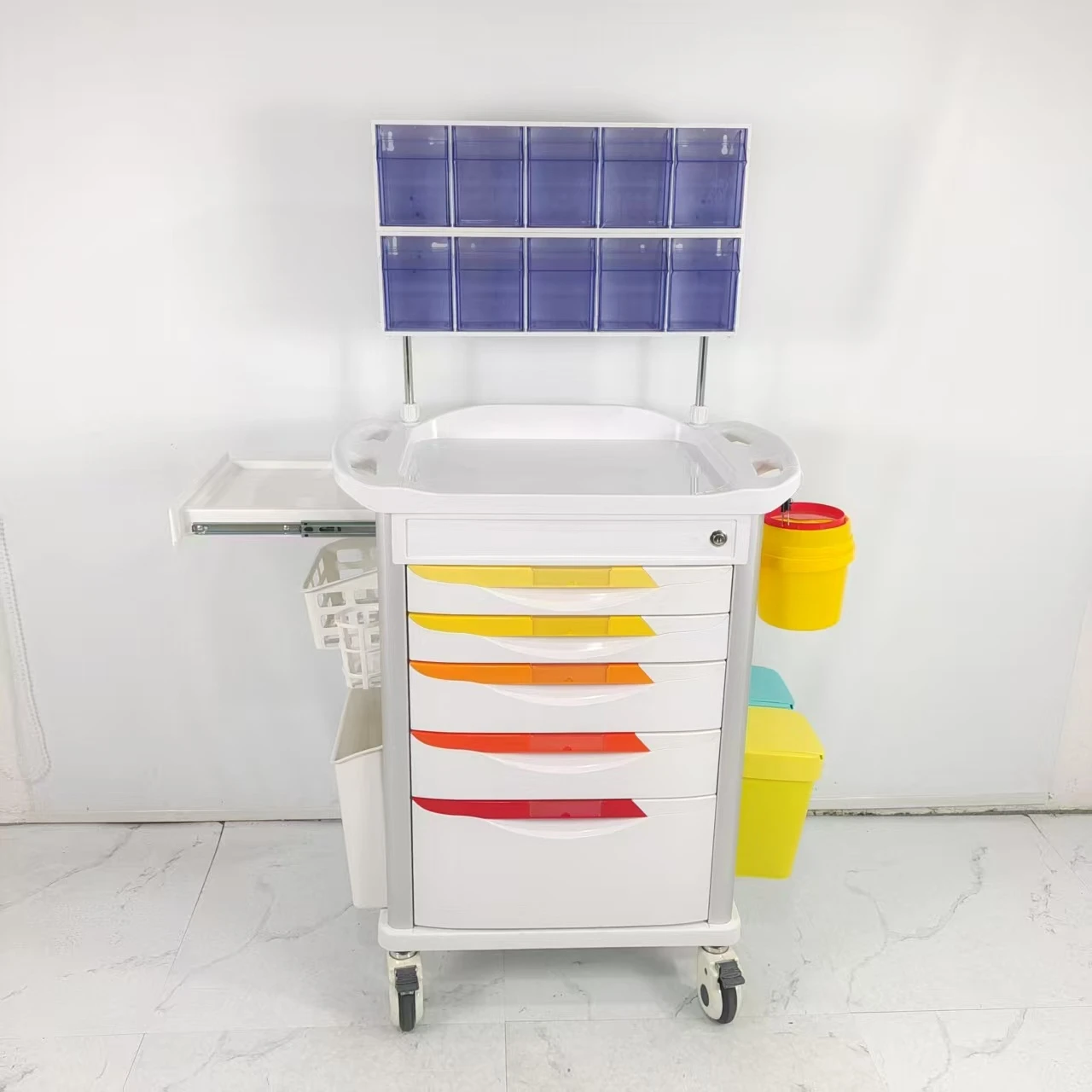
In some settings, beds need to accommodate specific patient needs — pediatrics, bariatrics, or isolation. A hospital bed supplier offering modular attachments like side rails, IV poles, or pressure-relieving mattresses adds real-world practicality.
6. After-Sales Support and Training
This often gets overlooked, but many hospitals rely on suppliers for installation, staff training, and maintenance — critical for bed longevity and safety.
---
How Hospital Bed Suppliers Support Healthcare Across the Globe
In the aftermath of natural disasters like earthquakes or floods, quick access to hospital beds can save countless lives. For example, in Southeast Asia’s 2018 typhoon season, temporary medical clinics stocked by agile hospital bed suppliers ensured field workers could treat patients under tough conditions.
In remote industrial zones such as mining camps in Australia or oilfields in Canada, modular medical units depend on durable beds from reliable suppliers to maintain continuous healthcare for workers who might be thousands of miles from city hospitals.
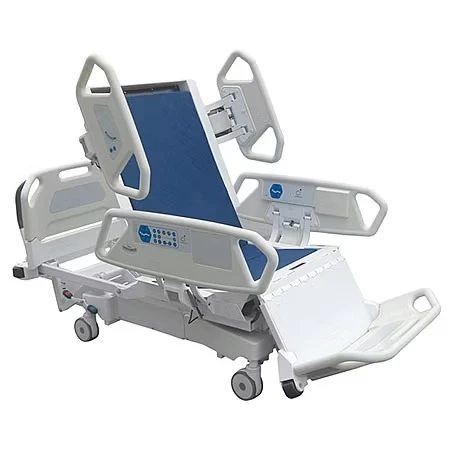
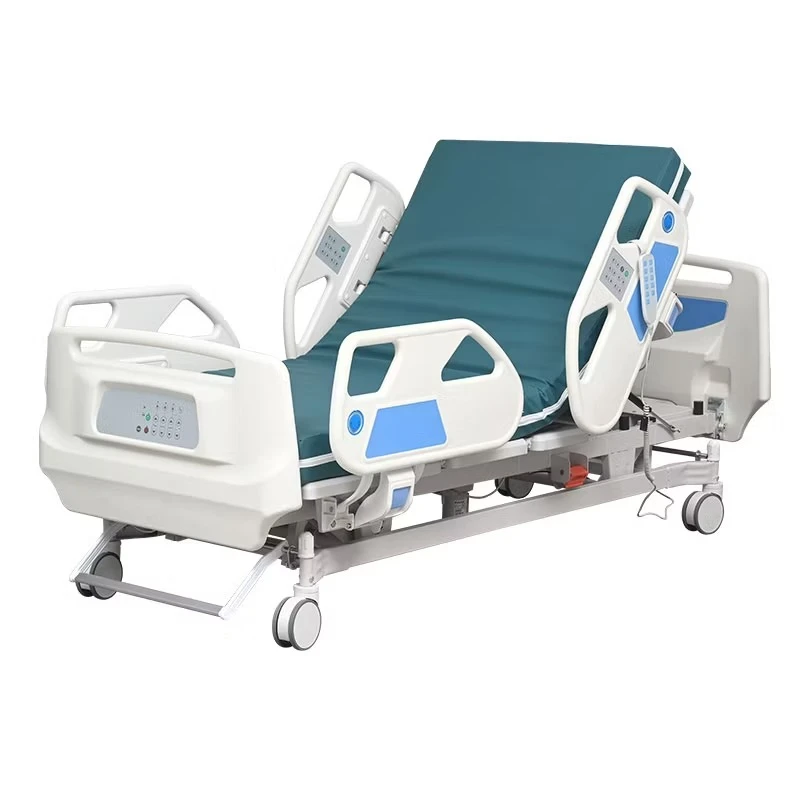
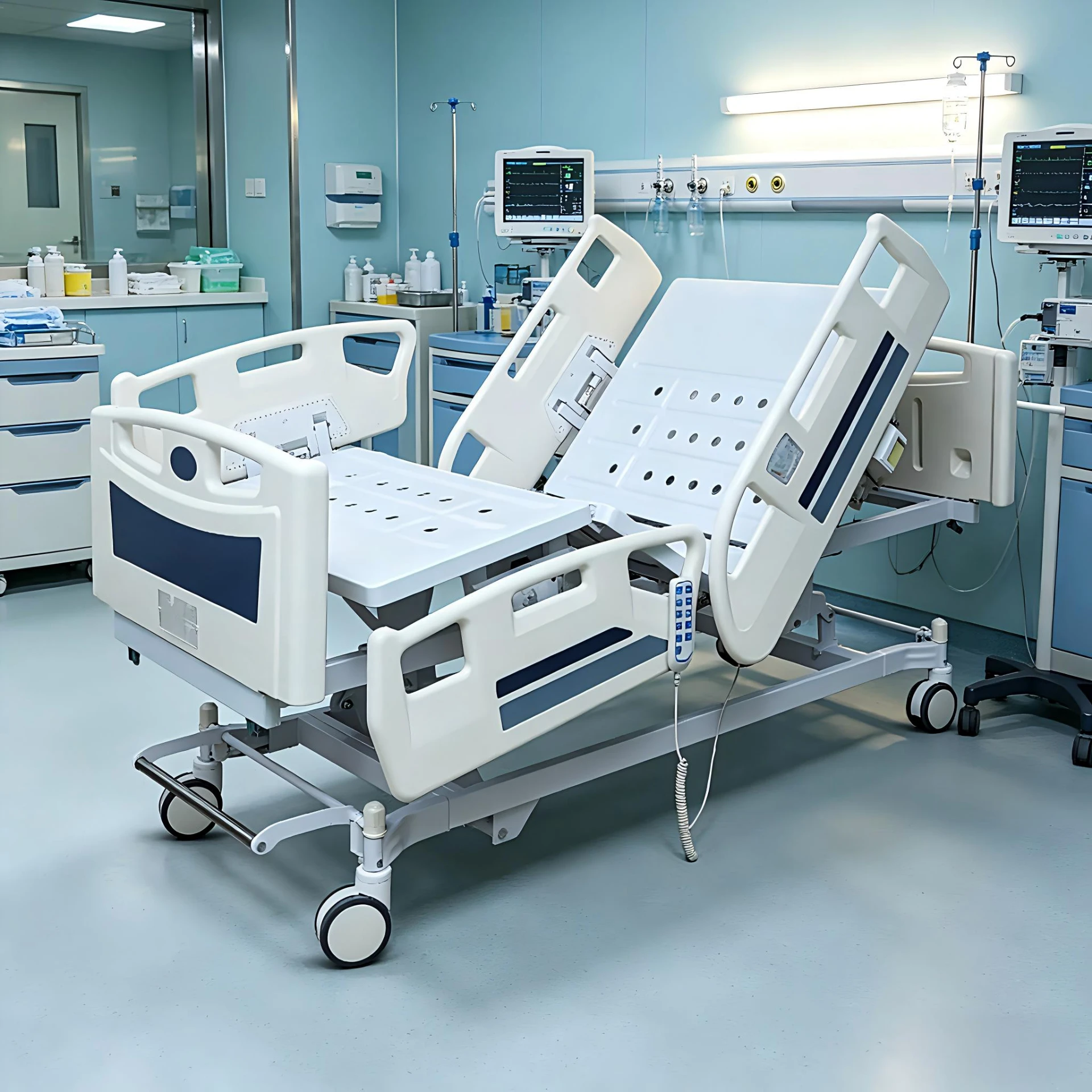
European hospitals, meanwhile, often require electric adjustable beds with advanced monitoring compatibility — an area where top-tier suppliers innovate aggressively.
Mini takeaway: Whether it’s crisis response, rural healthcare, or high-tech hospitals, hospital bed suppliers adapt solutions tailored to diverse environments and patient needs.
---
Advantages and Long-Term Benefits of Choosing the Right Hospital Bed Supplier
When hospitals invest in quality beds sourced from experienced suppliers, they save money in the long run through reduced downtime and repairs. More importantly, these beds boost staff efficiency — caregivers can reposition patients quickly, reducing injury risk for both parties.
Emotionally, patients feel more comfortable, secure, and dignified, which can accelerate recovery. Healthcare providers gain peace of mind, trusting that equipment meets strict safety criteria.
From a social standpoint, hospital beds designed with sustainability in mind — recyclable components or energy-efficient motors — also contribute to greener healthcare facilities, something we all hope becomes standard soon.
---
What Does the Future Hold for Hospital Bed Suppliers?
The future is bright and, surprisingly, quite digital. Smart beds equipped with IoT sensors can monitor patient vitals, alert staff to movements, and even integrate with hospital records. Automation and AI-driven adjustments tailored to patient comfort are emerging.
Sustainability is also key. Suppliers are exploring biodegradable plastics, solar-powered motors, and designs that make refurbishing easier, reducing waste.
Global policies hint at stricter regulation around bed hygiene, pushing suppliers to innovate antimicrobial surfaces and hands-free controls. The good old hospital bed is quietly transforming into a high-tech marvel.
---
Common Challenges Hospital Bed Suppliers Face — and How They’re Tackled
One perennial issue is balancing affordability with advanced features. Many suppliers resolve this by offering modular beds: basic units that can upgrade stepwise as budgets allow.
Another challenge is logistics — getting bulky beds quickly to remote or disaster zones. Partnerships with local manufacturers and flexible supply chains improve responsiveness.
Finally, training end-users remains vital. Some suppliers now embed augmented reality manuals and virtual workshops, easing learning curves.
---
FAQ: What You Usually Want to Know About Hospital Bed Suppliers
Q1: How do I know if a hospital bed supplier meets quality standards?
A1: Verify certifications like ISO 13485 or FDA approvals. Also, seek references or case studies showing performance in similar facilities.
Q2: Can hospital bed suppliers provide customization for special patient needs?
A2: Yes, many offer modular designs and accessories tailored to pediatrics, bariatrics, or isolation requirements, improving patient care.
Q3: What’s the typical lead time for bed delivery from suppliers?
A3: It varies widely — from weeks for standard models to months for specialized or custom orders. Planning is key.
Q4: Are modern hospital beds energy efficient?
A4: Increasingly so. Many use low-energy motors and standby modes, reflecting a push for greener medical equipment.
Q5: Can suppliers help with maintenance and training?
A5: Absolutely. After-sales support is often part of the package, including user training and repair services.
---
Hospital Bed Supplier Comparison: What to Look For
| Supplier |
Core Strength |
Customization |
Certifications |
Global Reach |
| Zhaofa Med |
Modular products & fast delivery |
High |
ISO 13485, CE |
Asia, Americas, Europe |
| MediBeds Global |
Luxury electric models |
Medium |
FDA, ISO 13485 |
North America, Europe |
| CareWell Supplies |
Affordable basic beds |
Low |
CE |
Africa, Asia |
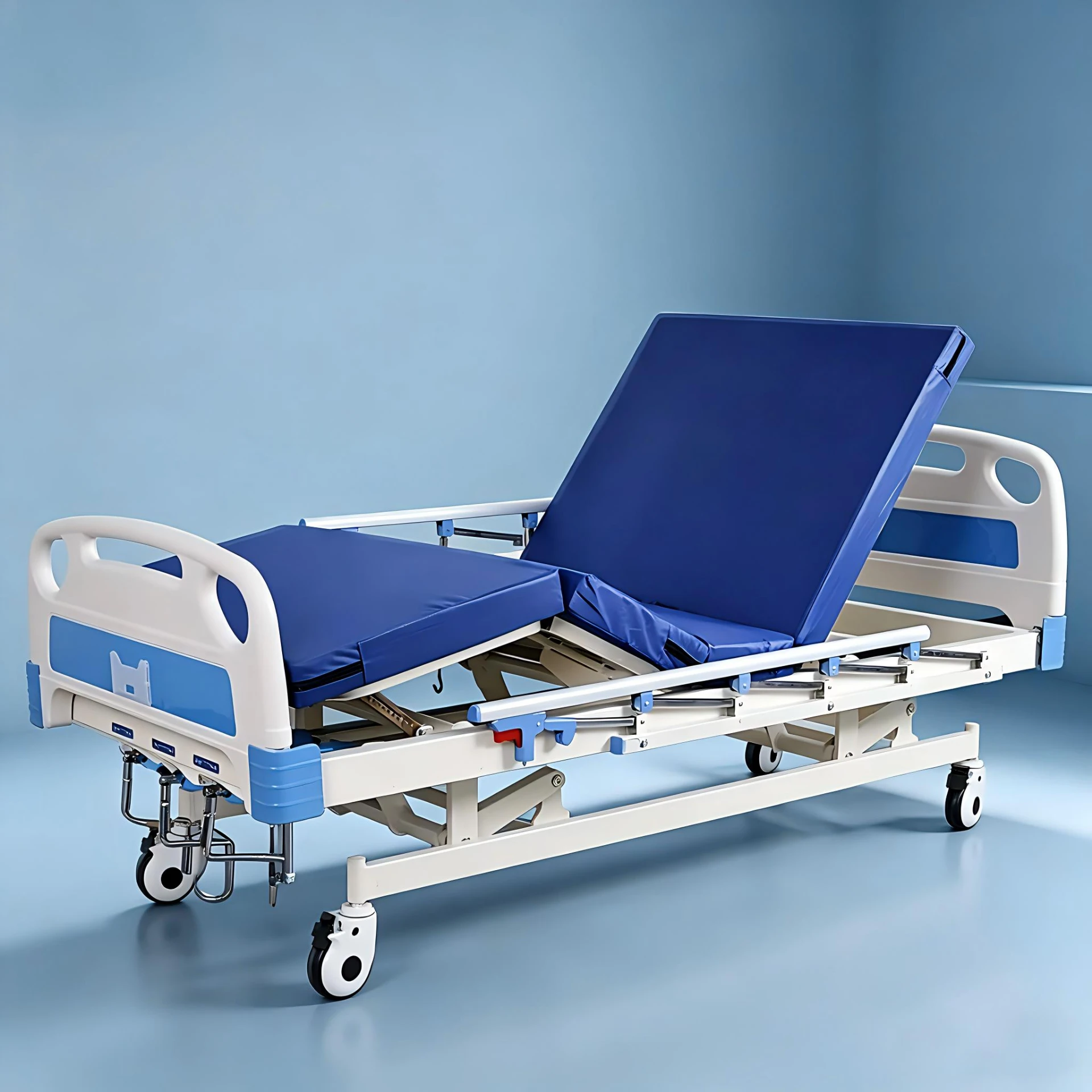
Hospital Bed Specification Overview
| Specification |
Typical Value |
Notes |
| Weight Capacity |
250-350 kg |
Depends on model and design |
| Height Adjustments |
40-80 cm |
Manual or electric |
| Backrest Tilt Angle |
0-70 degrees |
Supports patient comfort |
| Side Rails |
Up to 4 |
Optional, for patient safety |
| Power Source |
Battery + Mains supply |
Ensures functionality during power loss |
---
Final Thoughts
It’s a bit unexpected, isn’t it? How the hospital bed supplier sector quietly holds the backbone of healthcare worldwide. From war zones to luxury clinics, the right hospital bed supplier ensures beds that protect, serve, and adapt—fundamental to care itself. If you’re looking for trustworthy partners in this space, don’t overlook
hospital bed supplier expertise that blends quality, customization, and global reach. In real terms, a solid bed supplier is part of the healing process itself.
---
References & Further Reading
- World Health Organization (WHO) - Health Systems
- Wikipedia - Hospital bed
- ISO 13485 - Medical devices