Leading Hospital Bed Manufacturer - Durable Medical Beds & Custom Solutions
The Essential Role of a Hospital Bed Manufacturer in Today’s Healthcare Landscape
When you think about healthcare infrastructure, the hospital bed manufacturer might not be the first topic on your mind. Yet, these companies play a crucial and sometimes undervalued role in how hospitals operate worldwide. With the growing global population and increased demand for quality healthcare, understanding the role of hospital bed manufacturers opens a window into how patient comfort, safety, and treatment efficacy are all influenced by this niche manufacturing sector.
Hospital Bed Manufacturing: A Global Industry with Global Impact
Here’s a quick snapshot to set the stage: according to the World Health Organization, hospital bed density is a critical indicator of health system capacity, with many developing nations striving to increase access. A WHO report highlights available hospital beds per 1,000 people as a marker of readiness against pandemics or medical crises. This is where hospital bed manufacturers step in — delivering essential equipment tailored to both high-tech urban hospitals and modest rural community centers.
Yet, as global health crises like COVID-19 have shown, supply chain disruptions and demand spikes challenge manufacturers to keep up, stressing the need for scalable and agile production capabilities. This represents an ongoing puzzle for hospital bed producers worldwide.
What Exactly Does a Hospital Bed Manufacturer Do?
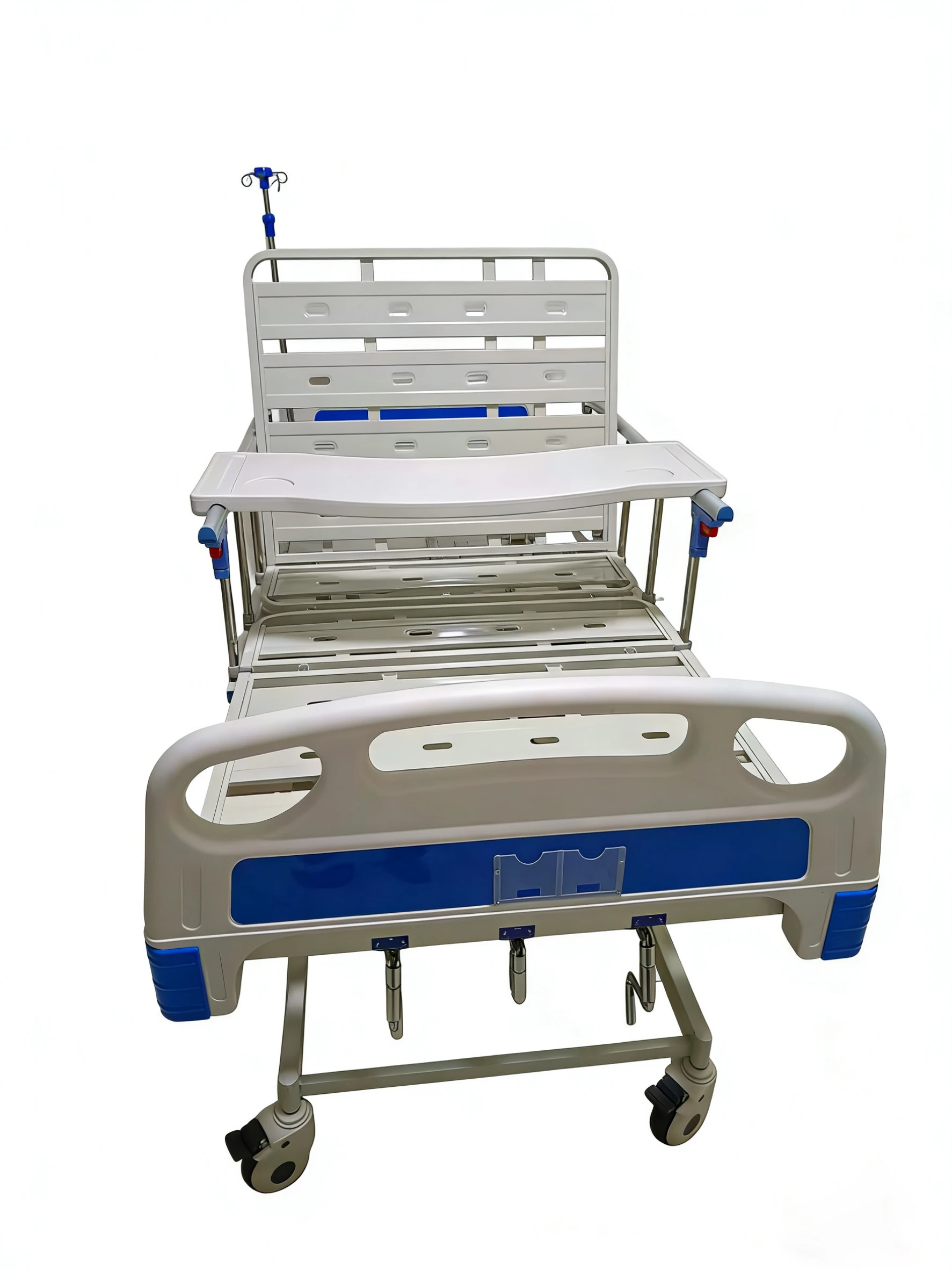
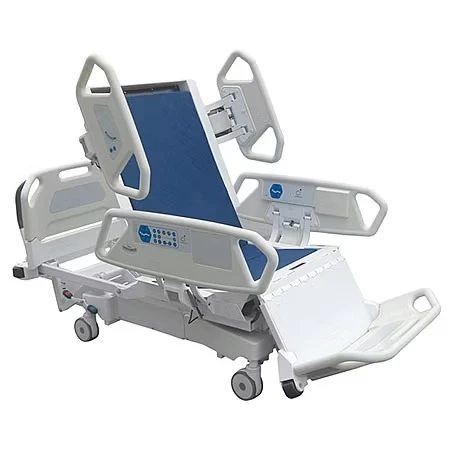
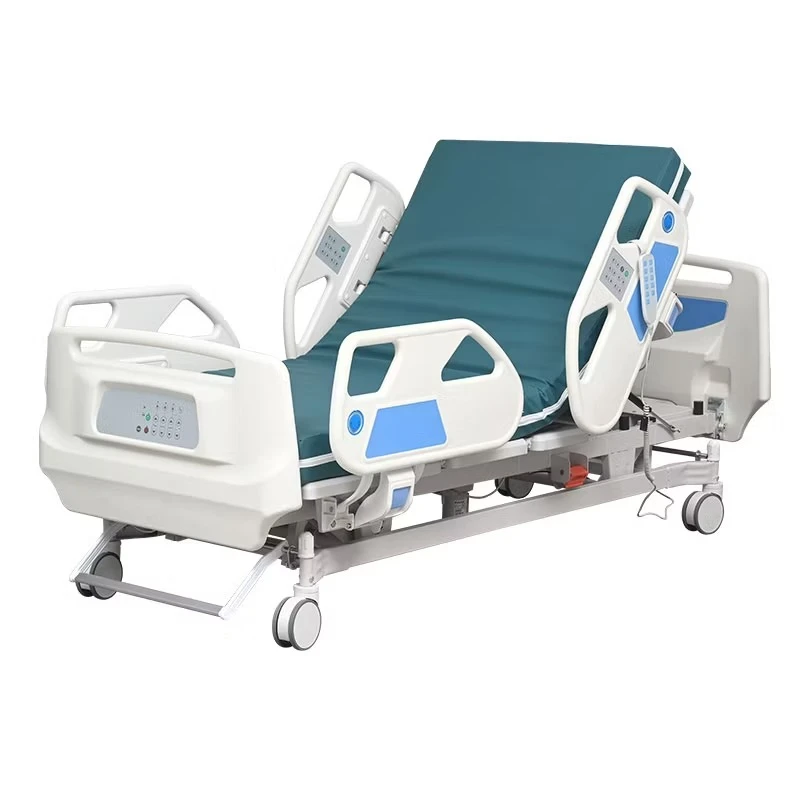
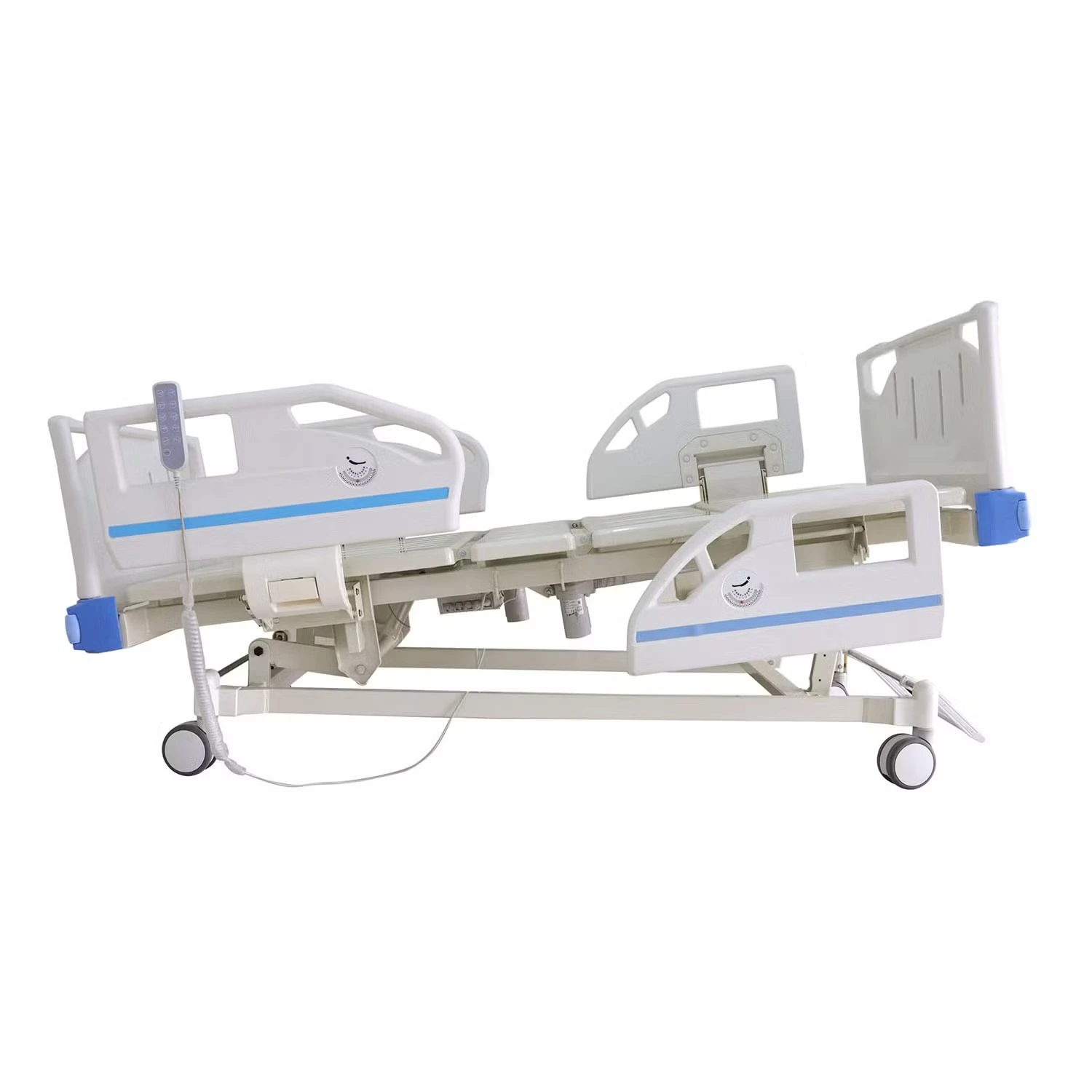
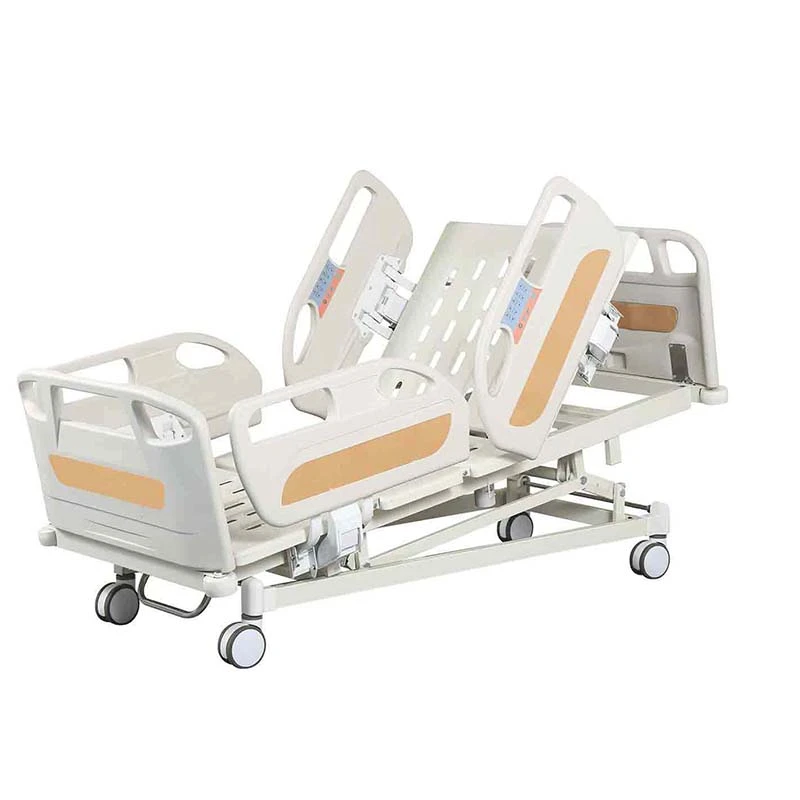
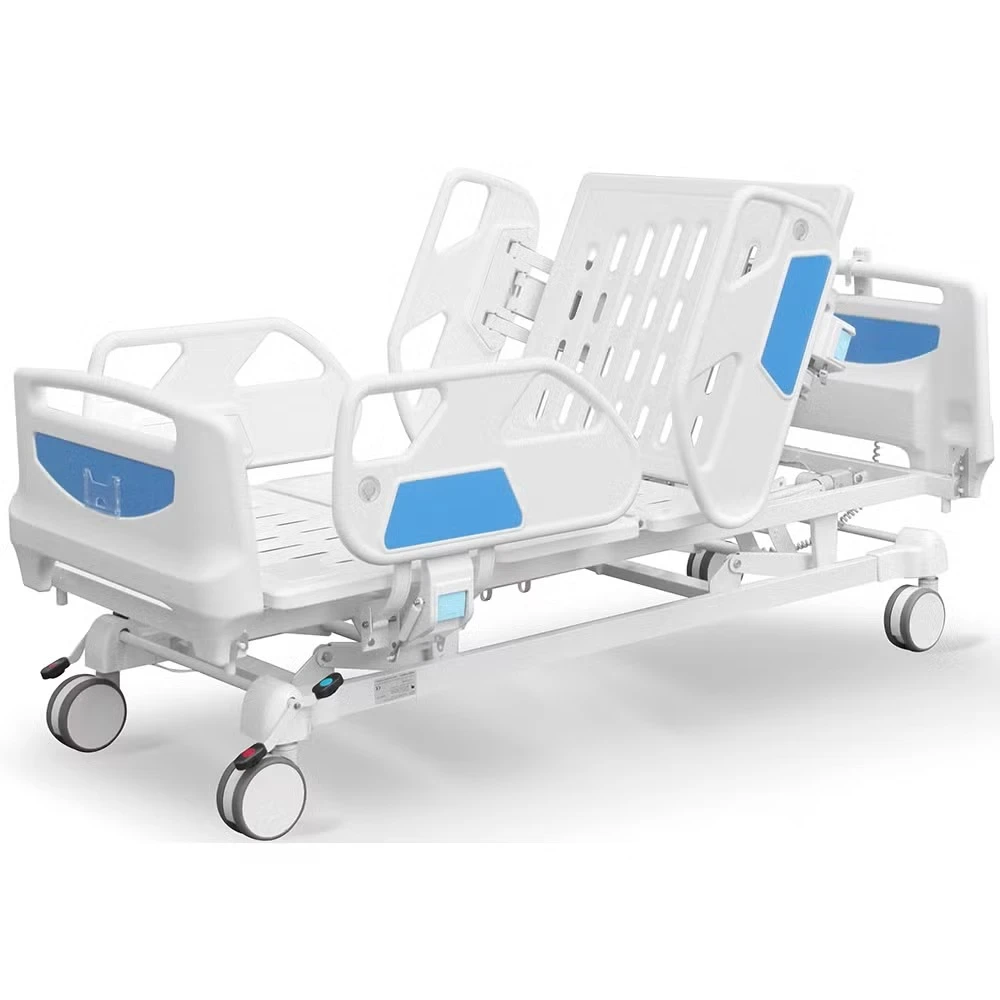
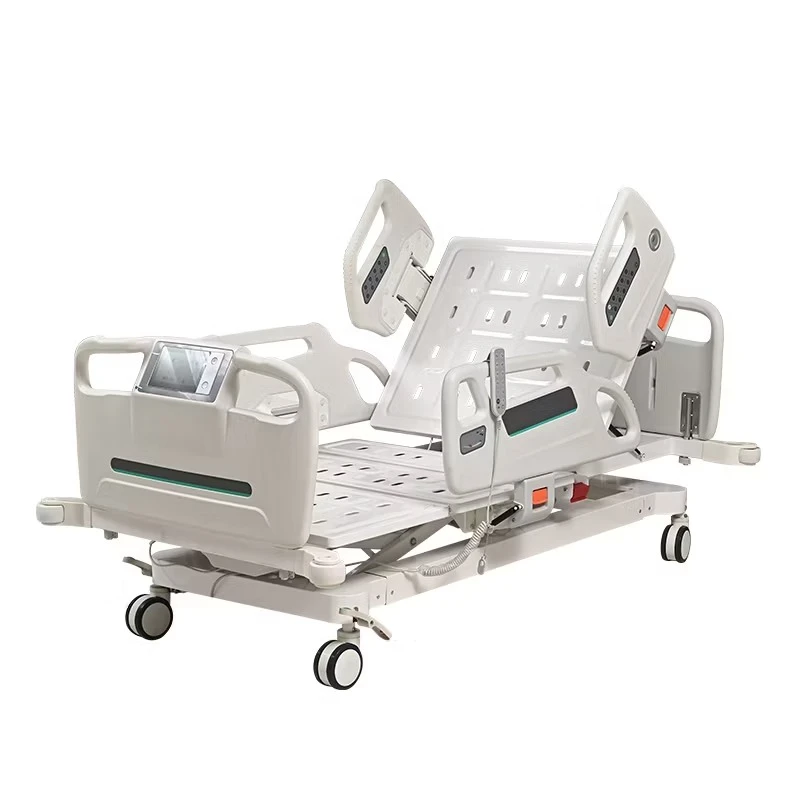
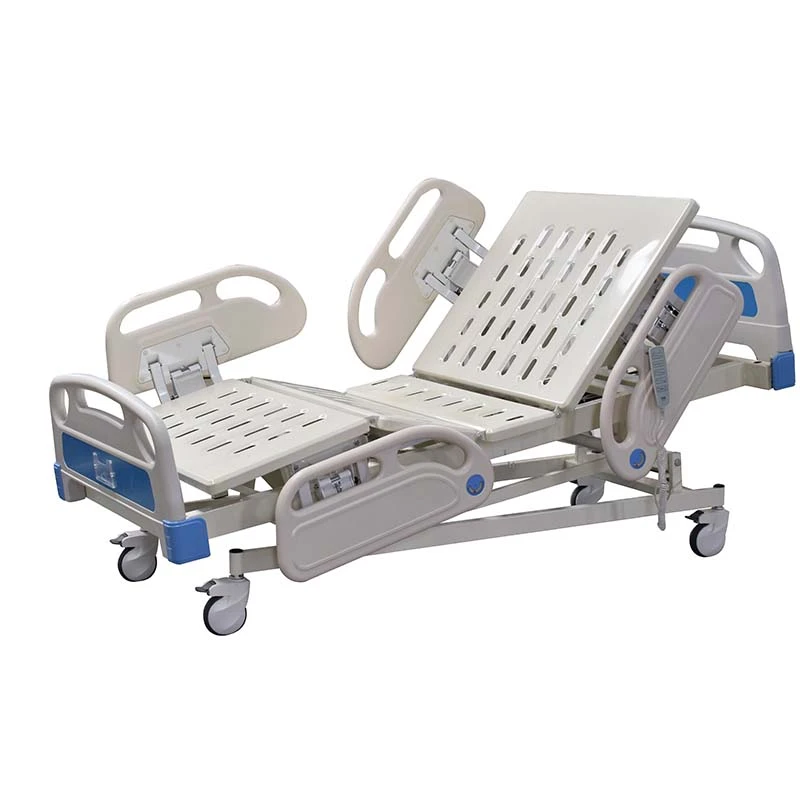
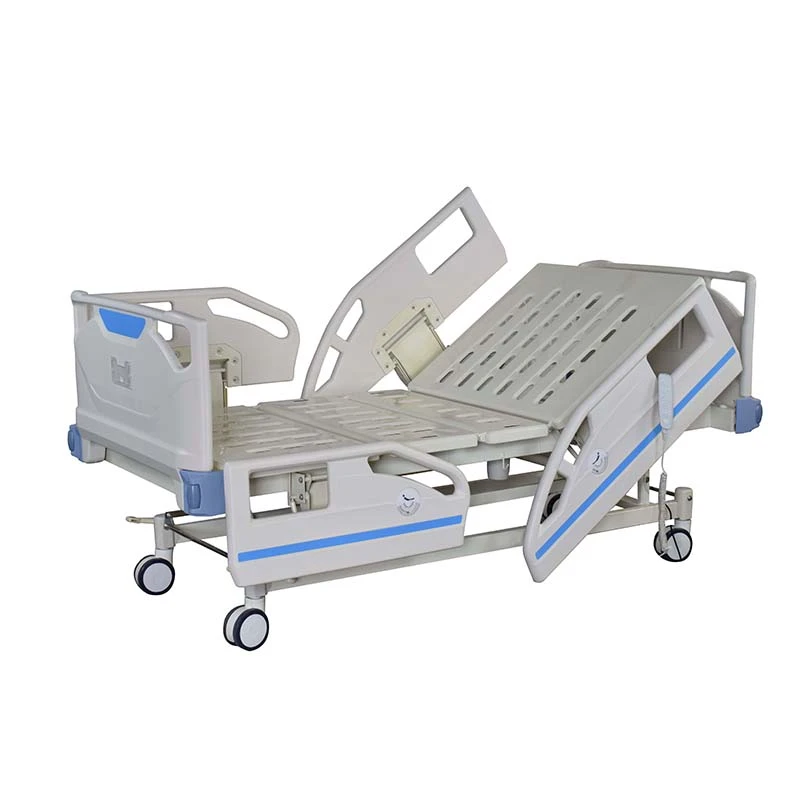
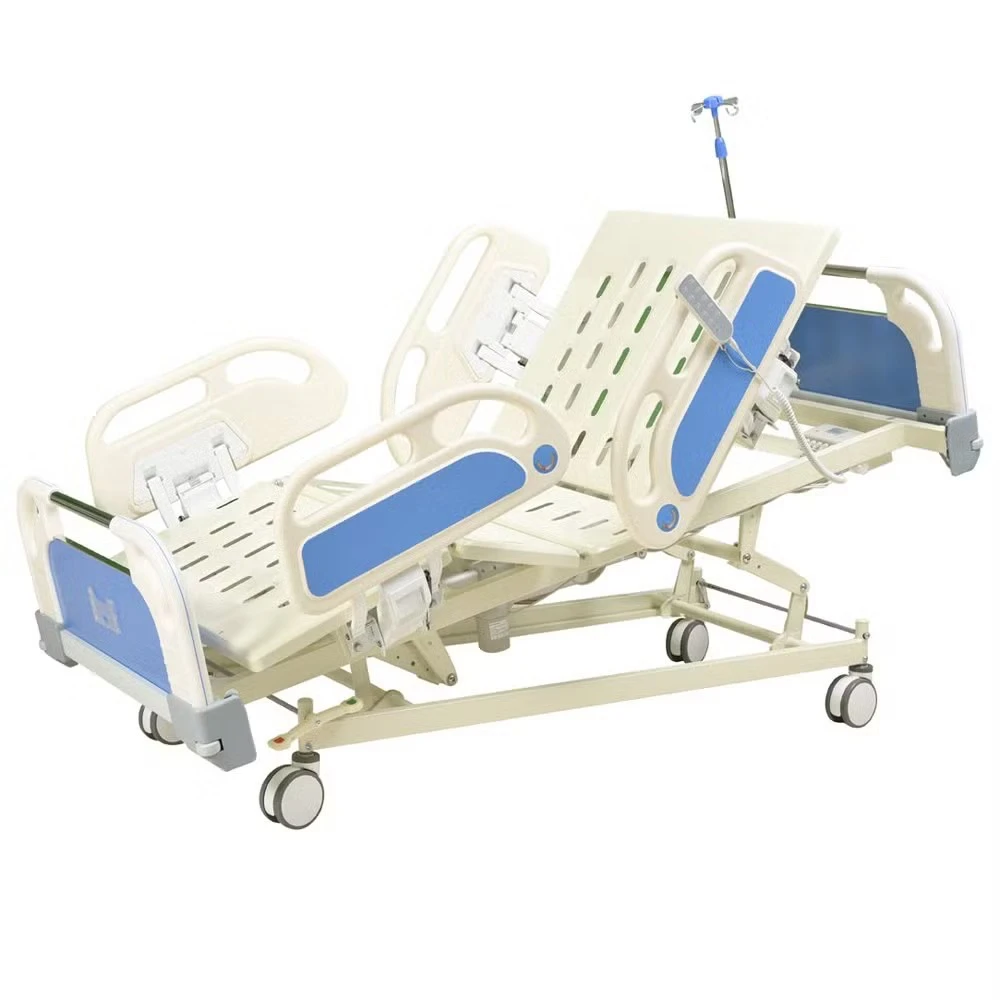
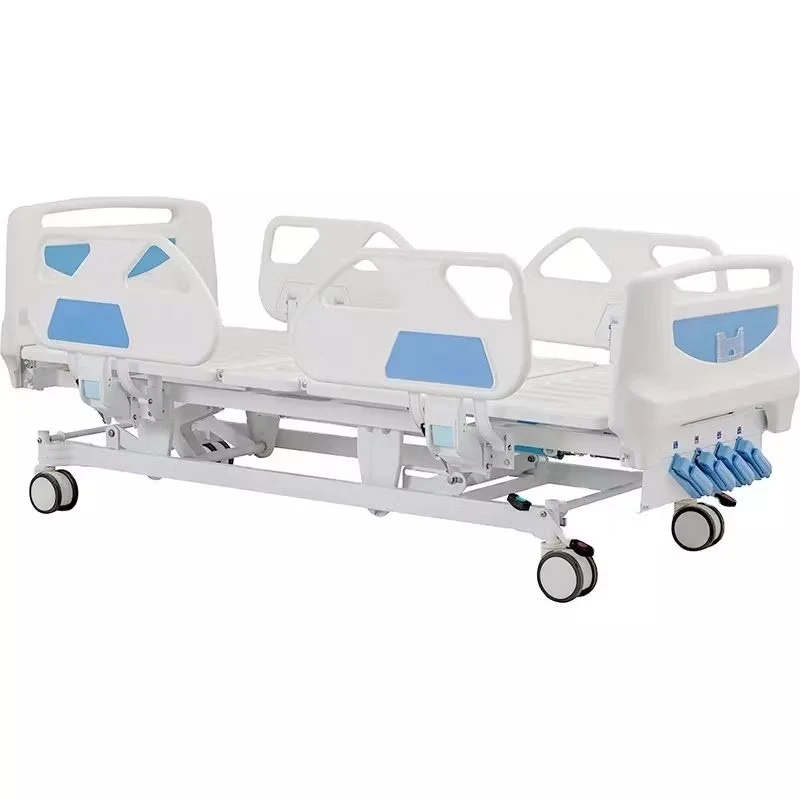
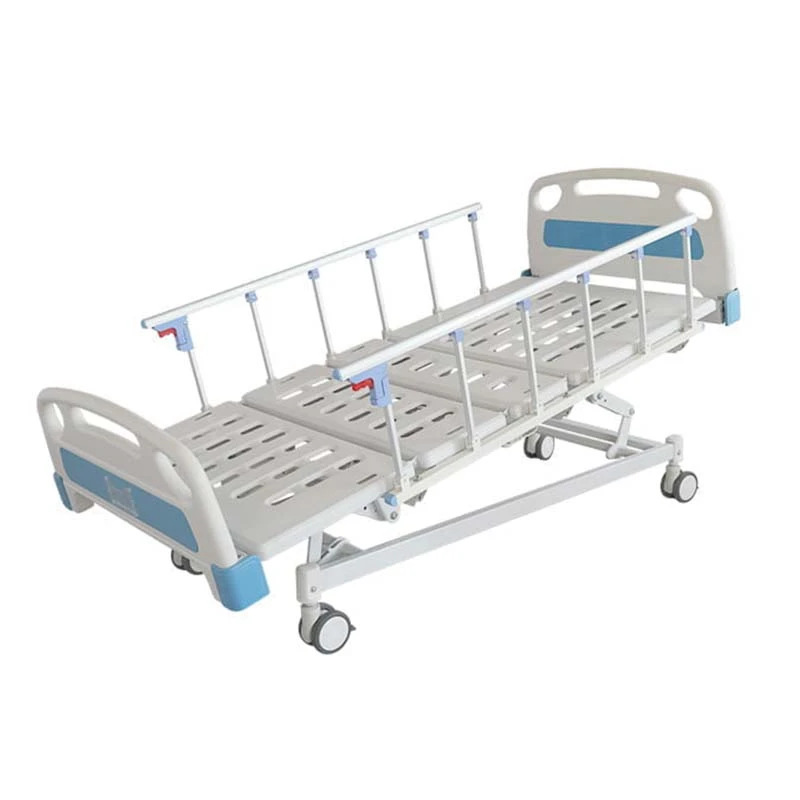
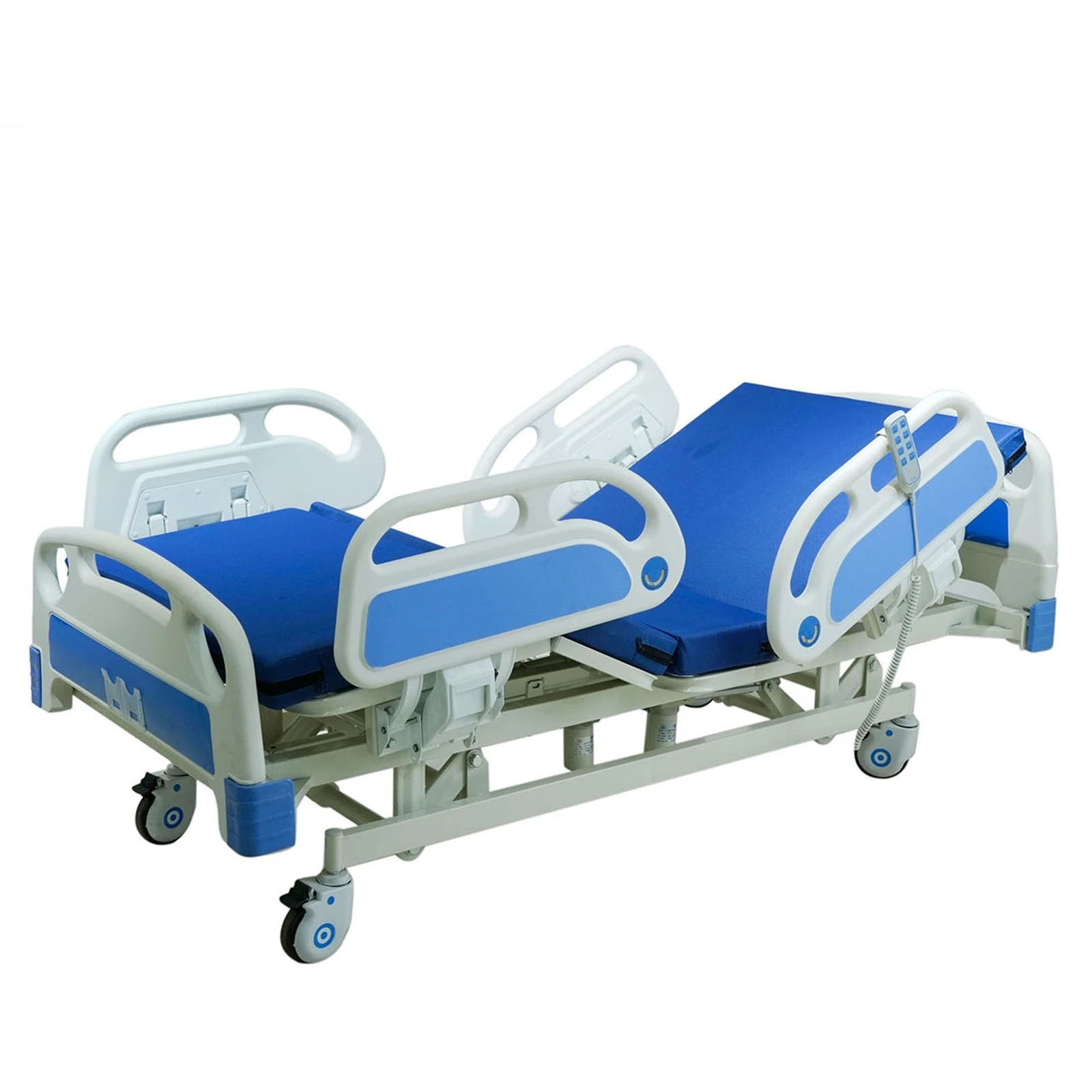
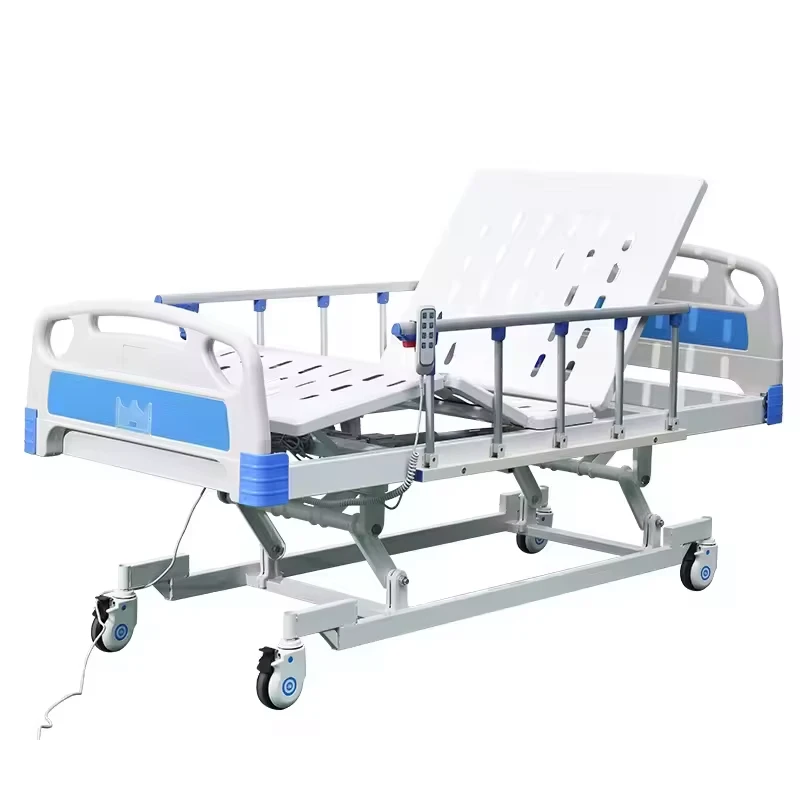
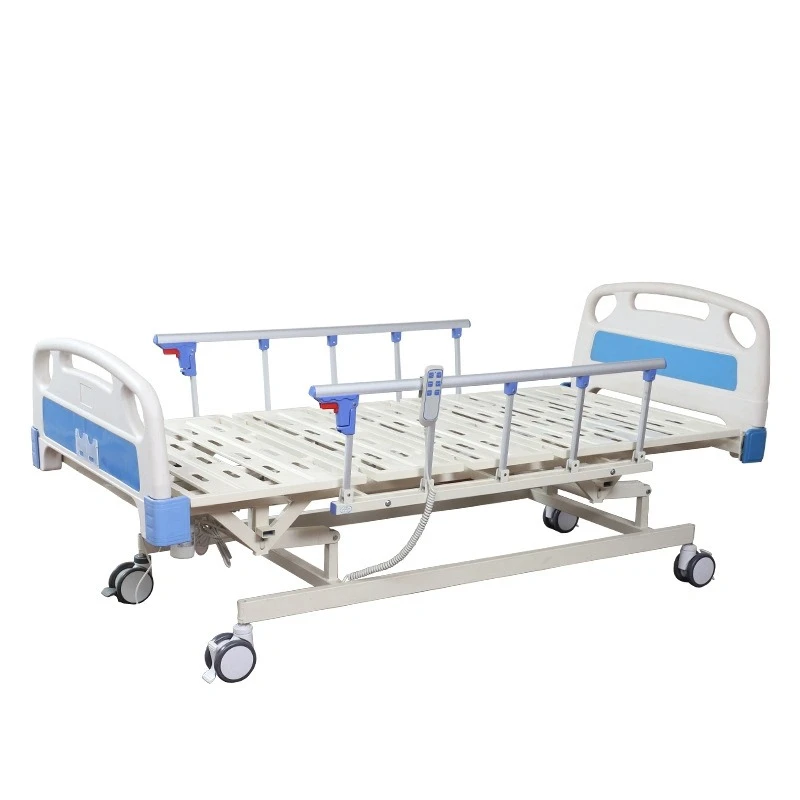
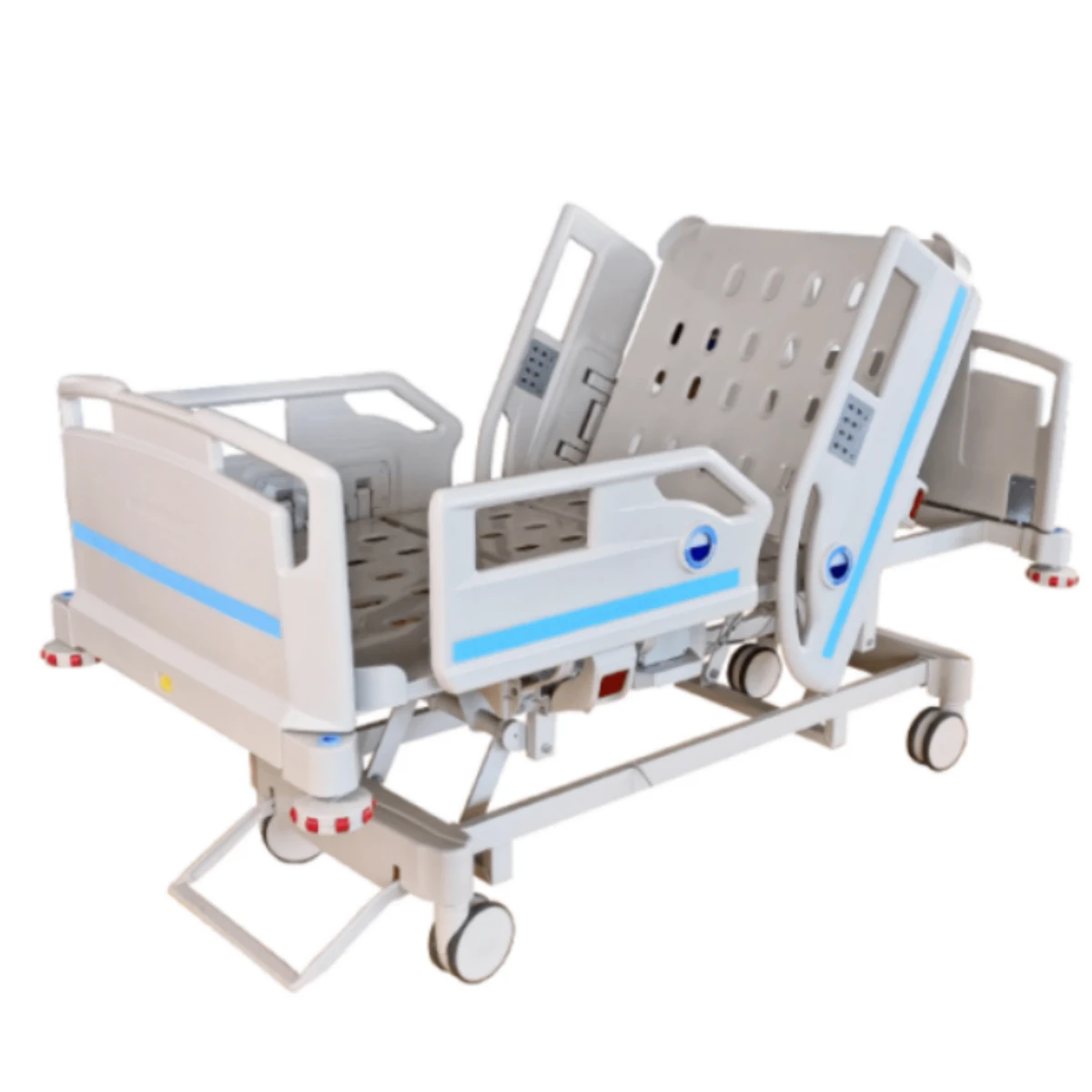
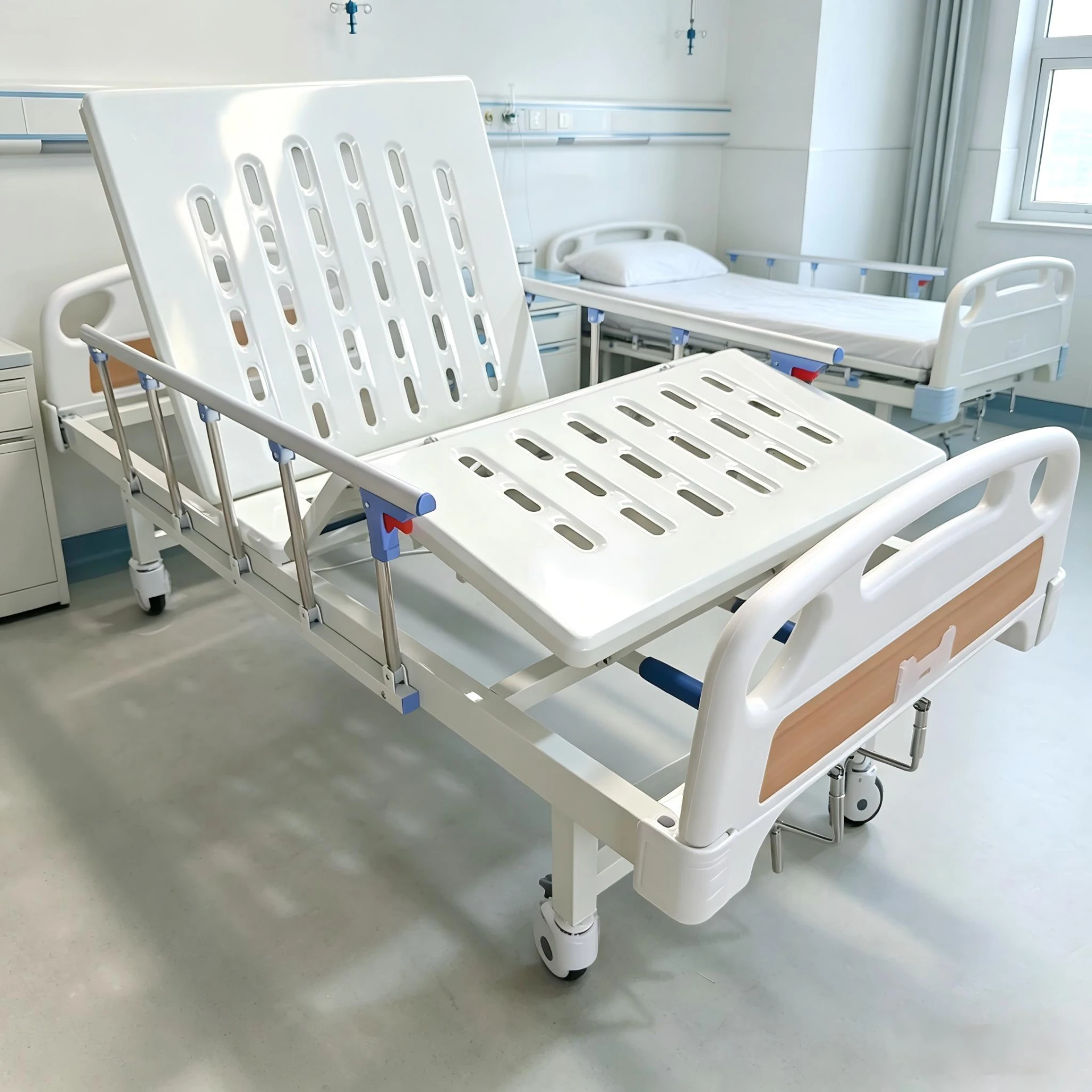
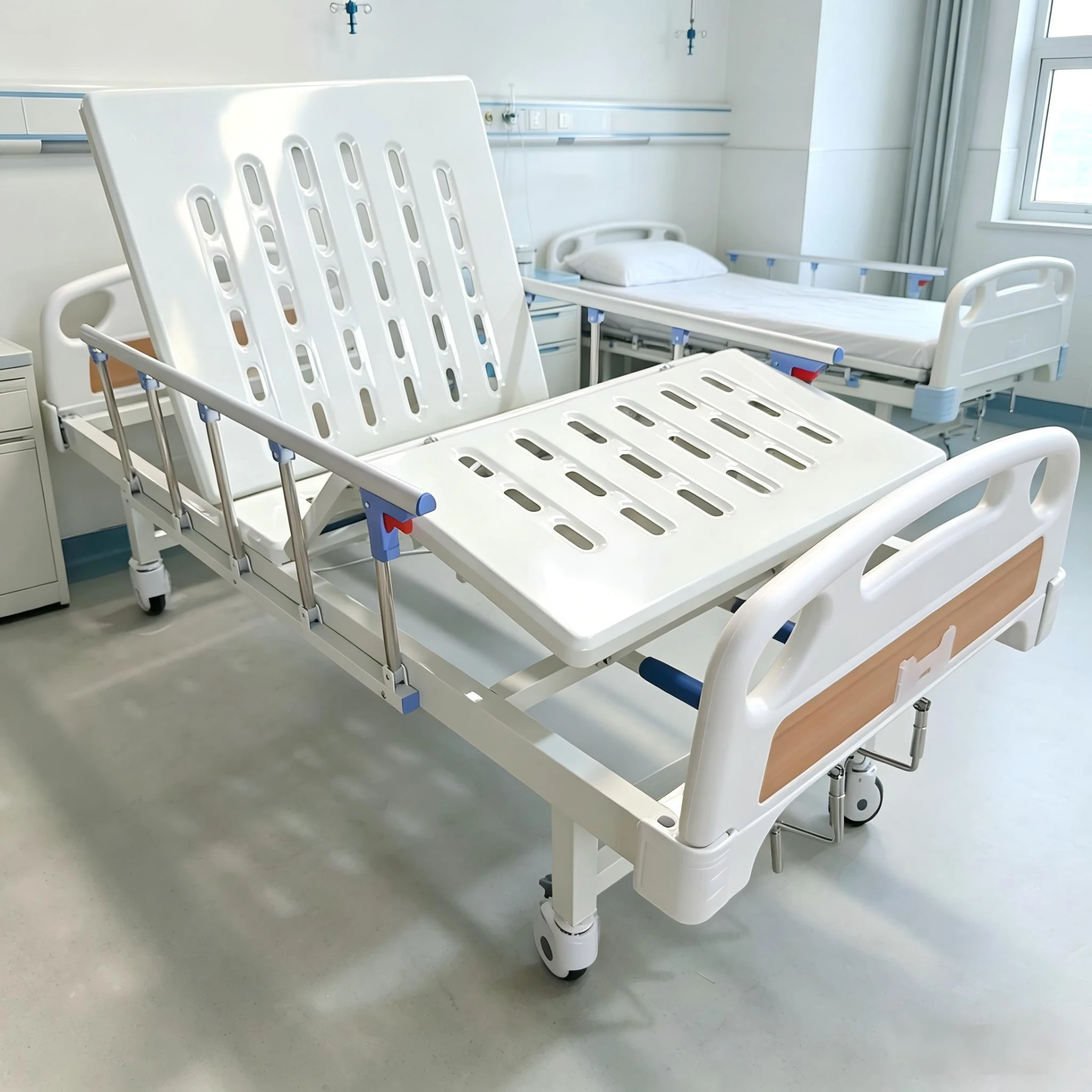
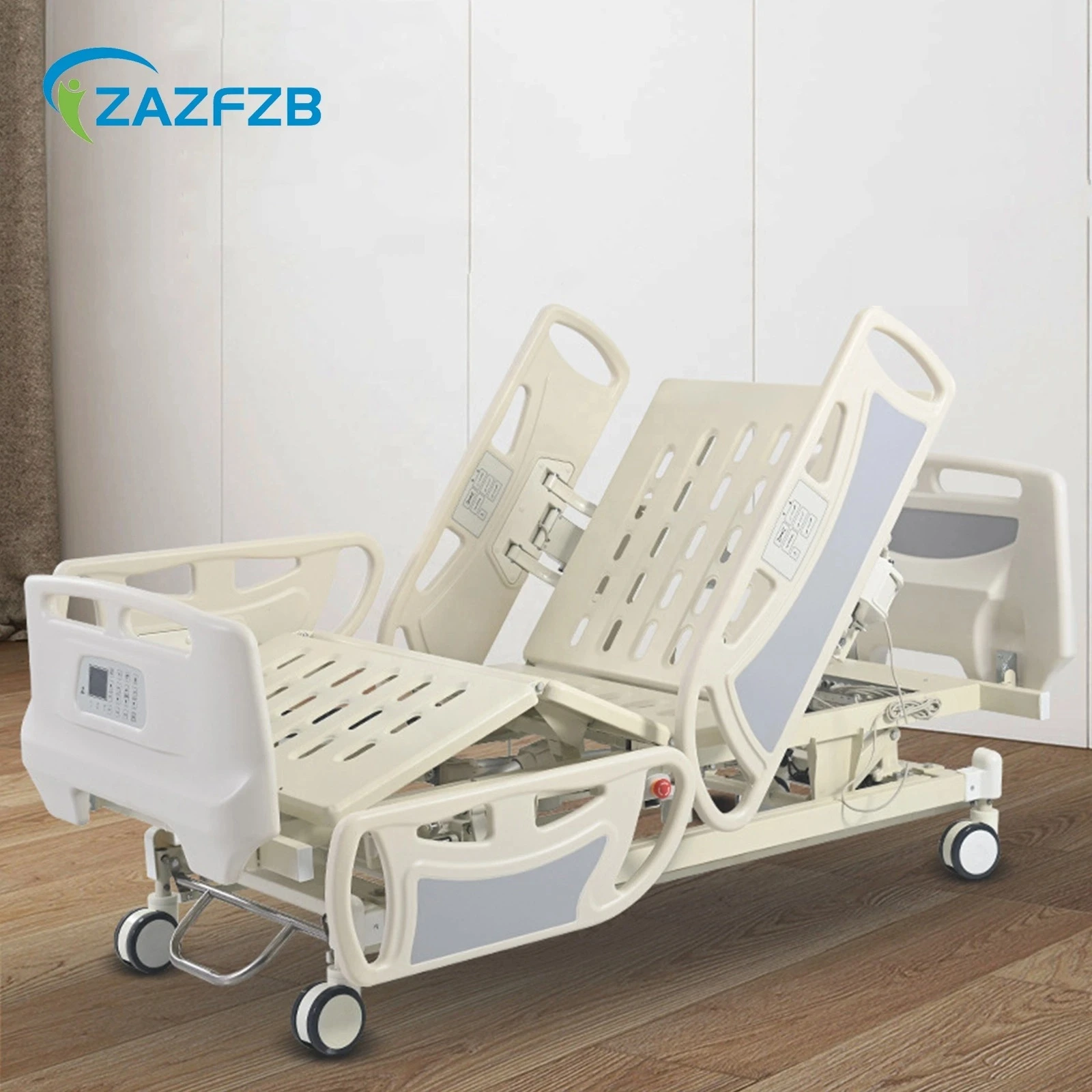
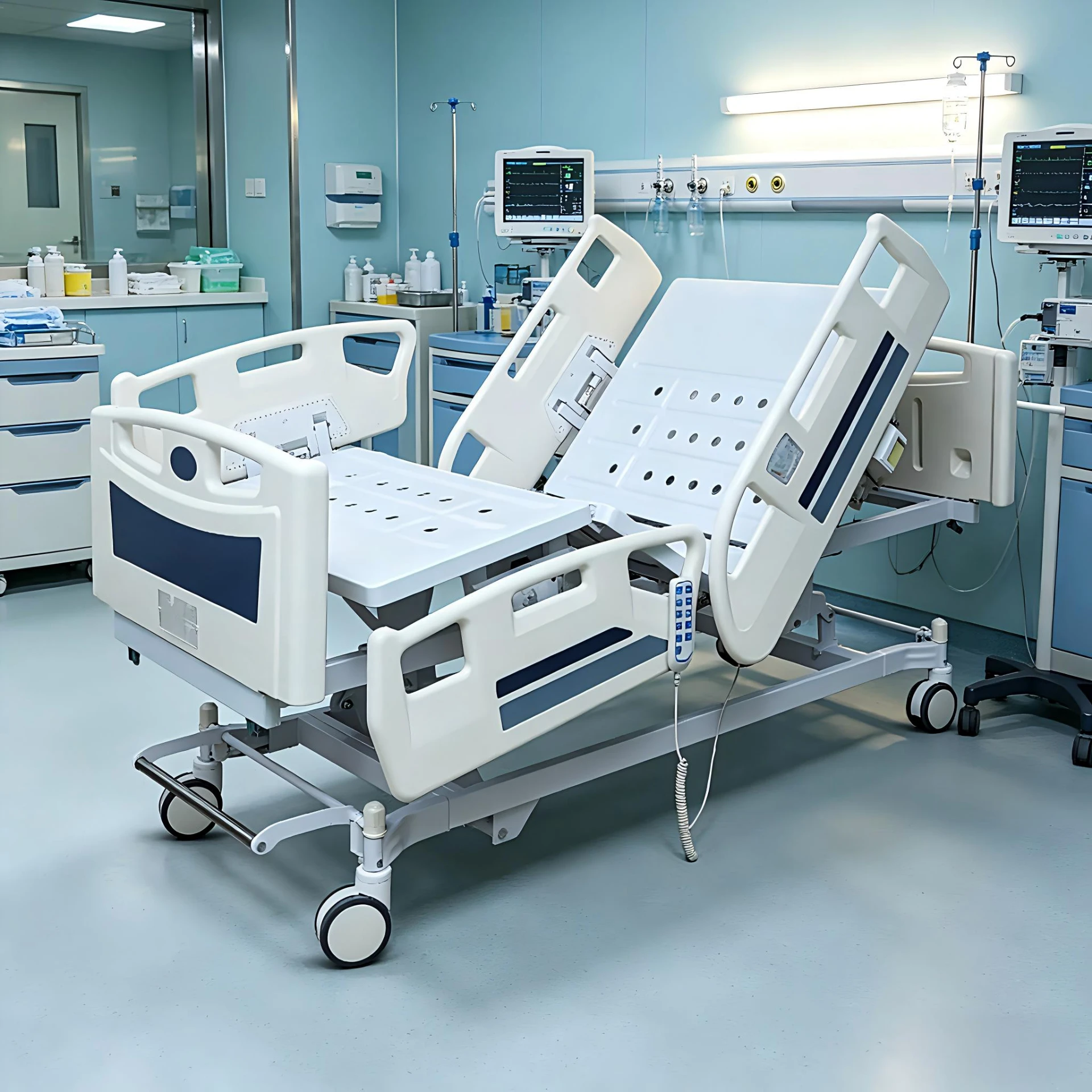
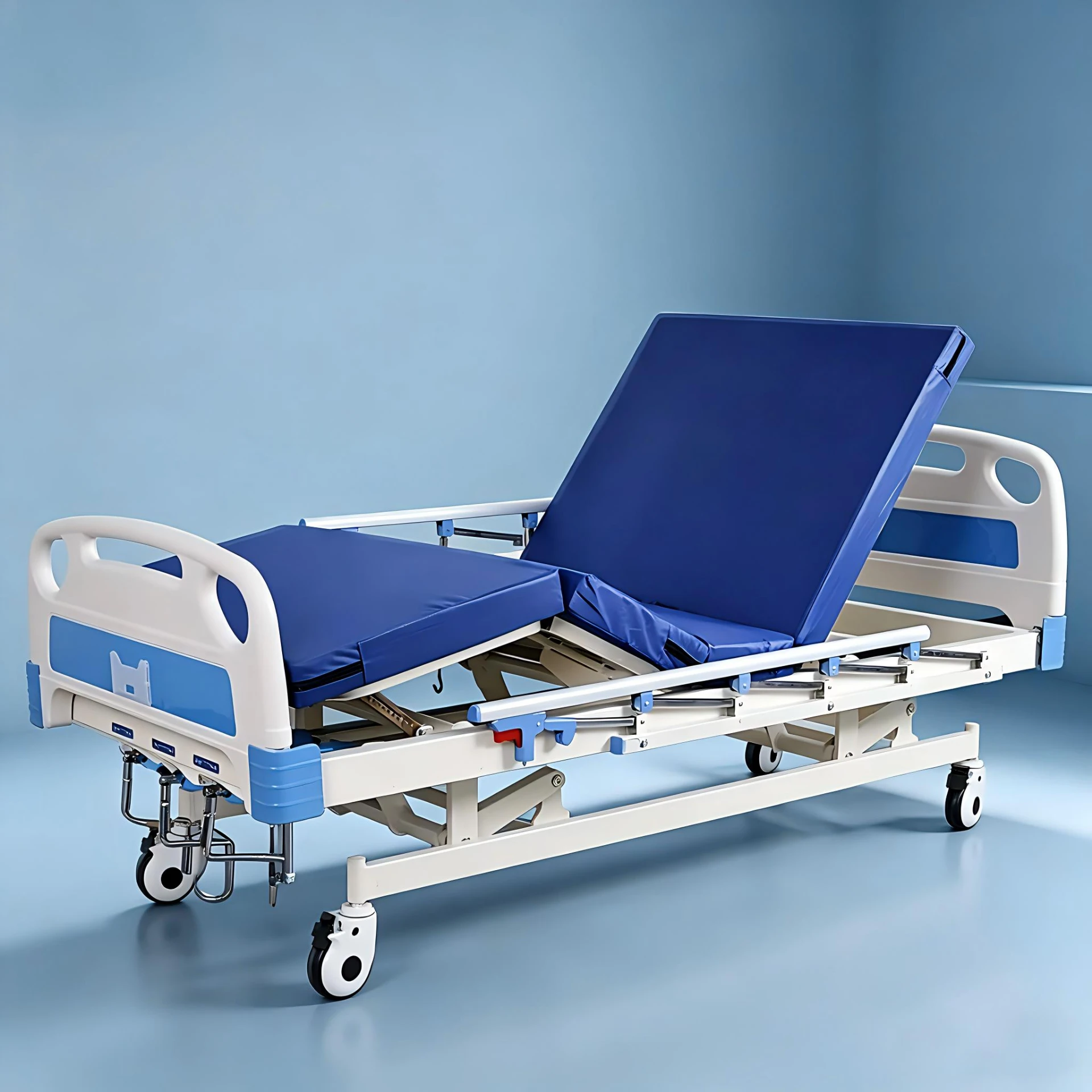
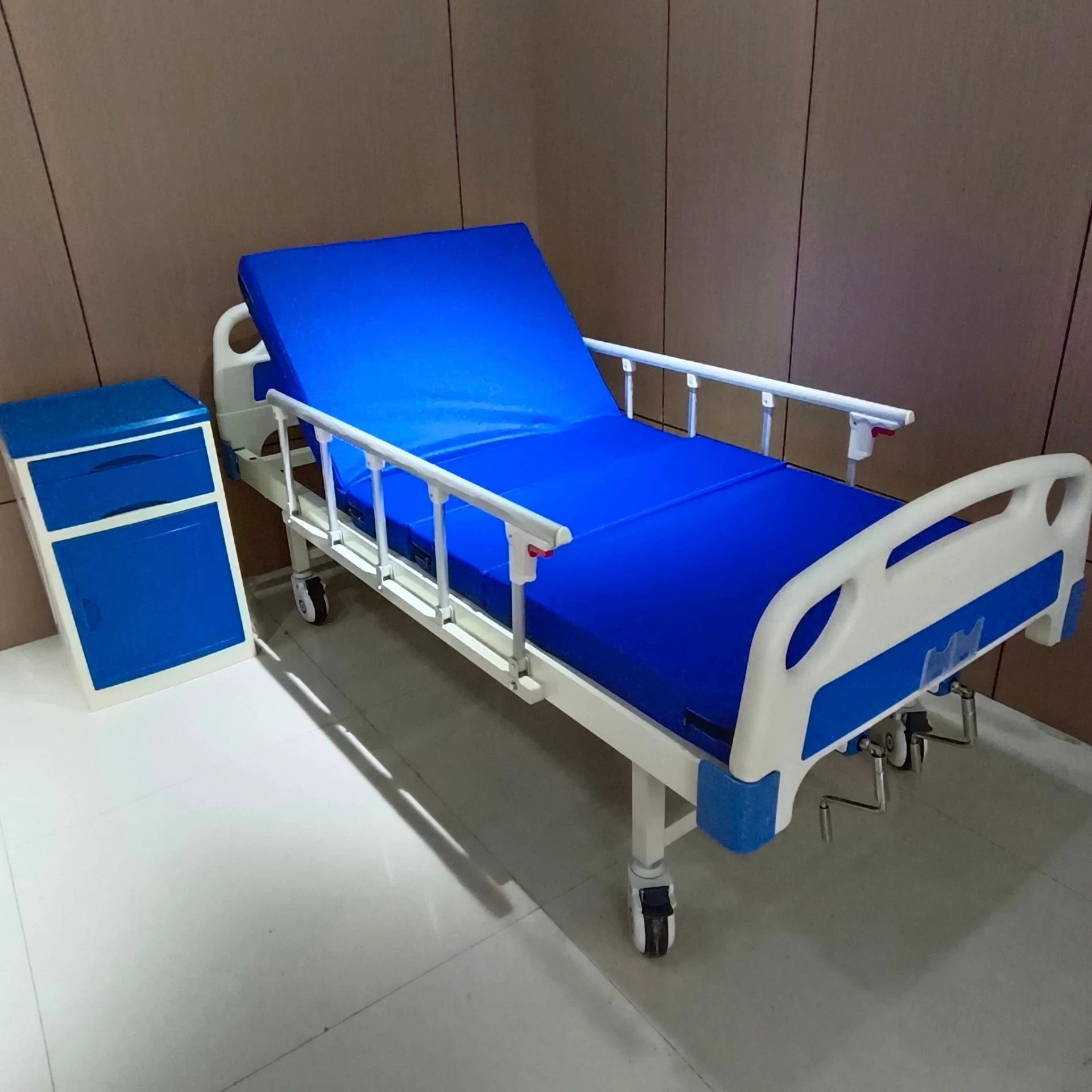
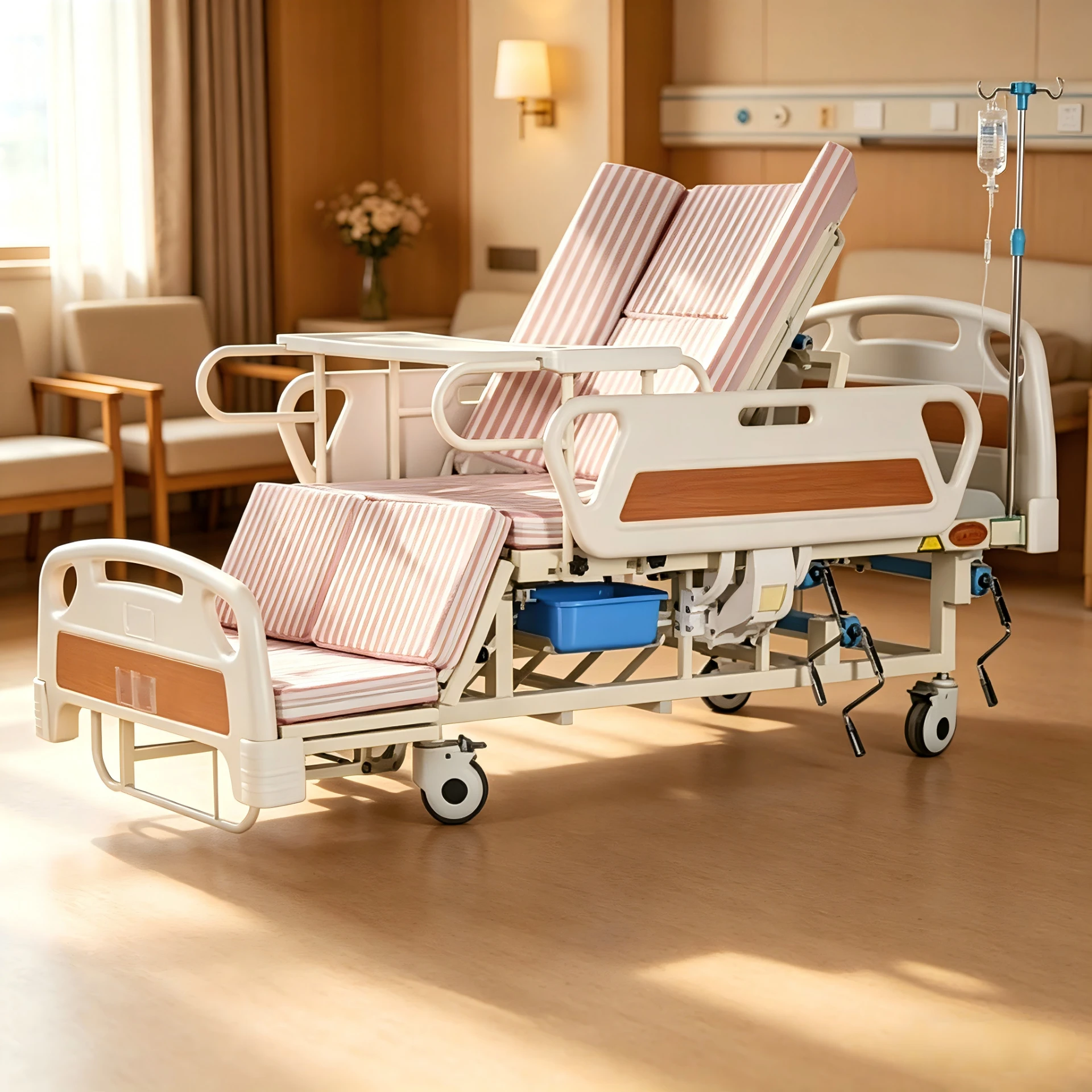
At its core, a hospital bed manufacturer designs and produces beds specifically designed for medical environments. But it’s more than just a bigger, adjustable regular bed; these units integrate technology, ergonomics, and medical standards. Hospital beds help caregivers improve the quality of patient care by providing functionalities like height adjustment, mobility assistance, integrated monitoring mounts, and infection control features.
For industries tied to humanitarian aid or disaster response, the manufacturer’s role extends further: they often need to supply quickly deployable beds that balance comfort, portability, and robust performance. And honestly, it’s impressive how these manufacturers juggle so many demands simultaneously.
Core Components That Define Hospital Bed Manufacturing
Durability and Material Quality
Imagine a hospital bed undergoing constant motion, weight shifts, and sometimes accidental impacts — it’s got to be tough. Manufacturers carefully select materials such as stainless steel frames, high-density polymer rails, and durable finishings that resist corrosion and wear.
Adjustability and Patient Comfort
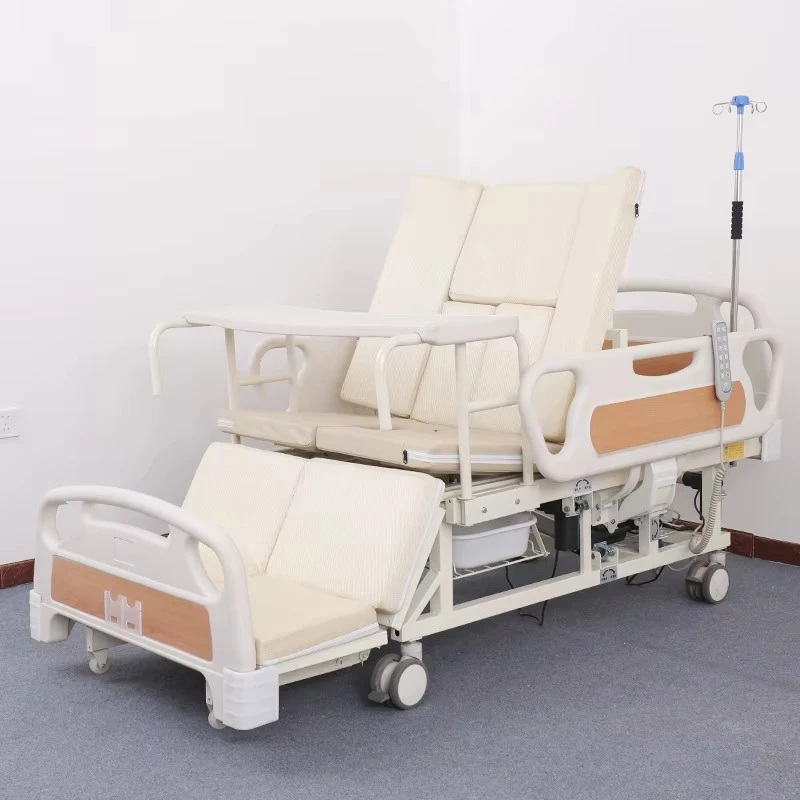
Ergonomics matters. Beds with multiple adjustable sections — head, foot, and height — help patients rest comfortably and aid nursing staff with medical procedures. Advanced models even incorporate electronic controls or memory settings for personalization.
Safety and Compliance
Safety rails, locking wheels, and quick-release mechanisms aren’t luxury add-ons; they’re vital elements that prevent accidents. Furthermore, adherence to international standards such as ISO 13485 for medical device manufacturing ensures quality across borders.
Cost-Efficiency and Maintenance
Hospitals look for durable beds but also those with manageable maintenance routines and replacement parts availability. A balance between cost and lifecycle value influences decisions heavily in procurement departments.
Customization and Scalability
Not all hospitals are alike. Custom solutions to fit specialty departments (e.g., ICU, maternity) or rapid production during health emergencies reflect a manufacturer’s versatility and market responsiveness.
Where Hospital Beds Make a Difference: Global Applications & Use Cases
One might think hospital beds have a straightforward role. They do — but also far more nuanced based on geography and situation.
- Urban hospitals: Here, high-tech adjustable beds integrated with digital monitoring assist clinicians with complex care, and features like weight scales built into beds provide instant metrics.
- Rural and remote clinics: Durability and ease of cleaning take precedence over bells and whistles; products from manufacturers specialize in simplicity and ruggedness.
- Disaster relief and military deployments: Manufacturers produce lightweight, foldable versions for fast deployment in crisis zones — critical where space and time are at premium.
- Long-term care and rehabilitation centers: Beds with pressure-relief mattresses and mobility aids cater to patients with chronic needs.
For instance, during the 2015 earthquake in Nepal, quick-supply hospital bed manufacturers played an unsung but vital role in hospitals overwhelmed with casualties. Similarly, in wealthy nations, hospital bed innovation integrates IoT and AI-based features to improve care outcomes.
Product Specification Table: Typical Modern Hospital Bed
| Feature | Specification | Benefit |
|---|---|---|
| Frame Material | Stainless Steel Alloy | Corrosion resistant, durable |
| Adjustable Sections | Head, foot, height (electric & manual) | Ergonomic patient positioning |
| Wheels | Central locking with brakes | Mobility and safety |
| Mattress Type | Pressure relief foam or air-filled | Prevents bedsores |
| Load Capacity | Up to 250 kg | Accommodates most adult patients |
Comparing Leading Hospital Bed Manufacturers
| Manufacturer | Specialization | Geographical Reach | Price Range |
|---|---|---|---|
| Zhaofa Medical | Standard & ICU beds with customization | Global, strong in Asia & Africa | $$ |
| Hill-Rom | Smart beds; integrated monitoring | Global (US & Europe focus) | $$$ |
| Invacare | Long-term care & homecare beds | Primarily North America | $$ |
| Stryker | Surgical and ICU beds | Worldwide but heavy in US | $$$ |
Why Choosing the Right Hospital Bed Manufacturer Matters
In real terms, a manufacturer isn’t just supplying a bed. They’re delivering comfort and safety to patients and staff trust to hospitals. It’s worth thinking about how a small design tweak can reduce caregiver strain or prevent injury.
Moreover, manufacturers incorporating sustainability practices — from recyclable components to energy-efficient production — offer longer-term environmental and cost benefits. This attention to detail resonates now more than ever as hospitals adopt green policies.
What’s Next? Trends Shaping Hospital Bed Manufacturing
Smart hospital beds with IoT connectivity that monitor patient vitals or predict falls? They’re not sci-fi — many manufacturers incorporate these features already. Also, lightweight carbon fiber parts, AI-augmented control panels, solar-powered battery backups... the future looks busy.
Manufacturers are also experimenting with modular designs that easily swap out parts for maintenance or upgrade, reducing downtime and improving lifecycle.
Challenges Facing Hospital Bed Manufacturers and Possible Solutions
But it’s not all smooth sailing. Meeting stringent regulations, managing costs while innovating, and volatile raw material prices pose continuous hurdles.
Some manufacturers tackle this by forging tight collaborations with hospitals to better forecast demand, customizing production, and using regional manufacturing hubs to shorten delivery.
Frequently Asked Questions About Hospital Bed Manufacturers
Q1: How does a hospital bed manufacturer ensure the beds meet international safety standards?
A: Reputable manufacturers comply with certifications like ISO 13485 and FDA regulations. They conduct rigorous testing—including load, durability, and electrical safety tests—to adhere to global medical device standards.
Q2: Can hospital beds be customized for specific clinical needs?
A: Yes! Many hospital bed manufacturers offer modular designs or bespoke features to accommodate ICUs, maternity wards, or rehabilitation centers, tailoring beds for specific patient populations.
Q3: How do manufacturers balance high-tech features with cost constraints?
A: Manufacturers often provide tiered product lines: basic sturdy beds for budget-conscious buyers and feature-rich, technologically advanced beds for more specialized facilities, allowing flexibility.
Q4: What role does sustainability play in hospital bed manufacturing?
A: Increasingly important. Some manufacturers select eco-friendly materials, reduce waste in production, and design beds for recyclability or longer service life to align with healthcare sustainability goals.
For those interested in learning more or partnering with a leading hospital bed supplier, visit our website for detailed catalogs and expert consultation.