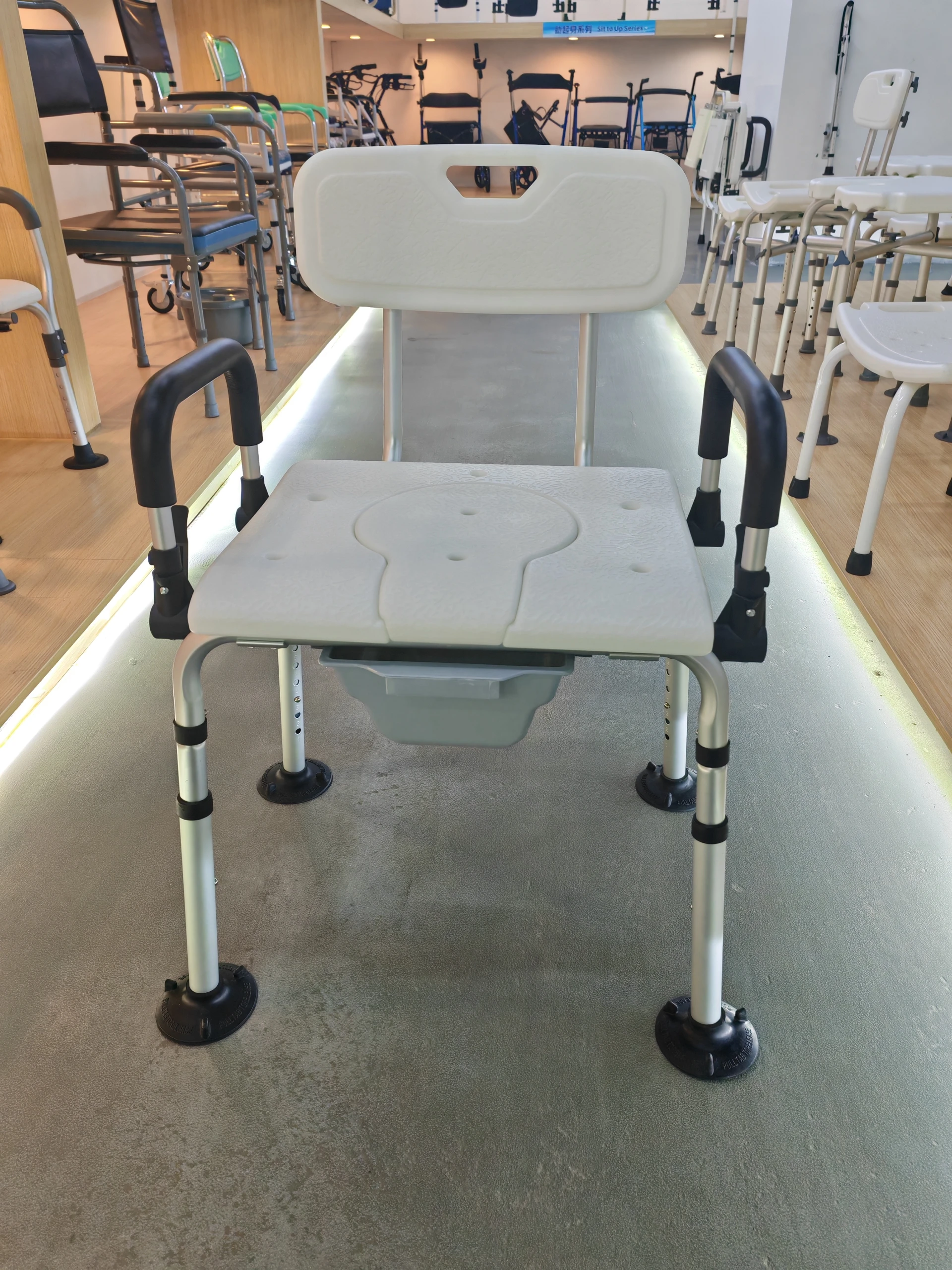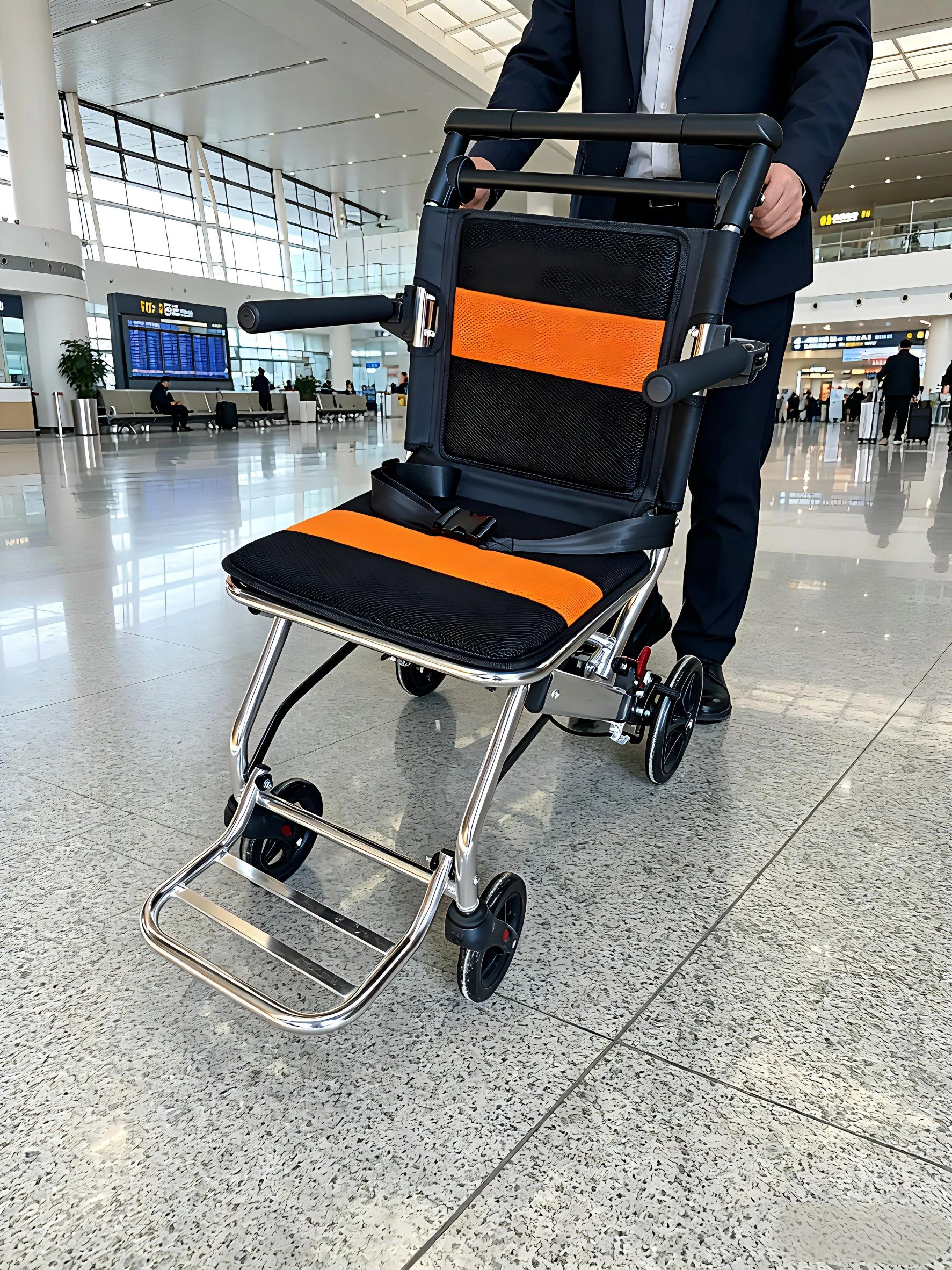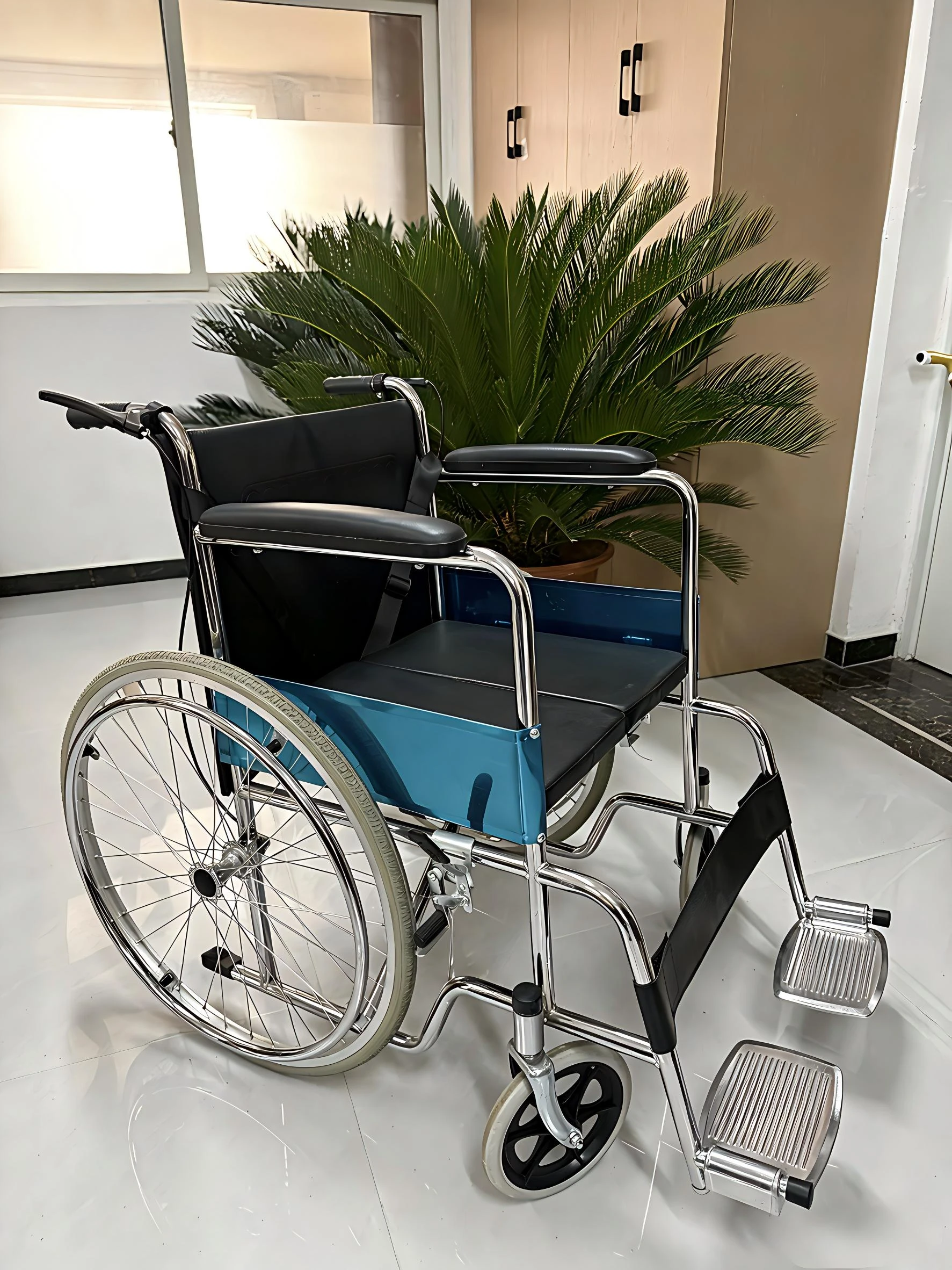
Hospital Beds Made in China: Global Quality, Affordability & Innovation in Healthcare
Why Hospital Beds Made in China Matter—Globally and Practically
When we talk about hospital beds, it sounds simple—just a place for patients to rest, right? But these beds are actually the cornerstone of healthcare logistics worldwide. More than just a piece of furniture, a hospital bed made in China represents the convergence of high-tech manufacturing, cost efficiency, and global supply chain prowess. For billions of patients, healthcare workers, and institutions, understanding why Chinese hospital beds dominate the market isn't just about price — it means accessibility, safety, and innovation.
Globally, the demand for hospital beds has surged, especially in light of recent health crises. According to the World Health Organization (WHO), the recommended hospital bed density is roughly 3 beds per 1,000 people, but many countries — especially developing ones — fall short of that. China stepped in as a leading manufacturer, leveraging its industrial capacity to ship millions of quality beds worldwide, which has reshaped how healthcare facilities equip themselves.
The Global Landscape: How Chinese Hospital Beds Became Industry Staples
It’s no accident that most hospitals worldwide rely on beds made in China. The country’s manufacturing ecosystem, backed by ISO-compliant factories, has long driven down costs without sacrificing quality. According to Statista, China accounted for about 45% of global medical furniture exports in 2023. Plus, large-scale production enables rapid deployment, something crucial in disaster zones, rural clinics, and burgeoning urban hospitals.
That said, it’s not without challenges. Balancing cost with customization, adhering to strict regulatory standards in different countries, and integrating new tech — all these issues crop up time and again. But despite the hurdles, the global medical community has seen Chinese hospital beds as a linchpin that helps plug healthcare gaps from Asia to Africa and beyond.
Mini takeaway:
- China’s industrial strengths mean affordable, reliable hospital beds for global health needs.
- Their system supports both mass hospital expansions and emergency relief efforts.
- Dealing with quality consistency and regulation remains an ongoing focus.
What Exactly Is a Hospital Bed Made in China?
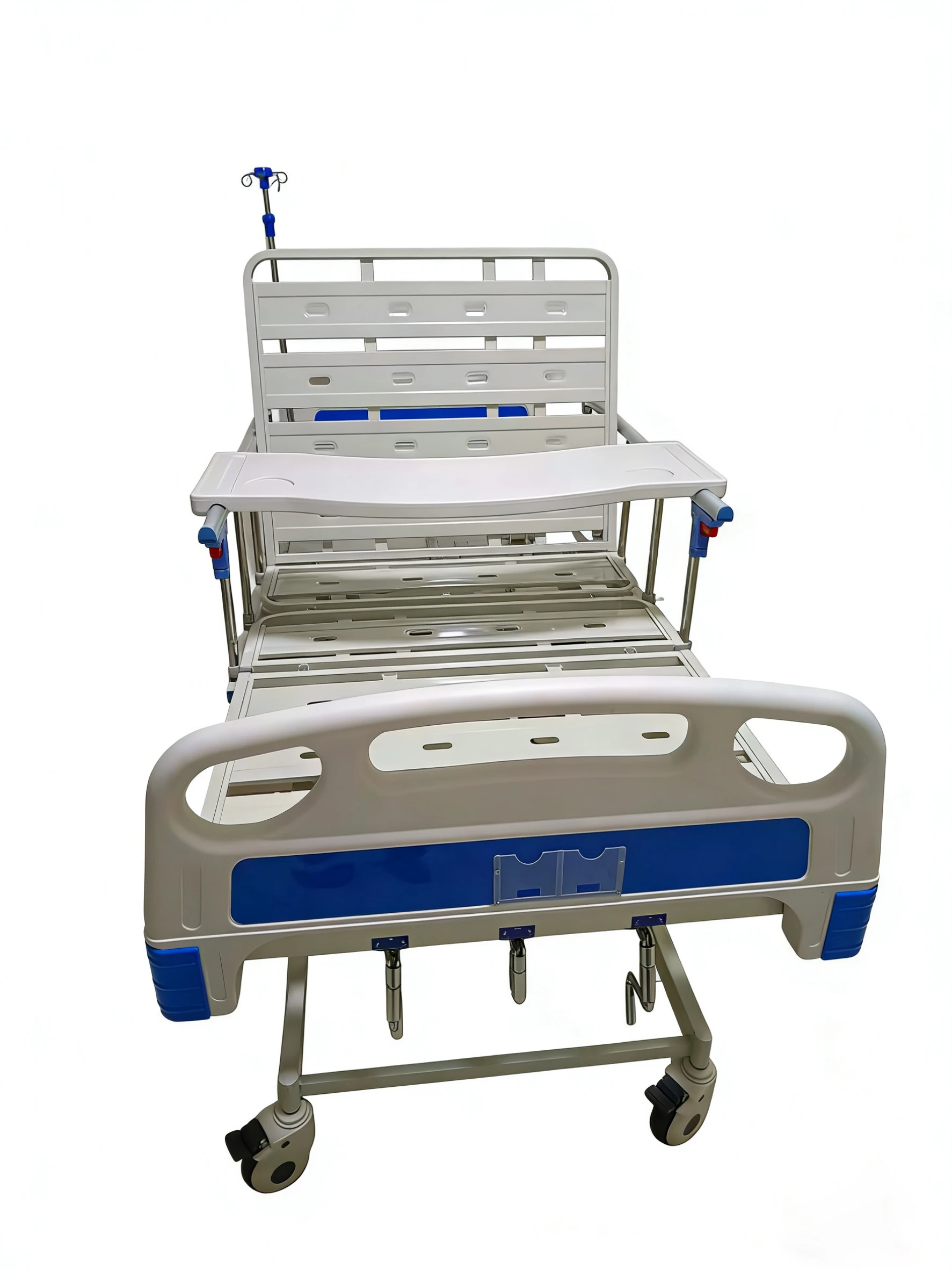
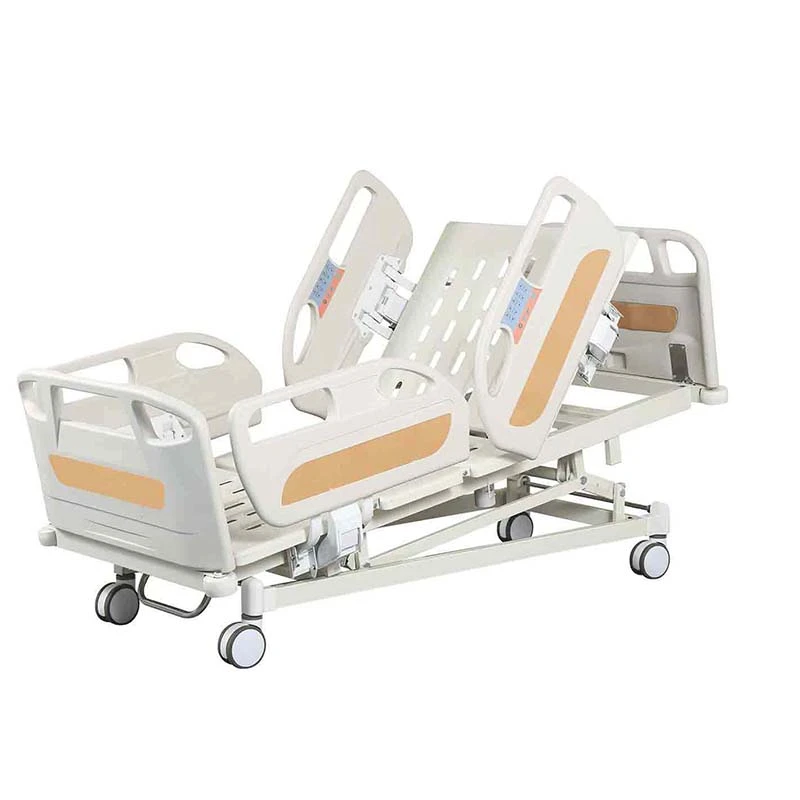
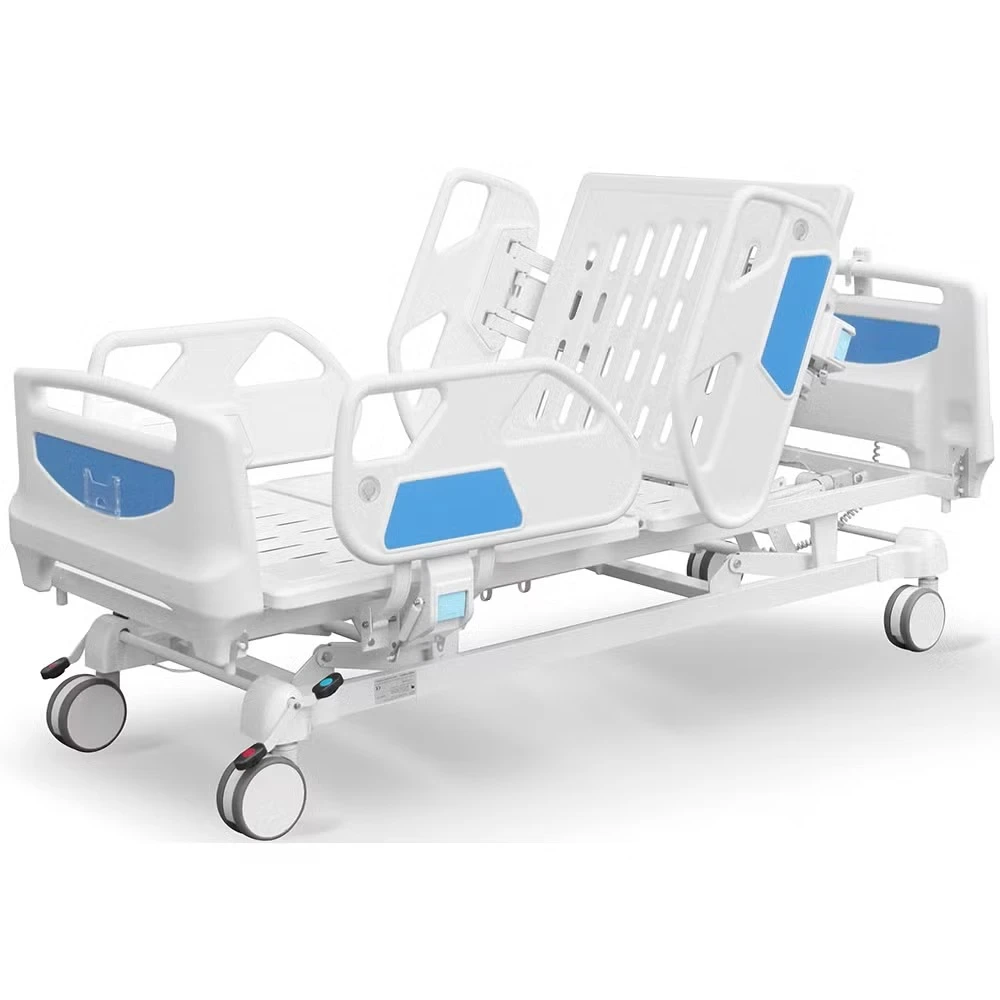
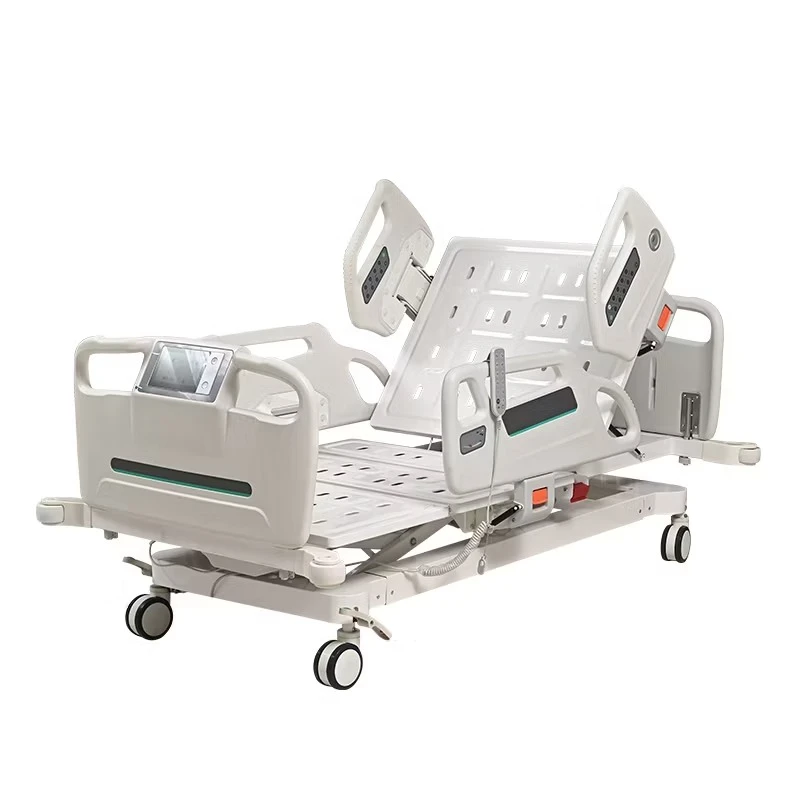
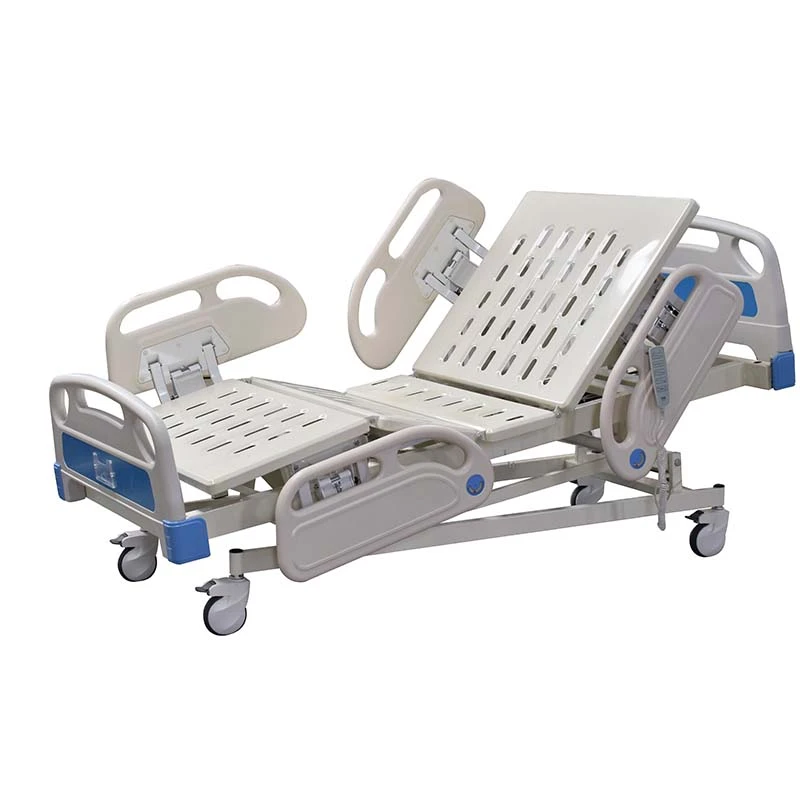
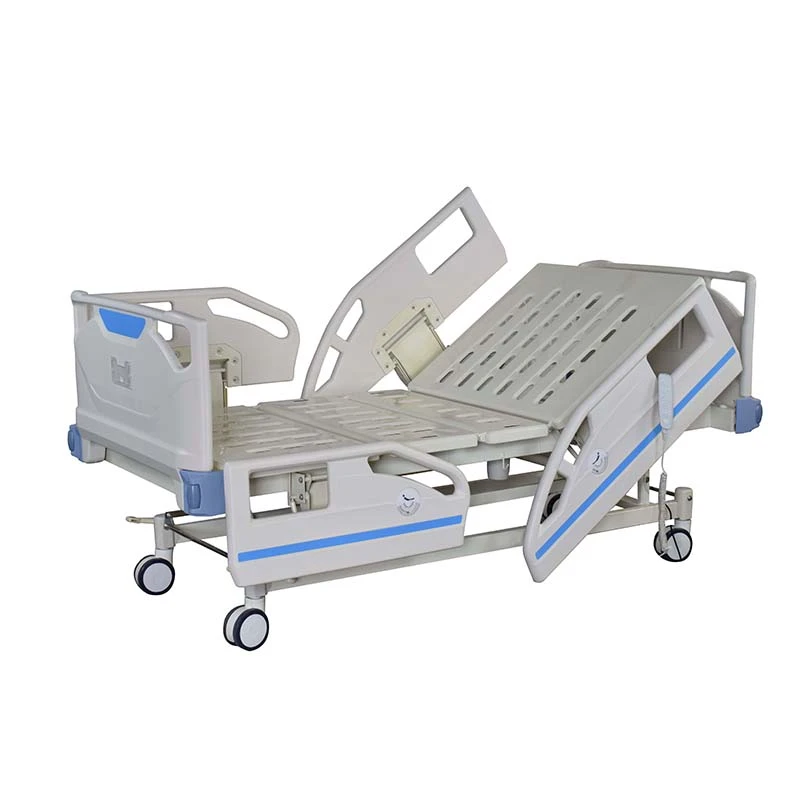
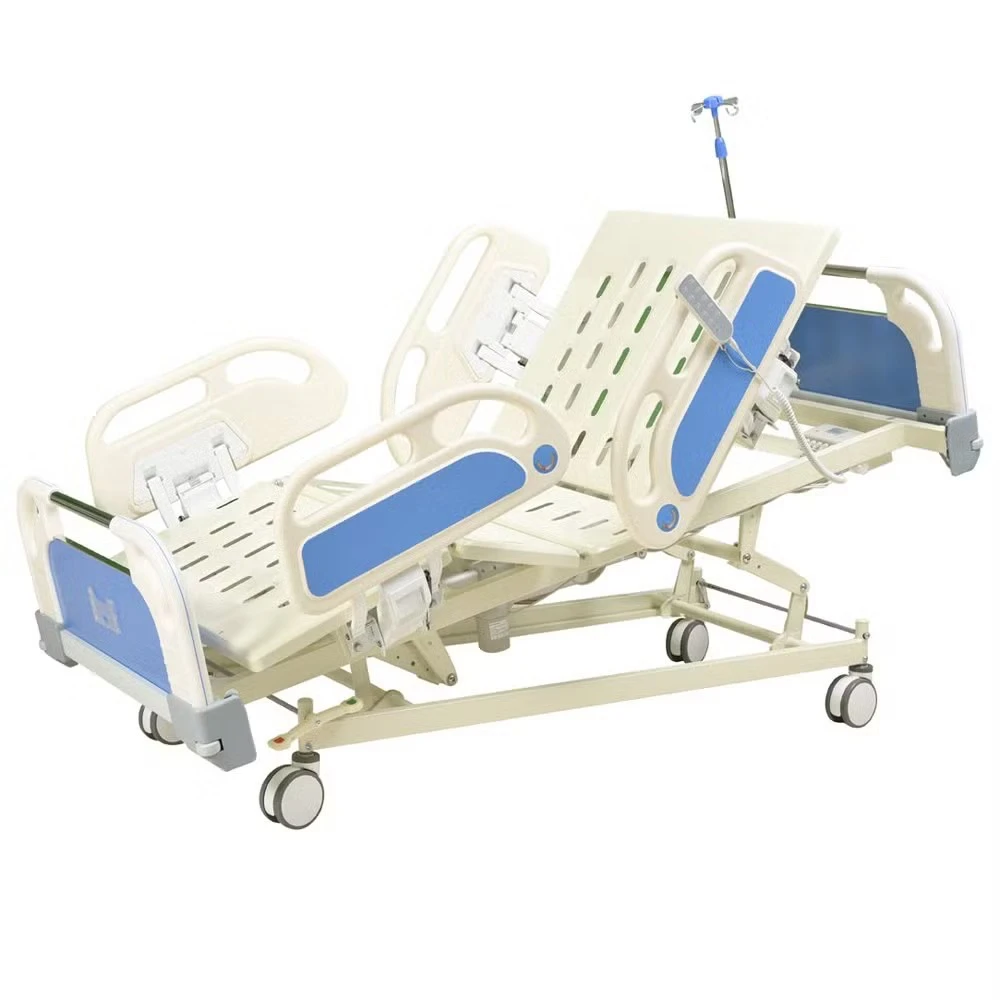
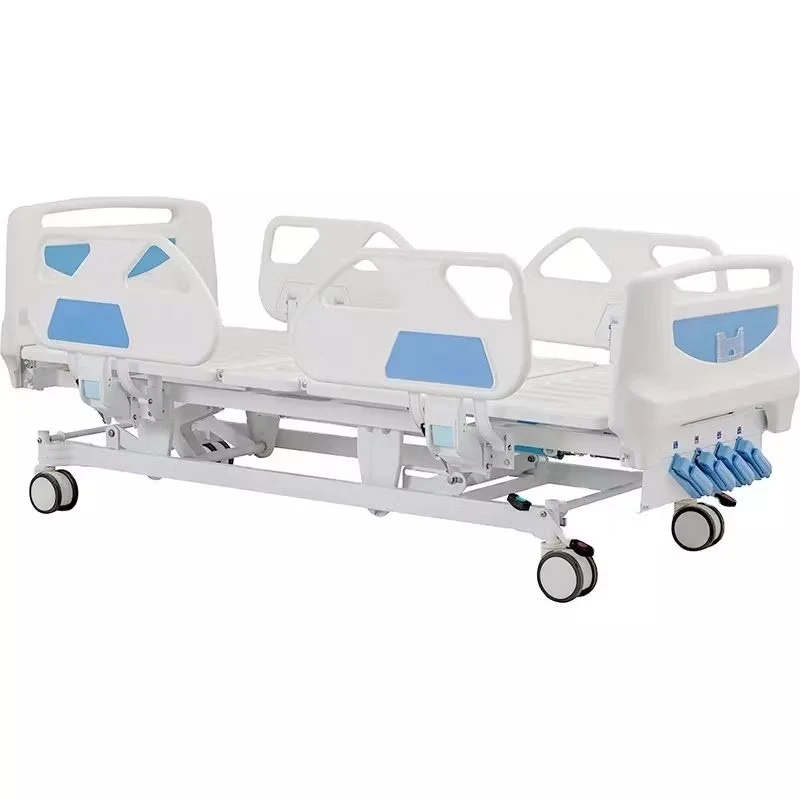
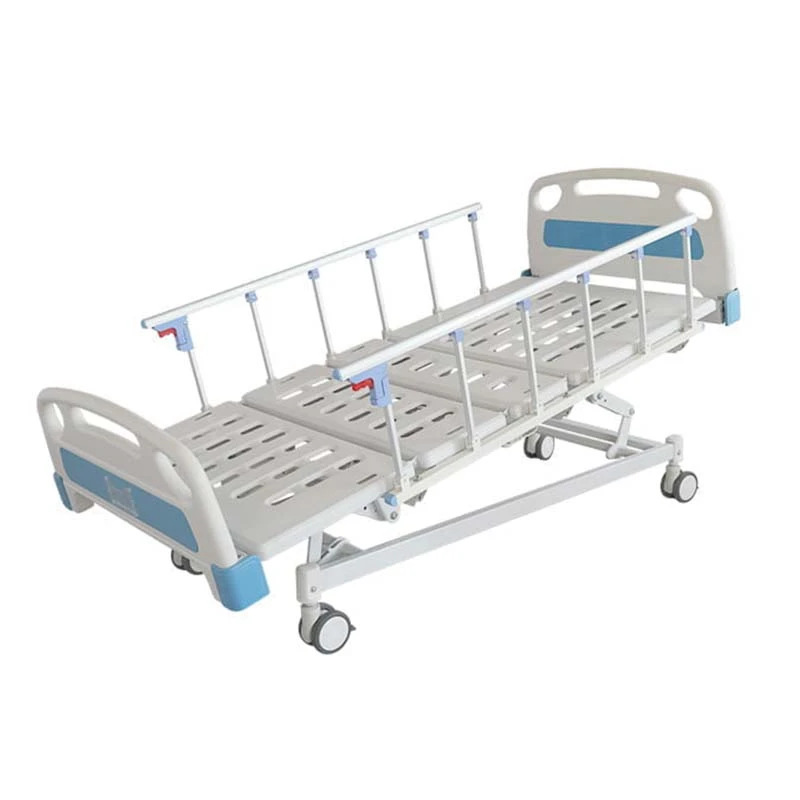
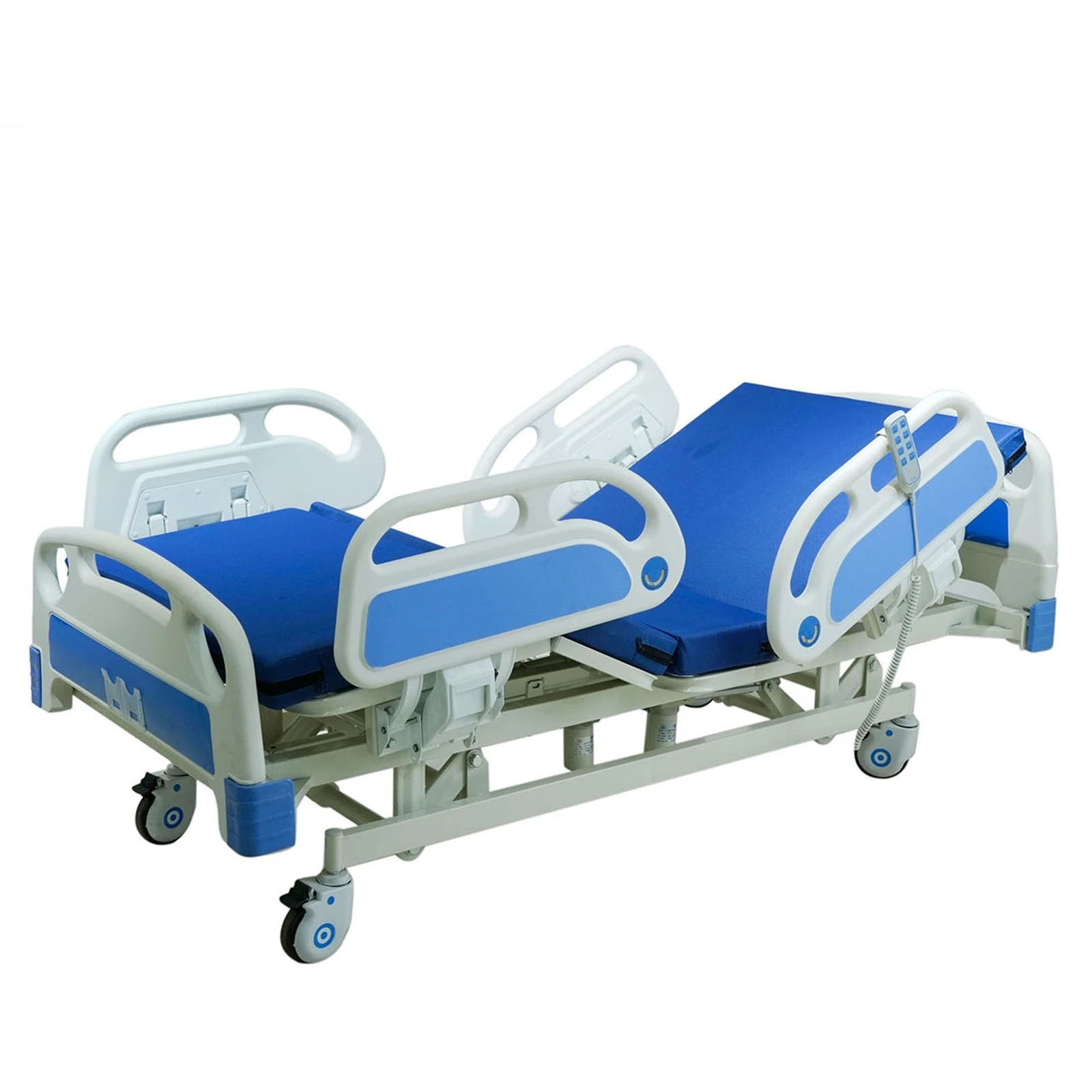
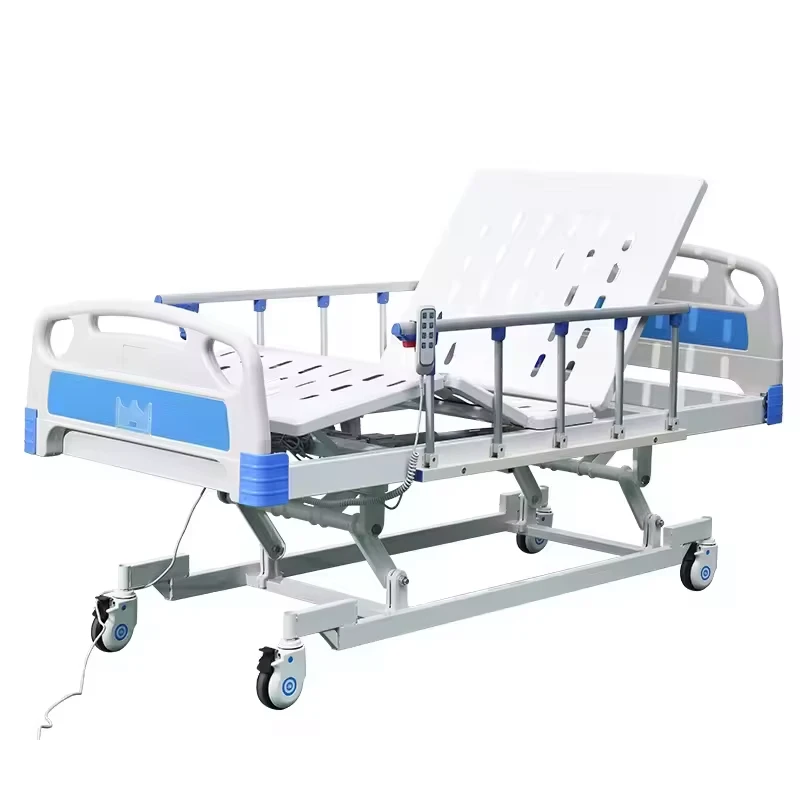
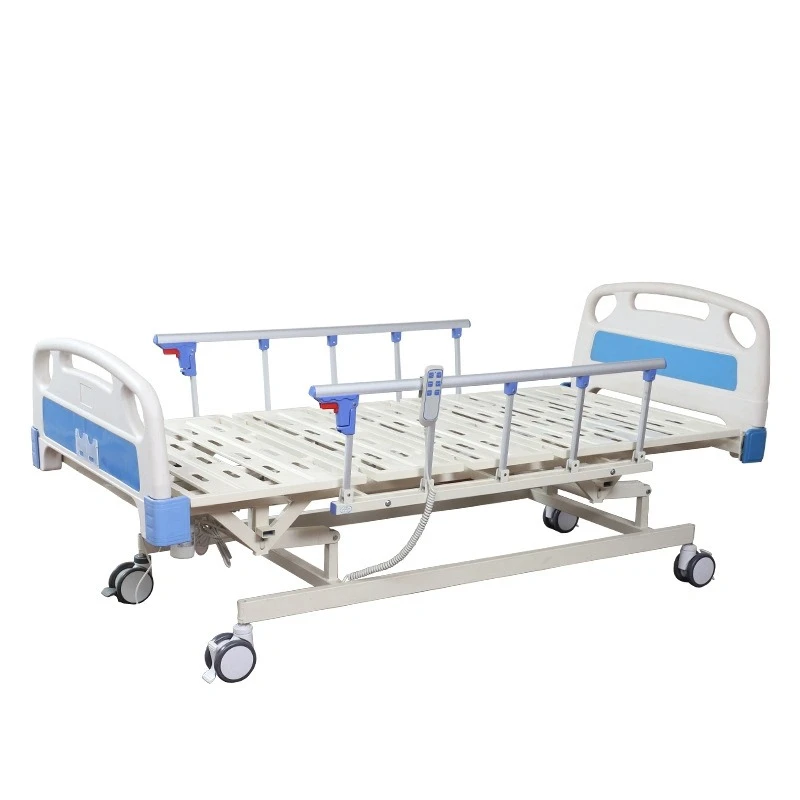
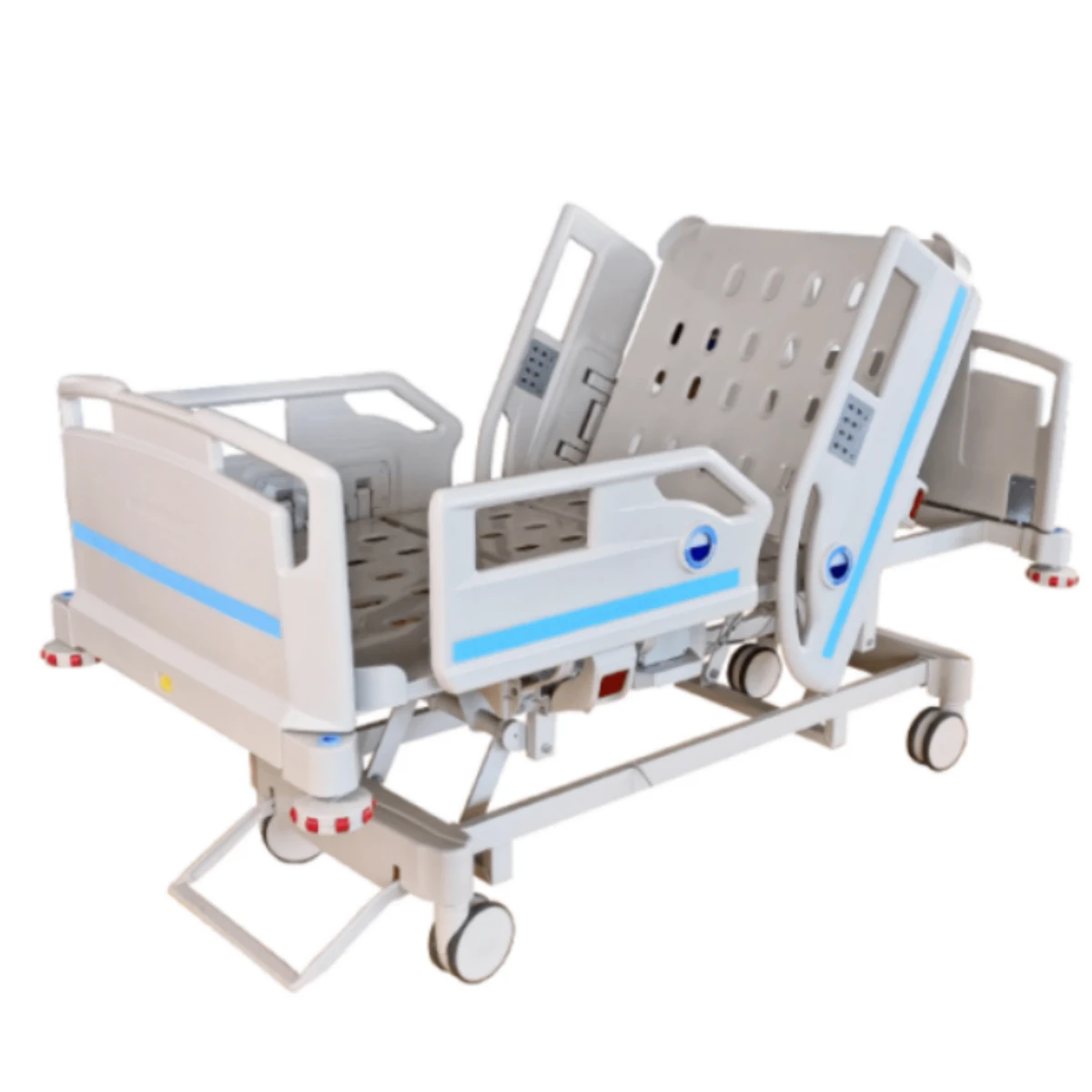
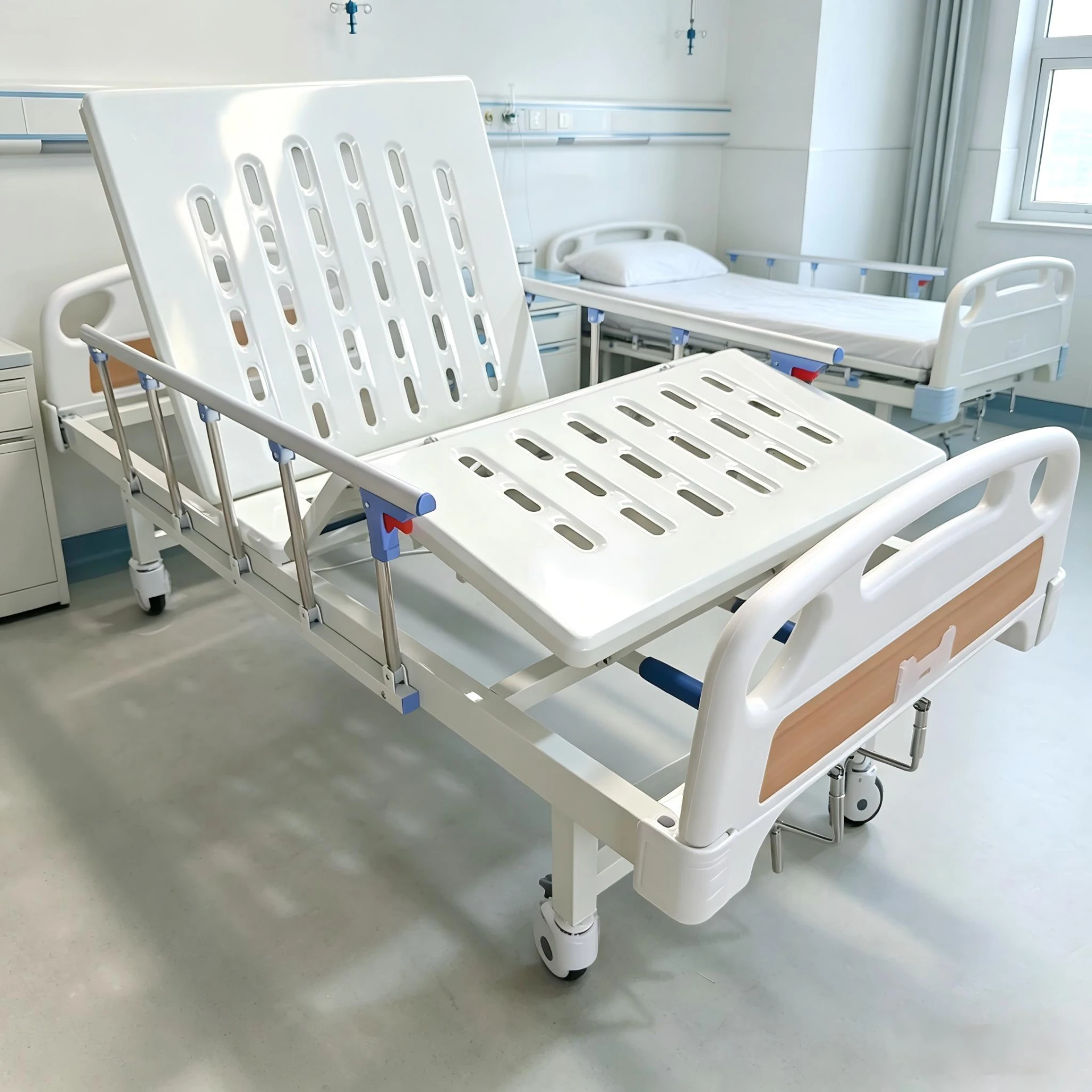
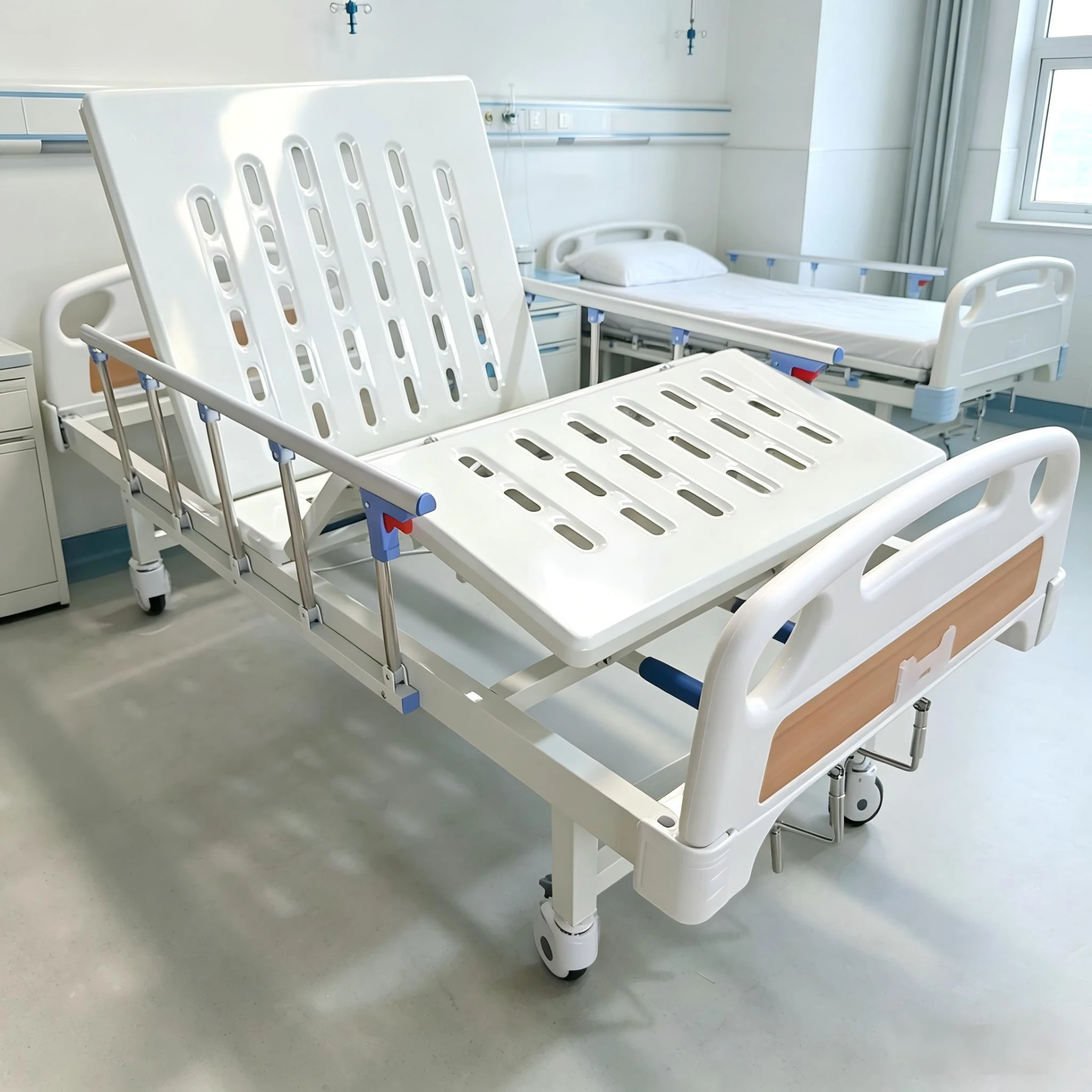
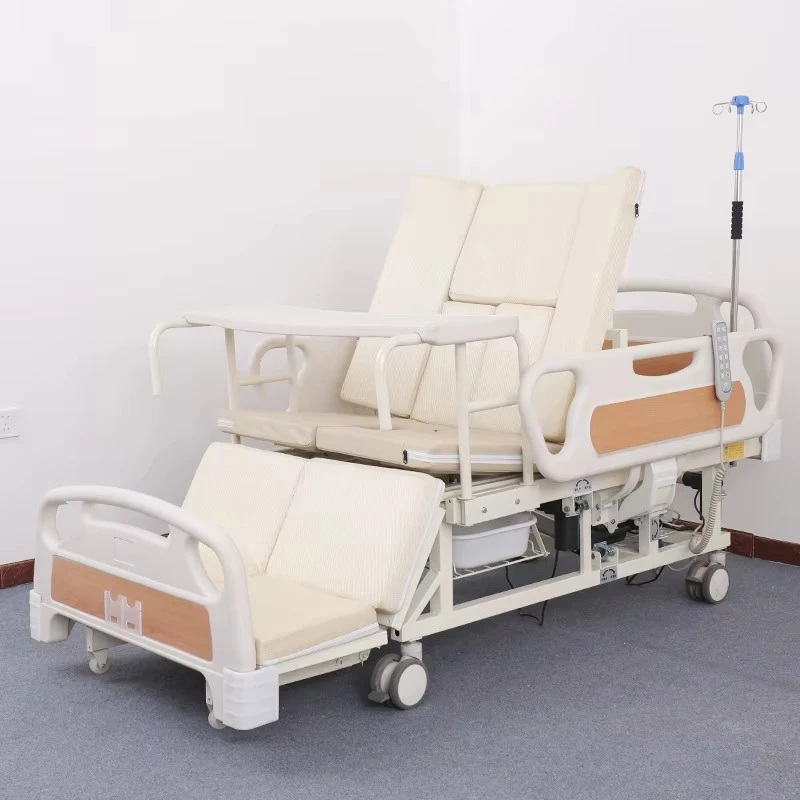
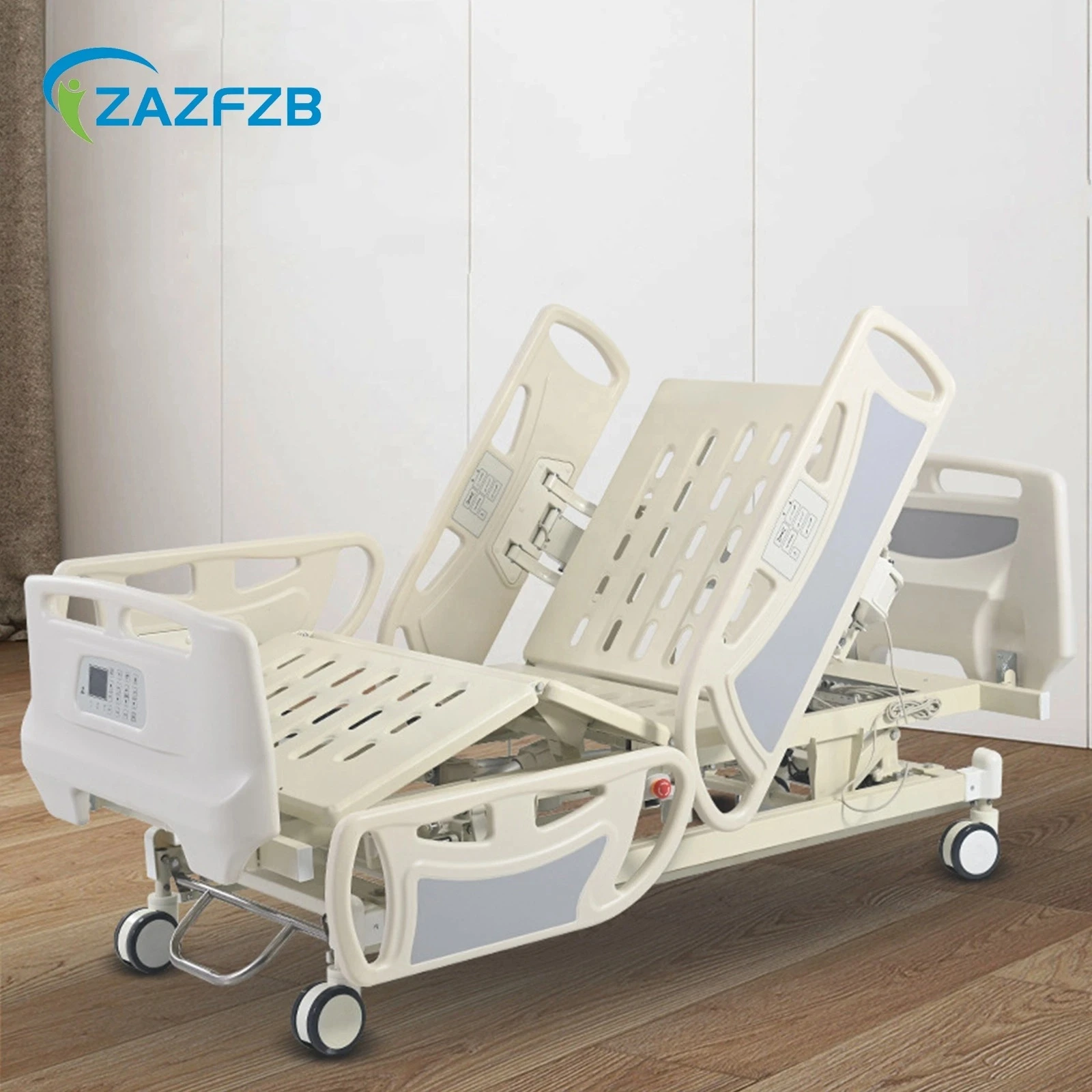
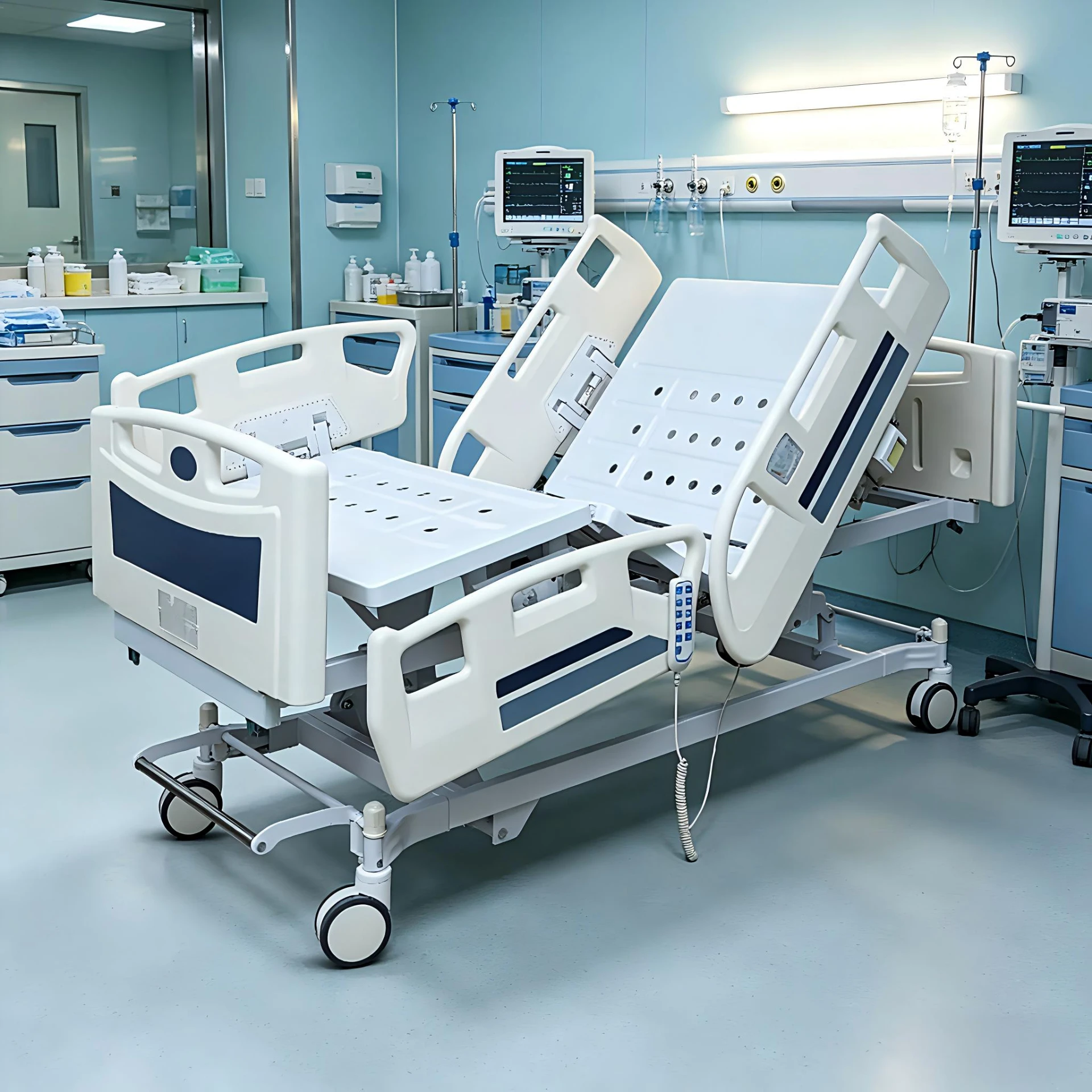
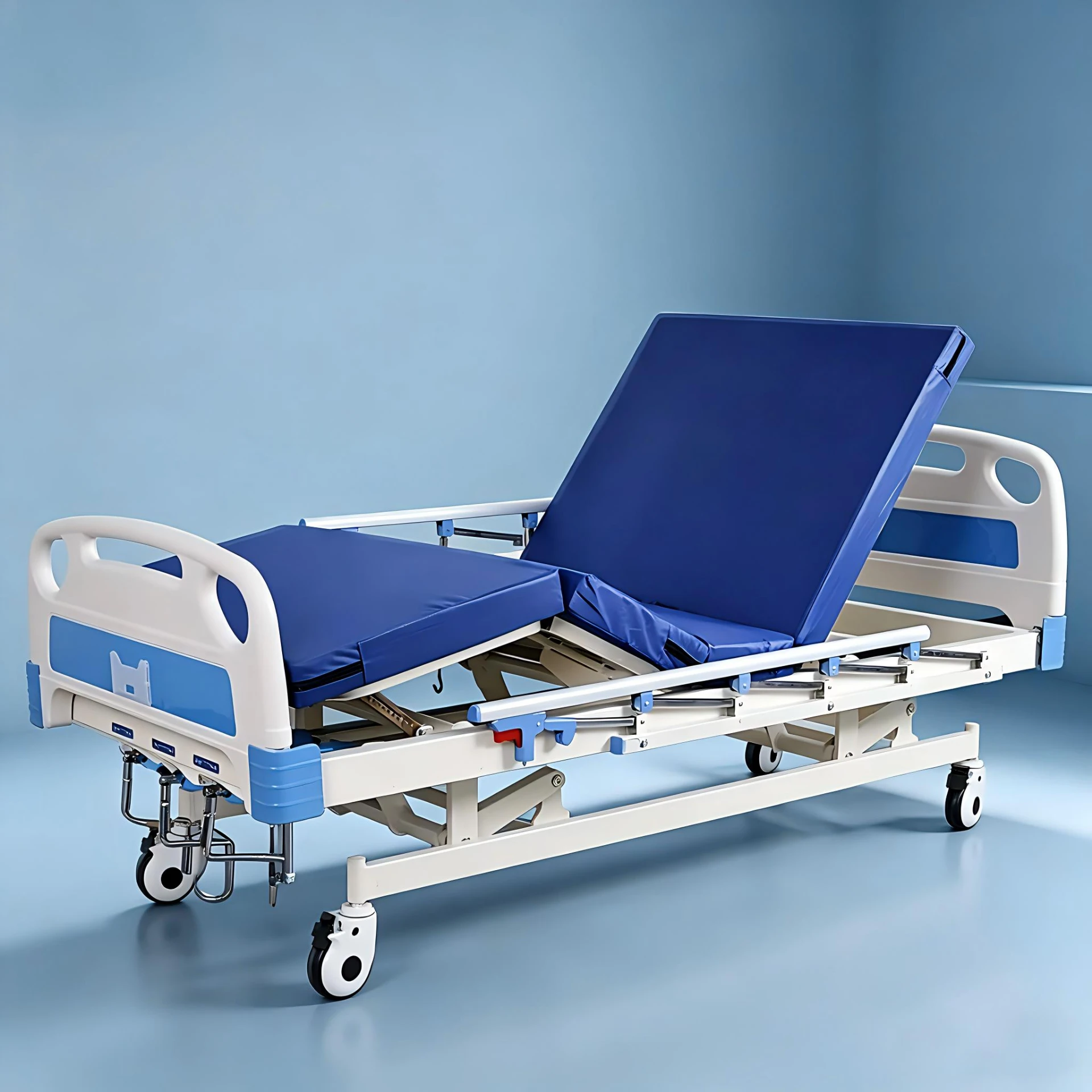
Put simply, a hospital bed made in China is a medical-grade patient bed manufactured within China, typically combining steel frames, adjustable mattresses, electronic controls, and mobility features to assist patient care. These beds meet international norms (such as ISO 9001 quality standards) and are designed to suit various healthcare settings — from intensive care units (ICUs) to home care.
While the core idea is the same as in any hospital bed, Chinese manufacturers emphasize scalability and modular design, so parts can be easily customized or replaced — a nod to the country’s engineering mindset focused on flexibility amid growing demand.
Core Components That Make These Beds Tick
1. Durability and Material Quality
Most hospital beds made in China use high-tensile steel alloys coated with anti-corrosion paint to withstand rigorous cleaning and constant use. The frames often have rigorous stress testing ensuring they support different patient weights safely.
2. Adjustable Functionality
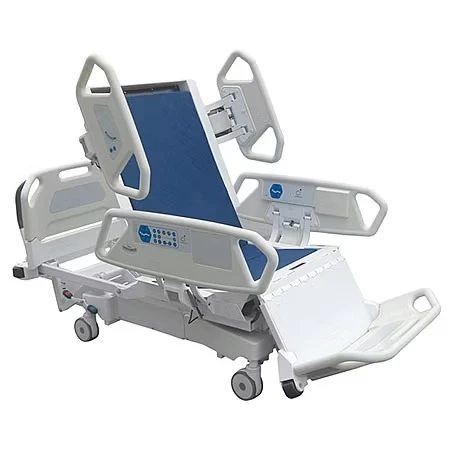
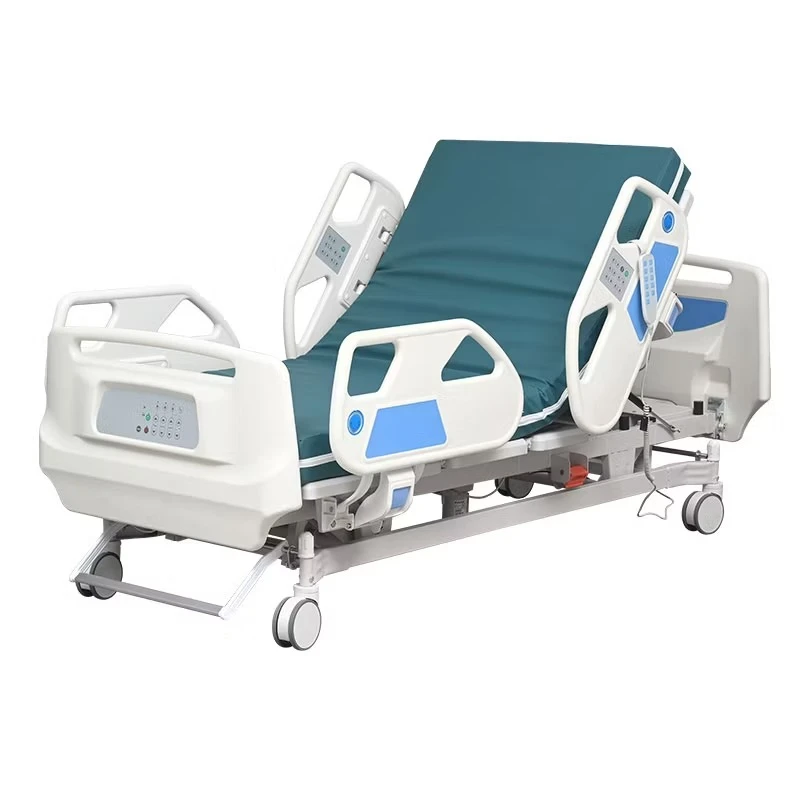
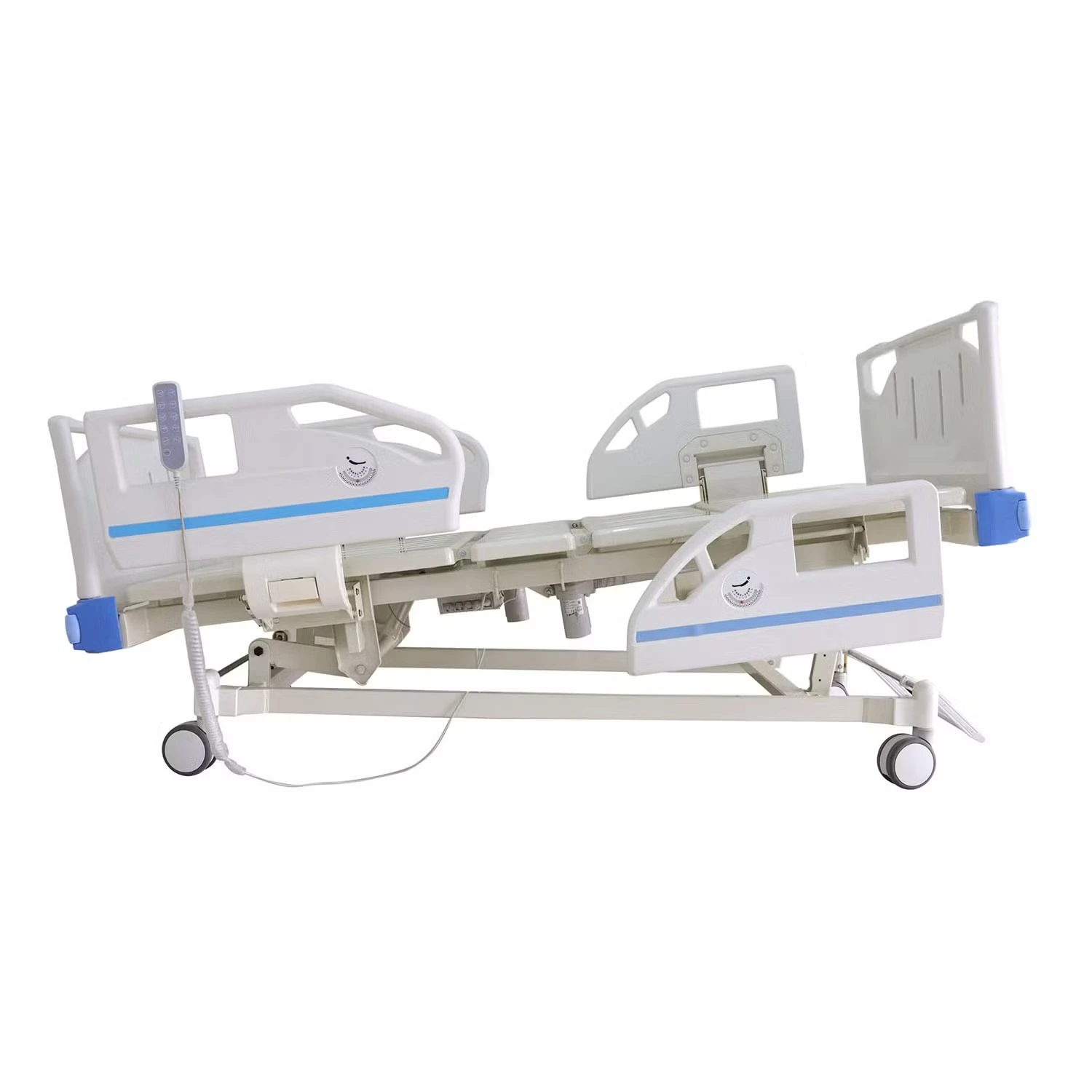
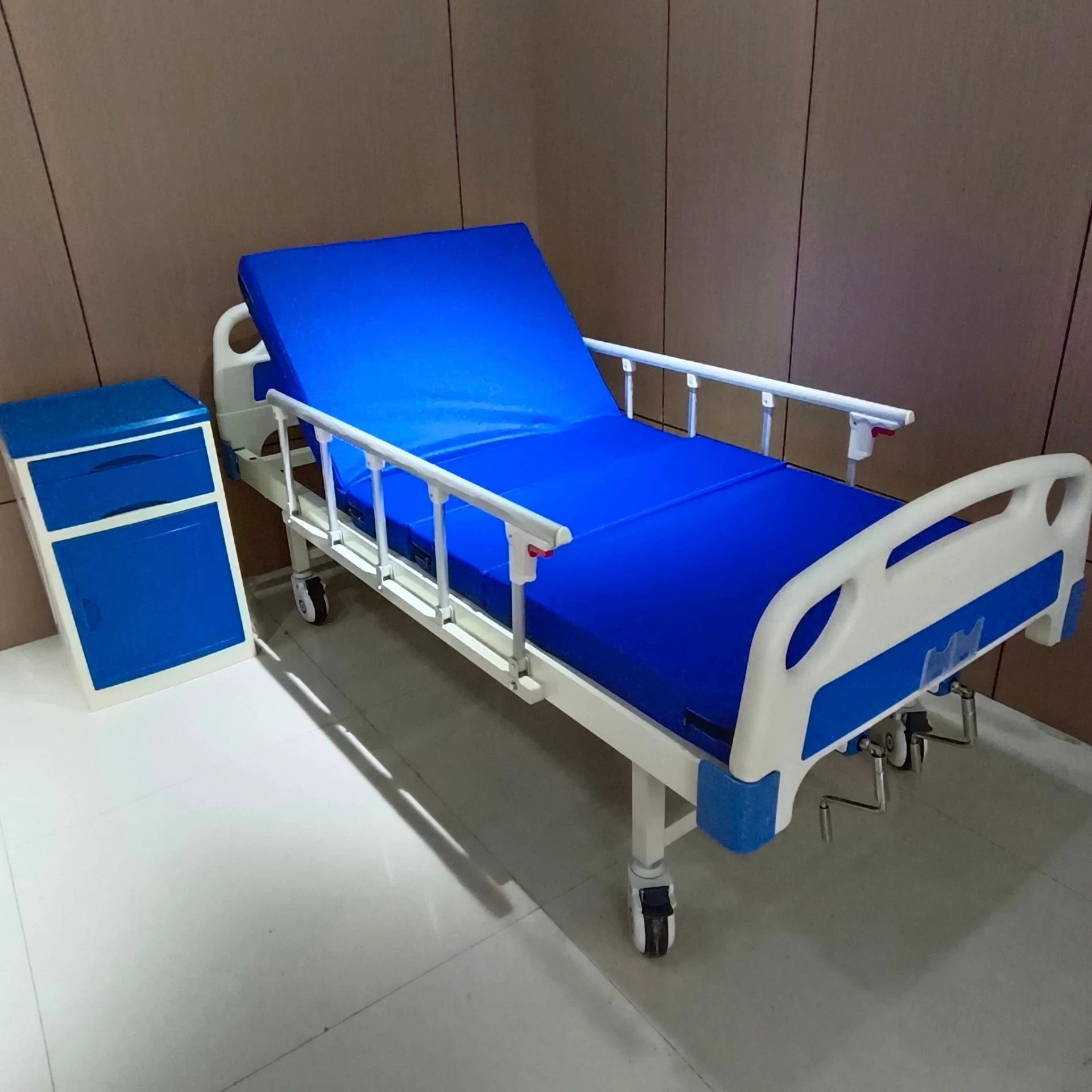
From manual crank beds to fully electric models — many include features like automatic height adjustment, reclining backrests, and foot sections to aid patient comfort and caregiver ergonomics.
3. Patient Safety Features
Side rails, locking wheels, and emergency release mechanisms are standard, ensuring patients’ safety whether they’re mobile or immobile.
4. Cost Efficiency and Scalability
The ability to produce and ship at scale keeps costs low without cutting corners. Many hospitals buy in bulk, benefiting from modular designs that streamline maintenance.
5. Compliance and Certification
Leading manufacturers ensure compliance with international medical standards, which facilitates export to stringent markets like the EU and USA.
Mini takeaway:
- Chinese hospital beds balance exacting quality standards with scalable manufacturing.
- Adjustability and safety features cater to a wide range of patient needs.
- Cost savings come from smart design and production efficiencies rather than cheap materials.
How Hospital Beds Made in China Find Their Way Across the Globe
These beds appear everywhere: urban hospitals in Europe, suburban clinics in South America, remote field hospitals in Africa, and emergency shelters during humanitarian crises. For example, in post-disaster relief operations like the 2021 Henan floods or in remote industrial zones of Central Asia, quickly deploying a batch of standardized, durable hospital beds significantly improves care delivery.
The hospital bed made in China thus acts as more than just equipment — it’s a major facilitator of modern healthcare expansion programs and emergency readiness.
Global sectors benefiting:
- Public hospitals and clinics upgrading infrastructure
- NGOs operating emergency medical camps worldwide
- Private healthcare chains seeking modular solutions
- Long-term care facilities requiring reliable, patient-friendly beds
Key Advantages and Lasting Value of Chinese Hospital Beds
The advantages can be stacked up into a neat bundle:
- Cost-effectiveness. Facilities get high-quality beds without breaking budgets.
- Sustainability. Many factories are adopting greener processes, reducing waste and energy use.
- Reliability. Consistent quality with safety certifications assures users.
- Social impact. They bring dignified patient care even in underserved regions.
But it’s not just numbers. For nurses and patients, this means trust and comfort — two pillars of healing that often get overlooked in medical supply discussions. An ergonomic bed with smooth operations can save dozens of caregiver hours every week and reduce patient recovery times.
Upcoming Trends: What’s Next for Chinese Hospital Bedding?
Innovation never sleeps, and Chinese manufacturers are investing heavily in new materials and tech:
- Smart beds. Integrated sensors that monitor vitals and provide real-time data to clinicians.
- Eco-friendly materials. Recyclable and anti-microbial coatings reduce infections and environmental footprint.
- Automation. Beds that self-adjust or alert staff when patient movement indicates distress.
- Customization. Personalizable options through 3D printing or modular add-ons.
This push aligns with China’s broader green manufacturing policies and digital health strategies — a powerful combo poised to shake up the industry further.
Obstacles & How They’re Being Tackled
Despite many upsides, challenges remain. Some international buyers worry about after-sales service, parts availability, or ensuring strict compliance with local regulations. Language barriers and shipping delays add to usual hurdles.
Industry experts suggest:
- Strengthening overseas service centers and spare parts distribution
- Better multilingual support and documentation
- Closer partnerships with regulatory bodies for certification transparency
Such steps aim to boost confidence and broaden accessibility even more.
FAQ: What You’re Curious About Regarding Hospital Beds Made in China
- Q: How do I verify the quality of a hospital bed made in China?
- A: Check for certifications such as ISO 13485 or CE marking. Reputable vendors provide detailed test reports and warranty information.
- Q: Are there options for customizing hospital beds to suit specific patient needs?
- A: Yes, many Chinese manufacturers offer modular parts or add-ons like pressure-relief mattresses and adjustable side rails.
- Q: How does China’s hospital bed pricing compare globally?
- A: Generally, prices are 20-40% lower than similarly certified beds from Western manufacturers, thanks to scale and streamlined supply chains.
- Q: What about delivery times for bulk orders?
- A: Typical lead times range from 4 to 8 weeks depending on the order size and shipping destination; expedited shipping is sometimes available.
- Q: Can I rely on Chinese hospital beds in harsh environments?
- A: Absolutely. Many products undergo stringent durability tests to ensure they resist corrosion and wear, making them suitable for tough climates.
Product Specification Table: Typical Chinese Hospital Bed Model
| Feature | Details |
|---|---|
| Frame Material | High-tensile steel with epoxy coating |
| Bed Length & Width | 2100 mm x 900 mm |
| Adjustments | Electric height/recline, manual CPR lever |
| Weight Capacity | 250 kg (550 lbs) |
| Side Rails | Foldable, steel, safety lock |
| Warranty | 2 years on parts and labor |
Vendor Comparison Snapshot
| Vendor | Price Range (USD) | Certification | Lead Time | Customization |
|---|---|---|---|---|
| Zhaofa Medical | $420 - $650 | ISO 13485, CE | 4-6 weeks | Modular add-ons available |
| Longhua Medical | $400 - $580 | ISO 13485 | 6-8 weeks | Standard options only |
| Hengyi Medical | $450 - $700 | ISO 9001, CE | 5-7 weeks | Full custom design available |
Final Thoughts
Ultimately, the story of the hospital bed made in China is one of innovation meeting necessity. It’s about a global healthcare community bridging gaps, often quietly, sometimes under huge pressure. Whether you’re a hospital administrator balancing budgets or a field medic setting up an emergency triage tent, these beds are more than metal and motors — they’re platforms for care, recovery, and the dignity every patient deserves.
To explore the possibilities of these advanced, affordable, and reliable hospital beds, do check out hospital bed made in china suppliers. You might be surprised by the breadth of options and the thoughtful engineering behind each model.