What Is an Anti Bedsore Air Mattress? Benefits, Uses & Innovations Explained
Understanding the Anti Bedsore Air Mattress: A Global Health Essential
Pressure ulcers, also called bedsores, have long been a persistent challenge in healthcare, affecting millions worldwide, from hospital patients to home care recipients. This isn’t just a clinical inconvenience––it’s a human problem impacting suffering, recovery times, and healthcare costs. That’s where the anti bedsore air mattress steps in as a quiet, yet critical, hero. Providing specialized pressure relief, these mattresses transform patient care, improve comfort, and curb potentially severe complications.
Worldwide, with an aging population and increasing chronic illness rates, demand for effective care solutions like anti bedsore air mattresses grows. According to the World Health Organization (WHO), about 10–20% of hospital patients develop some form of pressure injury, an issue compounded in long-term care. Tackling this proactively reduces infection risks while improving dignity and quality of life.
Mini takeaway: Understanding anti bedsore air mattresses isn’t just for clinicians or caregivers—it’s an insight into broader efforts to enhance comfort, safety, and health outcomes globally.
What Exactly is an Anti Bedsore Air Mattress?
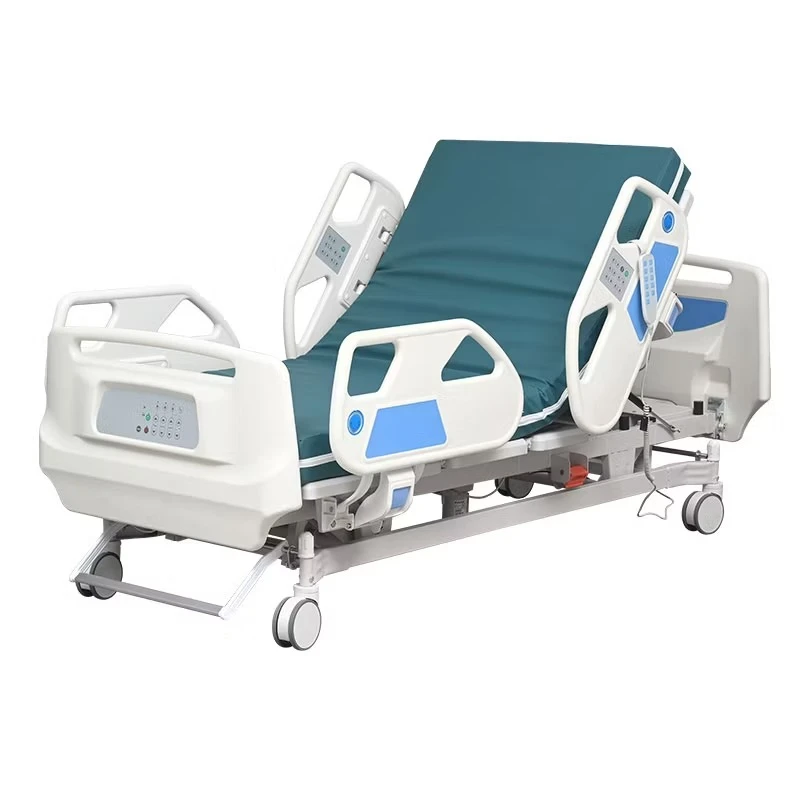
In simplest terms, an anti bedsore air mattress is a specialized mattress designed to prevent or treat pressure ulcers by distributing body weight and reducing pressure on skin and tissue. Instead of solid foam or cotton, these mattresses use air-filled cells or chambers that alternately inflate and deflate, ensuring no one area takes all the strain.
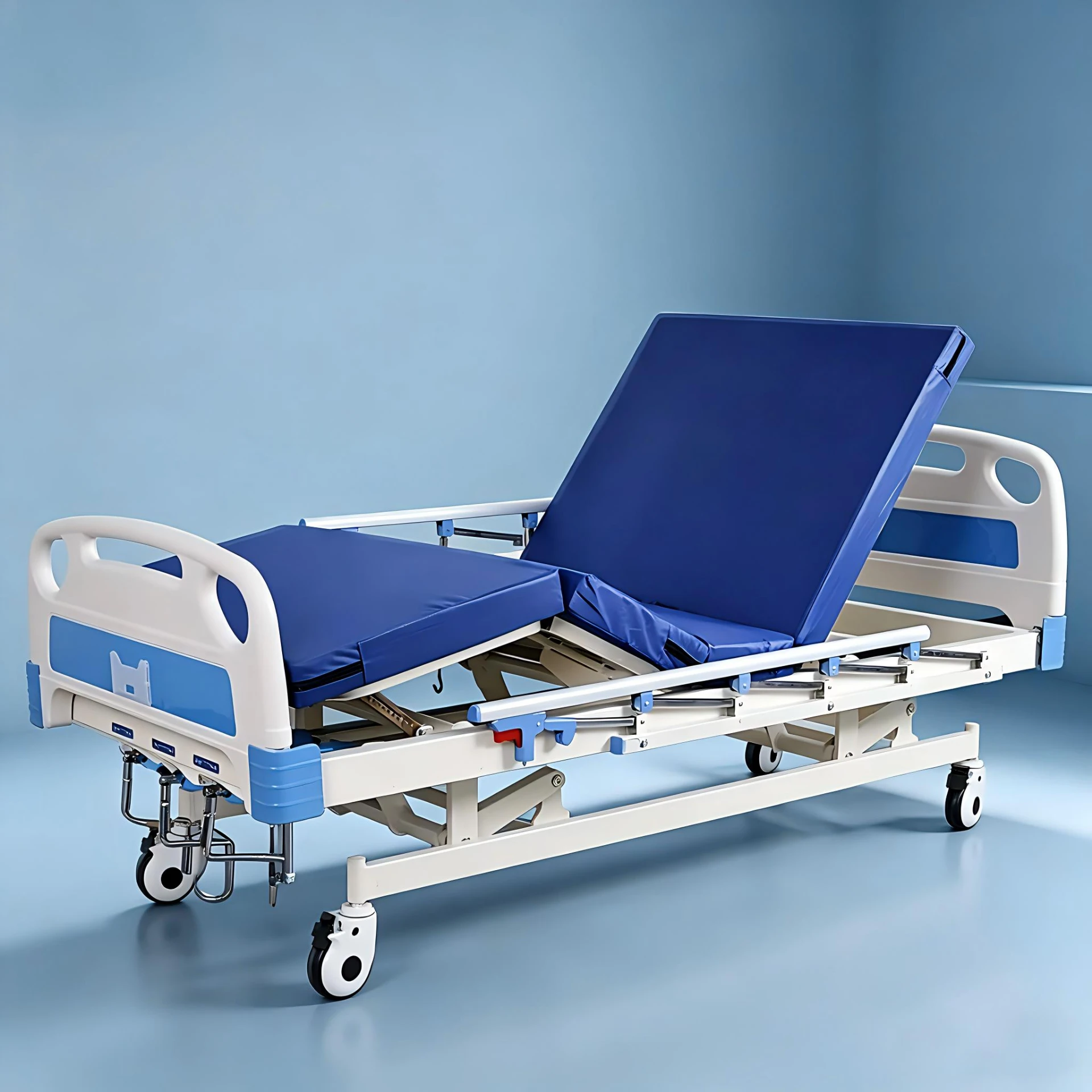
These devices link closely to advances in medical equipment technology and responding humanitarian needs. For example, in disaster zones or elder care facilities, where consistent repositioning by staff may not be feasible, they play a vital role in maintaining skin integrity.
Key Components of Anti Bedsore Air Mattresses
- Pressure Redistribution: The core function is to shift pressure periodically to prevent tissue damage. This is typically done through alternating pressure cycling in sections of the mattress.
- Material Durability: High-density, medical-grade PVC or polyurethane materials resist wear and contamination, crucial for hygiene and longevity.
- Adjustability: Settings for inflation levels, cycle timing, and firmness personalization improve patient comfort and clinical efficacy.
- Portability & Ease of Maintenance: Lightweight designs and easy-to-clean surfaces combine to ease caregiver workload.
- Noise Level: Quieter pumps and compressors positively affect patient rest, a feature overlooked sometimes but essential in long-term care.
Mini takeaway: The best mattresses marry technical precision with practical usability, reflecting growing user-centric design principles.
Where and How Are These Mattresses Used Globally?
Anti bedsore air mattresses span a broad range of settings—from advanced hospitals in Europe and North America to small clinics and home care environments in Asia and Africa. Organizations like Médecins Sans Frontières (Doctors Without Borders) implement them in post-disaster relief camps where immobile patients risk rapid skin breakdown.
In industrialized countries, they’re standard equipment in intensive care units, nursing homes, and rehabilitation centers. Oddly enough, even remote industrial zones automate patient comfort through these mattresses because getting nurse support for repositioning every two hours can be challenging. The global aging trend and extended home healthcare also drive adoption in residential settings.
Typical Product Specifications at a Glance
| Specification | Typical Value |
|---|---|
| Size (L x W x H) | 200cm x 90cm x 15cm |
| Weight Capacity | Up to 150 kg |
| Material | Medical-grade PVC, breathable |
| Pressure Cycles | Alternates every 10–15 minutes |
| Pump Noise Level | Below 25 dB (whisper quiet) |
| Power Source | AC adapter, some models support battery |
Comparing Leading Vendors of Anti Bedsore Air Mattresses
| Brand | Product Range | Price Range (USD) | Warranty | Unique Feature |
|---|---|---|---|---|
| MedAir Solutions | Standard and Bariatric mattresses | $300–700 | 3 years | Smart sensor-based pressure control |
| ComfortCare | Alternating and low-air-loss mattresses | $400–850 | 2 years | Quiet pump technology |
| HealRest | Portable and hospital-grade options | $250–600 | 1 year | Battery backup for mobility |
Why Choose an Anti Bedsore Air Mattress? The Long-Term Value
Tangible benefits abound when using these mattresses:
- Cost Efficiency: Preventing ulcers saves thousands in treatment and hospital stays, worth the upfront mattress investment.
- Sustainability: Durable, easy-to-clean materials reduce waste and resource use, aligning with greener healthcare goals.
- Emotional & Social Impact: Patients feel safer, cared for, and maintain dignity—often overlooked but central to holistic care.
- Reliability: Most models operate continuously, allowing caregivers focus on other duties confidently.
Mini takeaway: It’s not just about technology but about trust and wellbeing—a mattress that works silently to protect human skin.
Looking Ahead: Innovations on the Horizon
Emerging trends indicate smarter mattresses that link to hospital networks, feeding real-time pressure data to nursing stations. Materials incorporating antimicrobial coatings and biodegradable components promise better hygiene and environmental profiles. Additionally, integration of renewable energy sources, like solar-powered pumps, may soon make bedsore prevention more sustainable in rural or off-grid regions.
Common Challenges & How Experts Suggest Overcoming Them
Despite advances, several issues persist:
- Cost Barriers: High quality models may be prohibitively expensive, especially in low-income regions. Solution? Bulk procurement programs and NGO partnerships help bridge the gap.
- Power Dependence: Electric pumps require reliable energy; battery support and manual fallback modes mitigate patient risk during outages.
- User Training: Incorrect mattress settings reduce benefit. Training programs and simple design interfaces are key.
FAQ: Practical Questions About Anti Bedsore Air Mattresses
- Q: How does an anti bedsore air mattress actually prevent pressure ulcers?
- A: By cyclically inflating and deflating air compartments, it redistributes body weight so no single area endures constant pressure, allowing blood flow to tissues and preventing skin breakdown.
- Q: Can these mattresses be used outside hospitals, say in home care?
- A: Absolutely, many models are designed with portability and ease-of-use for home environments, offering elderly or immobile patients protection without requiring constant repositioning.
- Q: What maintenance does an anti bedsore air mattress require?
- A: Regular cleaning with approved disinfectants, inspection for leaks, and pump checks are standard. Most come with simple manuals—nothing too technical for caregivers.
- Q: Are these mattresses suitable for all patient weights?
- A: Models vary, but many support up to 150-200 kg. For bariatric patients, specialized high-capacity options exist to ensure efficacy.
- Q: How quickly might I see improvements if using this mattress?
- A: Prevention is immediate, but for existing ulcers, combined use with medical treatment can show skin healing in days to weeks, depending on severity and patient condition.
Conclusion: The Quiet Revolution in Patient Care
In real terms, the anti bedsore air mattress represents more than just a product; it’s a win-win for patients and providers—merging comfort, safety, and practical innovation. As healthcare evolves, such devices will only become more essential globally, especially with aging demographics and stretched medical resources.
So, if you’re looking to improve wellbeing in a clinical or home setting, it’s smart to explore these mattresses more deeply. For more information and quality solutions, anti bedsore air mattress options from trusted manufacturers are just a click away.
Mini takeaway: Investing in effective pressure management is investing in human comfort and dignity – a small change with outsized impact.
References: