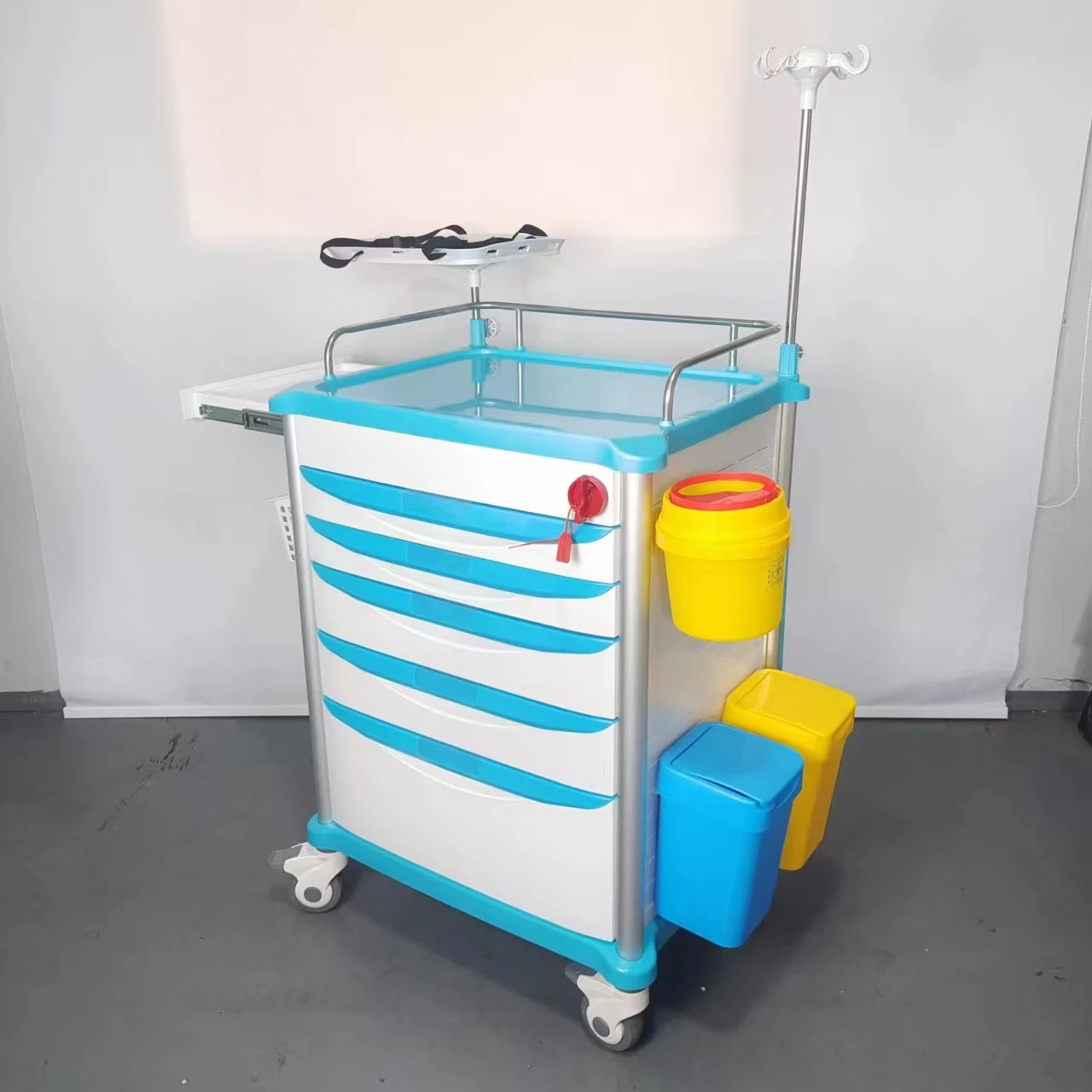
High-Quality Instrument Trolley Stainless Steel for Industrial Use
The Practical Appeal of a instrument trolley stainless steel in Industrial Settings
Having spent a fair bit of time in the industrial equipment sector — and by that, I mean getting my hands dirty in workshops, factory floors, and medical environments — I’ve noticed that certain tools and accessories become unsung heroes. The instrument trolley stainless steel is definitely one of them. You don’t often see it hogging the spotlight, but when you need reliability, durability, and functionality all rolled into one, it quietly proves its worth.
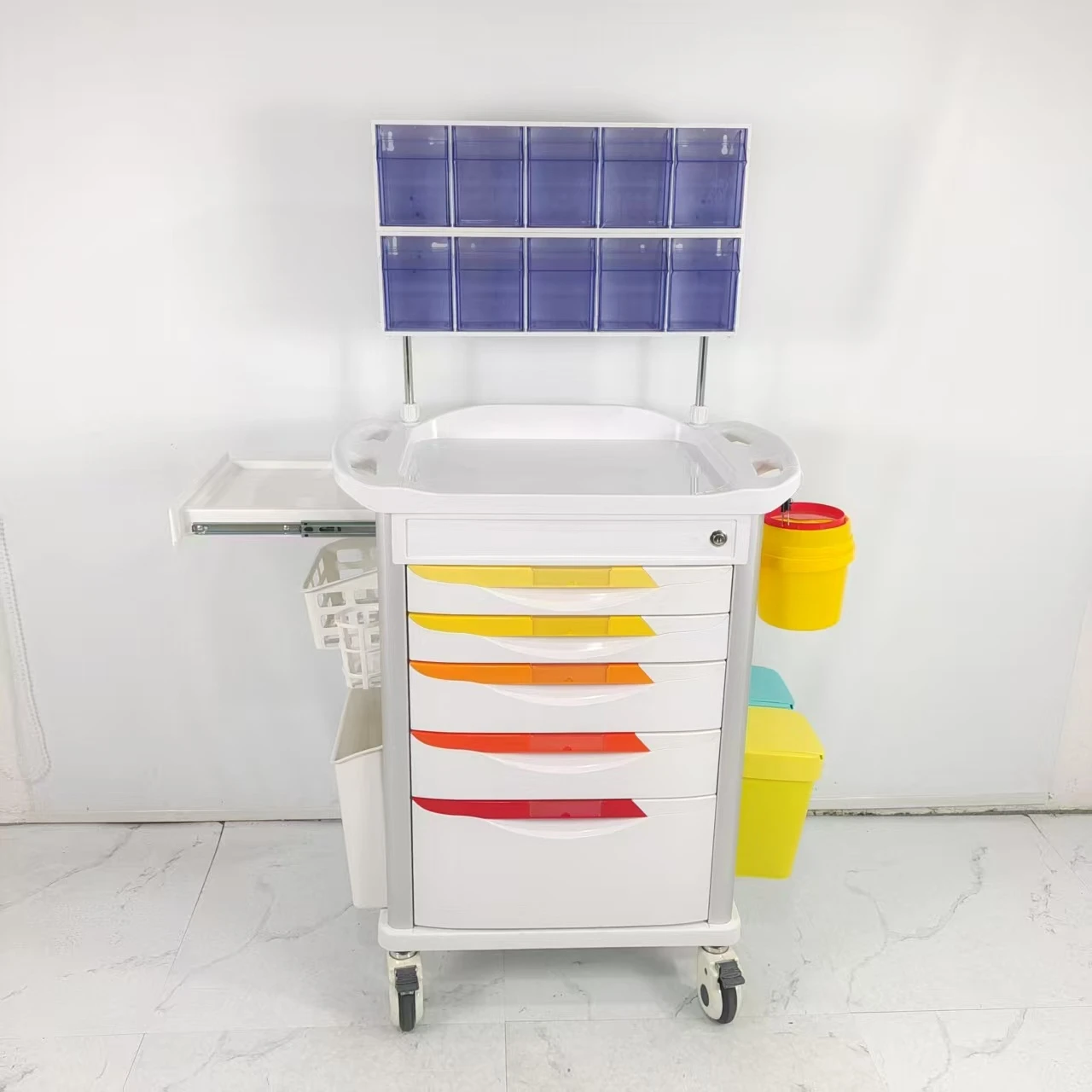
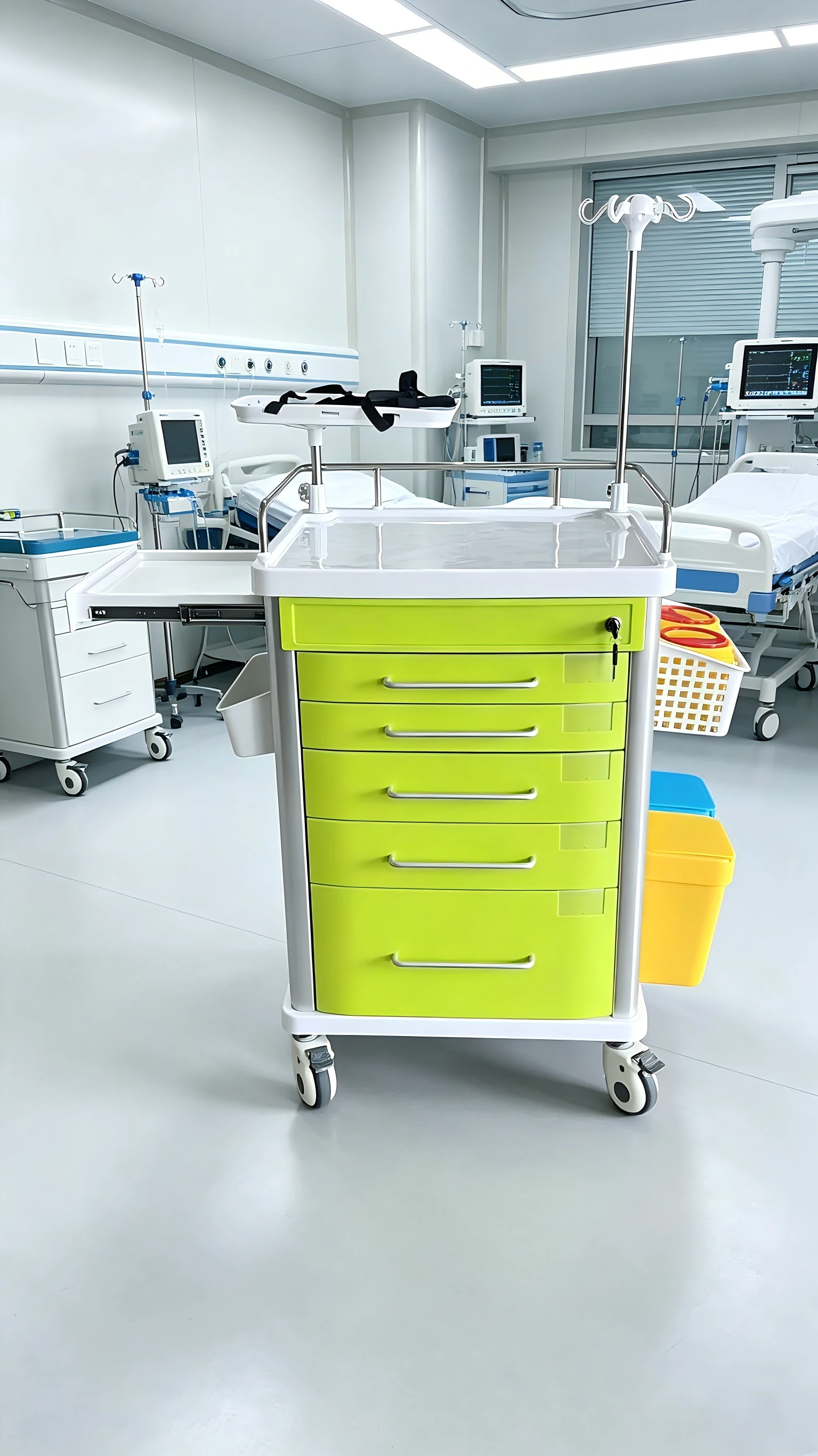
For those not familiar, instrument trolleys serve as mobile workstations, organizing and transporting tools, components, or medical instruments. Steel variants, specifically stainless steel models, stand out because of their resistance to corrosion, ease of cleaning, and sturdiness. Oddly enough, despite being so critical, you rarely find trolleys that balance practicality and sophistication quite like these.
In my experience, stainless steel trolleys shine especially in environments where hygiene is critical—think hospitals, laboratories, or clean rooms on an assembly line. The material’s natural antimicrobial properties, combined with ergonomic design, mean it's pretty much the go-to choice where quality and safety can’t be compromised. That said, they're not just for sterile environments — manufacturing plants, automotive workshops, and even food production facilities benefit from their rugged build and low maintenance.
Material & Design: What Makes Stainless Steel Stand Out
Stainless steel isn’t just a fancy-looking metal. It’s an alloy formulated to combat rust and corrosion, which is critical in industrial settings where trolleys get exposed to varying chemicals, moisture, and wear. I’ve seen cheaper steel alternatives rust in months or buckle under pressure, but stainless steel trolleys often look and perform well even after years of heavy use.
Many manufacturers also incorporate smooth weld seams and polished surfaces, which not only improves durability but reduces the chance of dirt or bacteria buildup. It all sounds technical, but frankly, it’s the little touches that make the difference between a trolley that lasts and one that drags you down after a couple of months.
A Quick Look: Typical Product Specs for a Stainless Steel Instrument Trolley
| Specification | Details |
|---|---|
| Material | 304 or 316 stainless steel |
| Dimensions (WxDxH) | Standard sizes ranging 600x400x900mm to 800x500x1000mm |
| Shelves | 2-3 removable or fixed shelves with slip-resistant mats |
| Caster Wheels | 360° swivel, with locking brakes, typically 75-100mm |
| Load Capacity | Up to 150 kg per shelf, depending on design |
Vendor Comparison: What to Look for When Choosing Your Stainless Steel Instrument Trolley
| Feature | Brand A | Brand B | Brand C |
|---|---|---|---|
| Material Grade | 304 Stainless Steel | 316 Stainless Steel | 304 Stainless Steel |
| Caster Quality | Standard polyurethane, locks included | Heavy-duty rubber, noise reduction | Basic nylon, no locks |
| Customization Options | Custom shelf layout available | Limited customization | None |
| Price Range | $$$ | $$$$ | $ |
| Typical Use Case | Medical & Lab Equipment | Pharmaceutical & Cleanroom | General Industrial |
So, what does this mean if you’re in the market? Frankly, buying an instrument trolley stainless steel isn’t just about picking the flashiest model. It’s about matching the trolley’s specs to the environment where it’ll actually be used. I recall a client who switched from a basic cart to a high-end stainless steel trolley, and they told me it changed their workflow in ways they didn’t expect — tools stayed cleaner, everything felt more accessible, and even the staff morale improved. Kind of fascinating how such a small piece of kit can have ripple effects, right?
The bottom line is this: invest in quality, consider your specific needs, and pay attention to small details — from material grade to caster design. Your team — and your bottom line — will thank you for it.
References:
- Industrial Standards for Stainless Steel Alloys, ASM International, 2021.
- User Reviews & Case Studies on Instrument Trolleys, Manufacturing Monthly, 2023.
- Maintenance and Cleaning Protocols for Metal Equipment, Facility Management Journal, 2022.