What Are the Beds in Hospitals Called? A Complete Guide to Hospital Beds and Their Global Importance
What Are the Beds in Hospitals Called? Understanding Their Role and Importance
If you've ever spent time in a hospital or seen one on TV, you've probably noticed the array of specialized beds patients lie on. But, what are the beds in hospitals called, and why do they matter beyond just a place to rest? These beds, often termed hospital beds or medical beds, are more than mere furniture—they’re carefully designed tools crucial for patient care worldwide.
Globally, the demand for functional and ergonomic hospital beds has skyrocketed, especially with aging populations and complex healthcare needs. According to the World Health Organization (WHO), proper hospital infrastructure—including reliable beds—is essential for effective health services and patient safety. If you’re in healthcare, medical equipment provision, or curious about hospital logistics, diving into this topic sheds light on a critical, yet often overlooked component of medical care.
Introduction: Global Context of Hospital Beds
In 2023, the global hospital bed capacity hovered around 34 beds per 10,000 people in high-income countries, while some low-income nations barely reached 5 beds per 10,000 (World Bank data). This disparity points to both infrastructure gaps and provisioning challenges that impact treatment quality. Specialized hospital beds also play a vital role in disaster response—think of field hospitals during pandemic surges or earthquake aftermaths where rapid deployment of beds means life or death.
Moreover, hospital beds aren’t one-size-fits-all items; they incorporate technology like adjustability, pressure relief surfaces, and built-in monitoring, easing caregiver efforts and improving patient outcomes. Frankly, understanding what these beds are—and what makes the right bed for specific needs—matters not just medically but socially and economically, influencing healthcare efficiency and dignity.
Definition & Meaning
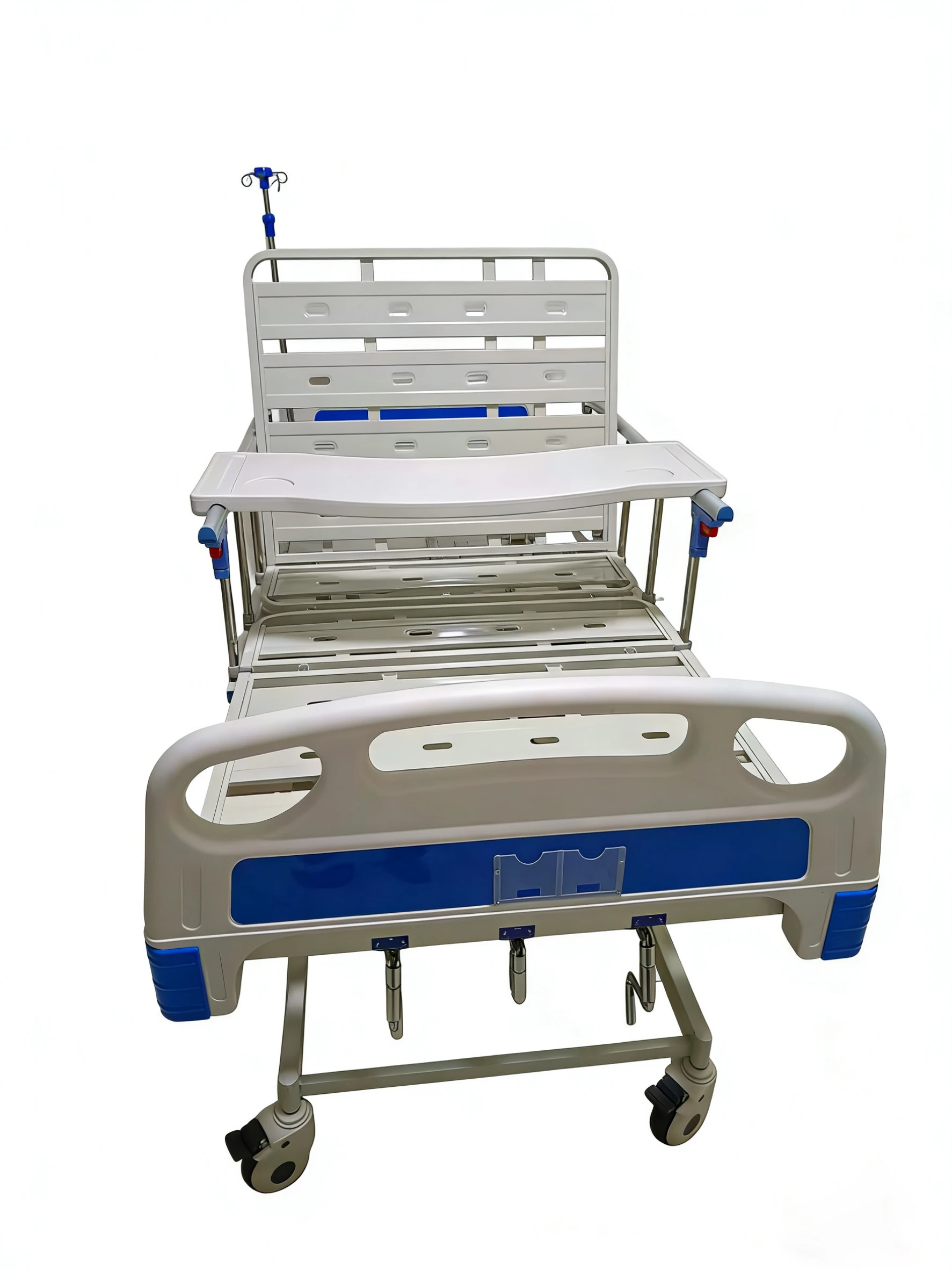
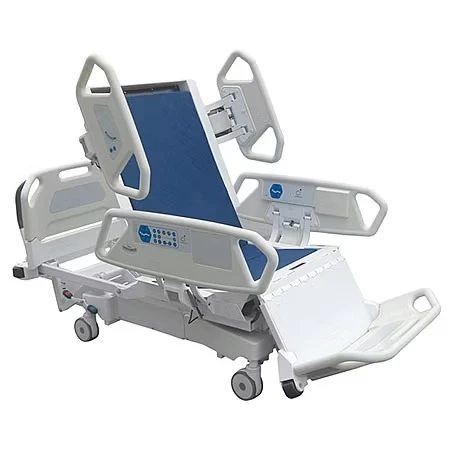
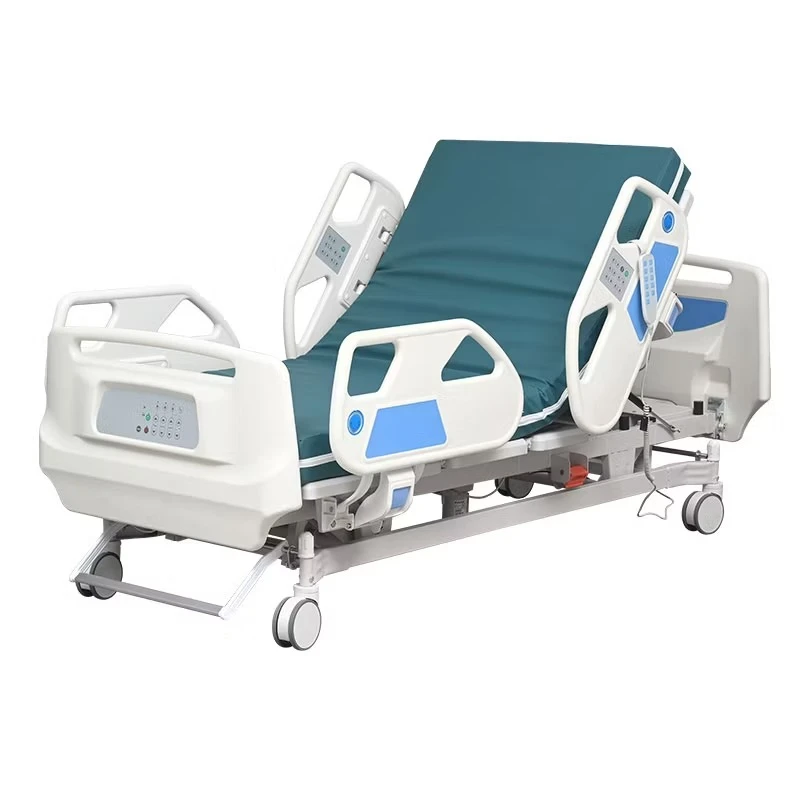
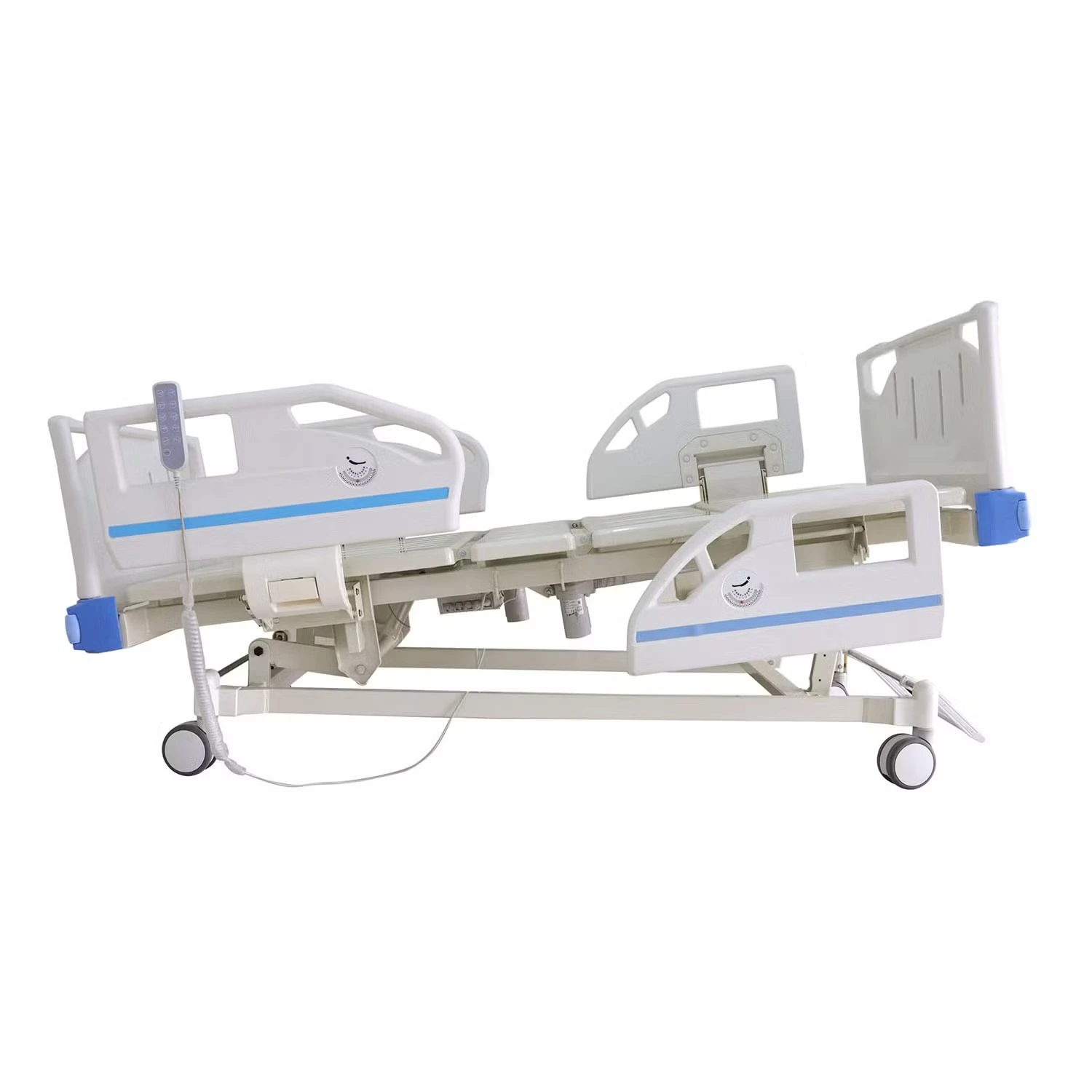
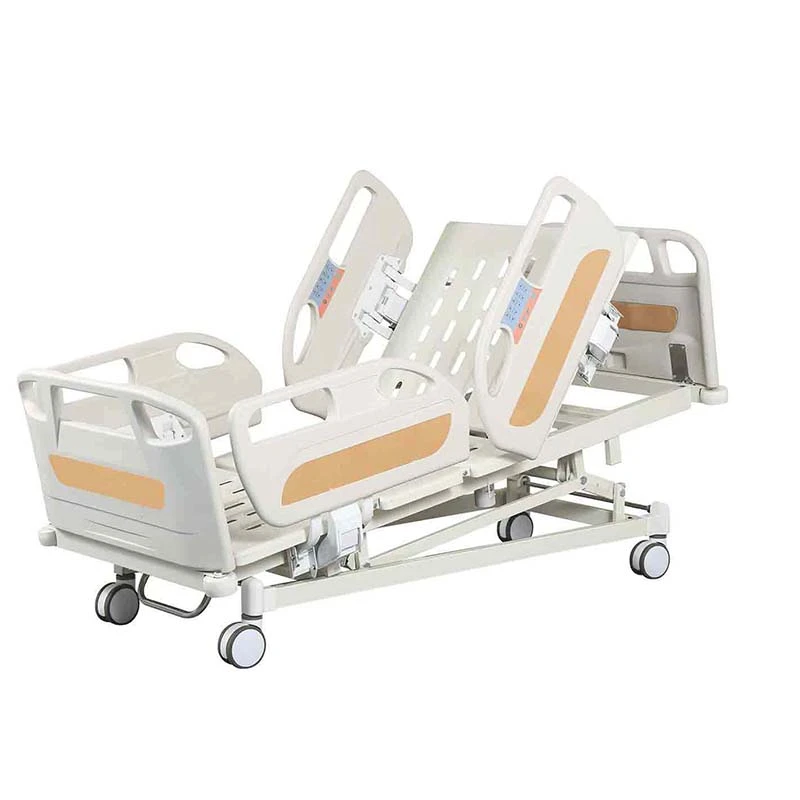
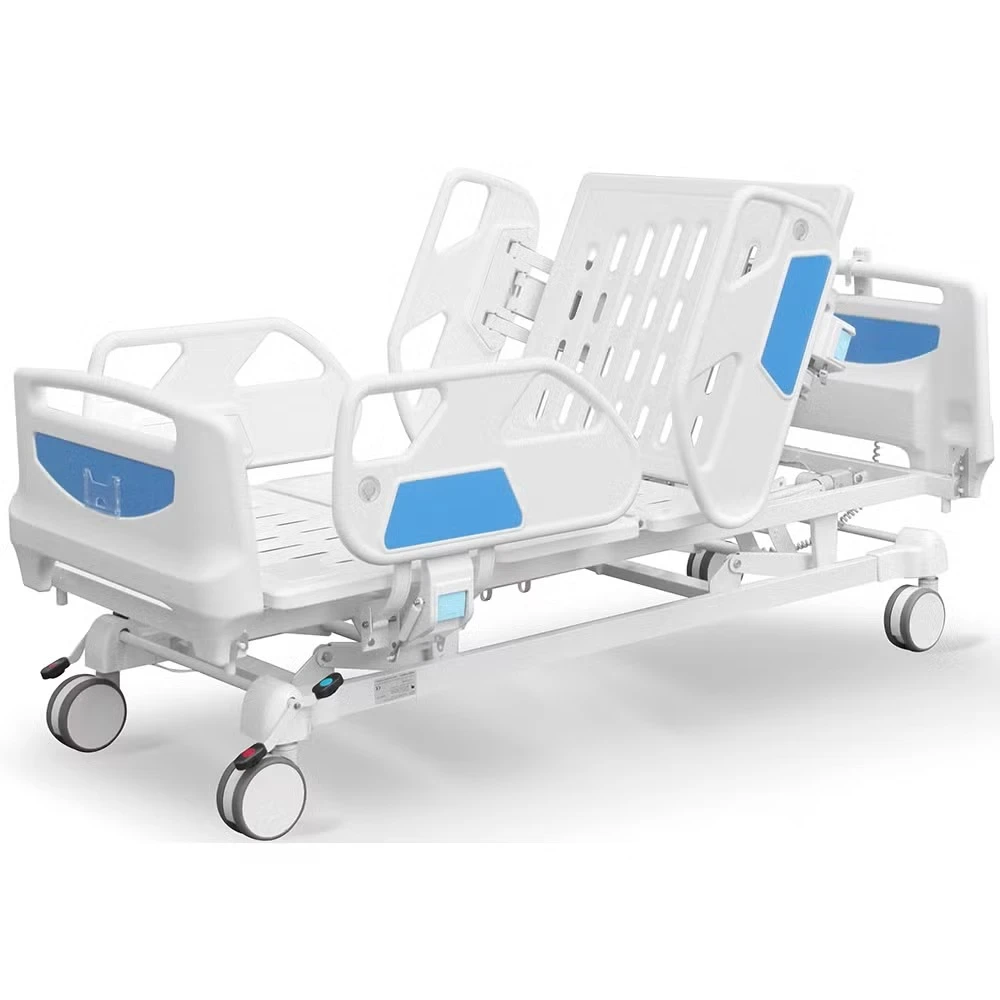
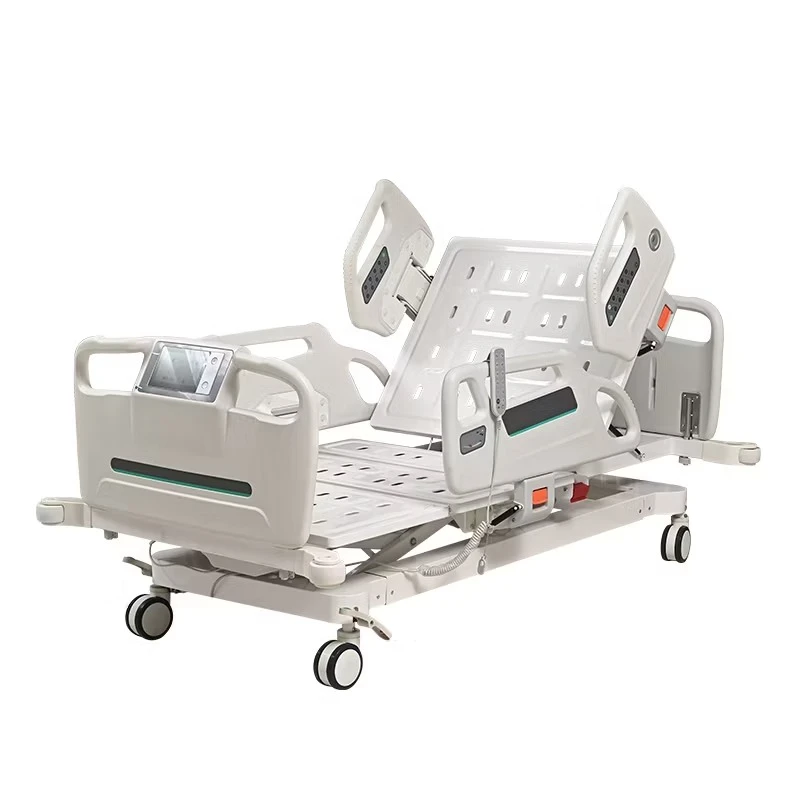
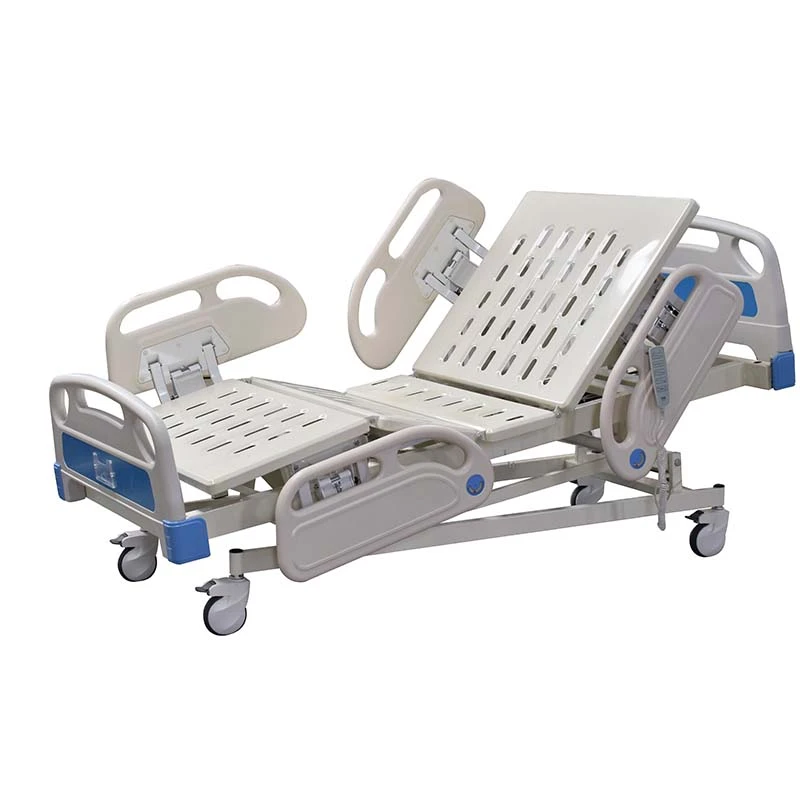
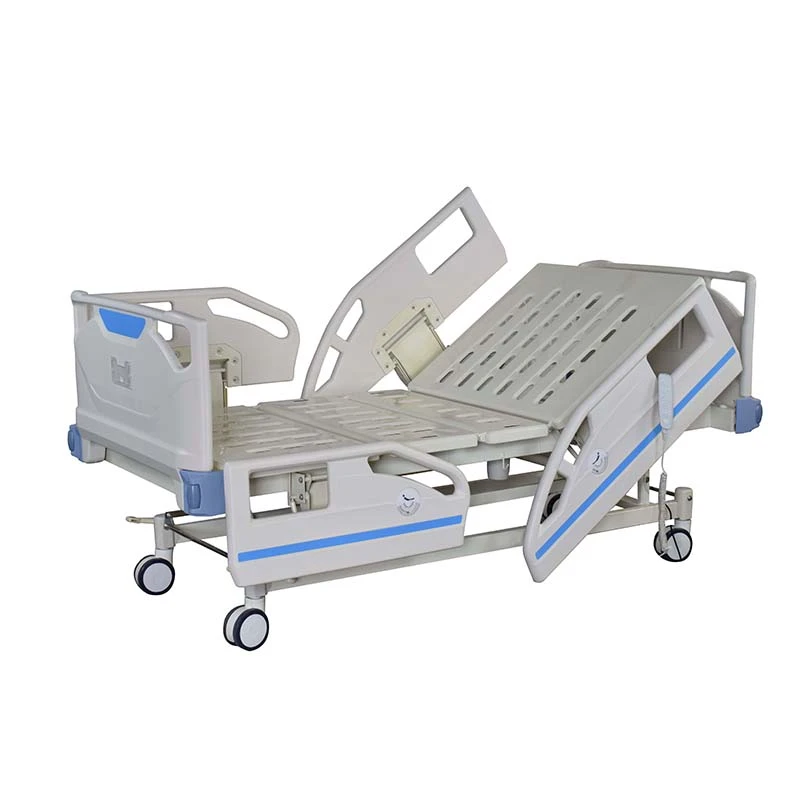
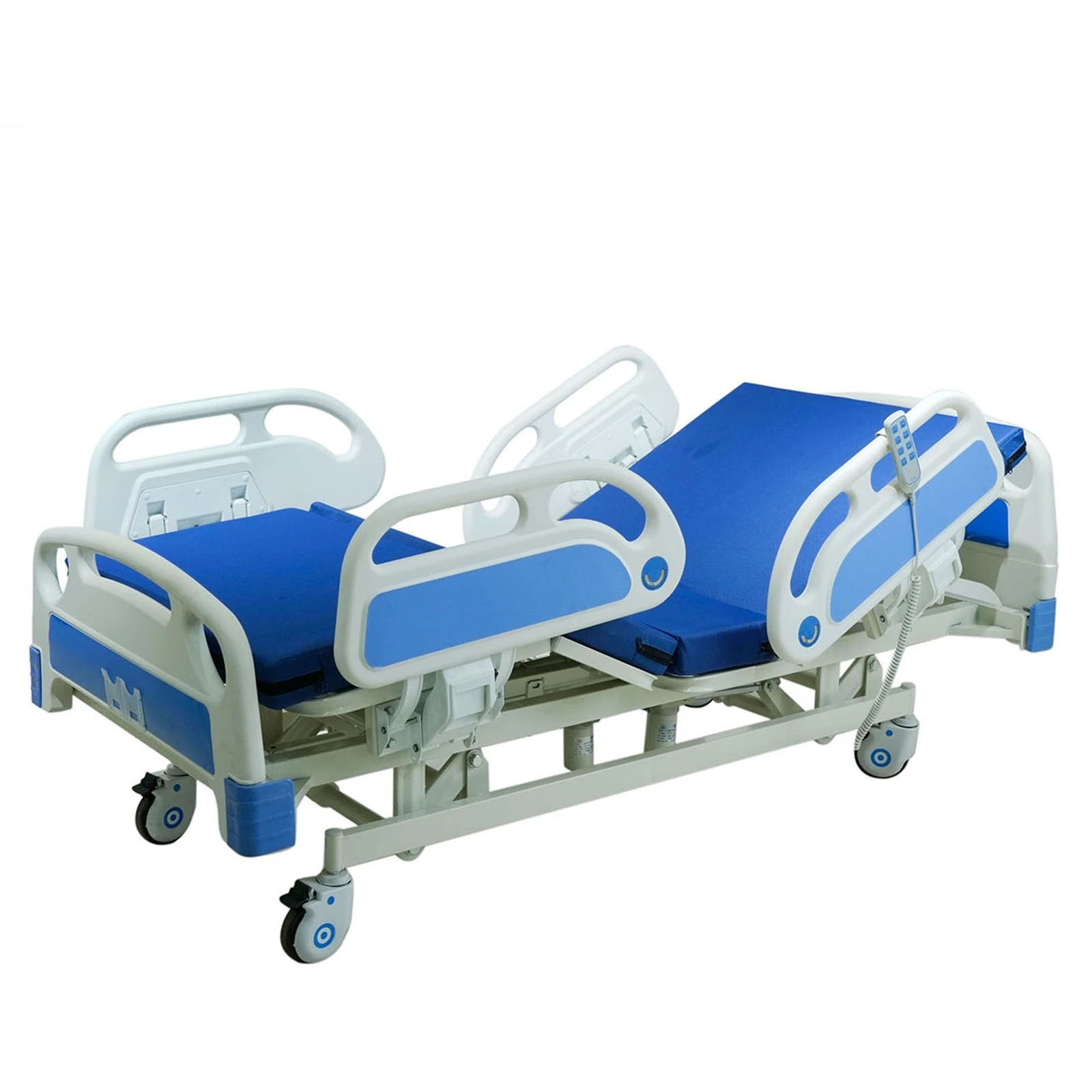
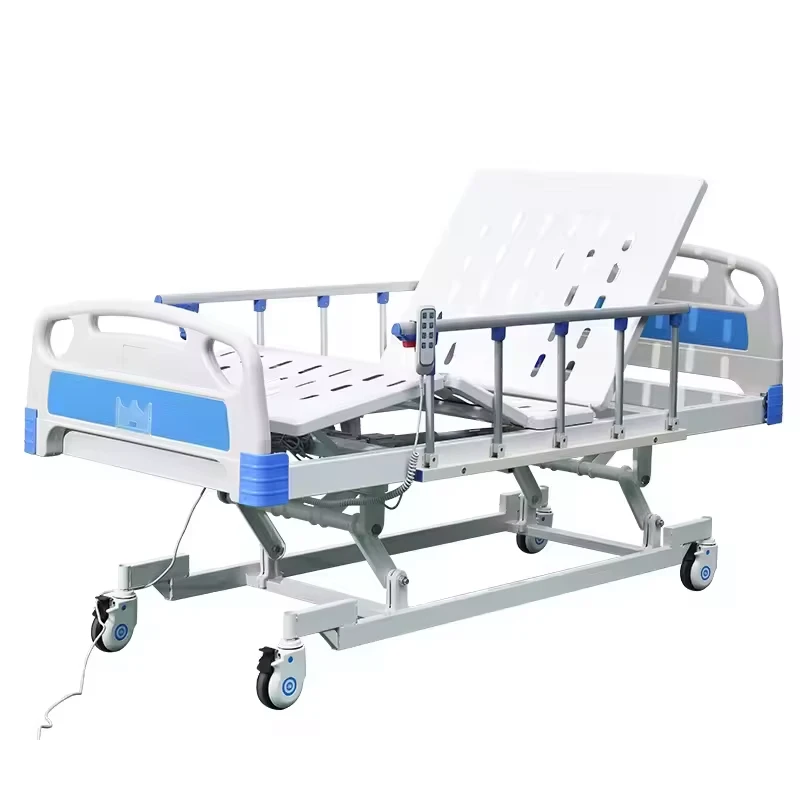
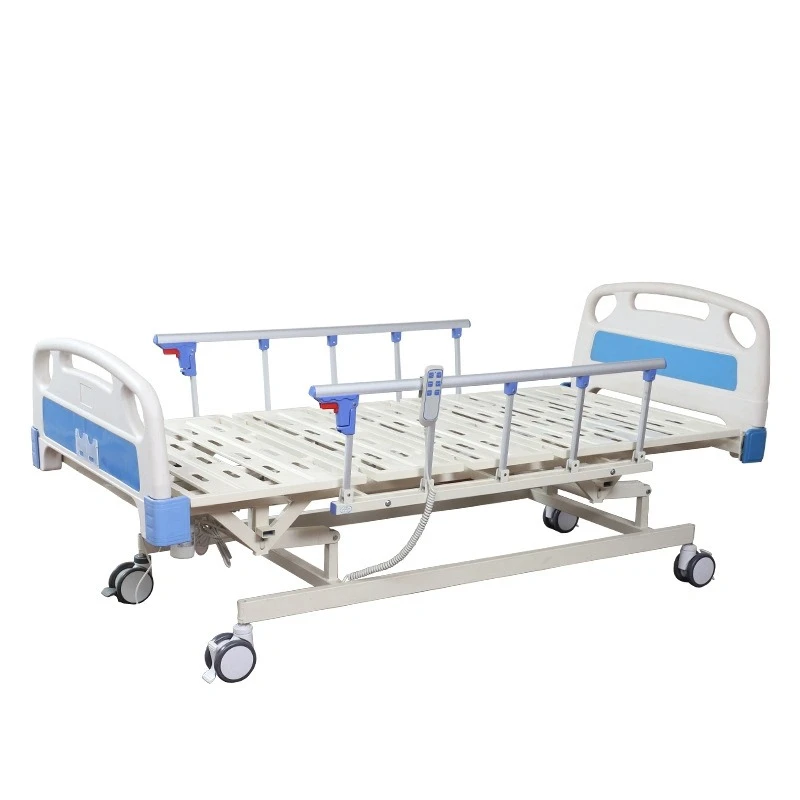
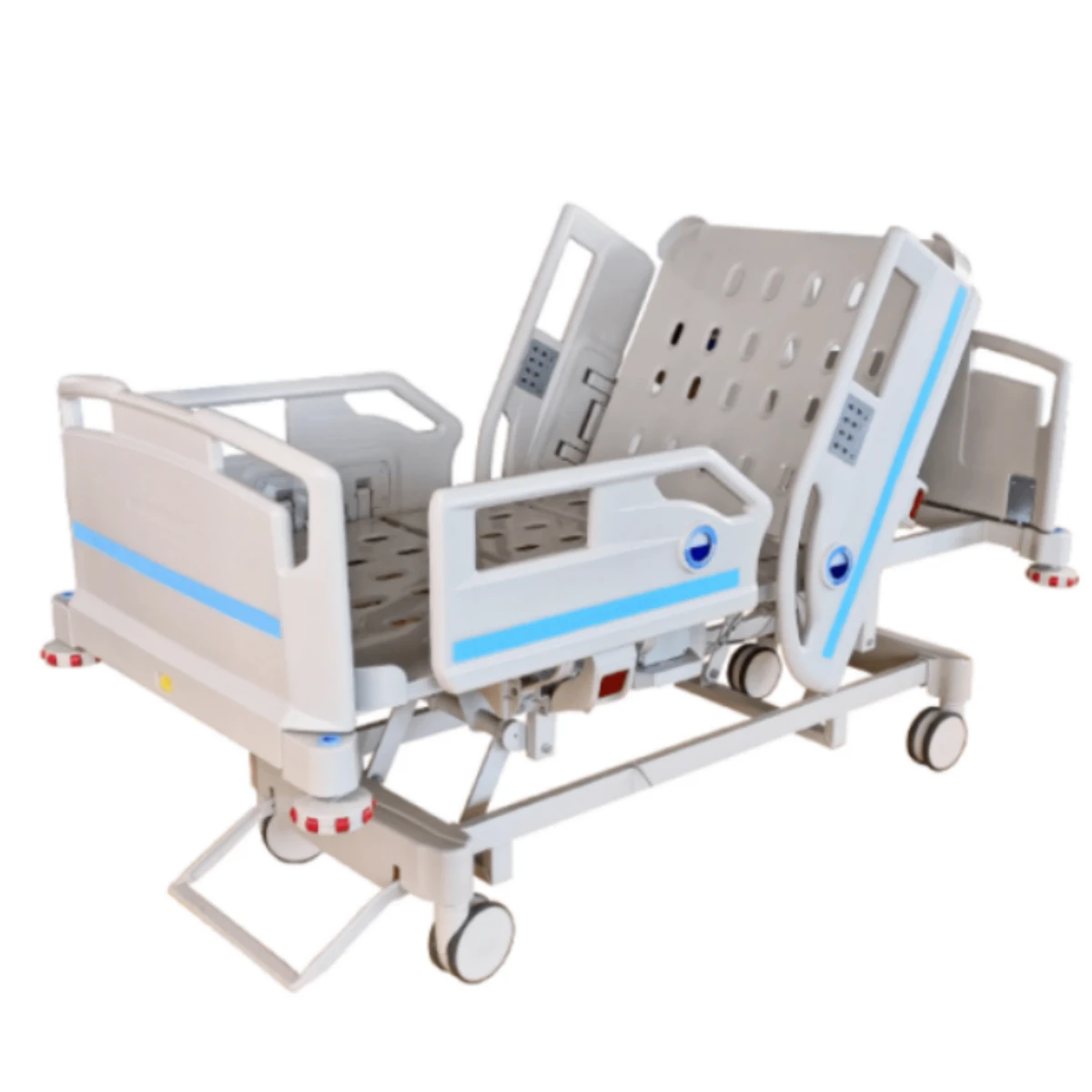
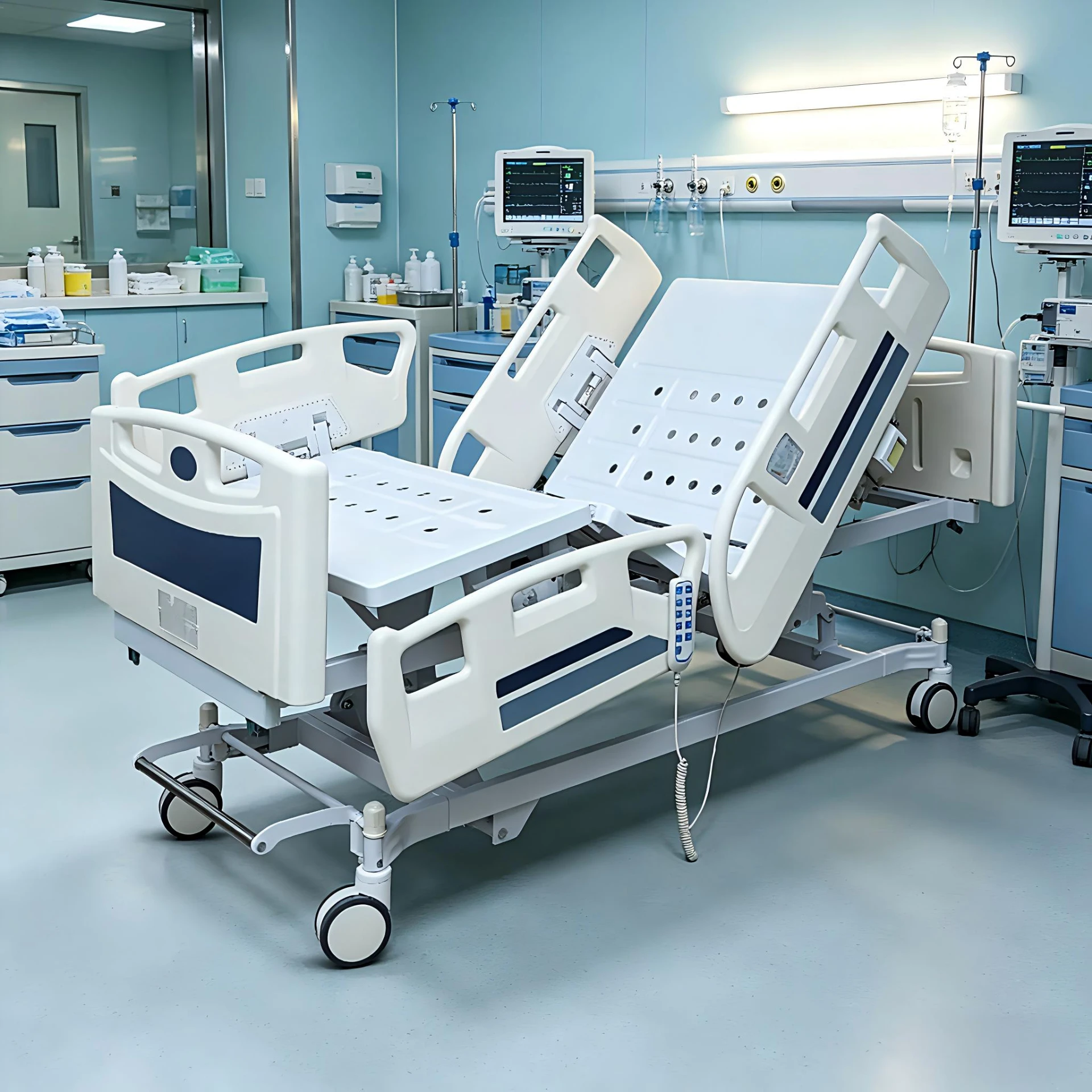
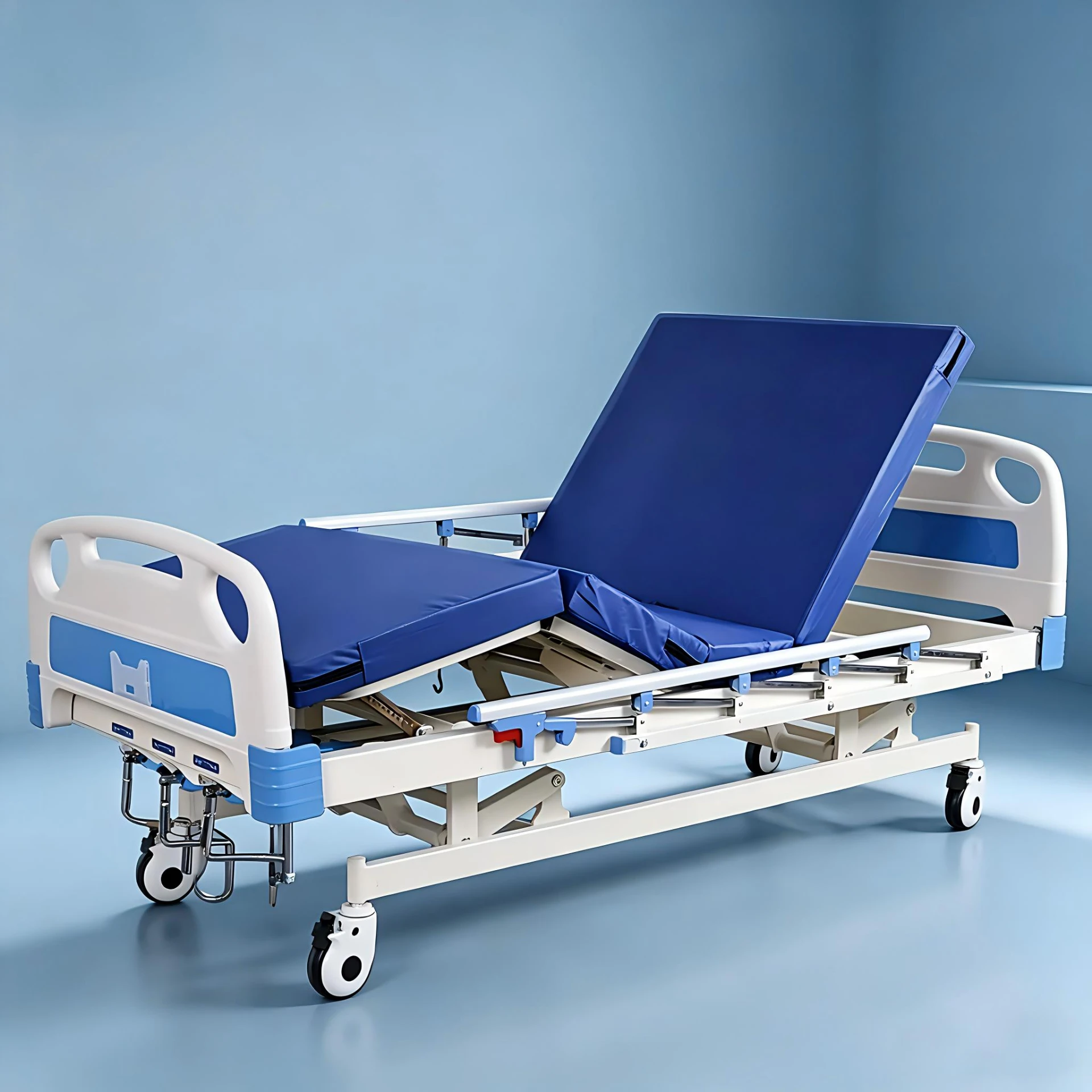
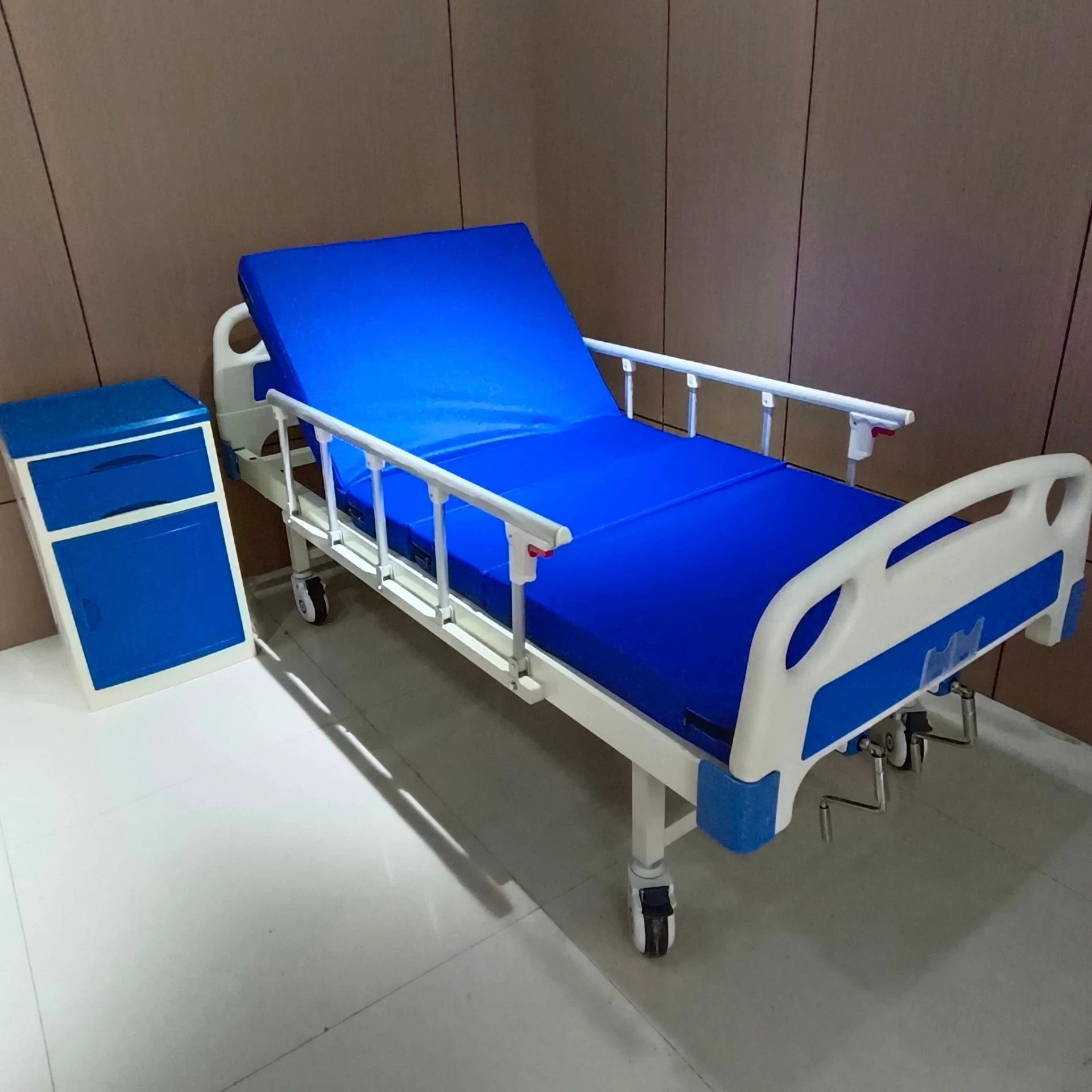
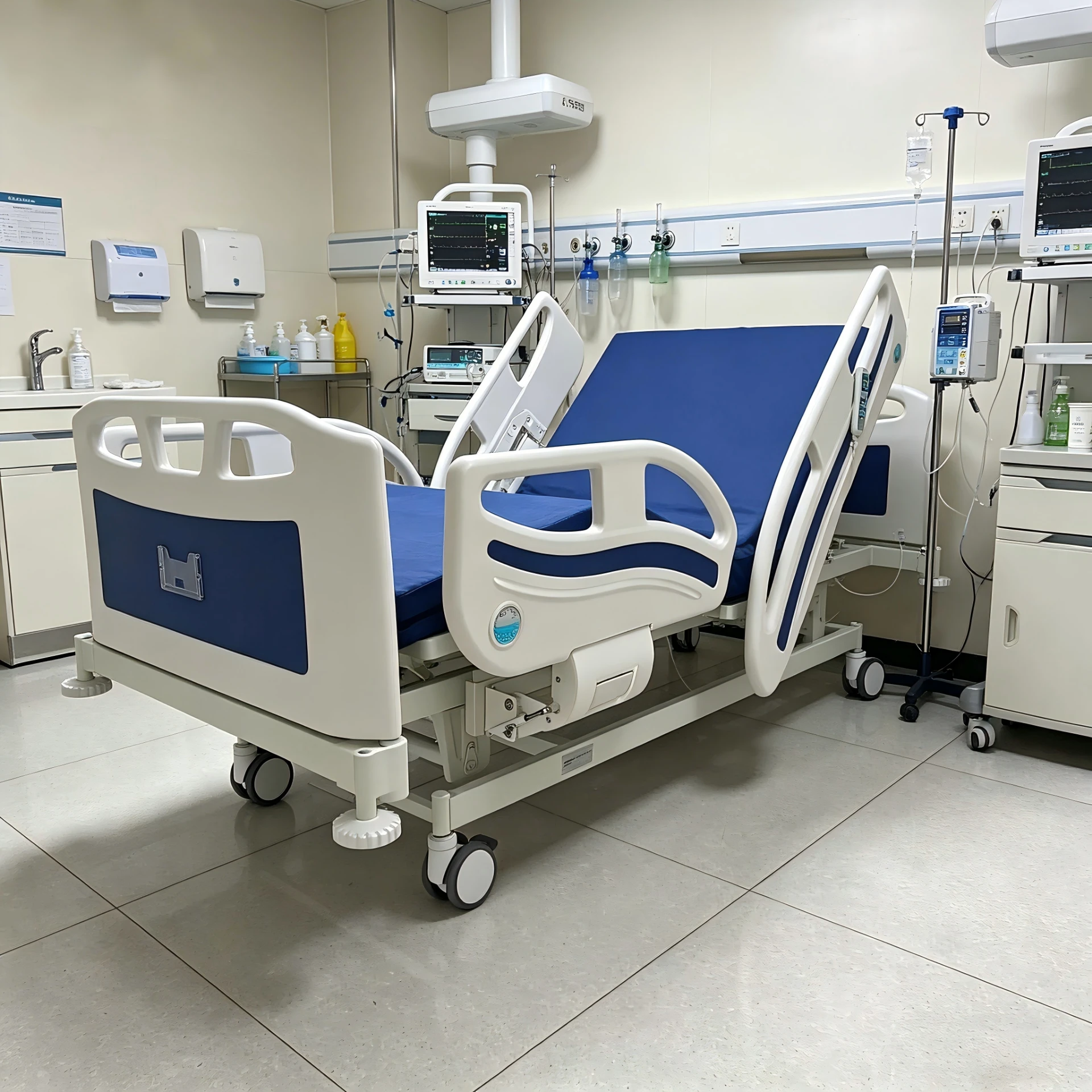
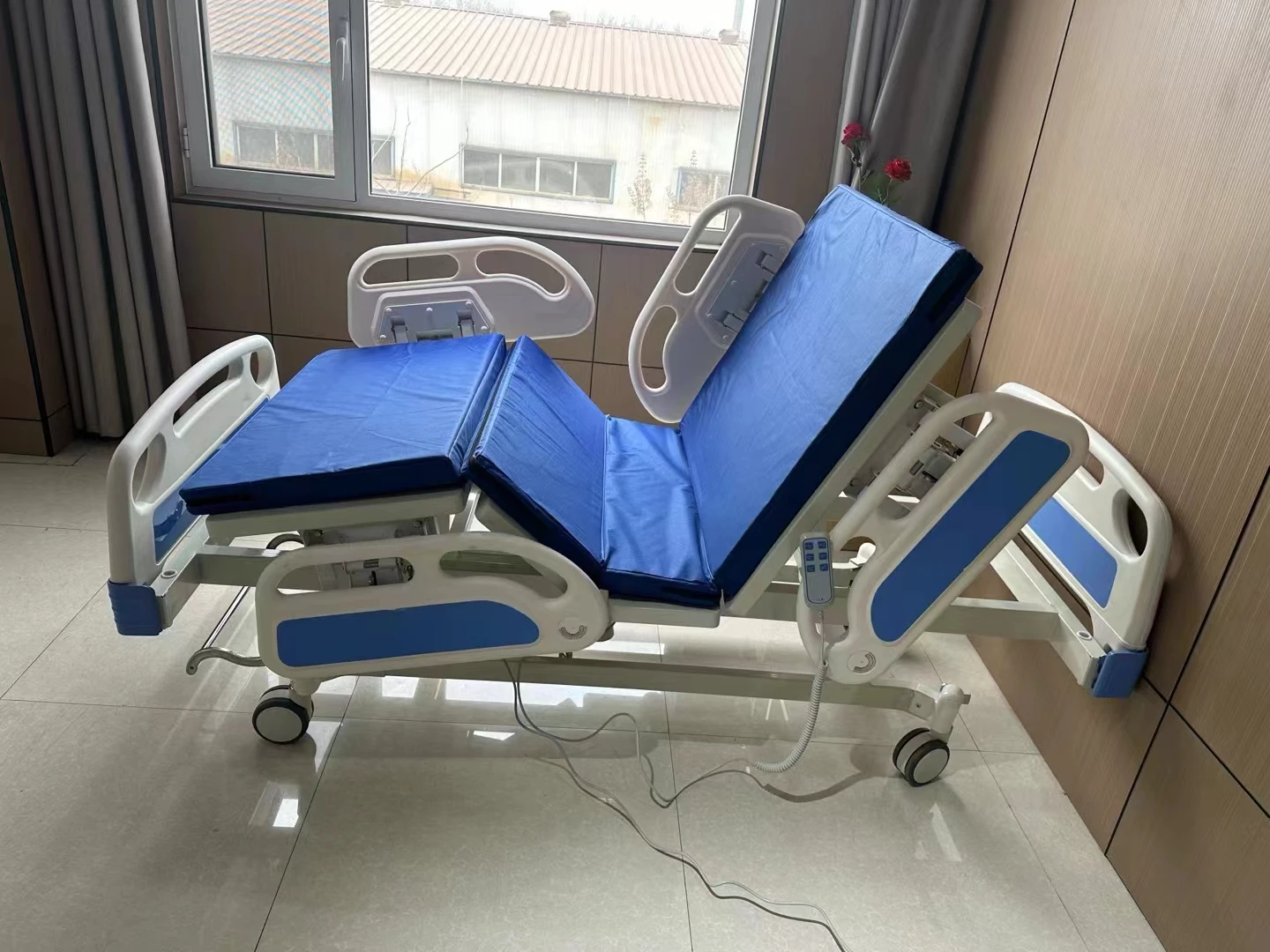
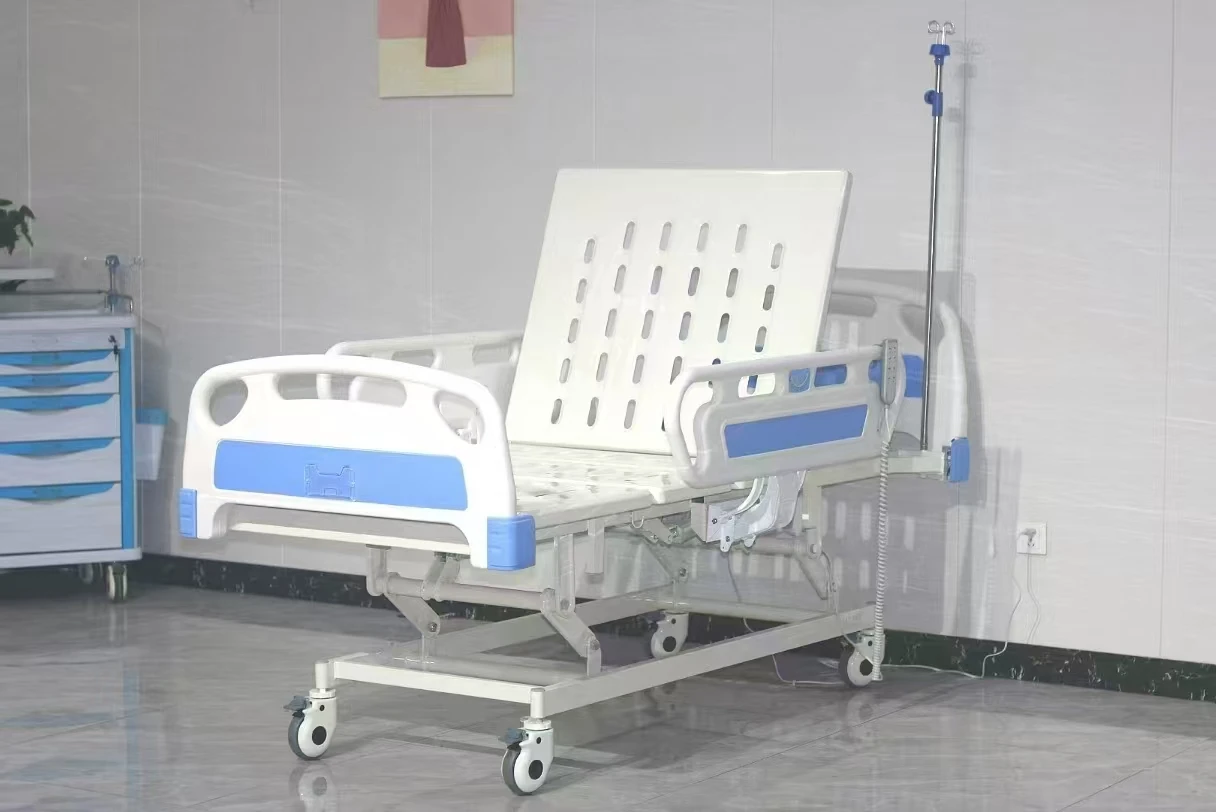
What are the beds in hospitals called? At their core, they are known as hospital beds. These are specially designed beds intended to support the hospitalization of patients with conditions varying in severity. They’re engineered to facilitate treatment, comfort, mobility, and safety, unlike typical household beds.
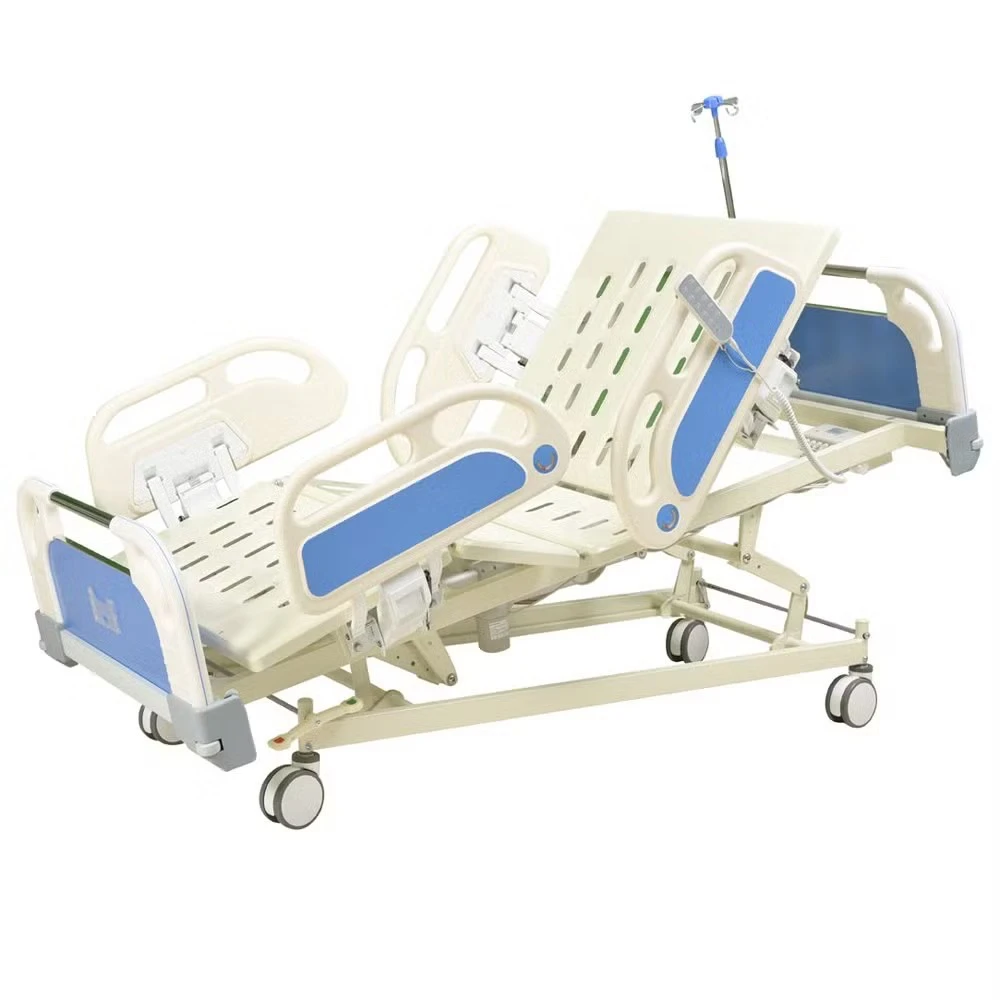
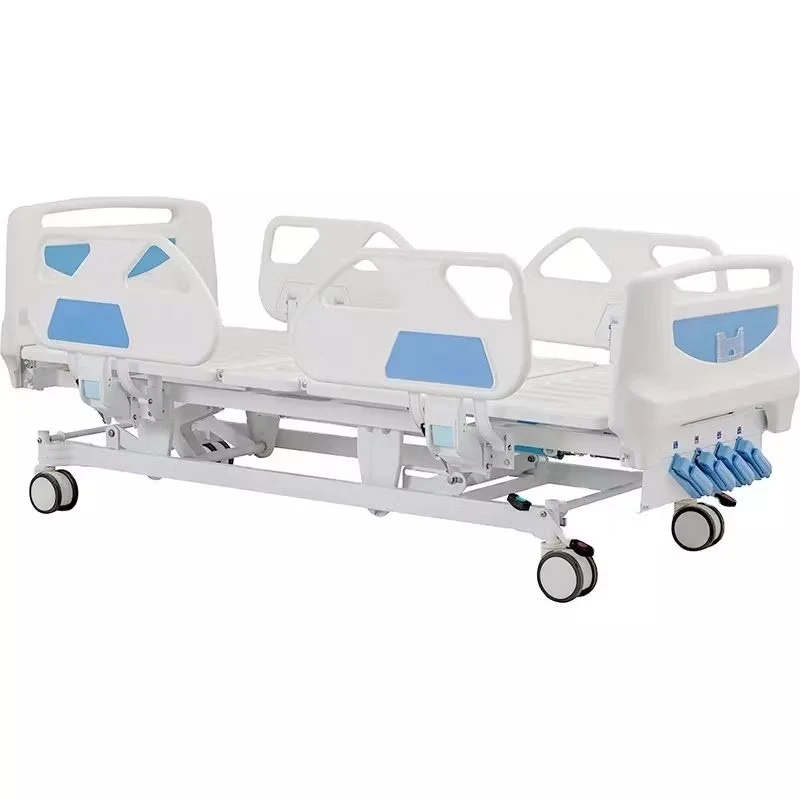
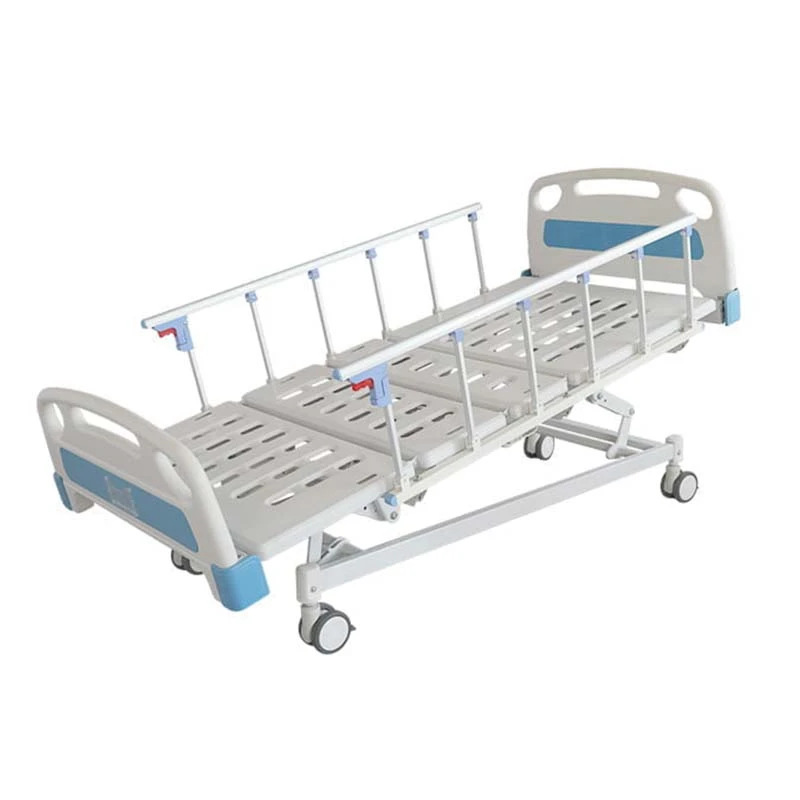
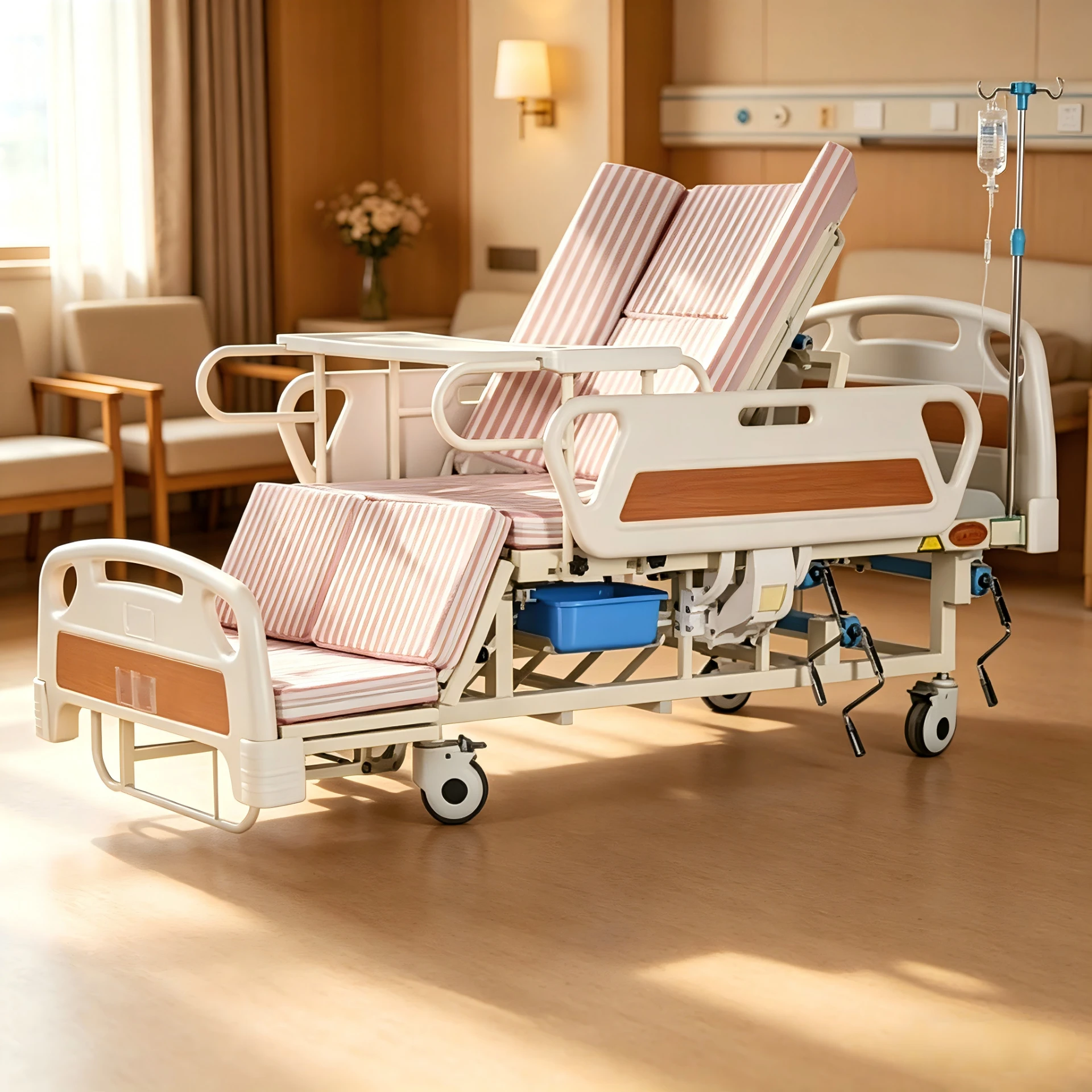
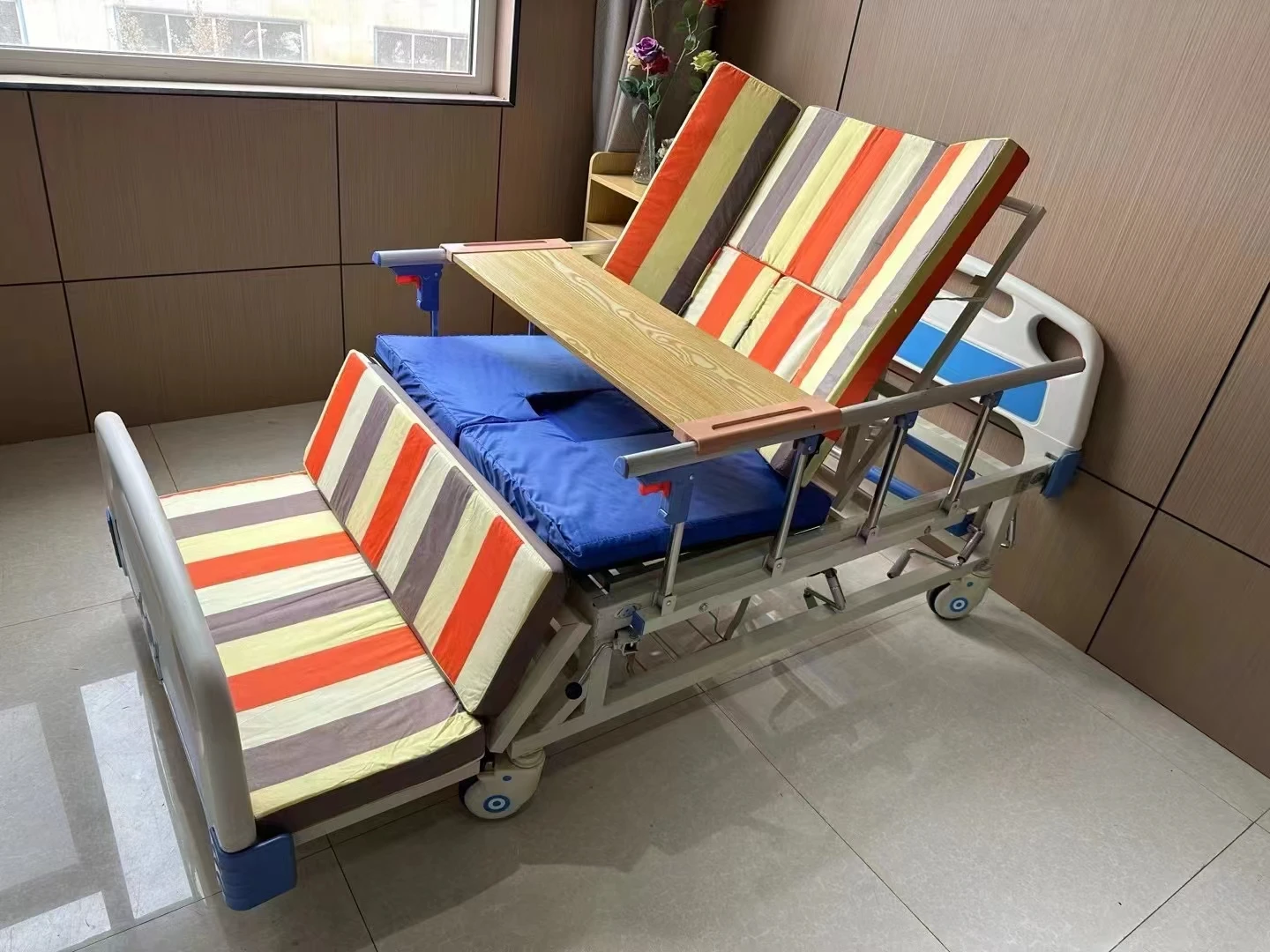
Modern hospital beds often come with mechanical or electronic adjustments for height, backrest angle, and leg elevation. They may include side rails, built-in wheels for transport, and compatibility with medical devices. Their design is tightly linked to both clinical needs—like pressure sore prevention—and broader humanitarian goals, such as ensuring equitable healthcare access globally.
Key Factors or Core Components of Hospital Beds
1. Adjustability
Adjustability is arguably the hallmark of hospital beds. Patients’ needs change hourly, sometimes minutely, demanding the ability to alter bed positions easily. This includes raising the head, feet, or overall bed height, which not only aids patient comfort but also improves caregivers’ ergonomics.
2. Durability and Hygiene
Hospital beds must withstand constant cleaning, disinfectants, and patient turnover. Materials like stainless steel and antiviral-coated plastics are often used. It's no exaggeration to say a durable, easy-to-clean bed can reduce hospital-acquired infections significantly.
3. Mobility and Transport
Many hospital beds come with locking caster wheels, enabling smooth transportation within wards or when moving patients to different departments. Having a bed that can move easily but lock firmly is essential during emergencies.
4. Safety Features
Side rails prevent unintentional falls, while integrated controls can limit bed movements to prevent injury. Some beds include alarms that notify staff if a patient tries to get up unassisted, which is vital for fall prevention, especially with elderly patients.
5. Compatibility with Medical Equipment
Modern hospital beds are designed to sync with devices such as IV poles, monitoring monitors, and ventilators. Some feature built-in electronics for patient monitoring and data capture, bridging the gap between furniture and tech.
Hospital Bed Specifications
| Feature | Typical Range / Specification | Purpose/Benefit |
|---|---|---|
| Length | 190 cm to 220 cm | Accommodates various patient heights |
| Adjustable Height | 40 cm to 80 cm | Ease of patient transfer & caregiver ergonomics |
| Max Weight Capacity | 150 kg to 250 kg | Supports patient safety for heavier individuals |
| Power Source | Electric / Manual / Hydraulic | Flexibility in different healthcare settings |
| Safety Features | Side rails, alarms, locking wheels | Fall prevention & patient monitoring |
Global Applications & Use Cases
Hospital beds are foundational across healthcare systems internationally. In developed countries, hospitals use high-tech electric beds with integrated sensors — think Japan or Germany where aging populations demand sophisticated care equipment. Meanwhile, in resource-limited settings like rural Africa or parts of Southeast Asia, manual or semi-electric beds still provide essential patient support, often arranged in makeshift field hospitals.
During crises—natural disasters, pandemics, or conflict zones—rapid deployment of flexible hospital beds can literally save lives. NGOs and organizations such as Médecins Sans Frontières (Doctors Without Borders) rely on portable hospital beds that are lightweight but durable for mobile clinics. Oddly enough, the design simplicity in such beds often beats more complex units in extreme conditions.
Vendor Comparison
| Vendor | Price Range (USD) | Key Features | Warranty | Best For |
|---|---|---|---|---|
| Hill-Rom | $2,500 - $7,000 | Advanced electronics, patient monitoring integration | 5 years | Large hospitals, ICU |
| Drive Medical | $900 - $2,000 | Lightweight frames, manual or semi-electric | 3 years | Home care, small clinics |
| Arjo | $3,000 - $6,000 | Pressure redistribution surfaces, ergonomic design | 4 years | Rehabilitation centers |
Advantages & Long-Term Value
Choosing the right hospital bed pays dividends beyond initial purchase. For patients, it means comfort, dignity, and safety—feeling cared for during vulnerable times. From a logistical viewpoint, durable and functional beds cut down on replacement costs and reduce staff strain.
Sustainability is also gaining ground. Many manufacturers now use eco-friendly materials and design beds for easier recycling and repair. The social impact can’t be overstated: stable hospital infrastructure supports better health outcomes, which cascading through communities, boosts overall societal well-being.
Future Trends & Innovations
Looking ahead, smart hospital beds are on the rise. Imagine beds that monitor vital signs, automatically adjust pressure to prevent ulcers, or alert nurses to movement changes—all using AI and IoT technologies. Sustainability-focused designs emphasize biodegradable components and solar-powered modules, especially for off-grid clinics.
Digitization and robotics might also shape how beds assist caregivers. Automated repositioning or integration with electronic health records (EHR) are already emerging. It’s an exciting intersection where healthcare, tech, and design converge.
Challenges & Solutions
Despite advances, challenges remain. High costs limit access for lower-income countries. Maintenance can be tough without local technical support. Plus, training staff to use complex beds correctly isn’t always prioritized.
Solutions include modular designs simplifying repairs, partnerships with NGOs to subsidize equipment, and open-source training platforms. Also, what are the beds in hospitals called remains a dynamic topic continually reflecting evolving patient needs.
FAQ: Frequently Asked Questions About What Are the Beds in Hospitals Called
- Q: What features distinguish hospital beds from regular beds?
A: Hospital beds offer adjustability (height, backrest, leg position), safety rails, wheels for mobility, and compatibility with medical equipment, unlike regular beds which focus on comfort alone. - Q: Are electric hospital beds better than manual ones?
A: Electric beds offer ease of use and finer adjustment but come at a higher cost and require power. Manual beds are simpler, often more durable, and useful where electricity is unreliable. - Q: How do hospitals prevent bedsores with specialized beds?
A: Beds with pressure redistribution surfaces (like air mattresses) and automatic repositioning features reduce prolonged pressure on skin and prevent ulcers. - Q: What role do hospital beds play in pandemic responses?
A: Rapid deployment beds enable hospitals to expand capacity swiftly, accommodate critical patients, and facilitate isolation, which is vital during outbreaks. - Q: Can hospital beds be recycled or refurbished?
A: Yes. Many hospital beds are designed for refurbishment or recycling, promoting sustainability and reducing medical waste.
Conclusion: Why Knowing What the Beds in Hospitals Are Called Matters
In real terms, understanding what are the beds in hospitals called opens a window into healthcare complexity and innovation. These beds embody an intersection of engineering, medicine, and empathy—supporting patients literally from the ground up. Whether you’re a healthcare professional, equipment buyer, or curious mind, appreciating hospital beds’ design and global application highlights a fundamental piece of our collective wellbeing puzzle.
If you want to explore more about medical equipment and healthcare solutions, visit our website: https://www.zhaofamed.com.
Mini takeaway: Hospital beds are not just furniture but vital healthcare tools—adjustable, durable, and increasingly smart—that push patient care forward worldwide.