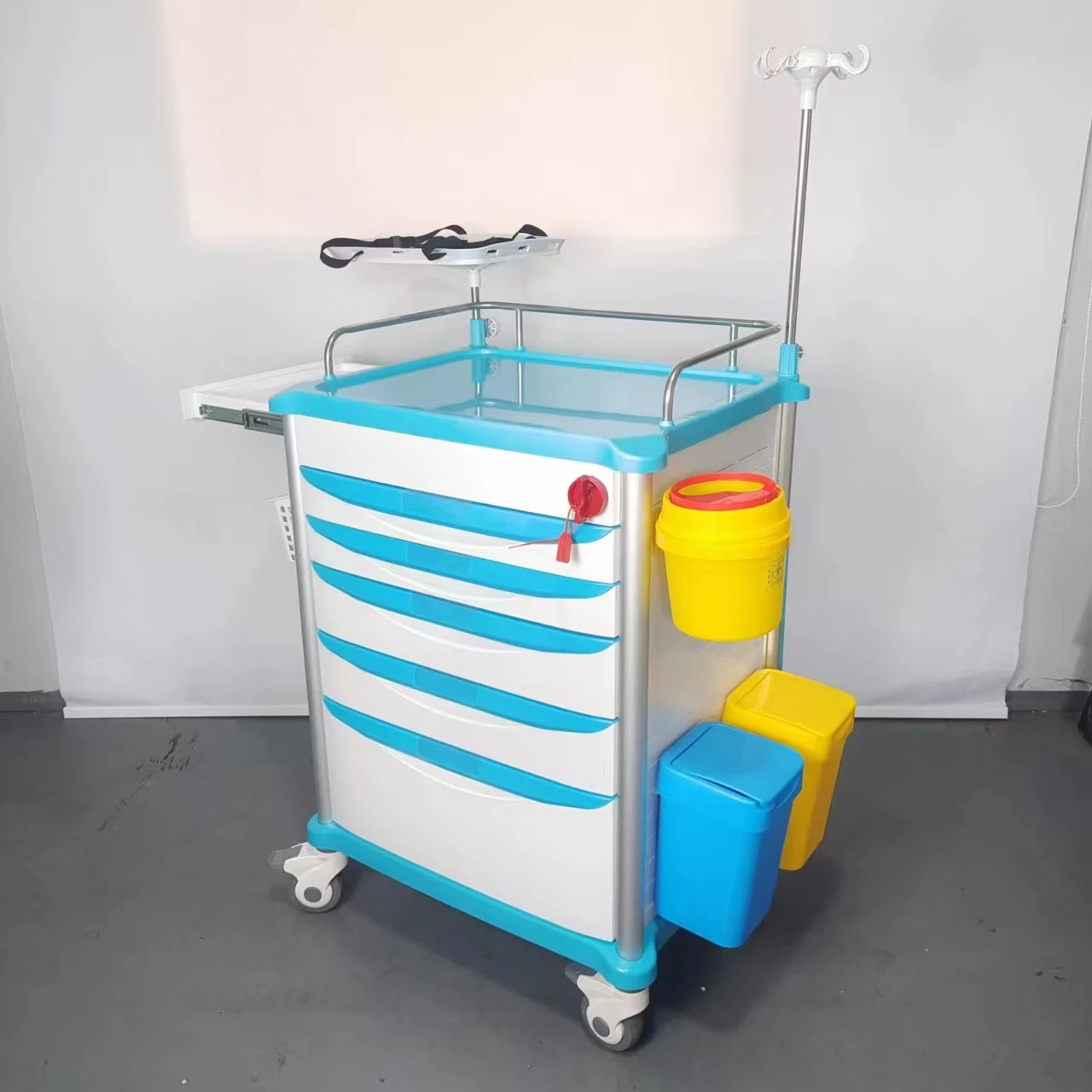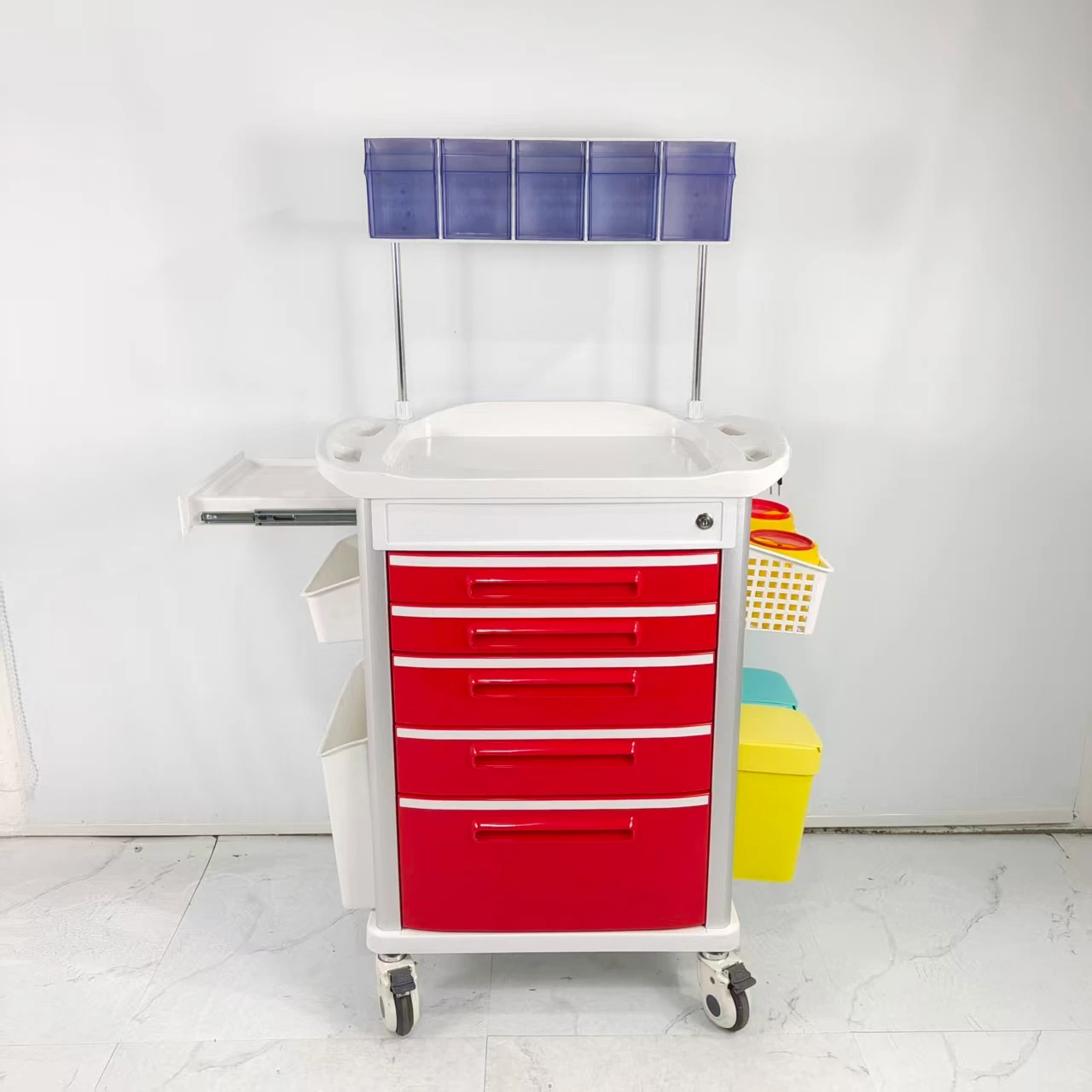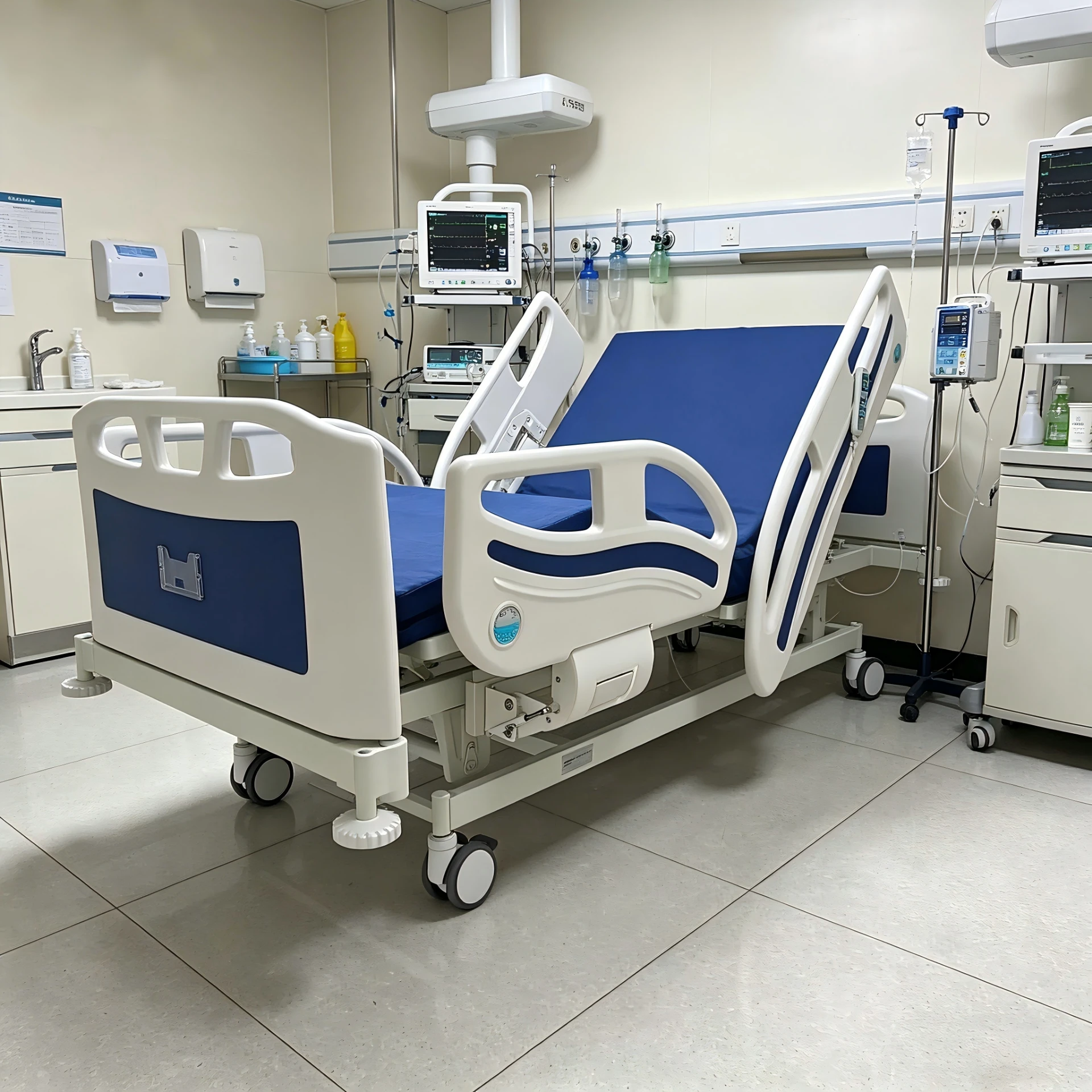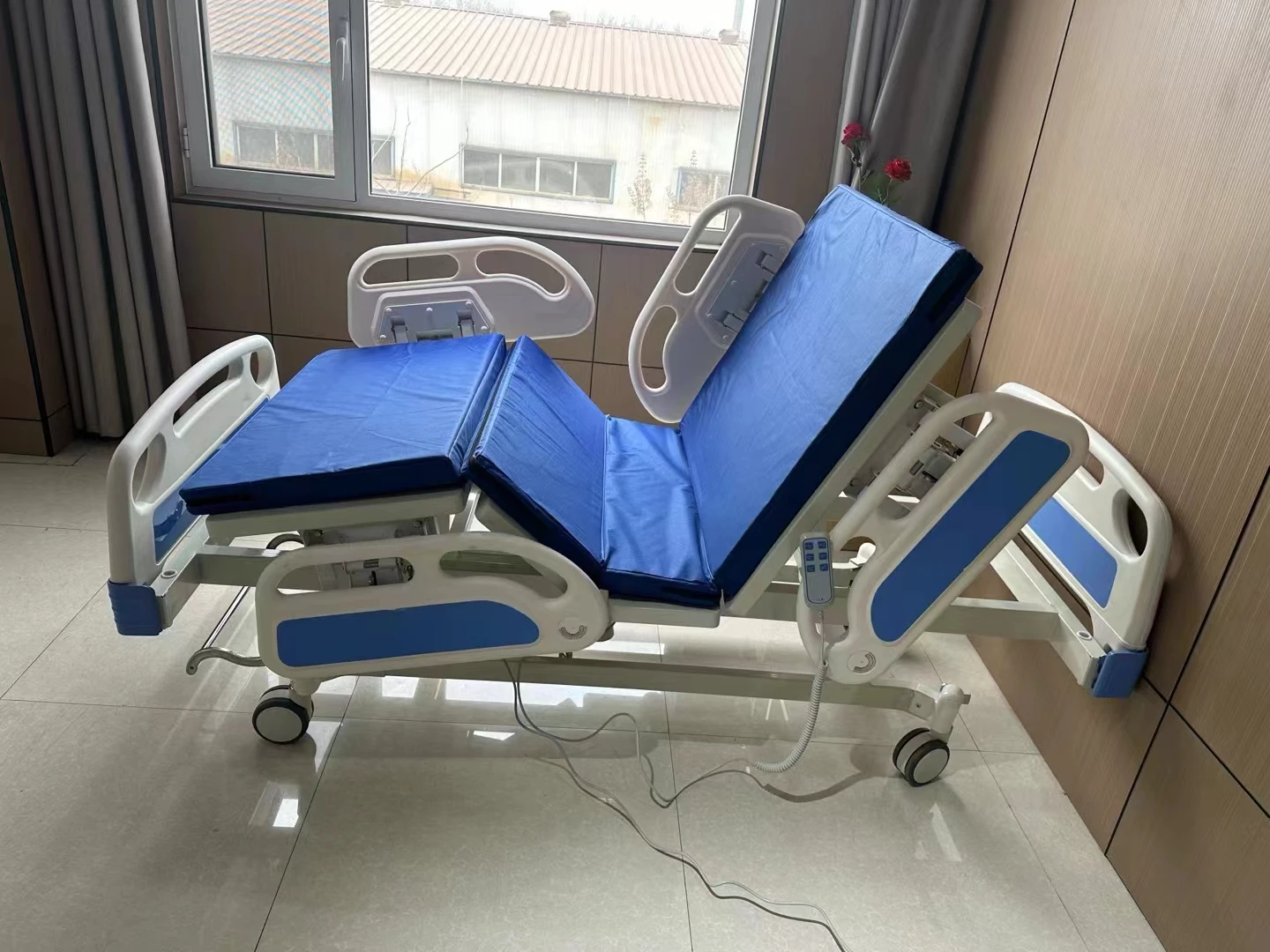
What Are the Beds in Doctors Offices Called? Comprehensive Guide to Exam Tables
What Are the Beds in Doctors’ Offices Called? Understanding Exam Tables and Their Importance
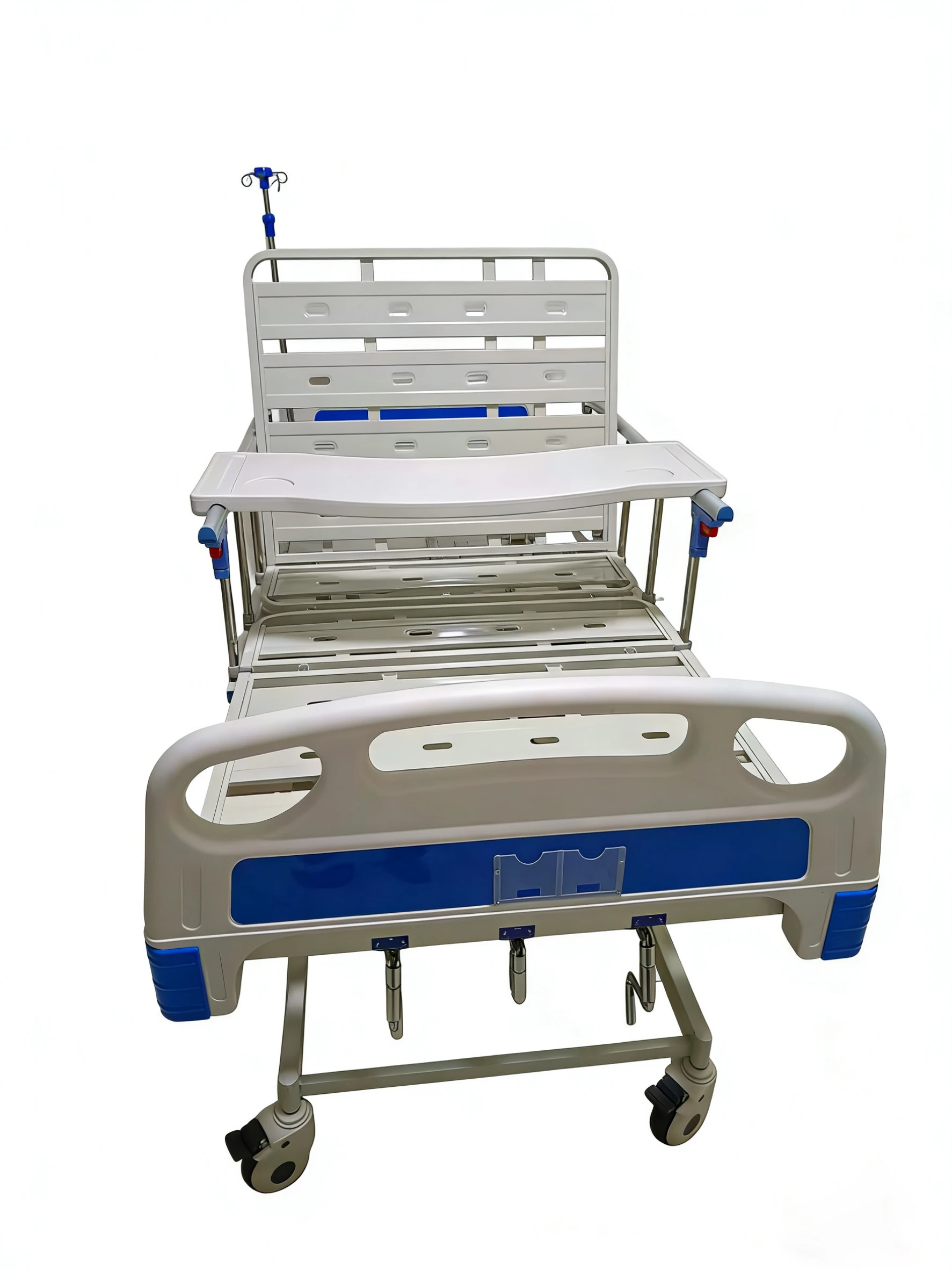
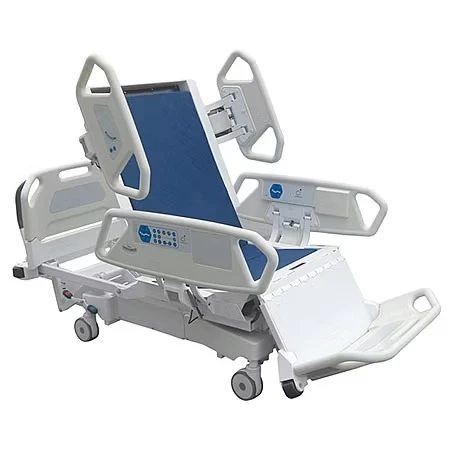
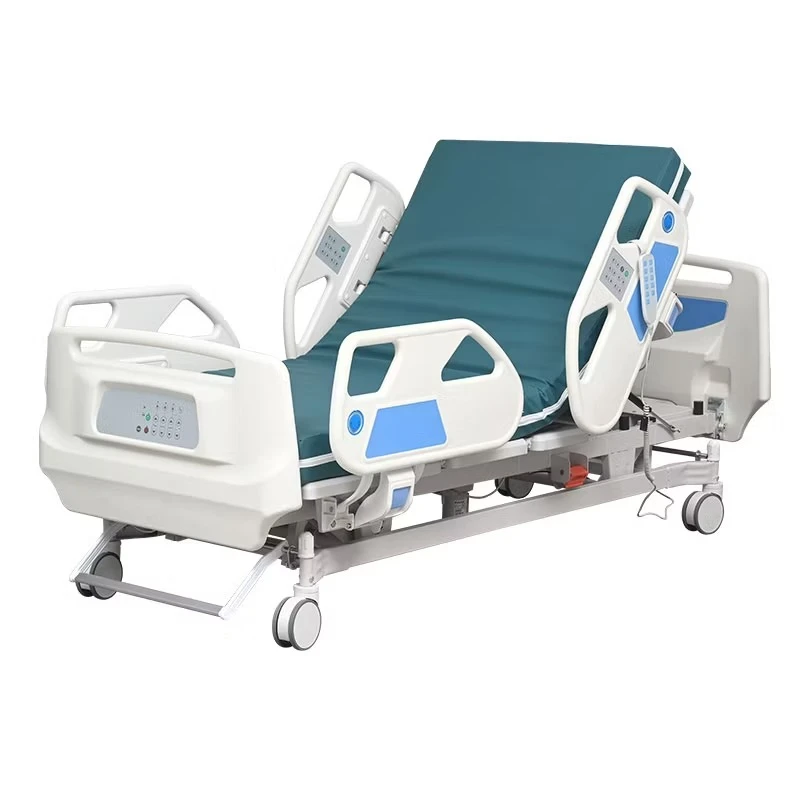
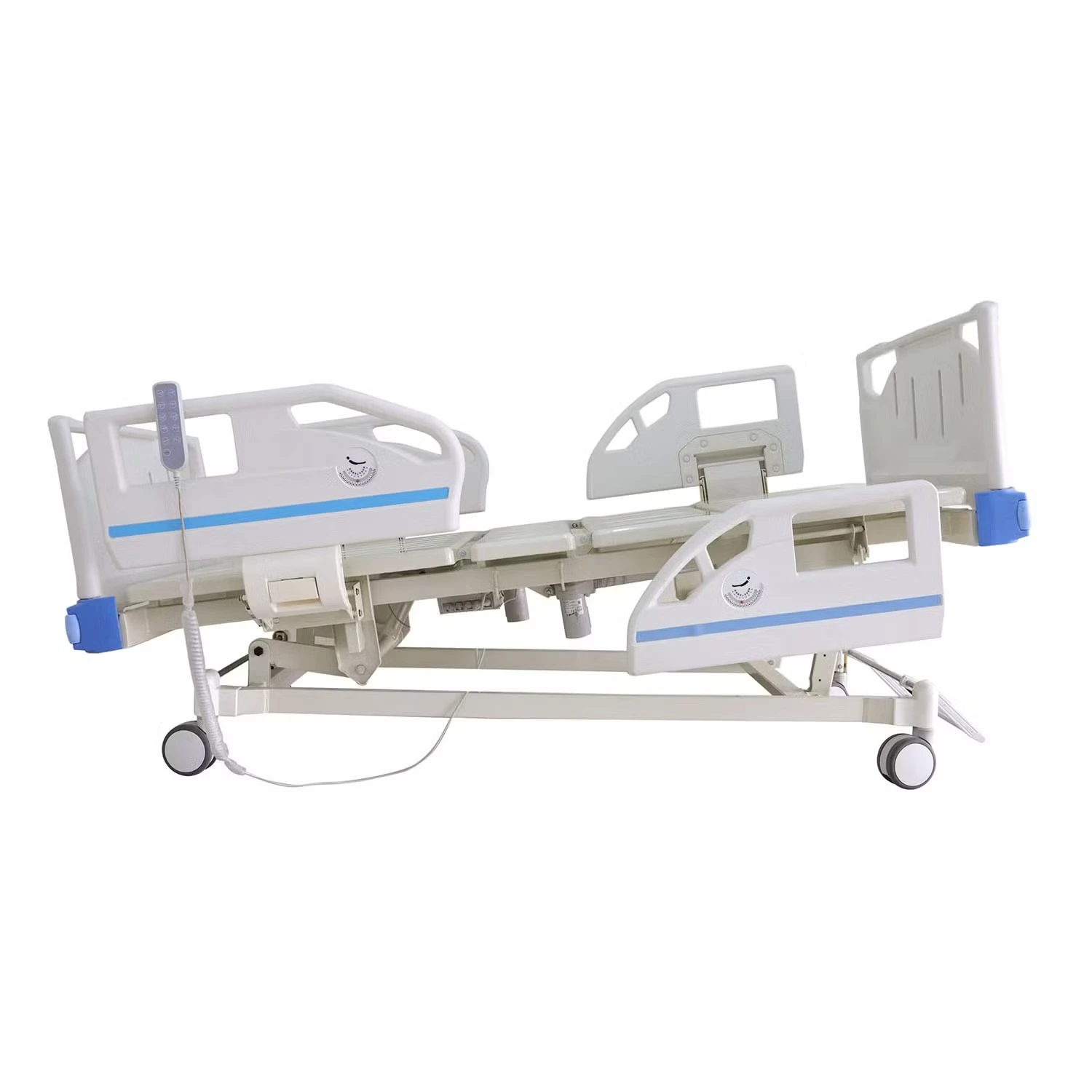
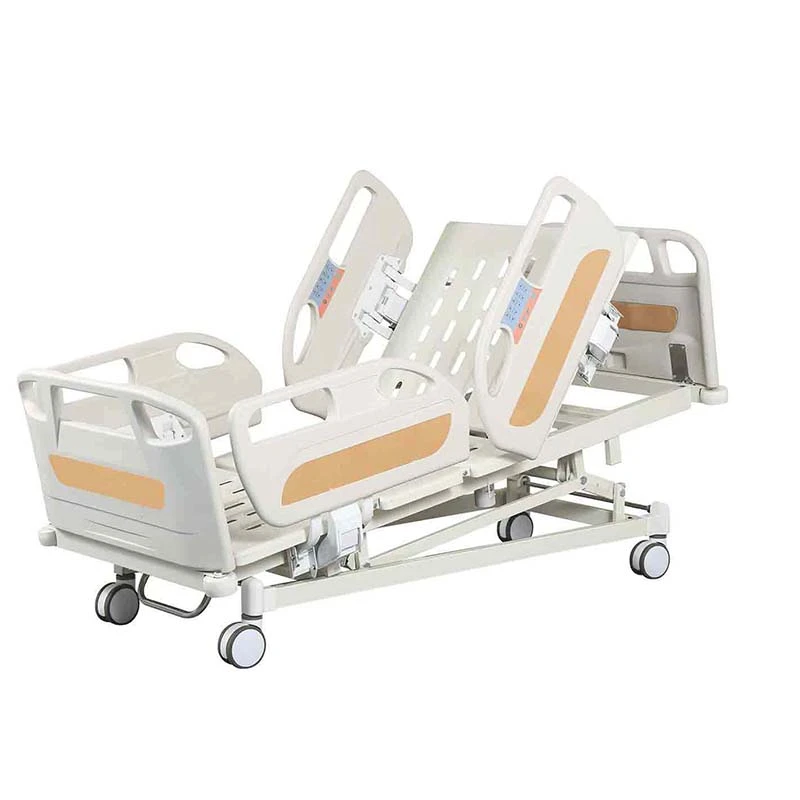
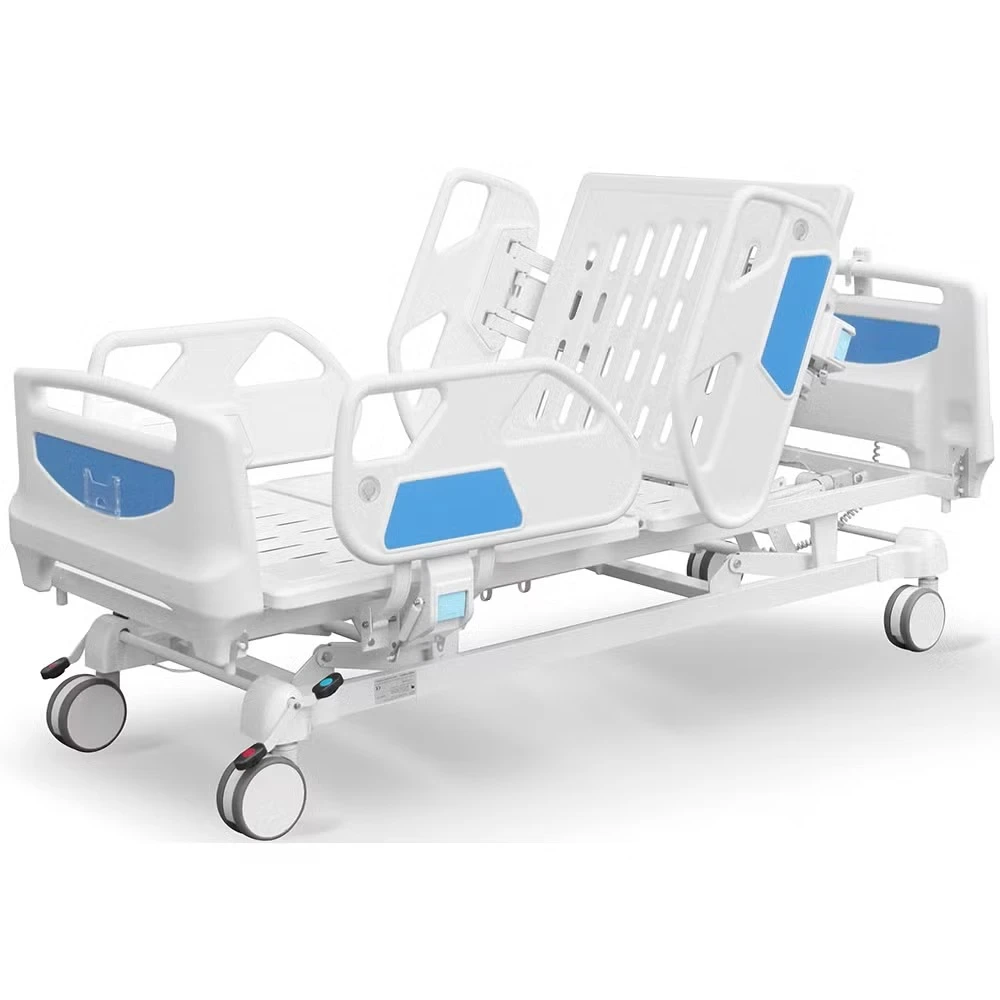
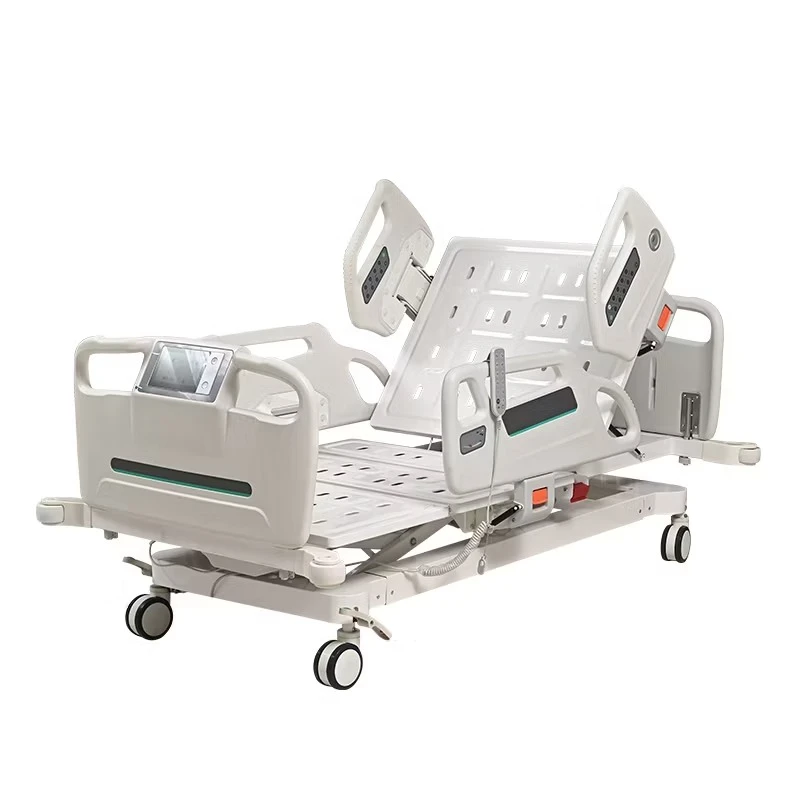
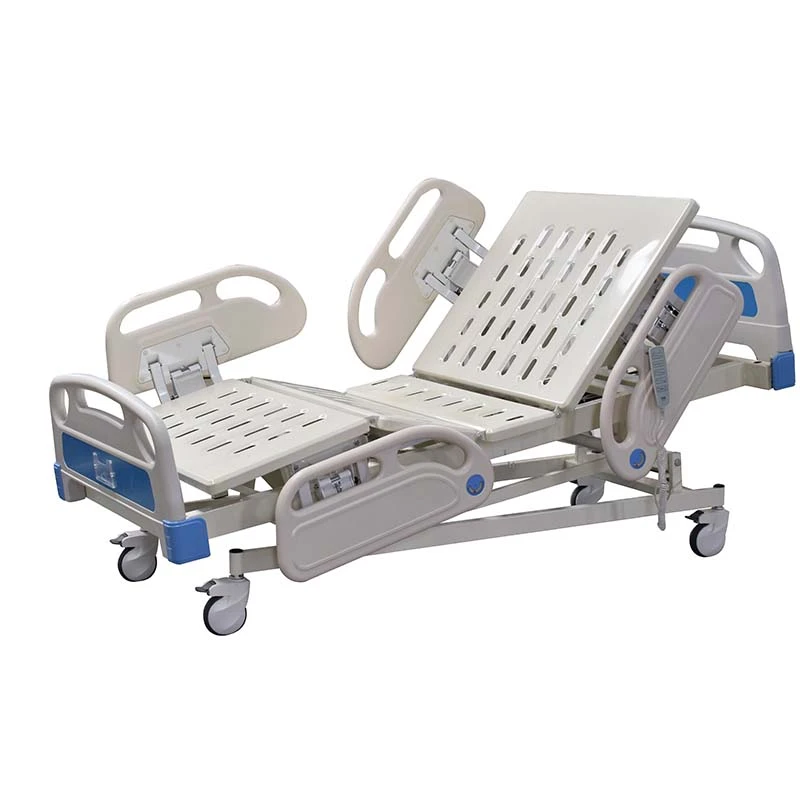
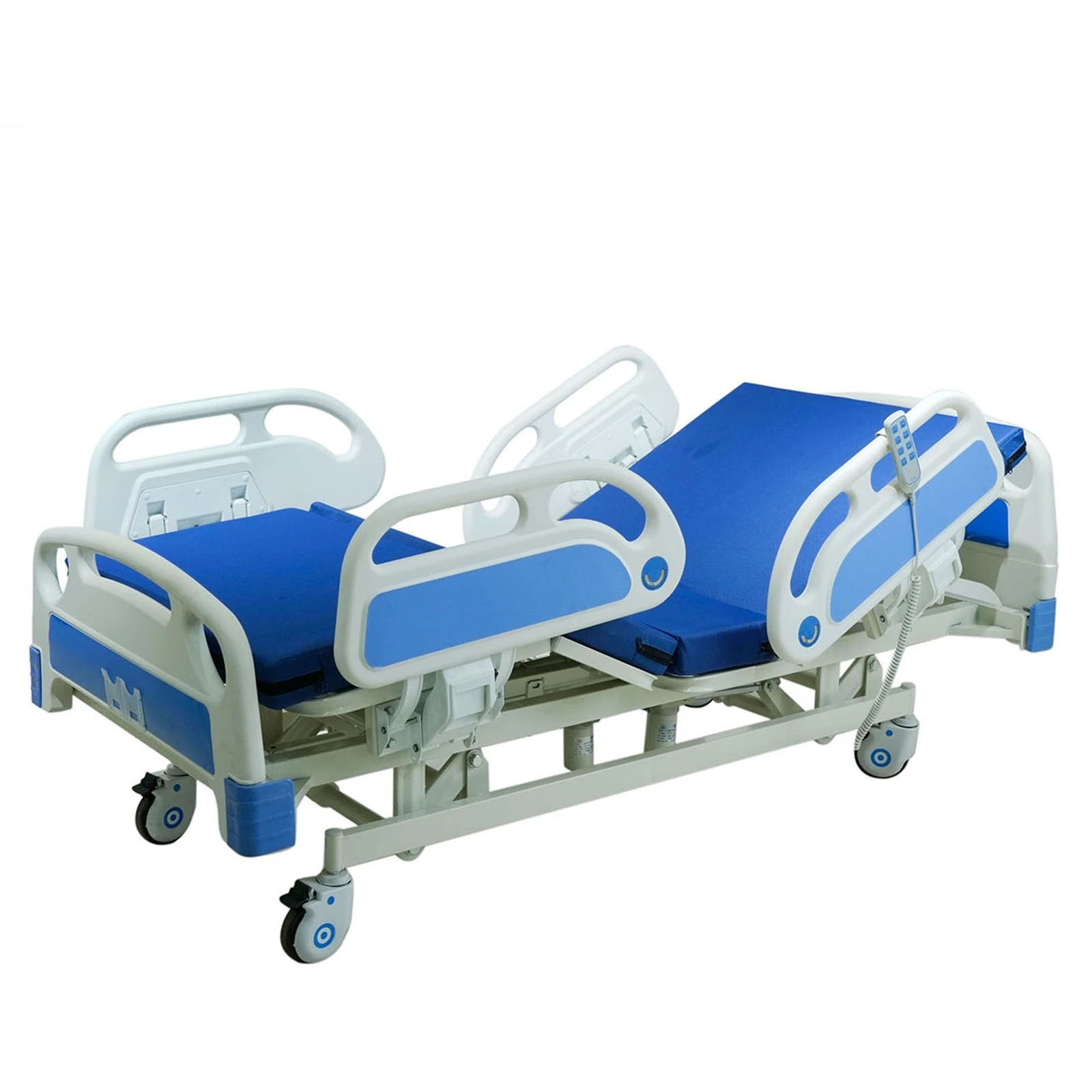
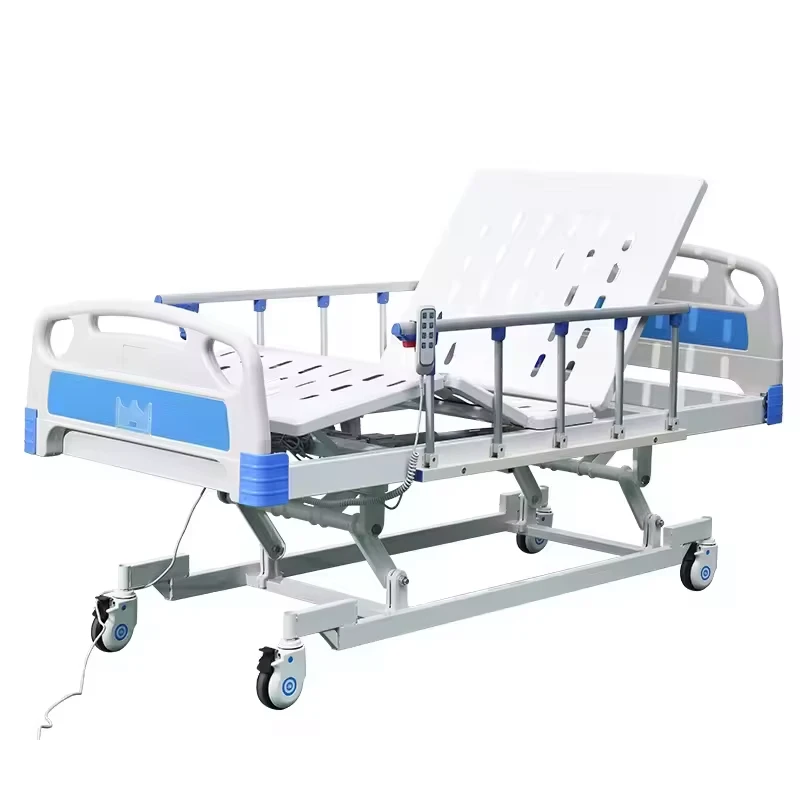
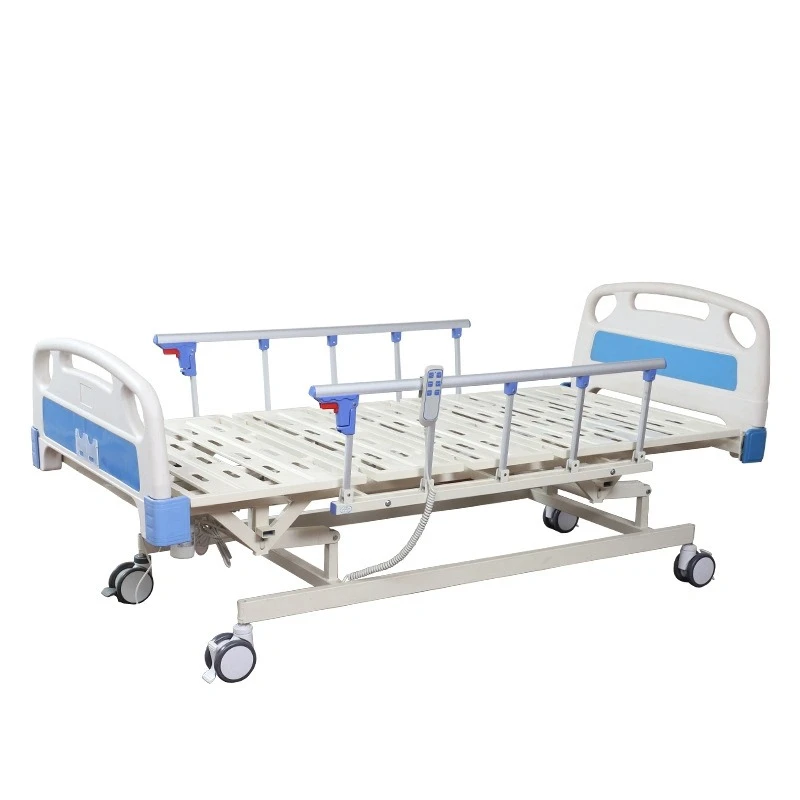
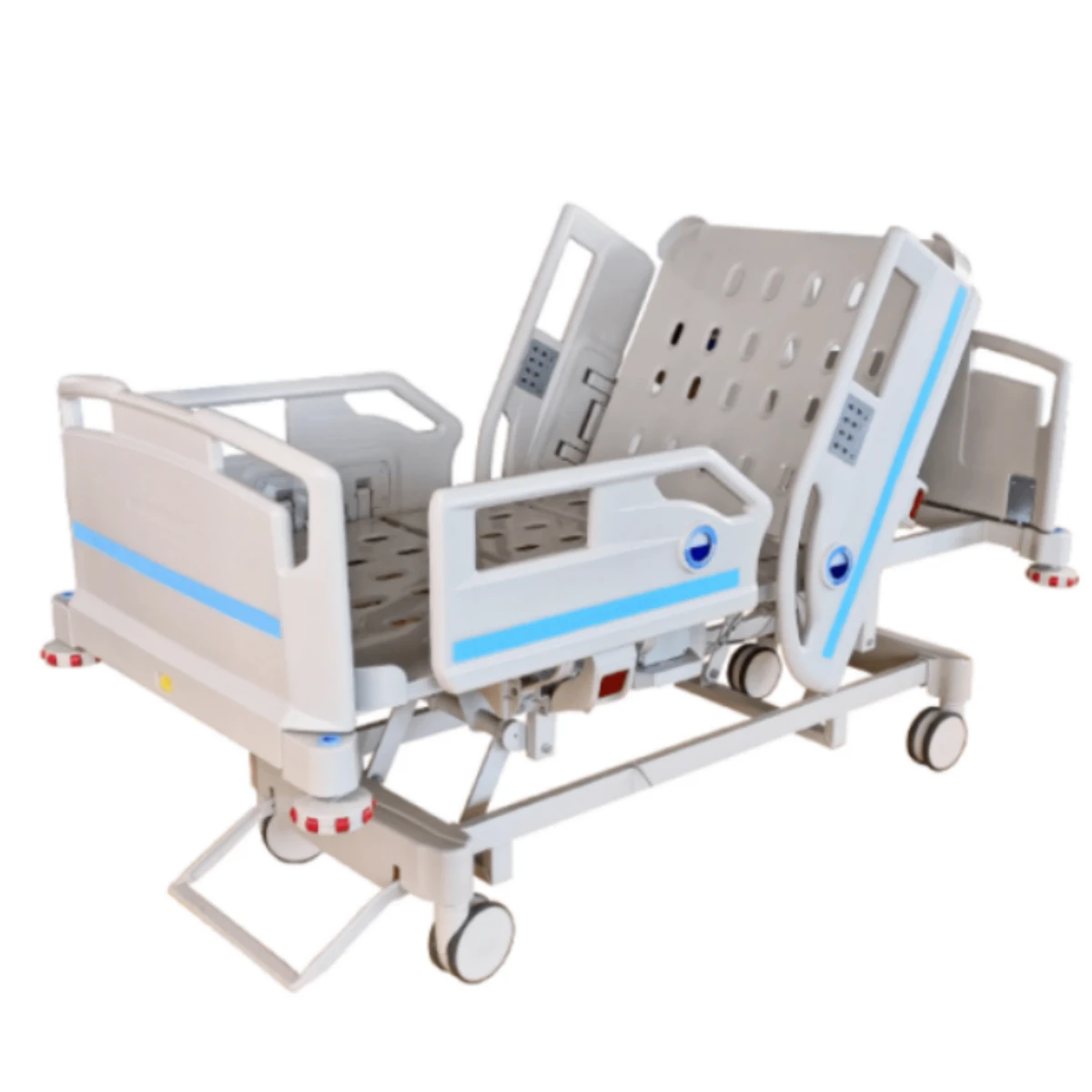
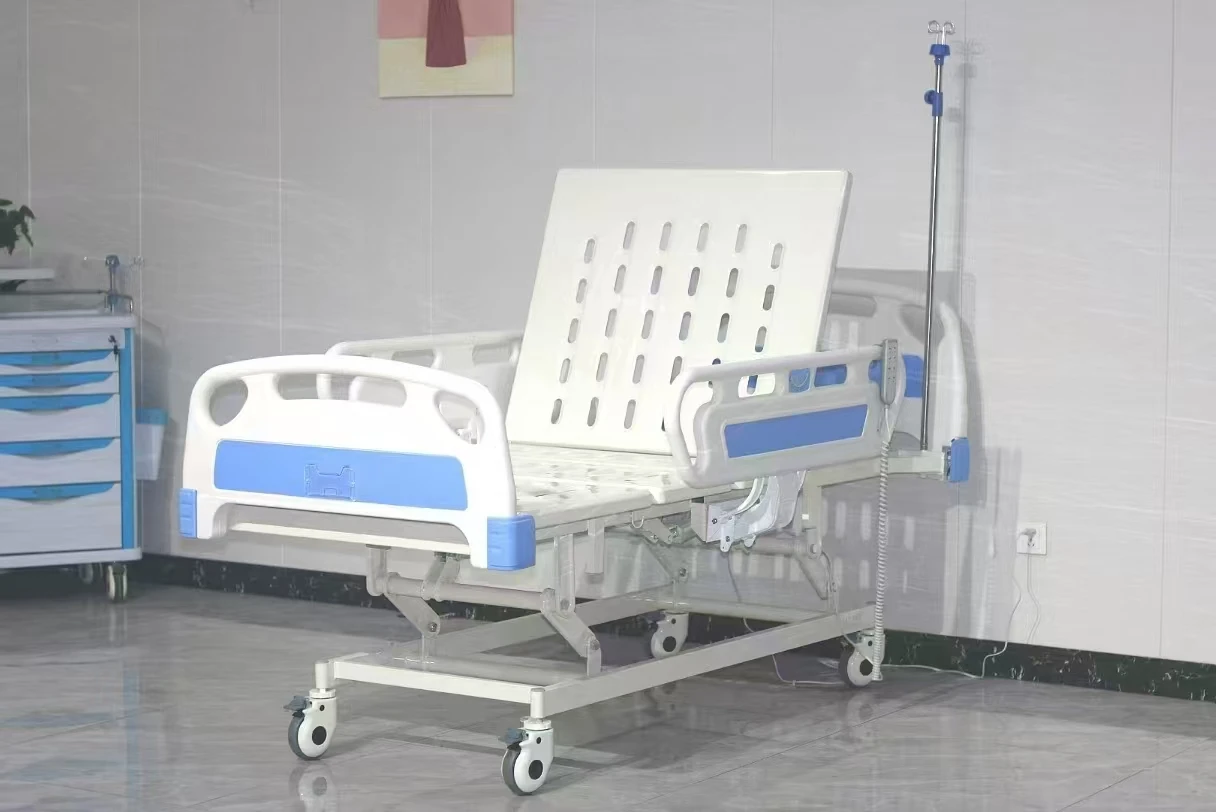
When you visit a doctor’s office, you’ll often lie down or sit on a bed-like fixture, but what exactly are these beds in doctors offices called? These fixtures, commonly known as exam tables, are indispensable tools in medical practice worldwide. They matter because they’re not just about comfort—they enable doctors to perform physical exams effectively, improve patient safety, and promote hygienic practices across health facilities globally. Frankly, understanding their design and functionality reveals quite a bit about healthcare standards and patient care.
Why It Matters Globally
Globally, tens of millions of clinic visits happen daily, from bustling urban hospitals to rural health posts. According to the World Health Organization, well-designed medical furniture, including exam tables, directly impacts healthcare delivery by facilitating thorough evaluations and treatments. A well-designed exam table reduces risks of injury for both patients and healthcare workers alike, especially in environments constrained by resources. Yet, oddly enough, the simple exam table often gets overlooked outside clinical circles, despite being central to quality care.
Definition and Meaning: What Exactly Is an Exam Table?
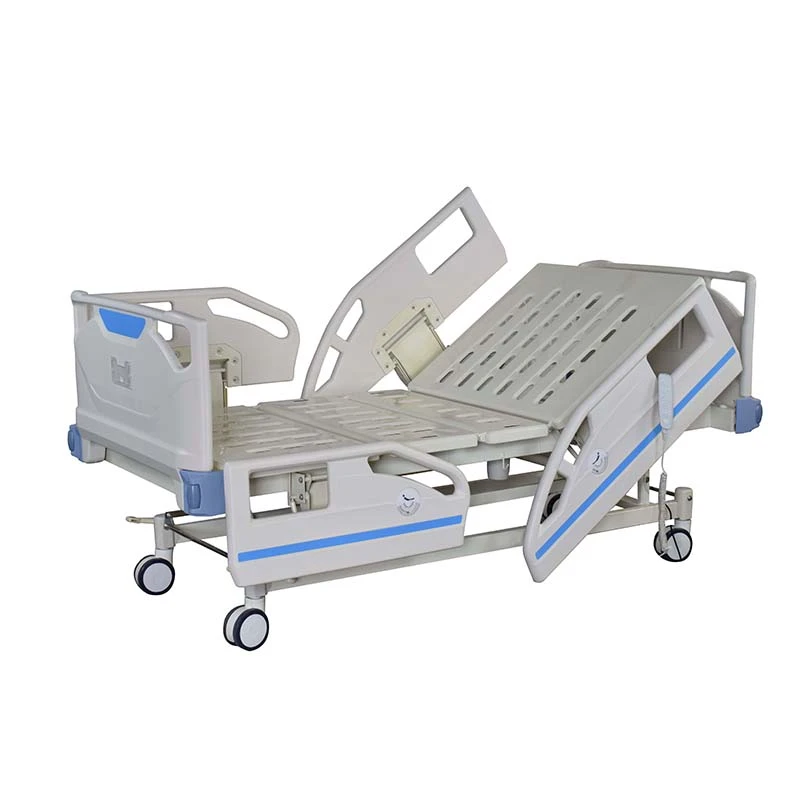
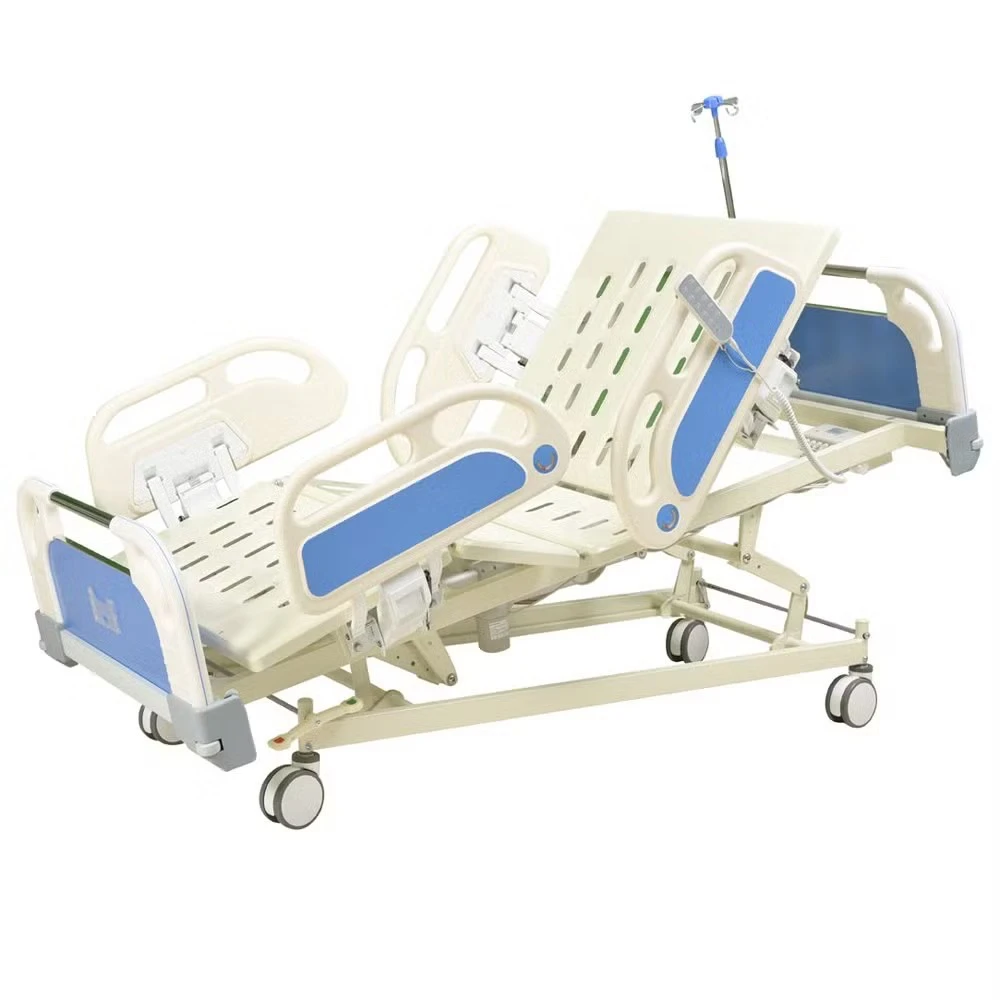
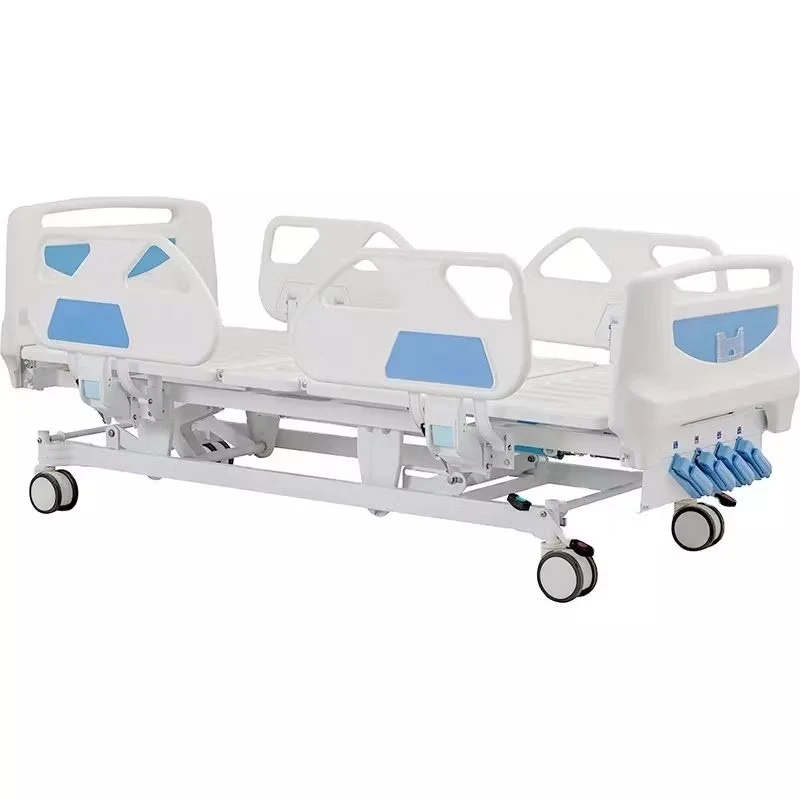
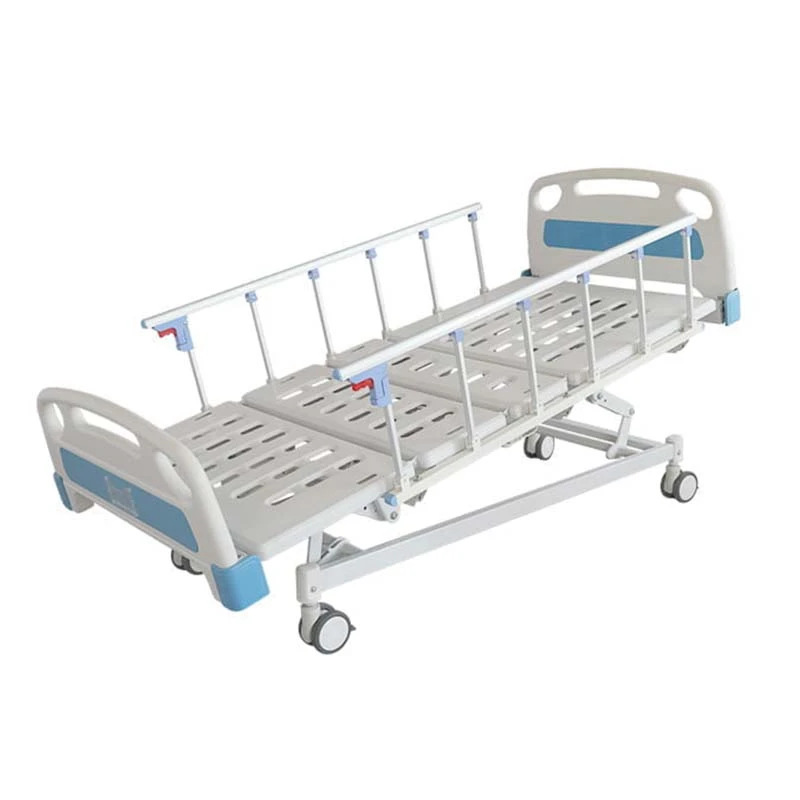
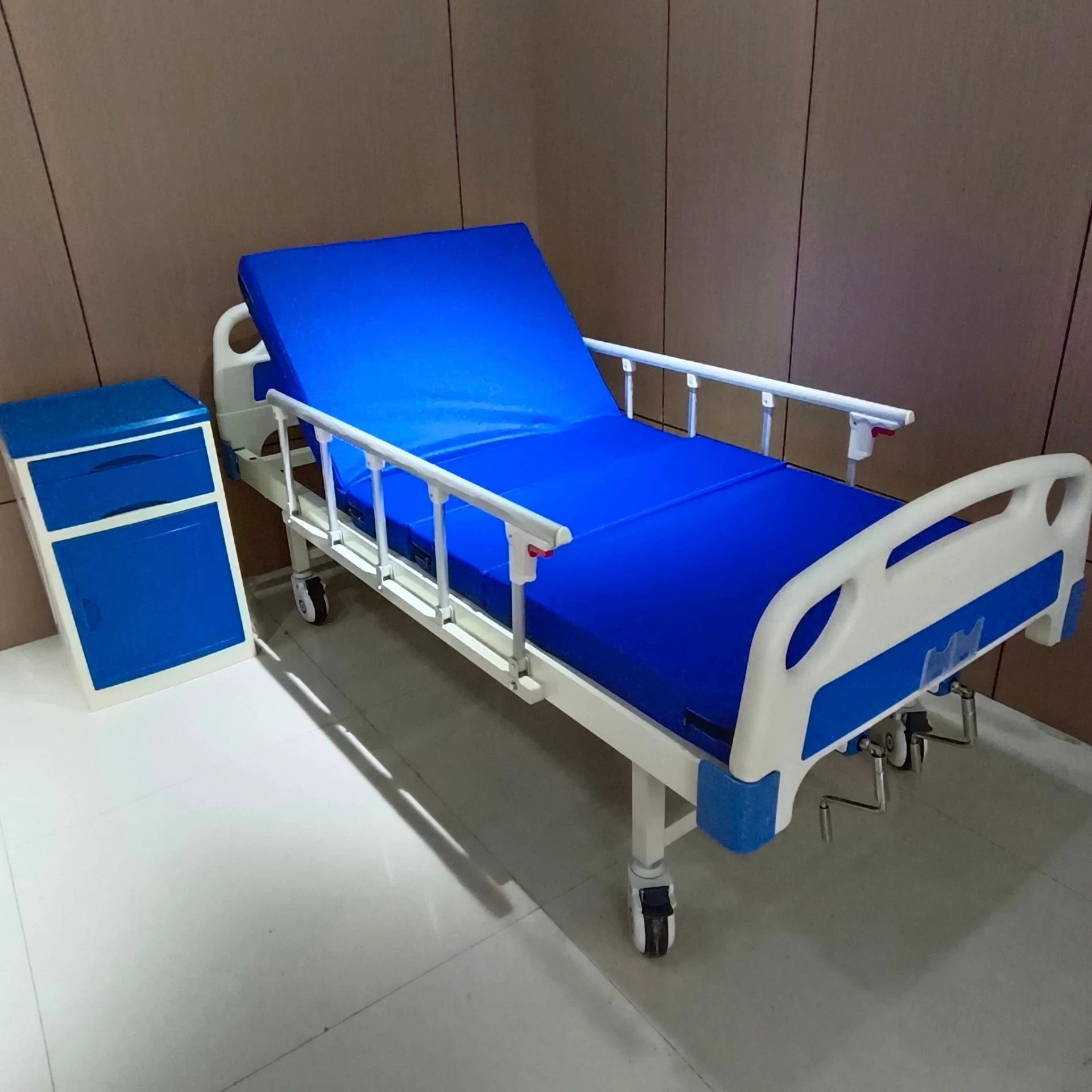
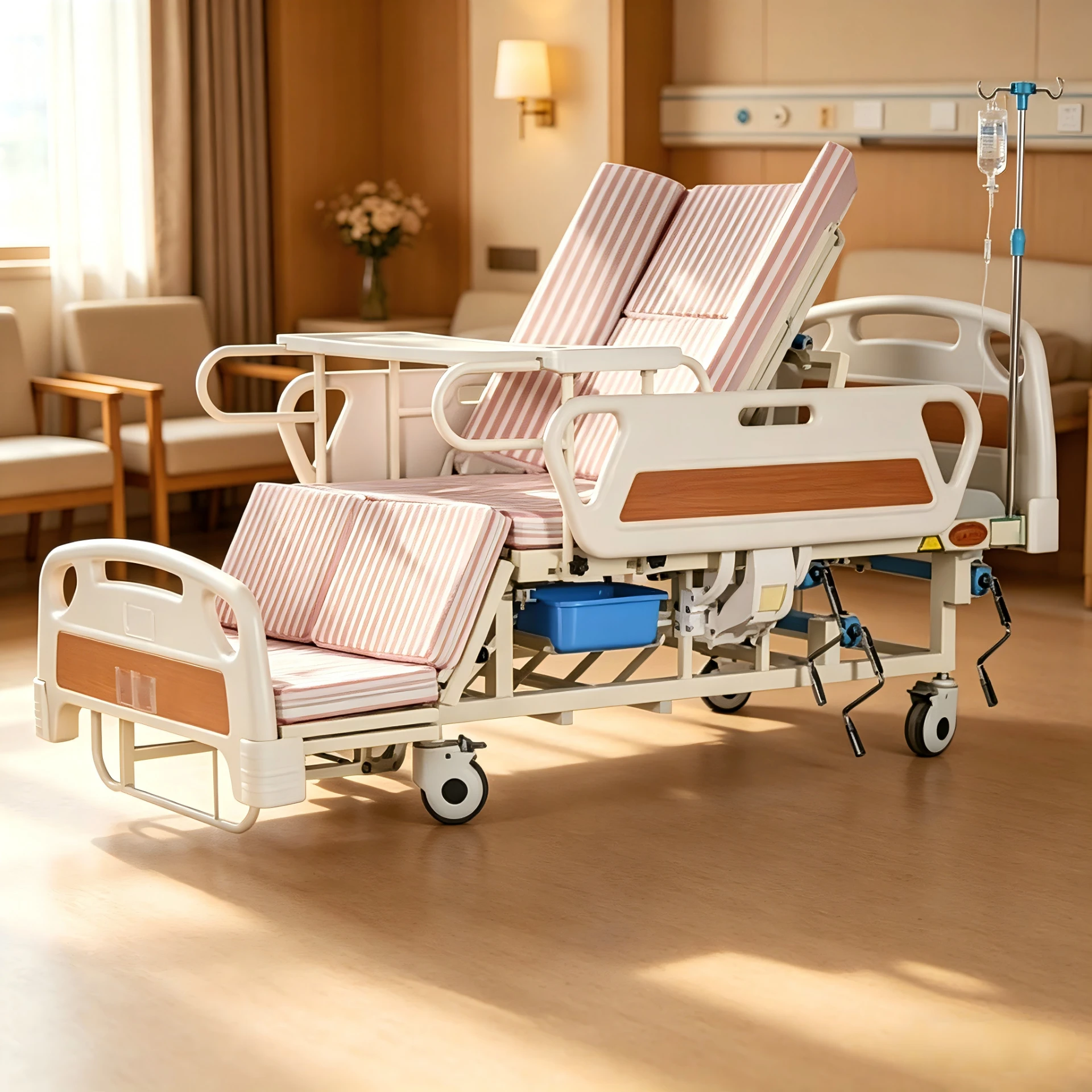
In simple terms, an exam table is a specialized piece of furniture found in medical settings such as hospitals, clinics, and doctors’ offices. It’s built to support patients comfortably during examinations, treatments, or minor procedures. These tables typically feature adjustable sections, cushioned surfaces, and are designed with materials that promote easy cleaning to meet strict hygiene standards.
The connection between the exam table and modern medicine is deep: as patient-centric care has grown, exam tables have evolved with features like height adjustment, integrated stirrups for gynecological exams, and even scales for combined weighing. So, the exam table isn’t just furniture—it’s a vital enabler of diagnostics and therapy.
Key Factors of Exam Tables
1. Durability
Exam tables must last through frequent use, chemical disinfectants, and variable weight loads. Materials such as powder-coated steel frames and vinyl cushions designed for tear and stain resistance ensure tables don’t degrade quickly. Long-lasting construction reduces overall costs and downtime in clinics.
2. Adjustability
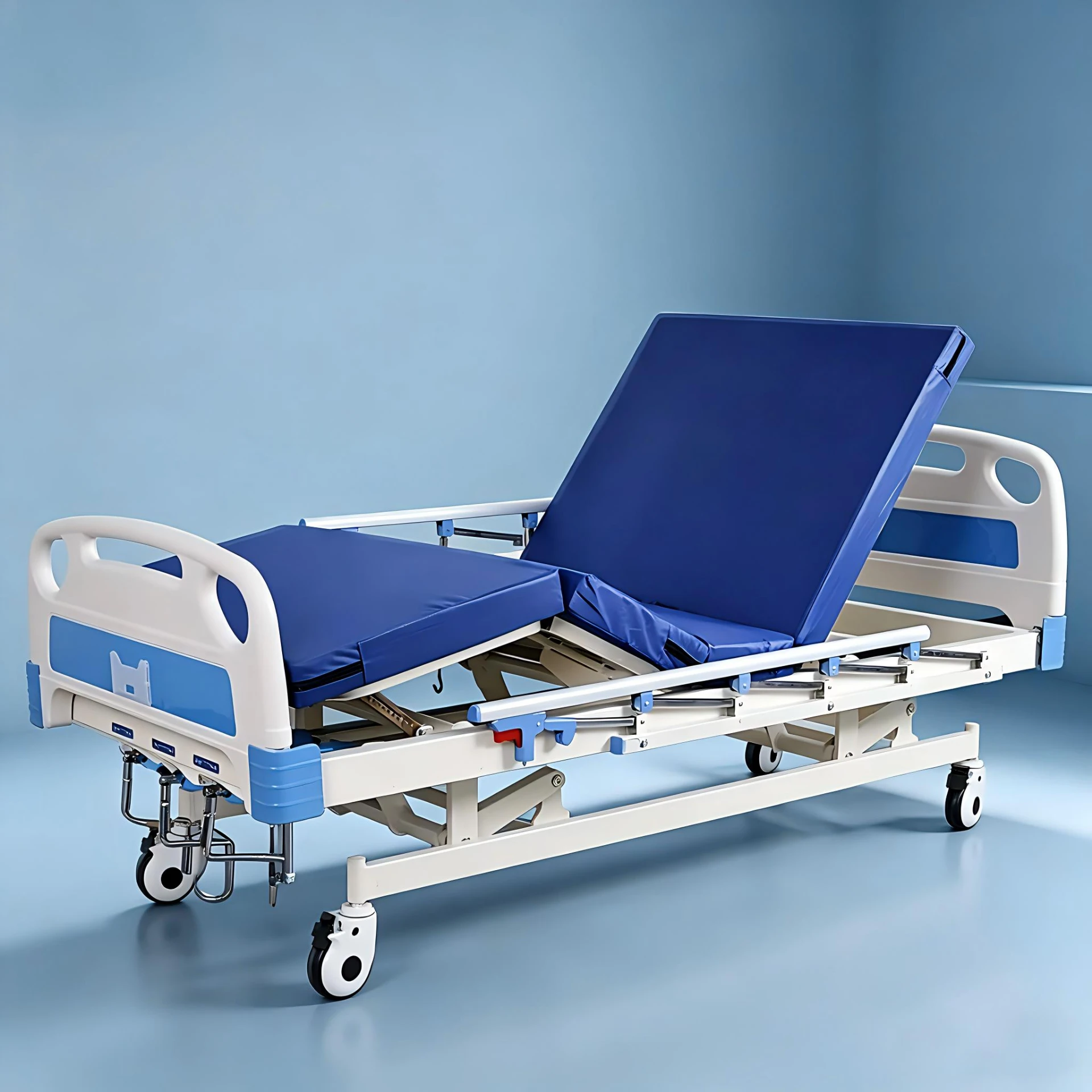
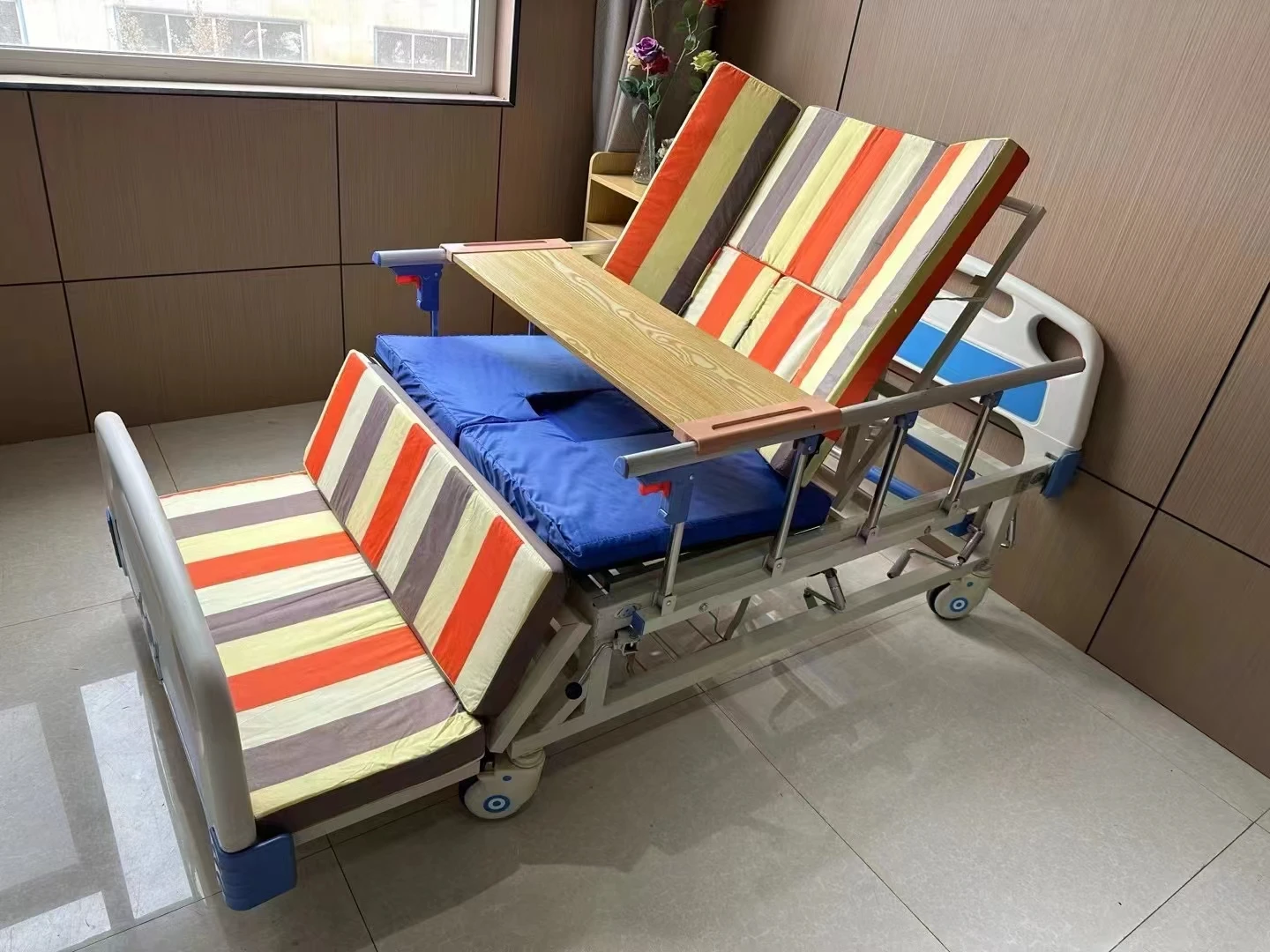
Many exam tables offer mechanical or hydraulic adjustments. Height adjustability is key for ergonomic use by medical staff, thereby preventing workplace injuries. Sections that tilt or elevate allow diverse examinations, from cardiac to musculoskeletal.
3. Hygiene and Cleanability
Infection control is paramount. Surfaces must be impervious to liquids, easy to disinfect, and made from antimicrobial materials when possible. This reduces transmission of pathogens — a focus that’s become more pronounced worldwide since the COVID-19 pandemic.
4. Portability and Space Efficiency
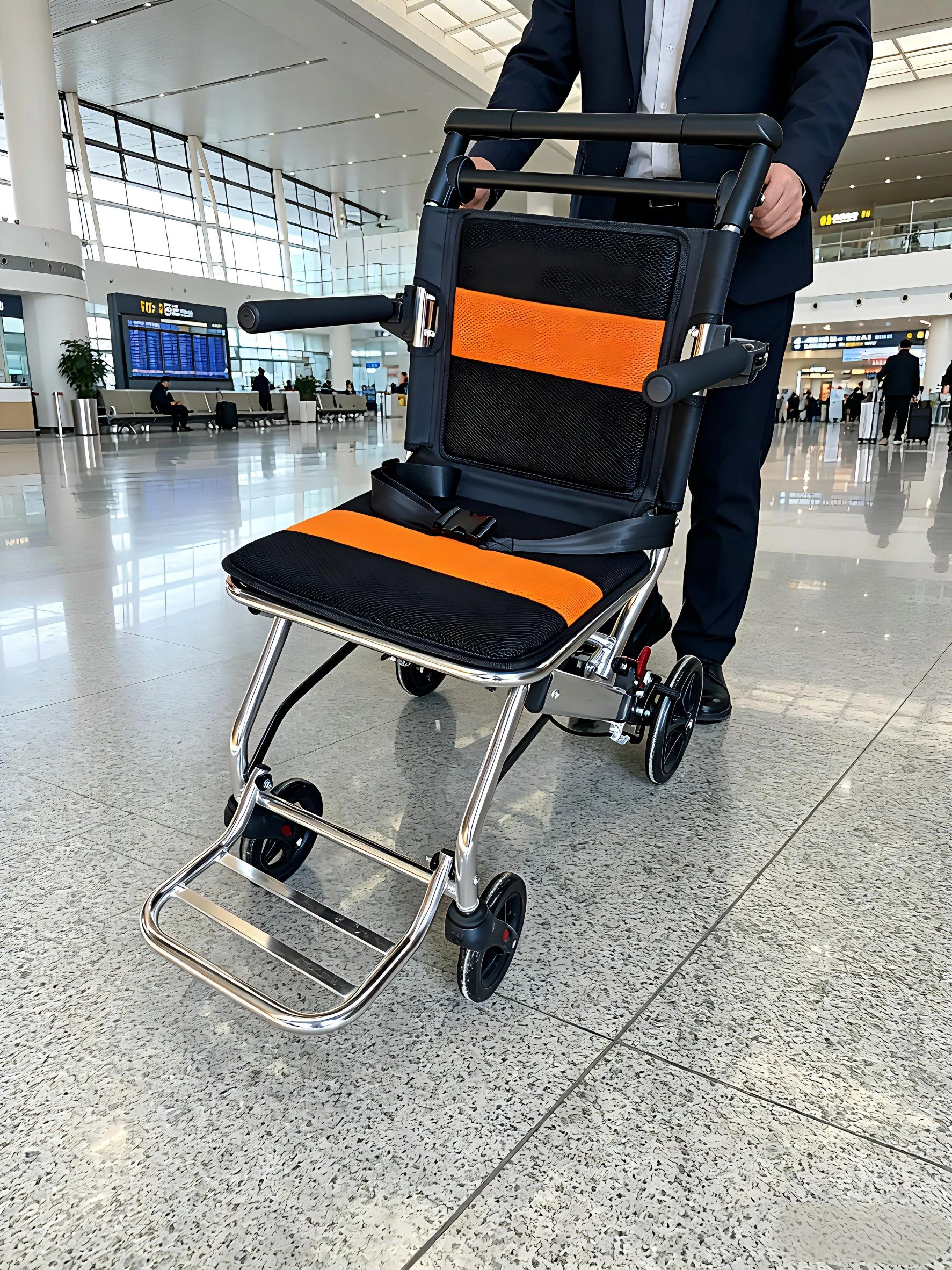
In some settings, especially mobile clinics or rural areas, lightweight or foldable exam tables are vital. They allow healthcare delivery in constrained or temporary environments.
Exam Tables Product Specs at a Glance
| Specification | Typical Range | Notes |
|---|---|---|
| Length | 72–84 inches | Fits adult patients comfortably |
| Width | 20–30 inches | Allows for stability and maneuverability |
| Max Weight Capacity | 300–500 lbs | Ensures safety for diverse patients |
| Adjustable Height | 18–36 inches | Supports ergonomic positioning |
| Cushion Material | Vinyl, PU Leather | Waterproof and easy to clean |
Mini takeaway: Exam tables combine durability, adjustability, and hygienic design to meet the rigorous demands of healthcare environments worldwide.
Global Applications & Use Cases
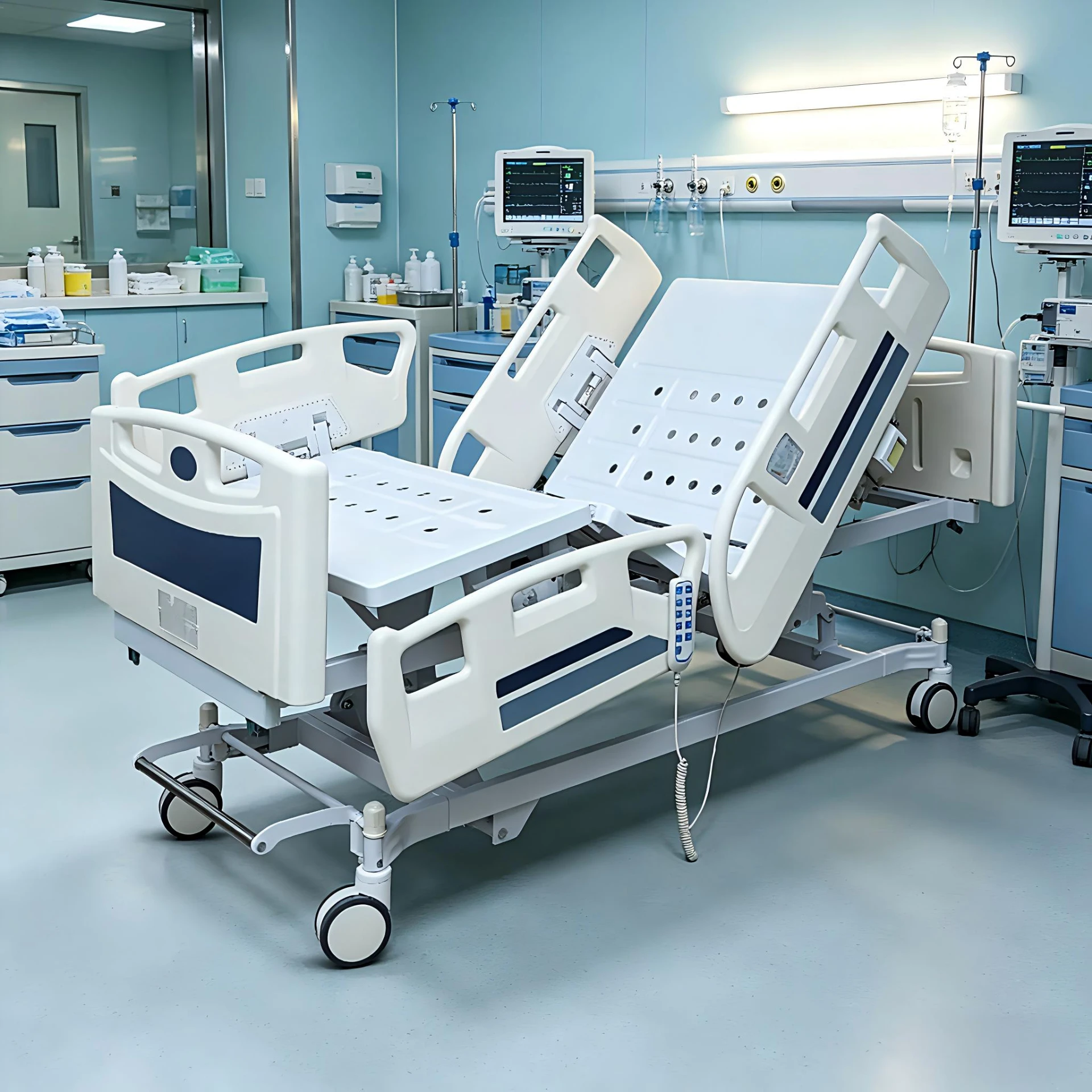
Exam tables are everywhere, but their exact form varies depending on healthcare settings. In developed urban hospitals, fully electric beds with digital controls and integrated weighing scales are common. In contrast, a remote clinic in sub-Saharan Africa may rely on portable, foldable tables that can be quickly disinfected and moved.
In post-disaster relief operations—think earthquakes or floods—portable exam tables facilitate rapid, mobile care with limited infrastructure. Meanwhile, industries like occupational health (oil rigs, factories) use specialized tables for periodic employee health checks, which improves workplace safety.
Interestingly, veterinary clinics also use similar exam tables, adjusted for animals’ needs. They underscore how versatile the core concept is.
Vendor Comparison: Leading Exam Table Providers
| Feature | MedLine | Hill-Rom | Stryker |
|---|---|---|---|
| Electric Adjustment | Available on select models | Standard | Available |
| Portability | Moderate weight, foldable | Heavier, hospital-grade | Varies by model |
| Price Range | $700–$1,500 | $1,200–$2,500 | $900–$2,000 |
| Warranty | 3 years | 5 years | 4 years |
Advantages and Long-Term Value
Exam tables deliver tangible advantages around safety, patient dignity, and operational efficiency. They reduce risk of falls by having non-slip steps or adjustable heights. Emotionally, a sturdy, cushioned table feels reassuring—and oddly enough, patients often report feeling more cared for when the physical environment is comfortable and professional.
Cost-wise, durable exam tables minimize replacement expenses and downtime, especially important in lower-income regions. Sustainability also comes into play as manufacturers increasingly adopt eco-friendly materials and modular designs that extend product life.
Future Trends & Innovations
Looking ahead, exam tables are embracing digital transformation—silent motors, integrated sensors for patient vitals, and smart surfaces that monitor cleanliness. Automation might ease workflows, for example by remembering Frequently used positions.
Sustainability is another frontier. Some manufacturers experiment with recyclable cushion materials or sustainably sourced metals. Others explore lightweight carbon fiber frames to combine durability with portability. There’s also a strong push for universal design, making exam tables more inclusive for people of all abilities.
Challenges and Solutions
Current challenges include affordability for low-budget clinics, adequate maintenance where workshops are limited, and managing infection control rigorously. Solutions often lie in innovation partnerships—NGOs collaborating with medical furniture makers to provide subsidized models—and telehealth complementing physical exams.
In places with power instability, manually adjustable tables remain vital, although they offer less convenience than electric models. Training healthcare workers in proper table use and upkeep also improves longevity and safety.
Frequently Asked Questions About What Are the Beds in Doctors Offices Called
- Q1: What makes medical exam tables different from regular beds?
A1: Unlike regular beds, exam tables are designed with physician access in mind, incorporating adjustable heights, cushioned supports with easy-to-clean surfaces, and features like stirrups or sections to elevate limbs. This specialized design streamlines clinical examinations and minor procedures. - Q2: Are exam tables standardized worldwide?
A2: There isn’t a single global standard, but ISO and national health organizations provide guidelines for safety, hygiene, and durability. Variations exist depending on healthcare infrastructure and budget, which affects size, materials, and features. - Q3: How often should exam tables be replaced?
A3: Most exam tables have a lifespan of 7–10 years with proper maintenance. Frequent cleaning with harsh chemicals can shorten this, so proper care is crucial. Many hospitals replace tables periodically to meet updated hygiene standards or technology advancements. - Q4: Can exam tables be customized for special patient needs?
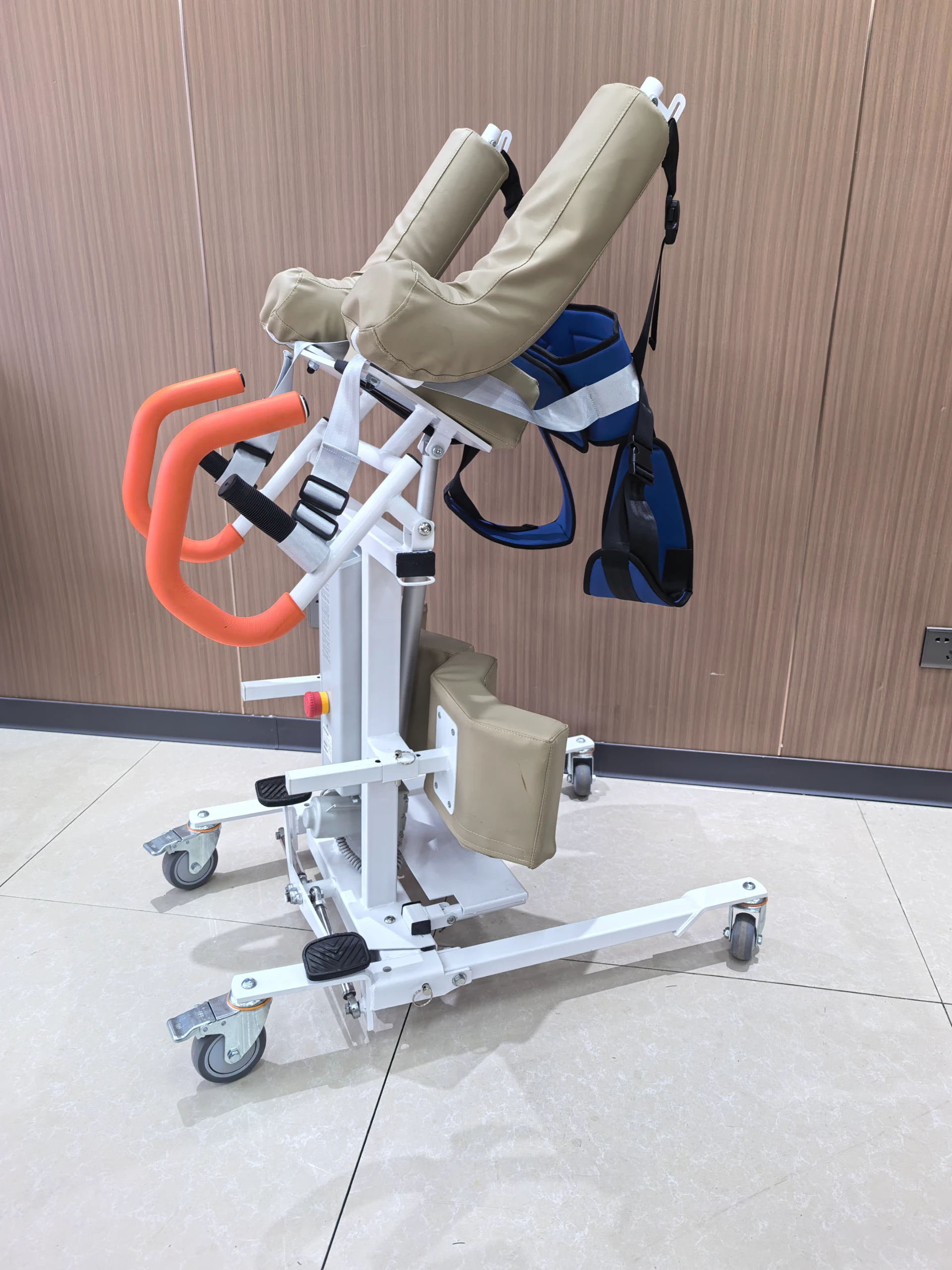
A4: Yes, manufacturers often offer modular add-ons such as side rails, paper roll dispensers, and adjustable footrests to better accommodate pediatric, bariatric, or mobility-impaired patients. - Q5: How do clinics in rural areas manage with limited resources?
A5: They often rely on portable, foldable exam tables made from lightweight but durable materials. International aid organizations sometimes provide donations or subsidies for quality equipment suited to rough environments.
Conclusion
So, what are the beds in doctors offices called? They’re exam tables — quietly essential in healthcare worldwide, bridging comfort, functionality, and hygiene. Investing in good exam tables directly improves care quality, patient trust, and operational efficiency. Whether you’re outfitting a state-of-the-art hospital or a remote clinic, the right exam table truly makes a difference.
Curious about options or want to explore more medical equipment? Visit our website: https://www.zhaofamed.com for expert advice and product selections tailored to your needs.
Mini takeaway: Exam tables are more than just “beds” — they embody the intersection of medical science, patient dignity, and innovation.
References:
1. World Health Organization, Medical Equipment and Devices – https://www.who.int/medical_devices/en/
2. ISO 13485:2016 Medical devices – Quality Management Systems – Requirements for regulatory purposes
3. Wikipedia, Exam Table – https://en.wikipedia.org/wiki/Examination_table