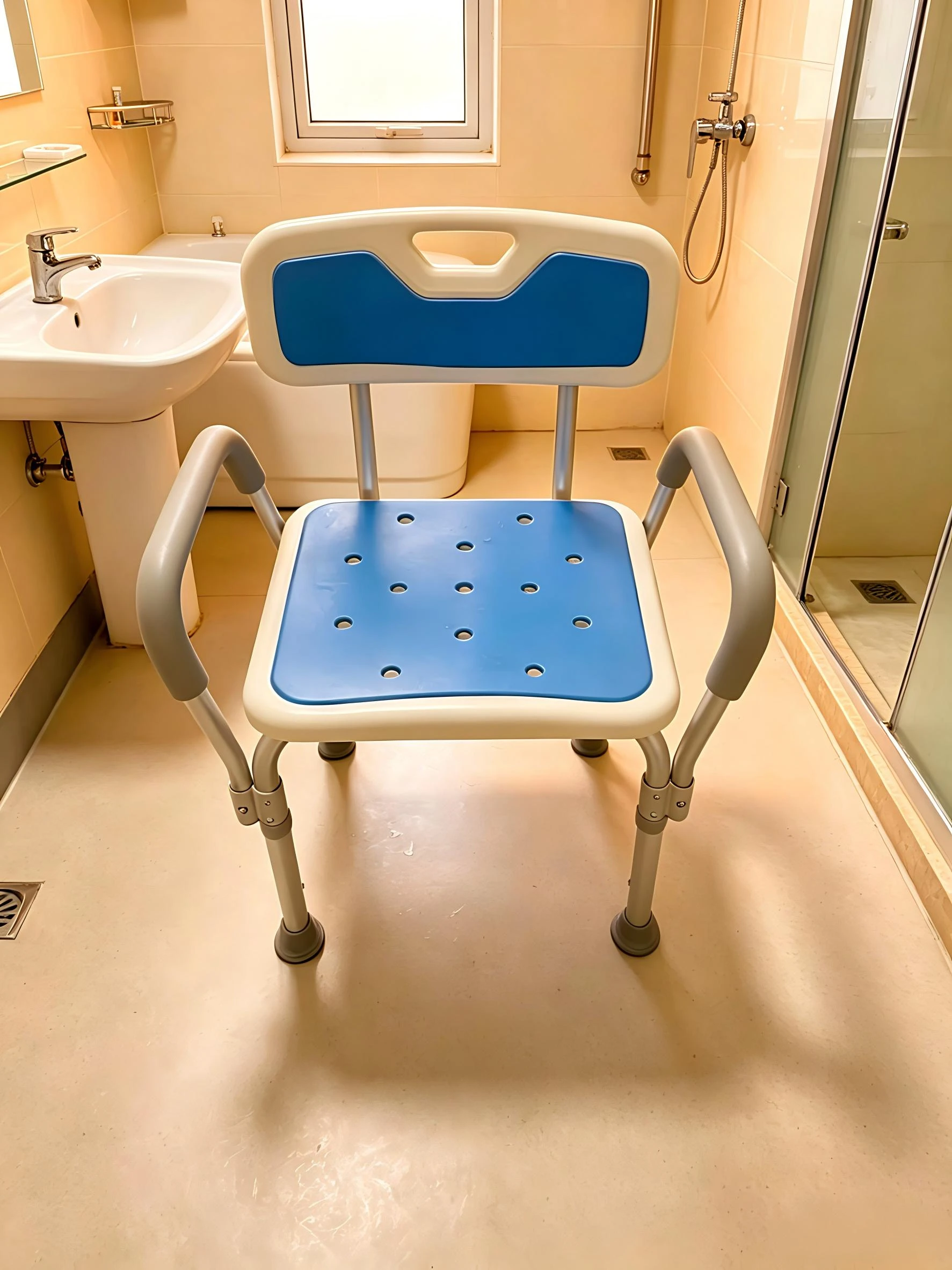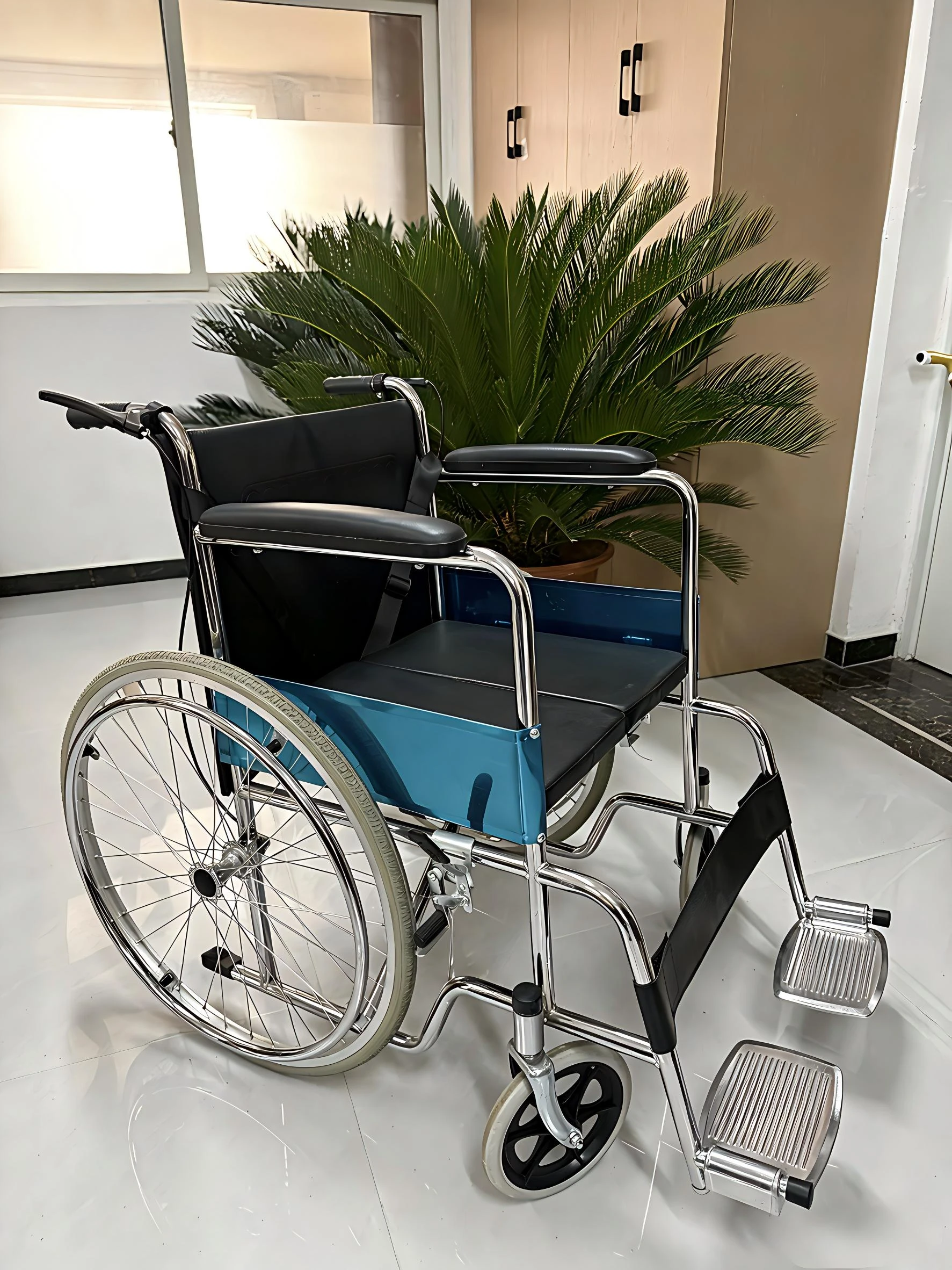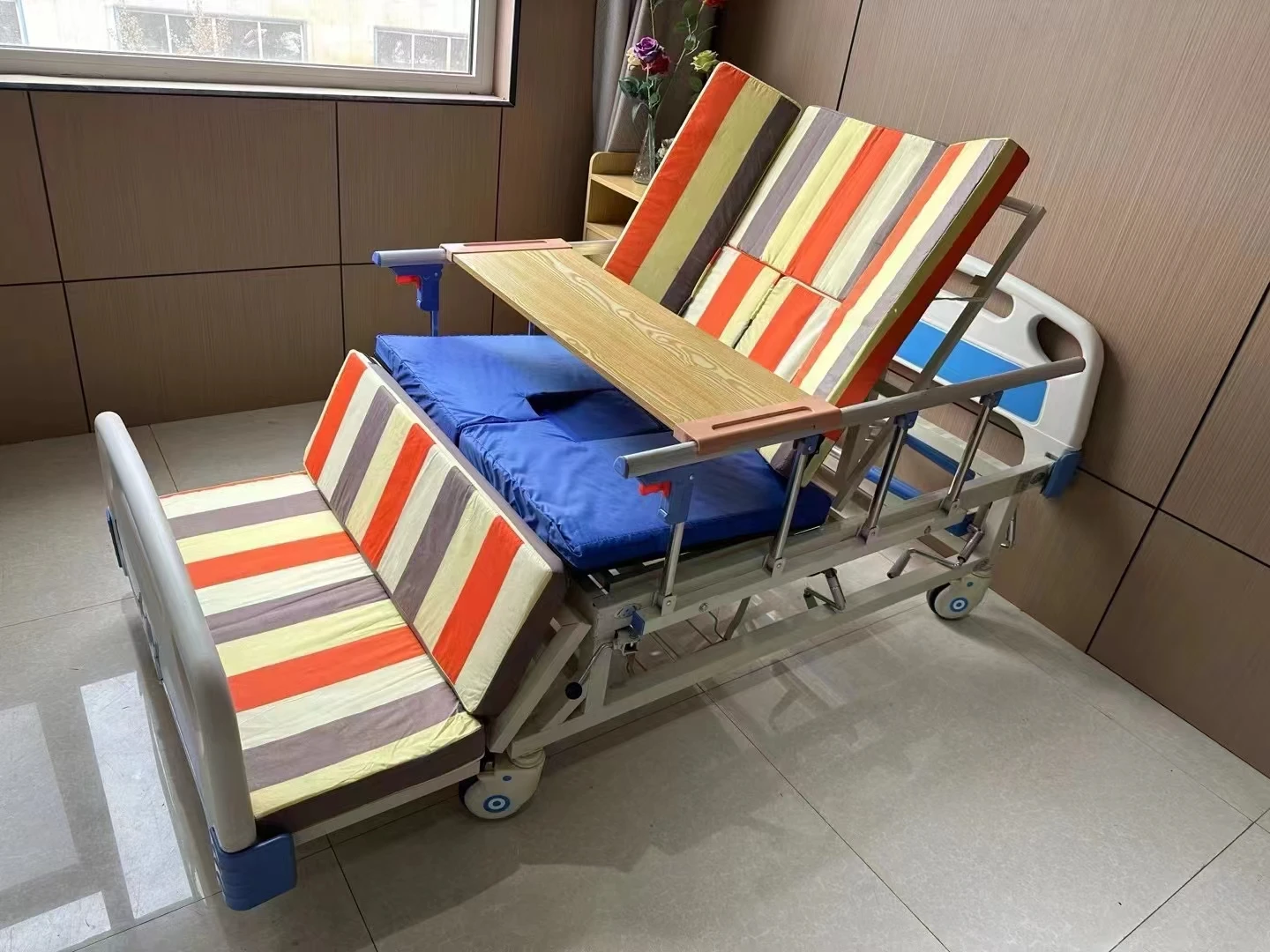
Understanding the Cost of a Medical Bed: Global Insights & Buying Guide
Understanding the Cost of a Medical Bed: Why It Matters More Than You Think
When we talk about the cost of a medical bed, it might sound like a straightforward price tag. But in reality, there’s quite a bit more to unpack — from design and technology to social impact and sustainability. Medical beds play a crucial role around the world, from bustling urban hospitals to remote clinics and disaster zones. Understanding their costs isn’t just about dollars and cents; it’s about shaping access to vital healthcare and improving patient dignity and safety on a global scale.
Whether you’re a healthcare provider, humanitarian worker, or just curious about medical technology, knowing what influences the price of a medical bed helps you make smarter choices. Plus, it sheds light on broader healthcare challenges and innovations worldwide.
The Global Picture: Why the Cost of Medical Beds is Crucial Today
Worldwide, the healthcare sector is under pressure to deliver better care while managing tight budgets — and medical beds are at the intersection of that challenge. According to the World Health Organization, over 2 billion people lack access to essential health services, including adequate hospital infrastructure. Beds are a major part of that infrastructure, and their cost impacts everything from hospital capacity to patient outcomes.
In fact, the global hospital bed market was valued at several billion USD in recent years (ISO standards help ensure quality across regions), and demand is only growing due to aging populations and increasing chronic diseases. Yet, many healthcare providers — especially in lower-income countries — struggle with acquiring good beds without overspending or compromising on quality.
The challenge? Finding the right balance between affordability, durability, and functionality. This has driven innovation and raised questions like: what really determines the cost of a medical bed, and how can those factors be optimized to benefit both users and providers?
What Does “Cost of a Medical Bed” Actually Mean?
At its core, the cost of a medical bed refers not just to the sticker price but encompasses the lifetime value — the investment needed for purchasing, operating, maintaining, and eventually recycling or disposing of the bed. This includes:
- Manufacturing expenses (materials, labor, technology)
- Shipping and installation
- Maintenance and repairs over the bed’s lifespan
- Compliance with safety and hygiene standards
So, when hospitals or organizations calculate the cost, they’re really considering a sum that impacts budgeting and operational efficiency for years. Medical beds are no longer just metal frames and mattresses — they’re integrated with electronics, adjustability features, patient comfort designs, and infection control technology. All of this adds nuance to their cost profile.
Quick takeaway:
The cost of a medical bed is truly a multifaceted measure — it’s about initial price, but also long-term sustainability and care quality implications.
What Drives the Price? Key Components Behind Medical Bed Costs
1. Durability and Build Quality
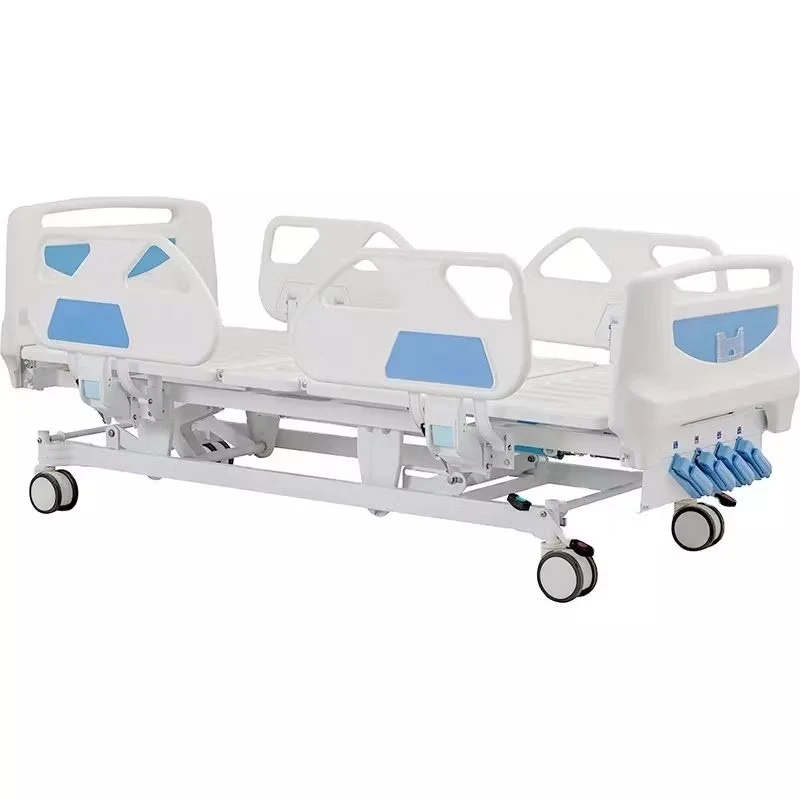
Medical beds often endure heavy daily use and must comply with strict safety standards (ISO 13485 among them). The quality of raw materials — sturdy steel frames, hygienic coatings, and robust mechanical parts — plays a huge role in price variation across models. Cheaper beds might save money upfront but often require more repairs.
2. Technology and Features
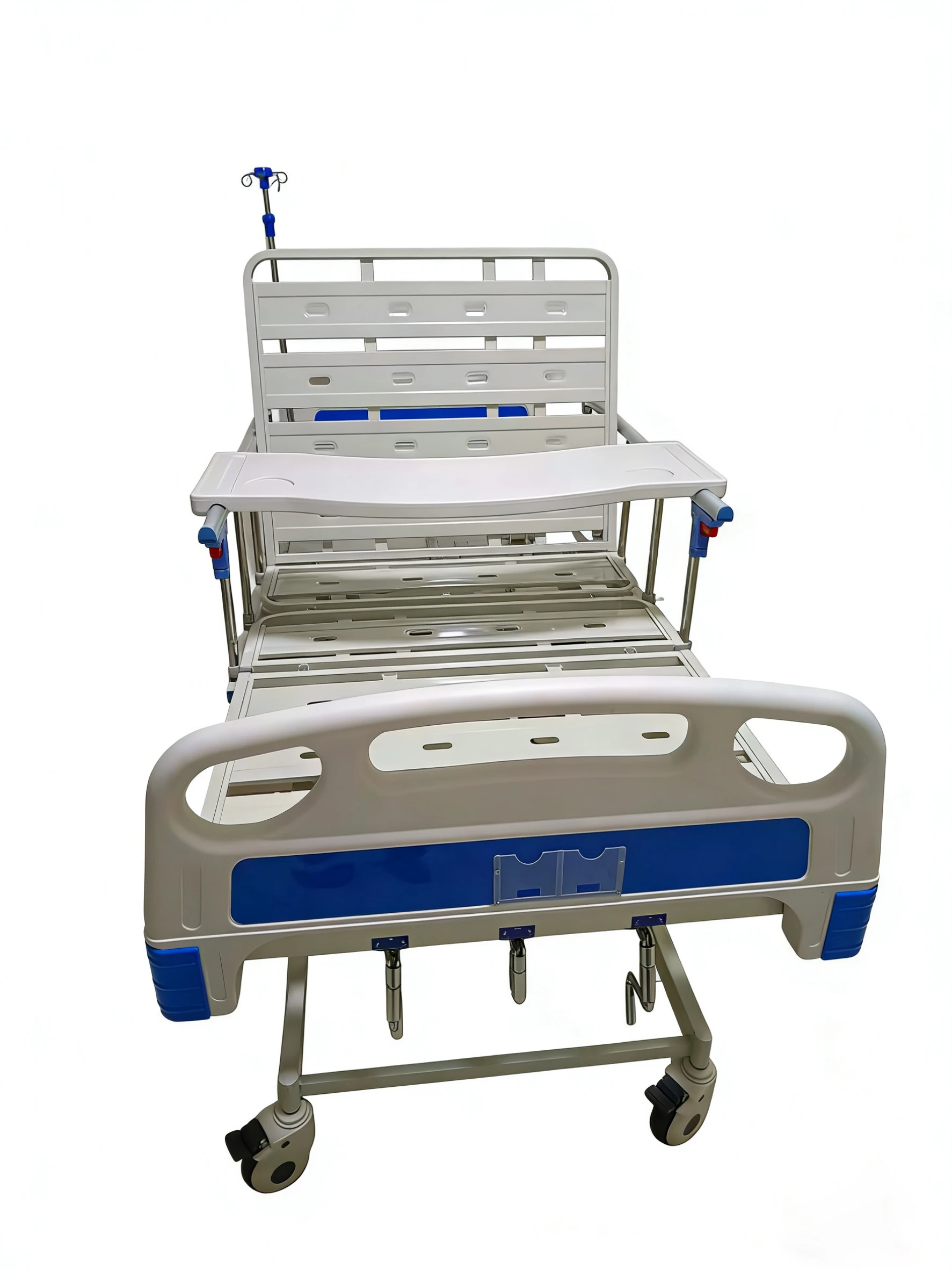
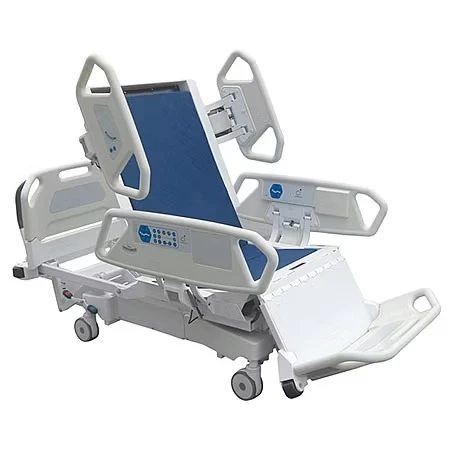
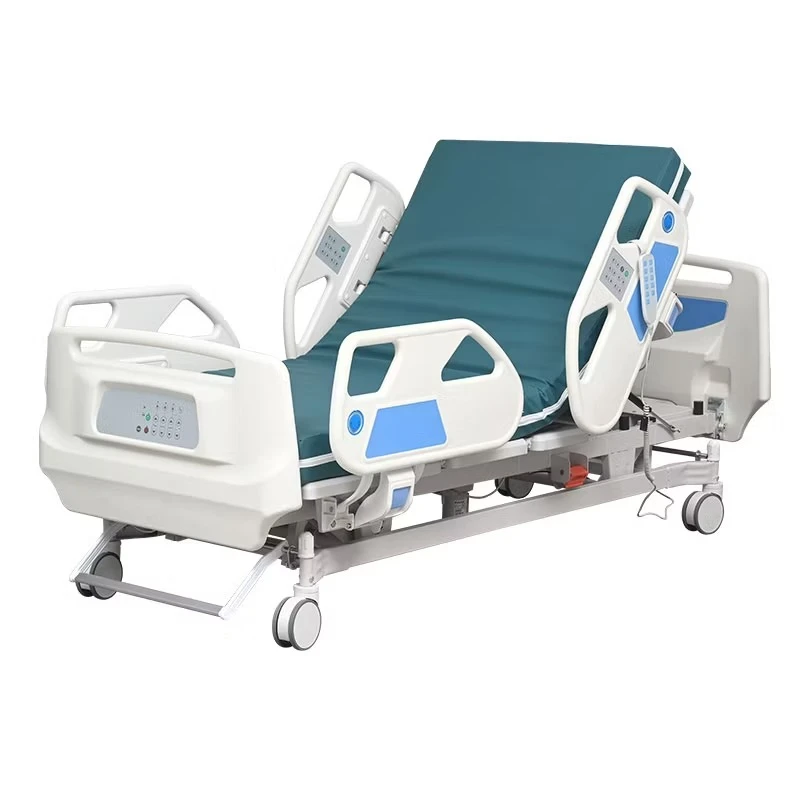
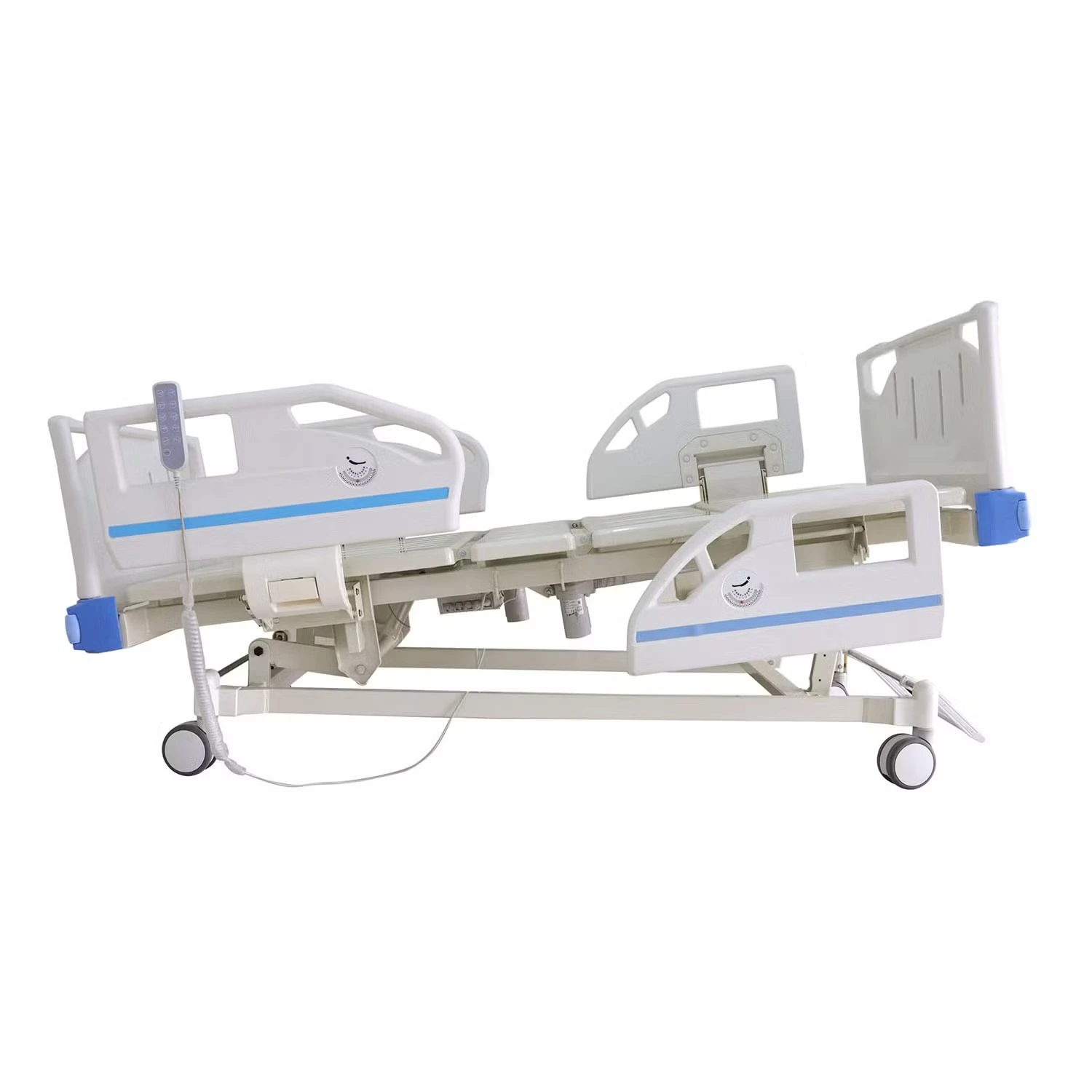
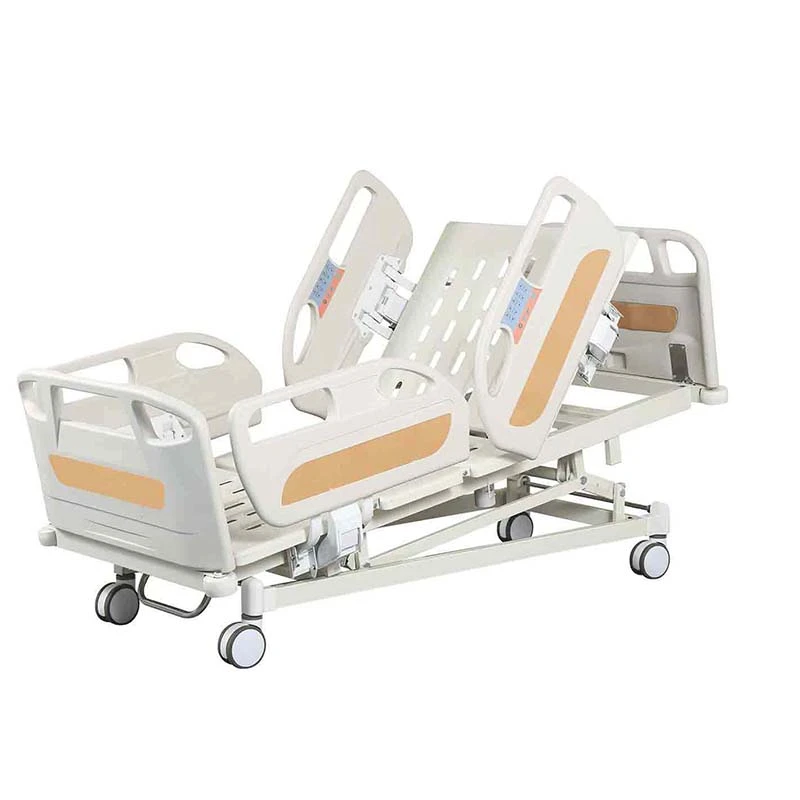
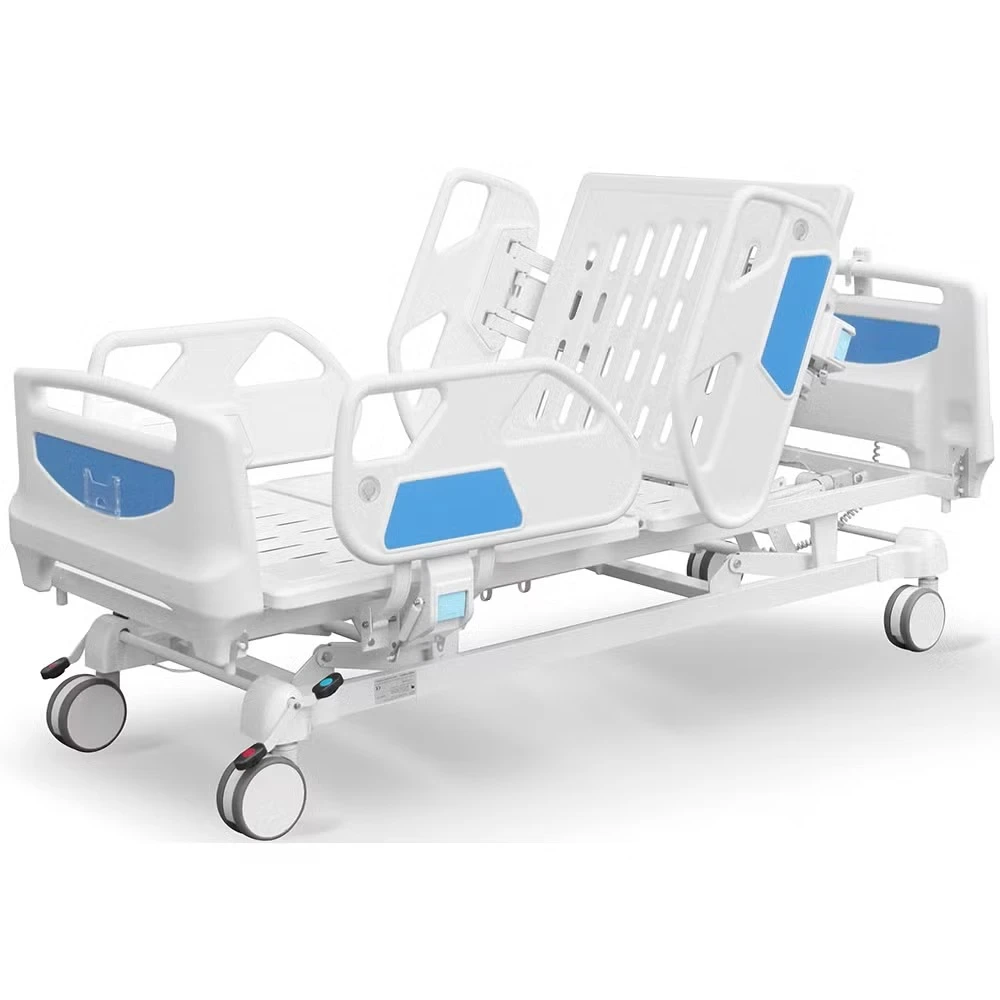
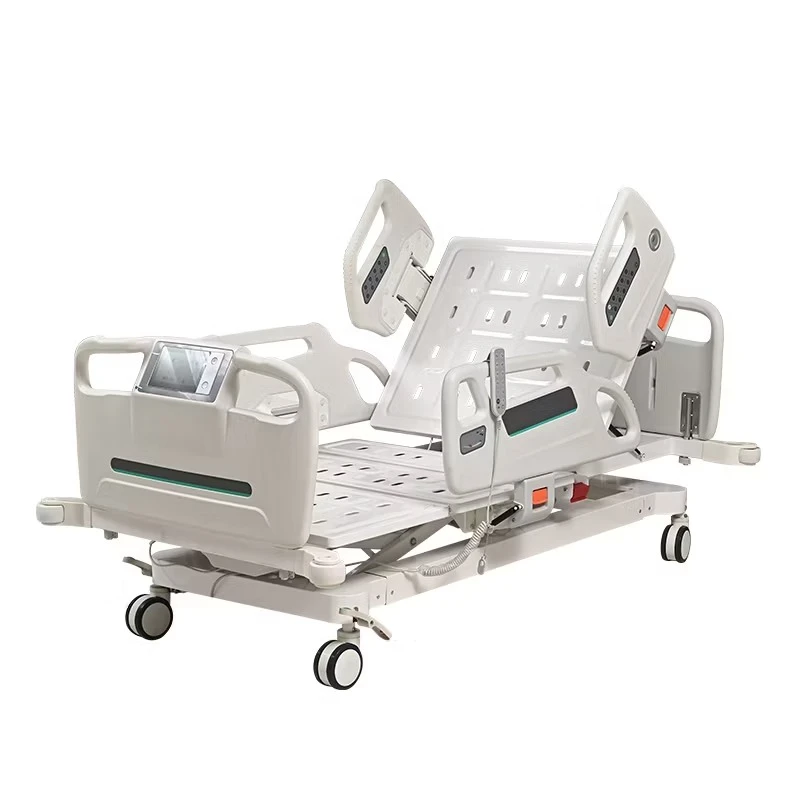
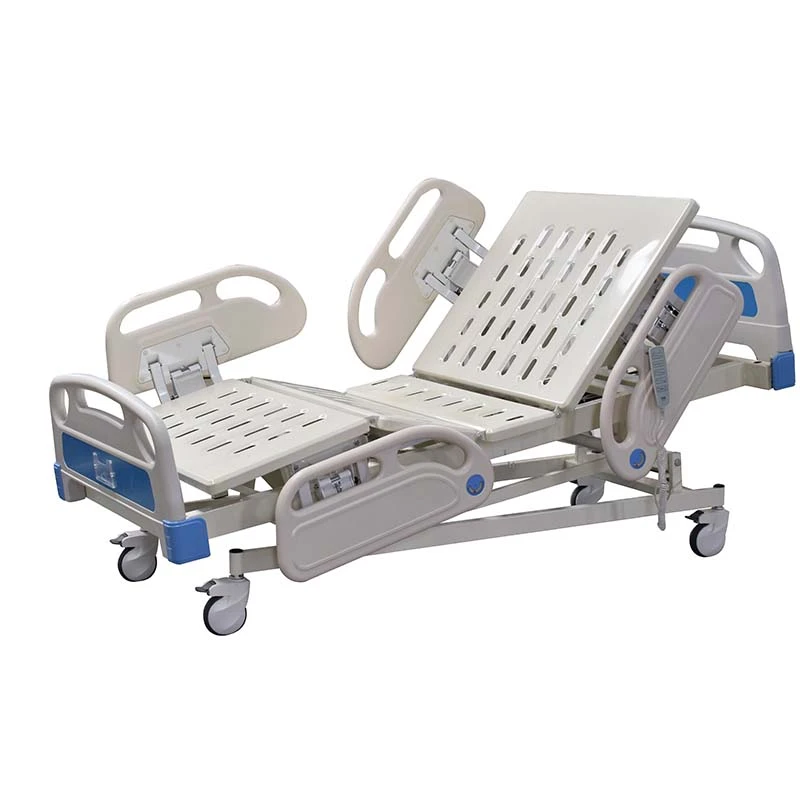
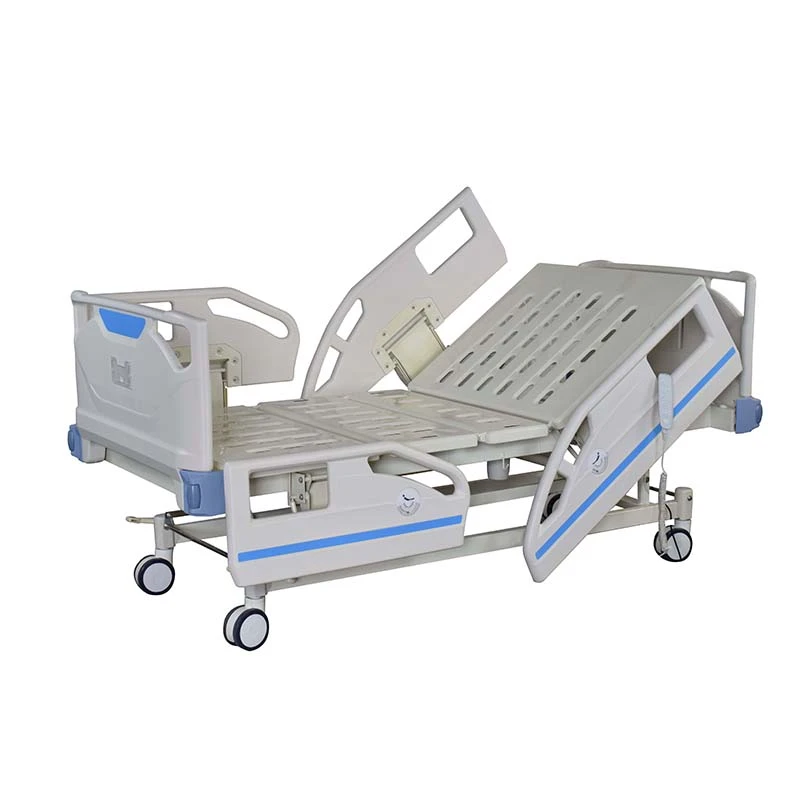
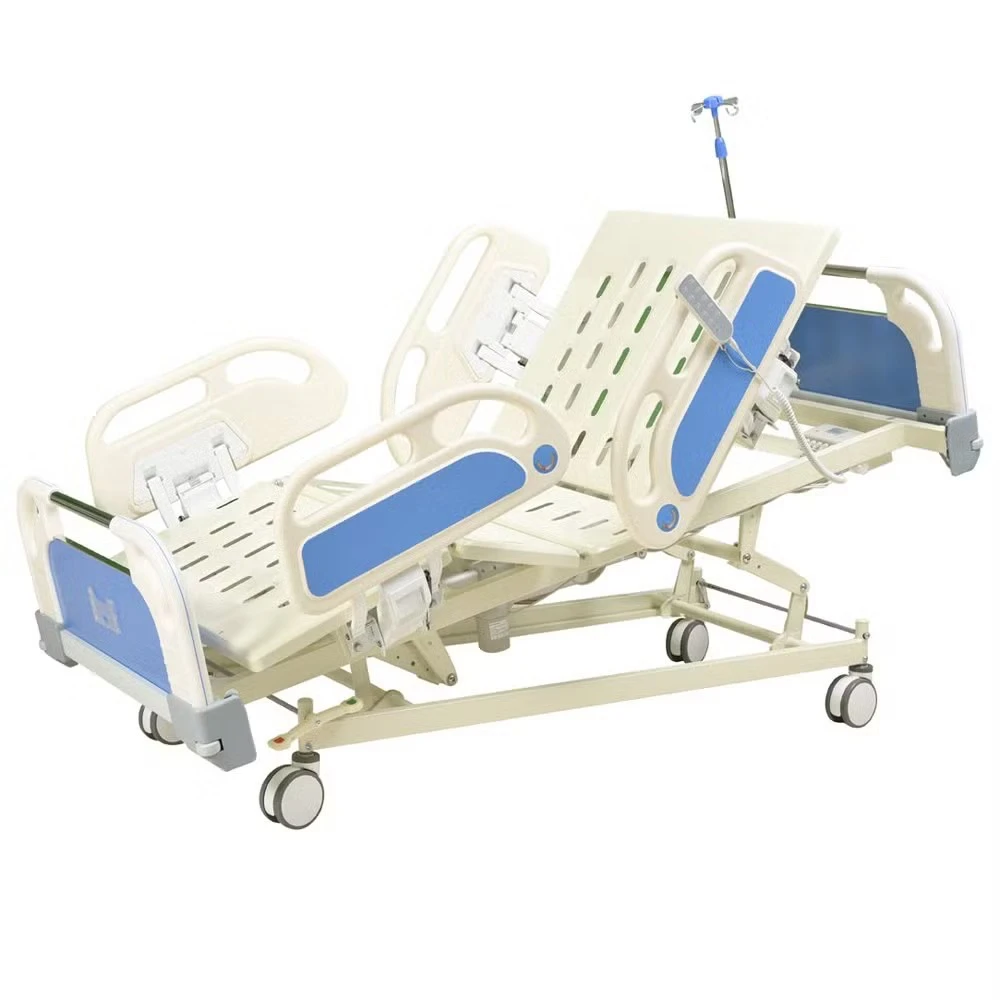
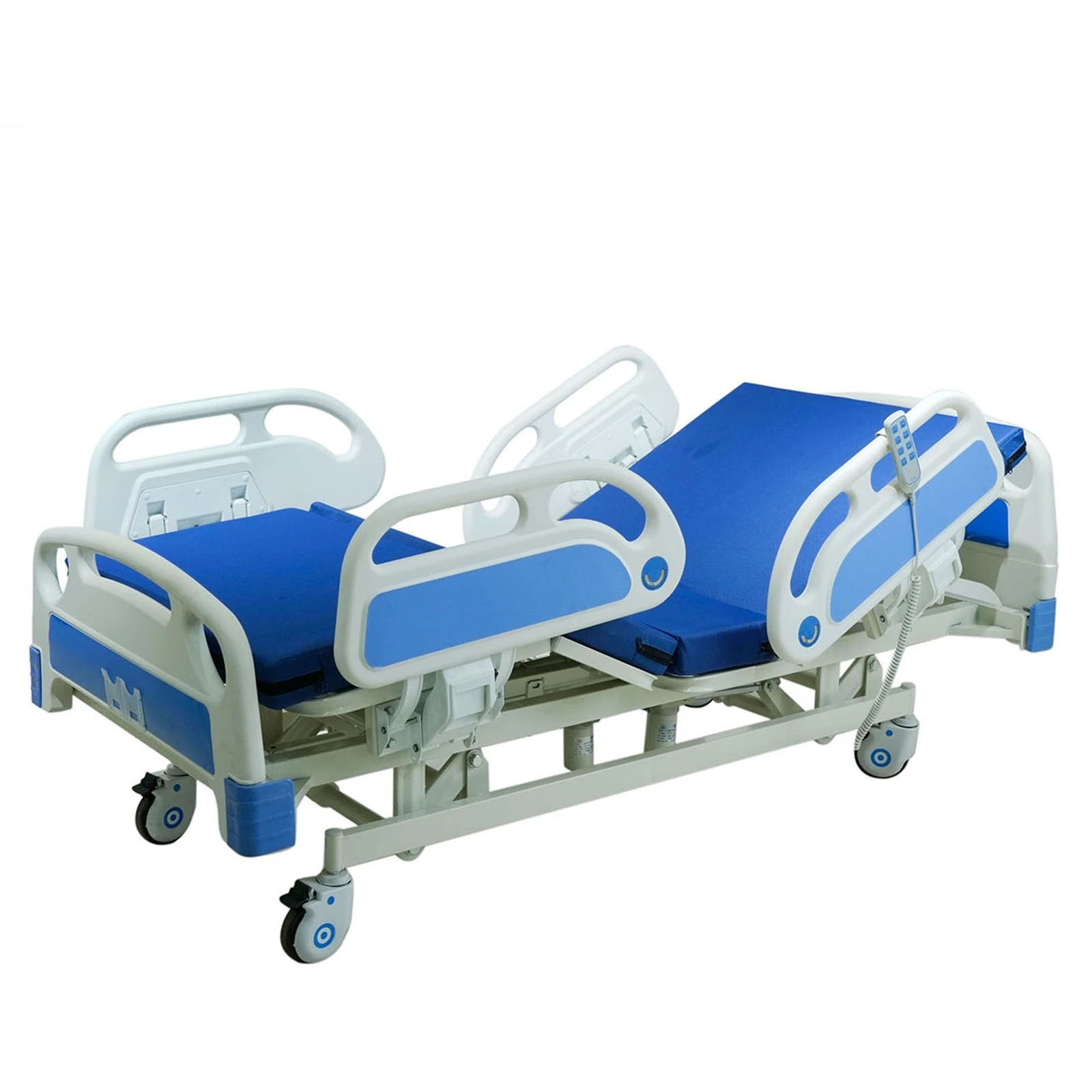
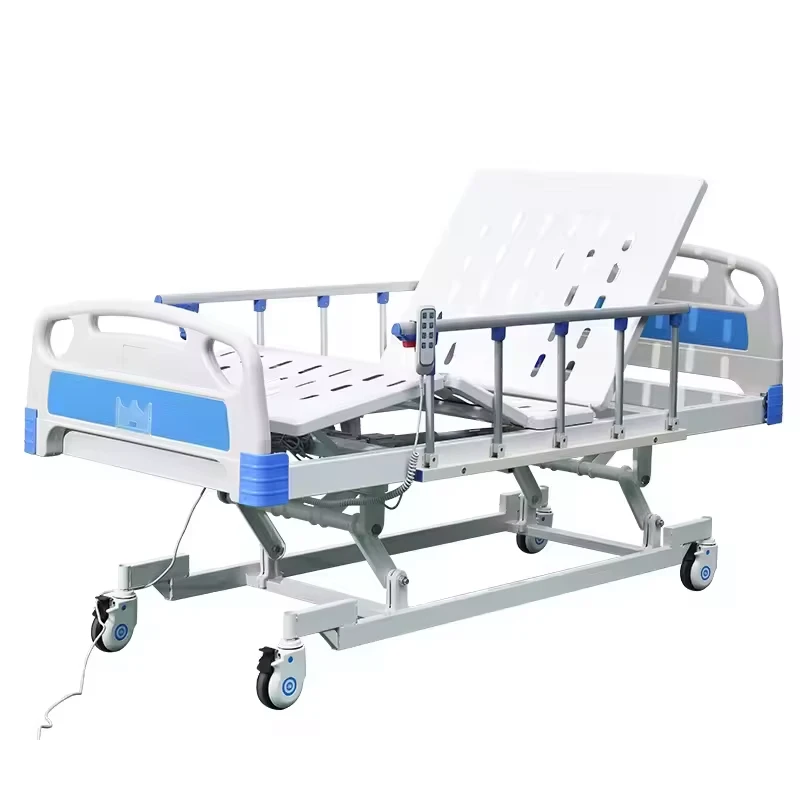
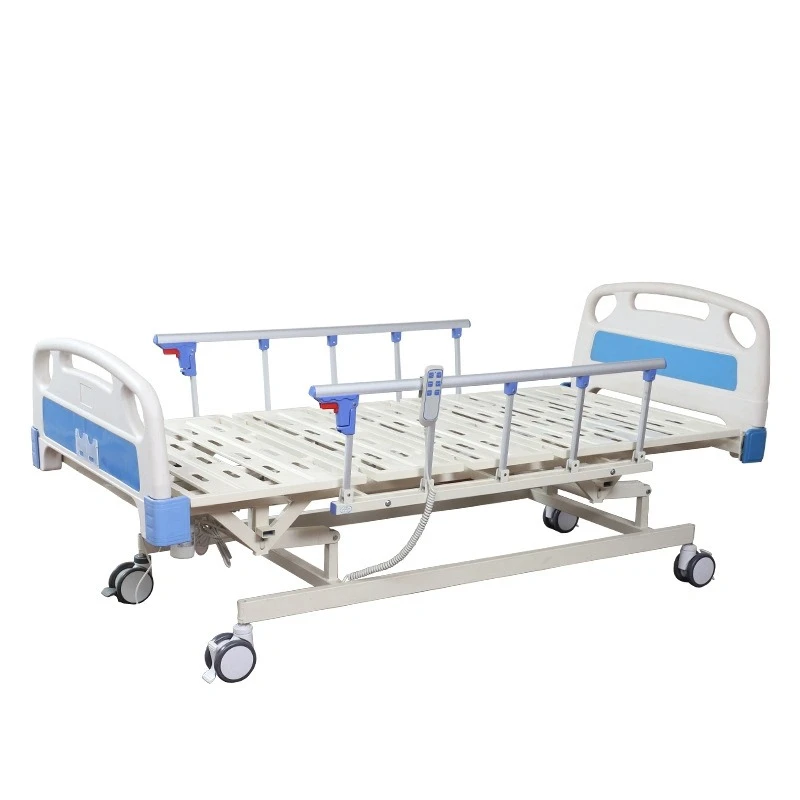
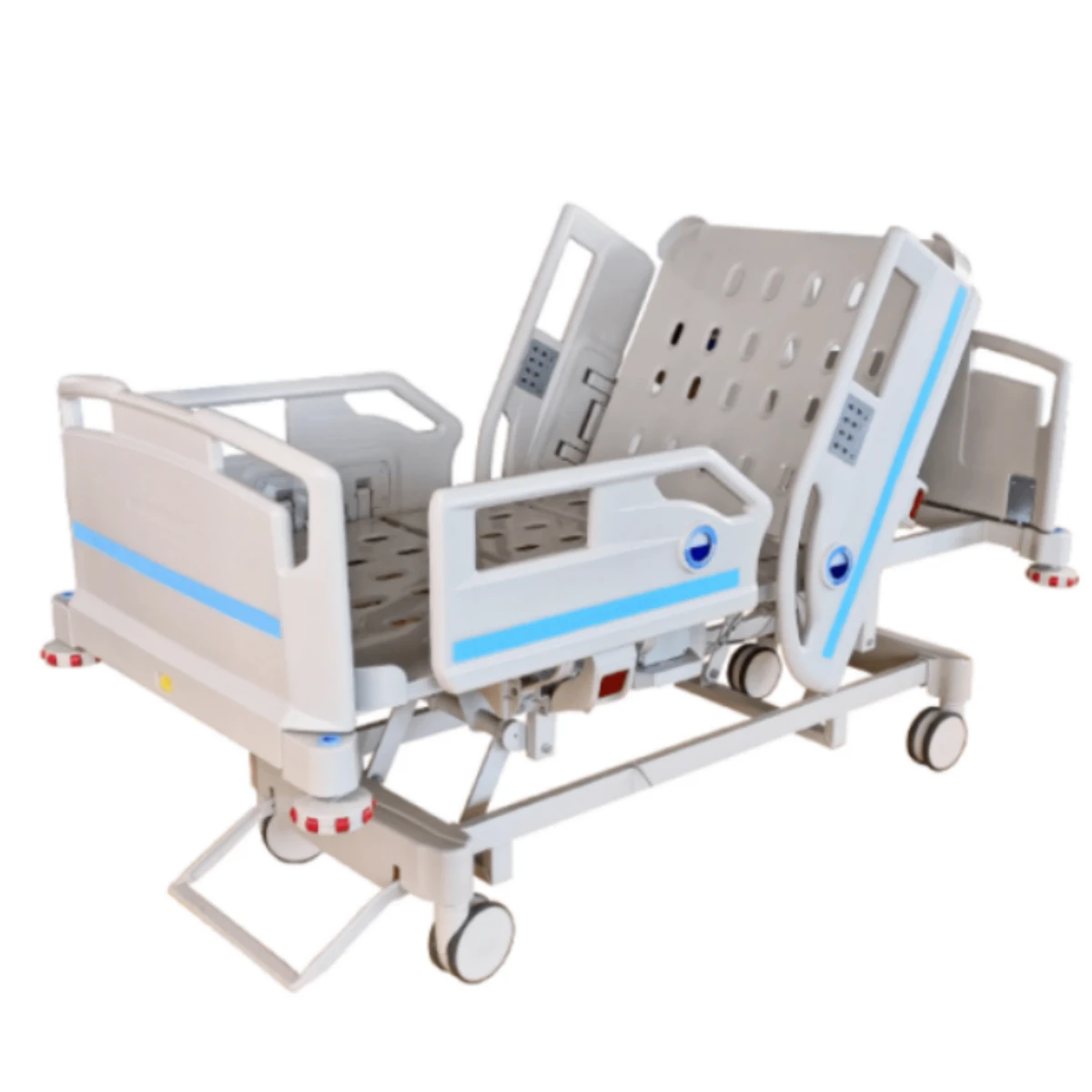
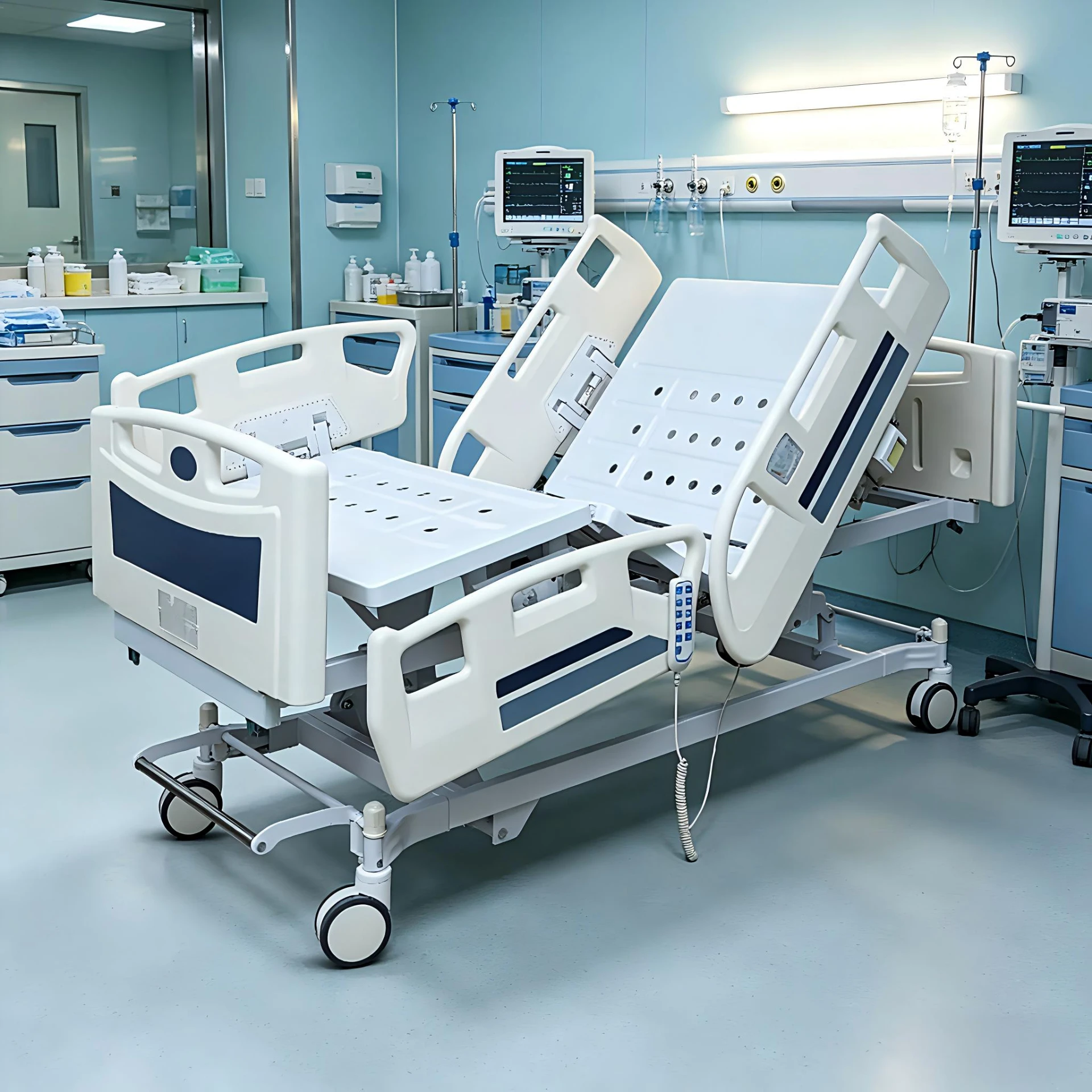
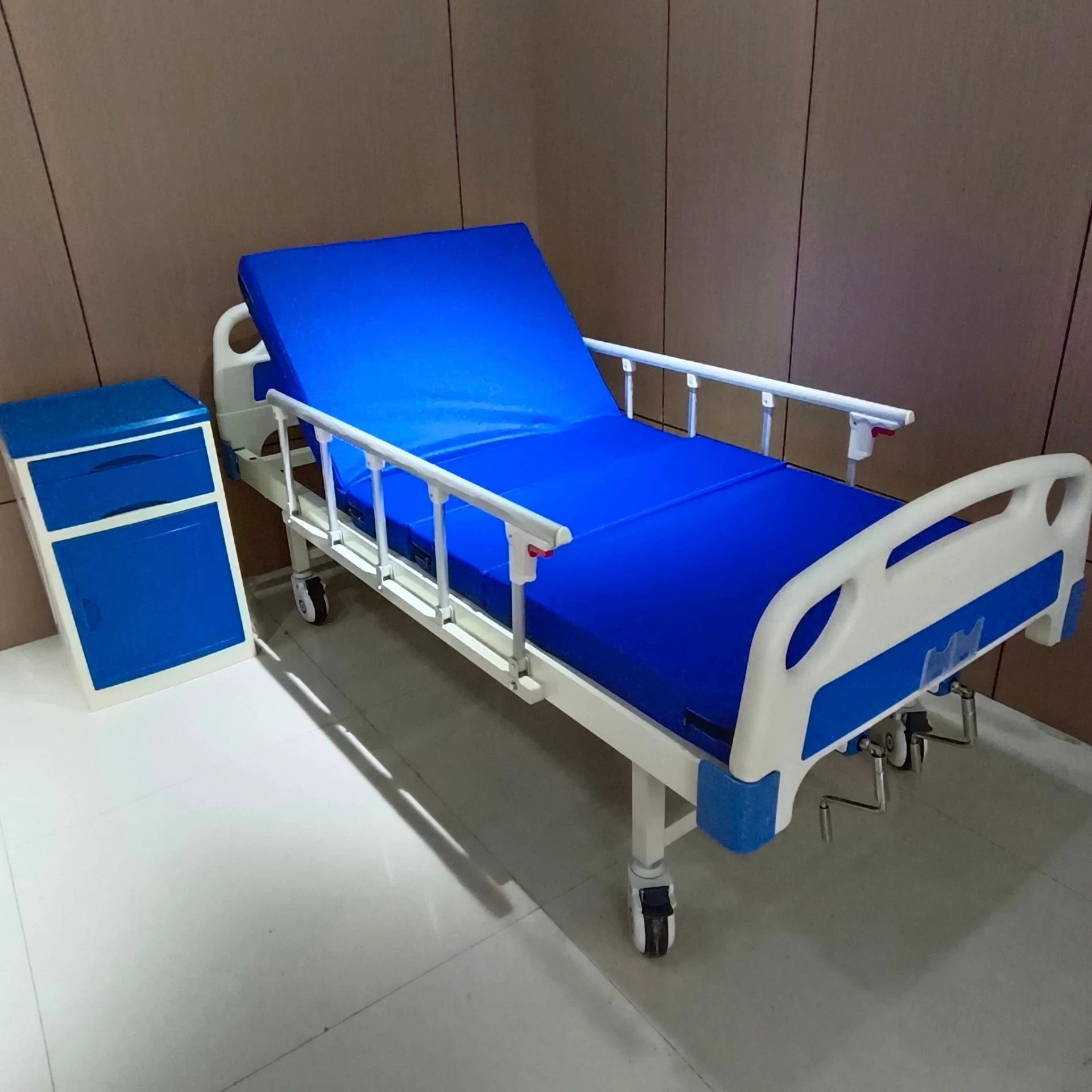
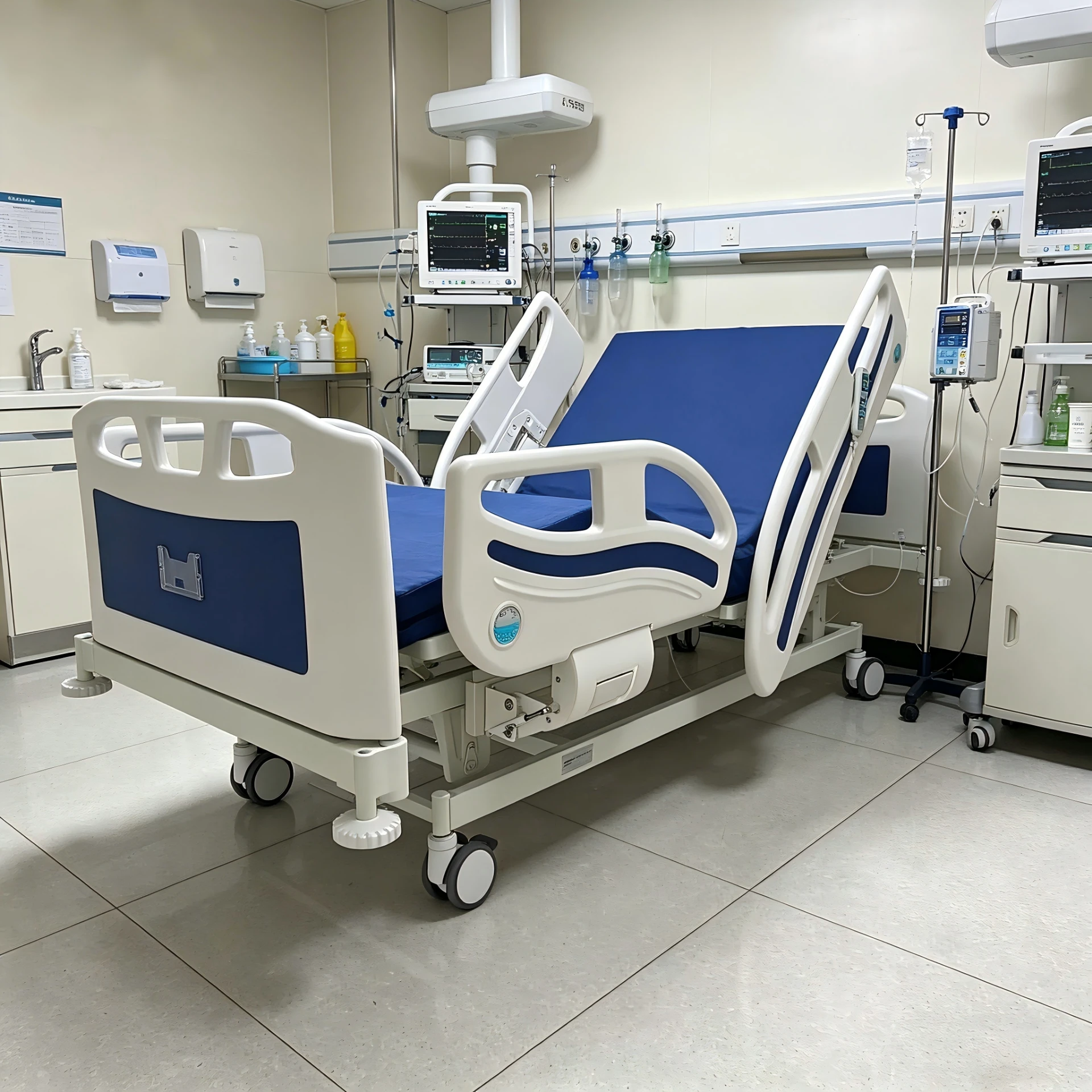
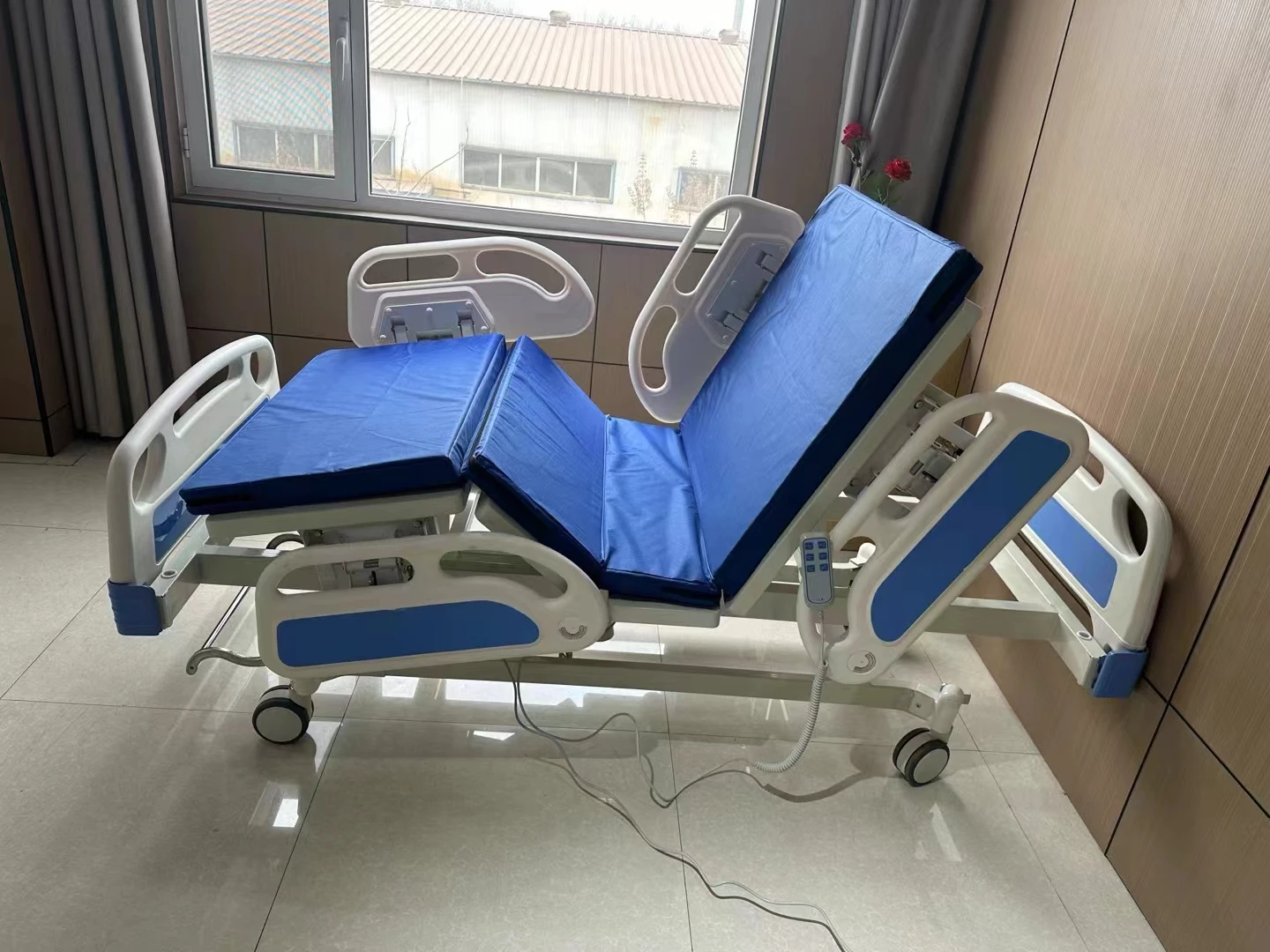
Modern medical beds come with motorized adjustments (height, backrest, Trendelenburg position), integrated patient monitoring, and emergency functions. These conveniences add layers of complexity and cost but significantly improve patient outcomes and staff efficiency — worth it, many say.
3. Scalability and Modular Design
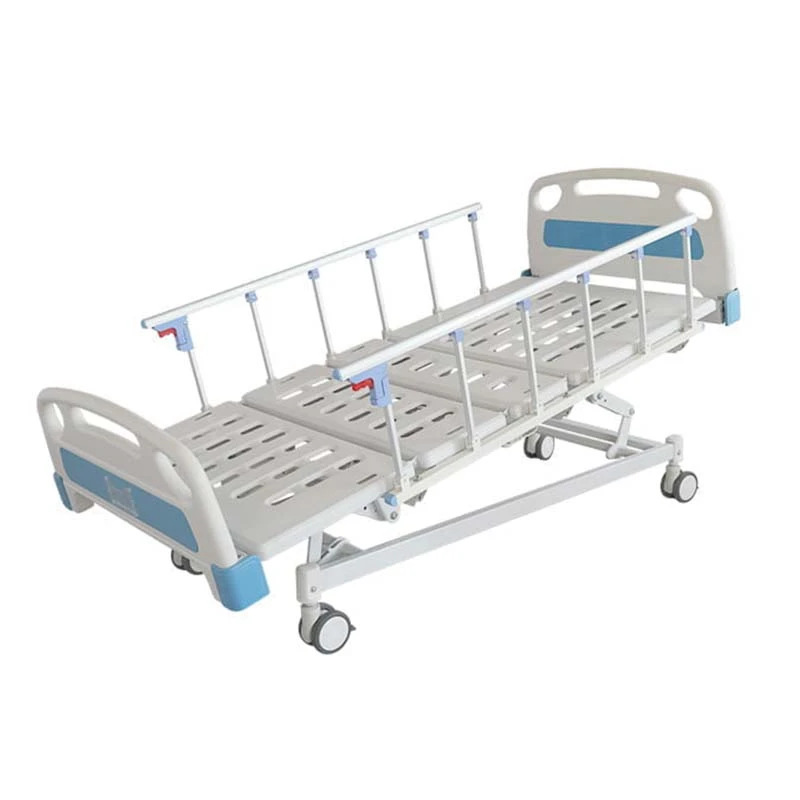
Some hospitals prefer beds that can be adapted over time — adding accessories like side rails, IV poles, or sensors. Manufacturers providing modular designs tend to price higher but allow facilities to customize without full replacements.
4. Transport and Installation Costs
The cost of getting these beds from factories to remote hospitals can get surprisingly high — shipping bulky frames internationally, navigating customs, and fitting medical spaces requires logistics savvy.
5. Regulatory Compliance
Ensuring that beds meet local and international medical regulations demands research, certification, and often redesign, which can bump up costs.
6. Maintenance and Warranty
What feels like a minor point can vastly affect the overall price: warranty length, availability of spare parts, and ease of servicing are vital. A 3-year warranty might cost more initially but save you from headaches and added expenses.
Mini takeaway:
It’s rarely just about the bed itself — the total cost includes build quality, technology, regulations, and logistical aspects.
How the Cost of Medical Beds Plays Out Globally: Real-World Examples
In high-income countries like Germany or Japan, hospitals invest heavily in smart beds with patient monitoring and automation. Higher costs are balanced by advanced infrastructure and reimbursement schemes.
In contrast, sub-Saharan Africa and parts of South Asia prioritize sturdier, simpler designs that are easier to maintain with limited resources. NGOs and governments often look for affordable beds that can be mass deployed during health crises or pandemics.
Take disaster relief scenarios: after the 2015 Nepal earthquake, rapidly procuring hundreds of functional medical beds saved countless lives in field hospitals — but only because suppliers understood how to balance cost, speed, and durability effectively.
In remote industrial zones — say oil rigs or mining camps — portable, modular medical beds are crucial for onsite care and evacuation readiness. Here, cost depends heavily on transportability and flexibility.
Summary:
The cost of a medical bed varies dramatically depending on location, use case, and infrastructure requirements — but its importance is global and growing.
The Long-Term Value of Investing Smartly in Medical Beds
- Cost savings: Durable beds with good warranties mean fewer replacements and less downtime.
- Sustainability: Choosing recyclable materials and energy-efficient motors reduces environmental impact.
- Patient safety & dignity: Adjustable beds reduce pressure sores and improve mobility, while thoughtful design supports dignity.
- Staff efficiency: Easier-to-use beds free nurses and doctors to focus on care, not mechanical fiddling.
- Social impact: Reliable beds in underserved areas can transform local healthcare perceptions and outcomes.
Otherwise, a cheap bed that breaks frequently may cost hospitals more in staff time, patient complications, and eventual replacement.
Spotlight: Product Specifications Comparison
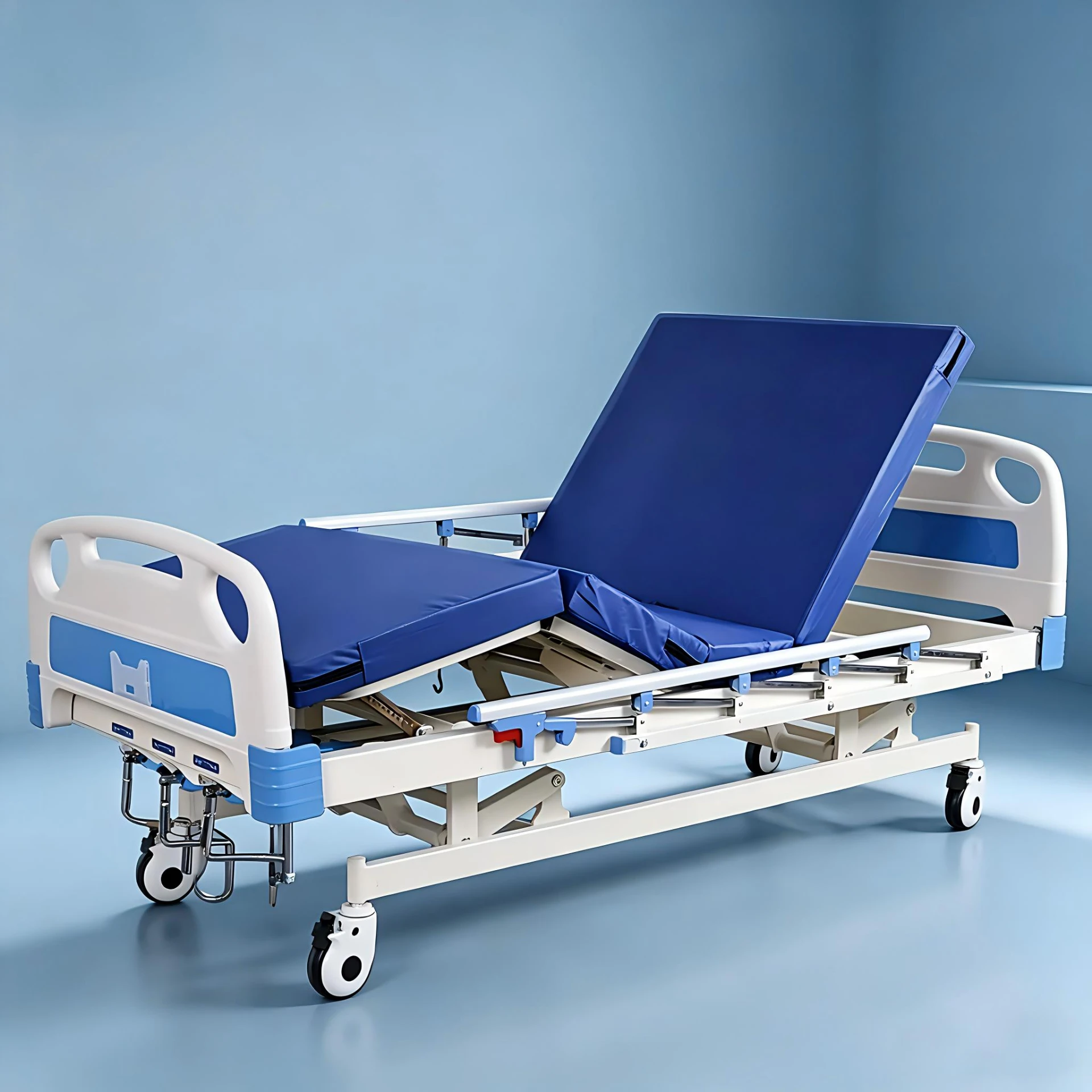
| Feature | Basic Model | Advanced Model | Modular Premium |
|---|---|---|---|
| Cost Range (USD) | $800 - $1200 | $1500 - $2500 | $2700 - $3500 |
| Motorized Adjustments | No | Yes (desk, height) | Yes (full range + Trendelenburg) |
| Material | Steel frame, foam mattress | Stainless steel, antimicrobial coating | Modular composite frame + smart textiles |
| Warranty (years) | 1 year | 3 years | 5 years |
Vendor Comparison: Finding the Best Value
| Vendor | Price Range (USD) | Lead Time | Customization | Global Shipping |
|---|---|---|---|---|
| MediBeds Corp. | $900 - $1800 | 2-3 weeks | Basic | Yes |
| HealthEquip International | $1400 - $2700 | 4-6 weeks | Moderate | Yes |
| FlexiBed Solutions | $2000 - $3500 | 1-2 weeks | High (Modular) | Limited |
Where Is Medical Bed Technology Headed?
The future looks pretty exciting. Experts predict a rise in "smart beds" that connect via IoT to patient monitoring systems, adjust positioning automatically based on patient needs, and even help predict pressure sores with embedded sensors. Sustainability will also grow in focus — think recyclable materials, energy-efficient motors, and minimized waste during manufacturing.
Plus, with telehealth gaining ground, beds equipped with remote monitoring capabilities will become a standard in many hospitals. Green energy sources for powering hospital equipment also intersect with medical bed technology; odd to think about, but hospitals running partly off solar power need beds designed for low energy consumption.
Common Challenges and How They’re Overcome
- High upfront cost: Many healthcare facilities struggle with budget constraints. Leasing and modular purchase options are emerging as solutions.
- Maintenance complexity: For remote locations, training local staff and supplying spares is key to longer bed life.
- Customization delays: Vendors offering flexible modular designs reduce lead times and inventory waste.
FAQ on the Cost of a Medical Bed
- What factors most influence the cost of medical beds?
- The largest influences are material quality, technology features such as motorization, warranty and maintenance services, and compliance with safety standards. Logistics and delivery costs also add up, especially for remote areas.
- Are more expensive medical beds always better?
- Not necessarily. The most suitable bed depends on the healthcare setting. A high-tech bed may be necessary in intensive care but overkill in a rural clinic. Assessing needs and budget leads to smarter procurement.
- How long should a good medical bed last?
- Typically, a well-maintained bed lasts 5–10 years, but this varies by model, usage intensity, and environment. Warranty length often reflects expected lifespan.
- Can medical beds be customized to specific patient needs?
- Yes. Many vendors offer modular designs or add-ons such as side rails, specialty mattresses, or monitoring modules. Customization often affects cost and lead times.
- Is it better to buy or lease medical beds?
- Leasing can reduce upfront costs and allow for upgrades but may increase total expense over time. Buy if you expect long-term use and have reliable maintenance capacities.
Summing It Up & What To Do Next
The cost of a medical bed is more than a price tag — it’s a complex balance of quality, technology, sustainability, and practical logistics. Smart investments here can improve healthcare delivery, save money over time, and impact patient lives for the better.
If you want to explore options and understand detailed pricing, check out our comprehensive resources on cost of a medical bed. The world of medical beds is shifting rapidly, and staying informed means better decisions — whether you’re upgrading a hospital ward or planning disaster relief.