Comprehensive Guide to Hospital Single Bed Price - Features, Trends & Vendors
Understanding Hospital Single Bed Price: What You Really Need to Know
Hospital beds might not be the flashiest hospital equipment, but their price and quality have a surprisingly big impact on healthcare worldwide. When we talk about hospital single bed price, we're not just discussing numbers—it's about how hospitals can optimize care, manage budgets, and ultimately enhance patient safety across the globe. Hospitals need beds that can last long, adapt to various patient needs, and fit into sometimes tight budgets. So, understanding these prices, and what affects them, is more important than you might initially think.
The Big Picture: Why Hospital Single Bed Price Matters Globally
Globally, healthcare spending is expanding steadily. According to the World Bank, global health expenditures have hovered around 10% of GDP for many countries and rising in others. A chunk of that is allotted to infrastructure and equipment—including hospital beds. But here’s a challenge: not all beds are created equal, and prices are all over the map. Hospitals in developing regions often wrestle with exorbitant costs or poor-quality alternatives.
Meanwhile, in post-disaster zones or fast-growing urban centers, the demand for reliable hospital single beds surges suddenly, putting pressure on supply chains and budgets. ISO standards for medical furniture have helped raise the bar, but cost variations still confound purchasers worldwide. So diving deep into price drivers gives buyers a sharper edge when balancing quality and cost efficiency.
Mini Takeaway:
Hospital single bed prices are a crucial, often overlooked factor in healthcare quality and accessibility around the world.
What Is Hospital Single Bed Price? Breaking It Down Simply
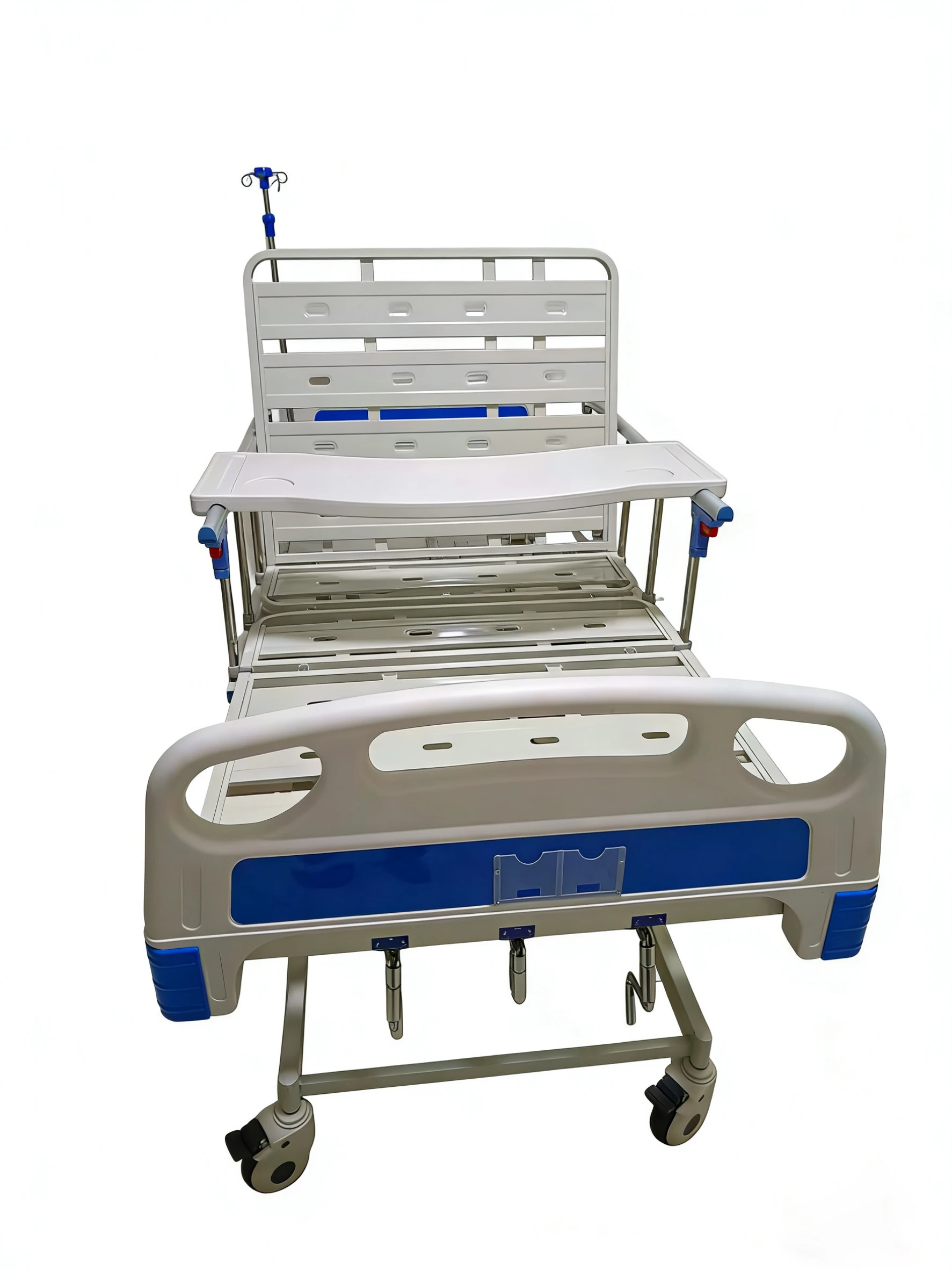
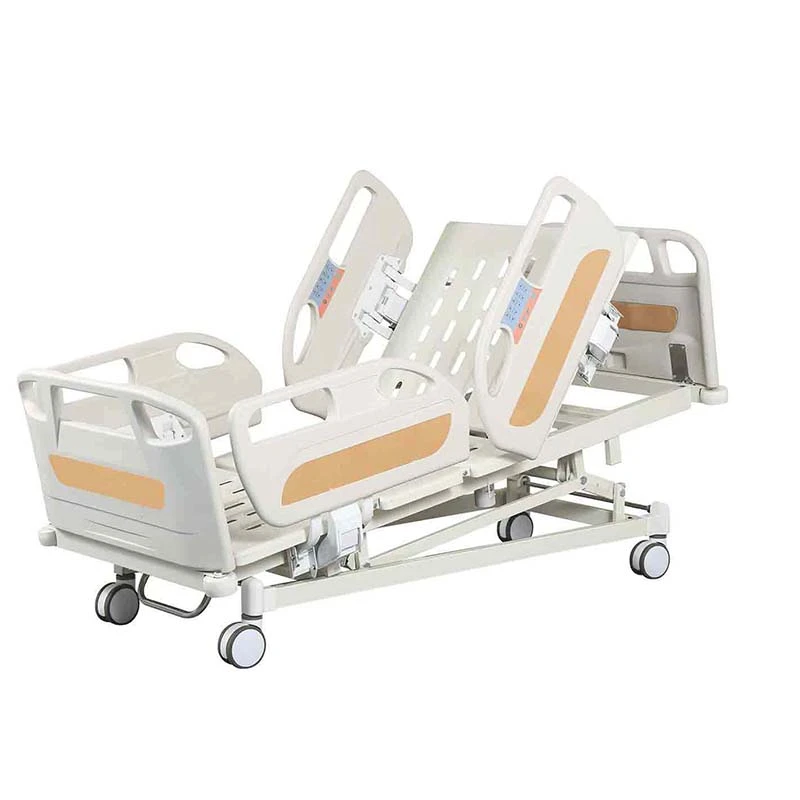
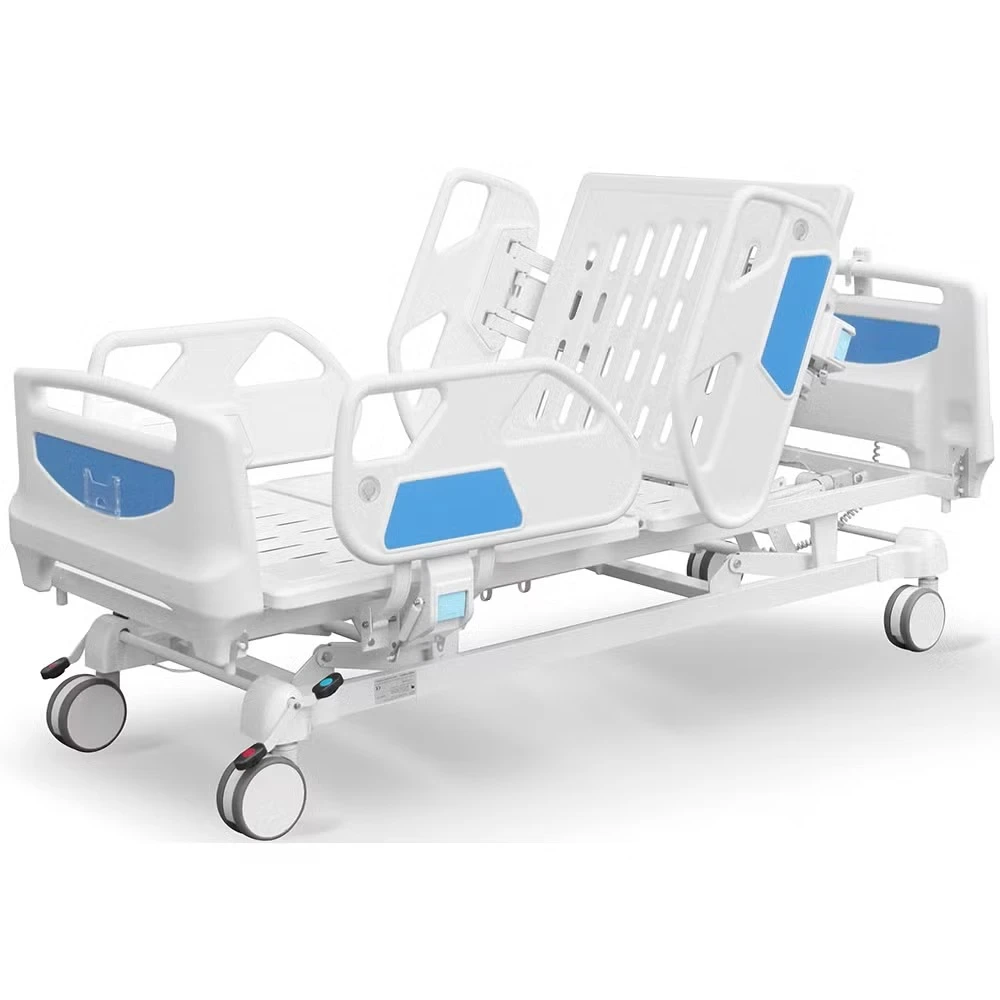
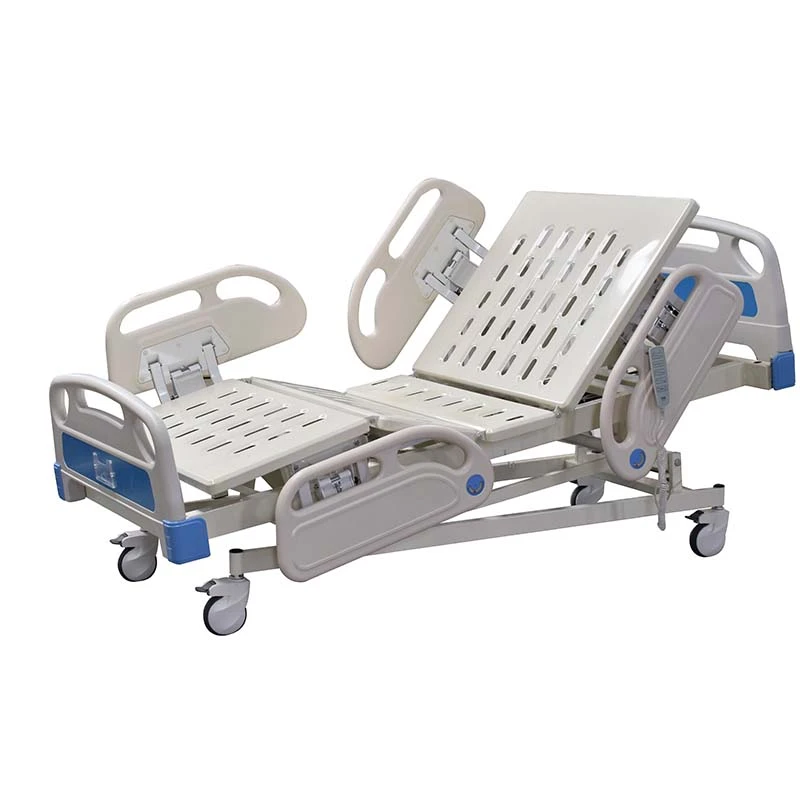
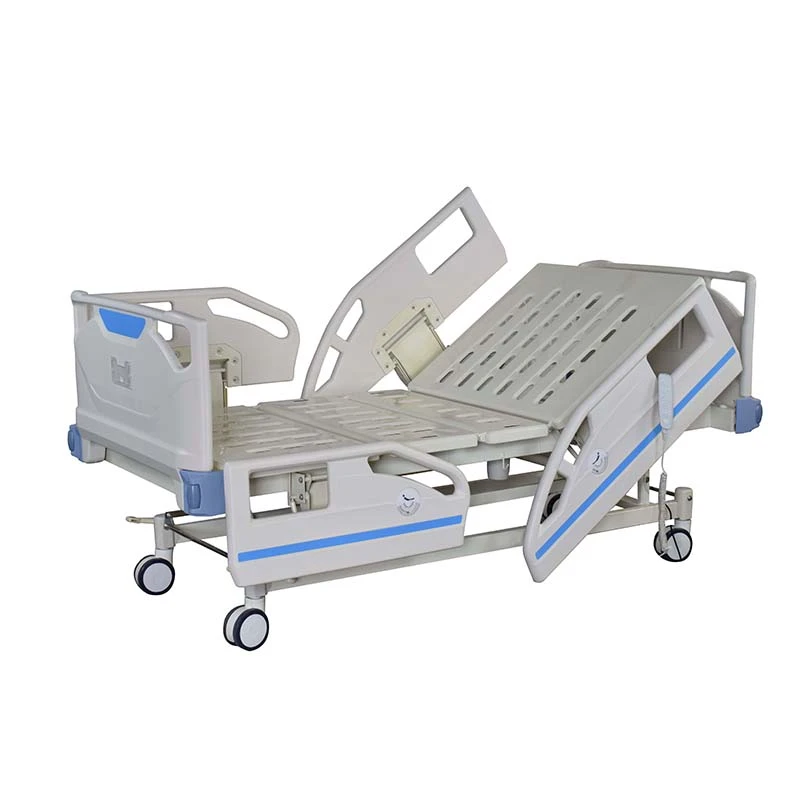
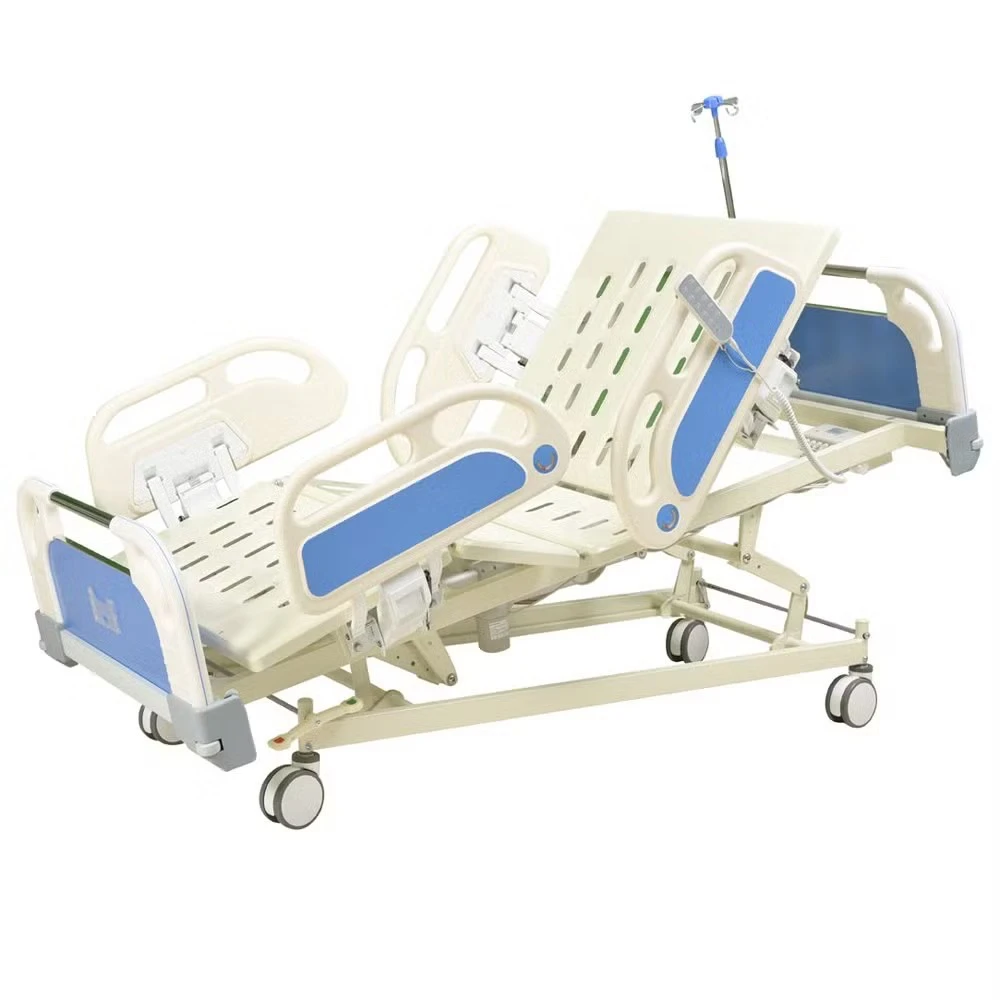
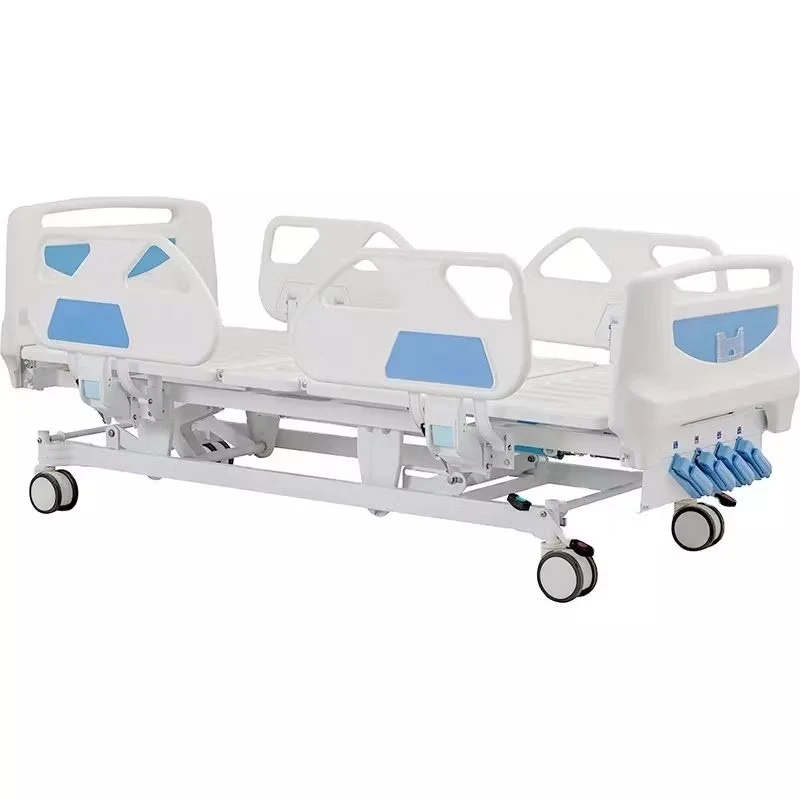
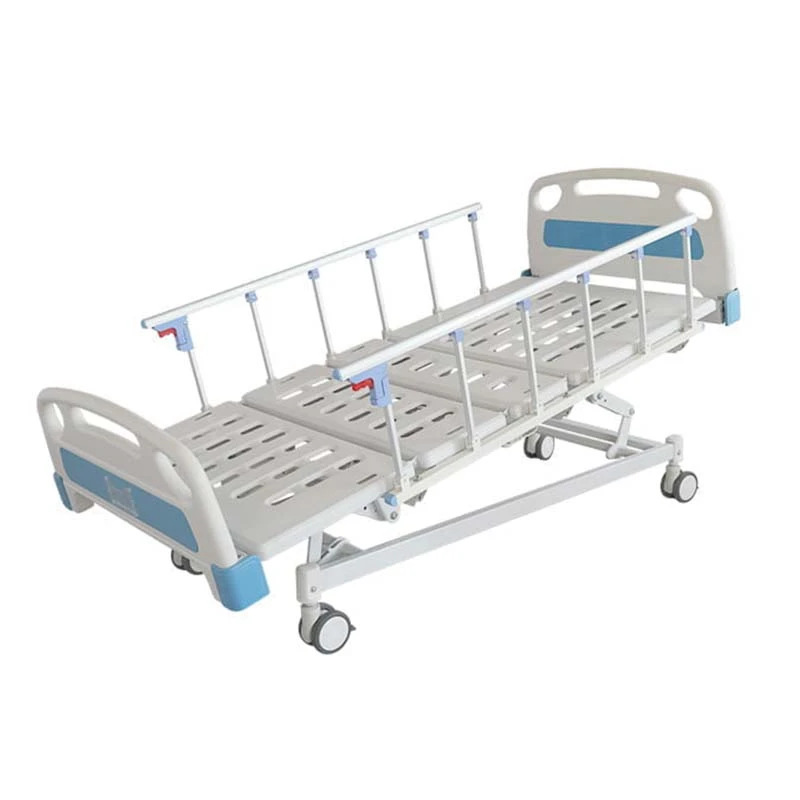
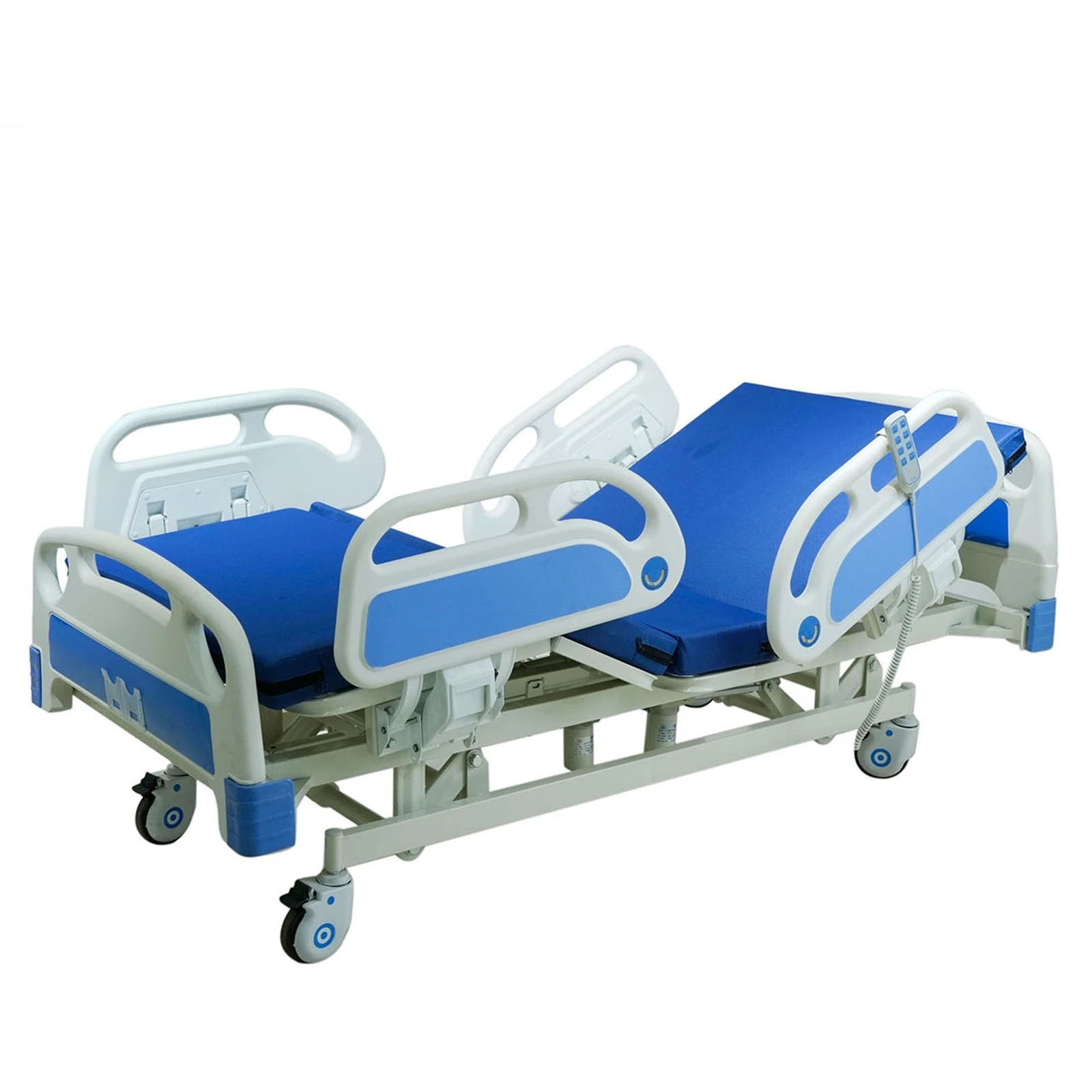
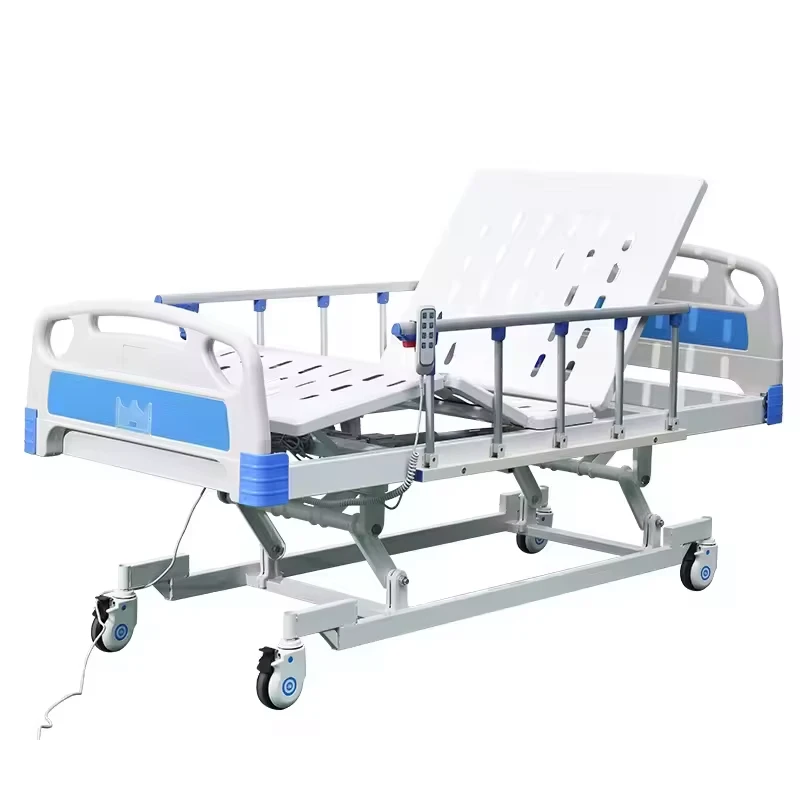
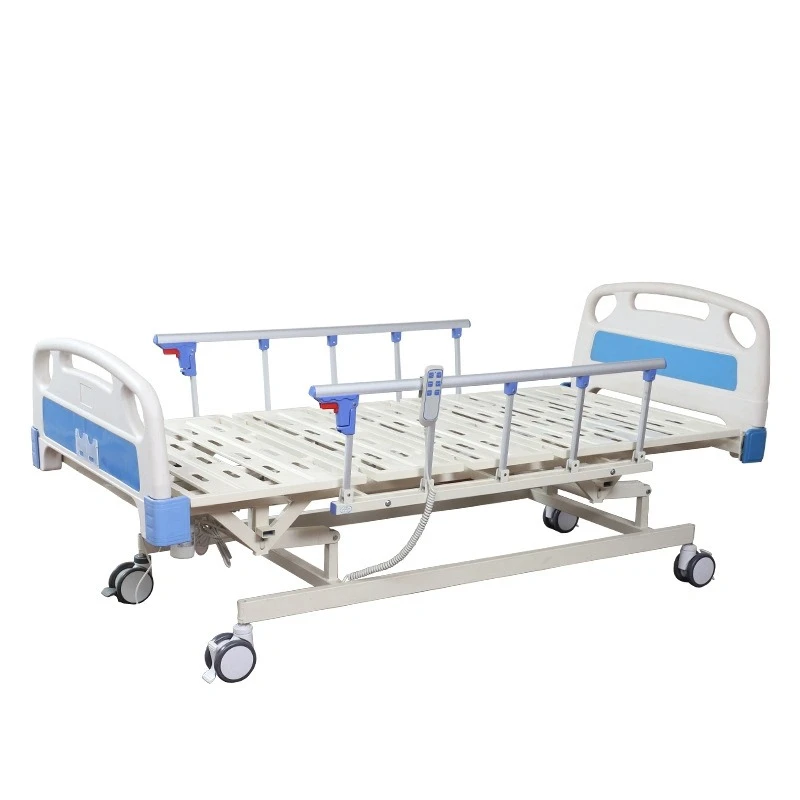
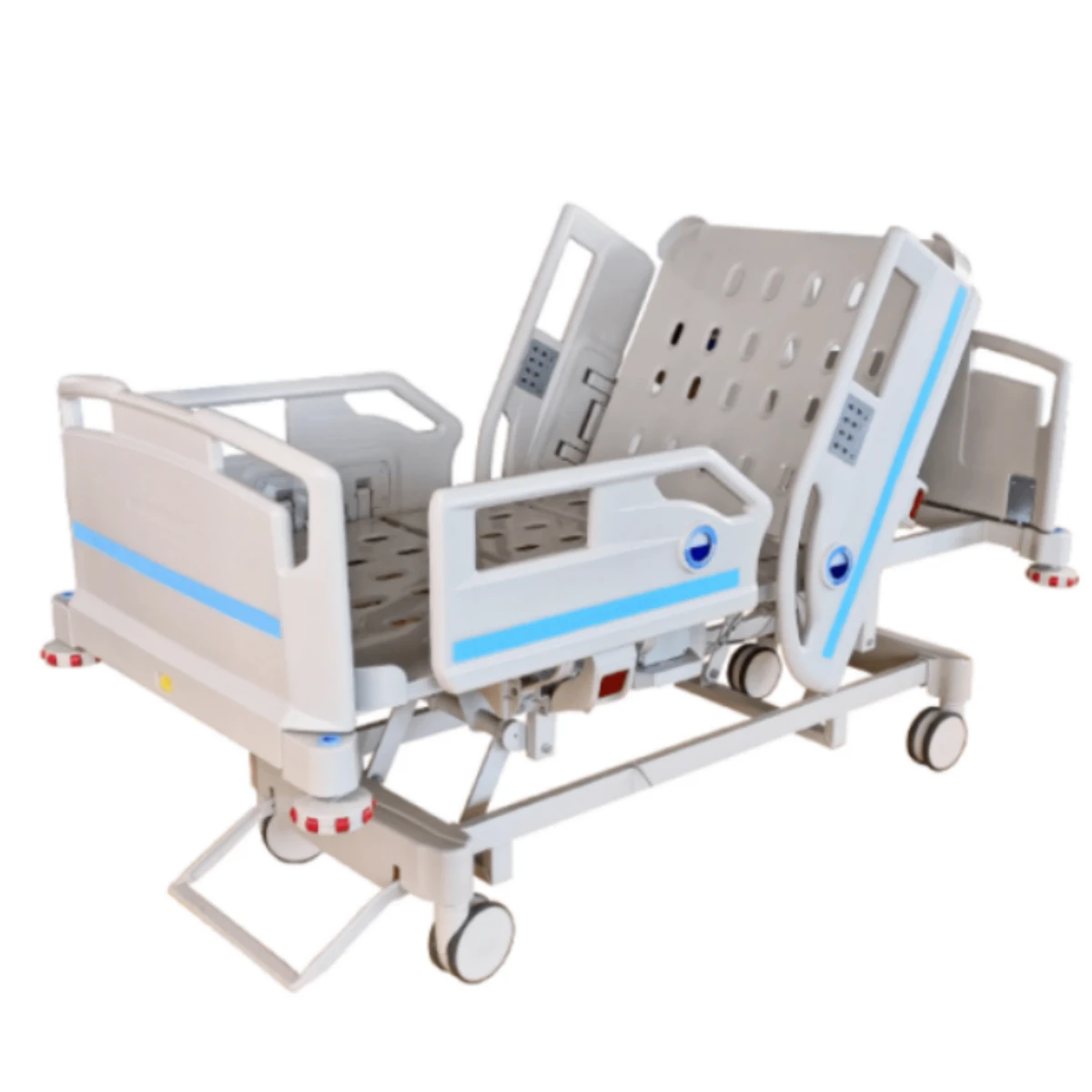
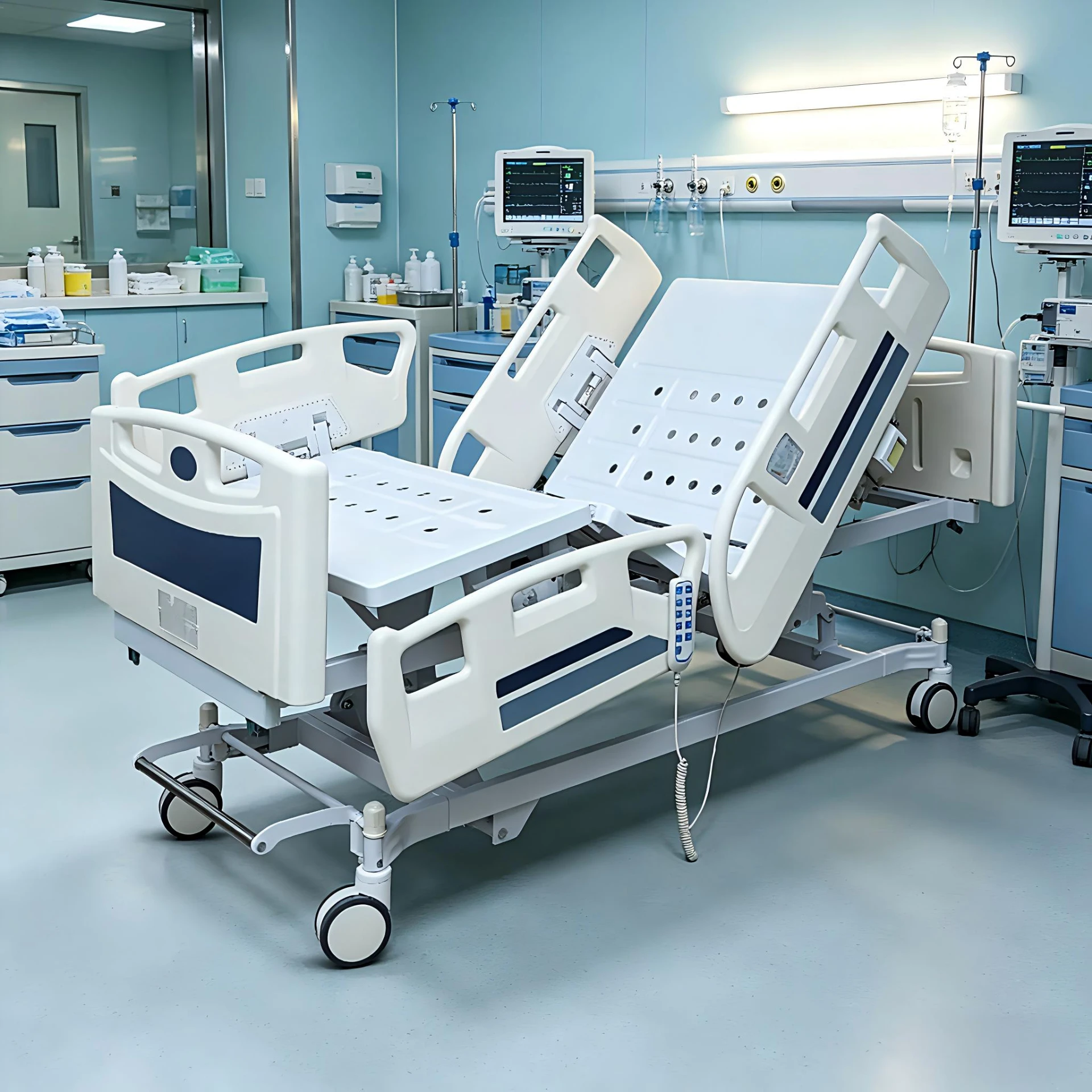
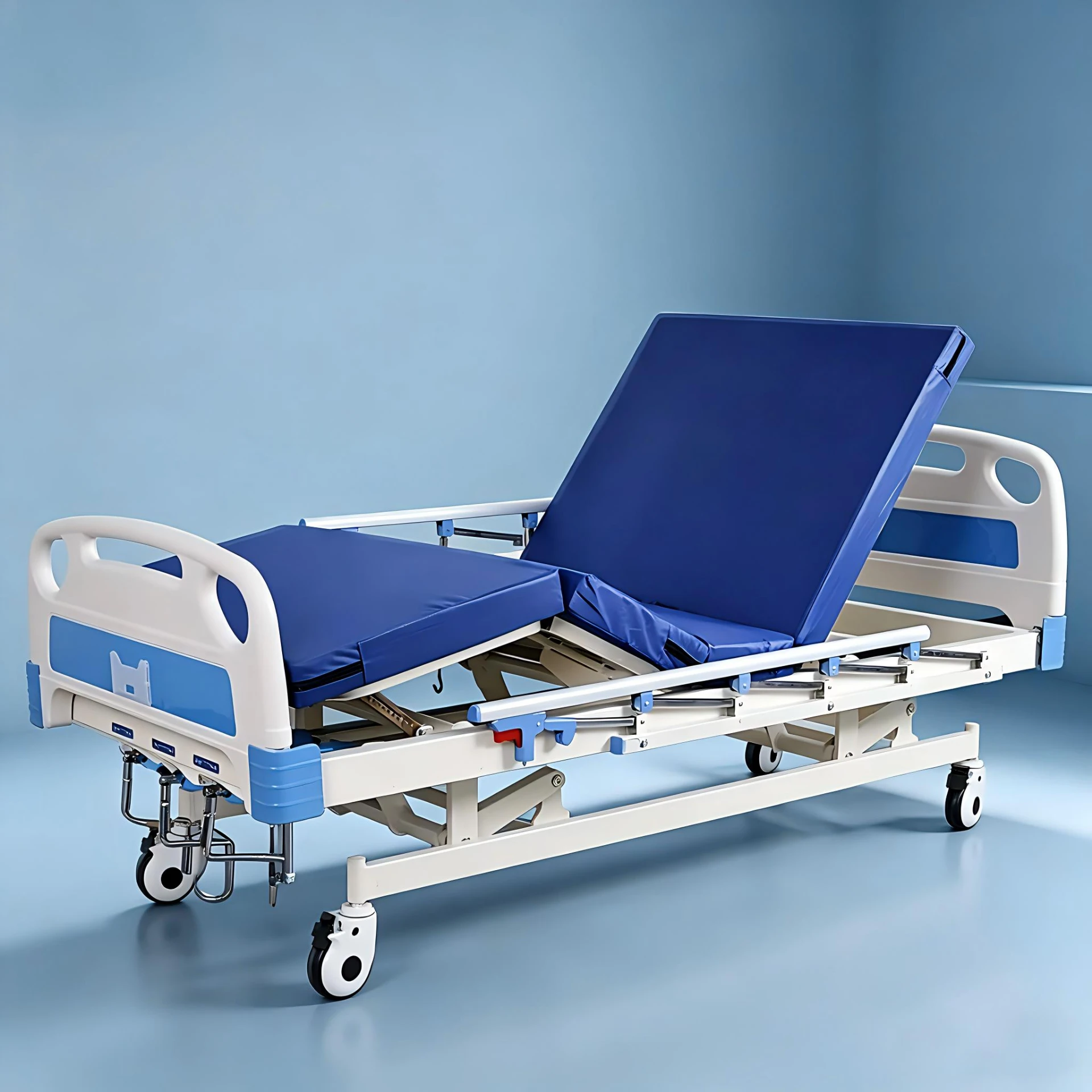
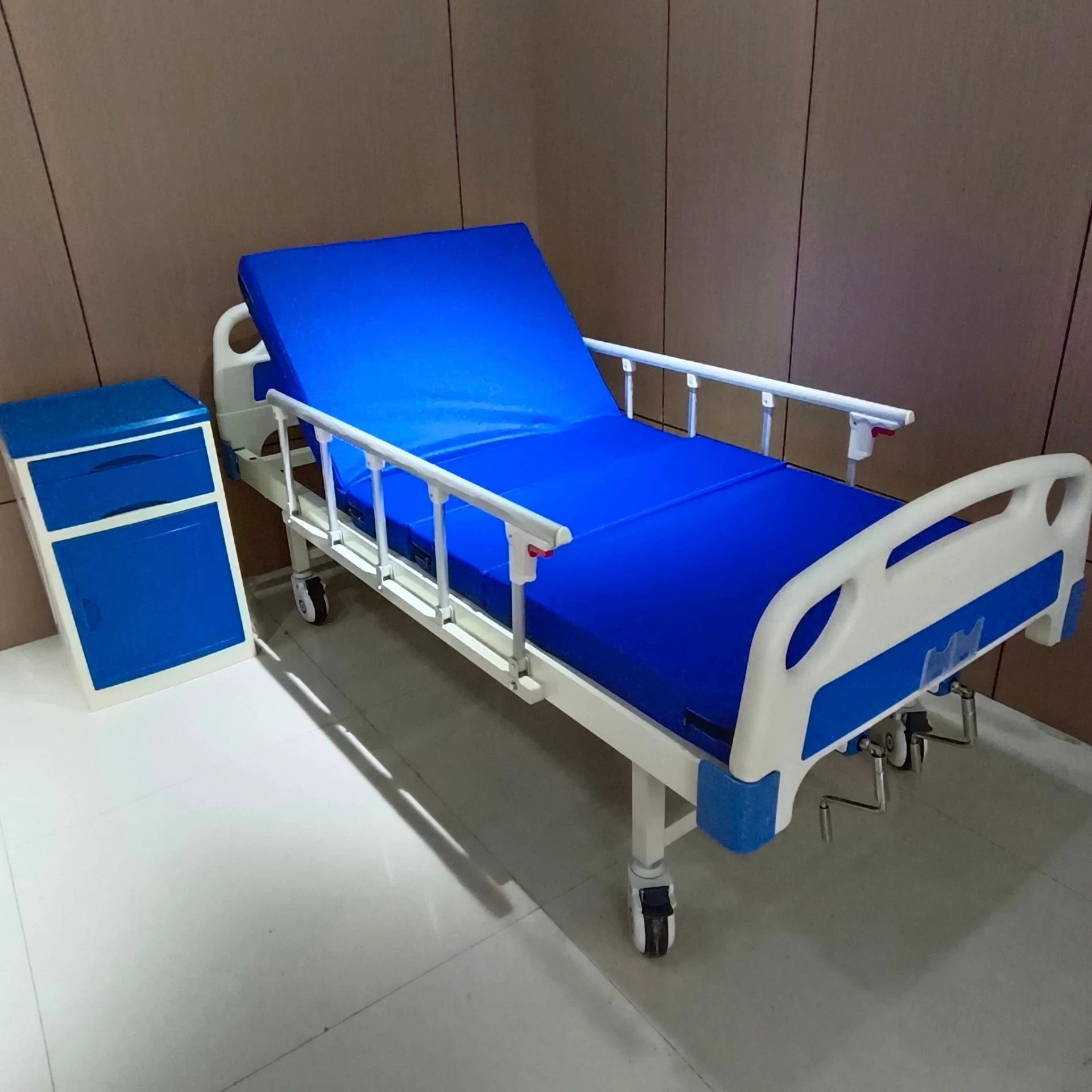
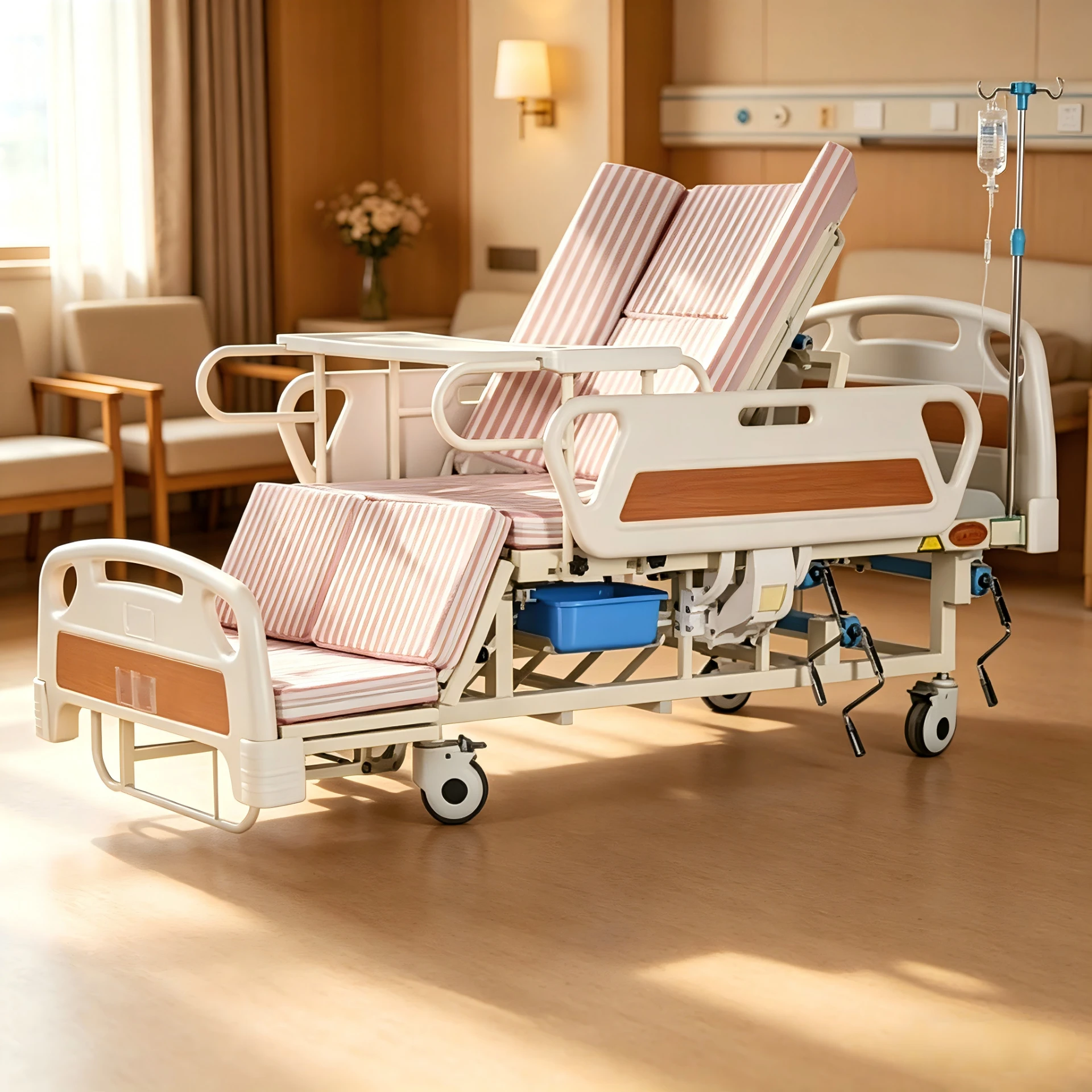
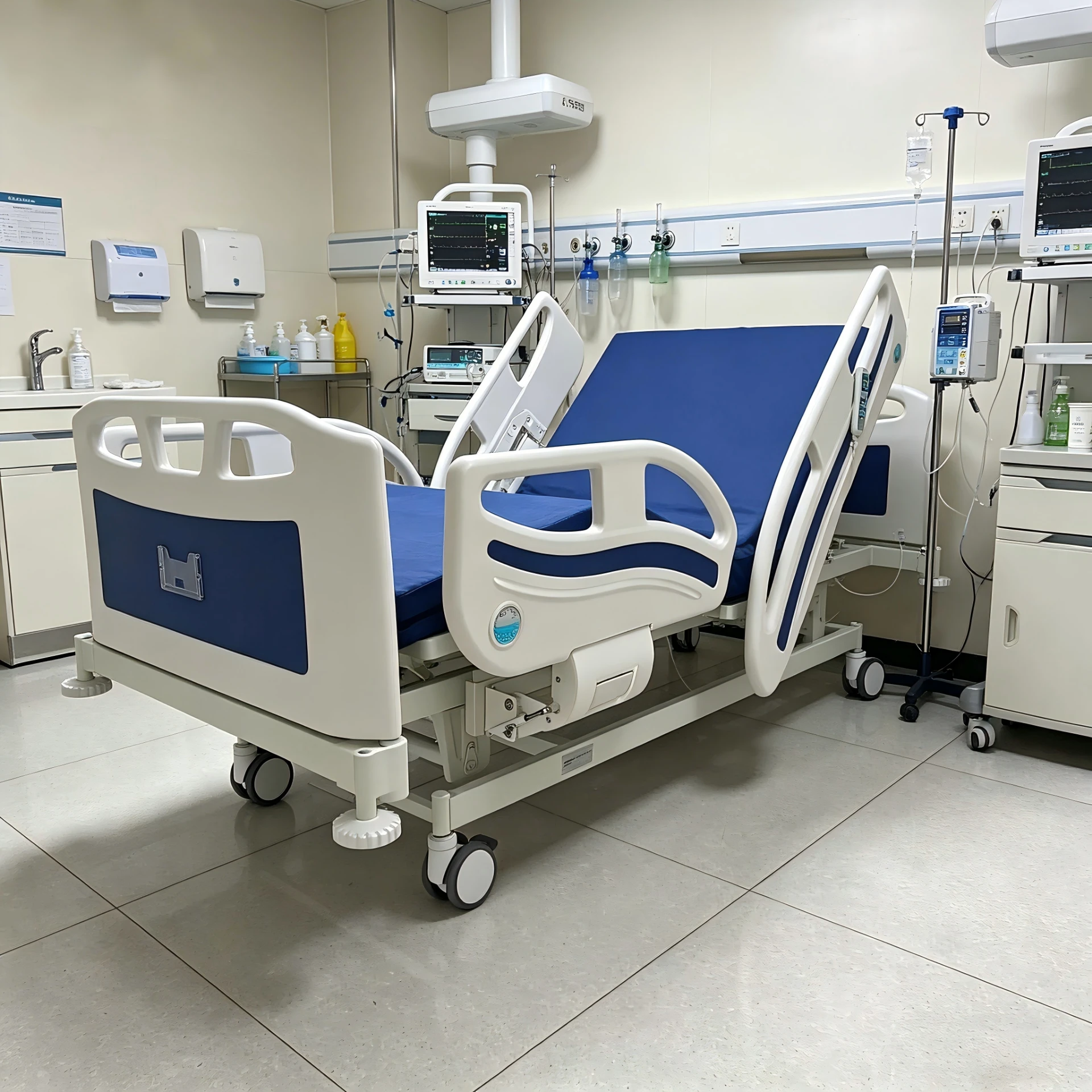
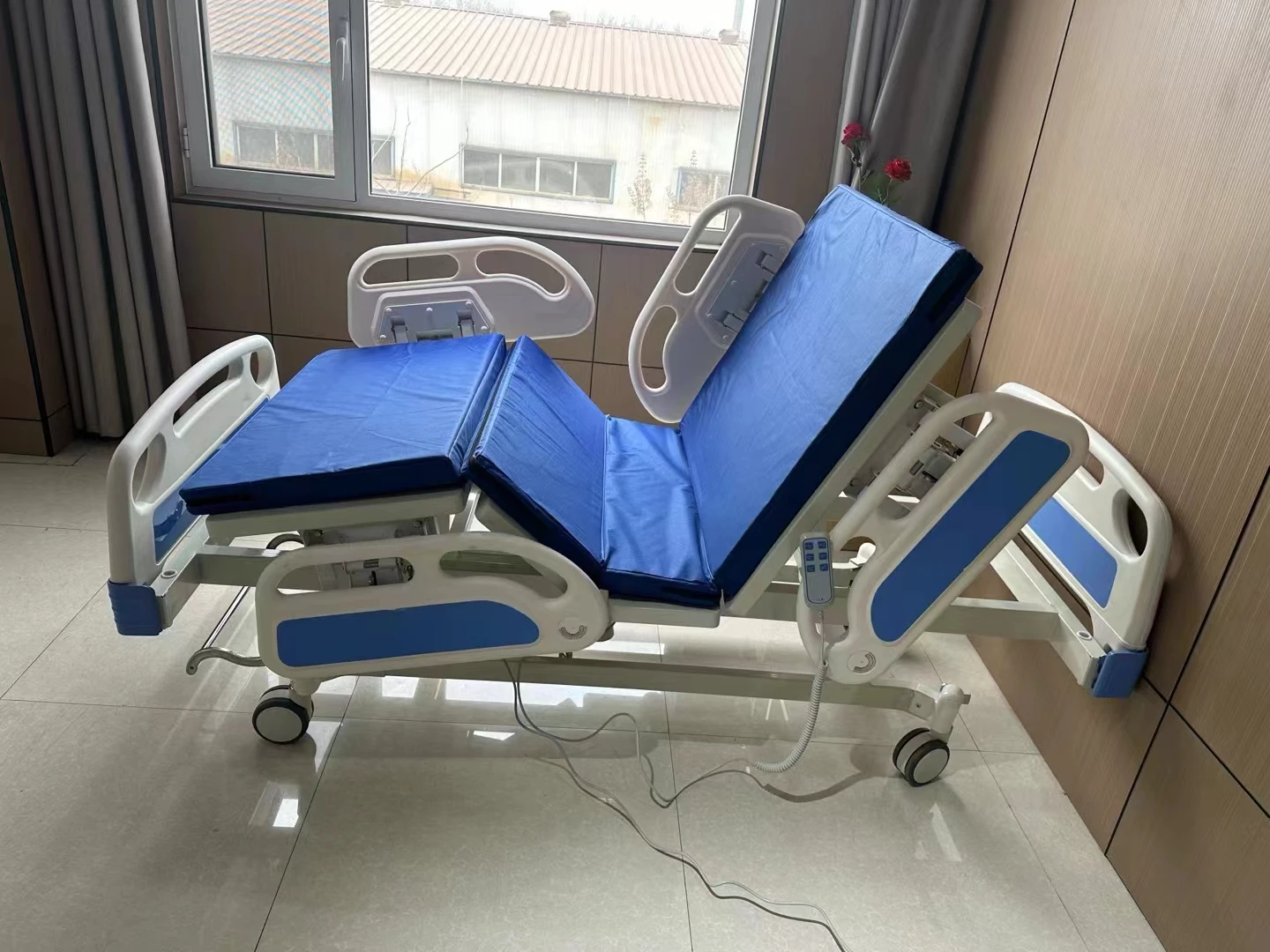
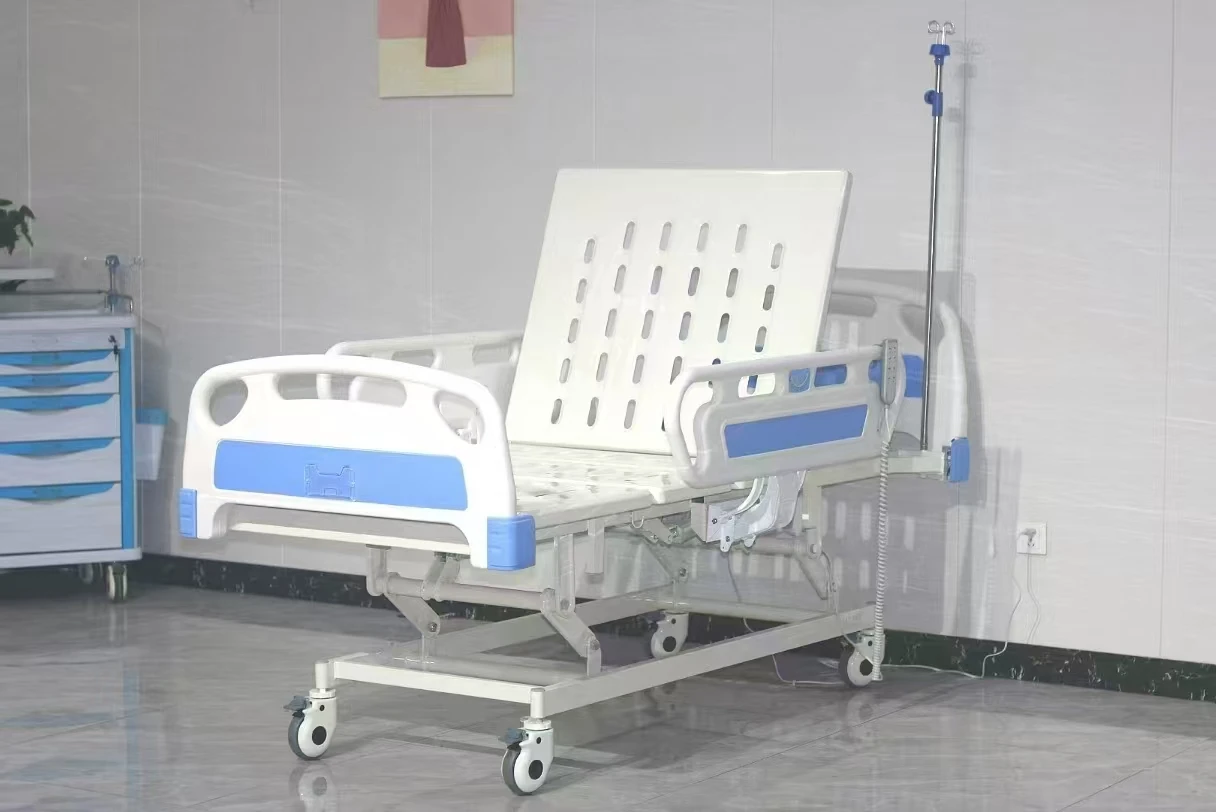
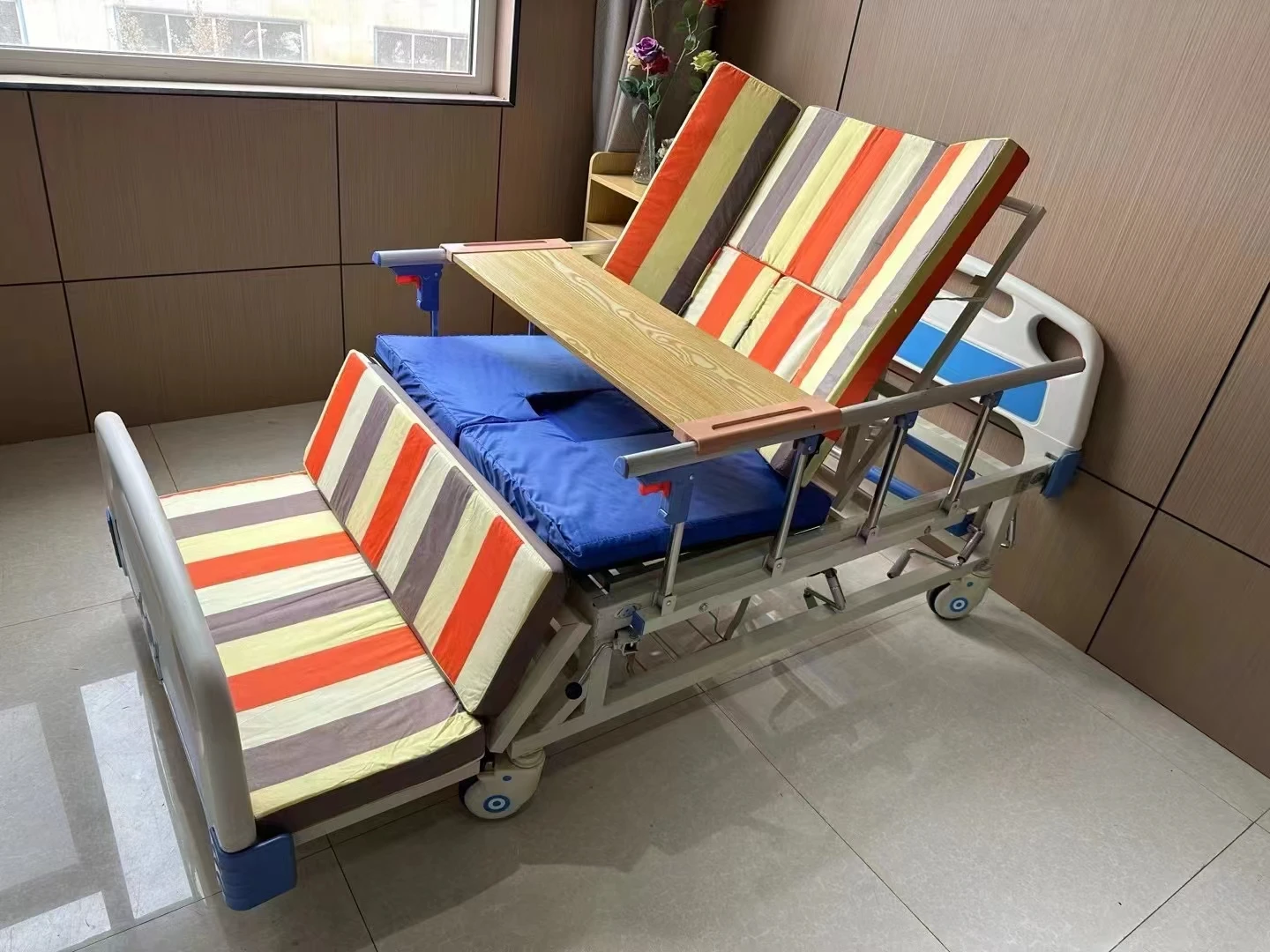
Put plainly: hospital single bed price refers to the cost of purchasing a one-person hospital bed, ready to support clinical needs reliably and safely. This includes beds with features like adjustable headrests, side rails, and wheels for easy movement. The prices factor in the materials, manufacturing complexity, warranty, certifications, and shipping.
These beds are essential not just in big urban hospitals but also smaller clinics, telemedicine hubs, and even mobile healthcare units. They’re an unsung hero, quietly underpinning treatment quality and patient dignity everywhere.
Mini Takeaway:
Simply put, the price you pay for a hospital single bed reflects much more than just a frame and mattress—it’s about clinical adaptability and long-term reliability.
What Drives Hospital Single Bed Price? Key Components to Consider
1. Materials & Build Quality
Steel frames, aluminum alloys, or sometimes composite plastics define a bed’s sturdiness and weight. Higher-grade materials increase price but improve durability and ease of cleaning—an absolute must for infection control.
2. Mechanical Features & Adjustability
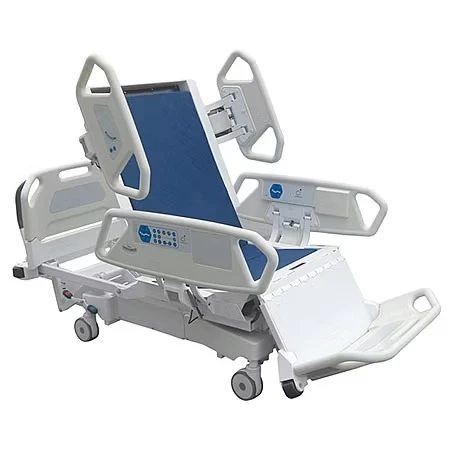
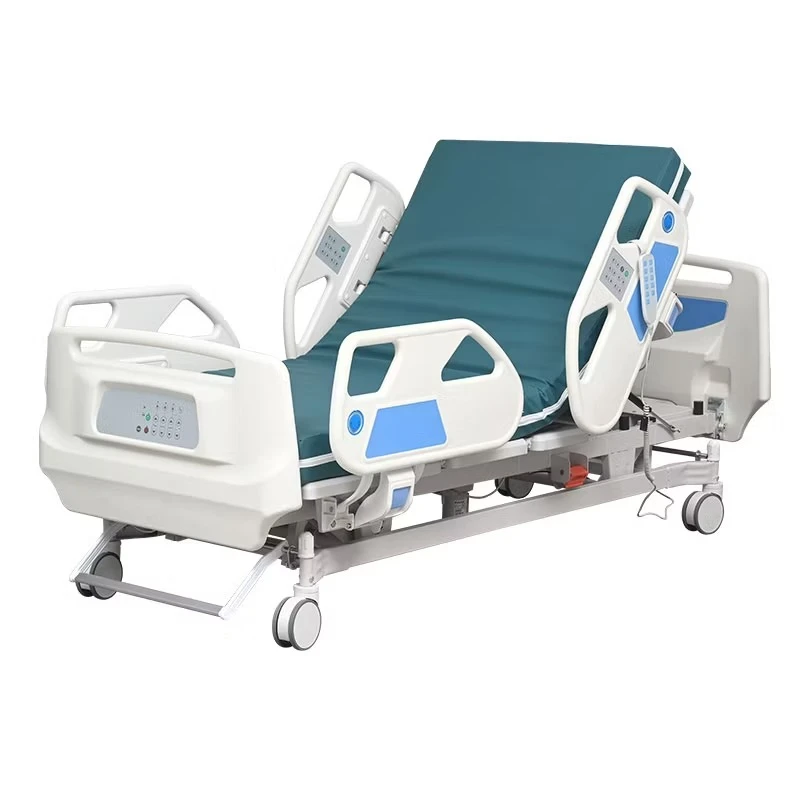
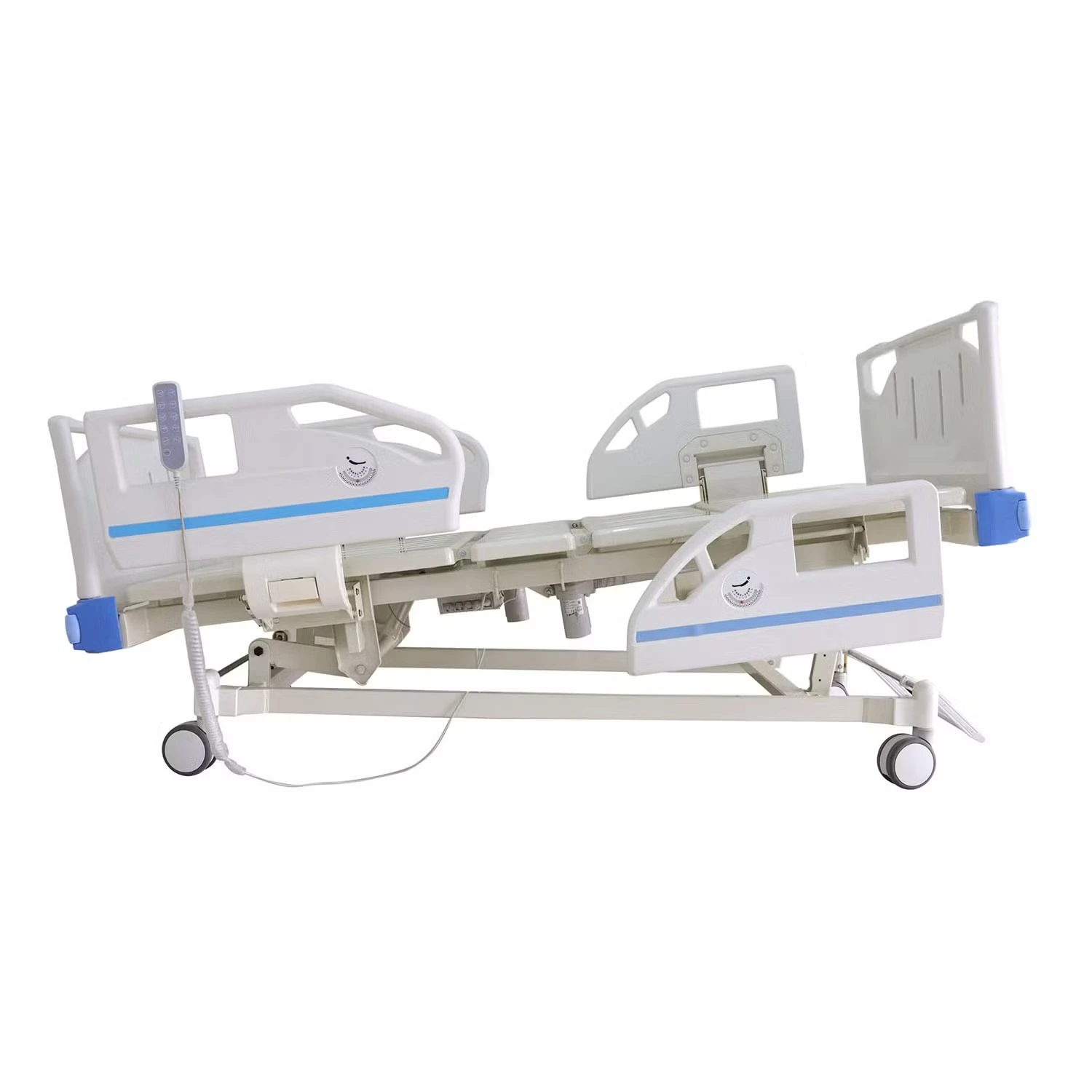
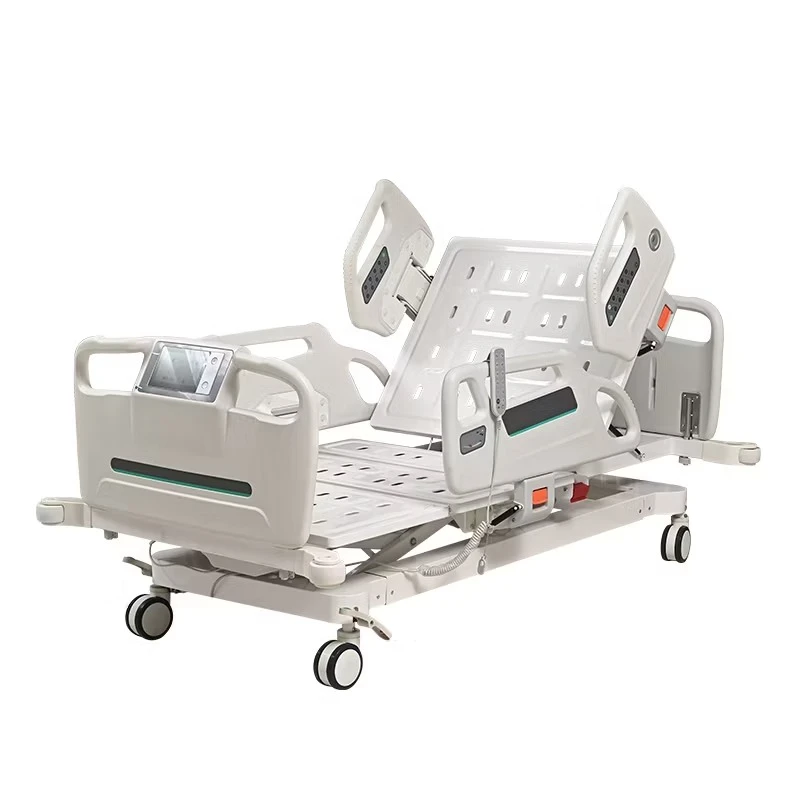
Manual vs. electric adjustment options substantially affect costs. Electric models with adjustable height, backrest angles, and leg supports improve patient comfort but bump prices upwards.
3. Compliance & Safety Certifications
Fewer things rattle hospitals more than non-compliance. Beds meeting ISO 60601-2-52 certification and FDA or CE approvals usually cost more but offer peace of mind that standards are met.
4. Warranty & Maintenance Services
Longer, comprehensive warranties typically imply greater upfront cost but lower total ownership expenses. Some vendors offer onsite maintenance packages that add value.
5. Logistics & Import Duties
For many countries—especially in Africa, Southeast Asia, or South America—shipping fees, tariffs, and customs delays can dramatically inflate the final price.
| Specification | Feature | Typical Price Range (USD) |
|---|---|---|
| Frame Material | Steel or Aluminum | $300 - $1,200 |
| Adjustability | Manual or Electric | $200 - $1,000 extra |
| Safety Certification | ISO, FDA, CE Compliance | Included in base price |
| Wheels & Mobility | Locking Casters | $50 - $150 |
| Warranty & Support | 1 to 5 years | Varies widely |
Mini Takeaway:
Hospital single bed price varies by build materials, mechanical complexity, certifications, and after-sales services.
Where Hospital Single Beds Make the Biggest Difference
In practical terms, high-quality beds show their mettle in challenging situations:
- Post-disaster relief efforts in places like Southeast Asia or the Caribbean require quickly deployable, durable beds under tight budget constraints.
- Rural clinics in Africa often rely on affordable but safe single beds to serve scattered populations with limited electricity.
- Large urban hospitals in Europe and North America invest in high-end electric models designed for sensitive care — ICUs and surgical recovery.
- Remote industrial medical units in mining or oil extraction zones utilize portable beds with easy maintenance profiles, balancing cost and reliability.
Mini Takeaway:
The use cases for hospital single beds are as varied as the purchasers — each with unique price sensitivities and clinical requirements.
Comparing Leading Vendors: Pricing and Offerings
| Vendor | Price Range (USD) | Key Features | Warranty |
|---|---|---|---|
| Zhaofa Med | $400 - $1,100 | Manual & electric models, ISO certified | 3 years |
| MedTech Solutions | $600 - $1,300 | Advanced electric beds, antimicrobial materials | 5 years |
| GlobalCare Equip | $350 - $900 | Basic manual beds, lightweight steel frame | 2 years |
Mini Takeaway:
Vendors differ not just in price but the balance they strike between features, warranty, and certification.
Why Investing Wisely in Hospital Single Bed Price Pays Off
The advantages? They stretch beyond just dollars:
- Cost efficiency: Better beds last longer and need fewer repairs.
- Patient safety and dignity: Adjustable beds reduce pressure ulcers and aid quick recovery, boosting trust.
- Operational flexibility: Mobile, easy-clean beds speed room turnover and adapt to various treatment needs.
- Environmental sustainability: Some manufacturers now use recyclable materials and green production, lowering overall impact.
In short, hospital single bed price is an investment in quality care that benefits patients, staff, and budgets alike.
Looking Ahead: Trends Shaping Hospital Single Bed Pricing
Manufacturers are hopping on the ride toward digitization and sustainability:
- Smart beds with sensors track patient vitals and send alerts for staff—promising higher prices but improved outcomes.
- Eco-friendly materials: Bioplastics and recycled metals are slowly entering production lines.
- Modular designs: Beds that can be upgraded or customized per patient needs, extending lifespan and value.
- Local manufacturing: To reduce logistics costs and adapt prices for emerging markets.
Facing the Hurdles & Crafting Solutions
That price tag can still be shocking for underfunded facilities. Delayed supply chains and hidden maintenance fees don’t help either. The solution? Innovative financing schemes like leasing, public-private partnerships to boost scale, and standardization efforts spearheaded by bodies like ISO to bring predictable quality at fair prices.
FAQ: Your Pressing Questions About Hospital Single Bed Price
Q1: What factors most influence the price of a hospital single bed?
A1: Key influencers include the bed’s materials, mechanical features (manual vs. electric), certifications, warranty, and logistics. Each adds a layer of cost but improves performance or reliability.
Q2: Are electric hospital beds worth the higher price?
A2: In many clinical settings, yes. Electric beds improve patient comfort and caregiver ergonomics, speeding recovery. But for low-resource settings, quality manual beds still provide excellent value.
Q3: How can hospitals lower total ownership costs when buying beds?
A3: Opt for beds with longer warranties, consider service packages, and factor in durability and infection-control features. Sometimes higher upfront cost reduces long-term expenses.
Q4: Can I find affordable hospital beds that meet international safety standards?
A4: Absolutely. Vendors like Zhaofa Med offer ISO-certified beds at competitive prices, balancing quality and budget needs.
Wrapping Up: The Bottom Line on Hospital Single Bed Price
From the wards in big hospitals to mobile clinics in remote areas, price is more than a number—it's a gateway to quality care. The right investment reflects smart choices about materials, features, certification, and vendor partnerships. For anyone keeping an eye on health infrastructure costs, understanding hospital single bed price helps in maximizing impact with every dollar spent. So whether you’re a procurement officer, NGO, or facility manager, it’s worth getting savvy—starting with the wide range of options available today.
Want to explore current pricing options and models yourself? Visit our website at hospital single bed price for detailed product lines and expert consultation.
Mini Takeaway:
Smart purchasing of hospital single beds is a cornerstone in advancing patient care and operational effectiveness.