Understanding Small Hospital Bed Size: Design, Benefits & Global Applications
Small Hospital Bed Size: Why It’s More Important Than You Might Think
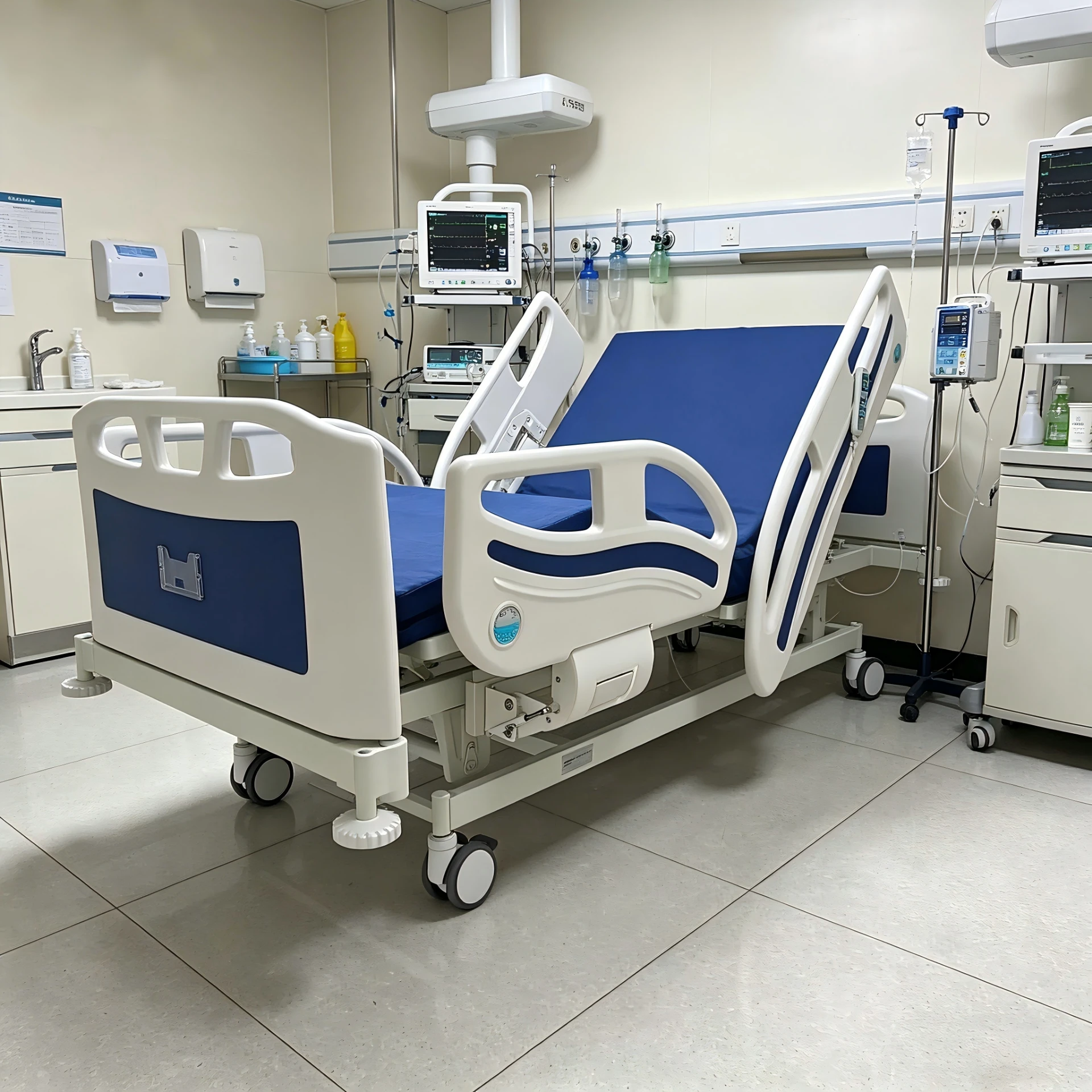
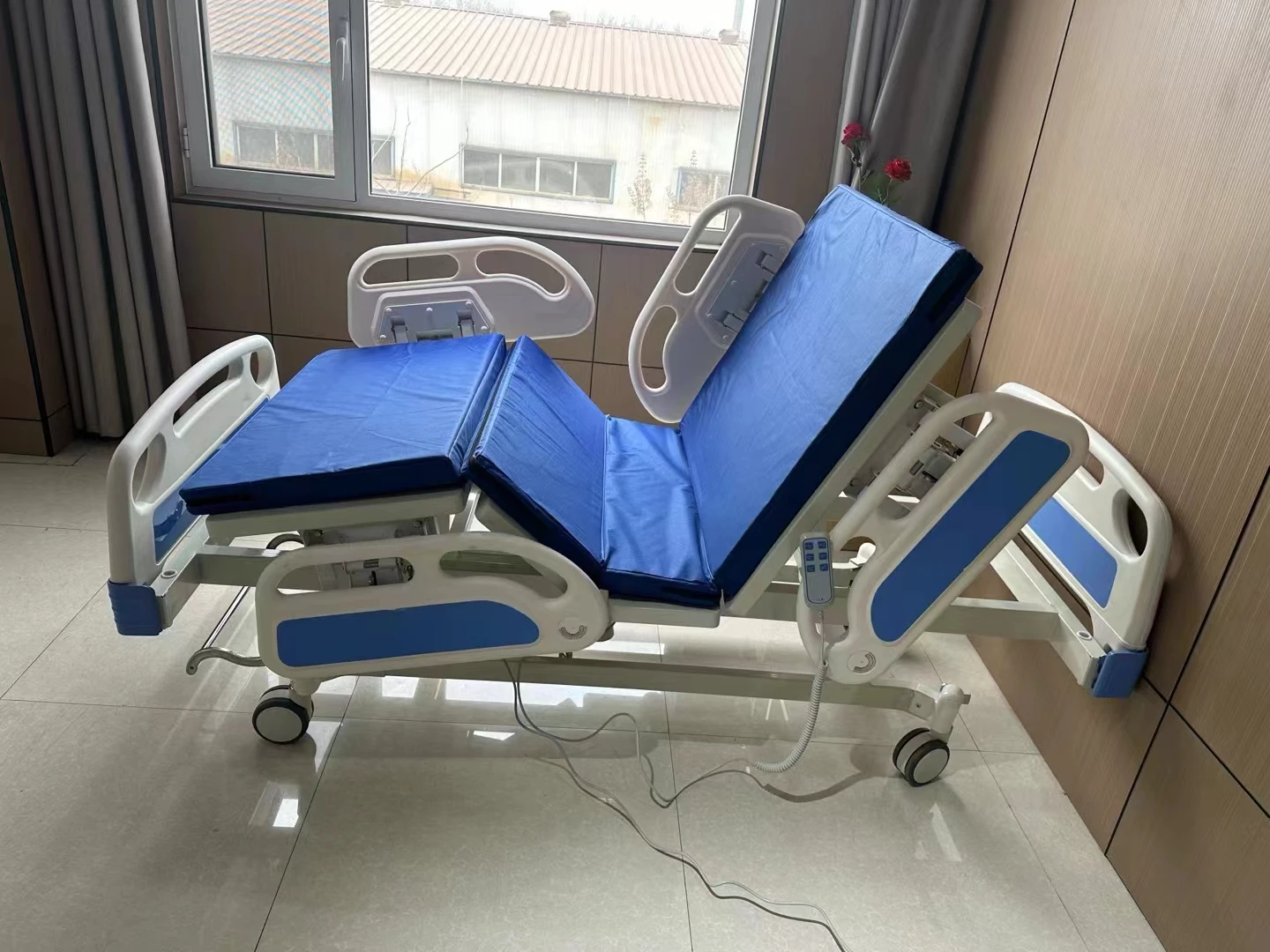
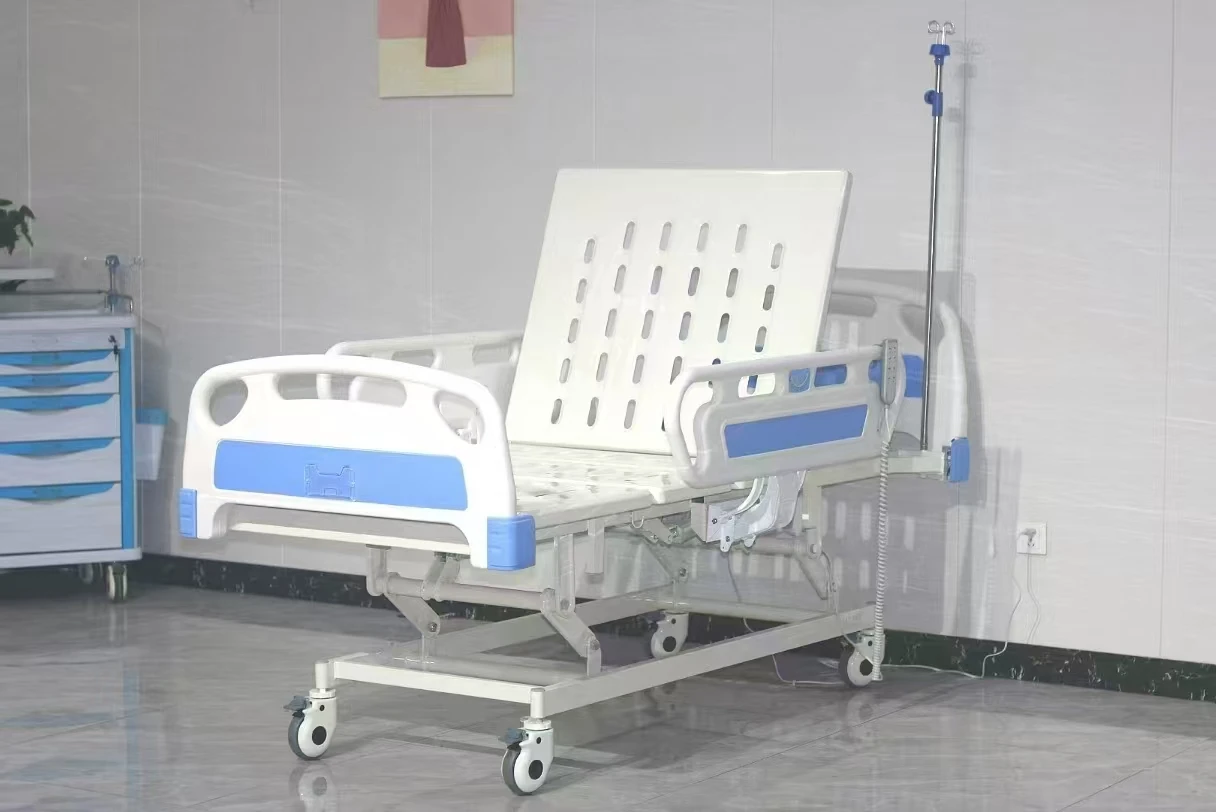
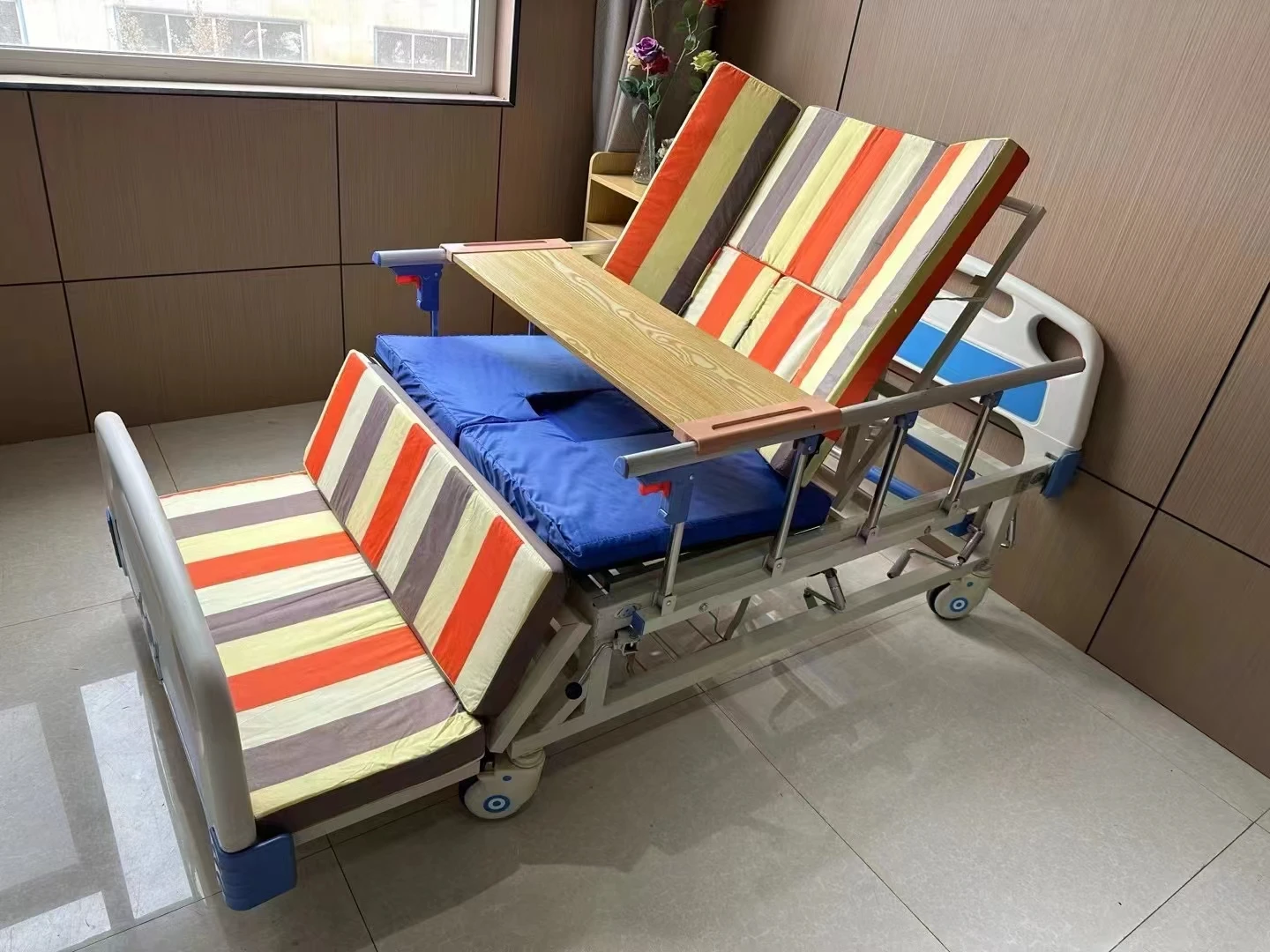
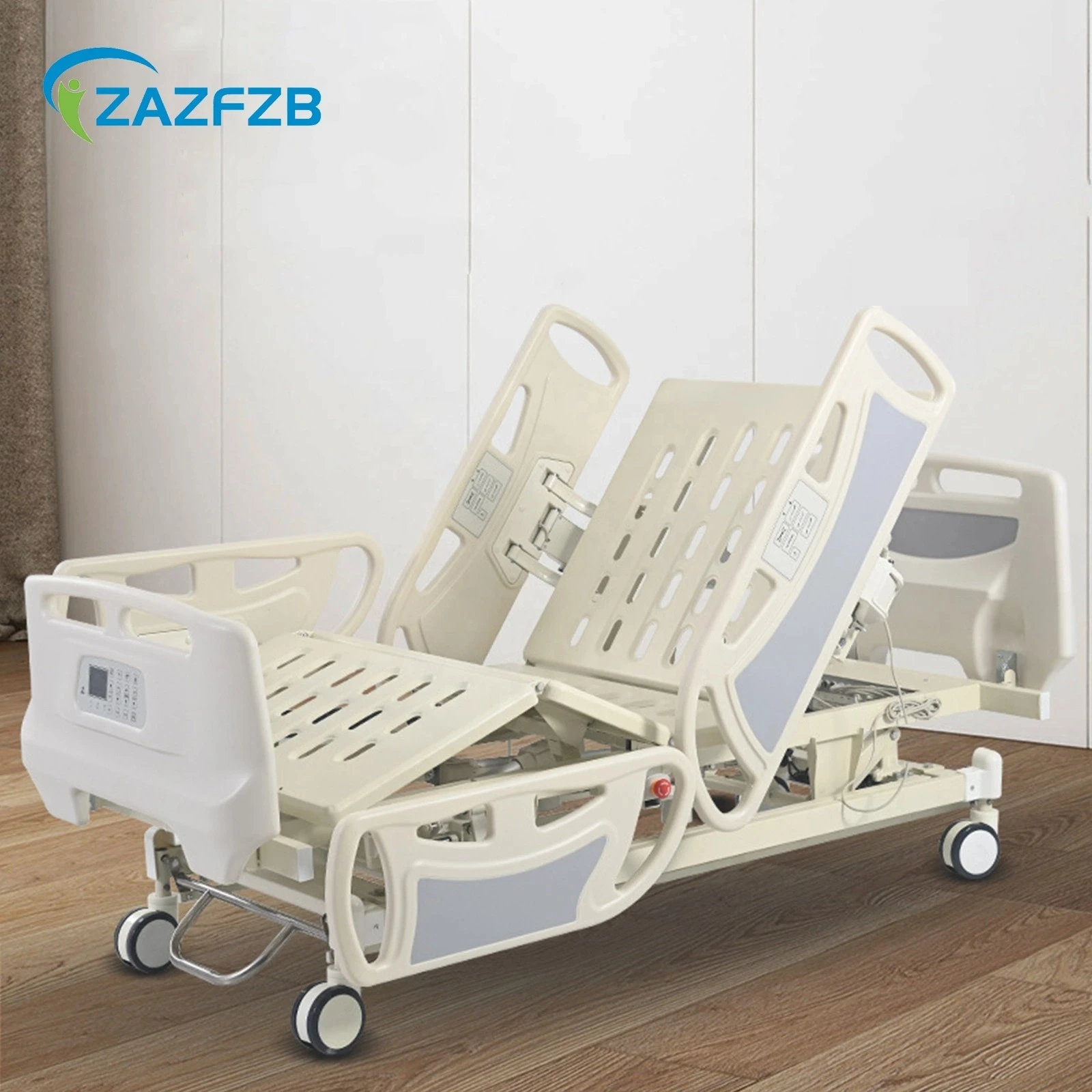
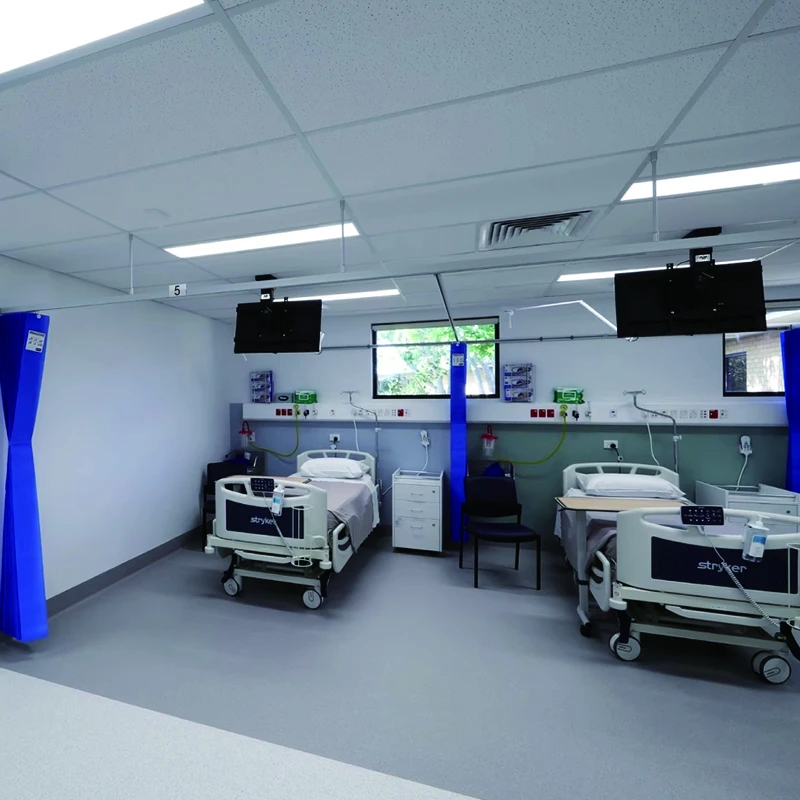
The phrase small hospital bed size might not be a topic that grabs headlines, but understanding it is crucial across healthcare, disaster relief, and facility design worldwide. Simply put, the dimensions and design of smaller hospital beds affect everything from patient comfort and care quality to transportability in tight spaces, making it a surprisingly big deal.
Given global shifts—aging populations, constrained urban hospitals, and the urgent need for modular emergency setups during crises—knowing the right small hospital bed size standards can dramatically improve healthcare delivery and save resources.
Mini takeaway: small hospital bed size isn’t just about squeezing beds into rooms; it speaks to accessibility, readiness, and long-term sustainability in health infrastructure.
The Big Picture: Why Small Hospital Beds Matter Globally
Across the world, about 70% of hospitals face space limitations, especially in fast-growing urban centers and developing regions (World Health Organization, 2022). The small hospital bed size challenge is critical not only in traditional hospitals but also in mobile clinics, disaster relief zones, and temporary health shelters. For example, during the COVID-19 pandemic’s peak, many countries scrambled to repurpose spaces where standard beds just wouldn’t fit.
On top of that, the United Nations Office for Disaster Risk Reduction stresses the need for adaptable healthcare infrastructure that helps maintain care quality under unpredictable conditions. The right bed size design helps optimize limited space without compromising patient safety or care effectiveness.
Oddly enough, while beds might seem like mundane equipment, their size, design, and ergonomics are linked to infection control, staff efficiency, and even patient recovery times.
Mini takeaway: small hospital beds play a silent yet pivotal role in global health resilience, especially in resource-strapped or emergency situations.
Defining Small Hospital Bed Size: What Does it Mean?
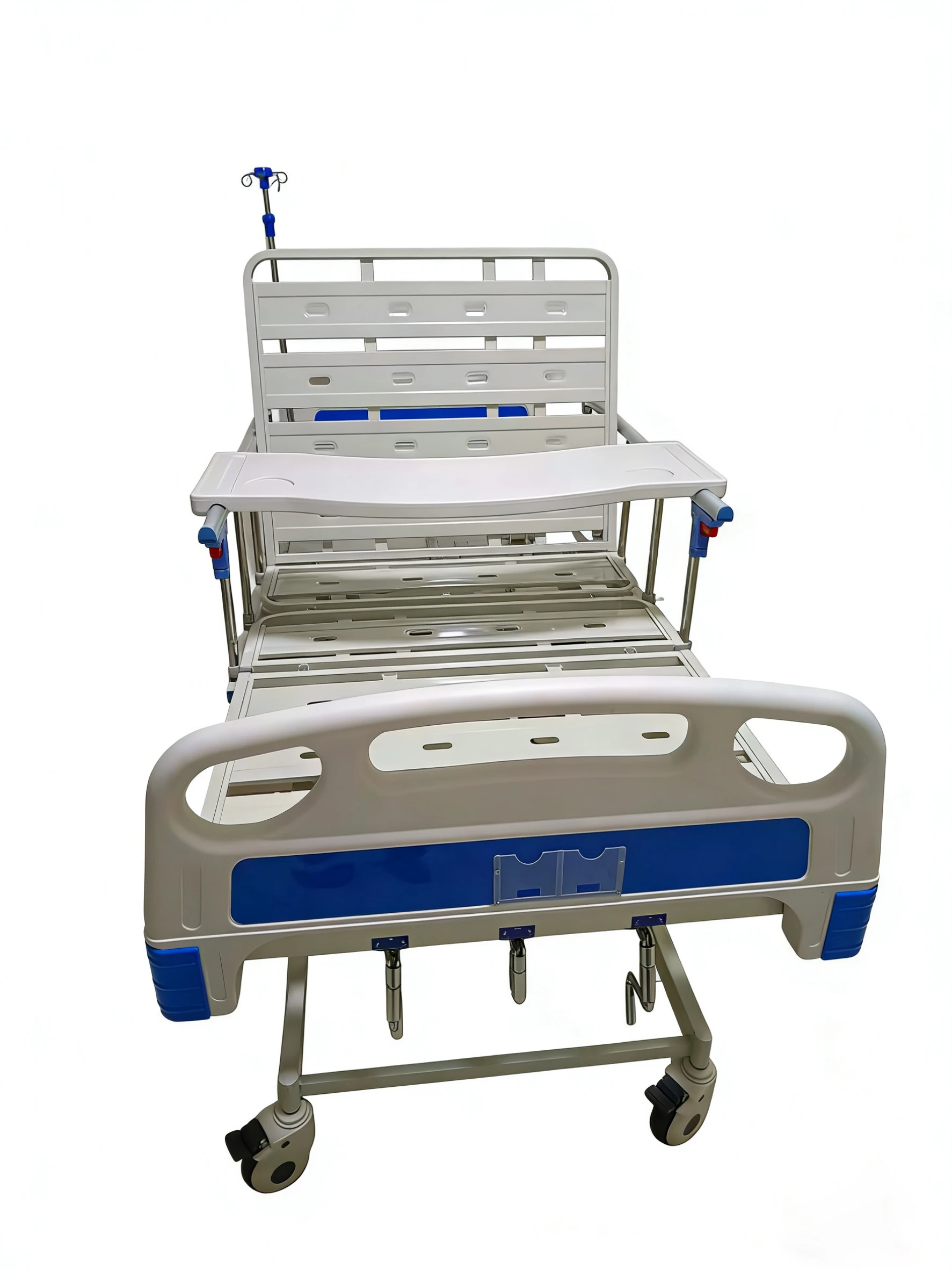
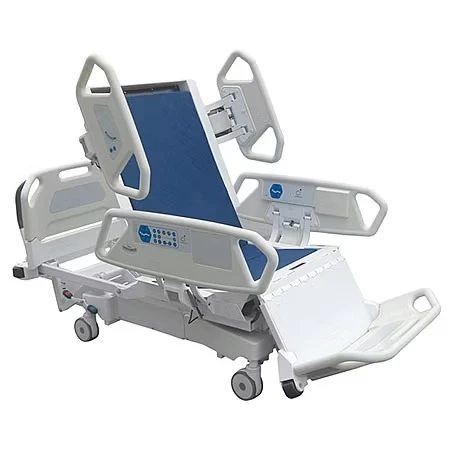
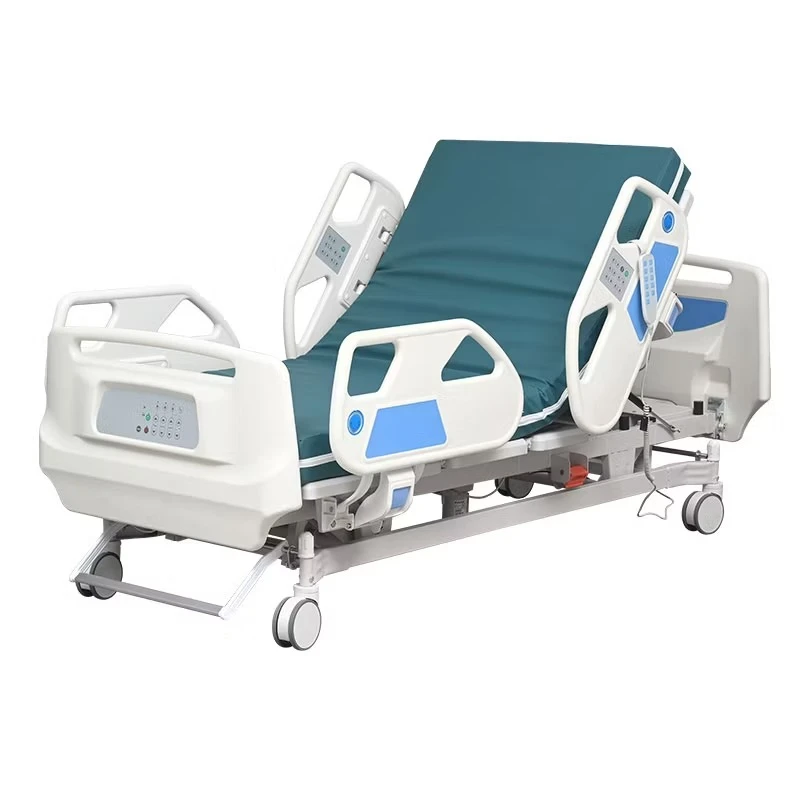
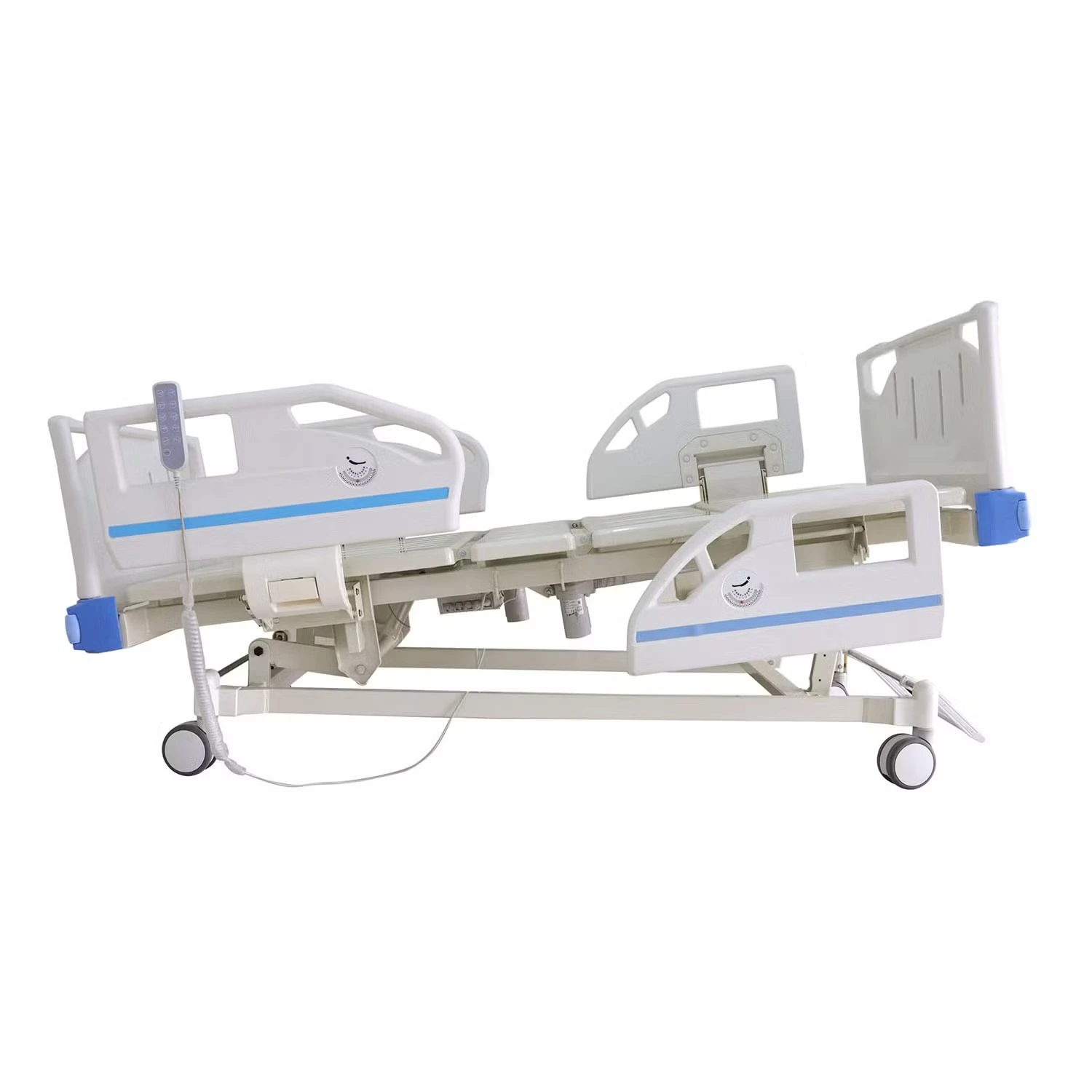
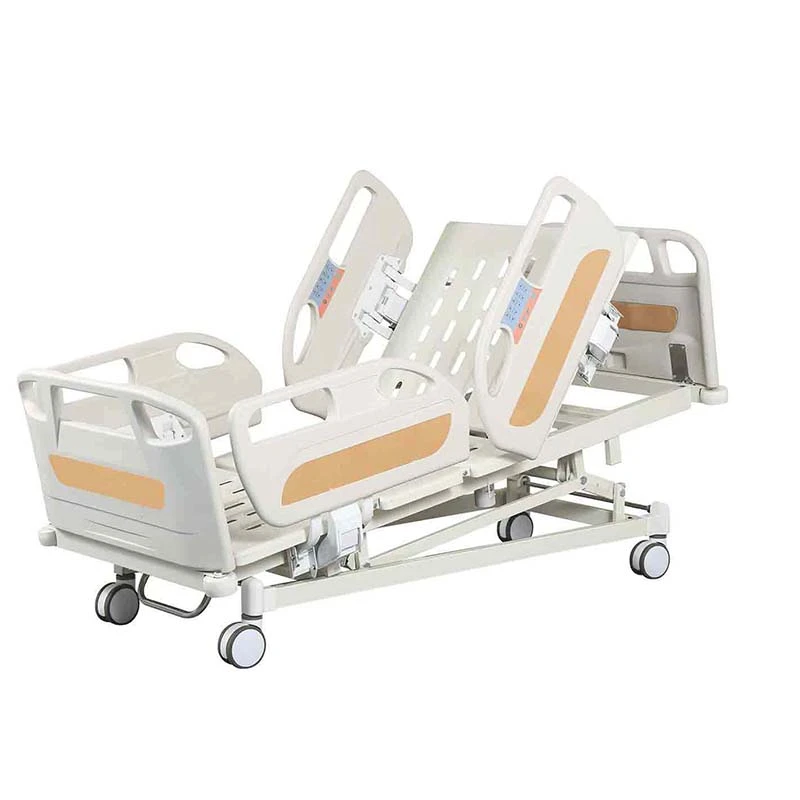
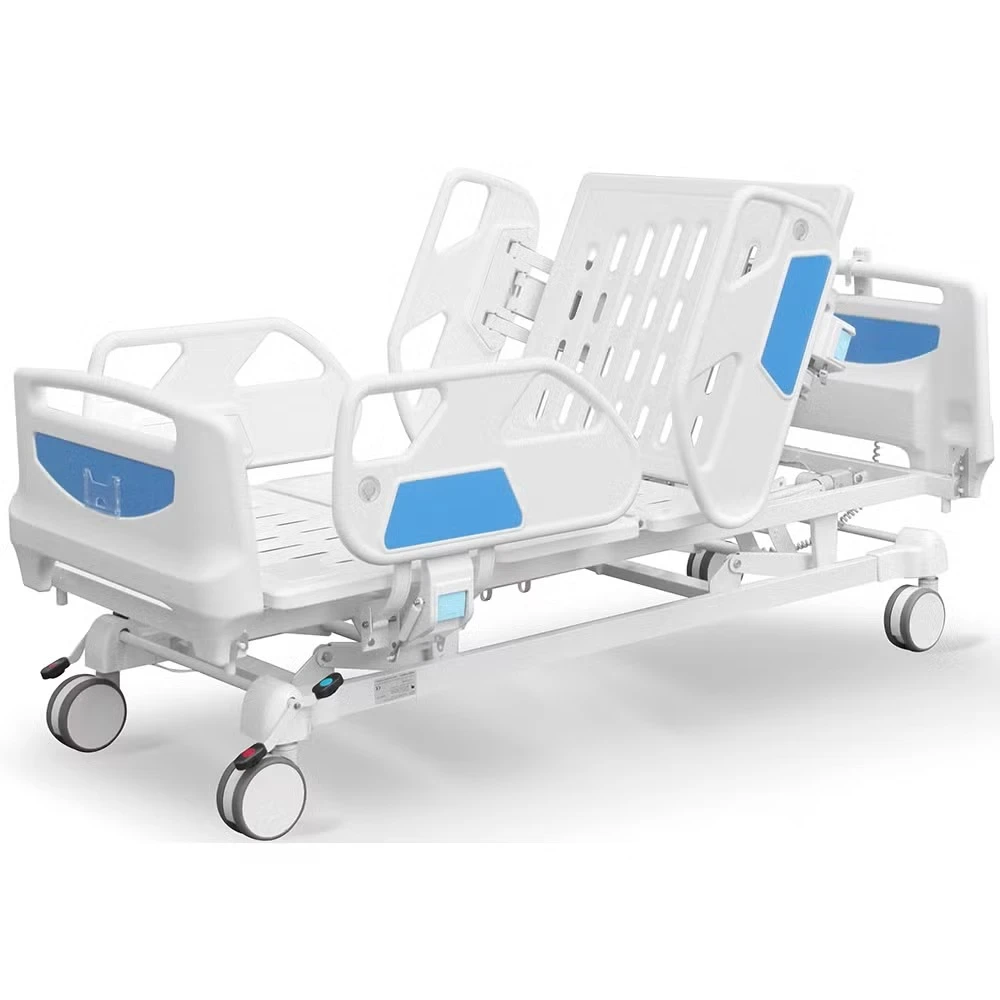
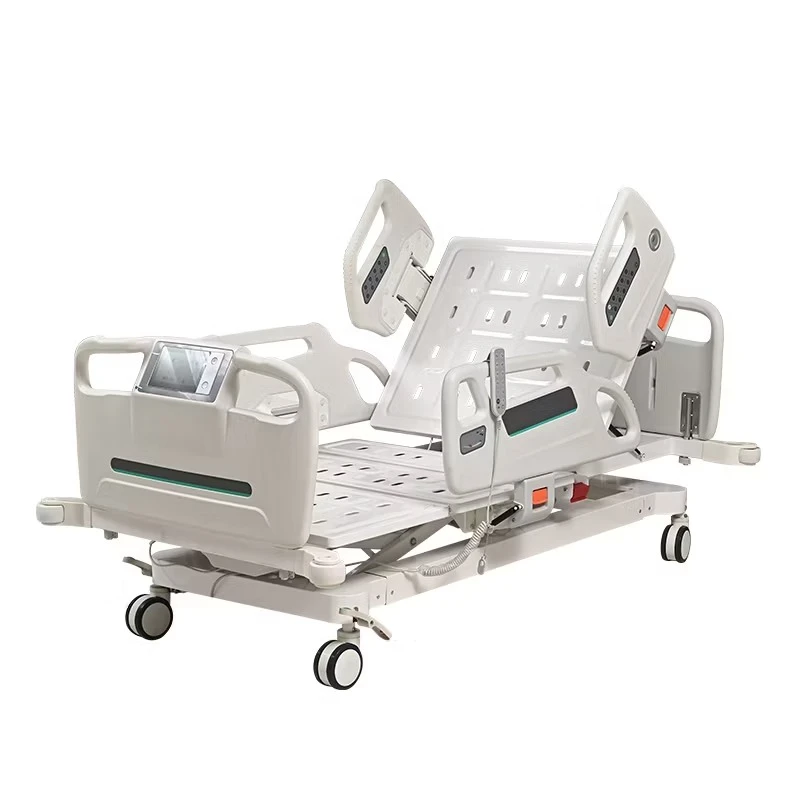
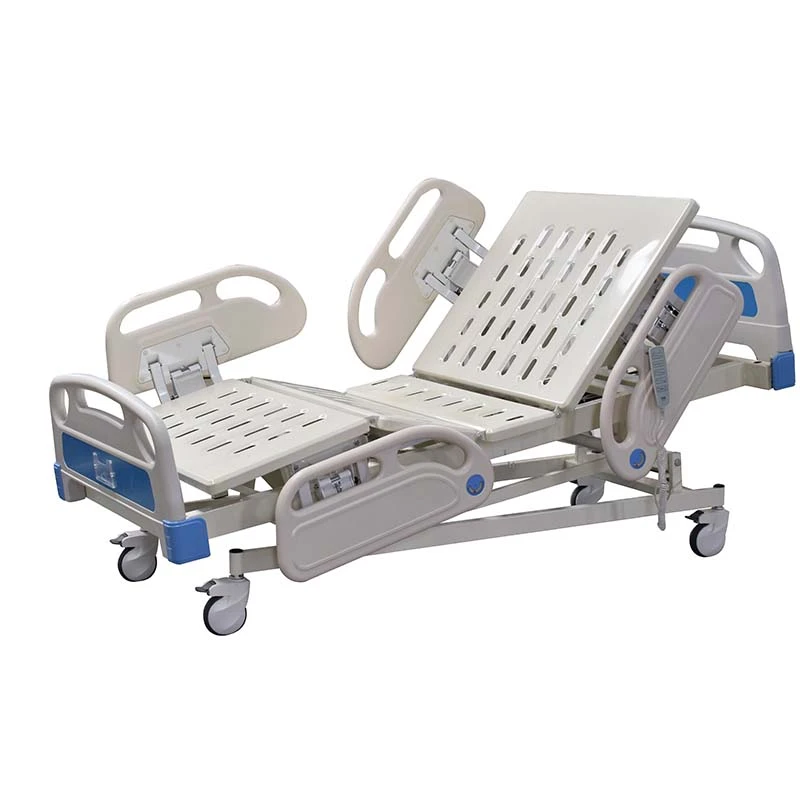
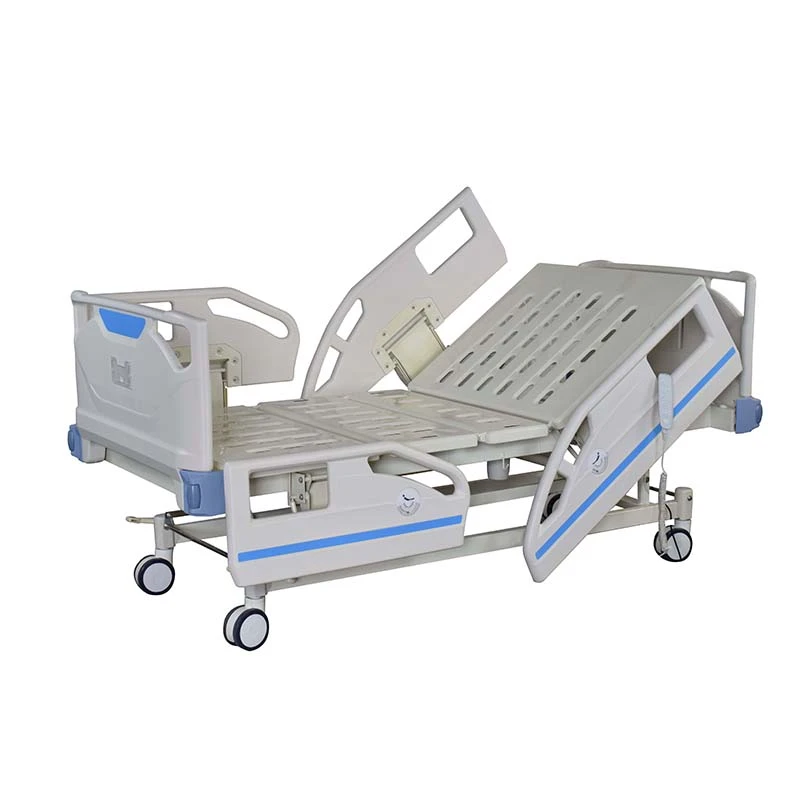
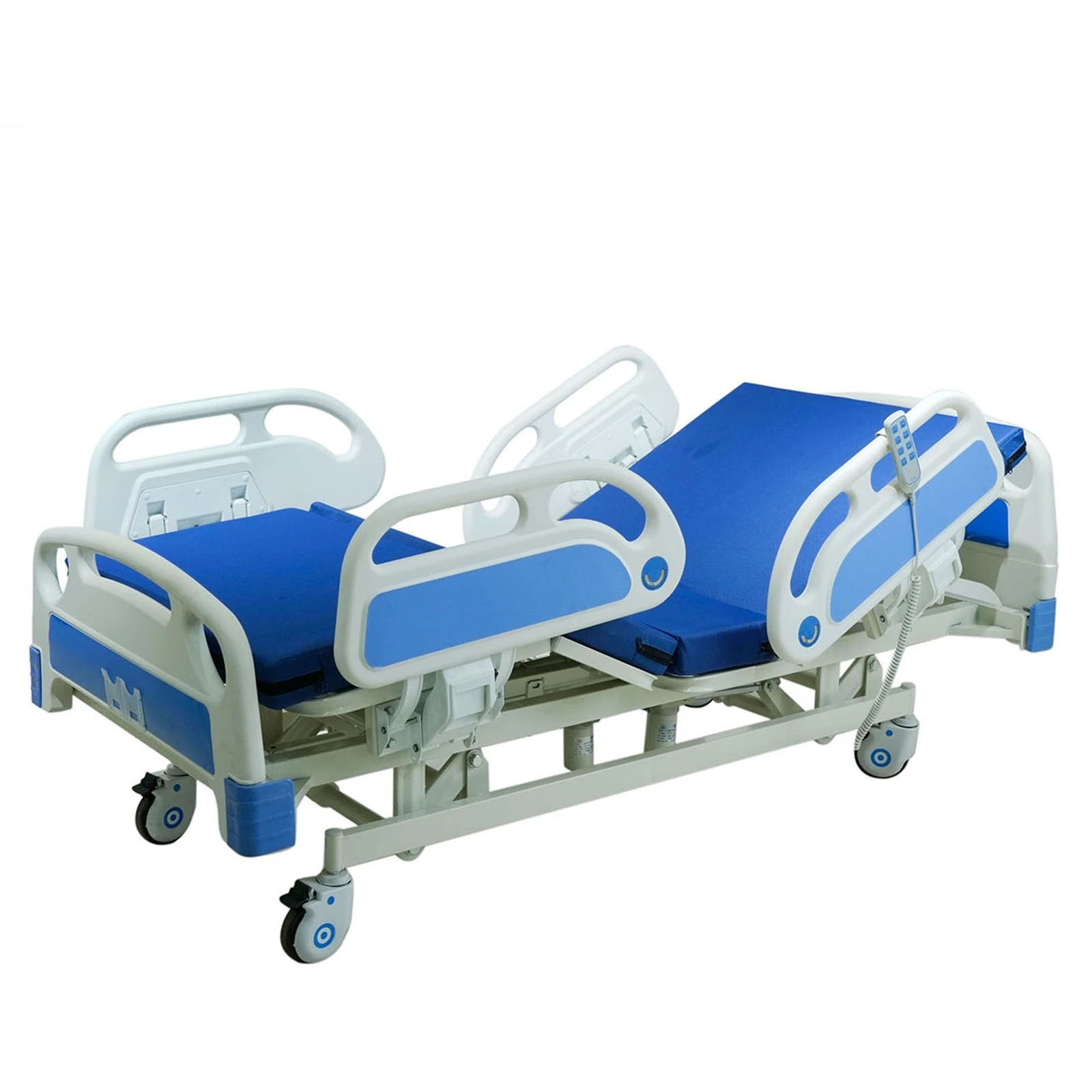
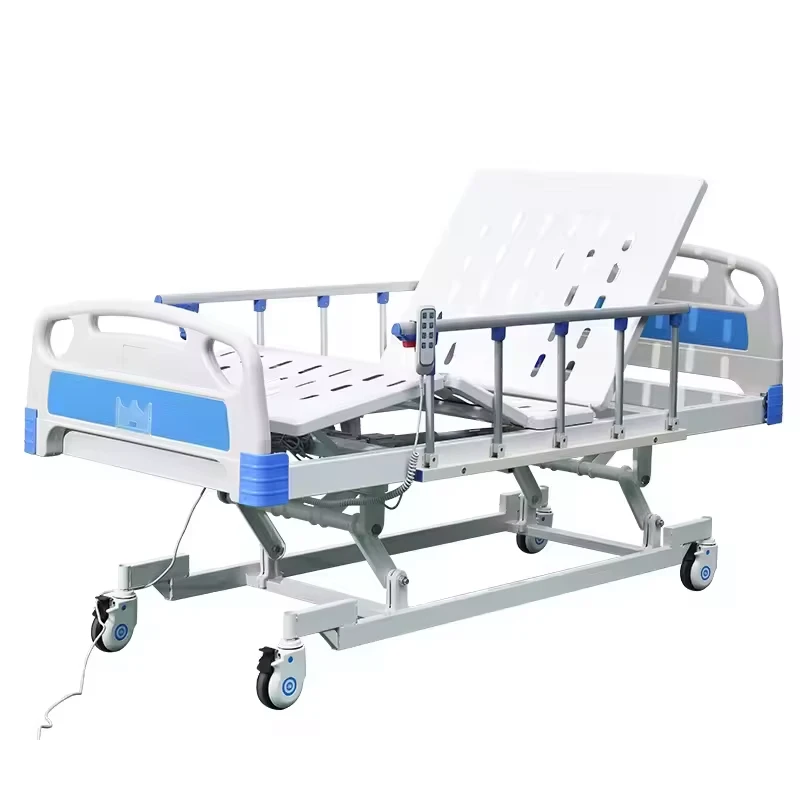
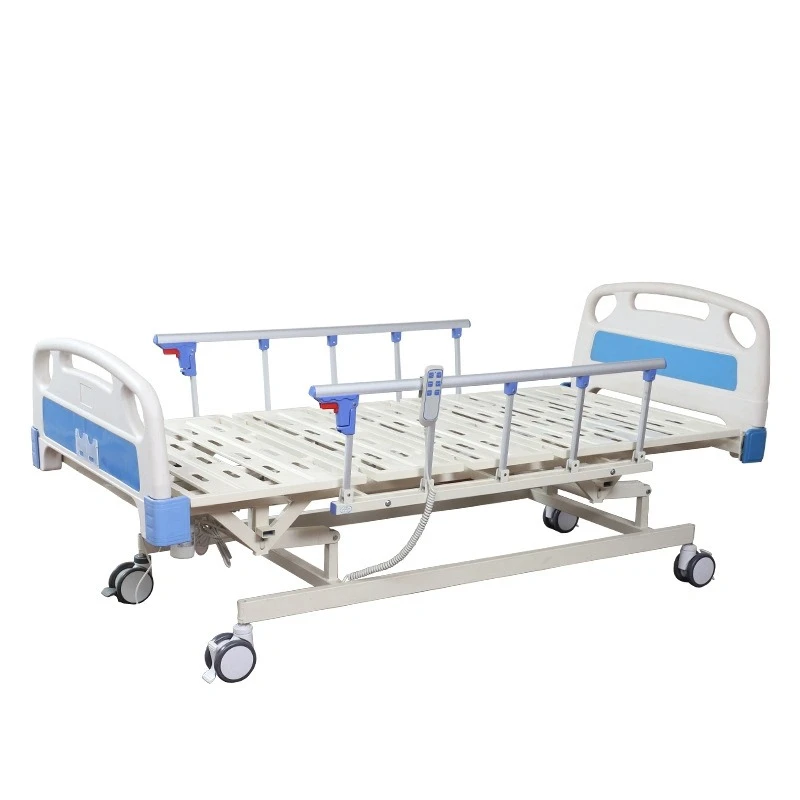
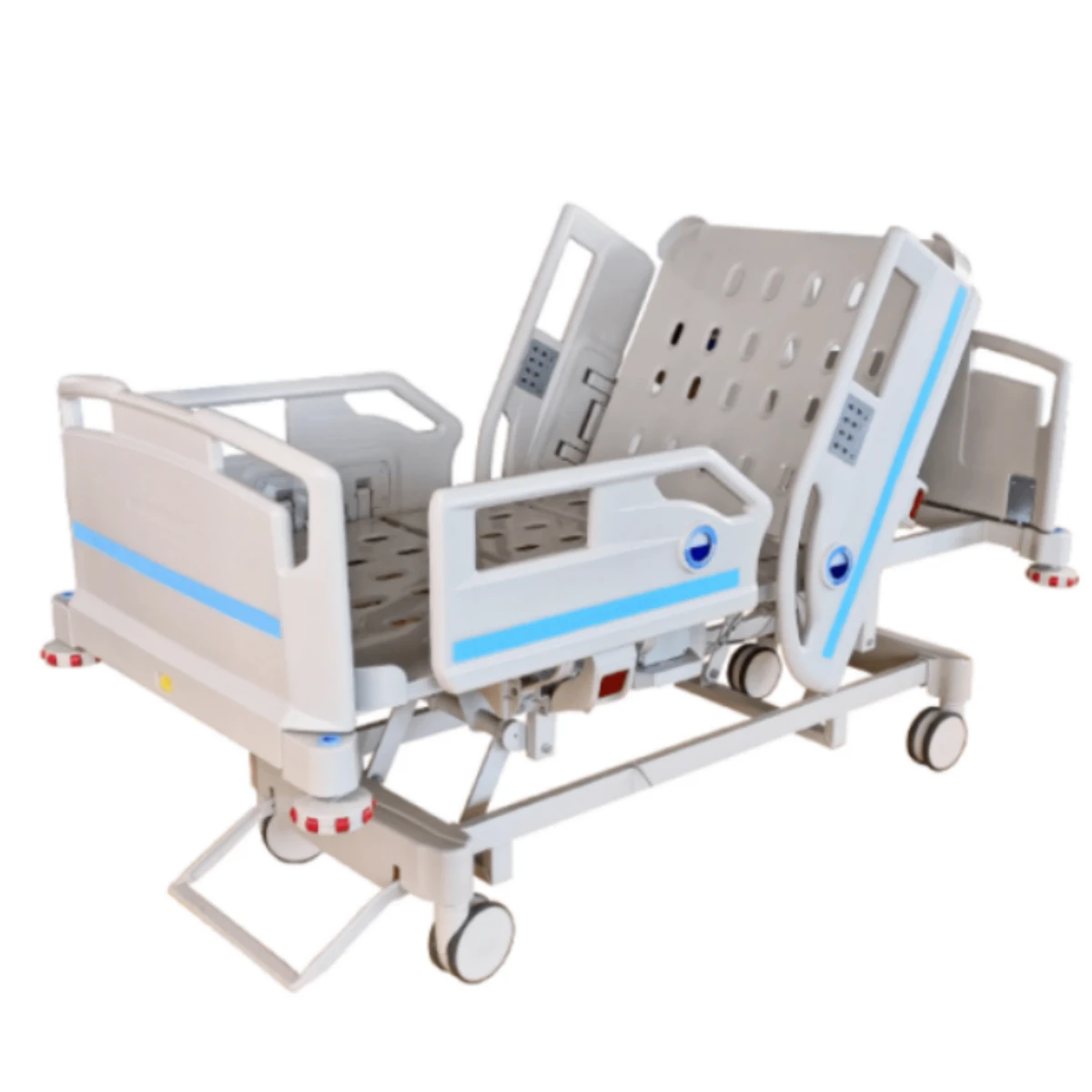
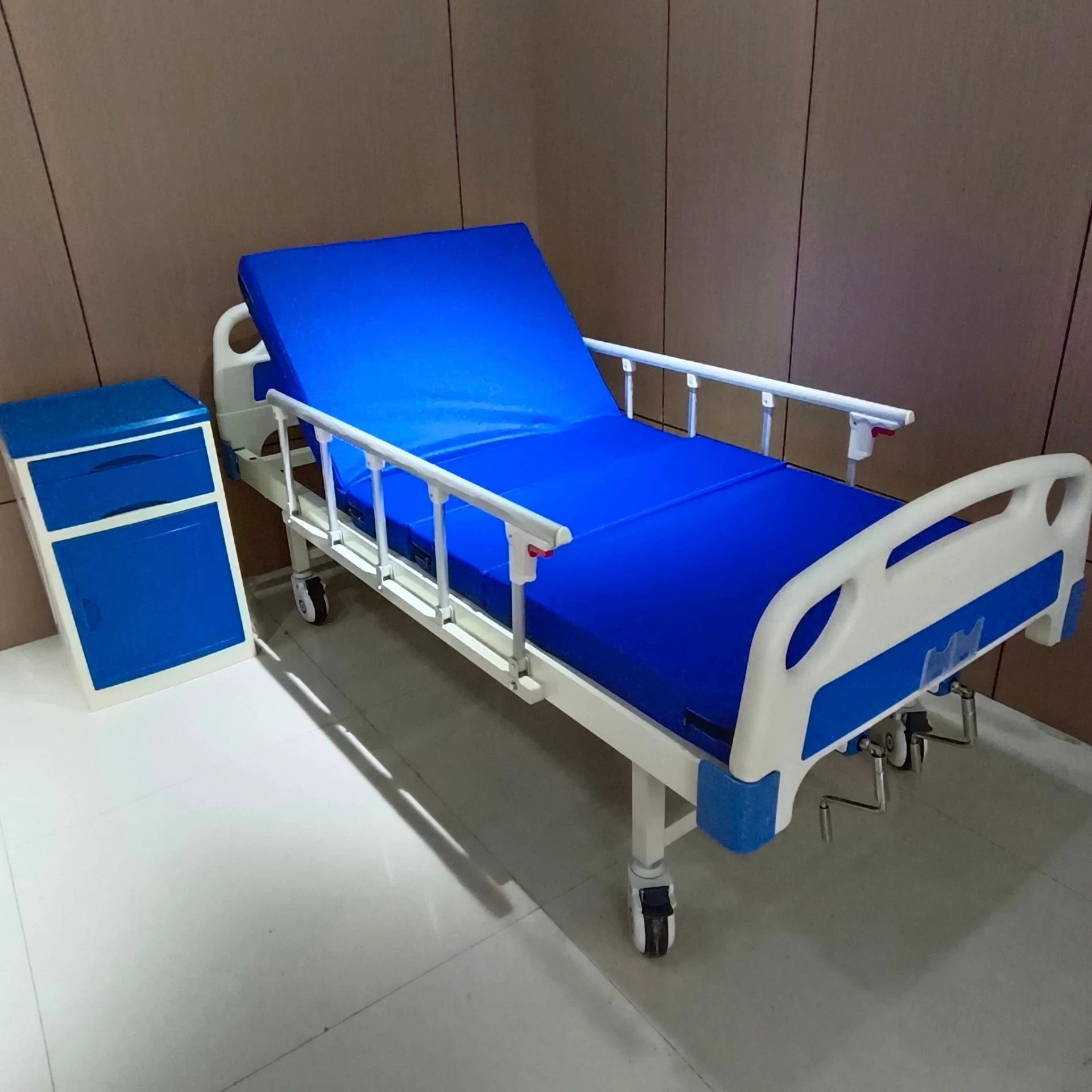
So, what exactly is small hospital bed size? It typically refers to beds designed with a reduced footprint compared to standard hospital beds, often tailored to fit compact rooms or specialized care settings. Standard adult hospital beds generally measure around 36 inches wide and 80 inches long. In contrast, smaller beds might be as narrow as 30 inches wide and shorter in length — roughly 72 to 75 inches — without compromising function.
This clever optimization is about more than just numbers. It integrates modern design thinking where beds are adaptable, mobile, and easier to clean or maintain. This connects strongly with the rising emphasis on personalized medicine and scalable healthcare facilities.
Mini takeaway: small hospital bed size covers both physical dimensions and the flexible qualities needed in today’s dynamic care environments.
Key Factors in Small Hospital Bed Design
Durability and Material Choice
Compact beds must hold up under repeated use with limited mechanical parts due to their smaller frames. High-grade steel and corrosion-resistant coatings from medical-grade aluminum alloys dominate, balancing toughness with manageable weight.
Ergonomics and Patient Comfort
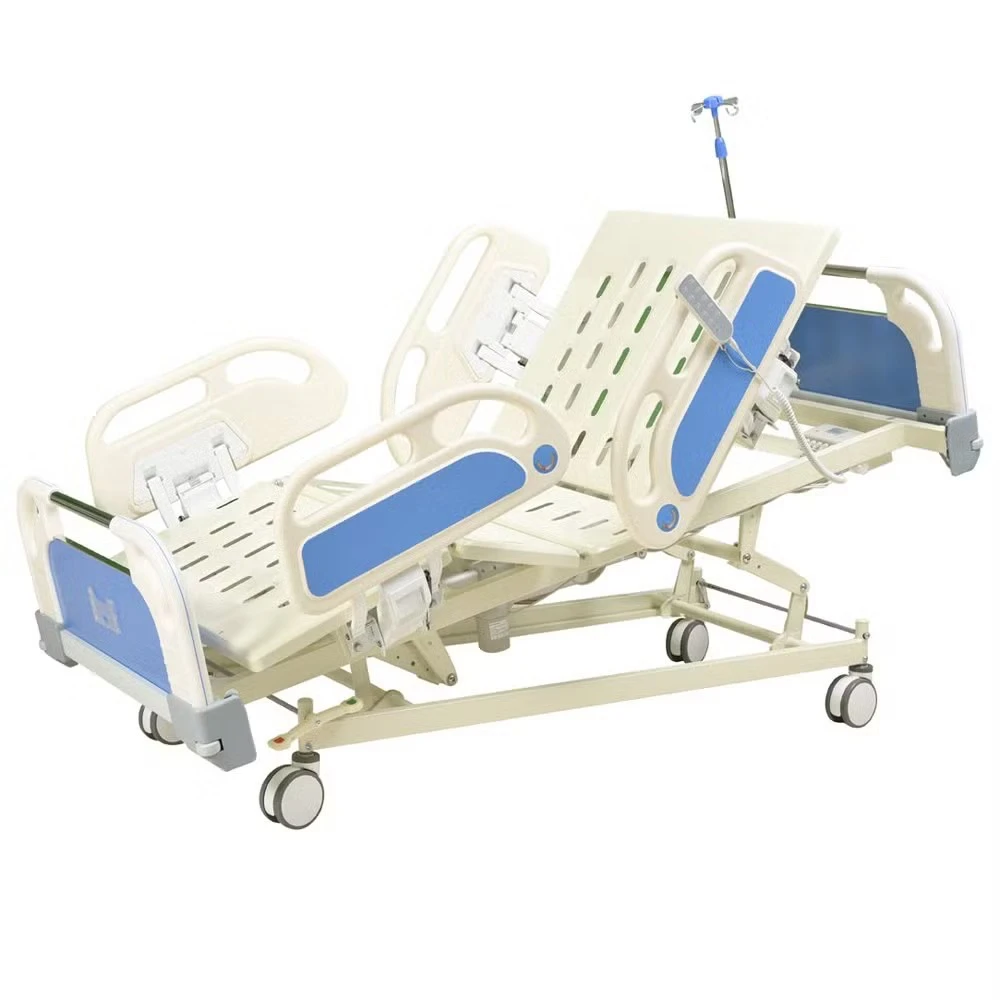
Patients might be smaller, but their comfort demands the same attention. Small beds usually have adjustable backrests, side rails, and pressure-relieving mattresses designed to fit the smaller frame, ensuring dignity is upheld without sacrificing care quality.
Mobility and Scalability
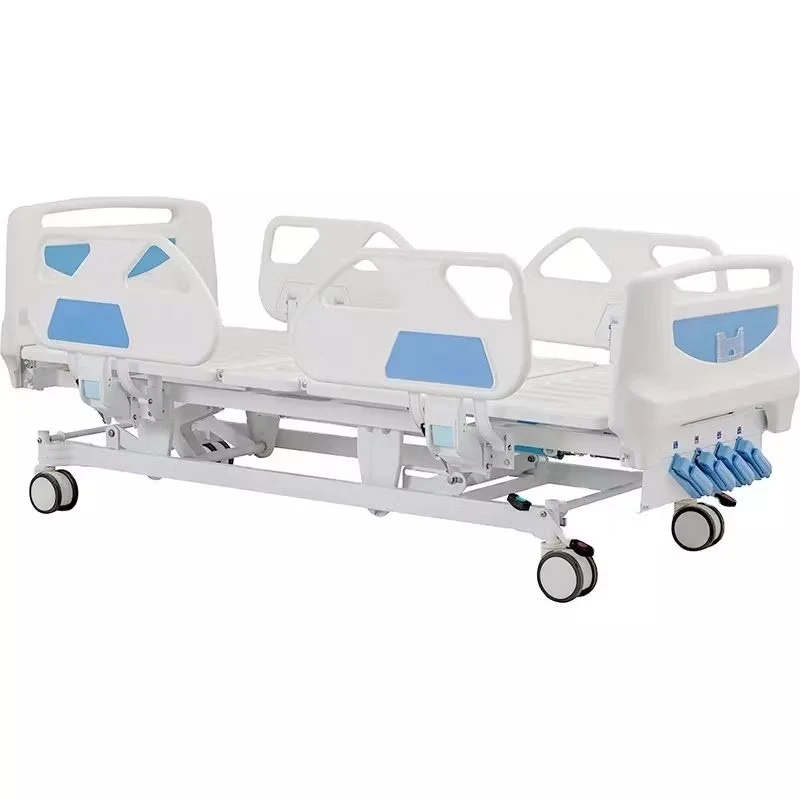
Think about field hospitals or emergency settings—beds need to be easily movable or collapsible. Smaller bed sizes allow for efficient transportation, often fitting in ambulances or mobile units where space is premium.
Cost Efficiency
Smaller sizes mean less material and lower shipping costs, but manufacturers need to strike a balance to avoid sacrificing function for price. Many hospitals appreciate beds that don’t break the bank yet deliver on safety and durability.
Compliance and Safety Standards
Small hospital beds must pass rigorous standards like ISO 60601-2-52, ensuring they’re safe, electrically sound, and suitable for appropriate medical equipment attachments.
Mini takeaway: the nuances of design — from how durable material is to how relatable the ergonomics feel — can make all the difference in a small hospital bed’s performance and acceptance.
Global Applications & Real-World Use Cases
In Asia’s dense urban hospitals, where space costs per square meter can be daunting, smaller beds enable an extra patient bed in each ward without compromising walkways or emergency access. In remote areas like the Australian Outback or sub-Saharan Africa, compact beds optimize transport to hard-to-reach places via light aircraft or over rugged terrain.
Post-disaster relief efforts offer some of the most compelling use cases. For example, after the 2010 Haiti earthquake, many NGOs rapidly deployed small-sized modular beds to temporary medical tents, allowing many more patients to be treated with limited space and resources.
Even industrial settings, such as offshore oil rigs or mining camps, rely on compact hospital beds to deliver emergency care without dedicating oversized footprint areas that would otherwise be unusable.
Mini takeaway: small hospital bed size impacts a wide range of sectors, proving their design flexibility and critical role in addressing diverse healthcare needs.
Advantages and Long-Term Value
- Cost Savings: Less material use lowers upfront and maintenance costs.
- Space Optimization: Fits more beds safely in confined spaces.
- Sustainability: Smaller beds mean smaller environmental footprints, especially when paired with recyclable materials.
- Improved Patient Outcomes: Ergonomics and safety features built into compact beds enhance comfort and reduce risks like falls or pressure ulcers.
- Emotional Well-being: Patients feel respected when beds feel designed specifically for their environment and size.
There’s an often overlooked emotional dimension here: smaller hospital beds, when done right, foster a sense of trust and dignity. Unlike “one-size-fits-all” relics, these beds say, “You matter.”
Mini takeaway: the value of small hospital beds goes beyond dollars; it affects patient dignity, operational efficiency, and sustainability, all wrapped in one.
Product Specification Table: Typical Small Hospital Bed
| Feature | Specification / Range |
|---|---|
| Dimensions (W x L) | 30" x 72" to 32" x 75" |
| Height Adjustability | 16" to 24" hydraulic/electric |
| Weight Capacity | Up to 350 lbs (160 kg) |
| Mattress Type | Pressure-relief foam or air mattress option |
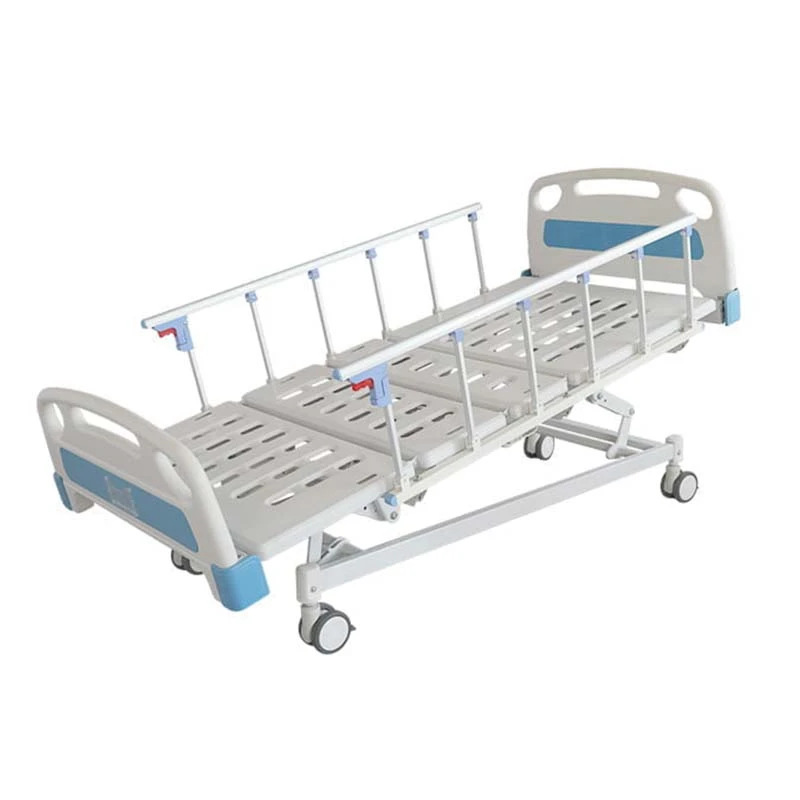
| Side Rails | Foldable, removable |
| Material | Steel frame with powder coating |
| Mobility | Locking casters |
Vendor Comparison: Leading Small Hospital Bed Manufacturers
| Brand | Size Range (WxL) | Price Range (USD) | Key Features | Best For |
|---|---|---|---|---|
| MedLite Compact | 30" x 72" | $1,100 - $1,500 | Electric height, foldable rails | Urban hospitals, mobile clinics |
| CareFlex Petite | 31" x 75" | $1,300 - $1,700 | Lightweight frame, anti-microbial treatment | Elderly care, long-term facilities |
| HealthMax Mini | 32" x 73" | $1,000 - $1,400 | Manual controls, removable side guards | Disaster relief, pop-up clinics |
Next-Gen Trends in Small Hospital Bed Size & Design
Innovation in this area is quietly booming. Sustainable materials like bamboo composites and recycled polymers are starting to enter bed frame production, a nod to global emissions reduction goals. Digital transformation hasn’t skipped beds either: smart beds equipped with sensors for vital signs monitoring, fall detection, and even patient repositioning schedules are making waves.
Automation is also playing a part, with beds that self-adjust to optimize pressure relief without staff intervention. And, let’s not forget modular designs that transform quickly between adult and pediatric sizes — a clever solution hospitals love.
Finally, greener manufacturing processes and extended product lifecycle programs align with sustainability, an increasingly non-negotiable factor in procurement decisions worldwide.
Mini takeaway: digital and eco-friendly disruptions make small hospital beds more adaptive, safer, and environmentally smarter.
Challenges and How To Overcome Them
Making smaller beds isn’t a free pass to cut corners on safety or quality. Some challenges include:
- Weight Limits: Compact beds sometimes struggle to accommodate heavier patients — a design hurdle demanding reinforced frames without bulk.
- Comfort Compromises: Ergonomics can suffer if the bed is too narrow for a patient’s mobility needs.
- Cost vs. Quality: Finding a balance between affordability and durability remains a tough industry nut to crack.
Experts suggest integrated design thinking, involving clinicians and engineers simultaneously, works best. Also, customizable components allow adaptation for specific patient demographics, squeezing maximum value from smaller footprints.
FAQ: Answering Your Top Questions About Small Hospital Bed Size
Q1: What is the ideal small hospital bed size for pediatric wards?
A1: Pediatric wards typically require beds between 24" to 30" wide and 60" to 70" long, smaller than adult sizes but still providing room for medical devices and caregiver access. These dimensions help save space while catering to children’s smaller body sizes.
Q2: Can small hospital beds support patients with mobility impairments?
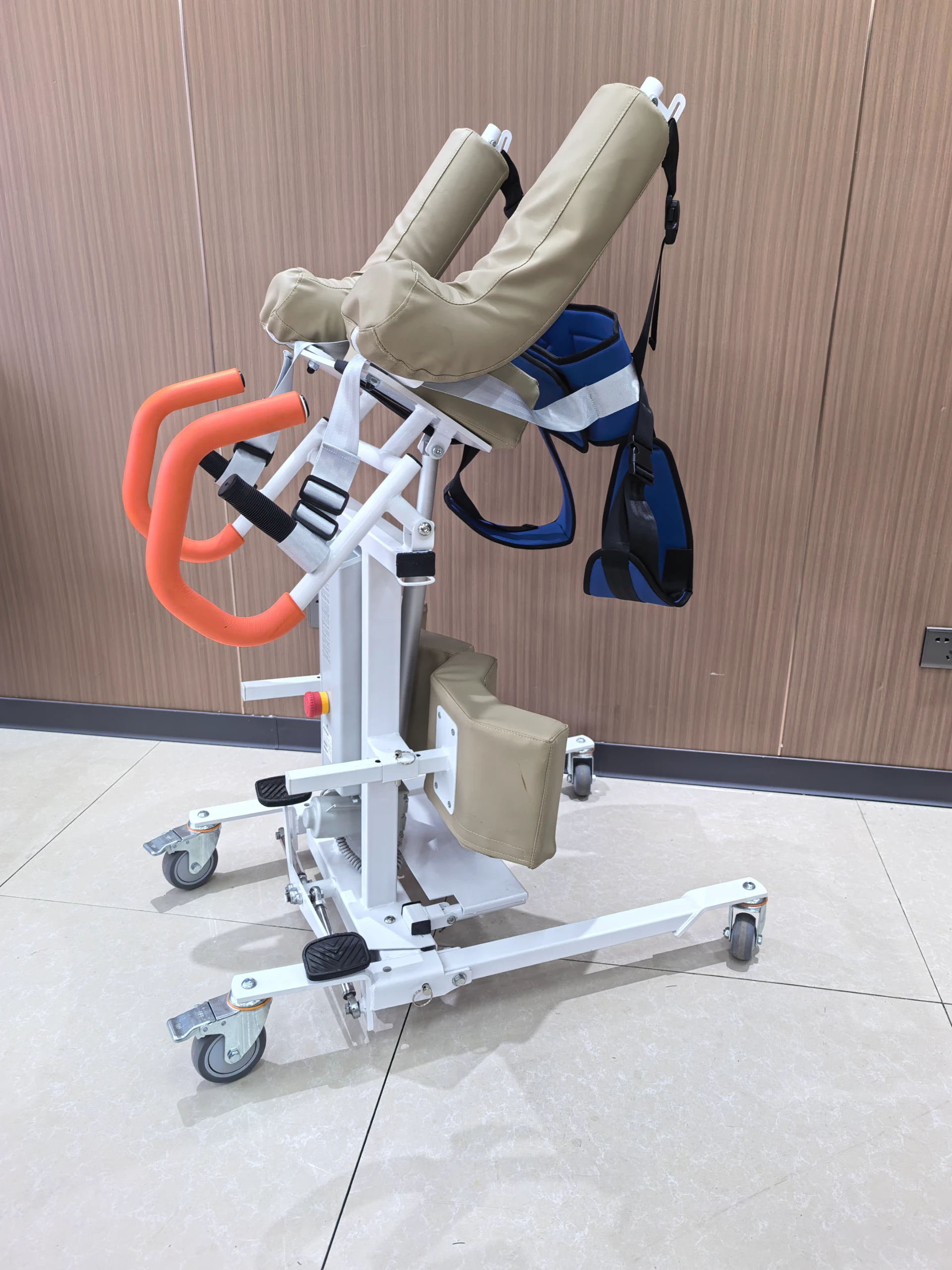
A2: Yes, many small hospital beds come equipped with adjustable height and side rails to enhance patient safety. Manufacturers also design wider models within the smaller footprint category to accommodate mobility devices like walkers.
Q3: How do small hospital beds affect hospital cleaning protocols?
A3: Smaller bed sizes often mean fewer crevices and smaller surfaces, potentially simplifying cleaning tasks. Materials used—like powder-coated steel or antimicrobial fabrics—also help hospitals maintain hygiene and infection control standards.
Q4: Are small hospital beds compatible with standard medical equipment?
A4: Most are designed to integrate with standard IV poles, ventilators, and monitoring devices. However, always verify equipment compatibility to ensure no compromises in patient care.
Q5: Where can I source reliable small hospital beds?
A5: Trusted manufacturers often provide customizable options and comply with international standards. Check reviews, warranties, and after-sales support. Visiting our website can be a helpful start.
Closing Thoughts
The humble small hospital bed size issue might seem technical and behind-the-scenes, but its impact is wide-reaching—from patient dignity and safety to operational efficiency and sustainability. As the world’s needs evolve, so too must these foundational healthcare products.
Interested in exploring the perfect small hospital bed for your facility or project? Visit https://www.zhaofamed.com for detailed models, expert guides, and tailored recommendations.
In the end, a well-sized bed isn’t just furniture—it’s a vital partner in care.